


Parents Guide to Play | Play & Parenting Journal

Stacking Towers vs. Rainbow Stackers: Which Is Right for Your Child's Age?
Stacking towers and rainbow stackers build different skills at different ages. This age-by-age guide helps parents choose the right toy for their child's developmental stage, grounded in early childhood education expertise and current research.

7 Questions an Educator Asks Before Adding a Toy to the Playroom
An early childhood educator shares the seven questions she asks before any toy earns a spot in the playroom, covering the active-versus-passive play test, developmental longevity, safety standards, and the power of open-ended play.
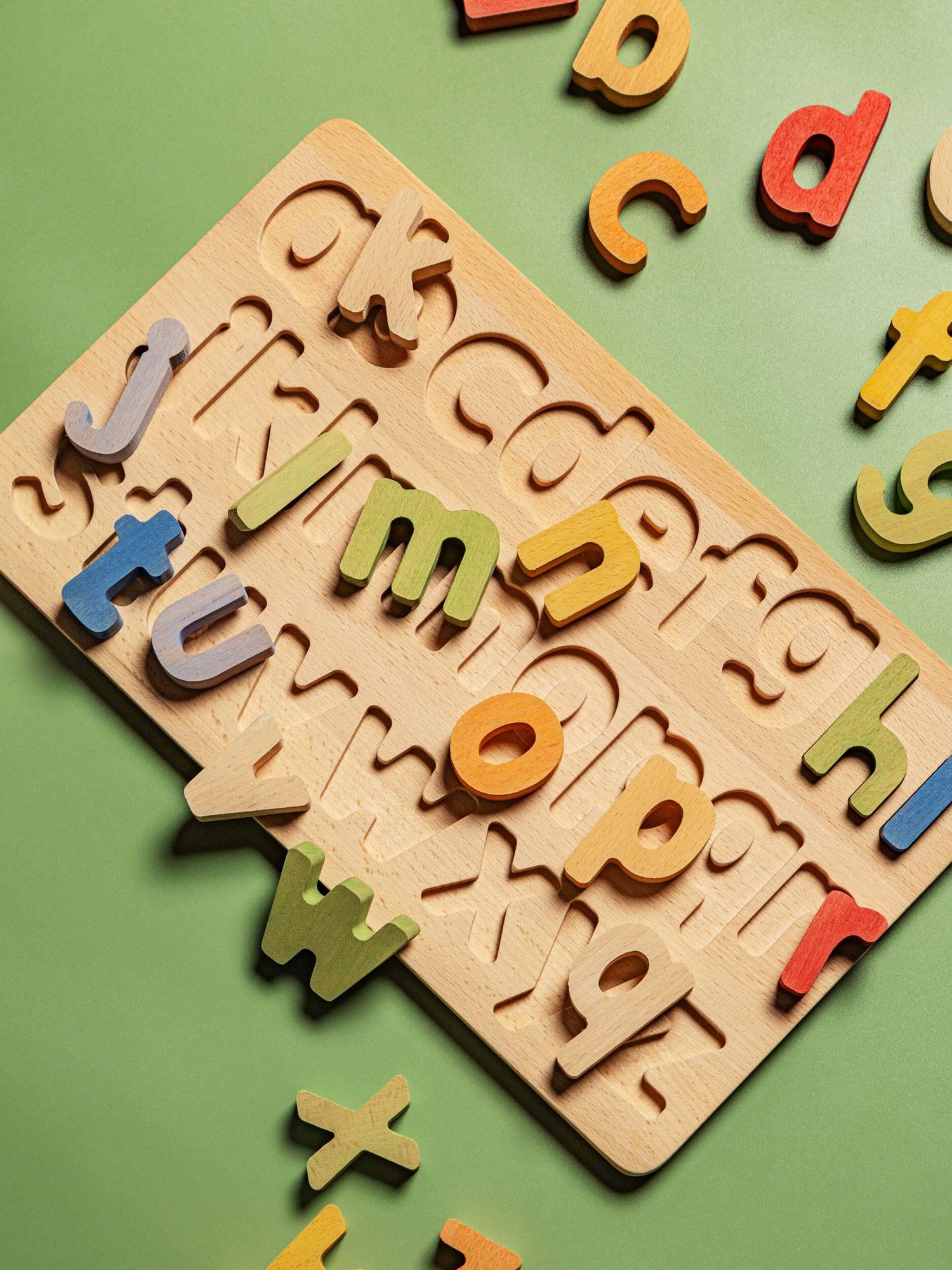
How Alphabet Puzzles Build Pre-Literacy Skills in Toddlers
Research shows that alphabet knowledge is one of the strongest predictors of later reading ability. Discover how tactile alphabet puzzles build pre-literacy skills, fine motor development, and phonological awareness during the critical toddler years.

Best Toys for 3 Year Olds That Encourage Creativity & Independent Play
The best toys for 3 year olds don’t need to be loud or complicated—just thoughtfully designed to grow with your child.
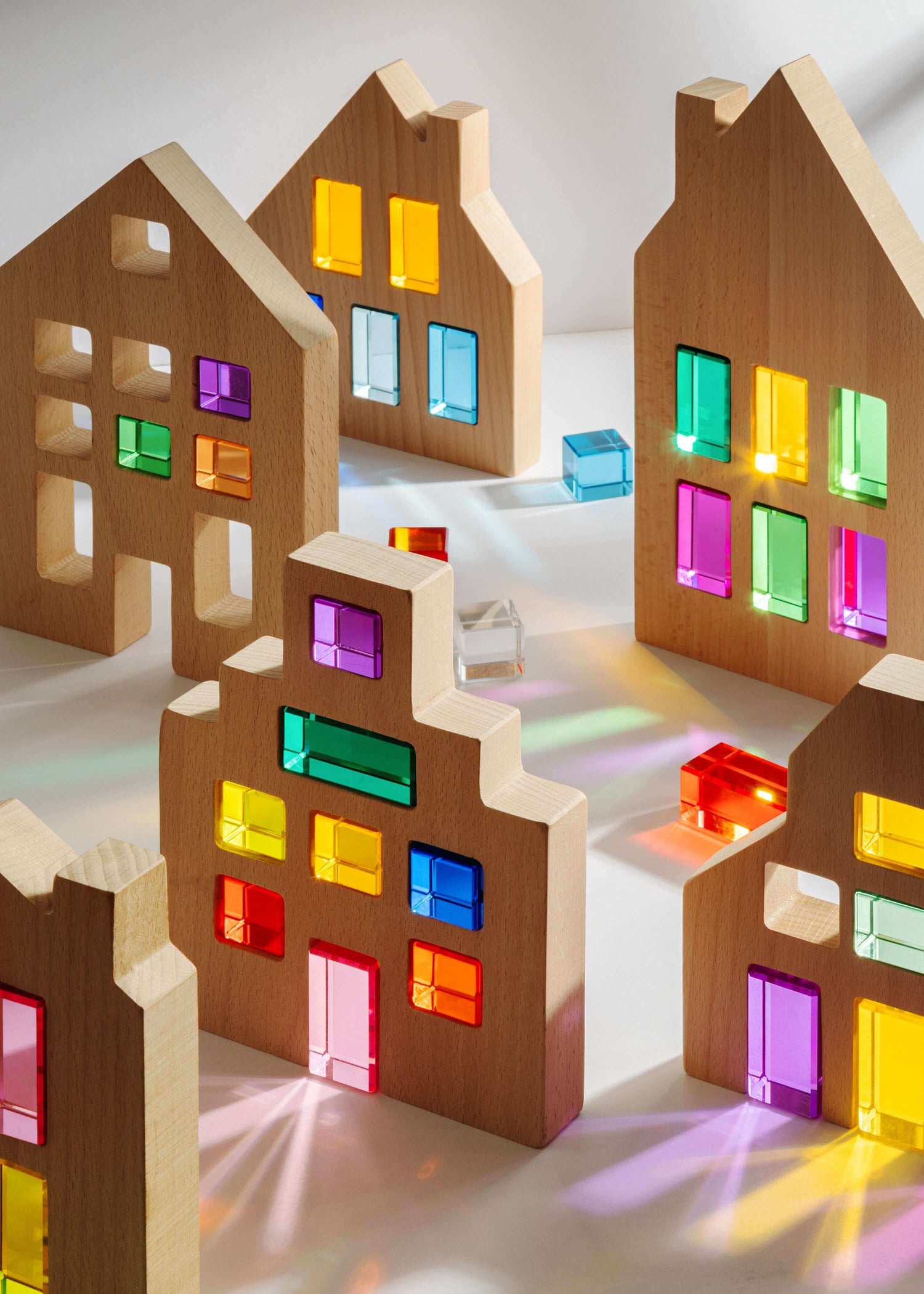
Montessori Toys for Toddlers: What Actually Matters (And What Doesn’t)
Choosing Montessori toys for toddlers doesn’t have to be overwhelming. Here’s what actually matters—and what you can ignore.
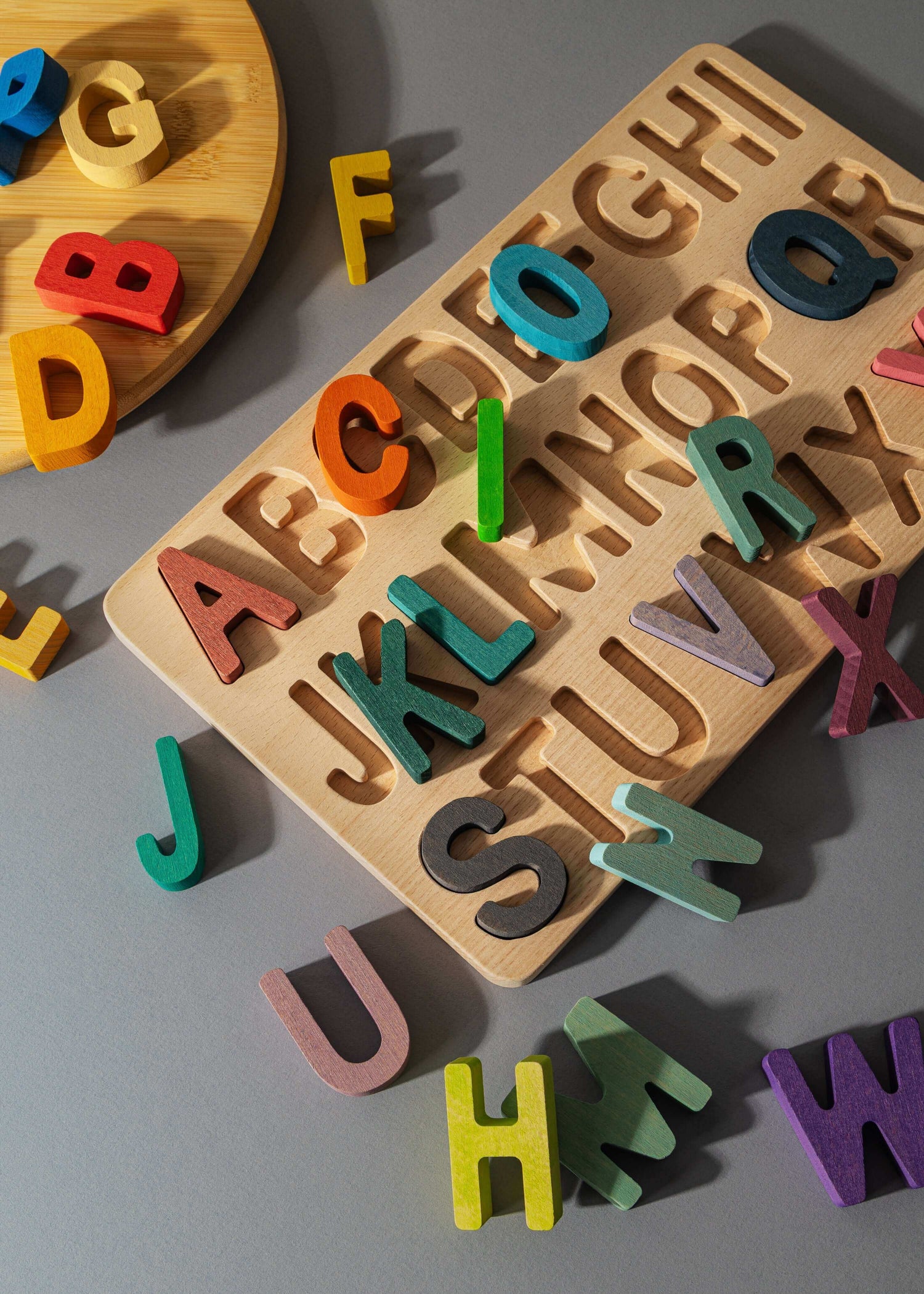
Early Literacy Through Play: How Language & Phonics Grow Naturally
Early literacy through play helps children build language, storytelling, and communication skills long before they begin reading. Discover how everyday play experiences support early literacy development.
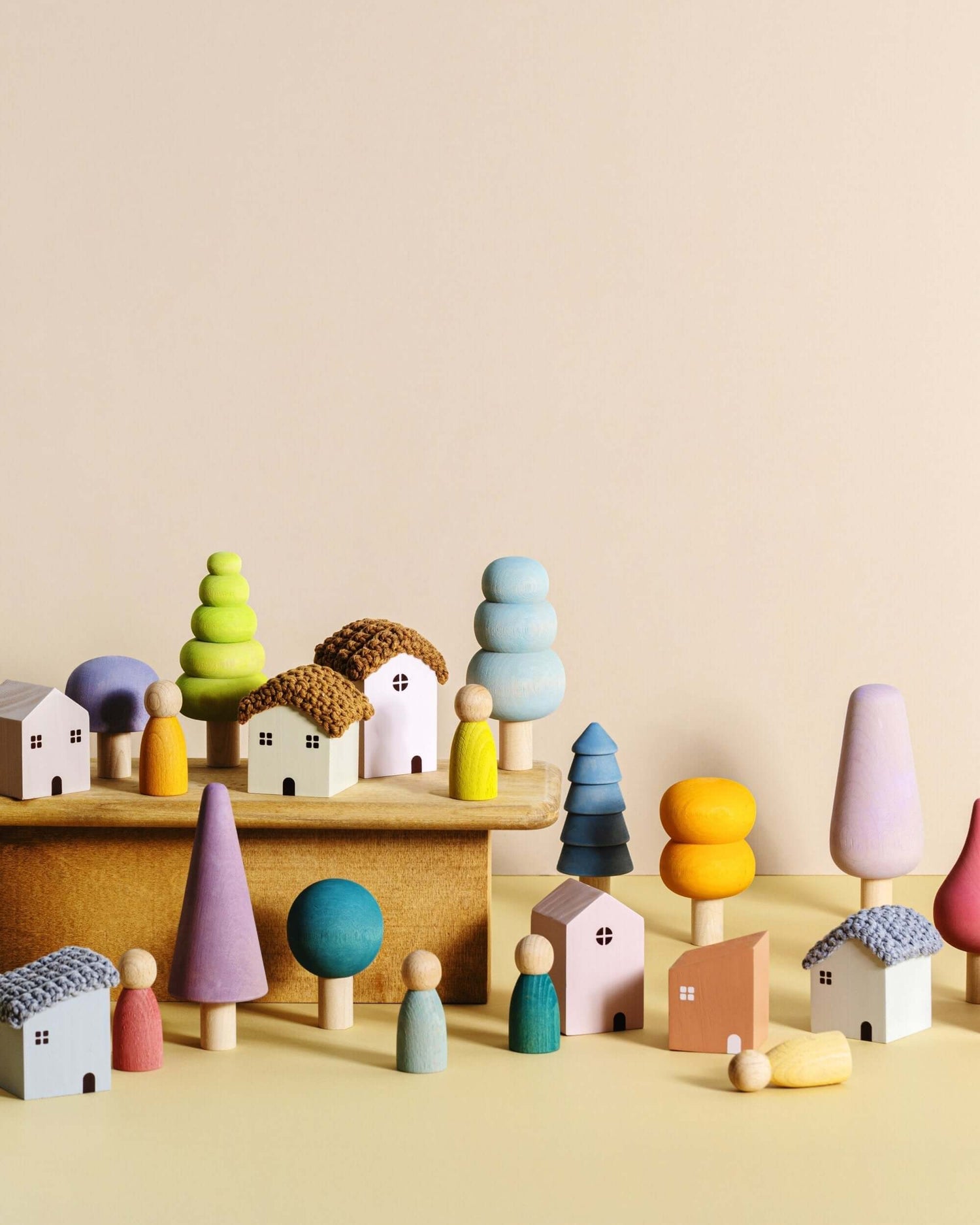
The Benefits of Small World Play: Why Imaginative Play Matters
Small world play allows children to create miniature worlds that inspire storytelling, creativity, and social learning. Discover how this form of imaginative play supports child development.

Sensory Play: Why Children Need Hands-On Experiences to Learn
Sensory play helps children learn through hands-on exploration, curiosity, and discovery. In this guide, we explore why sensory play is essential for development and how simple activities can support learning through play.

Why Fewer Toys Create Deeper Play
Research shows that fewer toys create deeper play, stronger focus, and greater creativity. Discover why a simpler play environment can support richer learning and imagination.
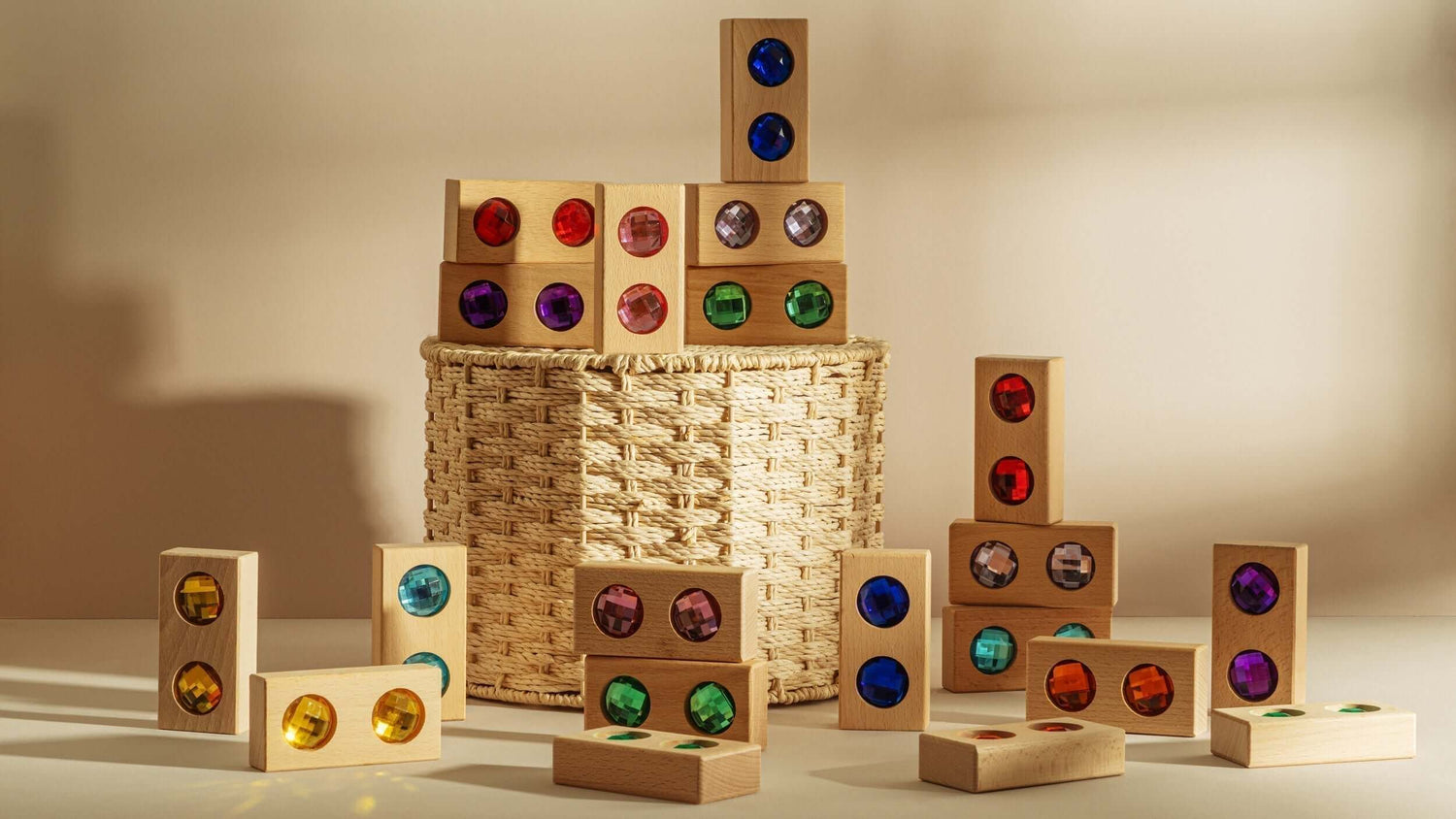
The Best Open-Ended Toys for Toddlers (That Grow With Your Child)
Open-ended toys for toddlers encourage creativity, independence, and meaningful learning through play. Discover the best open-ended toys that grow with your child and support early development.
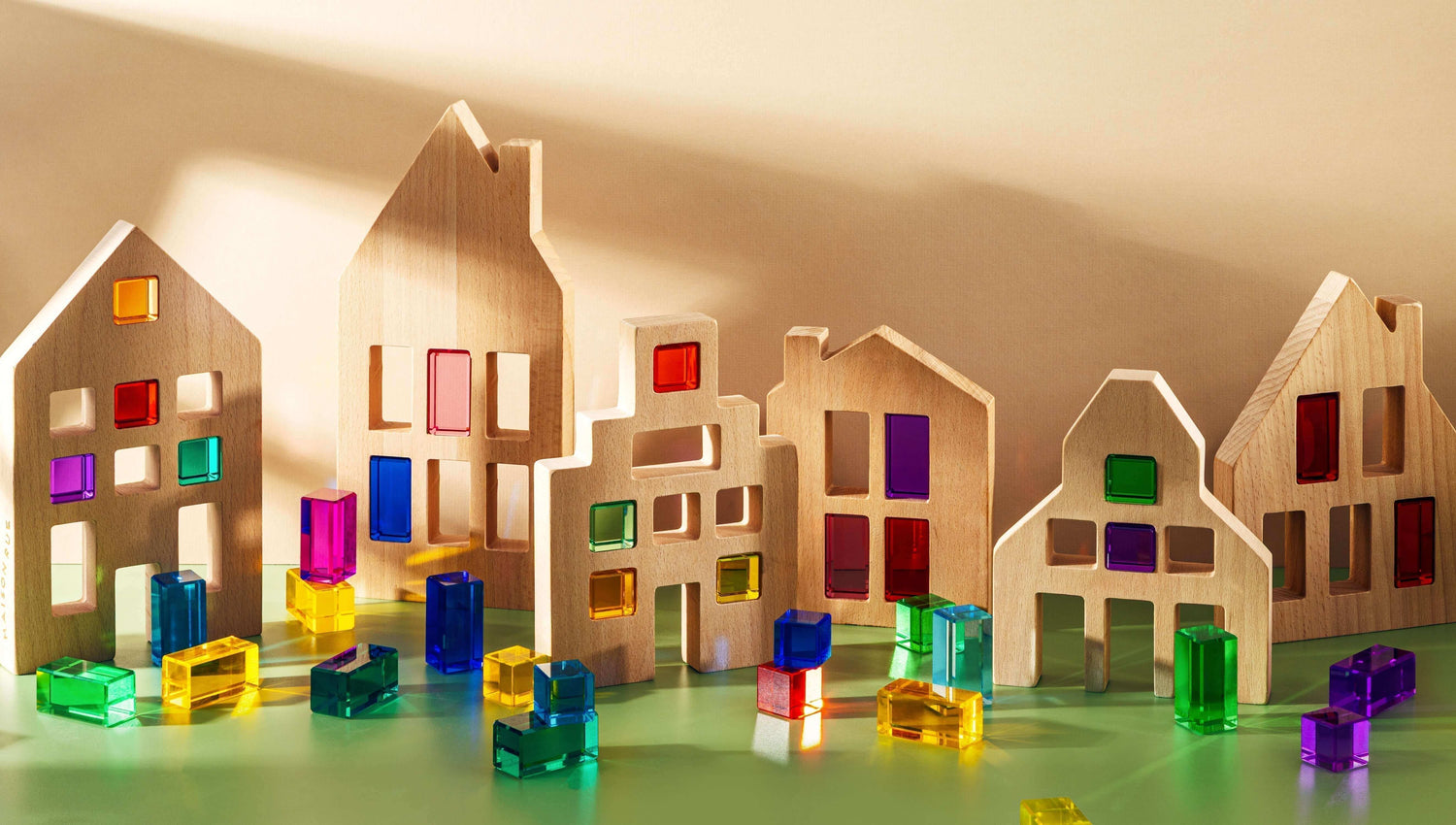
What Are Open-Ended Toys? A Parent’s Guide to Meaningful Play
Open-ended toys encourage creativity, independence, and meaningful play at every age. In this guide, we explain what open-ended toys are, why they matter, and how they support learning from babyhood through early childhood.