
Introduction
We know that fewer toys create deeper play but many parents still assume that giving children more toys will create more opportunities for play. However, research suggests the opposite may be true. When children are surrounded by too many toys, they often become distracted and move quickly from one object to another instead of engaging deeply with any single activity.
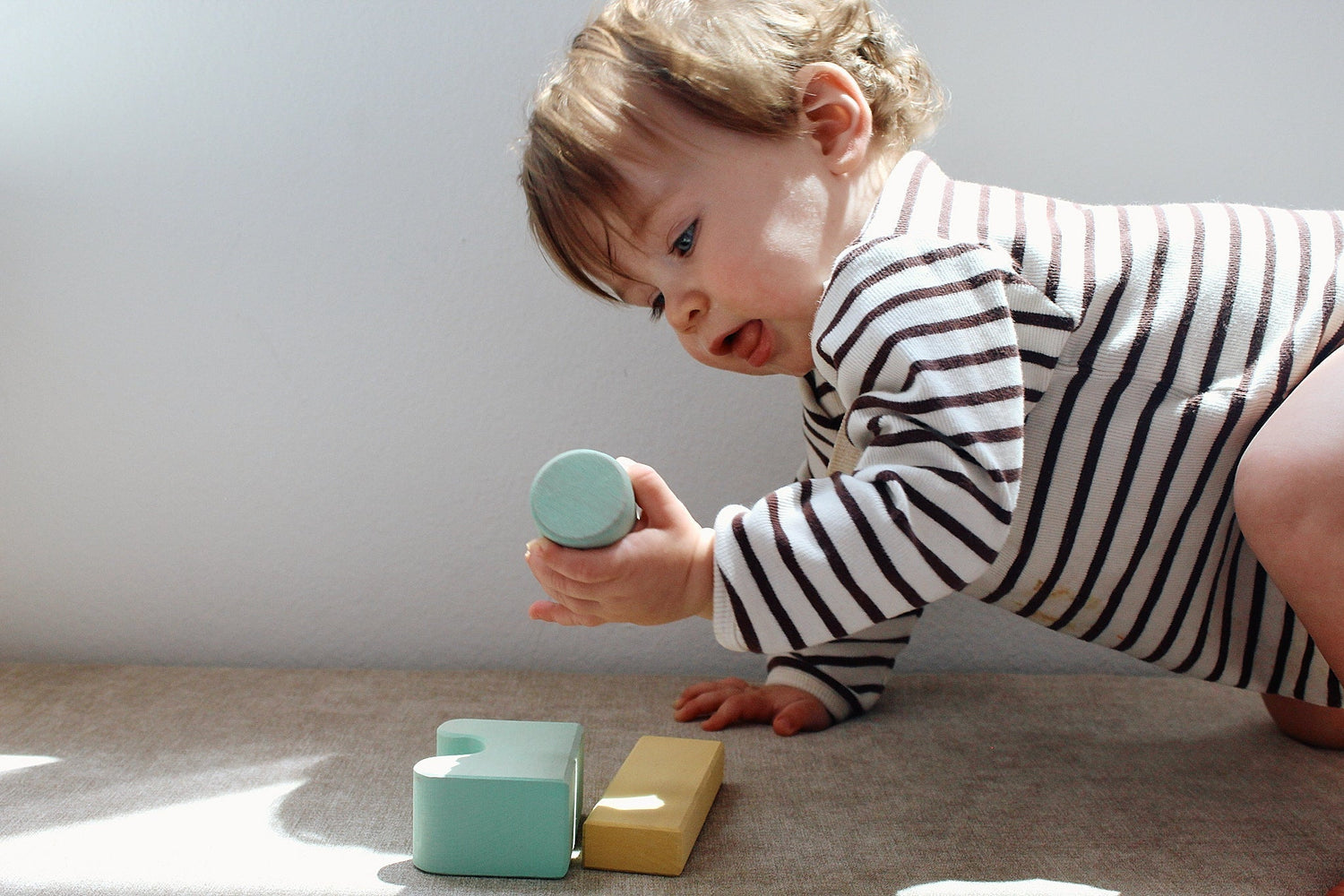
Studies have shown that children who play with fewer toys tend to stay focused longer and use the toys in more creative ways. In one well-known experiment, toddlers were given either four toys or sixteen toys during playtime. When fewer toys were available, the children played with each toy for longer periods and explored more creative ways to use them.
This research suggests that a simpler play environment may actually encourage richer and more imaginative play experiences.
The Problem With Too Many Toys
When children are surrounded by an excess of toys, play can become scattered and unfocused.
Too many options can:
Shorten attention spans
Encourage surface-level play
Overwhelm young children
Reduce creativity and problem-solving
Instead of settling into play, children bounce quickly from one toy to the next—rarely staying long enough to explore ideas fully.
Why Fewer Toys Encourage Better Play
When children have fewer toys available, something powerful happens.
They:
Engage longer with each toy
Explore more possibilities
Use imagination instead of instruction
Develop focus, patience, and independence
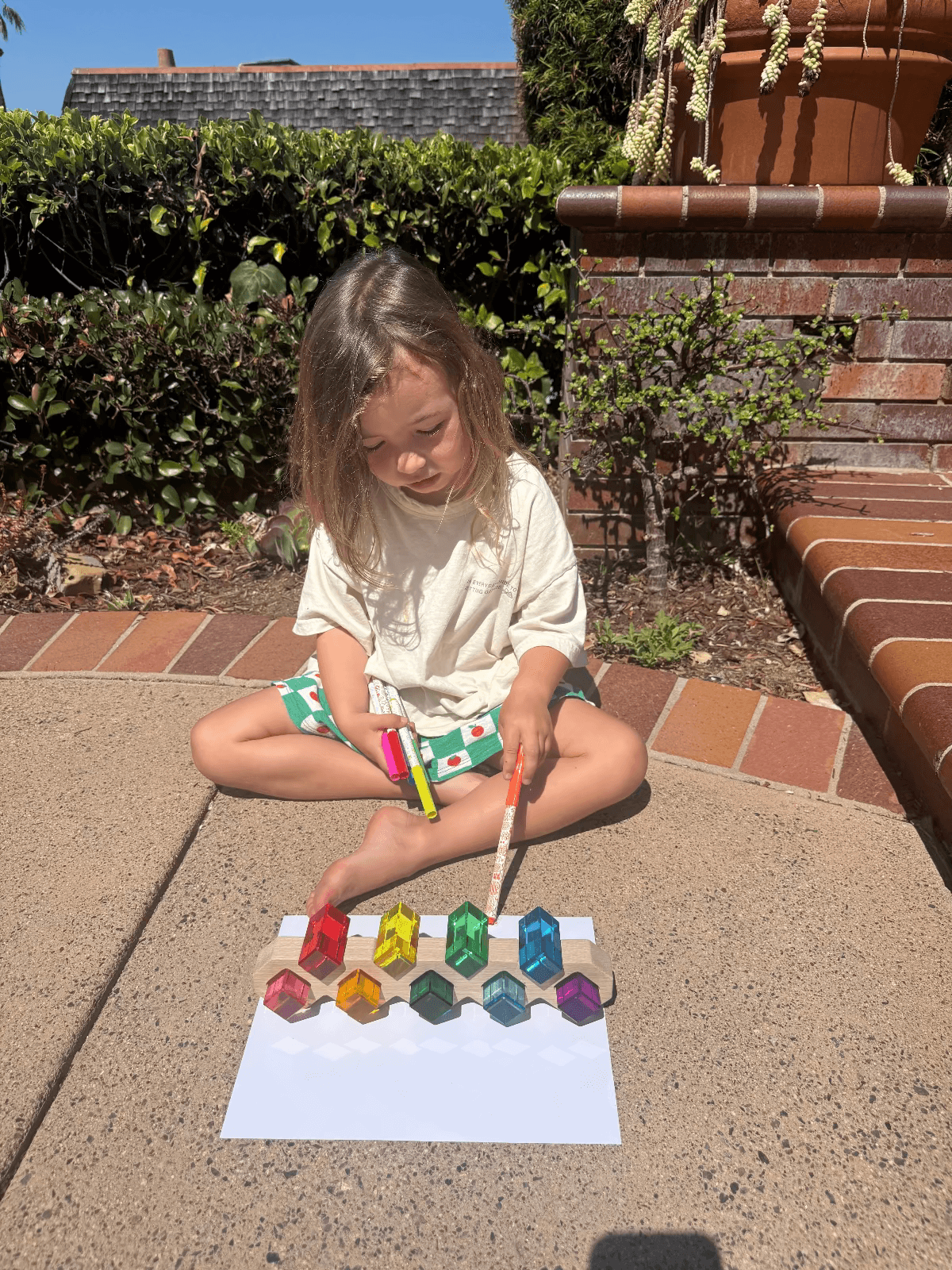
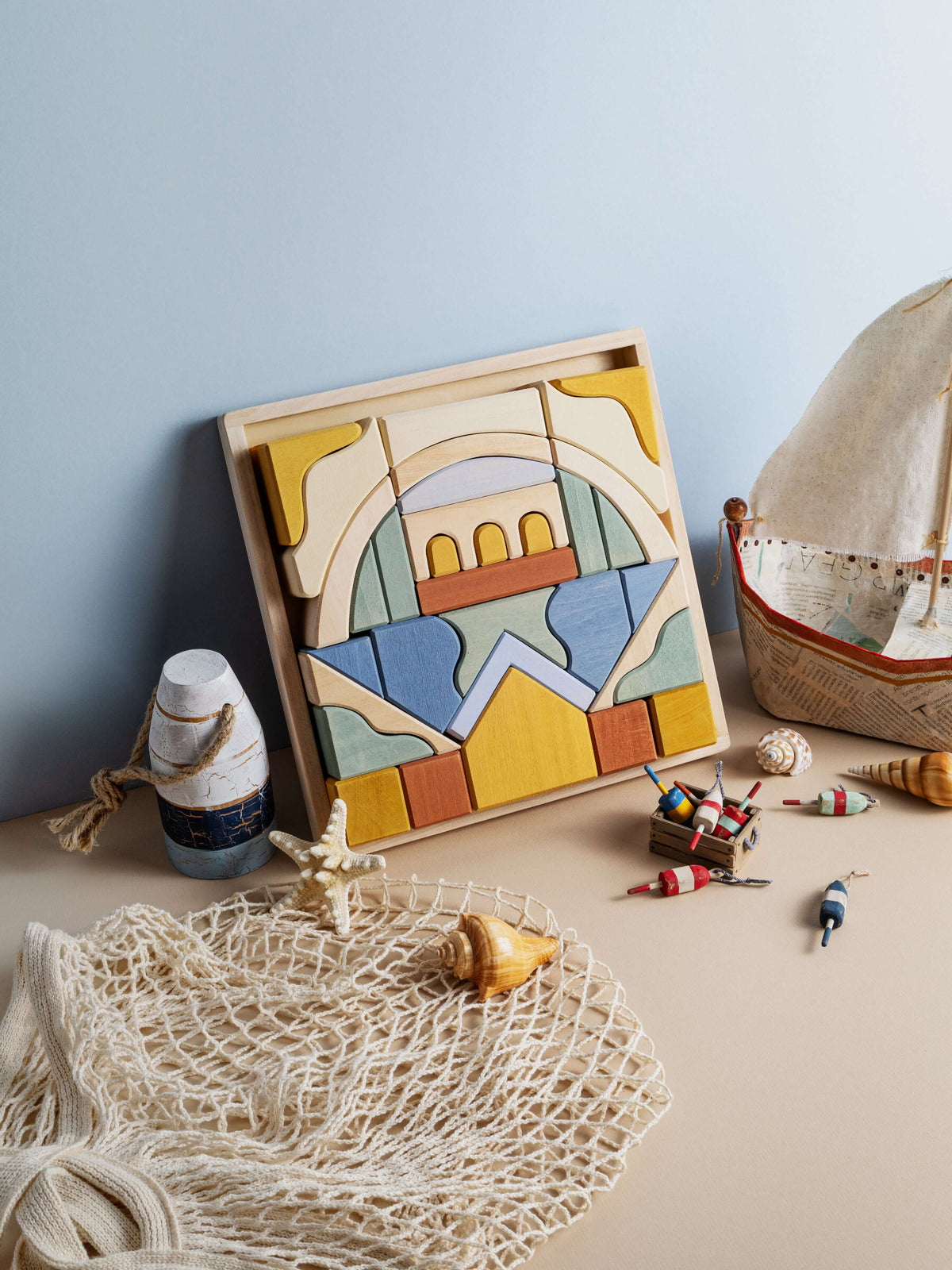
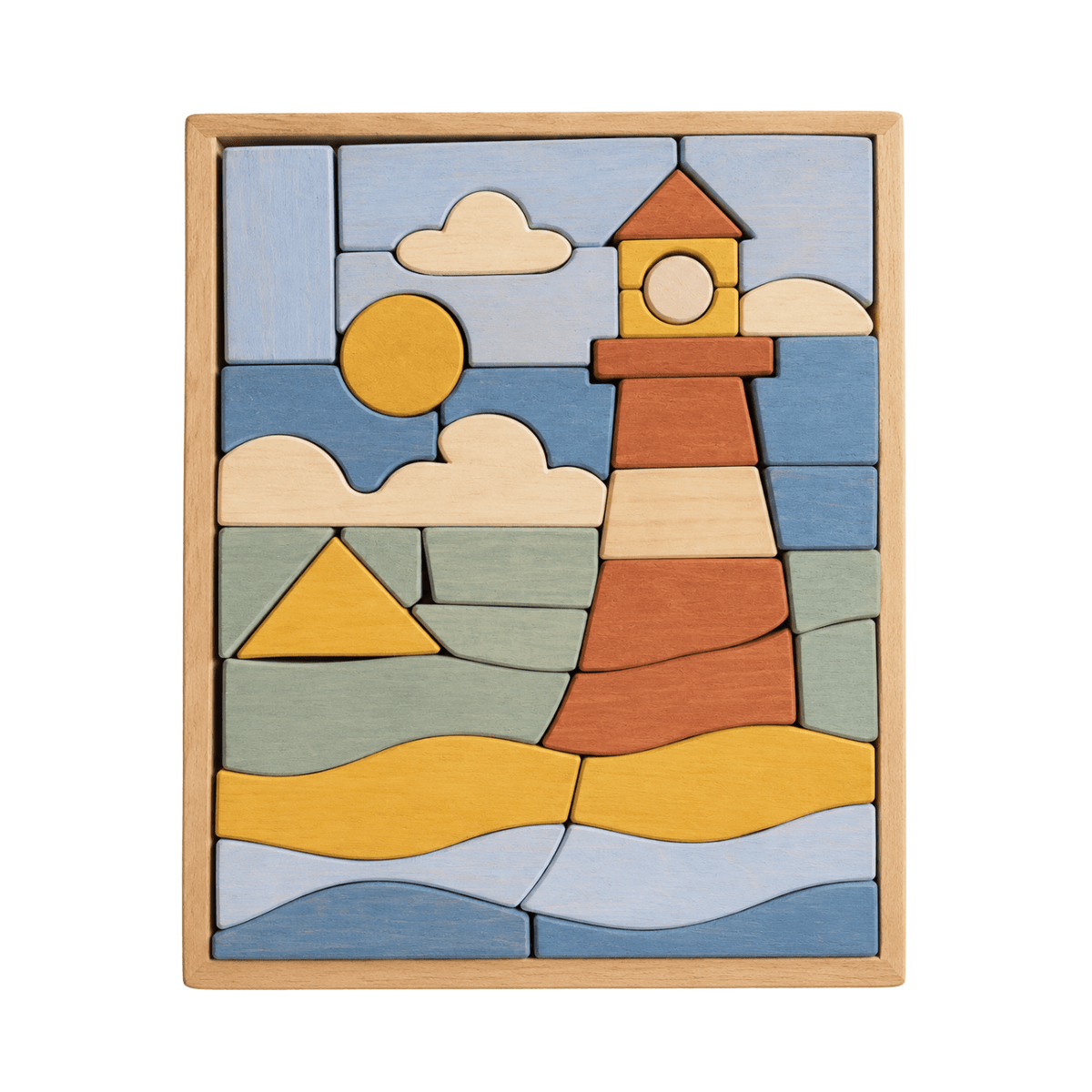
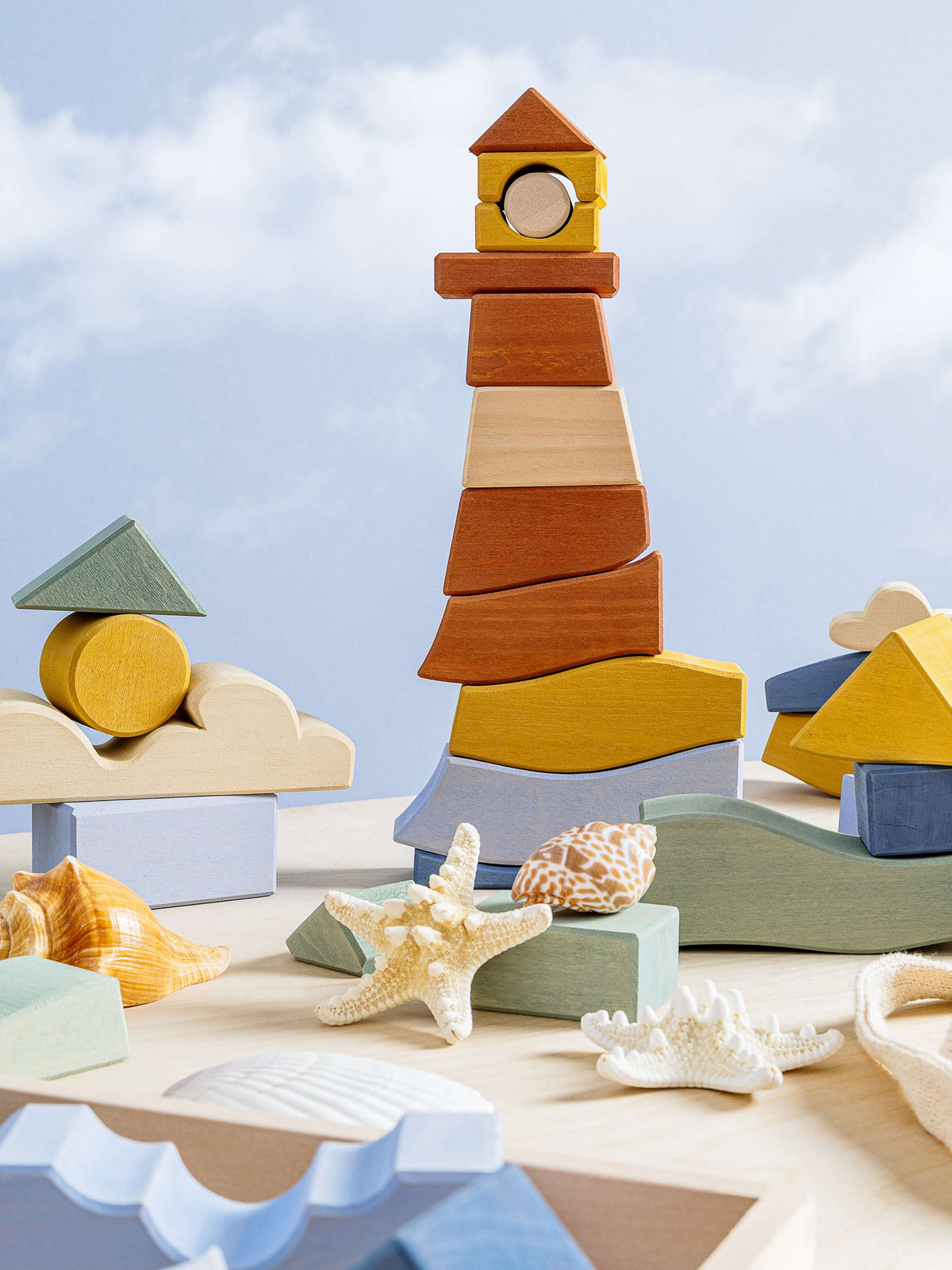
Open-ended toys are especially effective here because they don’t dictate a single outcome. One toy can become many things—over and over again.
This is especially true with open-ended toys, which allow children to explore endlessly—something we explain in detail in our guide on what open-ended toys are and why they matter.
Repetition Is How Children Learn
Children learn through repetition. When they return to the same materials day after day, they deepen their understanding.
With fewer toys:
Skills are practiced repeatedly
Confidence builds naturally
Mastery replaces novelty
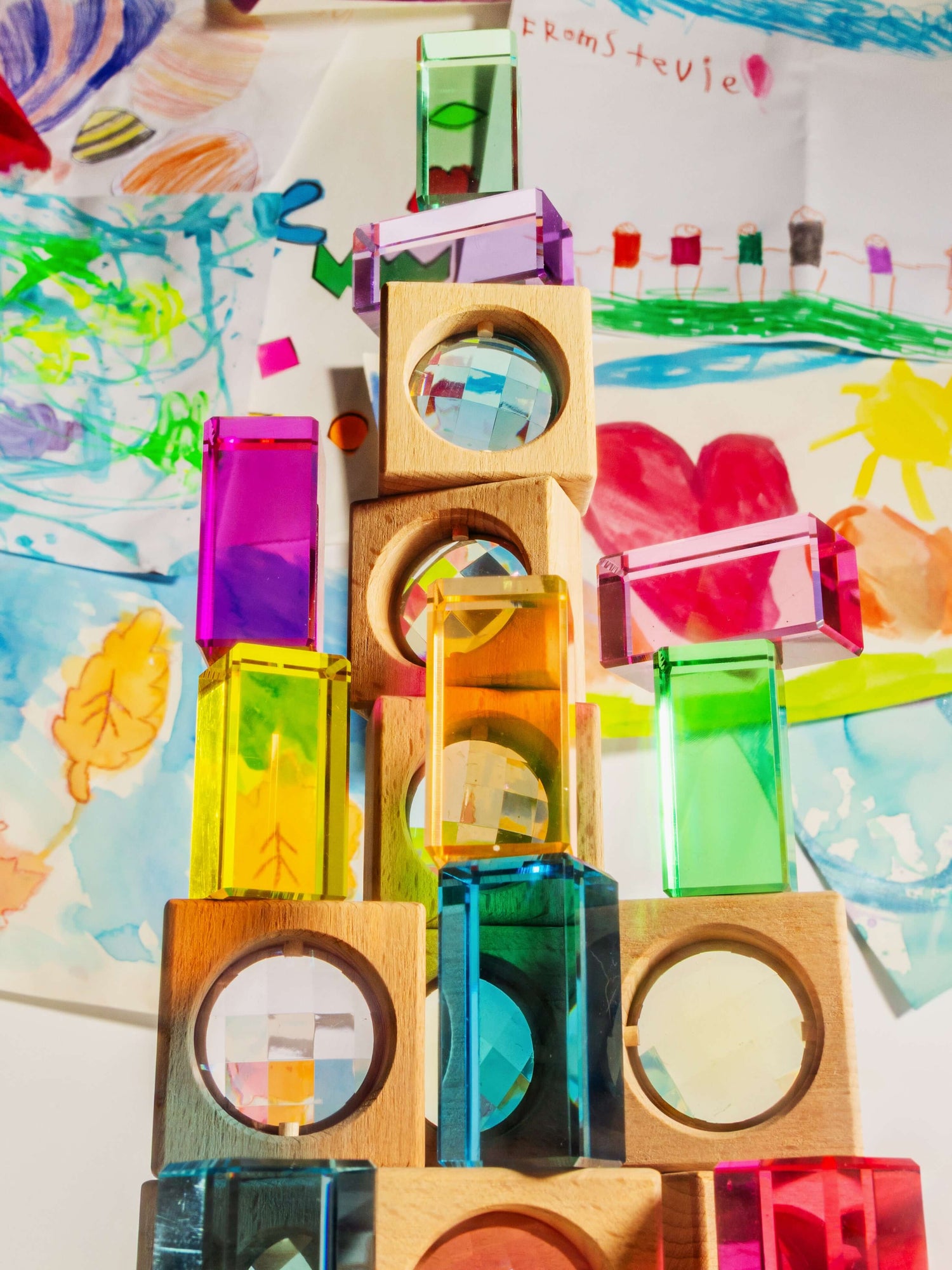
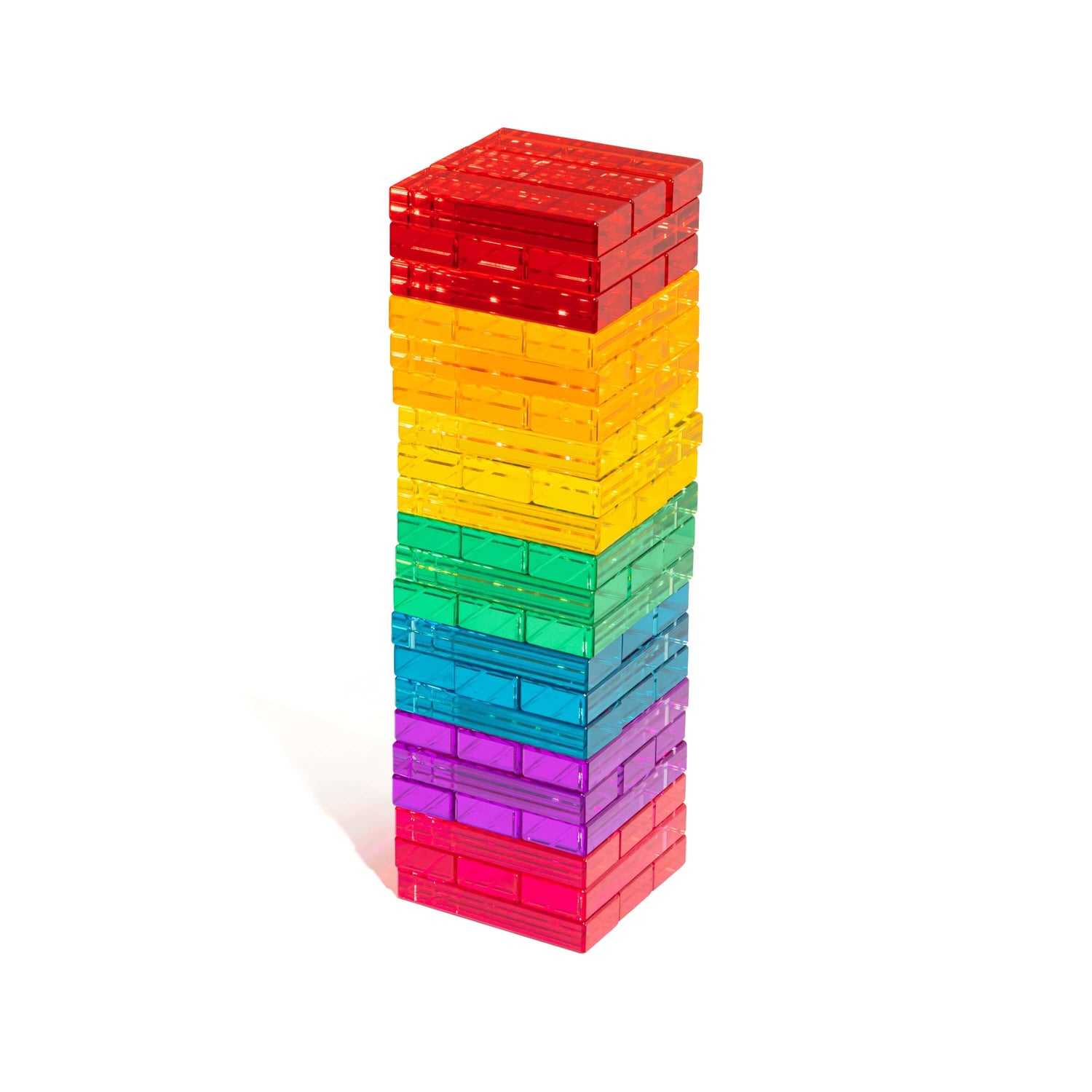
A child stacking the same blocks each day isn’t “doing the same thing”—they’re refining balance, experimenting with structure, and solving new problems each time.
How Open-Ended Toys Replace Many Single-Use Toys
Open-ended toys are uniquely suited to minimalist play environments.
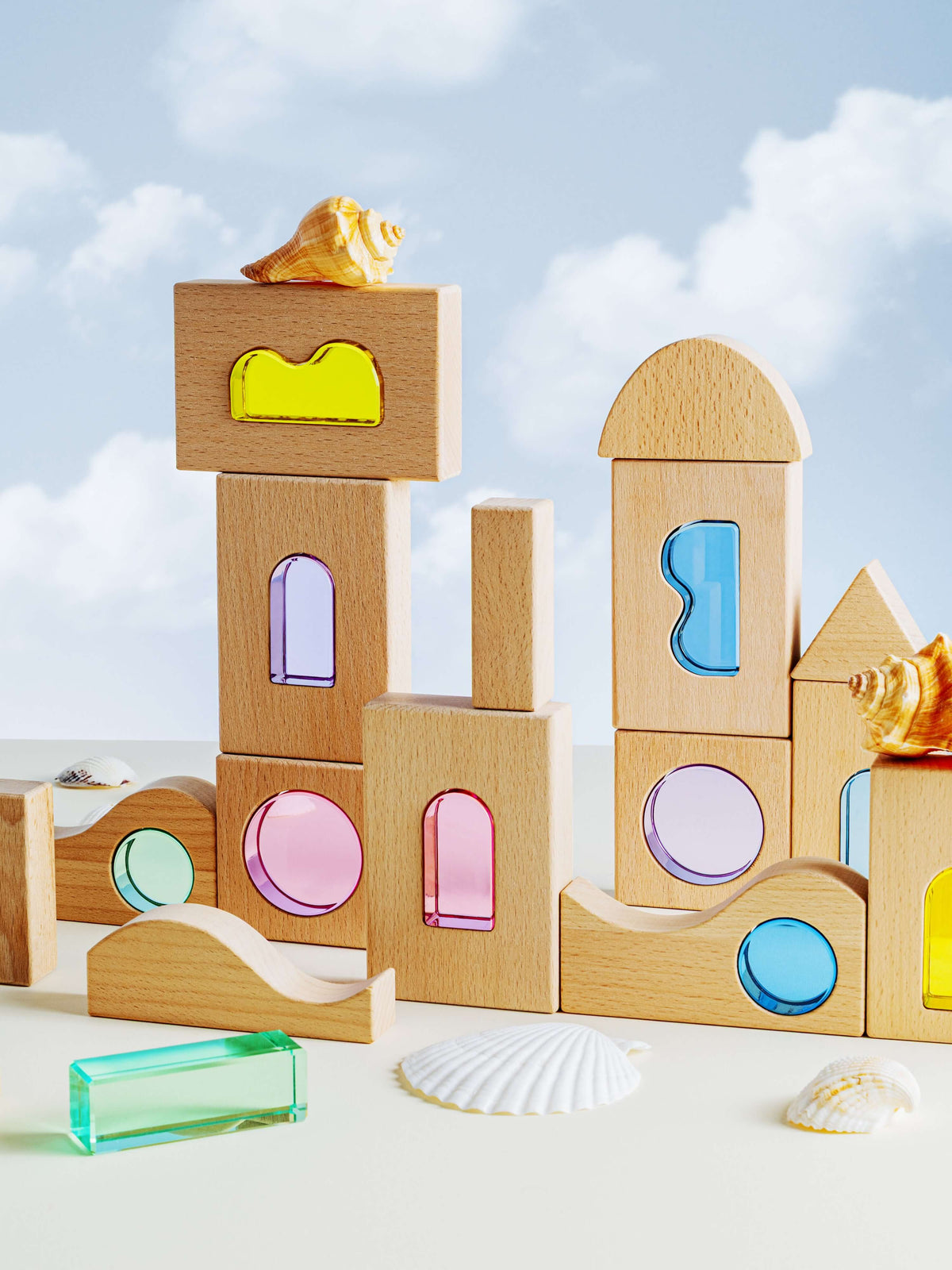
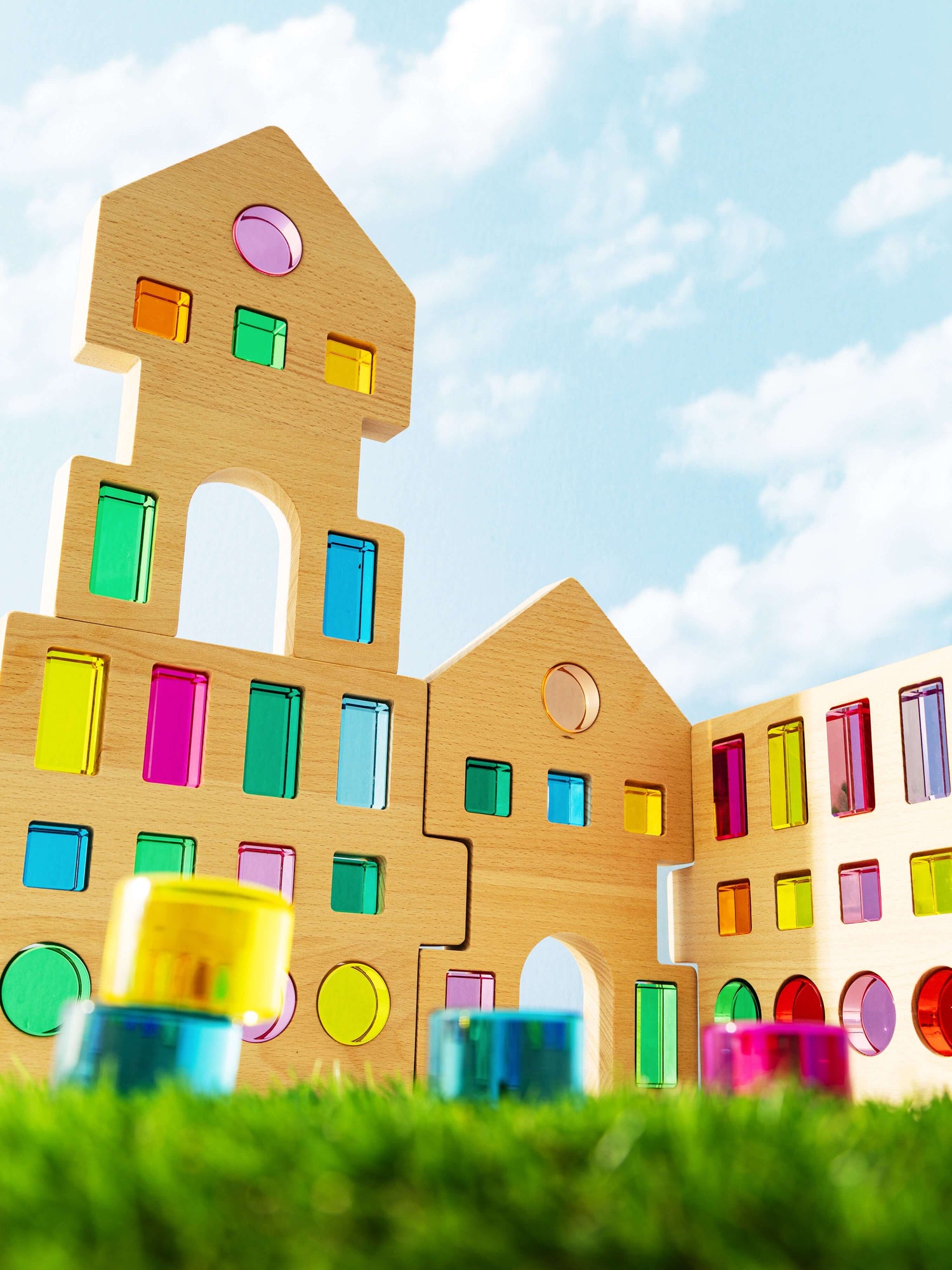
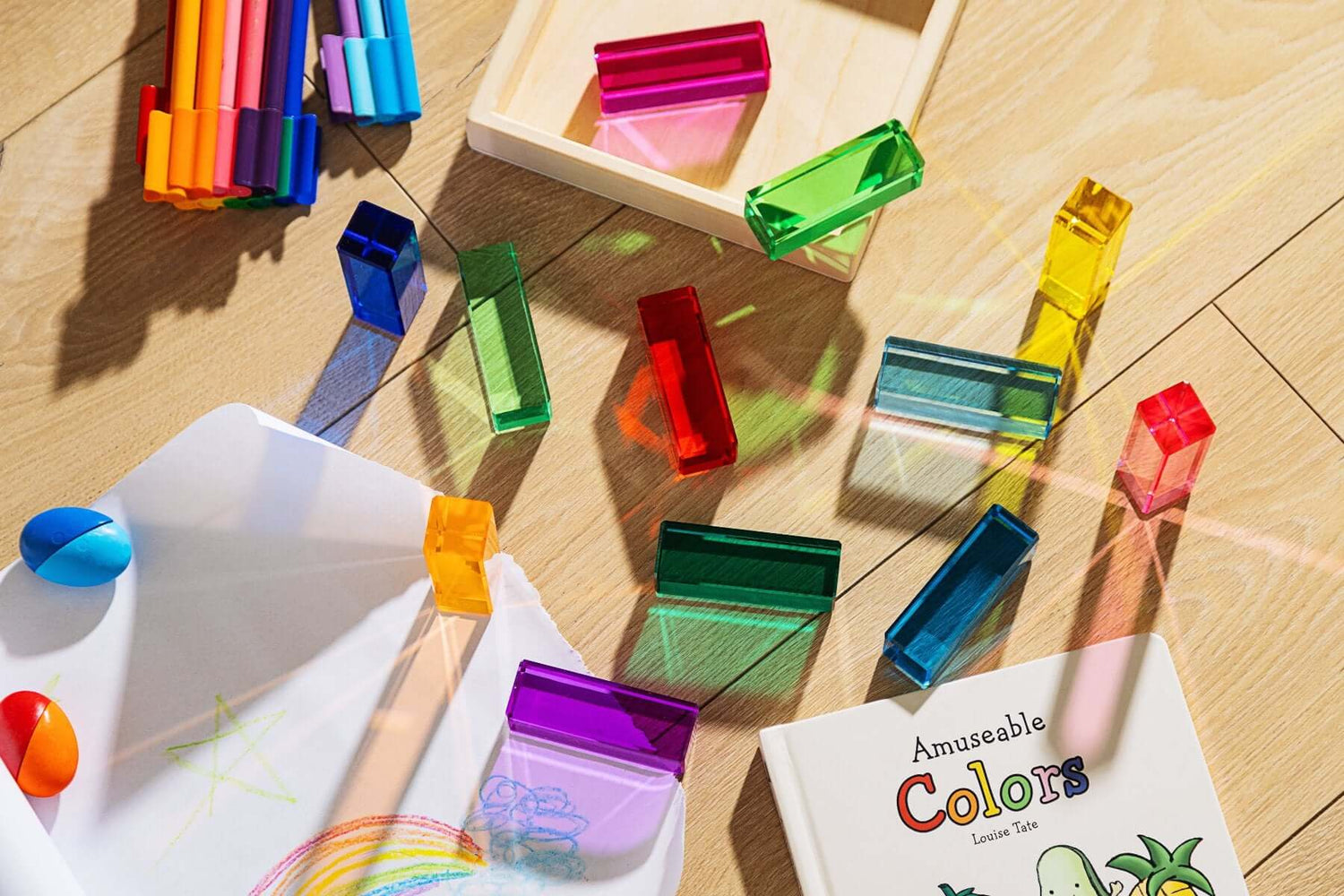
A single set of building blocks can support:
Stacking and knocking down
Sorting and grouping
Pretend play and storytelling
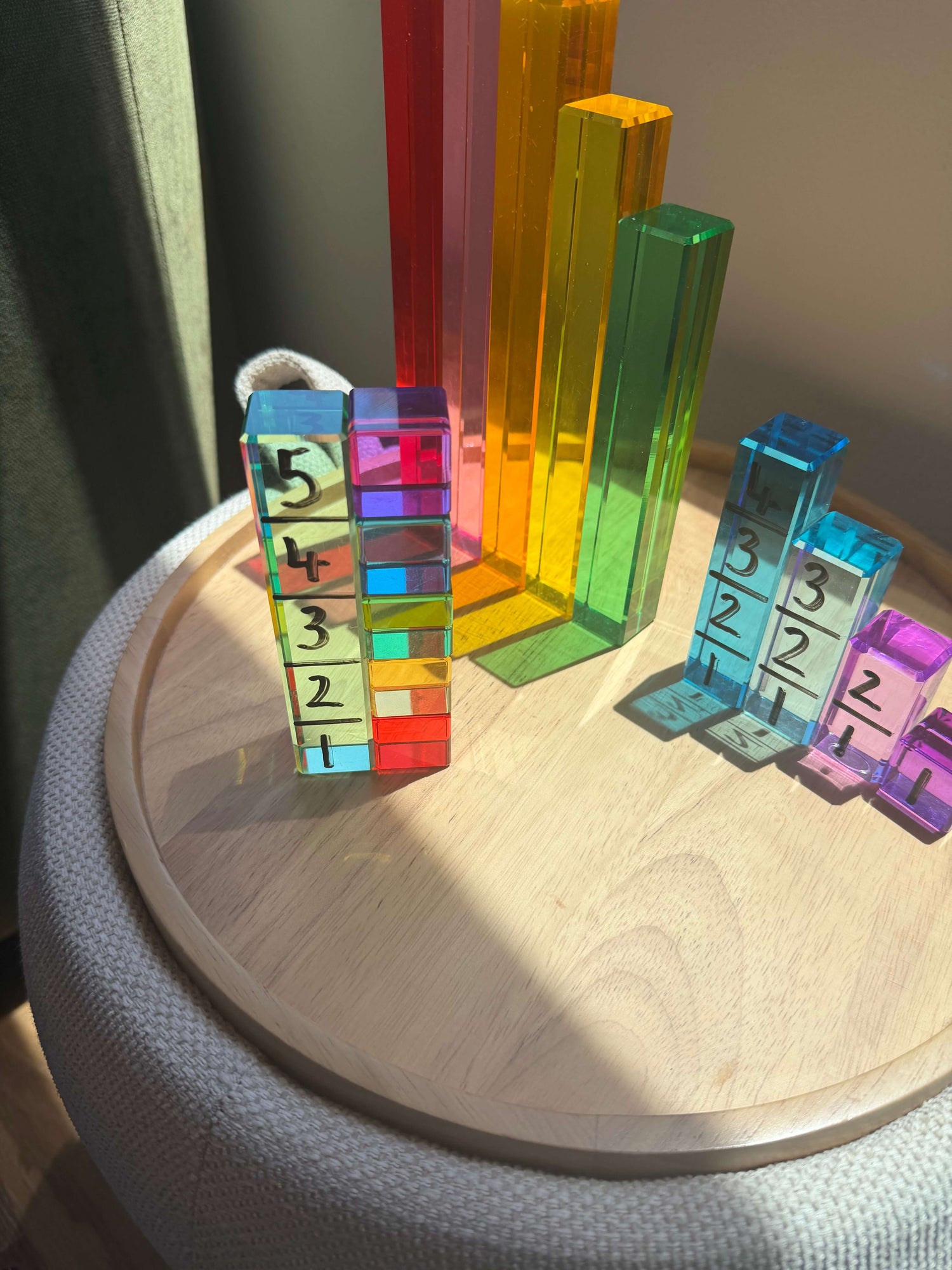
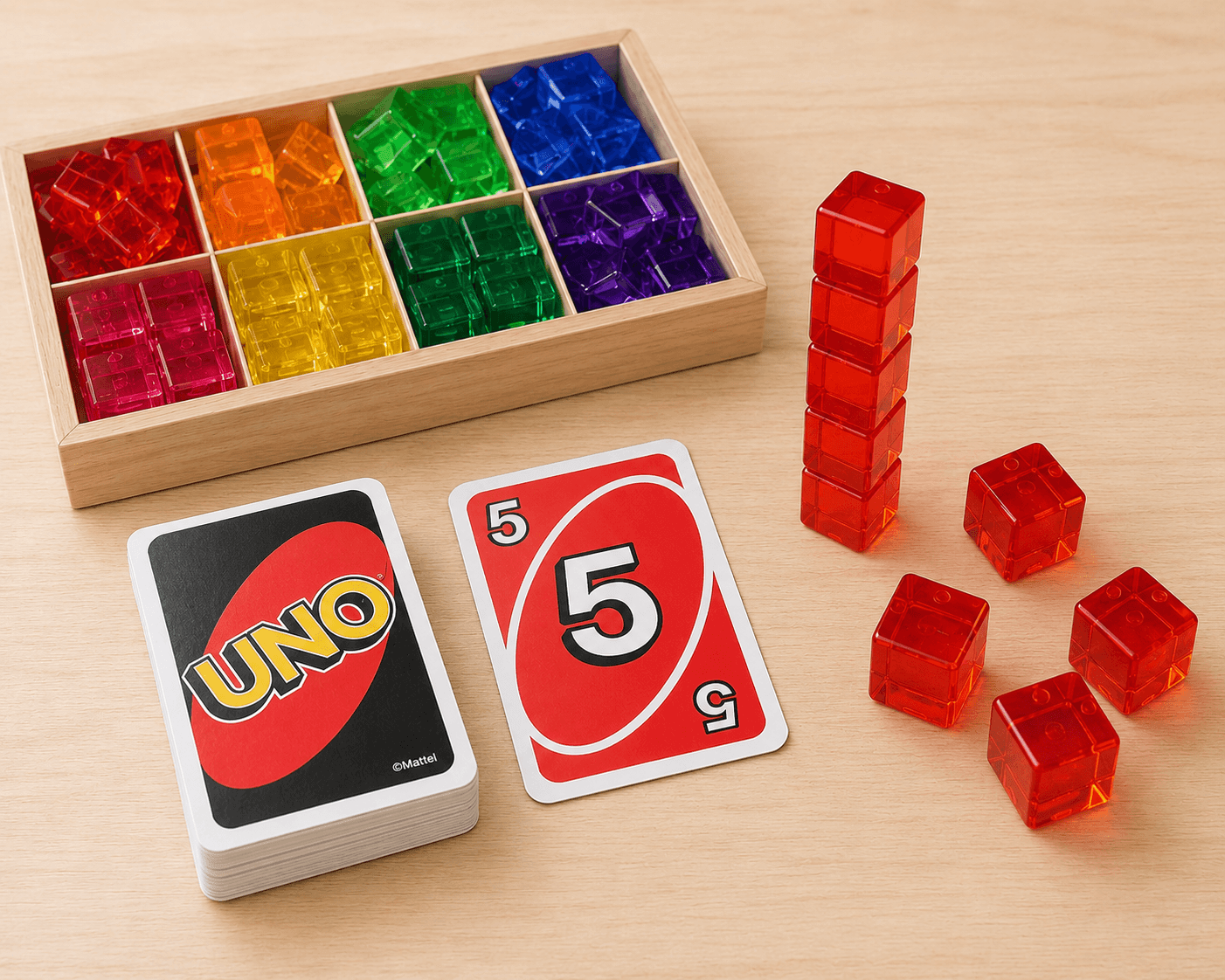
Early math and spatial reasoning
Instead of buying different toys for different ages, one well-designed set grows alongside your child. This adaptability is why open-ended toys are often recommended for toddlers, as outlined in our guide to the best open-ended toys for toddlers.
A Calmer Home Supports Deeper Play
Reducing toy clutter doesn’t just benefit children—it changes the entire rhythm of the home.
Many families notice:
Longer independent play sessions
Less overstimulation
Easier cleanup routines
A calmer, more intentional space
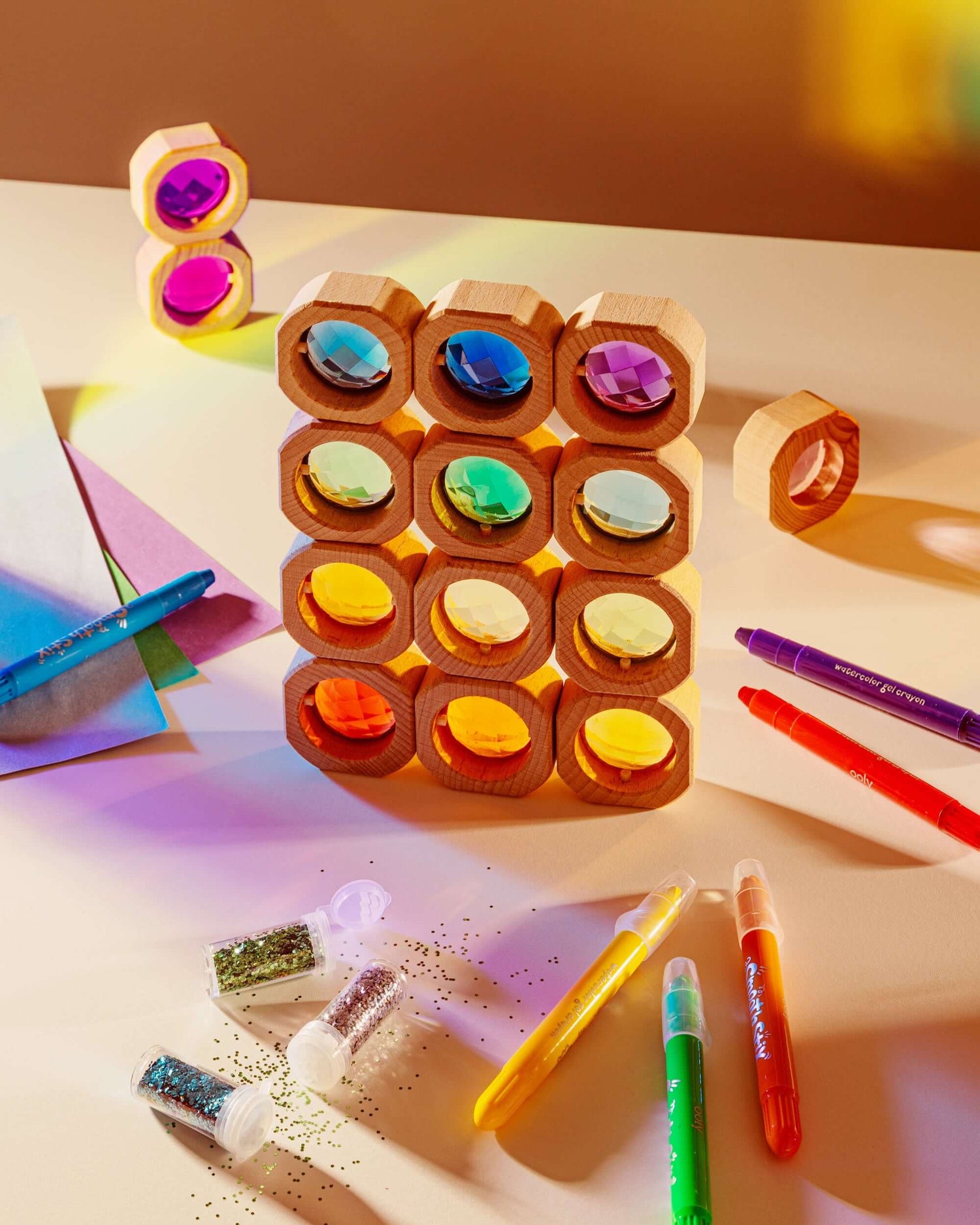
When toys are displayed thoughtfully and rotated intentionally, children are more likely to engage deeply and independently.
Quality Over Quantity
Choosing fewer toys naturally shifts focus toward quality.
Well-made toys:
Last longer
Feel better in children’s hands
Withstand years of play
Hold attention more effectively
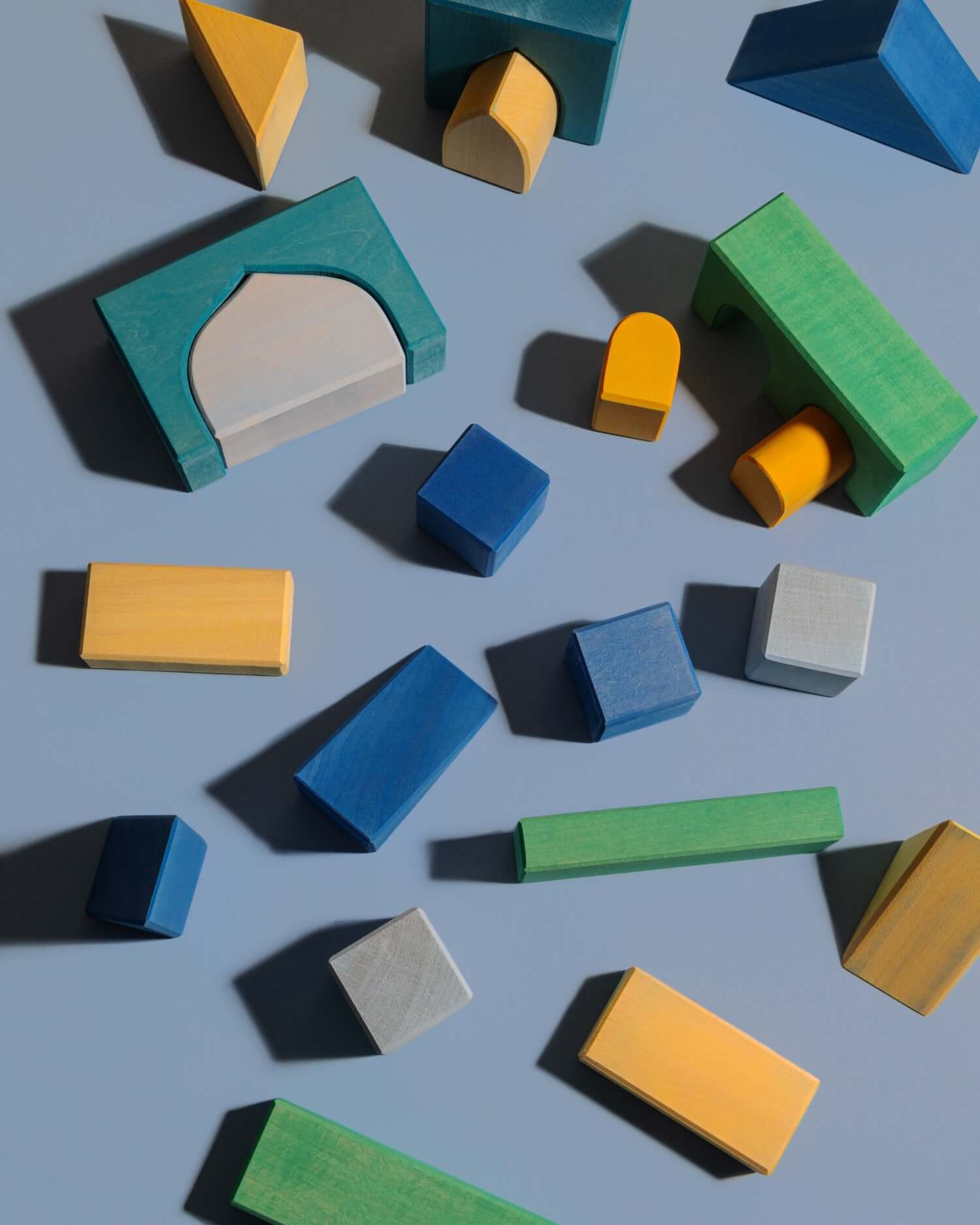
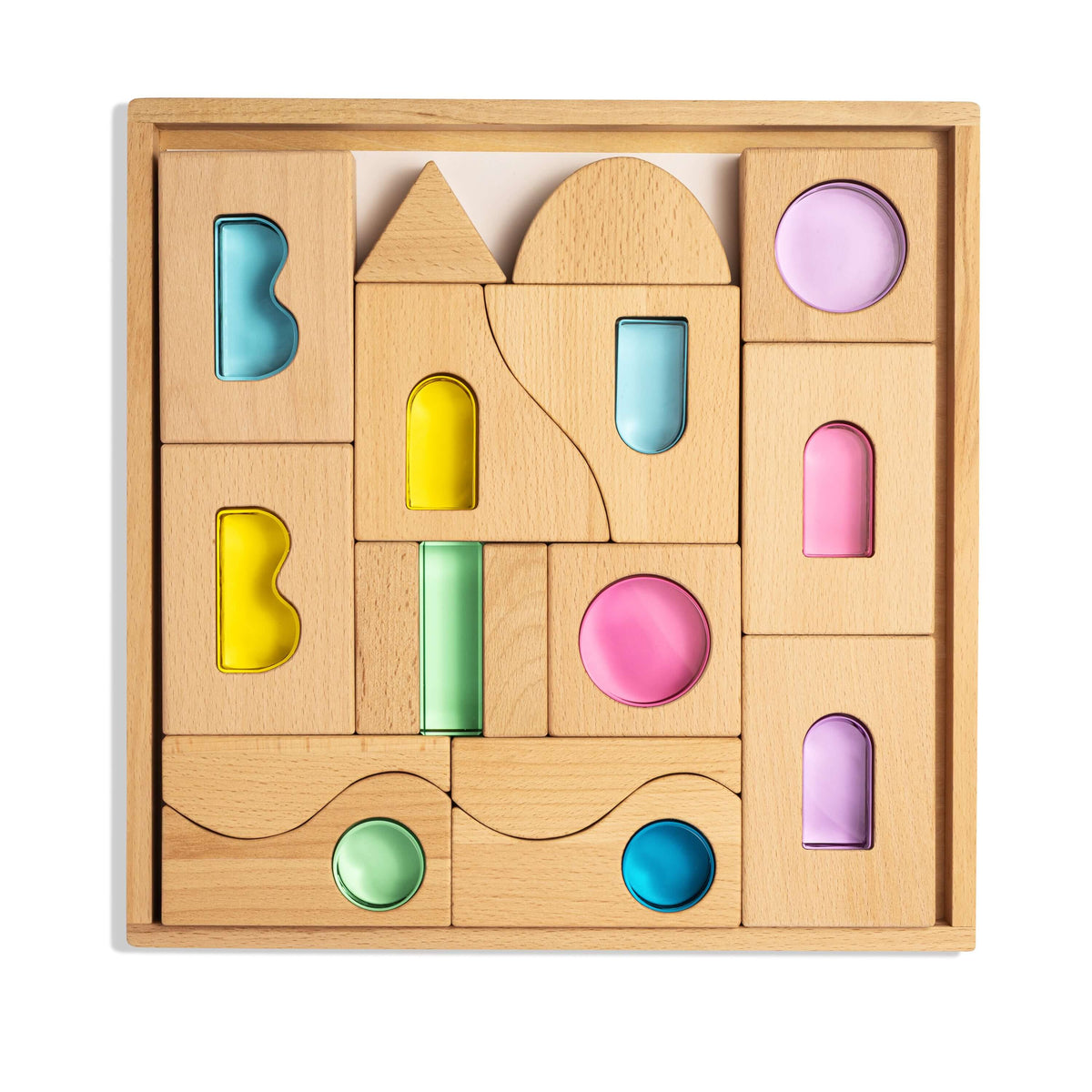
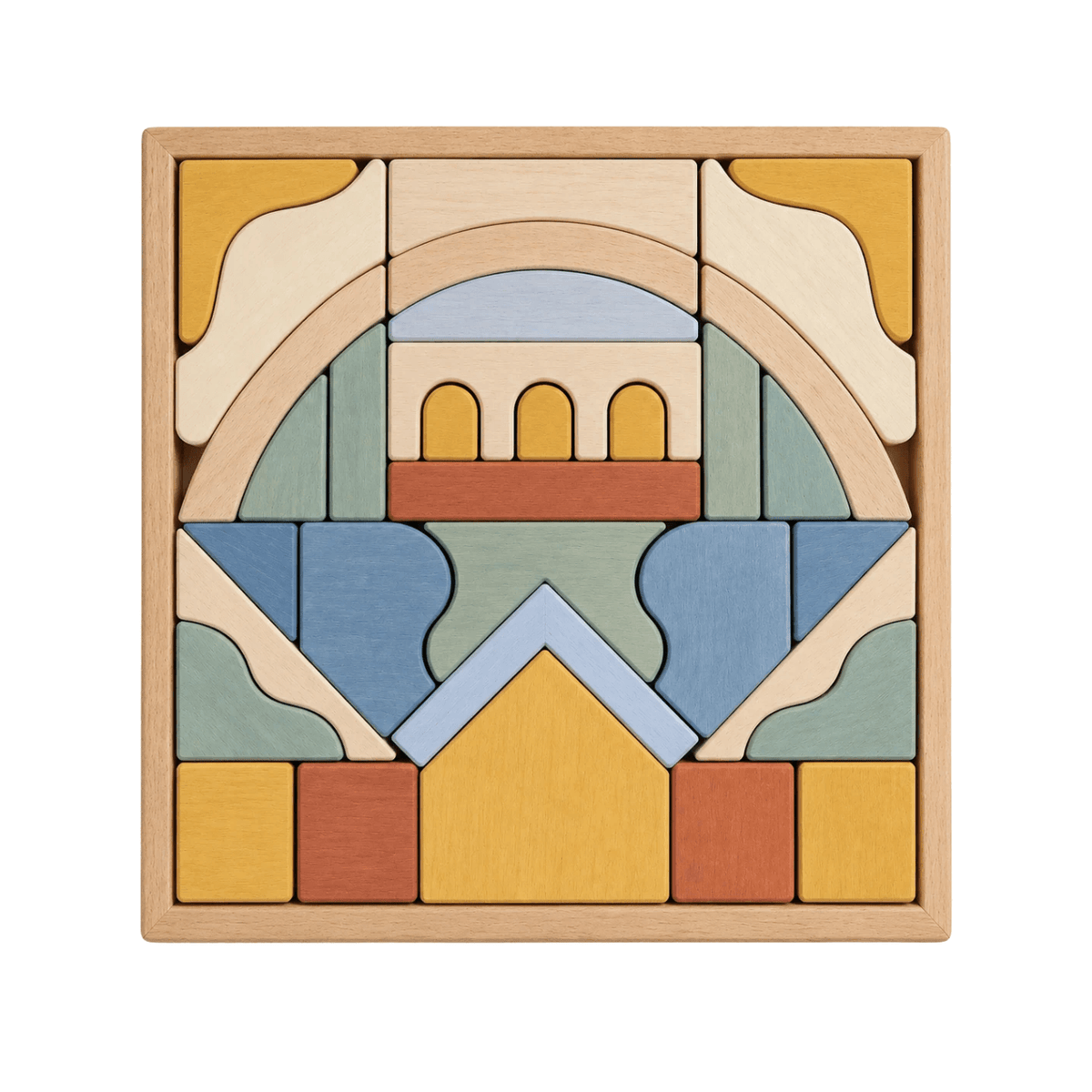
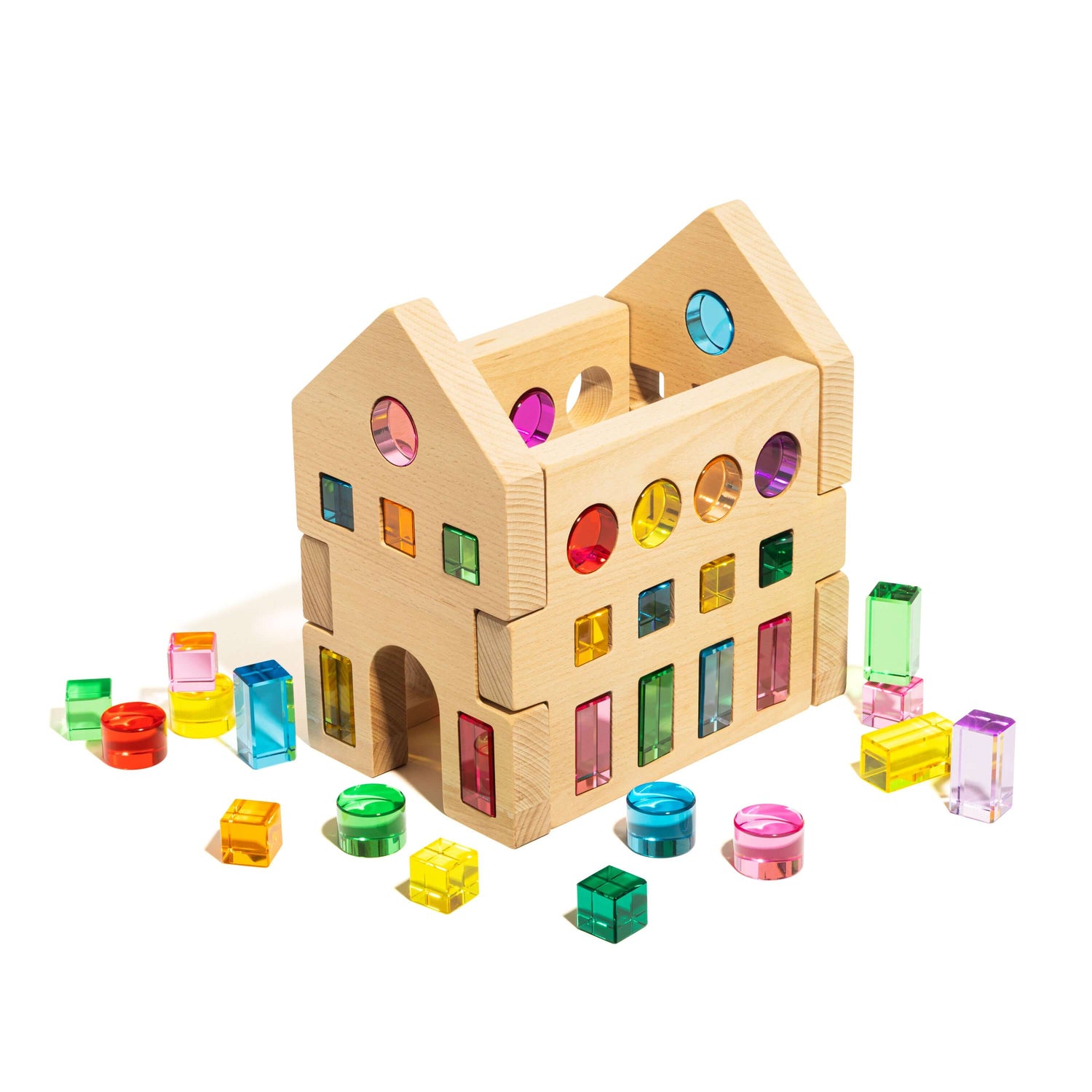
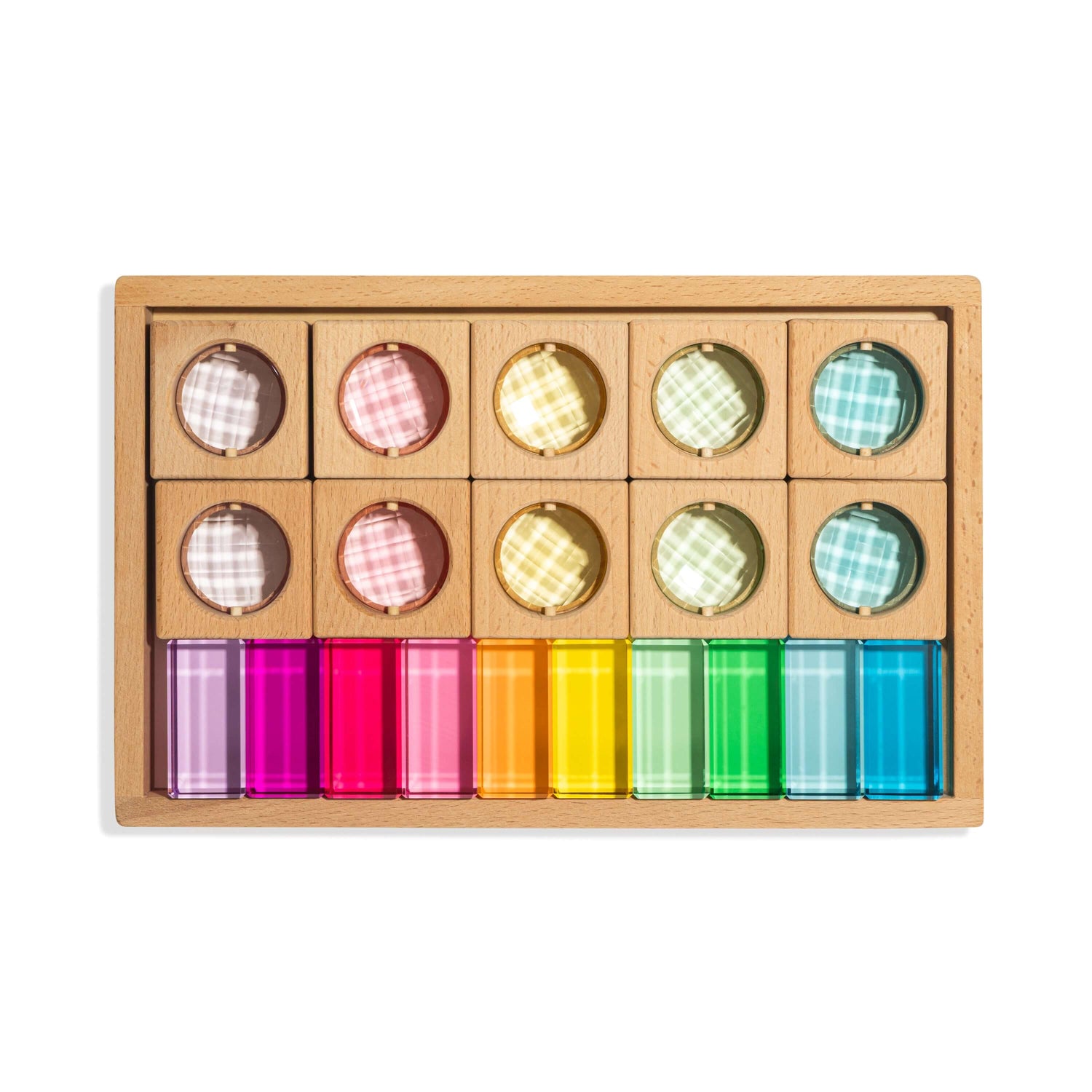
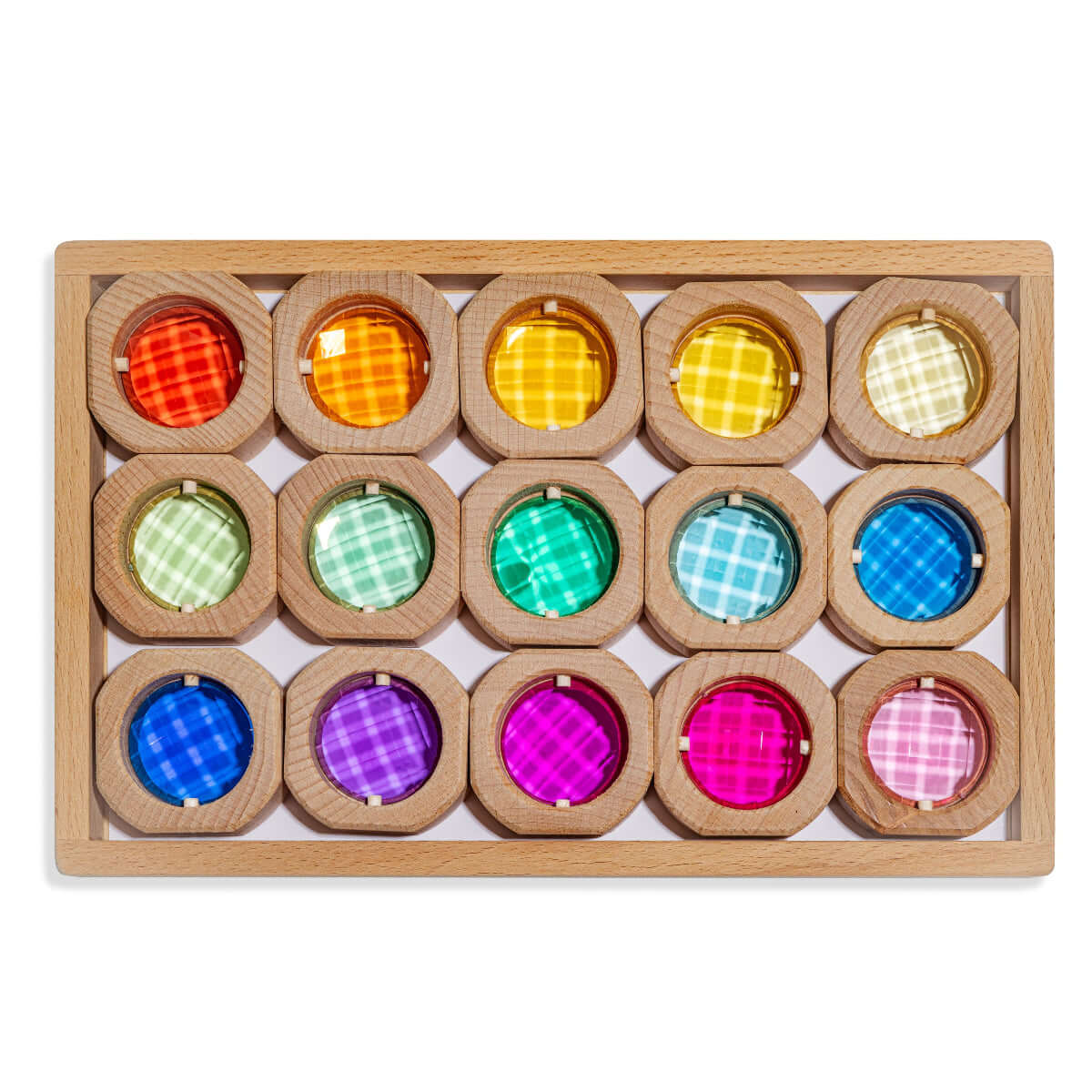
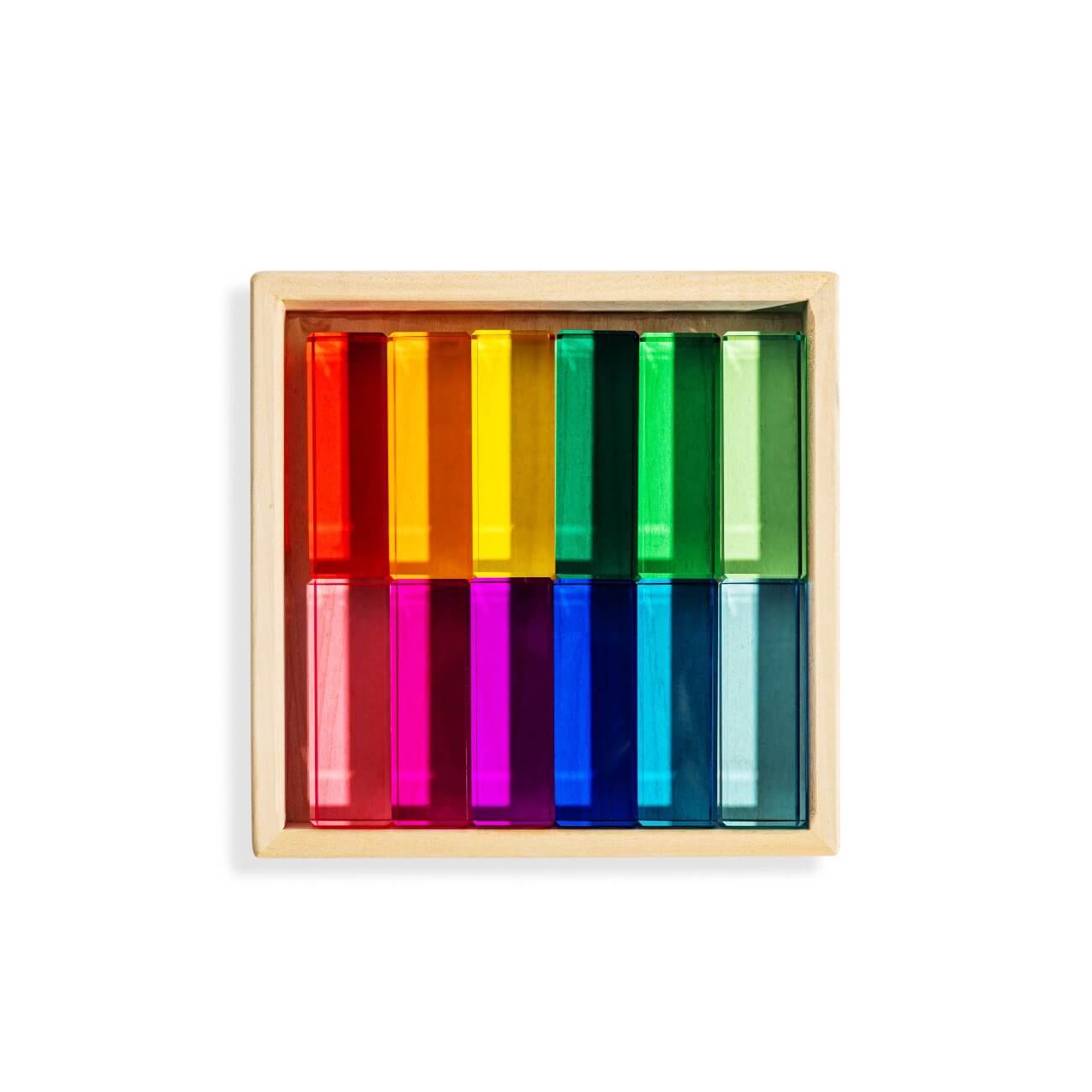
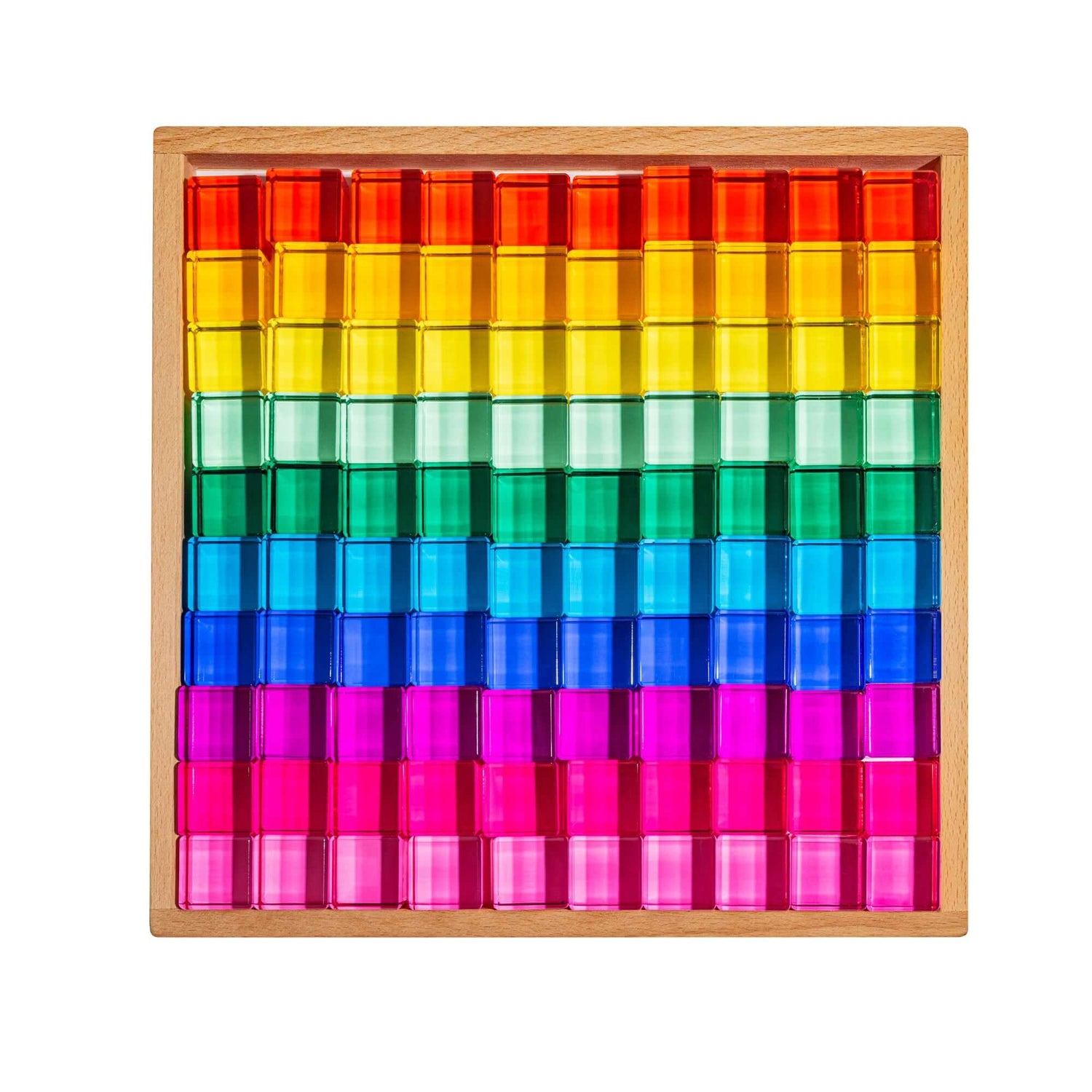
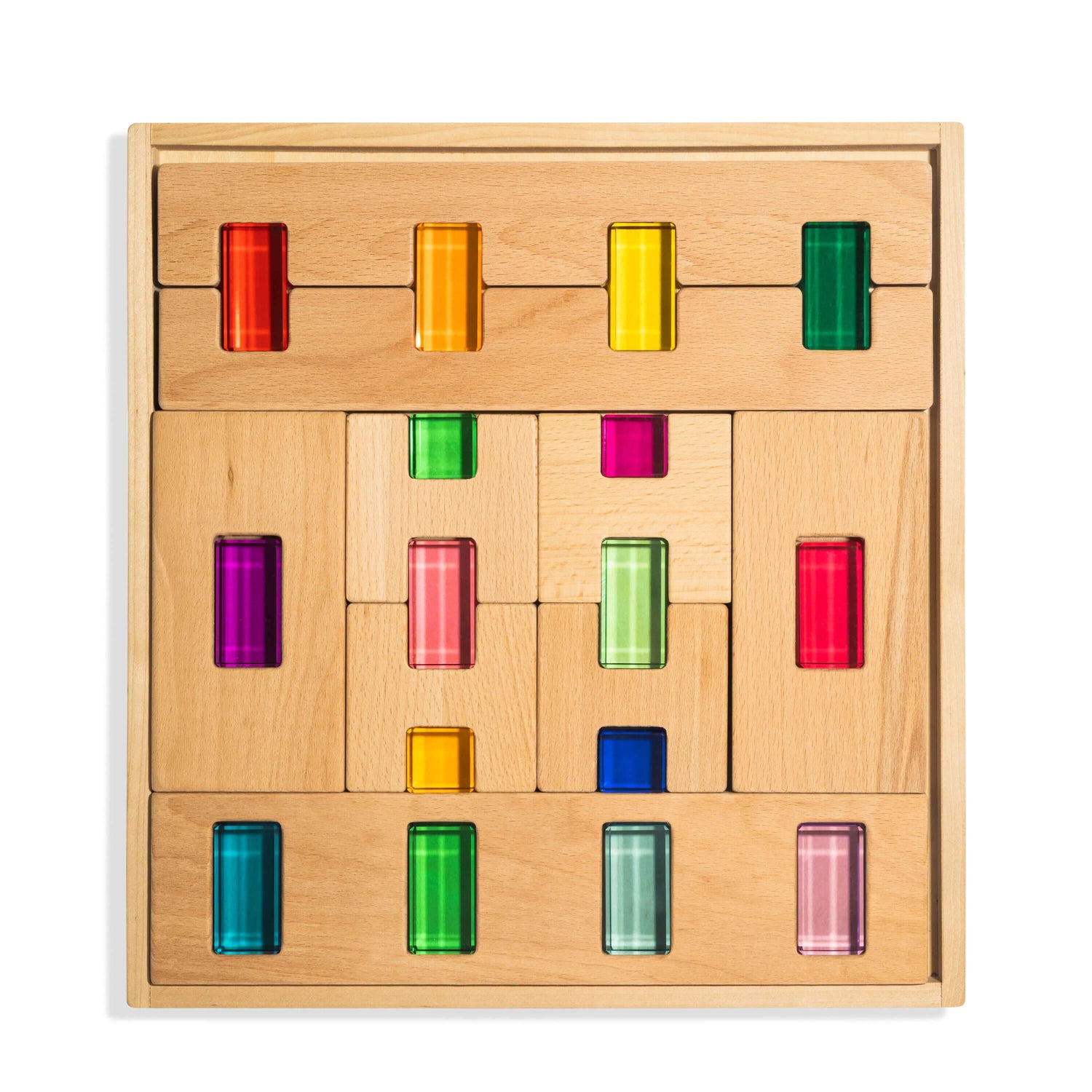
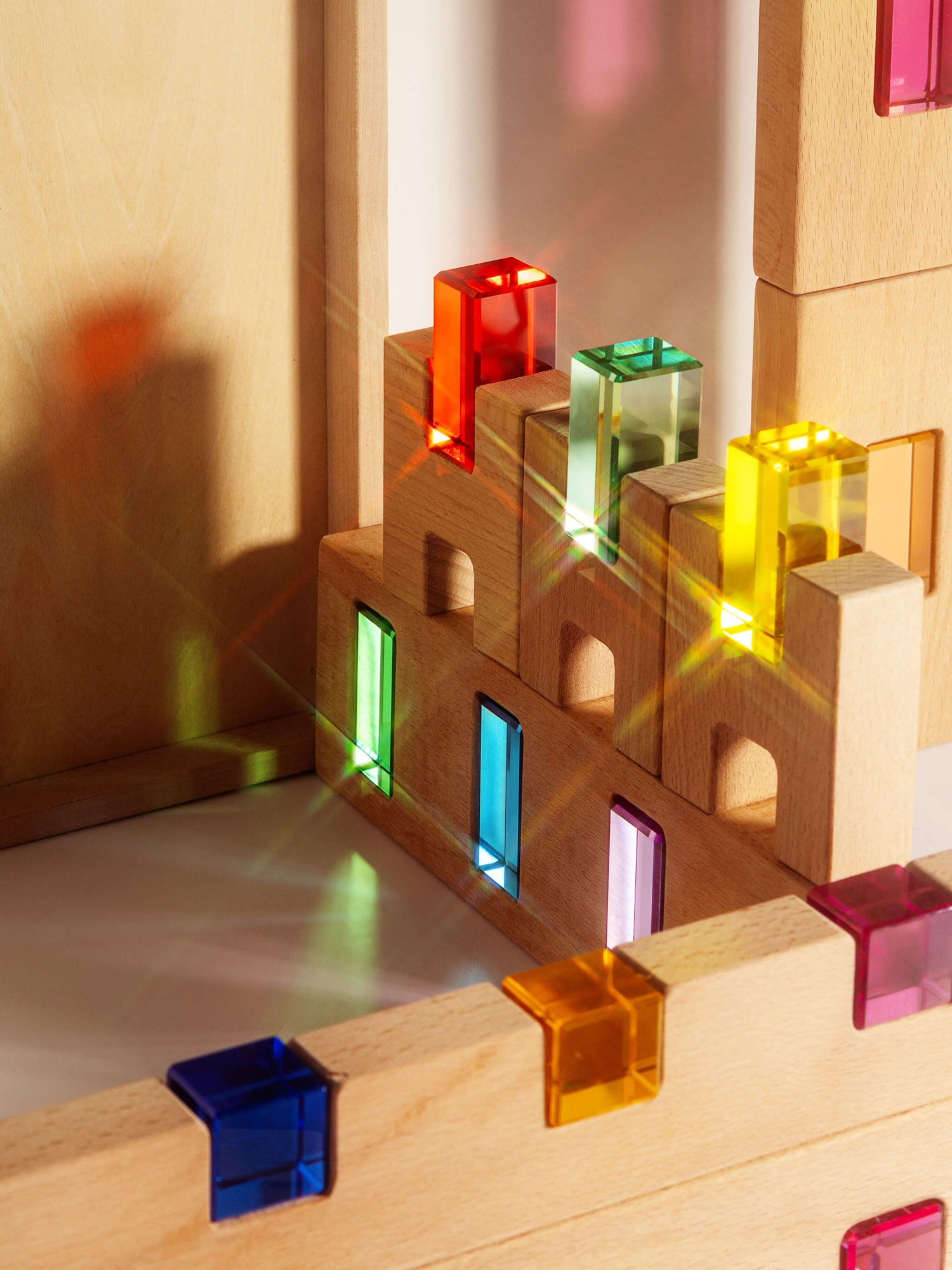
This makes open-ended, durable toys a thoughtful long-term investment rather than a short-lived purchase. High-quality building sets, such as our Barca Blocks, are designed to support years of play rather than a single developmental phase.
Thoughtful Play, Thoughtfully Designed
At Maison Rue Kid, we believe toys should invite creativity without overwhelming children—or homes.
Our open-ended toys are designed to:
Encourage imagination and independence
Support development across ages
Replace many single-use toys
Live beautifully in your space
Because meaningful play doesn’t require more—it requires intention. Our collection of open-ended building toys is created to replace many single-use toys while supporting creativity across ages.
Frequently Asked Questions
How many toys does a child really need?
Most children thrive with a smaller, curated selection of toys that allow for open-ended play and repeated exploration.
Does toy rotation help with focus?
Yes. Rotating toys keeps play fresh while avoiding overstimulation and clutter.
Are open-ended toys better for minimalist homes?
Open-ended toys are ideal for minimalist environments because one toy can serve many purposes over time.
Final Thoughts
Children don’t need more toys—they need better ones.
By choosing fewer, thoughtfully designed toys, we create space for deeper play, stronger focus, and richer imagination.
And that’s where the real magic happens.



0 comments