
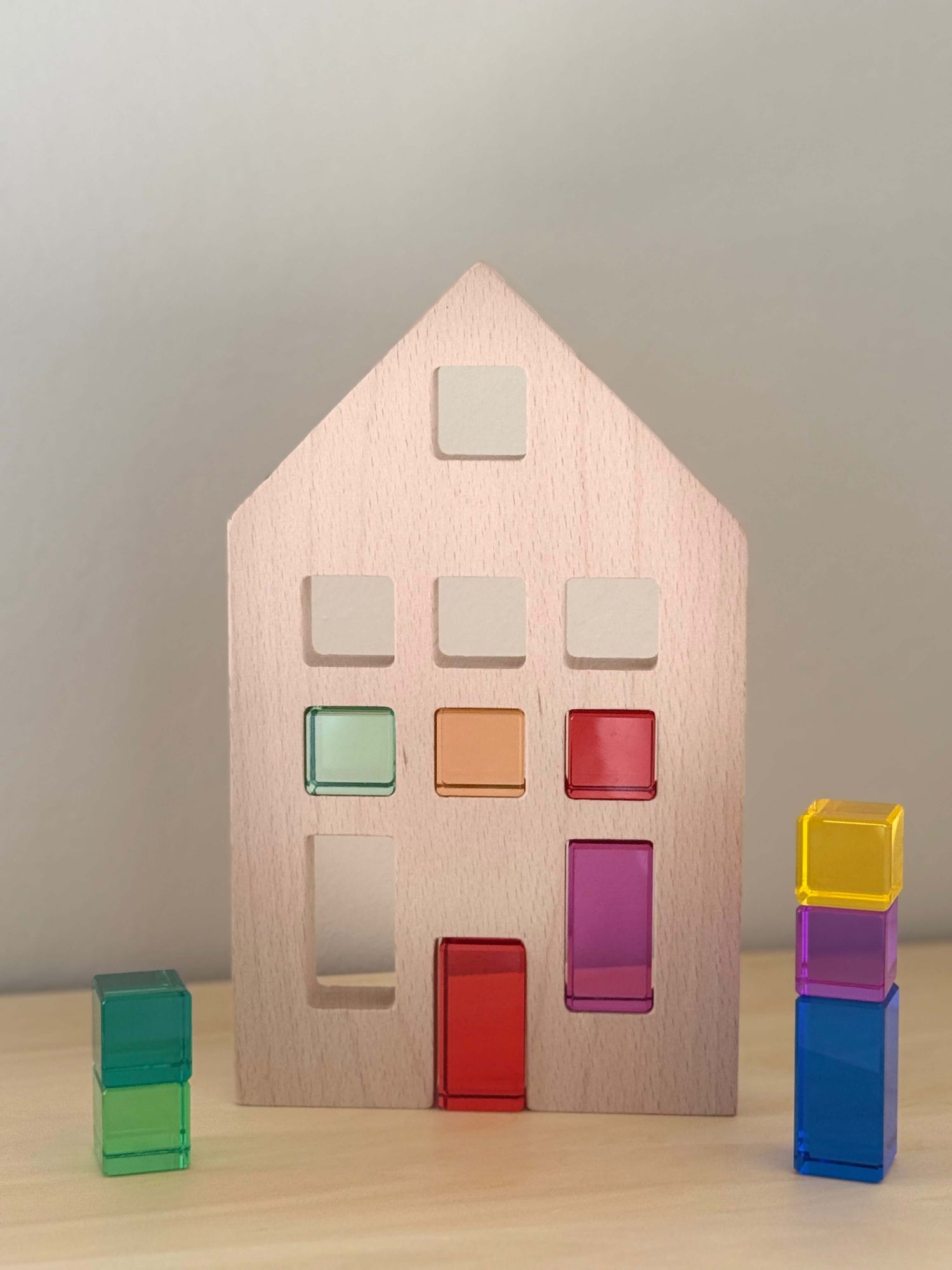
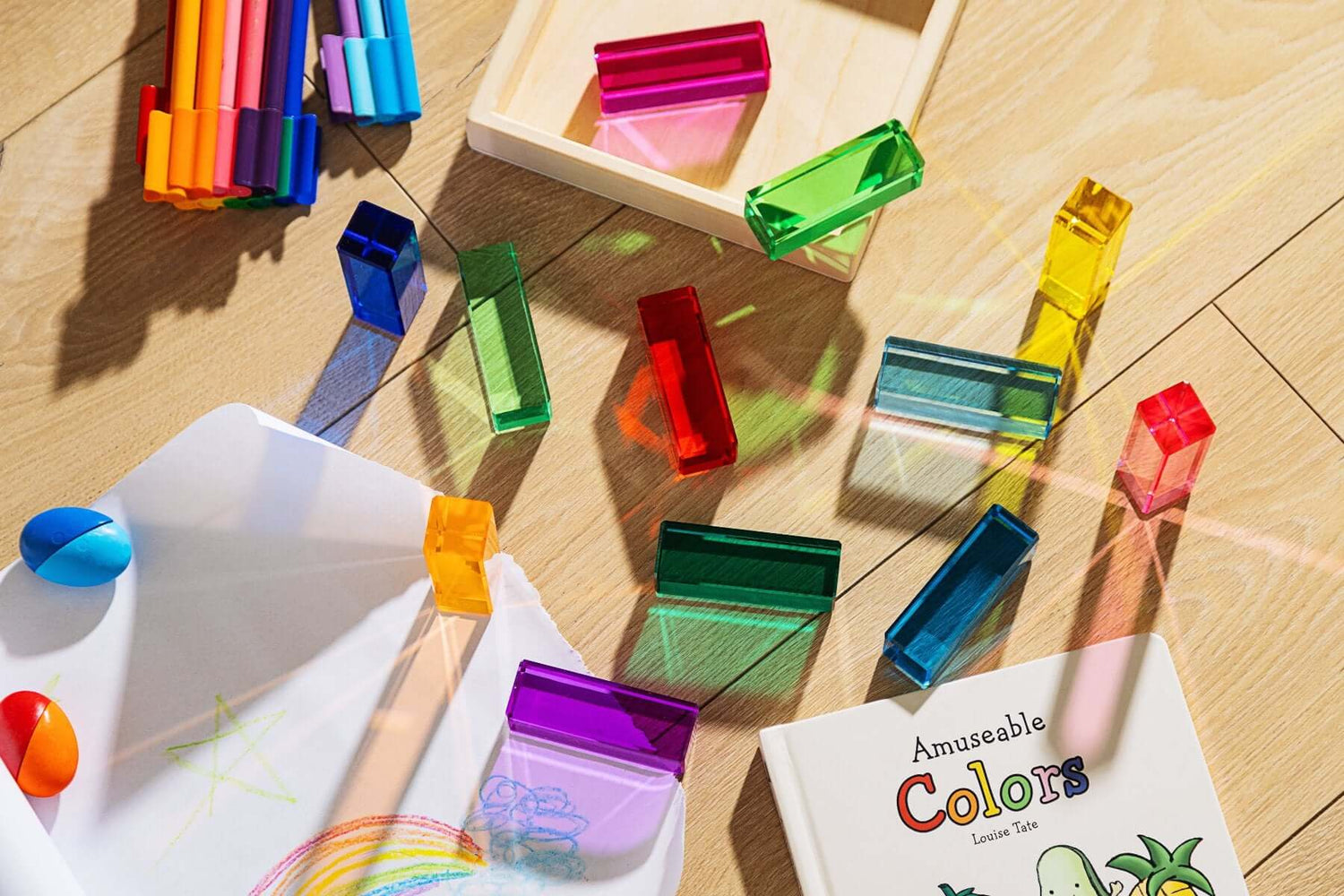
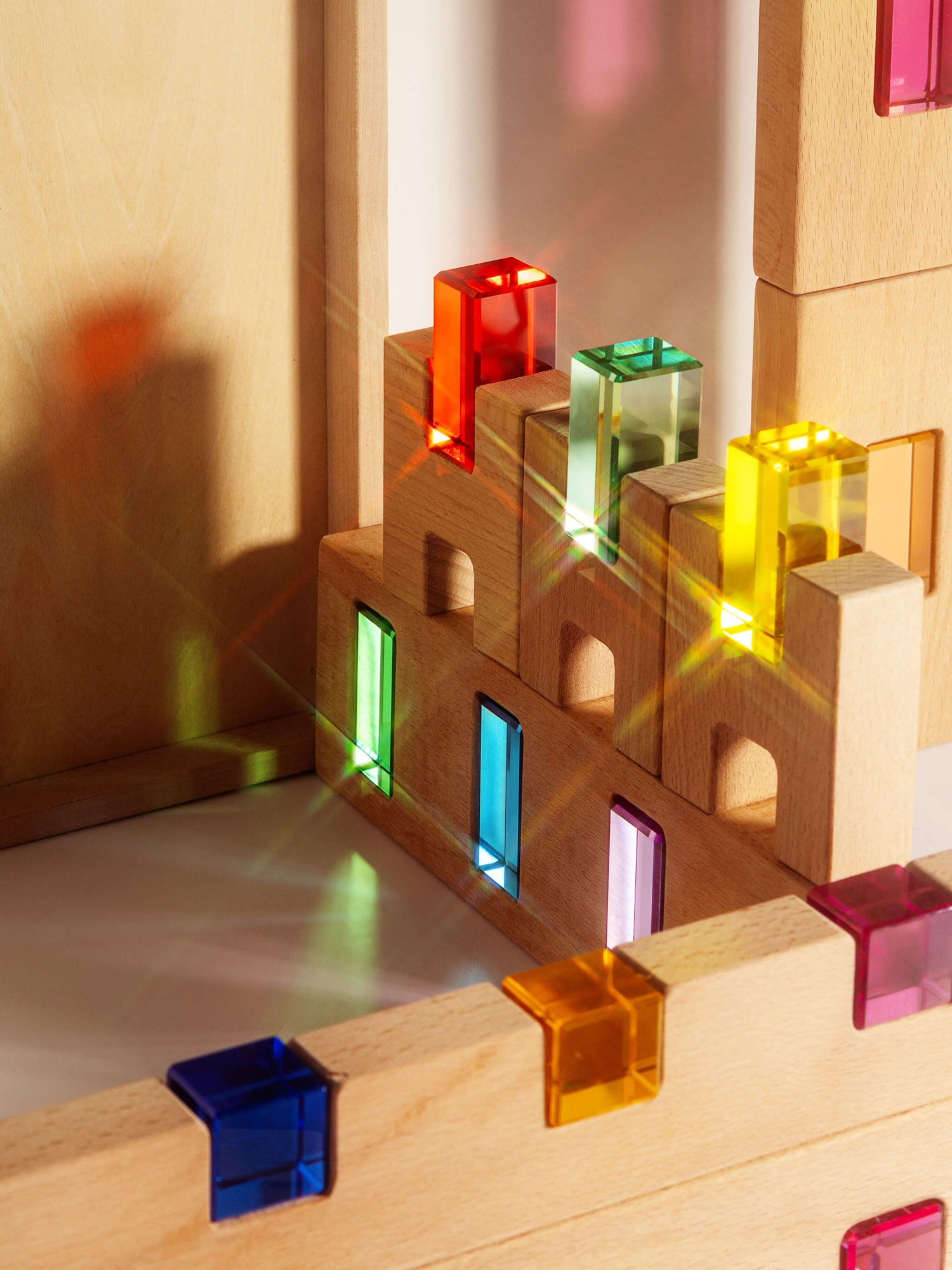
Turn your Riley, Remi or Canal Blocks into a fine motor activity for kids that builds coordination, patience, and early STEM skills through play. This simple balance game encourages hands-on learning while keeping children engaged—no instructions required, just focus and a steady hand.
Why This Is a Great Fine Motor Activity for Kids
This balance game is a powerful fine motor activity for kids because it encourages precise finger movements, hand strength, and coordination. As children carefully push and remove each block, they develop control and focus—key skills for writing, self-care tasks, and everyday independence.
What You’ll Need
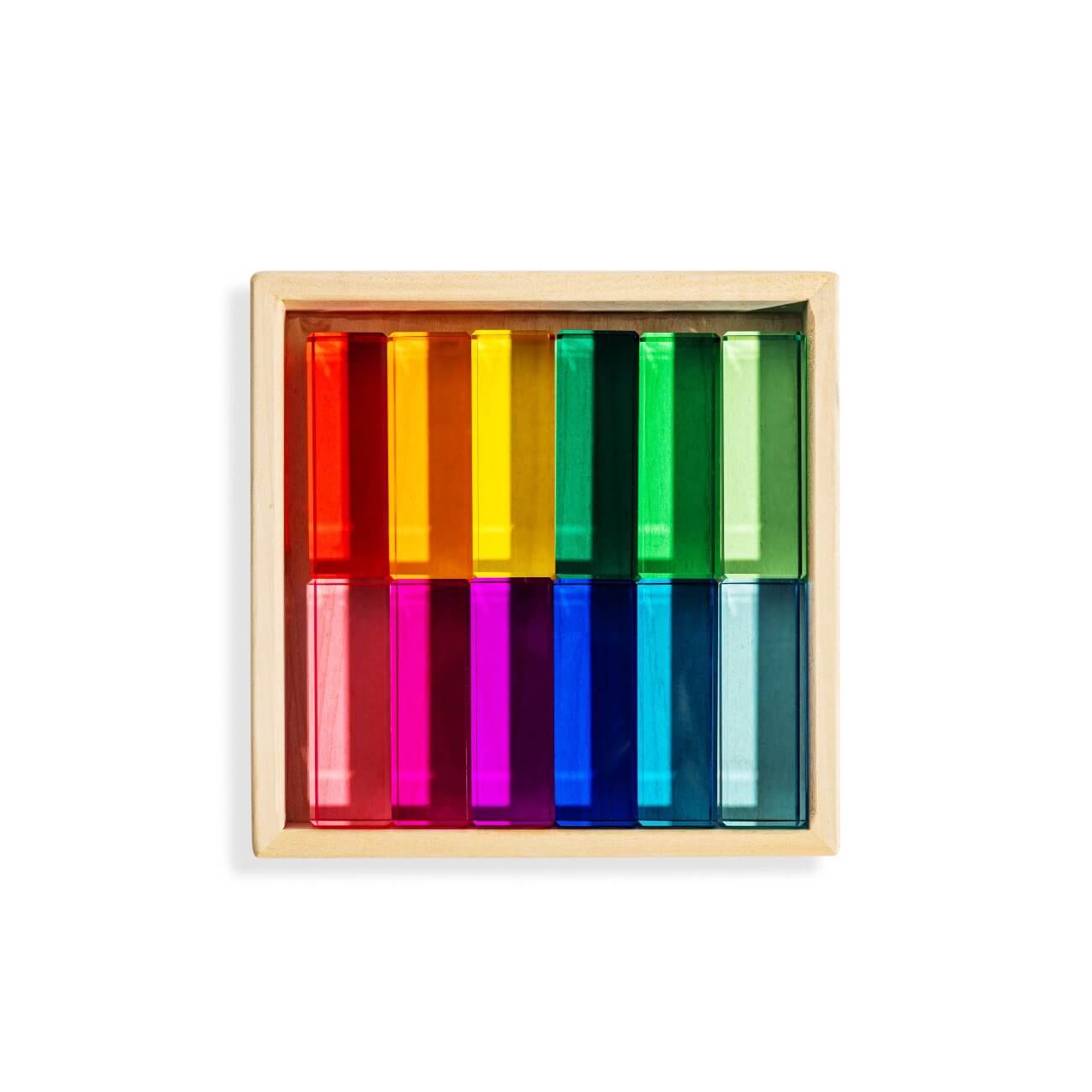
- Riley Blocks, Remi Blocks or Canal Blocks
- A flat surface (table or floor)
- Optional: pencil or marker (for an added challenge)
How to Set Up
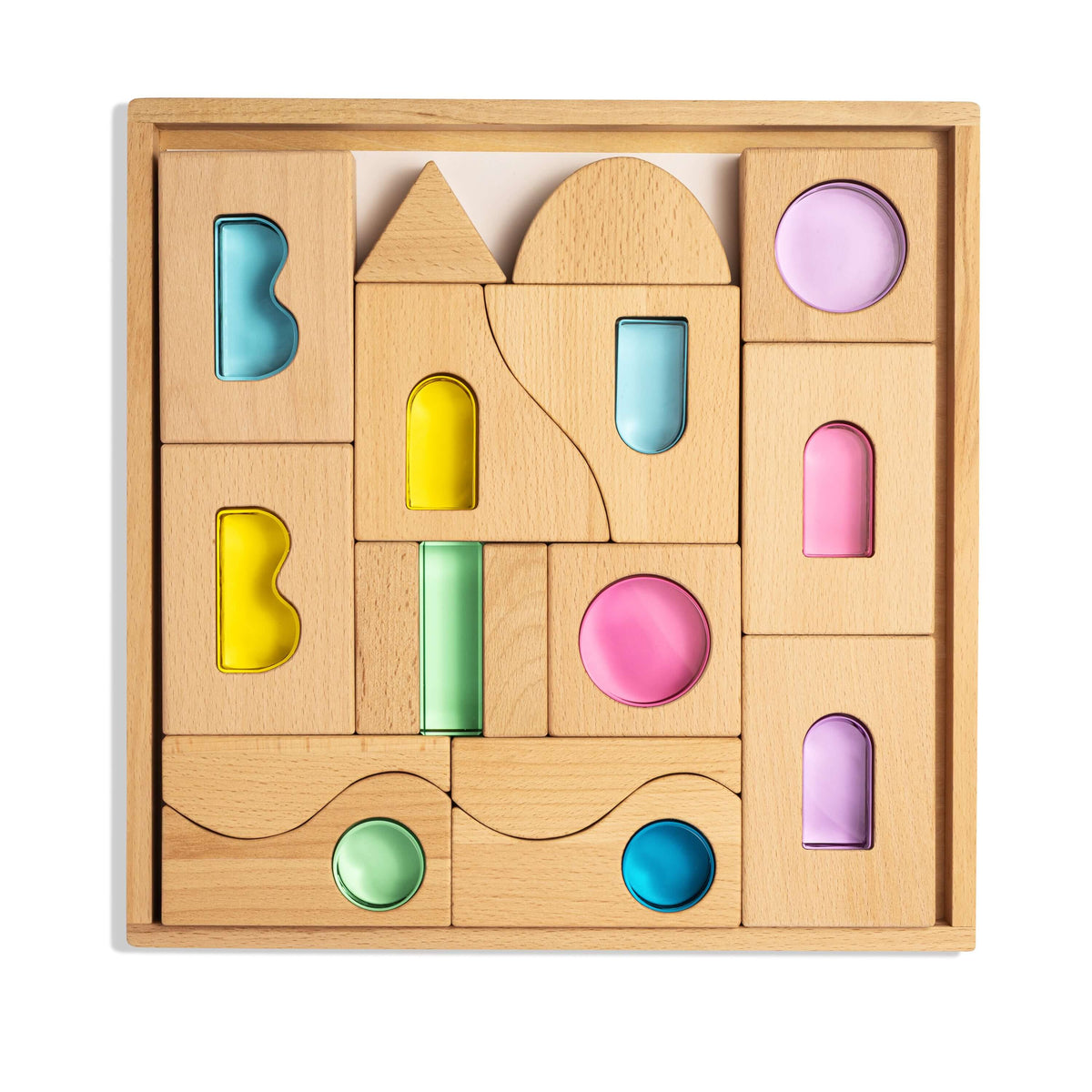
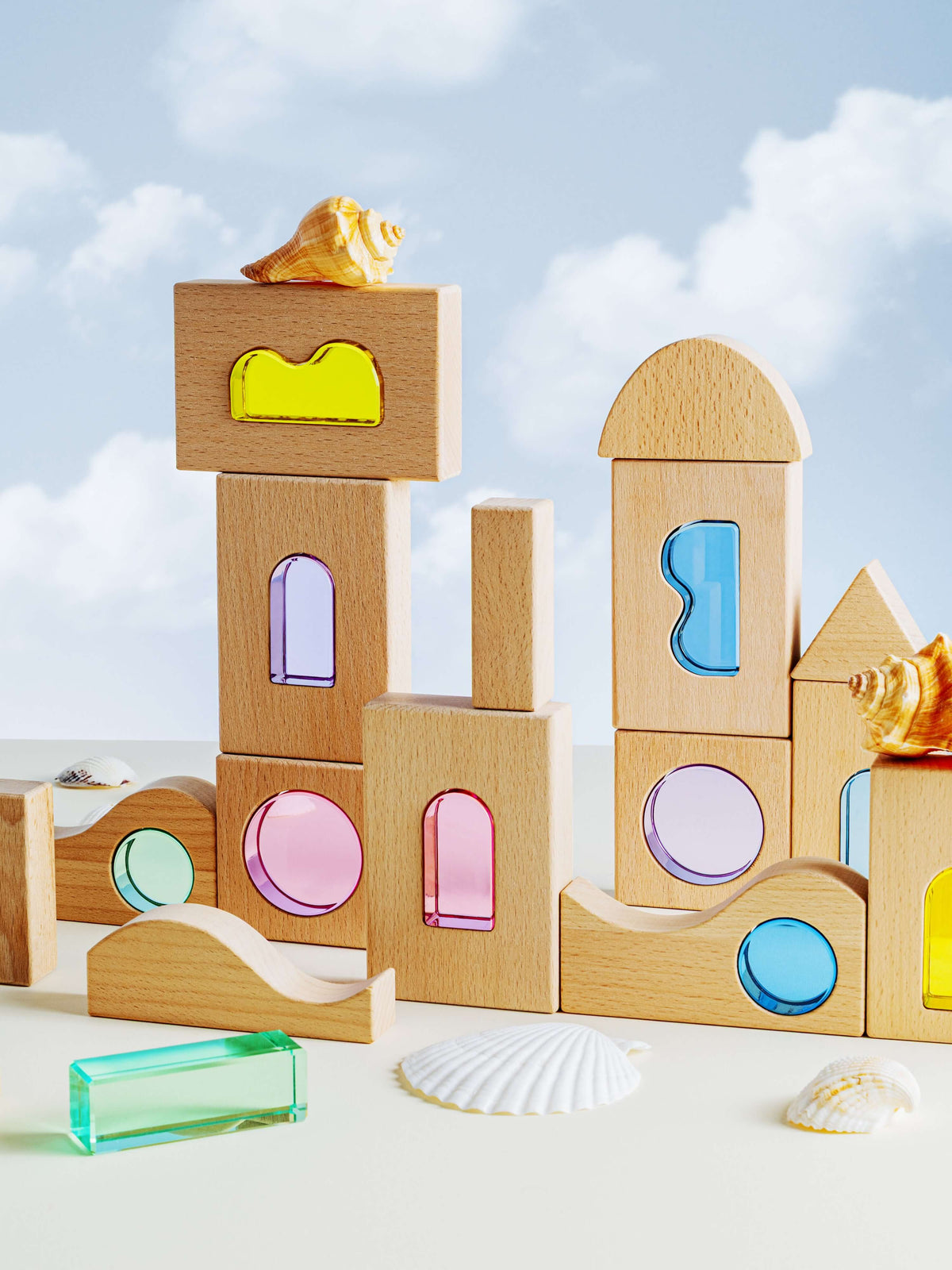
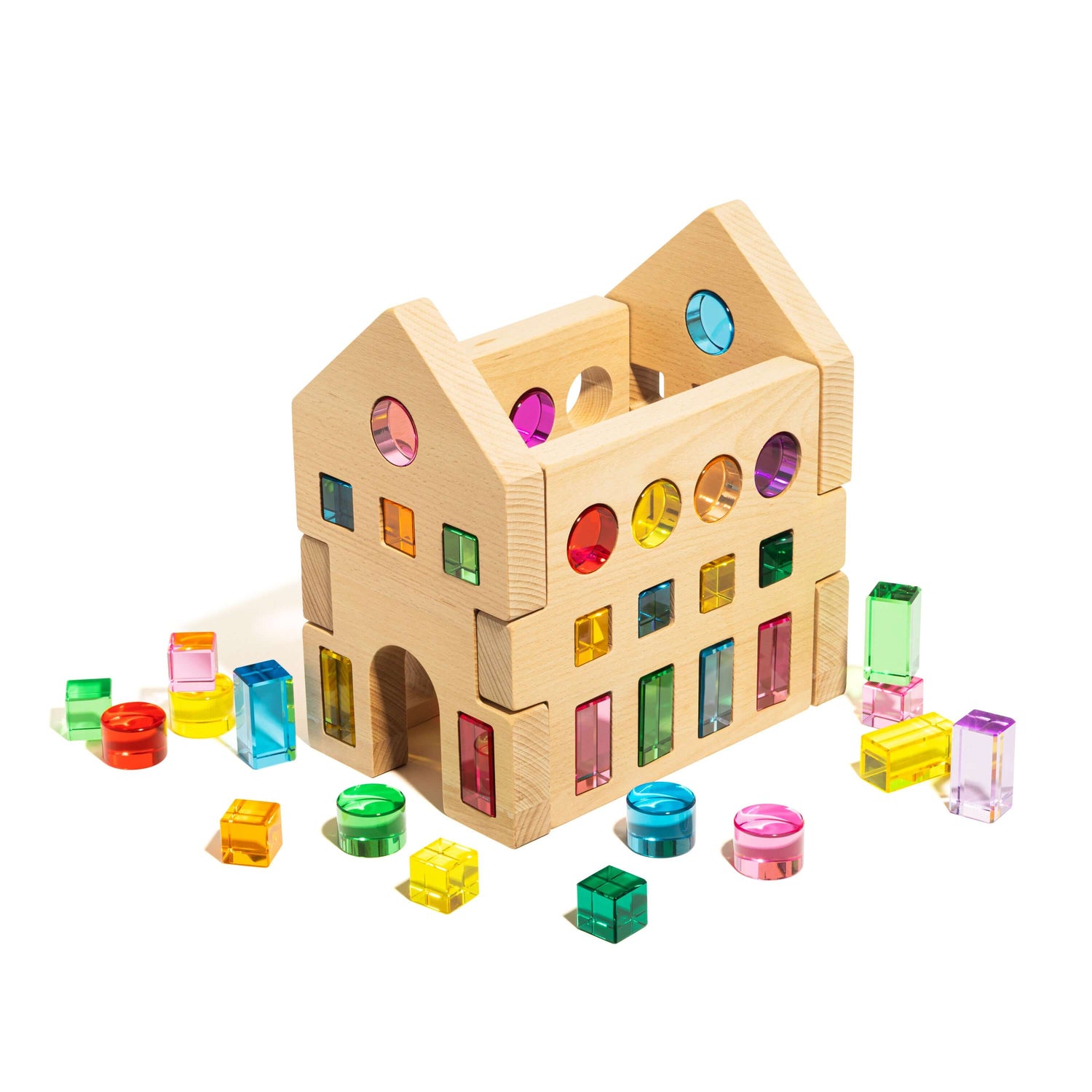
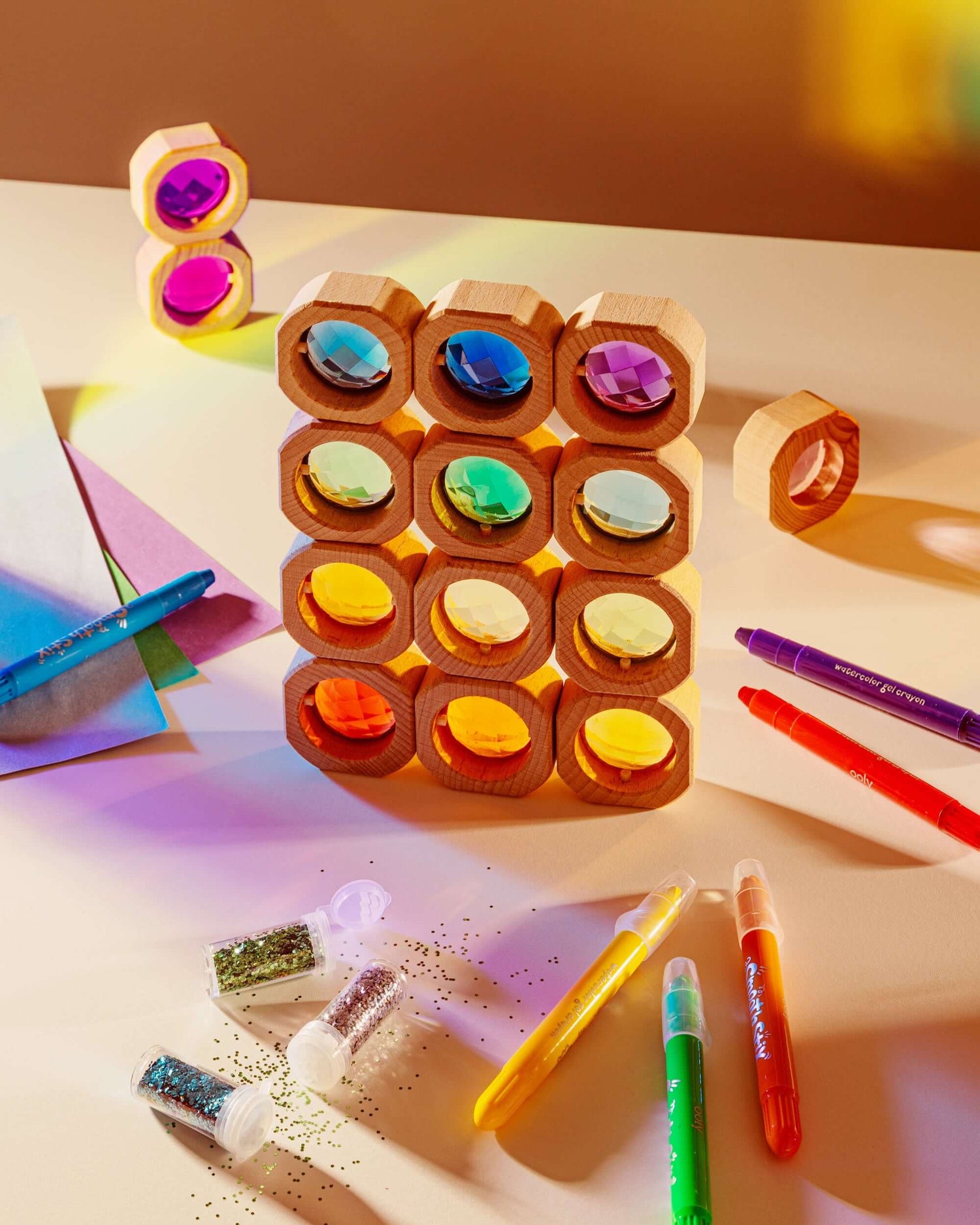
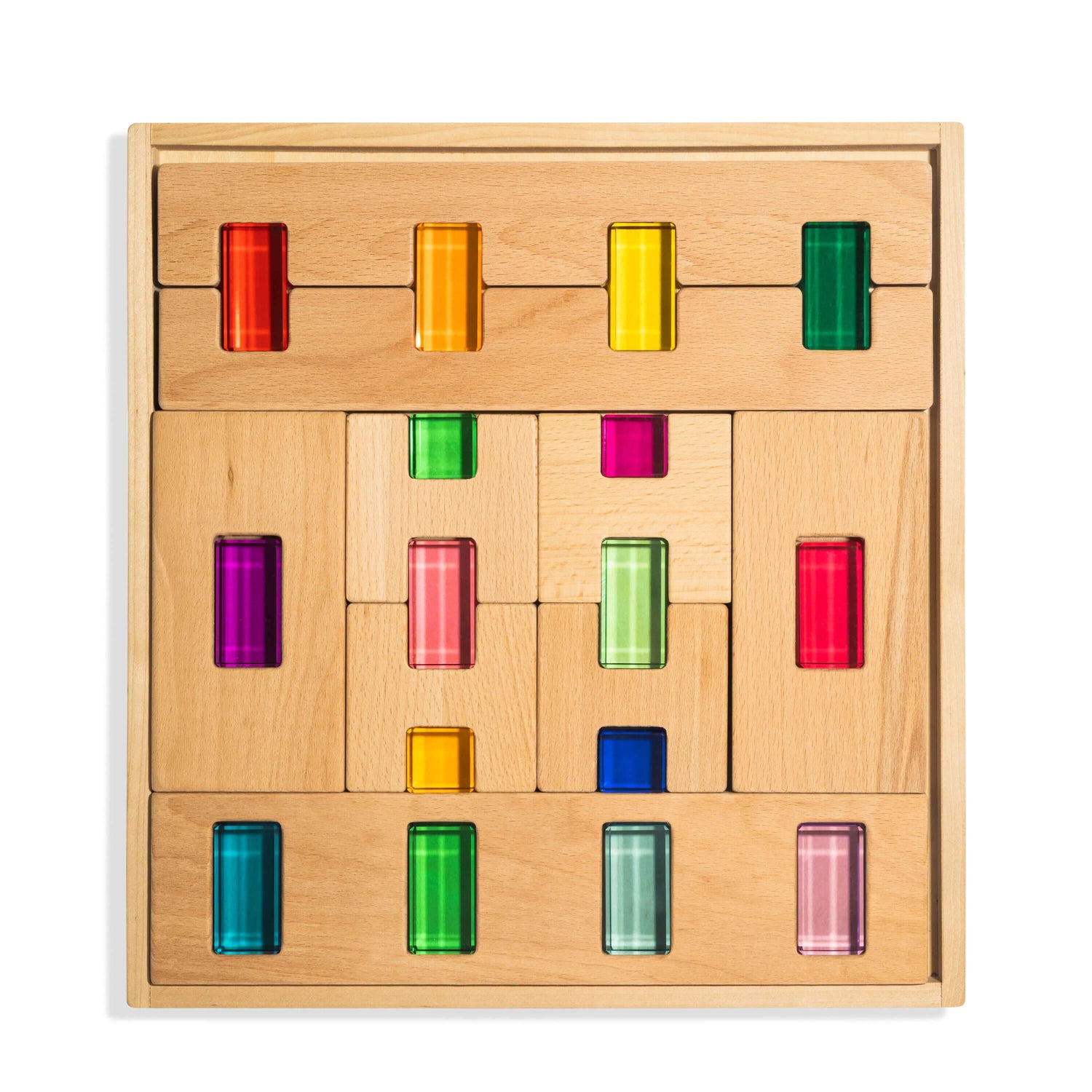
Start by building your Riley house:
- Place each colored cube carefully into the windows
- Invite your child to help—this is part of the learning
- Show them how to gently slide each cube into place without tipping the structure
✨ Tip: Slower hands = steadier builds (a life lesson, honestly)
How to Play
- Take turns removing one cube at a time
- Use just the tip of your finger to push the cube out
- Try not to knock the house over
Once a cube is removed:
- Stack it nearby to build your own tower
- Keep going and see how high you can build
If the house collapses… well, you know the drill. Reset and go again.
Make It More Challenging
Ready to level up?
- Use only one hand
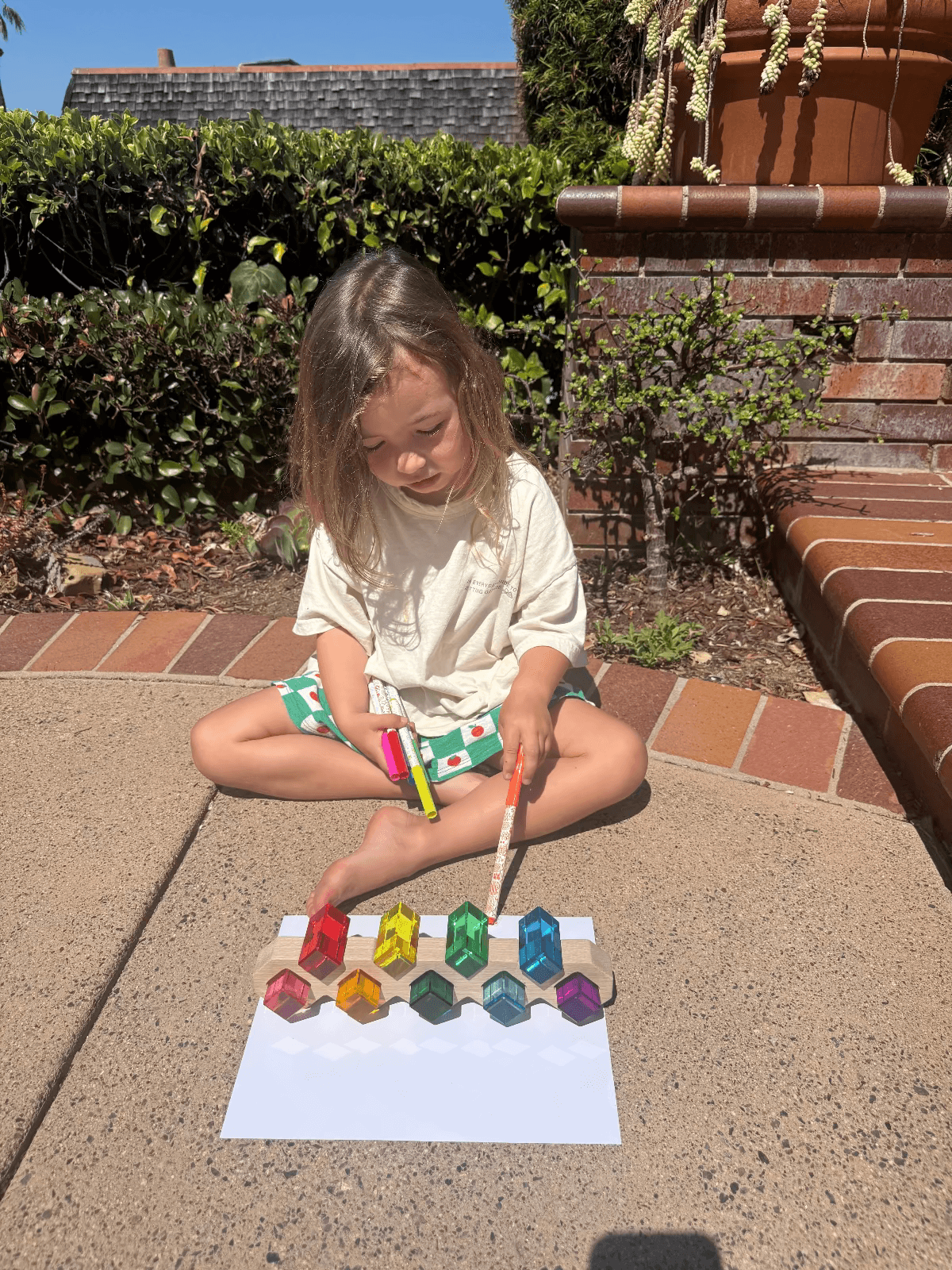
- Try pushing cubes out using a tool like a pencil or marker instead of your finger
- Set a goal for how many cubes you can remove before it falls
What They’re Learning (Without Realizing It)
This activity supports:
- Fine motor skills – precise finger control and hand strength
- Hand-eye coordination – careful placement and movement
- Problem-solving – deciding which cube to remove next
- Early engineering concepts – balance, structure, and stability
- Patience & focus – because rushing = instant collapse
Tips for Different Ages
Younger toddlers (2–3):
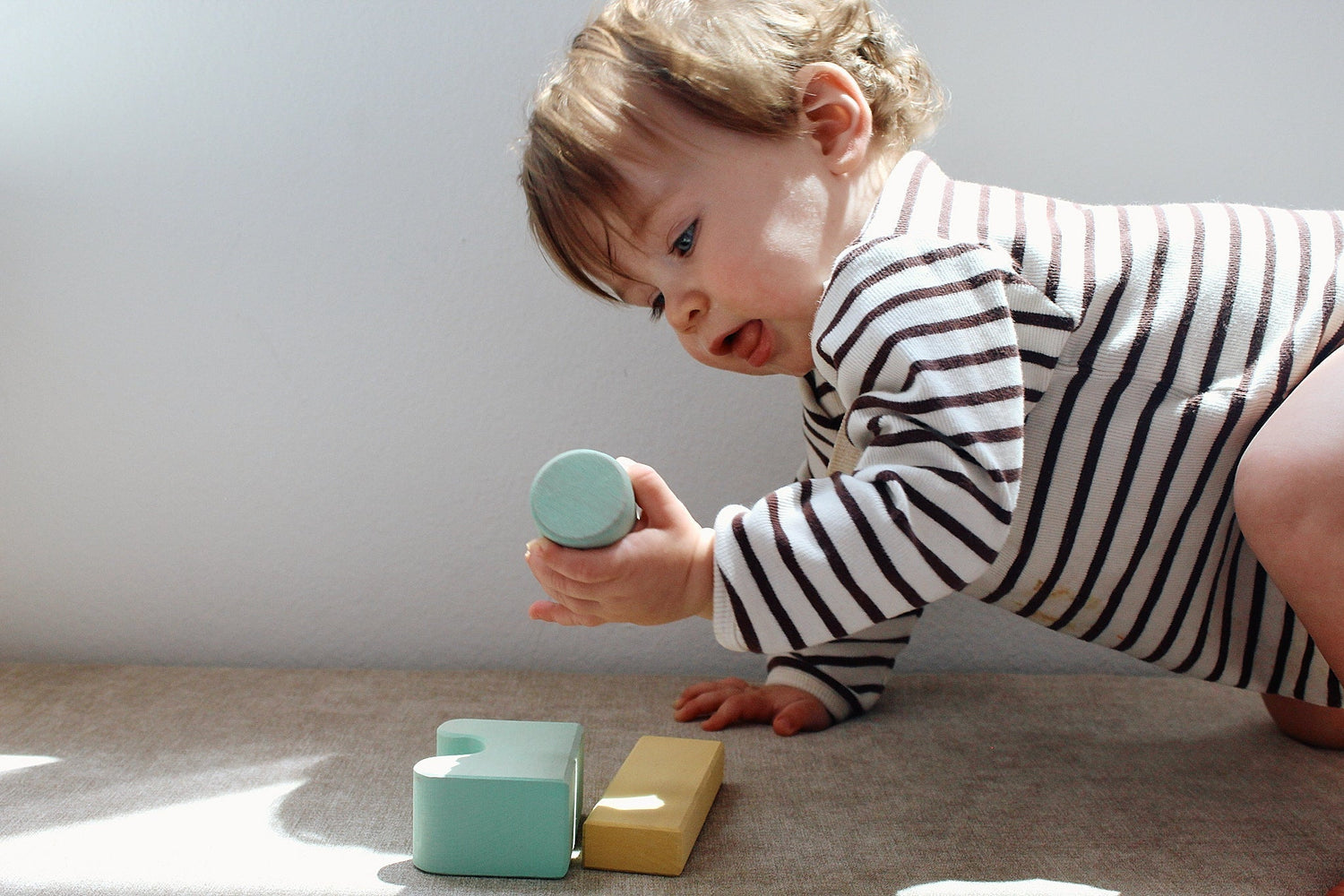
Focus on placing cubes into windows and simple stacking
Preschoolers (3–5):
Introduce turn-taking and gentle pushing
Older kids (5+):
Add rules, challenges, and competitive play
Extend the Play
- Count how many cubes you removed before the structure fell
- Sort cubes by color before rebuilding
- Create patterns as you restack them
Or… let them invent their own rules (they always do anyway).
Why Open-Ended Play Works
Activities like this show how a simple fine motor activity for kids can turn everyday play into meaningful learning—without adding more toys or complexity. Read more about the benefits of open-ended play on childhood development here.
Shop the Activity
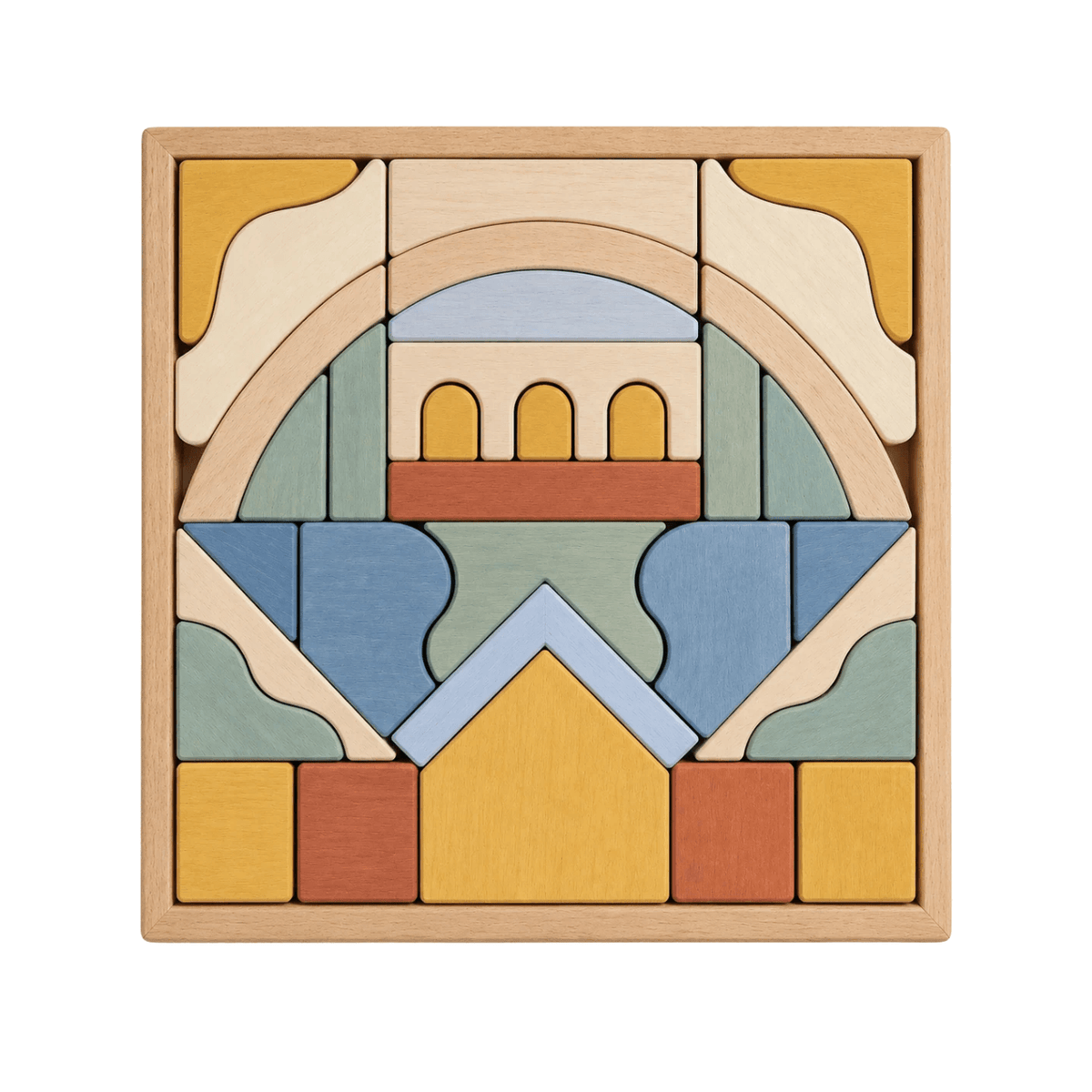
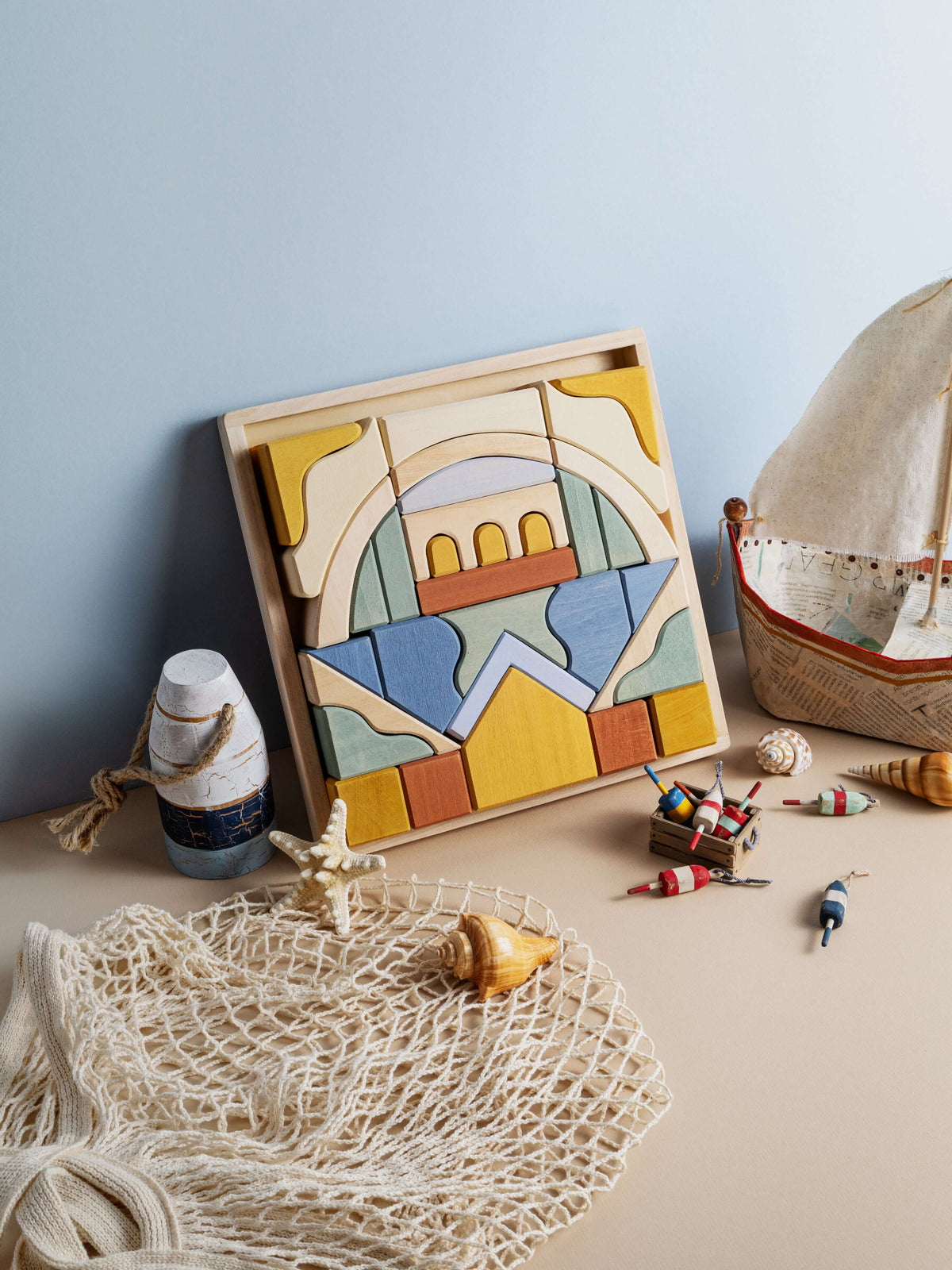
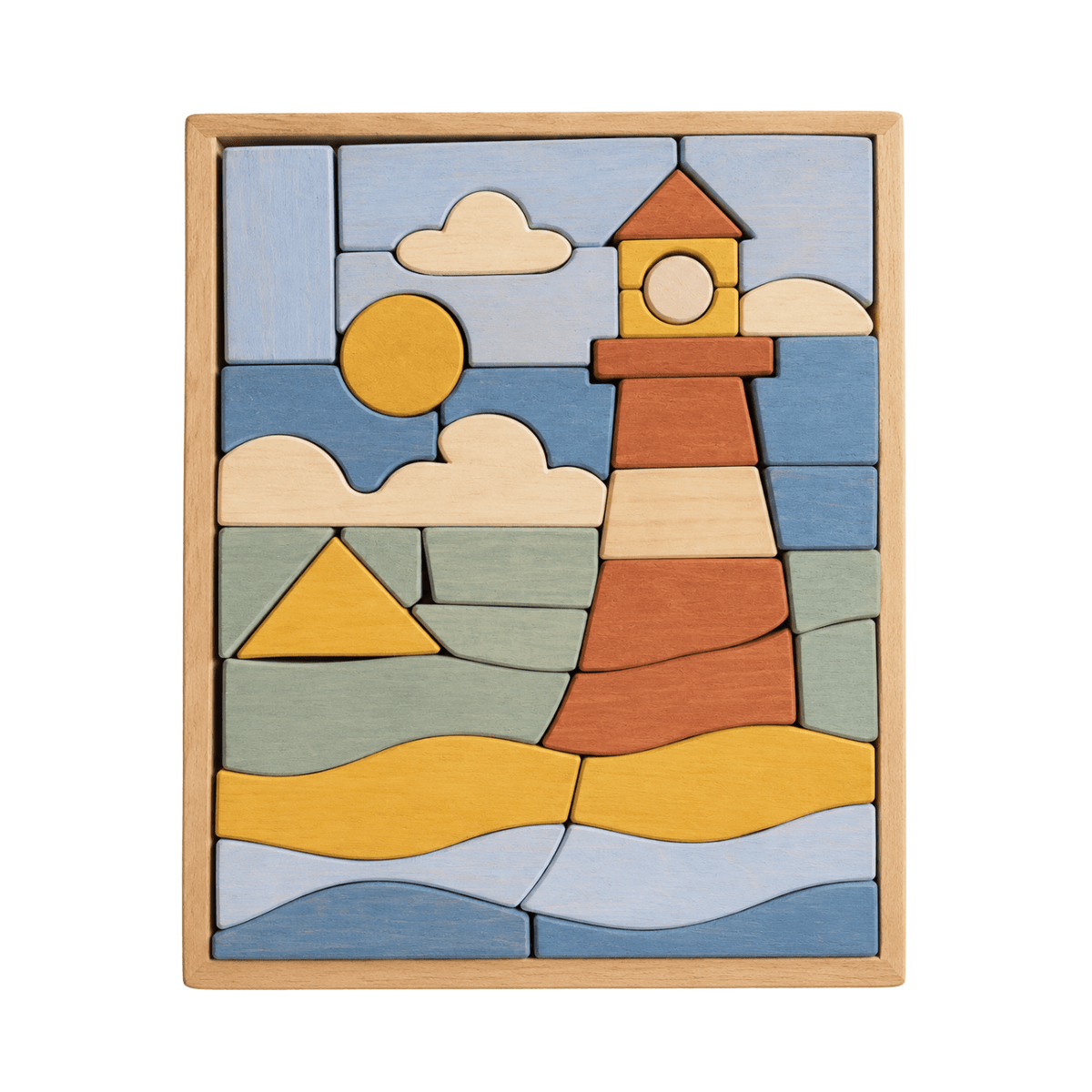
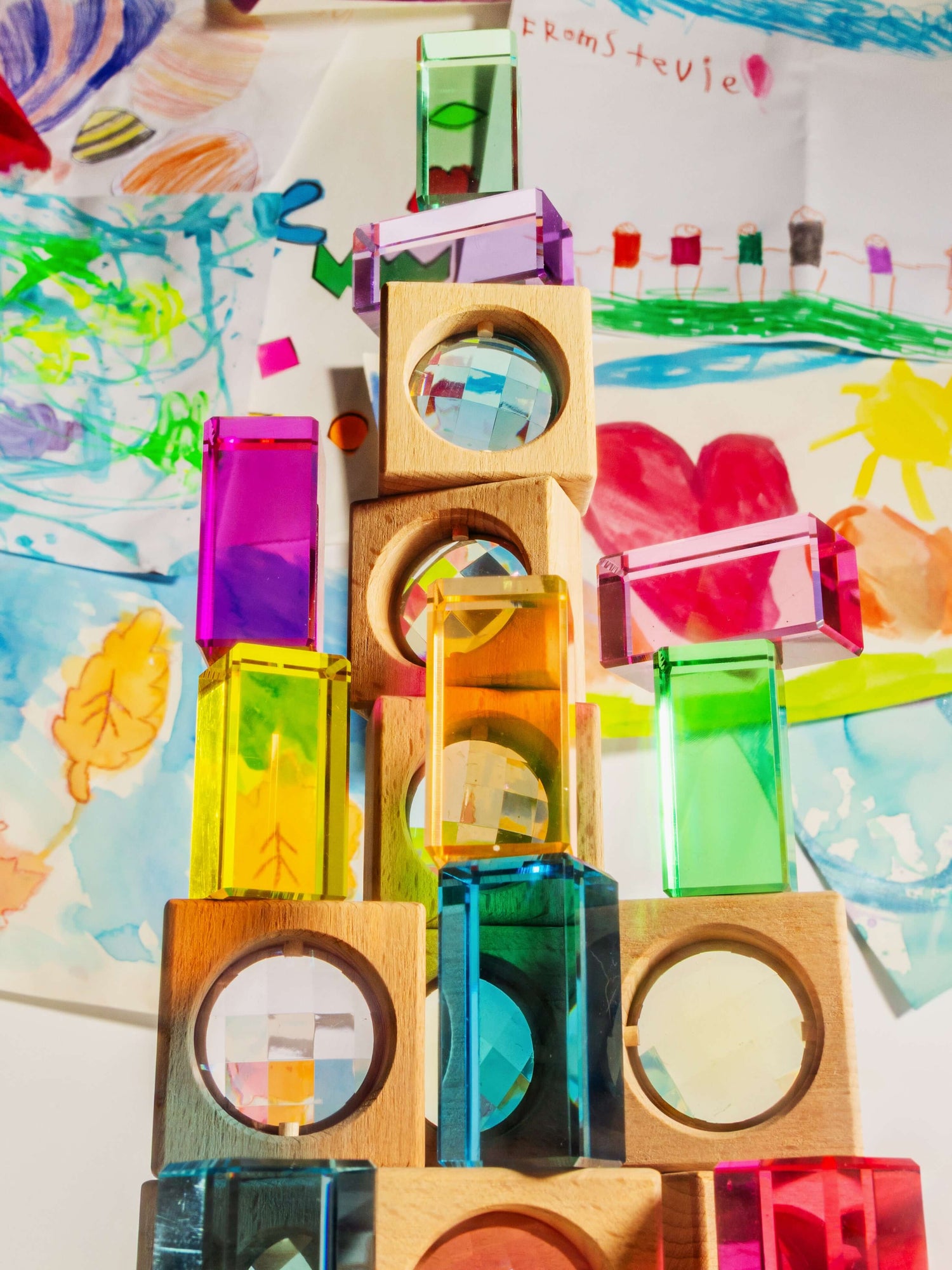
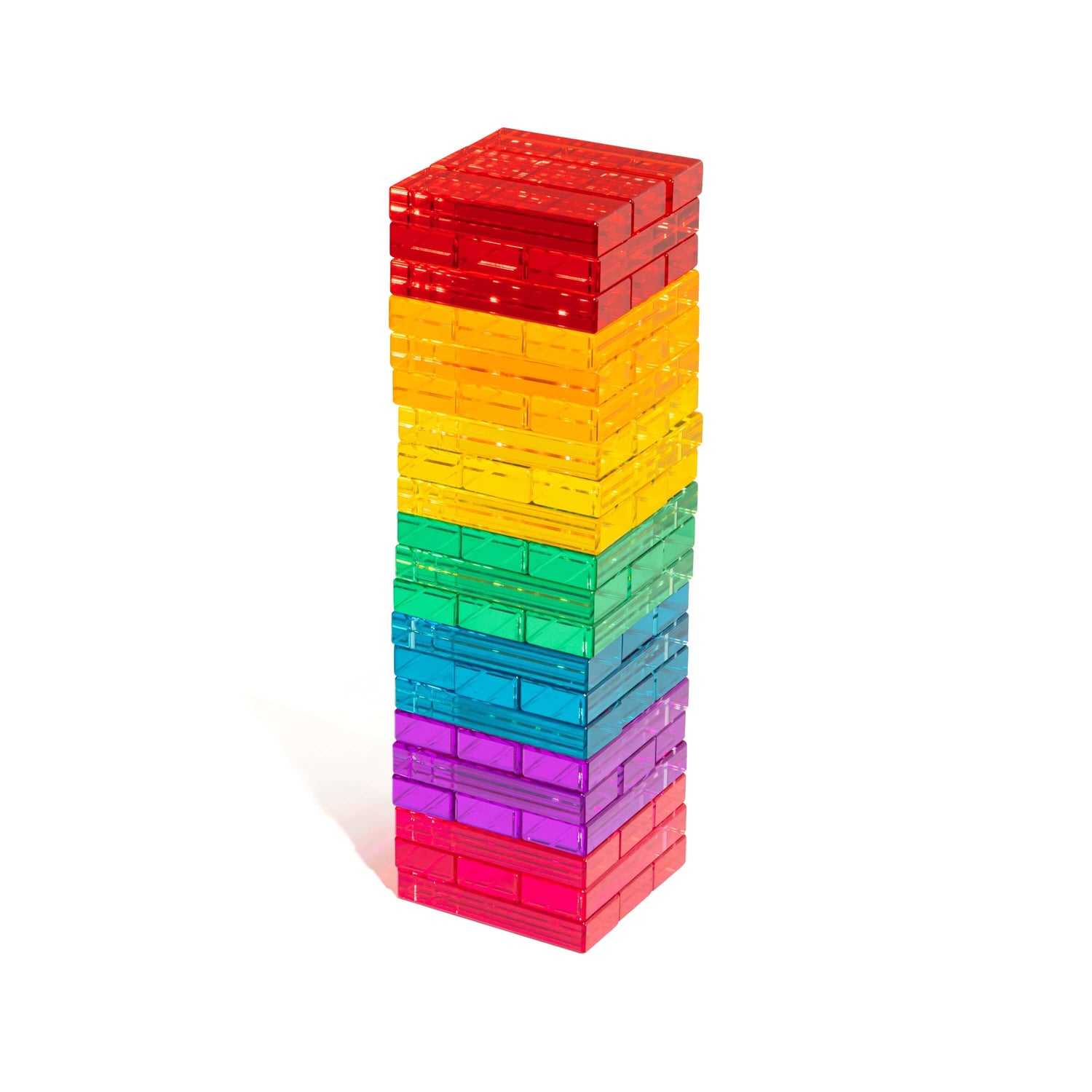
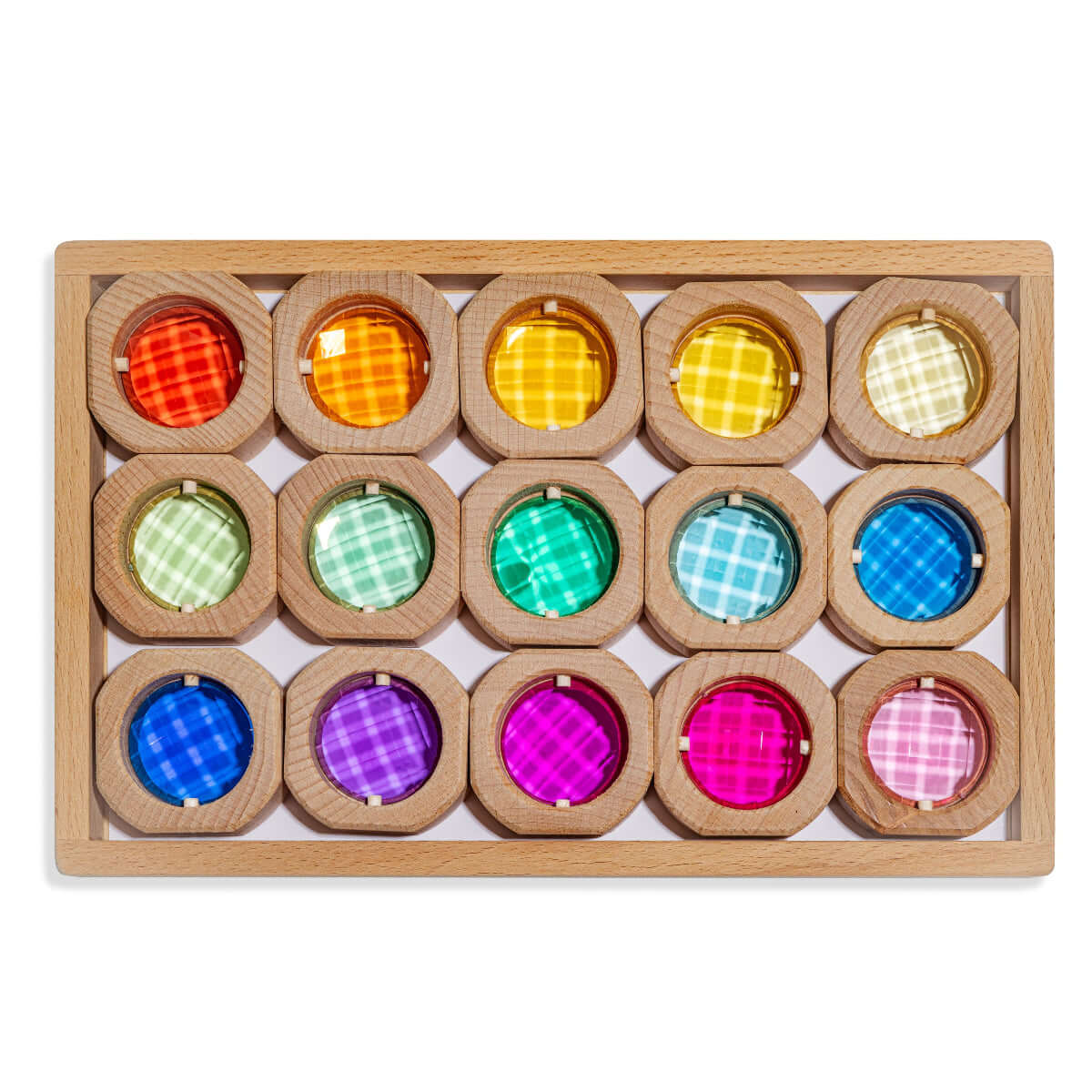
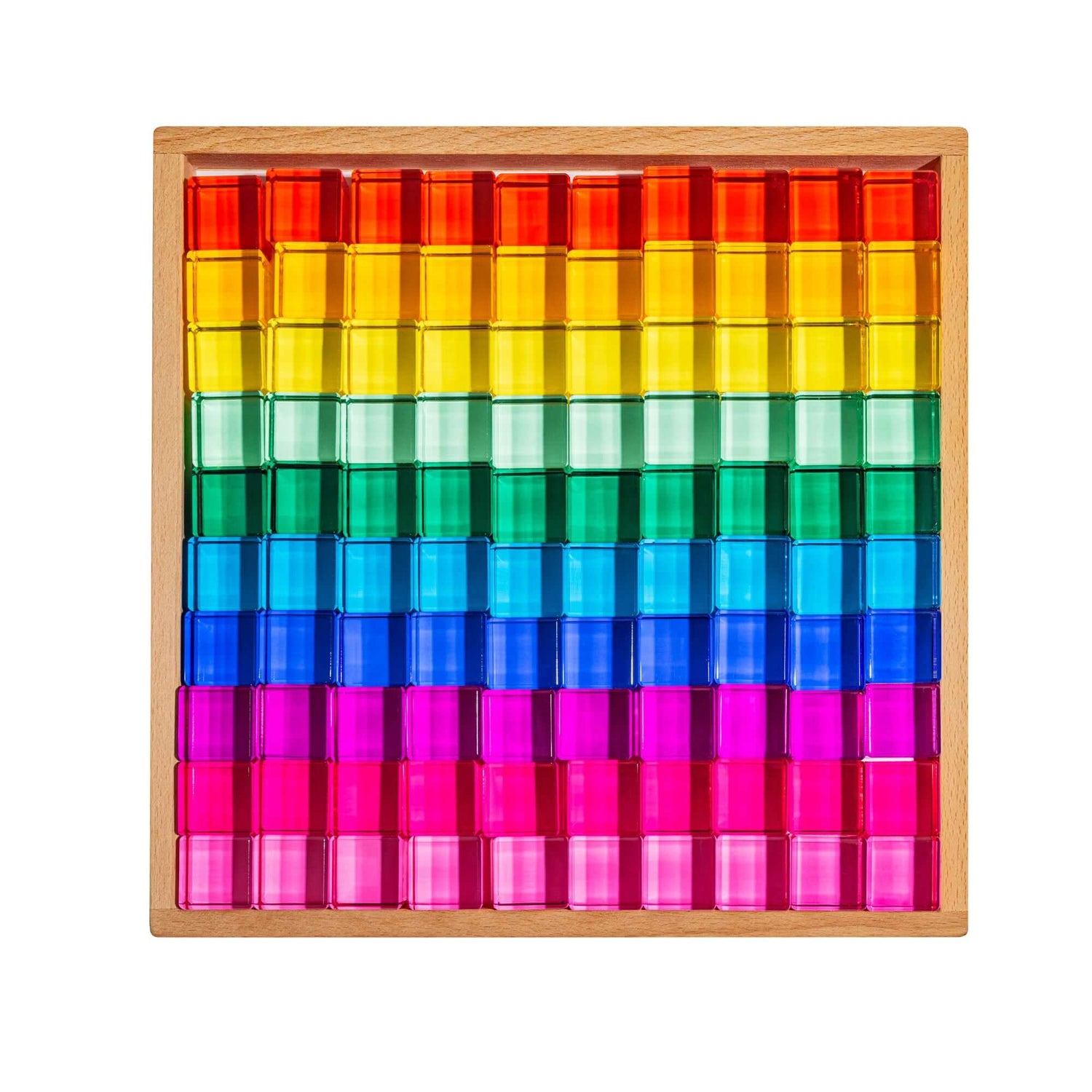
Recreate this activity with our Riley Blocks, Remi Blocks or Canal Blocks designed for open-ended play, fine motor development, and beautiful everyday moments at home.
FAQ: Fine Motor Activities for Kids
What are fine motor activities for kids?
Fine motor activities help children strengthen the small muscles in their hands and fingers, improving coordination and control needed for tasks like writing, buttoning, and building.
At what age should kids start fine motor activities?
Fine motor play can begin as early as toddlerhood, with simple stacking and placing activities, and becomes more advanced as children grow.
How do building toys support fine motor development?
Building toys like blocks encourage precise movements, hand-eye coordination, and problem-solving, making them ideal for developing fine motor skills through play.








0 comments