
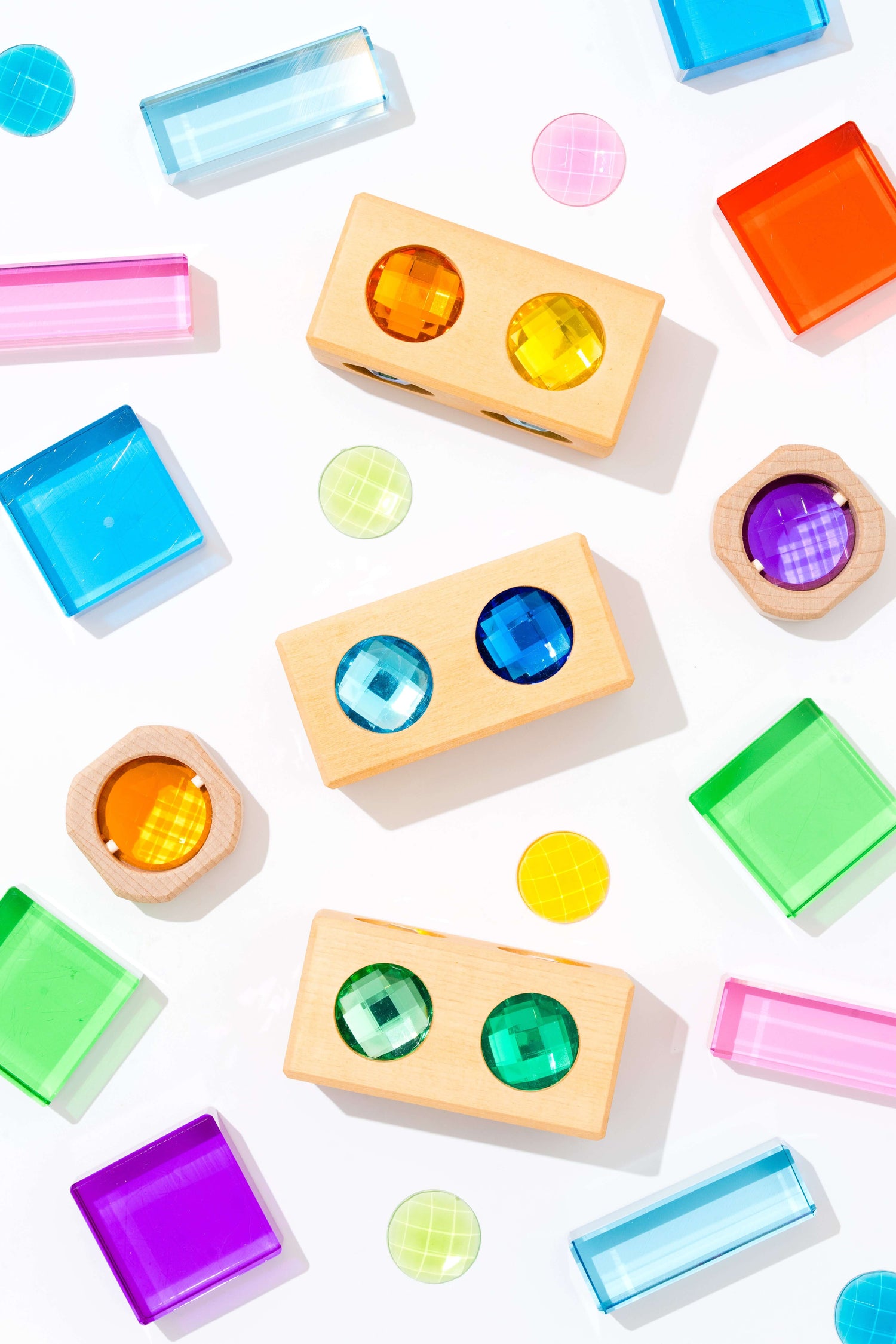
The Benefits of Open-Ended Play for Child Development
The benefits of open-ended play go far beyond simple entertainment. When children are given the freedom to explore toys without instructions or predetermined outcomes, they begin to experiment, invent ideas, and discover new ways to interact with the world around them. Open-ended play encourages creativity, curiosity, and independent thinking—skills that support healthy childhood development.
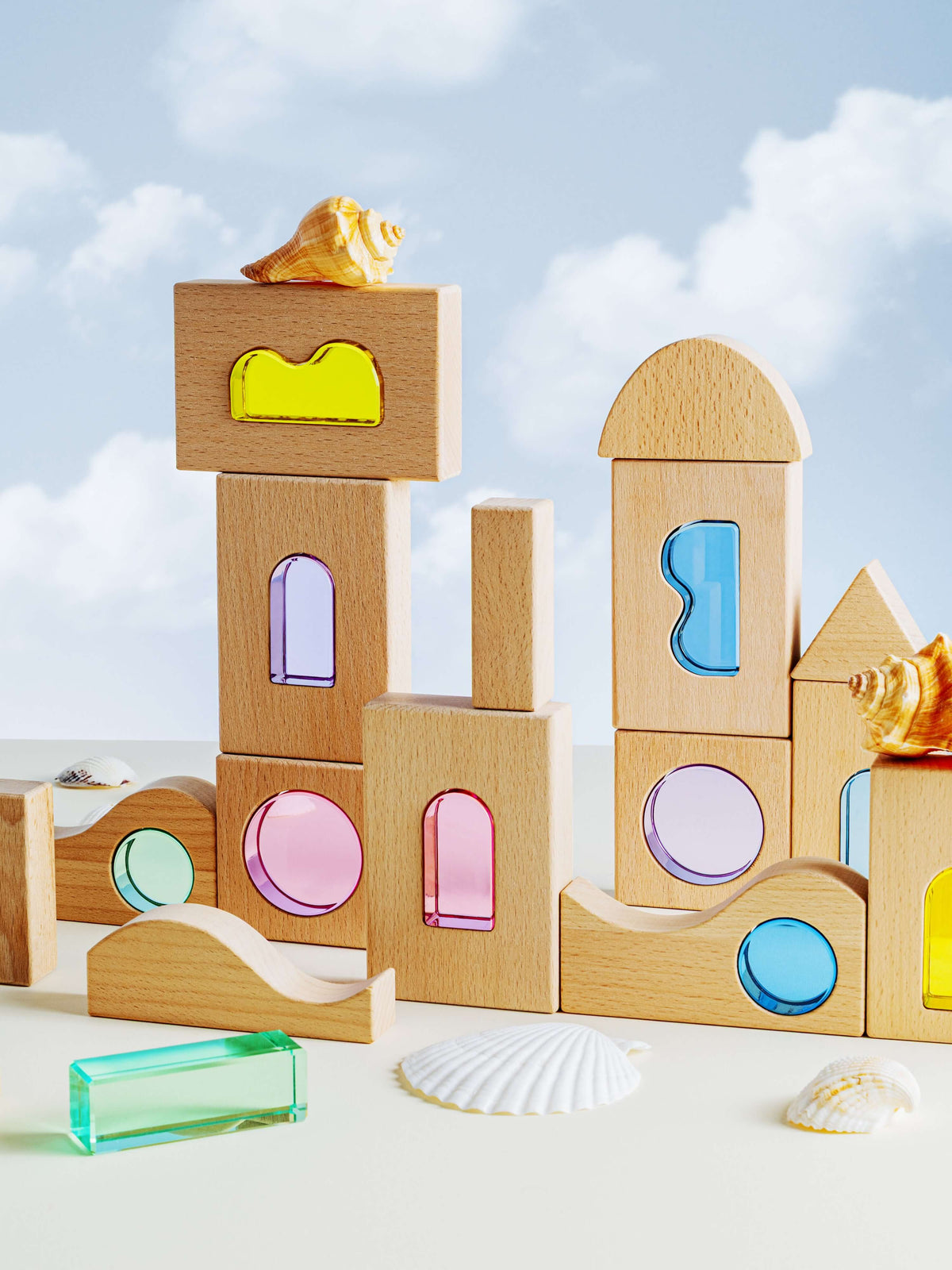
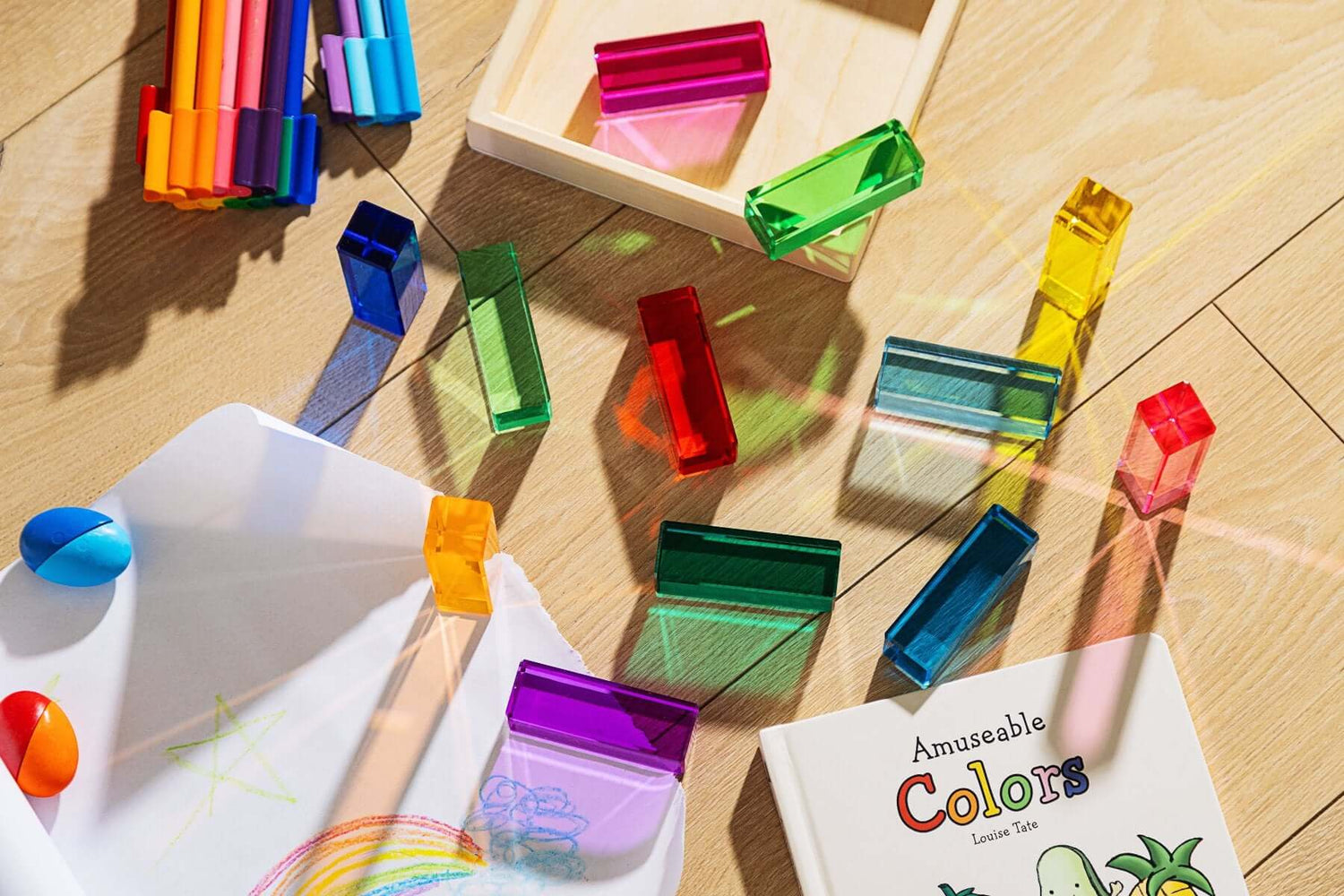
Unlike toys that require children to follow specific steps or rules, open-ended play materials allow children to guide their own play experiences. A set of blocks might become a castle, a city, or part of a pretend animal habitat depending entirely on a child’s imagination. Because there is no single “correct” way to play, children feel free to experiment and explore new ideas.
Creativity and Imagination
One of the most important benefits of open ended play is the way it nurtures creativity. When children are not given strict instructions for how to use a toy, they must rely on their imagination to invent games, build structures, and create stories.
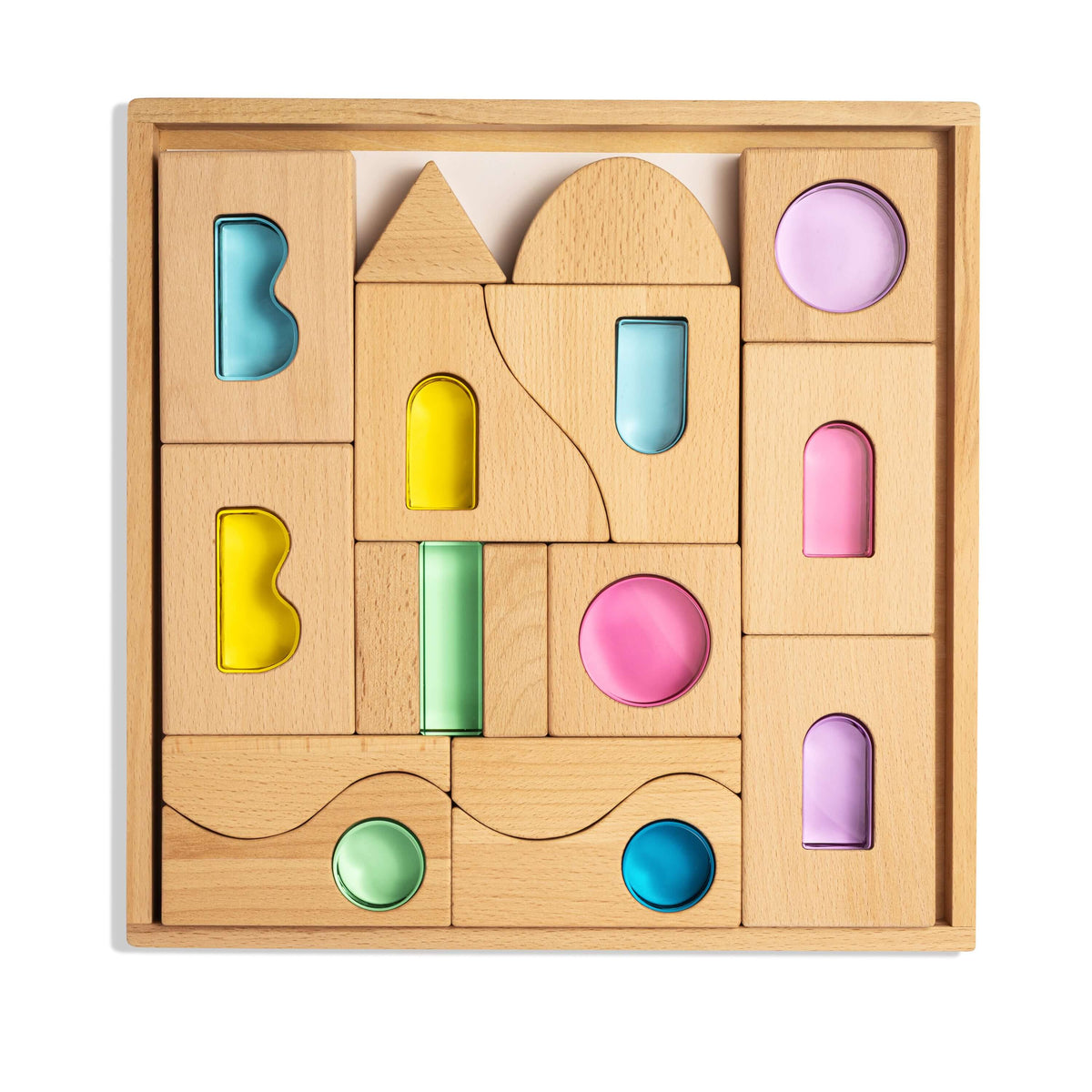
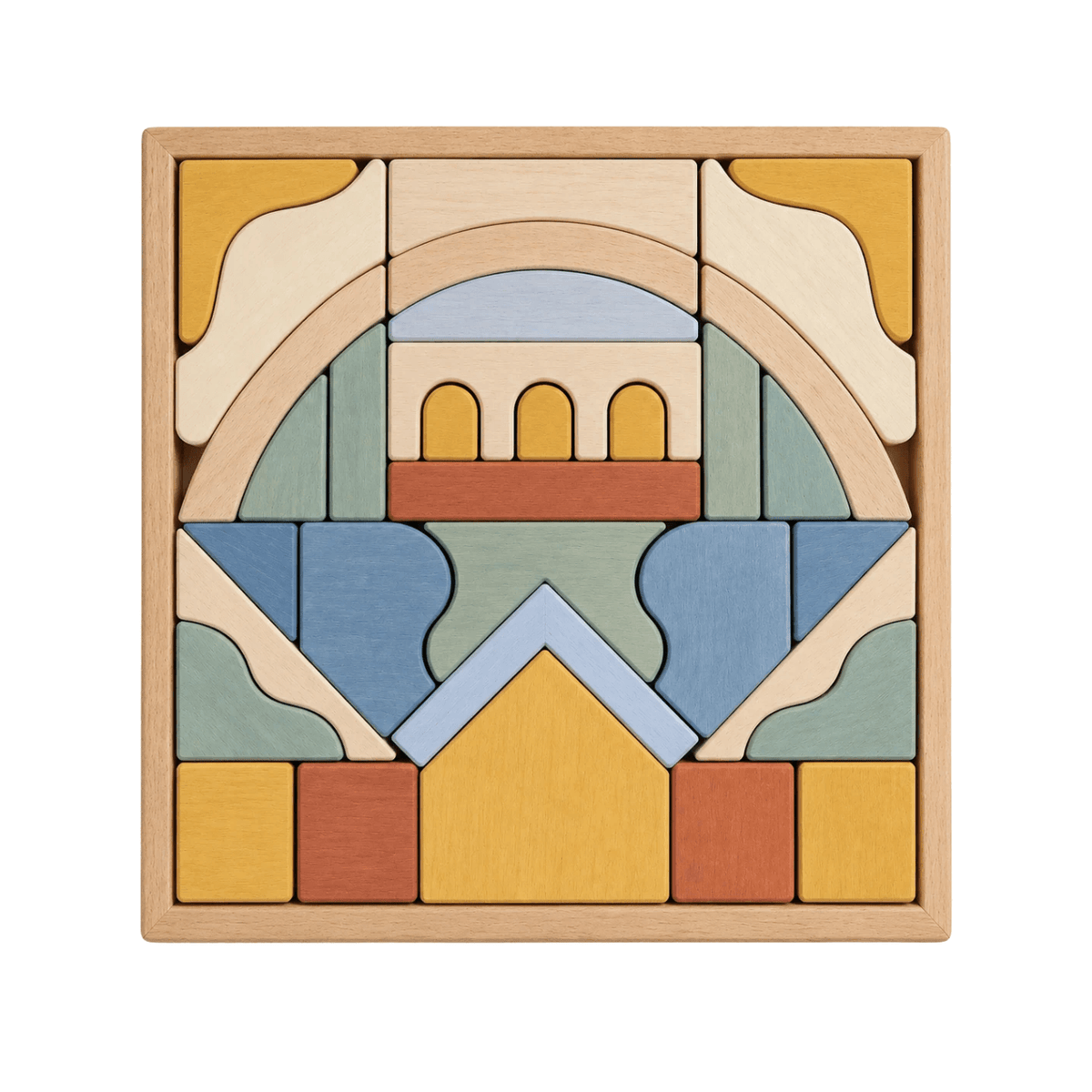
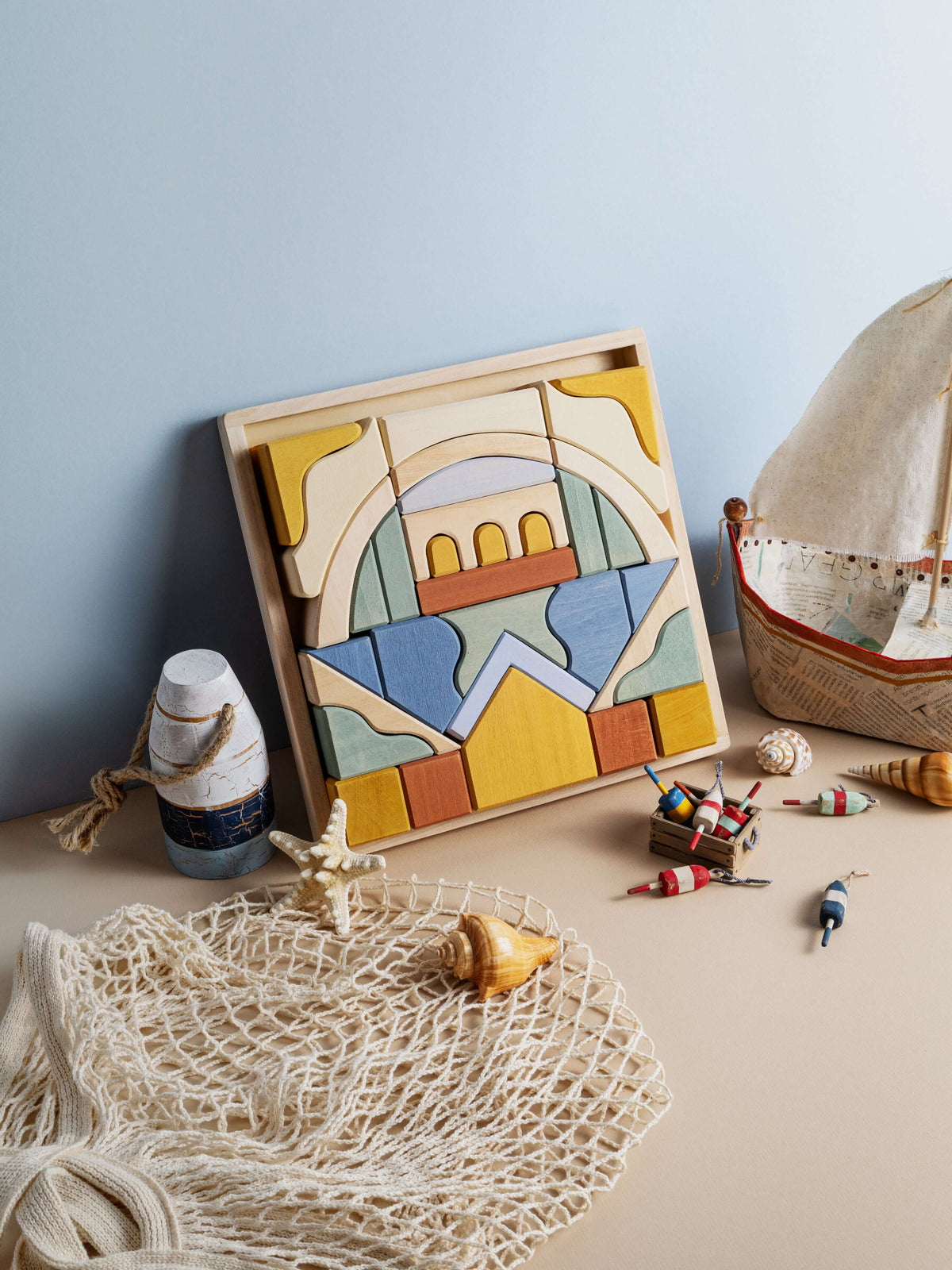
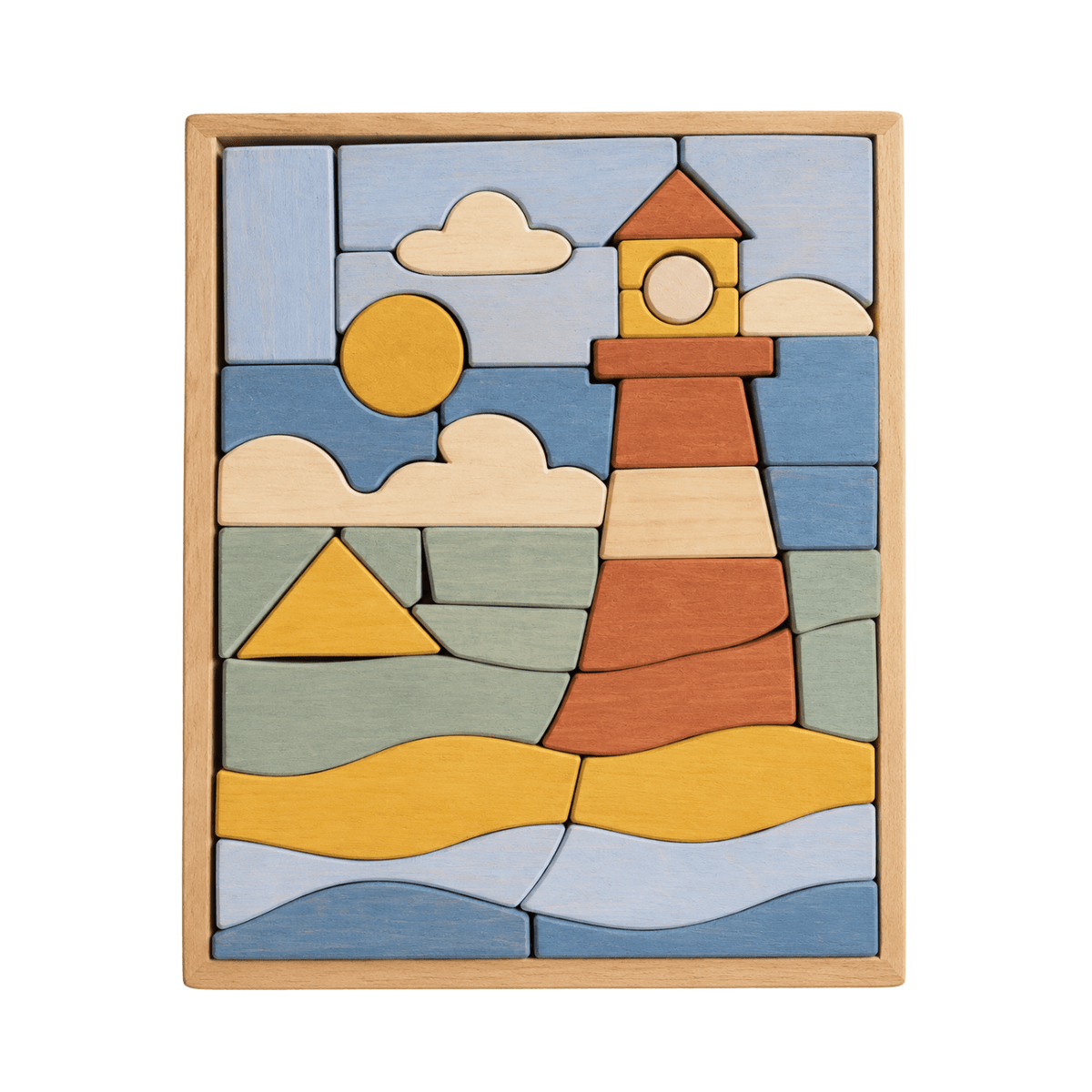
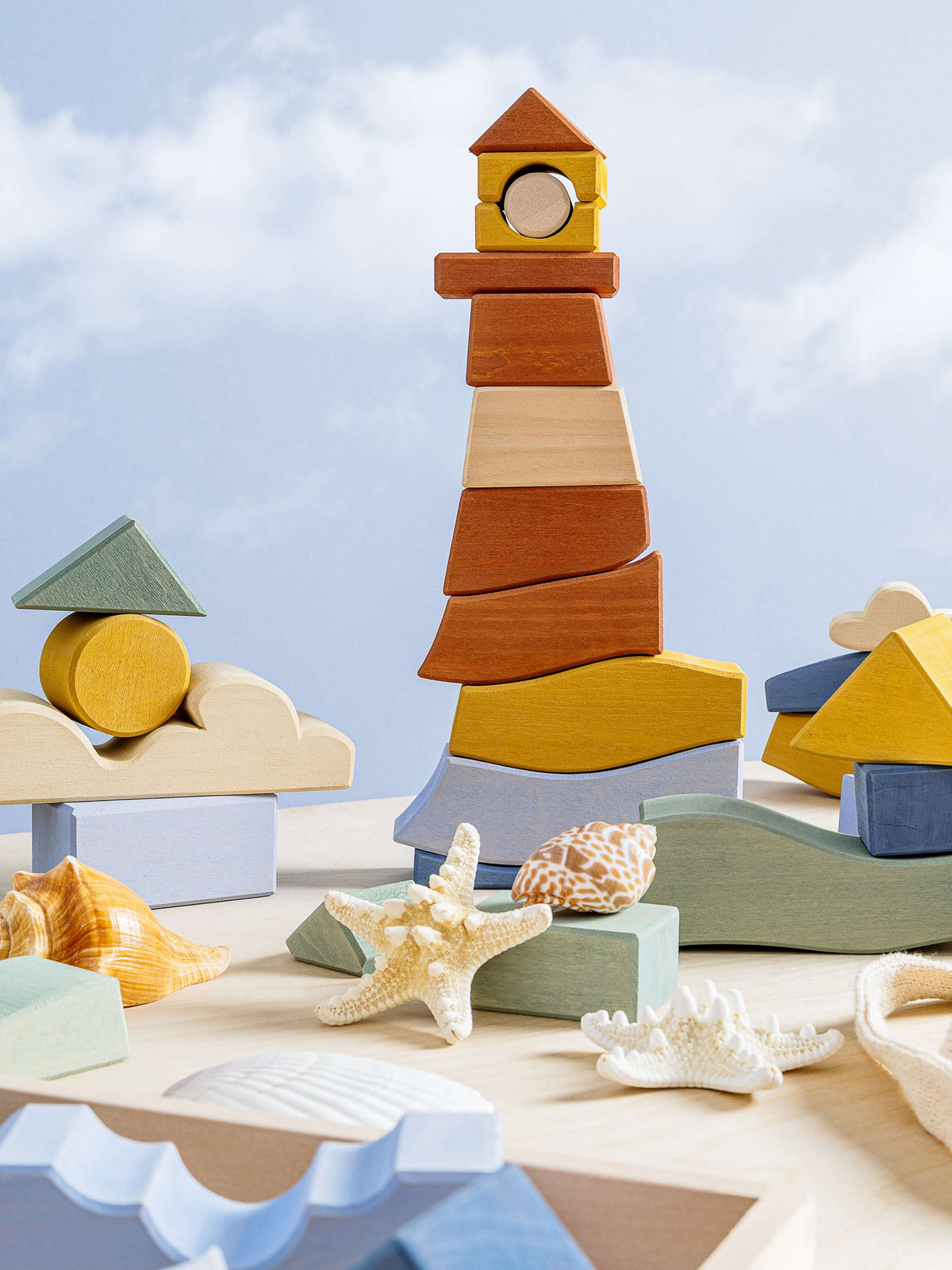
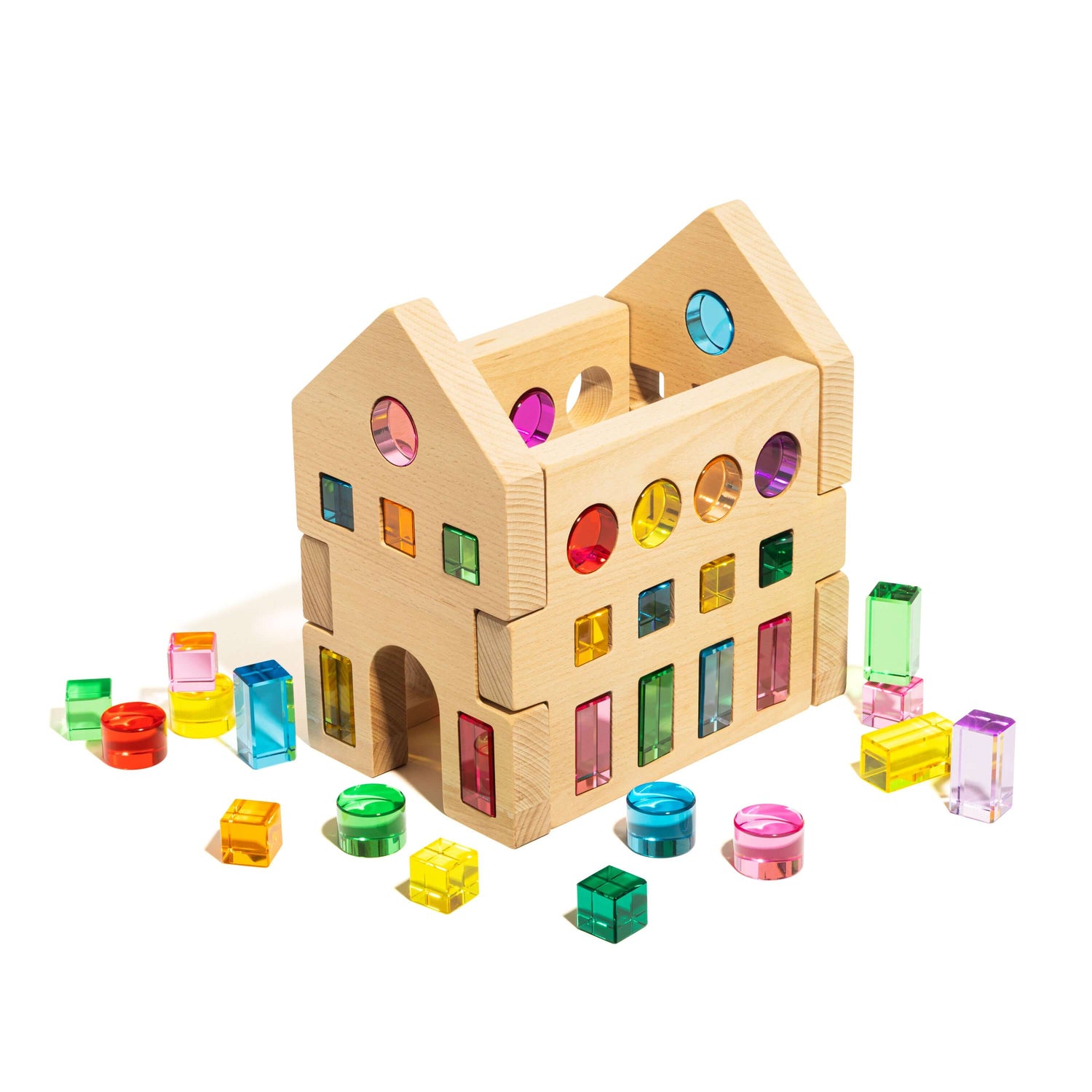
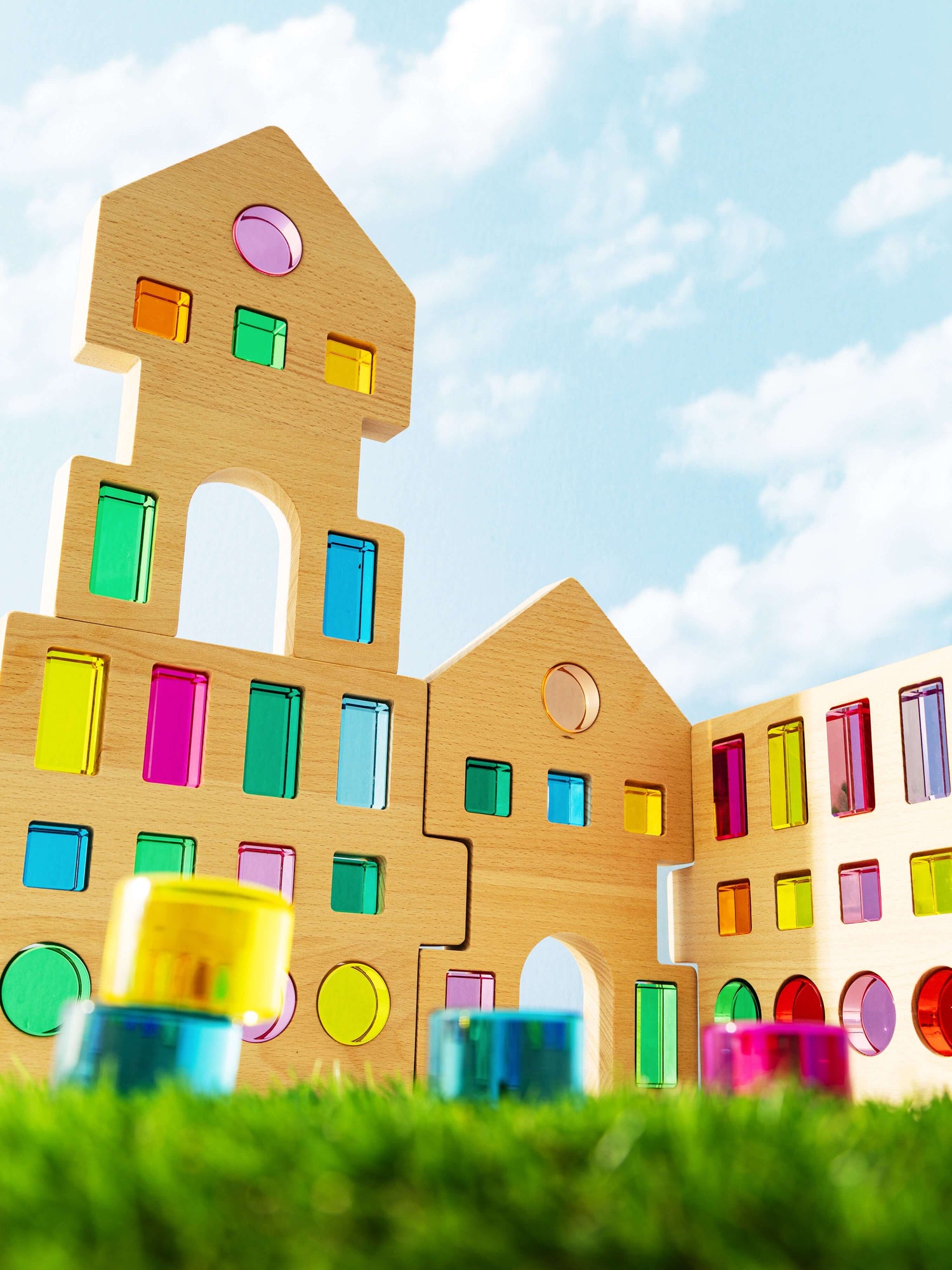
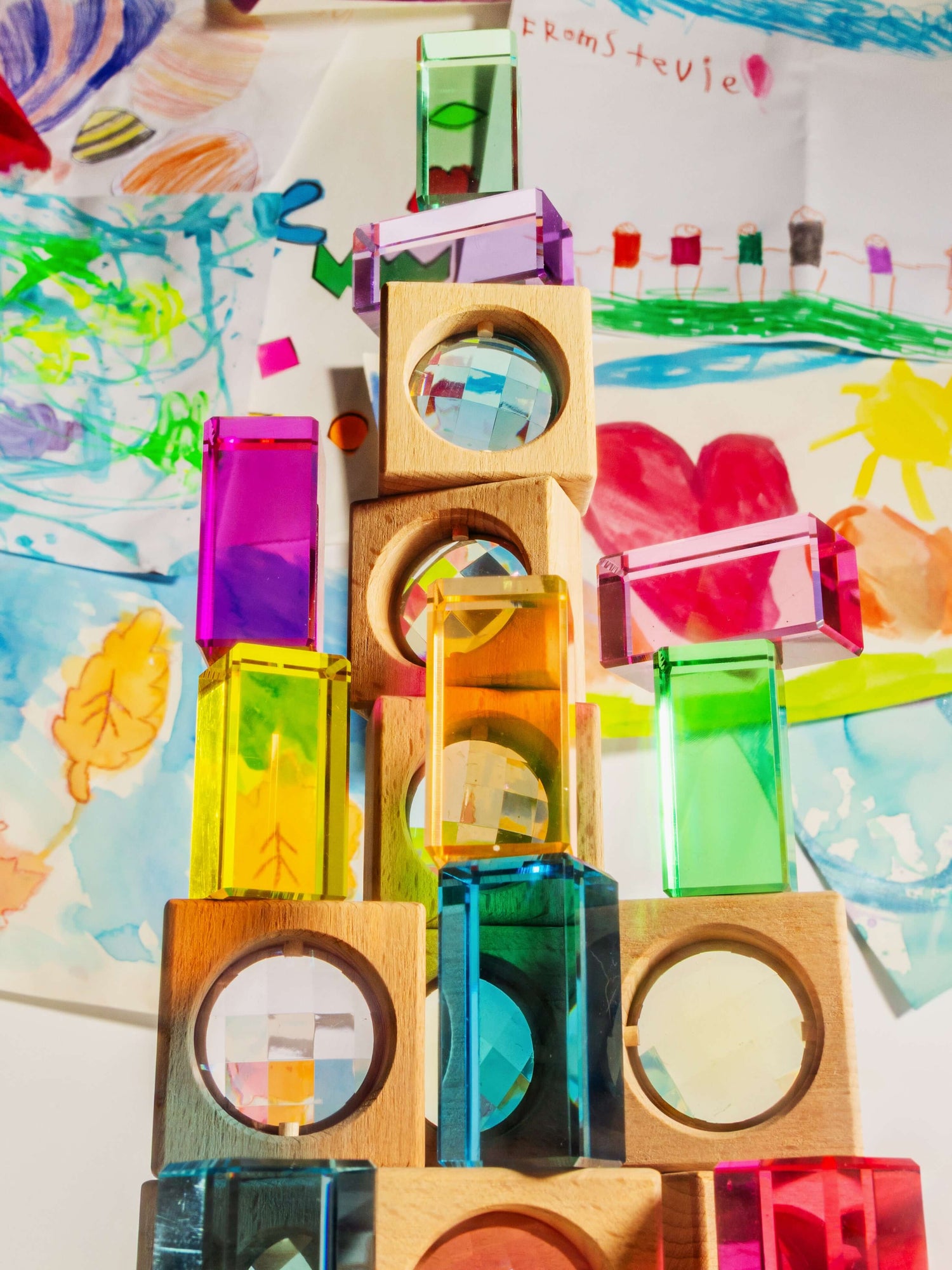
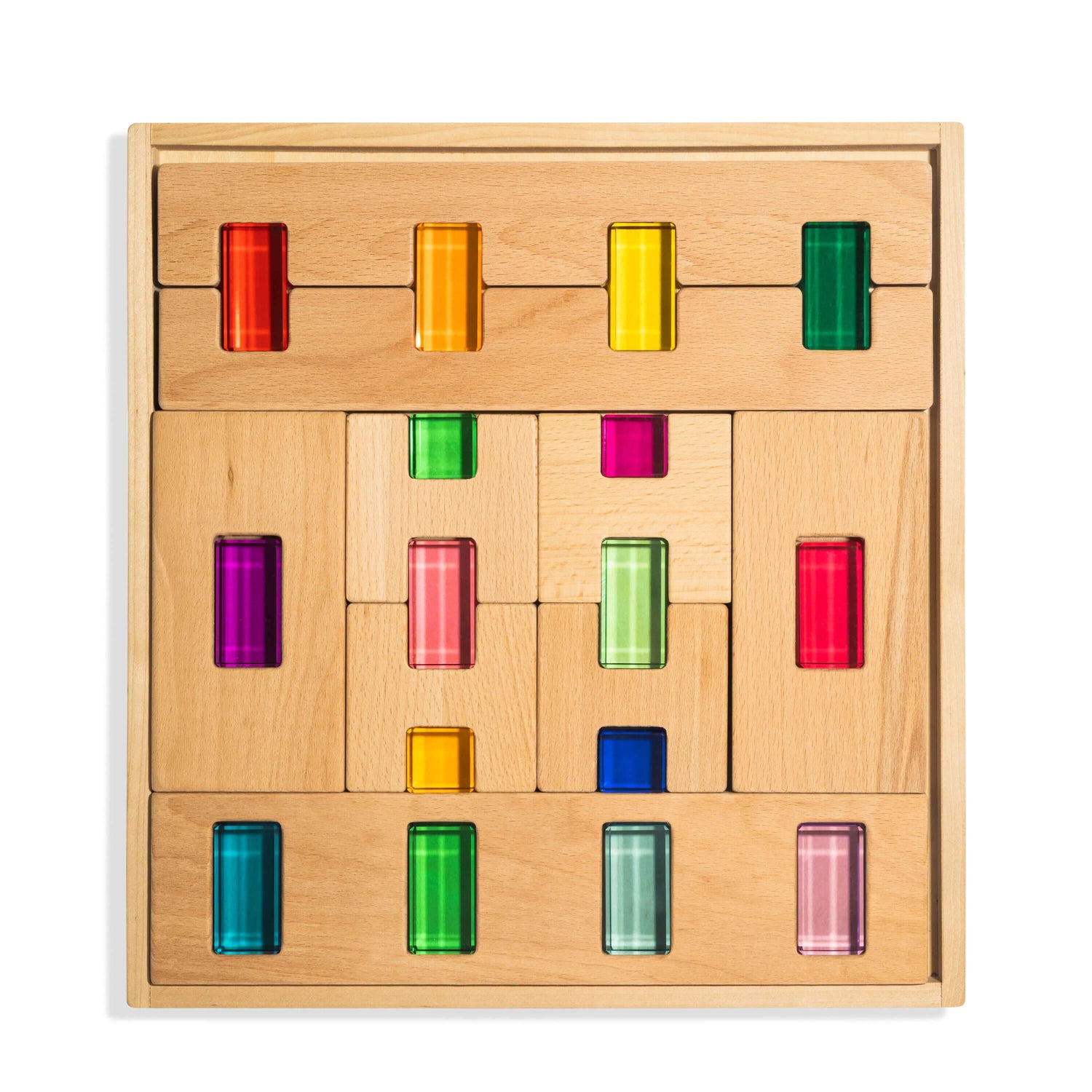
A simple set of blocks can become a tower, a bridge, or an entire city depending on the child’s ideas. This type of creative exploration helps children learn that their ideas matter and that they can bring those ideas to life through play. Explore our range of wooden-toys as a starting point for simple, open-ended play sets.
Problem Solving and Critical Thinking
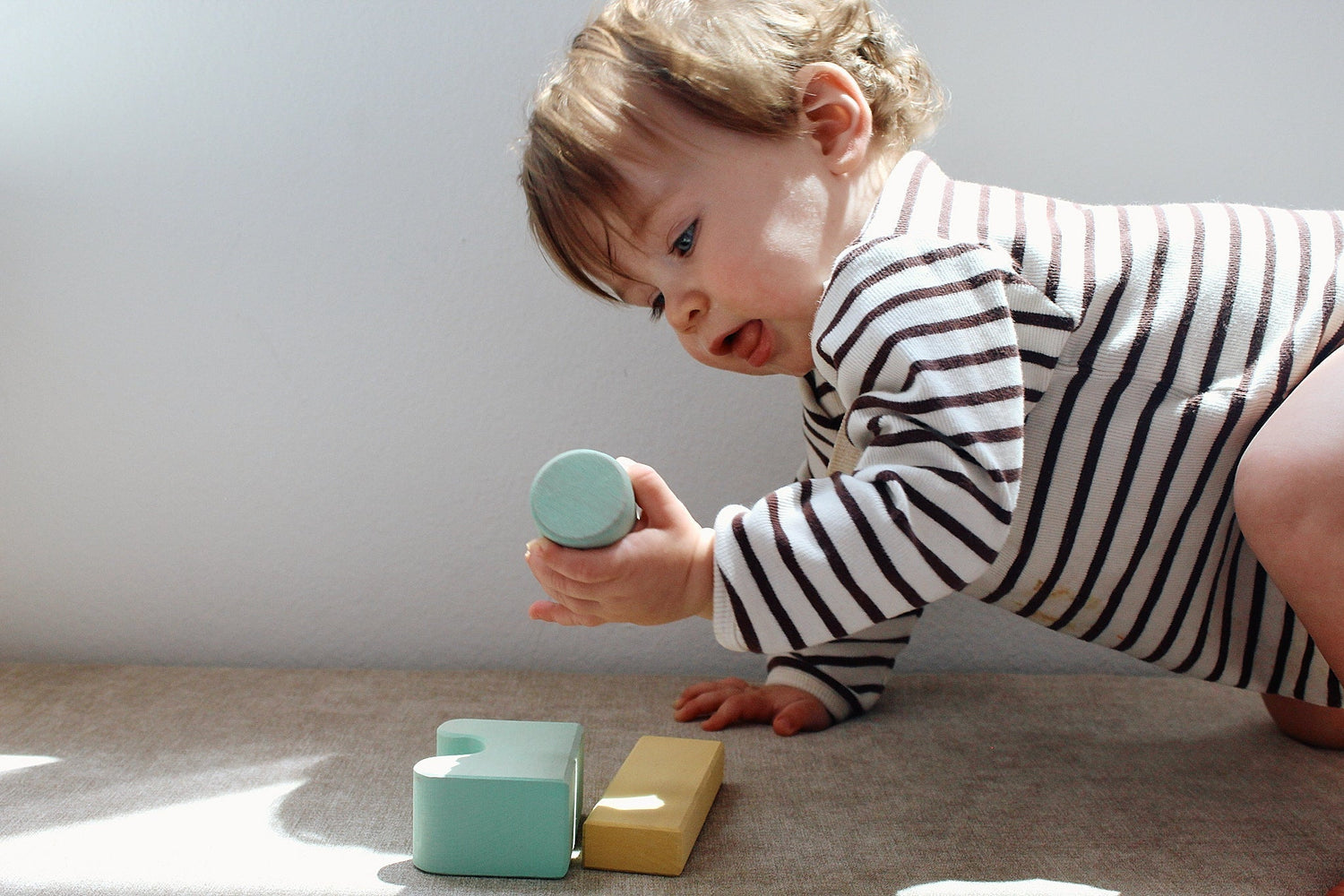
Open-ended play also supports important problem-solving skills. As children experiment with stacking, building, sorting, and balancing objects, they begin to test ideas and discover solutions.
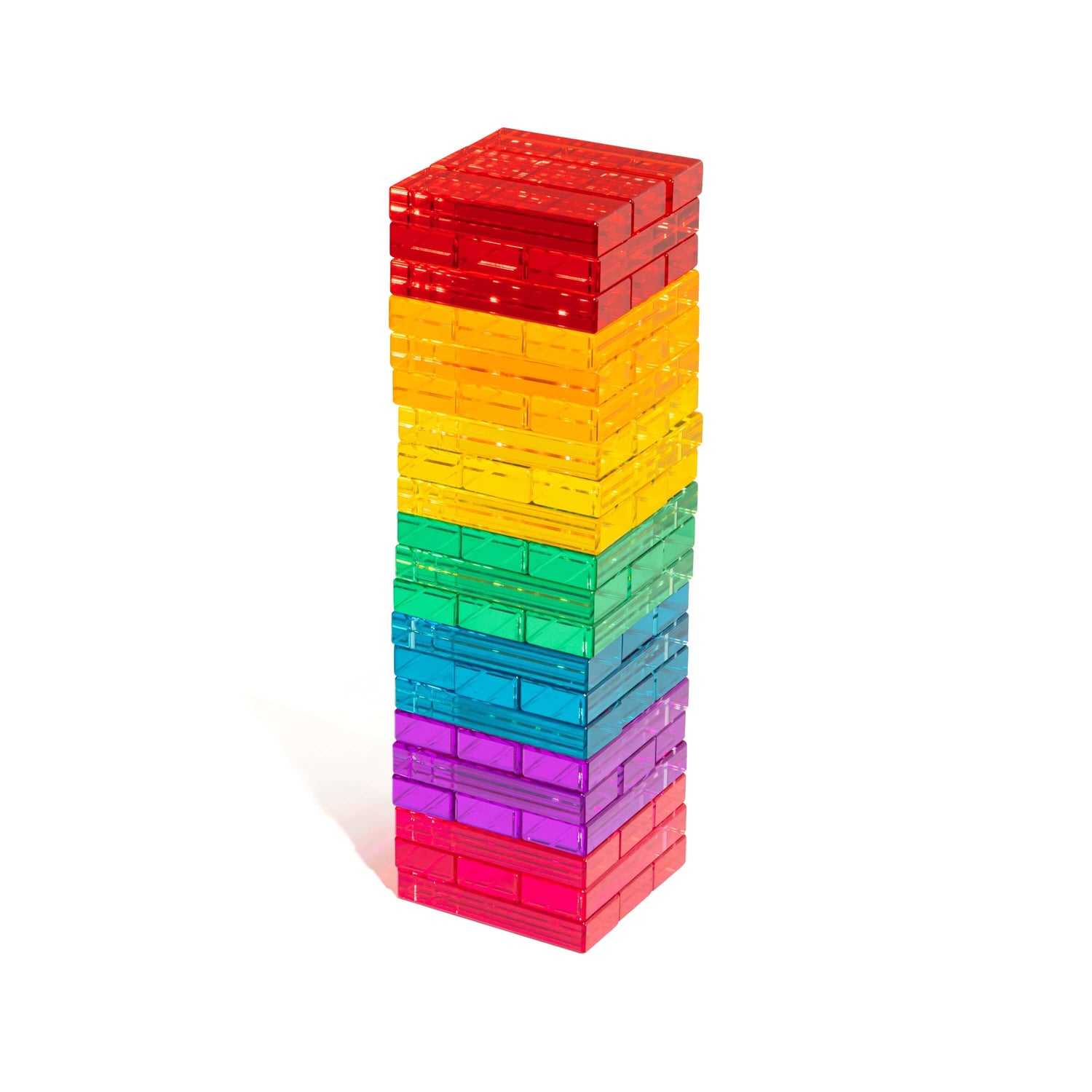
For example, when a tower falls over, children naturally try new strategies to build a stronger structure. These small moments of experimentation help develop critical thinking and persistence, both of which are important for learning throughout childhood.
Independence and Confidence
Another powerful benefit of open ended play is that it encourages independence. Because there are no instructions to follow, children become the leaders of their own play experiences.
This freedom helps children develop confidence in their decision-making and creativity. When children realize they can invent their own ideas and games, they gain a stronger sense of independence and curiosity.
Language and Social Development
Open-ended play also supports communication and storytelling skills. As children invent characters, create pretend worlds, and act out imaginative scenarios, they practice language and social interaction.
Children often narrate their play, describe their creations, and collaborate with friends or siblings to build shared stories. These interactions help strengthen communication skills and emotional understanding.
How Open-Ended Play Supports Learning
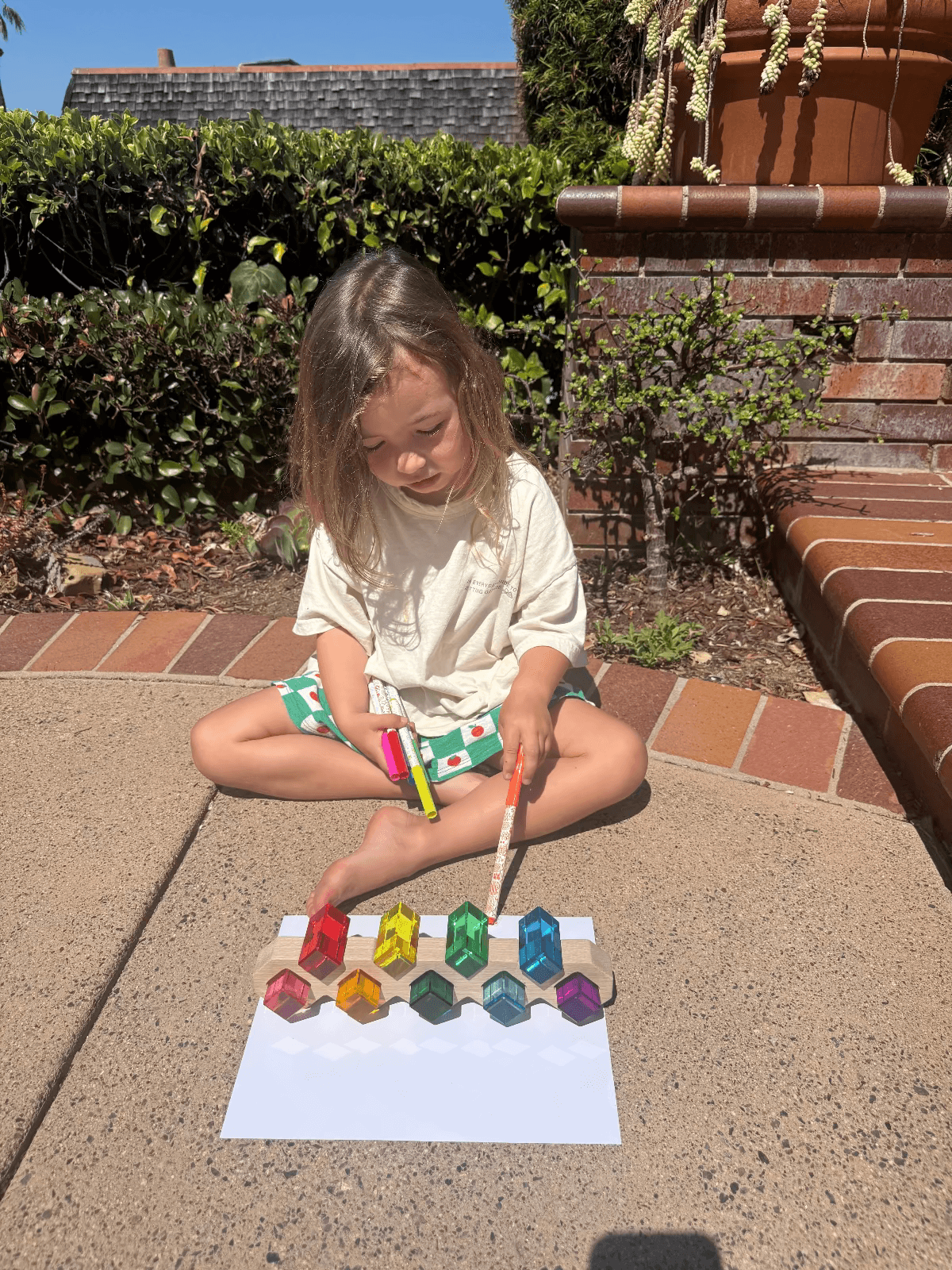
Open-ended play is also closely connected to early learning. Through play, children naturally explore concepts related to science, math, and design.
For example, building blocks introduce ideas such as:
balance and gravity
shapes and spatial awareness
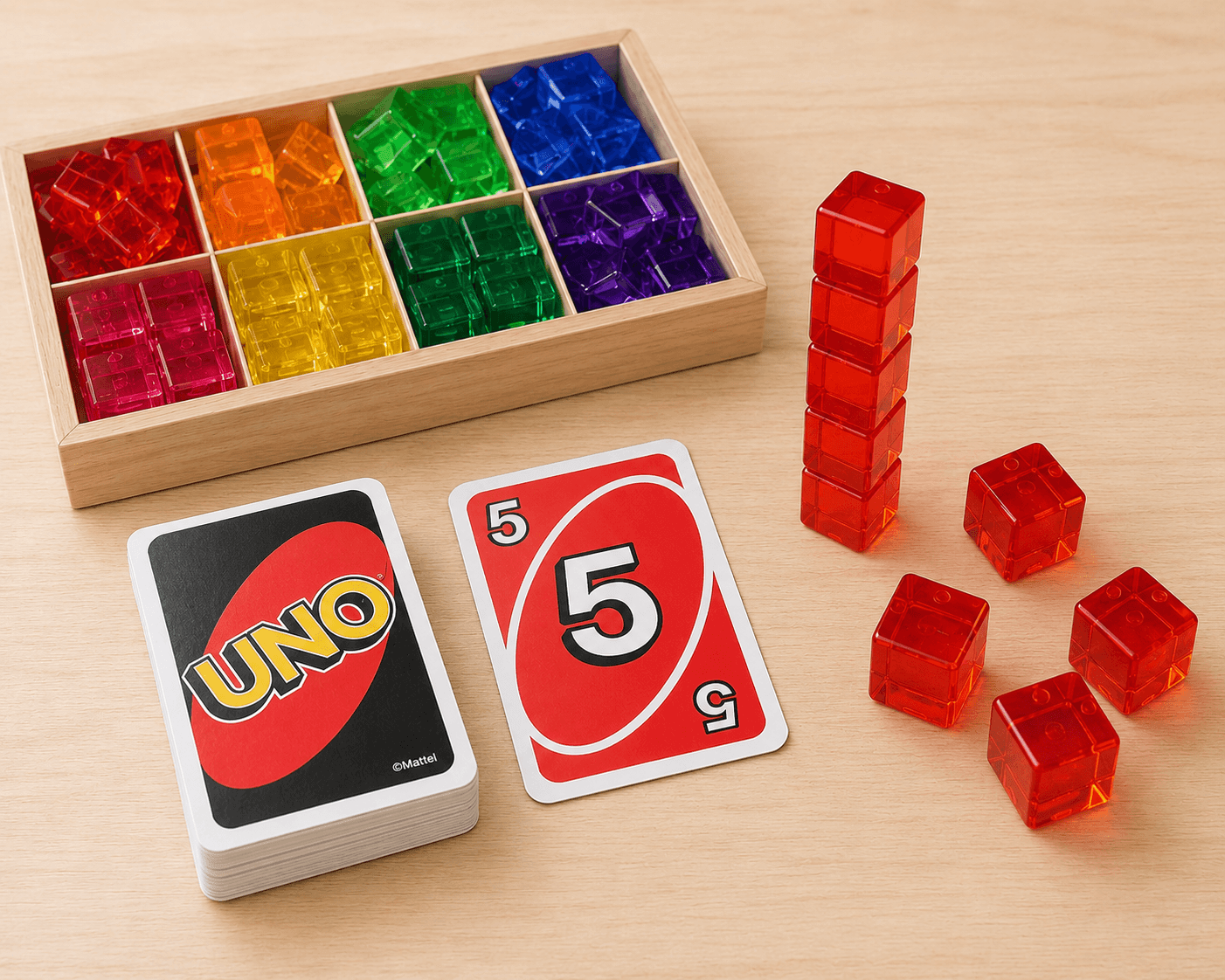
counting and pattern recognition
cause and effect
These discoveries happen naturally during play, making learning both enjoyable and meaningful. Check out our activity library for ways to encourage learning using our open-ended toys at home.
Choosing Toys That Encourage Open-Ended Play
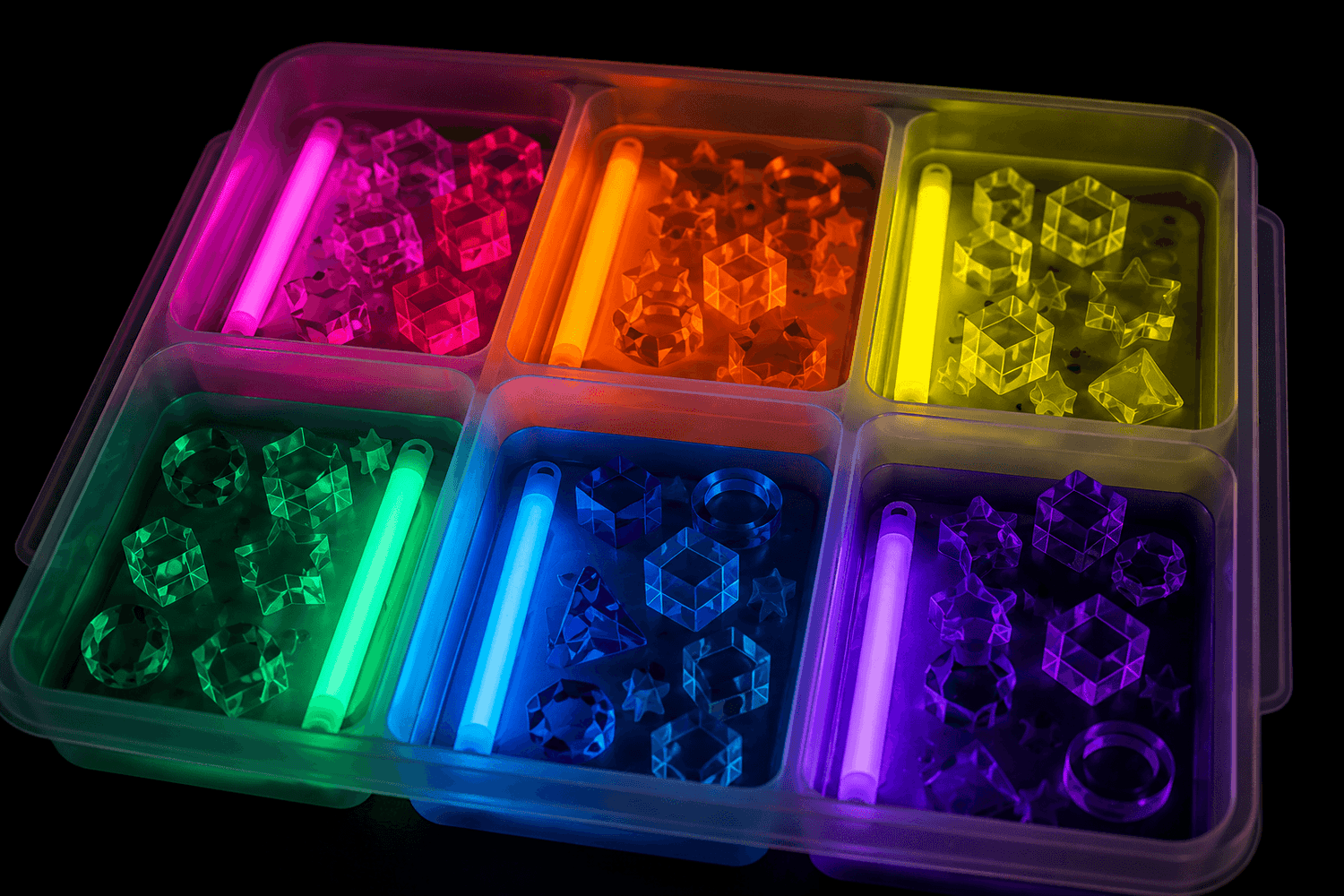
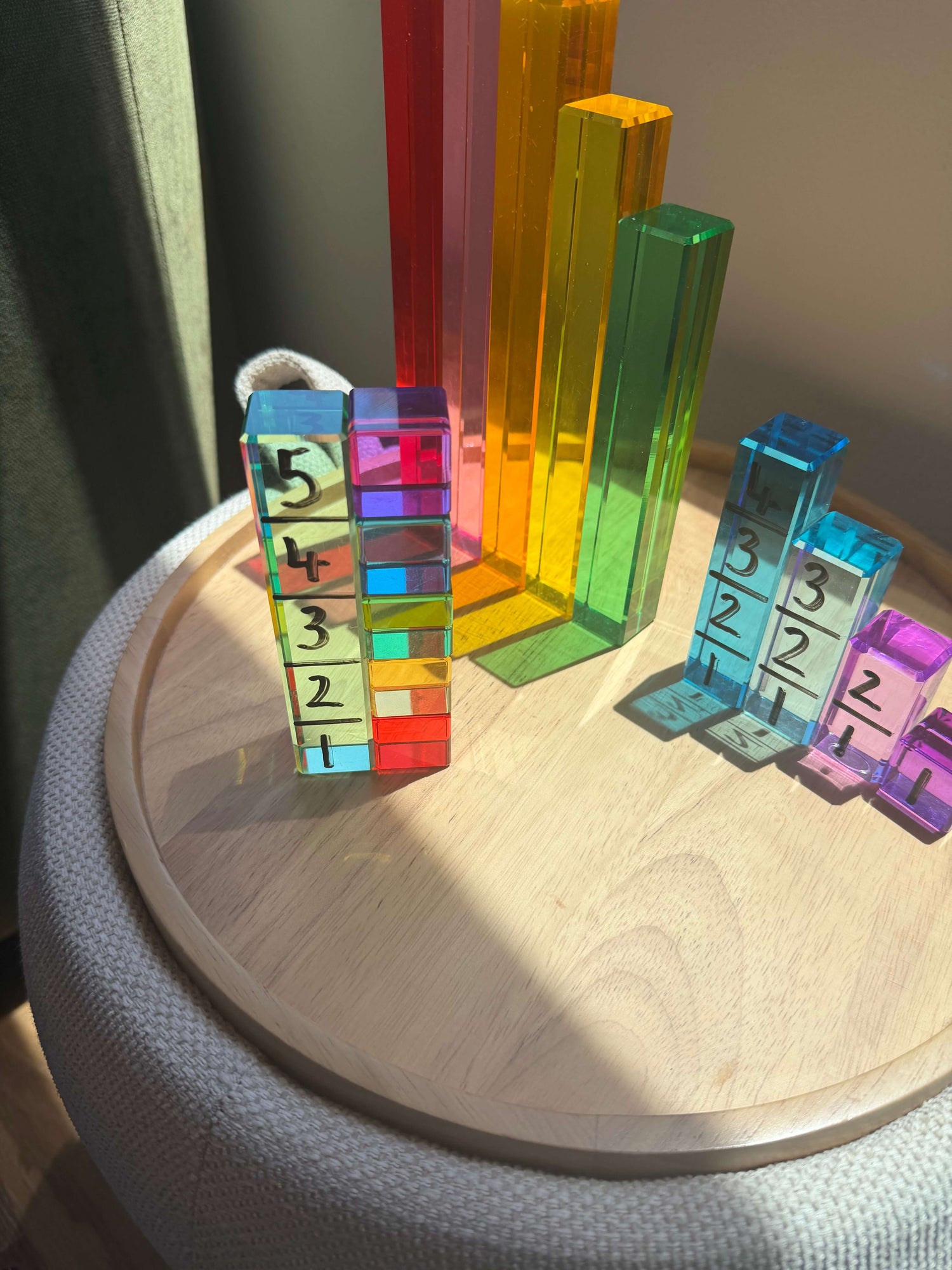
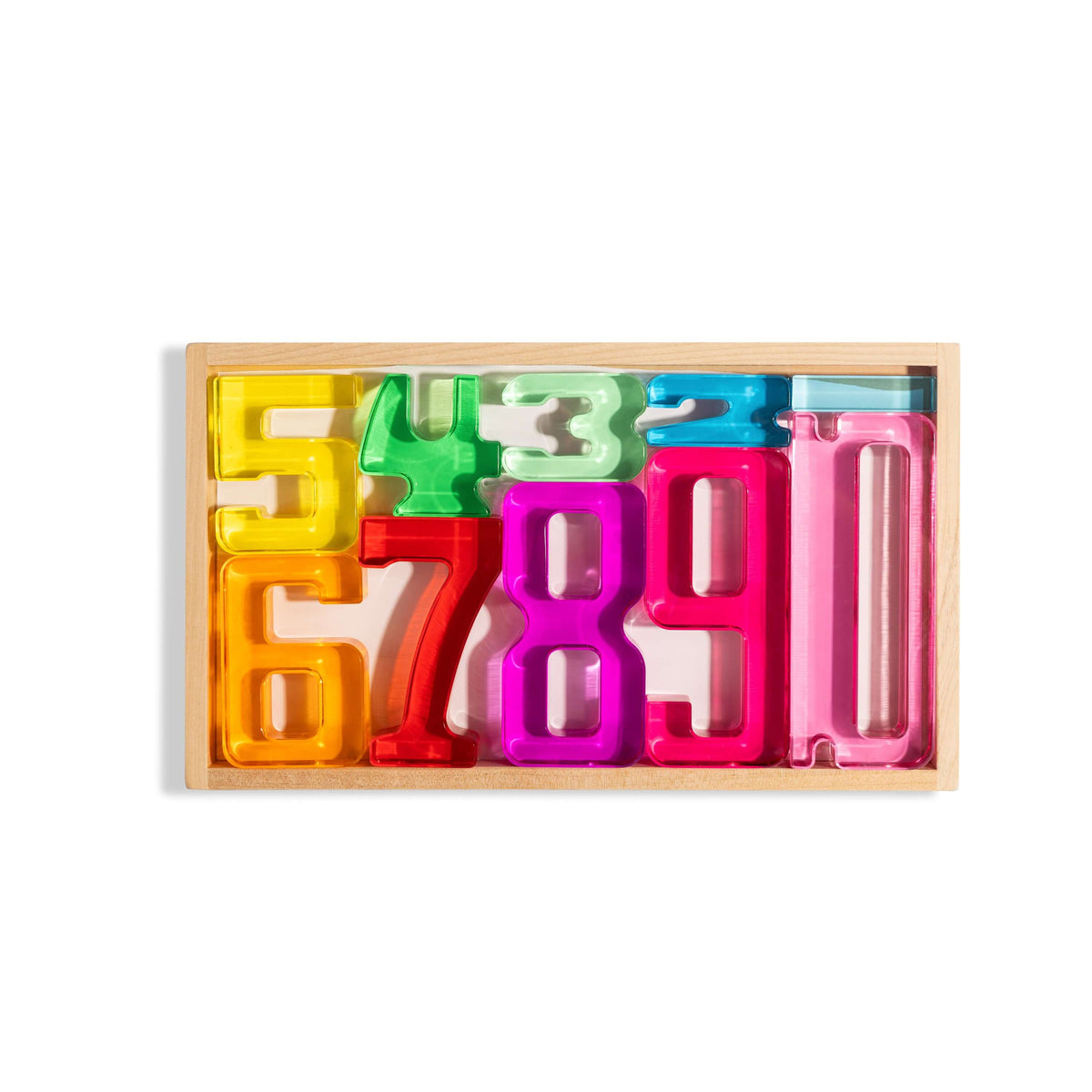
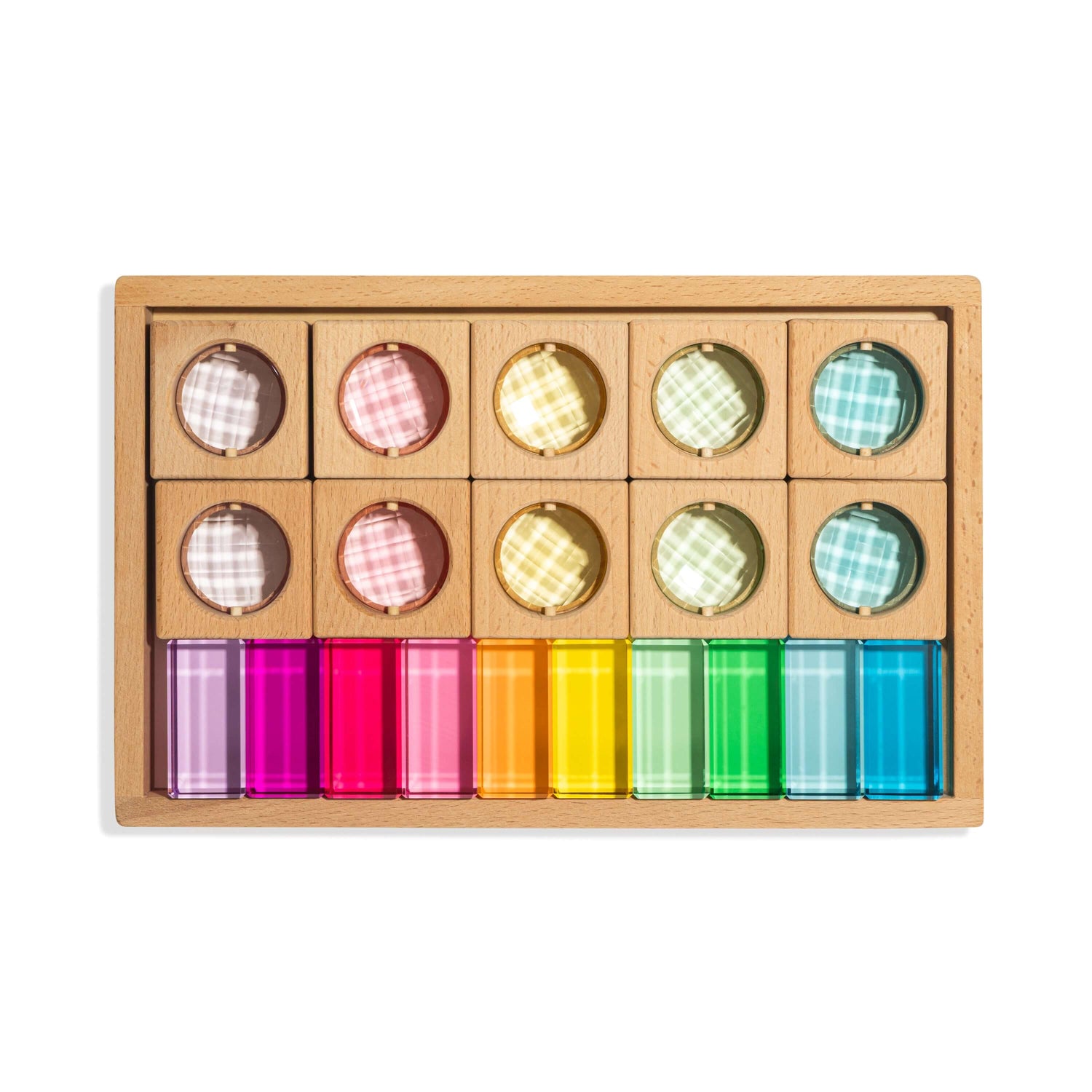
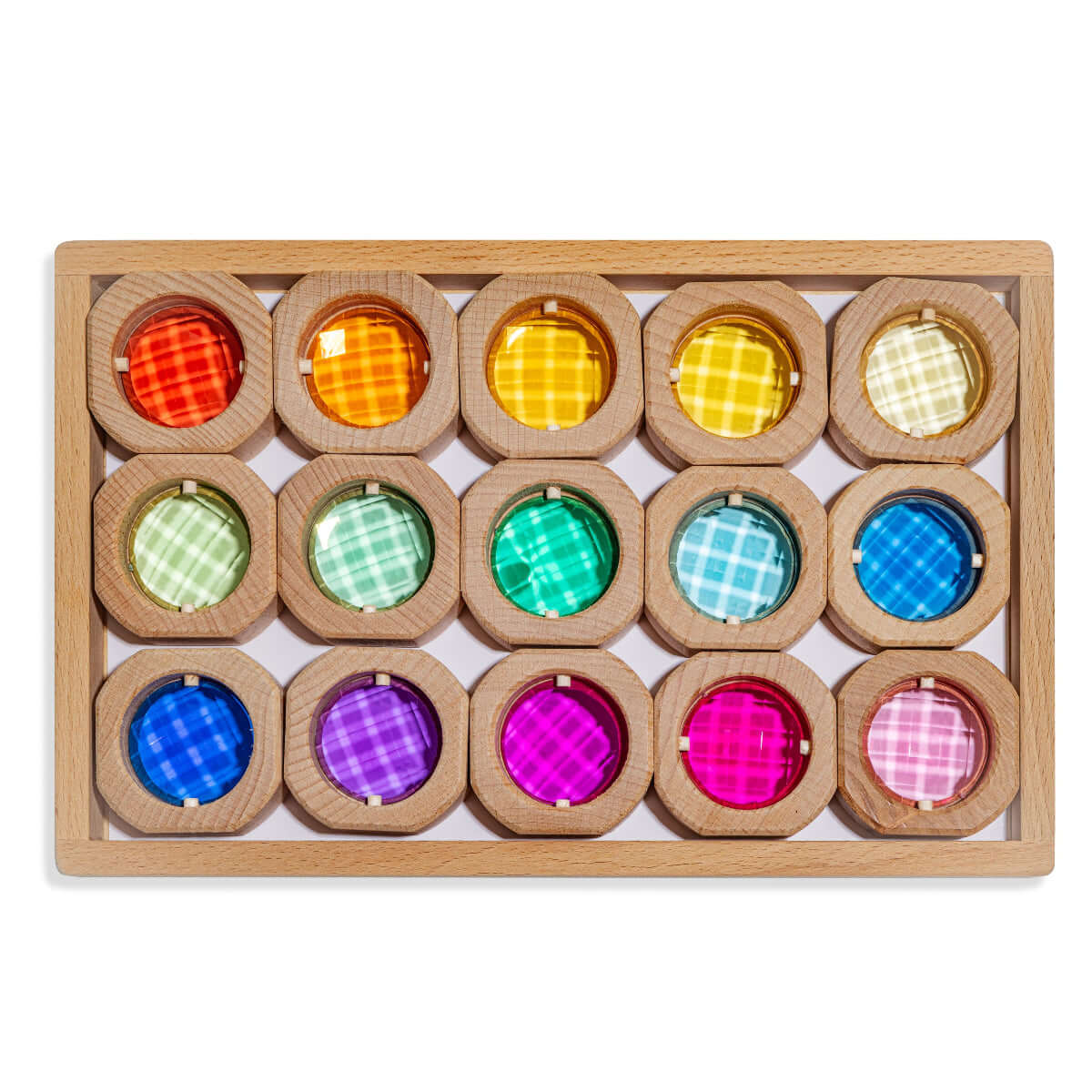
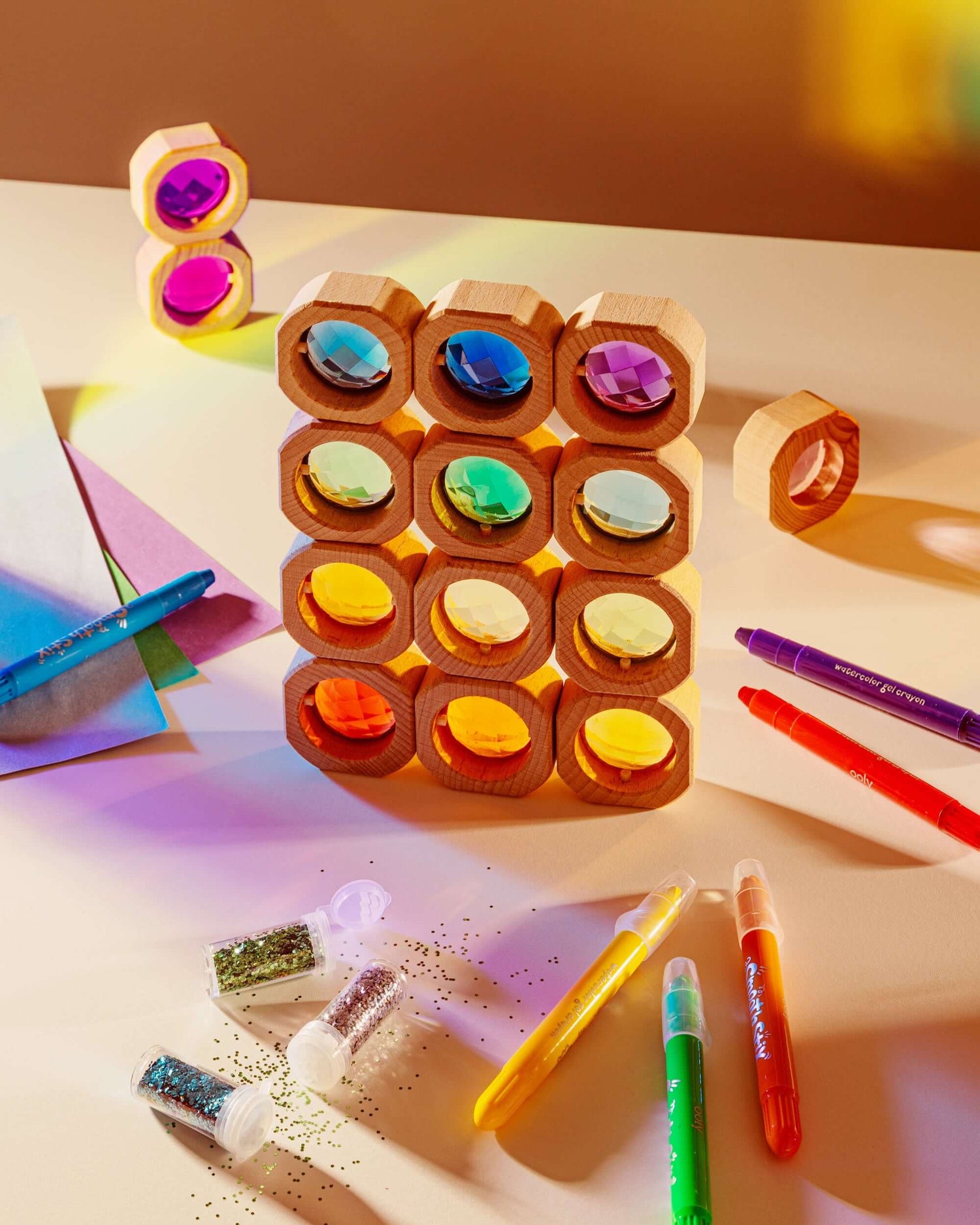
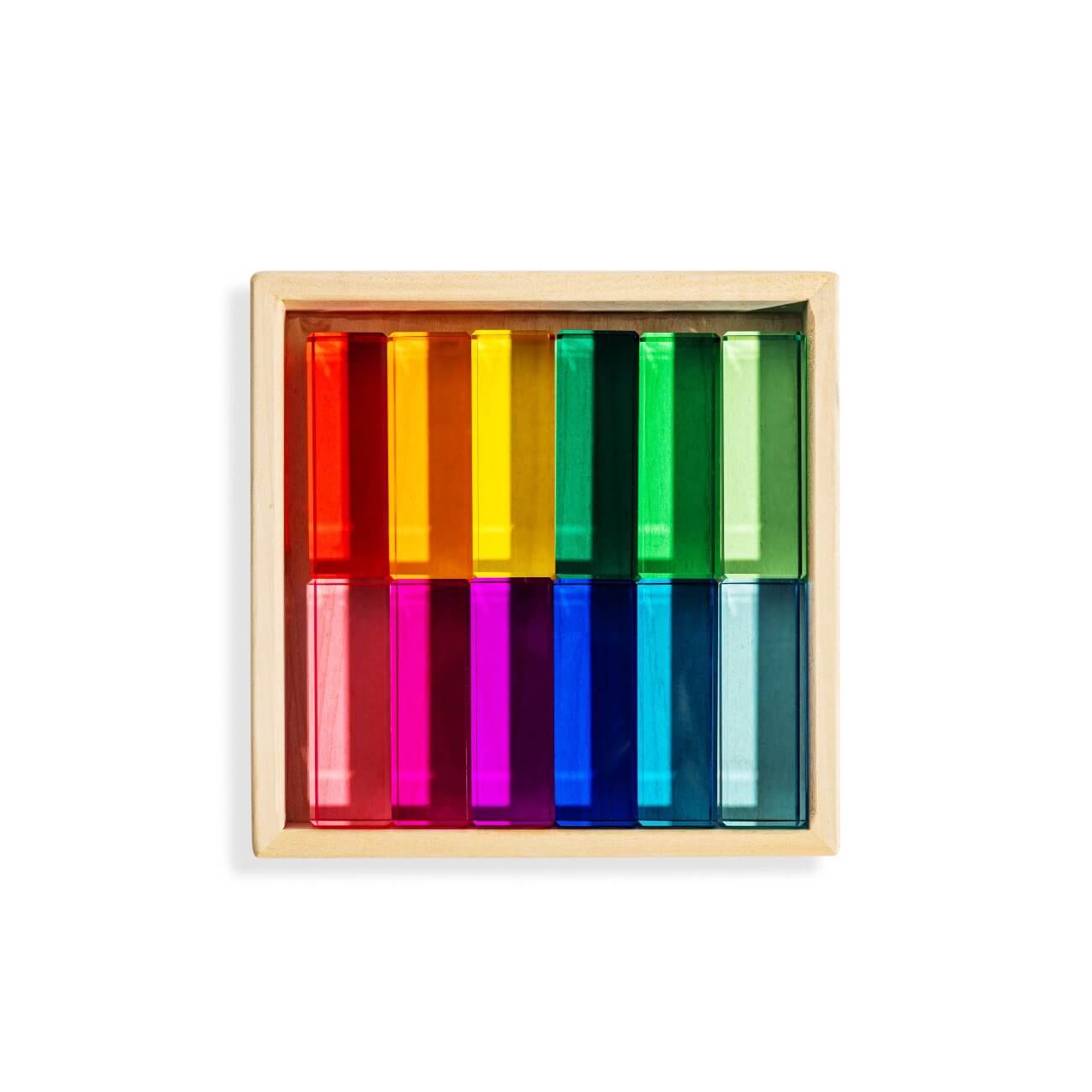
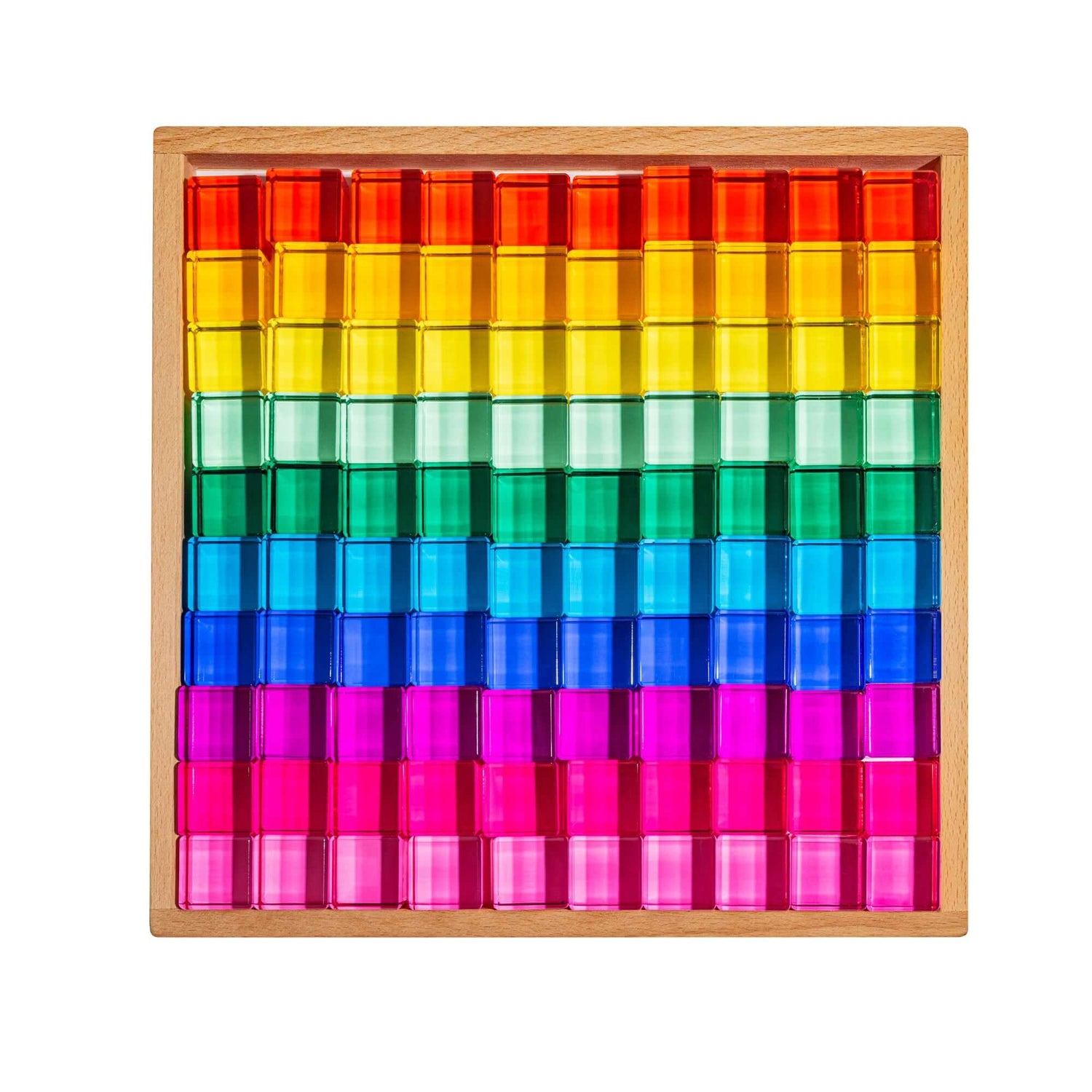
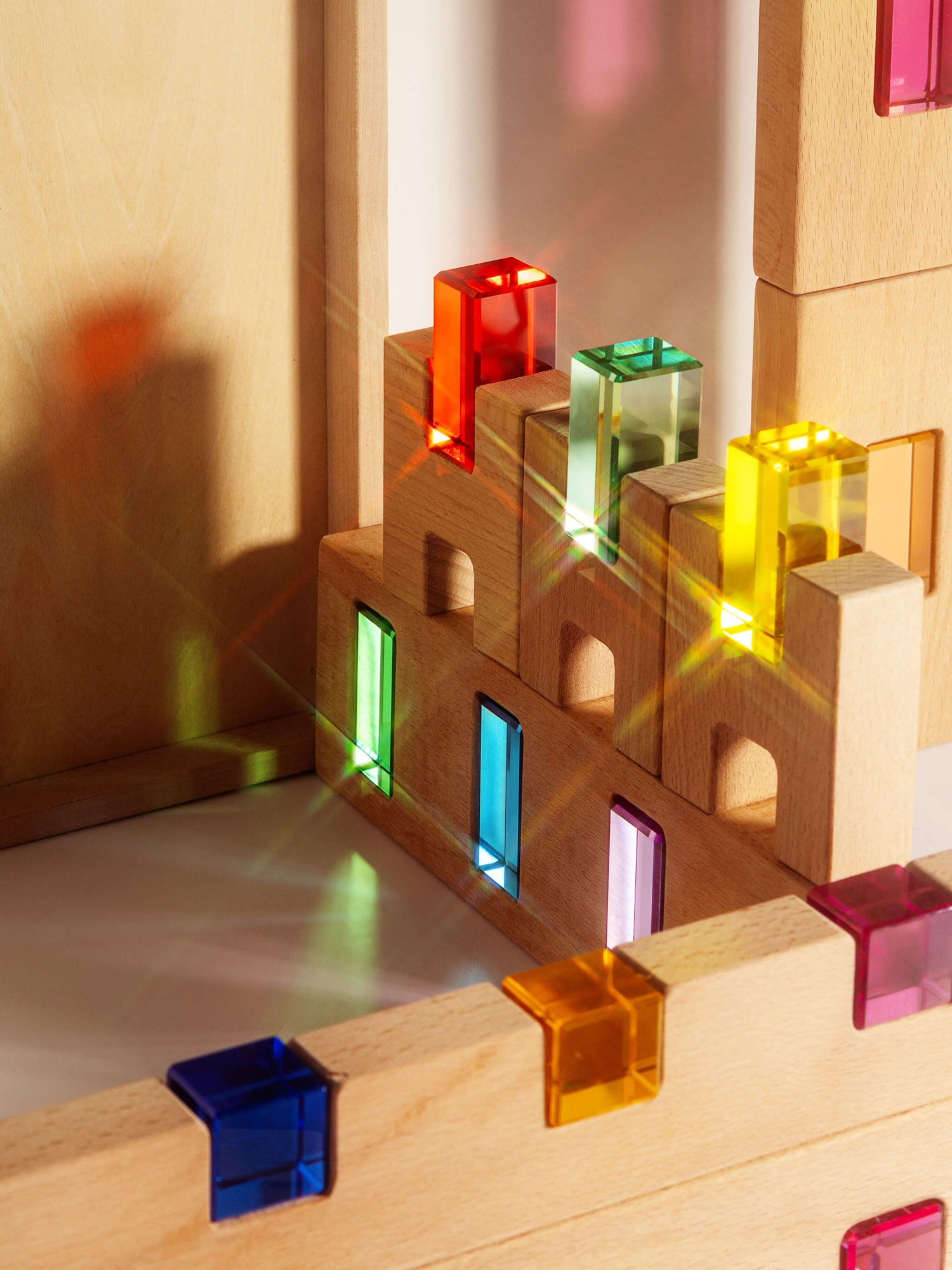
Parents who want to encourage open-ended play often choose toys that allow children to experiment freely. Materials such as building blocks, stacking toys, translucent play pieces, and loose parts are excellent tools for imaginative exploration.
These toys do not dictate how children must play. Instead, they invite children to invent their own ideas and build their own worlds.
A Simple Shift Toward Meaningful Play
The benefits of open ended play come from giving children time, space, and simple materials to explore. When children are allowed to play without strict instructions or constant direction, their creativity and curiosity naturally emerge.
In many ways, open-ended play reminds us that the most powerful learning experiences often begin with a simple question: “What can I create?”
Explore our collection ofopen-ended toys designed to inspire creativity and imaginative play.








0 comments