


Parents Guide to Play | Play & Parenting Journal

How Open-Ended Play Builds Early Math Skills Through Play
Early math skills through play develop naturally when children build, sort, compare, and experiment with everyday materials. Discover how open-ended play supports early mathematical thinking.
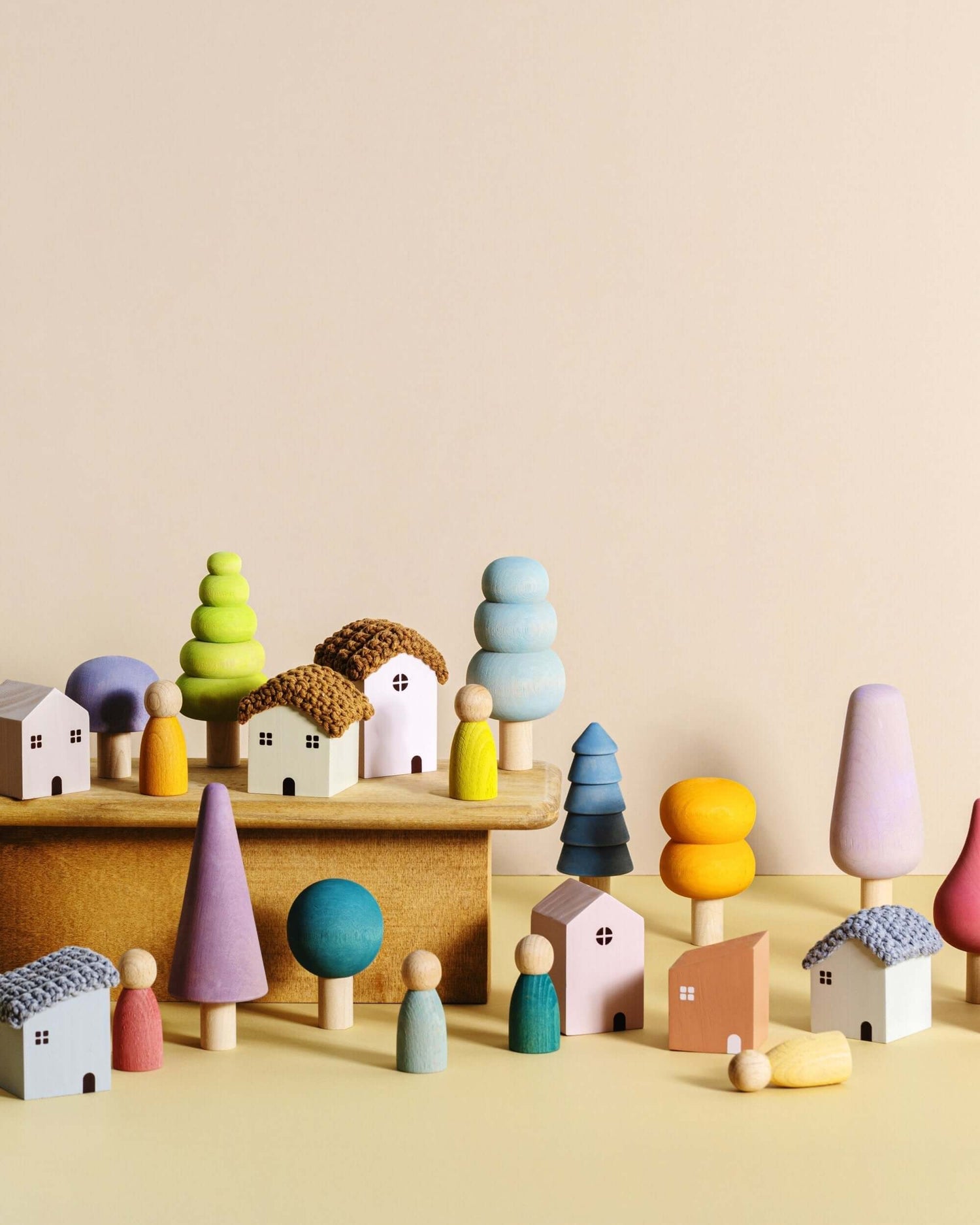
The Benefits of Small World Play: Why Imaginative Play Matters
Small world play allows children to create miniature worlds that inspire storytelling, creativity, and social learning. Discover how this form of imaginative play supports child development.

Why Pretend Play Is One of the Most Important Parts of Childhood
Pretend play allows children to explore imagination, build social skills, and practice storytelling. Discover why pretend play is one of the most important parts of healthy childhood development.
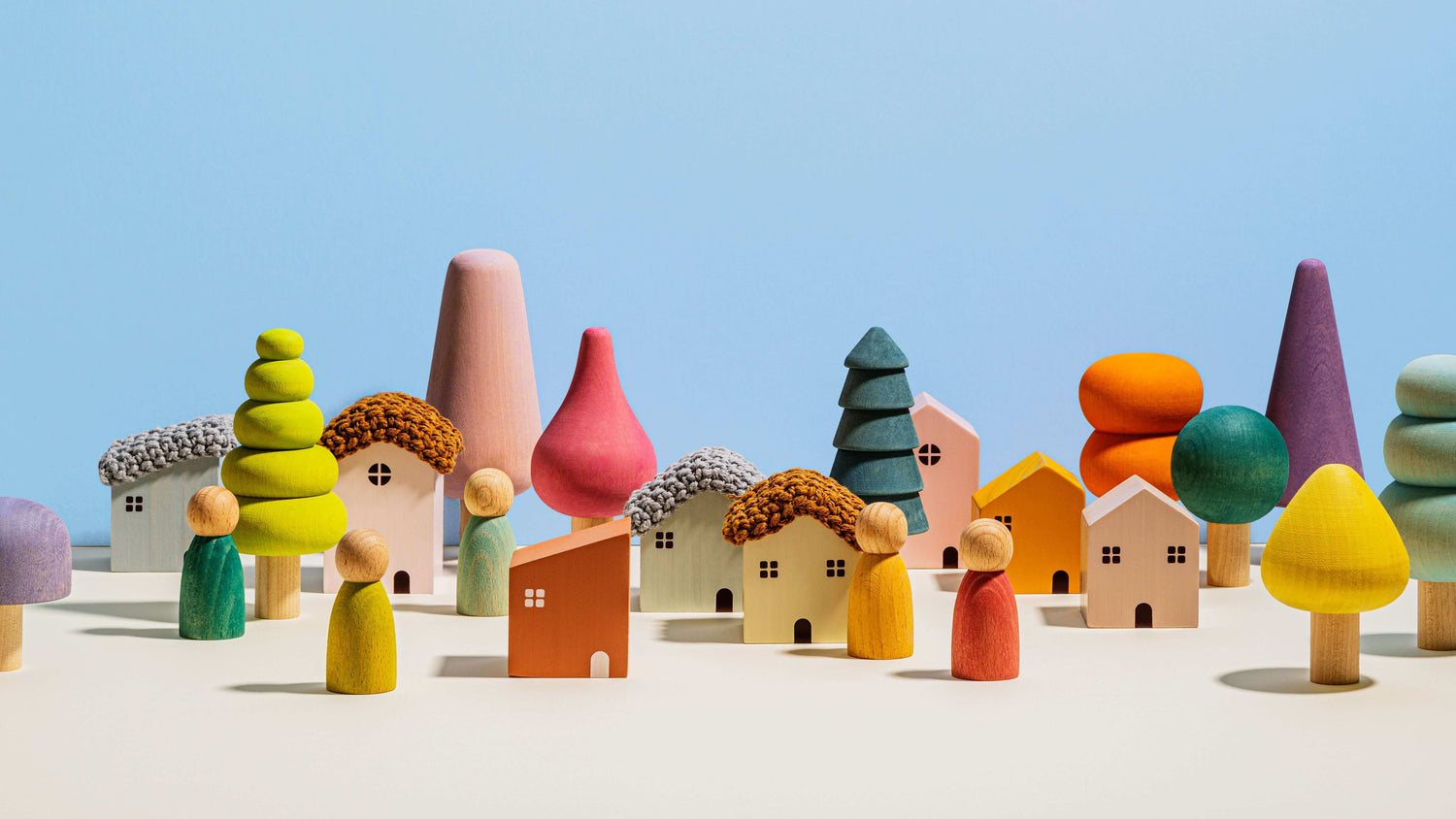
Open-Ended Toys by Age: A Guide From Babyhood to Early Childhood
Choosing open-ended toys by age can help support creativity, independence, and development. This simple guide explains how open-ended toys grow with children from infancy through early childhood.
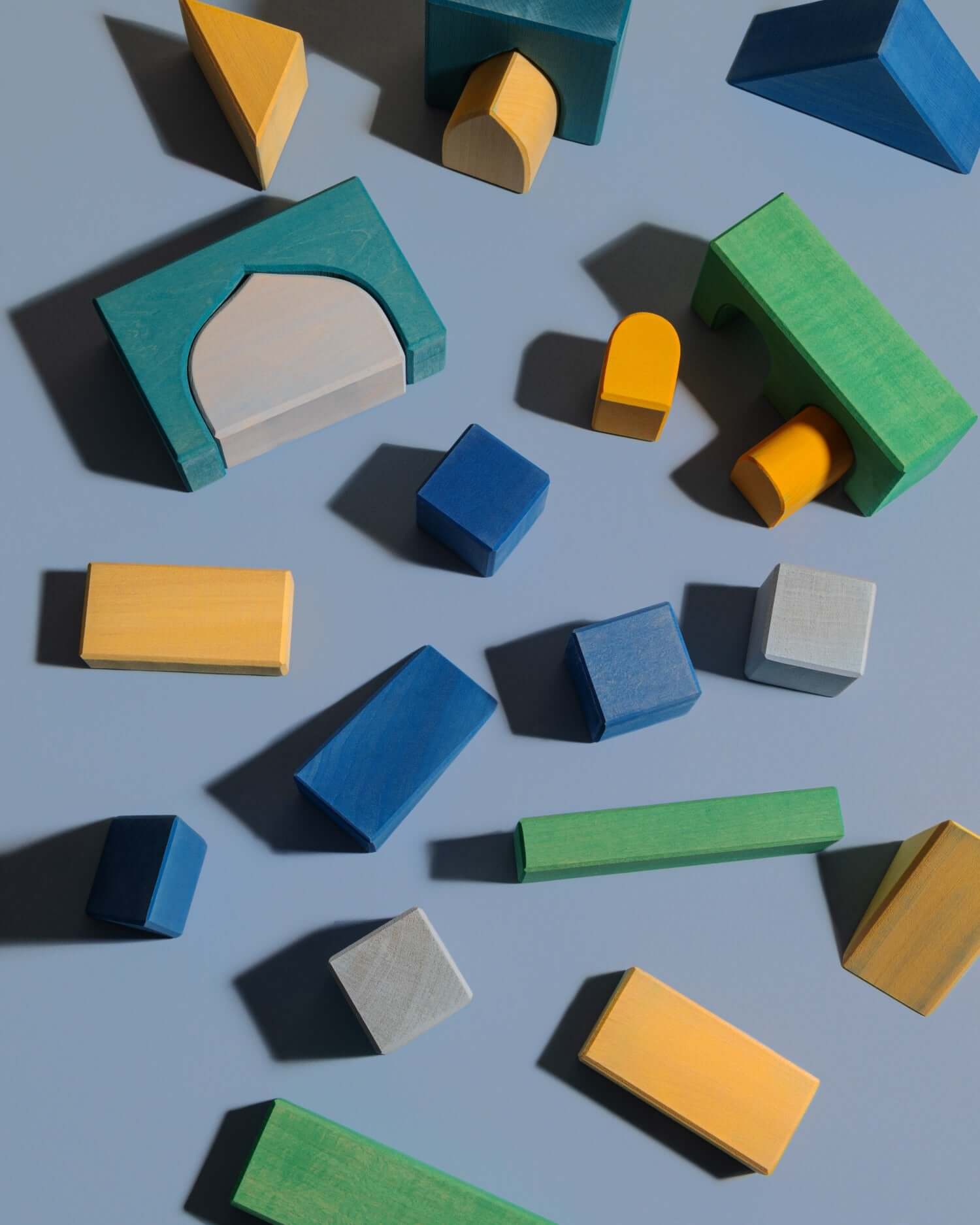
Why Fewer Toys Create Deeper Play
Research shows that fewer toys create deeper play, stronger focus, and greater creativity. Discover why a simpler play environment can support richer learning and imagination.
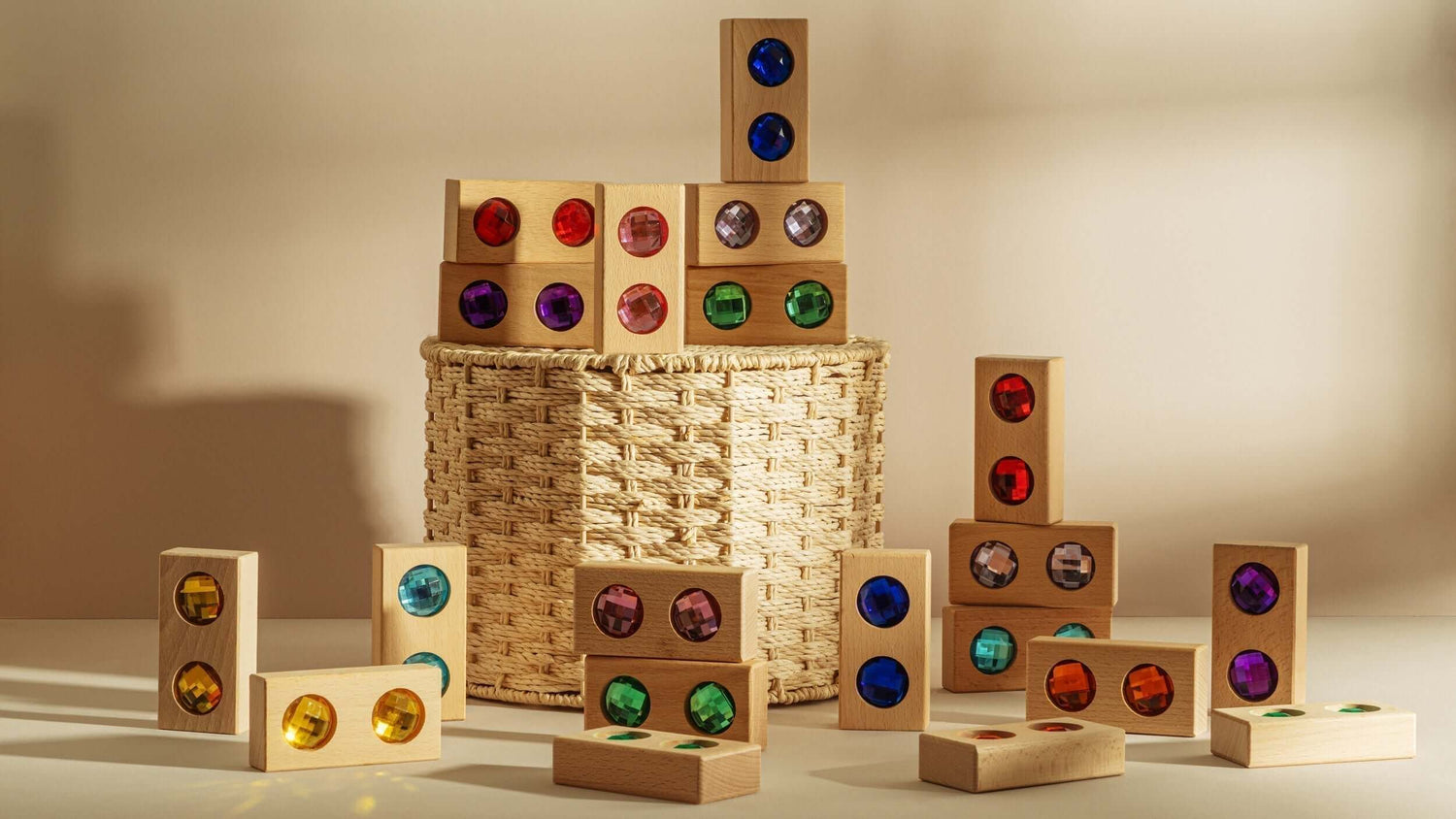
The Best Open-Ended Toys for Toddlers (That Grow With Your Child)
Open-ended toys for toddlers encourage creativity, independence, and meaningful learning through play. Discover the best open-ended toys that grow with your child and support early development.
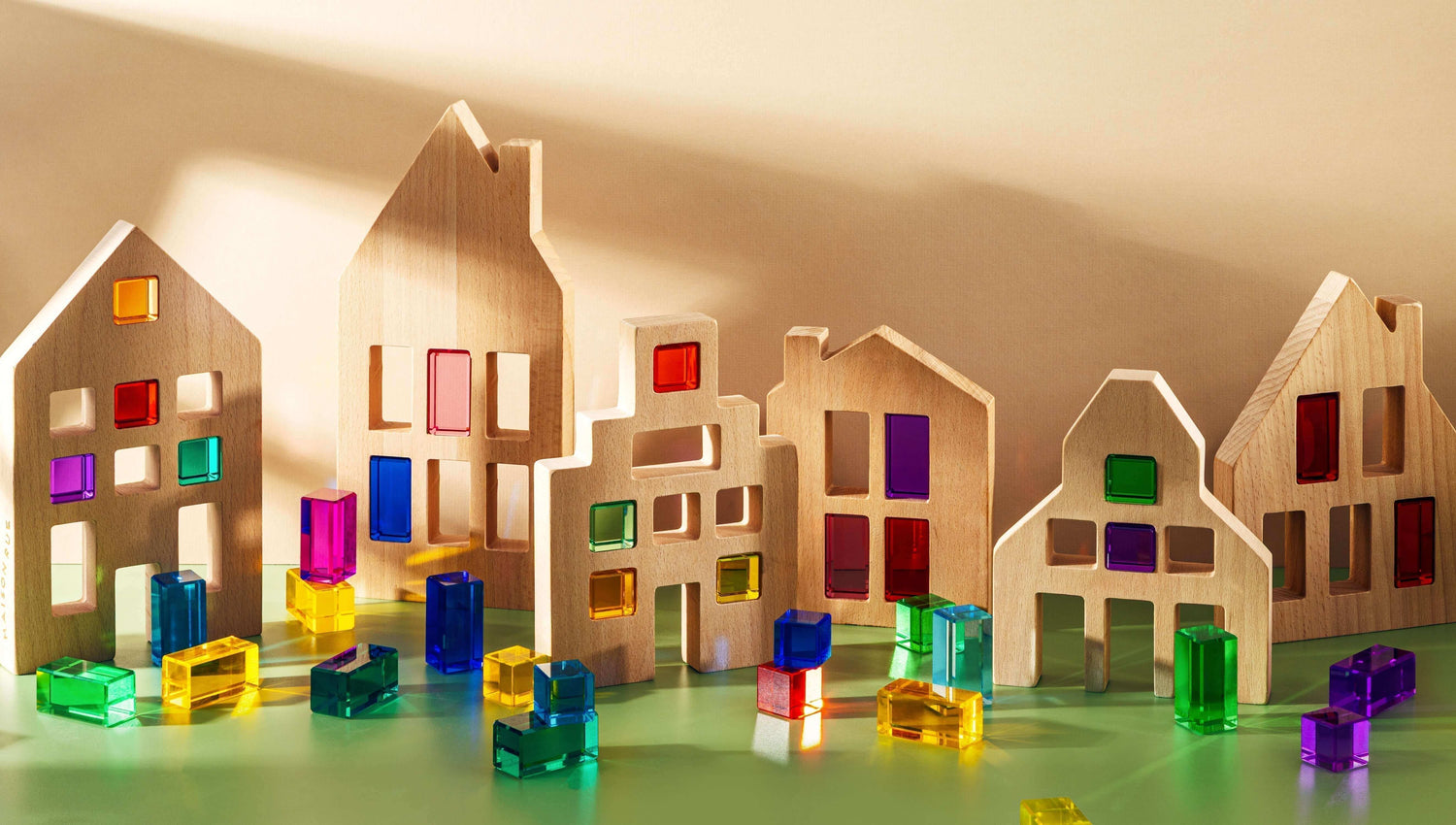
What Are Open-Ended Toys? A Parent’s Guide to Meaningful Play
Open-ended toys encourage creativity, independence, and meaningful play at every age. In this guide, we explain what open-ended toys are, why they matter, and how they support learning from babyhood through early childhood.