
Introduction
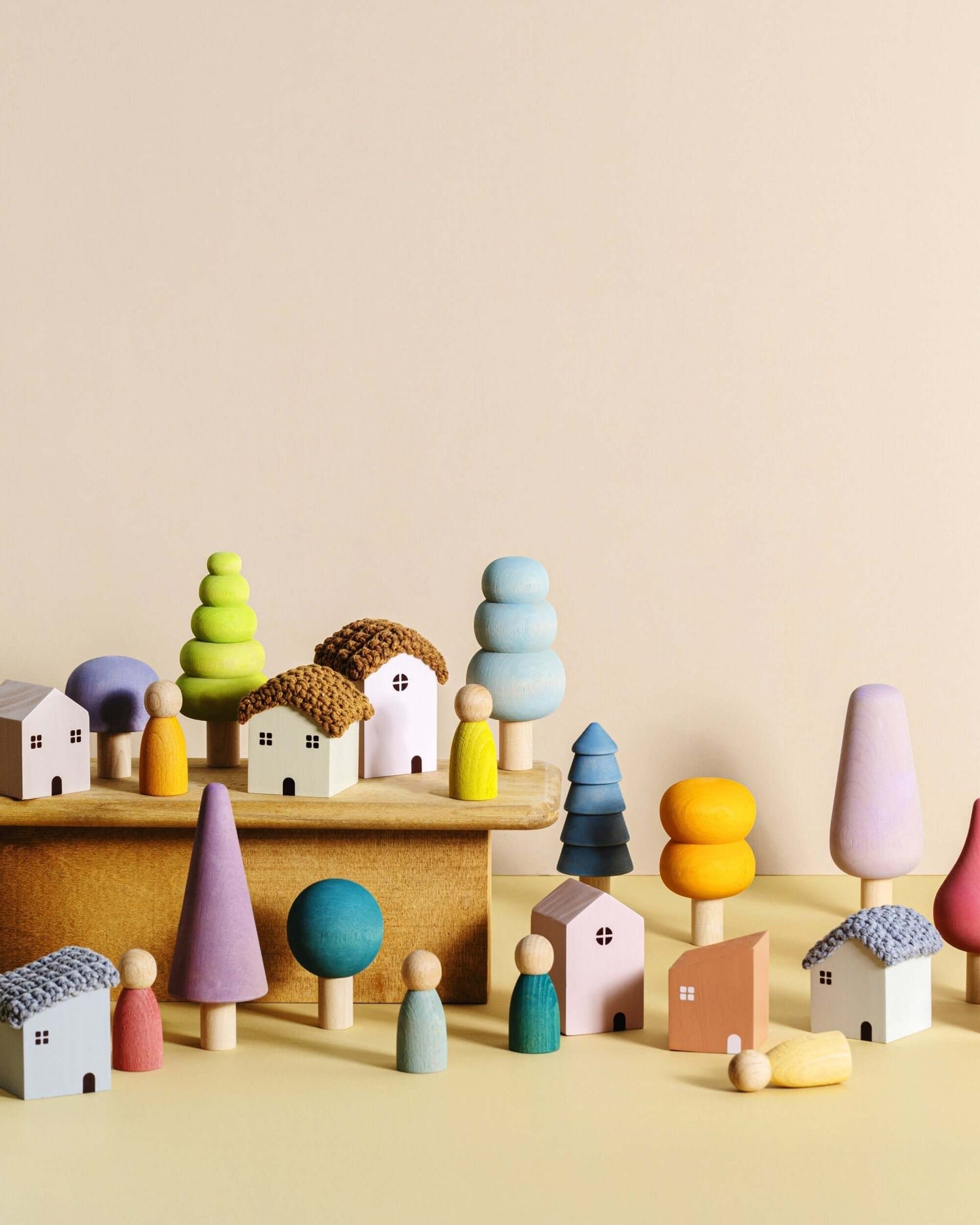
Small world play invites children to create imaginative miniature worlds using figures, animals, buildings, vehicles, and other small objects. Through these playful scenes, children act out stories, explore ideas, and make sense of the world around them.
This type of play is more than simple entertainment. Research shows that small world play helps children develop creativity, language skills, emotional understanding, and social interaction while engaging multiple areas of the brain at once.
As children build and explore their tiny worlds, they begin to experiment with storytelling, problem-solving, and social relationships. These experiences help children process everyday events while strengthening important developmental skills.
What Is Small World Play?
Small world play involves children creating miniature scenes that represent larger environments. These scenes might include:
-
Cities and neighborhoods
-
Dinosaurs and prehistoric landscapes
-
Oceans or Antarctica
-
Farms or forests
-
Fantasy kingdoms
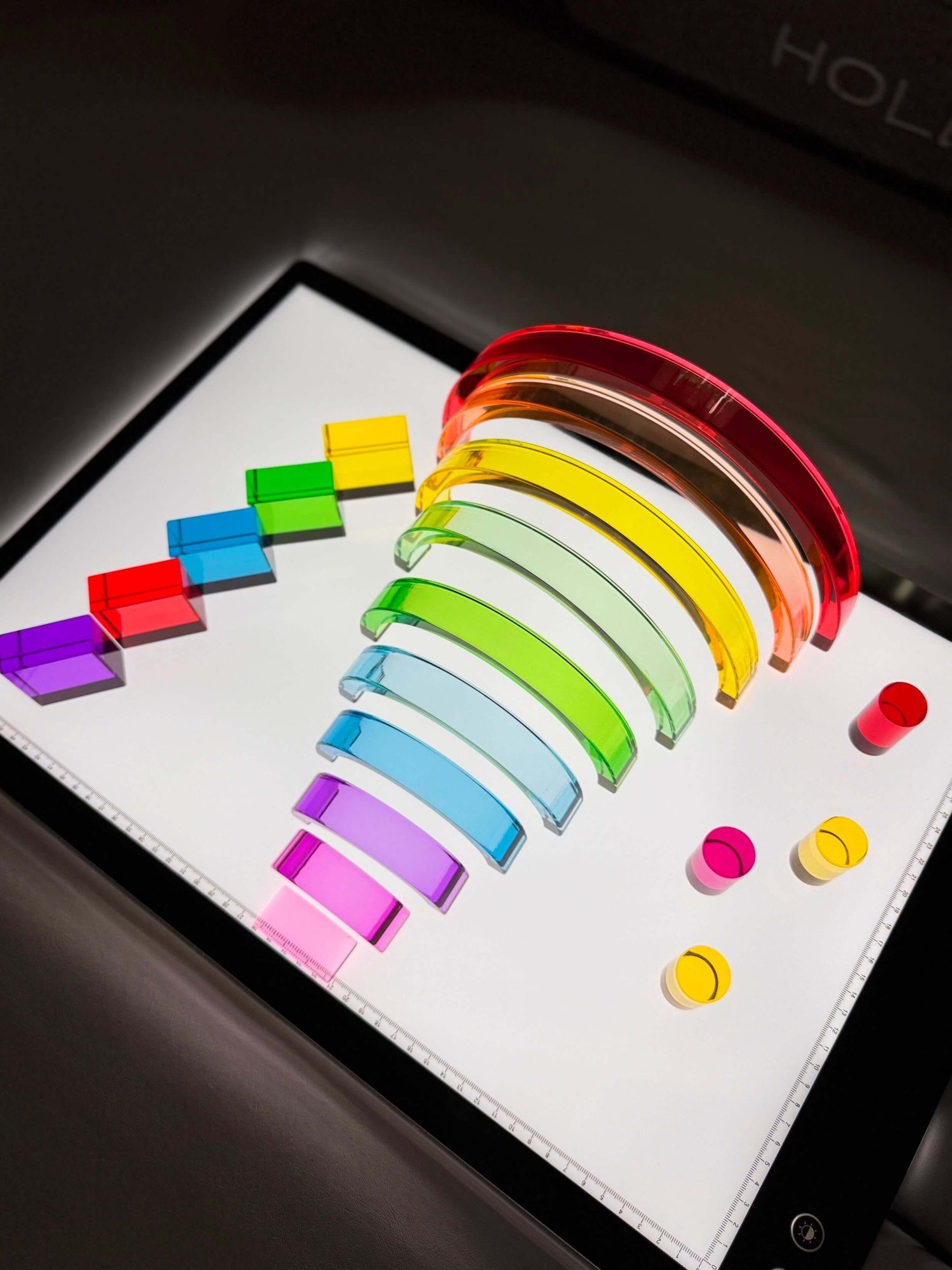
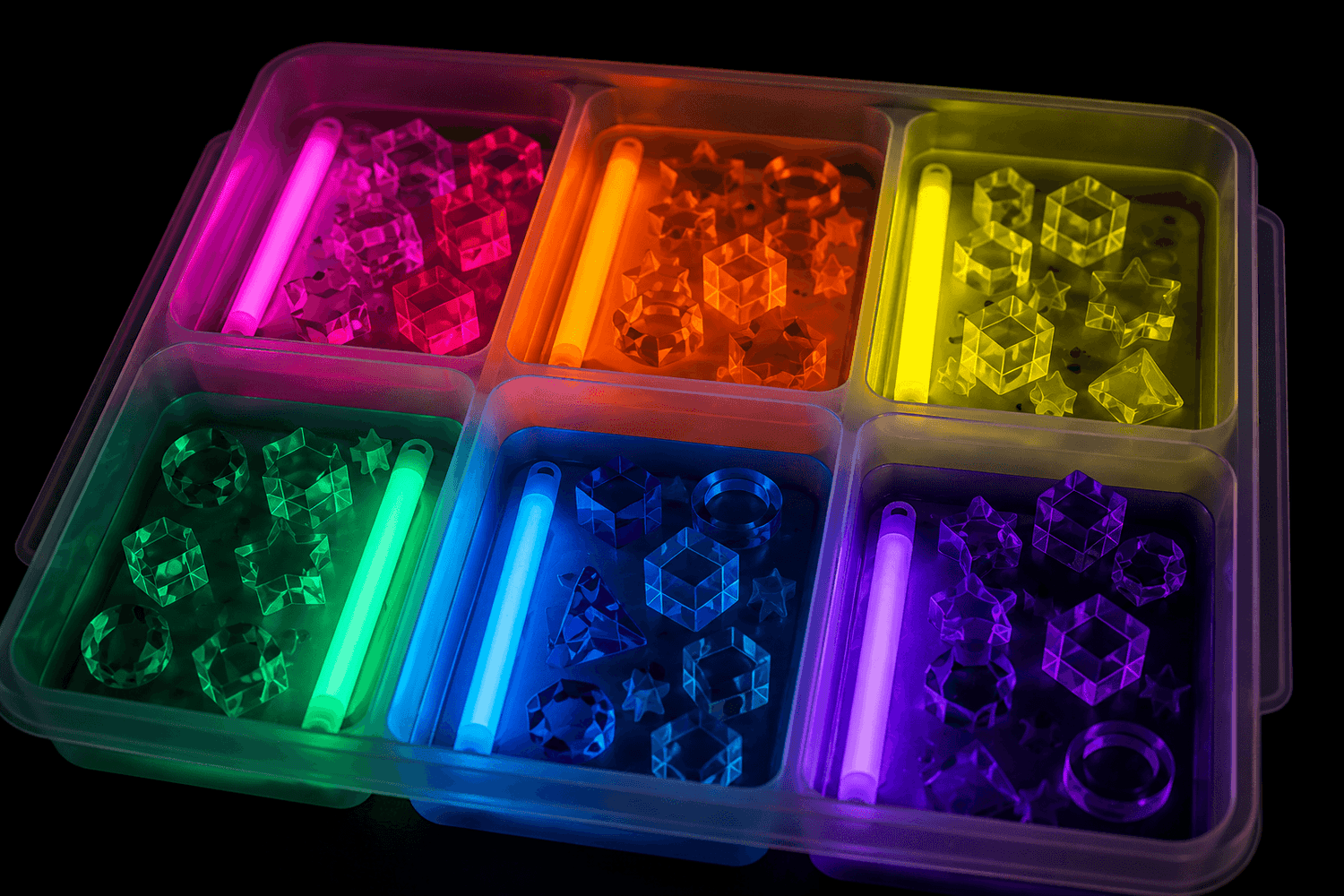
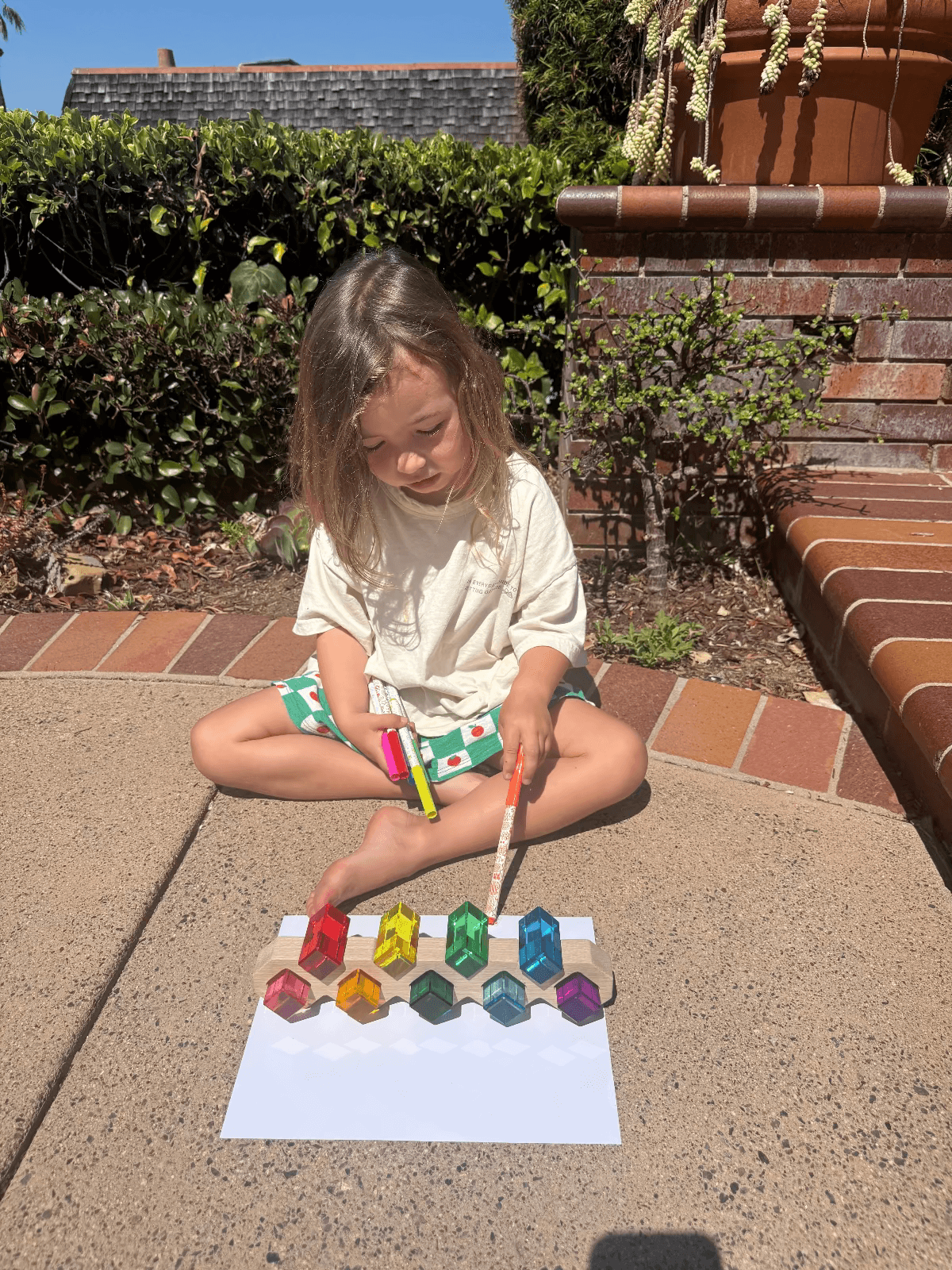
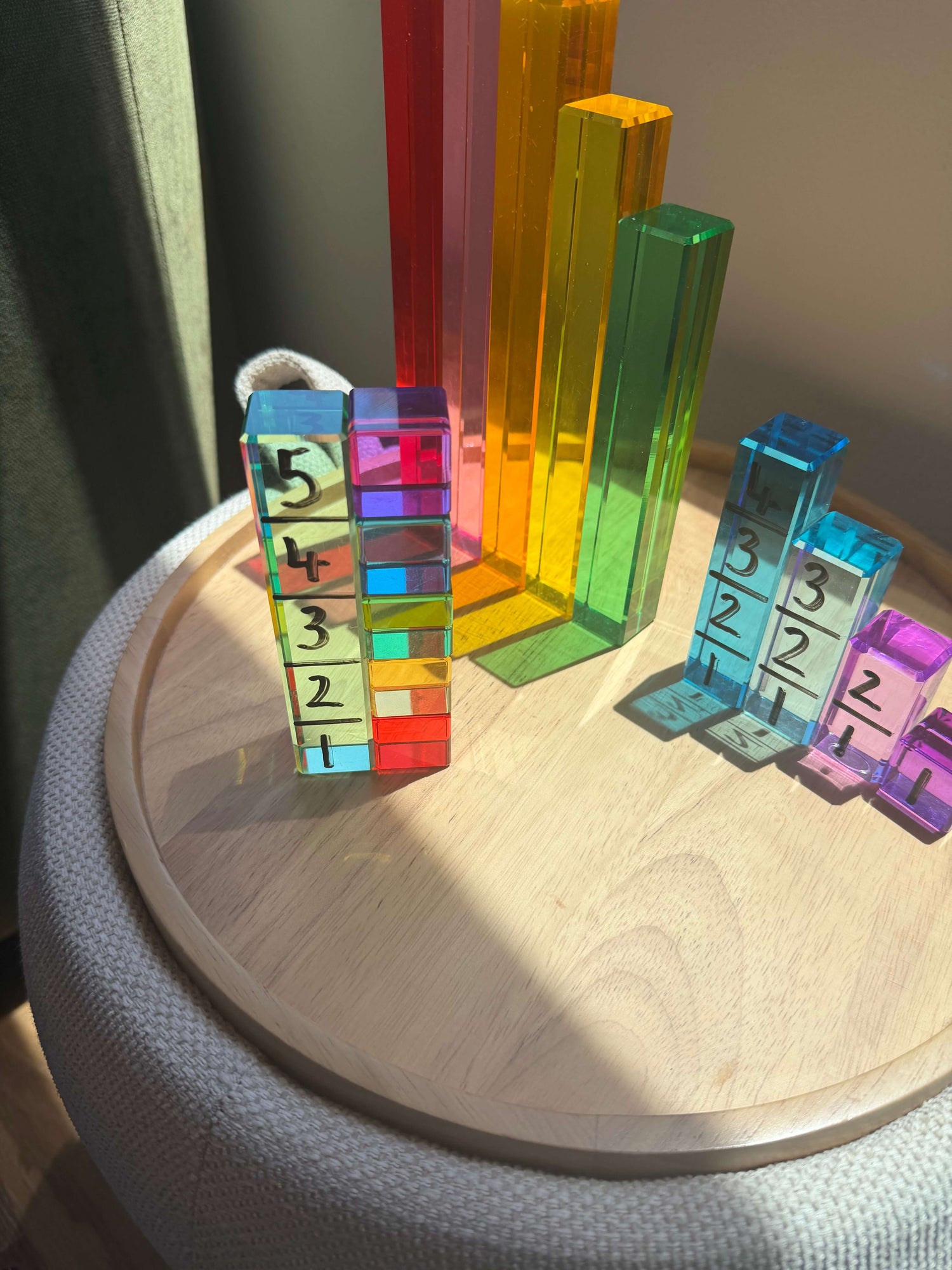
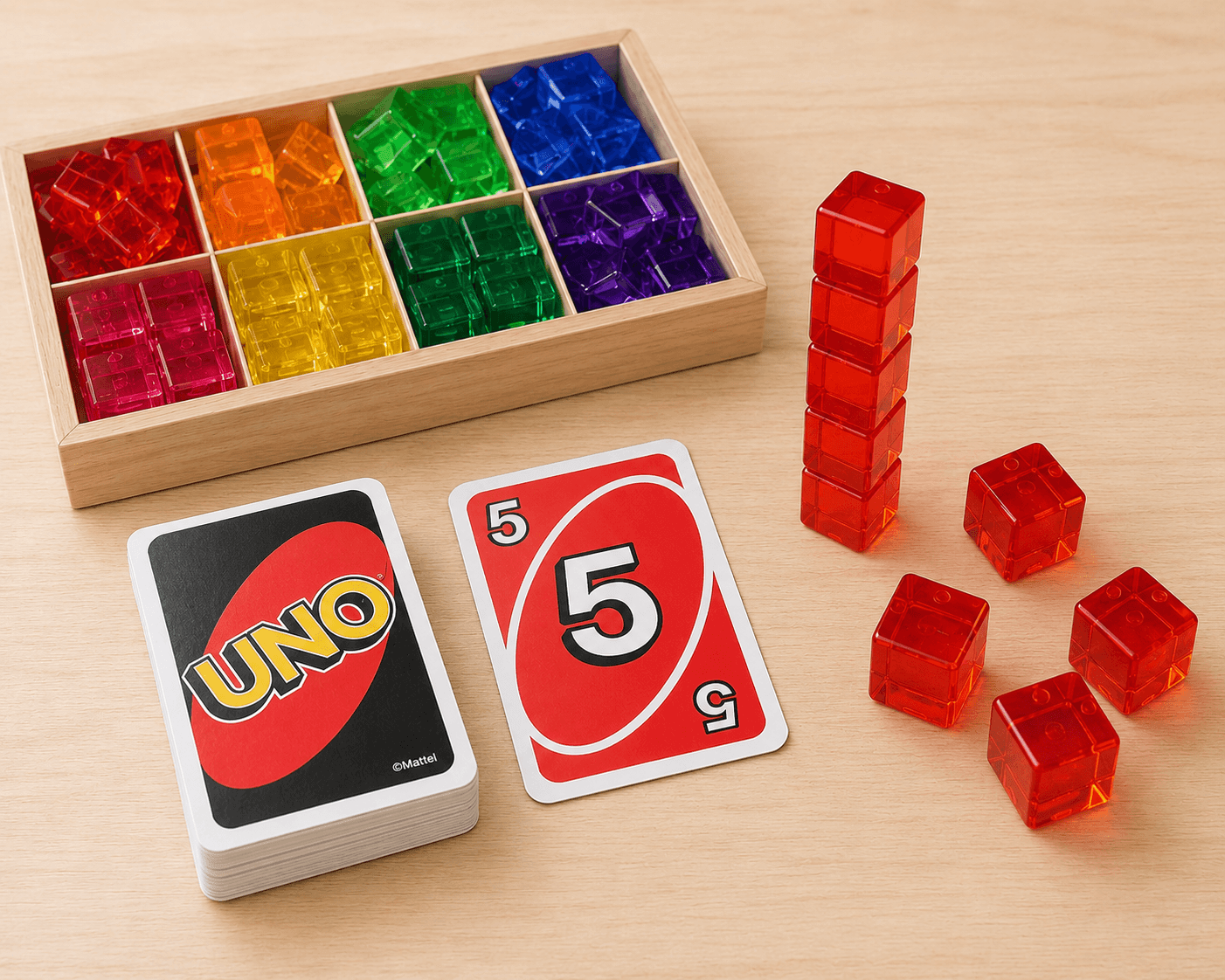
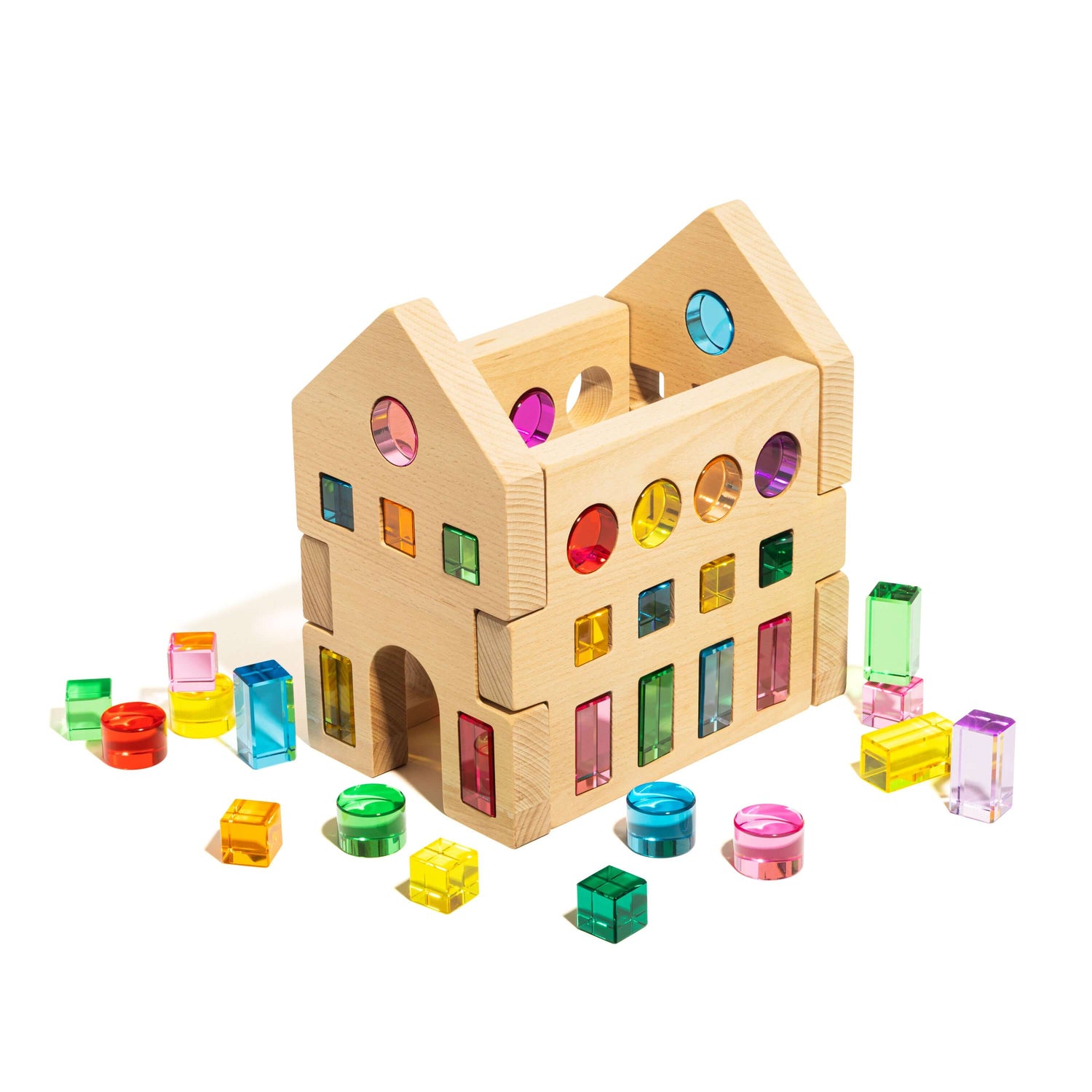
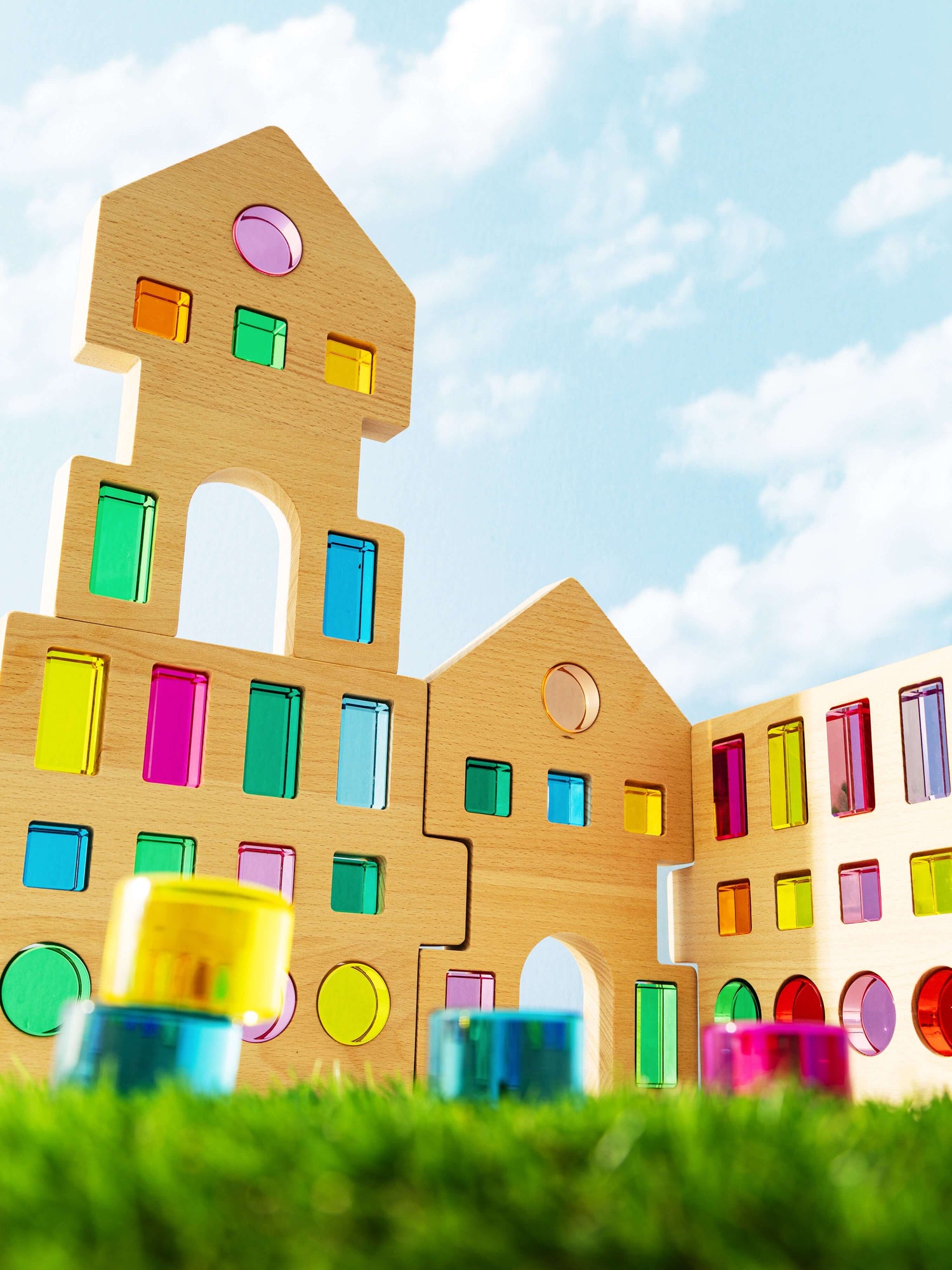
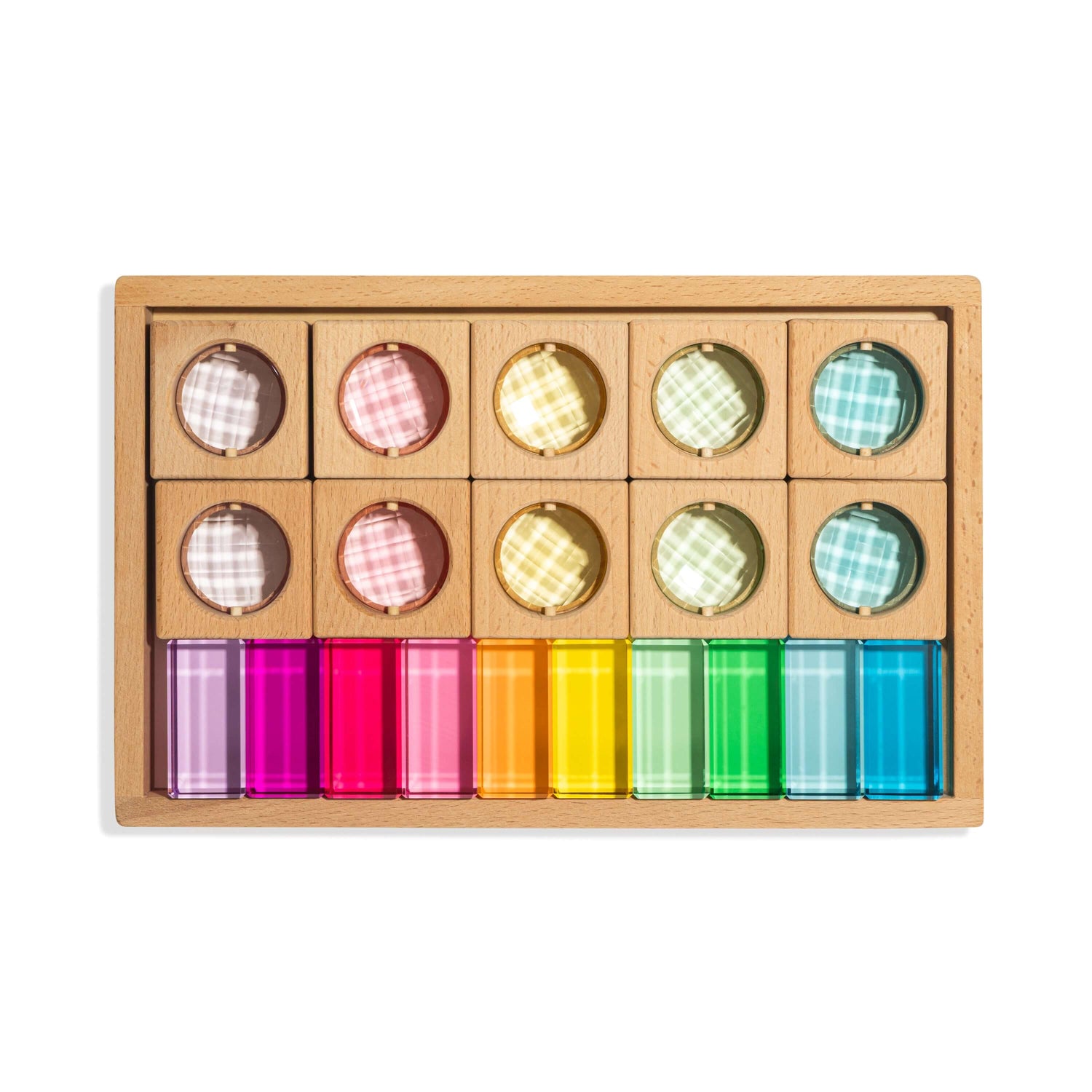
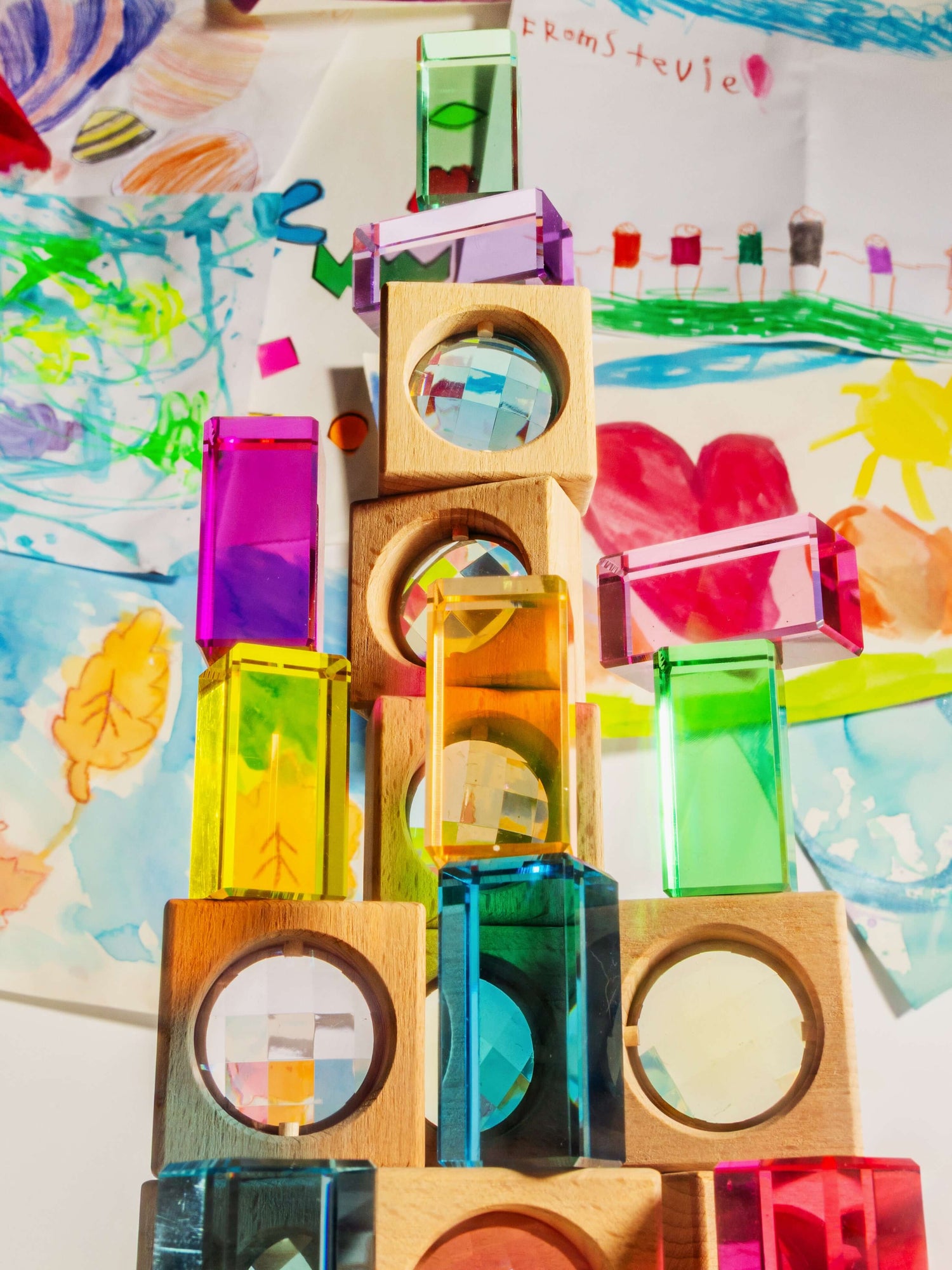
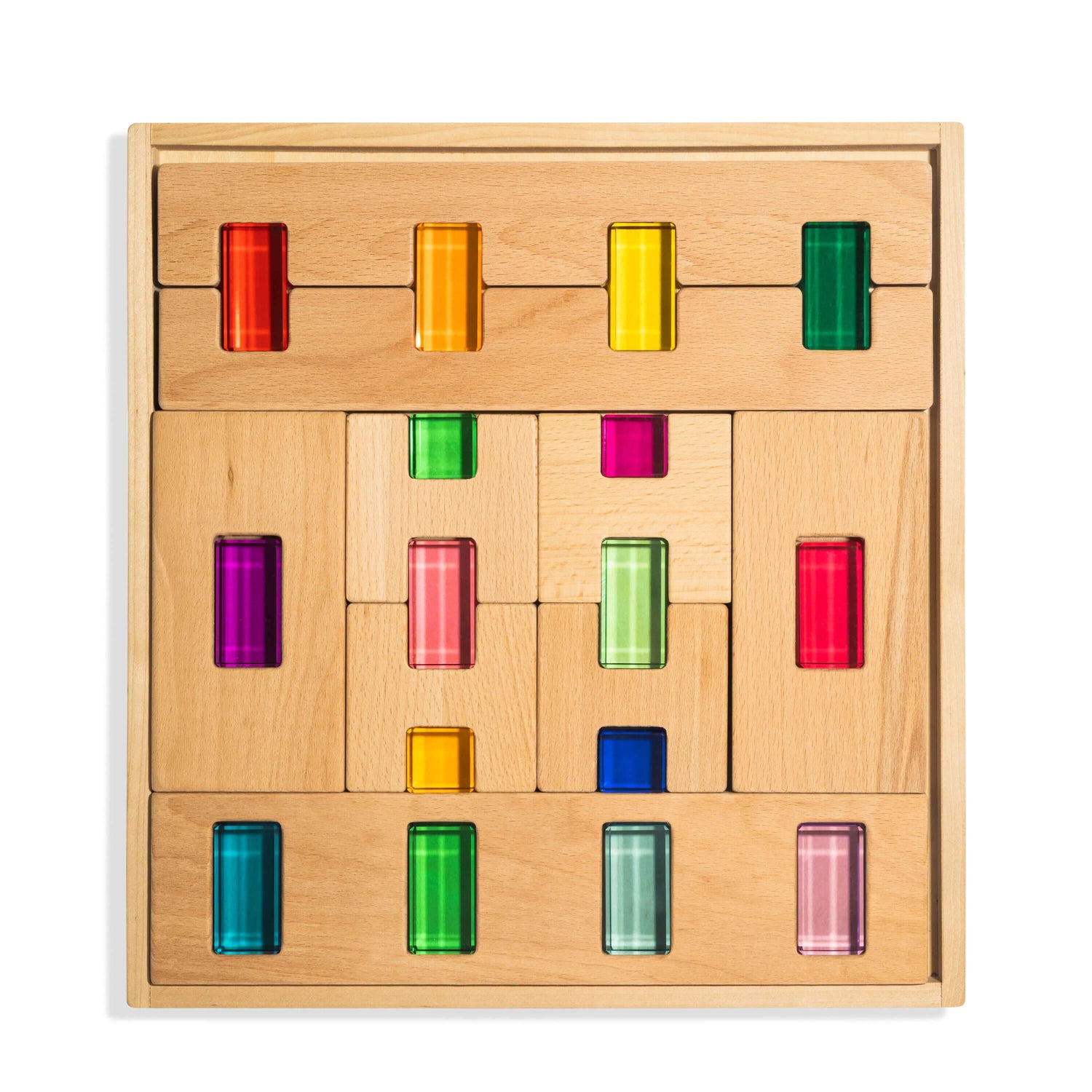
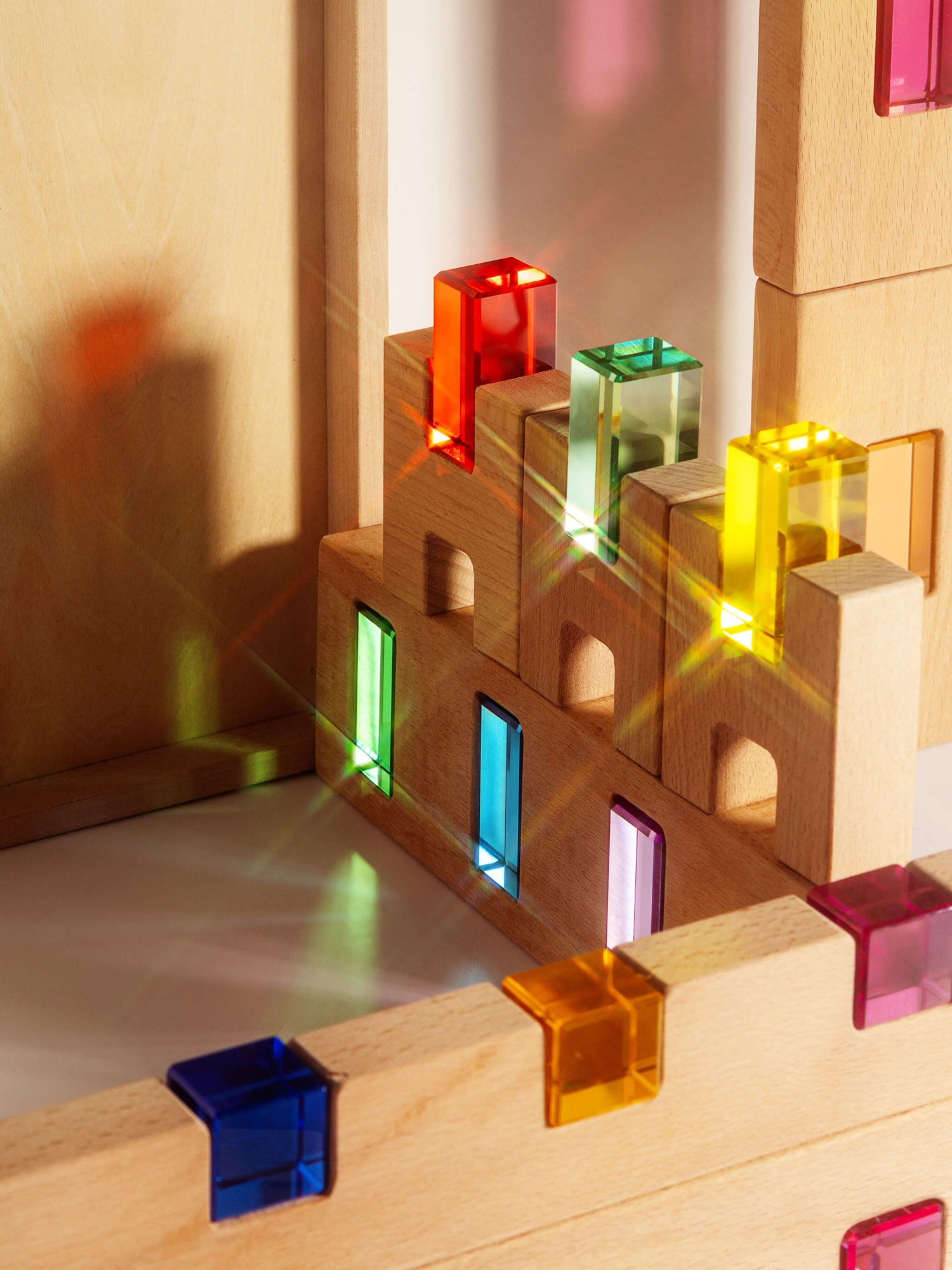
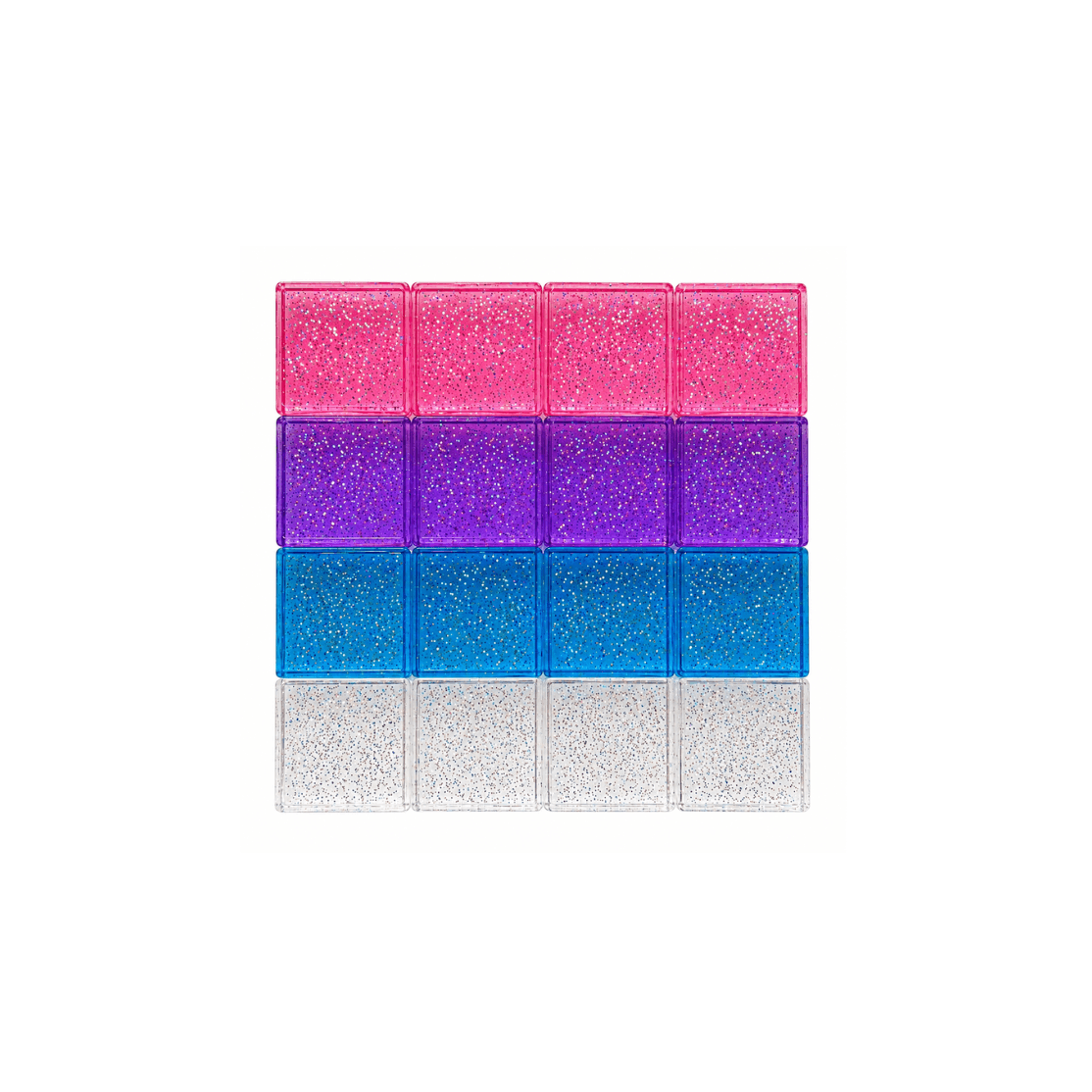
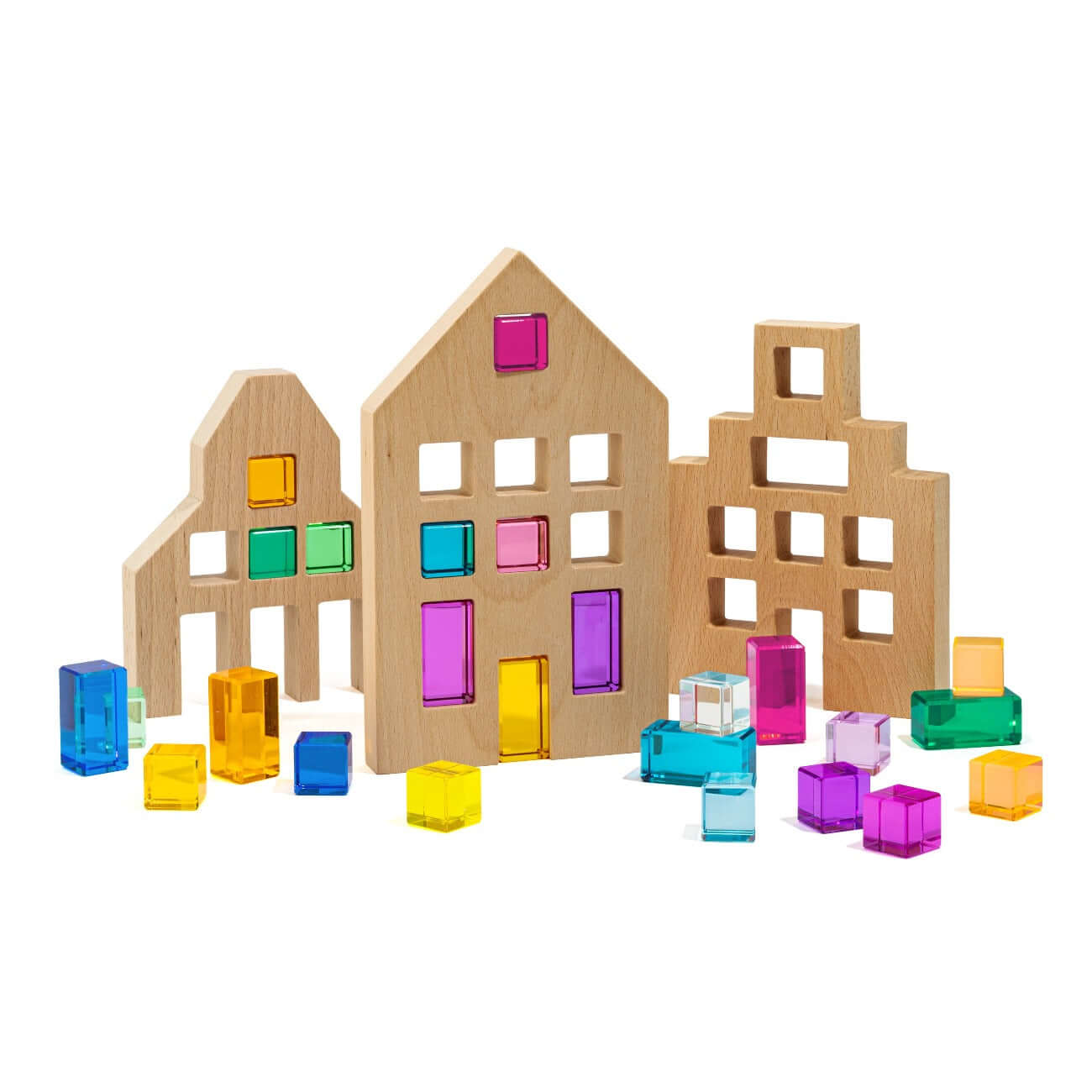
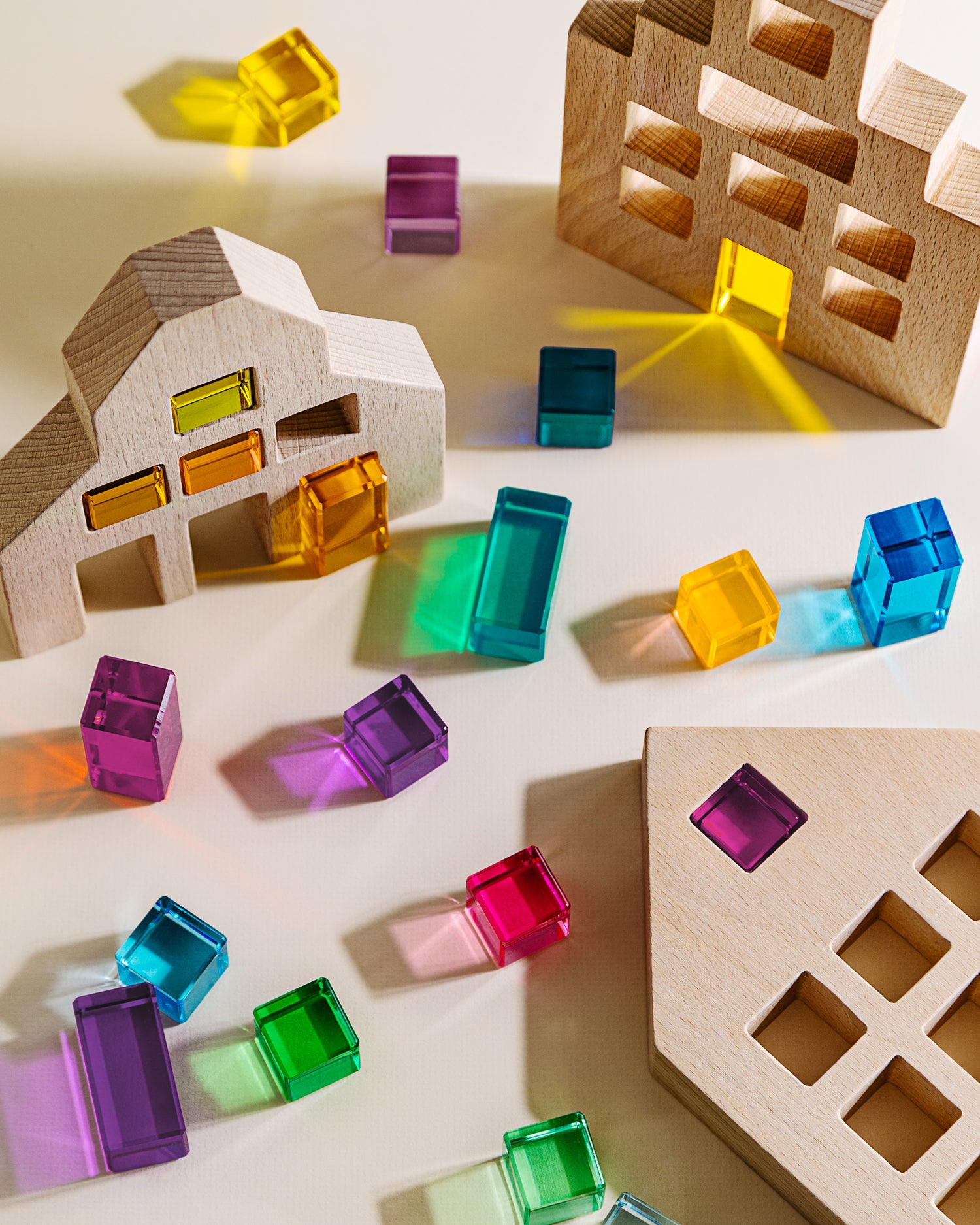
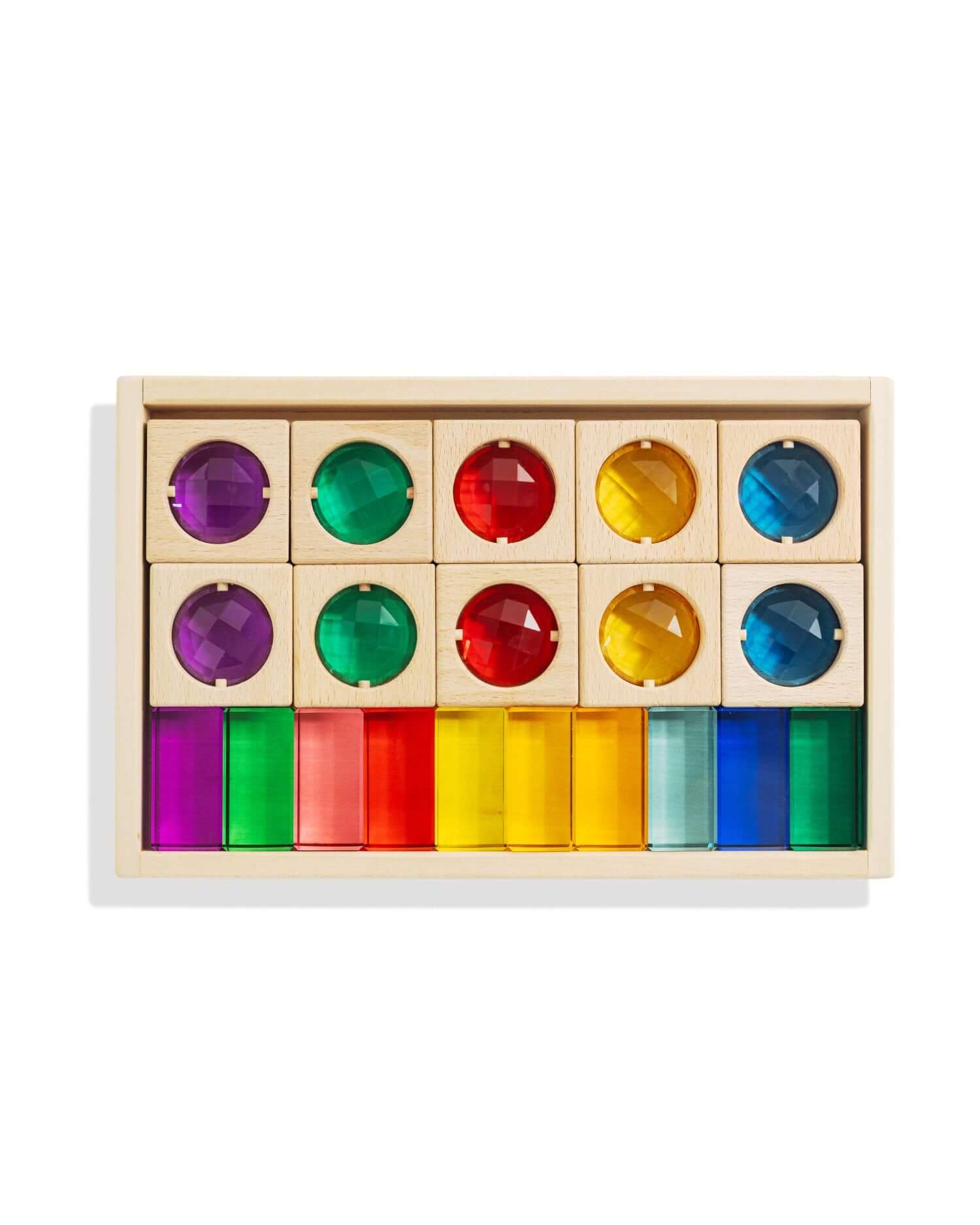
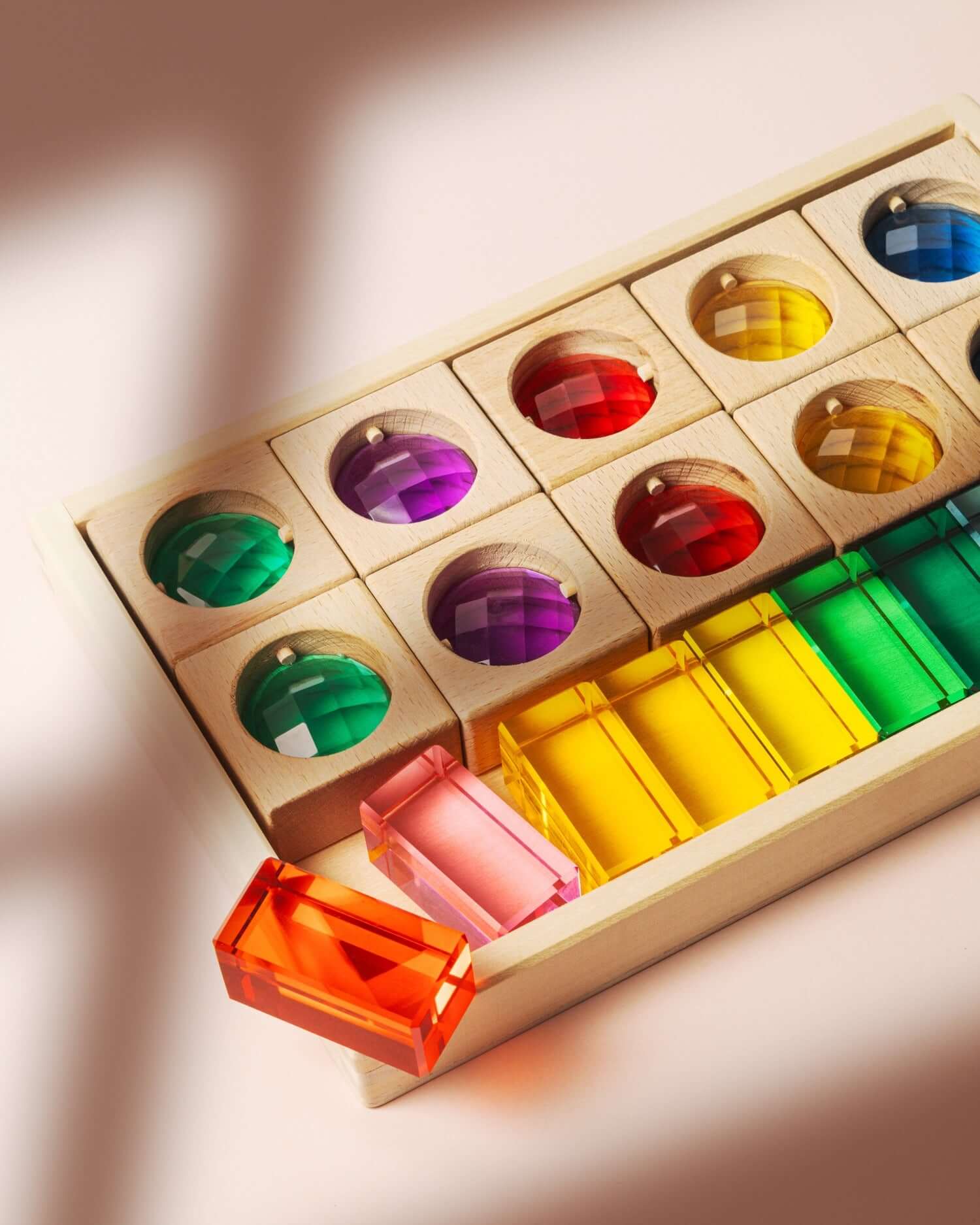
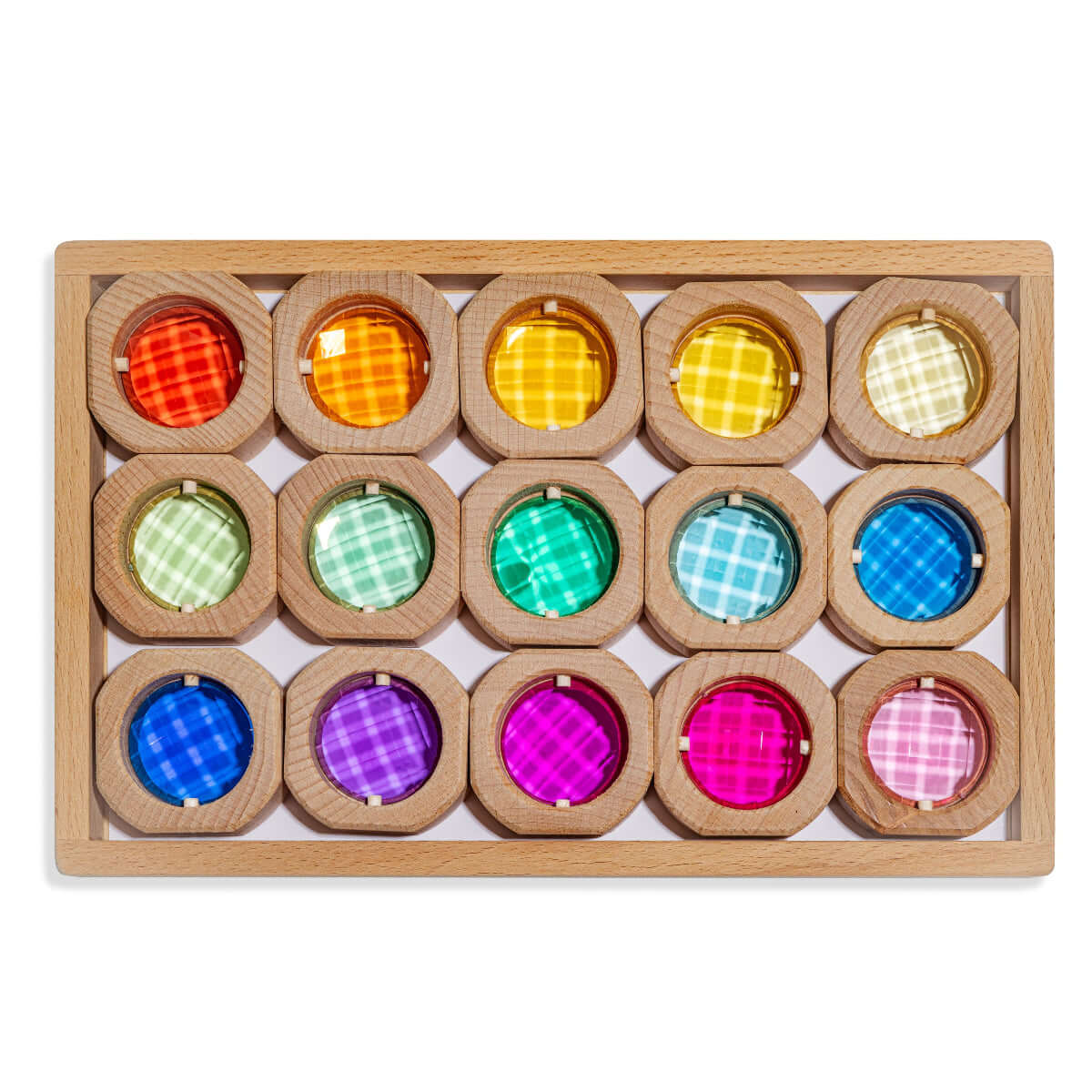
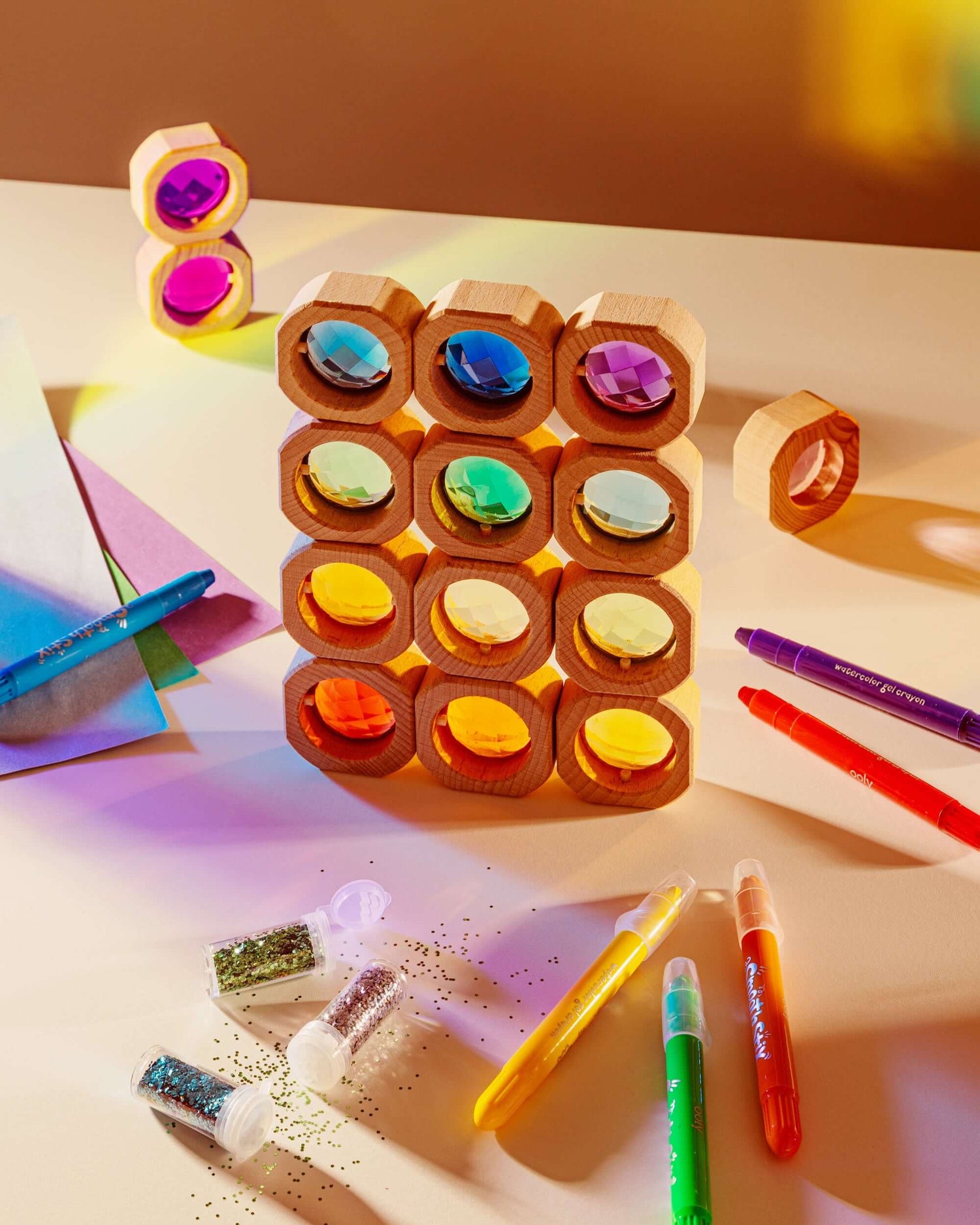
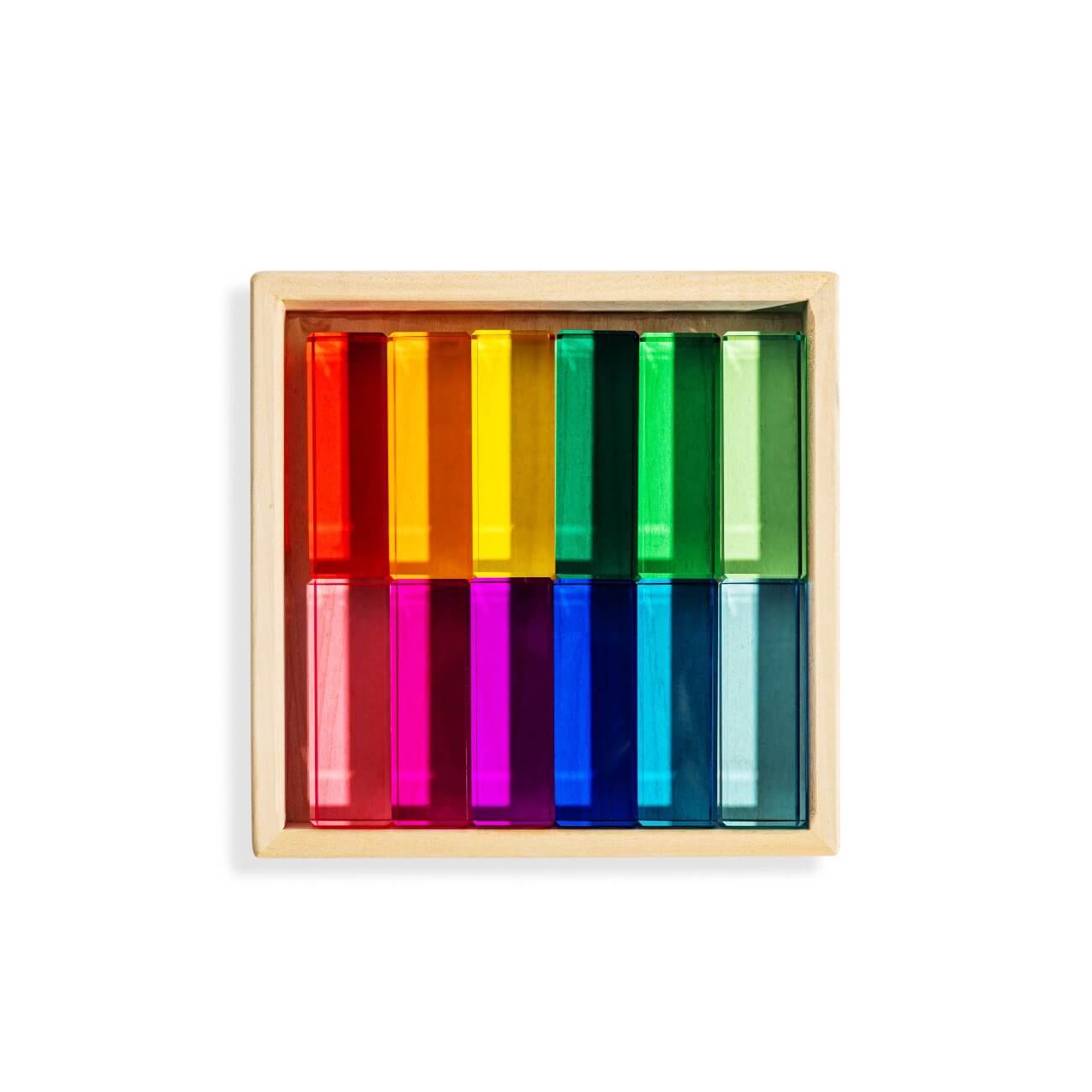
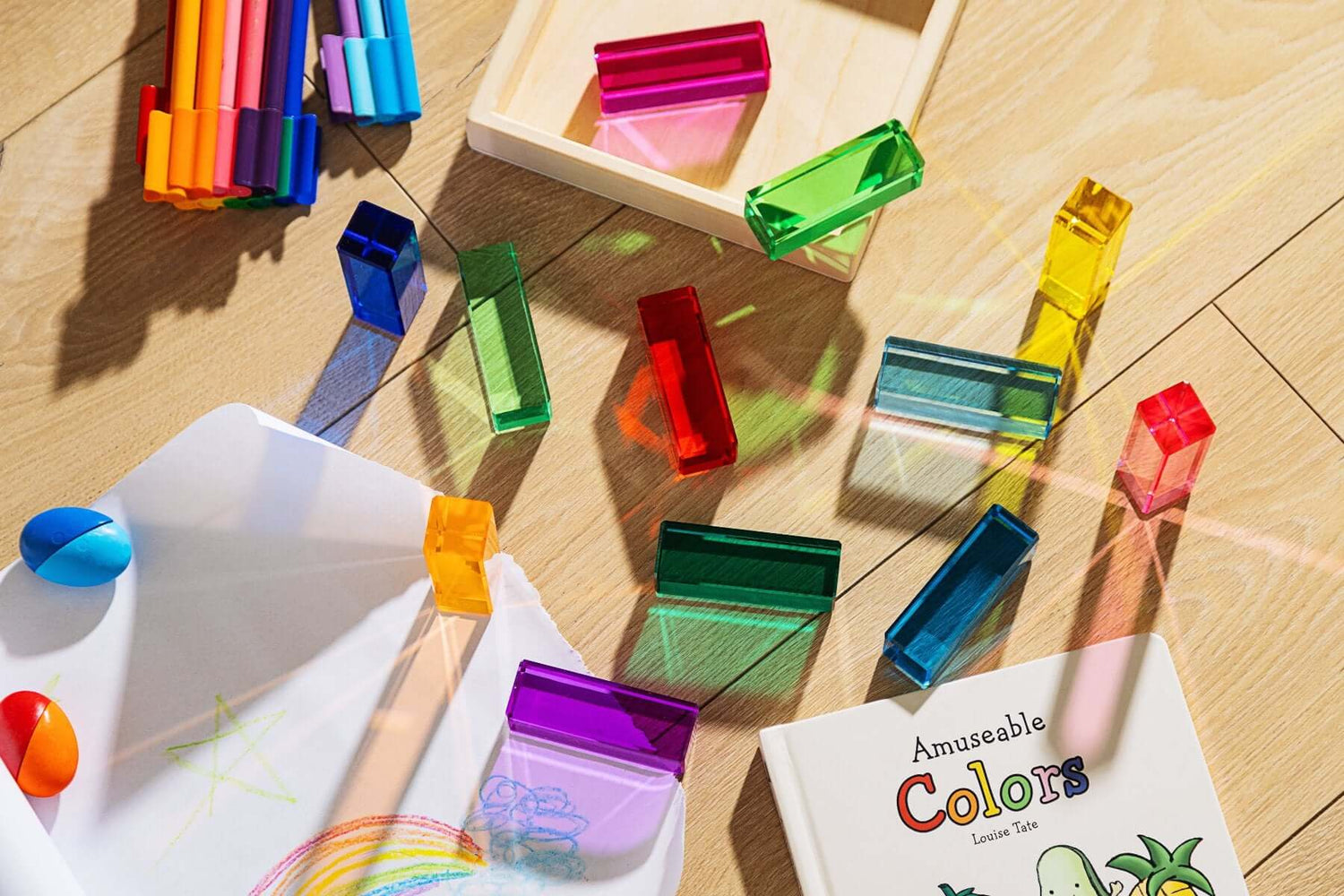
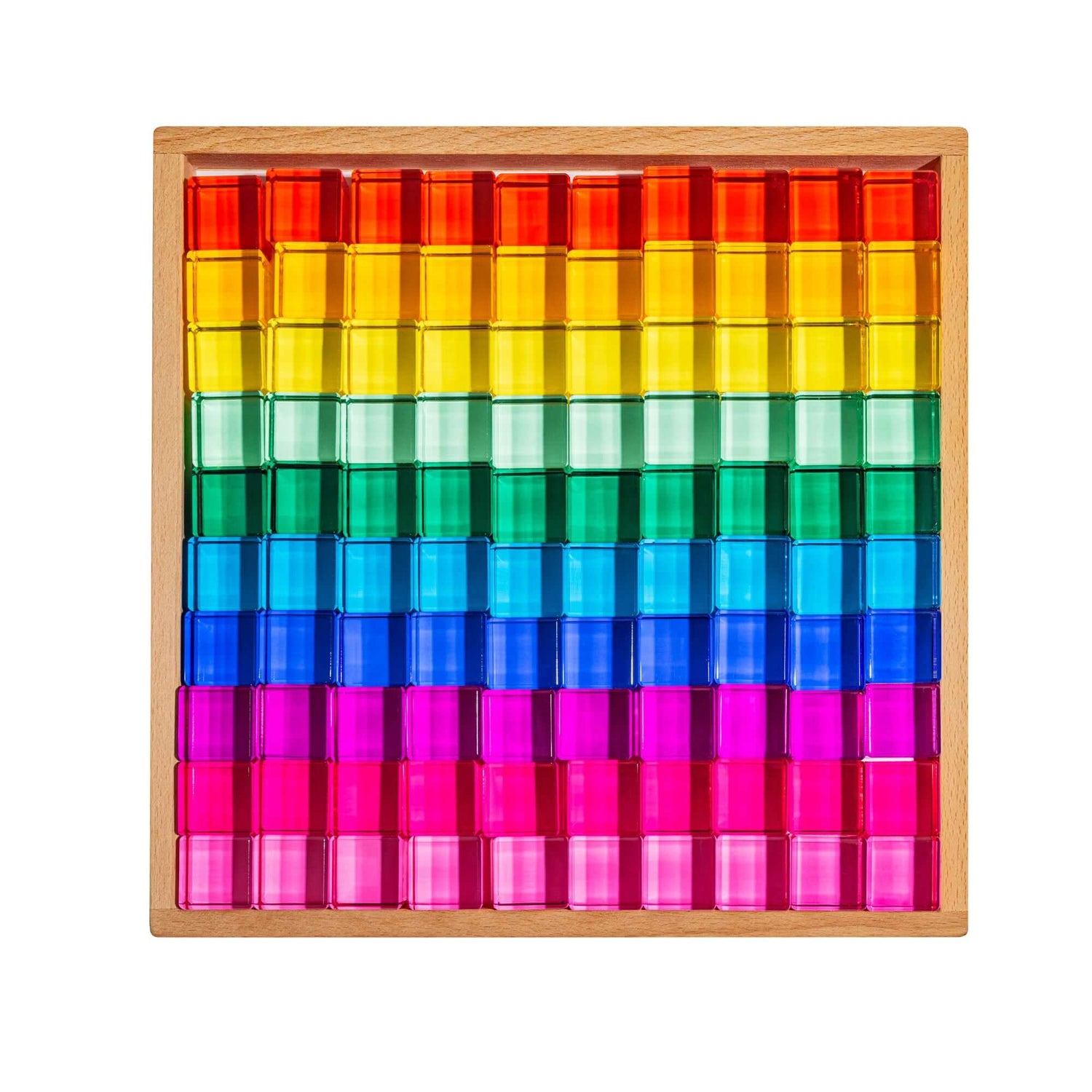
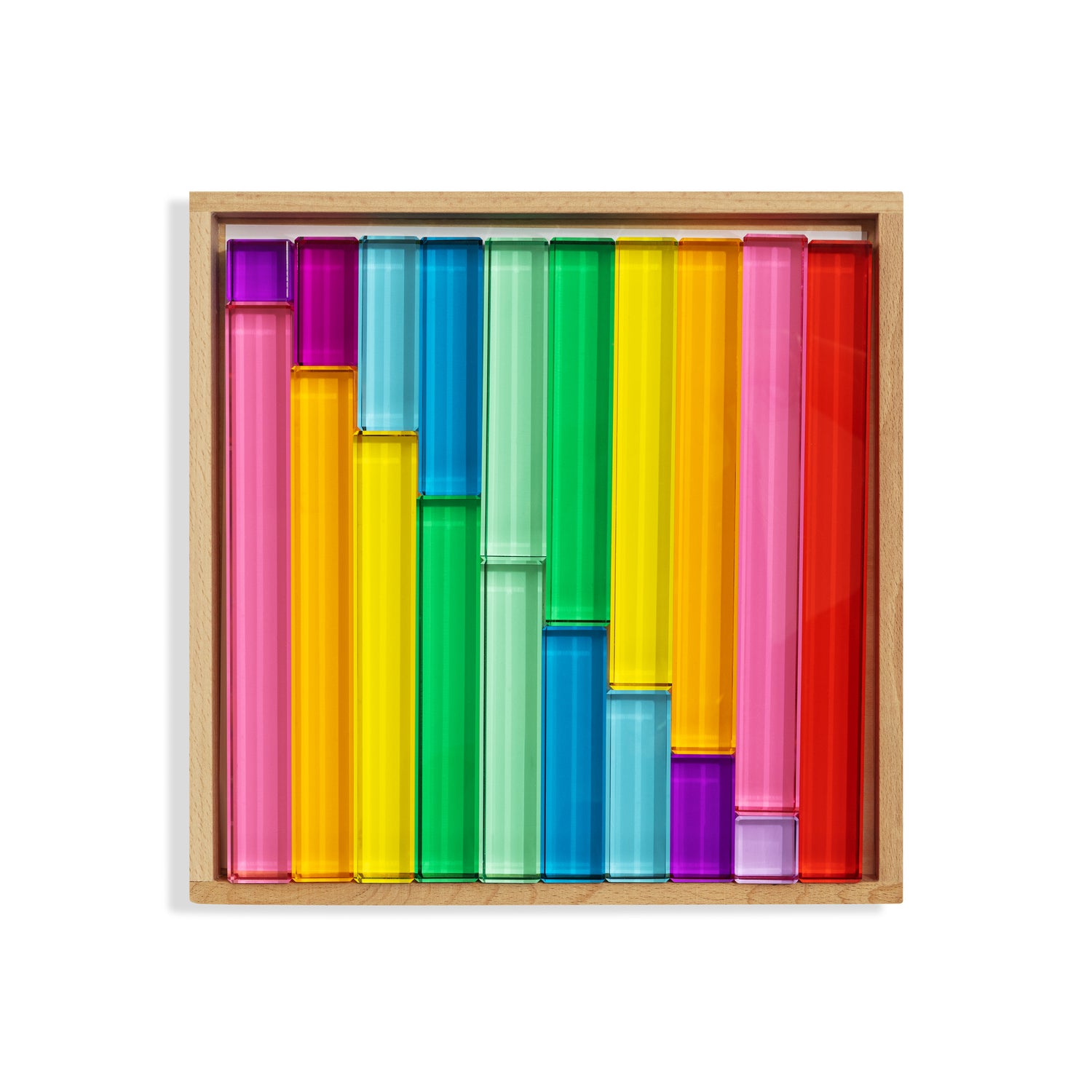
Children use small figures, building blocks, translucent cubes, natural materials, or household objects to build their worlds. Some of our favorite items to use in small world play are the Riley Blocks, Barca Blocks, Bergen Blocks, and Enchanted Gems
Unlike structured games, small world play is child-directed and open-ended. There is no correct outcome — only exploration.
Why Small World Play Is Important
Language Development & Storytelling
When children narrate what is happening in their small world, they practice:
-
Vocabulary expansion
-
Sentence structure
-
Sequencing events
-
Dialogue and conversation skills
Even when playing independently, children often speak aloud, rehearsing language patterns and storytelling.
This type of imaginative narration supports early literacy and comprehension skills.
Social & Emotional Development
Small world play gives children a safe space to:
-
Explore emotions
-
Reenact real-life situations
-
Experiment with social roles
-
Process experiences
For example, a child building a hospital scene may be working through a recent doctor visit. A city scene may reflect their understanding of community helpers.
Through pretend scenarios, children build empathy and perspective-taking skills.
Problem-Solving & Critical Thinking
Creating miniature environments requires:
-
Planning
-
Spatial reasoning
-
Cause-and-effect thinking
-
Adjusting designs when something falls or doesn’t fit
Children naturally test ideas:
-
“What happens if I move this building?”
-
“How can I make this bridge stronger?”
This experimentation builds early engineering and critical thinking skills.
Creativity & Self-Expression
Small world play allows children to design freely.
They choose:
-
The theme
-
The story
-
The characters
-
The rules
This autonomy fosters confidence and imaginative thinking.
Unlike scripted toys, open-ended materials adapt to the child’s ideas rather than dictating them. You can learn more about the benefits of open ended play in our complete guide.
Fine Motor & Spatial Awareness
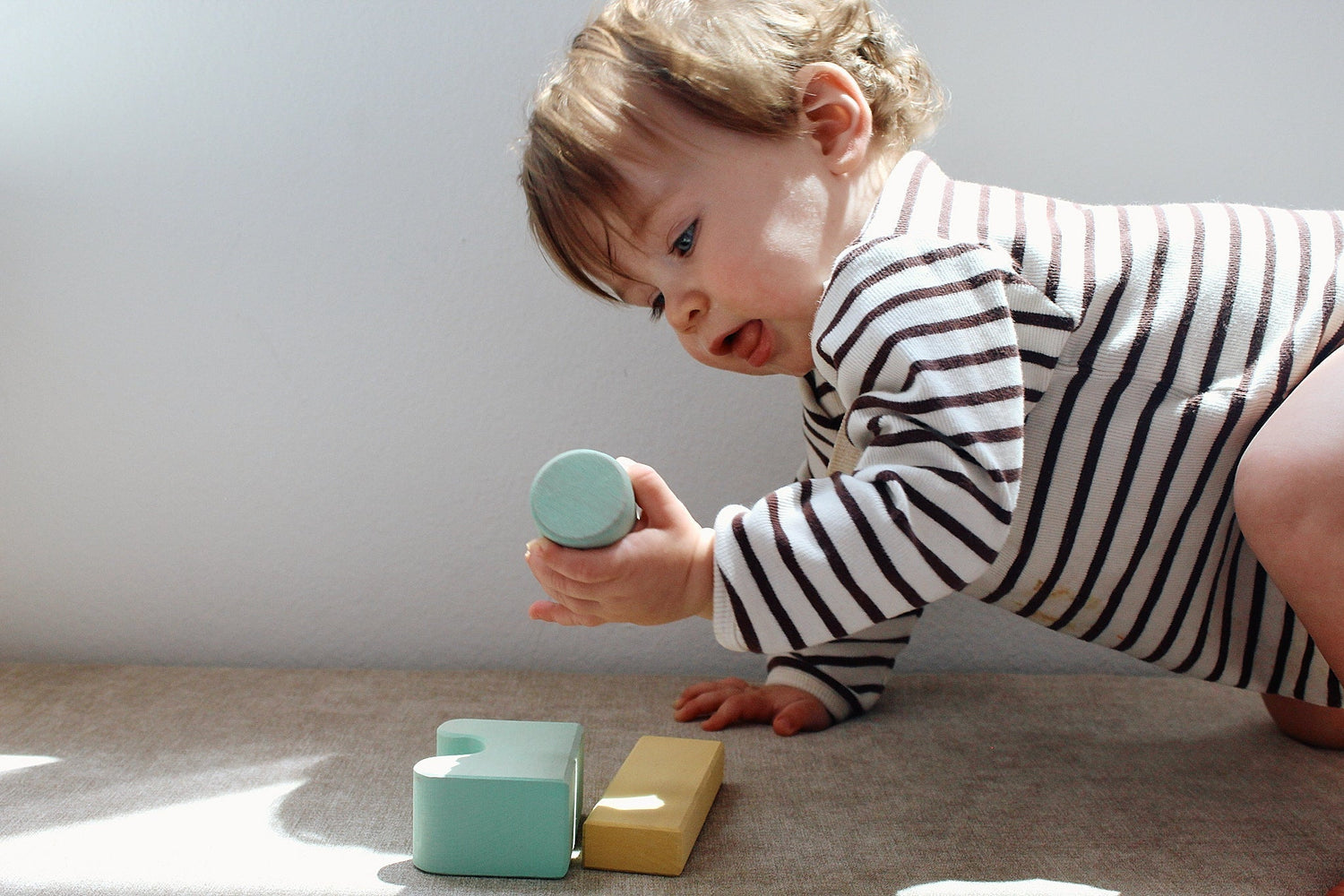
Arranging small figures, stacking blocks, and positioning objects strengthens:
-
Hand-eye coordination
-
Finger dexterity
-
Precision control
-
Spatial reasoning
Children learn concepts such as:
-
Inside / outside
-
Near / far
-
Under / over
-
Same / different
These spatial foundations are closely connected to early math development.
How Open-Ended Materials Support Small World Play
The best small world setups use materials that can become many things.
For example:
-
Translucent cubes can become icebergs, treasure, rocks, or building materials.
-
Wooden houses can become city apartments, shops, or castles.
-
Gems can represent currency, pirate treasure, or magical objects.
Because open-ended materials are not limited to a single function, they grow with the child’s imagination.
This flexibility is what makes small world play so rich and developmentally meaningful.
How to Set Up Small World Play at Home
You don’t need elaborate props.
Start simple:
-
Choose a theme (city, ocean, dinosaurs, forest).
-
Provide blocks, small figures, or translucent materials like our Riley Blocks, Barca Blocks, Bergen Blocks, and Enchanted Gems.
-
Add optional natural elements like pebbles, twigs, or fabric.
-
Step back and let your child lead.
You can gently extend learning by asking open-ended questions:
-
“What is happening in your world?”
-
“Who lives here?”
-
“What happens next?”
-
“How do they solve that problem?”
Avoid directing too much — the magic happens when children control the narrative. Check out this easy small world play activity to do at home.
Extending Small World Play Through Interests
Small world themes often reveal a child’s interests.
If your child creates:
Antarctica
Explore melting ice experiments or read books about polar animals.
A City
Discuss community helpers and transportation systems.
An Ocean Scene
Learn about sea animals or explore water-based sensory activities.
Following their interests deepens engagement and strengthens learning.
The Long-Term Impact of Small World Play
Small world play is not just pretend. It builds:
-
Language fluency
-
Emotional intelligence
-
Creative confidence
-
Spatial reasoning
-
Early STEM understanding
When children build miniature worlds, they are practicing how the real world works — safely, creatively, and meaningfully. They are also engaging in pretend play. You can read about why pretend play is one of the most important parts of childhood development here.
Bringing It Into Your Home
Encouraging small world play doesn’t require complicated materials — just versatile, open-ended pieces that invite imagination.
By providing thoughtfully designed building blocks, translucent cubes, and simple figures, you create opportunities for storytelling, experimentation, and growth.
The worlds children build today shape the way they understand the world tomorrow.





0 commentaire