

The Average Child Owns 10+ Toys — and Plays With Almost None of Them
Here's a number that stopped me in my tracks: the average child owns more than 10 toys but plays with fewer than 12% of them on a regular basis. That's not a storage problem. It's a selection problem.
I understand the pull. The birthday gift that lights up their face. The trend every other parent is talking about. The grandparent who wants to spoil them, lovingly and generously. Buying toys feels like giving joy, and it often is.
But after years of studying early childhood education and then becoming a mother myself, I started filtering every toy through a set of questions rooted in professional practice, not personal preference. These seven questions aren't about guilt or minimalism for its own sake. They're a practical framework for intentional toy selection that any parent can use at home, starting today.
Question 1: Does This Toy Require My Child to Do the Work?
Zero to Three, one of the most respected early childhood development organizations, puts it simply: "The most useful toys are those that require the most action on the part of a young child." That sentence changed how I look at every toy on the shelf.
Think about a toy that lights up, sings a song, and moves on its own when a button is pressed. The child watches. The toy performs. The child is a spectator, not a participant.
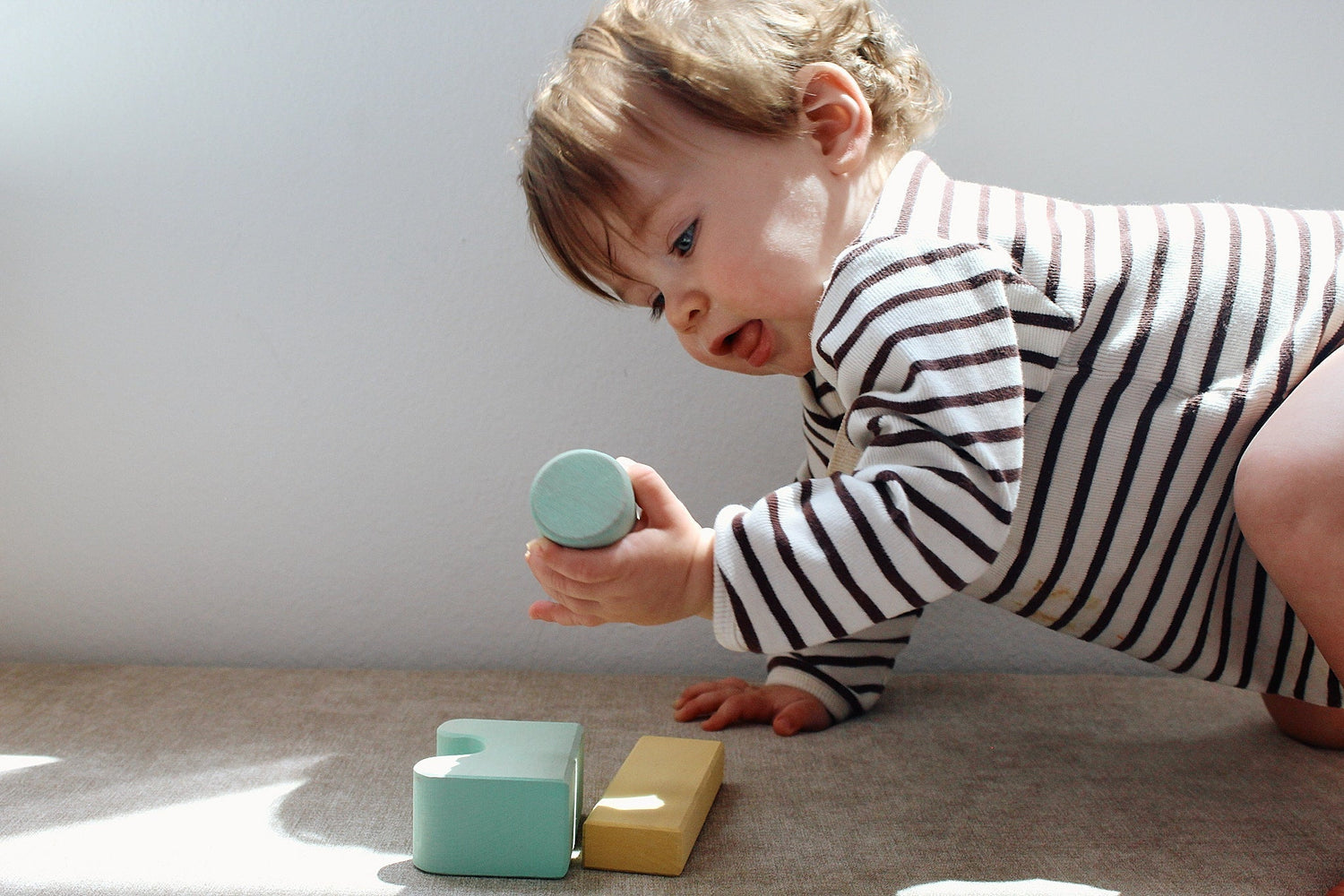
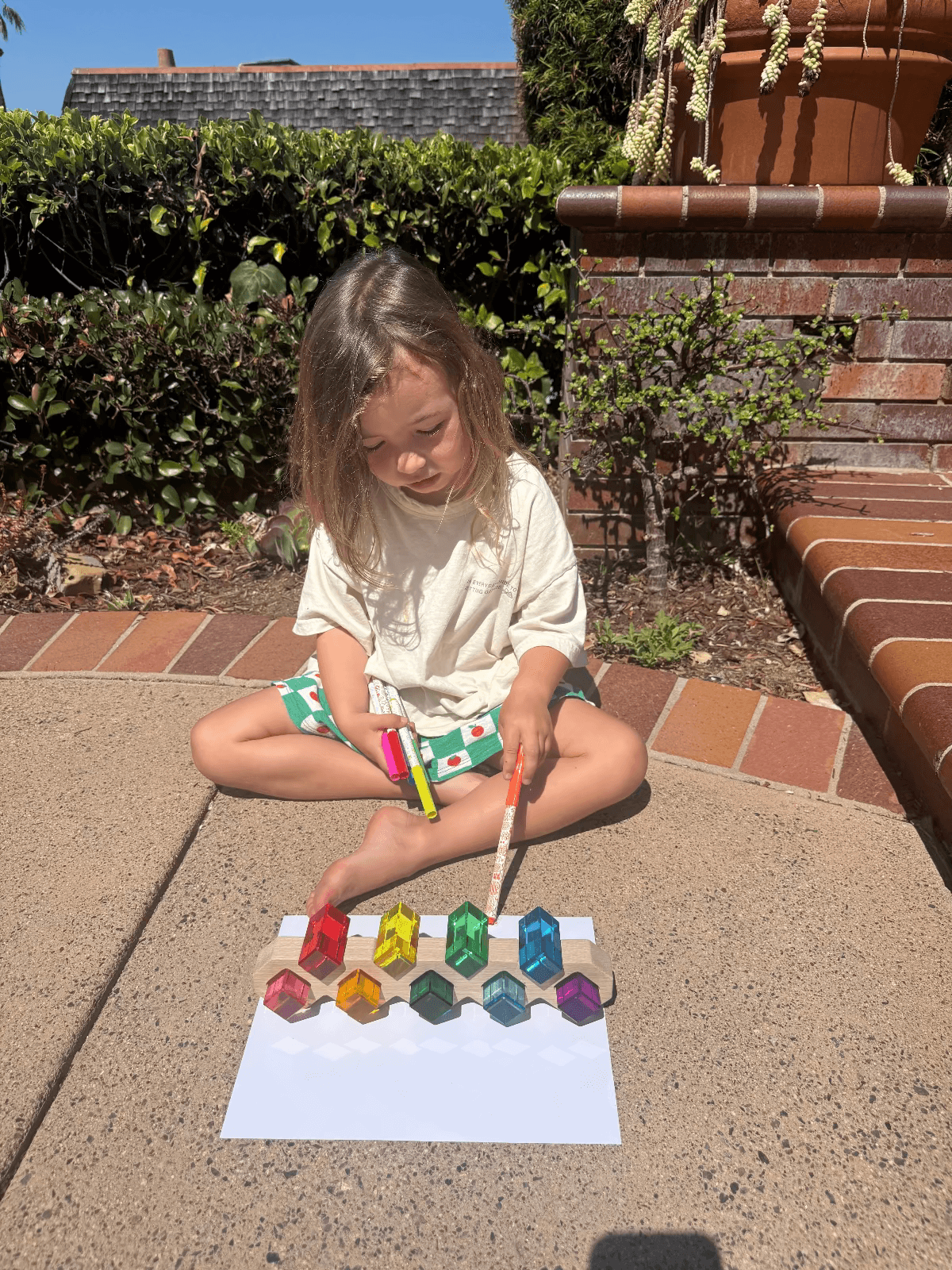
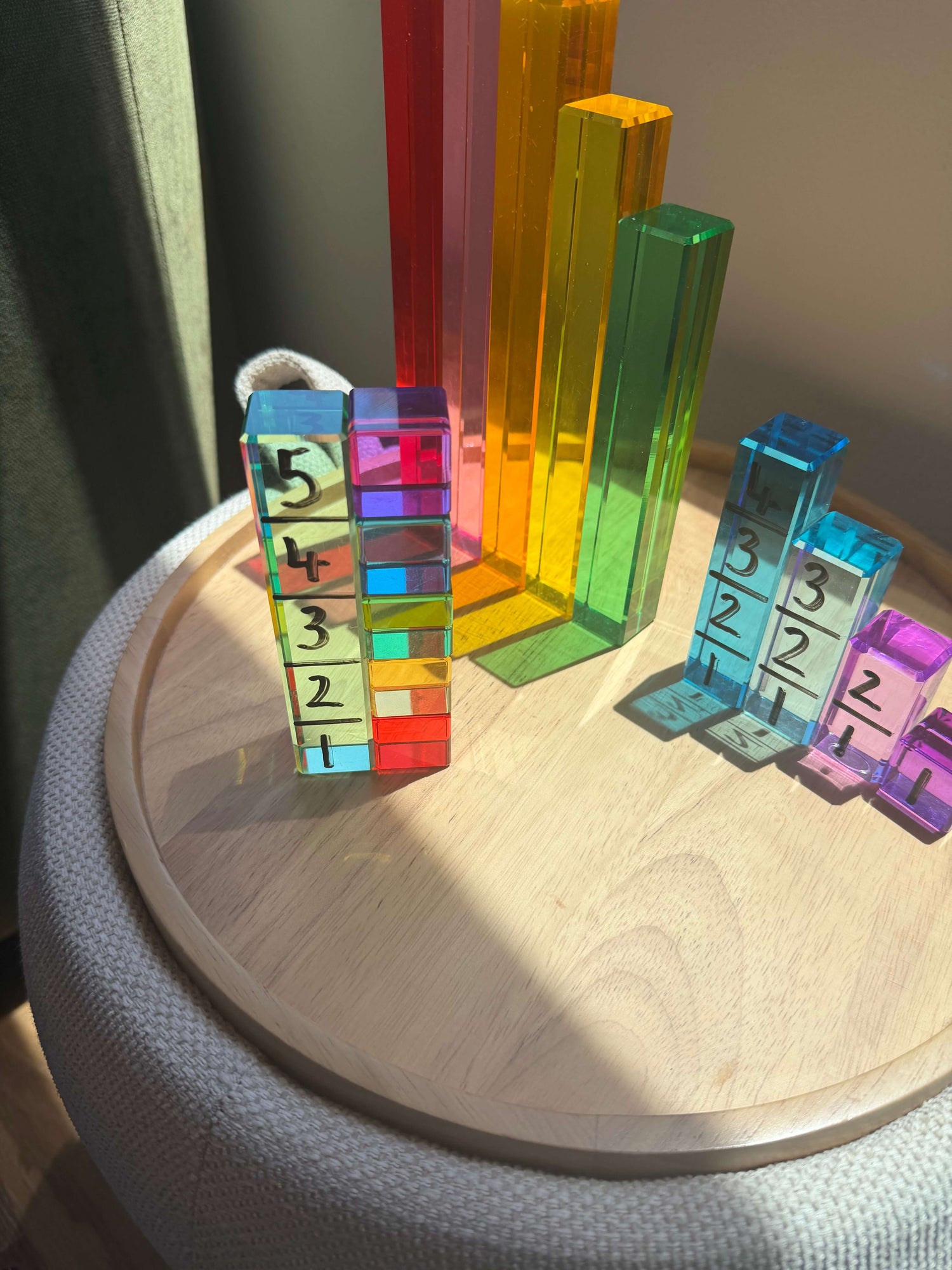
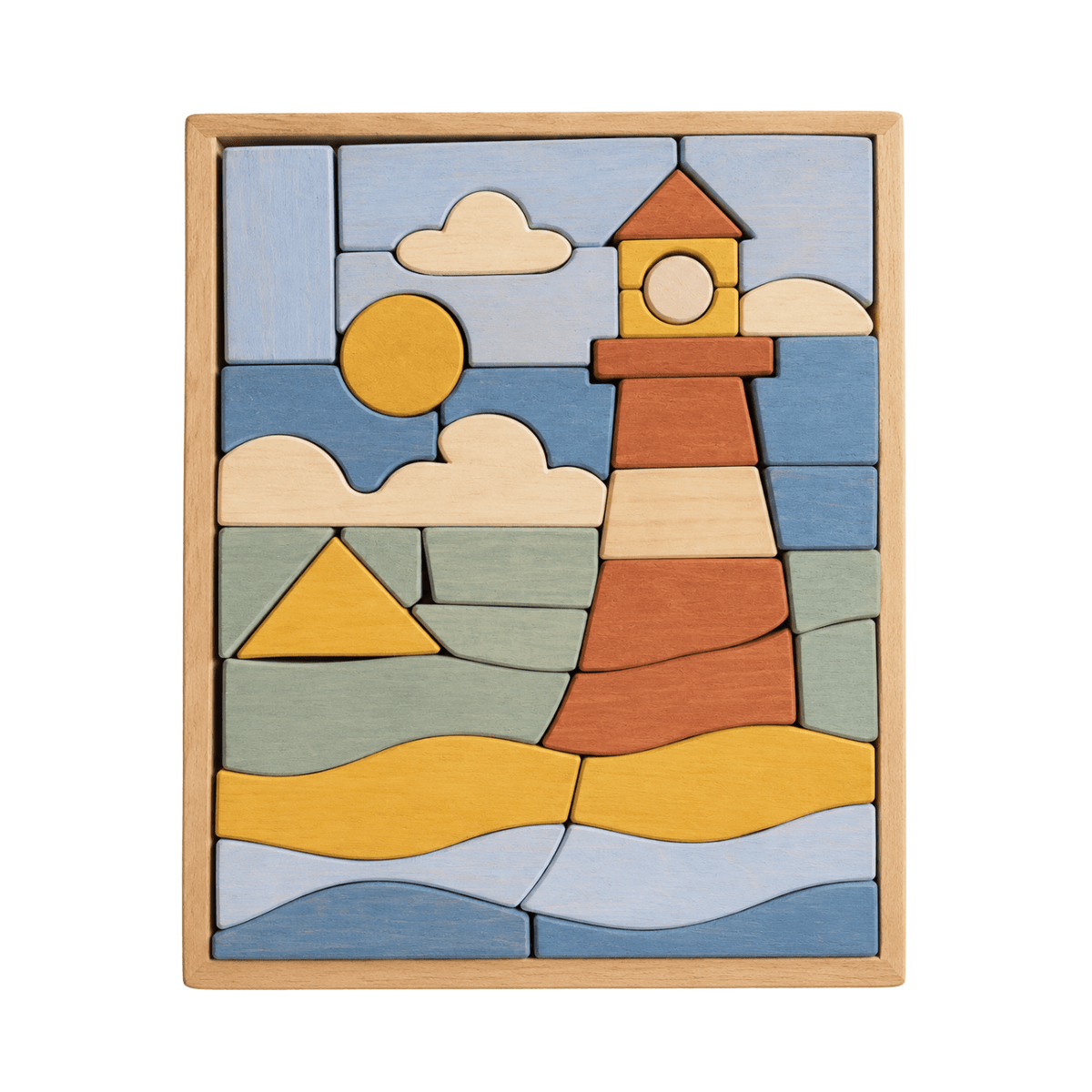
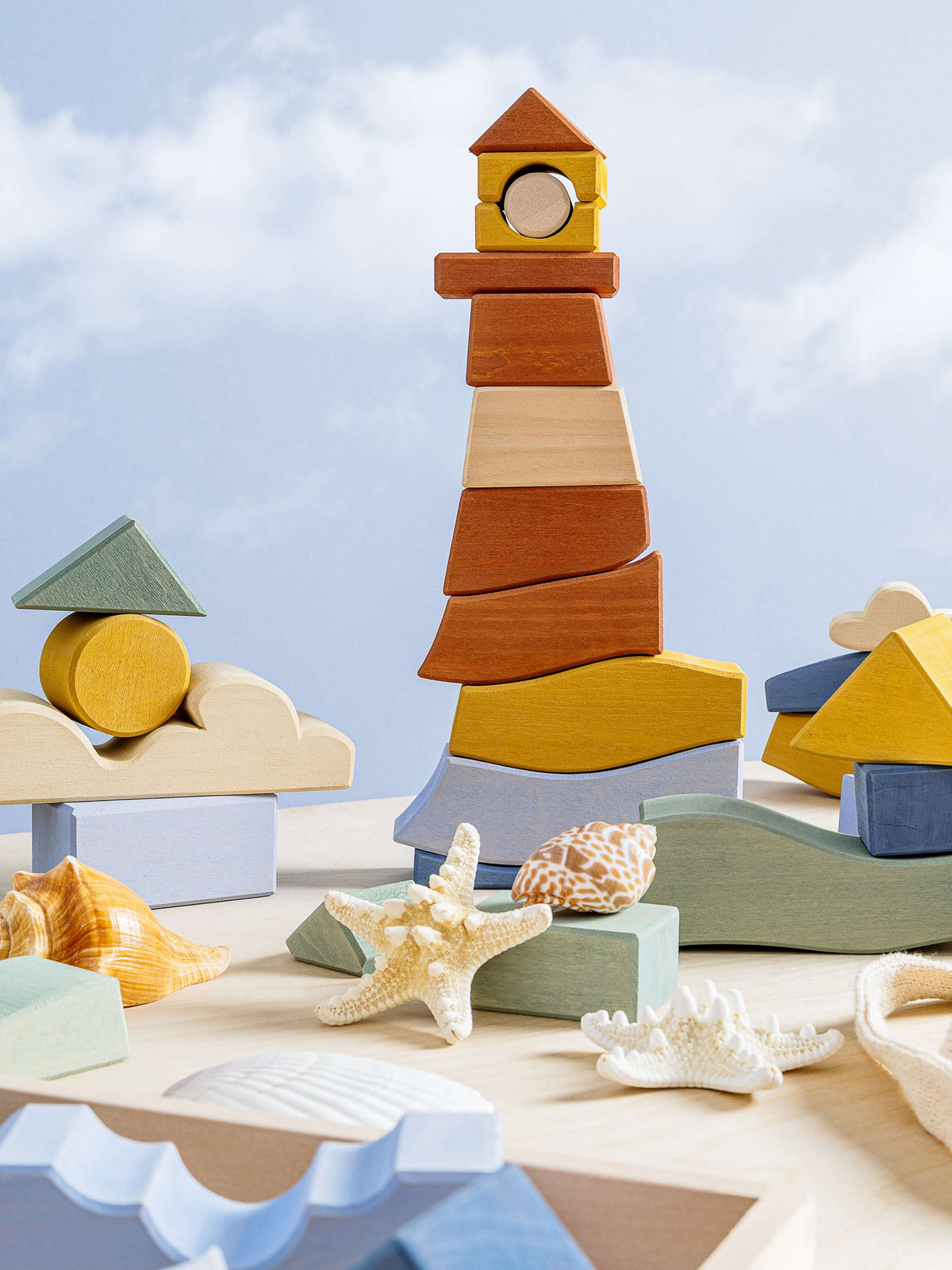
Now think about a set of wooden blocks, a basket of loose parts, or a simple set of art supplies. Nothing happens until the child makes it happen. The child stacks, sorts, arranges, imagines, and problem-solves. A 2025 systematic review published in the MDPI Journal of Intelligence examined loose parts play in children ages 0 to 6 and found meaningful support for the cognitive developmental value of these open-ended, interactive materials.
The distinction is straightforward: does the toy do the playing, or does the child?
Question 2: Will It Still Be Useful in 12 Months?
The average toy fad lasts roughly eight months from launch to markdown. That's a short life for something you spent hard earned dollars on and claimed real estate in your home.
Developmental longevity is one of the strongest arguments for open-ended toys. Consider wooden blocks: an 18-month-old uses them for stacking and knocking down, practicing hand-eye coordination and cause-and-effect. A five-year-old uses the same set to build elaborate structures, bridges, and cities, exercising spatial reasoning and creative planning. Building blocks hold about 21.2% of the wooden toys market; their cross-age, open-ended play value makes them perennial best-sellers.
There's an old but enduring principle in early childhood education: playthings that do not last are educationally as well as economically unsound. A higher upfront investment in a durable, well-designed toy often proves more economical because you simply don't need to replace it.
One important nuance: symbolic and imaginative play peaks around age 4 and begins to decline after age 7. Toys purchased for a future stage can easily miss the developmental window they were meant for. The goal is to choose toys that serve your child now and continue to grow with them, not toys bought on speculation.
Question 3: Does It Match Where My Child Is Right Now?
In Montessori practice, materials are introduced at the moment a child is ready to benefit from them. The sweet spot is a toy that's challenging enough to encourage growth but not so difficult that it causes frustration and disengagement.
This is an important distinction: developmental stage is not the same as calendar age. A toy labeled "for ages 2+" might suit one child perfectly at 18 months and another at 30 months. Age ranges on packaging are guidelines, not prescriptions.
One of the most common mistakes I see is buying ahead. Parents purchase a toy for a stage their child hasn't reached yet, and by the time the child is ready, the toy has been sitting unused so long it's lost its novelty, or the sensitive period it was designed for has passed entirely.
The most reliable guide? Observation. Watch what your child is drawn to right now. What are they practicing over and over? What frustrates them just enough to keep trying? That's where the next purposeful toy belongs.
Question 4: Is It Safe Enough to Stop Thinking About Safety?
Safety isn't one of seven considerations. It's the first filter. If there's any uncertainty about a toy's safety, it doesn't belong on the shelf.
Under CPSIA, the federal law governing children's products in the United States, all toys must contain less than 100 parts per million (ppm) of lead, and paint or surface coatings must contain less than 90 ppm. Third-party testing is mandatory for every toy intended for children under 12. These aren't suggestions; they're legal requirements.
Beyond federal minimums, parents should look for compliance with ASTM F963 (the U.S. voluntary safety standard that most retailers require) and EN 71 (the European equivalent). Both standards cover mechanical hazards, flammability, and chemical composition. If a product page doesn't mention these, that's worth asking about.
Properly certified wooden toys, finished with non-toxic, water-based coatings and sourced from sustainably managed wood, avoid many of the concerns associated with conventional plastics, including BPA, PVC, and phthalates. The wooden infant toys segment held approximately 27.3% of the wooden toys market in 2025, reflecting how strongly parents of babies and young toddlers are gravitating toward safe, natural materials.
At Maison Rue, every product is independently tested to CPSIA and CPC standards by a third-party lab. That's not a marketing badge; it's a verifiable credential you can check. The goal is simple: once a toy is in your child's hands, safety should be the last thing on your mind.
Question 5: Does It Invite Imagination or Deliver a Conclusion?
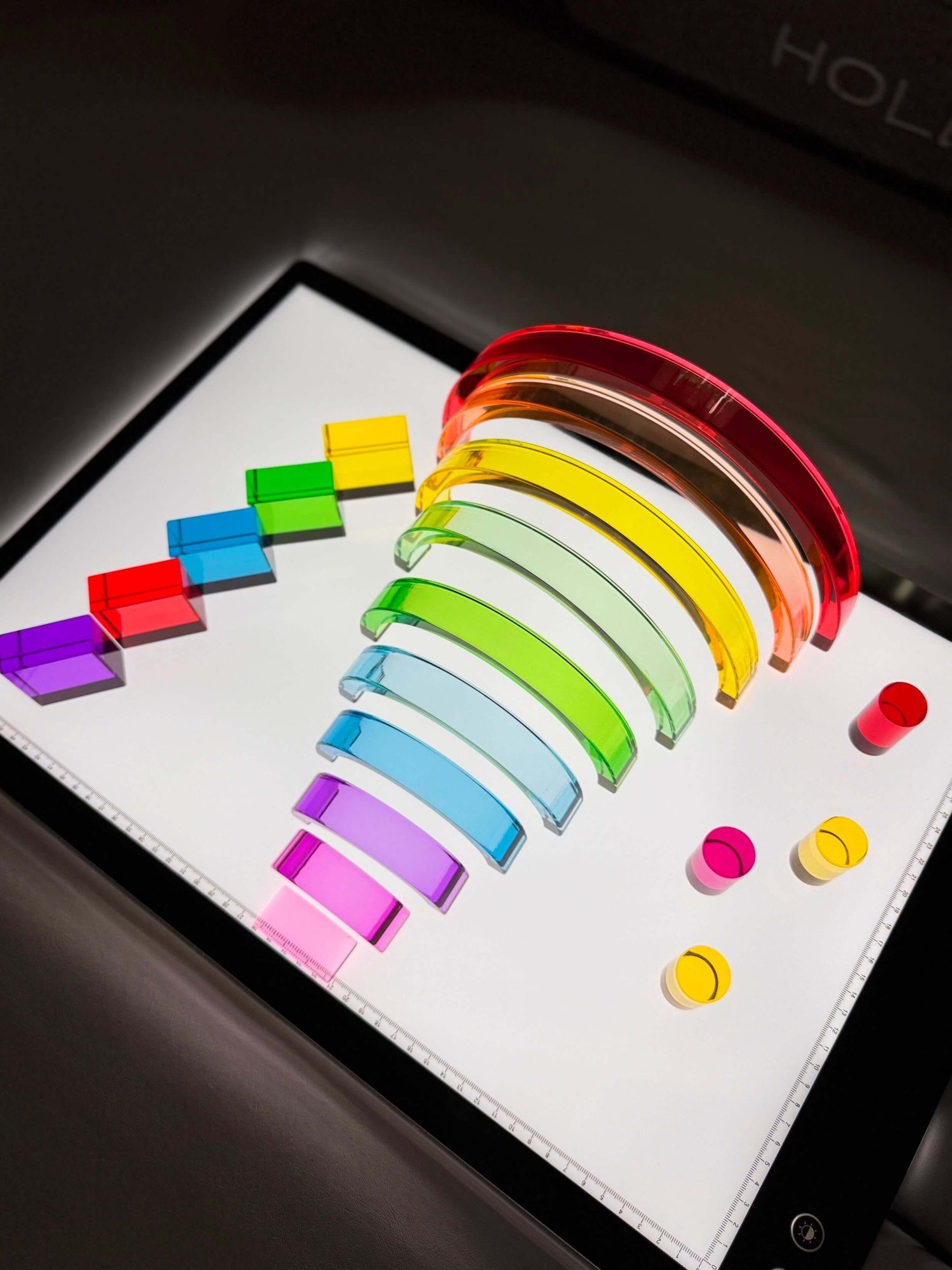
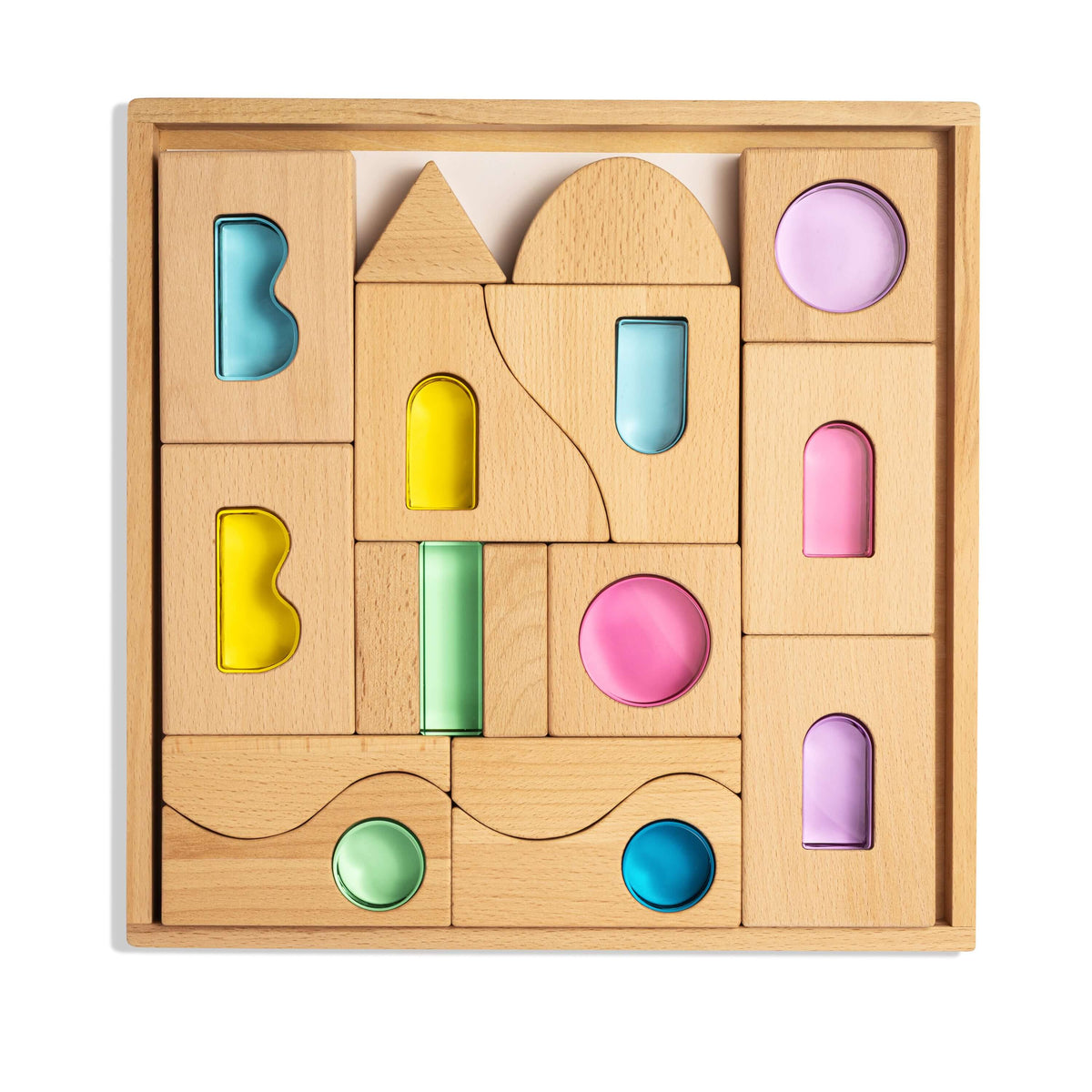
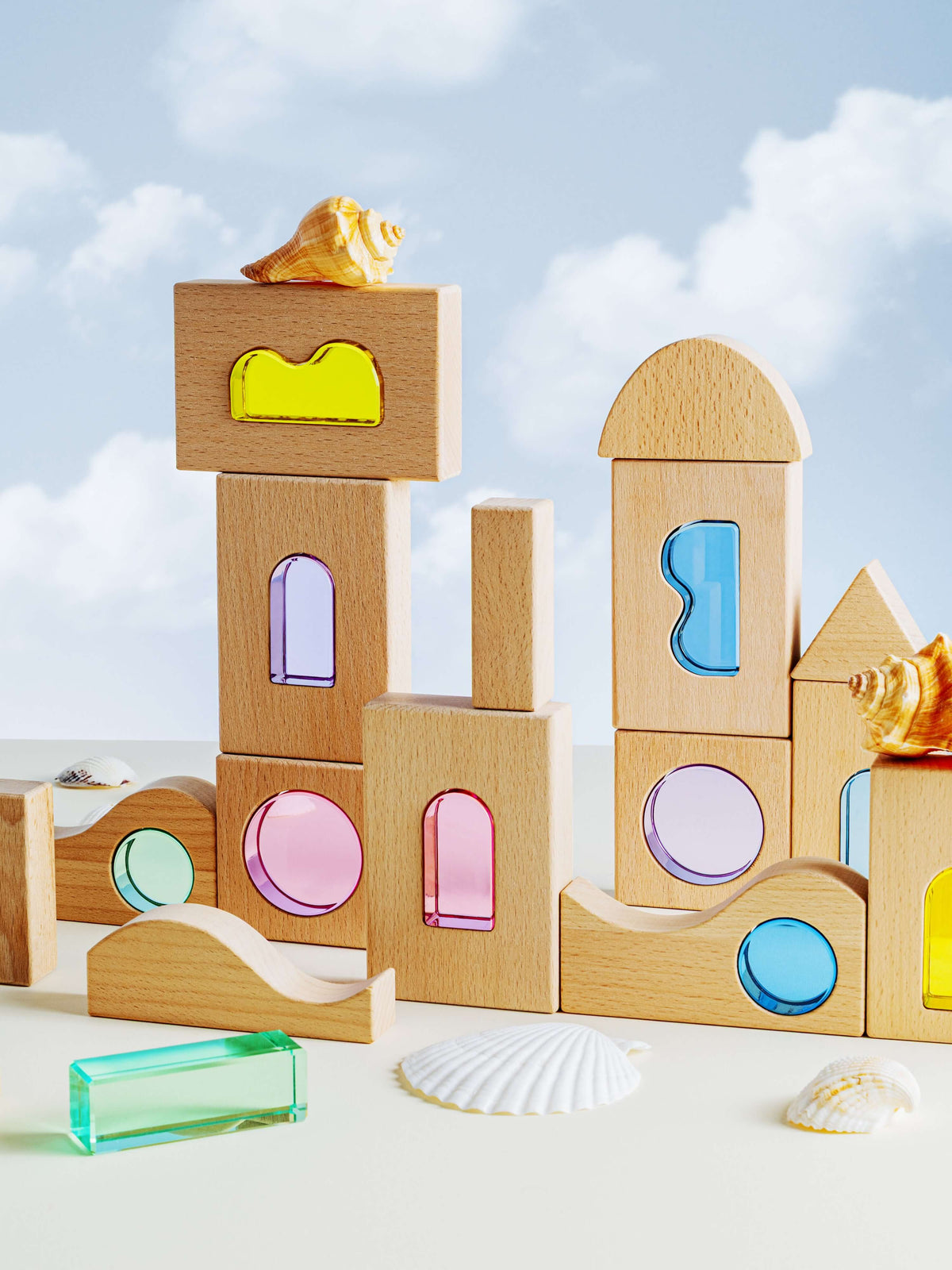
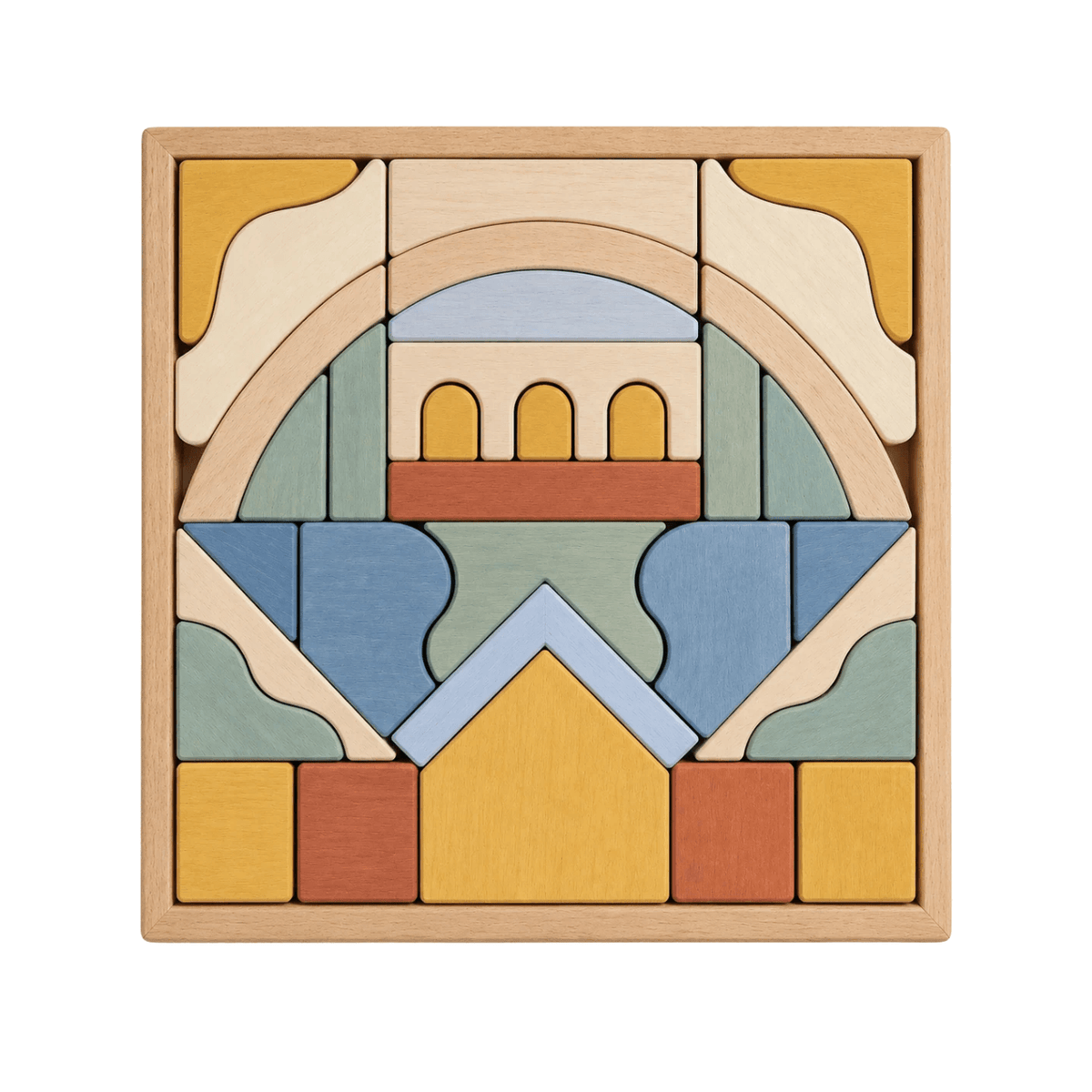
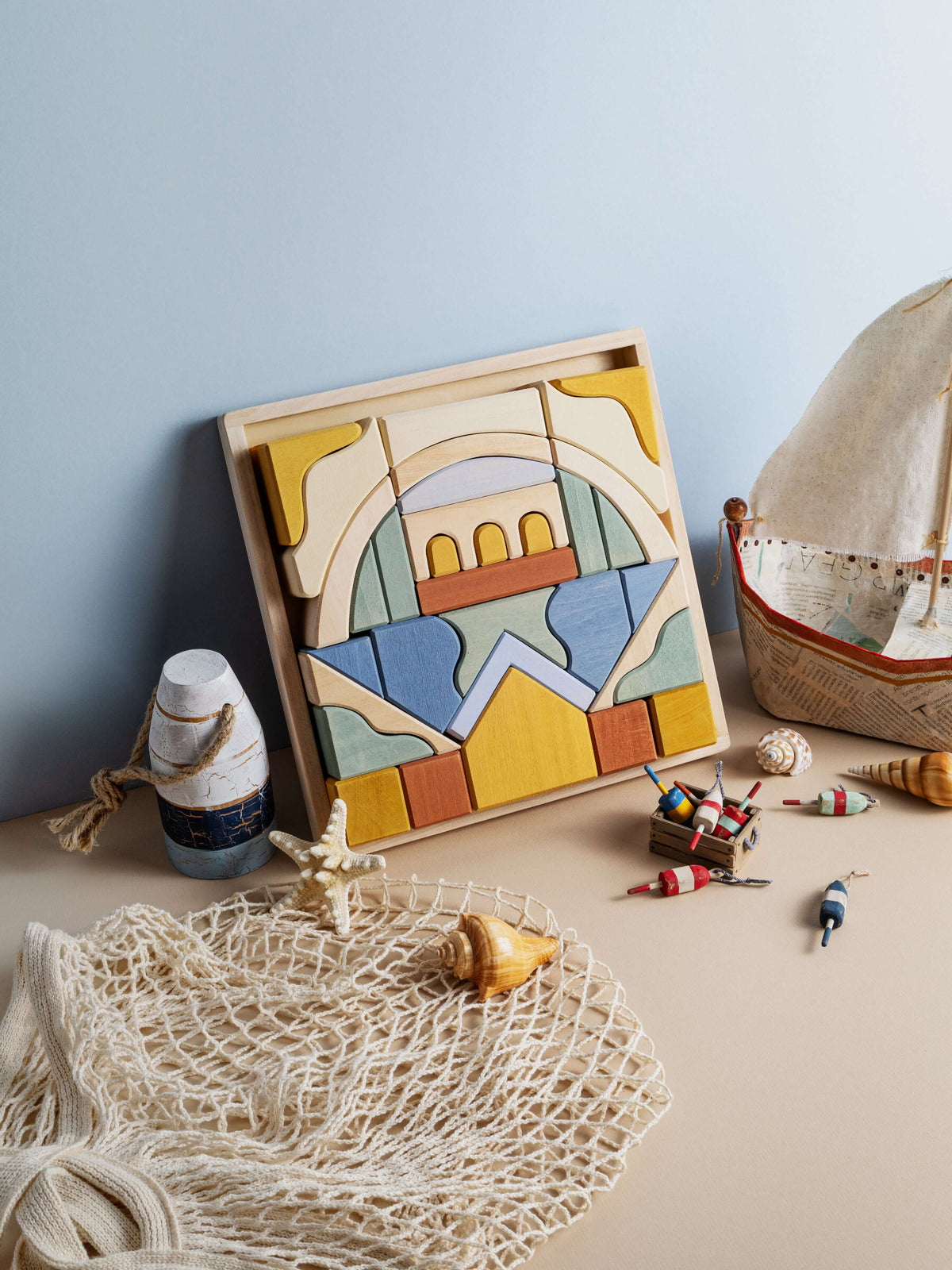
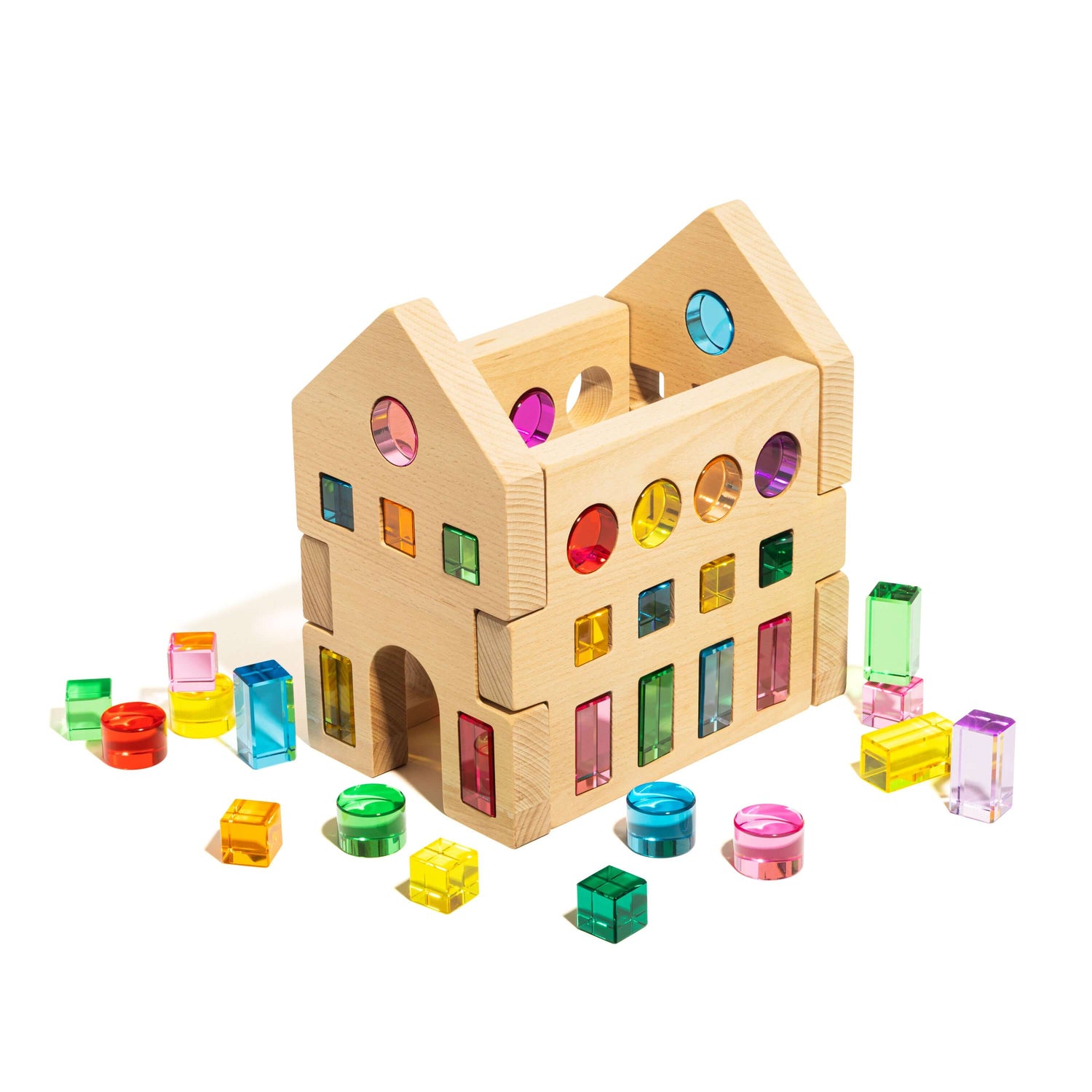
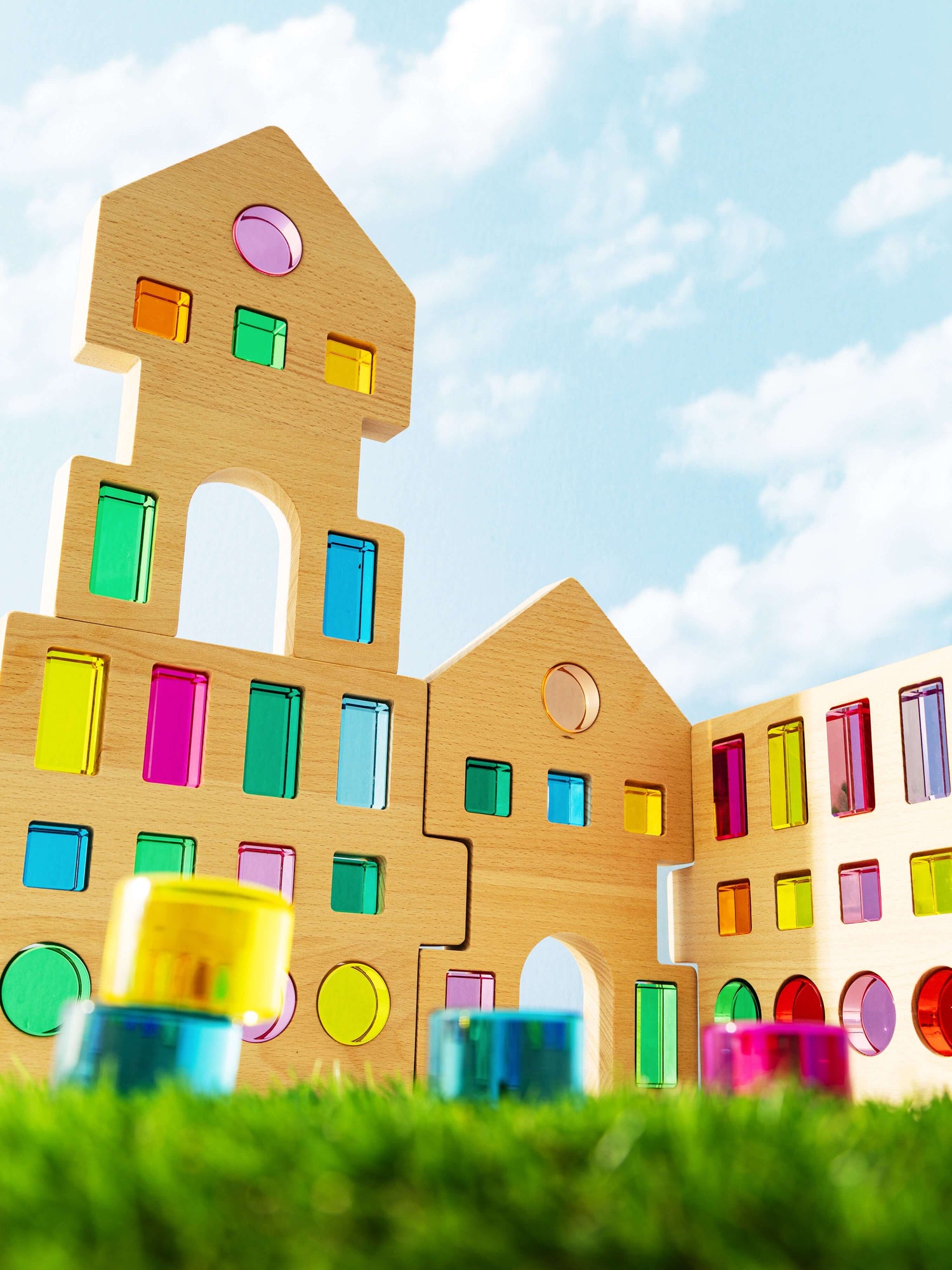
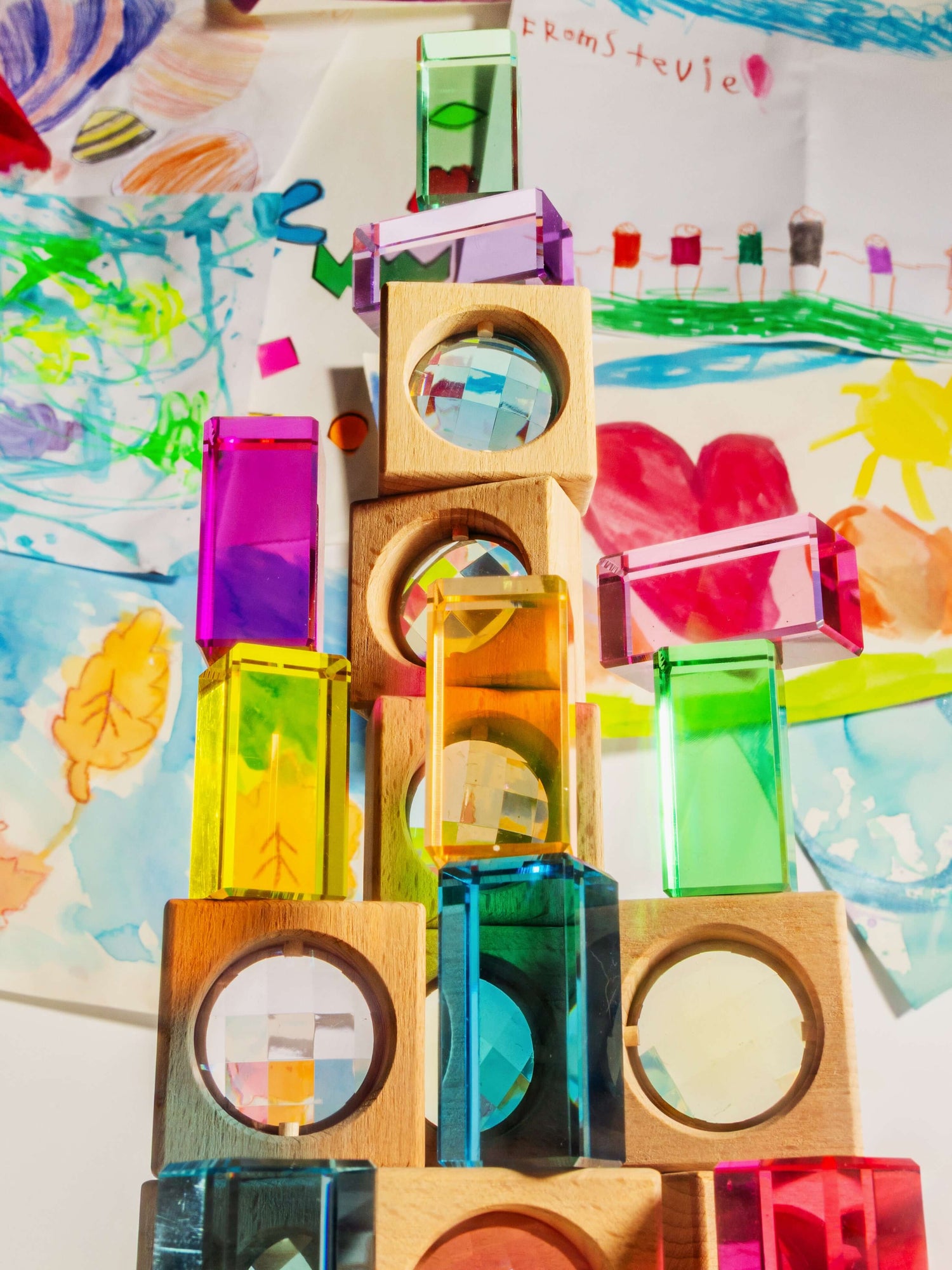
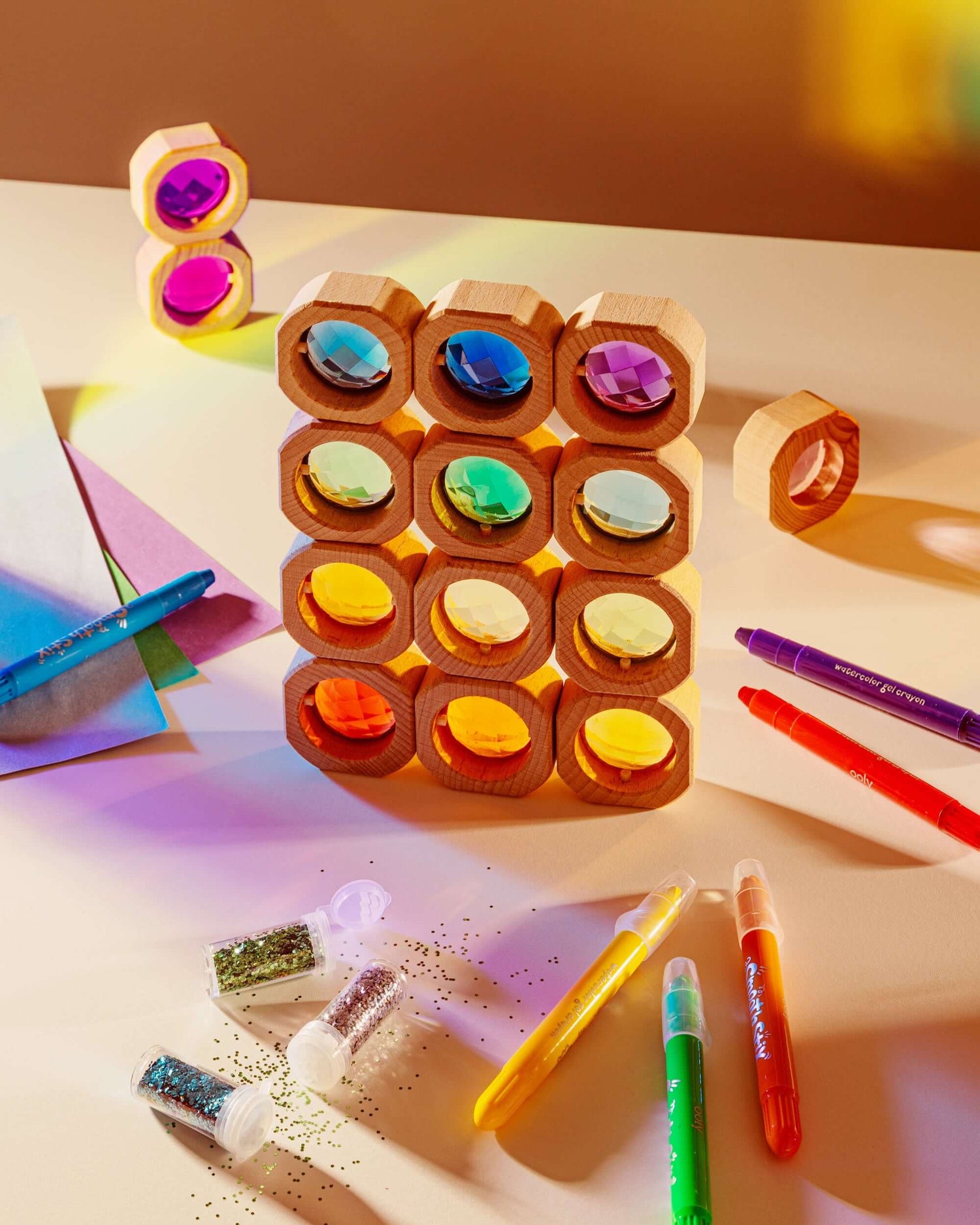
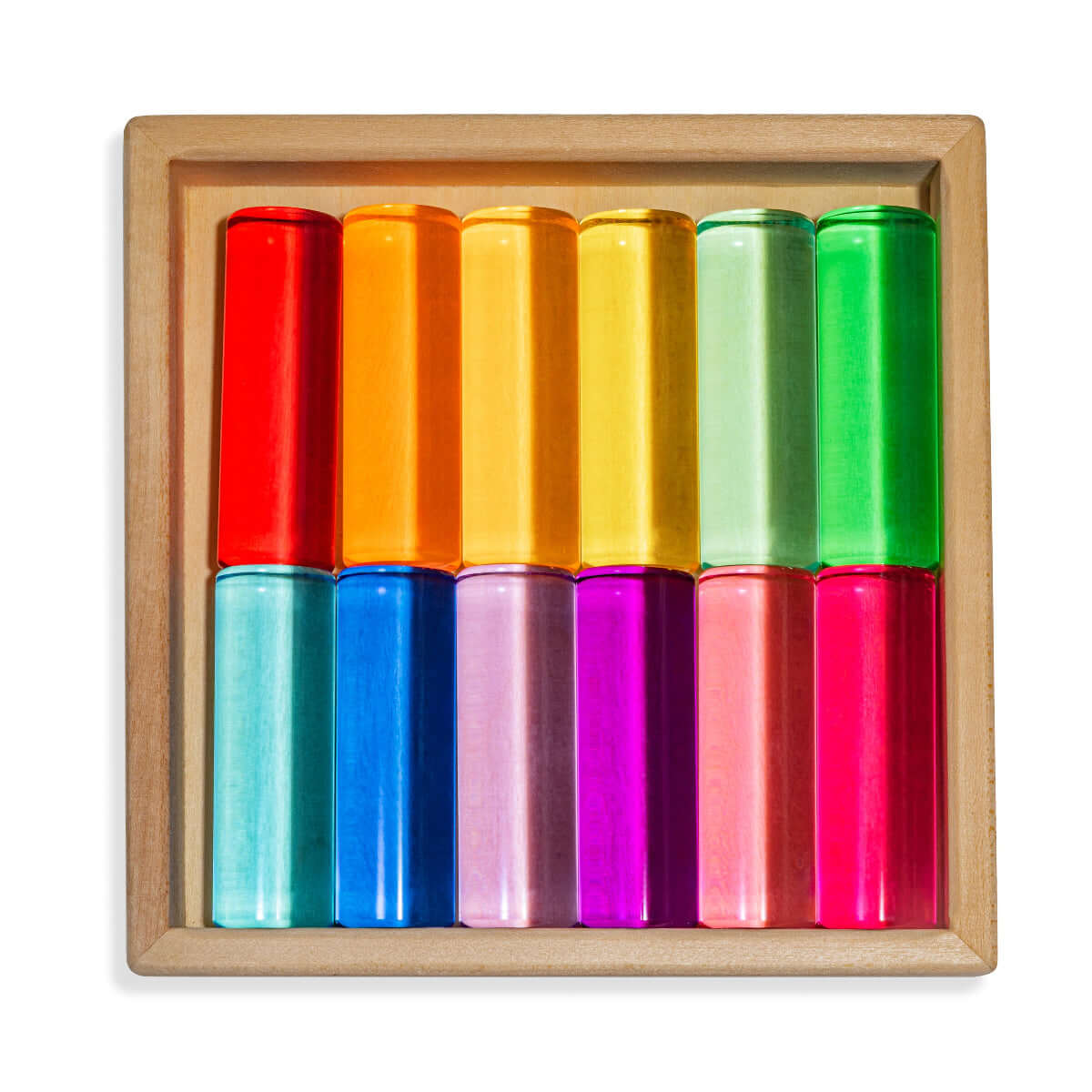
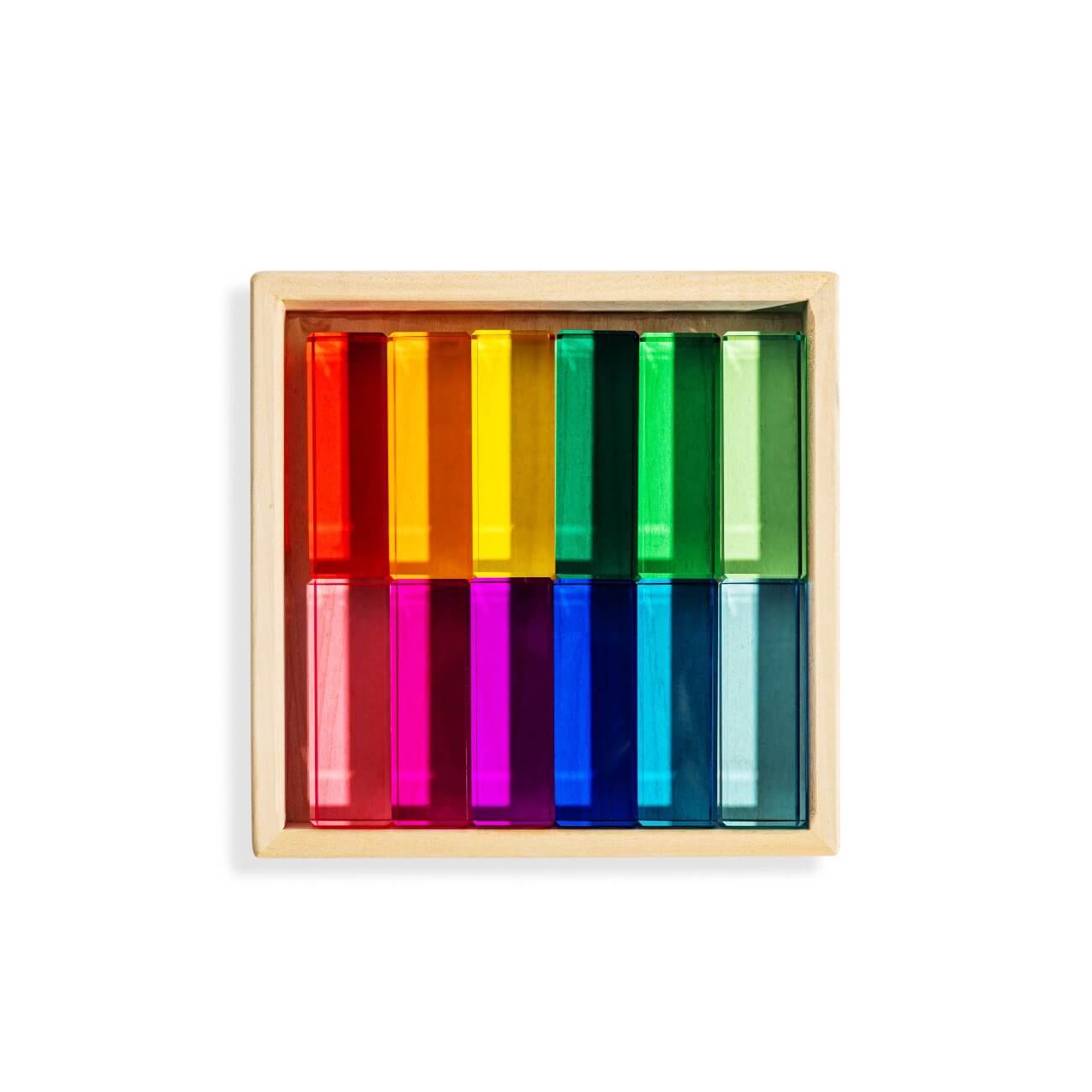
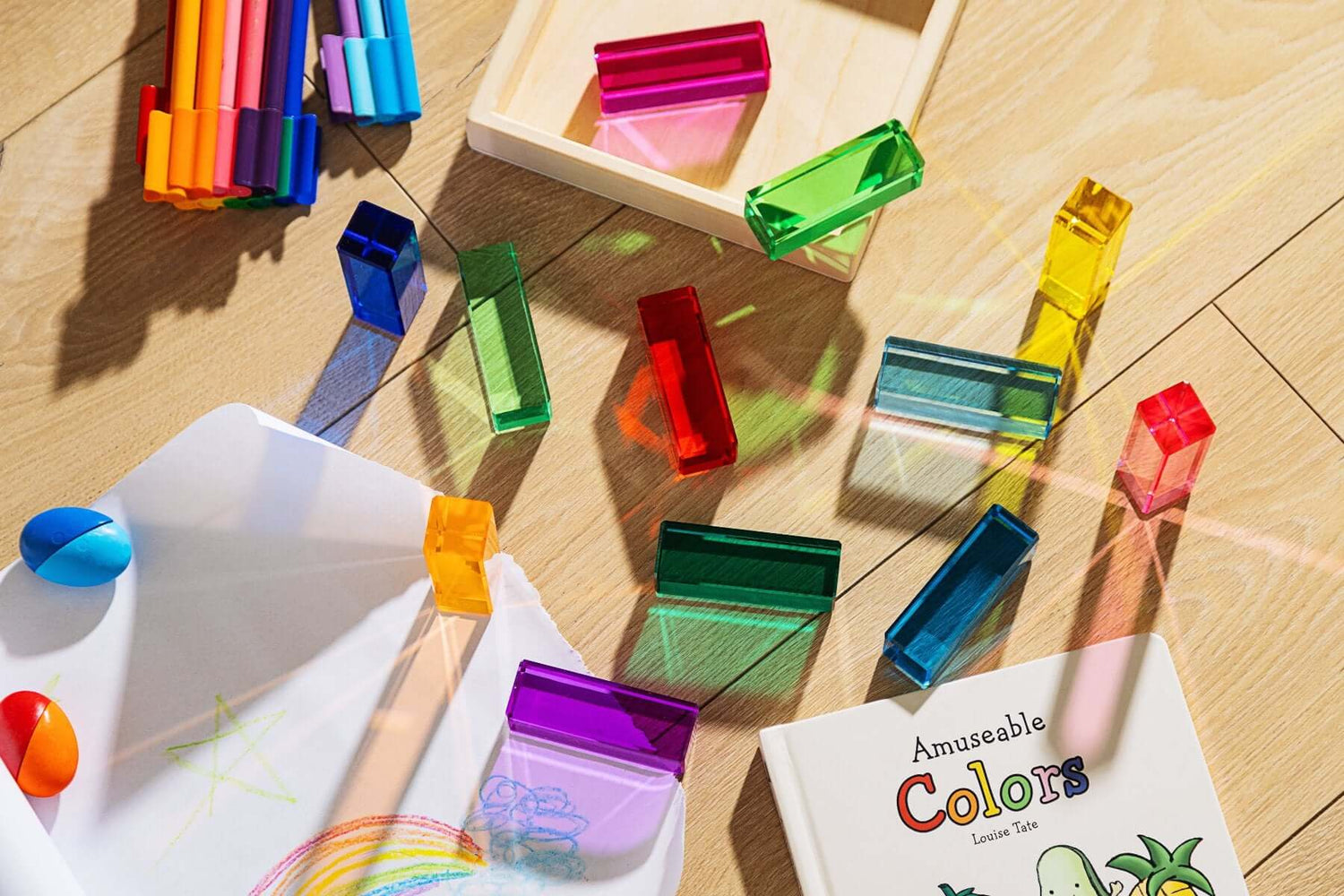
There's a meaningful difference between a toy that invites imagination and one that delivers a conclusion. Open-ended toys can become anything: a wooden arch is a bridge, a tunnel, a rainbow, a rocking cradle for a stuffed animal. Closed-ended toys have one correct outcome, and once the child finds it, the play is over.
A 2025 peer-reviewed study published in the International Journal of Early Childhood examined 203 children between ages 4 and 7 and found that a preference for open-ended toys was associated with stronger imagination and greater originality of thought. That's a research-backed confirmation of something many educators have observed for decades.
Character-driven and screen-mimicking toys tend to narrow the scope of play. Instead of inventing a story, the child re-enacts one. Dr. Montessori observed that children are "eager observers" particularly attracted to adult actions and eager to imitate them. Real-world, purposeful play materials tap into that instinct far more effectively than a toy tied to a franchise.
This matters to parents, too. According to The Toy Association's 2025/2026 survey of U.S. parents, 78% want more toys that help their children develop creativity and problem-solving skills. Open-ended toys are precisely where that development happens.
Question 6: What Does This Toy Do to the Room — and to My Child's Attention?
Research suggests that displaying more than five to seven toys at once overwhelms most young children. The clutter isn't just an aesthetic issue for parents; it carries a real cognitive and emotional cost for kids, shortening attention spans and reducing the depth of creative play.
Studies published in Infant Behaviour and Development have shown that fewer toys make children more resourceful. With limited materials at hand, they spend more time with each object, explore it more deeply, and solve problems more creatively.
This is where toy rotation becomes a developmental strategy, not just a tidying technique. Storing roughly two-thirds of your child's toys out of sight and rotating them every few weeks keeps the play environment fresh without adding a single new purchase. The toys feel new again because the child has had space to forget them.
There's an honest aesthetic dimension here, too. Many of us want our homes to feel calm and intentional, and the playroom is part of that home. Toys with clean lines and natural materials earn their place in the room. A well-designed wooden toy that complements your living space isn't a compromise between form and function; it's where form and developmental purpose meet.
Question 7: Would I Be Glad I Kept This in Five Years?
This is the integrating question, the one that pulls all the others together. When you imagine your child at seven or eight, will this toy still be part of the story? Will it be something you're glad you held onto, or something discarded months after it arrived?
Parents are increasingly making these kinds of long-horizon, values-driven decisions. The sustainable toys market was valued at $28.54 billion in 2025 and is projected to grow at a 12.7% annual rate through 2032. That growth reflects a real shift in how families think about what they bring into their homes.
A well-made toy that costs more upfront but lasts through multiple children, or becomes a keepsake, is a better investment than three cheaper alternatives that break or lose their appeal within a season.
Think of your playroom as a curated collection built over time, not a cart filled in a single shopping session. And here's a practical habit: apply these seven questions not just to what you're considering buying, but to what's already on the shelf. A simple toy audit, done once or twice a year, keeps the collection intentional and the play purposeful.
The Playroom as a Practice, Not a Purchase
Intentional toy selection isn't a destination. It's an ongoing practice of editing, observing, and choosing with care. The goal was never a perfect playroom. It's a purposeful one, filled with fewer, better toys that earn and hold your child's attention.
From an educator's perspective, the best toy is always the one that asks the most of the child, not the one that does the most for them. If you're asking these questions at all, you're already doing the most important work of purposeful play.
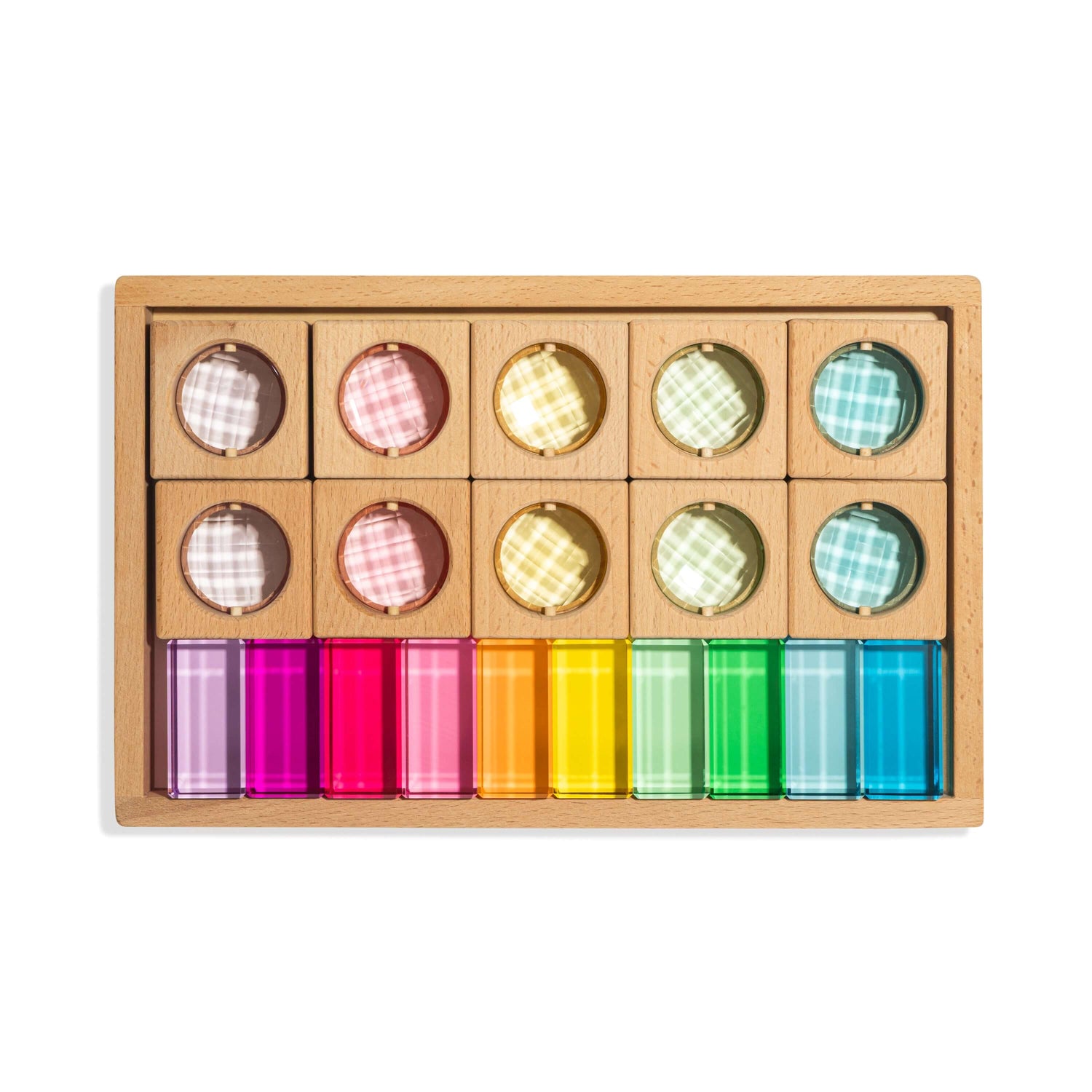
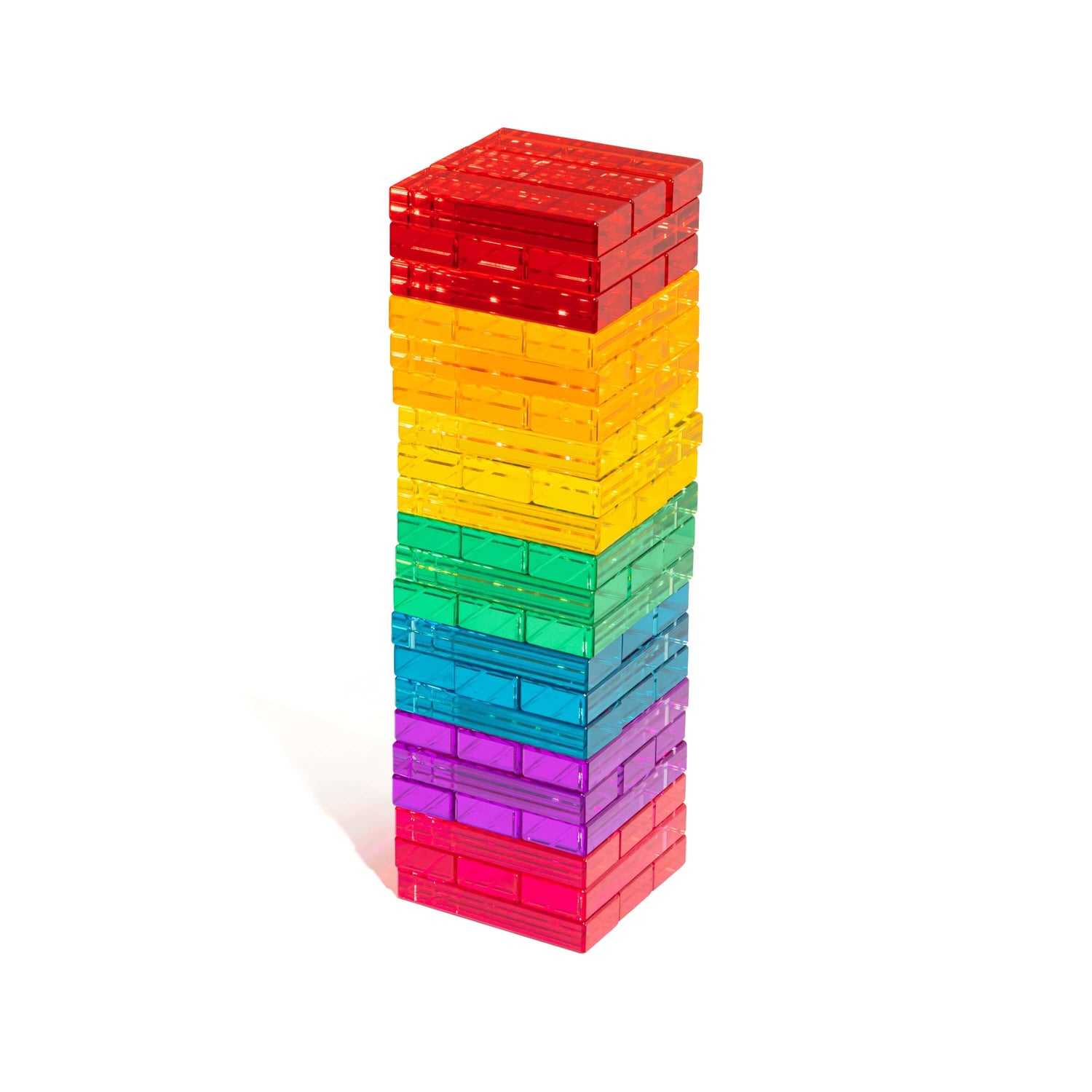
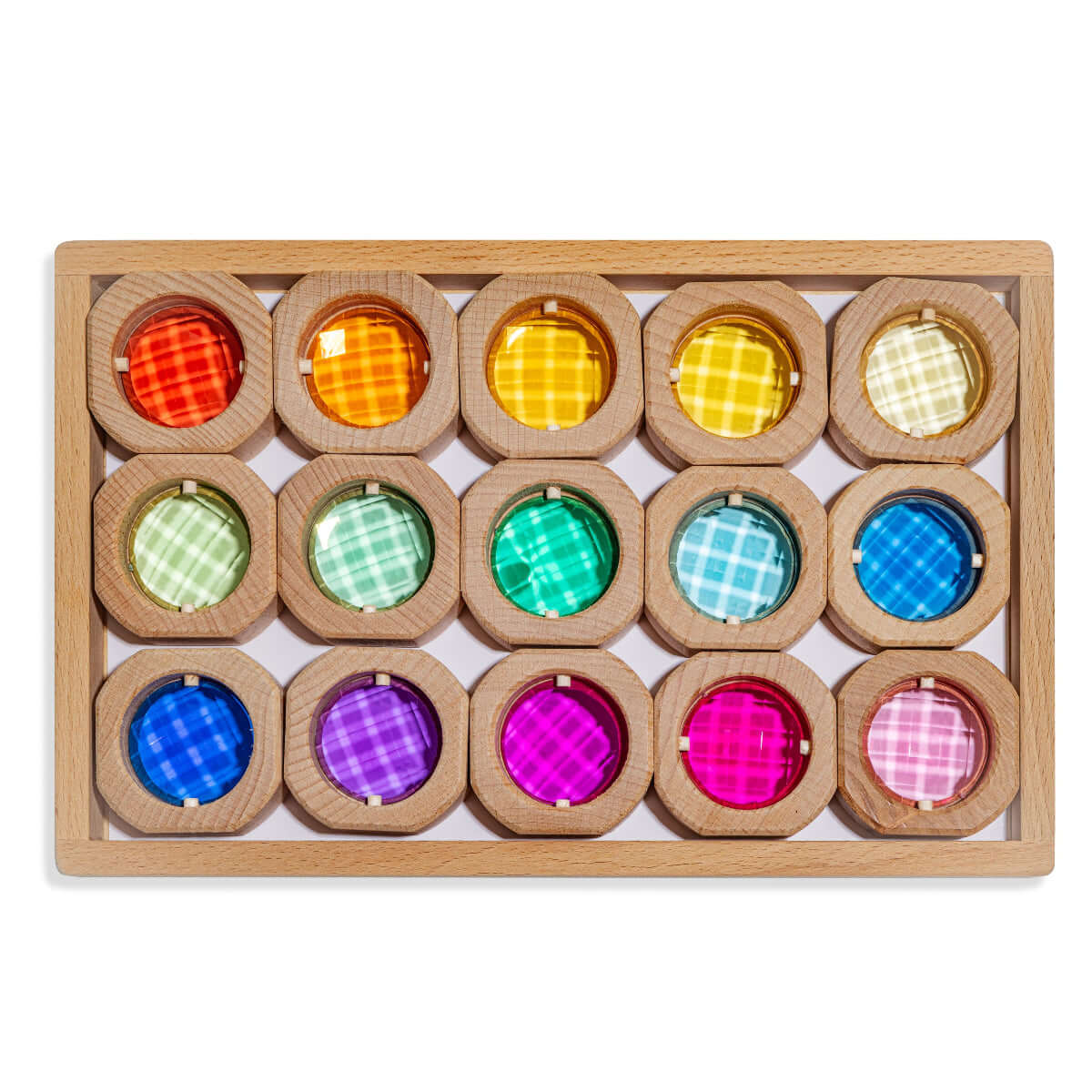
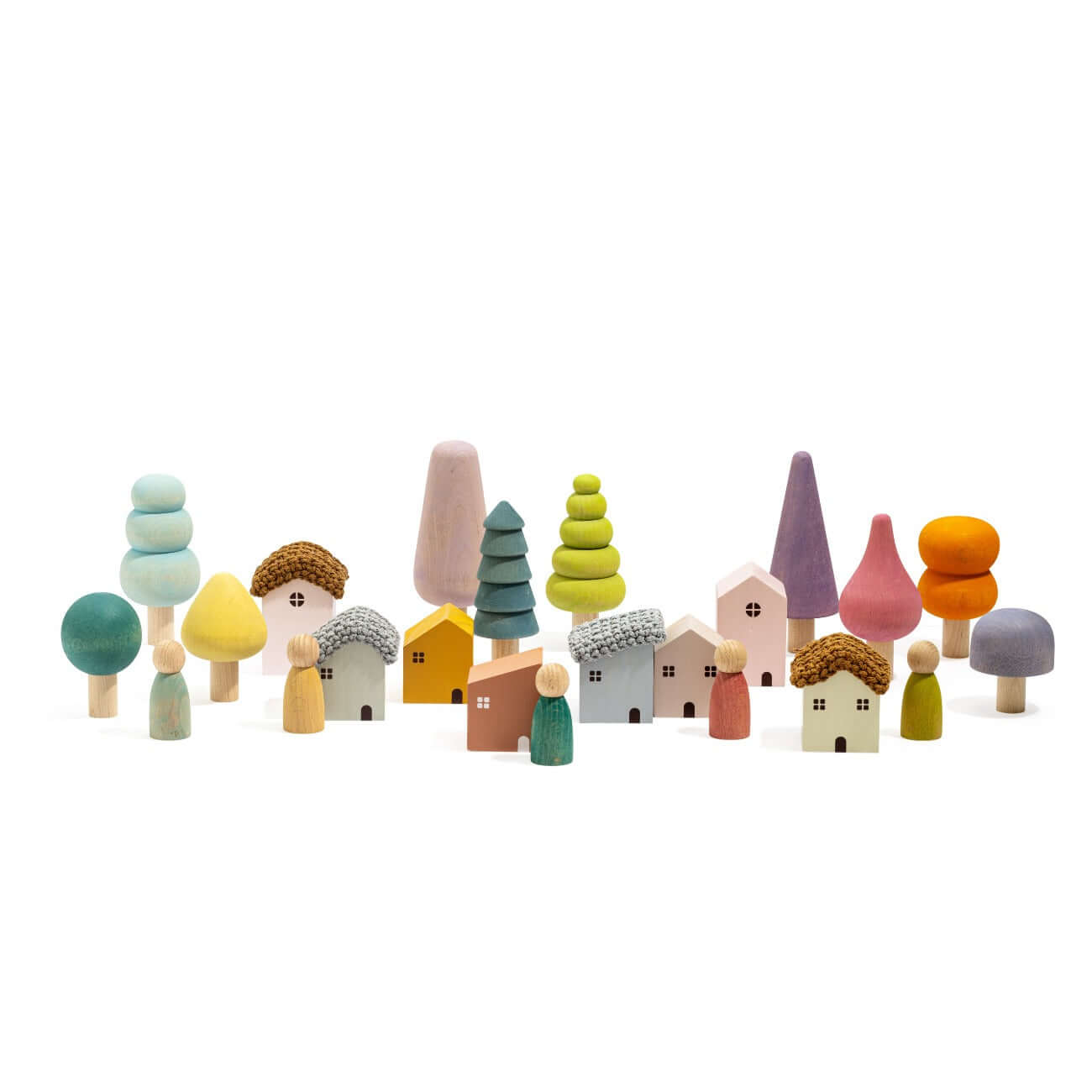
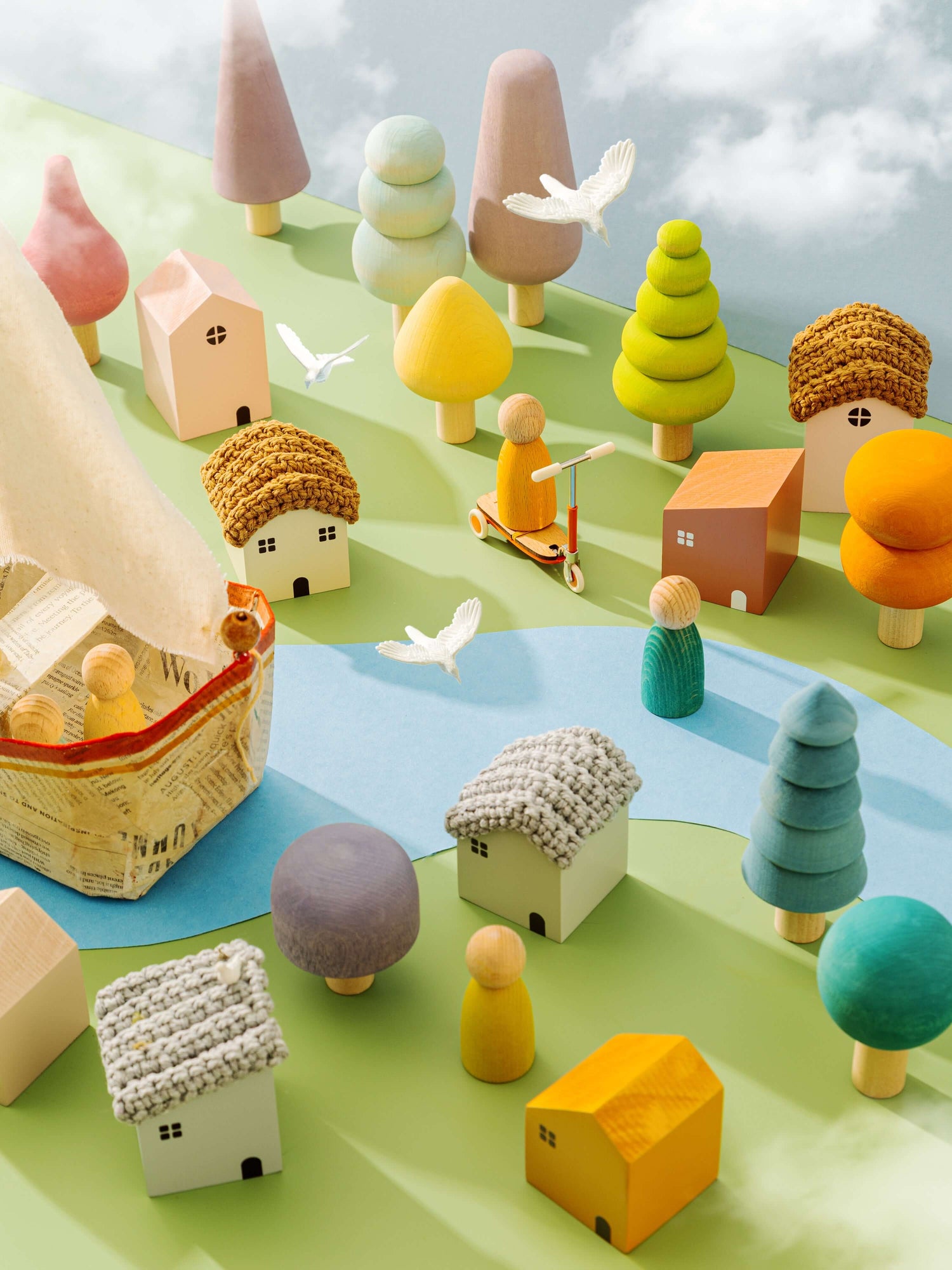
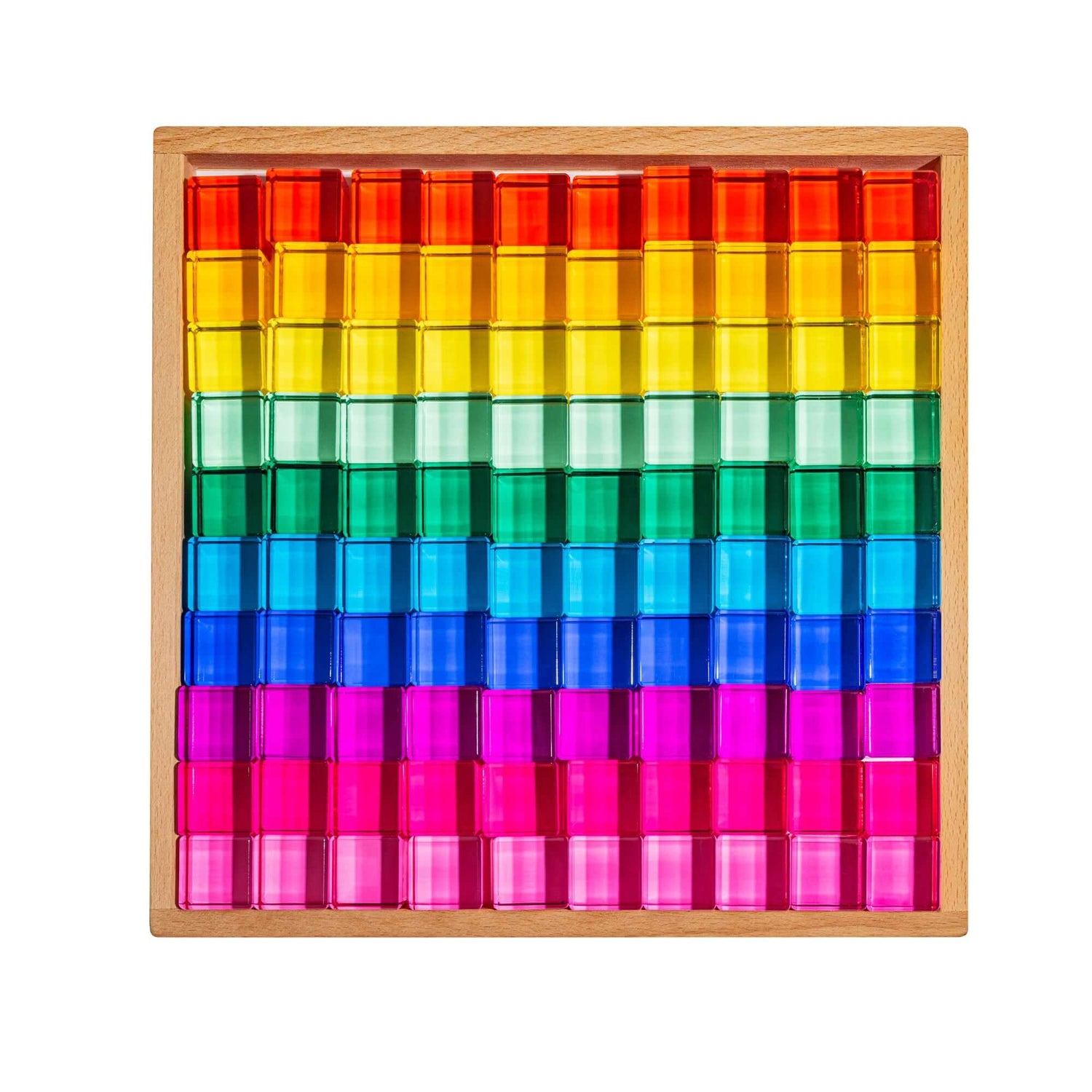
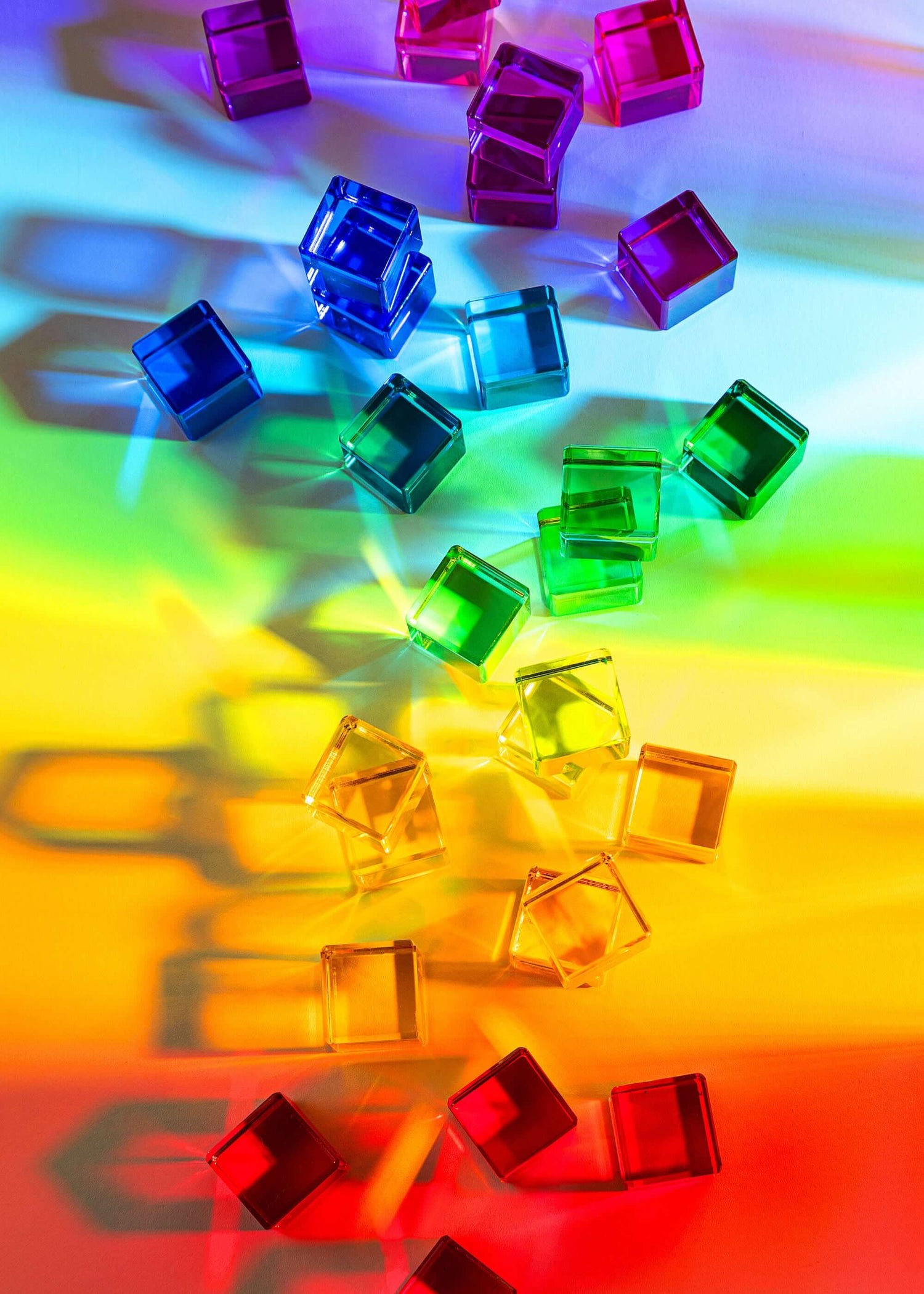
If you're ready to start your own intentional toy edit, our collection at Maison Rue was designed with every one of these questions in mind. Each piece is open-ended, independently safety-tested, and made to grow with your child for years to come.




0 comentarios