
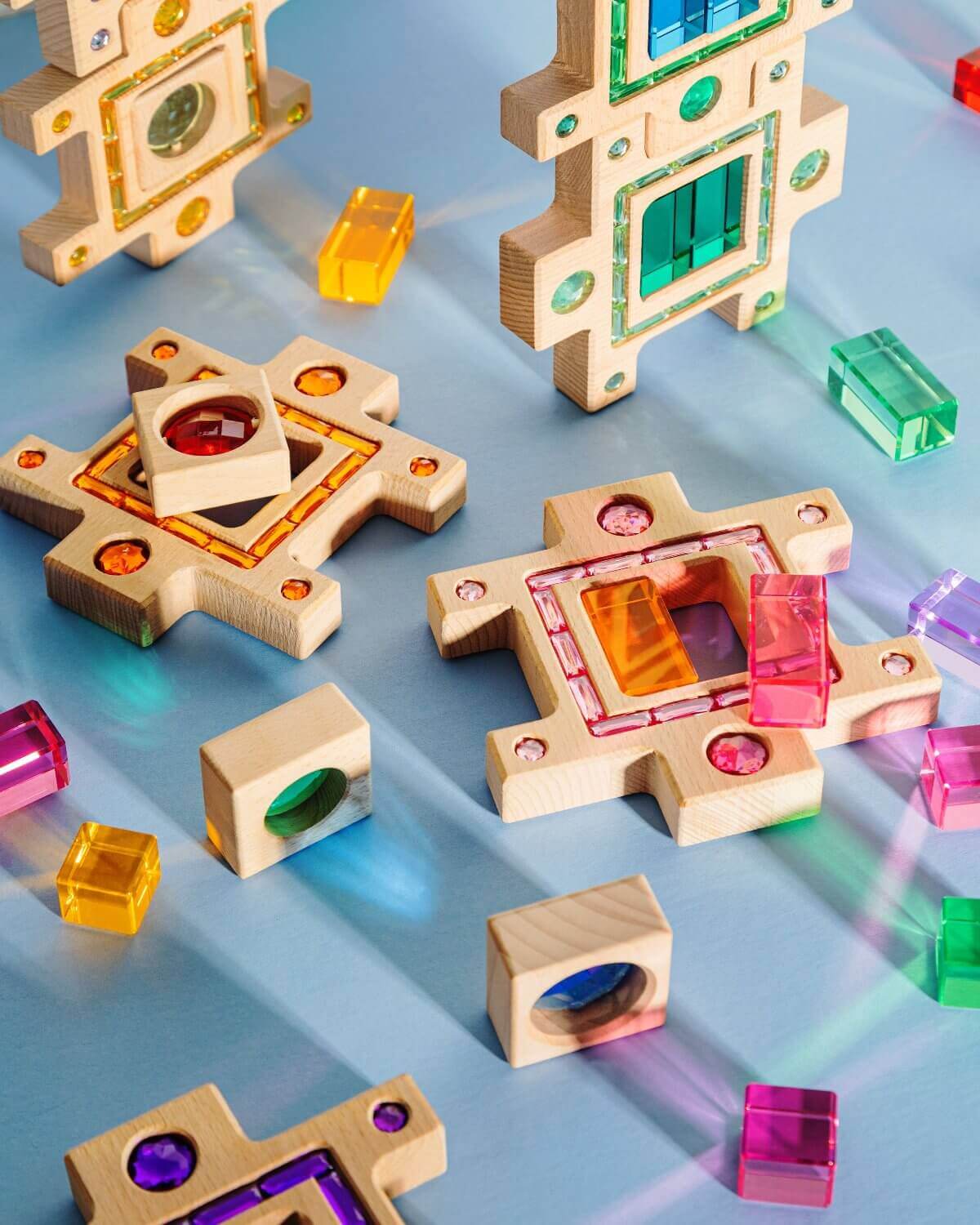
Open-ended play benefits go far beyond keeping your child busy—they are foundational to how children learn, think, and grow.
When a toy doesn’t tell a child what to do, something powerful happens…
Open-ended play—where toys have no single “correct” use—supports creativity, problem-solving, and independence in ways structured toys simply can’t.
Why Open-Ended Play Matters
When children aren’t told how to play, something powerful happens:
-
They think more creatively
-
They solve problems independently
-
They develop flexible thinking
Studies show that open-ended materials encourage creativity, problem-solving, and cognitive flexibility—key skills for lifelong learning.
Fewer Toys, Better Play
It sounds counterintuitive, but:
More toys = more distraction
Fewer toys = deeper play
When children have fewer, high-quality options:
-
They stay focused longer
-
They use imagination more
-
They create instead of consume
Open-ended toys allow children to decide how to play, with no “right” or “wrong” way—building confidence and independence. You can read more about why fewer toys create deeper play here.
What This Looks Like at Home
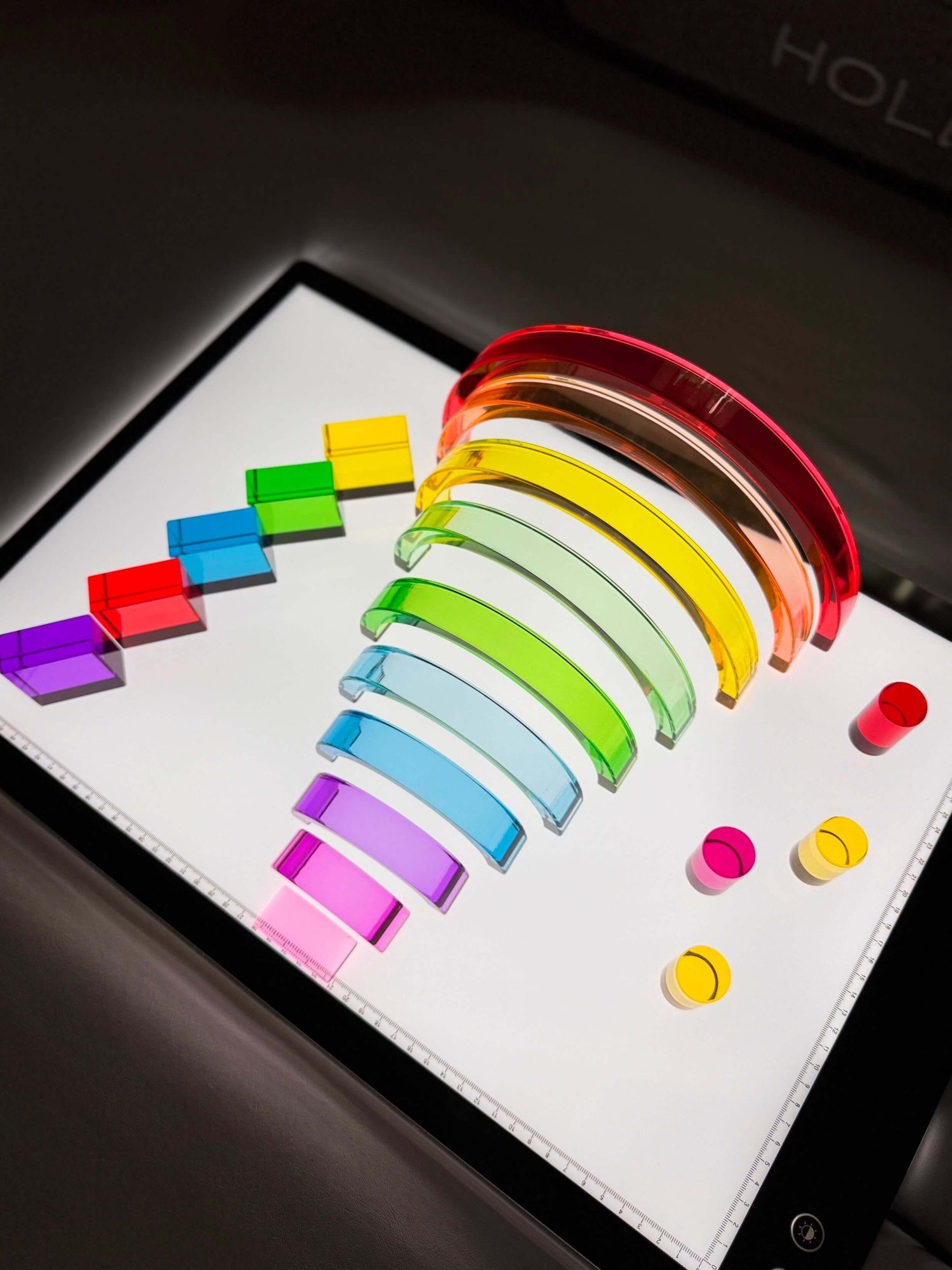
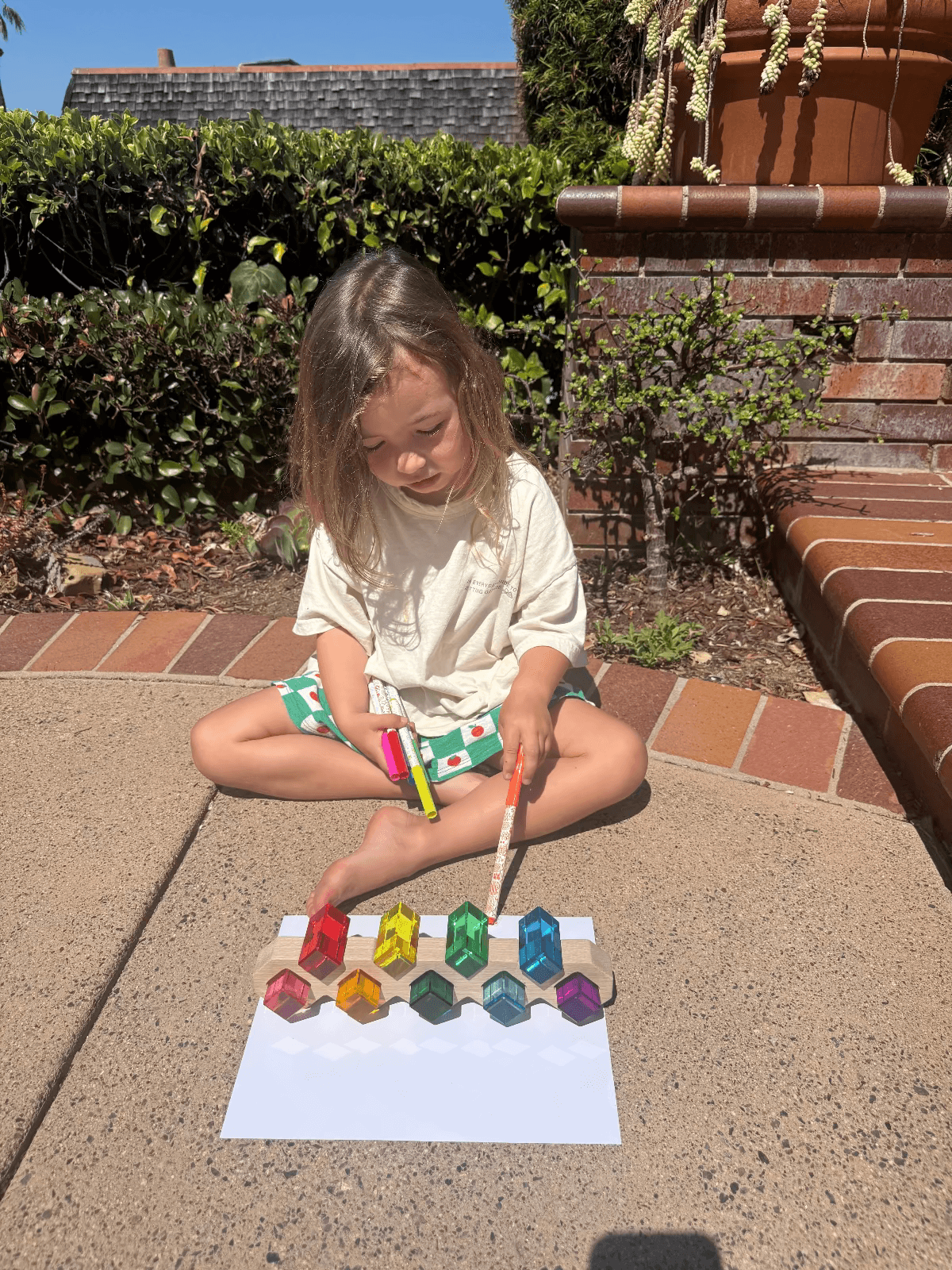
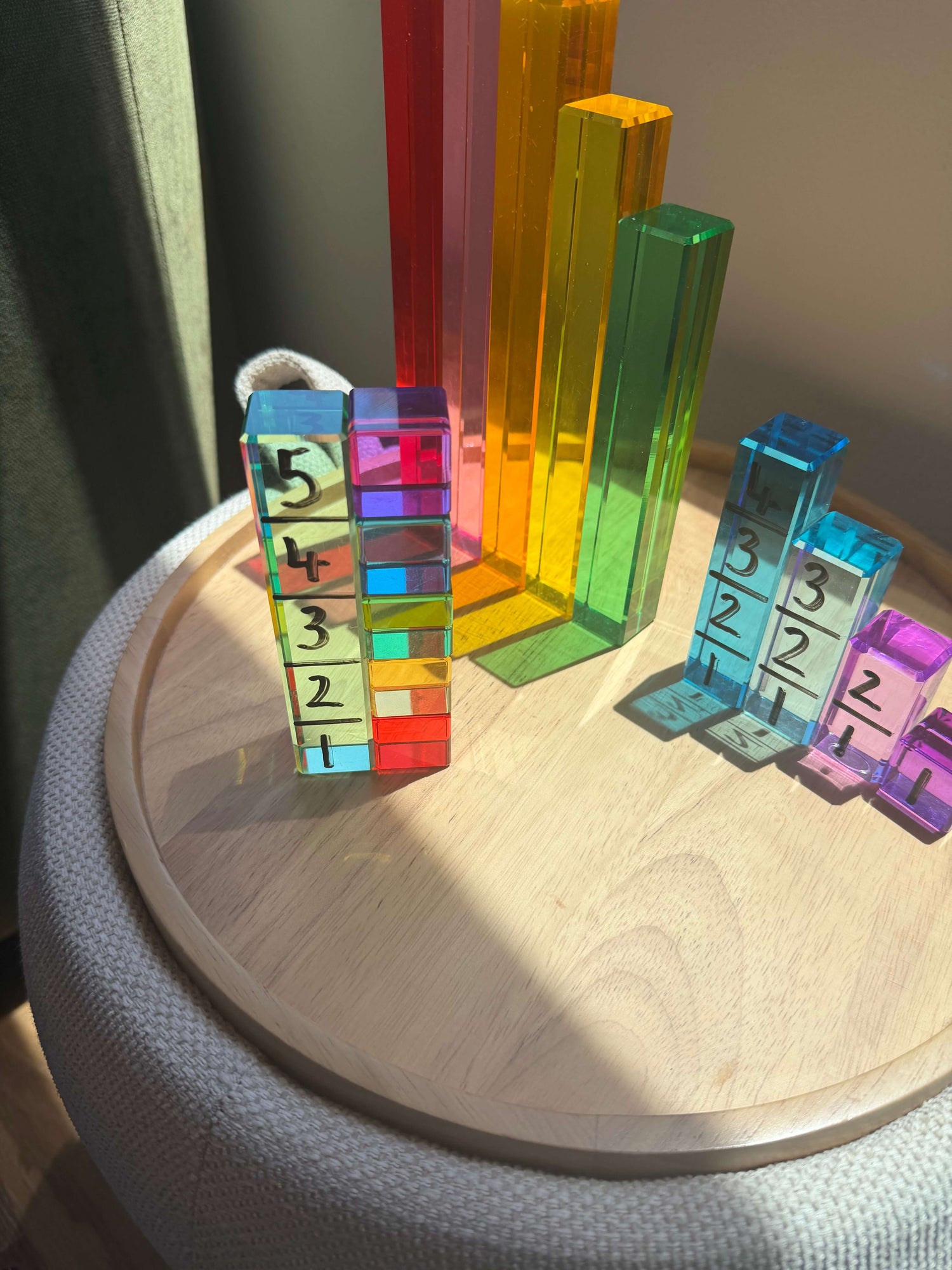
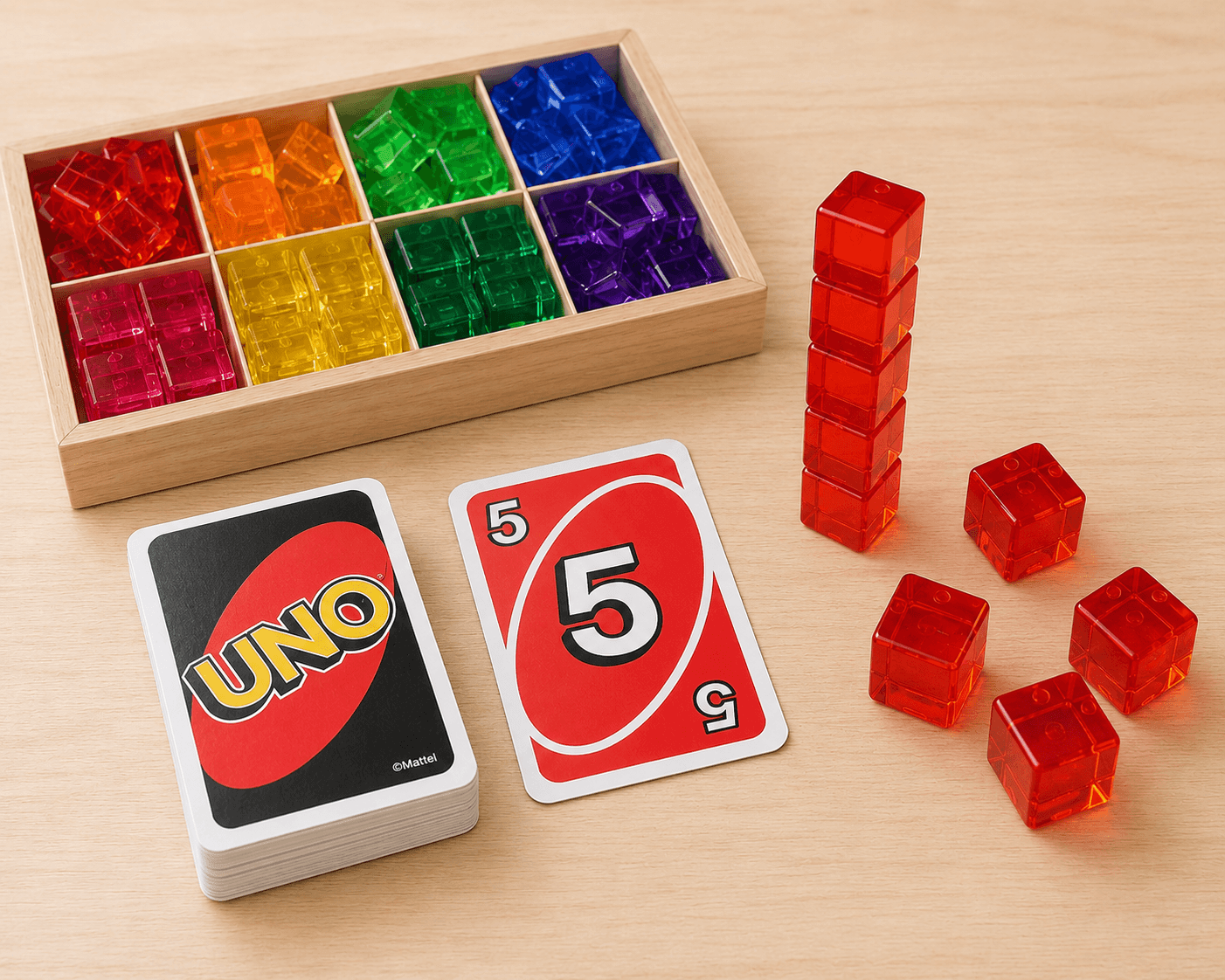
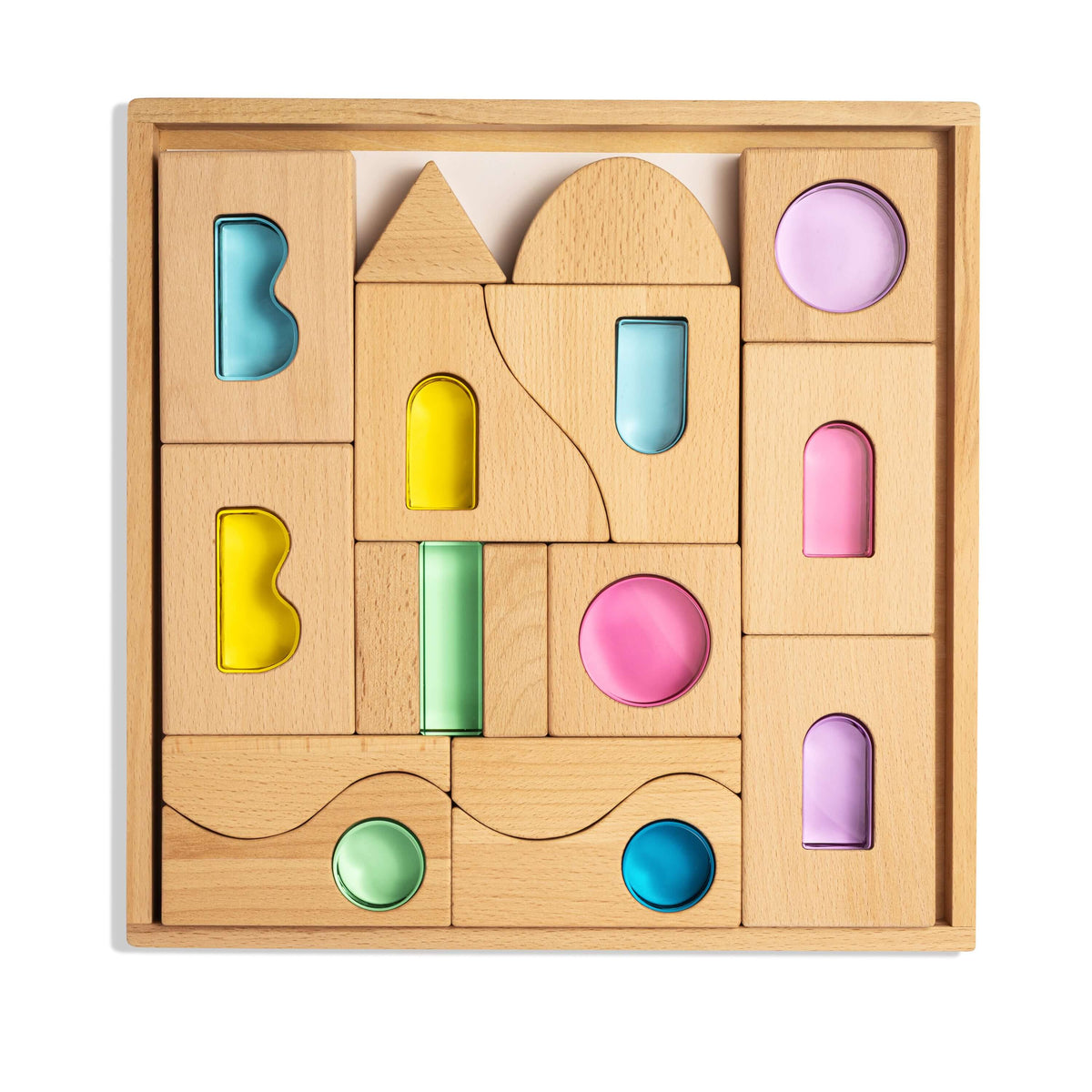
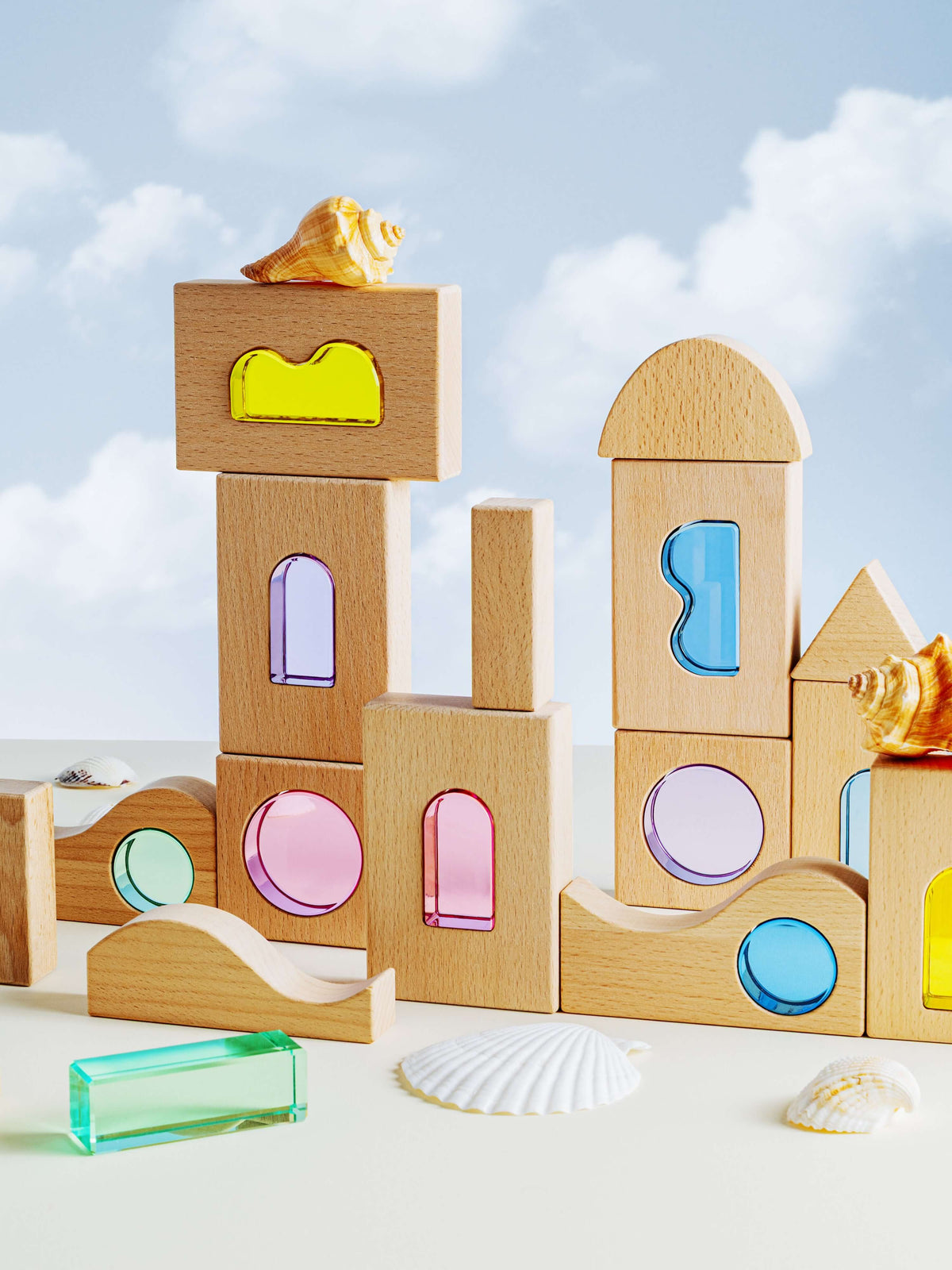
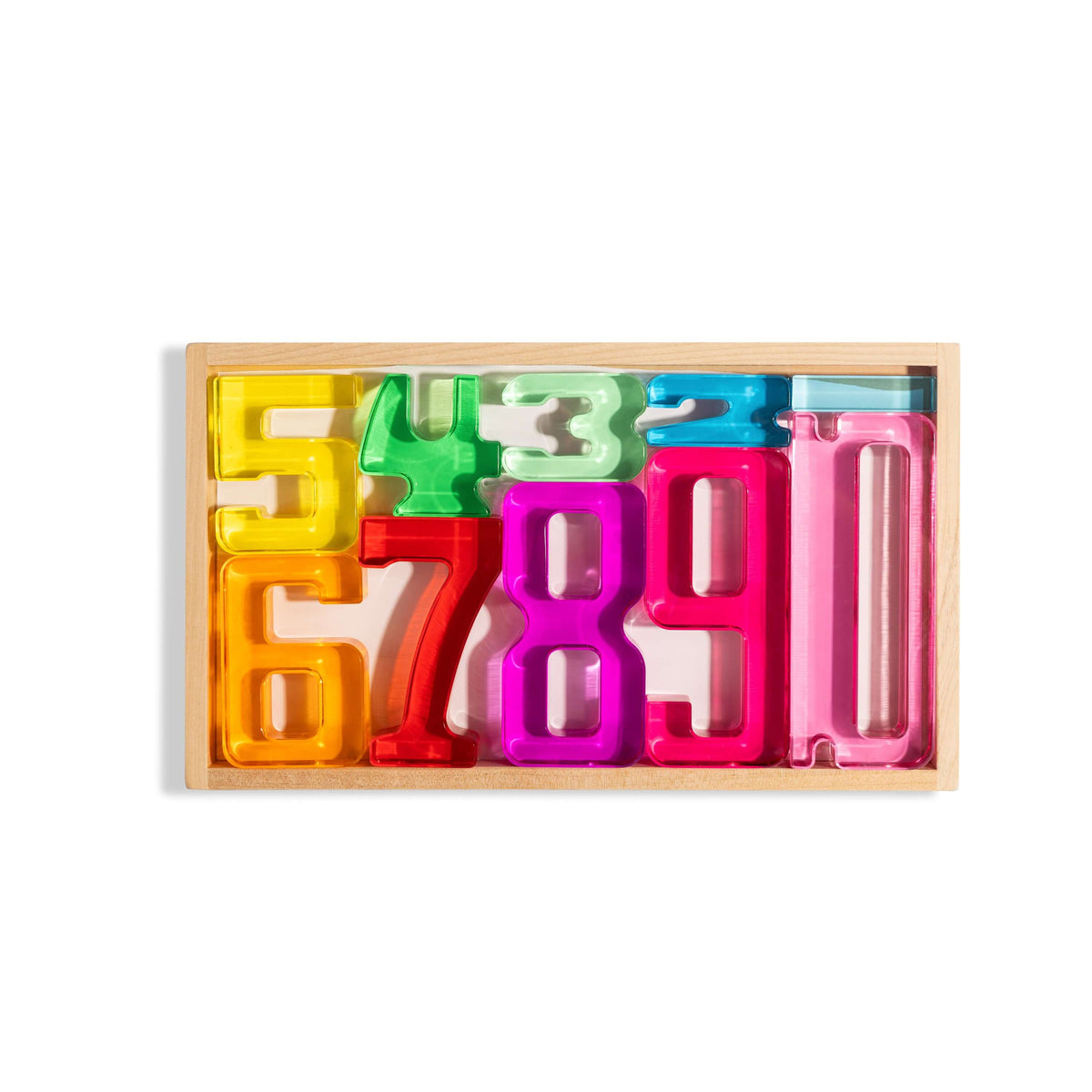
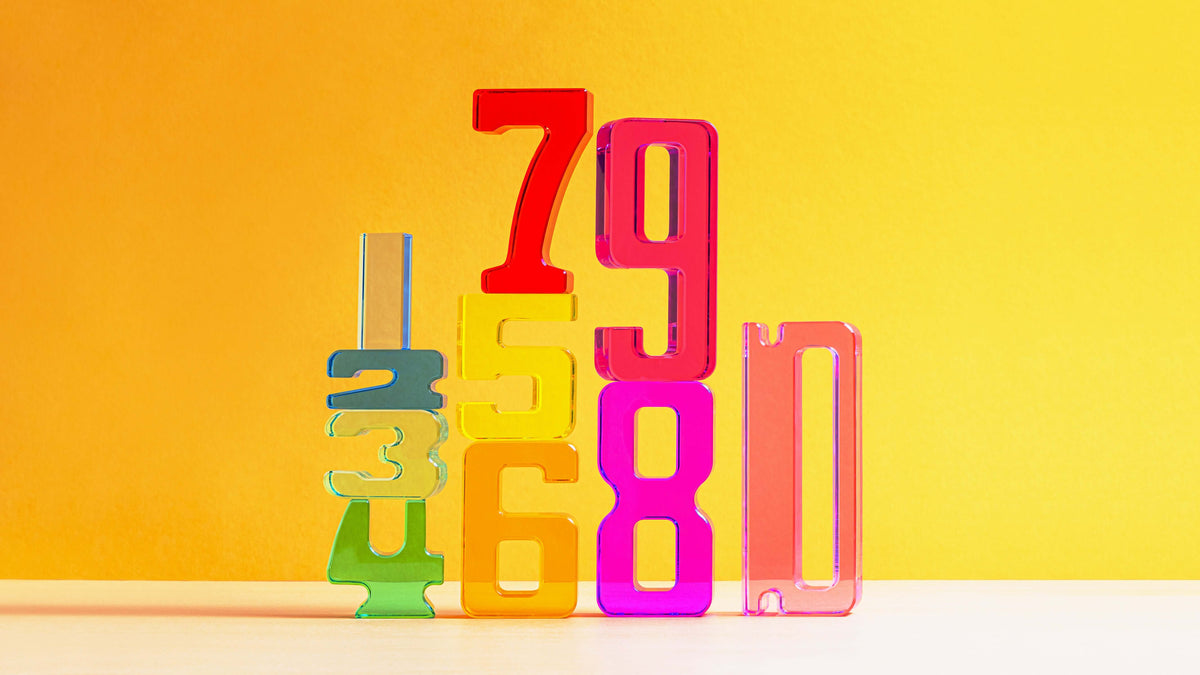
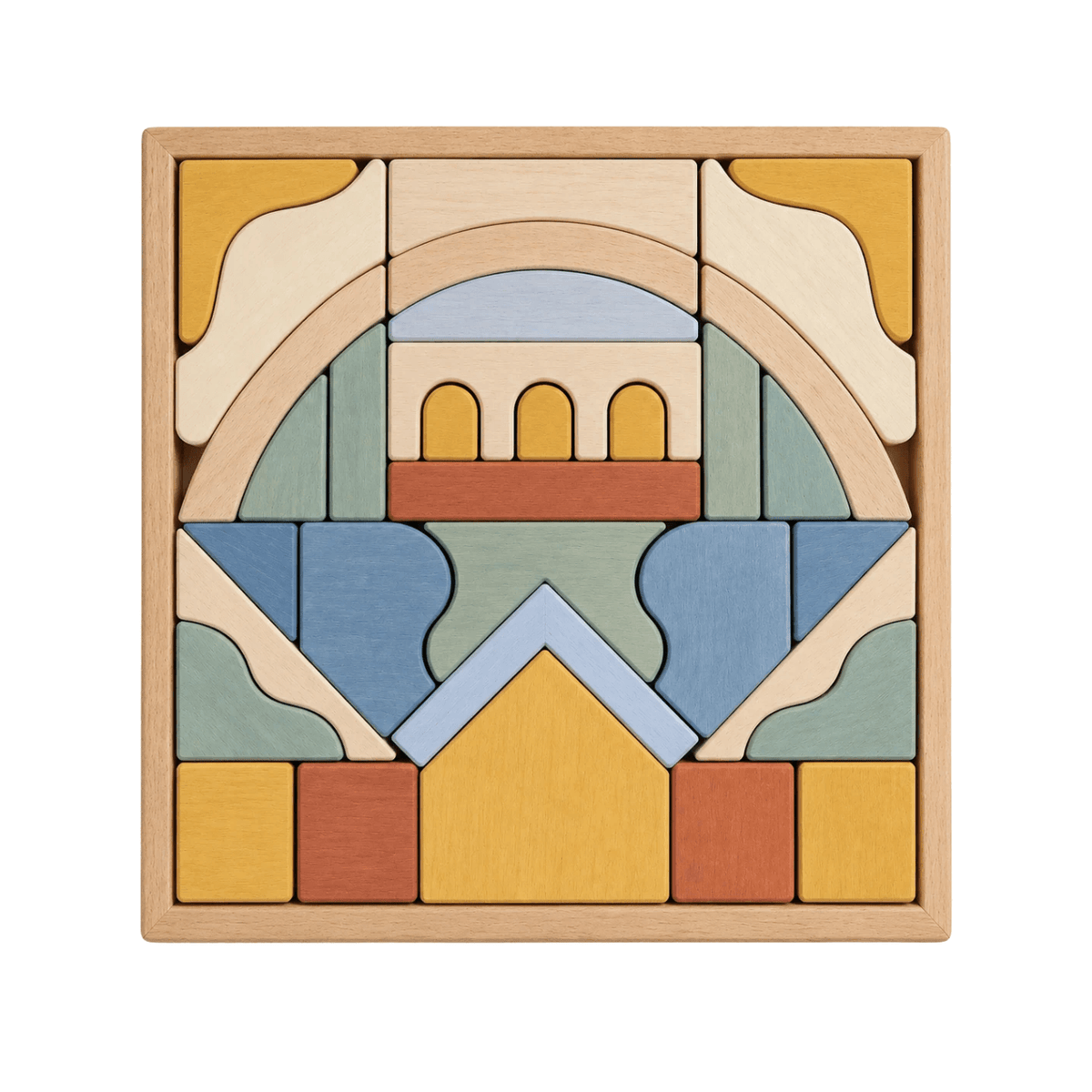
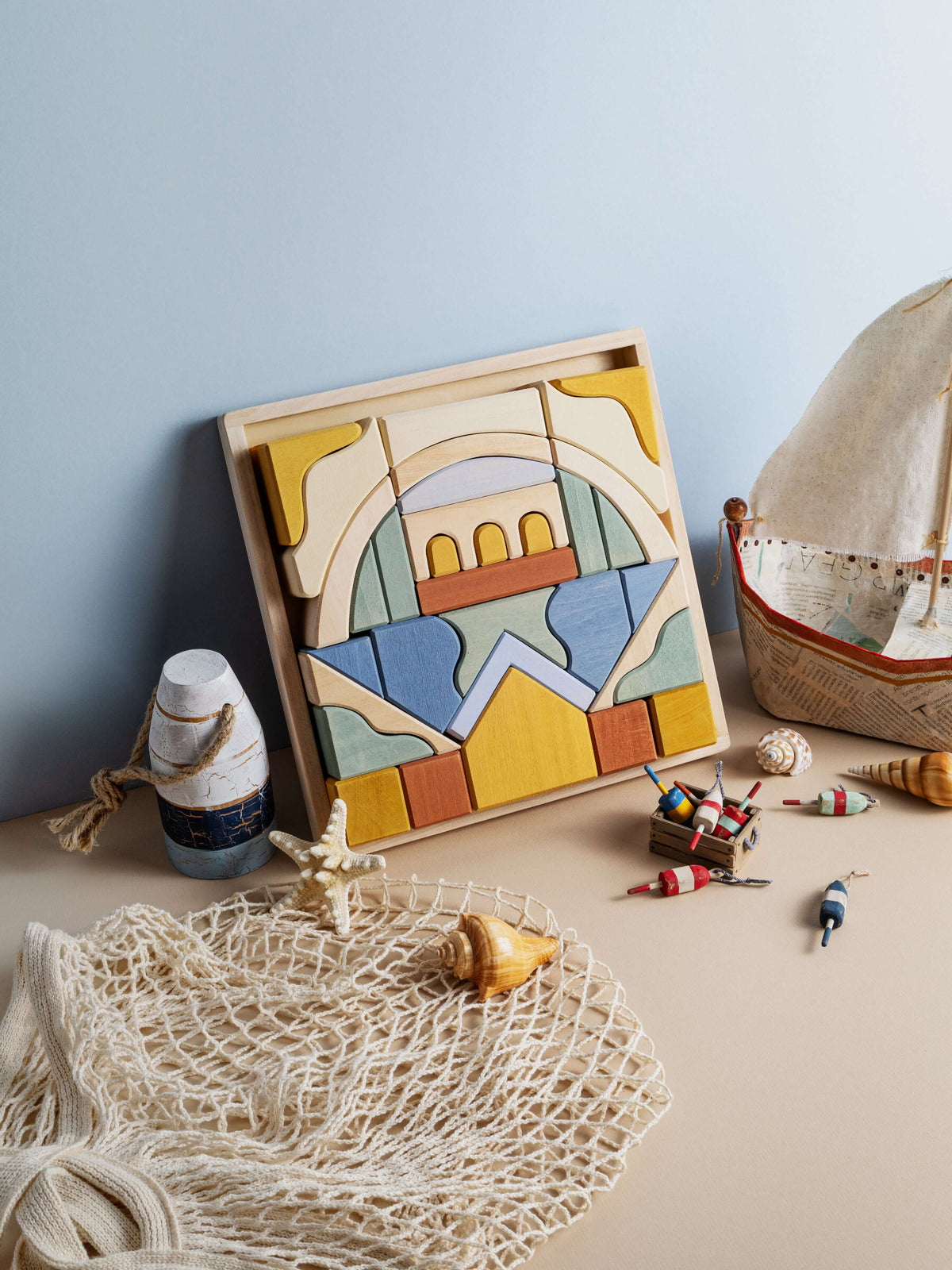
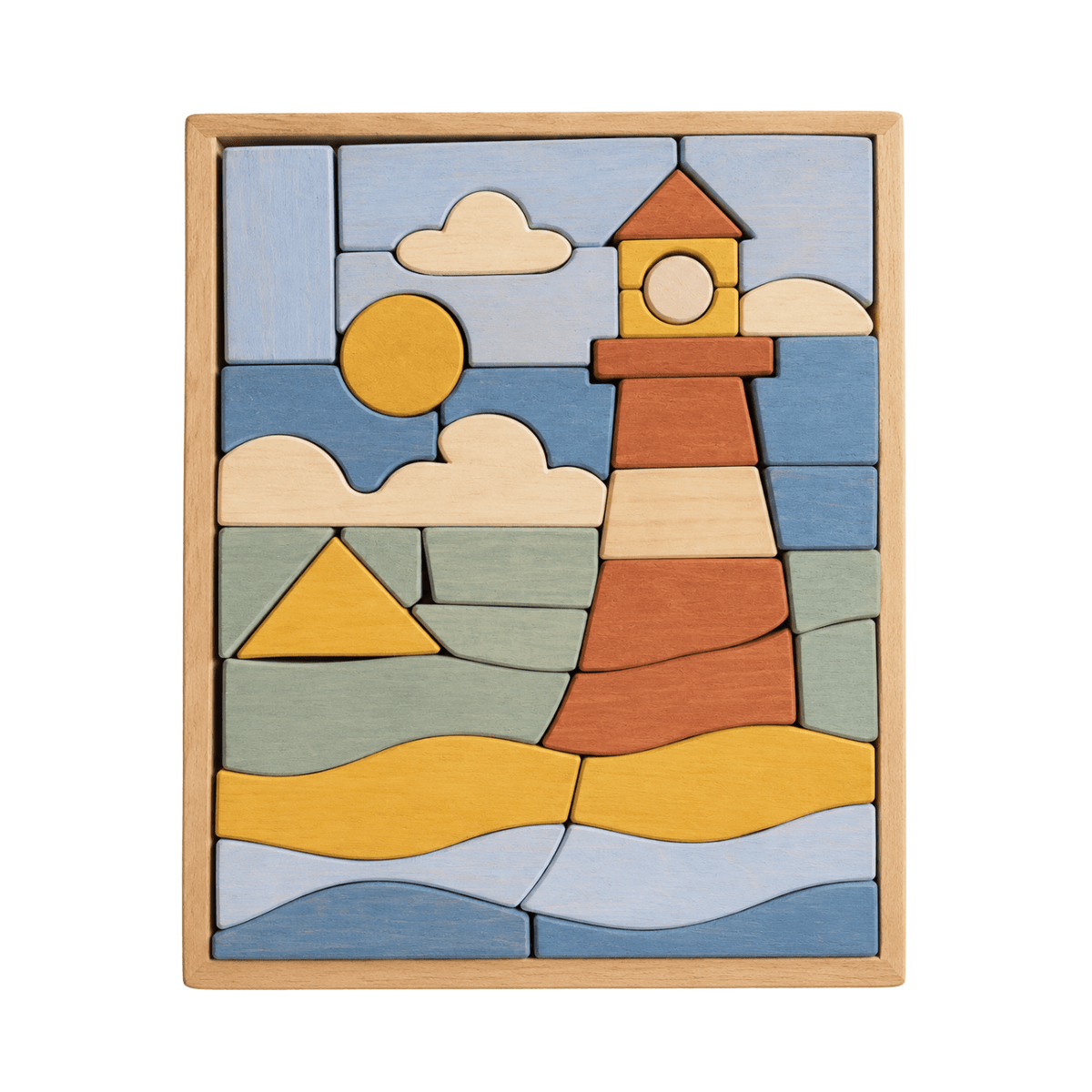
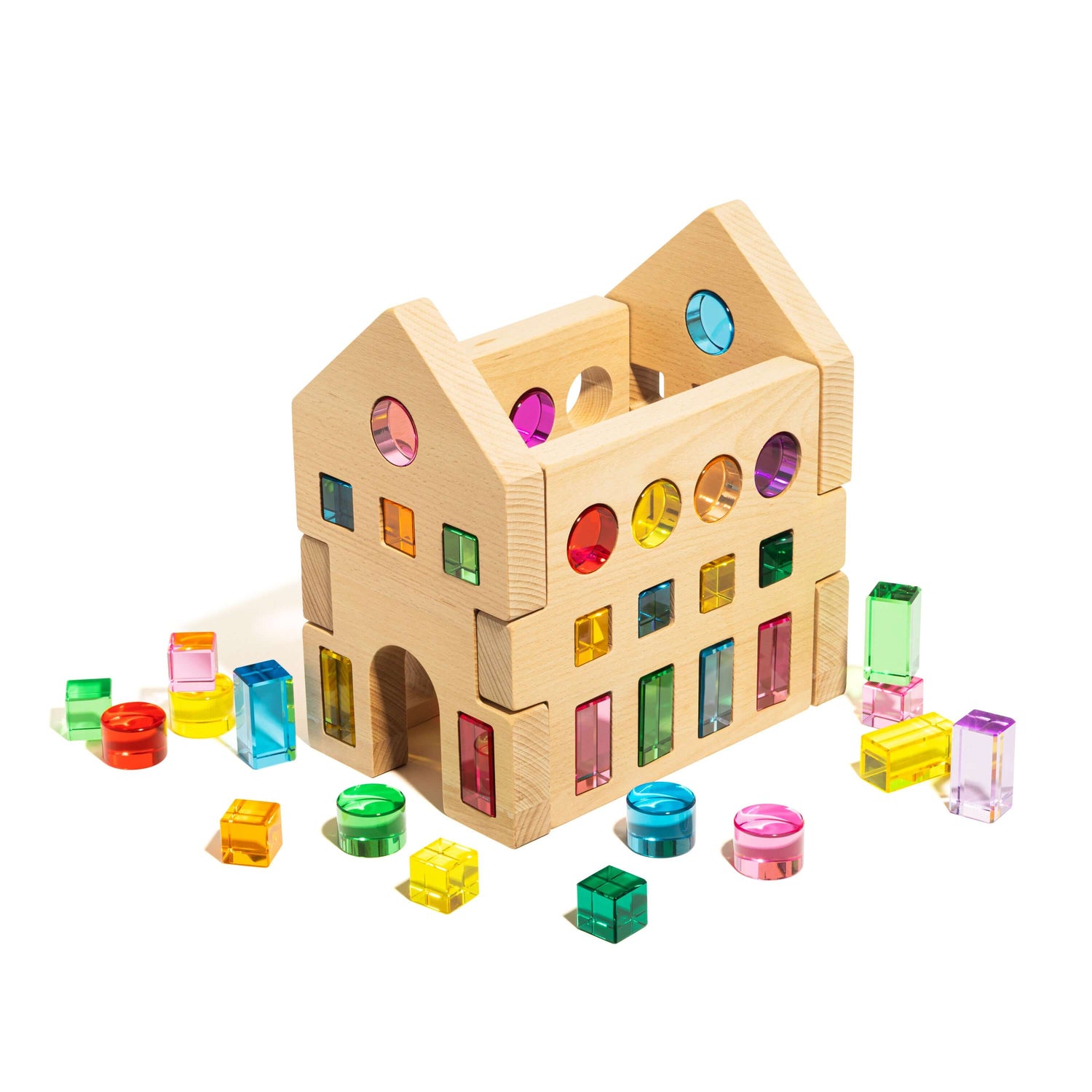
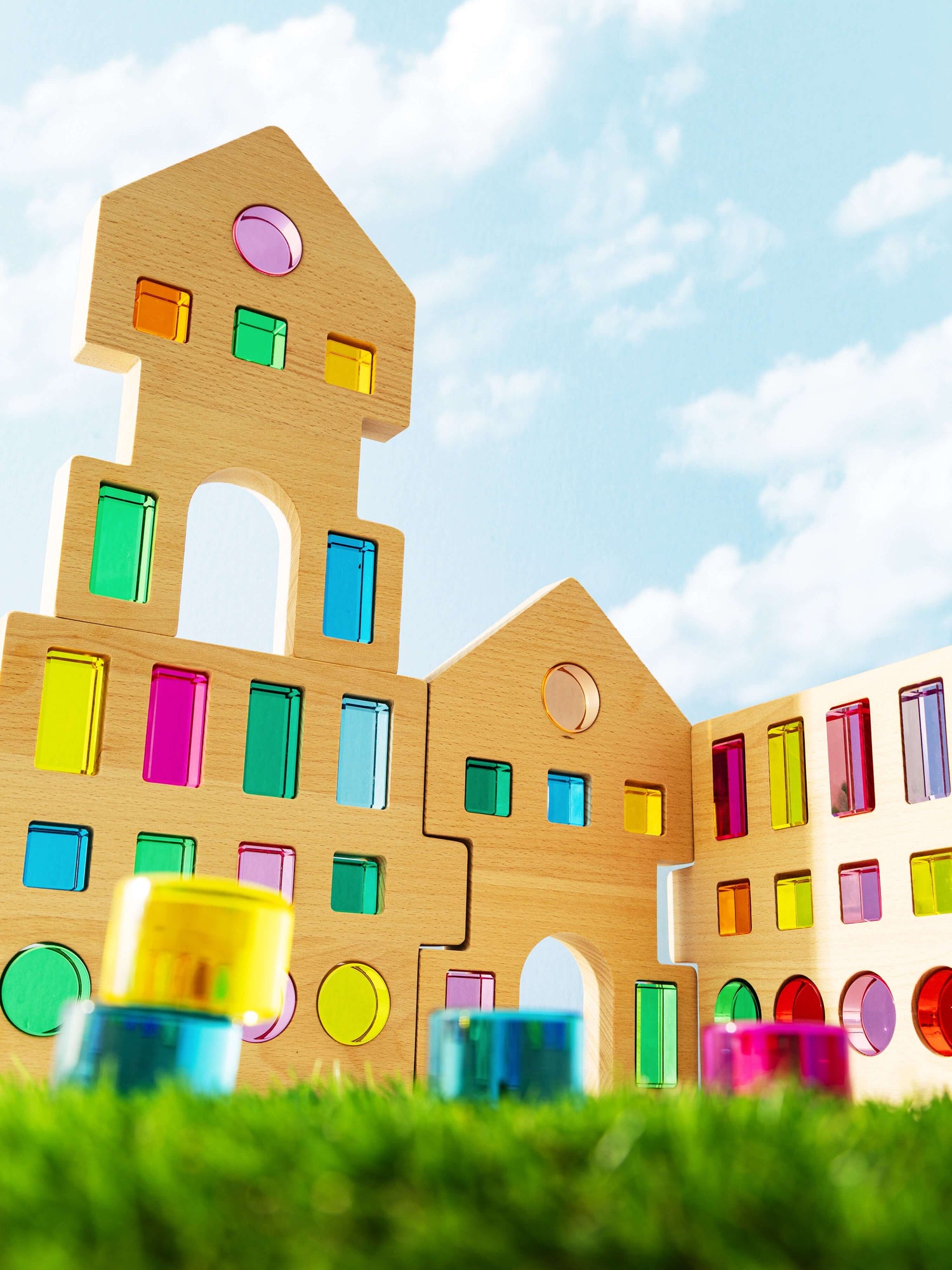
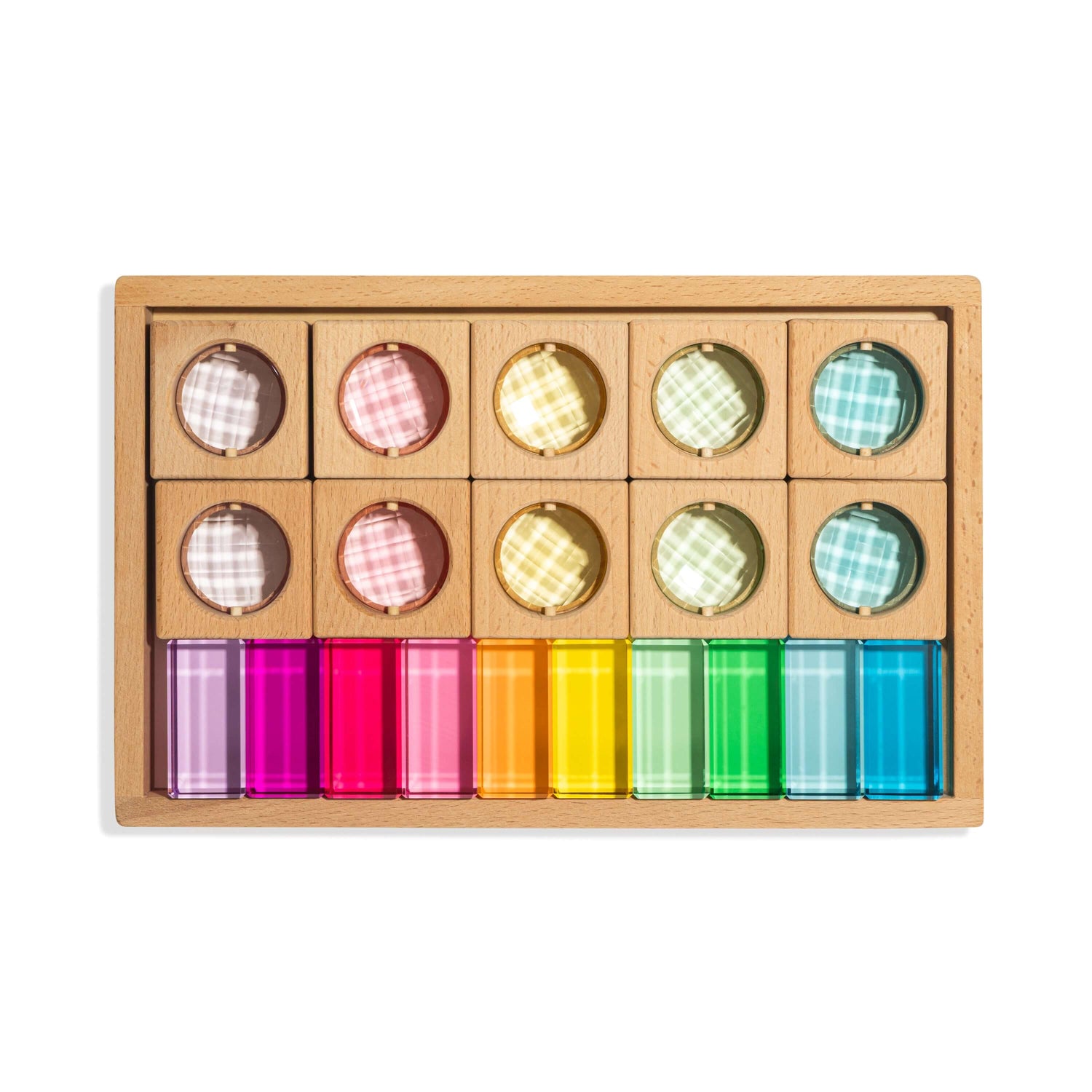
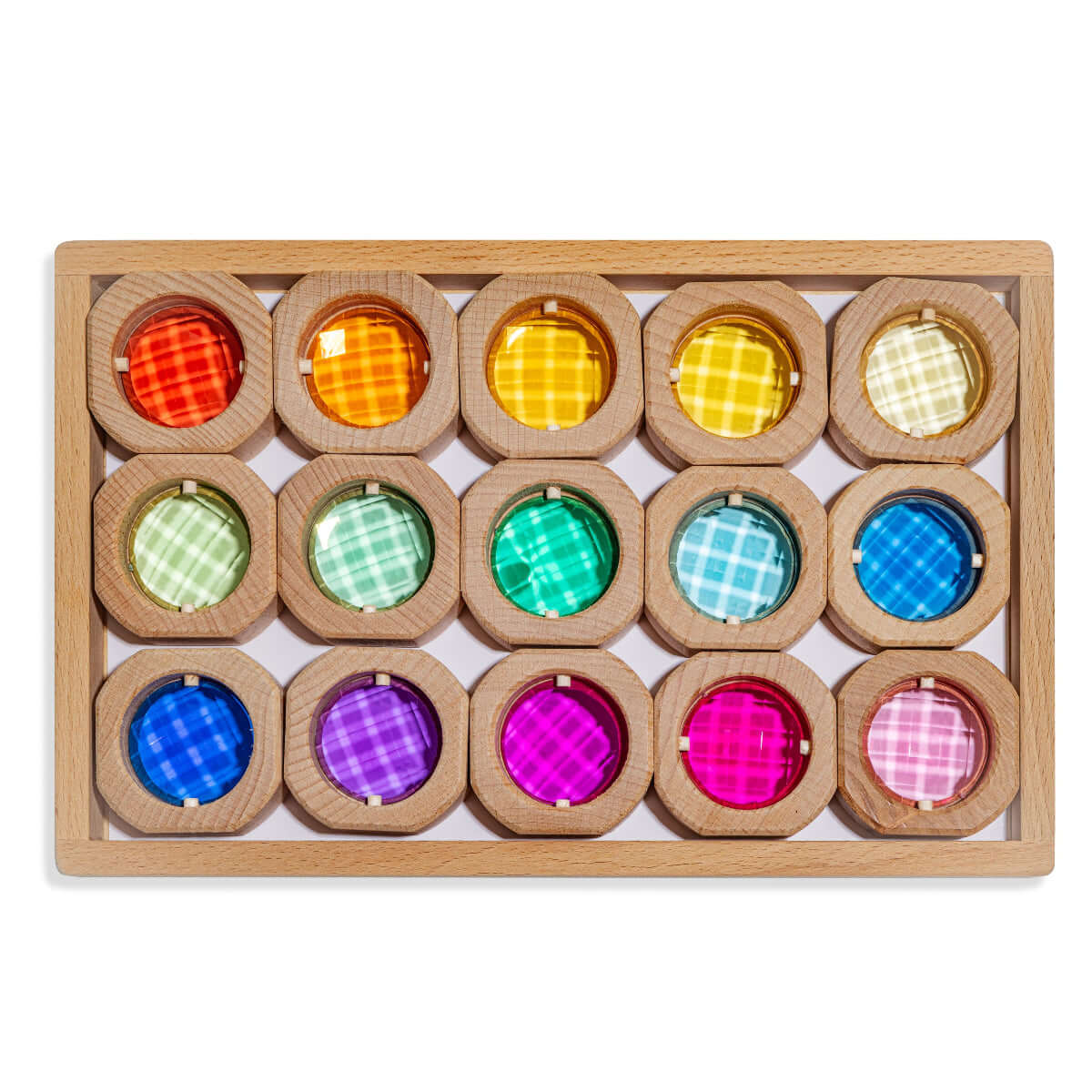
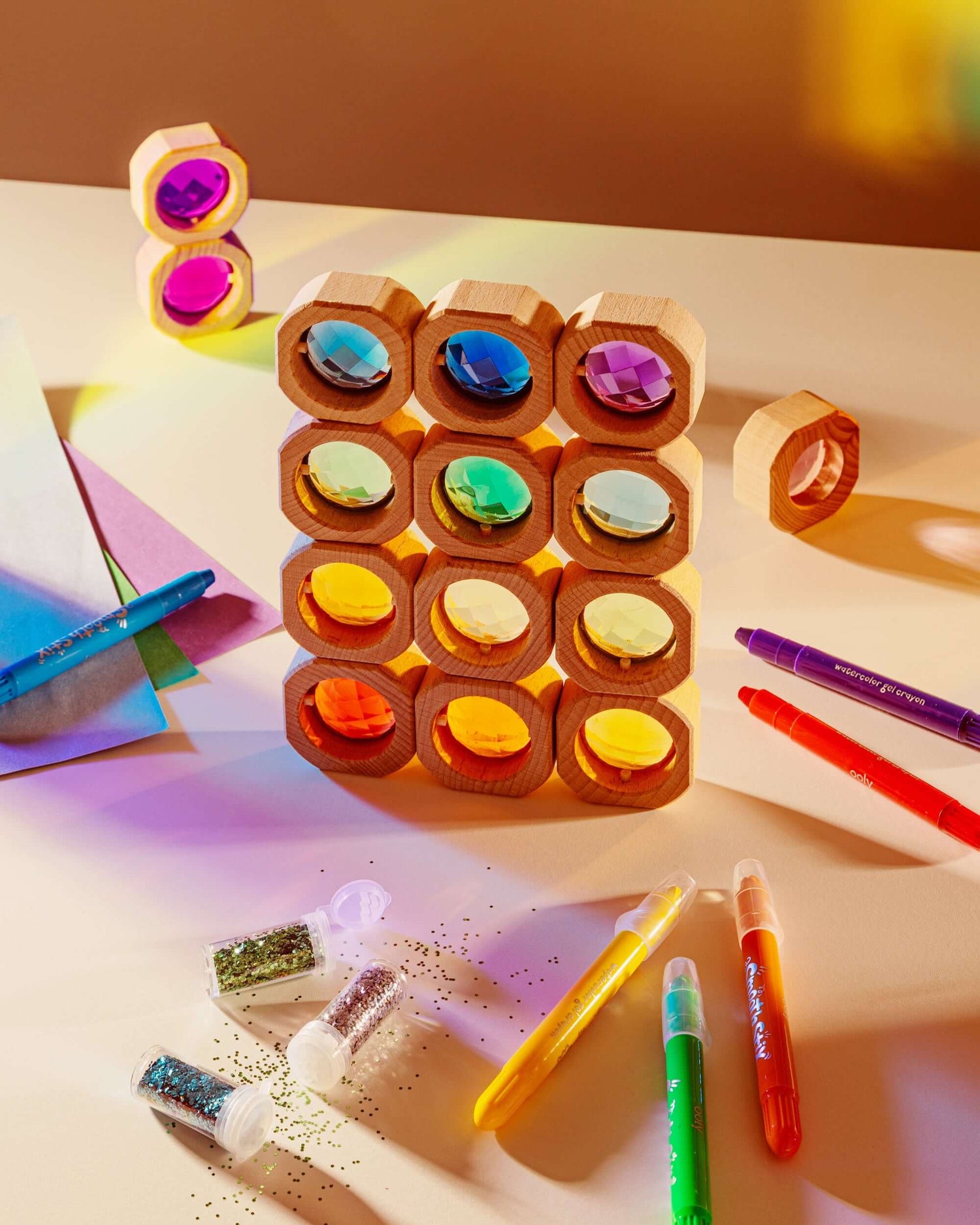
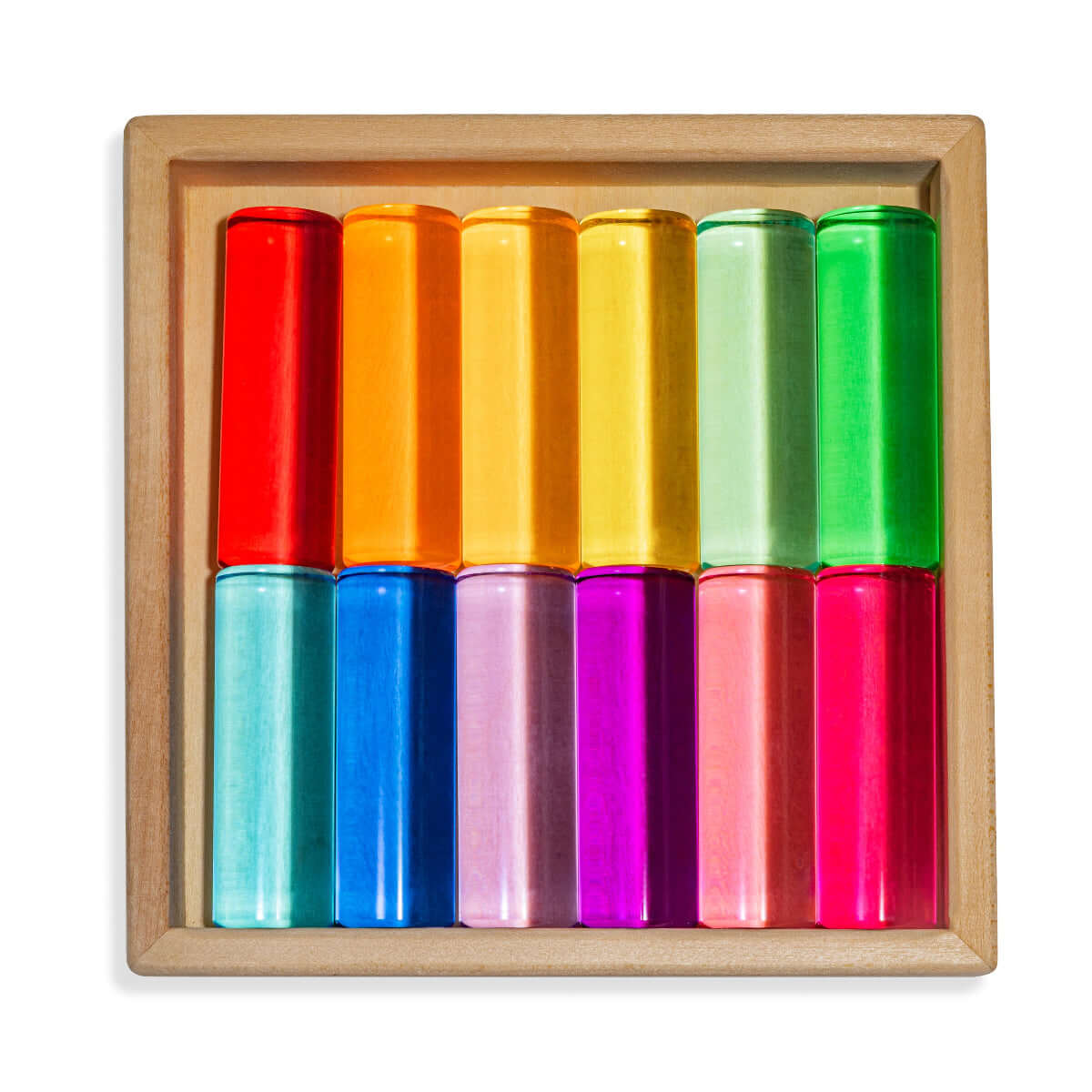
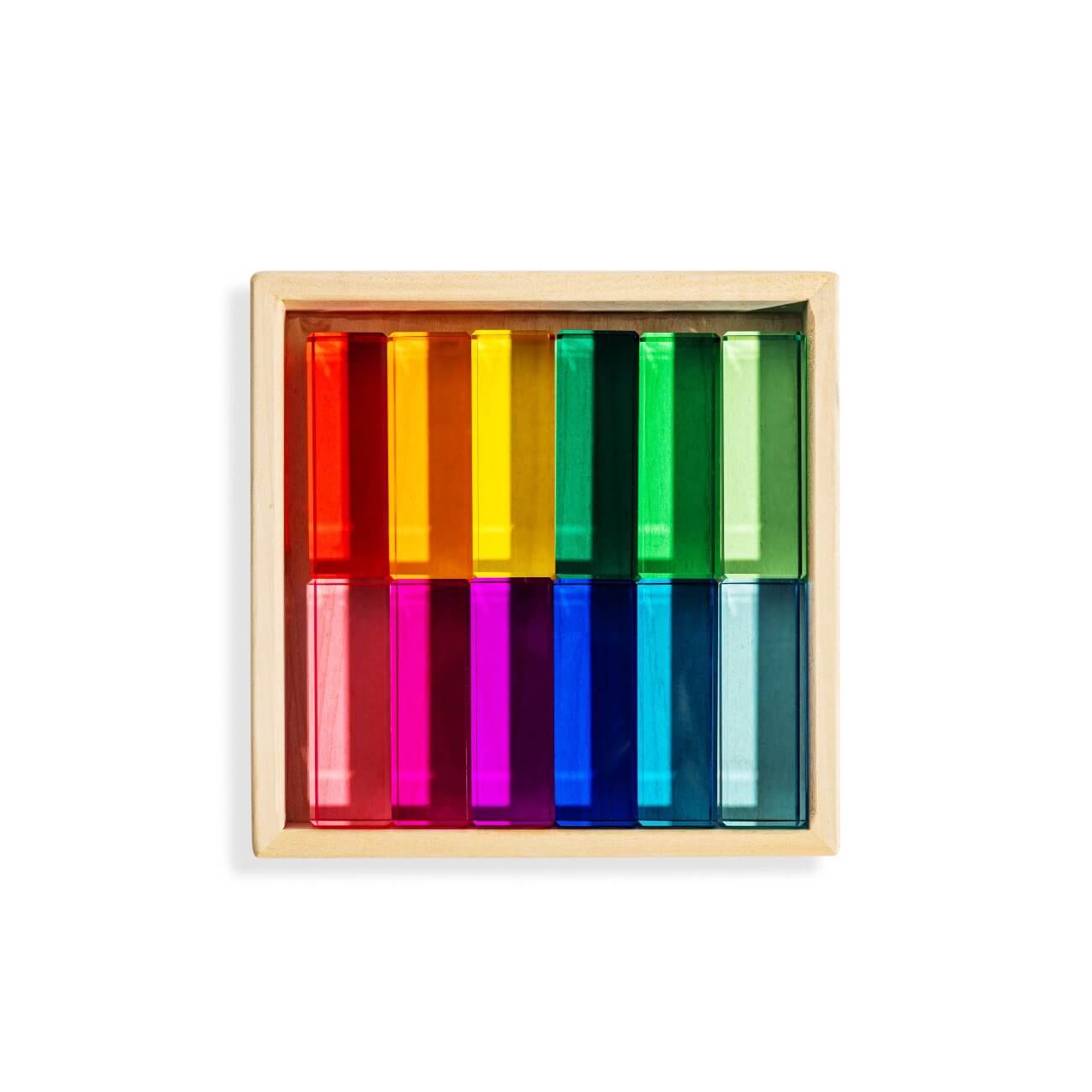
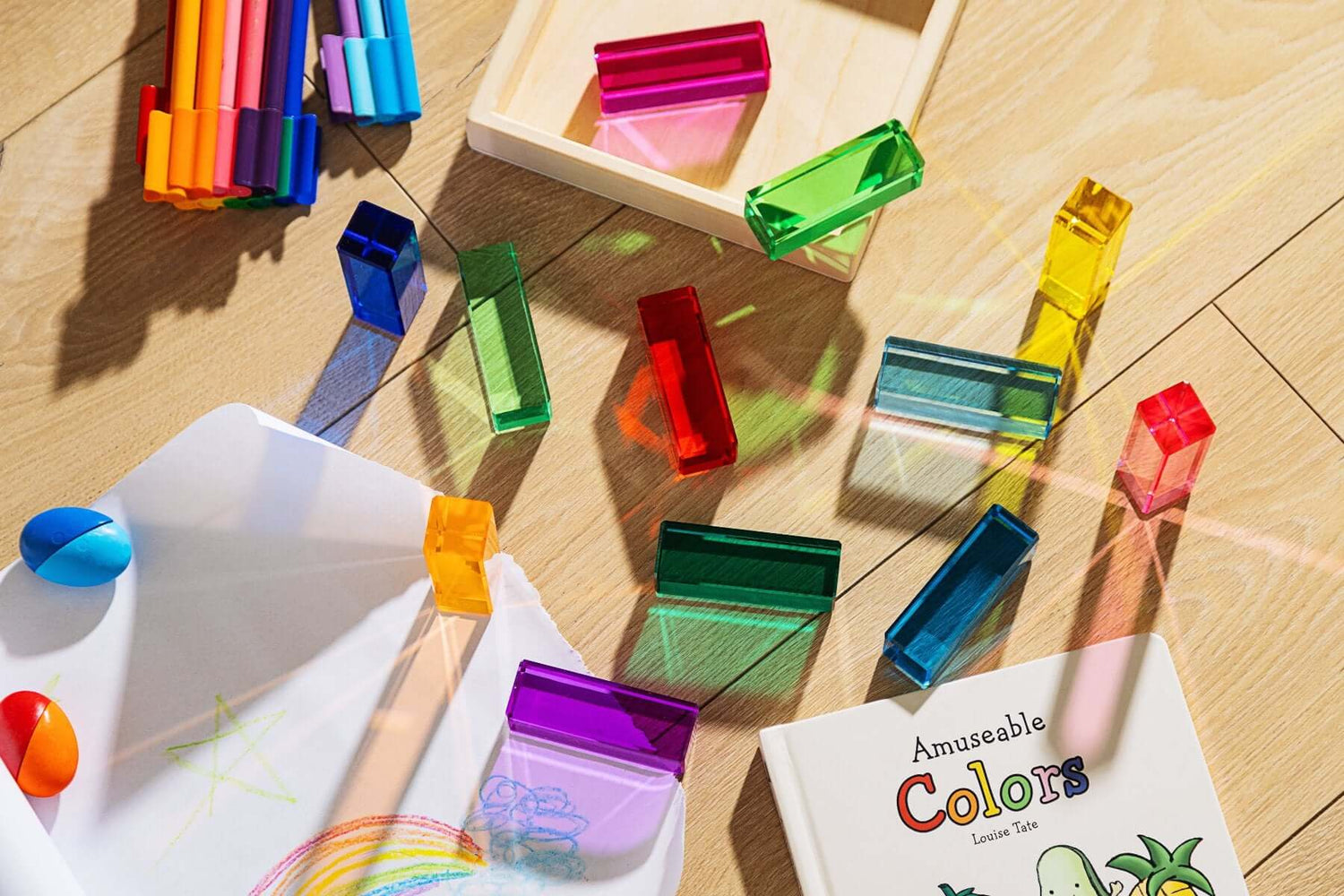
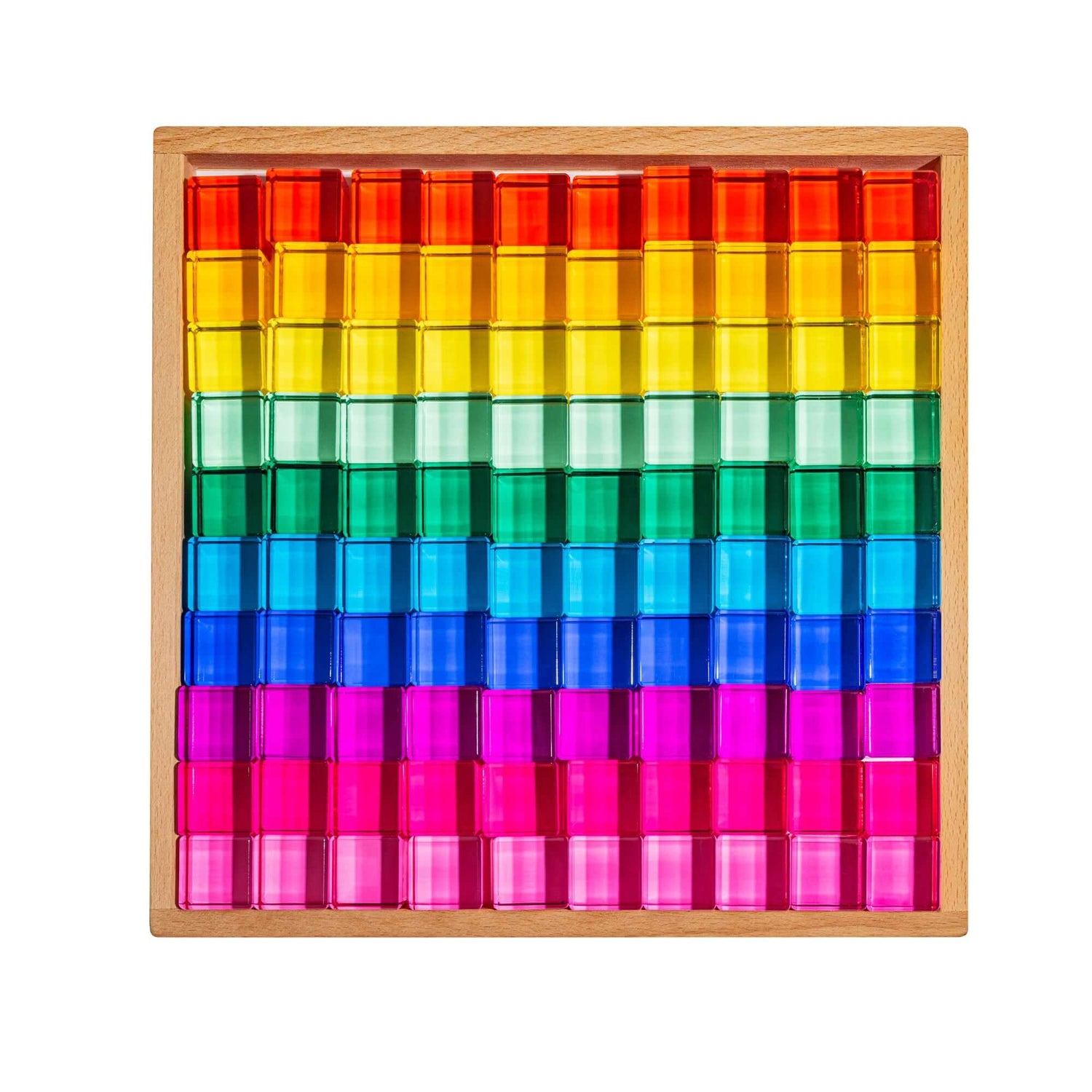
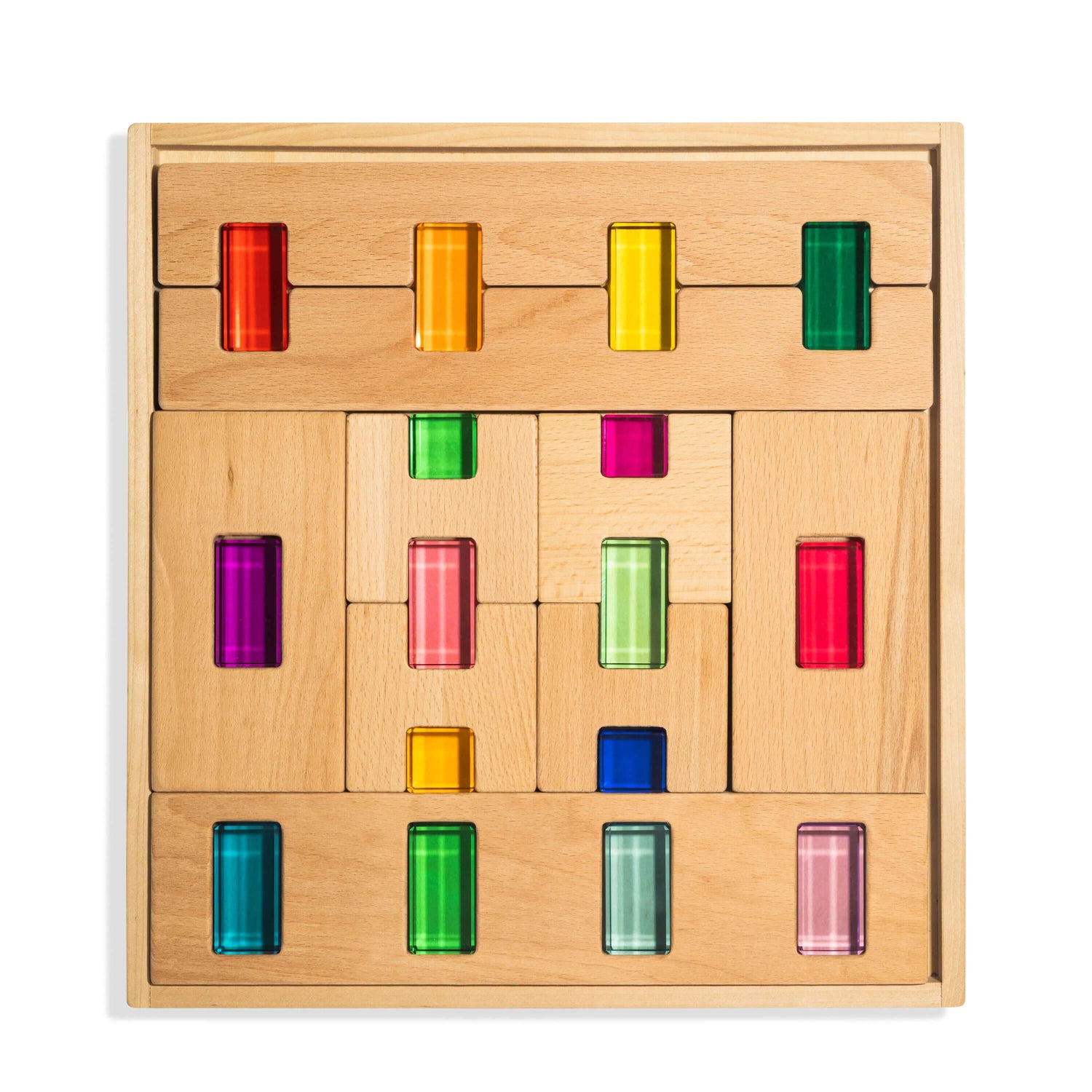
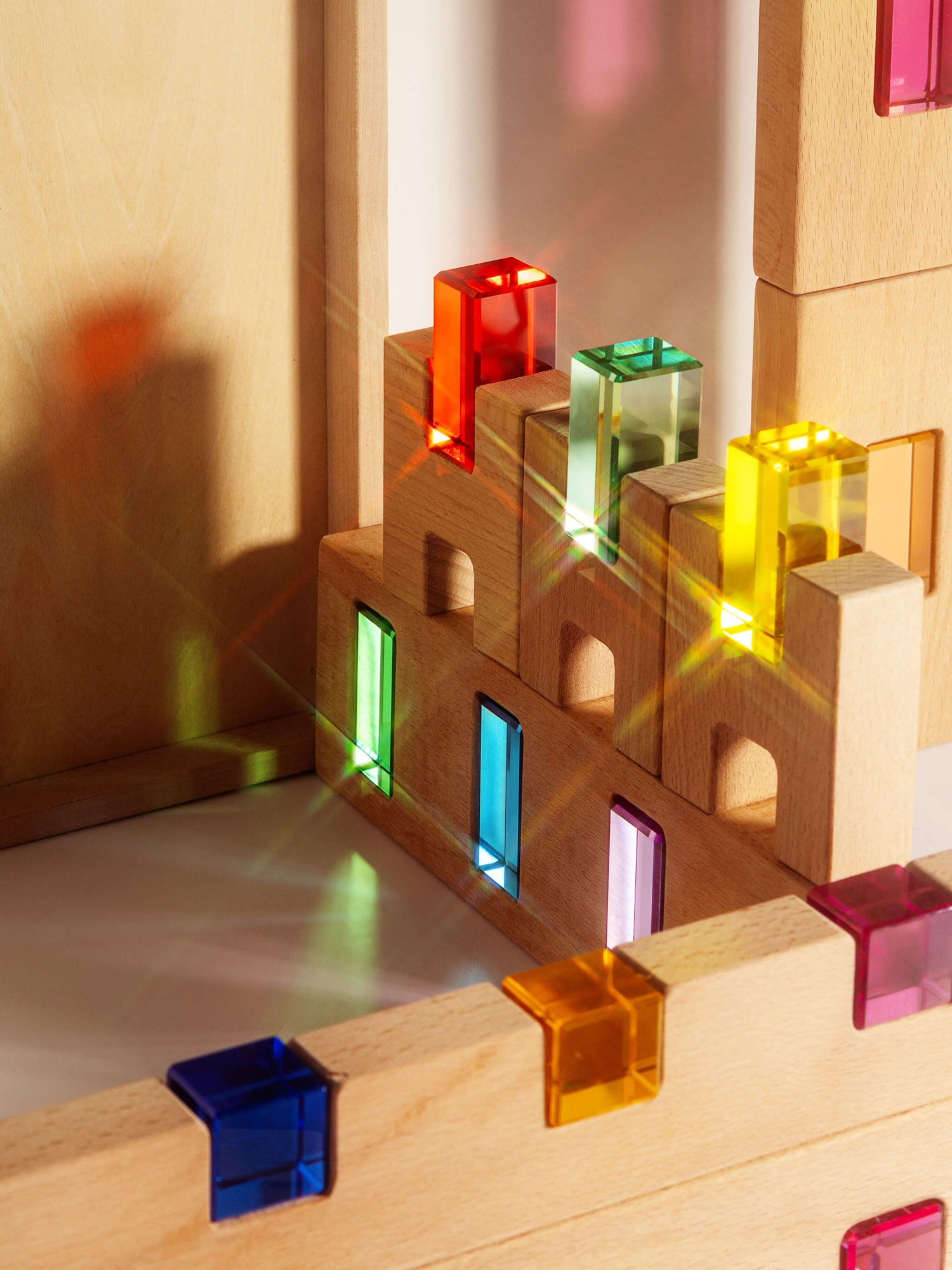
Instead of toys that “do the work,” look for toys that invite exploration:
These types of materials can be used across ages and stages—making them both beautiful and practical.
The Long-Term Impact
Play isn’t just play—it’s how children learn.
Research shows that play supports:
-
Cognitive development
-
Emotional regulation
-
Language and communication
-
Social skills and confidence
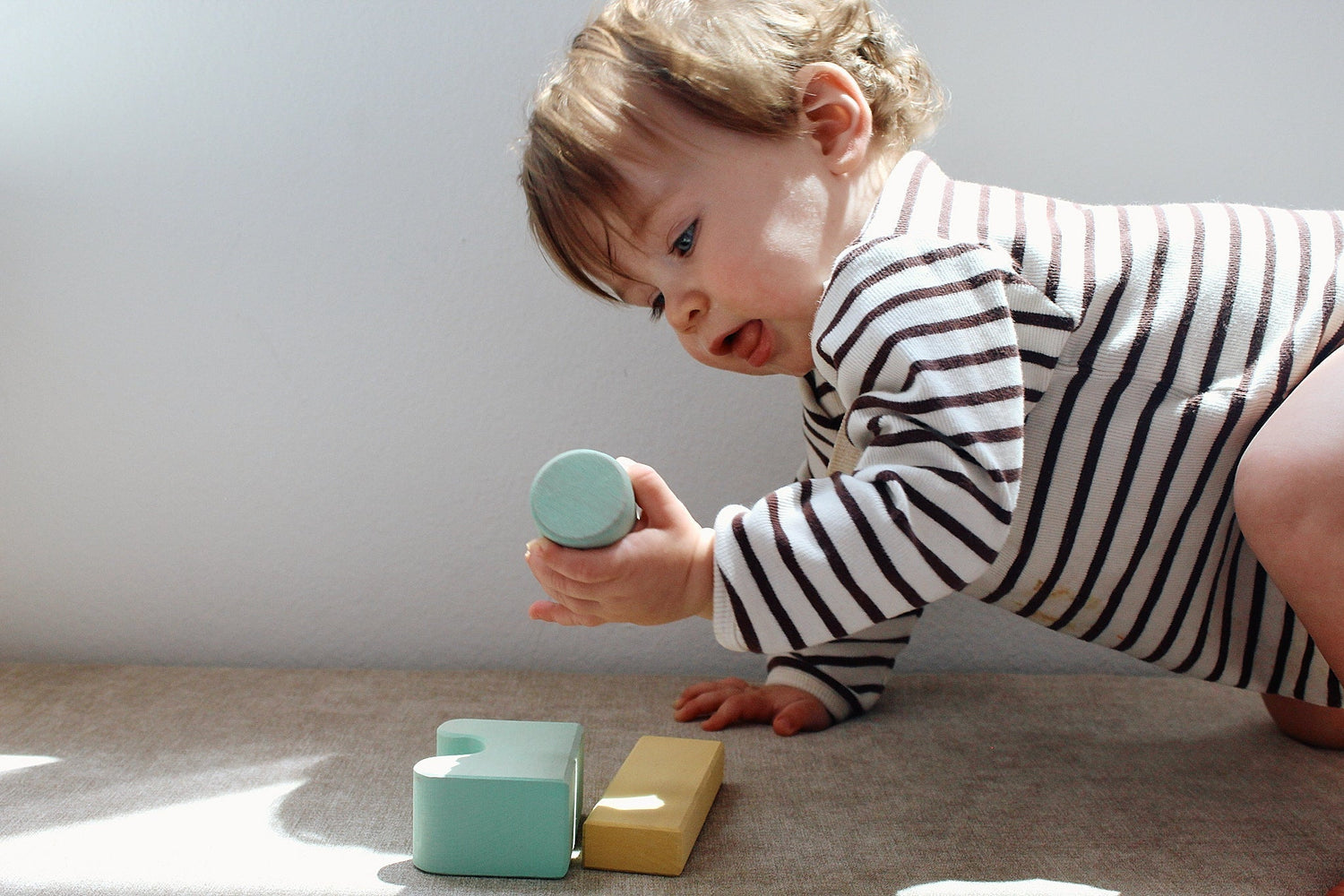
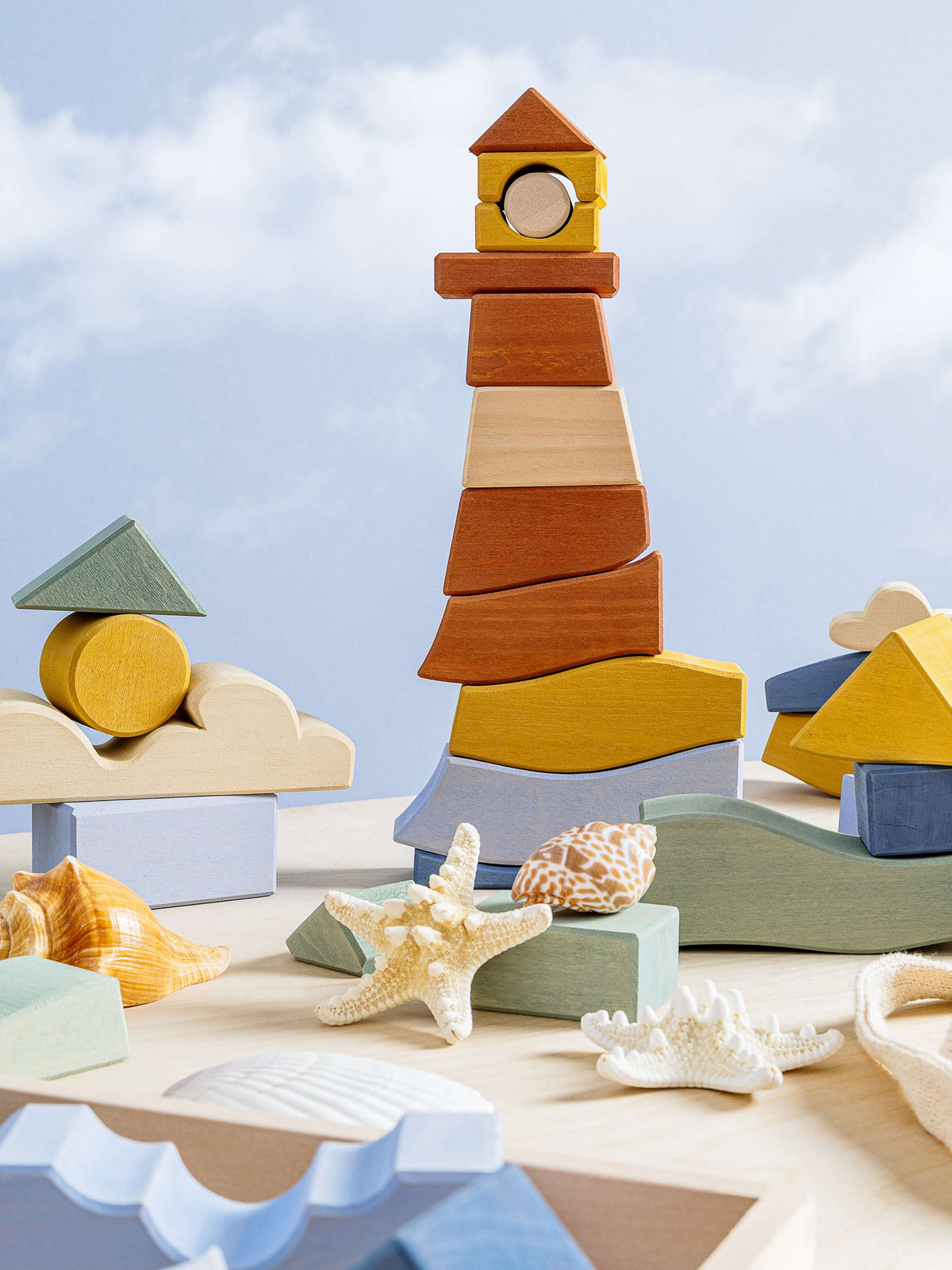
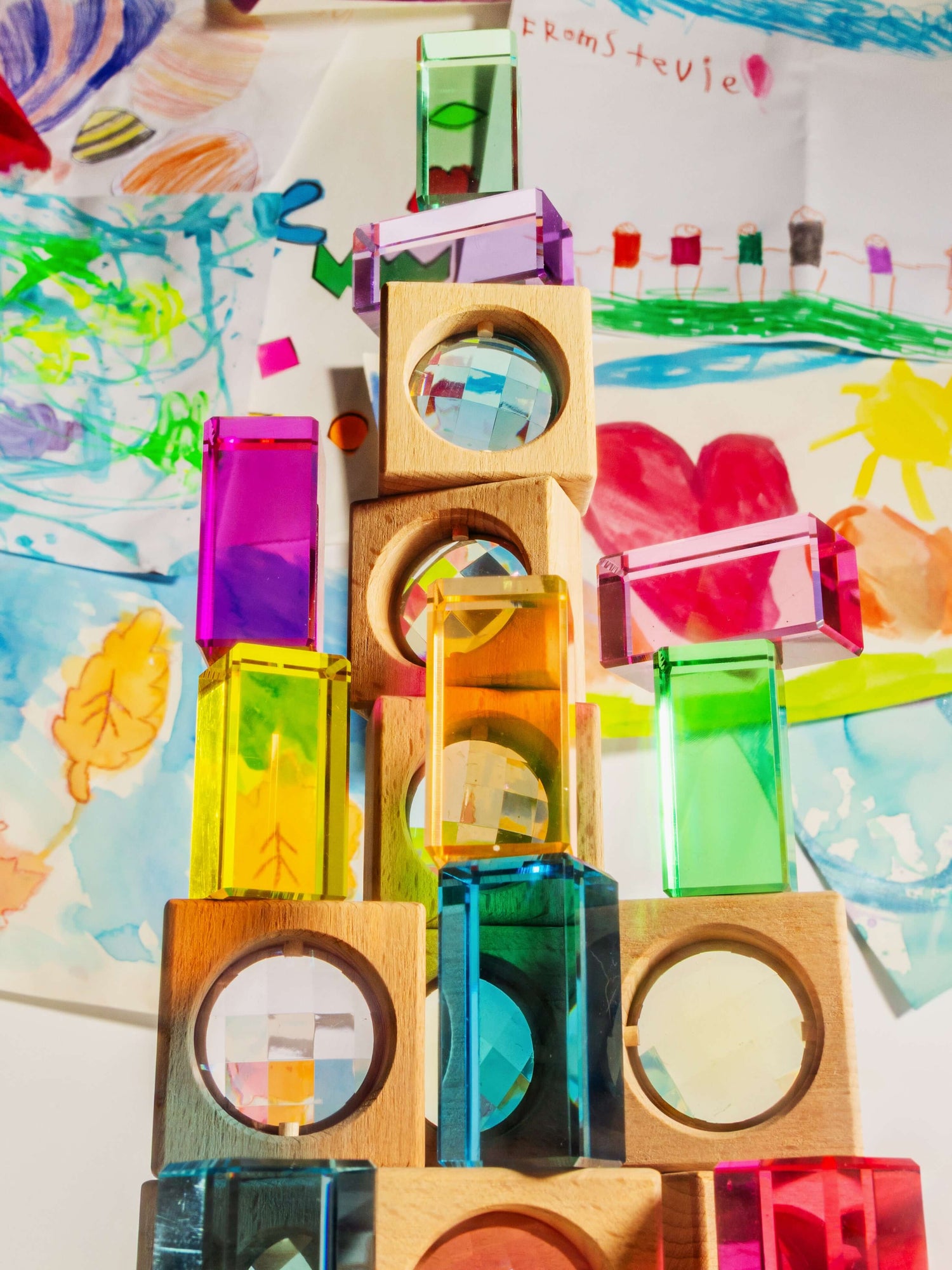
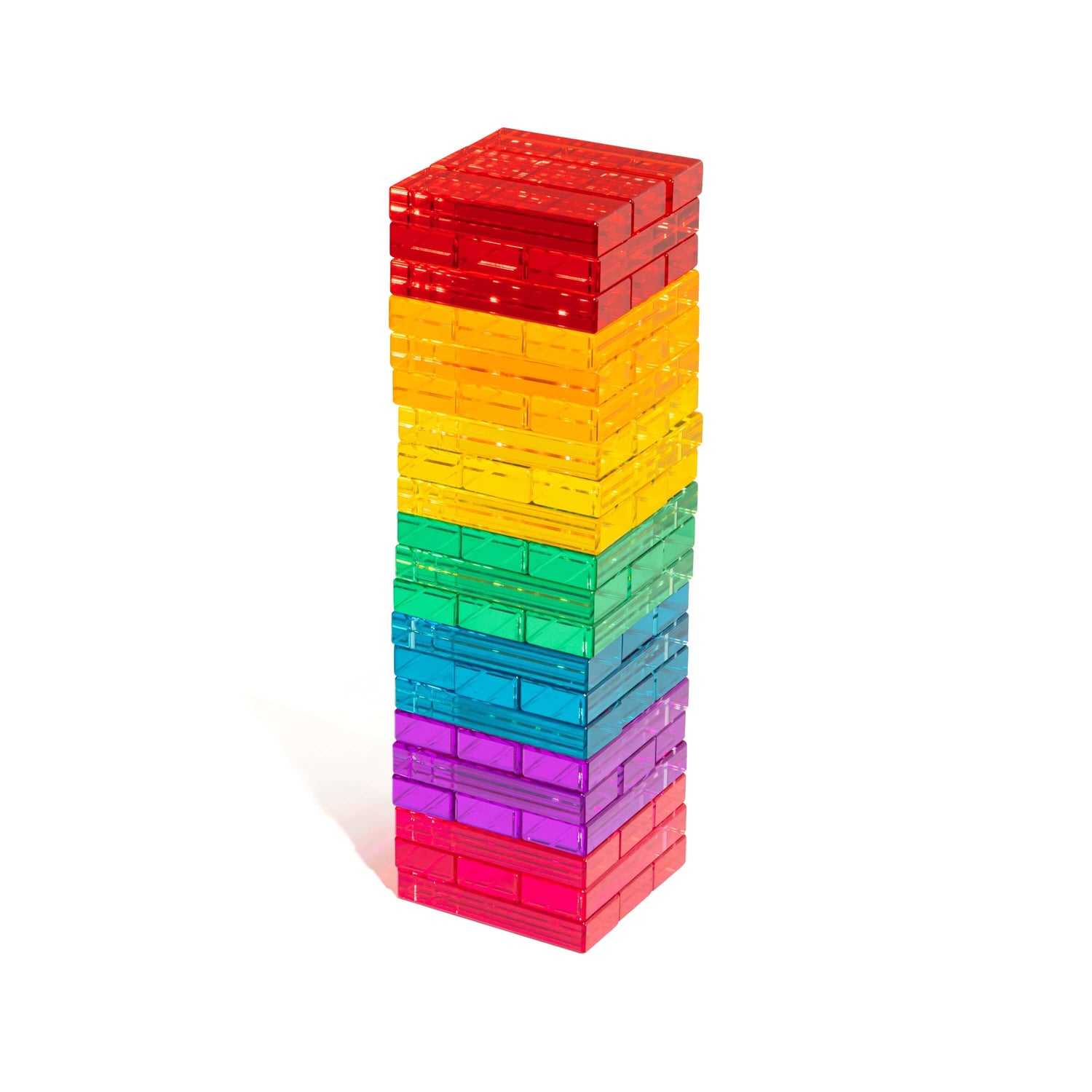
In other words, that simple block tower? It’s basically early engineering.
Discover ways to engage learning using open-ended toys in our activity guide.





0 commentaire