
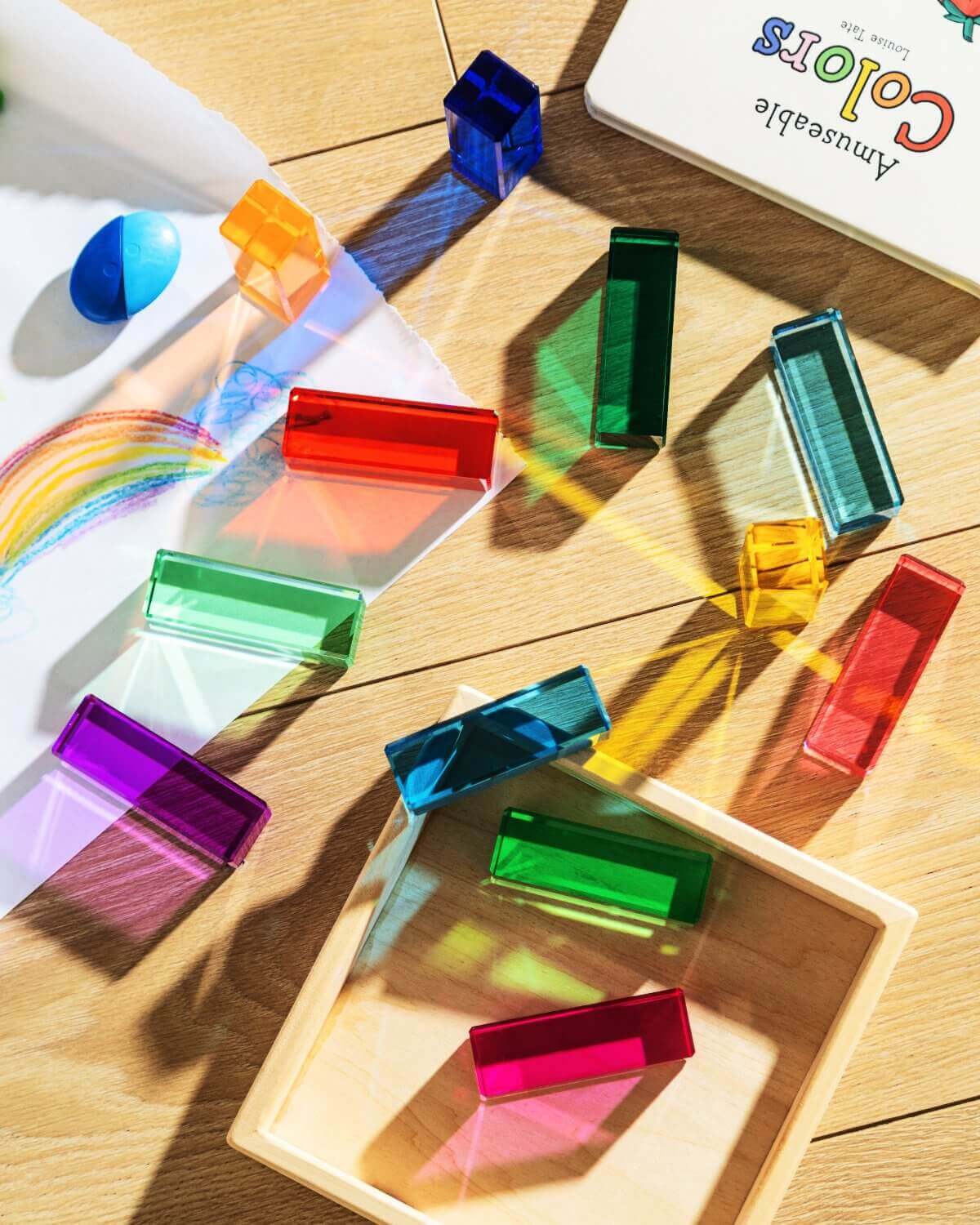
Introduction
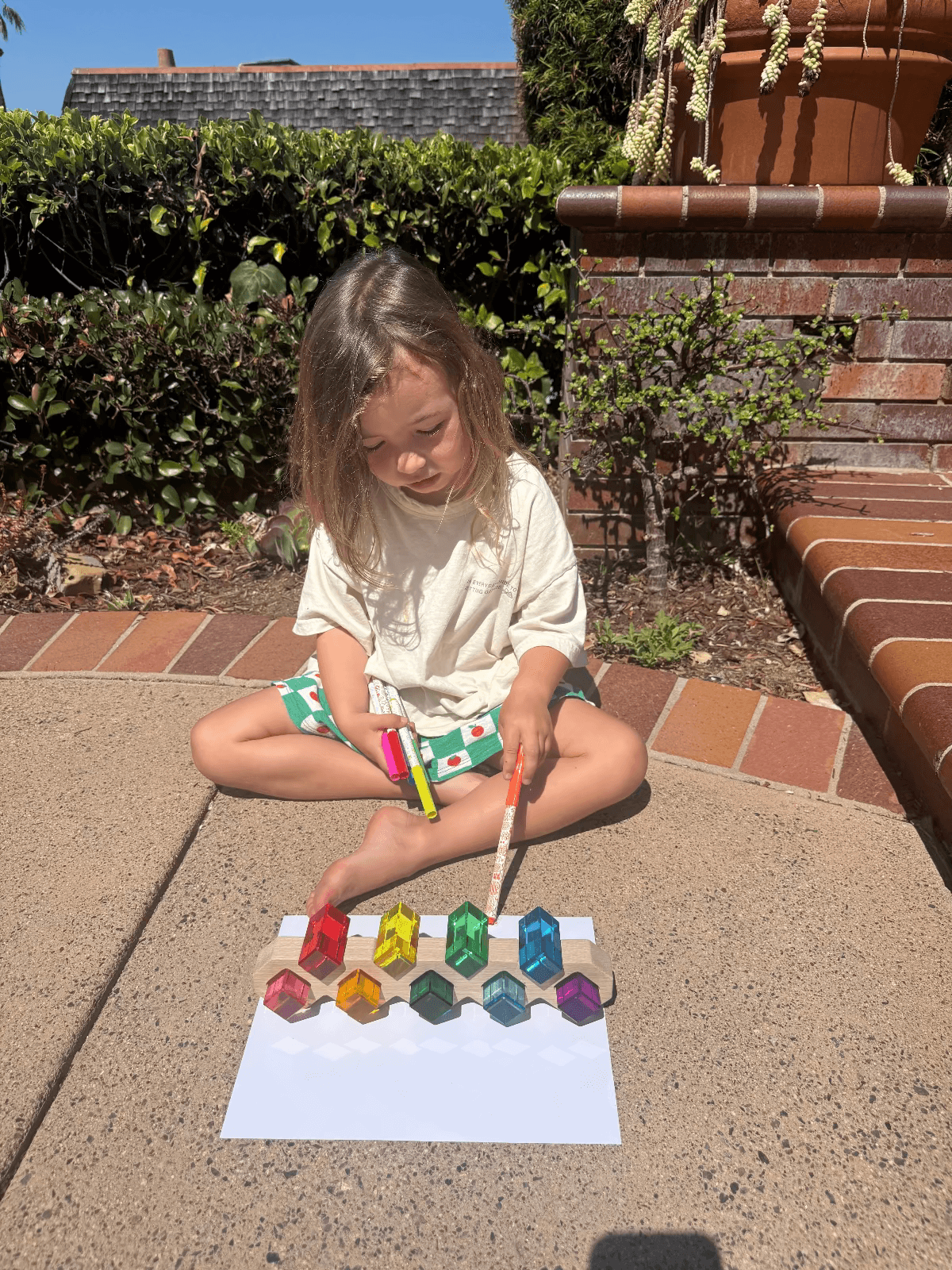
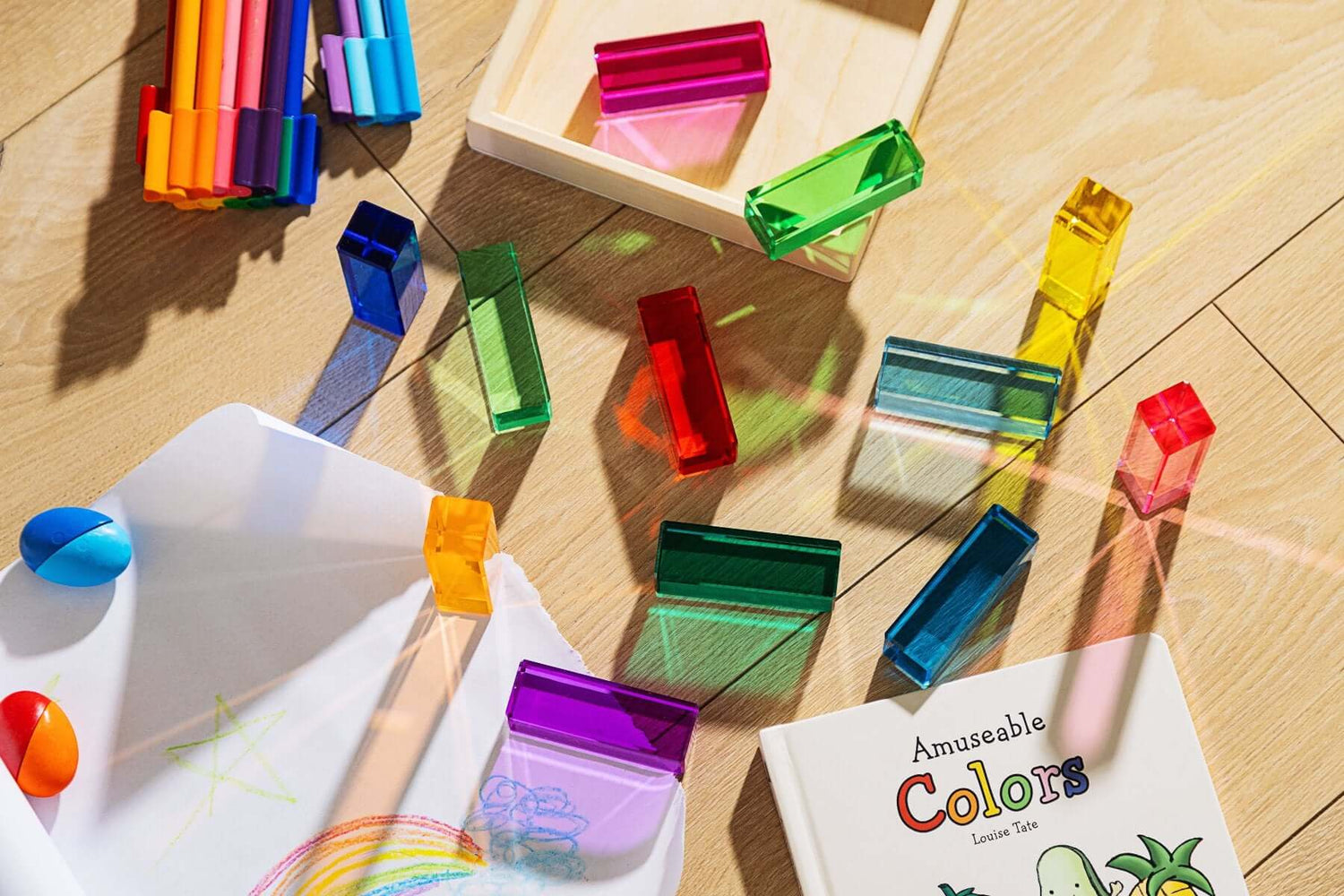
Independent play isn’t about leaving children alone—it’s about giving them the confidence to explore their own ideas.
And it develops gradually.
What Independent Play Really Looks Like
It might look like:
- Talking through play out loud
- Moving between ideas
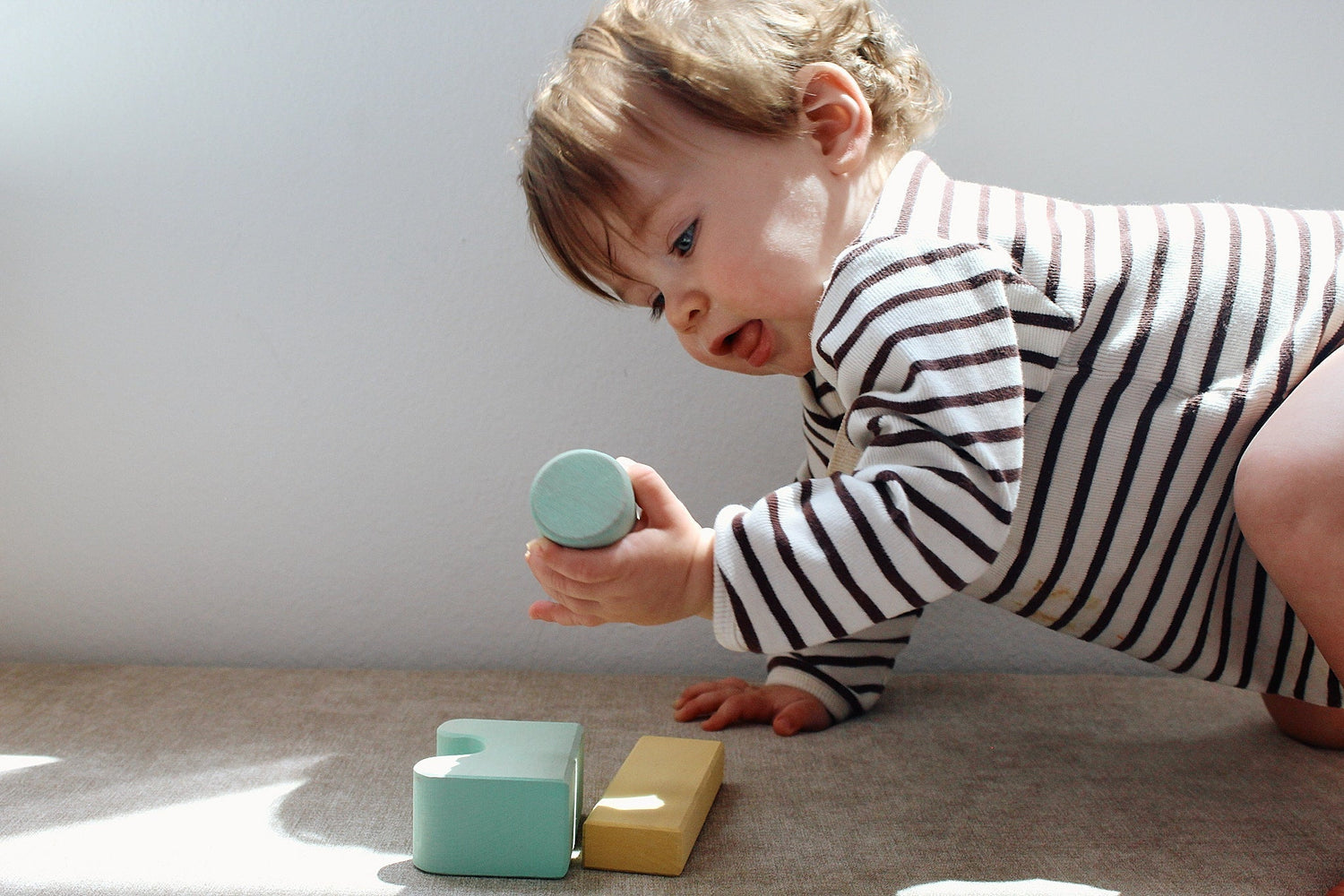
- Checking in, then returning
Even short moments matter.
Why It Matters
Independent play supports:
- Confidence
- Creativity
- Problem-solving
- Emotional regulation
Step 1: Start Small
Begin with:
- 5–10 minutes
- A calm environment
- A simple invitation to play
Step 2: Don’t Interrupt the Flow
Independent play grows when children stay in their own ideas.
Observe more. Intervene less.
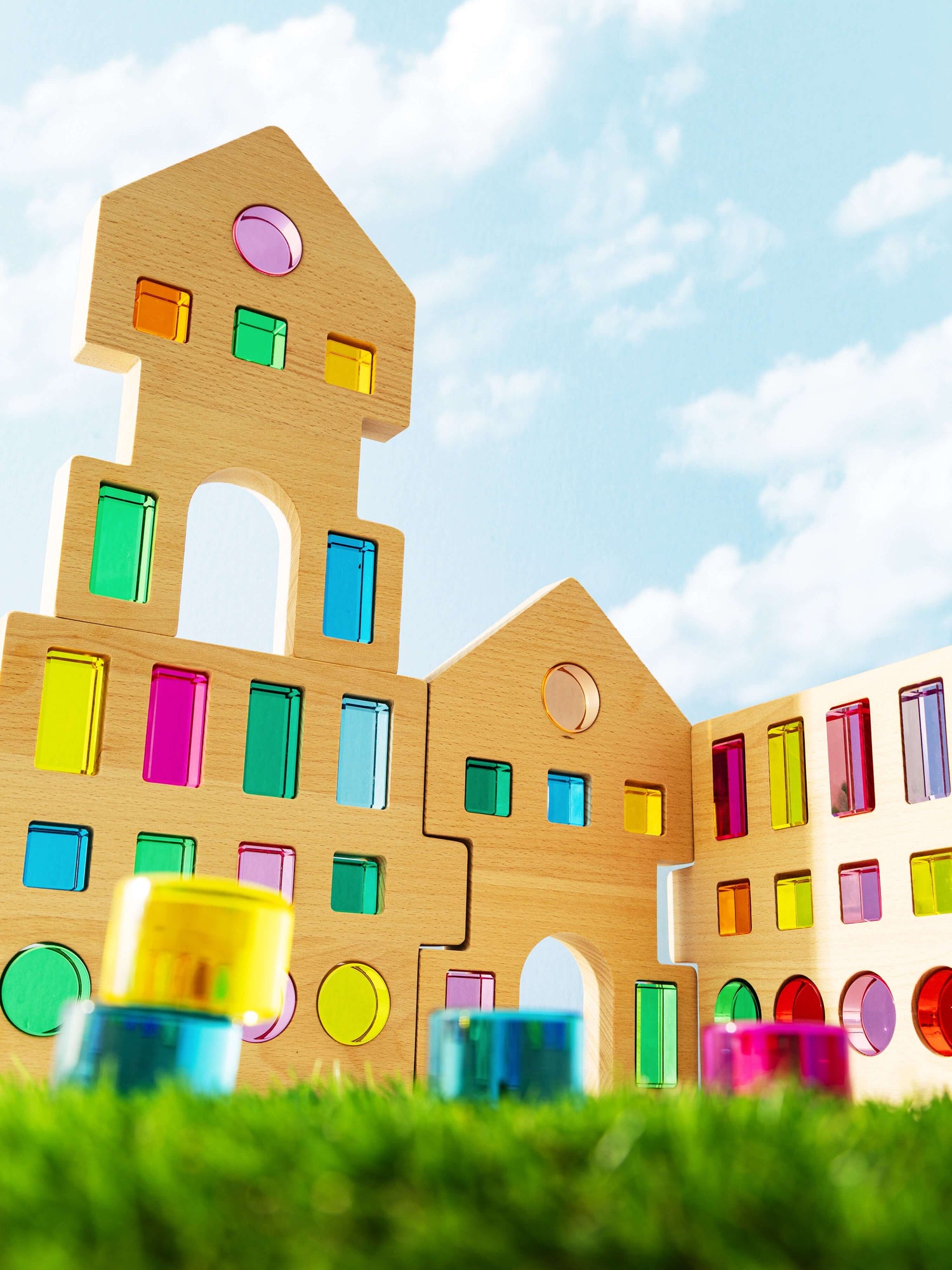
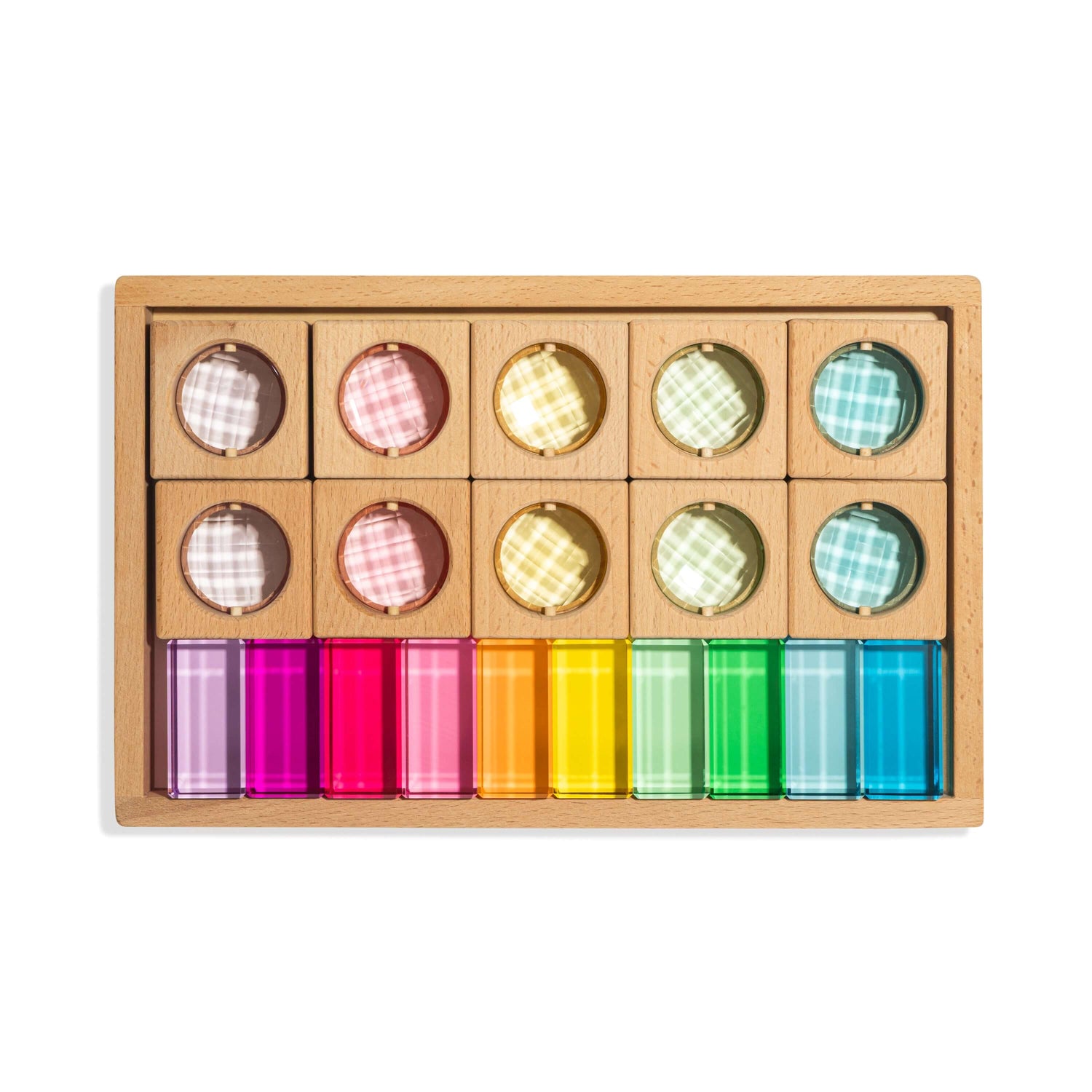
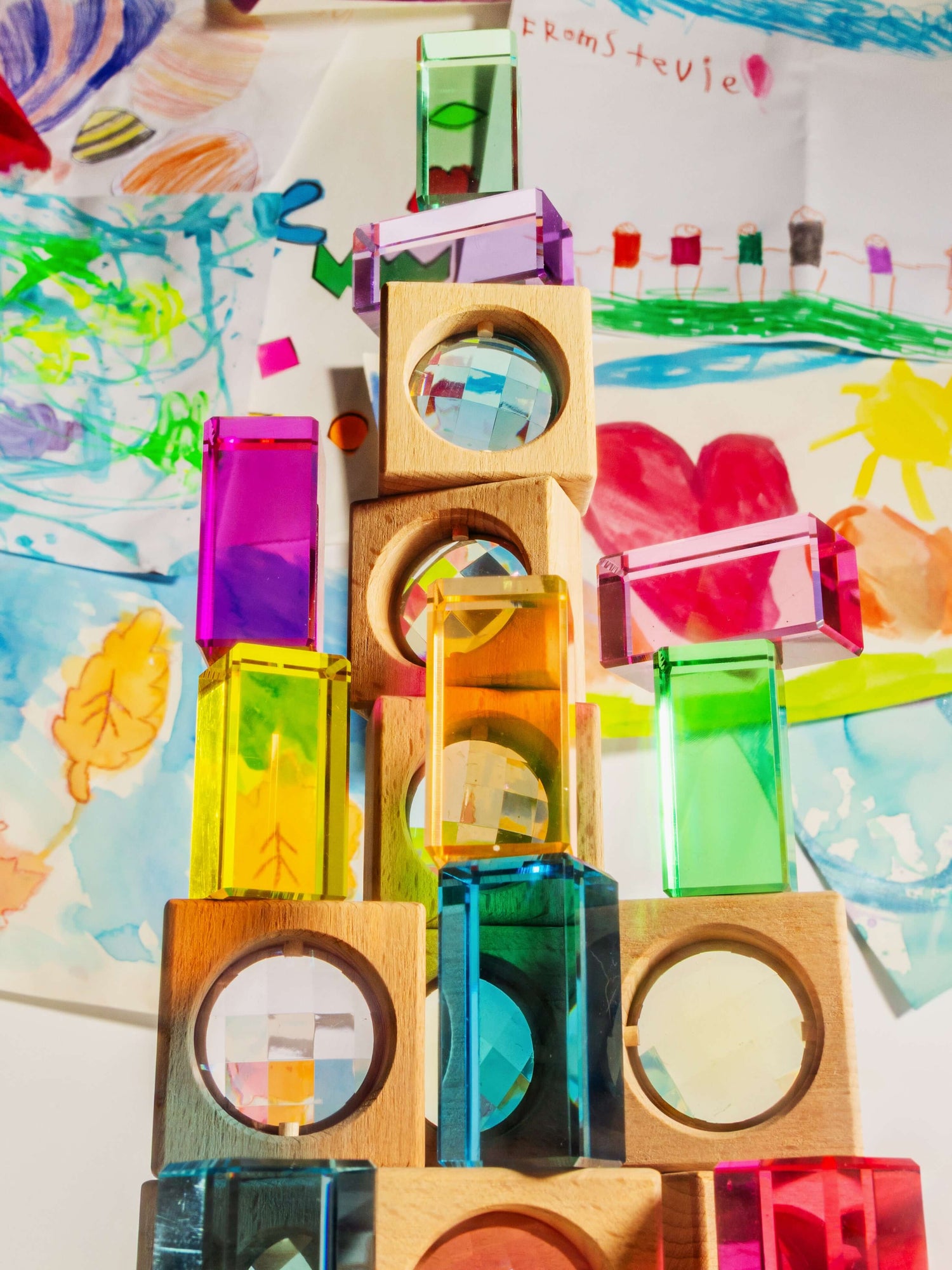
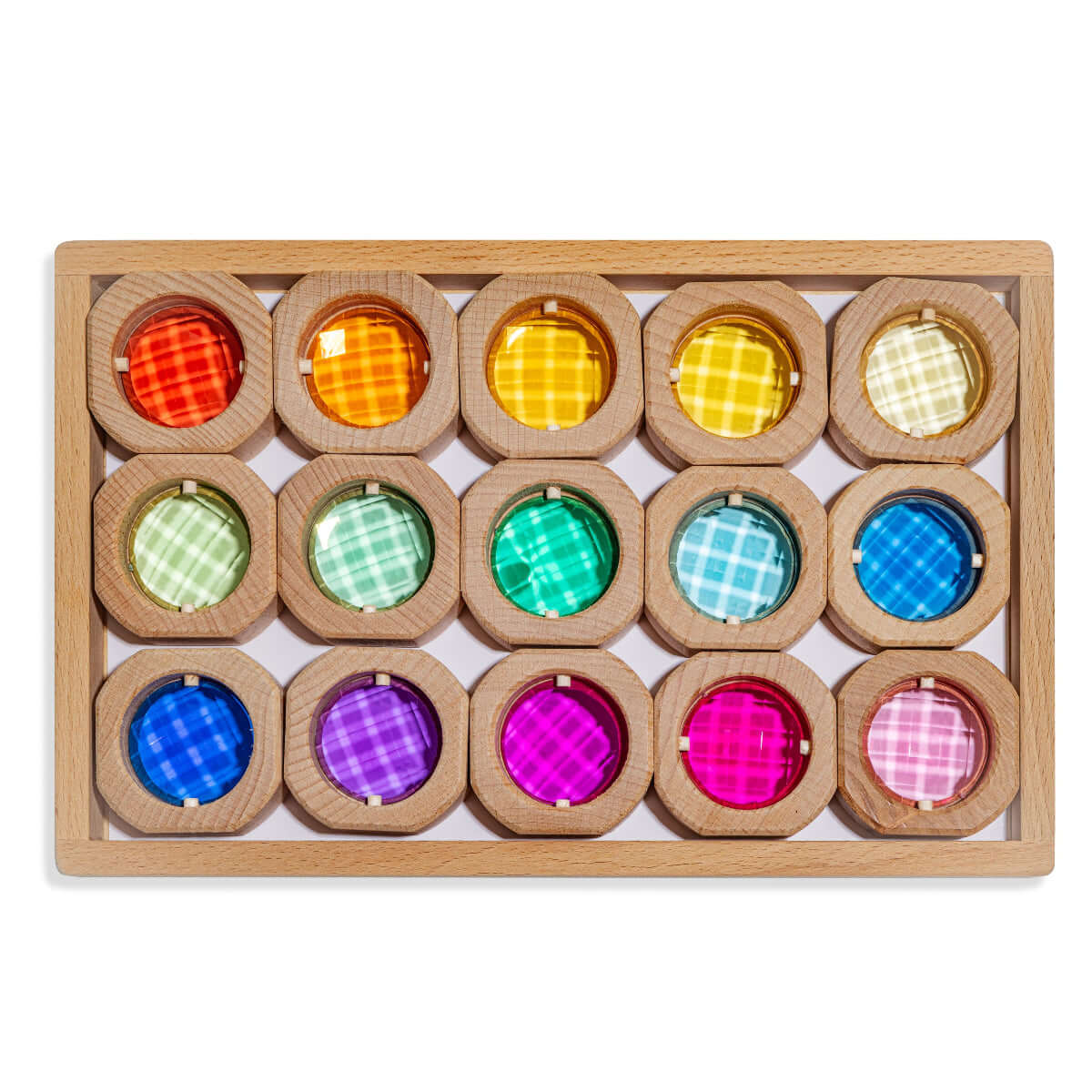
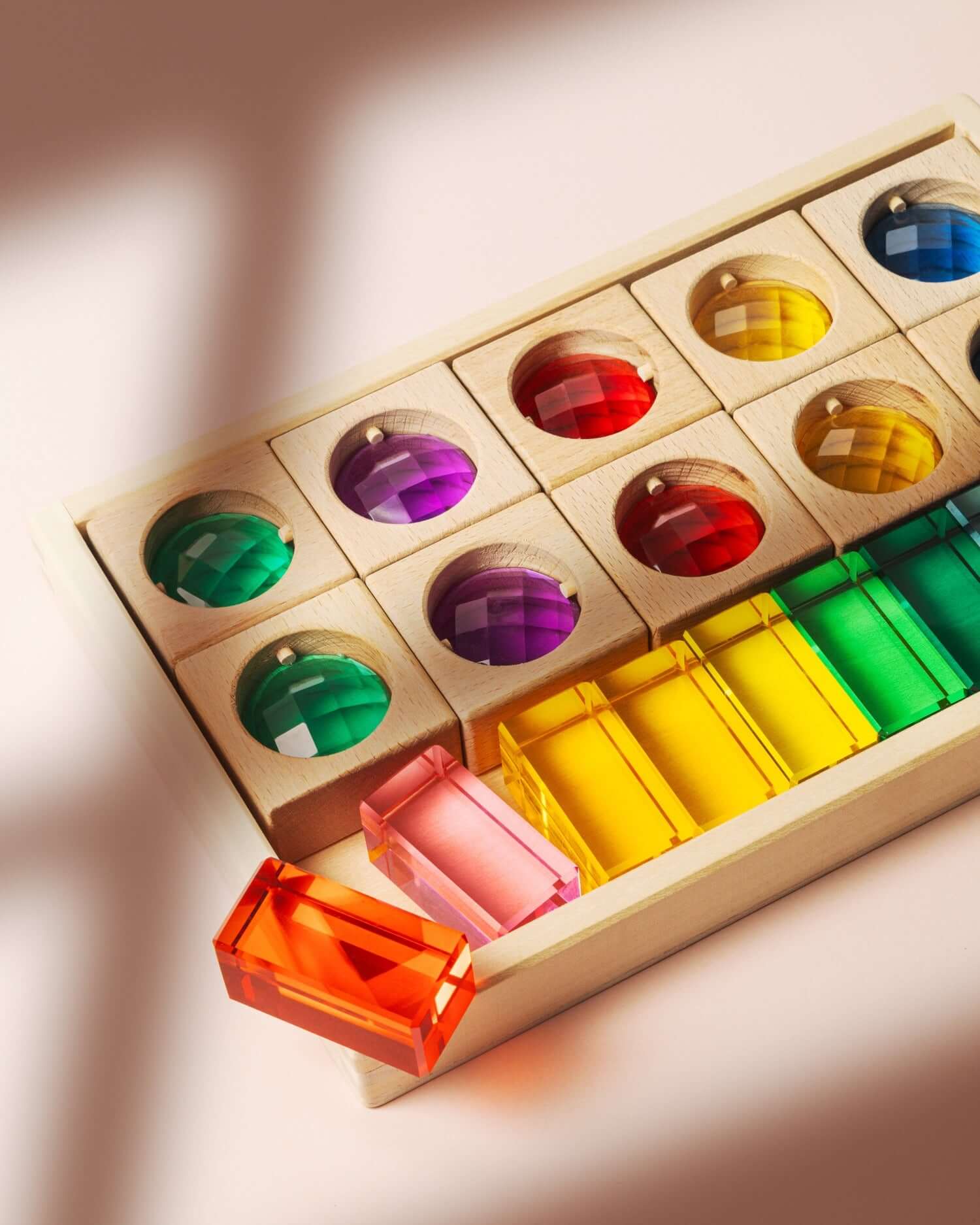
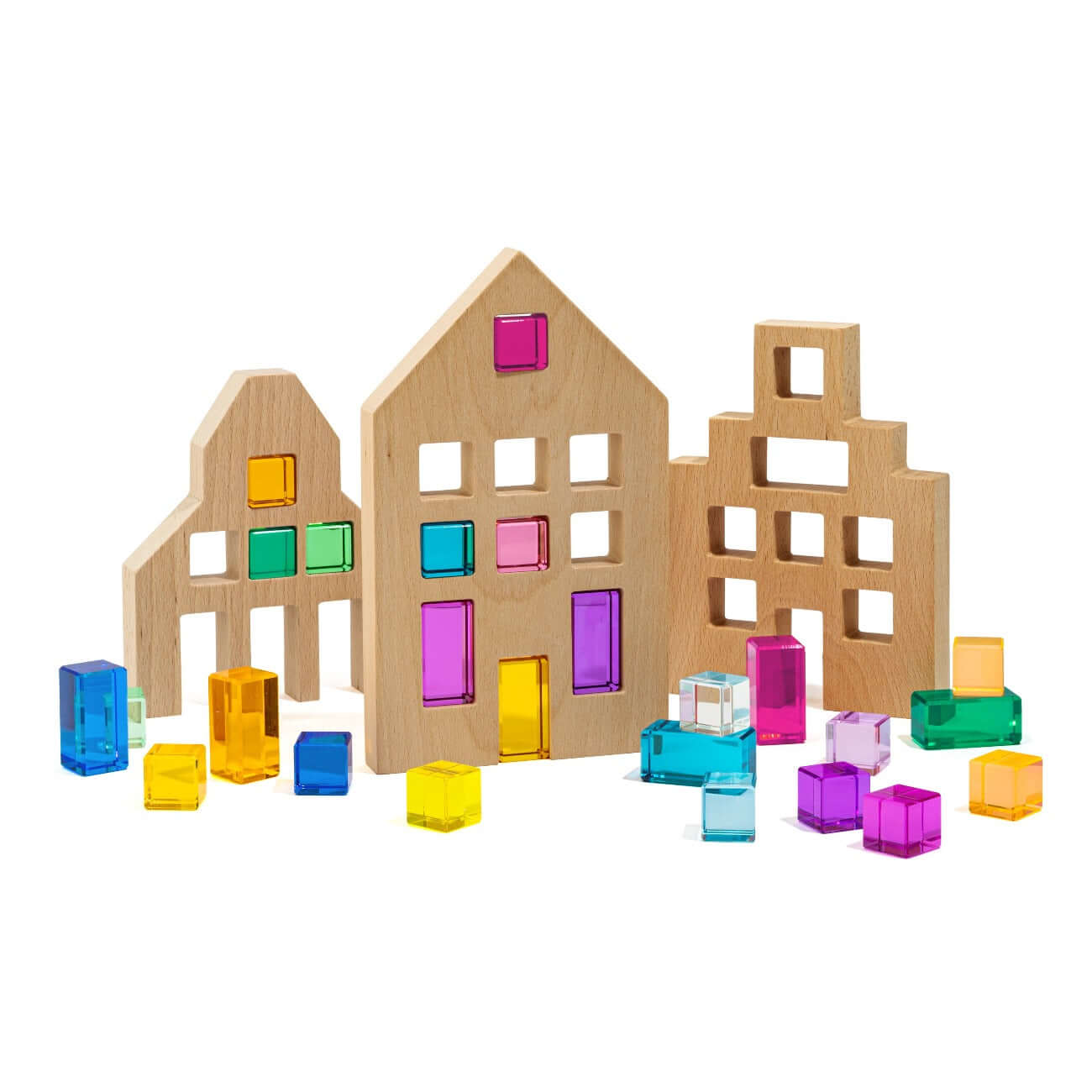
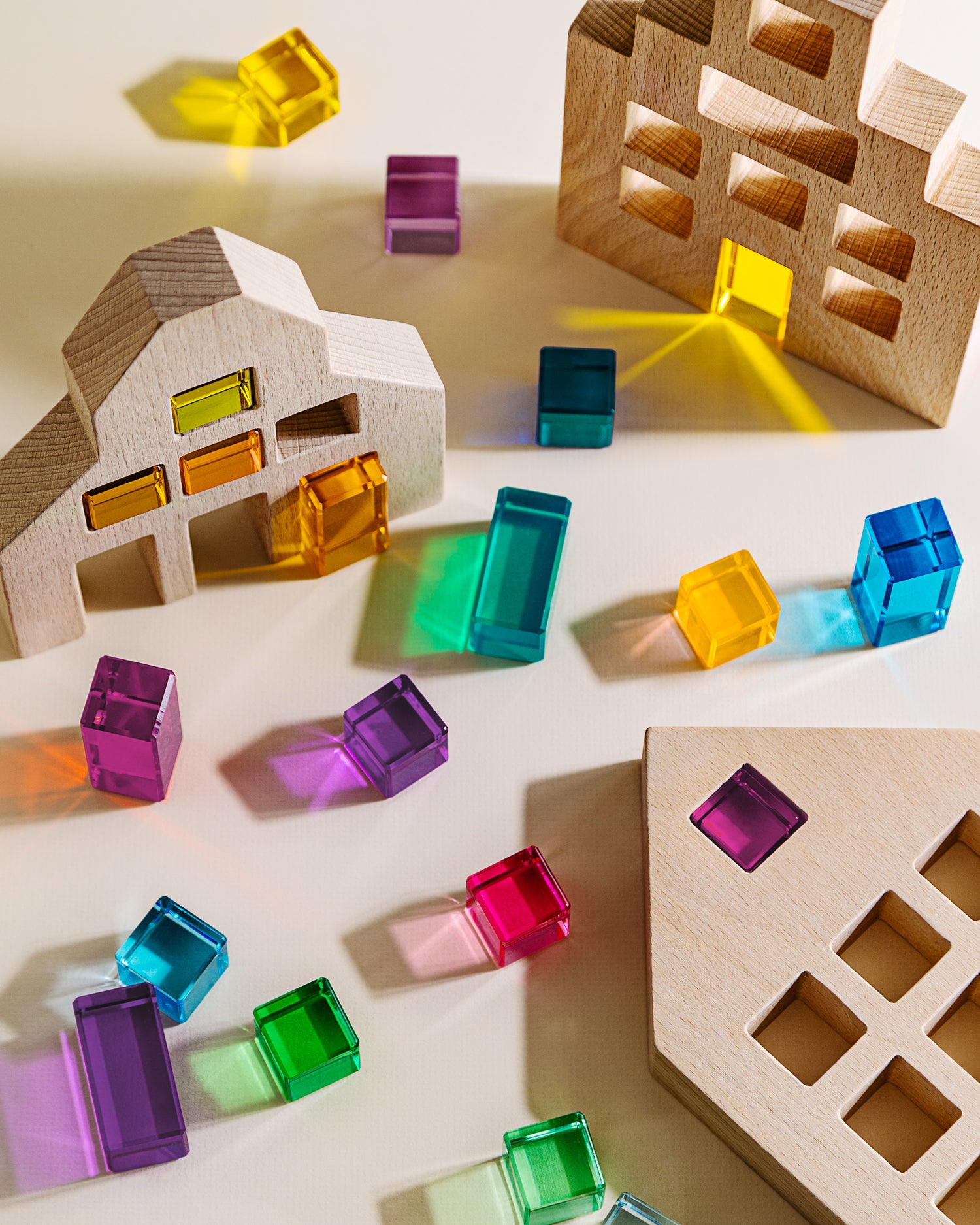
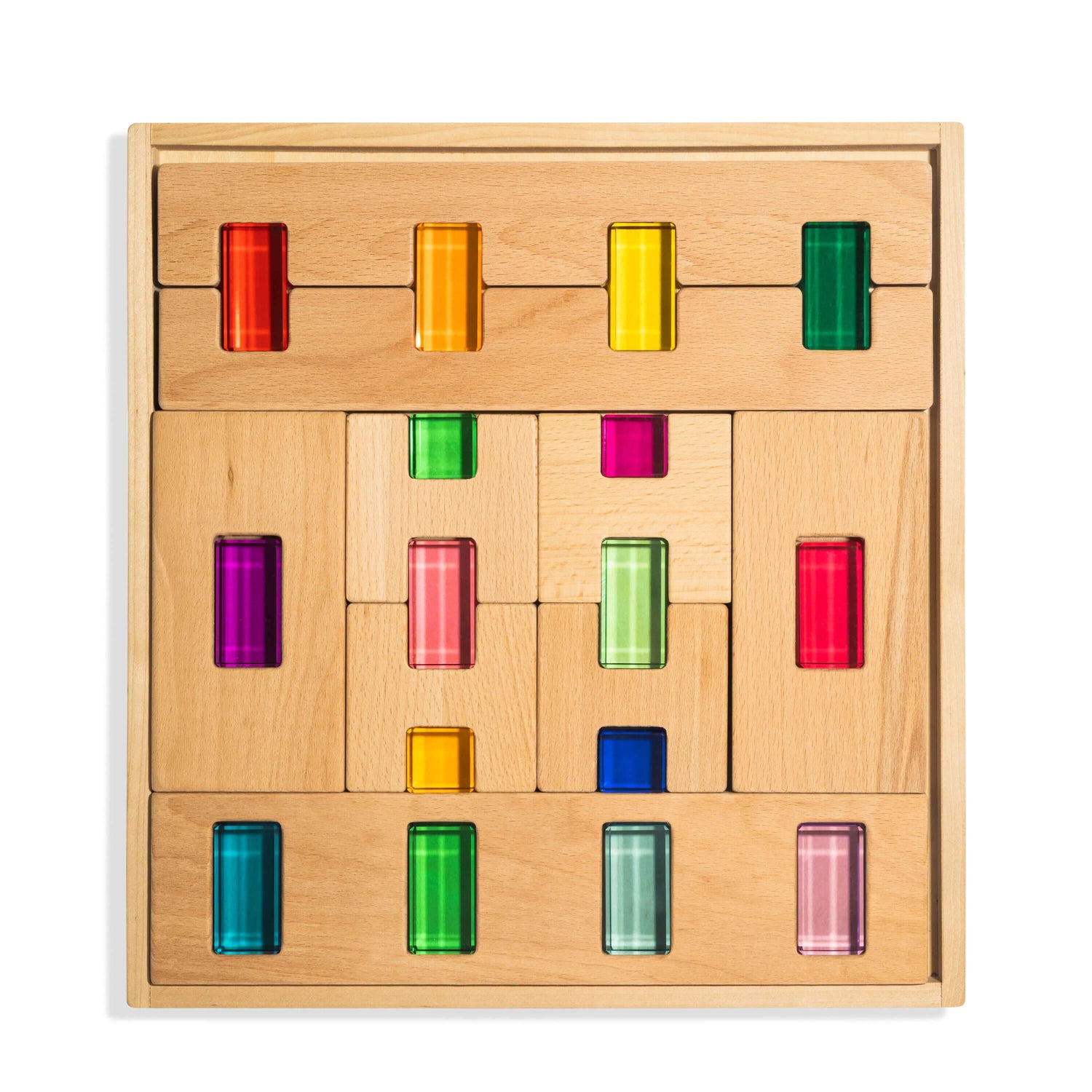
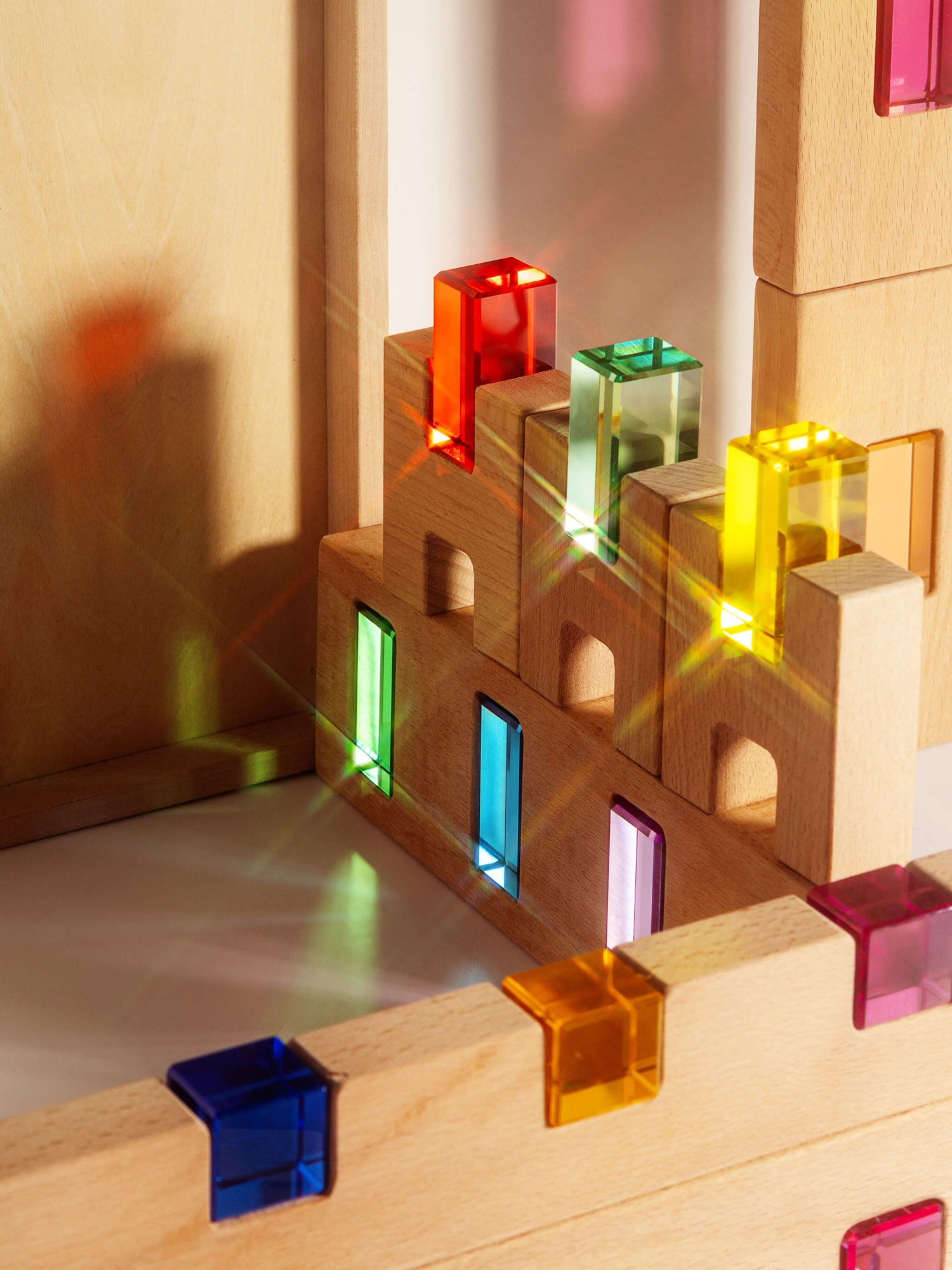
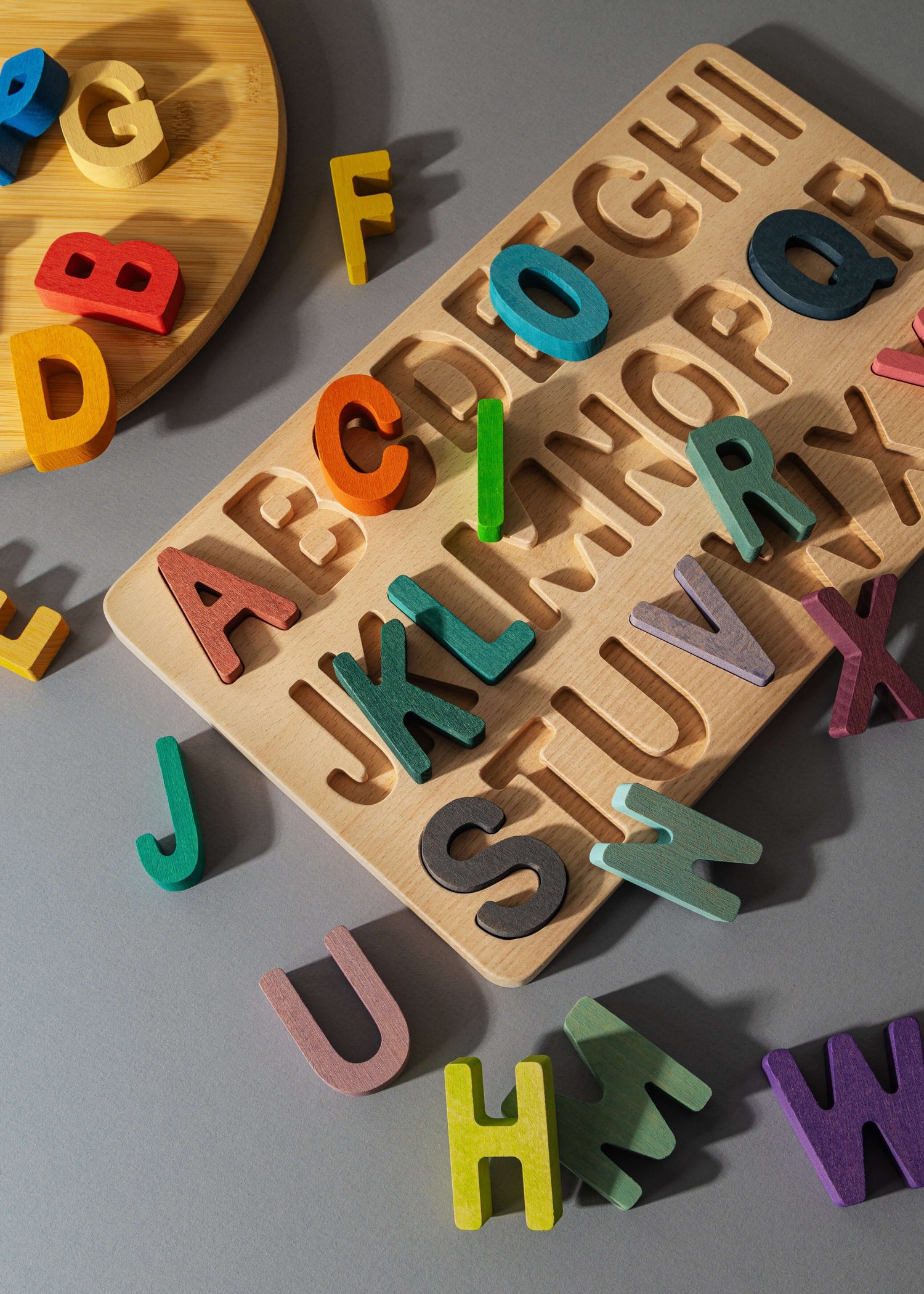
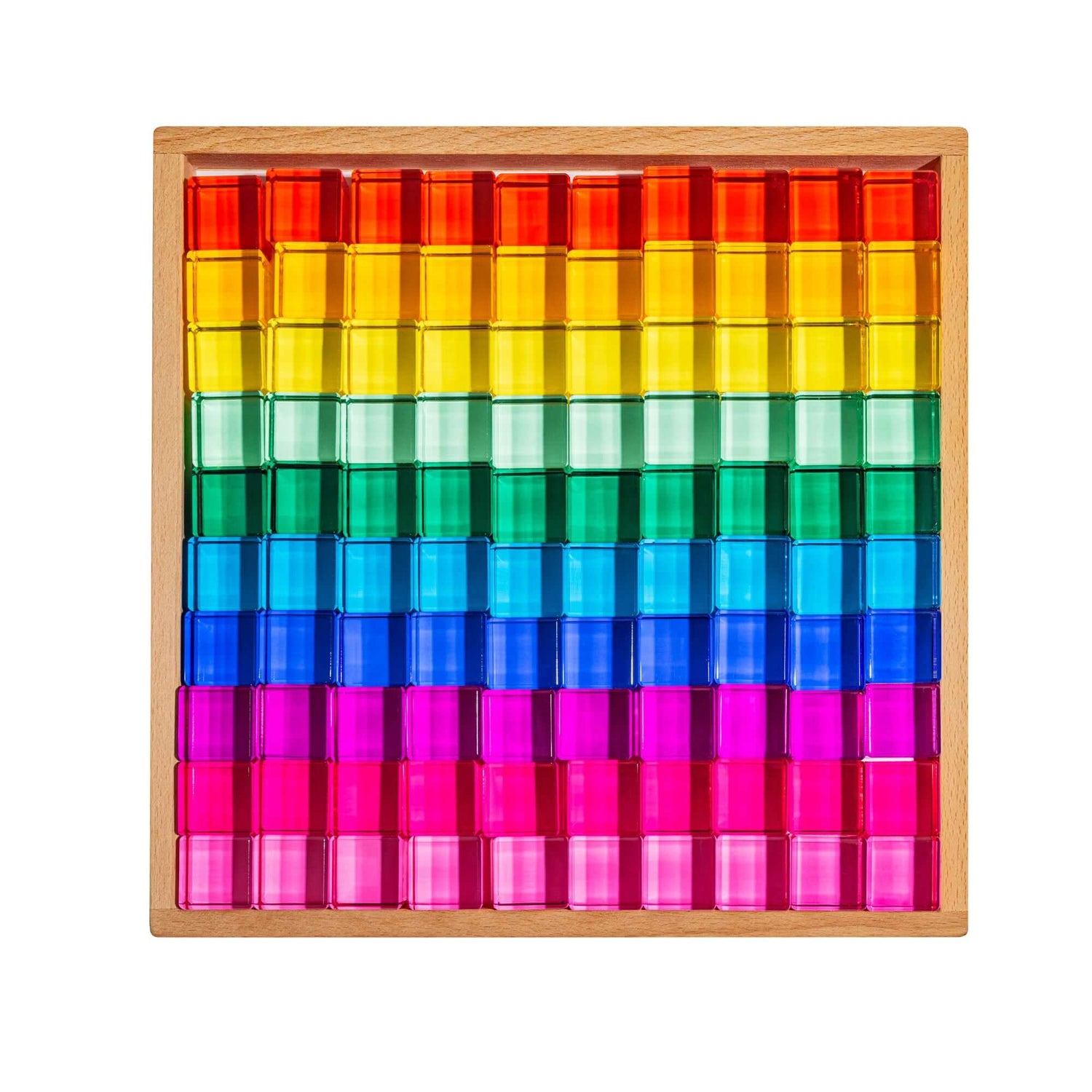
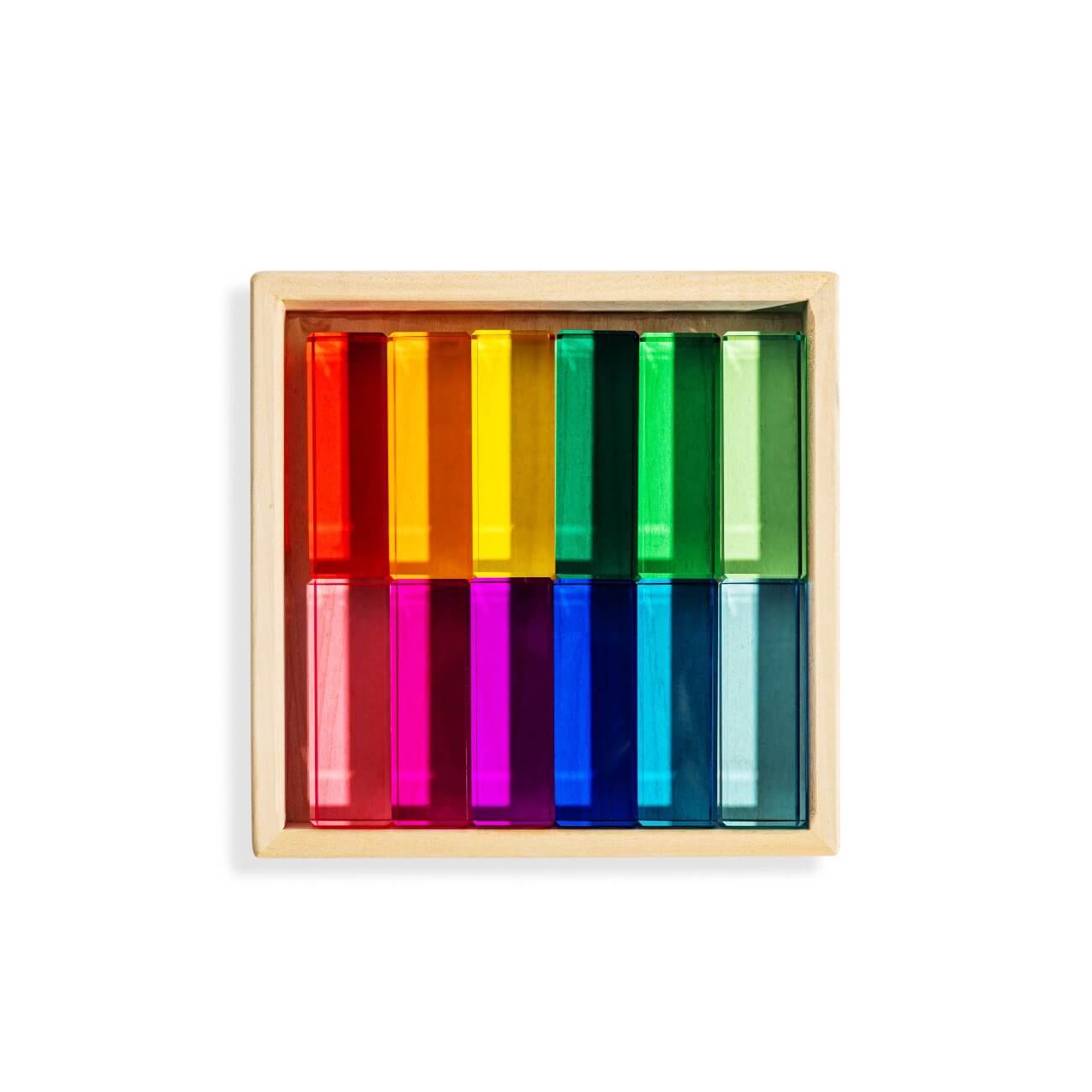
Step 3: Choose the Right Materials
The best materials are:
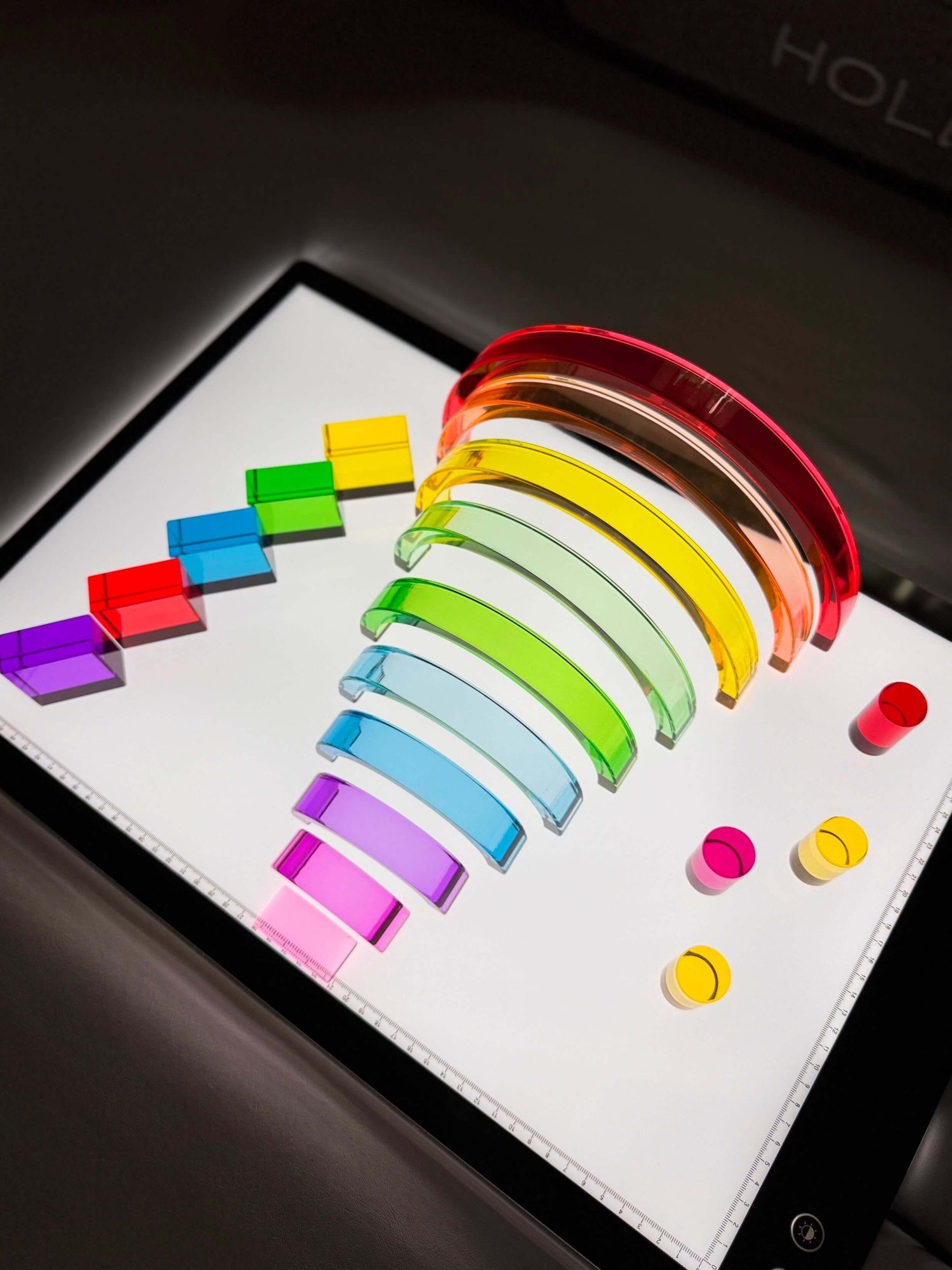
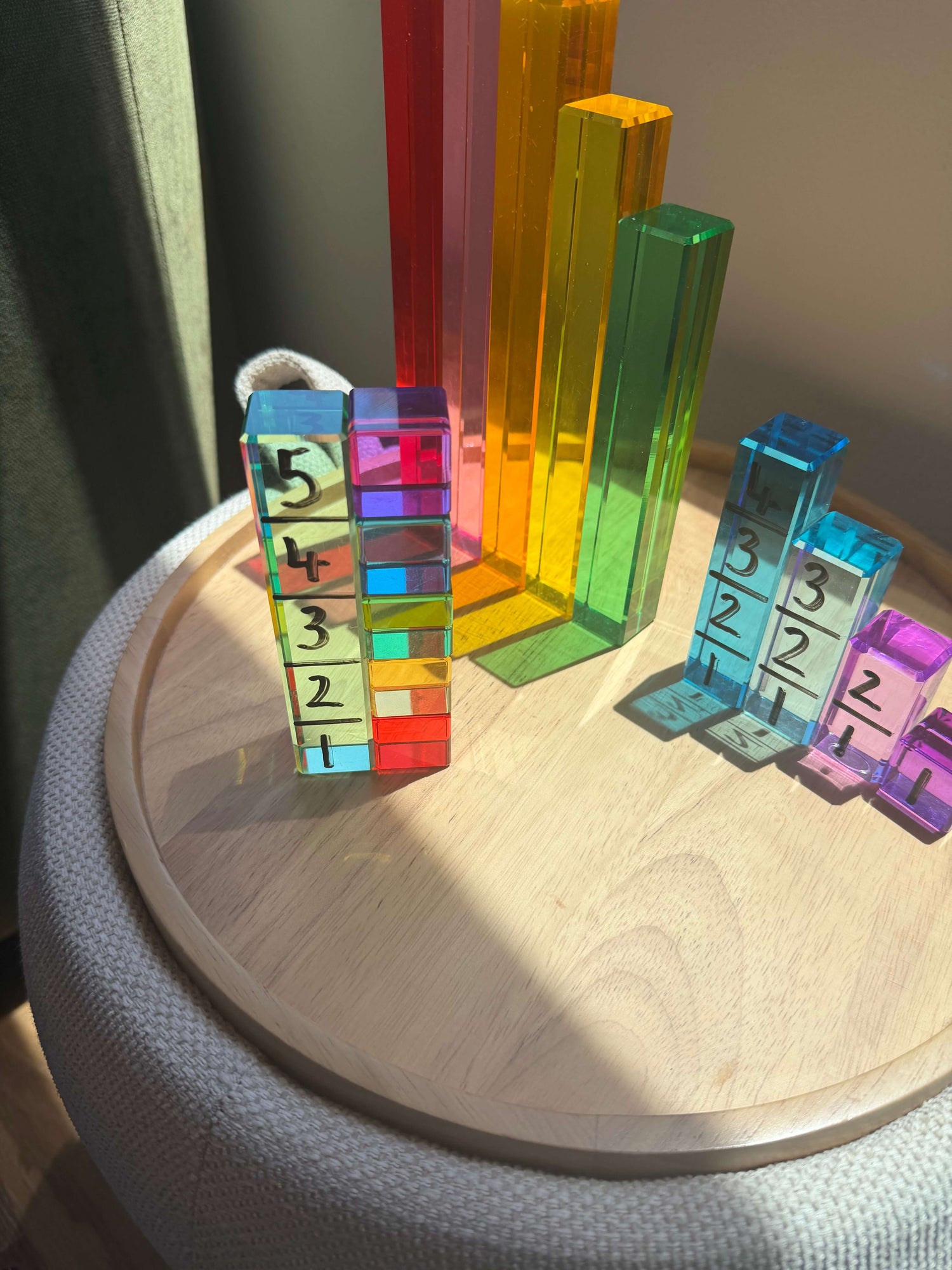
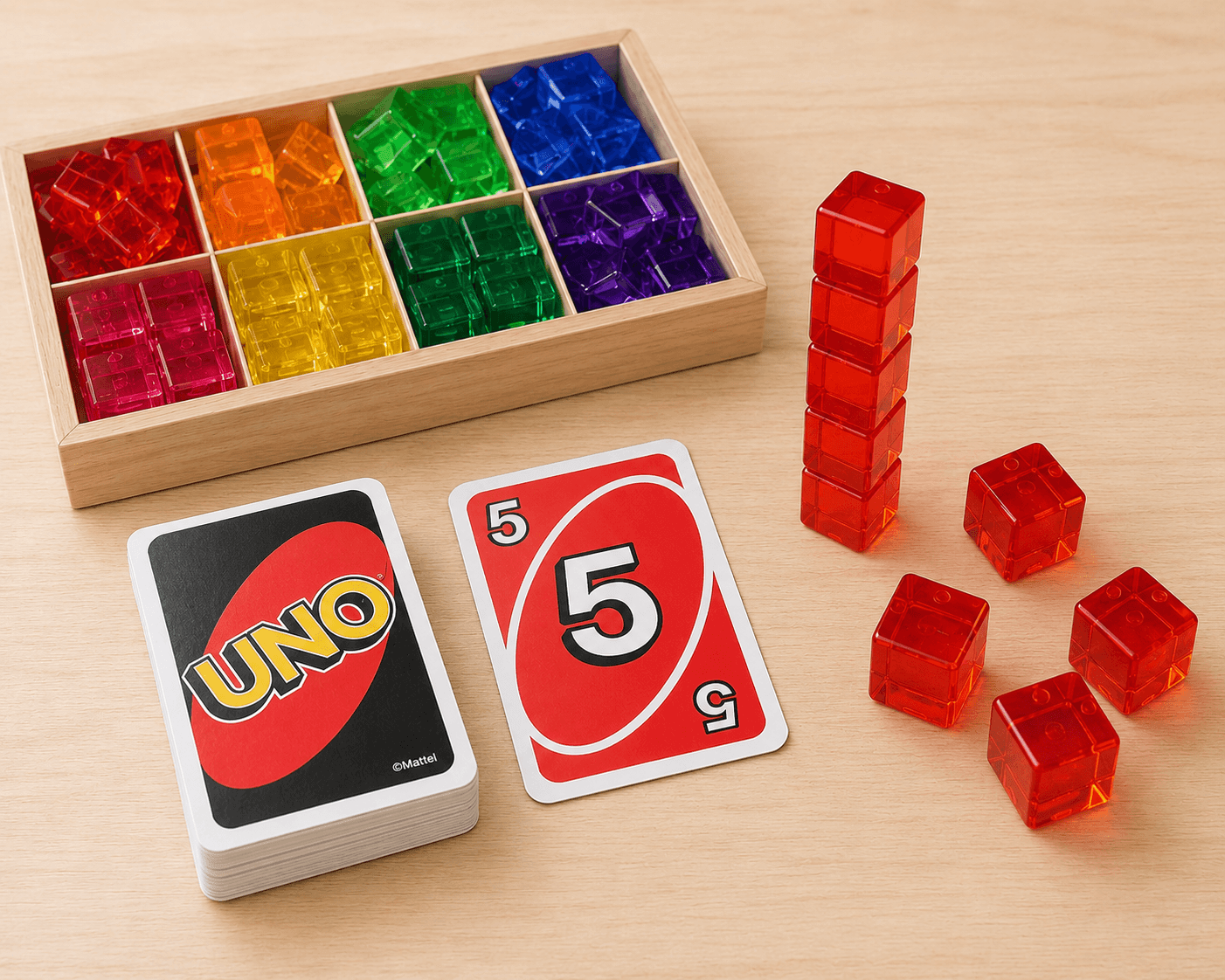
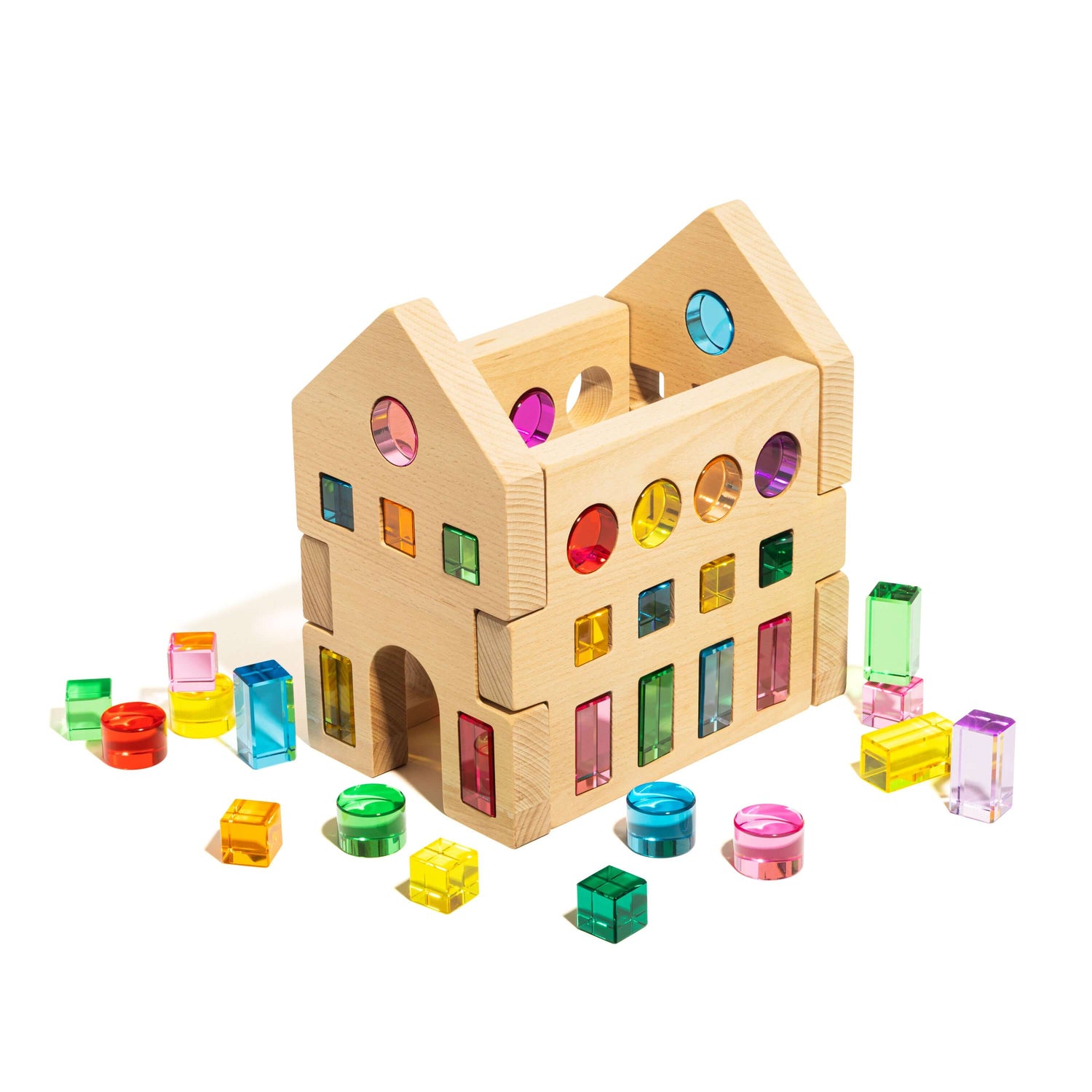
- Open-ended
- Simple
- Flexible
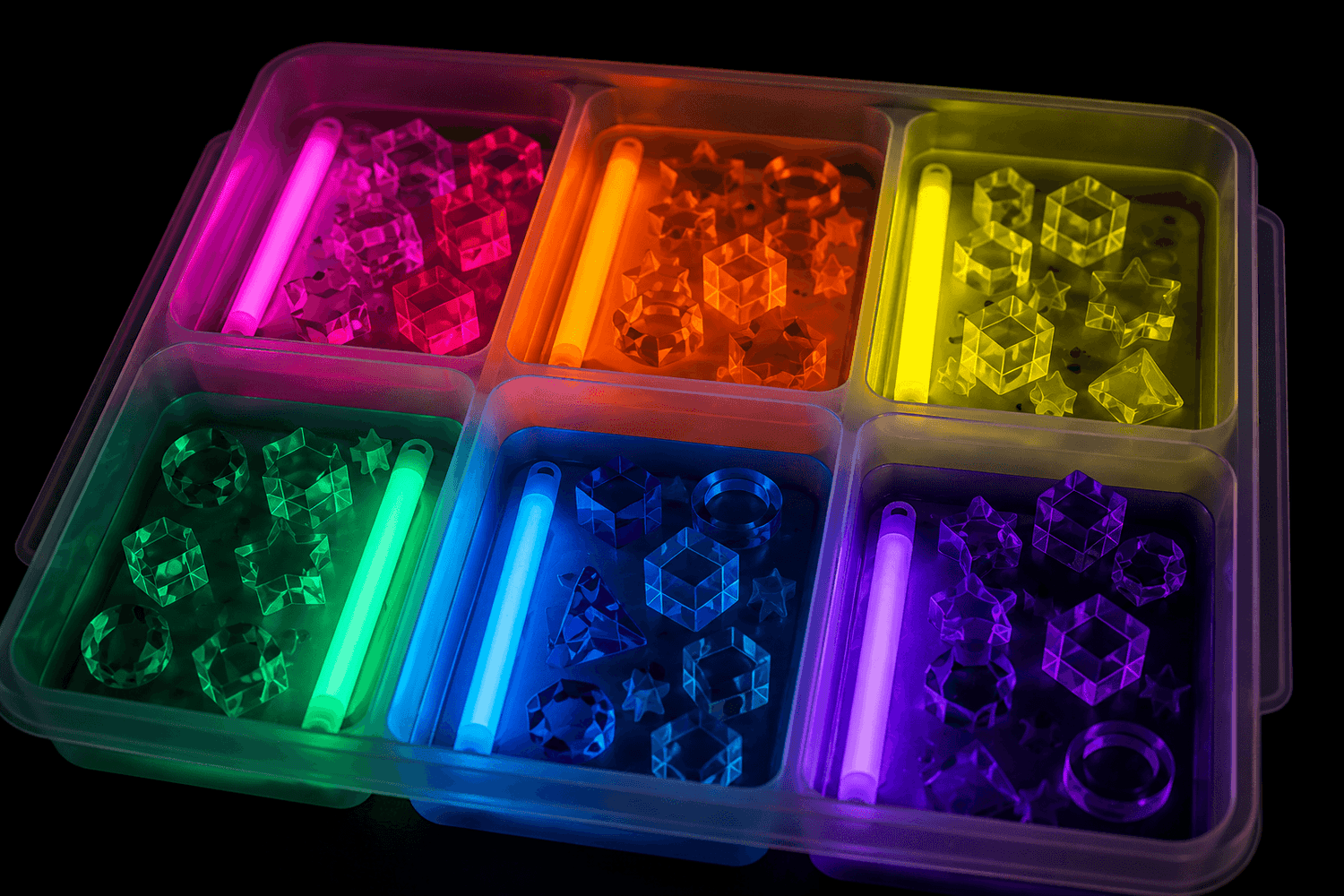
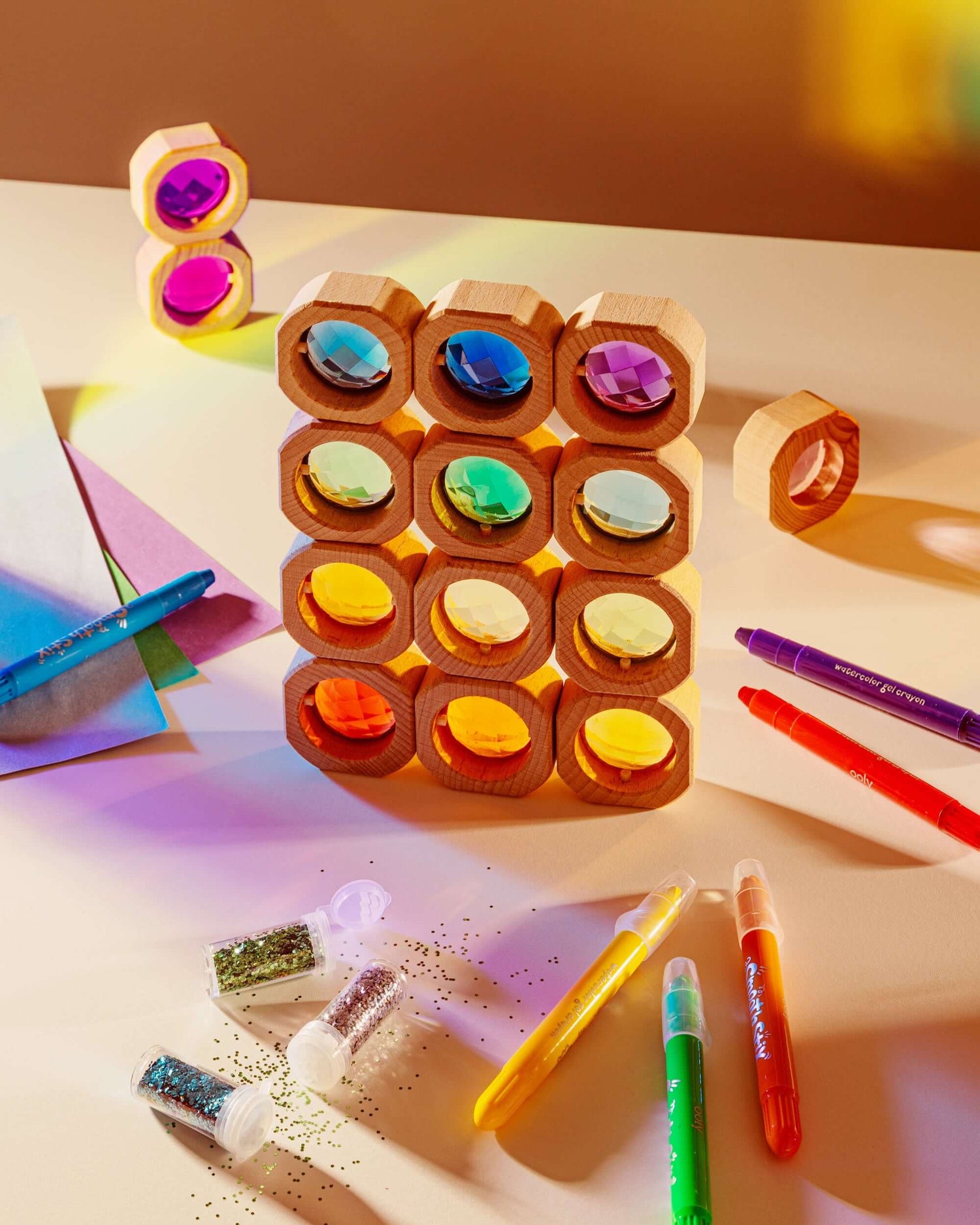
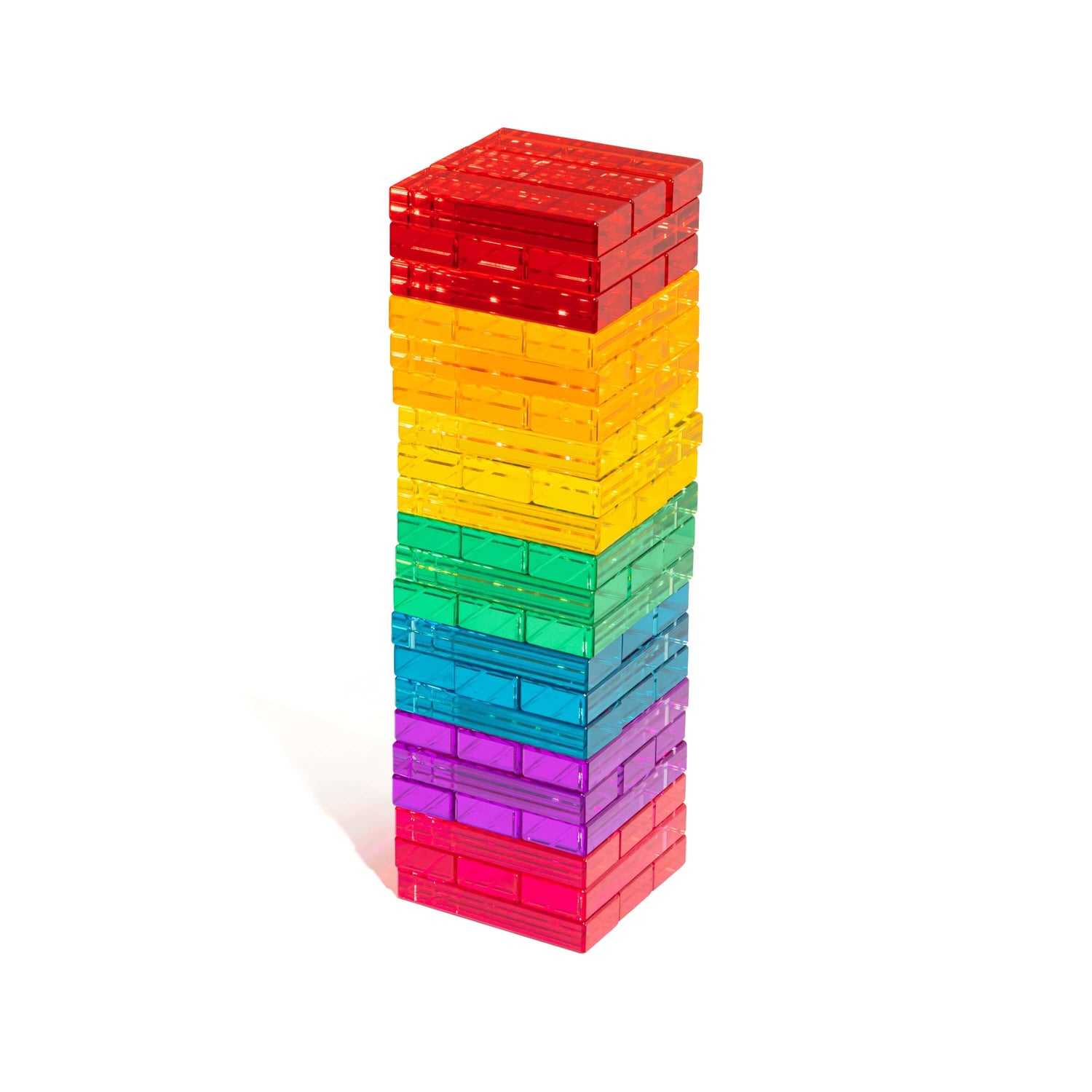
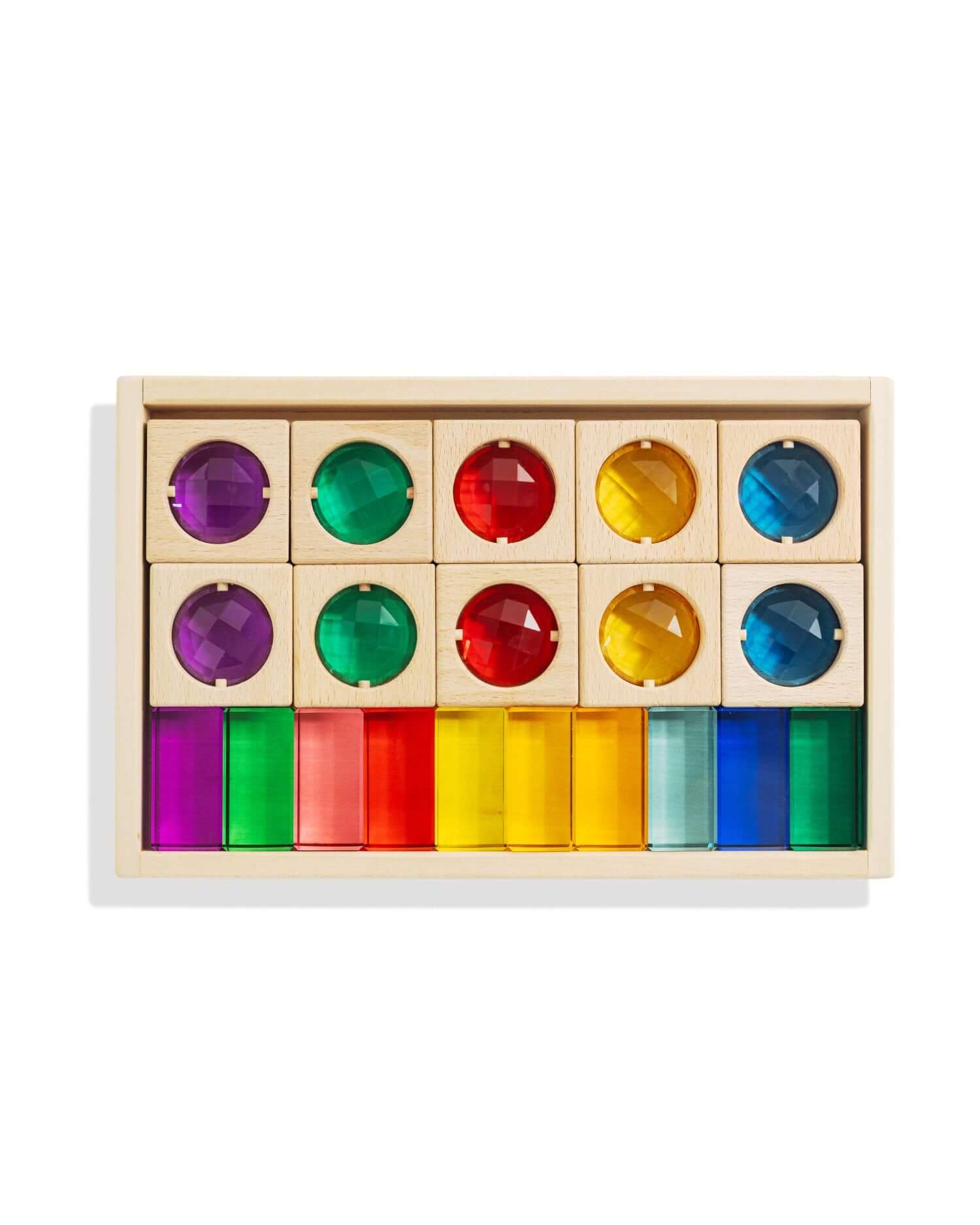
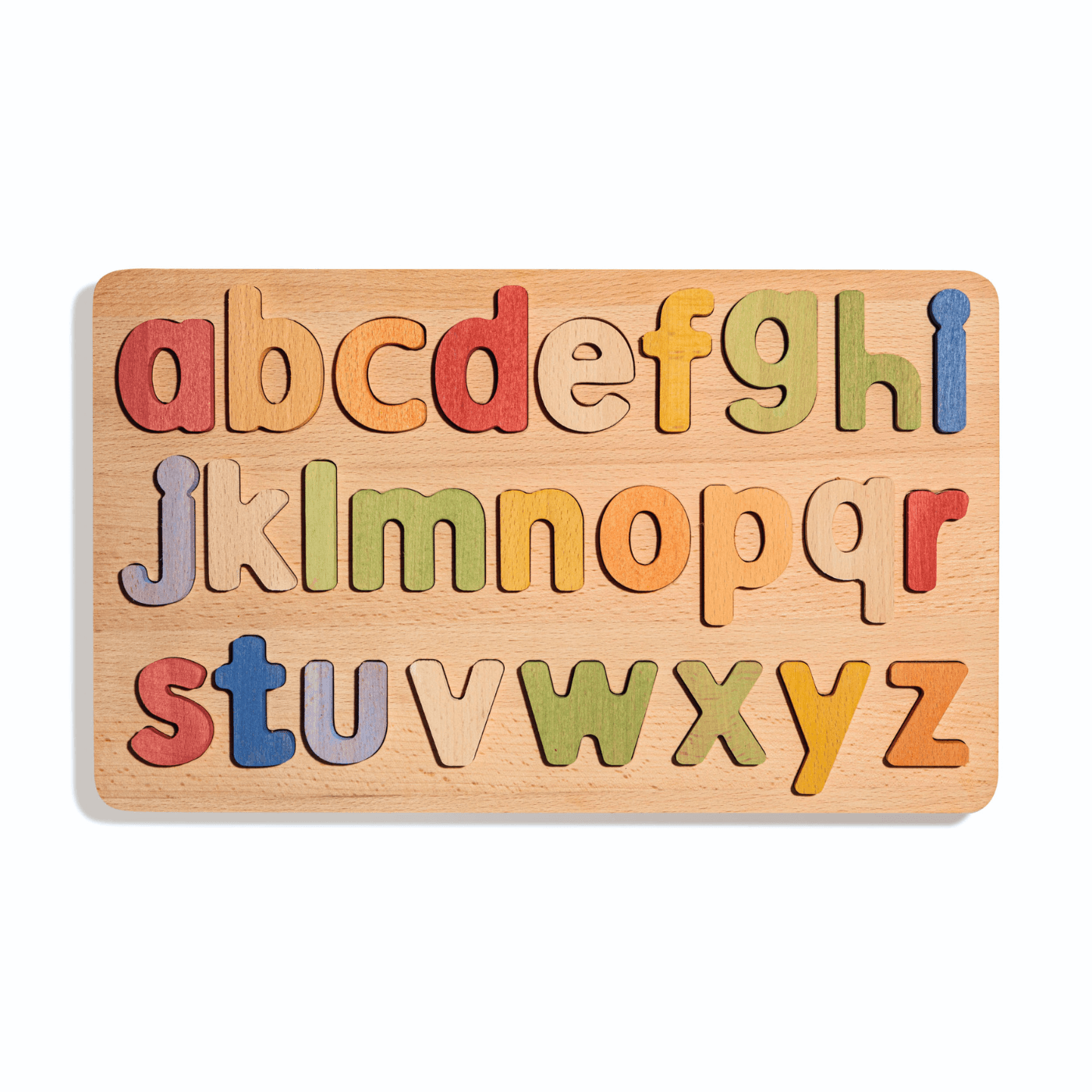
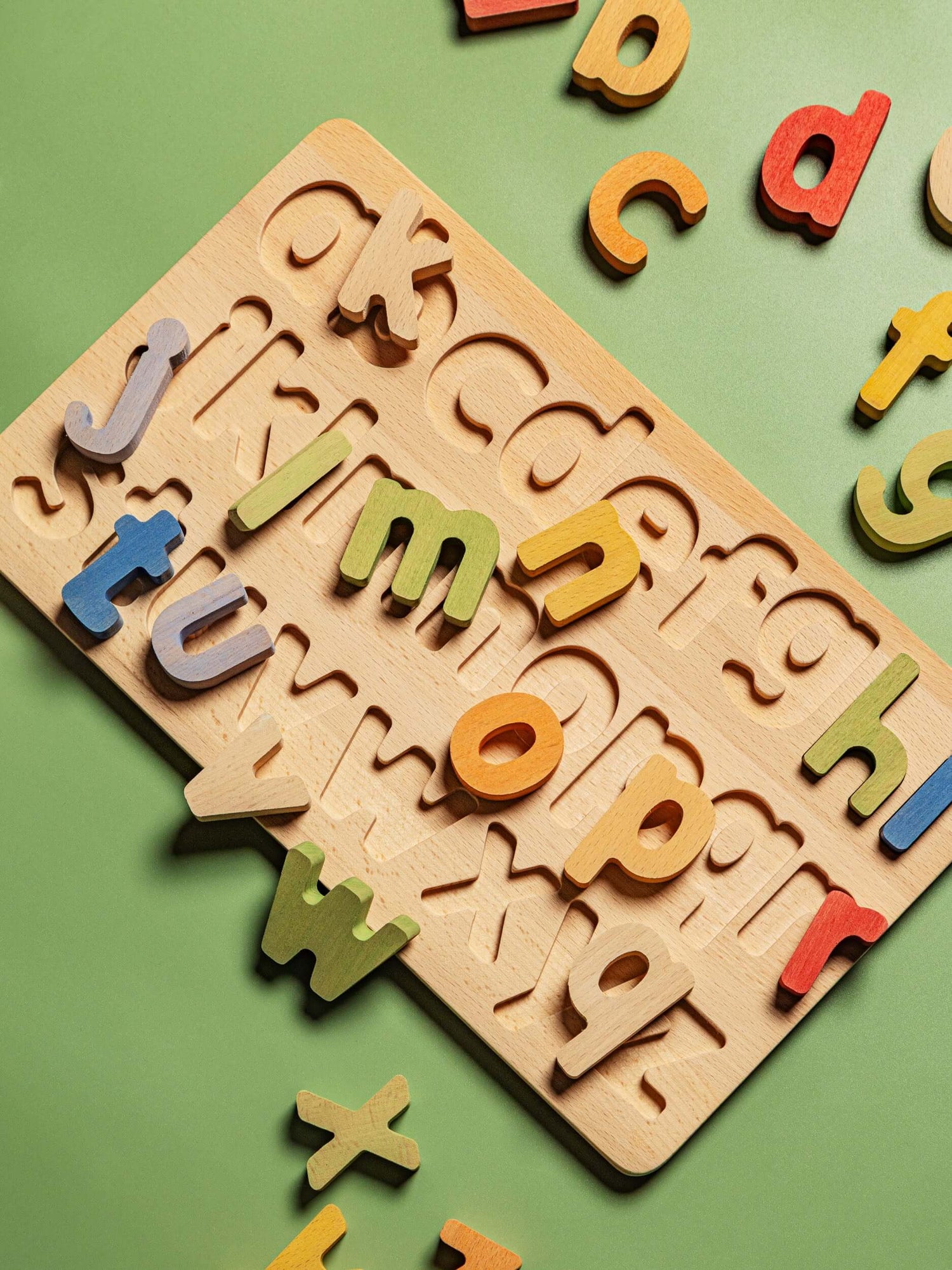
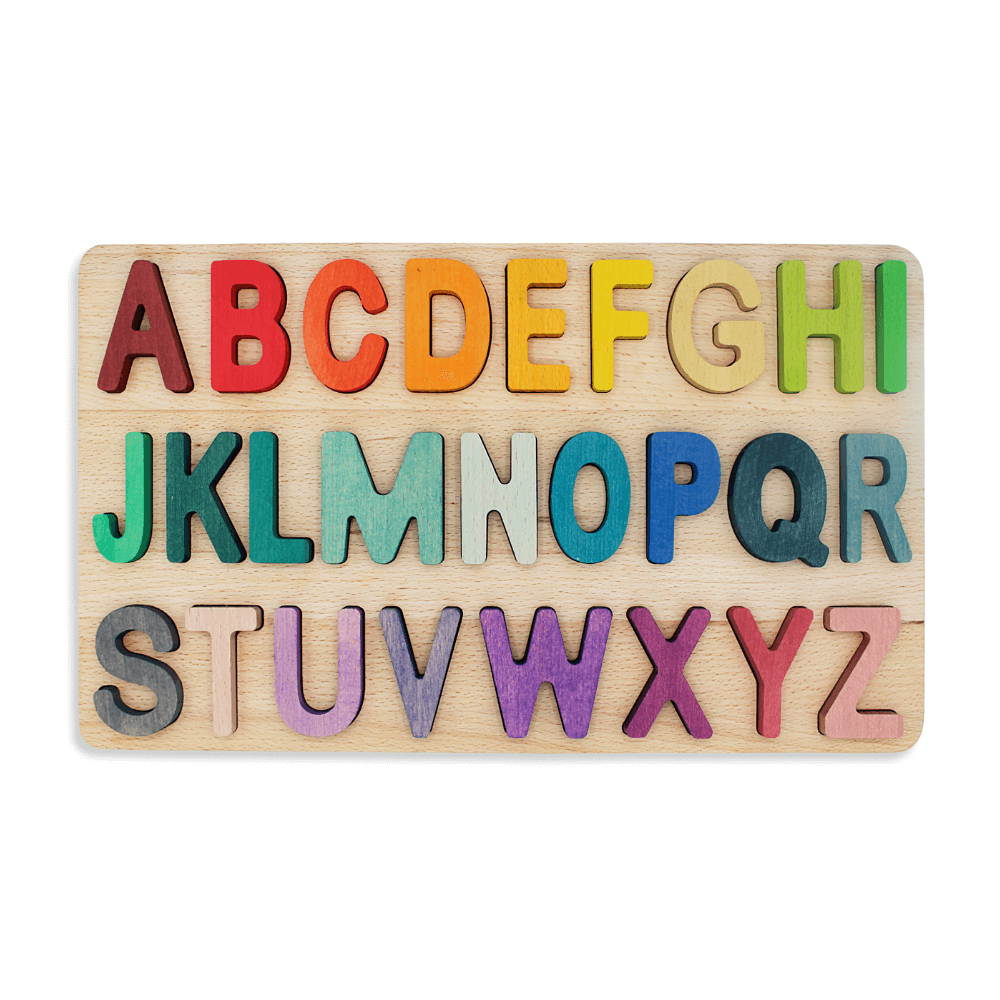
Discover our range of open-ended toys.
Step 4: Normalize Boredom
Boredom is where creativity begins.
Give children time to move through it.
Step 5: Create a Predictable Rhythm
Daily moments of independent play help children settle into it naturally.
Final Thoughts
Independent play isn’t forced—it’s supported.
With the right environment and materials, children naturally step into deeper, more meaningful play.
We explore more ways to encourage independent play with toddlers here.





0 commentaire