
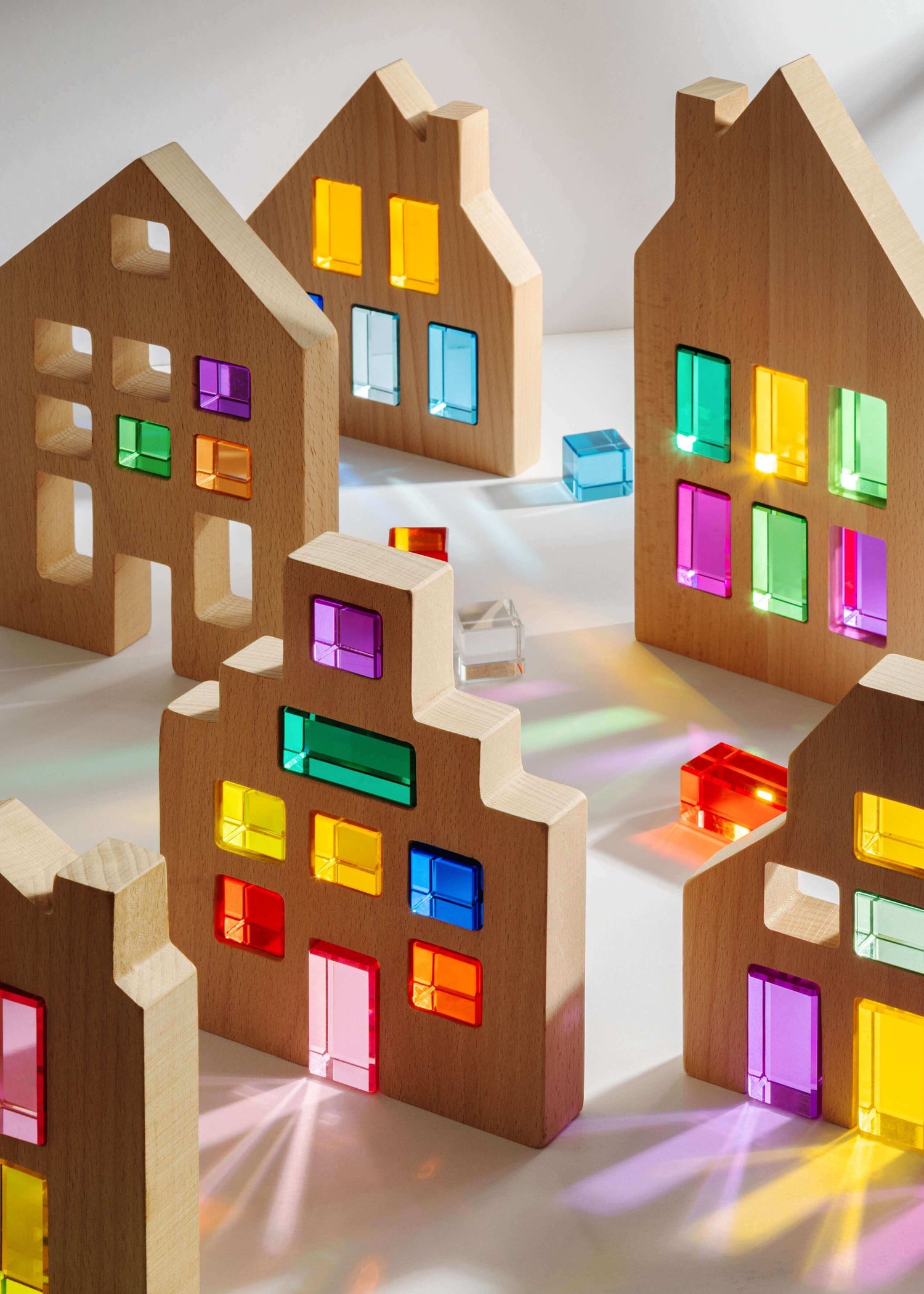
Montessori toys for toddlers have become everywhere—but not everything labeled “Montessori” actually follows the philosophy.
So how do you know what truly supports your child’s development?
What Montessori Really Means
Montessori isn’t about aesthetics—it’s about how children learn.
At its core, Montessori encourages:
- Independence
- Hands-on learning
- Child-led exploration
The goal isn’t to entertain your child. It’s to help them learn how to think, explore, and problem-solve on their own.
What to Look for in Montessori Toys for Toddlers
When choosing Montessori toys for toddlers, focus on:
1. Simplicity
Toys should do less, not more. This invites your child to do the thinking.
2. Open-Ended Use
The more ways a toy can be used, the longer it will stay relevant.
3. Real Materials
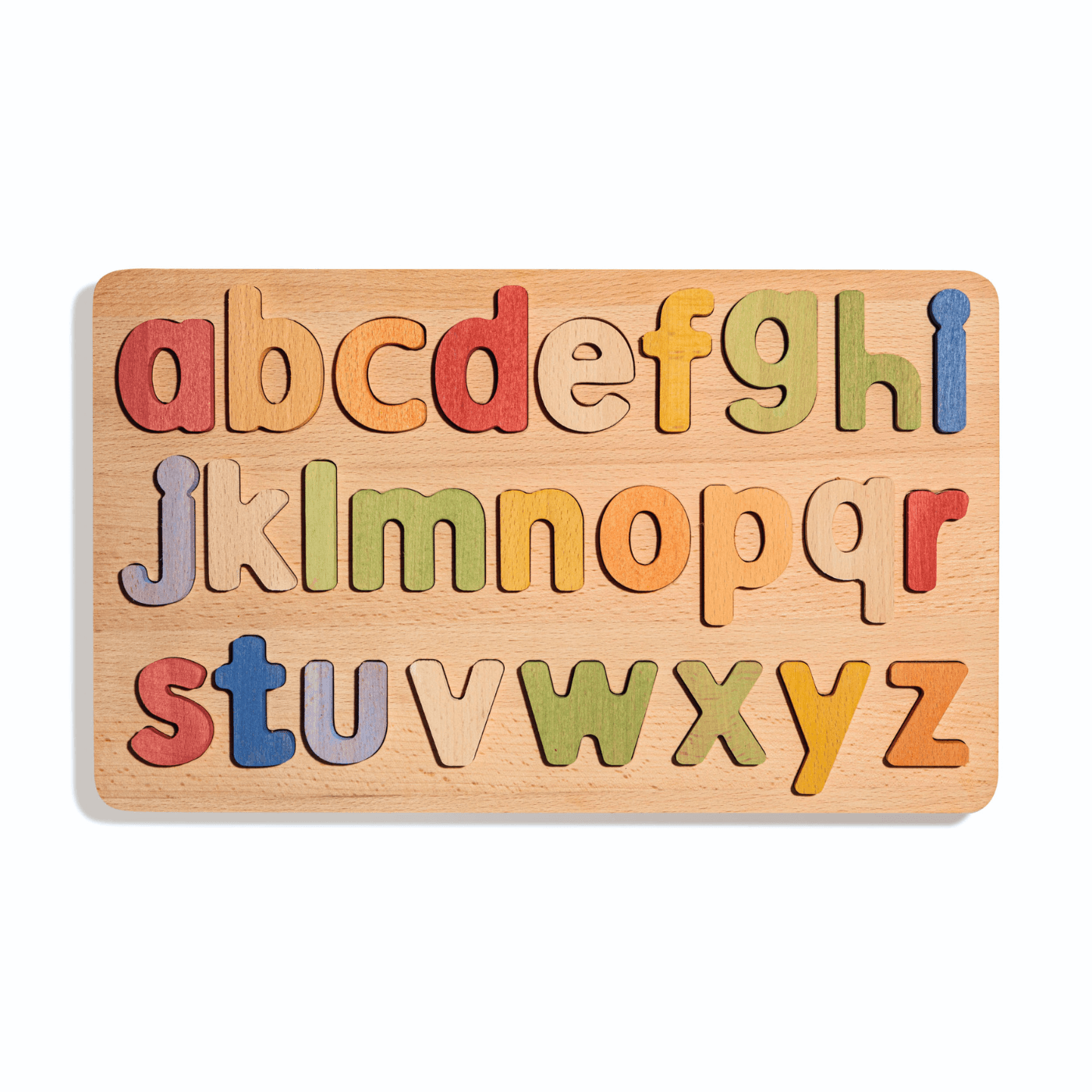
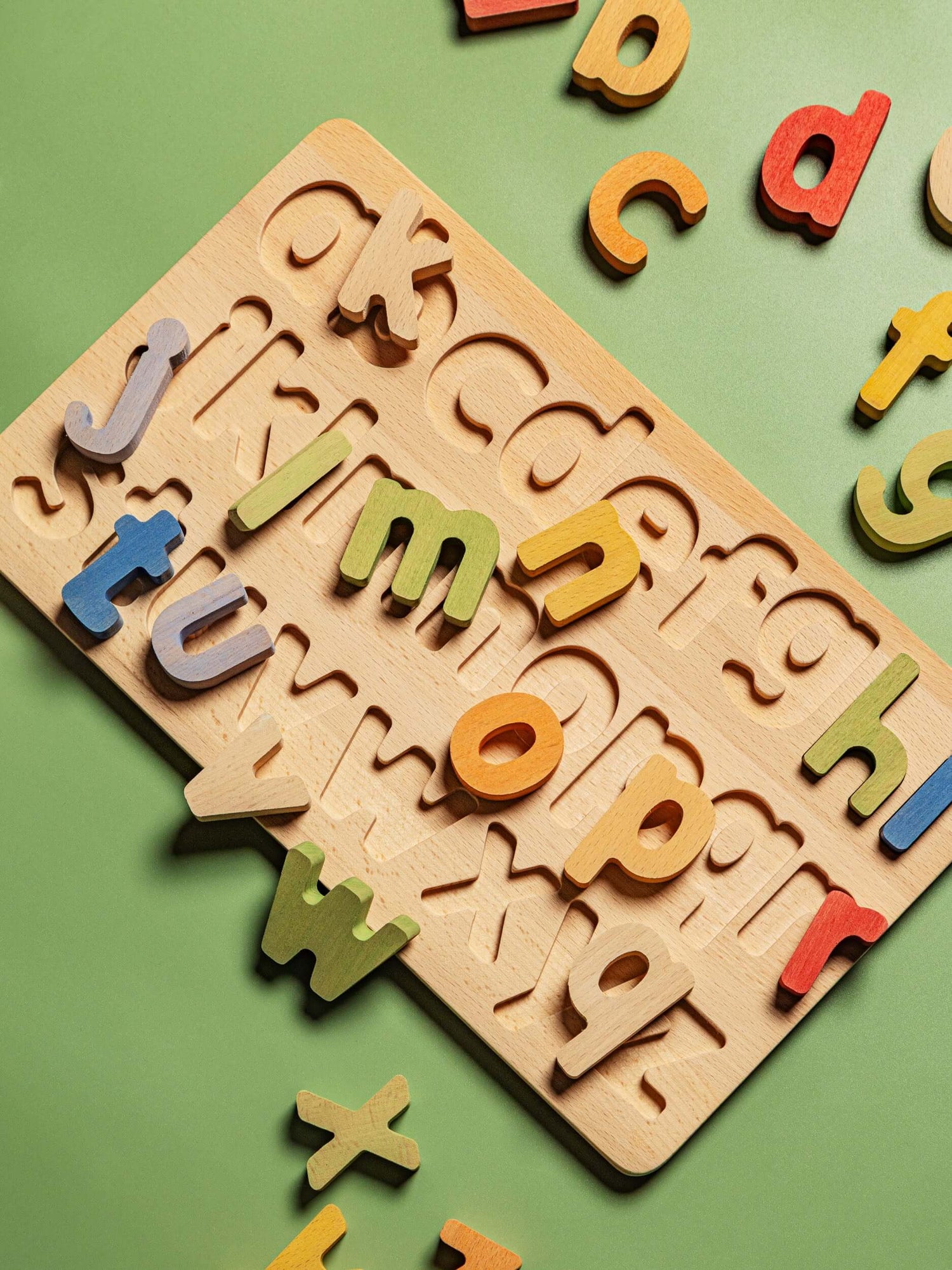
Wood, metal, and high-quality materials provide better sensory feedback than plastic.
4. Purposeful Design
Each element should support a skill—fine motor, coordination, or problem-solving.
What to Avoid
- Toys with flashing lights and sounds
- Toys with only one “correct” use
- Overly complicated setups
If the toy is doing all the work, your child isn’t.
A Better Approach
Instead of filling a room with toys, focus on a few intentional pieces that grow with your child.
Think:
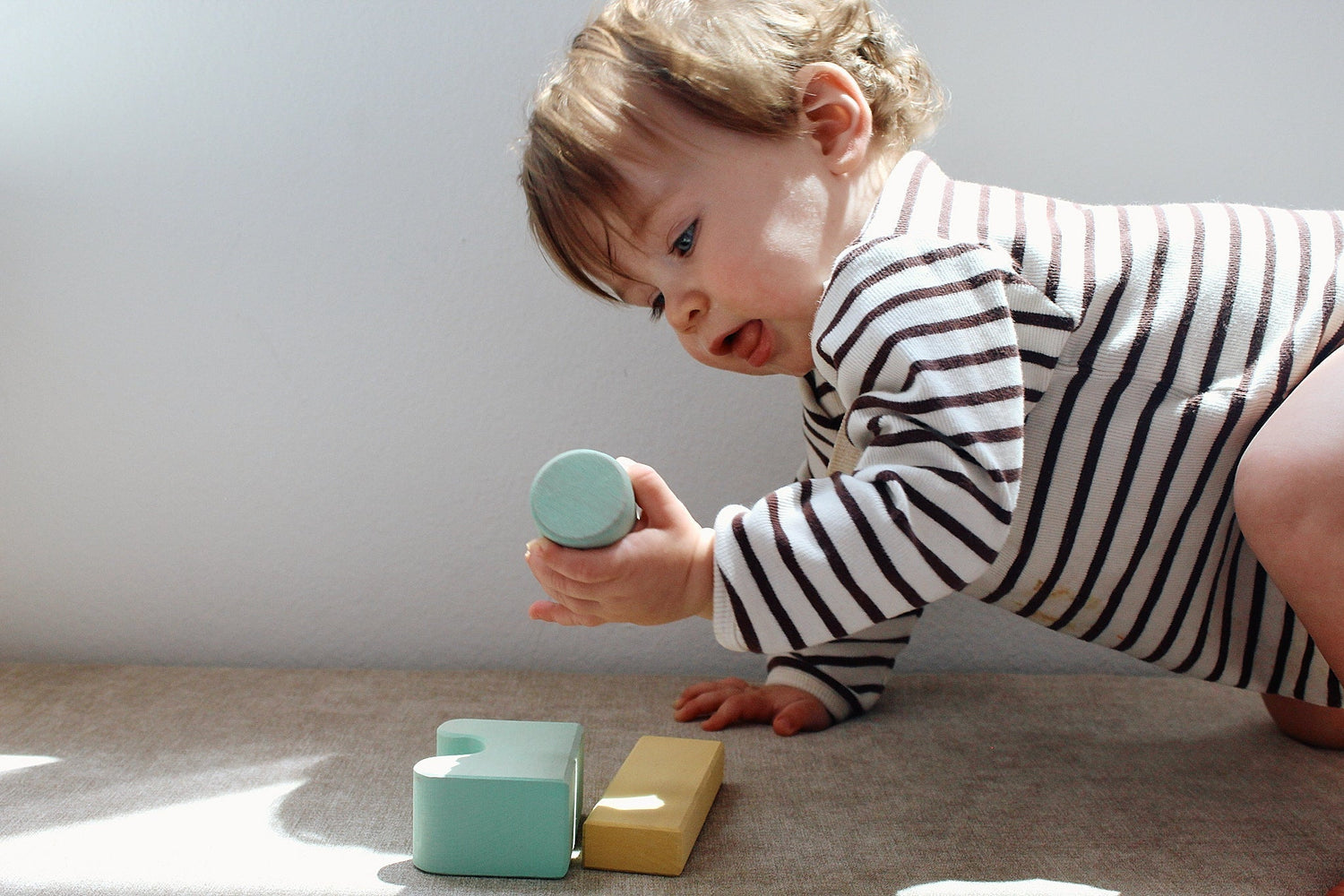
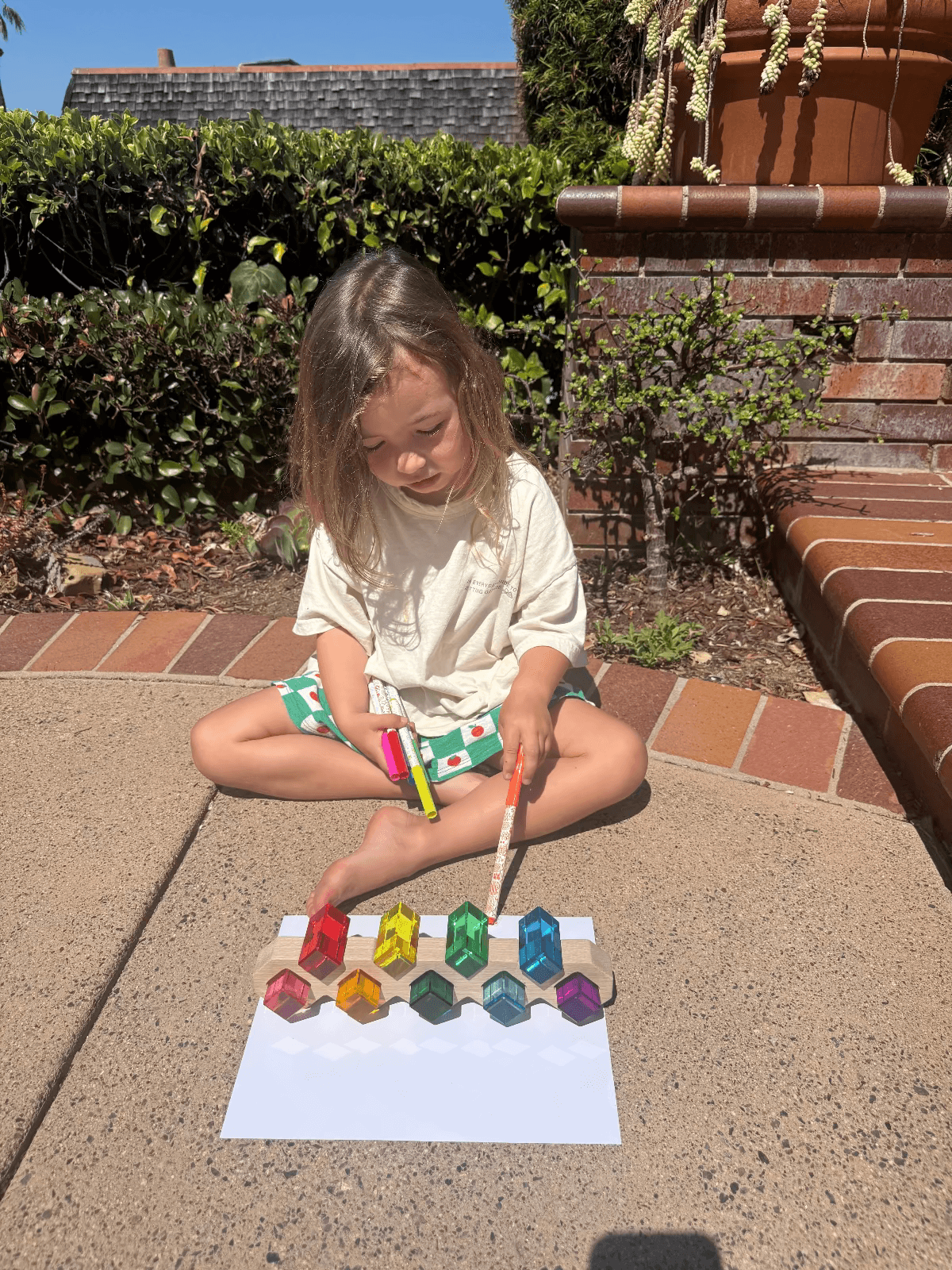
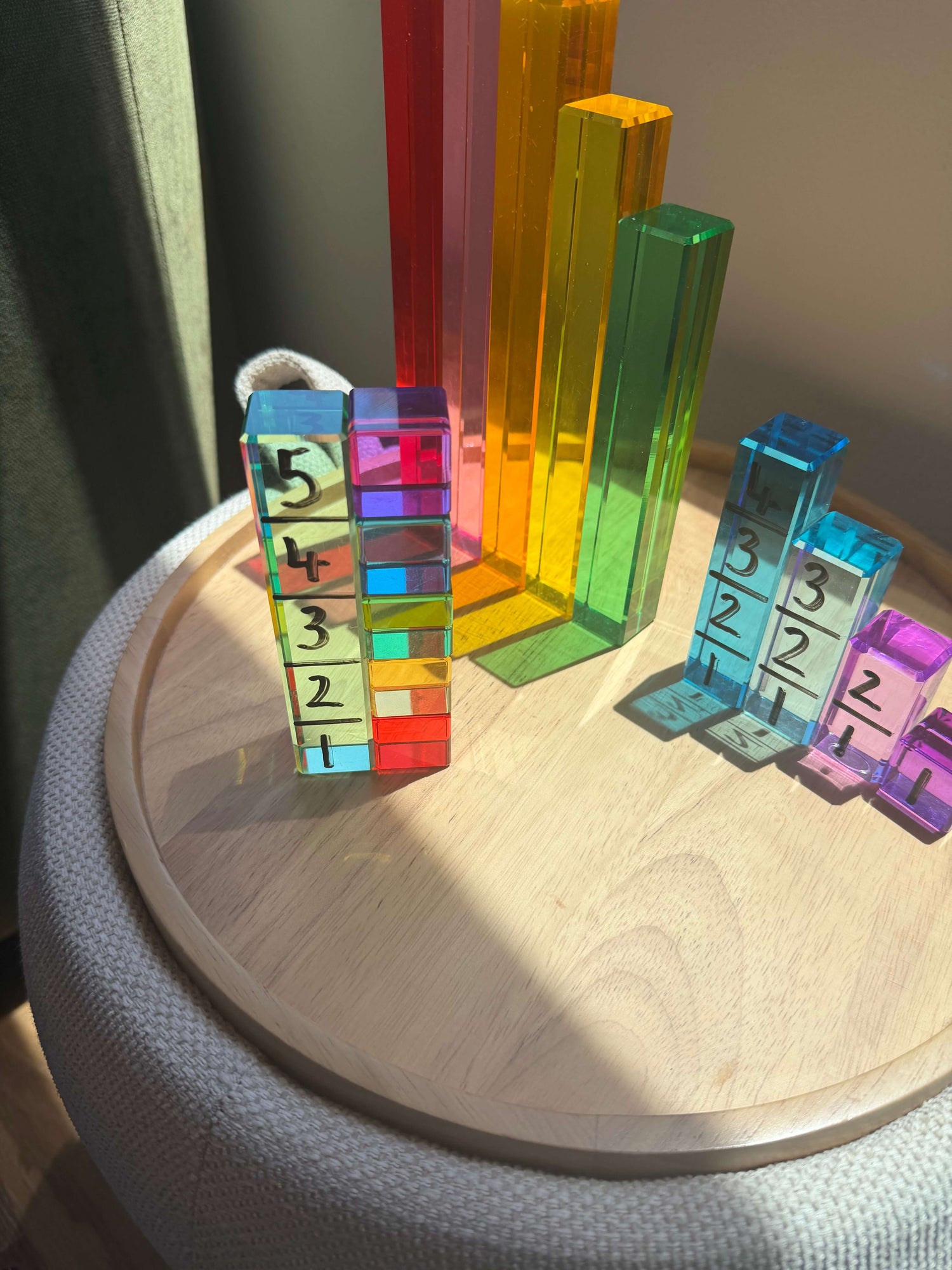
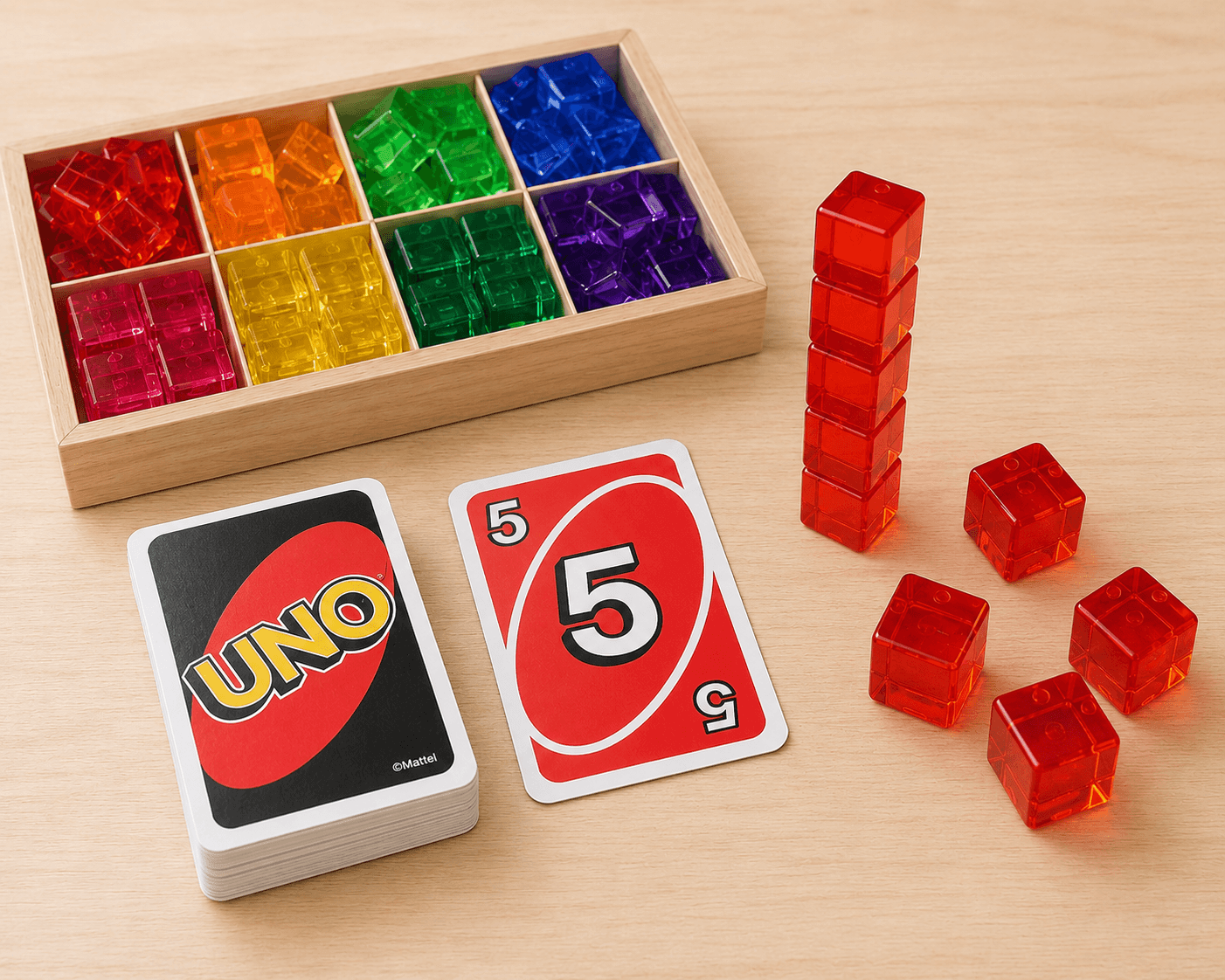
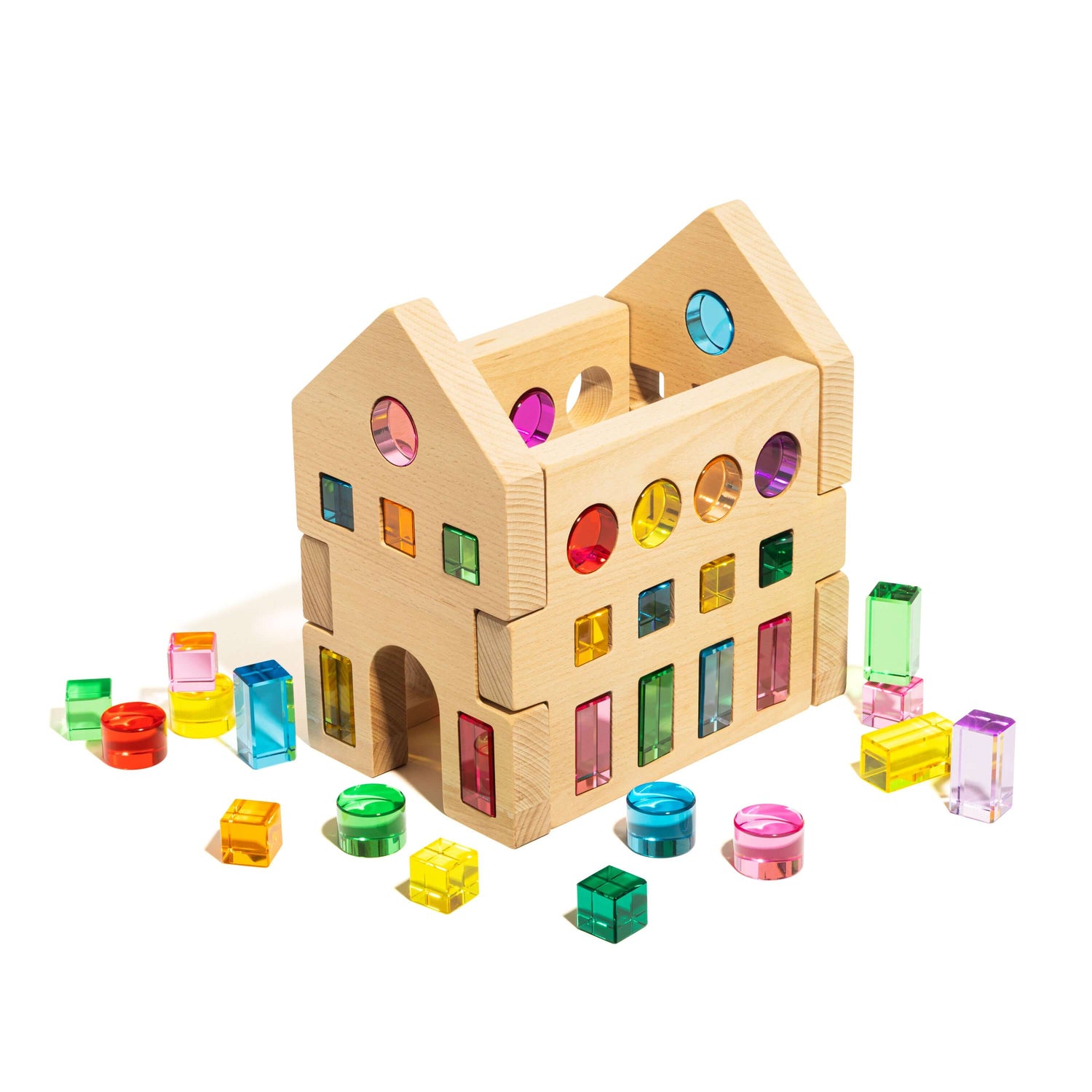
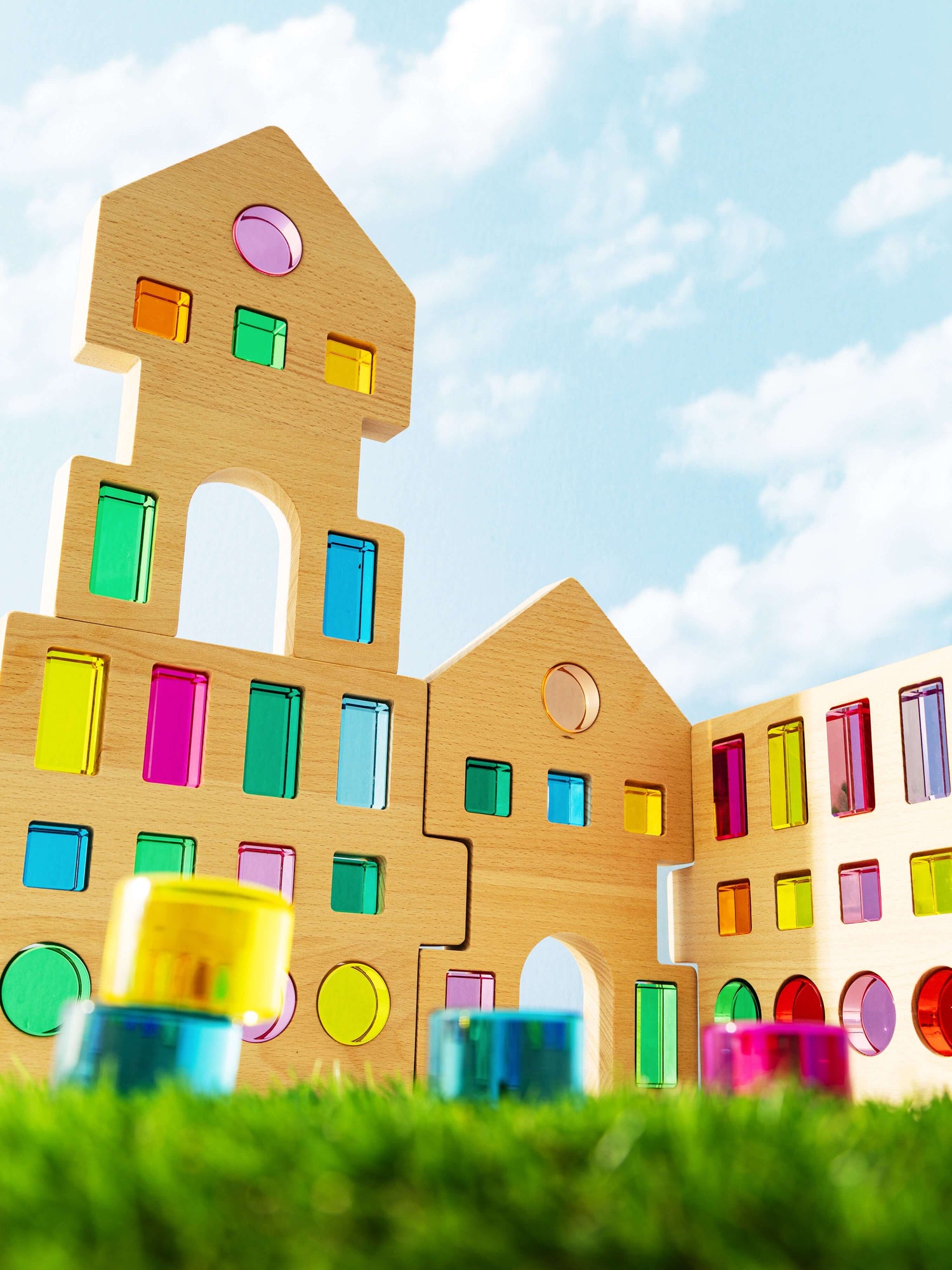
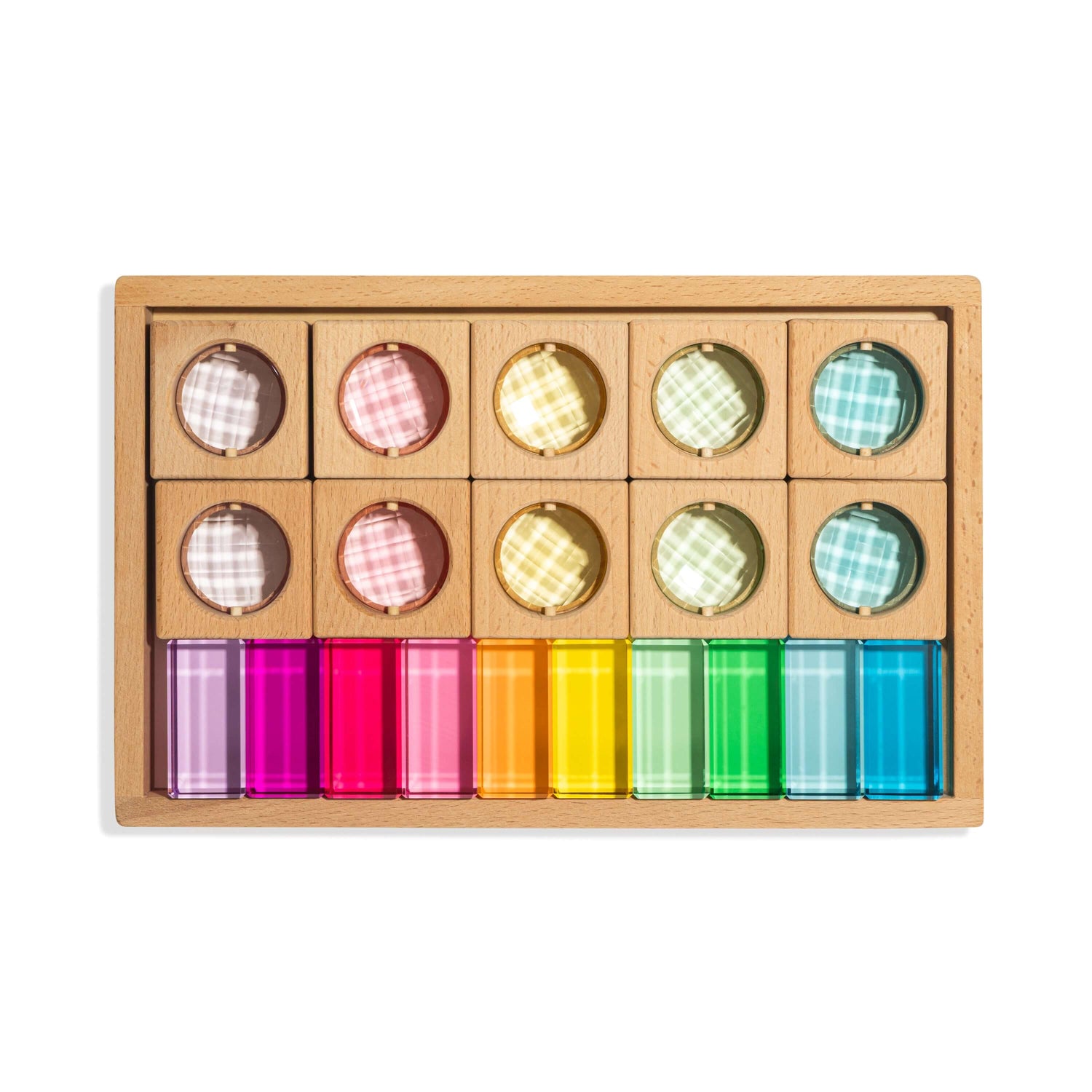
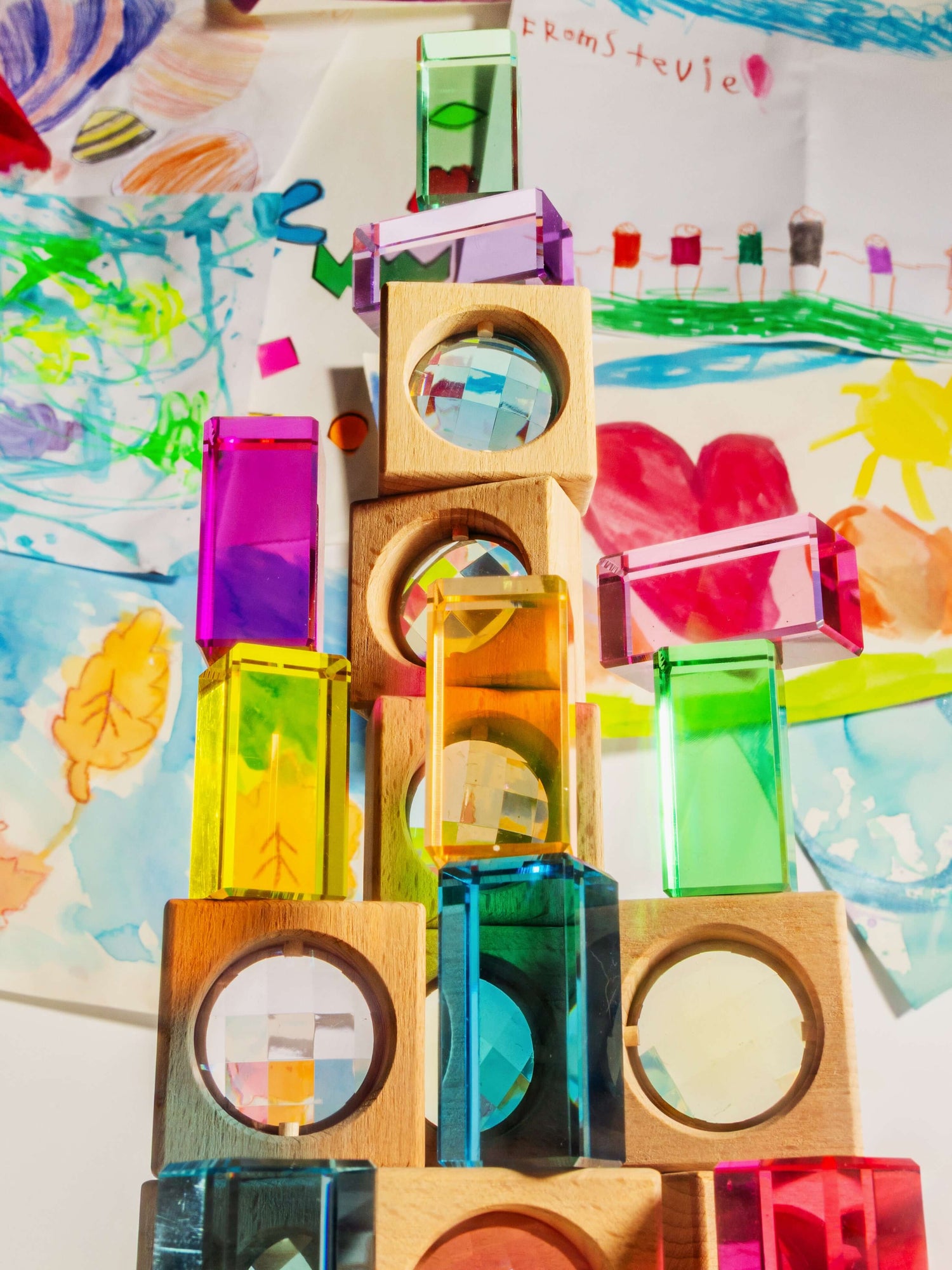
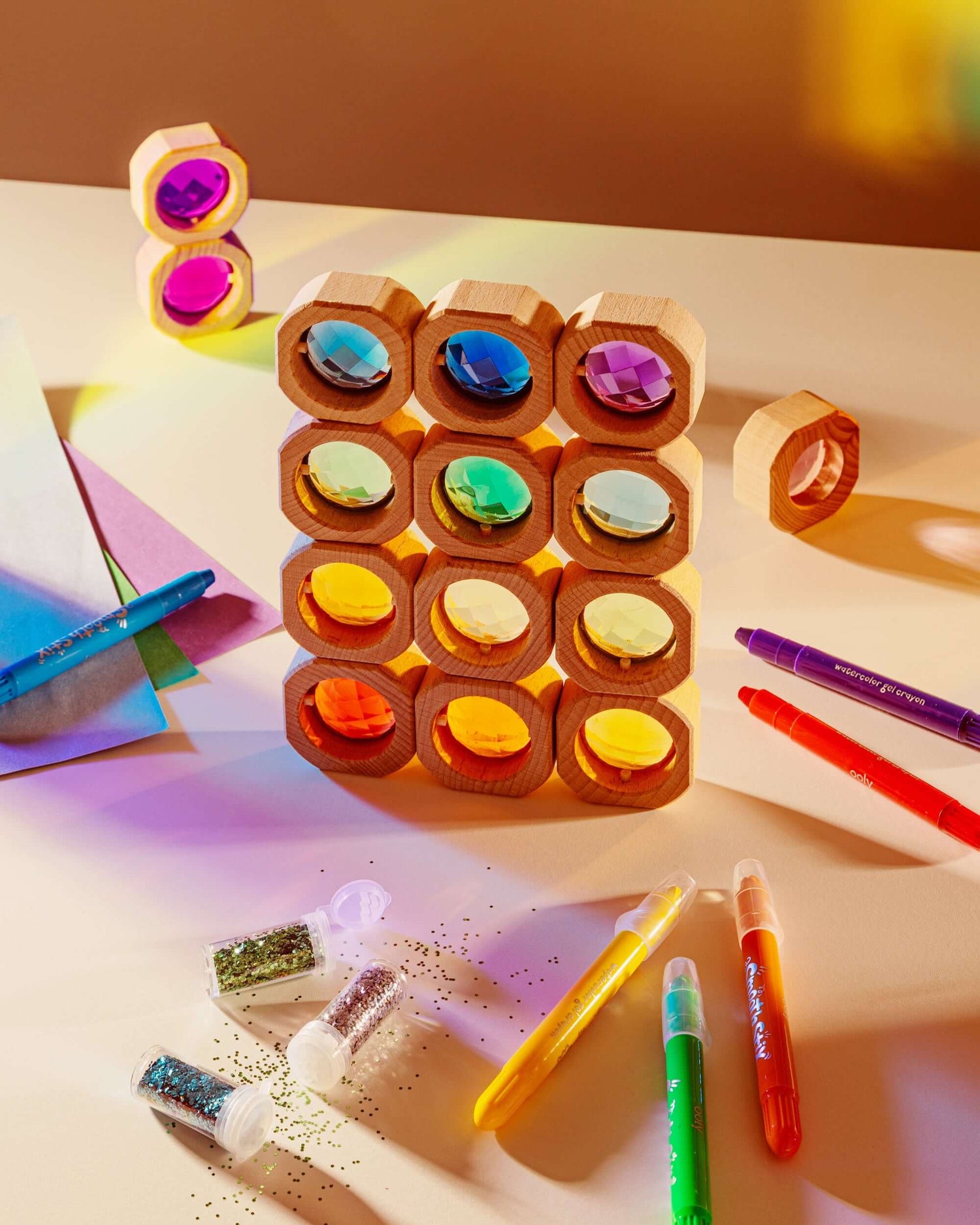
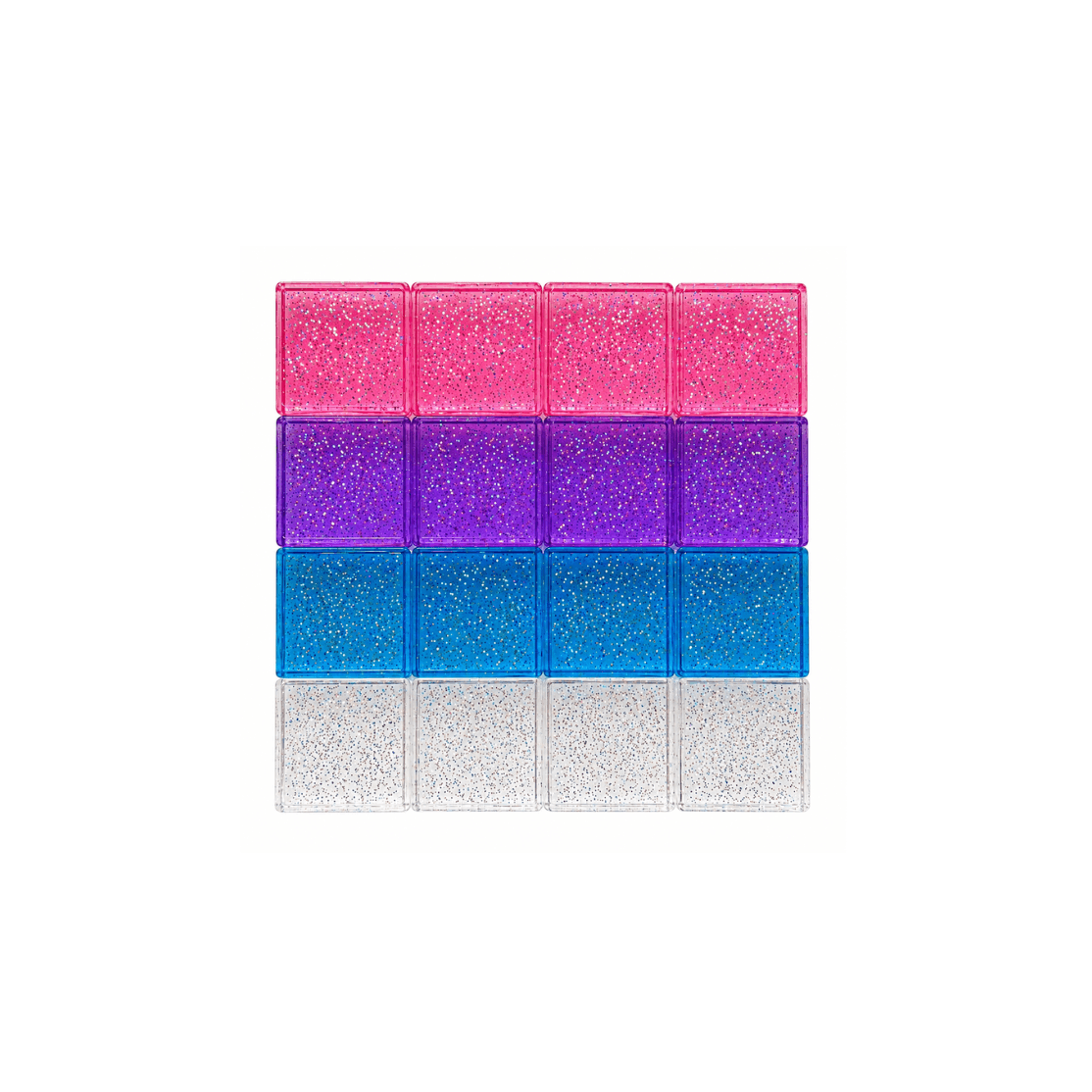
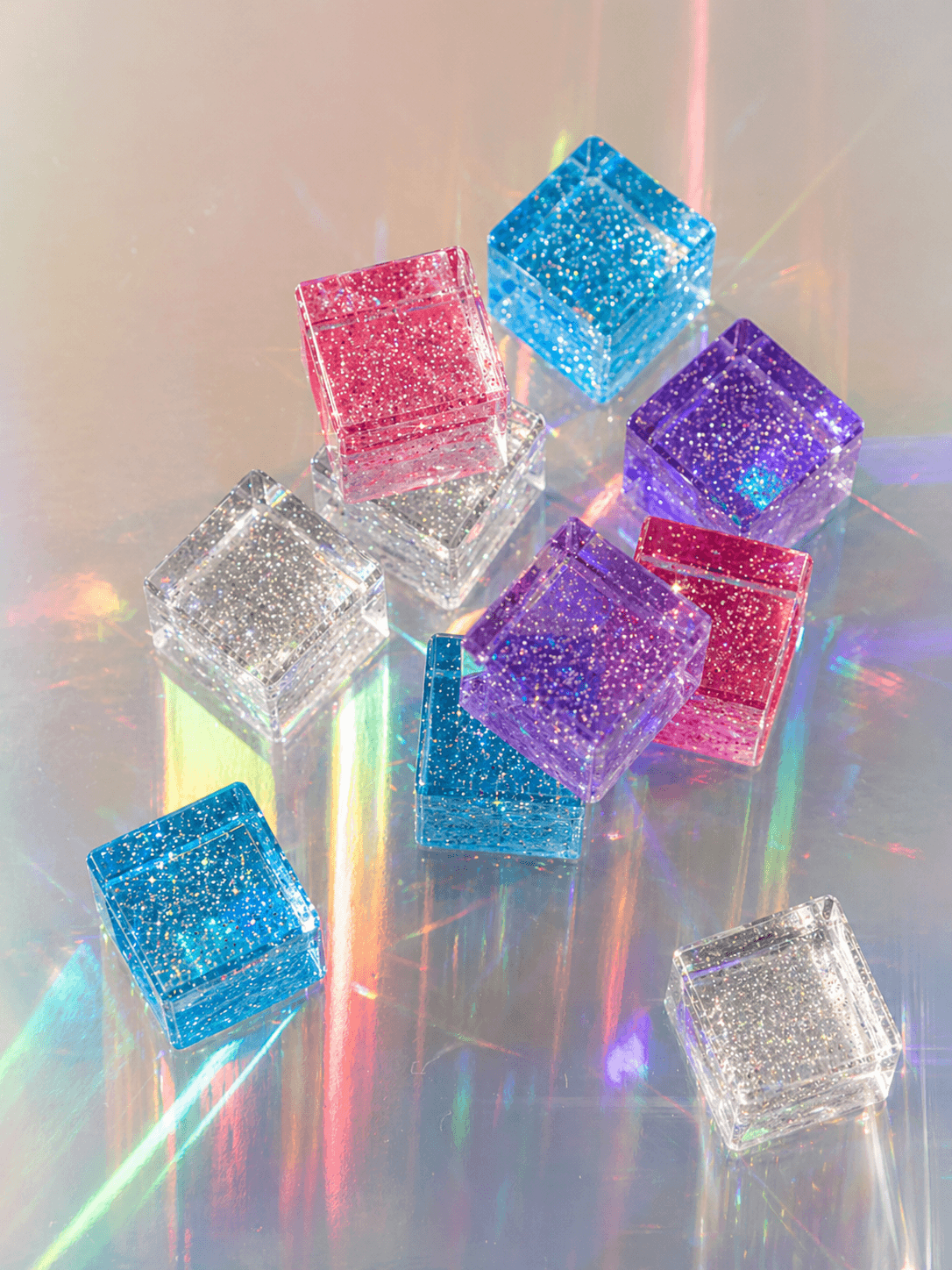
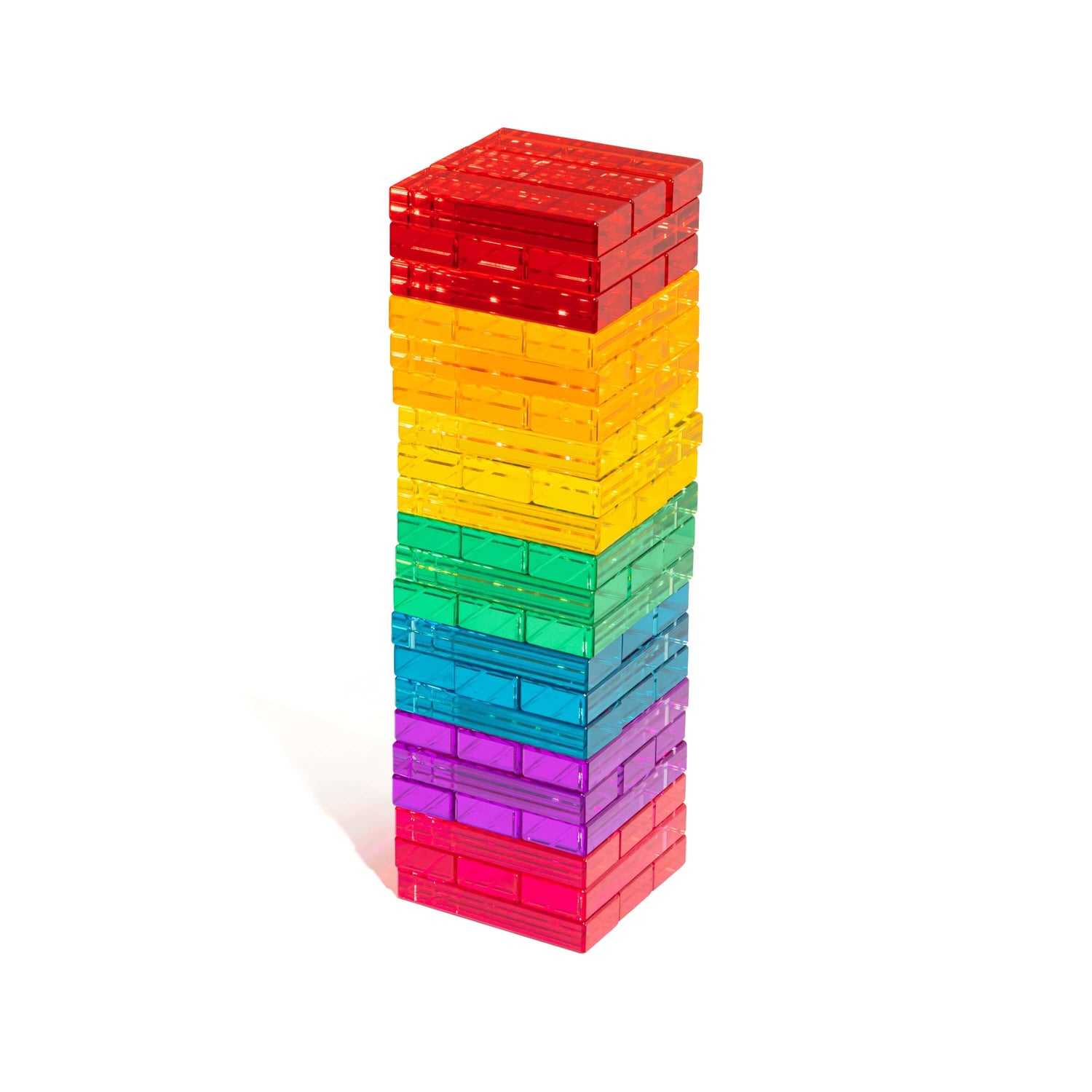
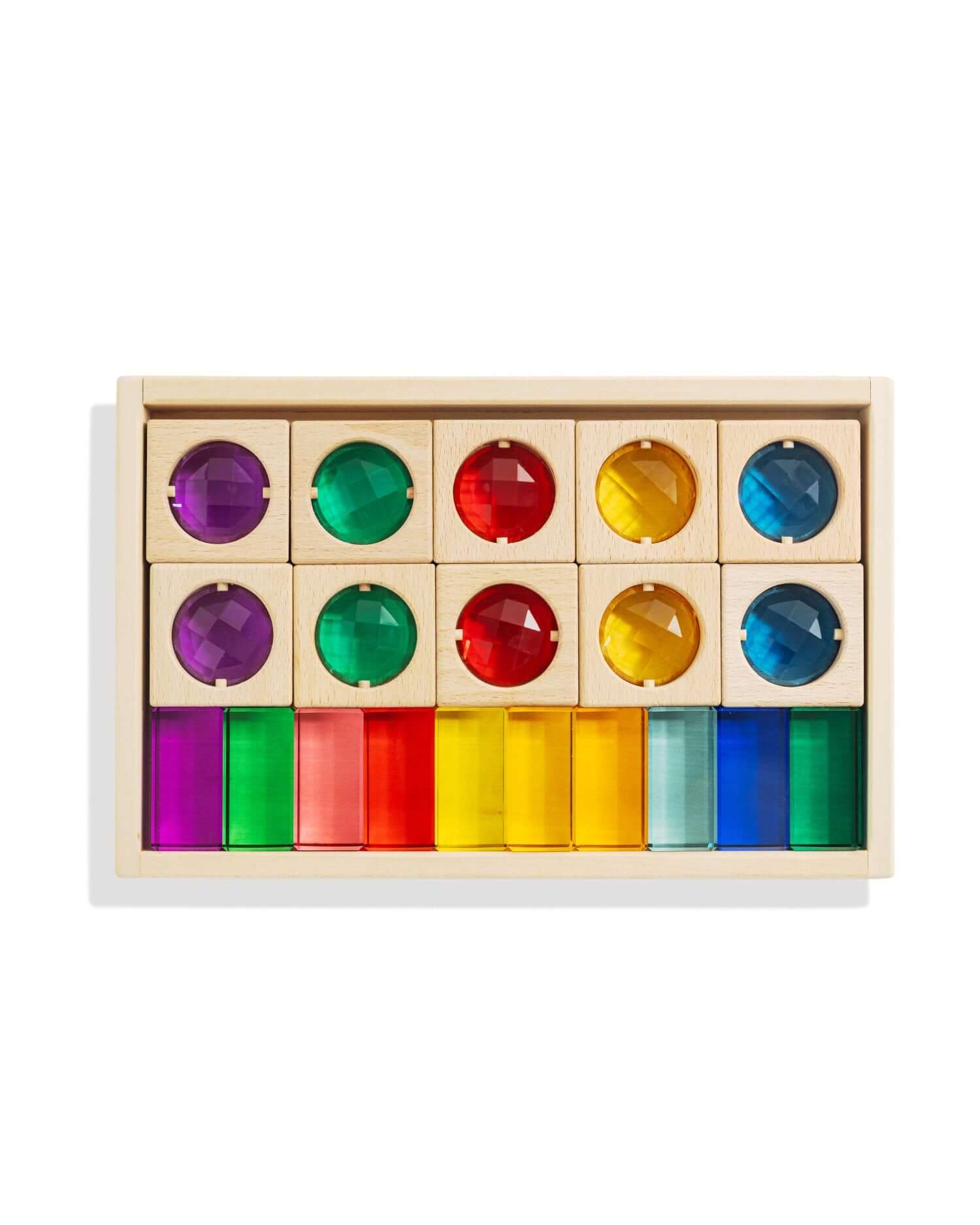
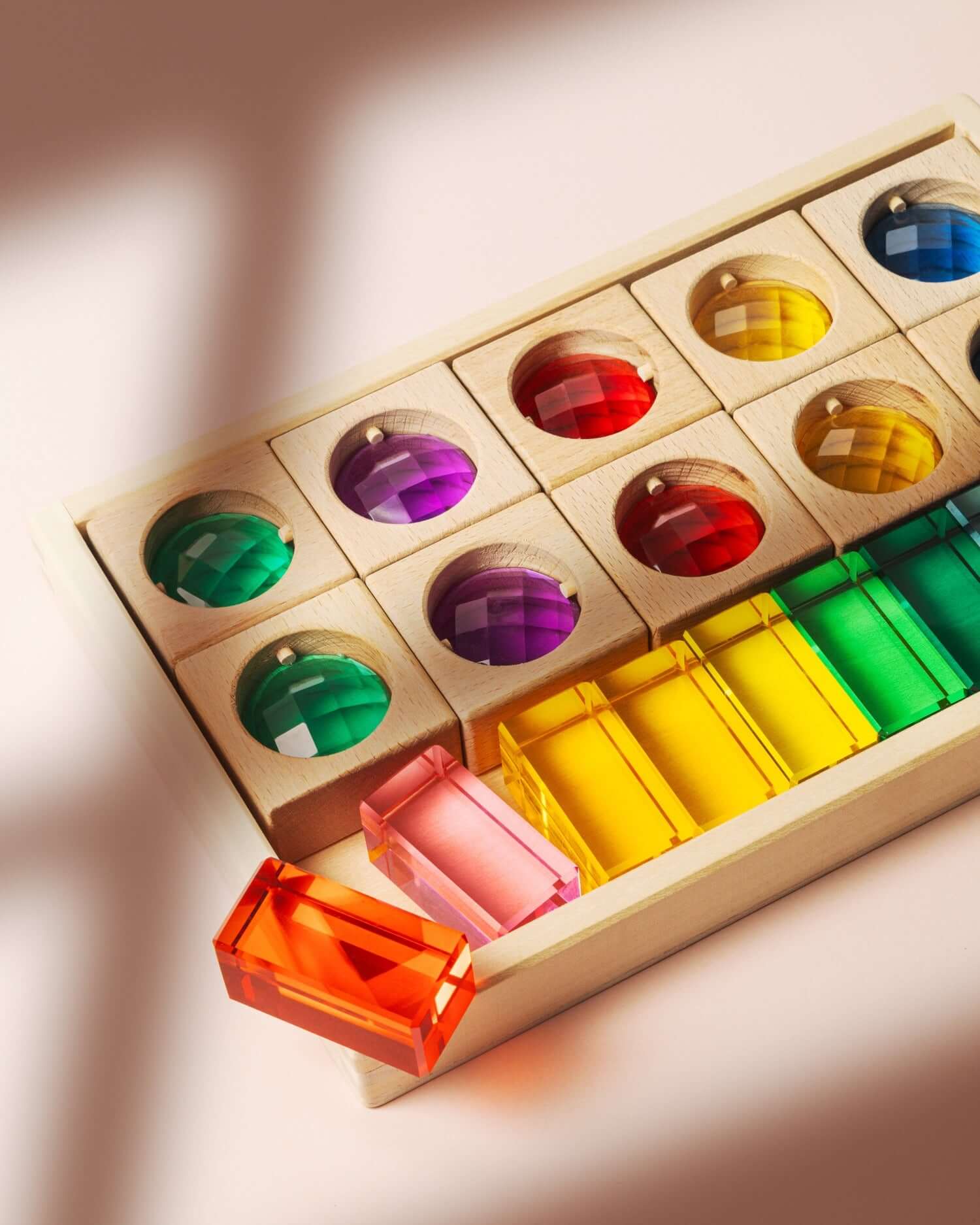
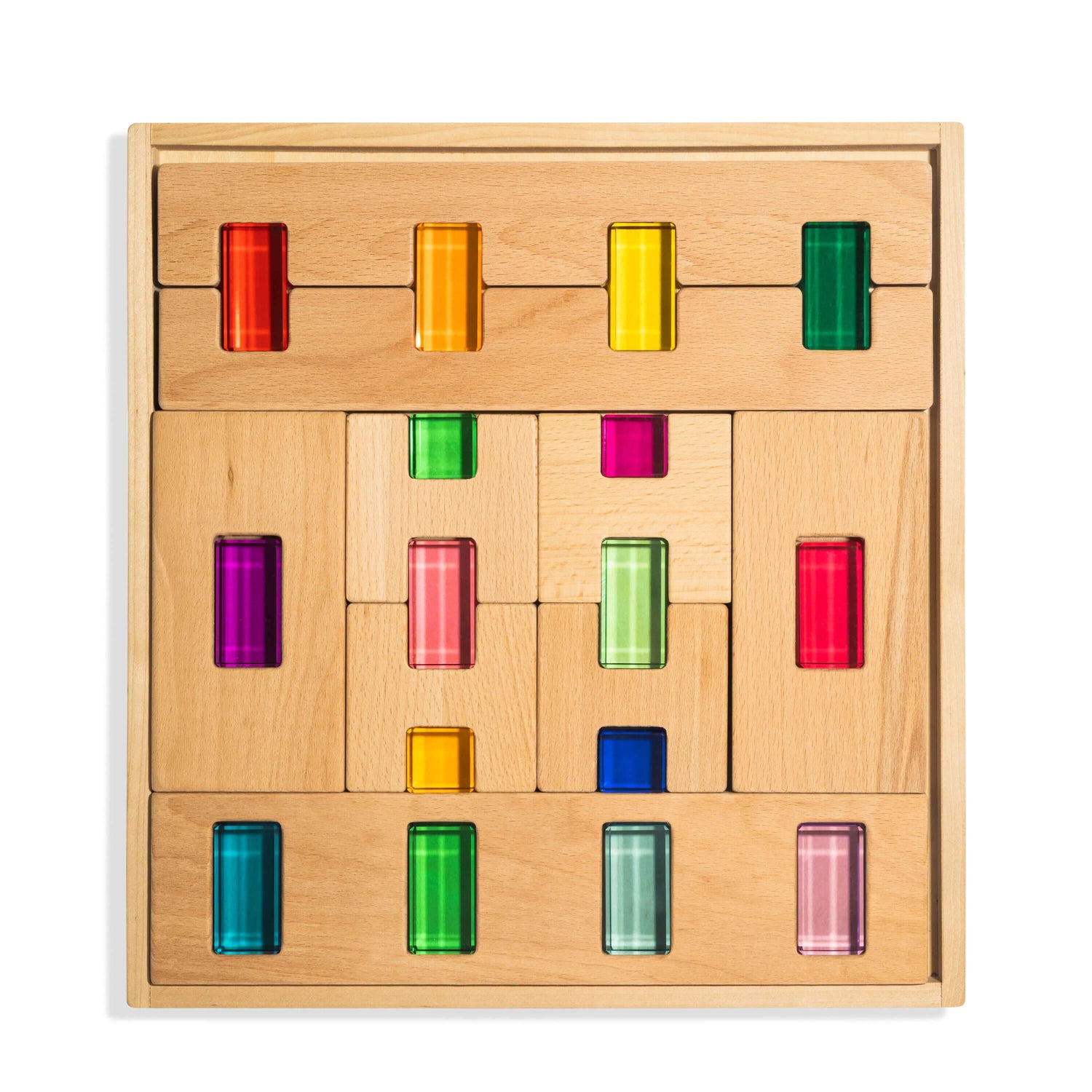
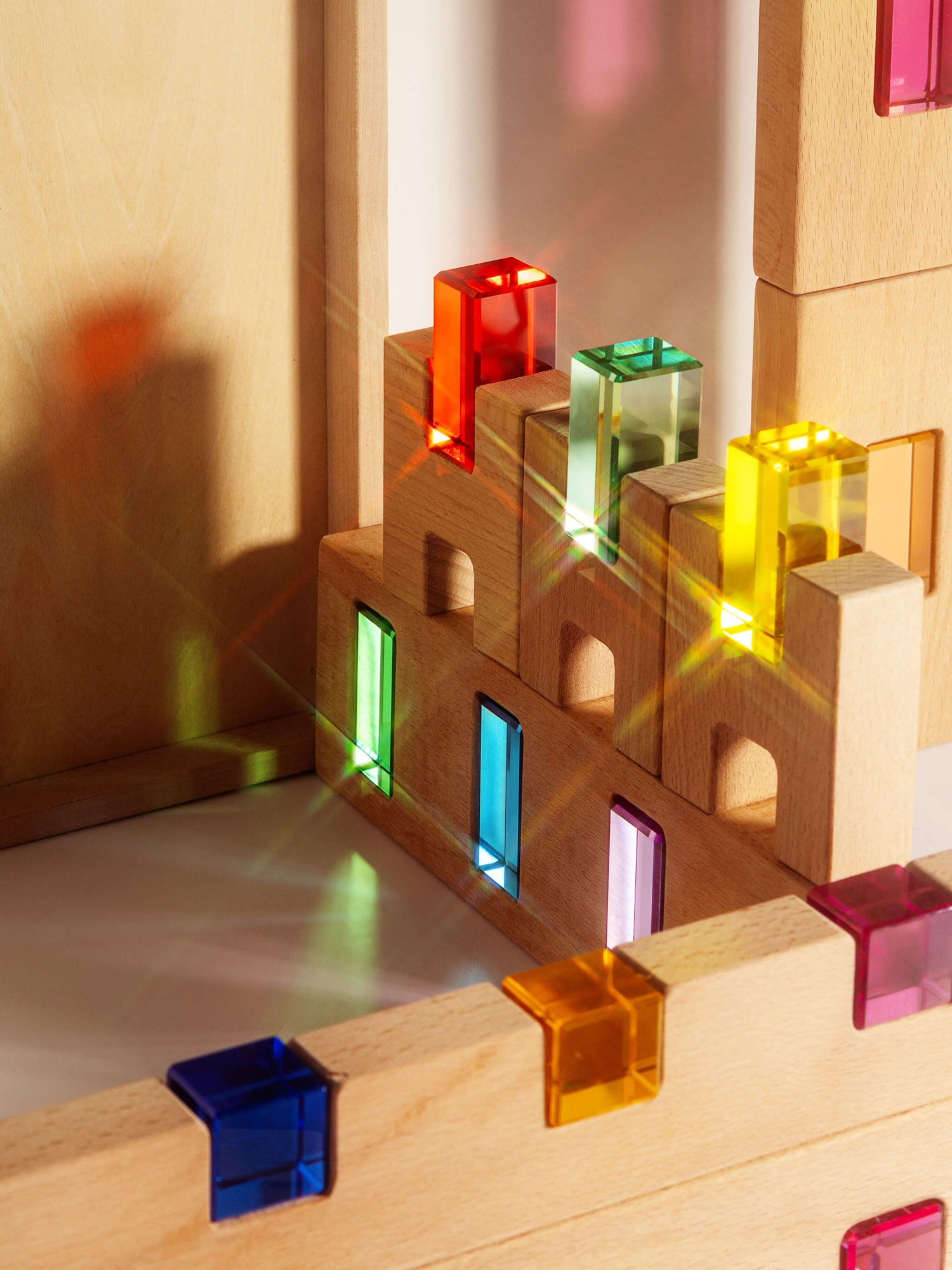
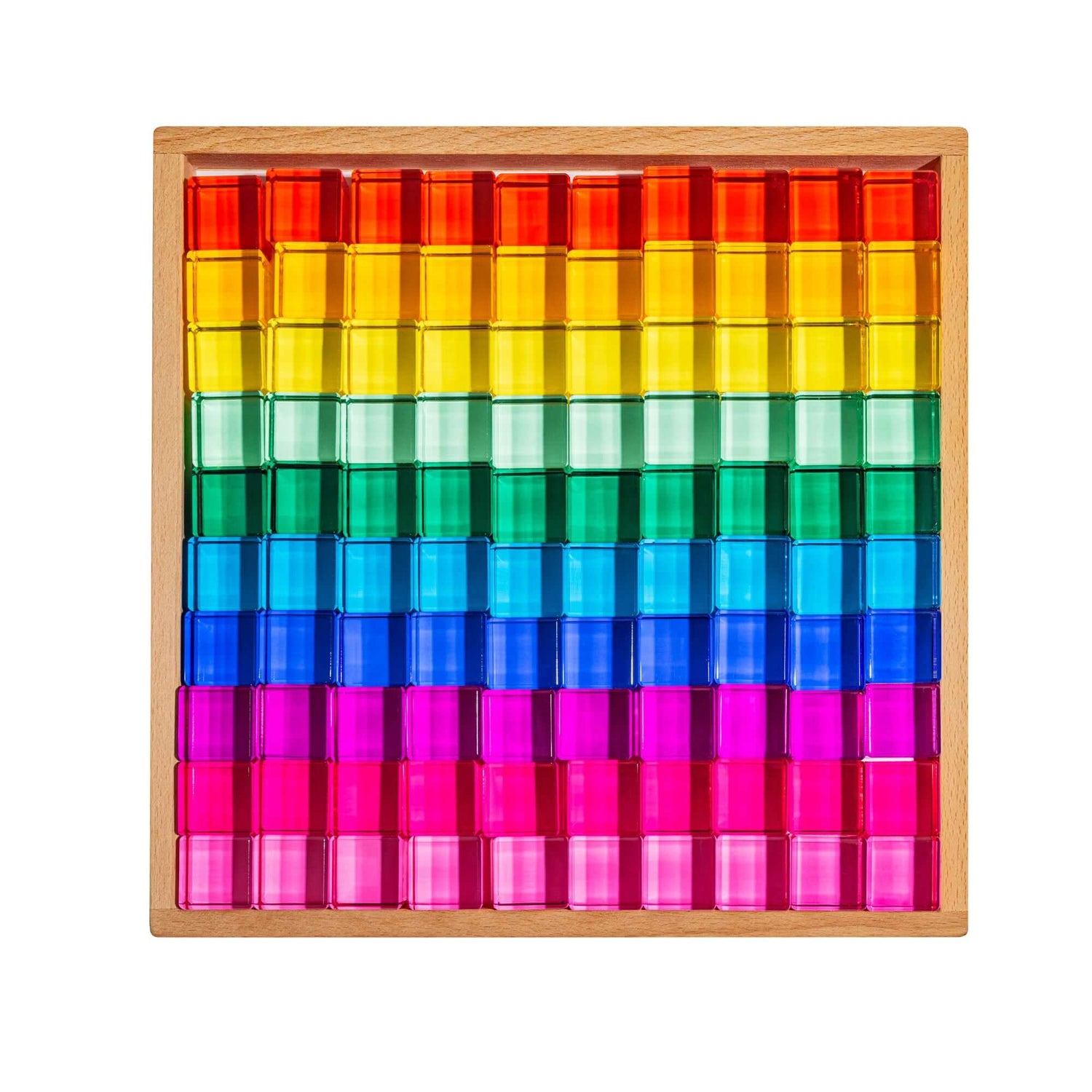
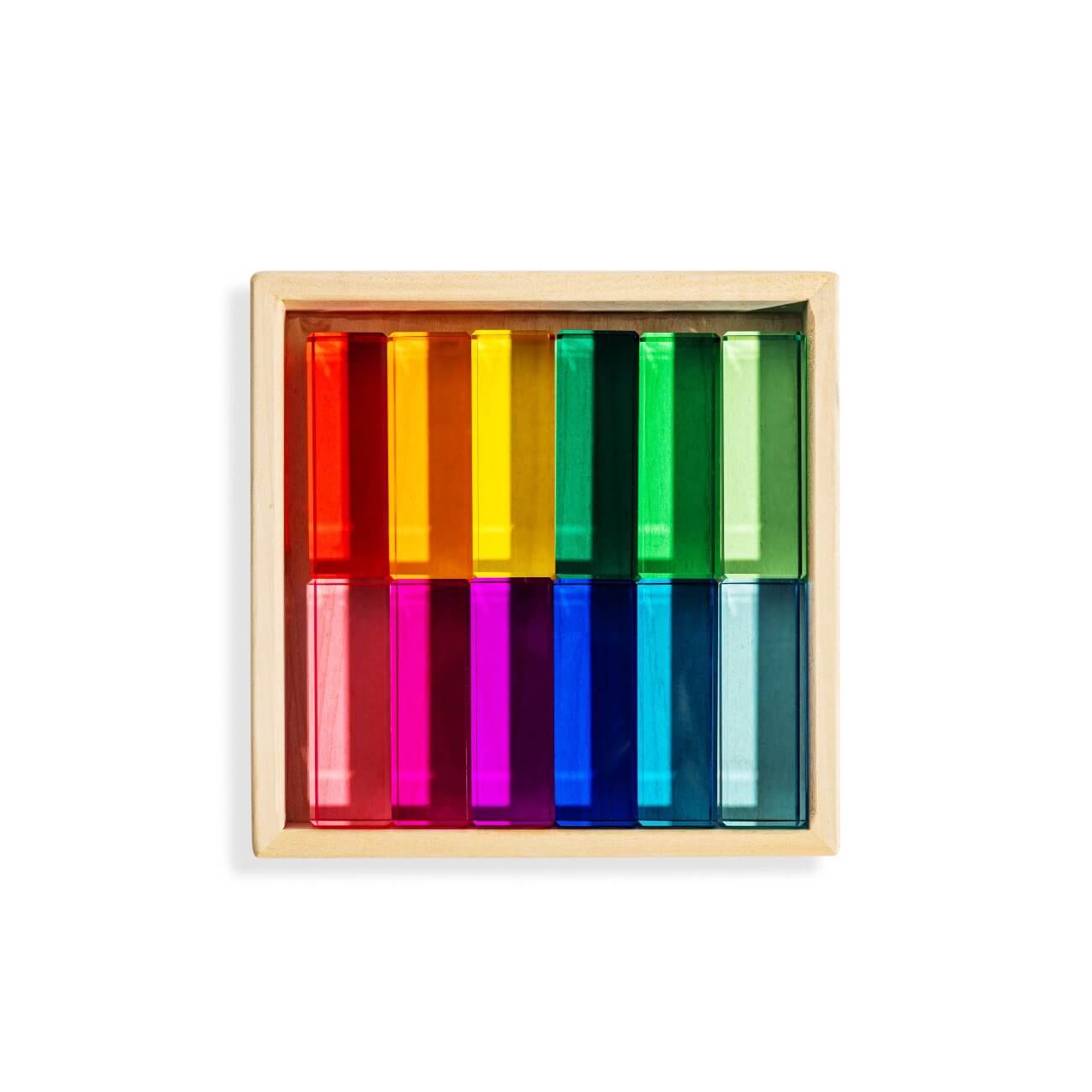
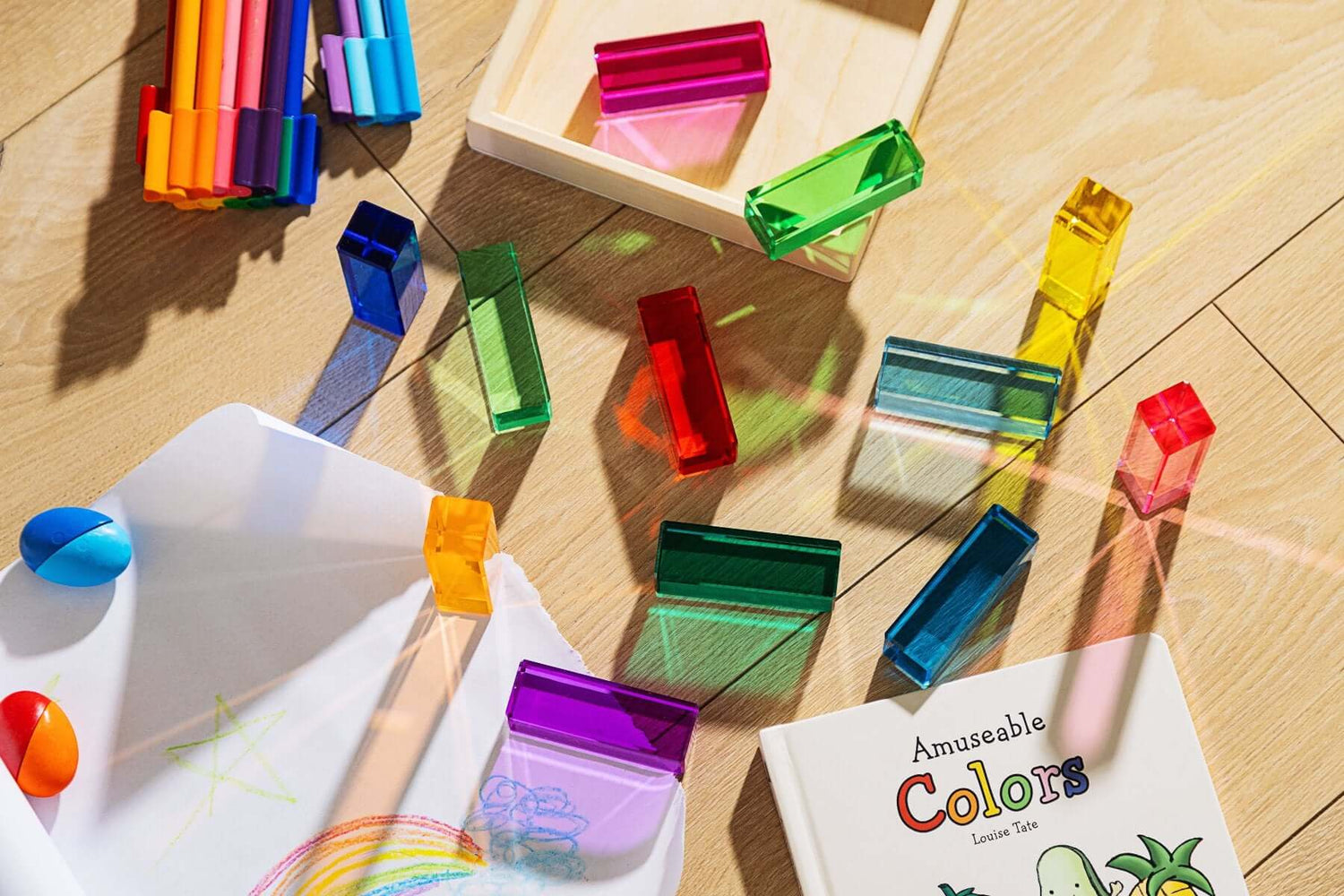
- Blocks for building and problem-solving
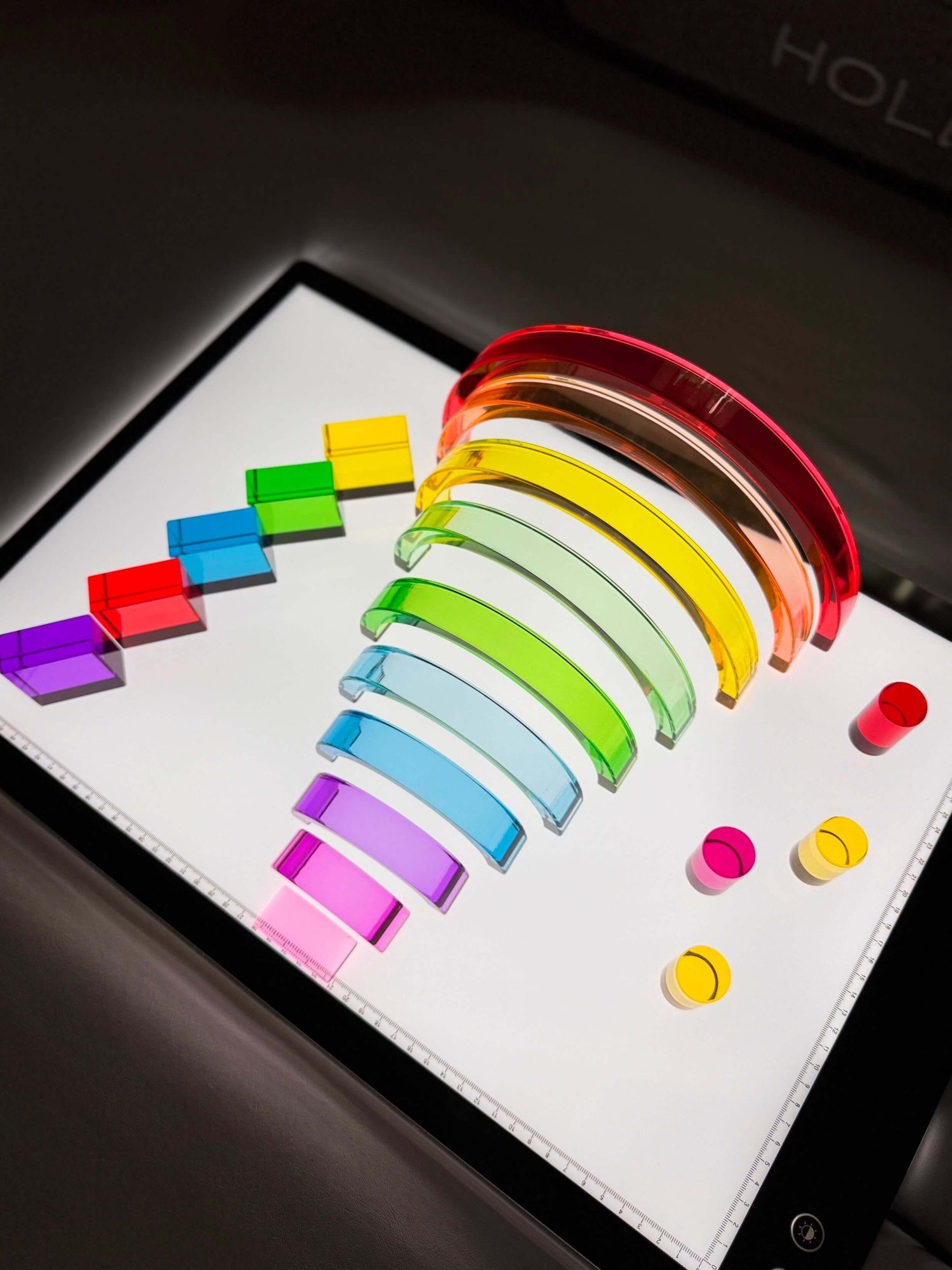
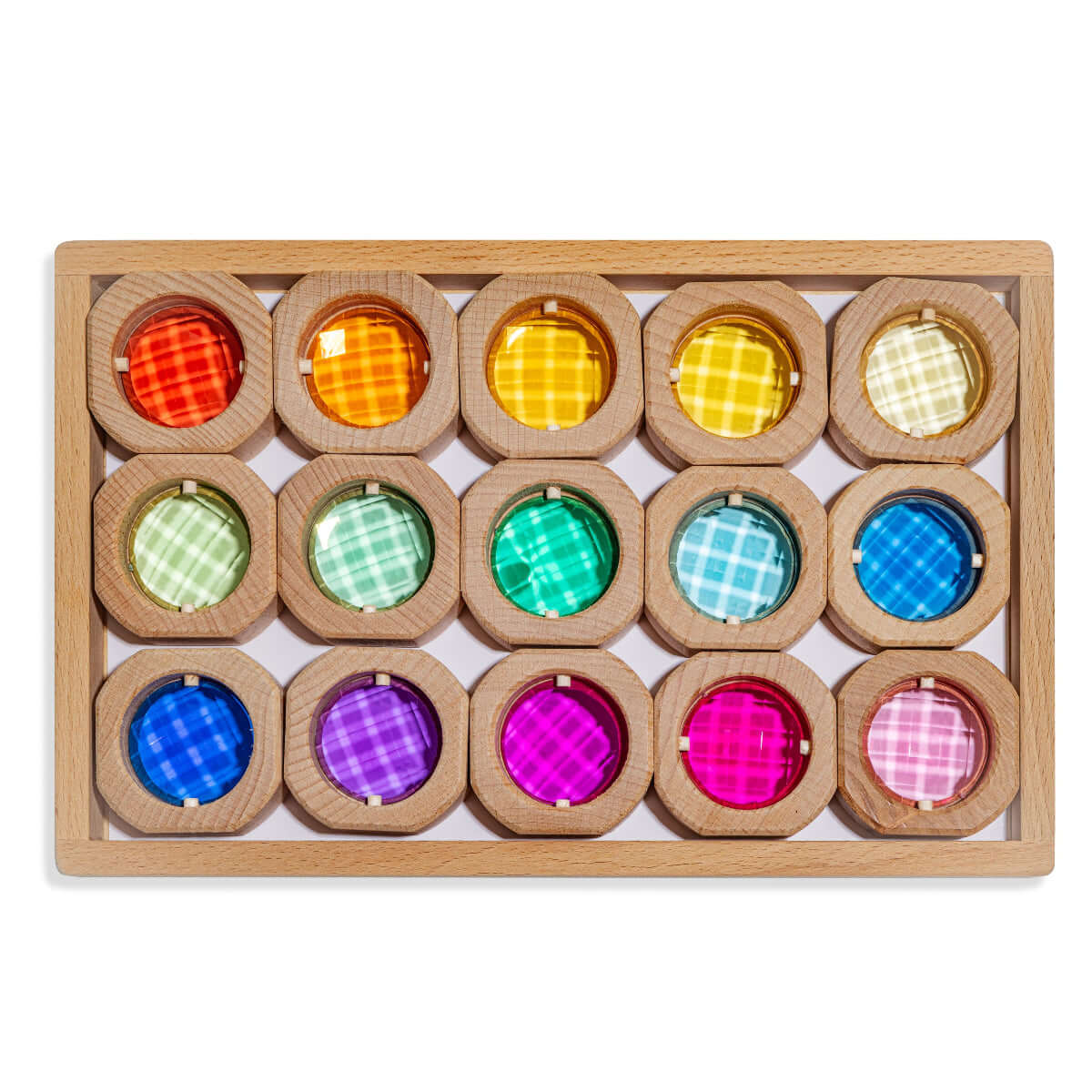
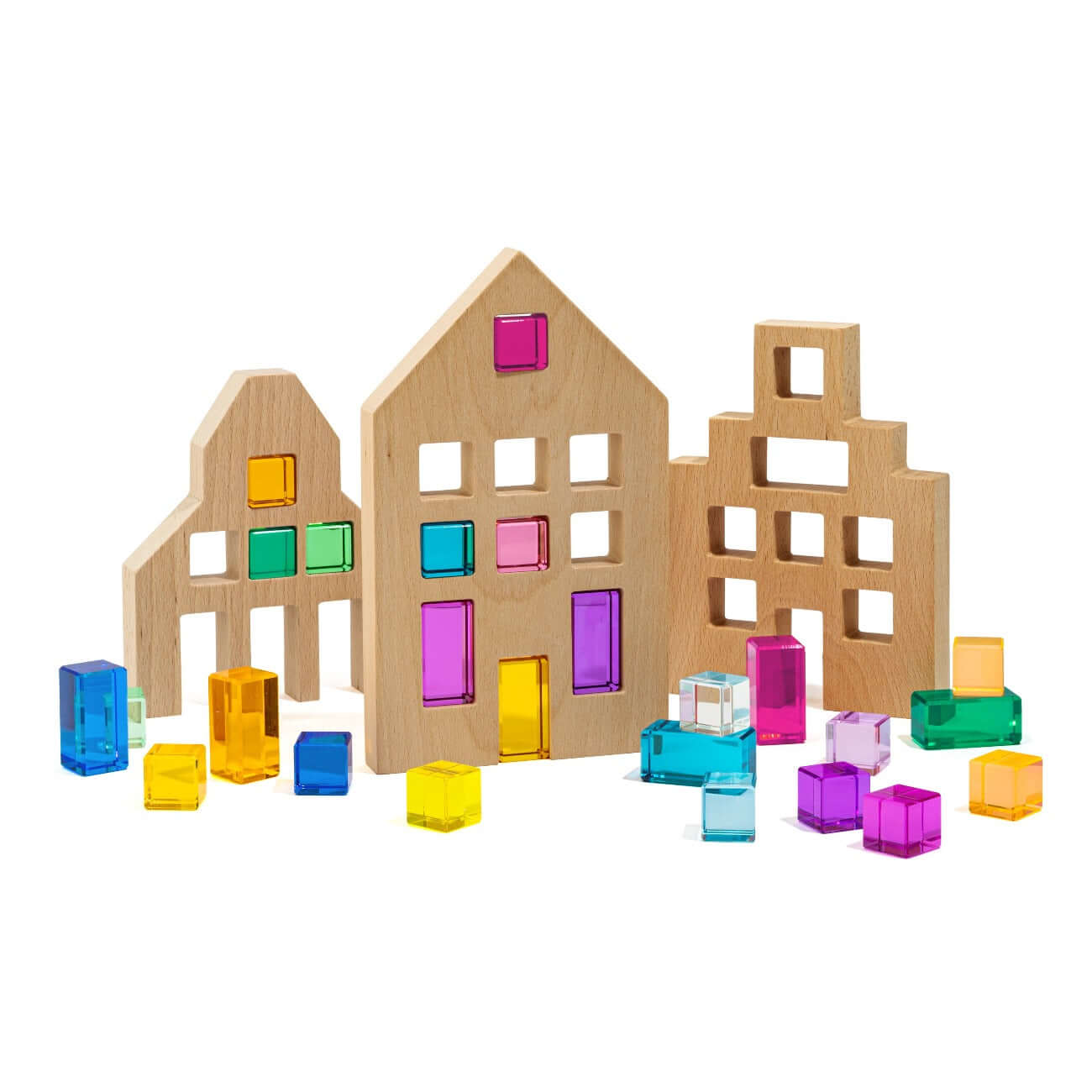
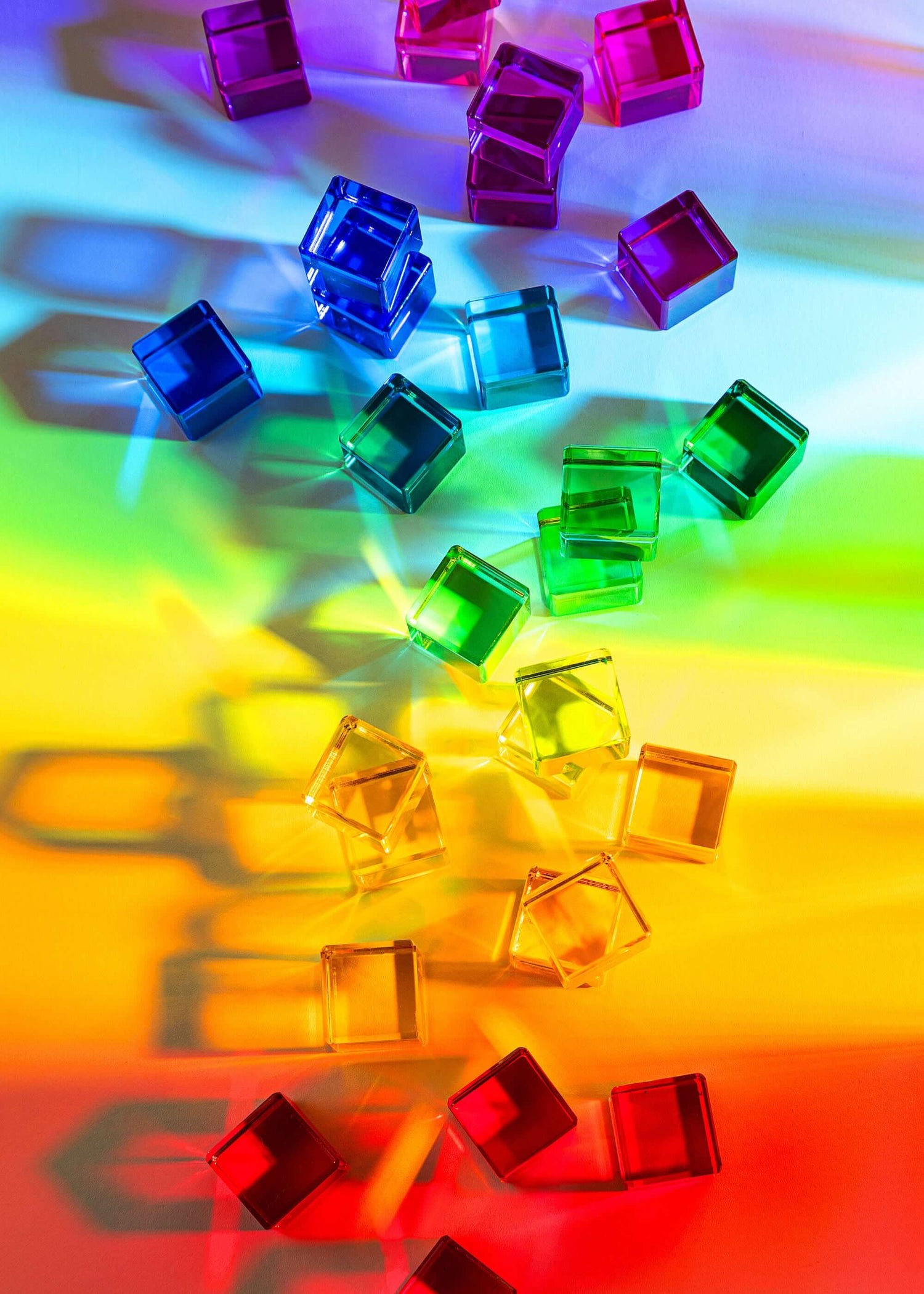
- Open-ended shapes for creativity
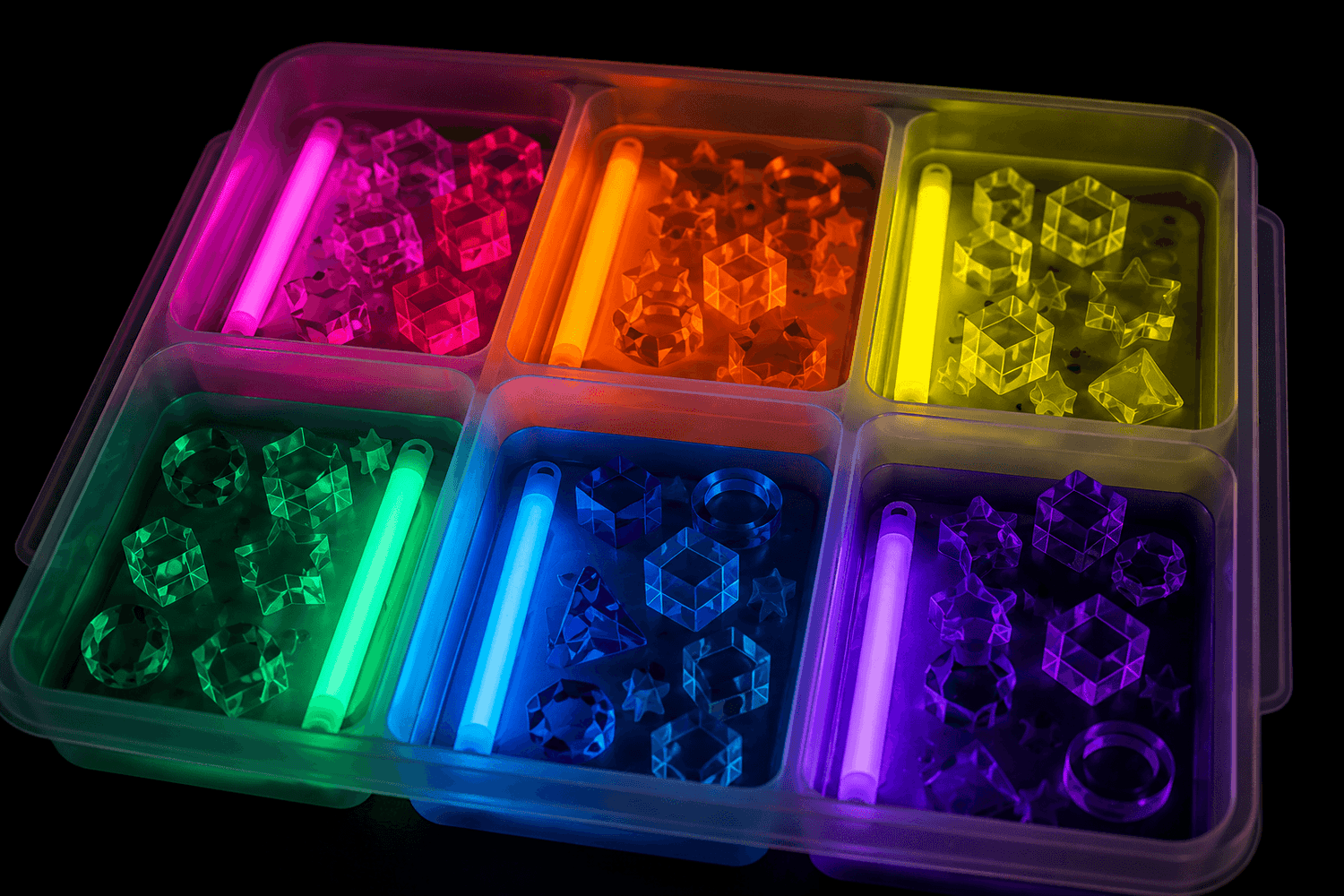
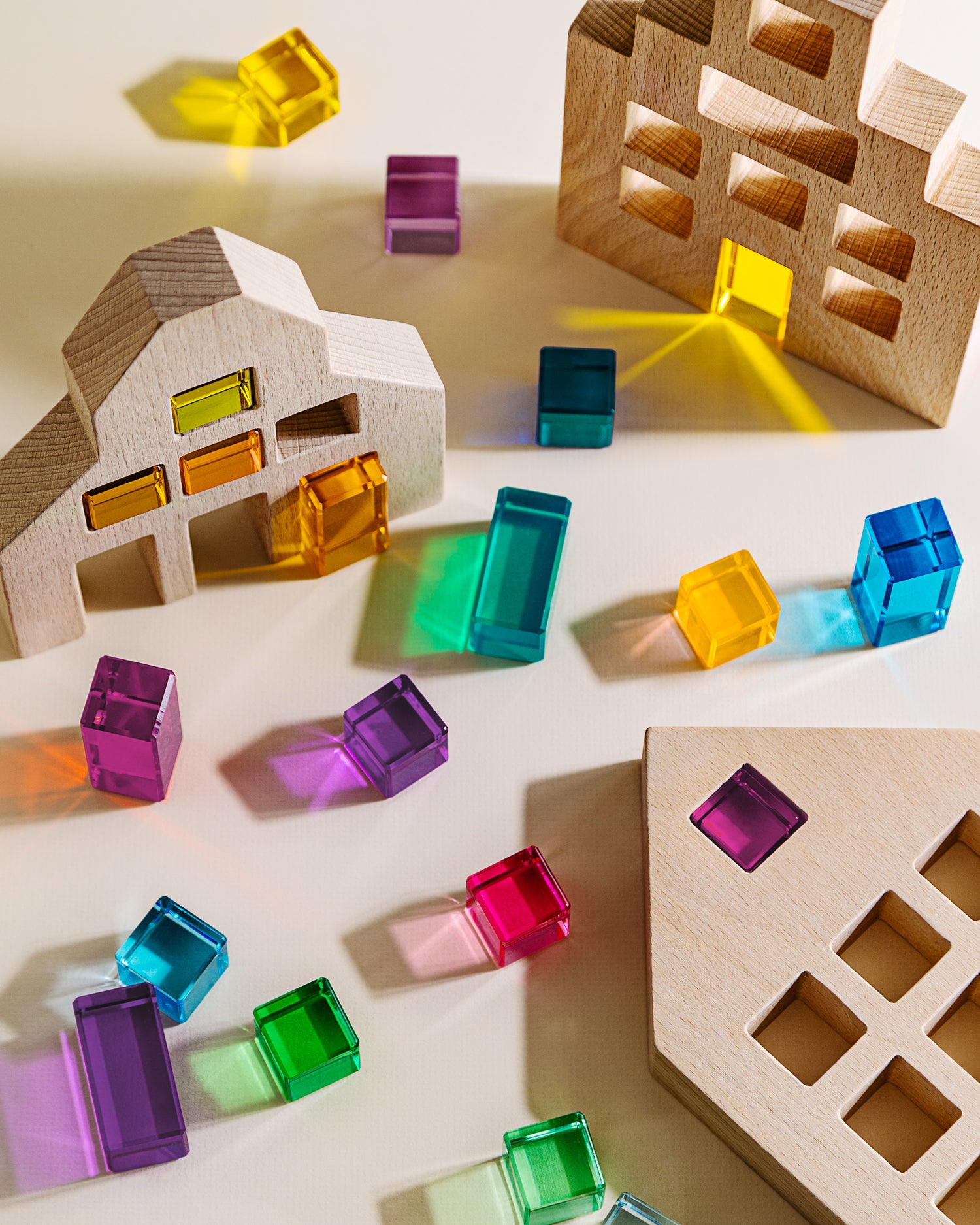
- Materials that invite exploration
Montessori toys for toddlers work best when they leave space for imagination. If you are new to the world of open-ended play you can read more about them here.



0 commentaire