
Introduction
A shape and color matching activity is a simple and engaging way for children to explore early math concepts through play. By matching shapes and colors, children begin to recognize patterns, compare objects, and develop important problem-solving skills.
Matching and sorting activities are key early learning experiences because they help children identify similarities and differences between objects while strengthening memory and visual recognition skills.
Through playful exploration with shapes and colors, children also begin developing foundational math skills such as classification, pattern recognition, and spatial reasoning.
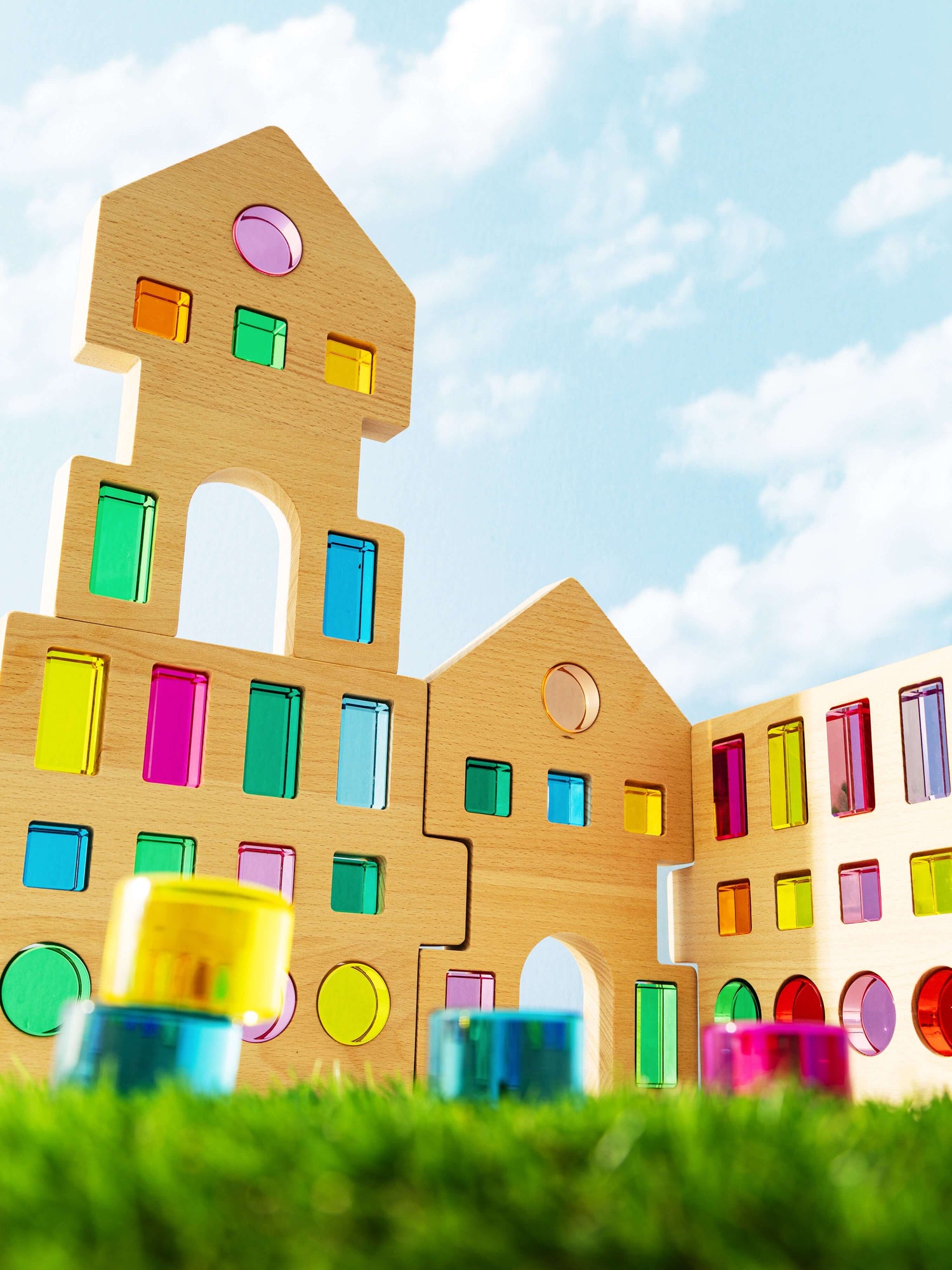
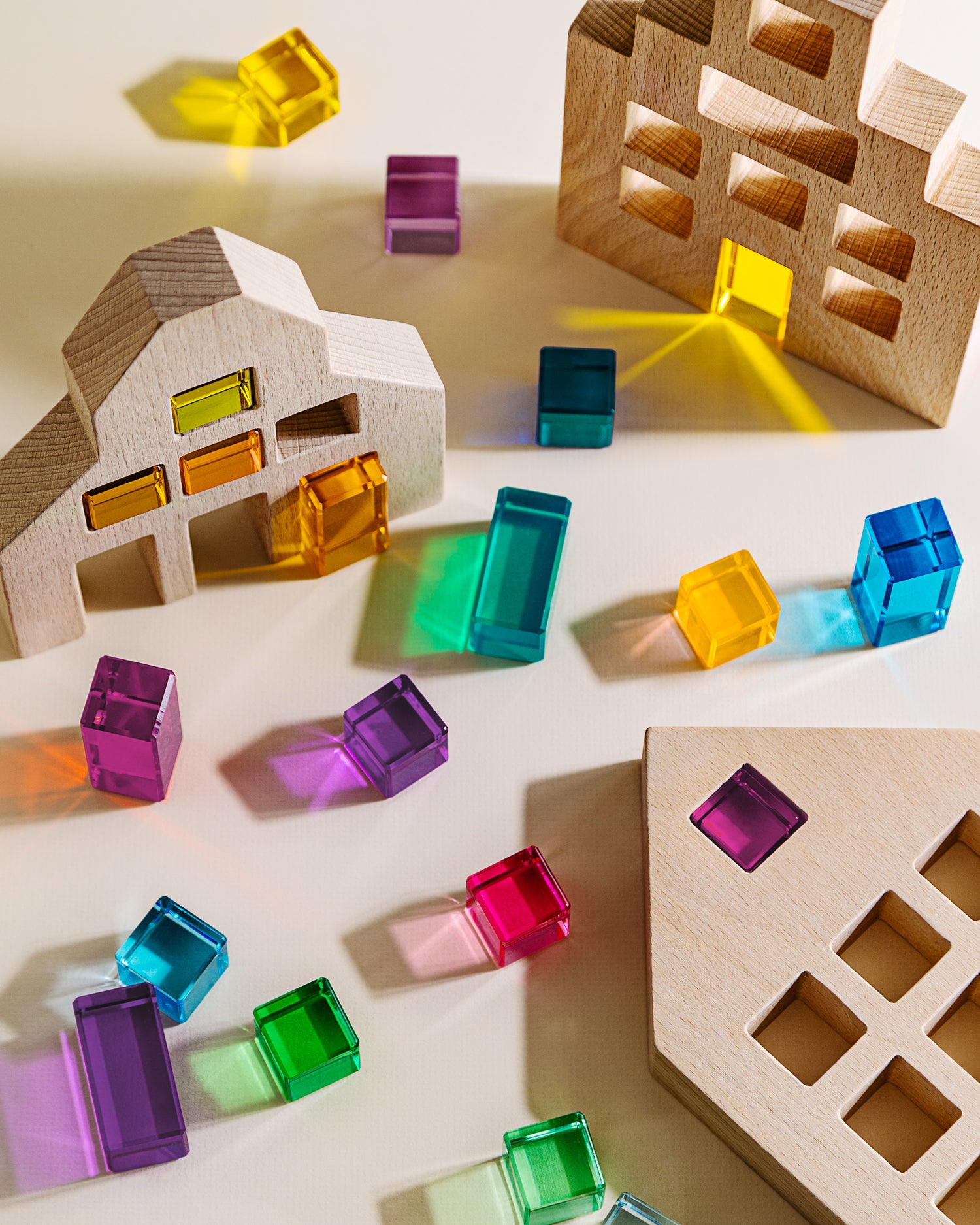
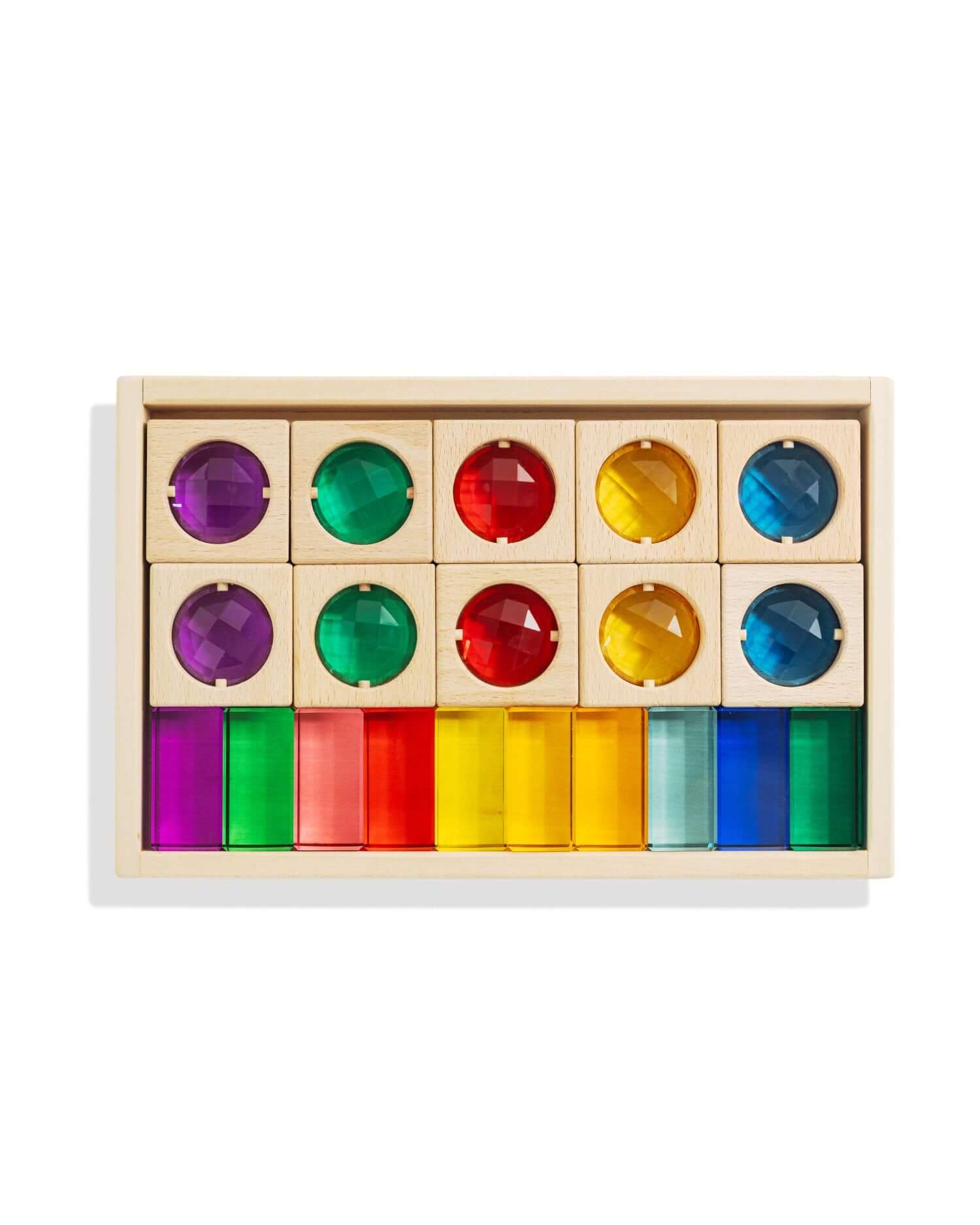
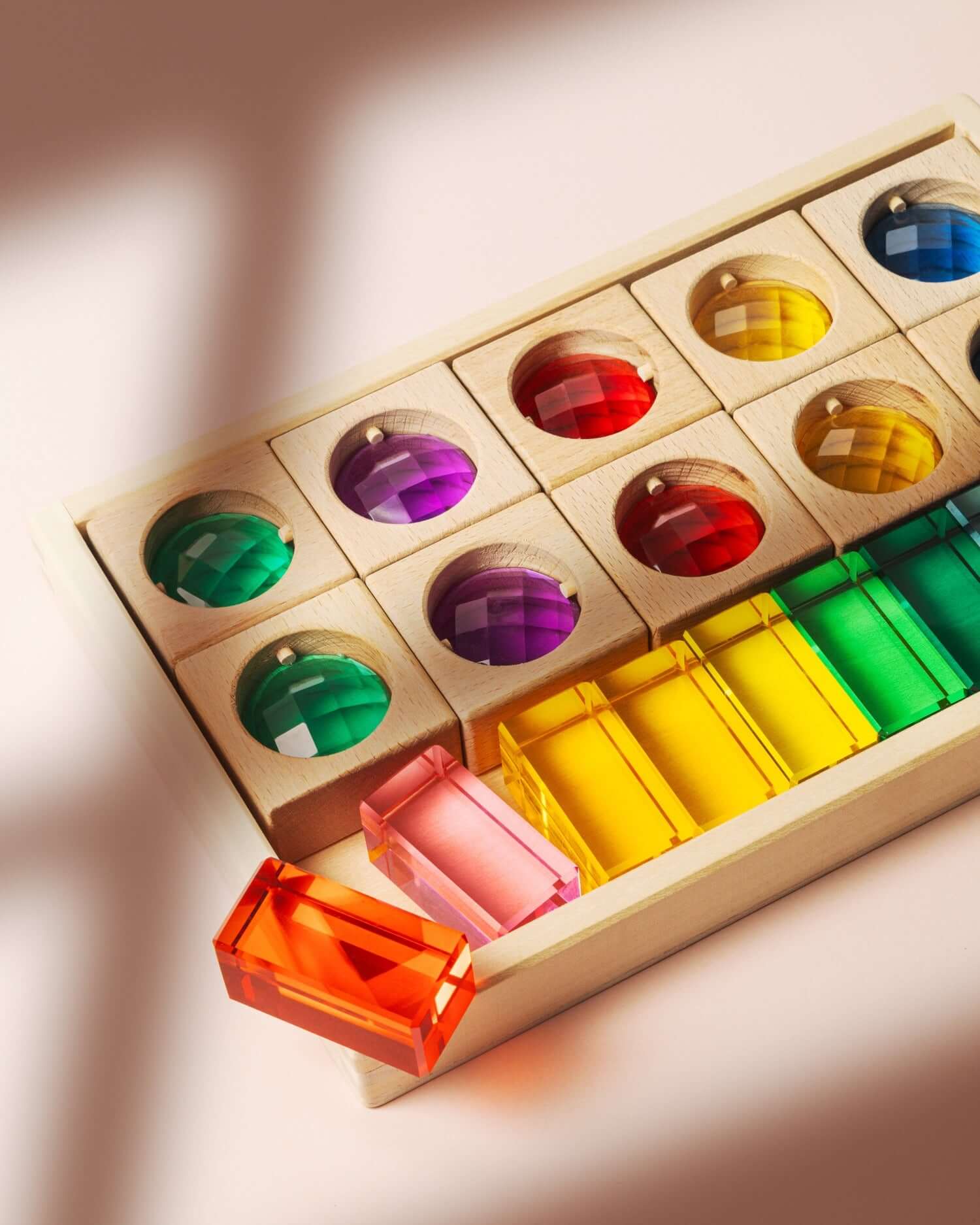
This hands-on Riley Blocks puzzle activity helps children develop spatial awareness, problem solving, color recognition, and fine motor control — all through playful exploration.
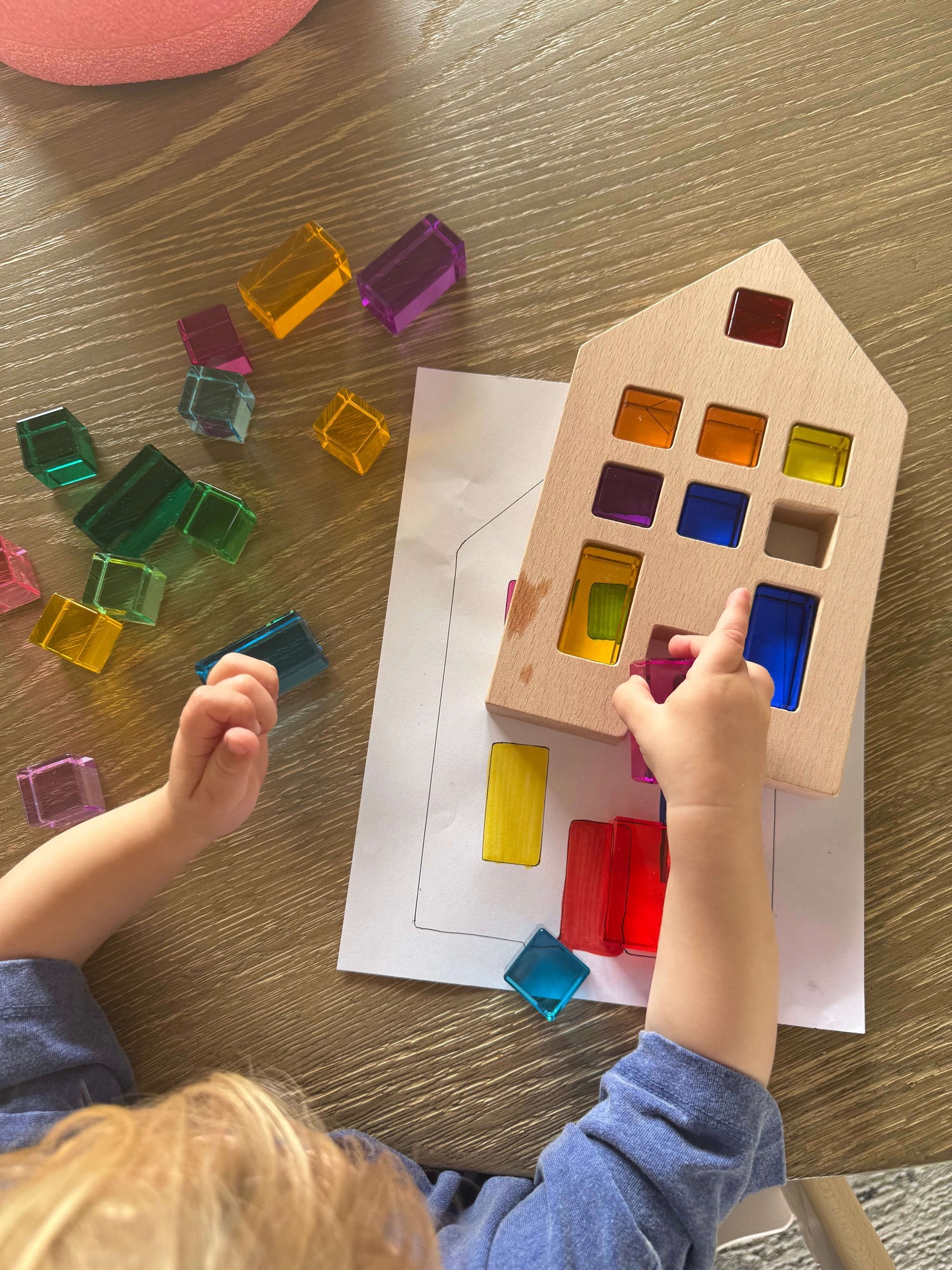
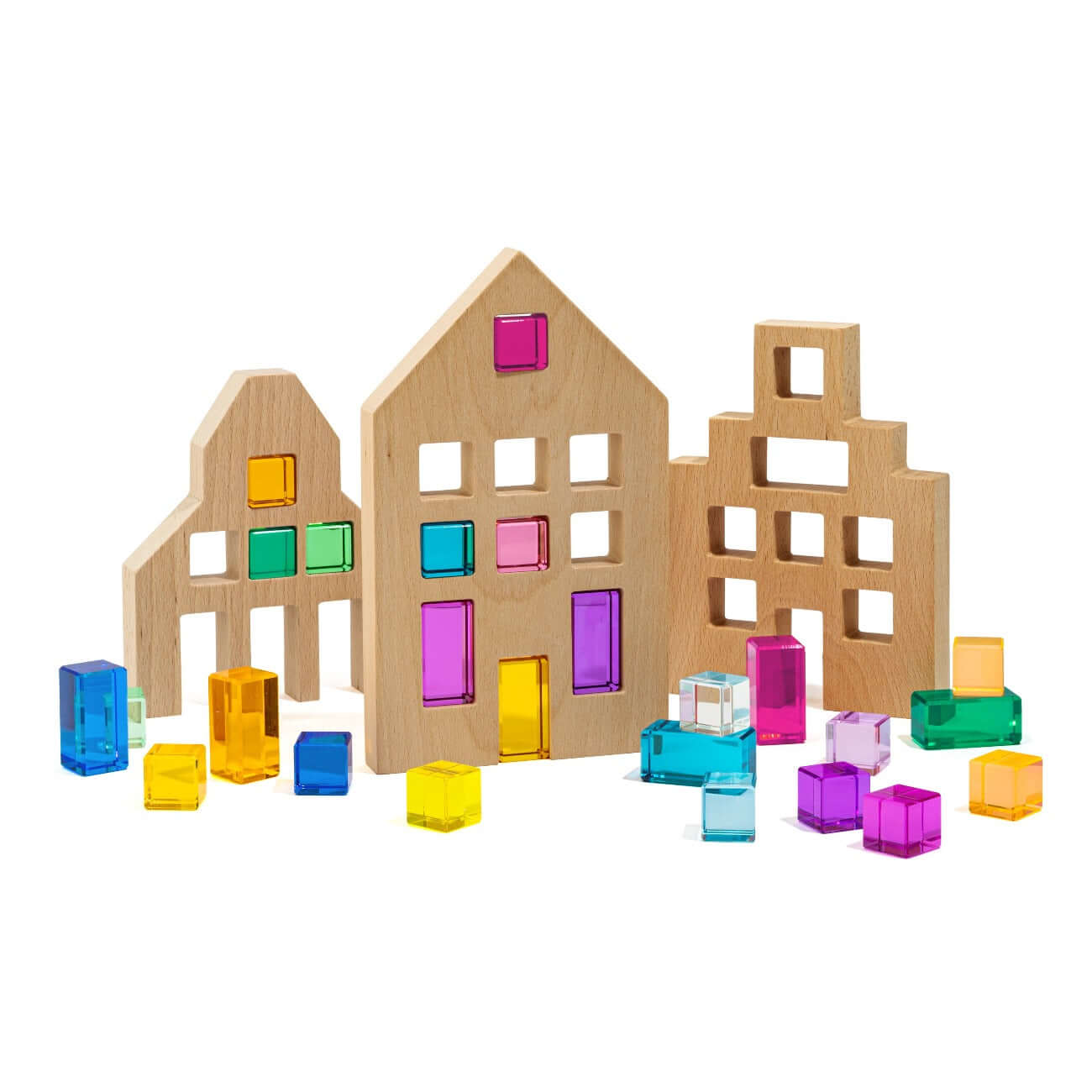
By tracing a Riley City house and matching Lucite Cubes to colored window shapes, children strengthen early math and literacy foundations while engaging in open-ended problem-solving.
Perfect for preschool and kindergarten learners.
Age Range
3–6 years (younger children may need assistance tracing)
Skills Developed
Shape recognition
Color matching
Spatial awareness
Positional vocabulary
Fine motor coordination
Early math concepts (same/different, size comparison)
Materials Needed
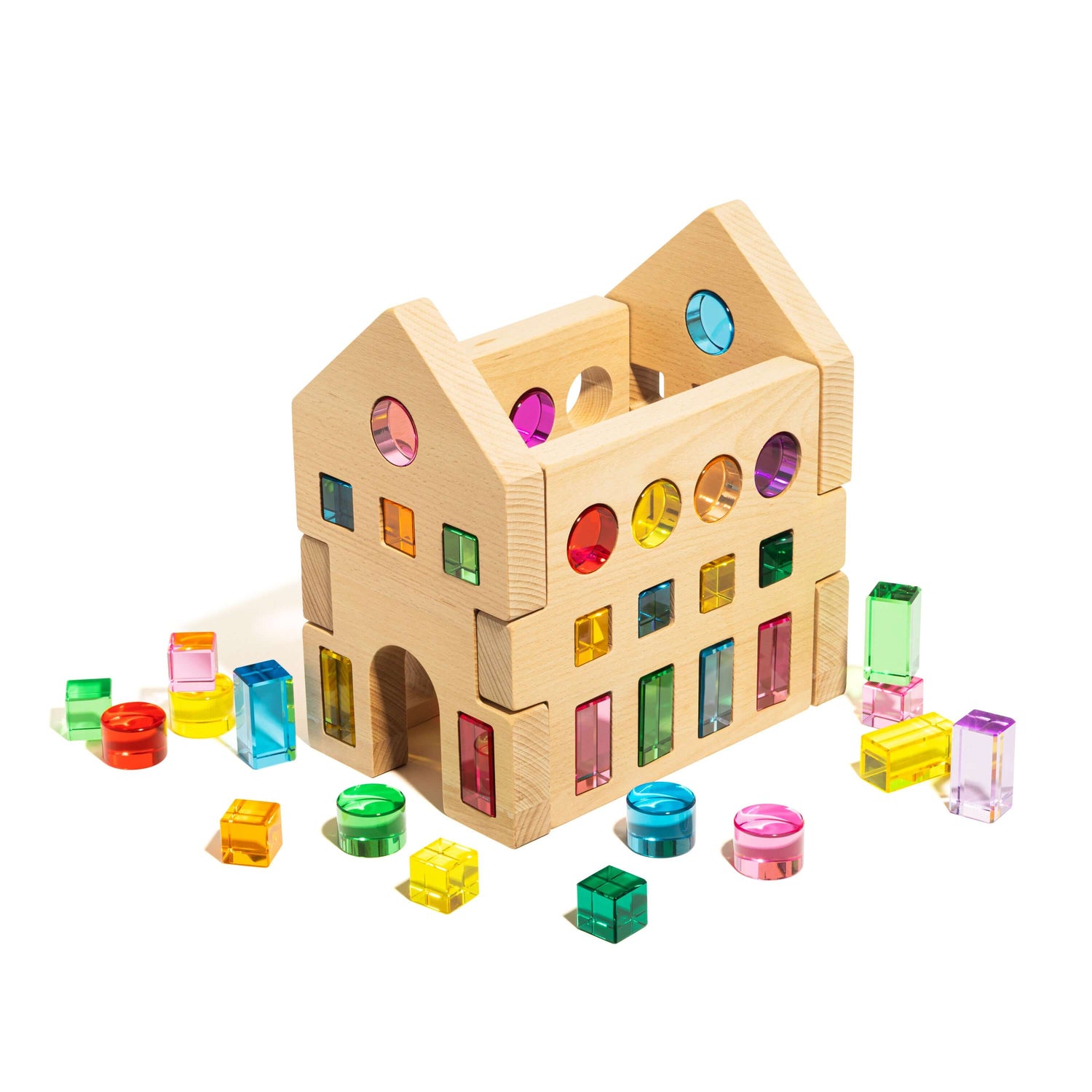
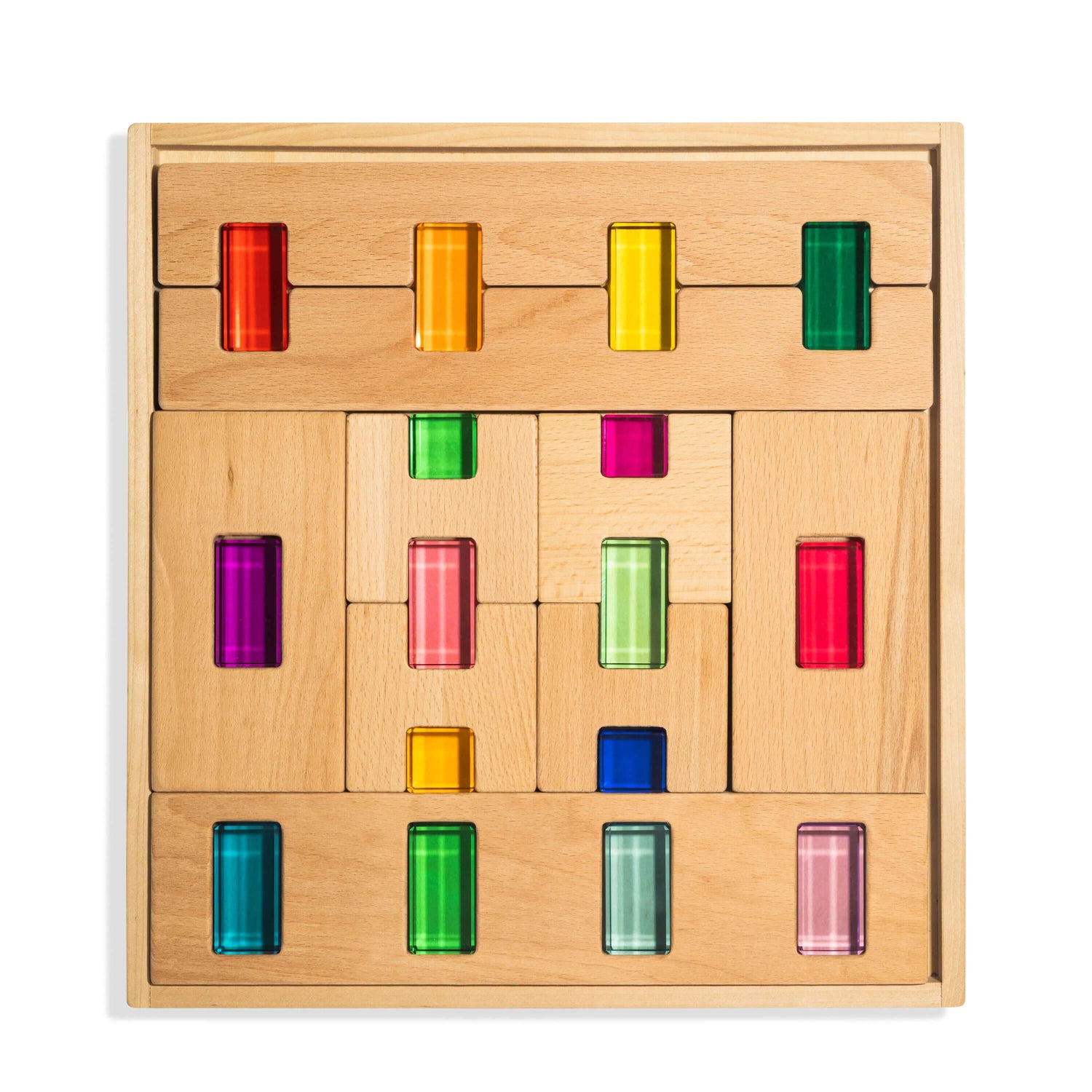
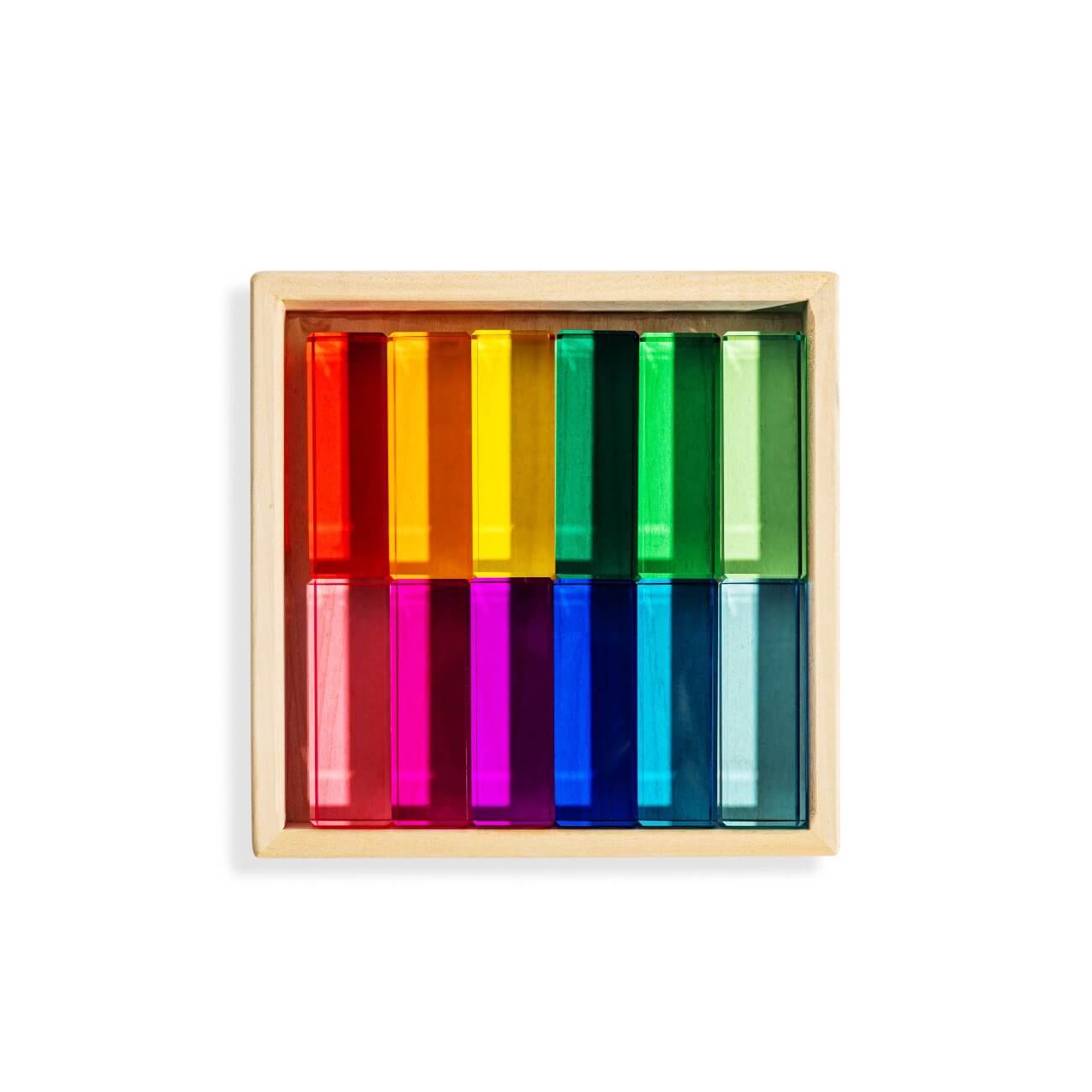
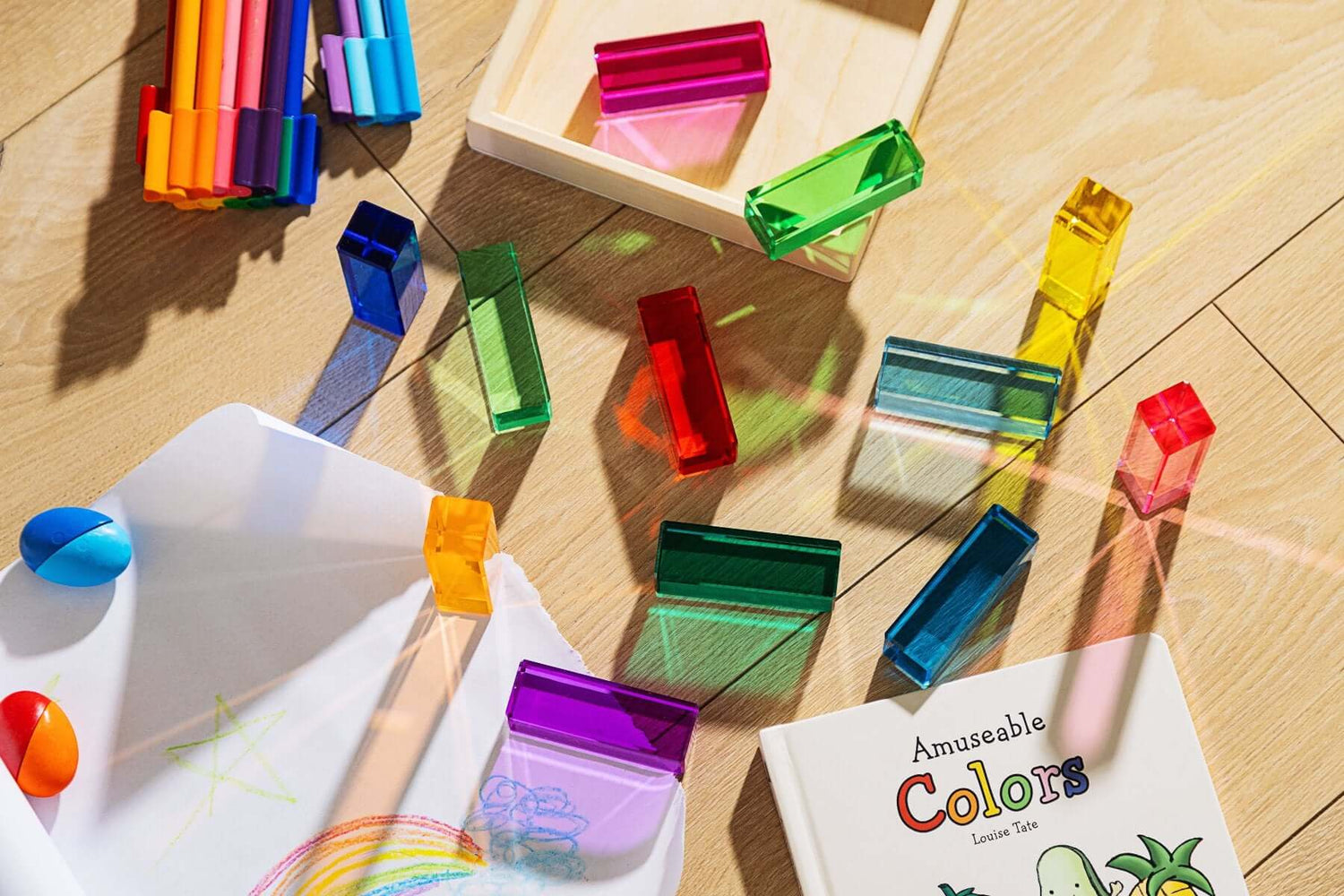
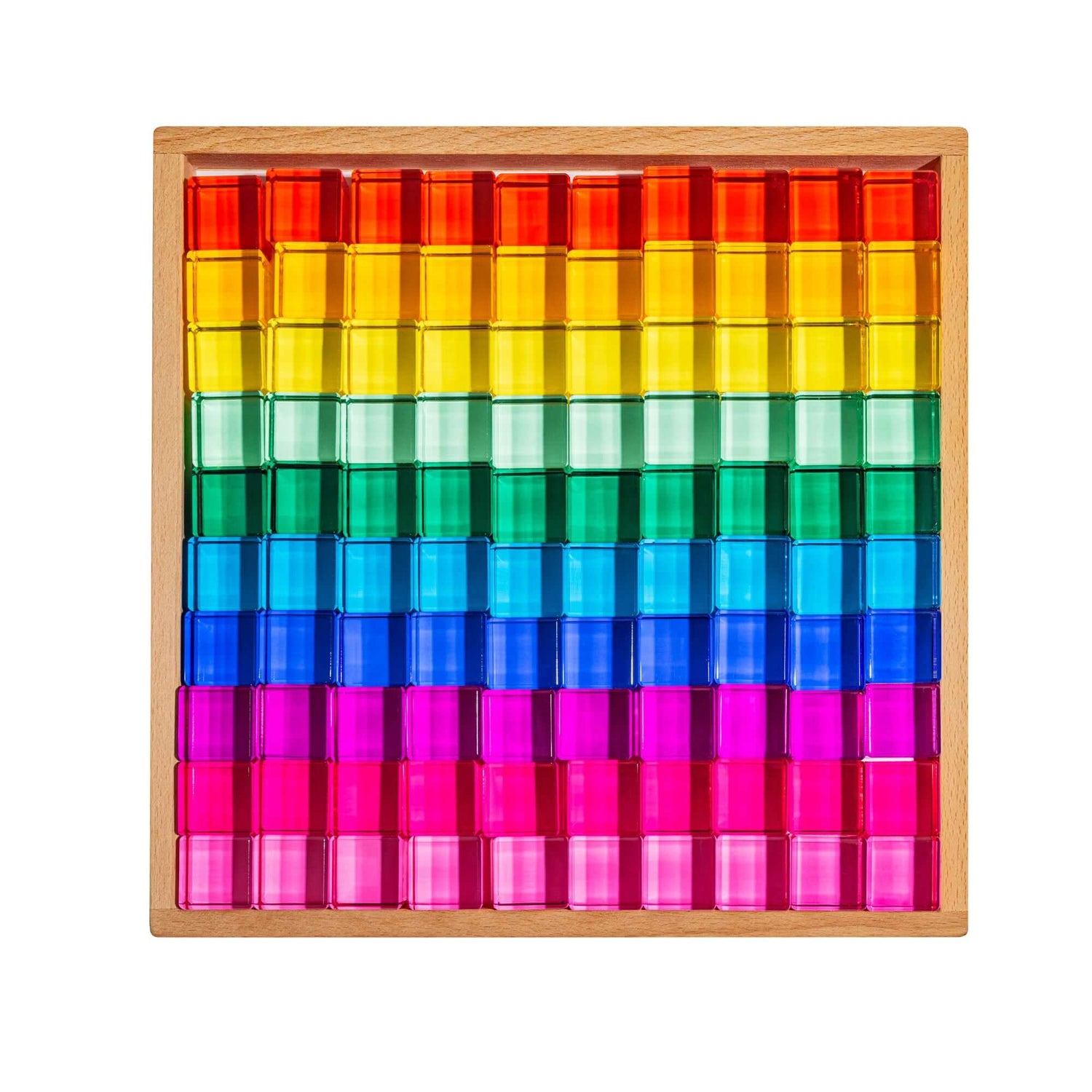
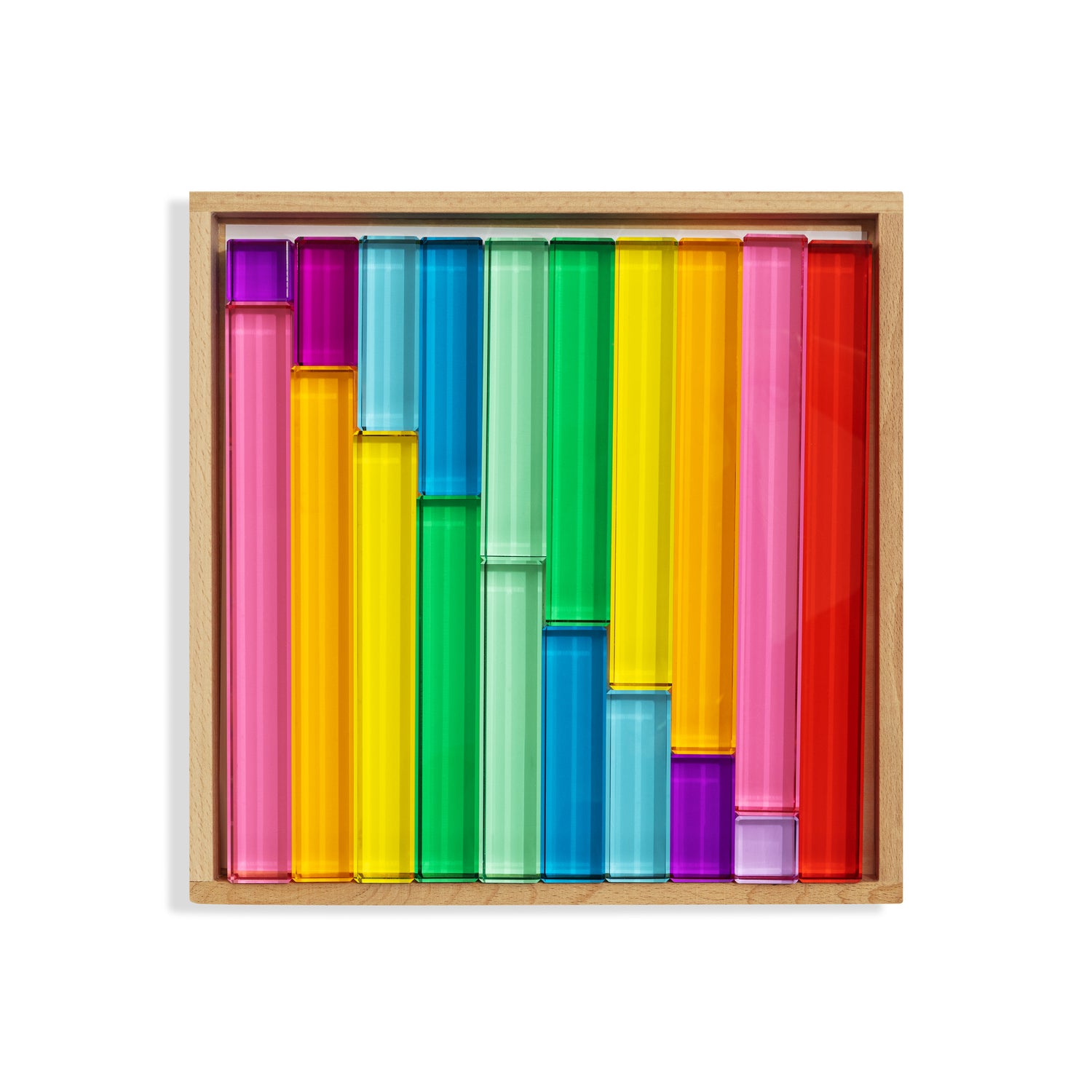
Riley Blocks (house + Lucite cubes)
White sheet of paper
Pencil
Crayons or colored pencils
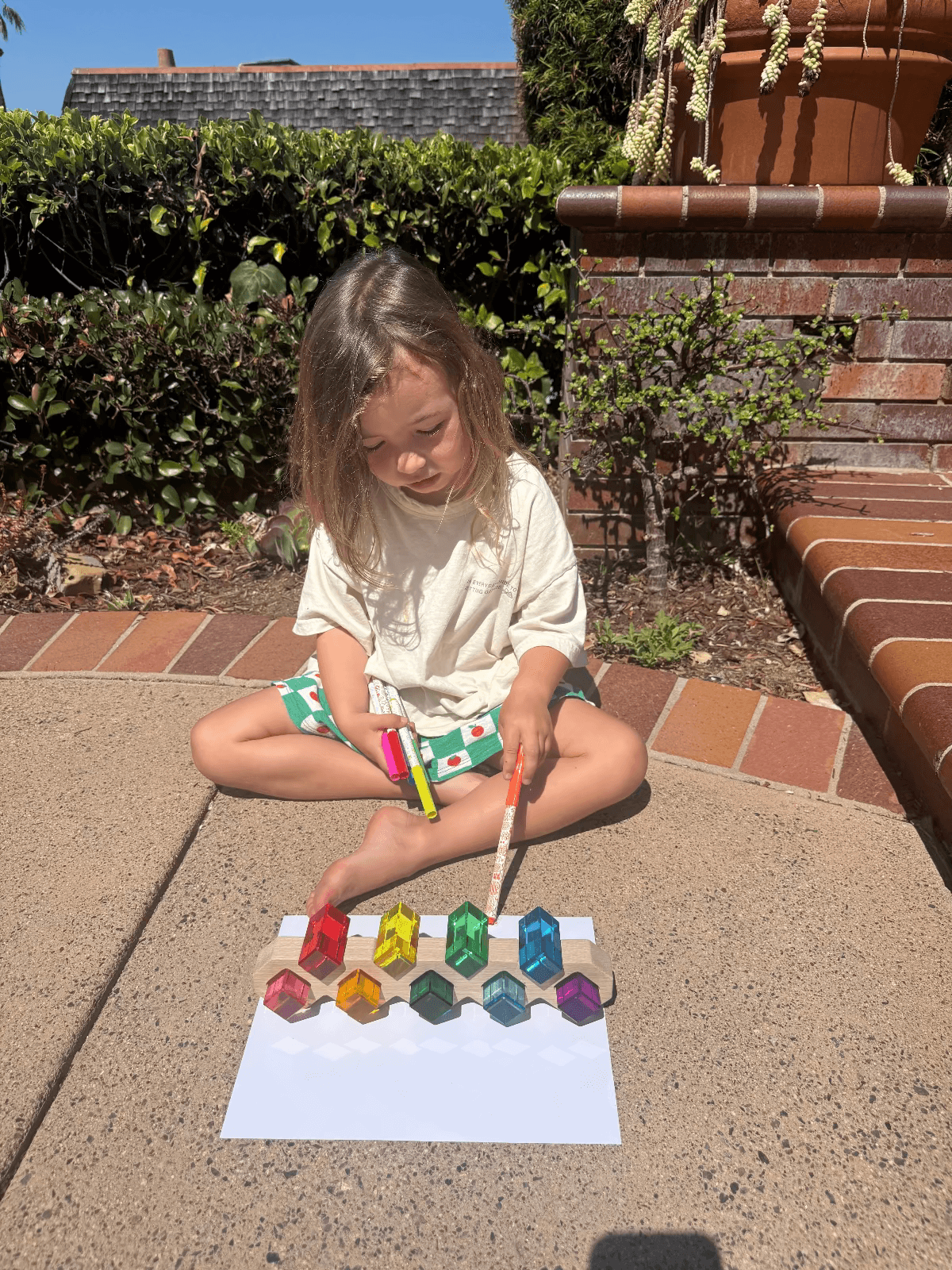
Optional: Child-safe tongs
Step-by-Step Instructions
Step 1: Create Your Puzzle Template
Place one Riley City house on a white sheet of paper.
Trace the outline carefully using a pencil.
Color in the window openings using colors that match your Lucite Cubes.

Step 2: Match the Cubes
Invite your child to match each Lucite Cube to the corresponding colored window.
Ask guiding questions:
“Where do you think this block might fit?”
“Which color matches this window?”
“Is this shape tall or short?”
Remember they must match the correct color AND size I.e a blue rectangle window with a blue rectangle block

Step 3: Build Vocabulary
As your child works, use positional and descriptive language:
top / bottom
left / right
middle
tall / short
square / rectangle / cube
This strengthens early math and literacy skills simultaneously.
Step 4: Add a Fine Motor Challenge
To increase difficulty, introduce child-safe tongs.
Have your child use tongs to pick up and place the cubes into the traced windows.
This builds:
Hand strength
Precision control
Bilateral coordination
Extension Activities
Same & Different Exploration
Encourage your child to find:
Objects that are the same shape
Objects that are the same color
Items that are different in size
Discuss comparisons using:
bigger / smaller
same / different
long / short
STEM & Early Learning Concepts
Spatial Awareness
Matching shapes into traced outlines builds understanding of space and positioning.
Shape & Color Recognition
Children practice visual discrimination and classification.
Fine Motor Development
Using tongs strengthens the small muscles needed for writing.
Mathematical Language
Positional and descriptive vocabulary builds foundational math skills.
Why Open-Ended Shape Play Matters
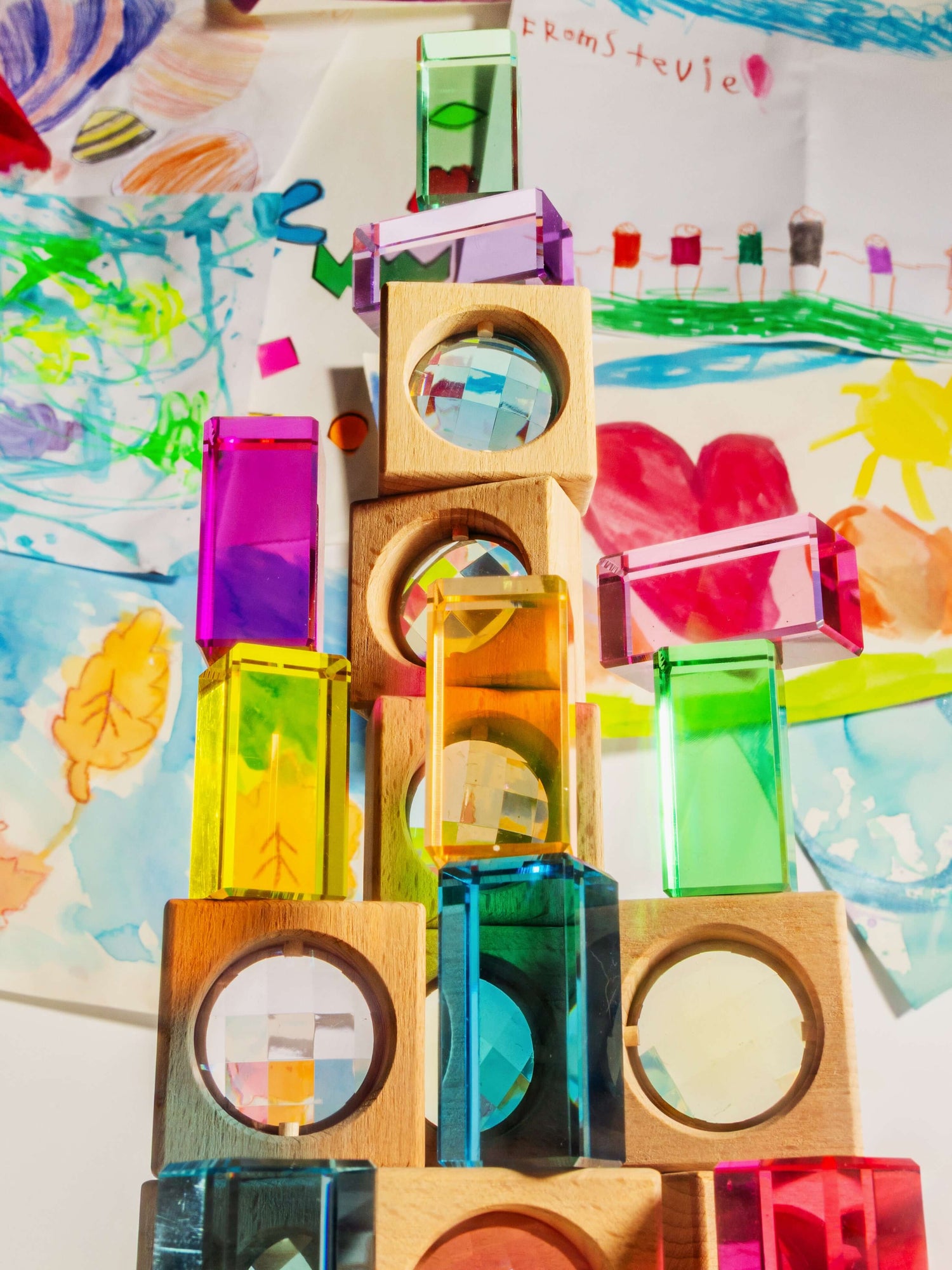
Open-ended materials like Riley Blocks allow children to explore matching, symmetry, and problem-solving in multiple ways. Activities like this support early math, literacy, and motor development while keeping play creative and engaging.
Shop Riley Blocks
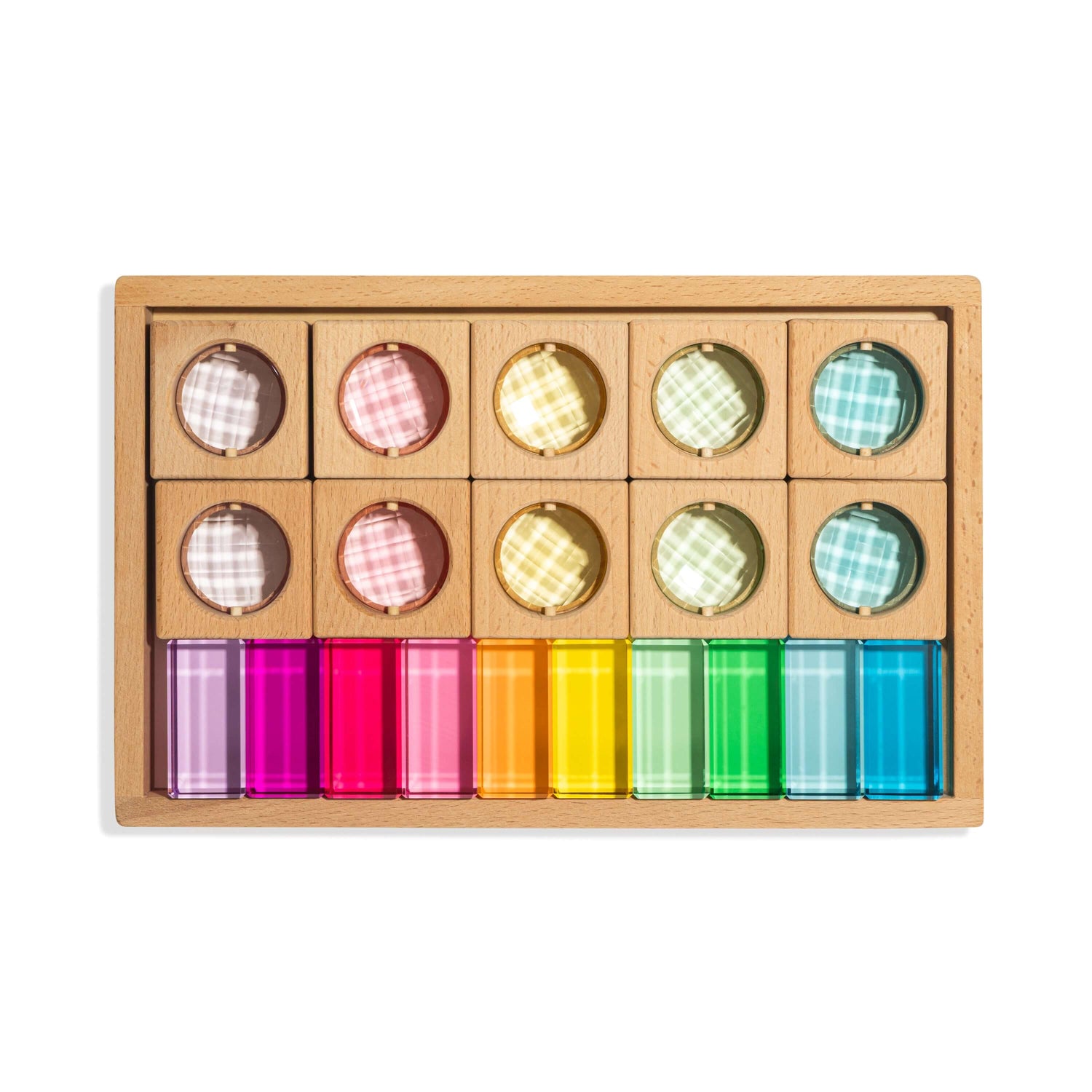
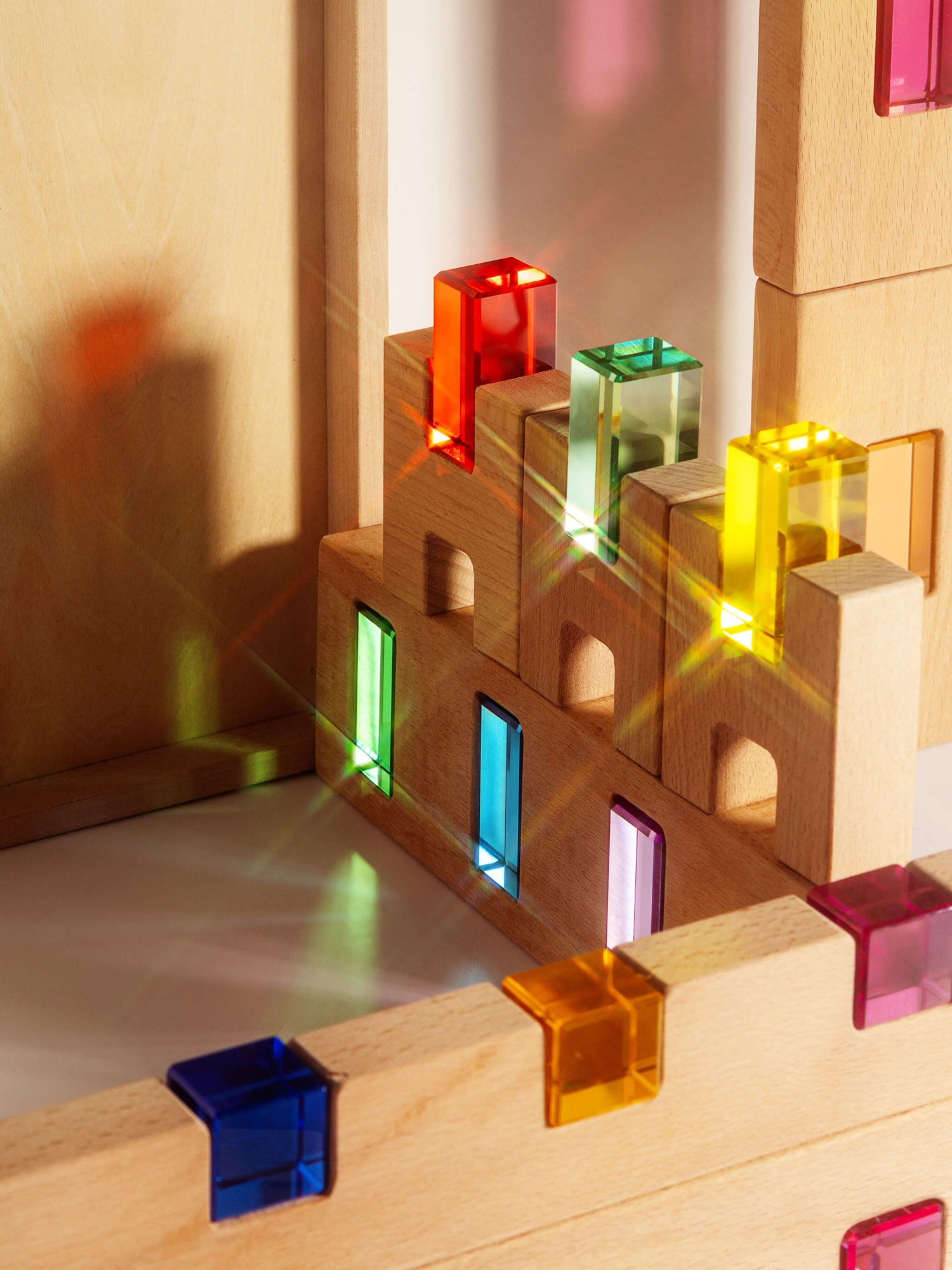
Riley Blocks combine architectural design with translucent Lucite cubes, making them perfect for open-ended building and hands-on learning activities.




0 commentaire