
Aprendiendo

Independent Play for Toddlers: How to Encourage It Without the Guilt
Independent play for toddlers doesn’t happen overnight—but with the right setup, it can become part of your daily rhythm.
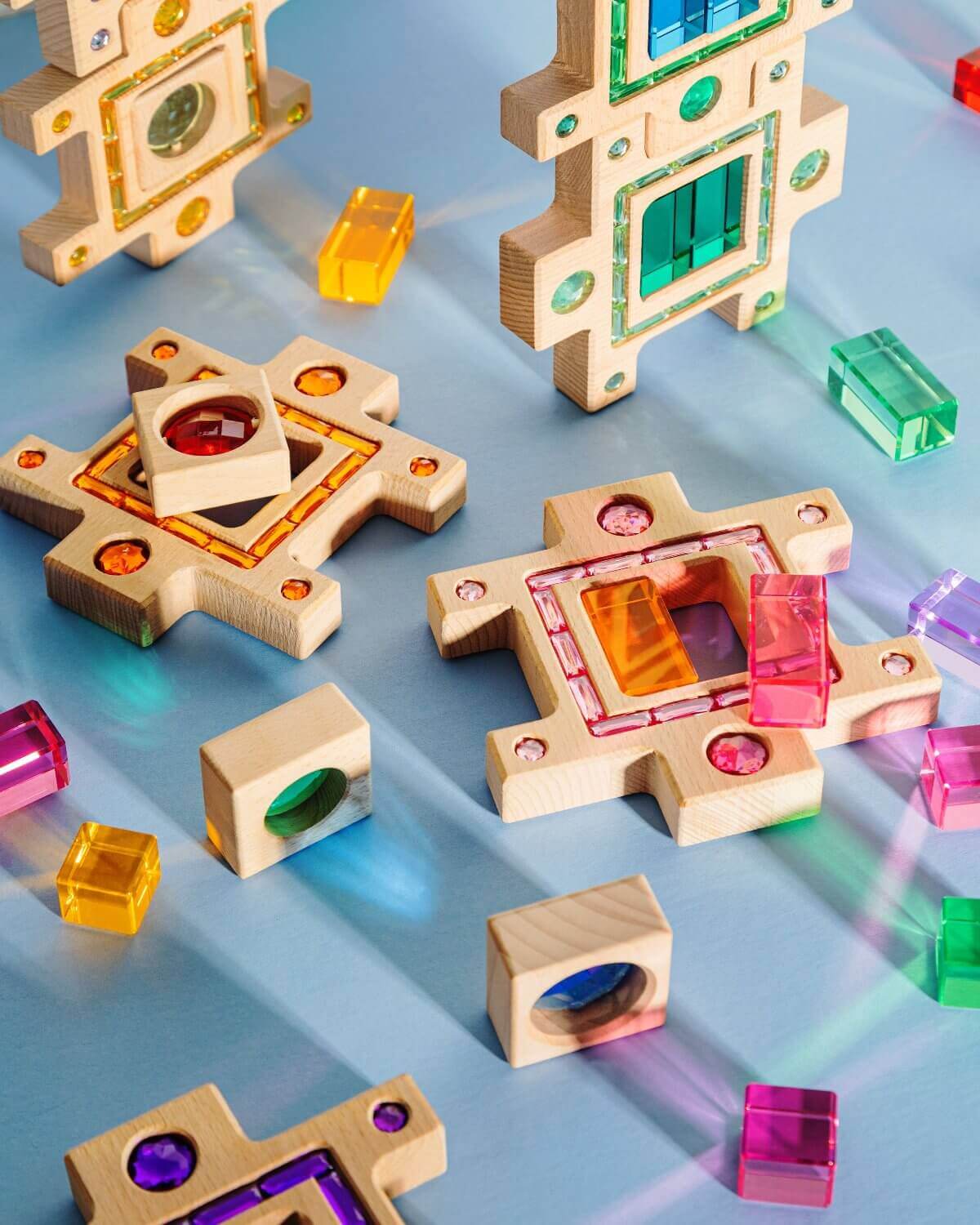
Open-Ended Play Benefits: Why Fewer Toys Lead to Better Learning
Discover the true open-ended play benefits and why simplifying your child’s toys can lead to deeper, more meaningful learning.
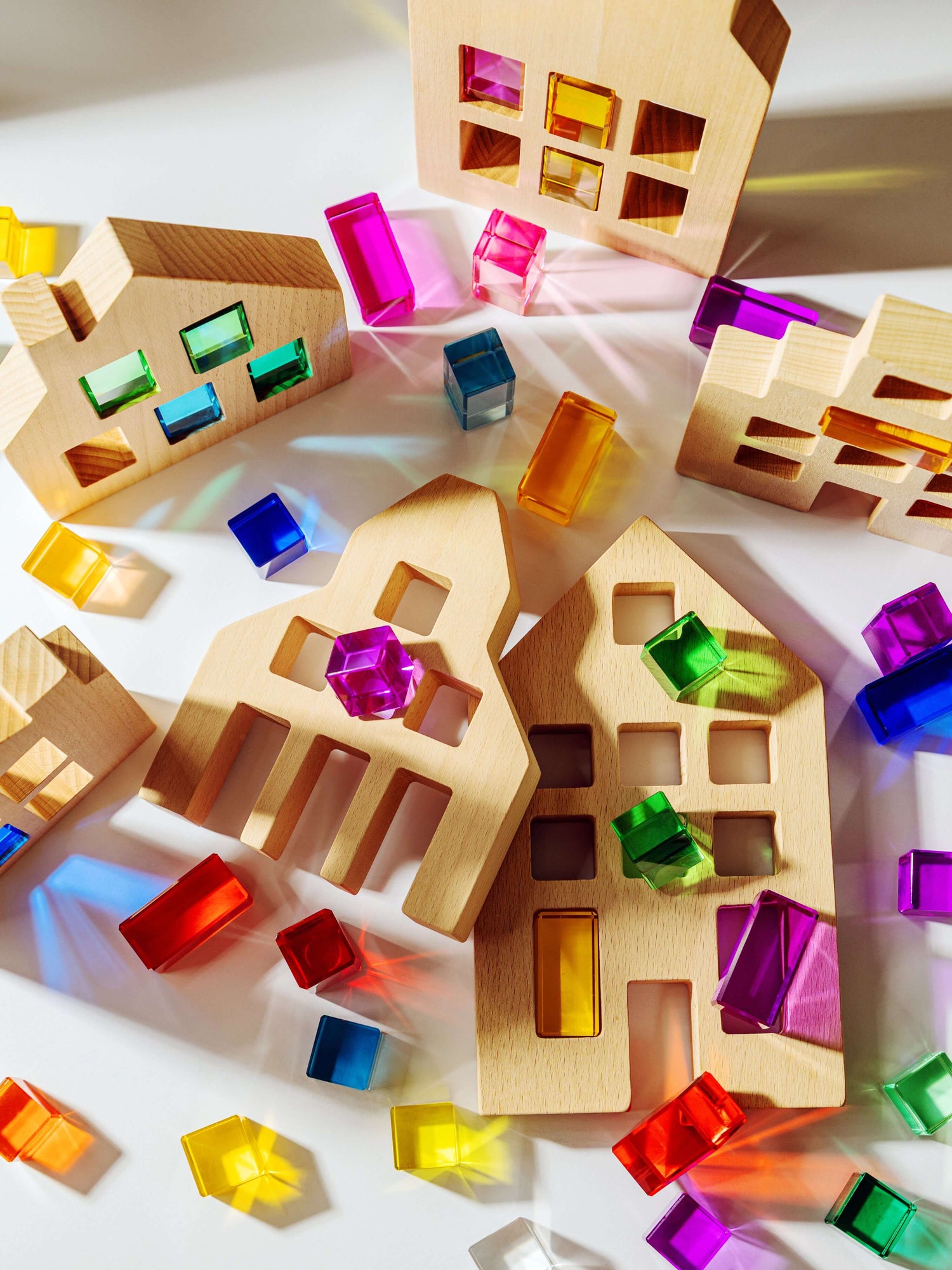
Open-Ended Play Activities for Kids
Open-ended play activities encourage creativity, problem-solving, and learning through exploration. Discover simple activity ideas that inspire imaginative play for kids.

Toy Rotation: Why It Helps Children Play Better
Toy rotation helps children focus longer and play more creatively by limiting toy clutter and encouraging deeper exploration.
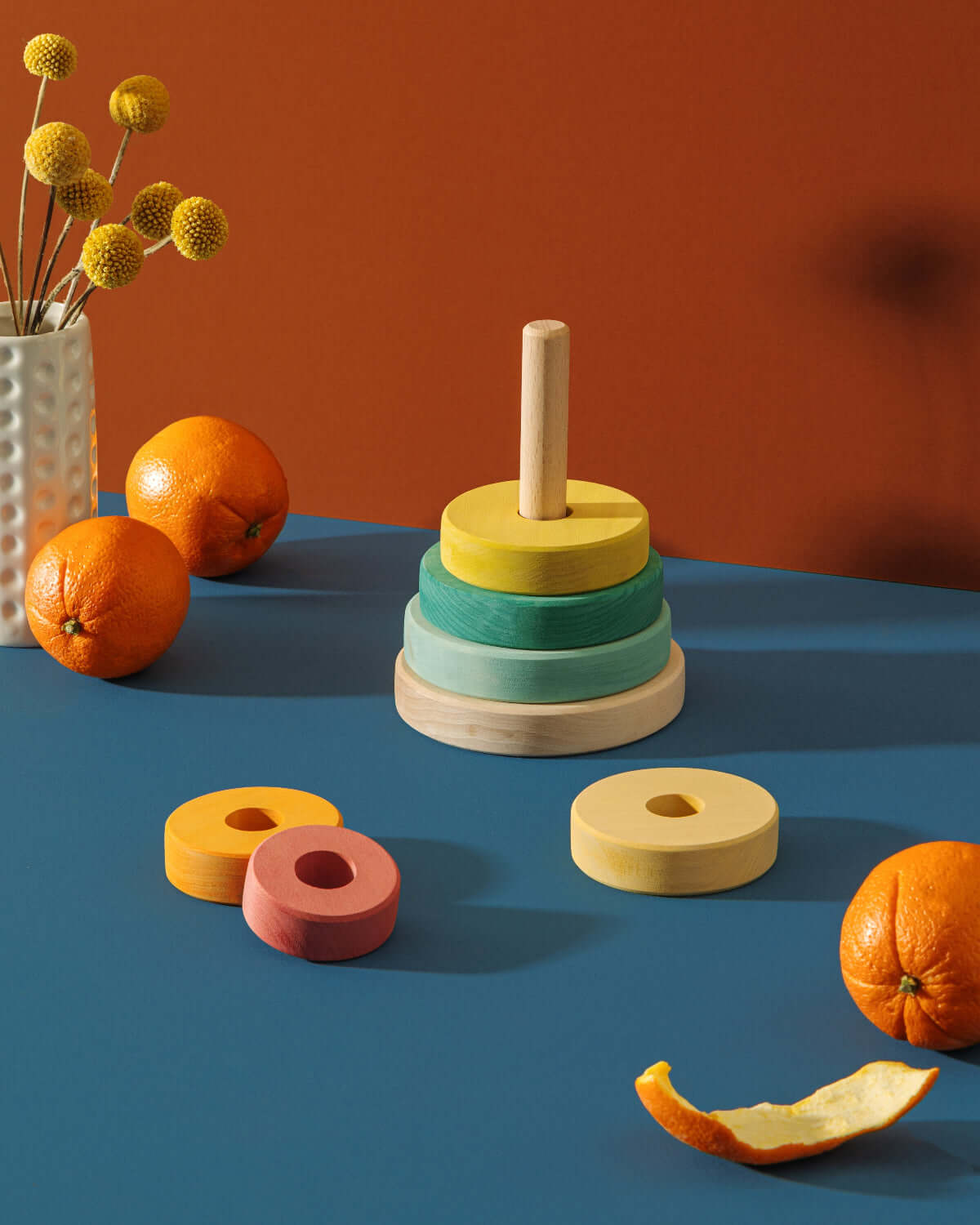
Why Independent Play Is Important for Kids
Independent play helps children develop creativity, focus, and confidence. Learn why giving children time to play on their own supports healthy development.
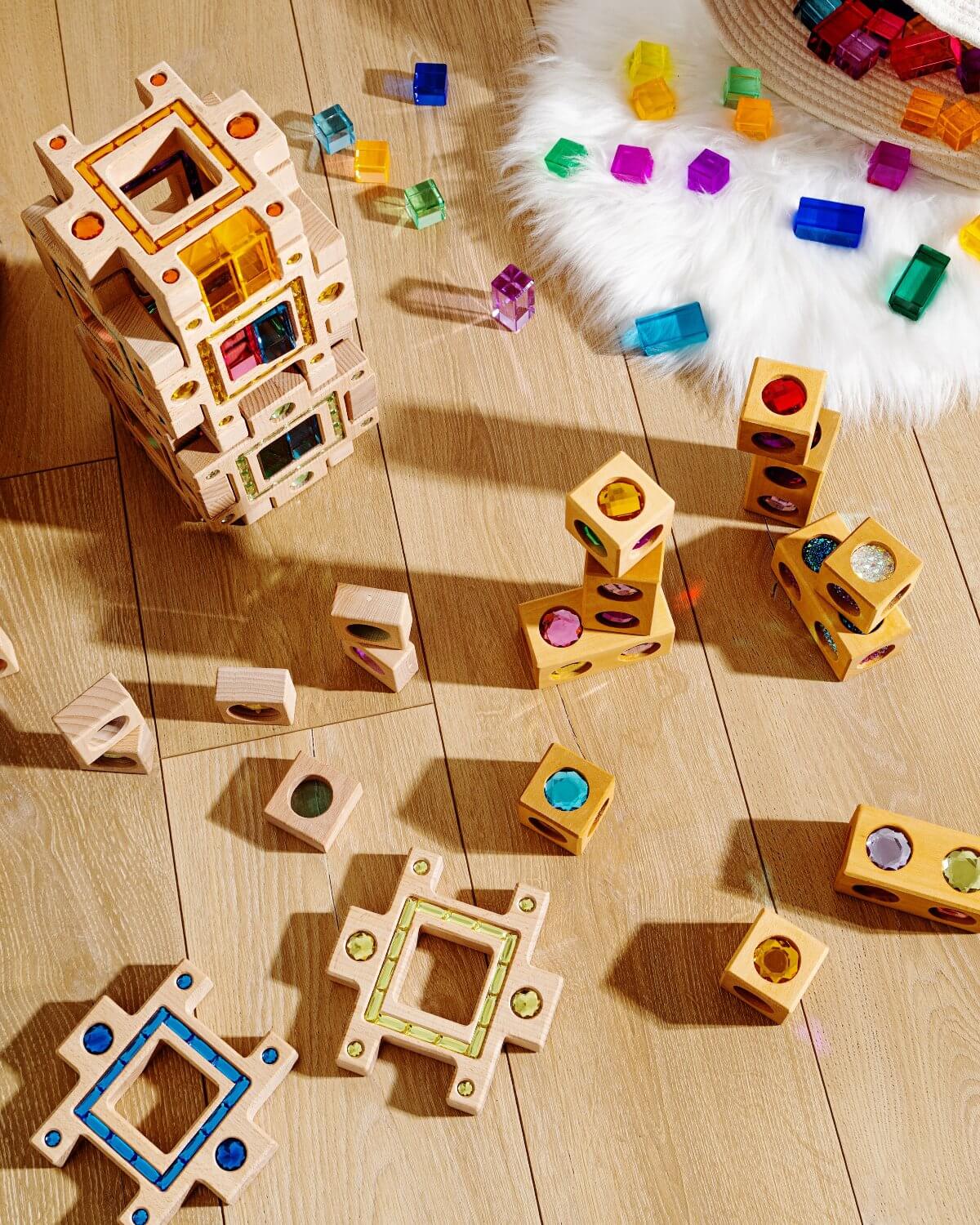
What Is Play-Based Learning? A Parent’s Guide
Play-based learning allows children to explore ideas, build skills, and discover the world through play. Learn why play is one of the most powerful ways children learn.

How Open-Ended Toys Support STEM Learning Through Play
STEM learning through play begins when children build, experiment, and explore the world around them. Discover how open-ended toys naturally support early science, engineering, and math skills.
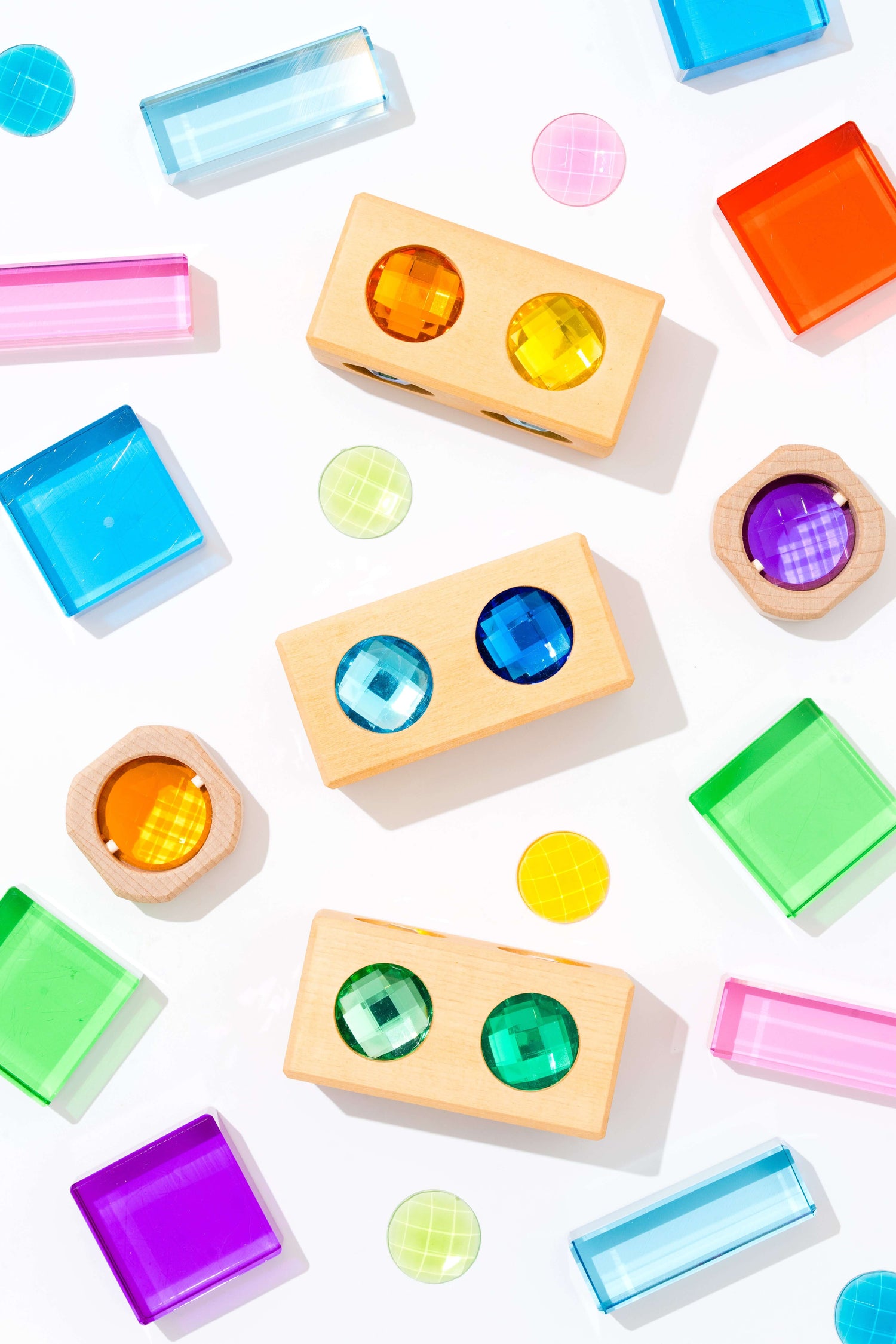
Benefits of Open-Ended Play for Child Development
In this guide, we explore the benefits of open-ended play and how these experiences support creativity, confidence, and early learning in children. Open-ended play allows children to explore creativity, problem-solving, and independent thinking through simple toys and imaginative play.

Creating a Screen-Free Rhythm at Home (Without Power Struggles)
Create a calm, screen-free parenting rhythm at home by building predictable routines and encouraging meaningful open-ended play.
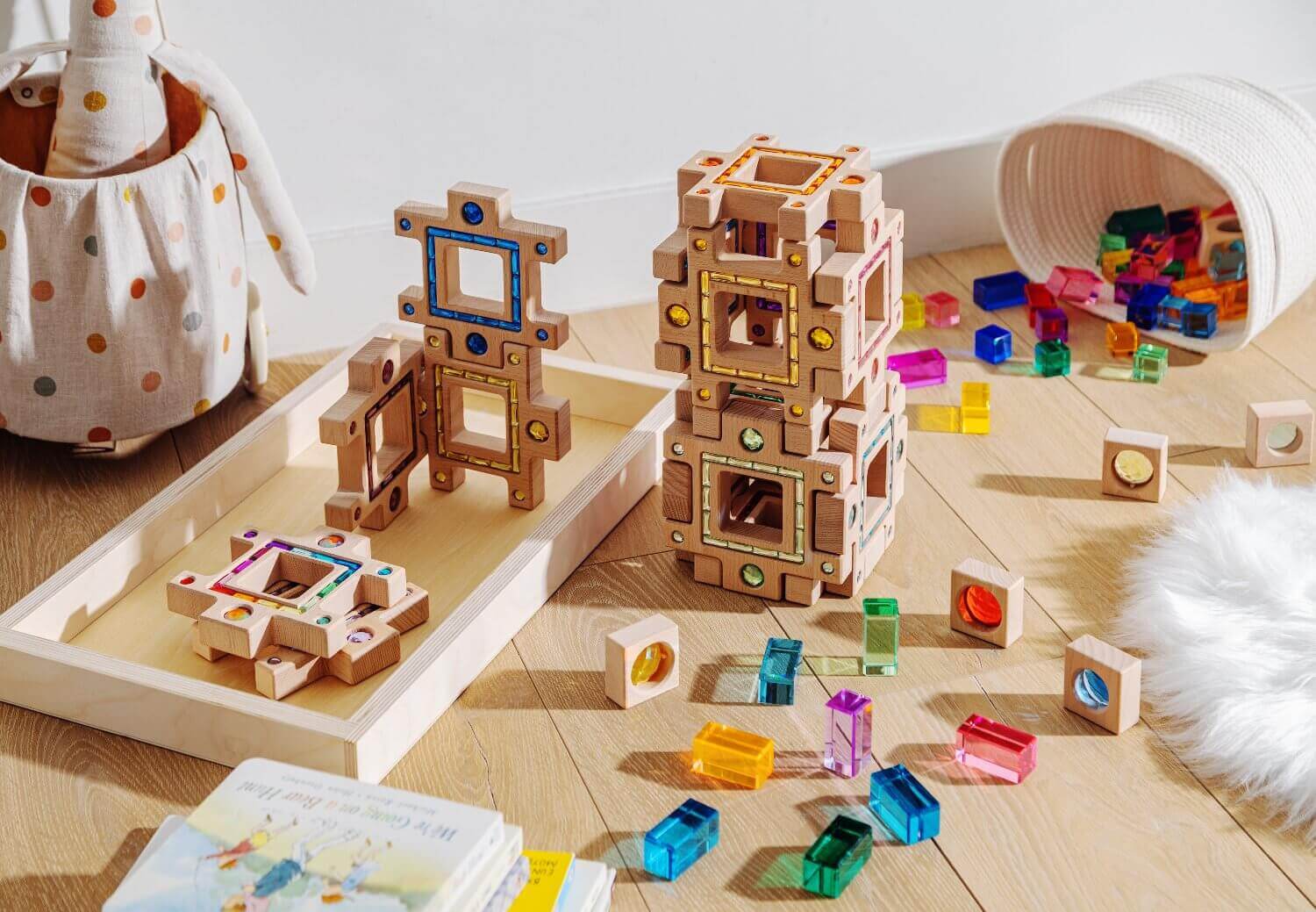
Why Boredom Is Good for Children (And What to Do Instead of Fixing It)
Boredom is good for kids and isn’t something to fix — it’s the starting point for creativity, independence, and meaningful open-ended play.
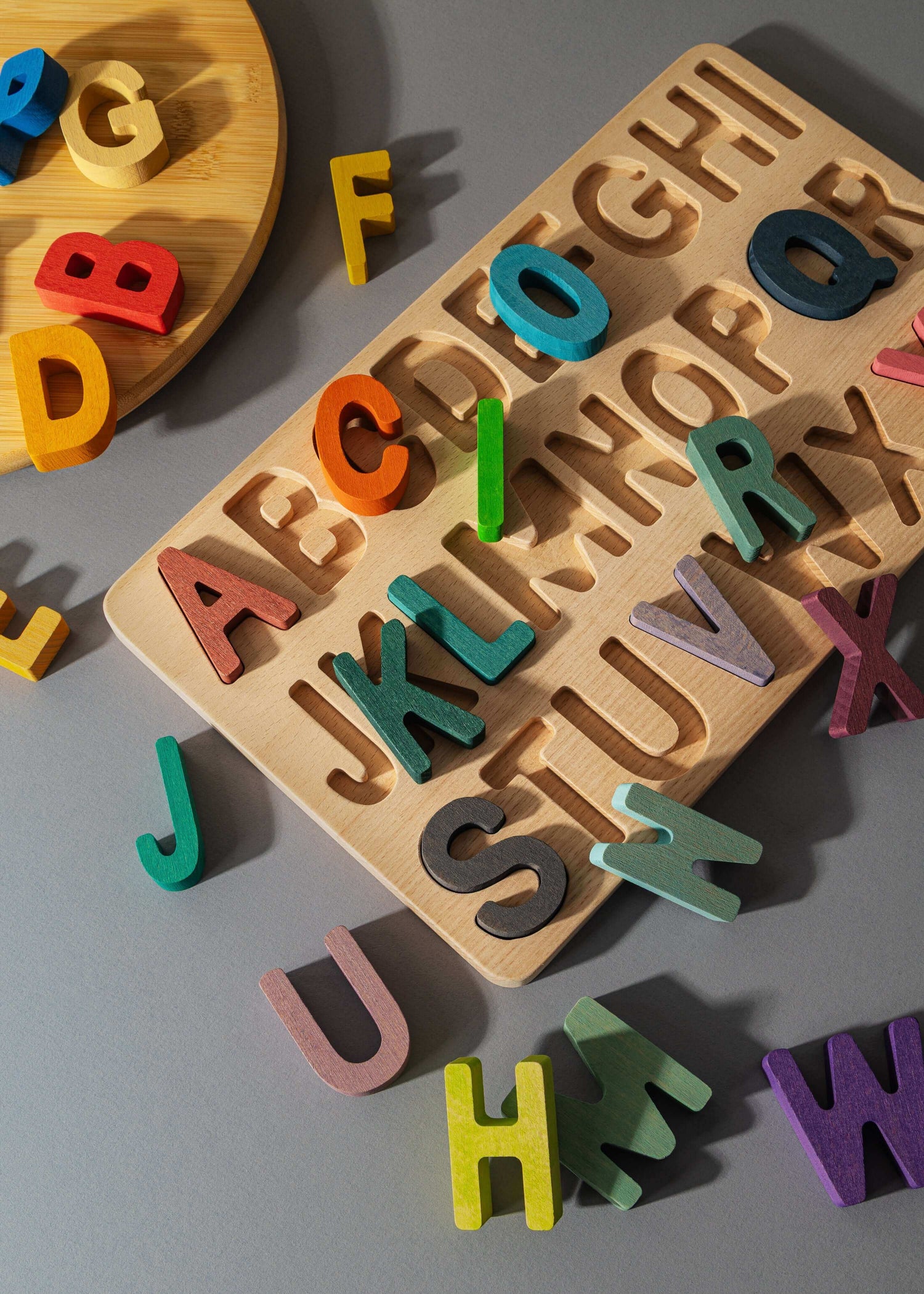
Early Literacy Through Play: How Language & Phonics Grow Naturally
Early literacy through play helps children build language, storytelling, and communication skills long before they begin reading. Discover how everyday play experiences support early literacy development.

How Open-Ended Play Builds Early Math Skills Through Play
Early math skills through play develop naturally when children build, sort, compare, and experiment with everyday materials. Discover how open-ended play supports early mathematical thinking.