
What Is Play-Based Learning?
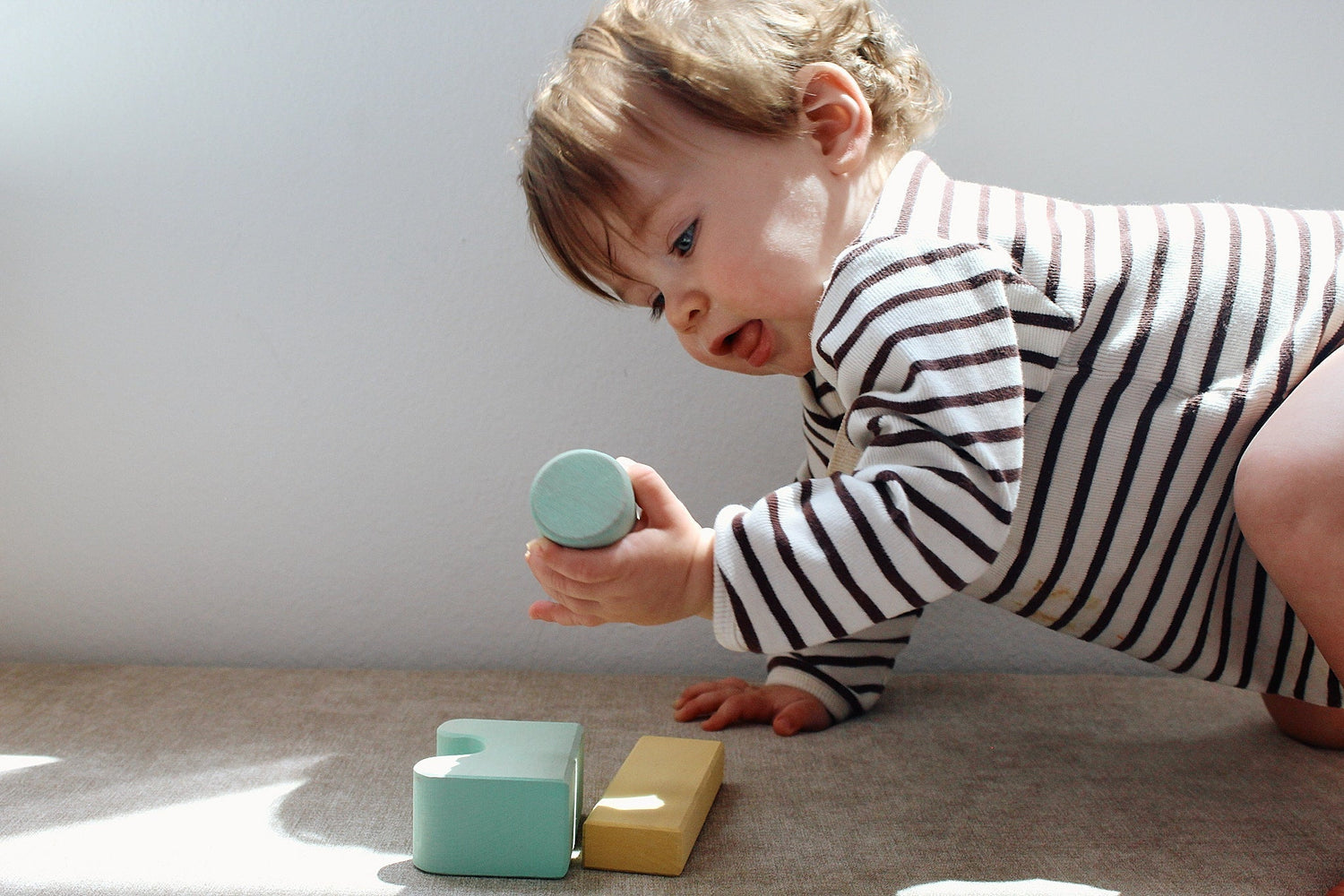
Play based learning is an approach to childhood development that allows children to explore ideas, build skills, and understand the world through play. Instead of relying only on structured lessons, children learn by experimenting, imagining, building, and interacting with materials around them.
Research consistently shows that children develop cognitive, social, and emotional skills most effectively when learning happens through playful exploration. During play, children test ideas, ask questions, and discover solutions in ways that feel natural and engaging.
Play based learning is widely used in early childhood education because it supports curiosity and encourages children to become active participants in their own learning. If you are new to the world of play-based learning you may want to first read about the benefits of open-ended toys in this article.
Why Play Is Such a Powerful Learning Tool
Play allows children to experiment without fear of failure. When children build towers, invent stories, or explore materials, they are practicing problem-solving and creative thinking.
Play supports learning in many areas including:
• language development
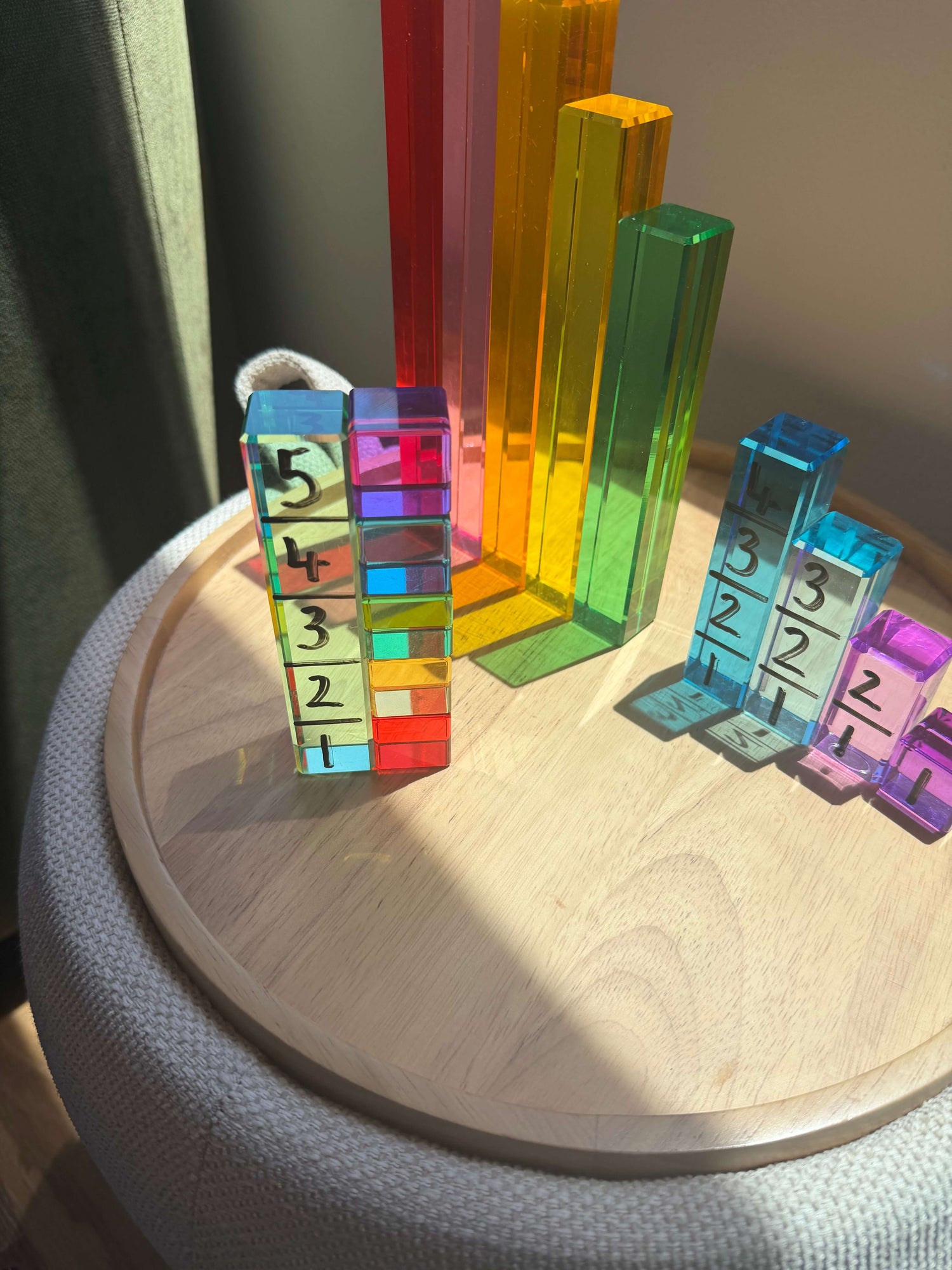
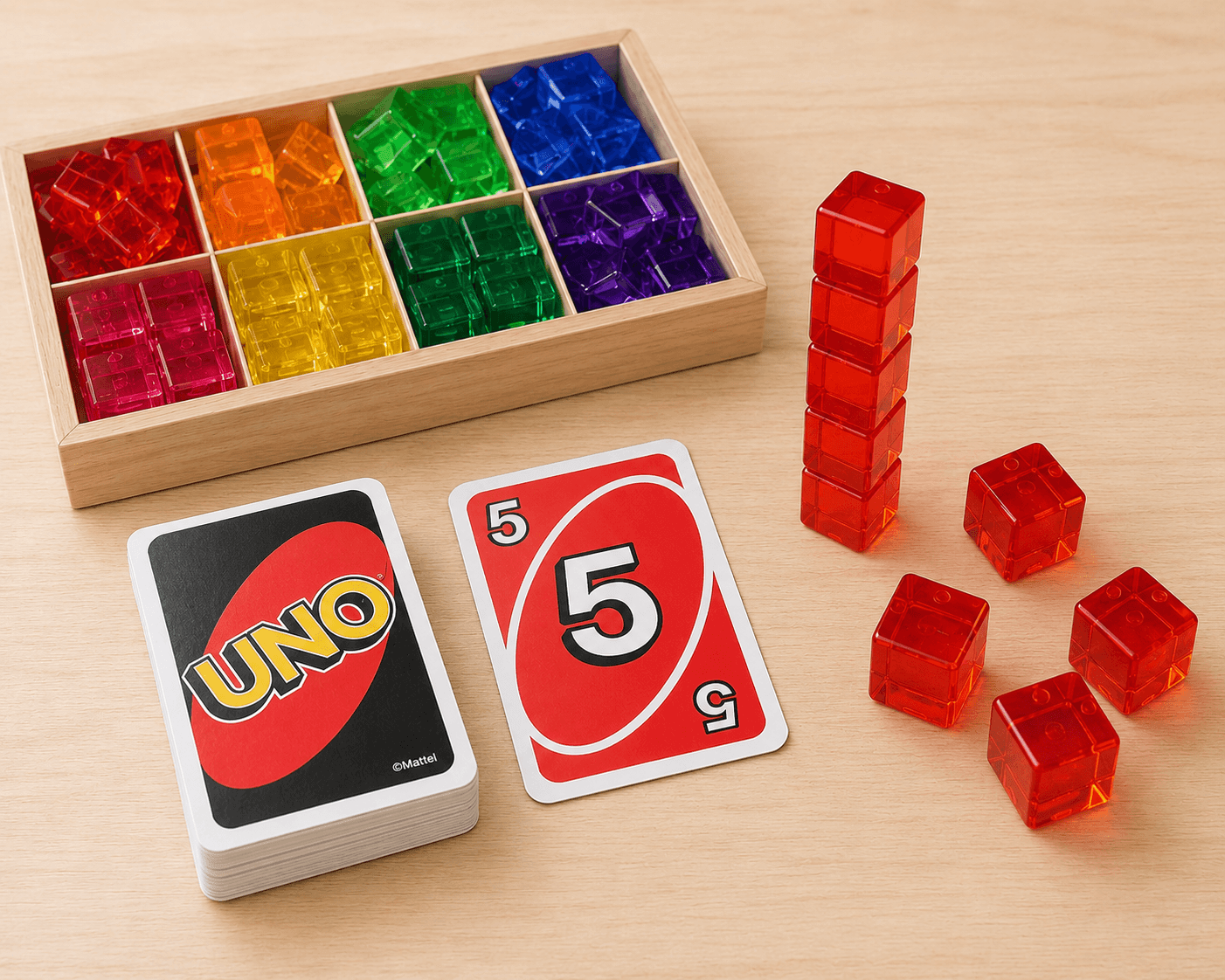
• early math skills
• scientific curiosity
• social interaction
• creativity and imagination
These experiences help children build confidence and develop a deeper understanding of new ideas. We have a wide-range of play-based learning activities using our open-ended blocks in this blog.
The Connection Between Play and Child Development
Play based learning supports multiple areas of development at the same time. While playing, children practice coordination, communication, emotional regulation, and flexible thinking.
For example:
-
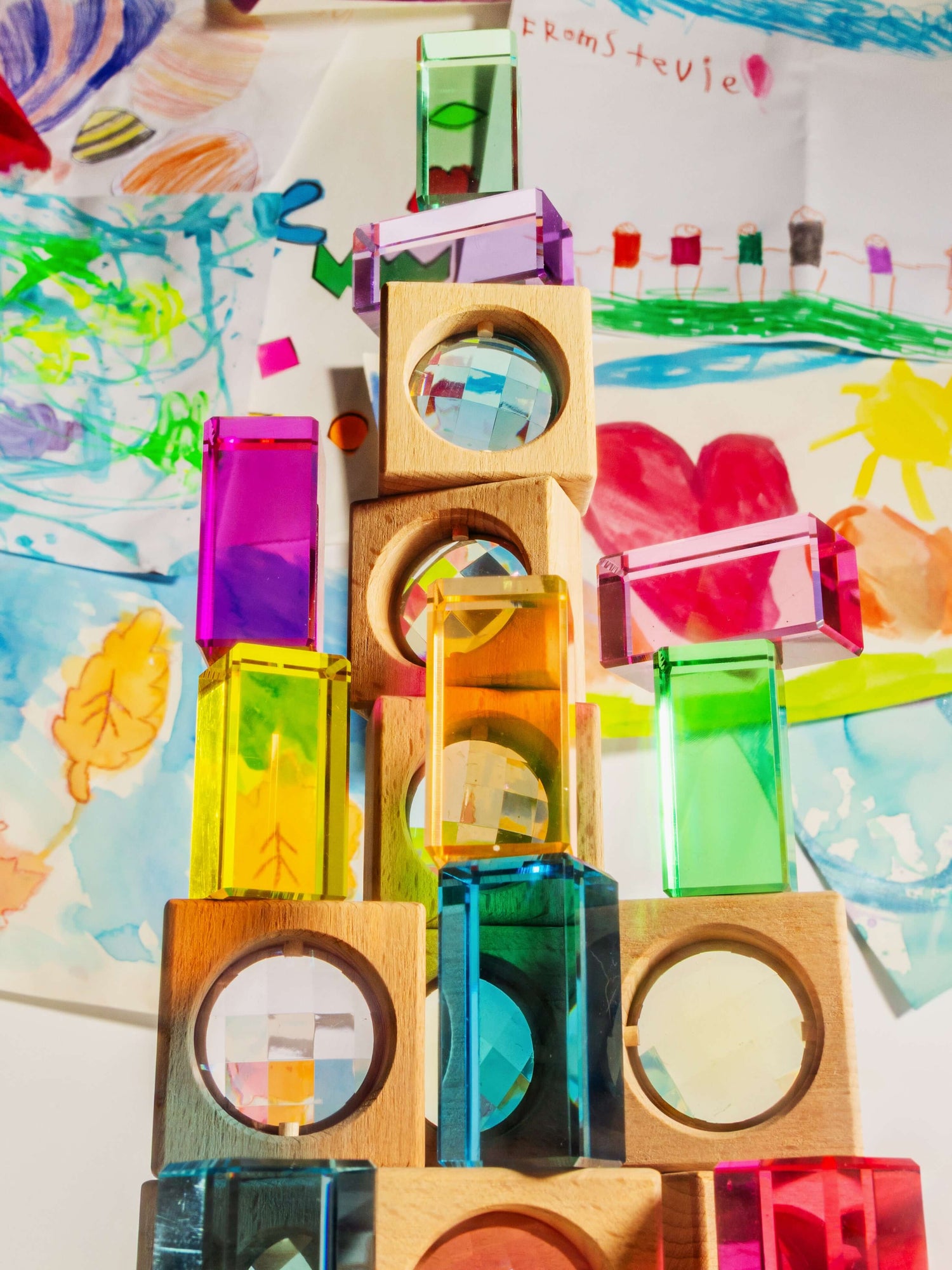
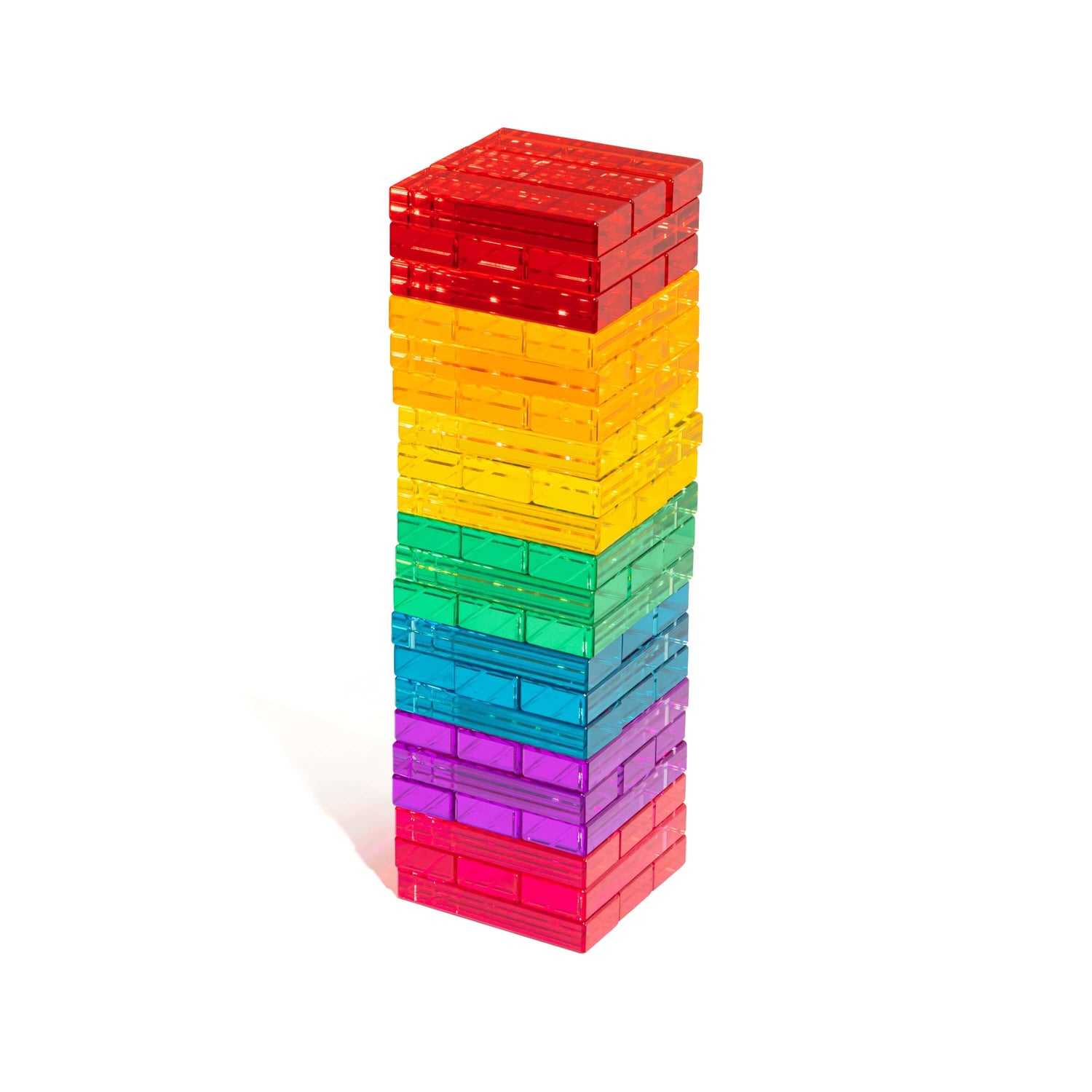
building with blocks develops spatial reasoning
-
pretend play strengthens language and storytelling
-
sorting objects introduces early math concepts
Because play combines so many types of learning, it is one of the most effective ways children explore the world around them.
What Play-Based Learning Looks Like at Home
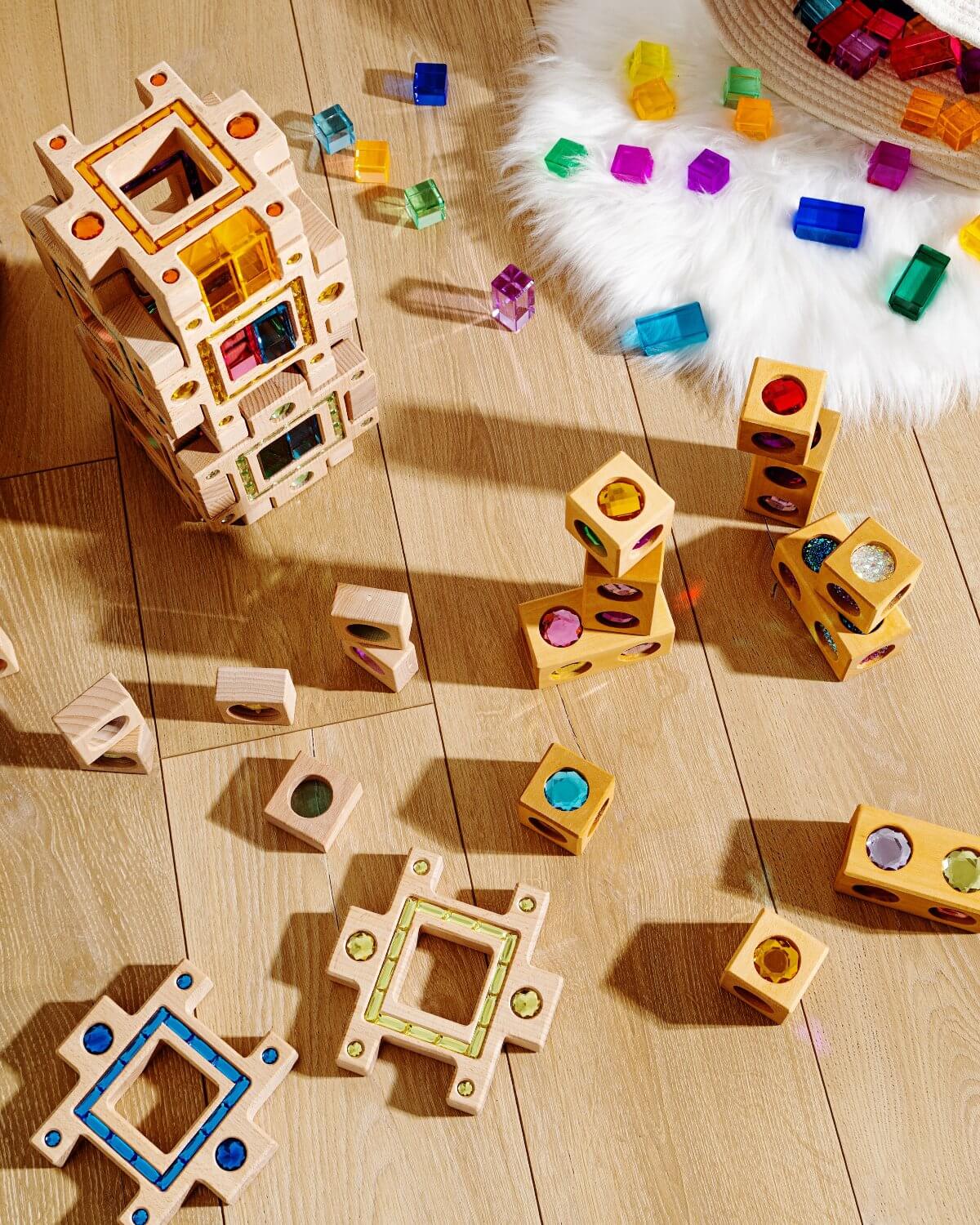
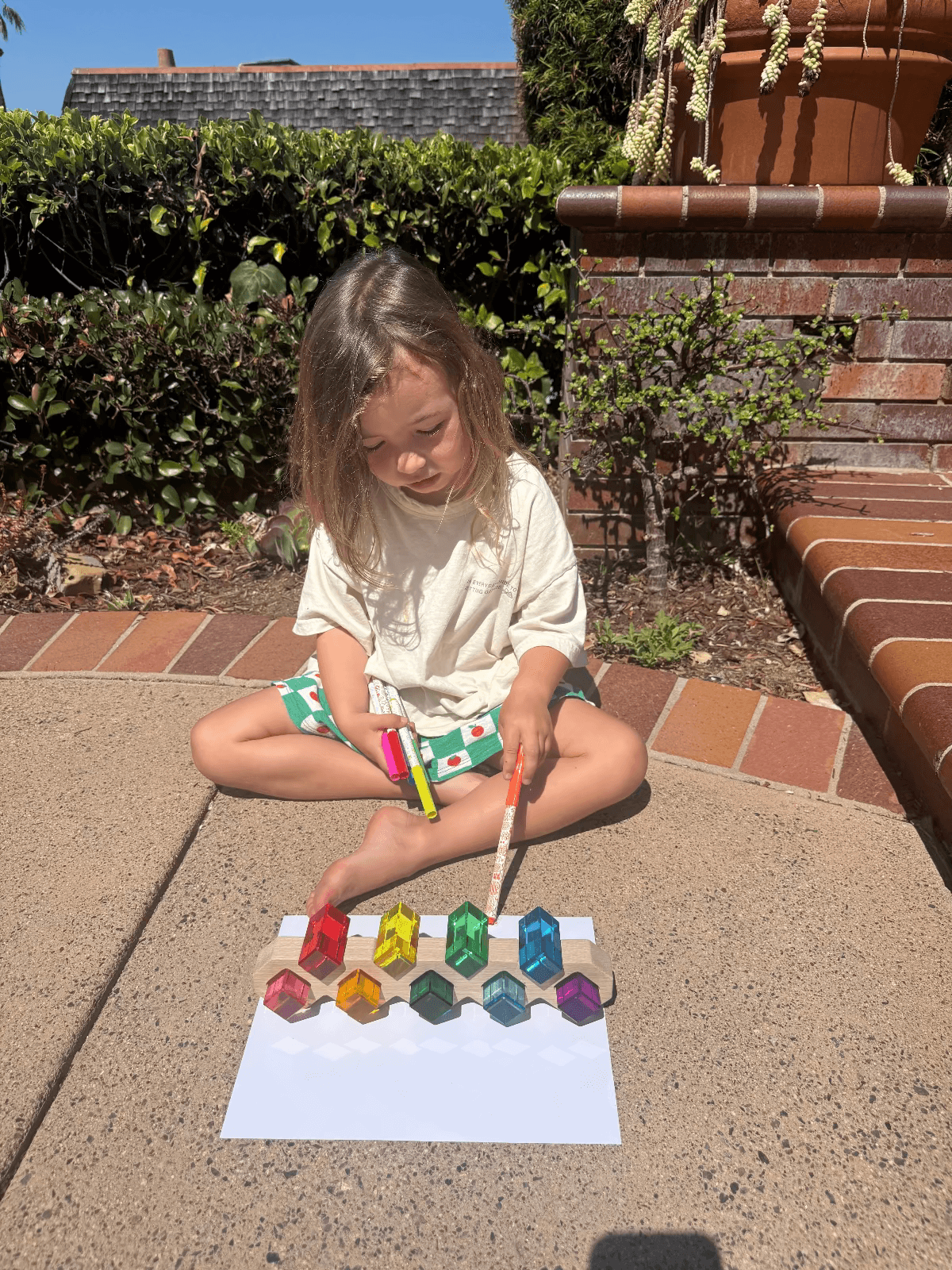
Parents can encourage play based learning by providing materials that allow children to experiment freely.
Examples include:
-
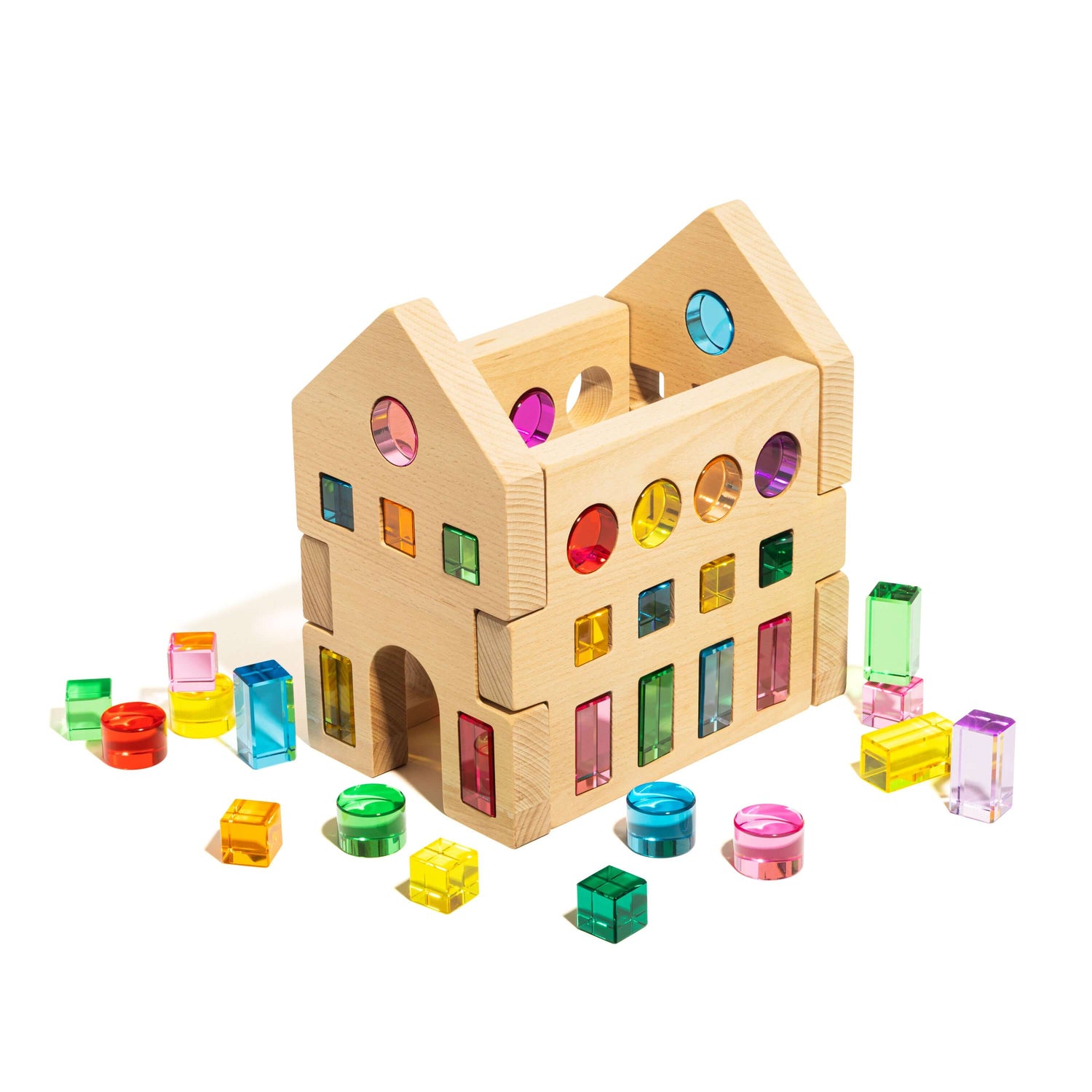
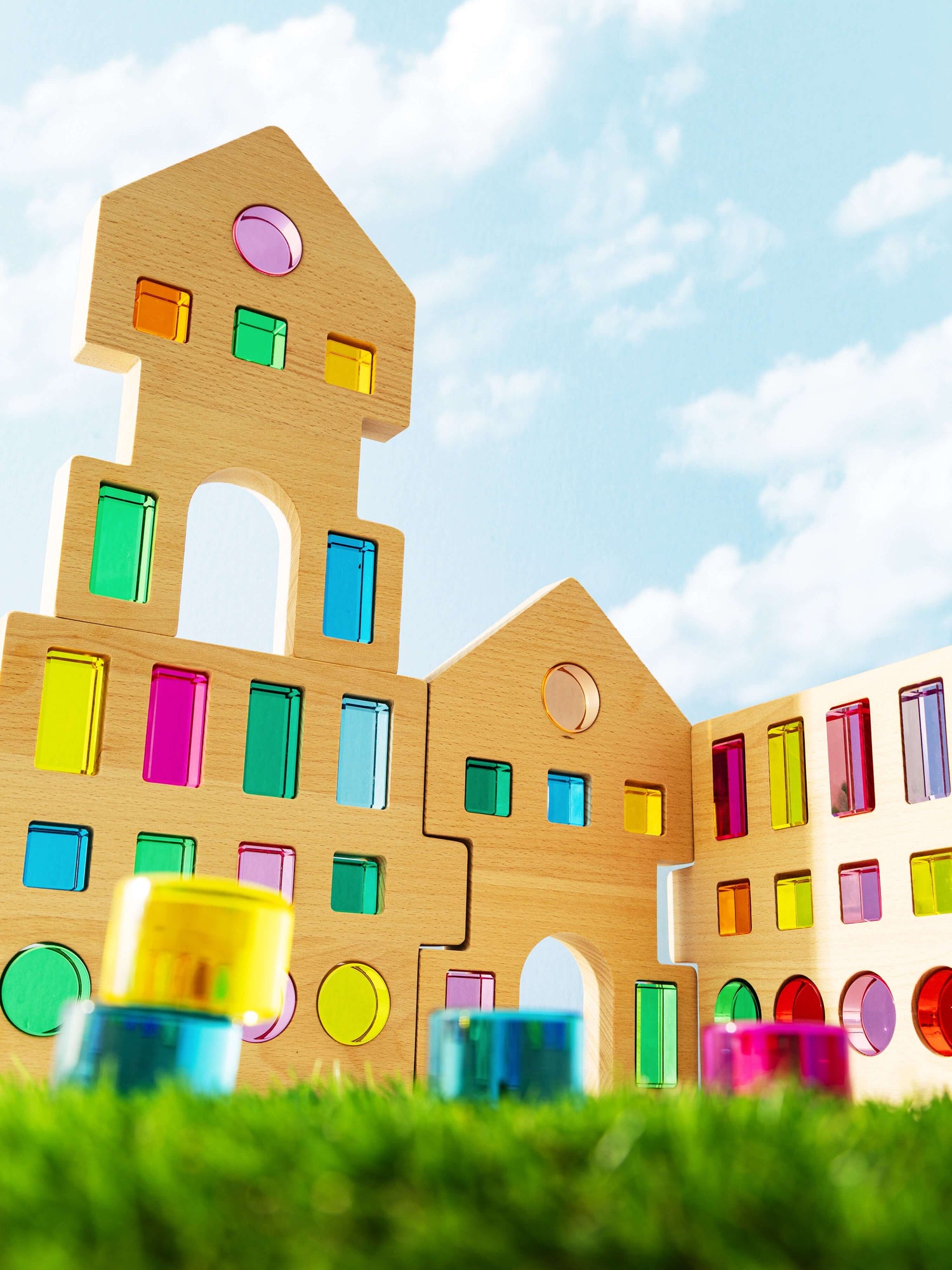
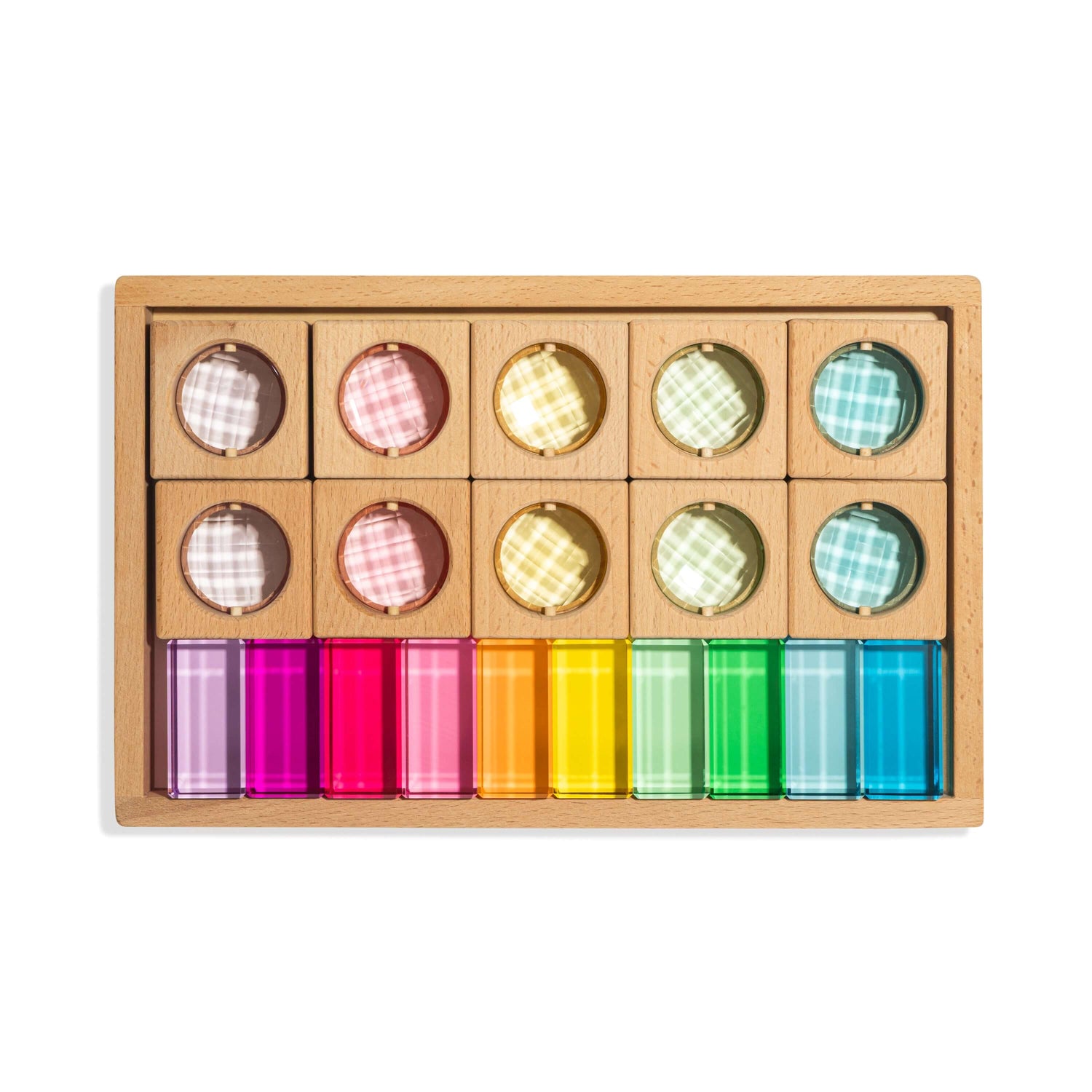
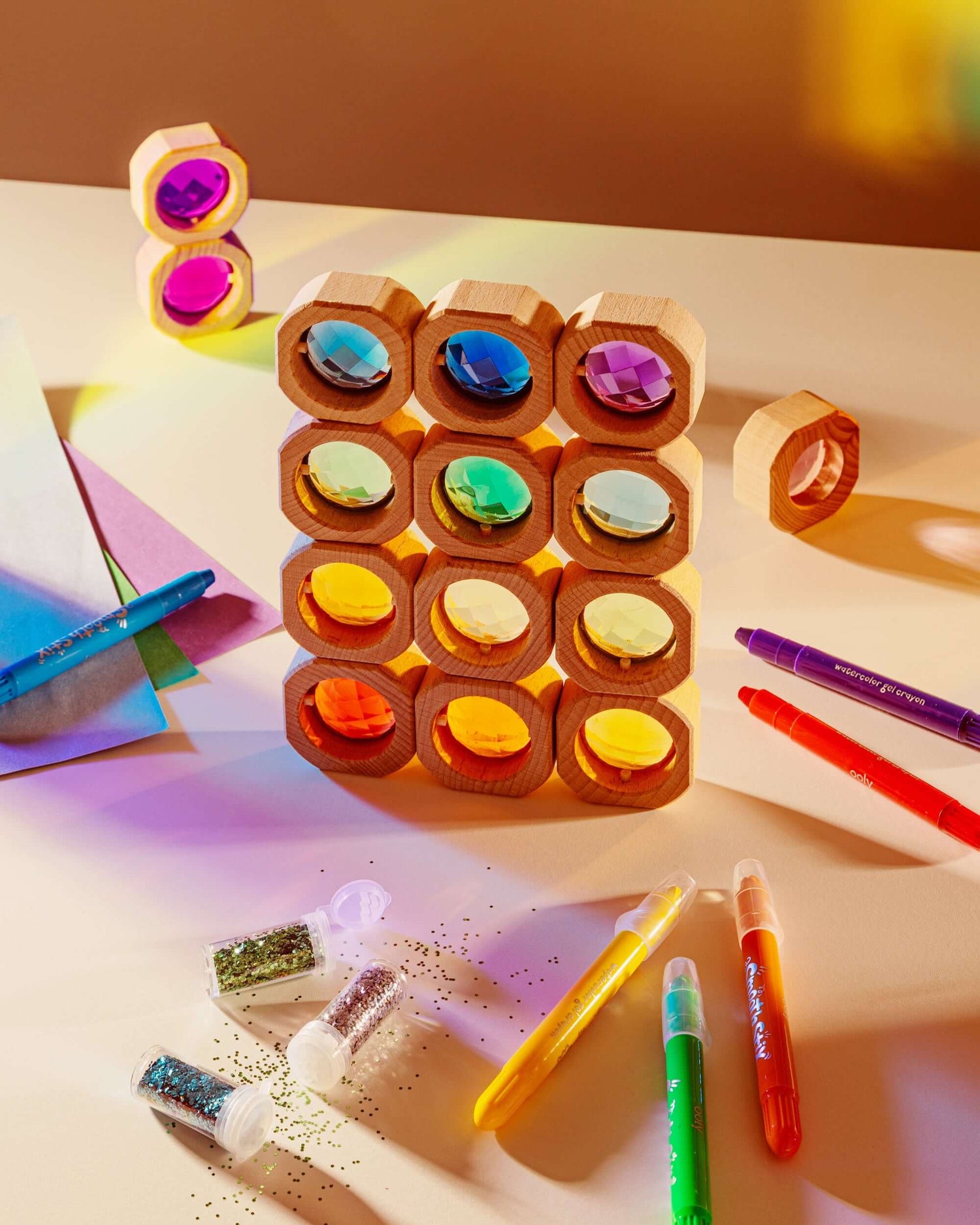
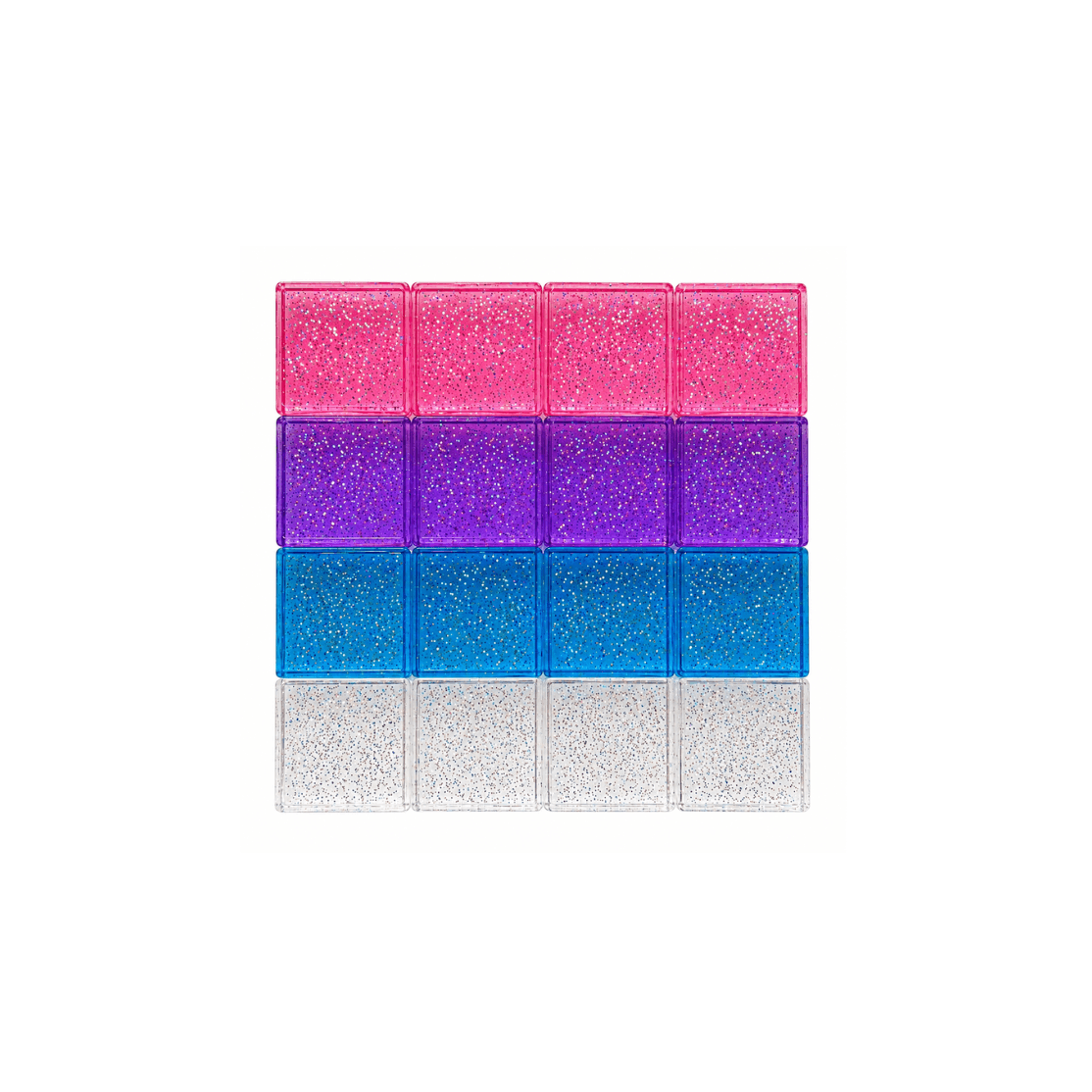
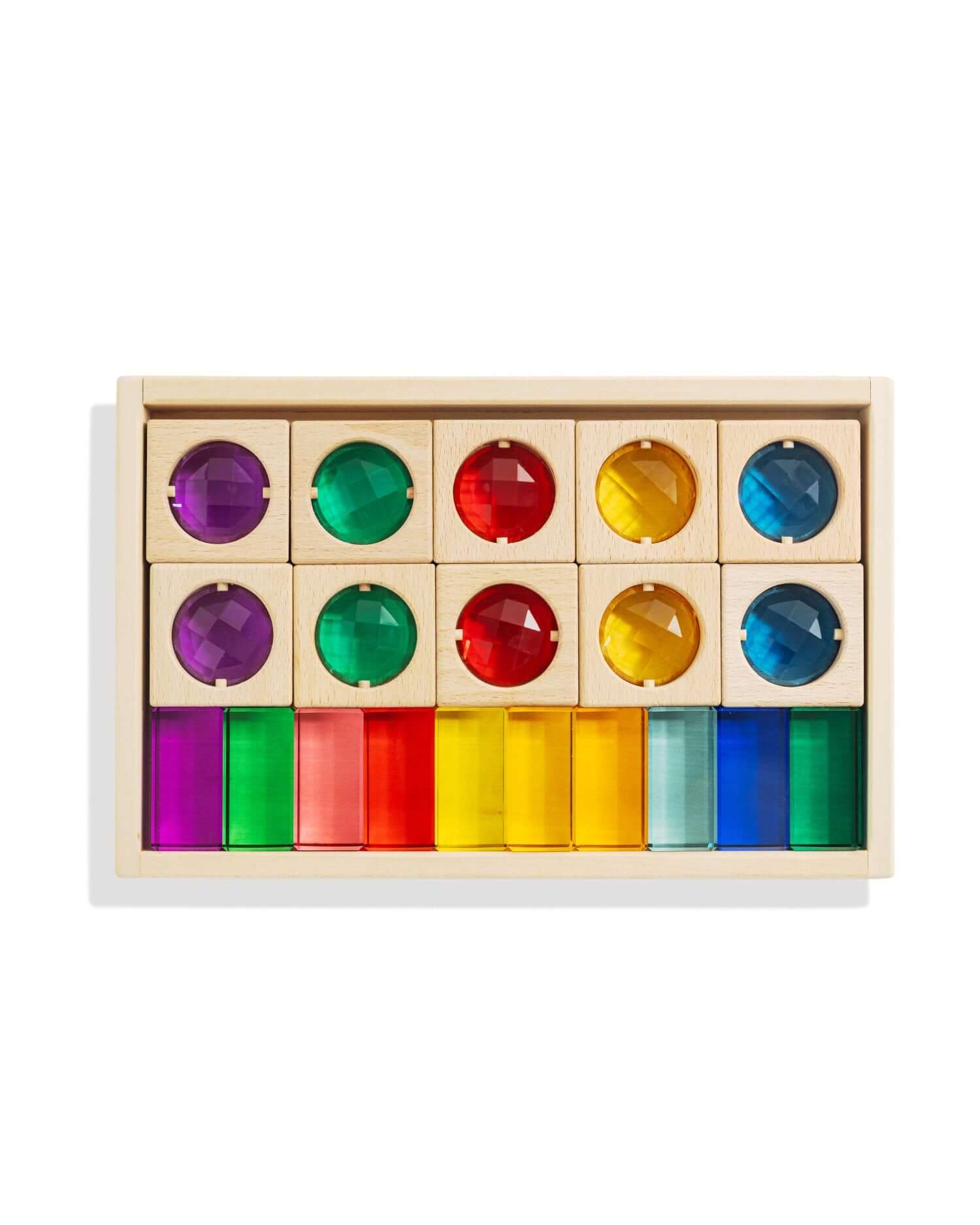
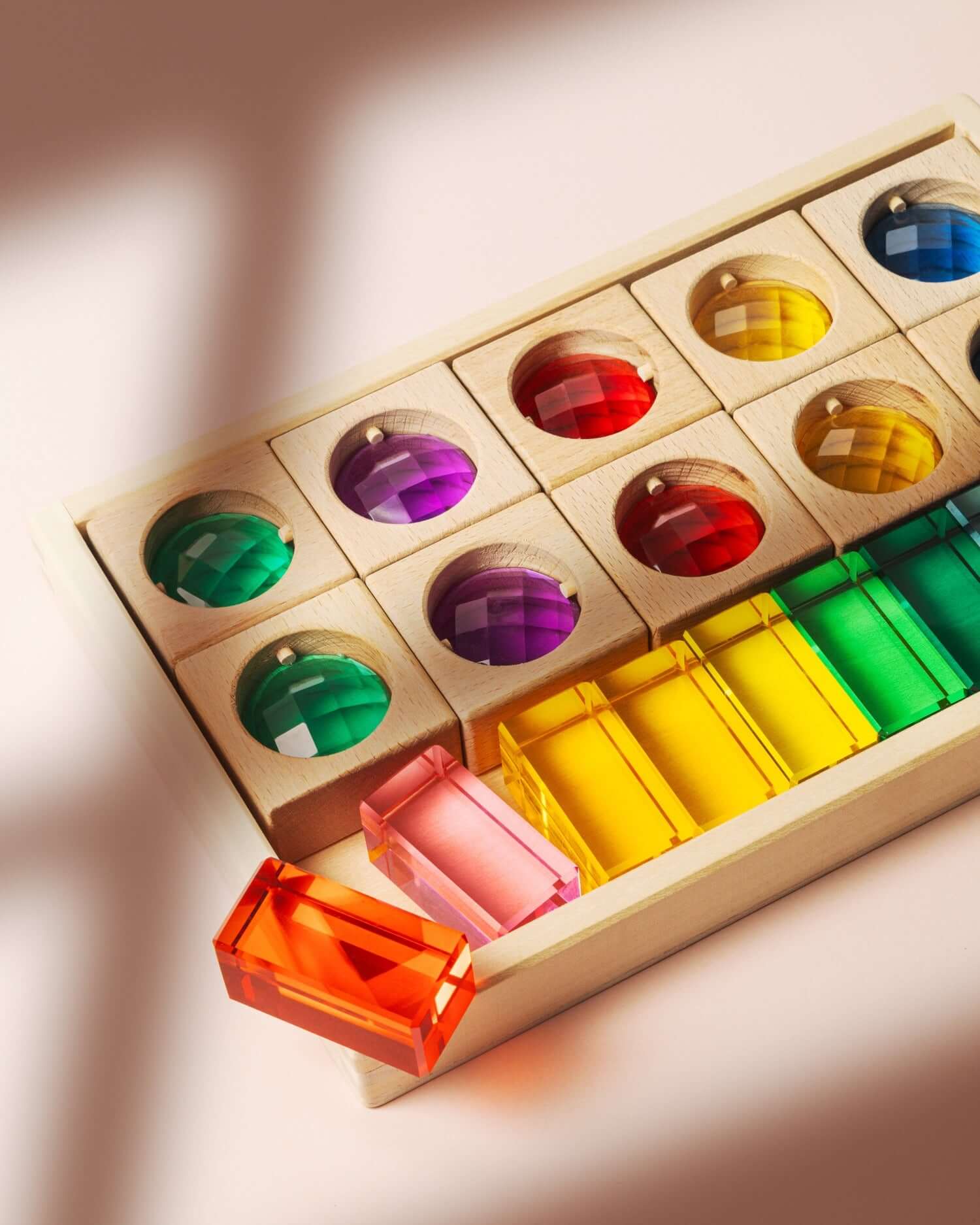
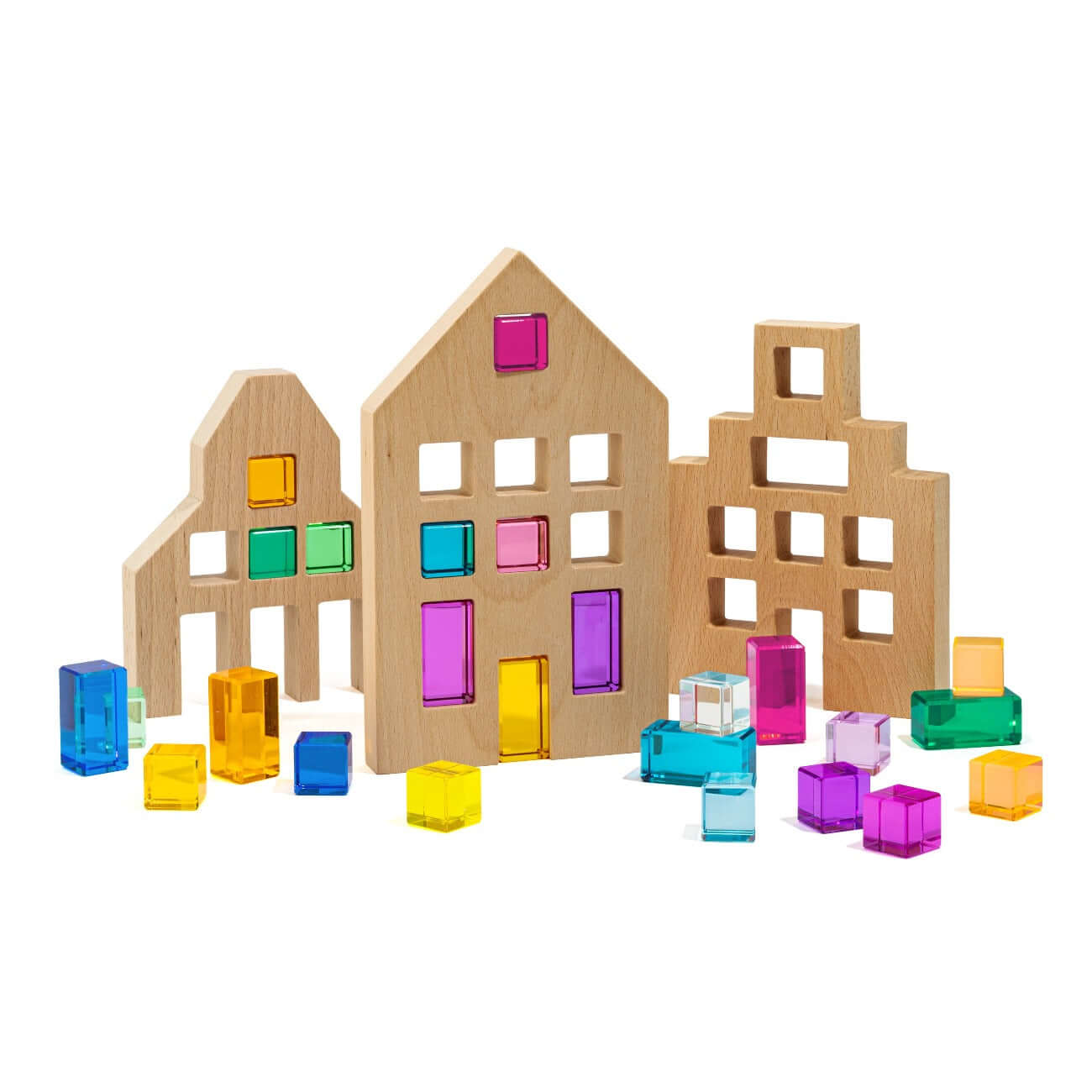
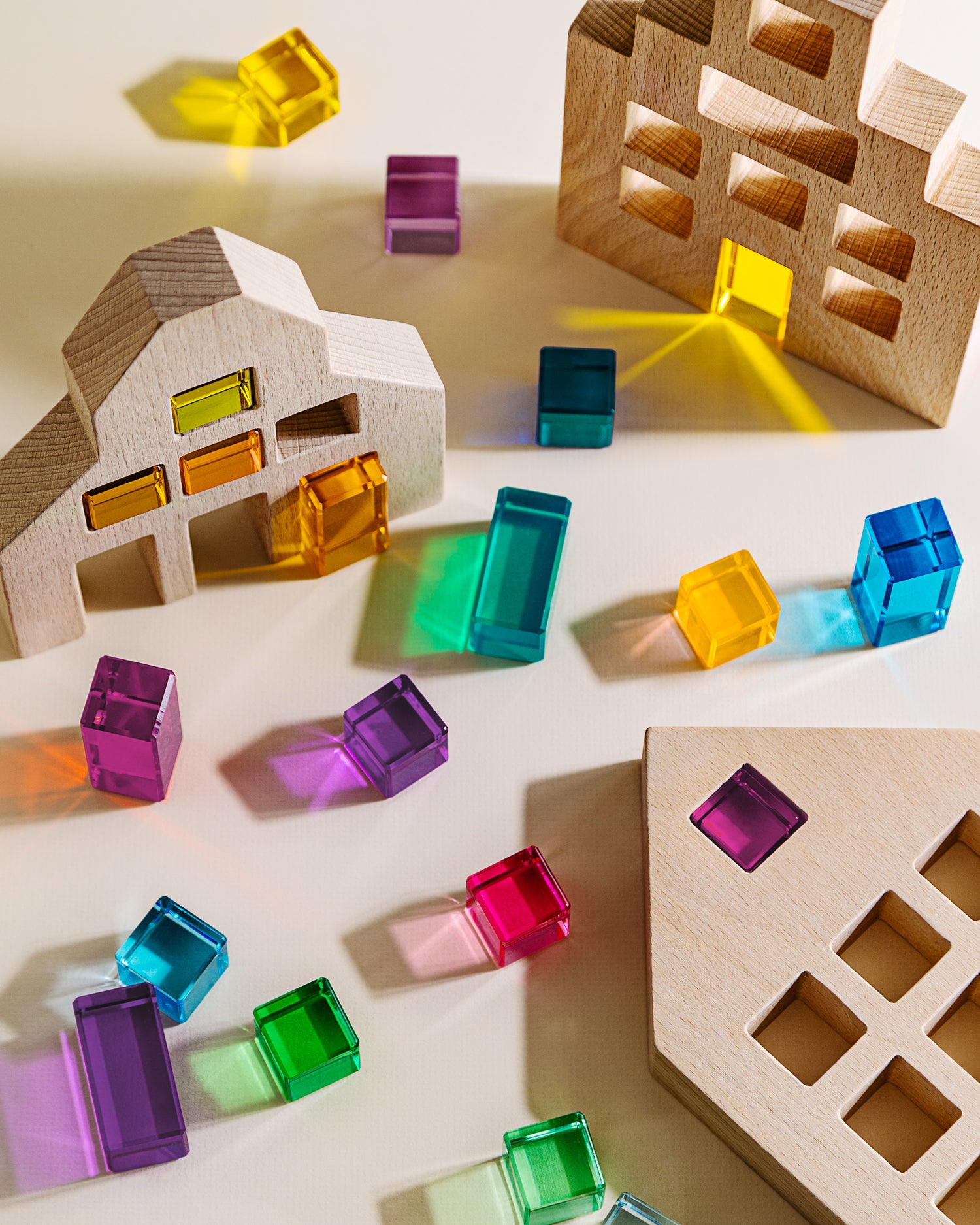
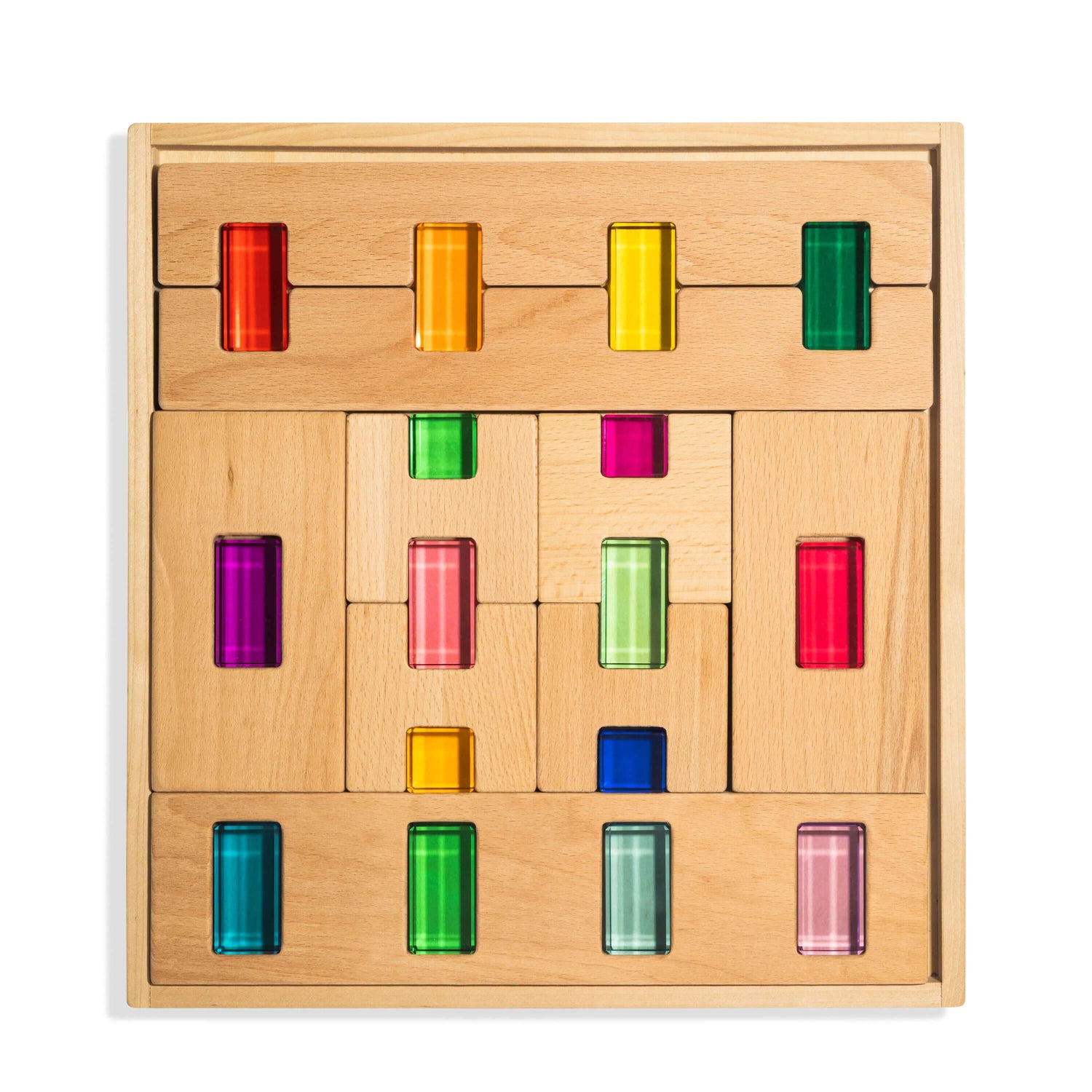
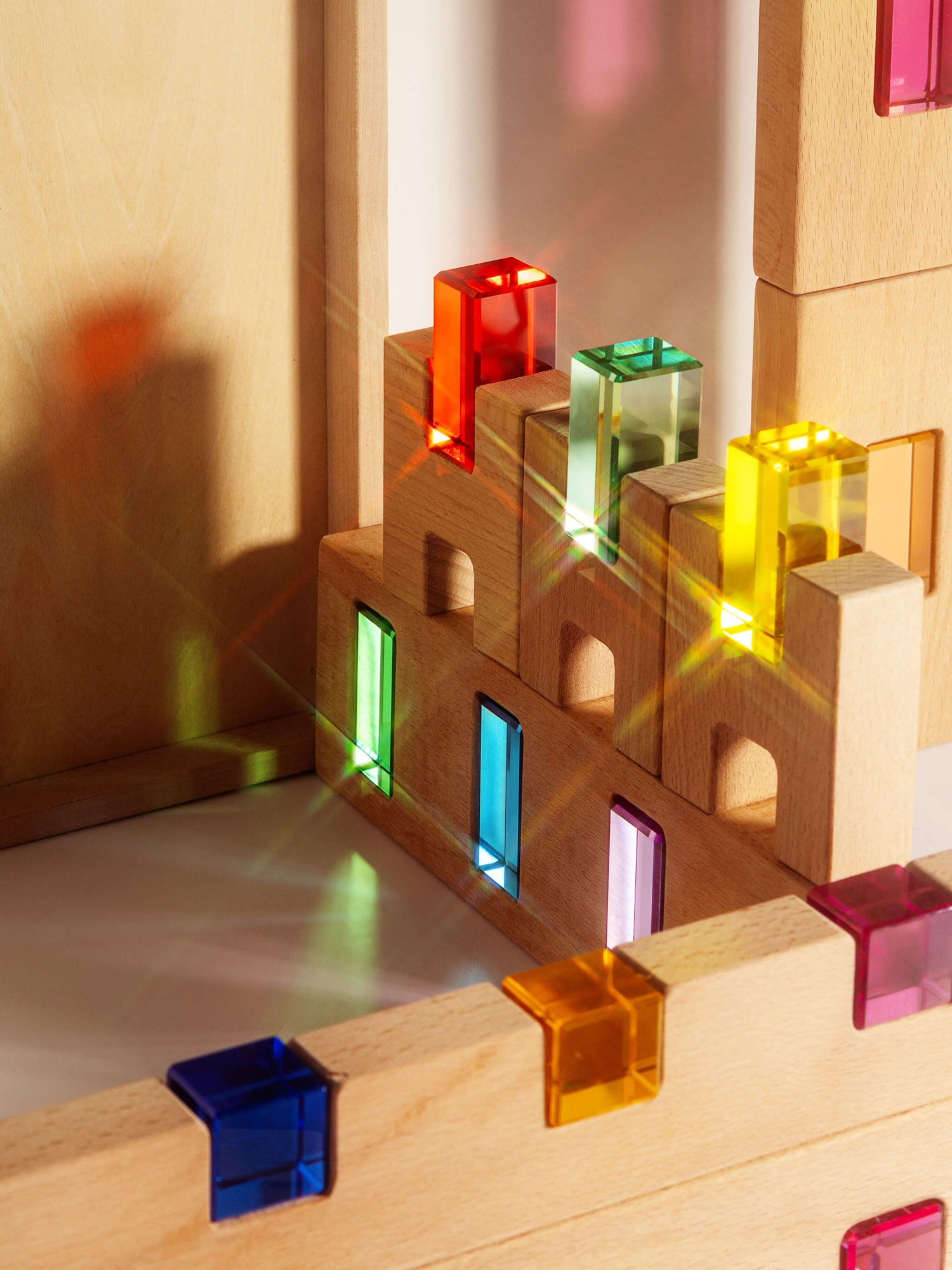
building toys such as our Barca Blocks or Riley City Blocks
-
art materials
-
pretend play props such as our bergen blocks
Simple toys often encourage deeper learning because children invent their own ways to play with them.
Learning Begins With Curiosity
Play based learning reminds us that children are naturally curious. When children are given time and space to explore their ideas, play becomes a powerful tool for discovery and growth.







0 comentarios