
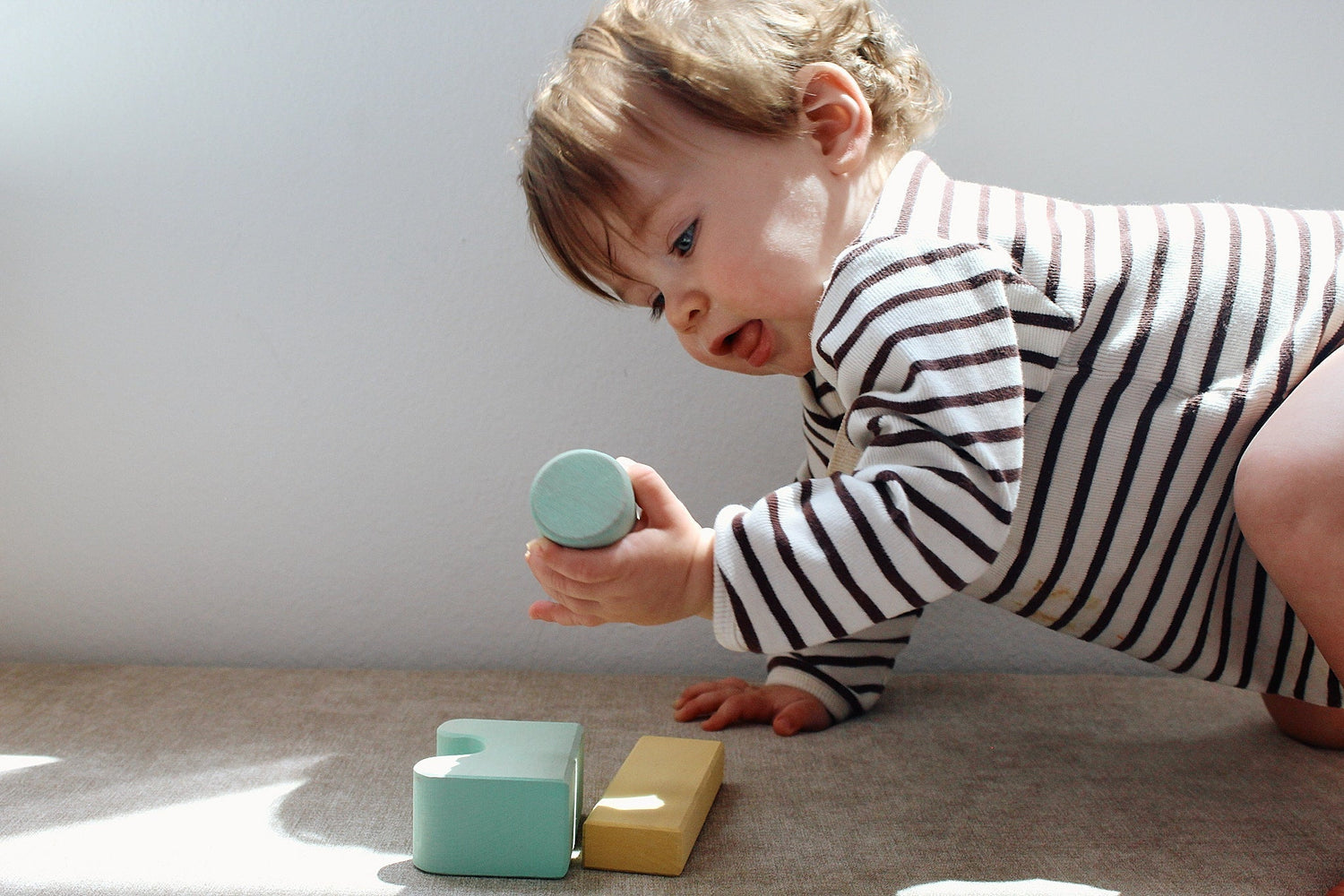
When It's Too Hot to Go Outside, Blocks Are Your Best Friend
It's 10:30 a.m., the heat advisory is flashing on your phone, and your toddler is already restless. Pediatricians are clear: keep young children indoors during peak heat hours (10 a.m. to 3 p.m.), which means you need a plan that doesn't involve handing over a tablet.
Here's the good news: a single set of building blocks can fill an entire heatwave day with zero prep and zero guilt. One toy, multiple setups, activities that work for babies all the way through age five and beyond.
Why Blocks Are the Ultimate Heatwave Day Toy
Block play isn't just stacking and knocking down (though that part is pretty great, too). It supports cognitive, physical, language, and social-emotional development all at once. A 2025 study published in Early Childhood Research Quarterly (Vol. 71) found that free play with wooden unit blocks predicted gains in geometry skills and behavioural self-regulation in preschoolers. The NAEYC recognises block play as a tool for building self-reliance, increasing attention span, and strengthening self-esteem.
What makes blocks especially powerful on a long, hot day is their open-ended nature. Child development experts describe toys like these as "10% toy, 90% child," meaning your child drives the play, not the product. That translates to longer stretches of independent engagement and more breathing room for you.
Consider the alternative: children under eight average over 2.5 hours of screen time daily, well above what the American Academy of Pediatrics recommends. Blocks offer something genuinely enriching to fill that gap, especially during summer when routines loosen and screens creep in.
5 Building Block Activities to Try on a Heatwave Day
Every idea below requires two minutes or less of setup. As an early childhood educator and a mom, I designed these to be practical for hot, tired caregivers. Each one is age-noted so you can pick what fits.
1. Build a City (Ages 2–5+)
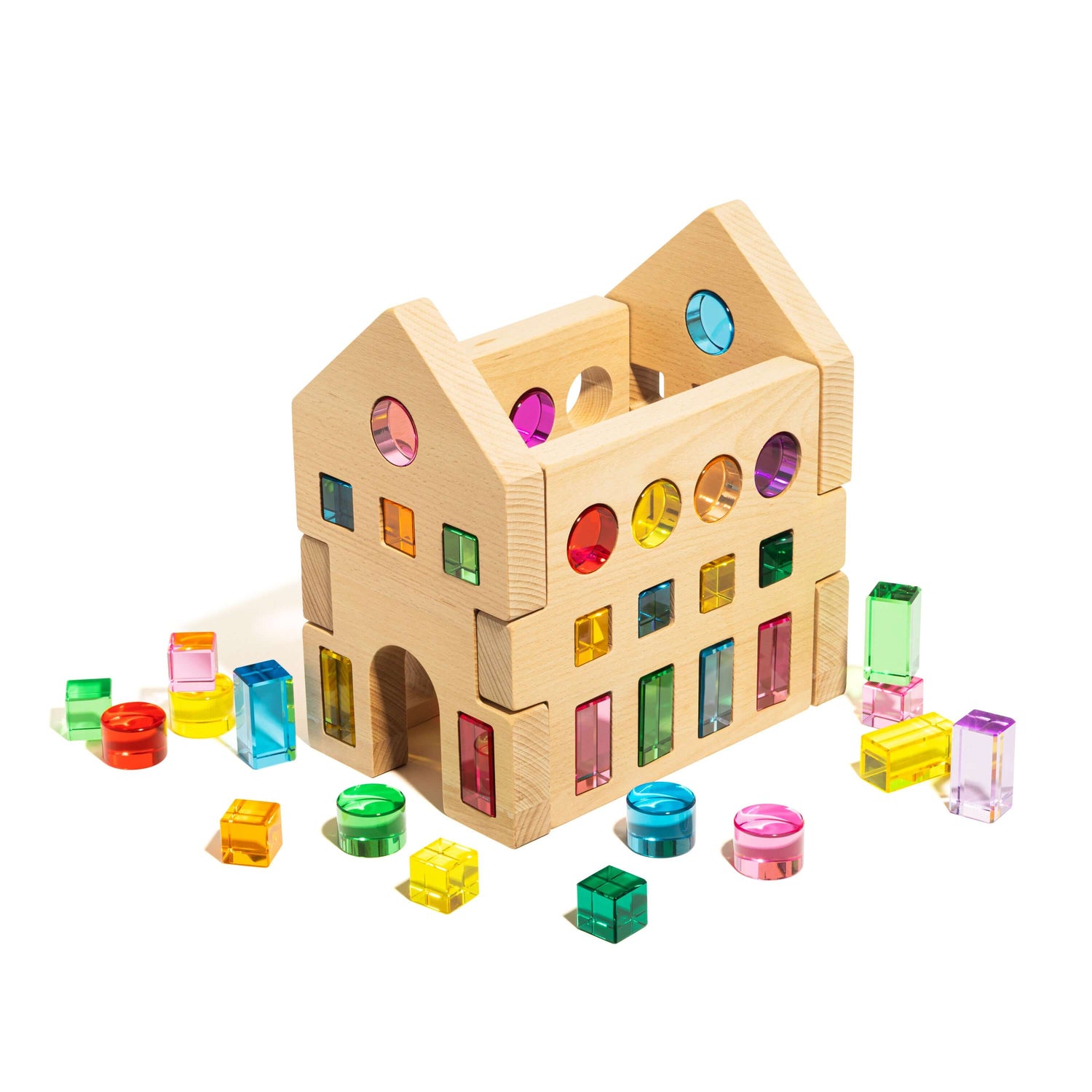
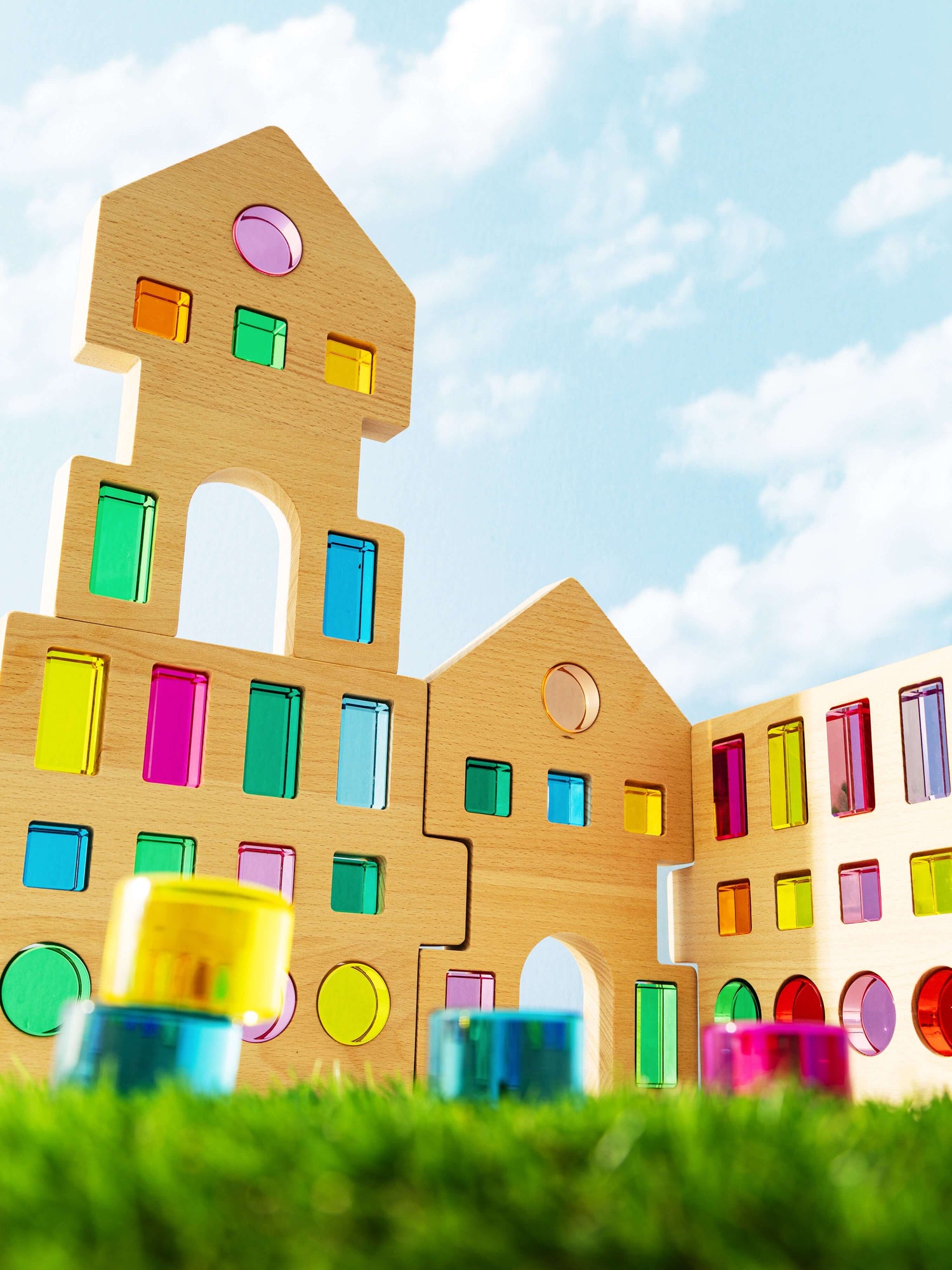
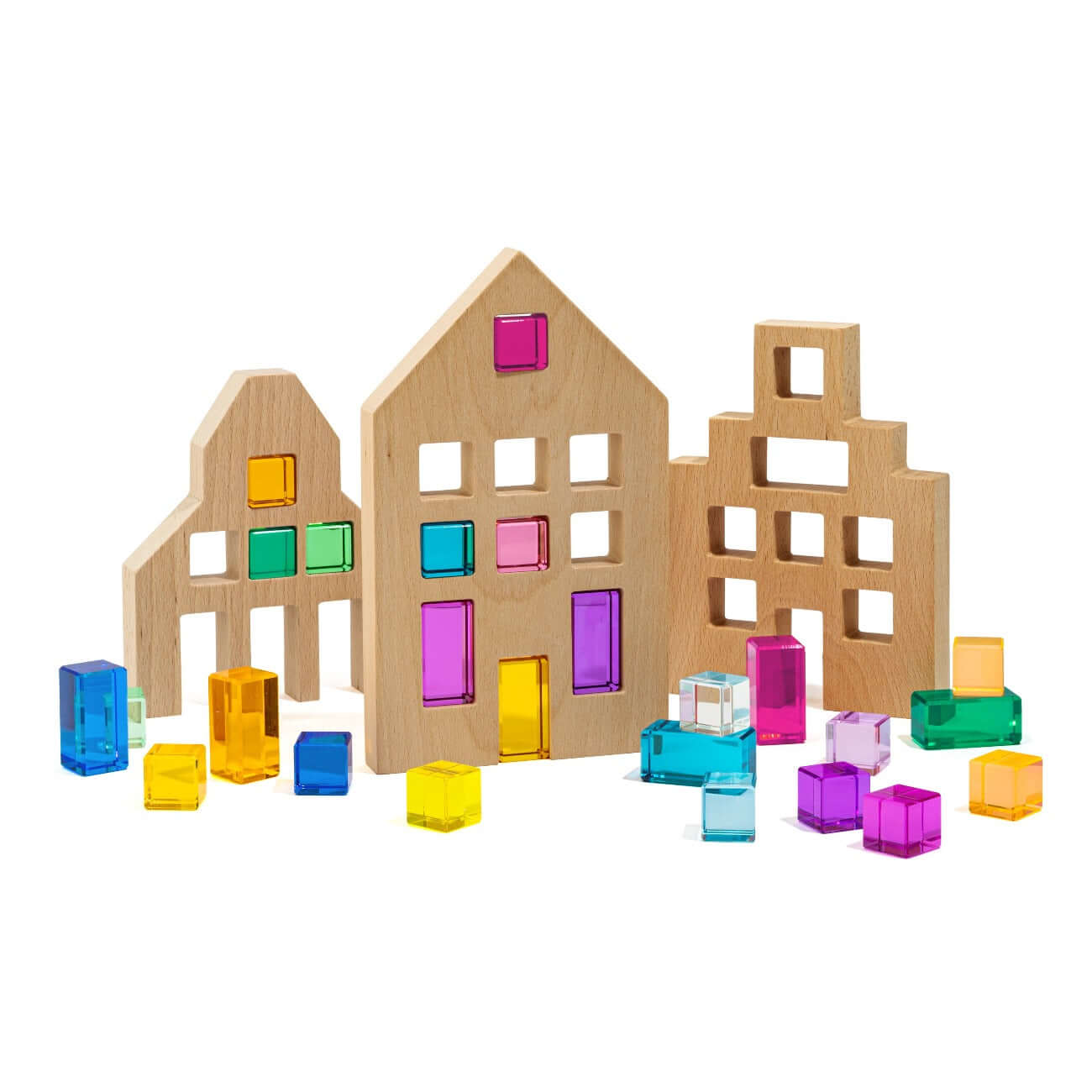
Invite your child to build a whole town using blocks, then add toy cars, small figures, or fabric scraps as roads and rivers. Ask questions: Who lives here? What happens next? This kind of storytelling supports language development and imaginative play naturally.
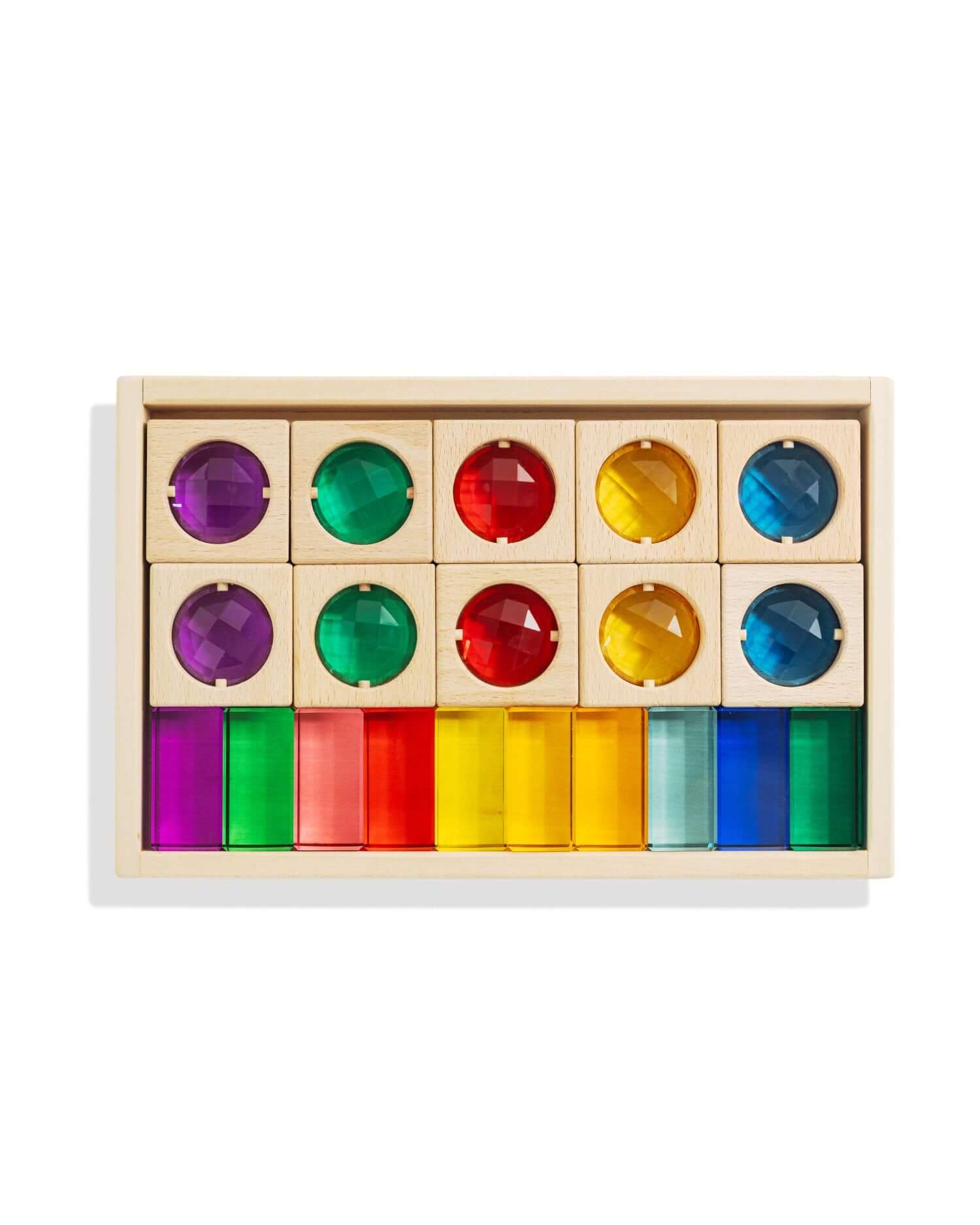
Rotate in different block types throughout the day (unit blocks in the morning, magnetic tiles after lunch) to keep the setup fresh. Once the invitation is laid out, this activity runs itself — ideal for independent play during the hottest afternoon hours.
2. Shadow and Light Play (Ages 3–5+)
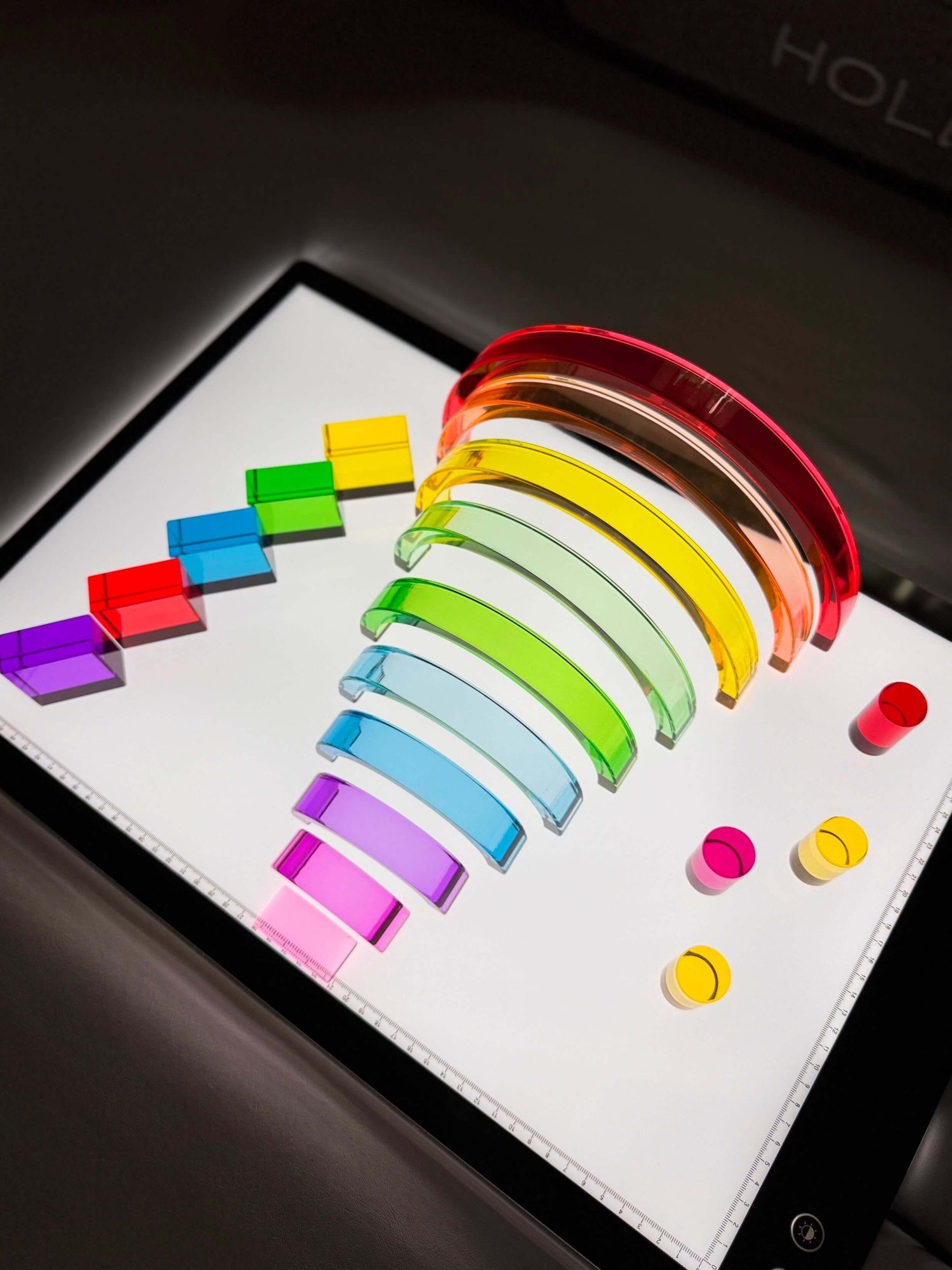
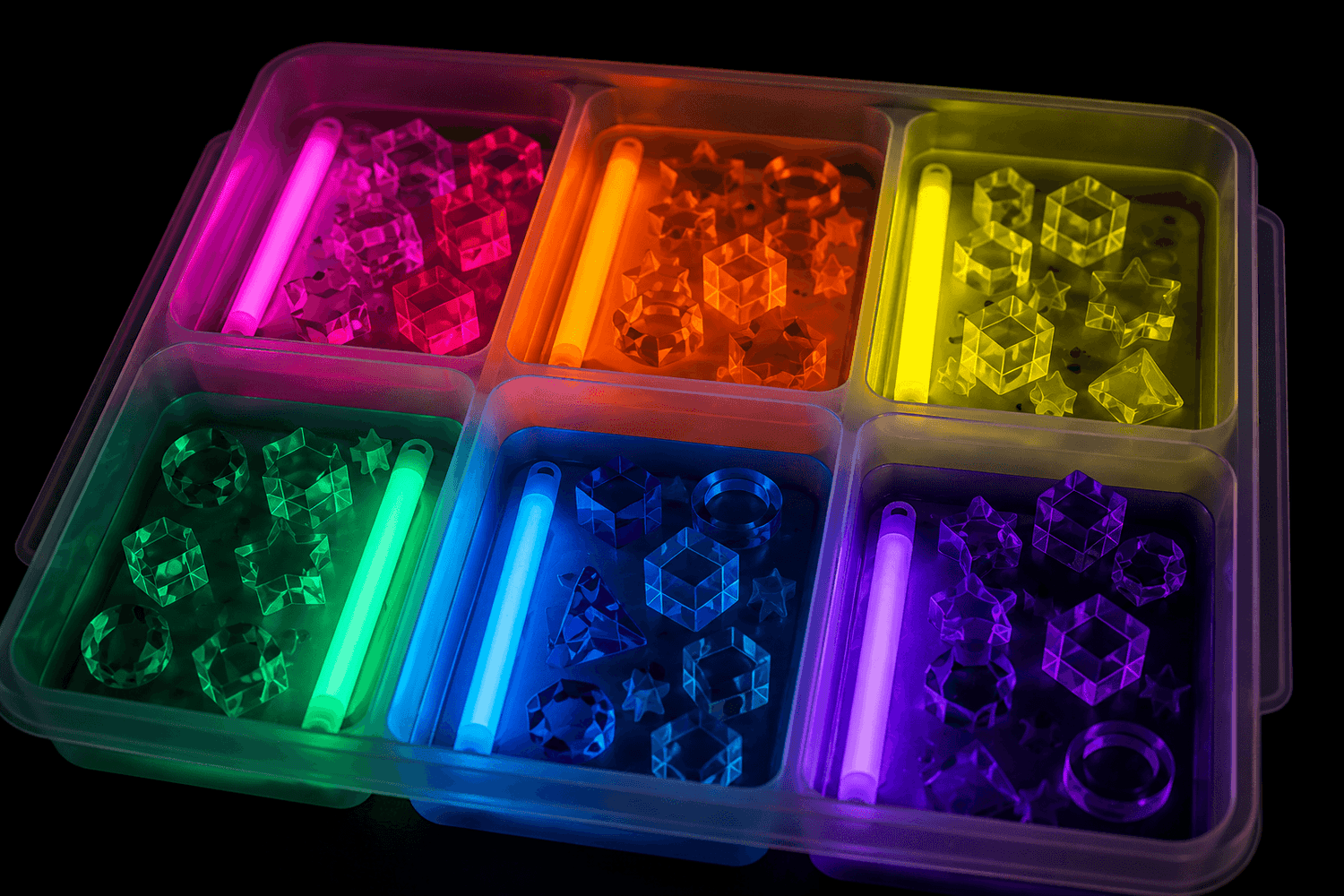
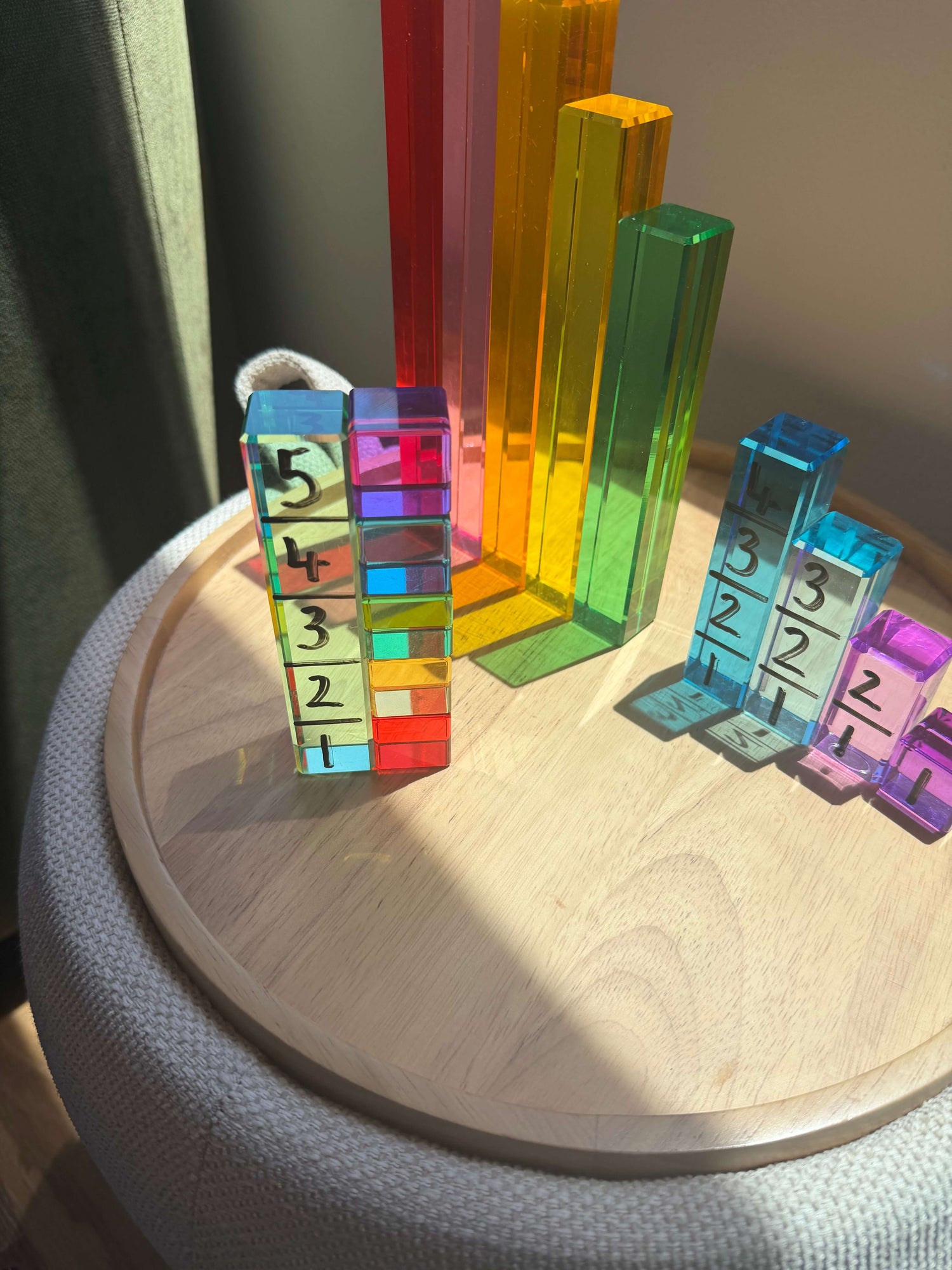
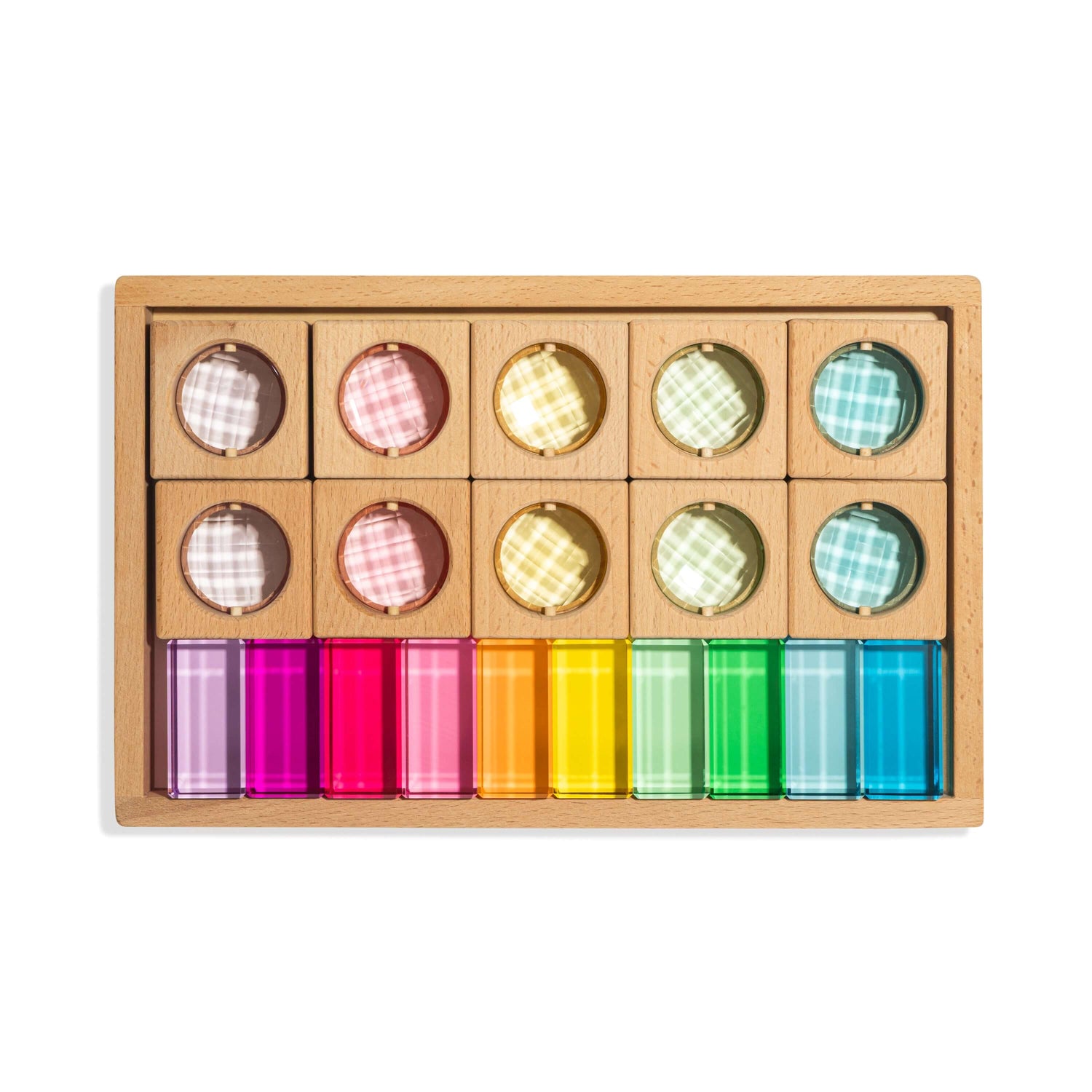
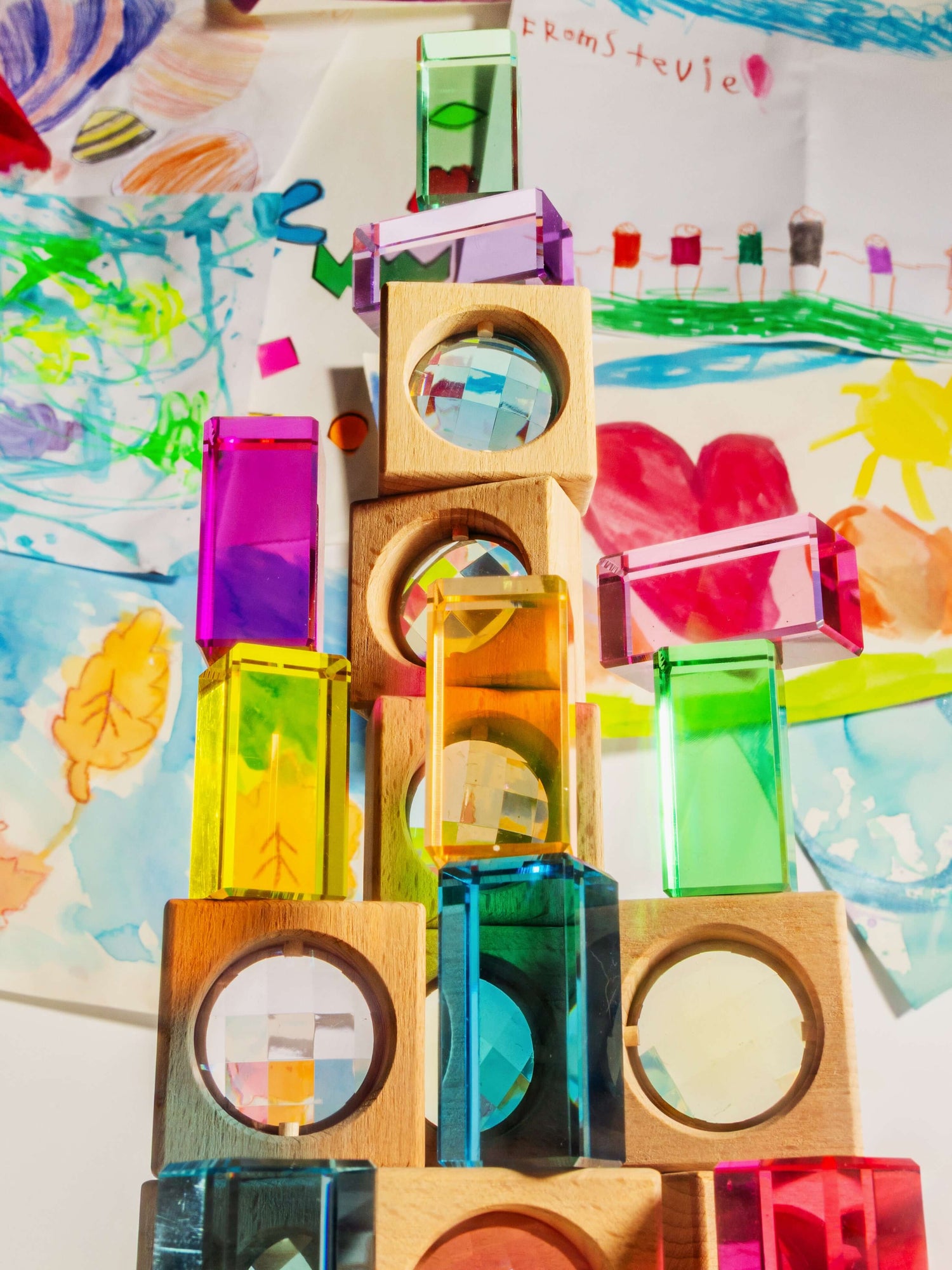
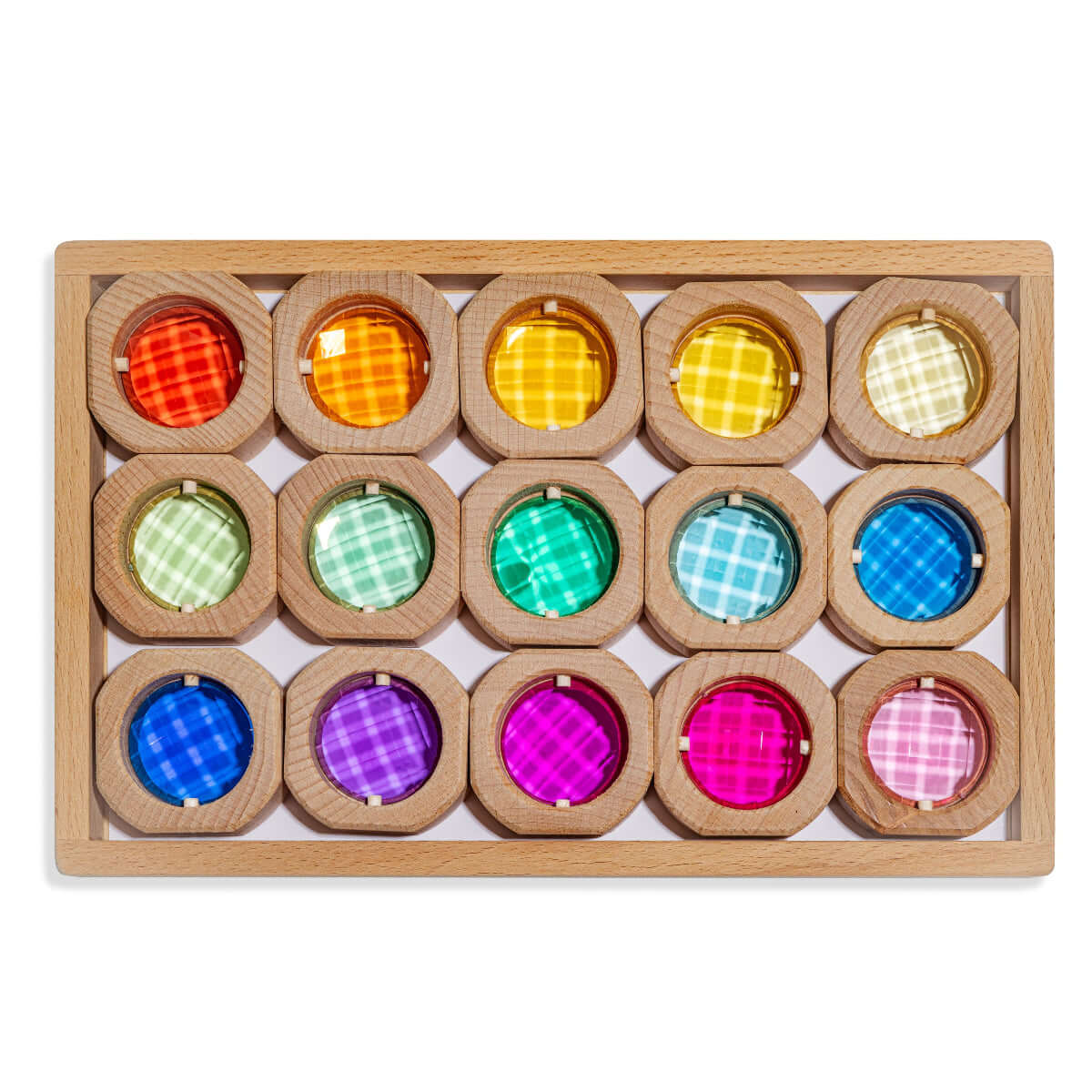
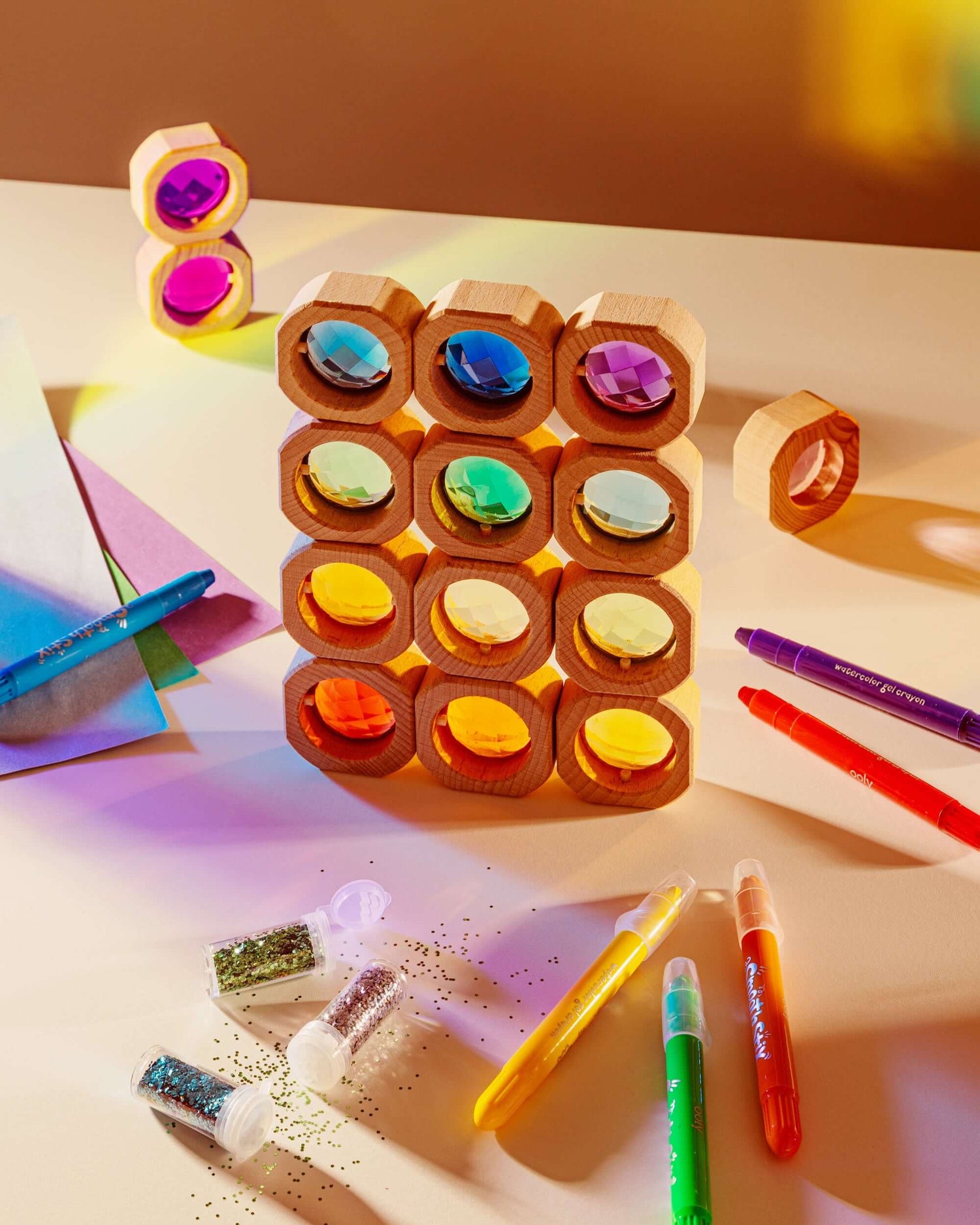
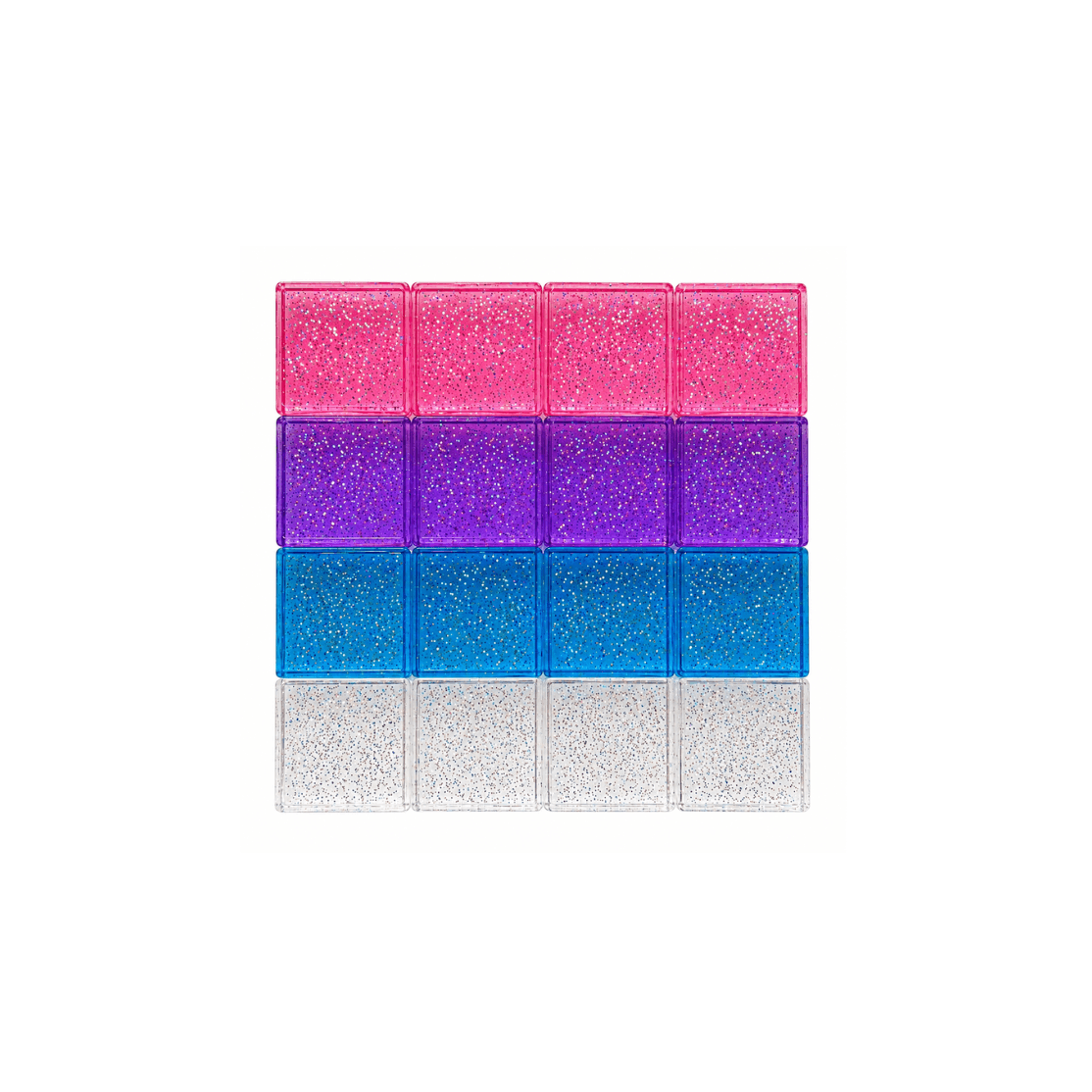
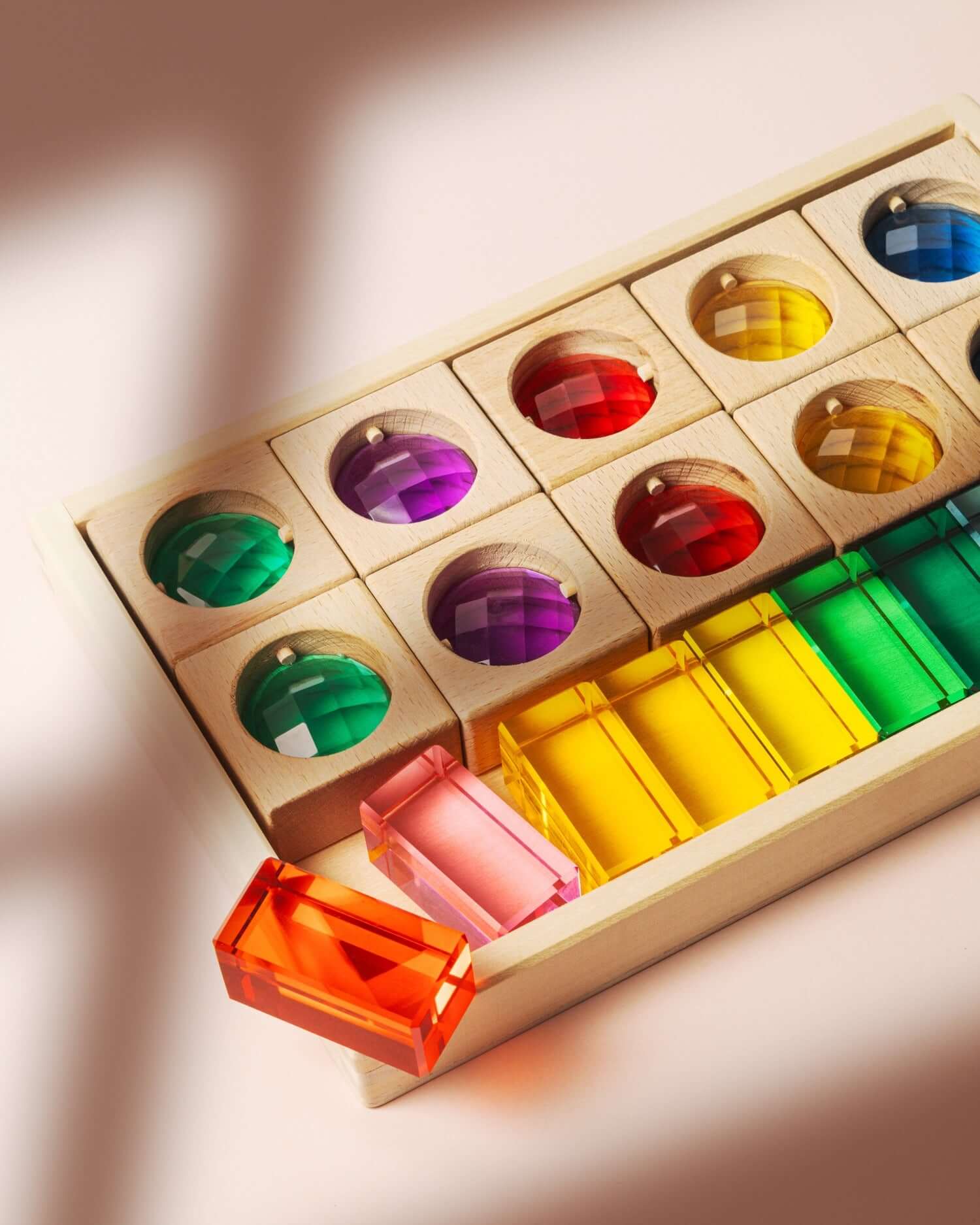
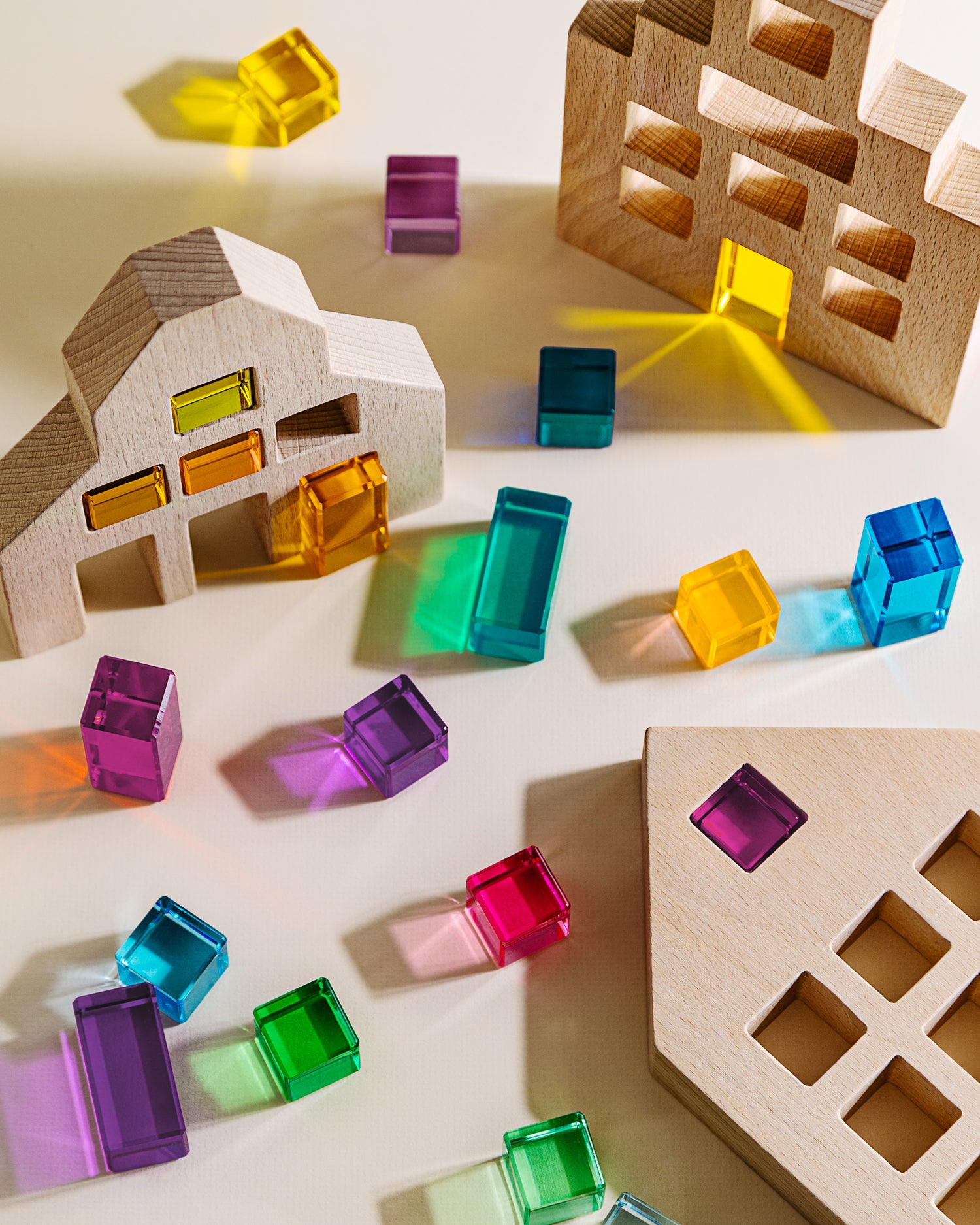
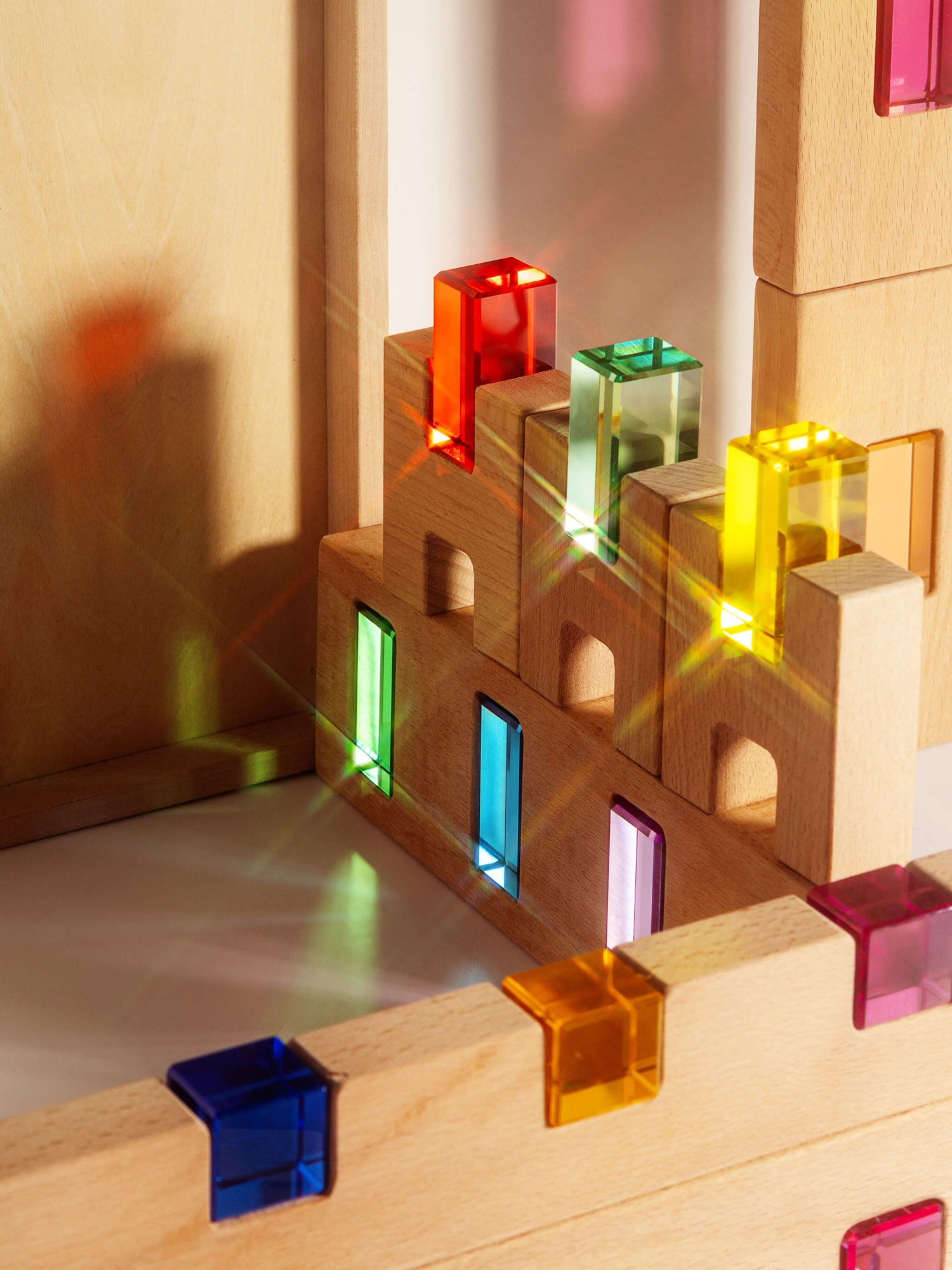
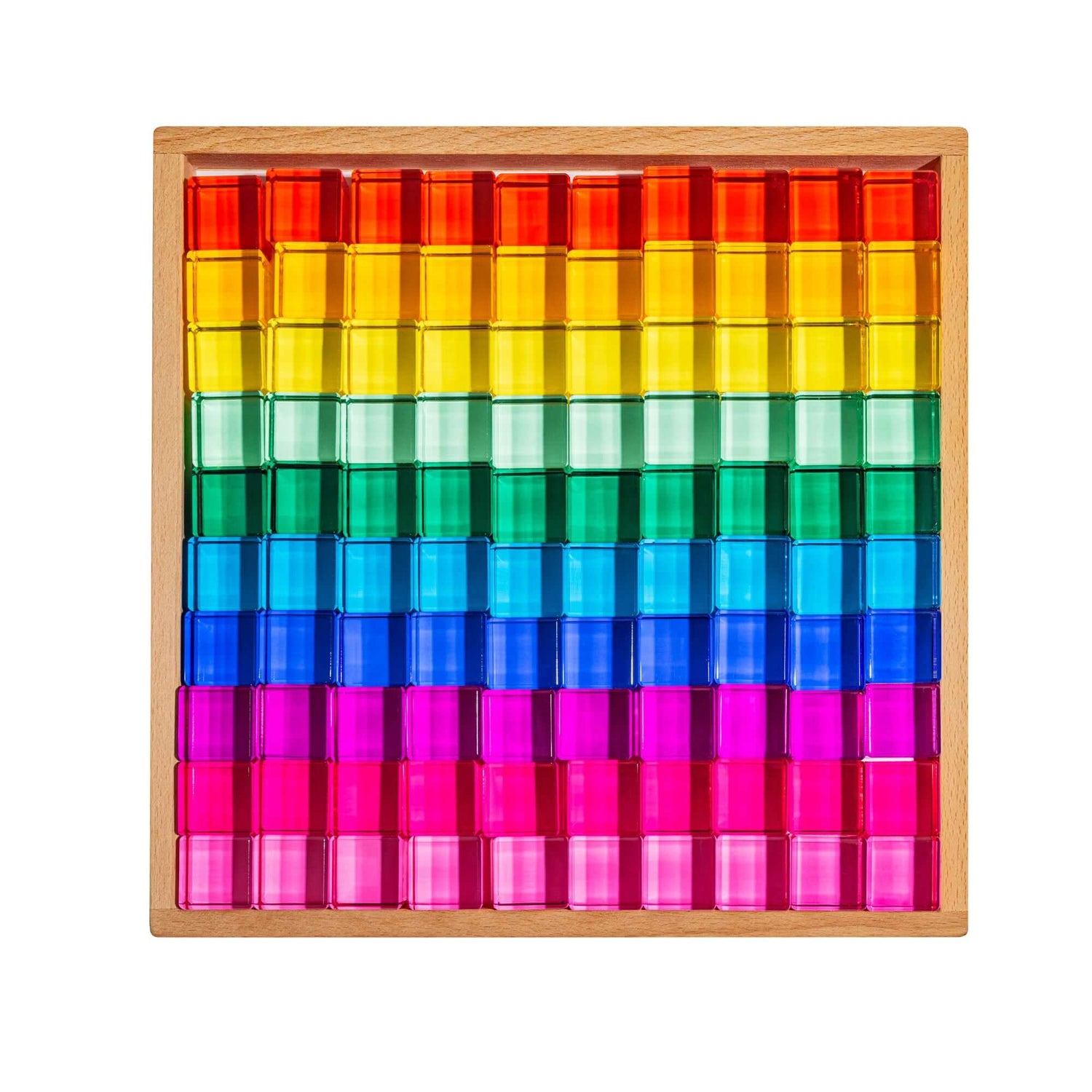
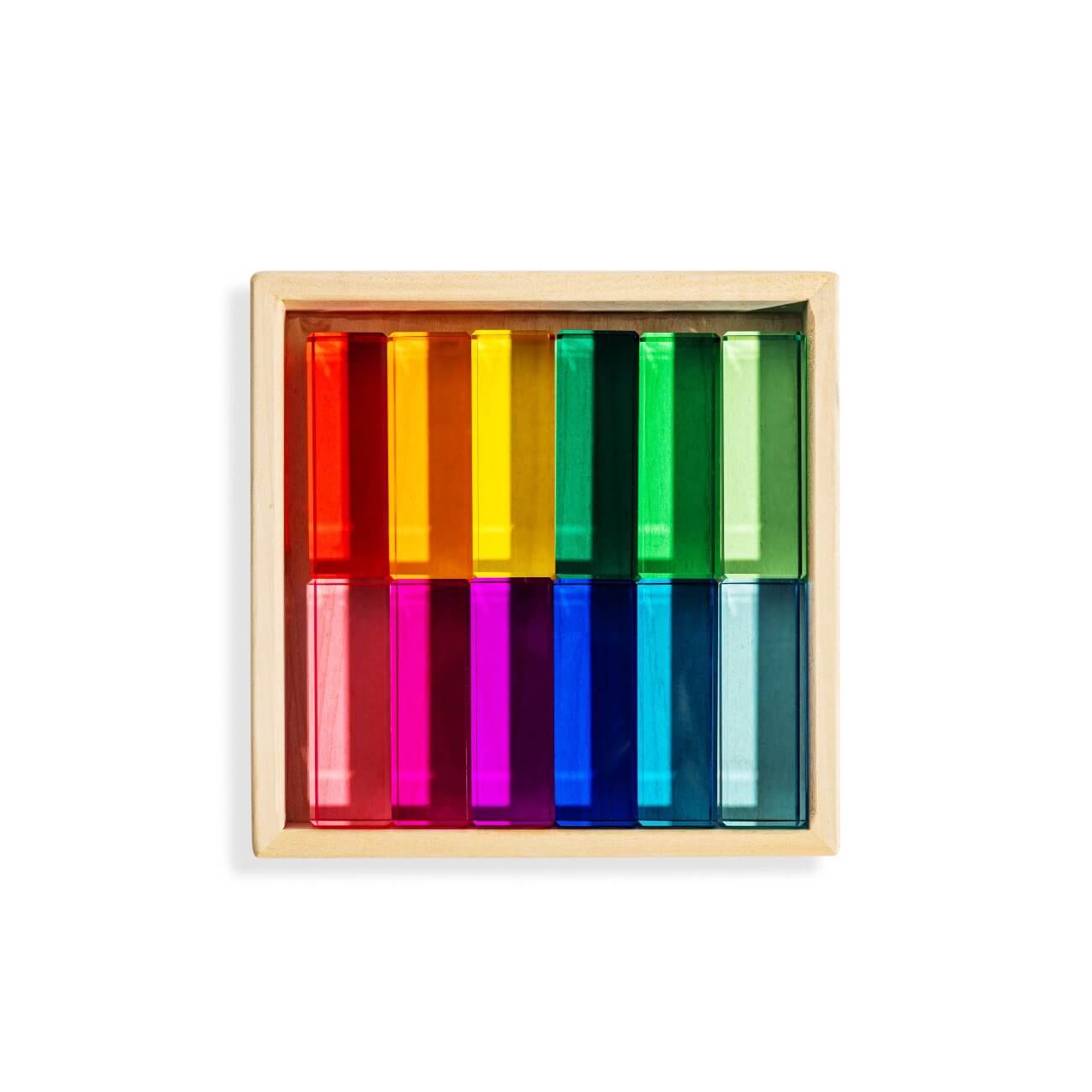
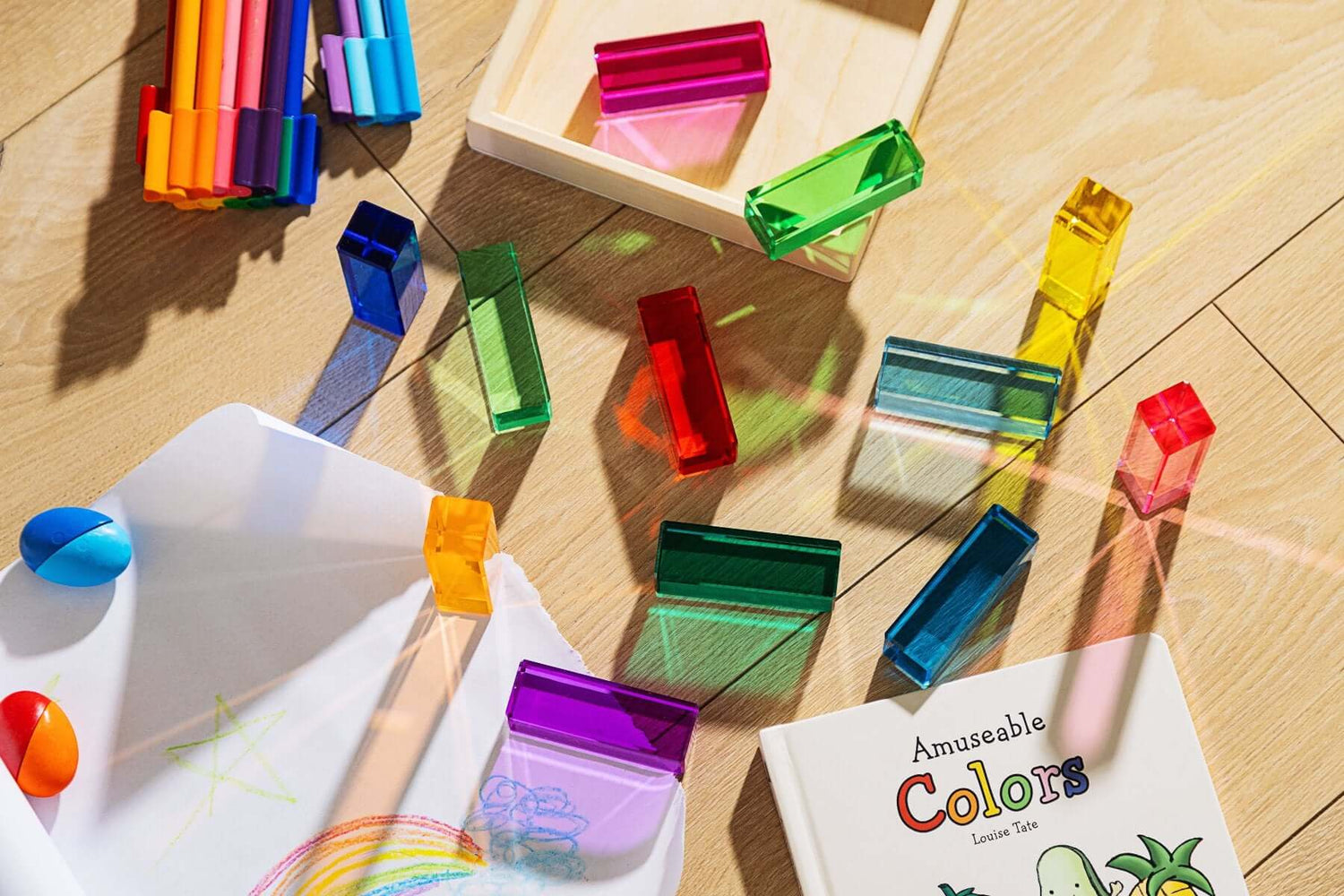
Pull the blackout curtains or drape blankets over the windows. You're already doing this to cool the room down, so you're halfway there. Now shine a flashlight or set a battery-powered tealight behind stacked translucent or acrylic blocks and watch light and shadow patterns appear on the wall.
This is one of the most visually striking block activities you can set up, and it's calm enough to bring the energy down on an overstimulating heatwave day. It supports sensory exploration, spatial reasoning, and focused attention — and it's beautiful enough to photograph, if you're into that sort of thing.
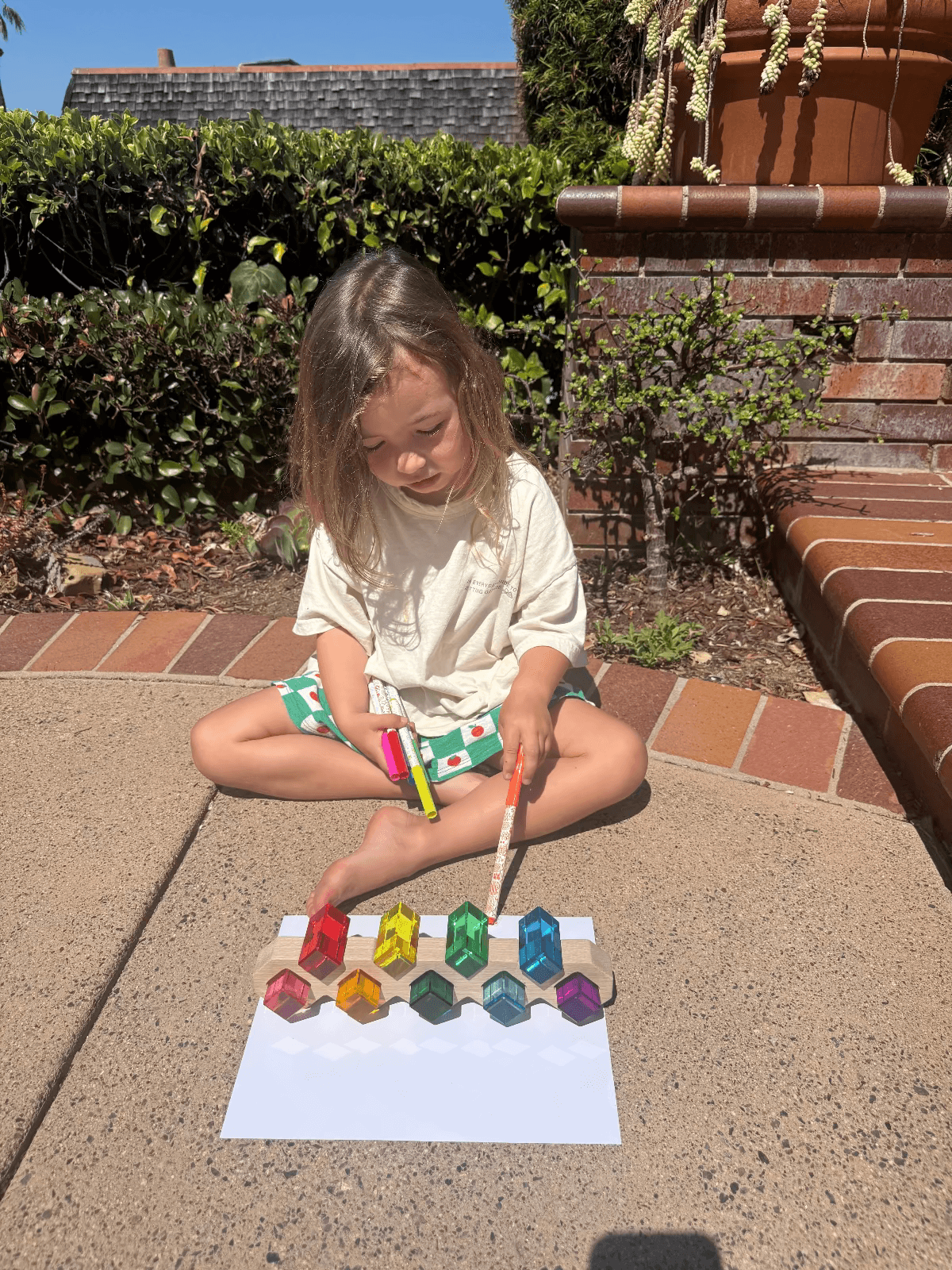
3. Colour Sorting and Stacking (Ages 6 Months–2 Years)
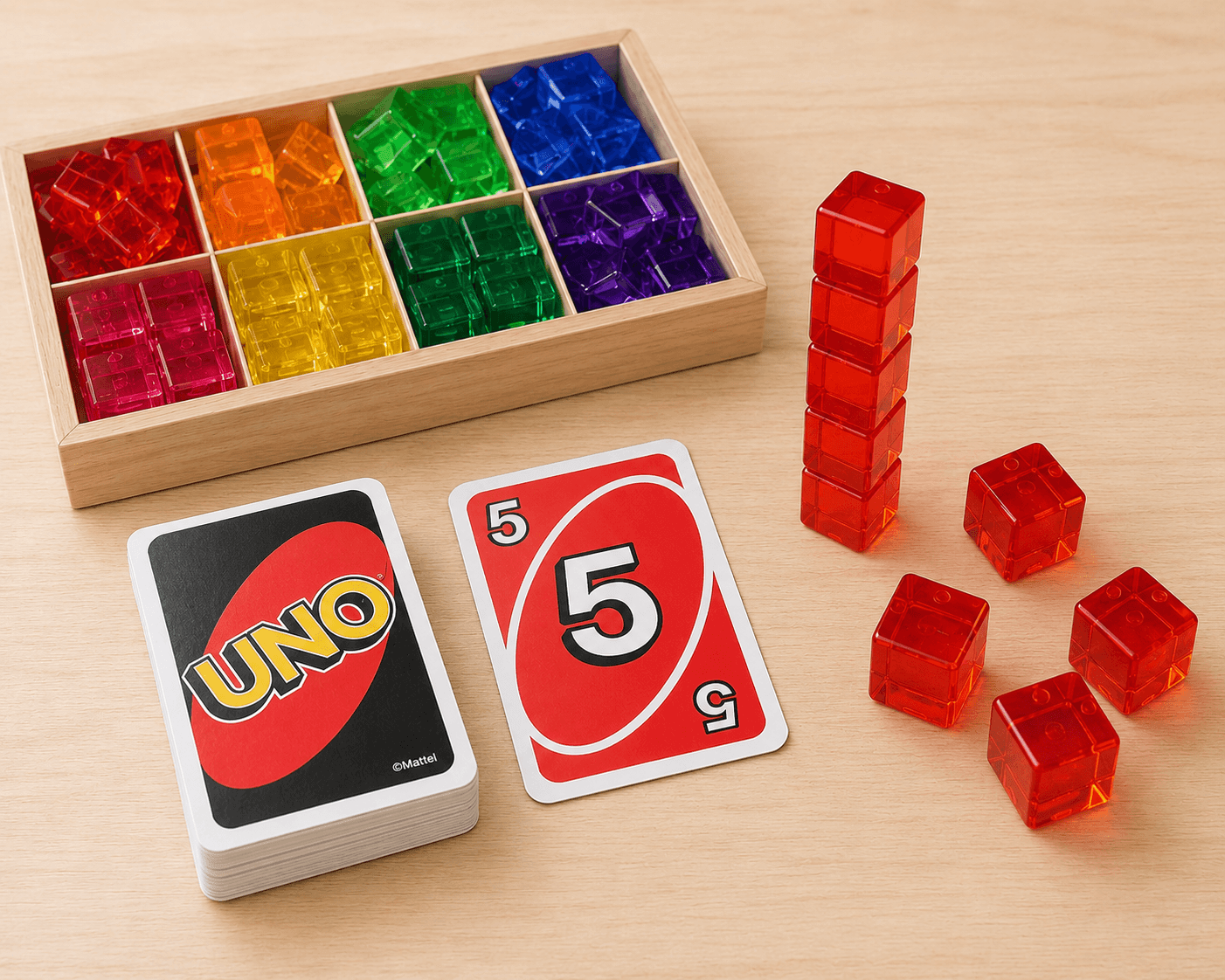
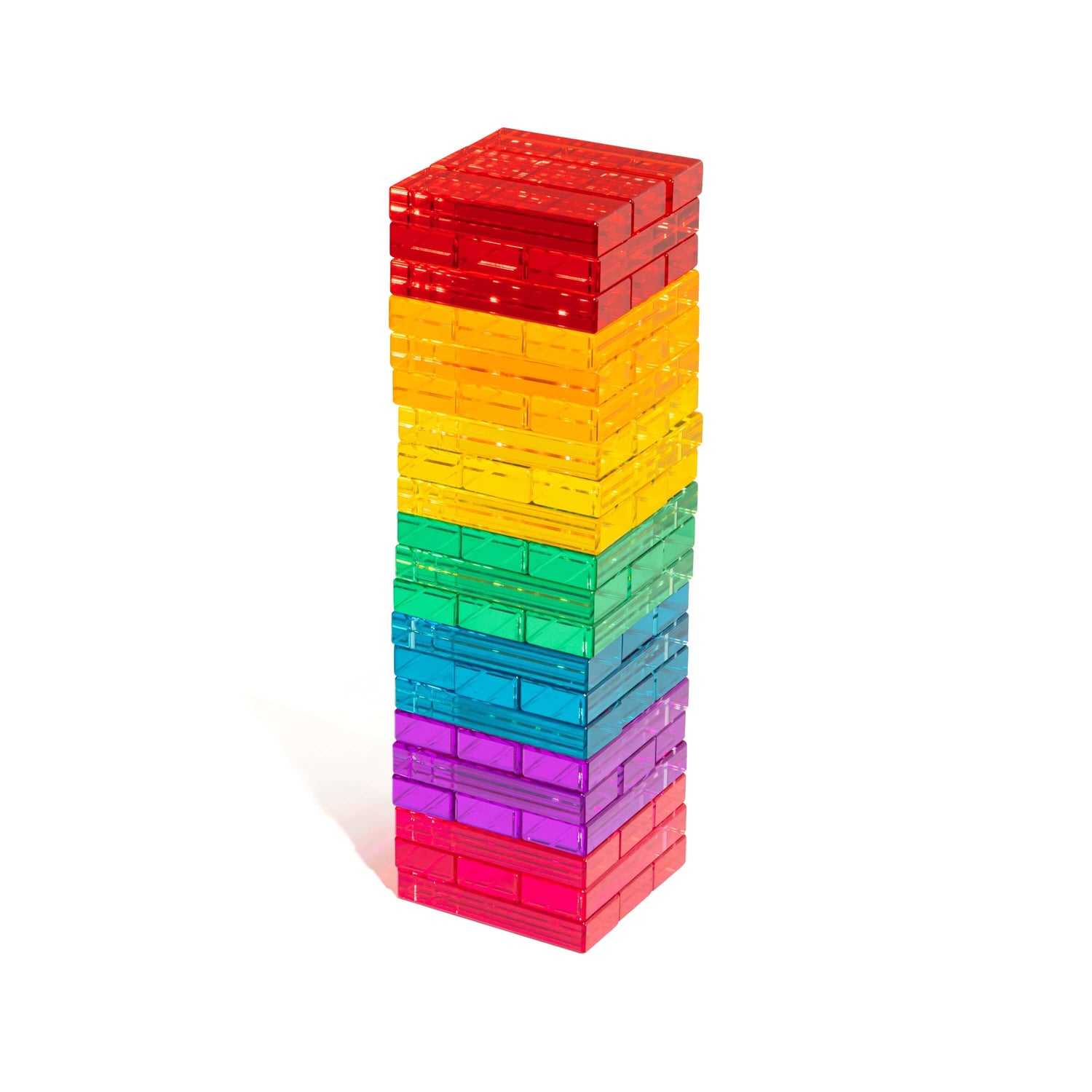
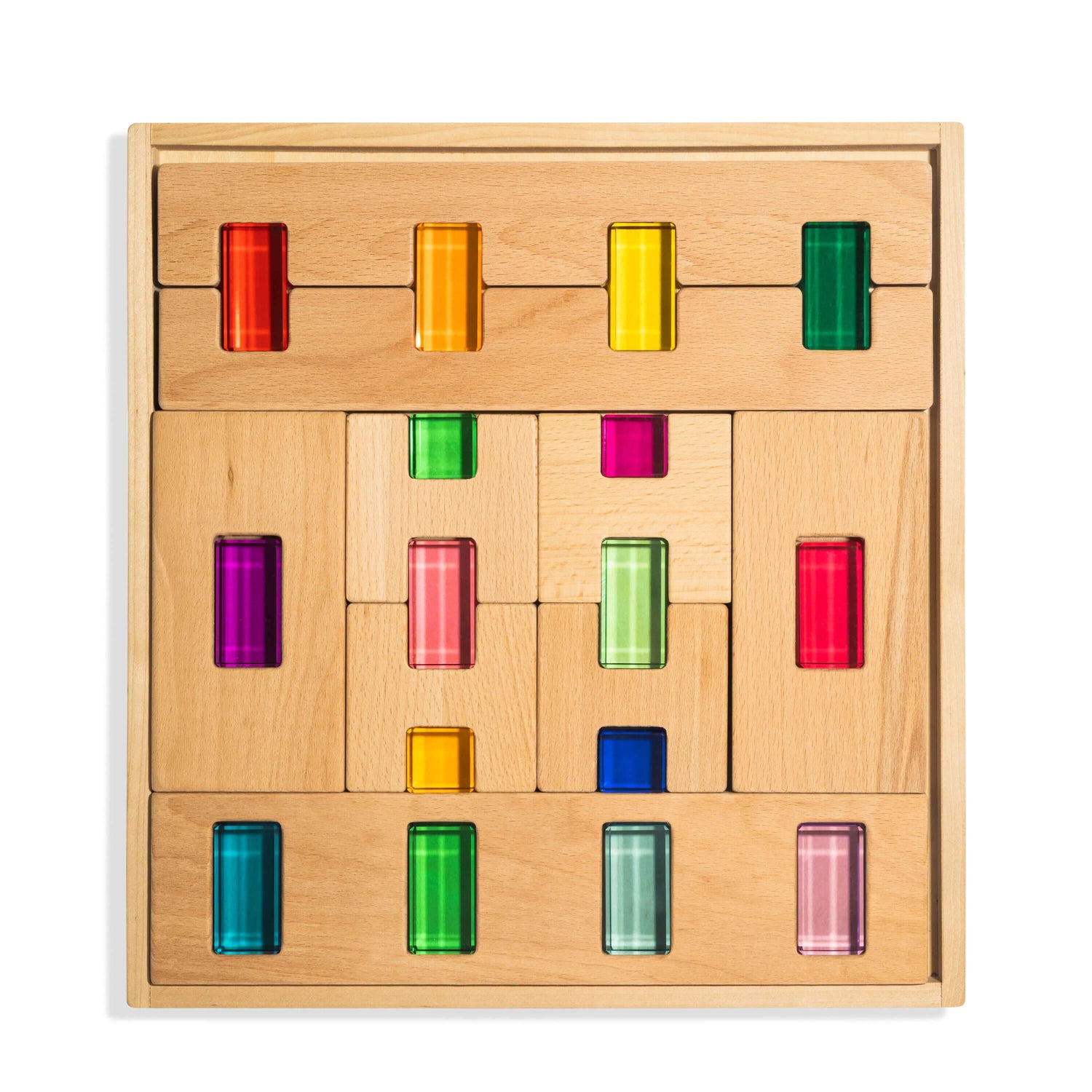
For babies and young toddlers, keep it simple: introduce stacking, knocking down, and sorting by colour or size. That gleeful knock-down moment isn't destruction. It's cause-and-effect learning in action, and it's one of the seven recognised stages of block play that children move through as they grow.
Soft foam blocks or chunky wooden stackers work best for this age group. Safety and non-toxic materials matter here especially. All Maison Rue blocks are CPC and CPSIA certified, tested for lead, heavy metals, and phthalates. Even when this play looks simple, it's rich developmental work.
4. Block Obstacle Course or Maze (Ages 3–5+)
Use blocks to build a floor maze or ramp system for small toys, marbles, or cars. Let your child design the course. This supports problem-solving, spatial reasoning, and self-directed learning, all core principles of Montessori-inspired play.
The best part? It can be built, tested, demolished, and rebuilt multiple times across a long afternoon. Try a simple challenge: "Can you get the car from one end to the other without it falling off?" That one question can hold attention for a surprisingly long time.
5. Pretend Shop or Restaurant (Ages 2–5+)
Stack blocks as "products on shelves" or "food on a menu." Your child assigns names, prices, and roles. For older children, add a notepad and pencil so they can write orders or draw menus. This extends literacy and numeracy naturally, without any instruction from you.
Dramatic play with blocks builds language, social skills, and early math concepts simultaneously. Set it up and let the child lead. That's the heart of Montessori-inspired play: the child does more, the toy does less.
One Toy, the Whole Day — and Beyond
Quality wooden blocks last five to ten times longer than plastic alternatives and retain real resale value. A single set grows with your child from babyhood through school age, covering every stage of block play along the way. That's a toolkit for years of summers to come, not just a single toy purchase.
Surviving a heatwave day with a happy, engaged child and no screen guilt is entirely possible. You just need the right toy in the room.
Explore Maison Rue's curated block collection to find a set that fits your family, or check out our Play & Parenting Journal for more activity ideas, developmental guides, and resources designed by educators for real caregivers.





0 comentarios