


Parents Guide to Play | Play & Parenting Journal
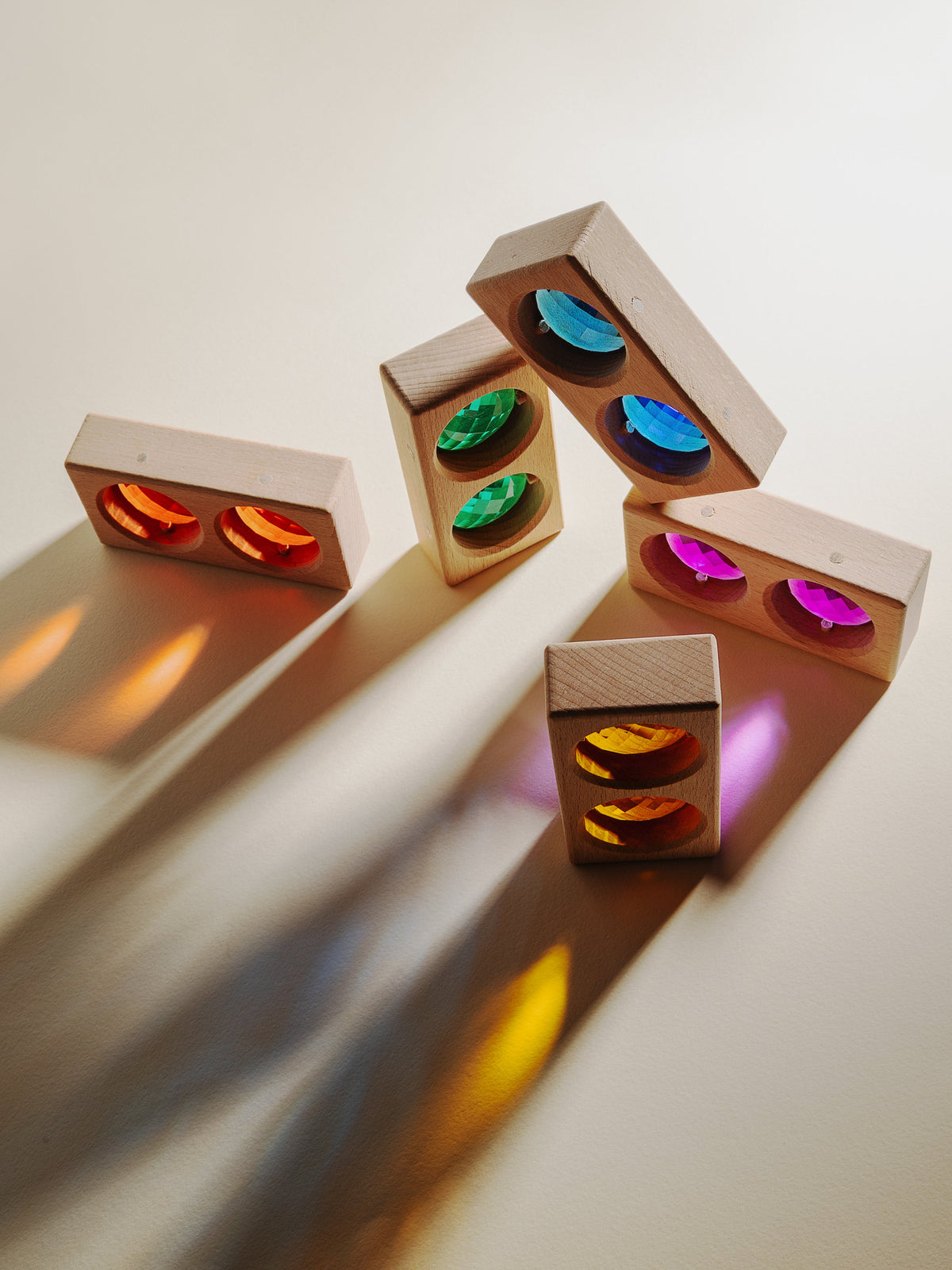
Grandparent's Guide to Buying Meaningful Wooden Toys
Grandparents buy more than 25% of all toys in the U.S., yet few gift guides speak directly to them. This educator-backed guide covers what to look for in wooden toys by age, how to decode safety labels, and why open-ended play is the gift parents will actually welcome into their home.

The Science of Color in Early Childhood: How Rainbow Blocks Support Brain Development
New research reveals that infants categorize color before they can speak, and children as young as three perceive color relationships almost identically to adults. Learn how wooden and acrylic rainbow blocks support brain development at every stage, from birth to age five.
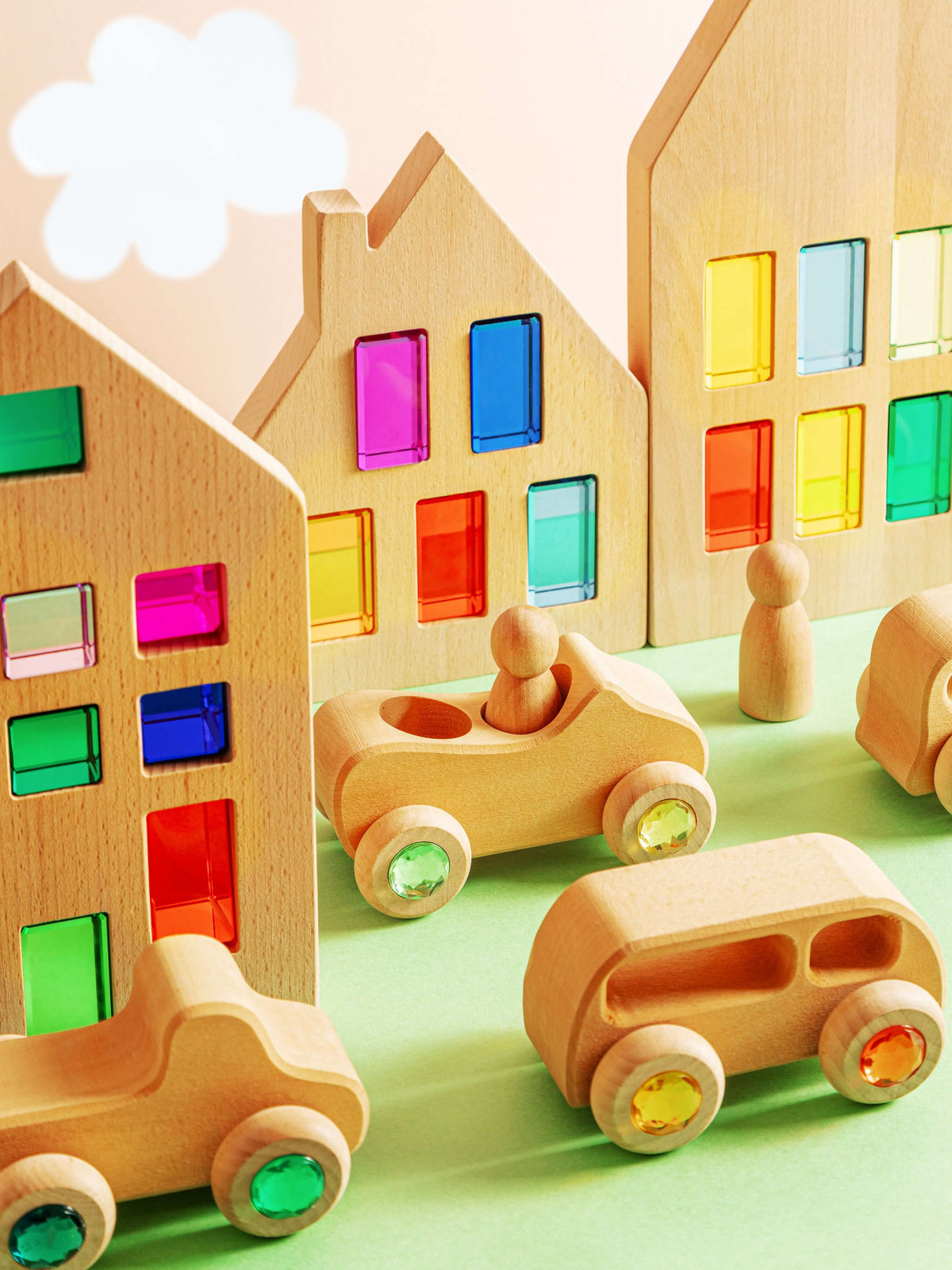
What OTs Look for in a Toy: Why Fine Motor Play Matters
Occupational therapists evaluate toys through a clinical lens most parents never see. Learn the six fine motor skill areas OTs assess, why research links early hand skills to long-term academic success, and how to choose toys that do real developmental work.
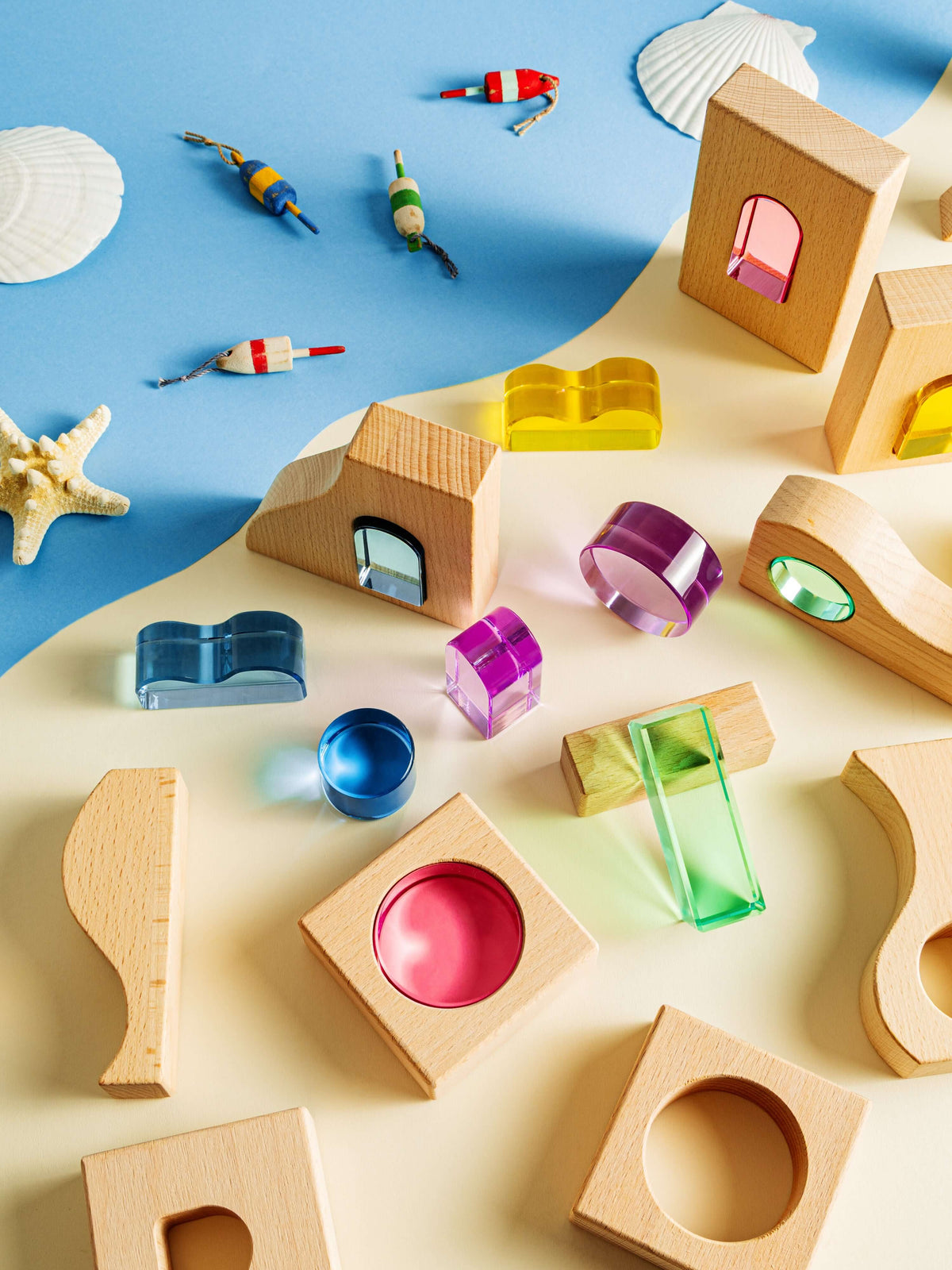
How Block Play Builds Early STEM Thinking (No Flashcards Needed)
Research shows that block play is one of the most powerful ways to build spatial reasoning, early math skills, and executive function in children under five. Here's what the science says, and how to make the most of it at home.
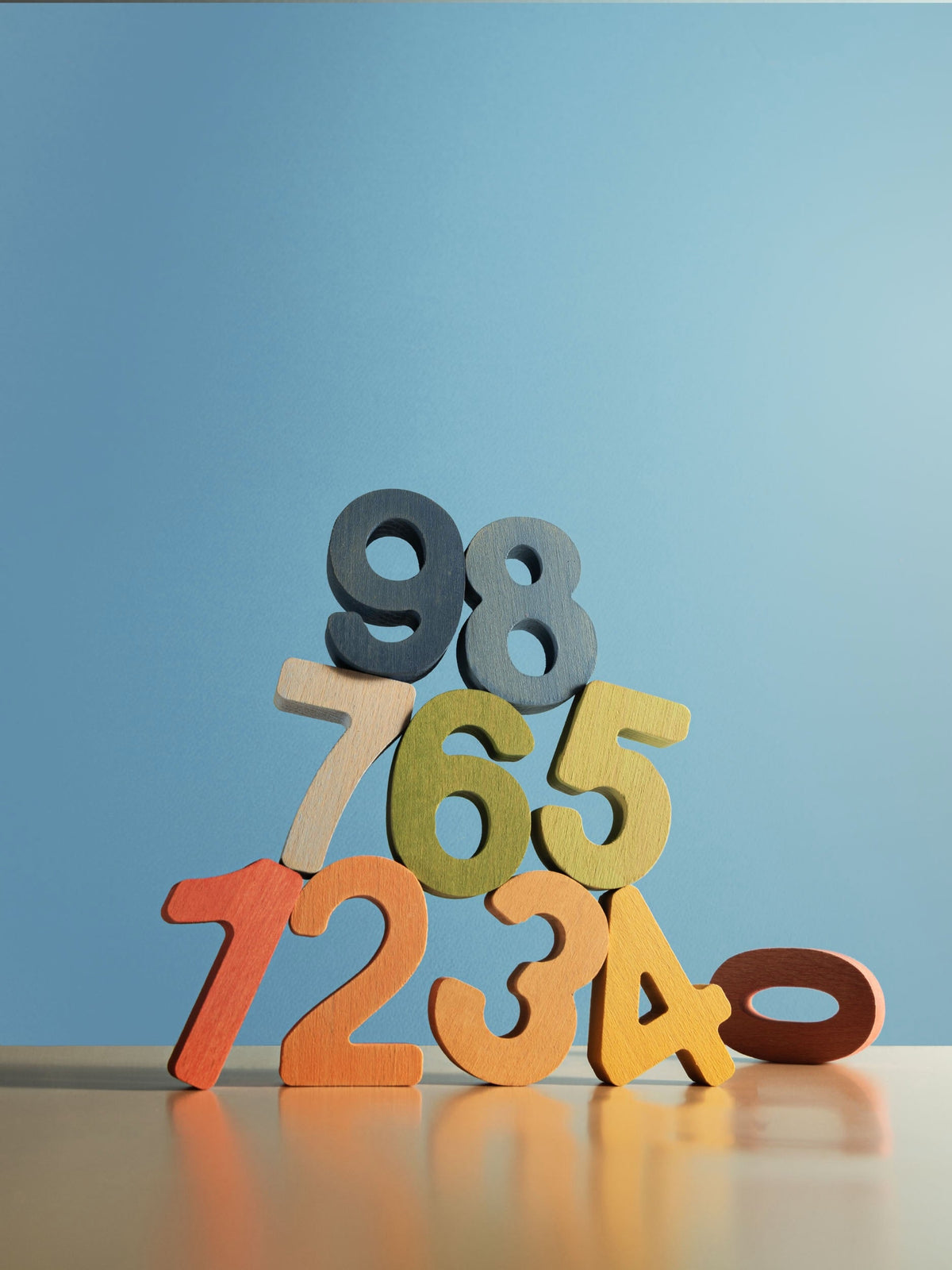
What Wooden Number Puzzles Are Teaching Your Toddler's Brain
New research confirms that foundational math skills begin forming around age 2, making wooden number puzzles far more than toys. Here's what's actually happening in your toddler's brain during number puzzle play, and why it matters for years to come.

Montessori-Inspired Wooden & Acrylic Toy Glossary
This glossary covers the key terms you'll encounter when exploring Montessori-inspired wooden and acrylic toys for young children. From materials and safety standards to developmental concepts and play philosophies, these...

Build Independent Play Stamina: 6 Months to 4 Years
Independent play is a skill built gradually from babyhood through preschool. Learn realistic benchmarks by age, how to set up a yes space, and simple strategies like toy rotation and connection-first routines to help your child play independently.

Stacking Towers vs. Rainbow Stackers: Which Is Right for Your Child's Age?
Stacking towers and rainbow stackers build different skills at different ages. This age-by-age guide helps parents choose the right toy for their child's developmental stage, grounded in early childhood education expertise and current research.

7 Questions an Educator Asks Before Adding a Toy to the Playroom
An early childhood educator shares the seven questions she asks before any toy earns a spot in the playroom, covering the active-versus-passive play test, developmental longevity, safety standards, and the power of open-ended play.
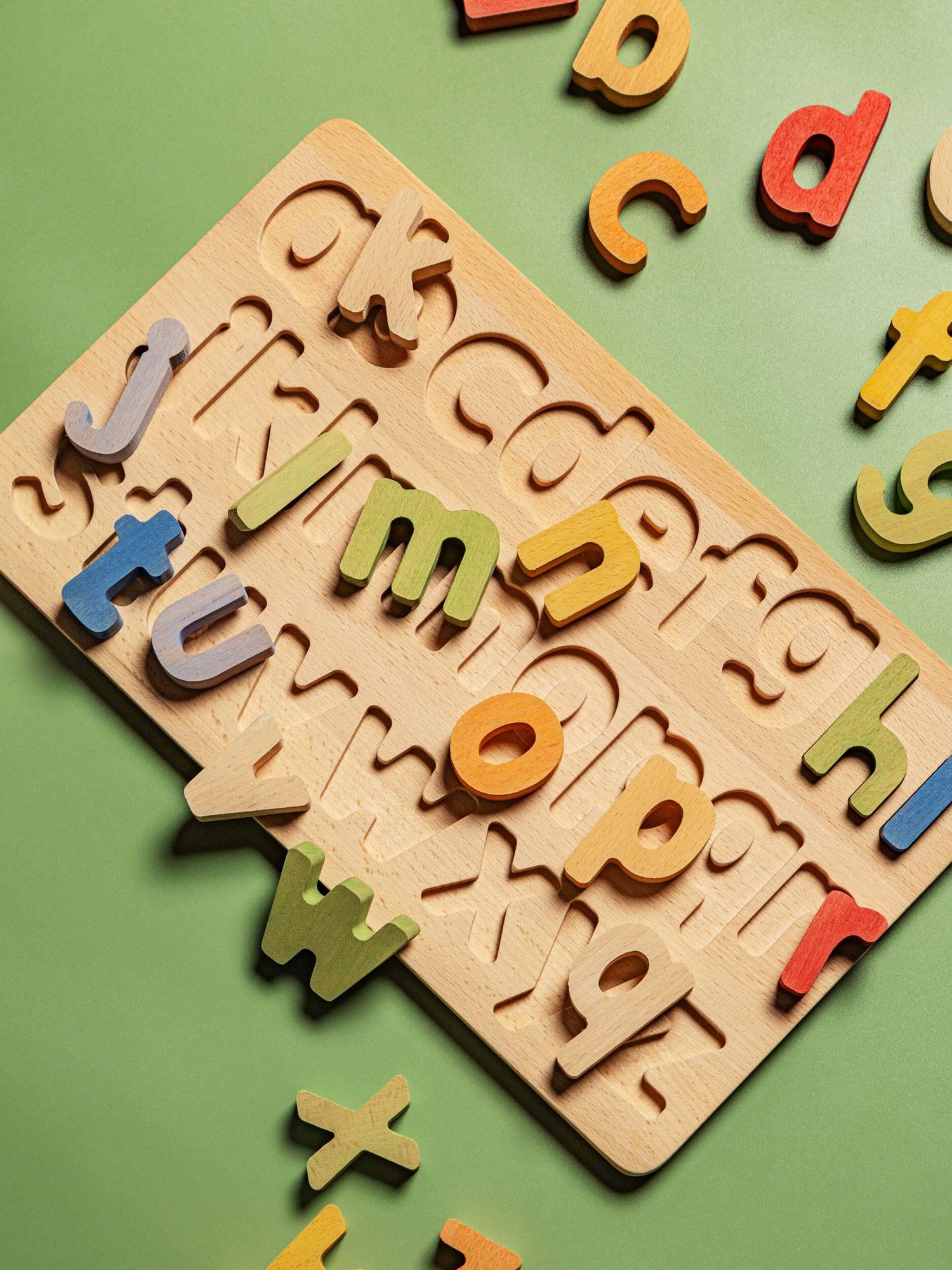
How Alphabet Puzzles Build Pre-Literacy Skills in Toddlers
Research shows that alphabet knowledge is one of the strongest predictors of later reading ability. Discover how tactile alphabet puzzles build pre-literacy skills, fine motor development, and phonological awareness during the critical toddler years.

How Sensory Gems Support Early Development
Unlock the secrets of how sensory gems support early development in toddlers! Through playful sorting and stacking, your child engages multiple senses, accelerating math and language skills. Dive into research-backed insights and practical caregiver prompts to enhance your child's learning today!
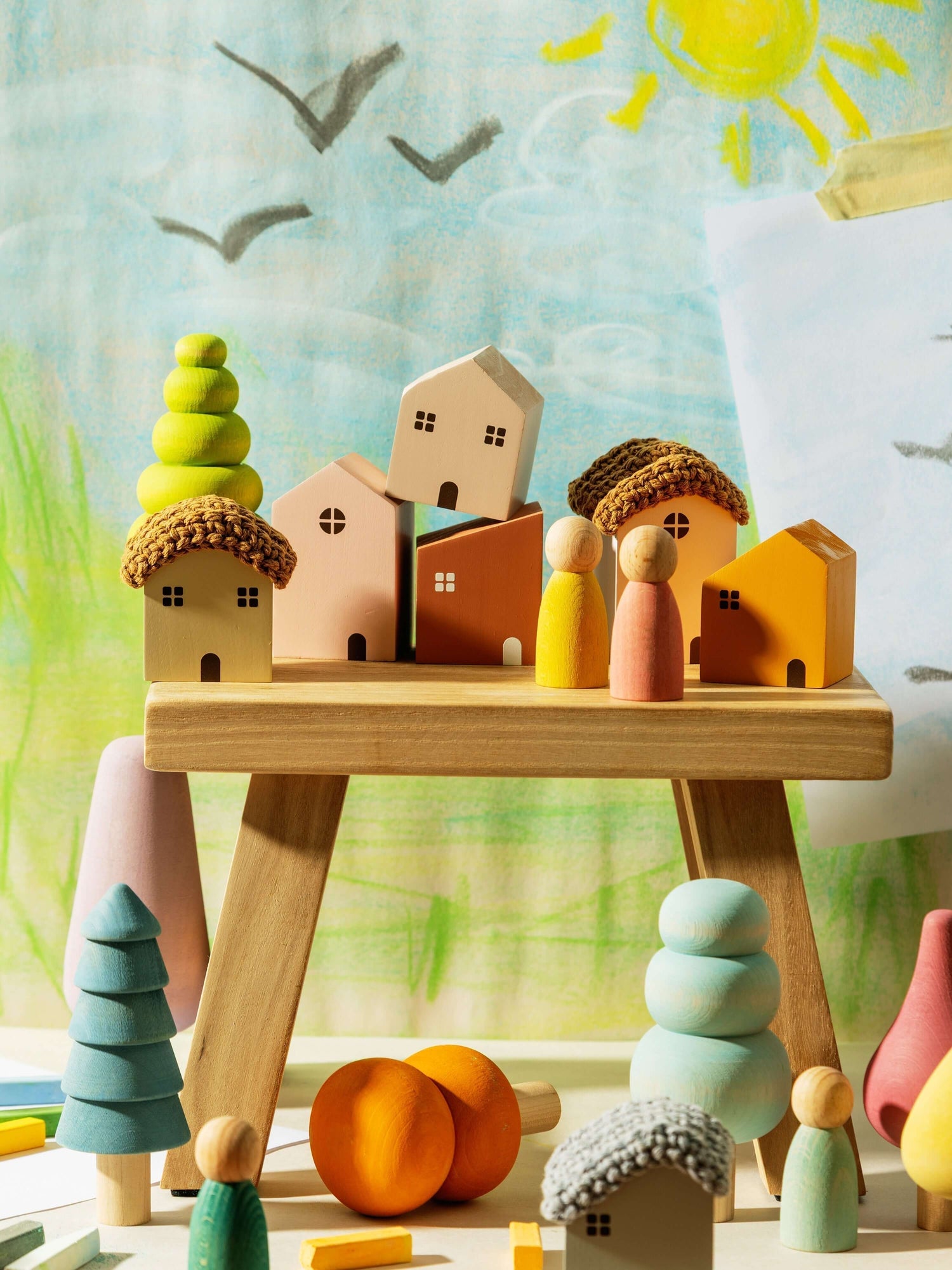
Montessori Toy Labels: Hype vs. the Real Thing
Can you trust Montessori toy labels? This blog dissects the hype around Montessori toys, highlighting the unregulated use of the term and the importance of genuine materials that support child-led exploration. Discover a framework to differentiate truly Montessori-aligned toys from mere marketing.