
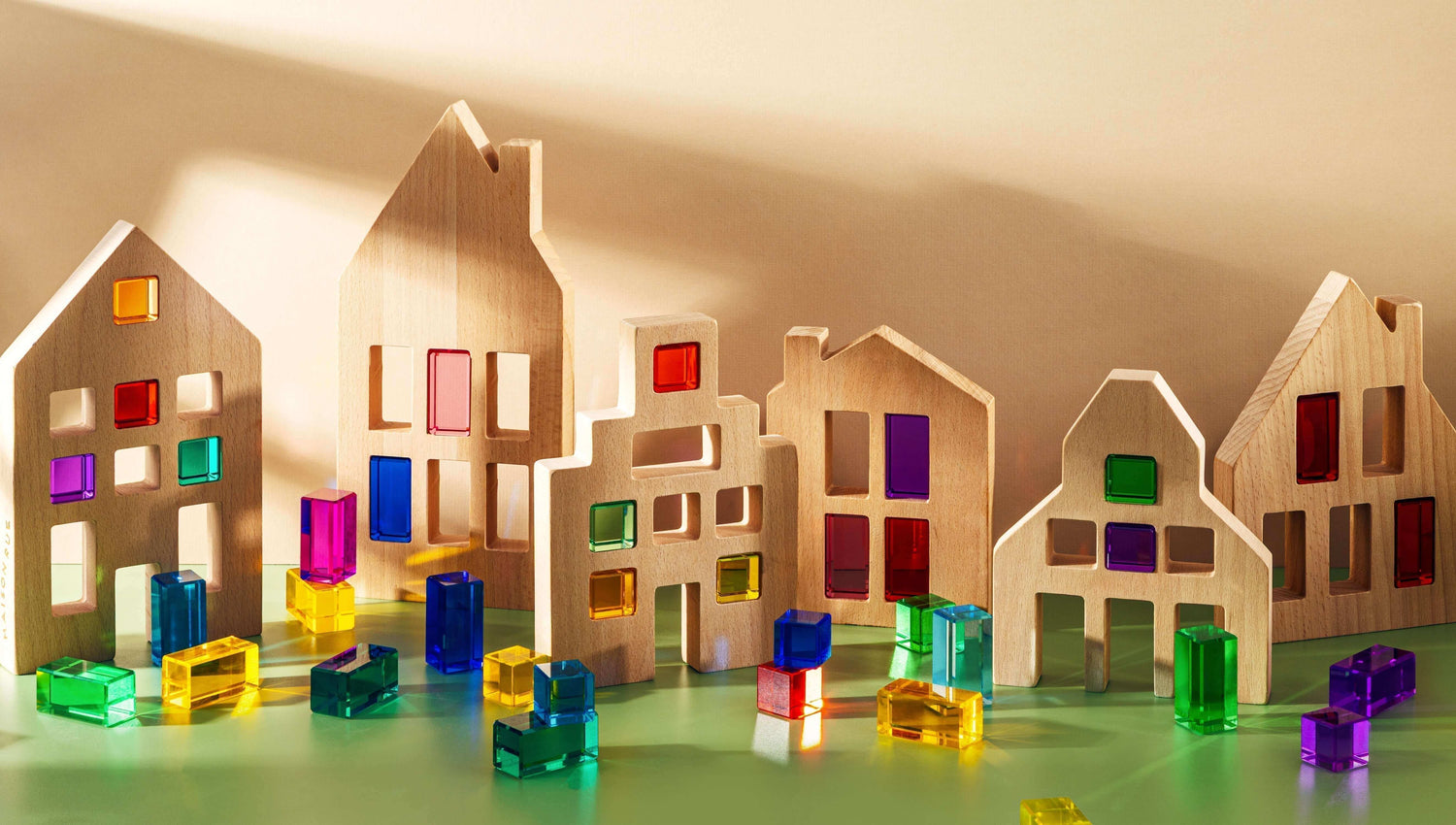
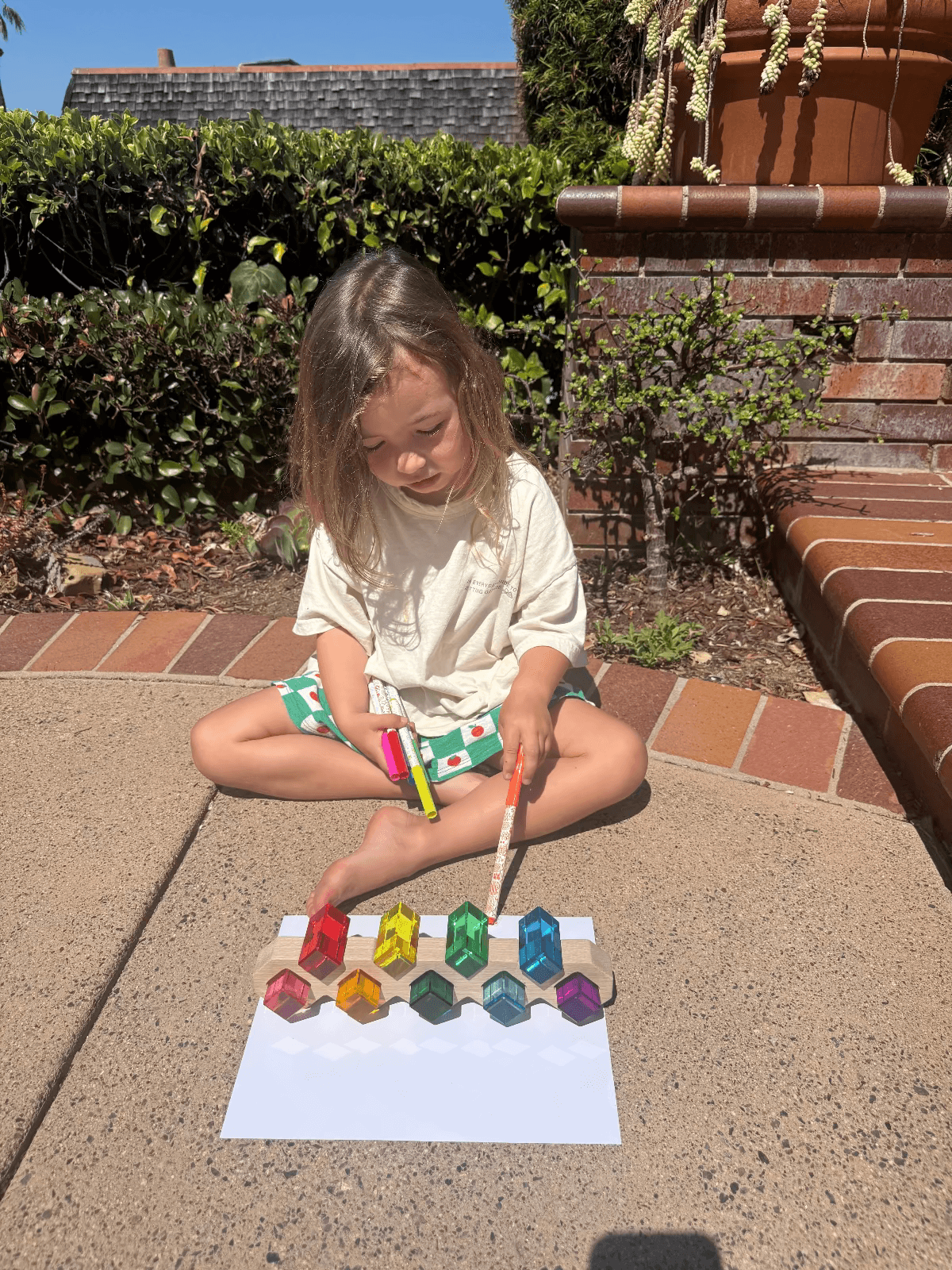
Open-ended toys are simple toys that can be used in many different ways, allowing children to invent their own games, stories, and ideas during play. Unlike toys that have a single purpose or fixed outcome, open ended toys encourage creativity and exploration because there is no “right” way to use them.
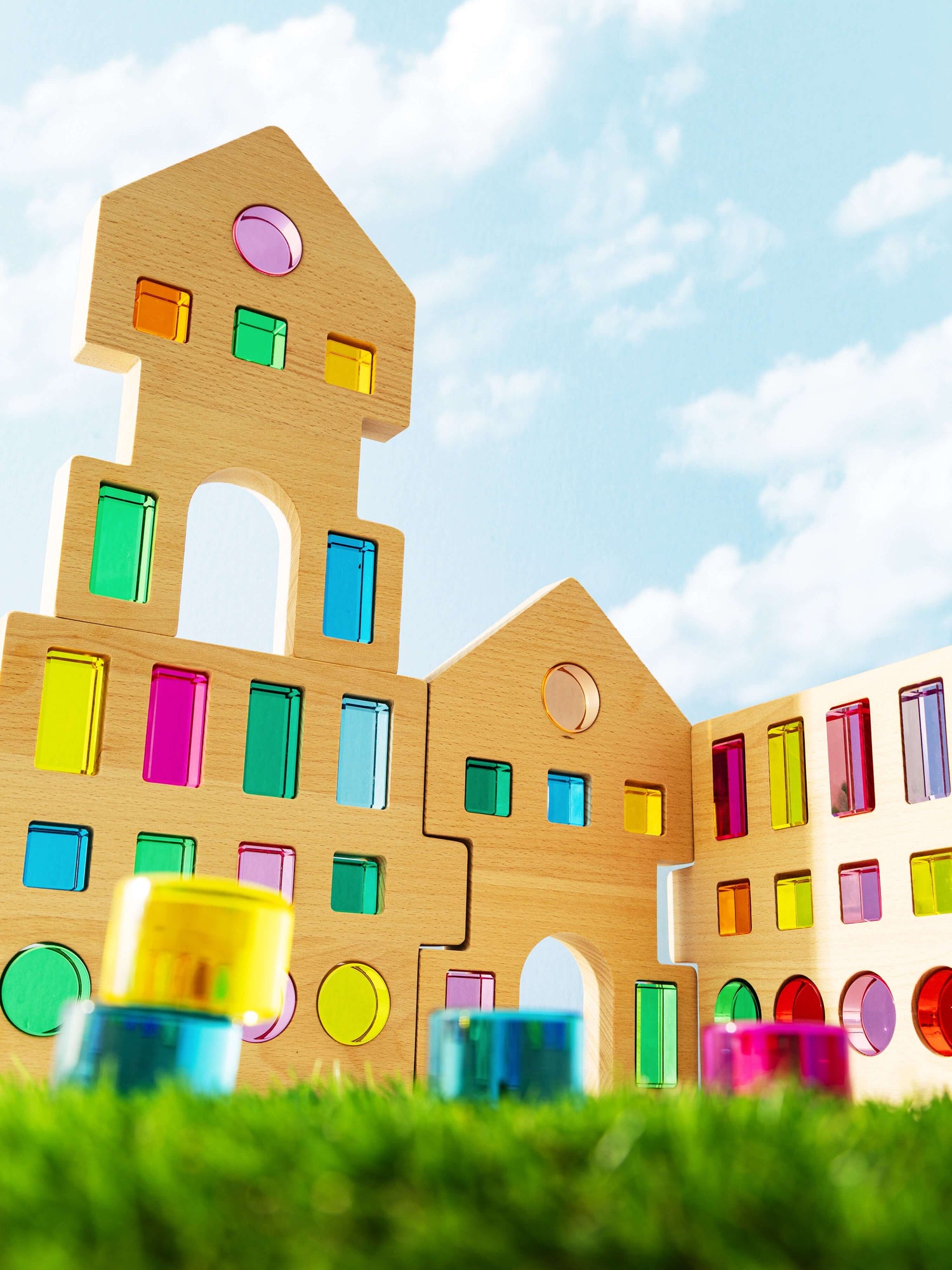
When children play with open-ended toys, they become the designers of their own play experiences. A set of blocks might become a castle, a city, a bridge, or even part of a pretend animal habitat depending on a child’s imagination. This freedom allows children to experiment, solve problems, and develop confidence in their ideas.
Parents and educators often value open-ended toys because they support important developmental skills such as creativity, language development, and problem-solving. Through open-ended play, children explore materials freely without predetermined rules or outcomes.
What Are Open-Ended Toys?
Open-ended toys are toys that can be used in many different ways, with no fixed outcome, rules, or instructions.
There is no “right” way to play.
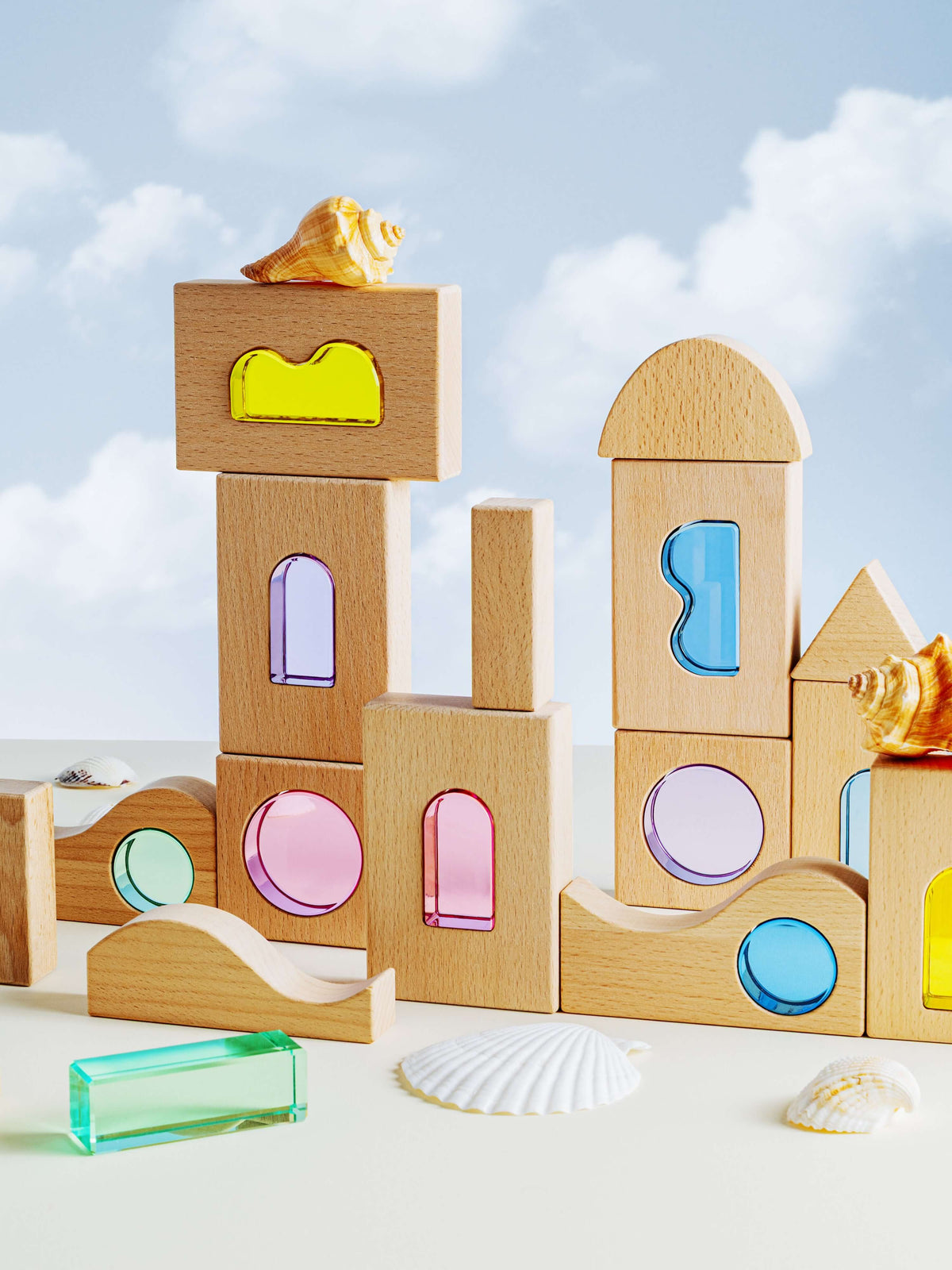
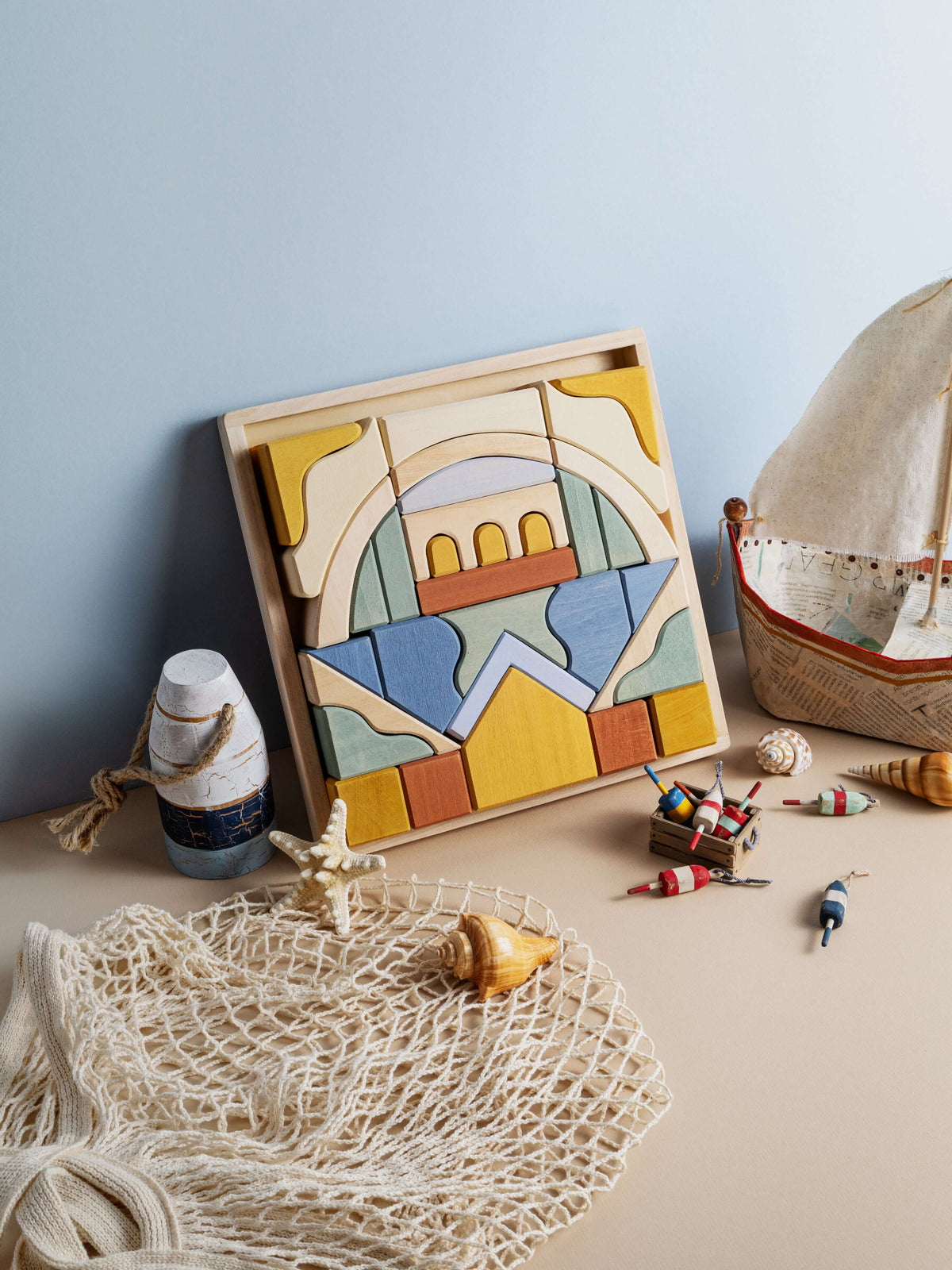
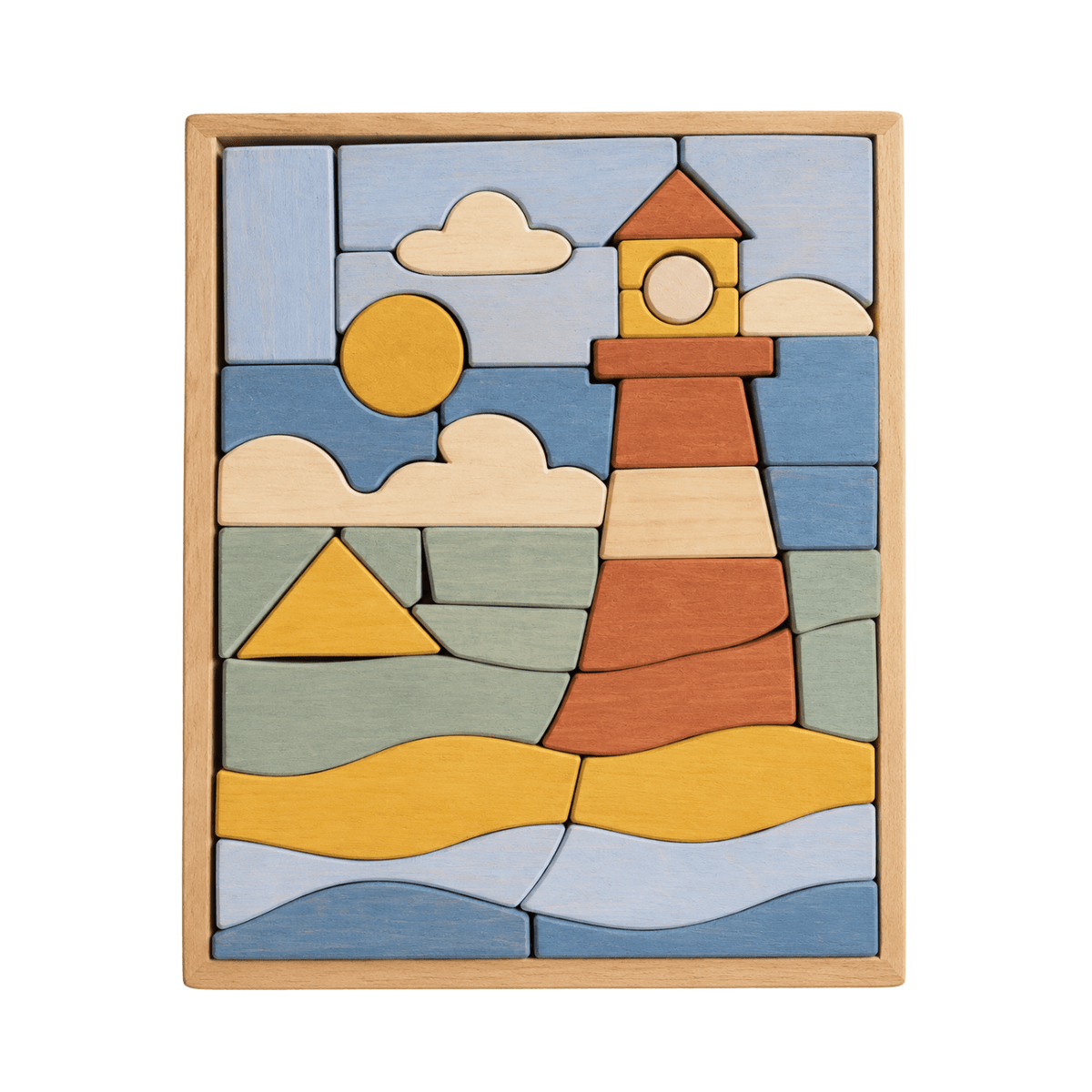
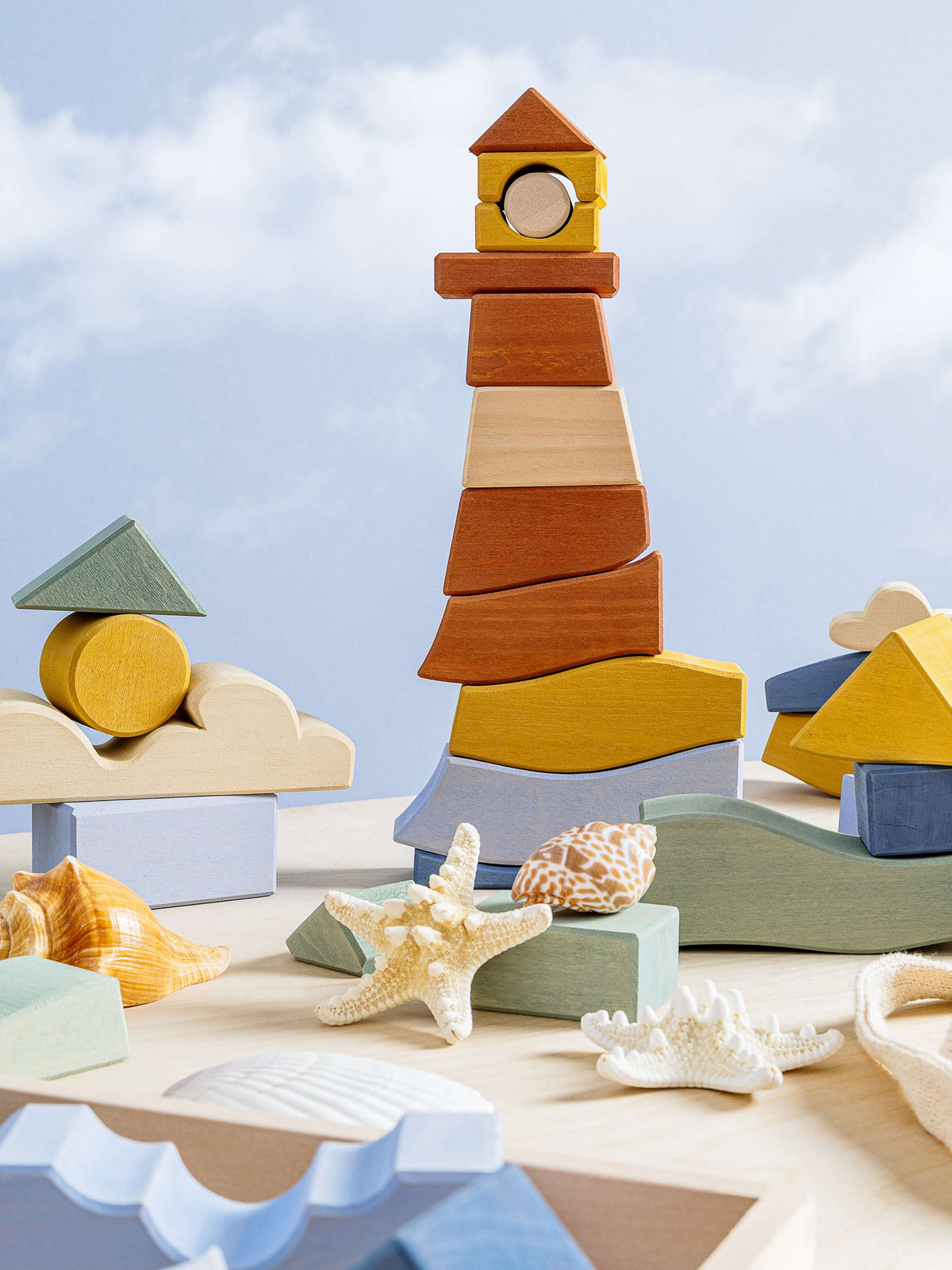
A set of wooden blocks might become:
-
A tower
-
A road
-
A house
-
A zoo
-
A pretend bakery
-
Or all of the above in one afternoon
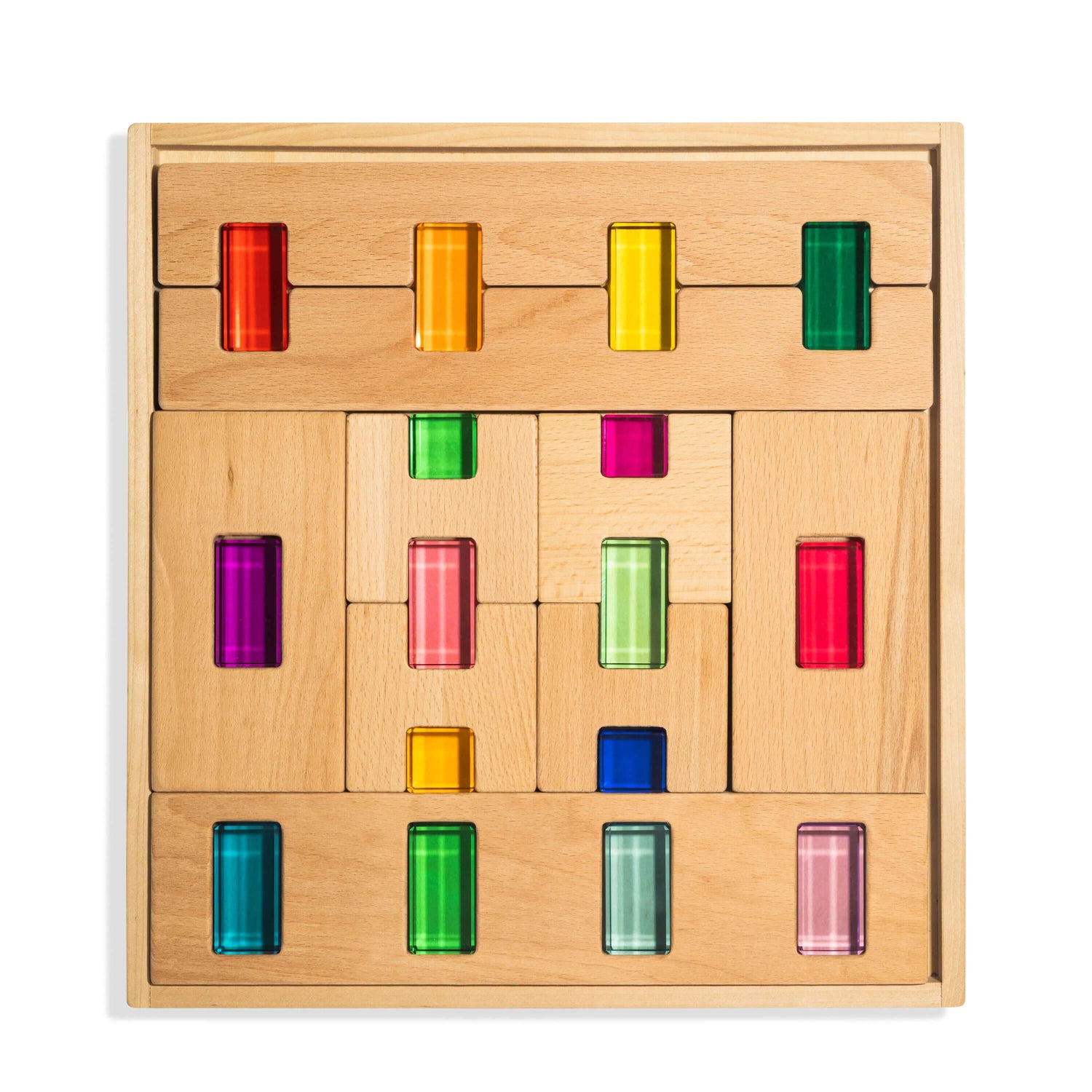
The same toy evolves as your child grows—making it one of the most valuable types of toys you can bring into your home. Building sets, such as our Riley Blocks, are a classic example of open-ended toys—supporting building, sorting, and imaginative play across many ages.
Why Open-Ended Play Is So Important for Children
Open-ended play supports how children naturally learn. Instead of being entertained, they are actively engaged.
Benefits include:
-
Encourages creativity and imagination
-
Builds problem-solving and critical thinking skills
-
Supports fine motor development
-
Promotes independent play and focus
-
Adapts to multiple ages and stages
Because the toy doesn’t lead the play, your child does—and that’s where real learning happens.
Open-Ended Toys vs Traditional Toys
Traditional toys often have:
-
One function
-
One correct outcome
-
Lights, sounds, or buttons that do the “work”
Open-ended toys offer:
-
Endless possibilities
-
No batteries, no scripts
-
Child-led exploration
Instead of asking “What does this toy do?”
Children ask “What can I make with this?”
That mindset shift is everything.
Are Open-Ended Toys Montessori-Inspired?
Yes—open-ended toys align closely with Montessori principles, even if they aren’t labeled as “official” Montessori materials.
Montessori-inspired play emphasizes:
-
Independence
-
Hands-on learning
-
Purposeful materials
-
Freedom within limits
Open-ended toys support these ideas by allowing children to explore concepts like balance, symmetry, color, size, and cause-and-effect through play.
What Types of Toys Are Considered Open-Ended?
Some of the most loved open-ended toys include:
-
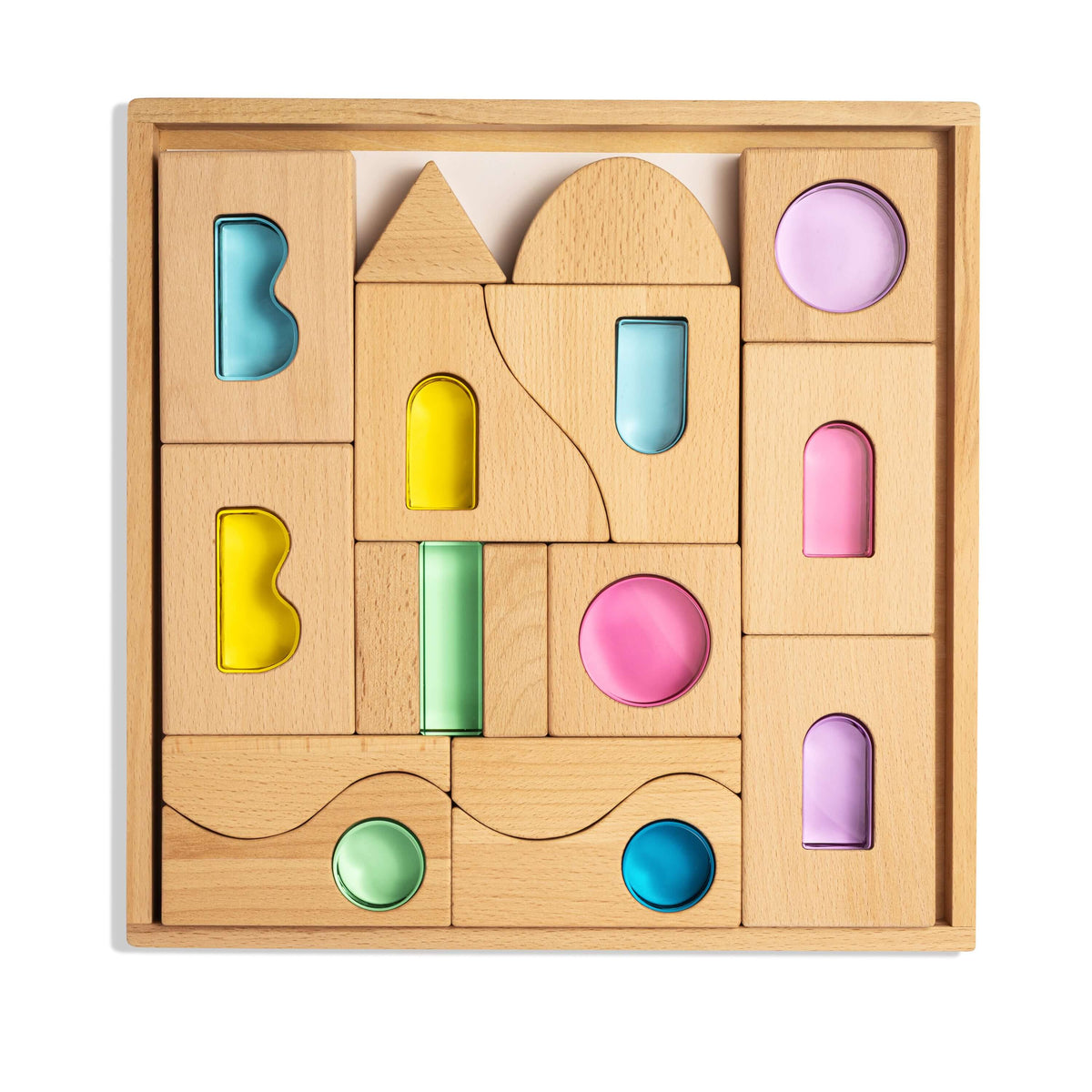
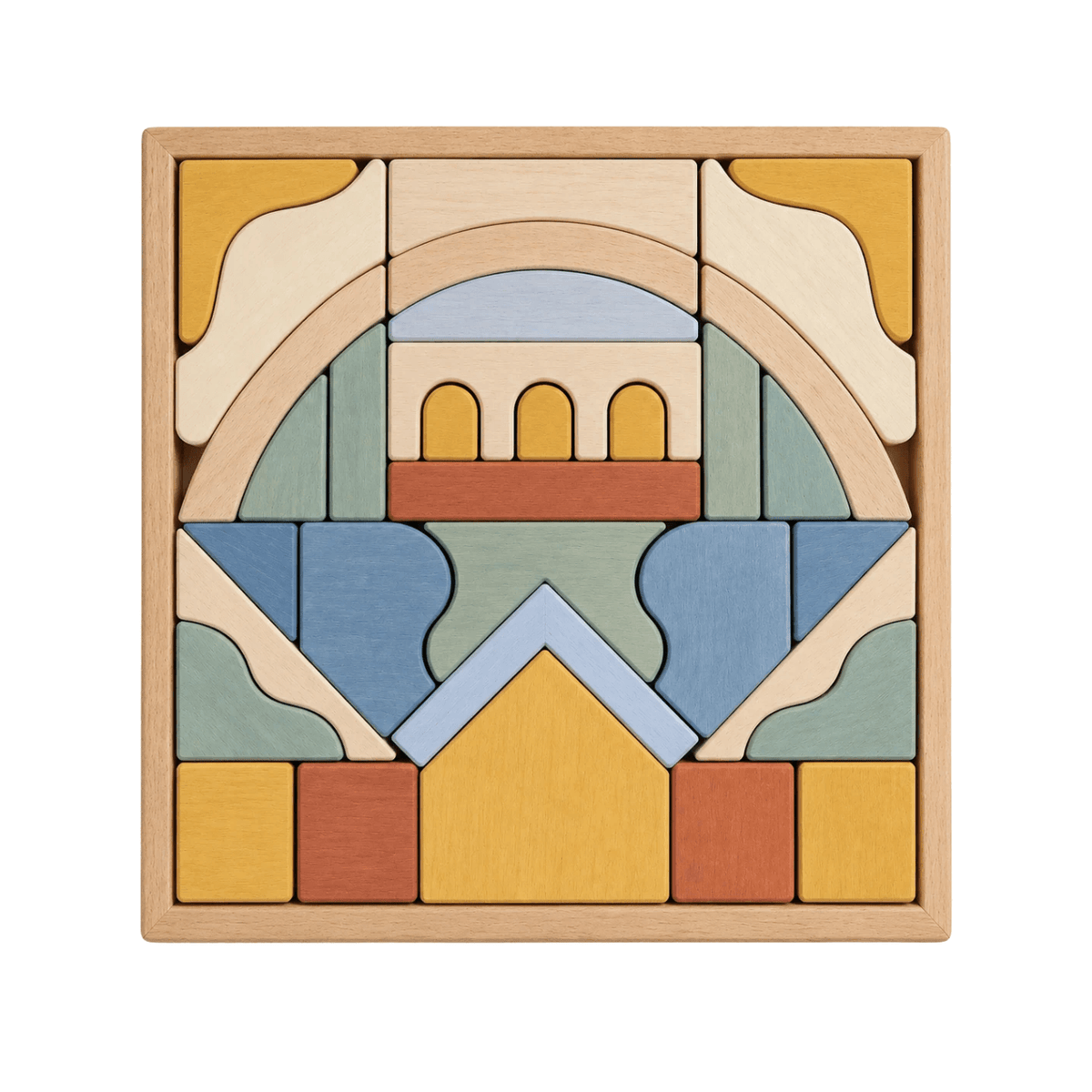
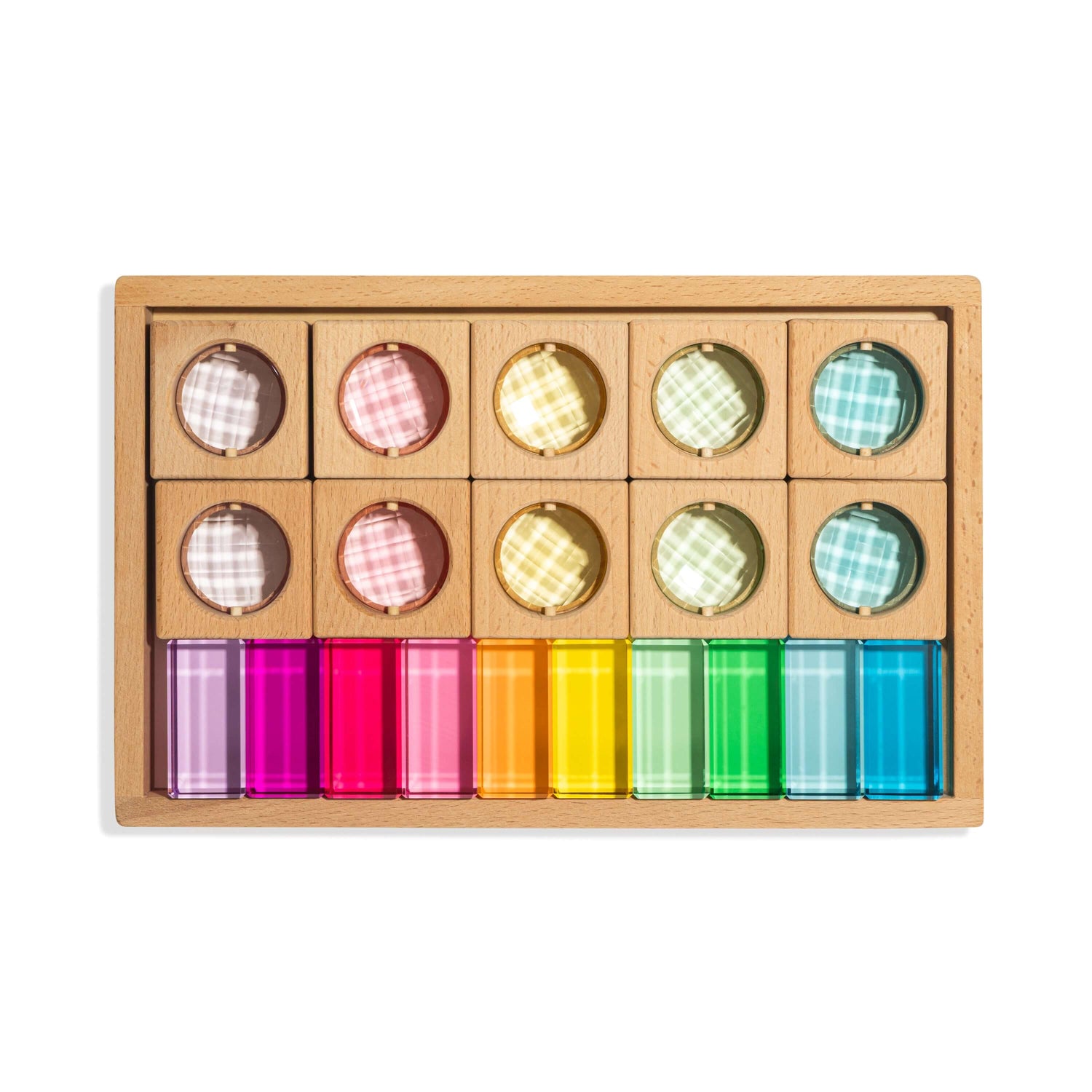
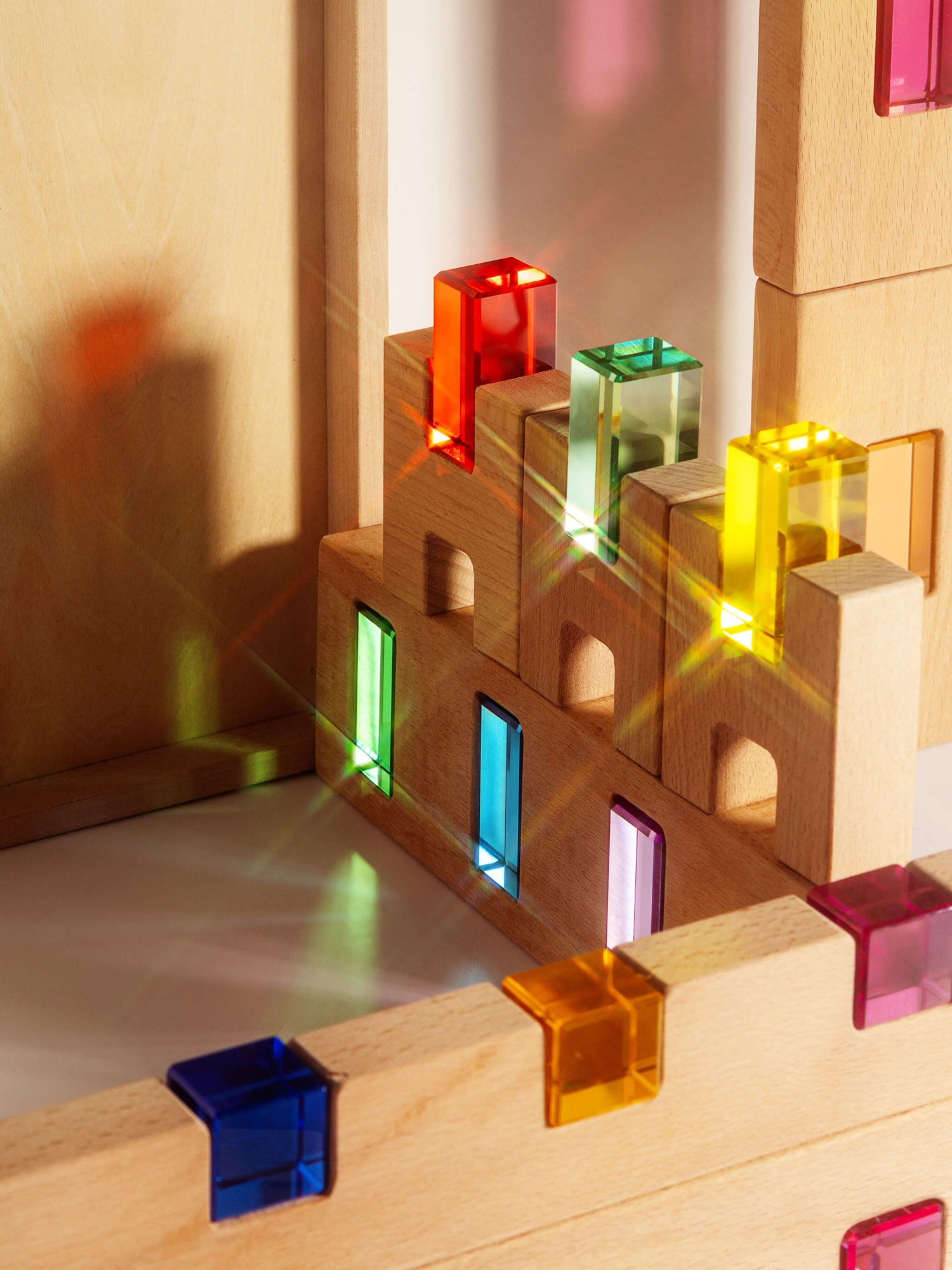
Wooden blocks and building sets
-
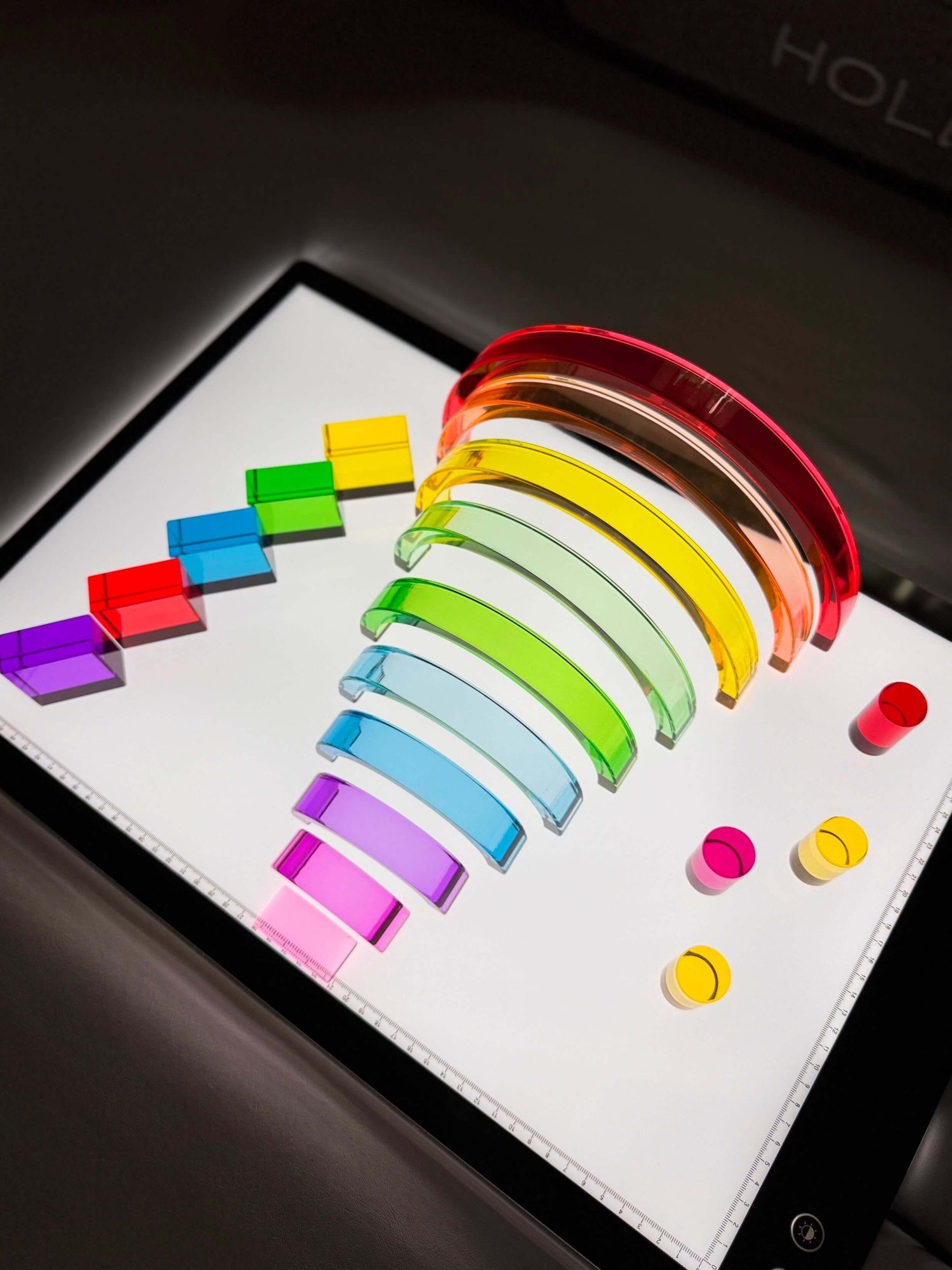
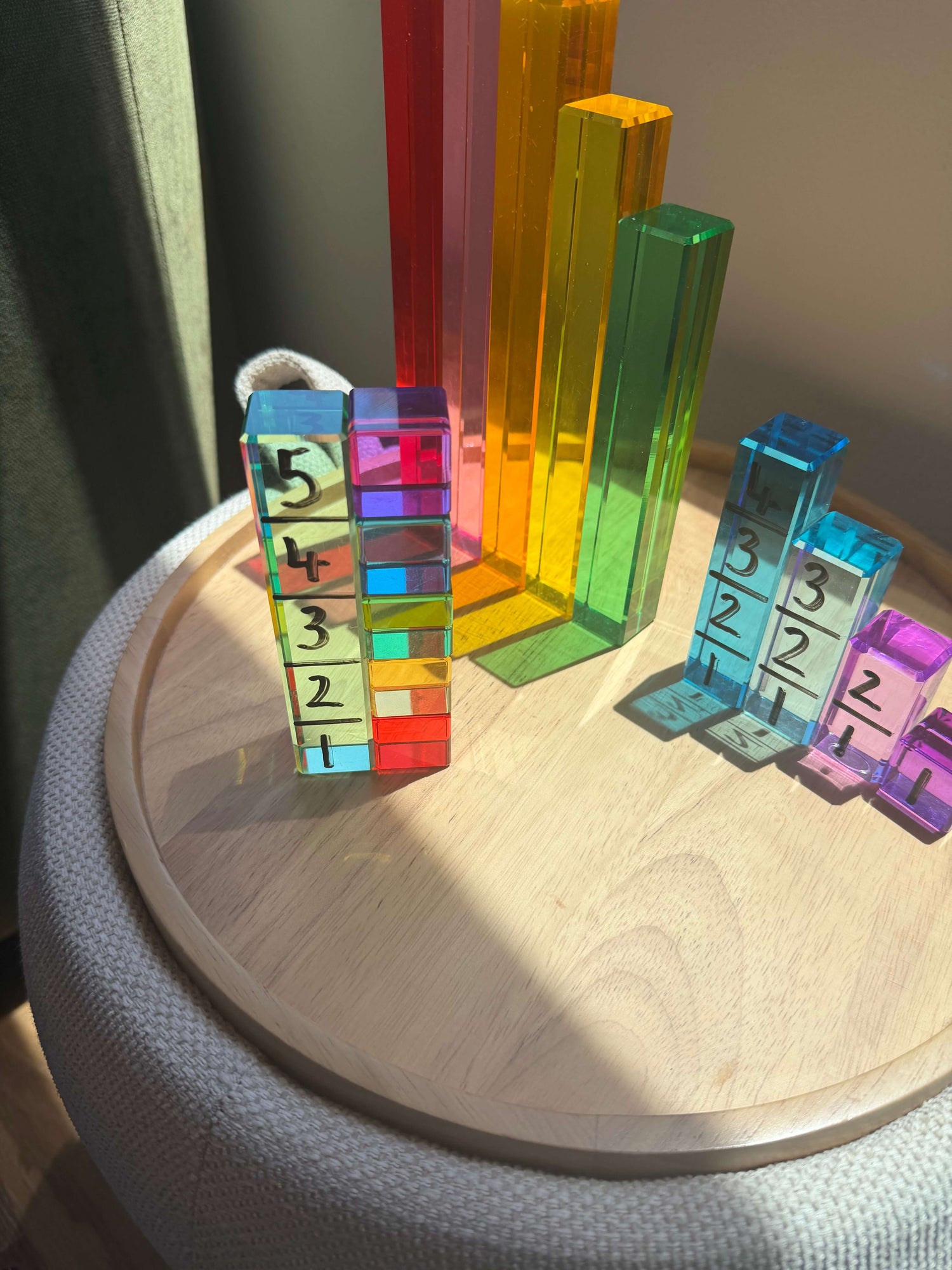
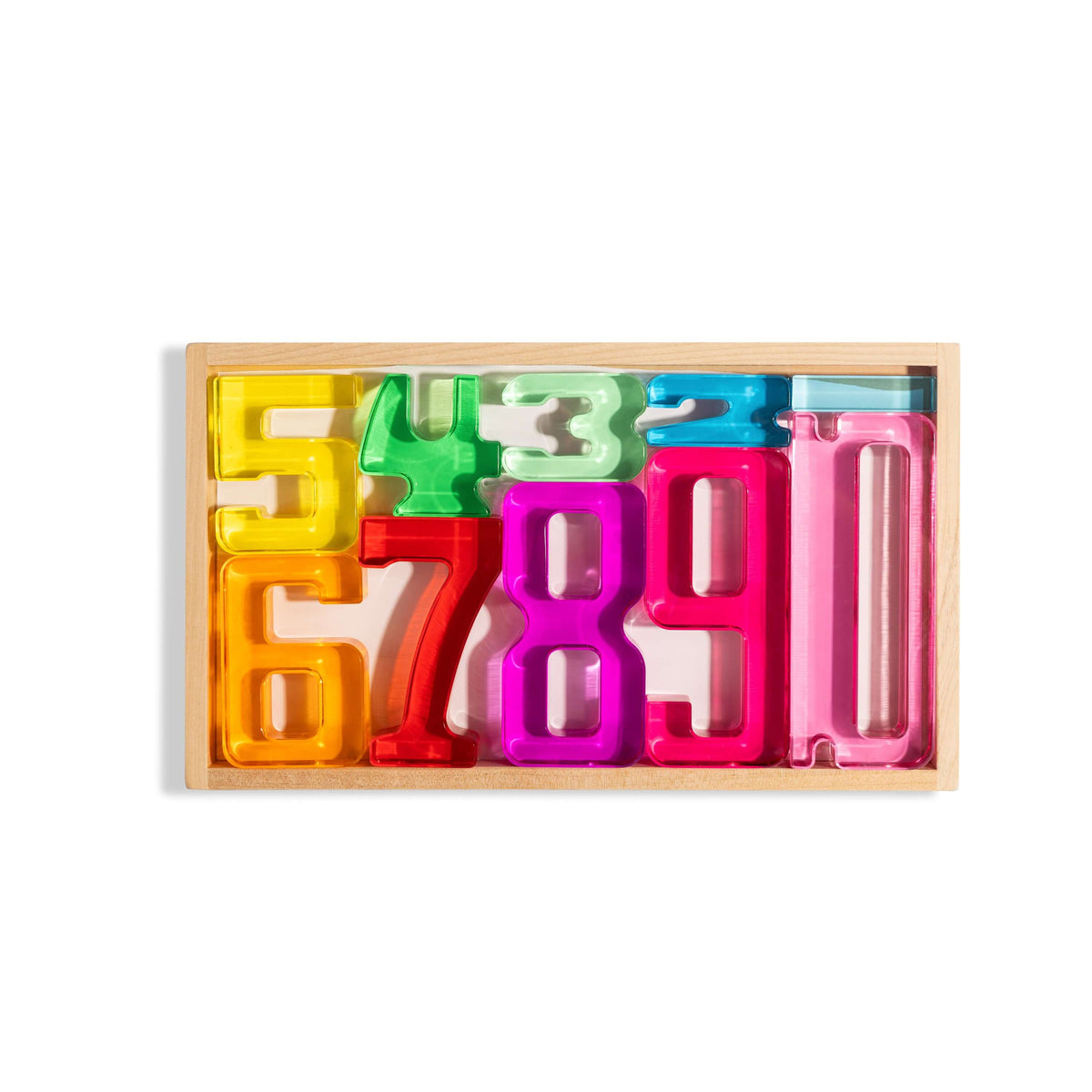
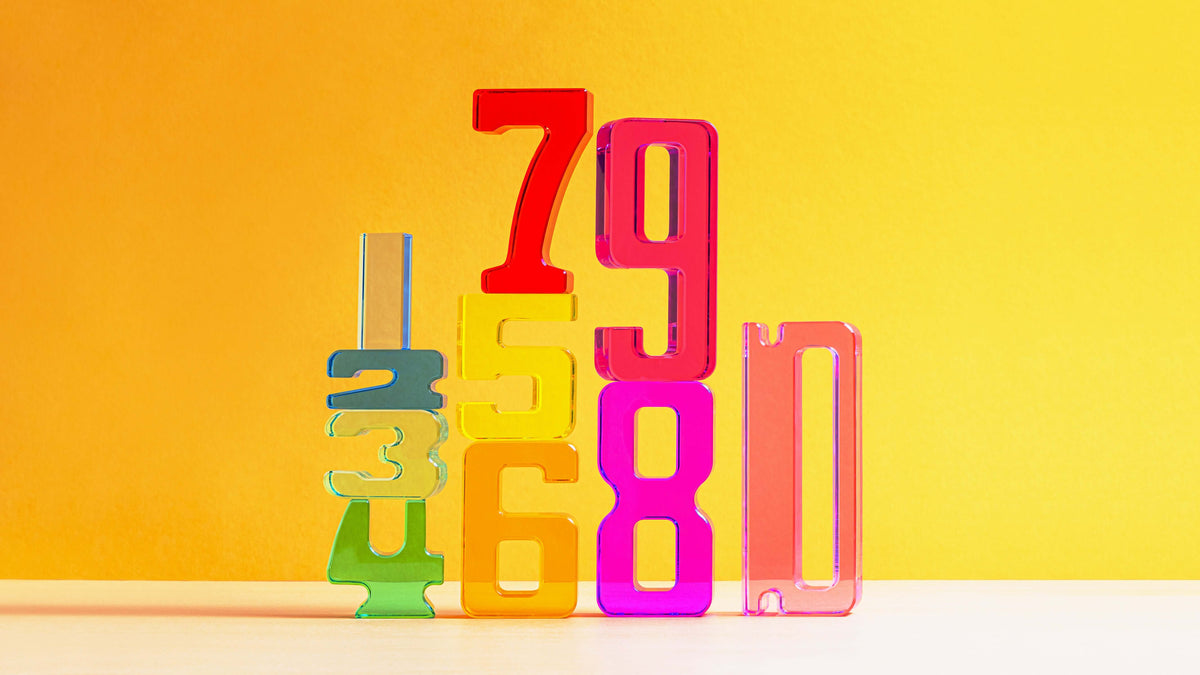
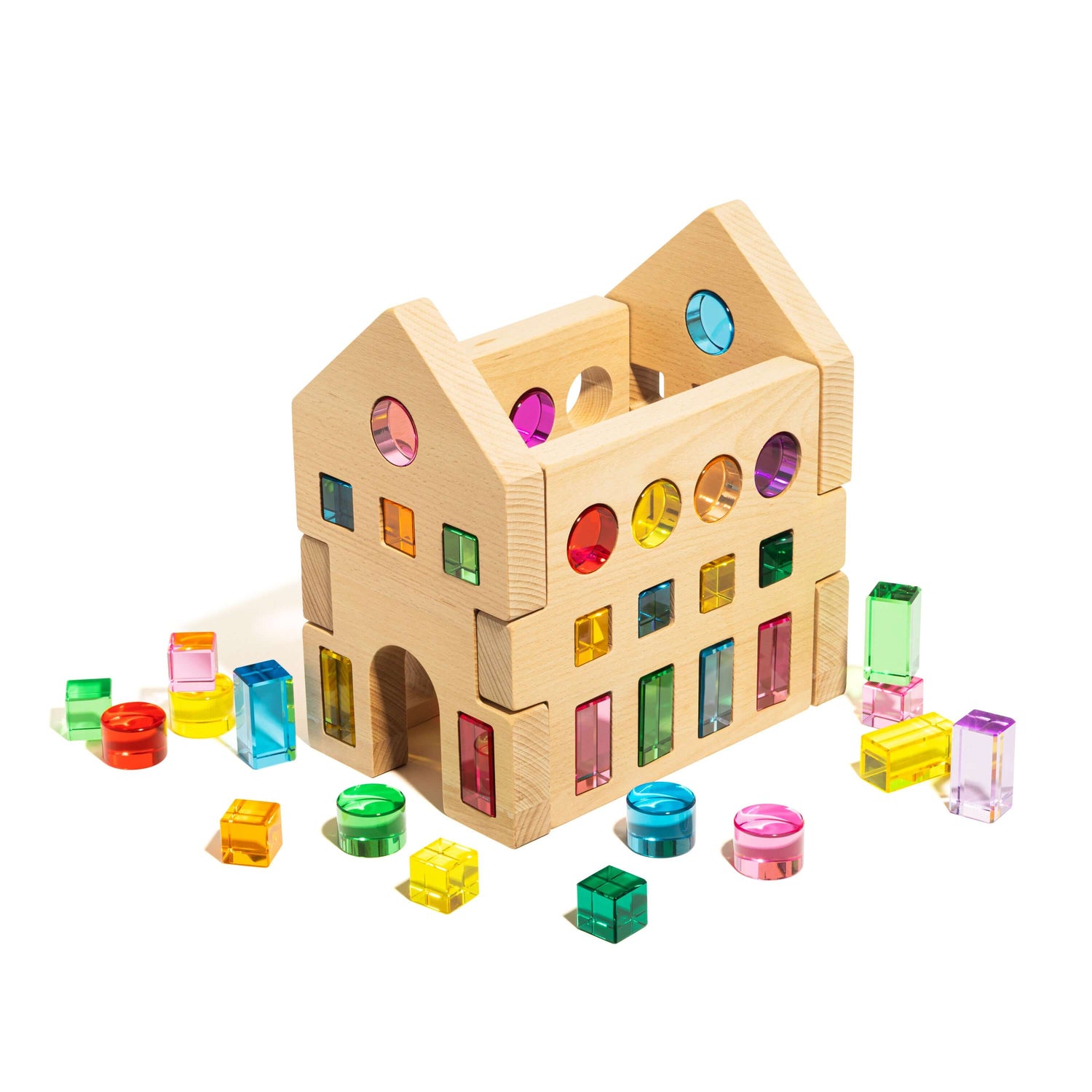
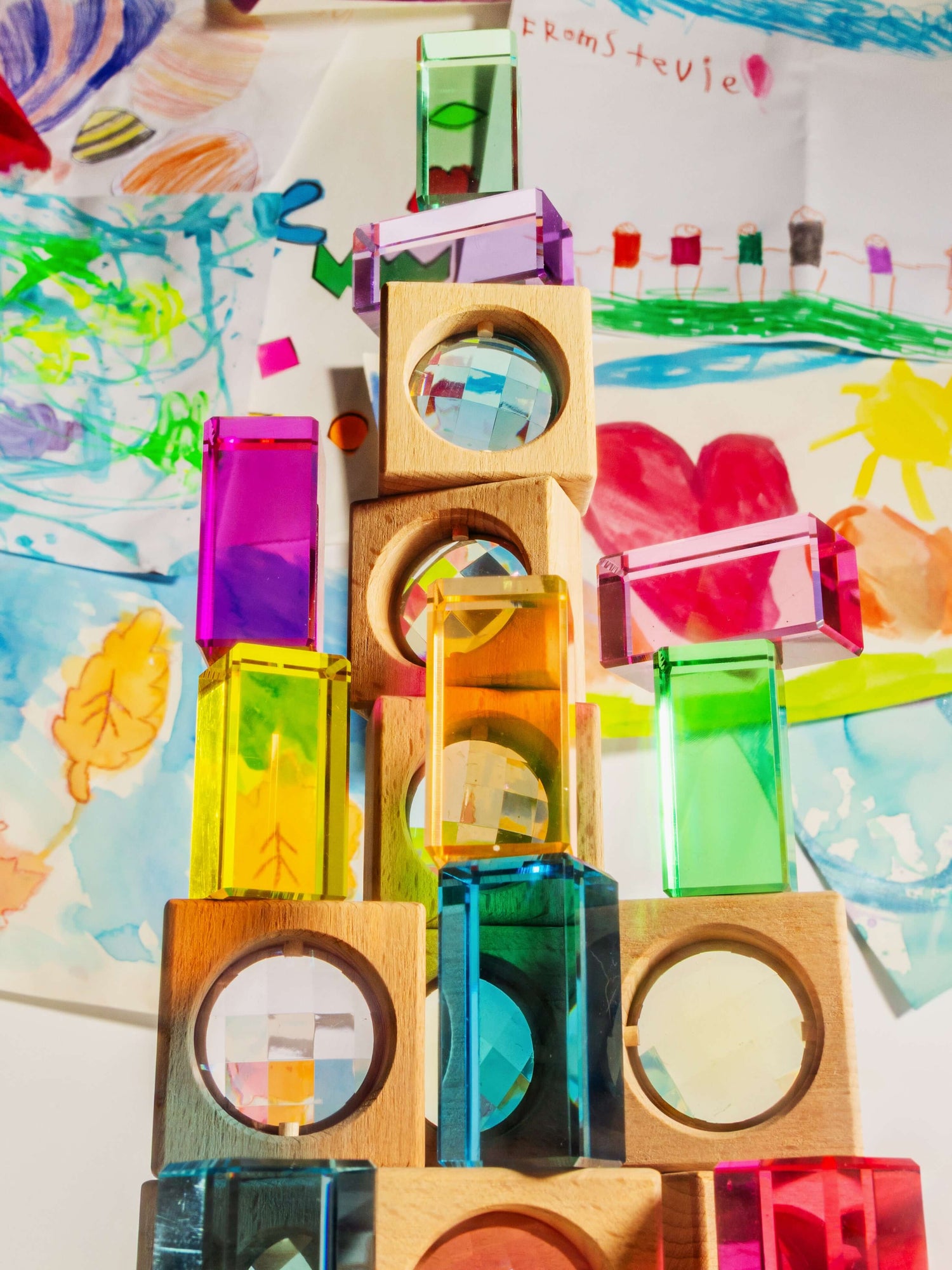
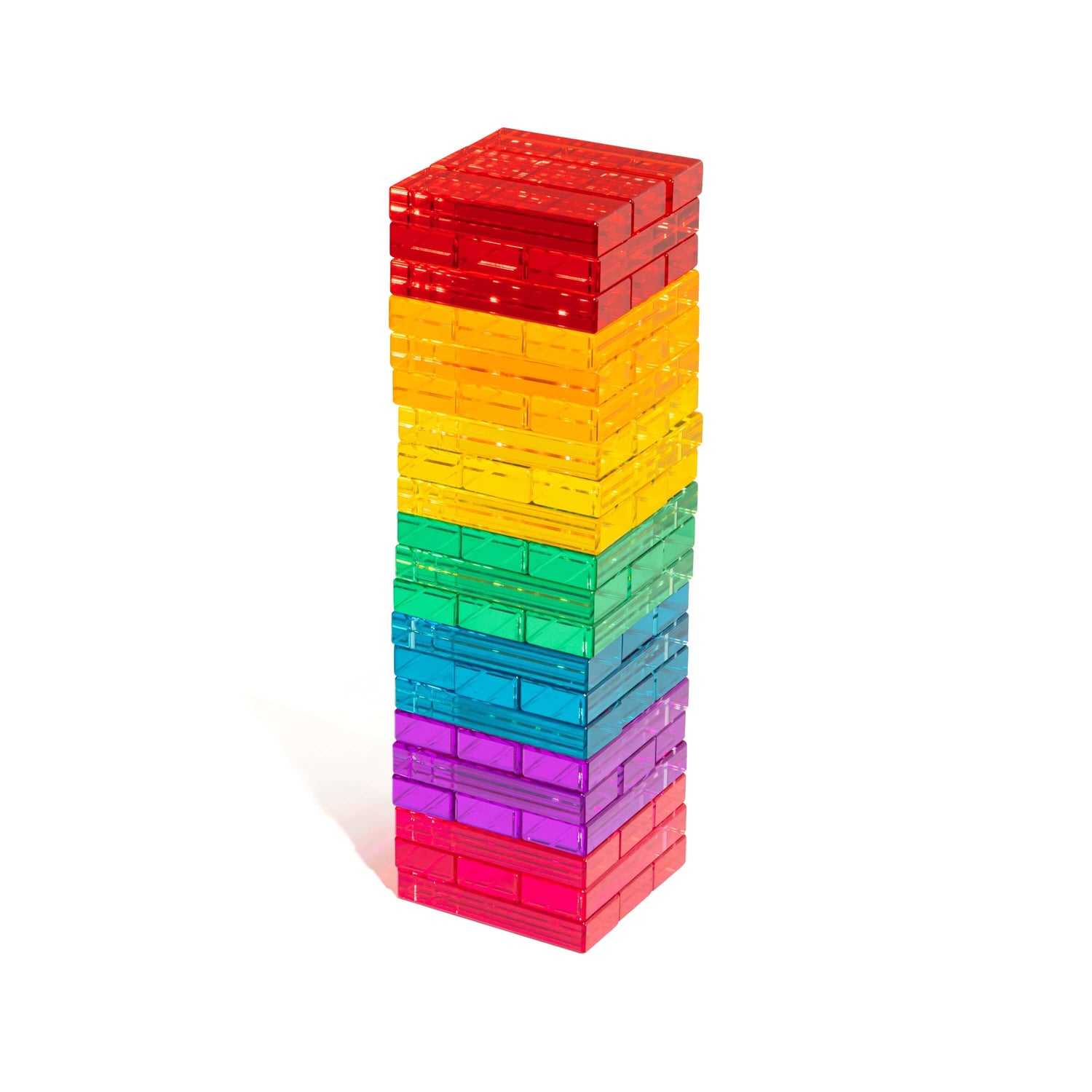
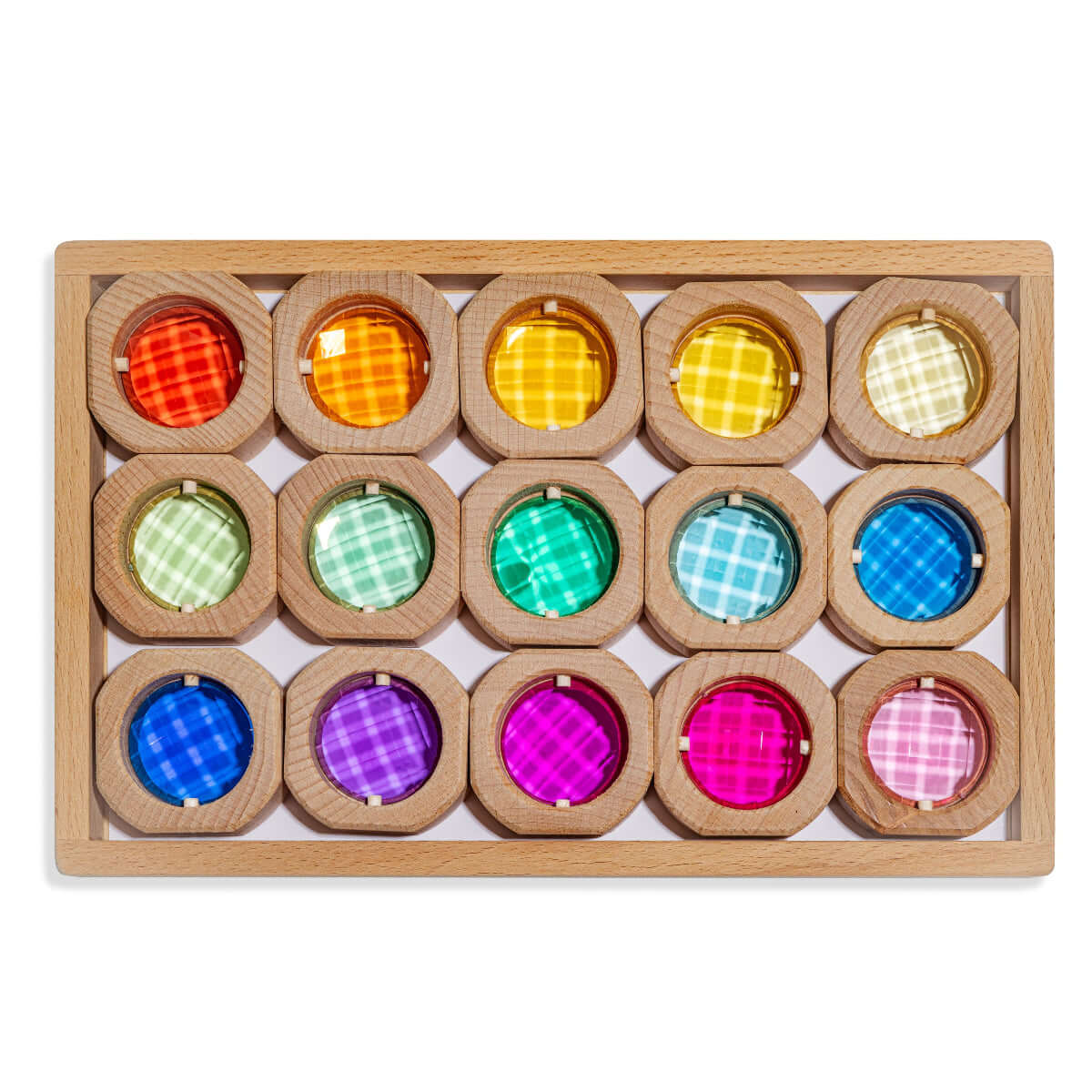
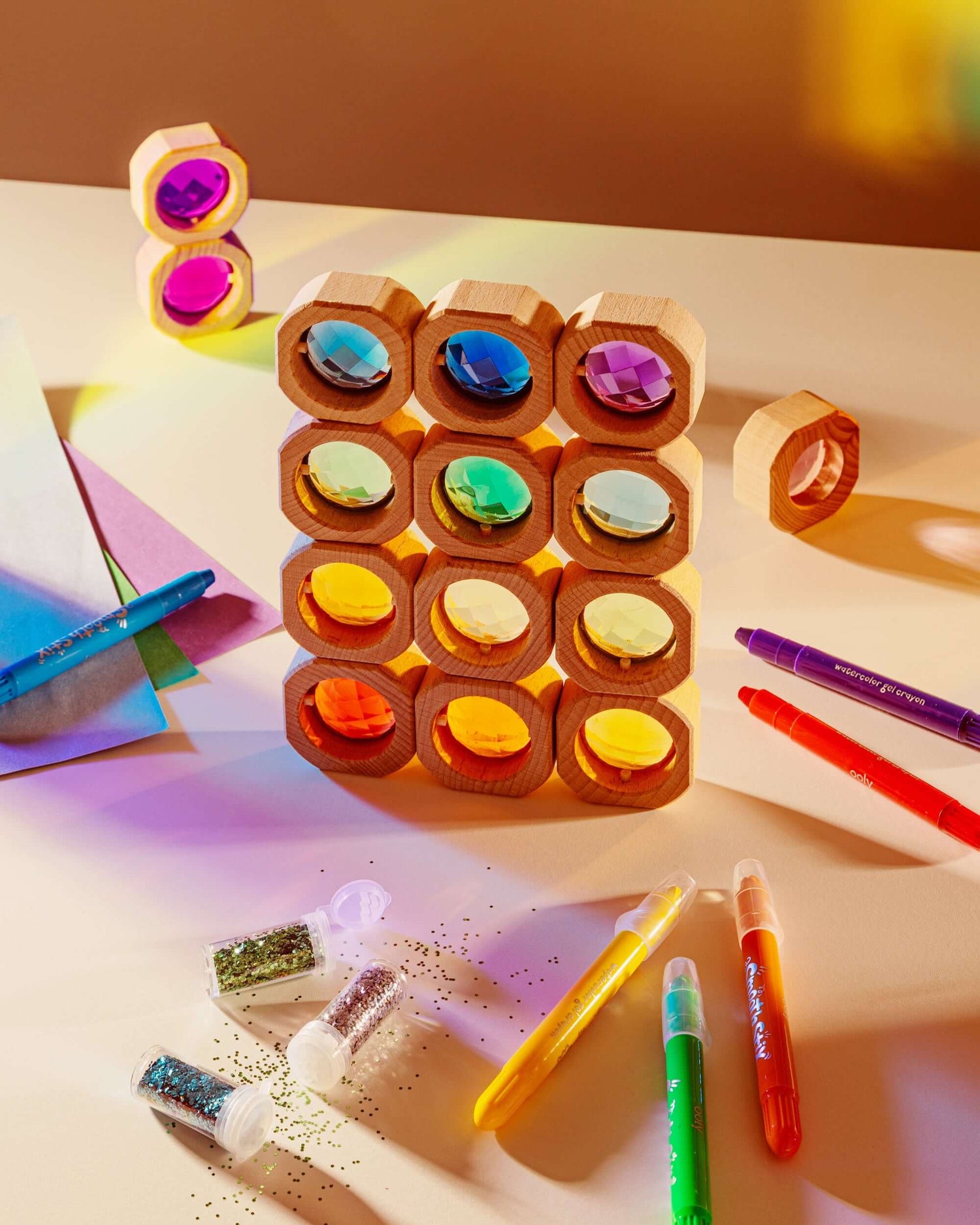
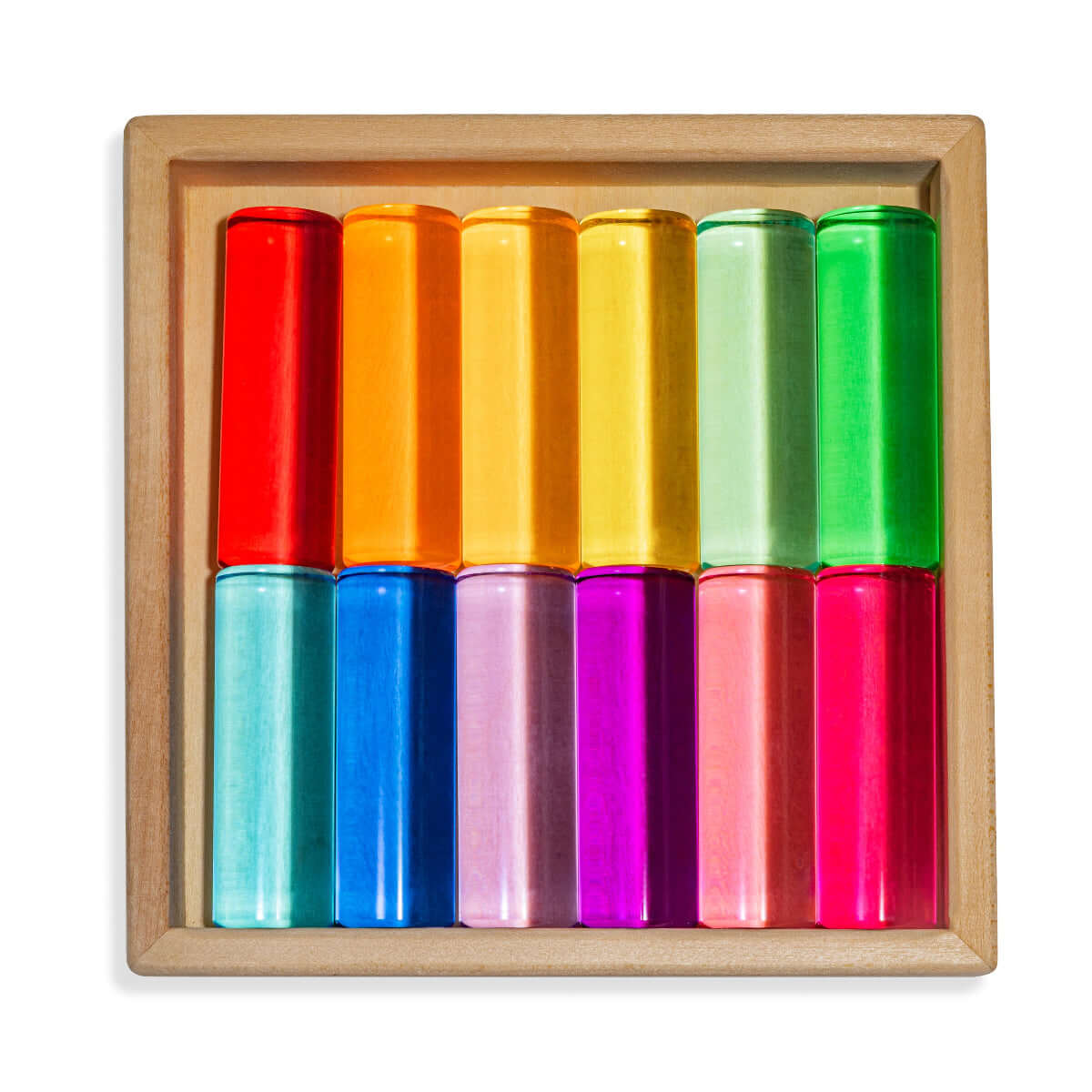
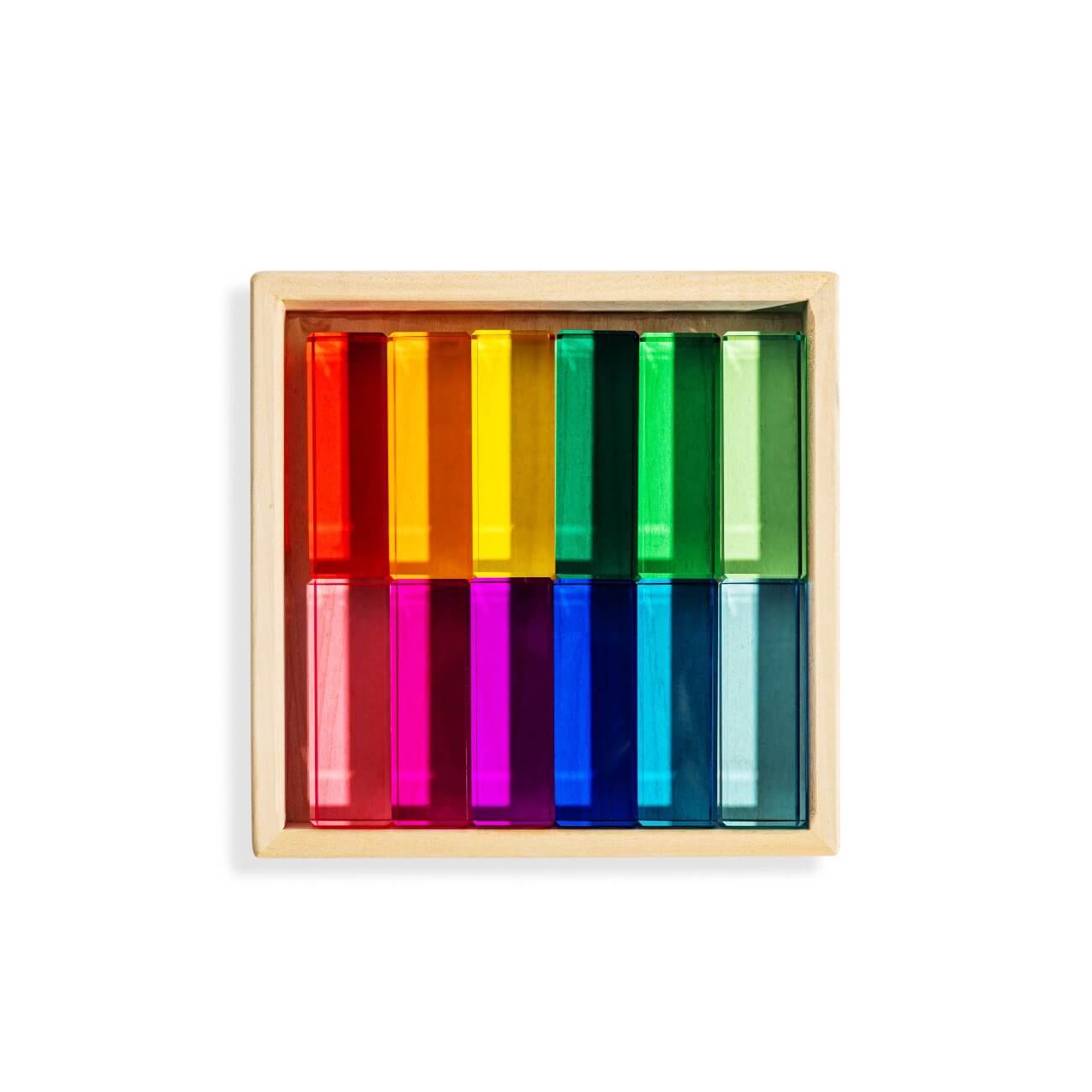
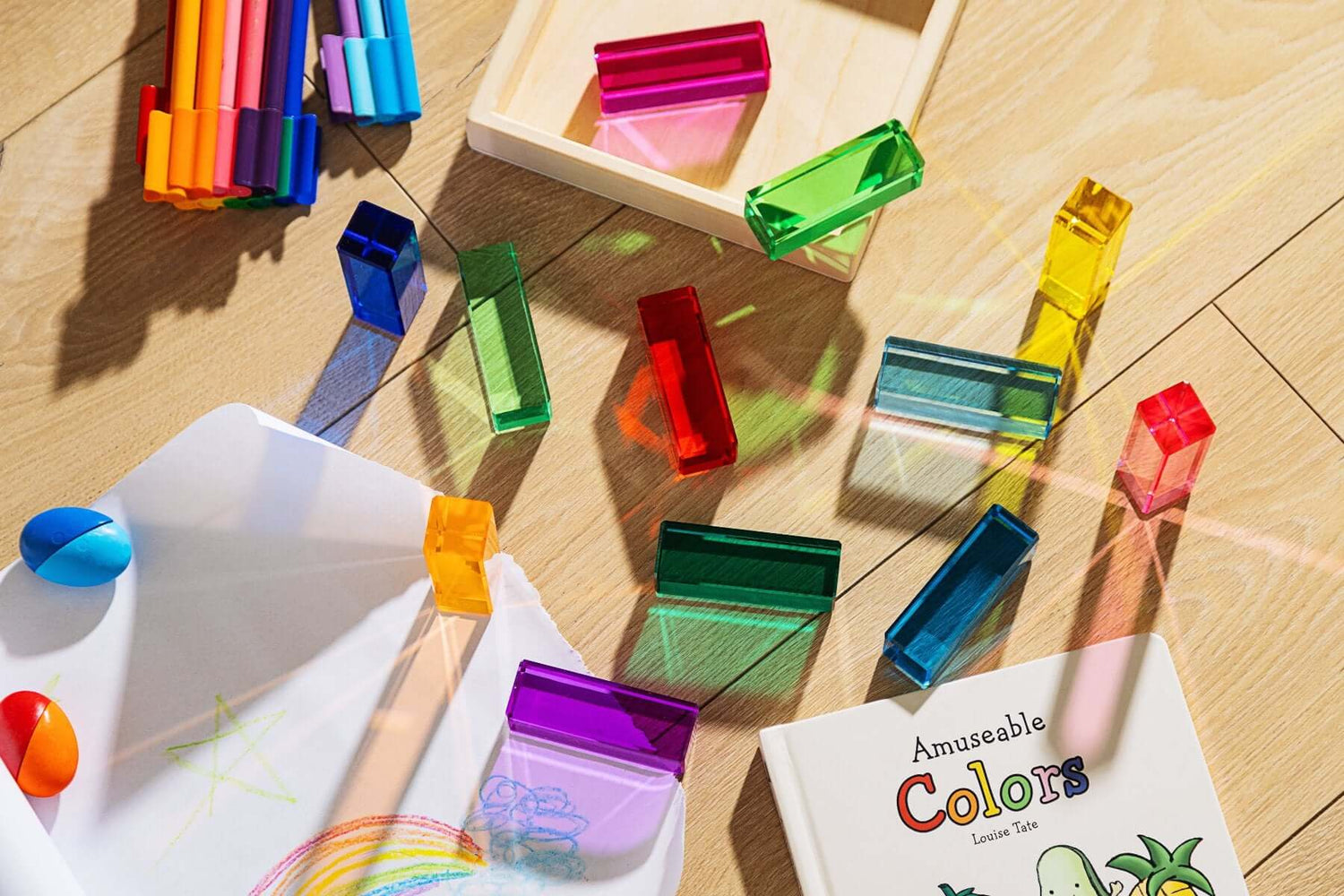
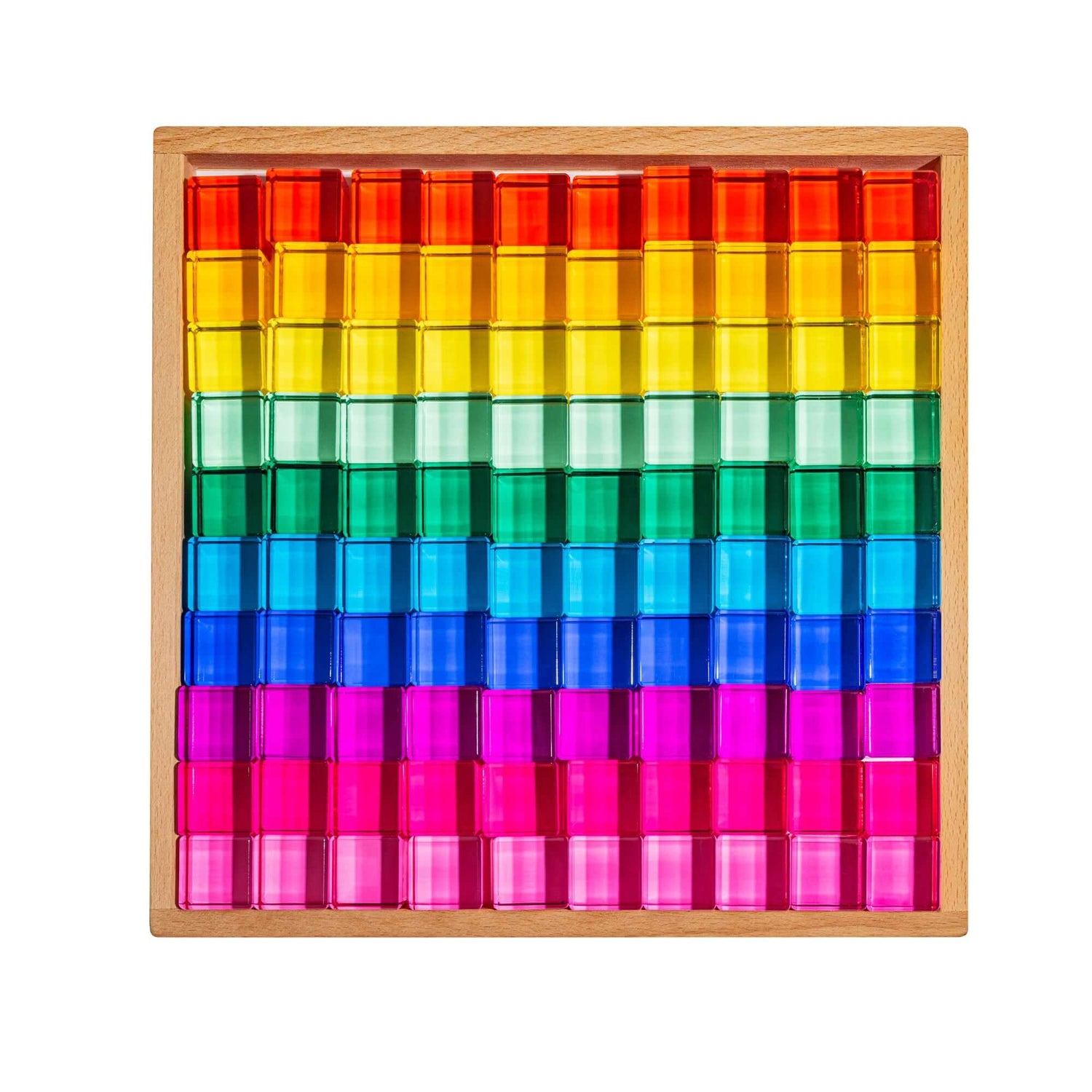
Acrylic or translucent blocks
-
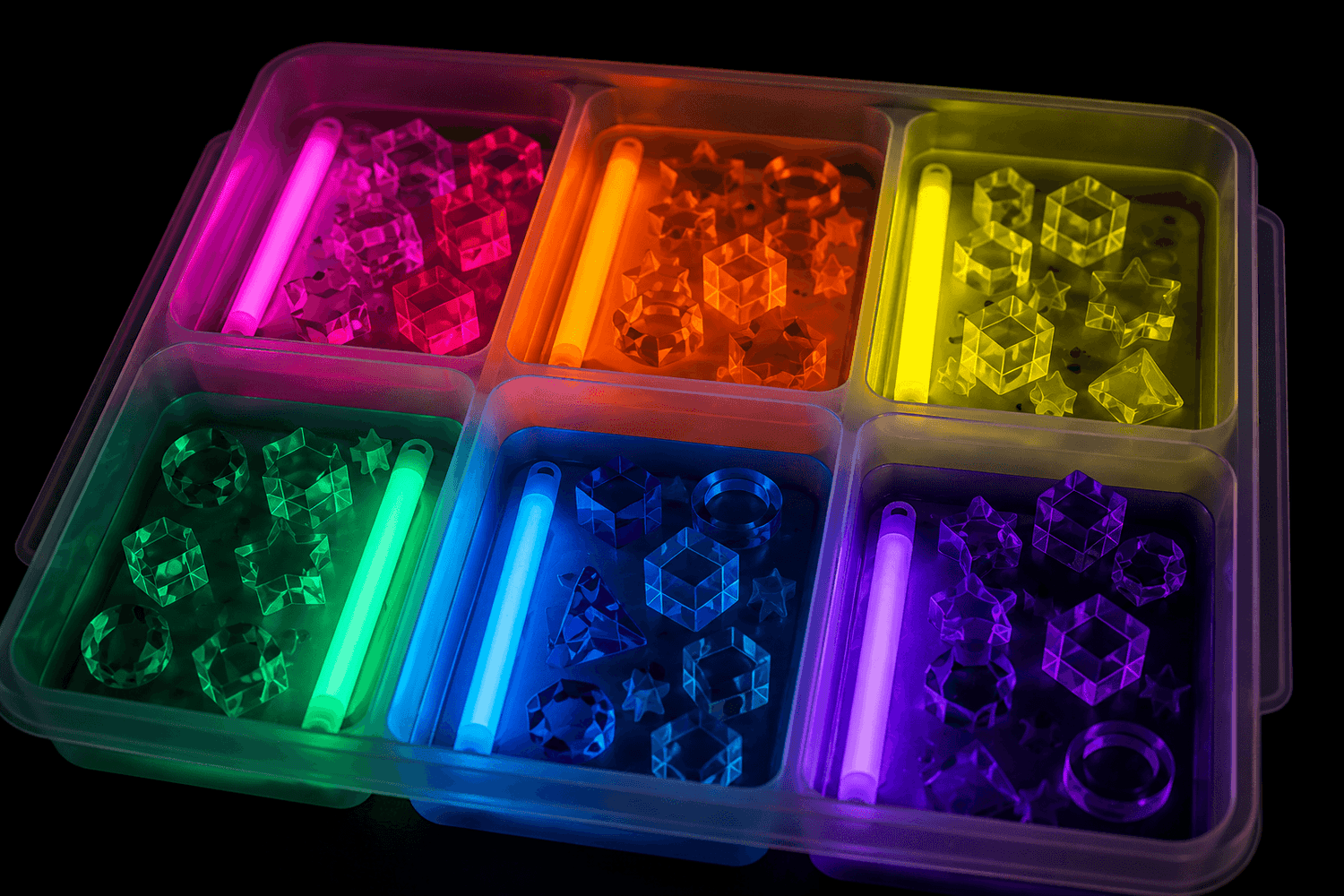
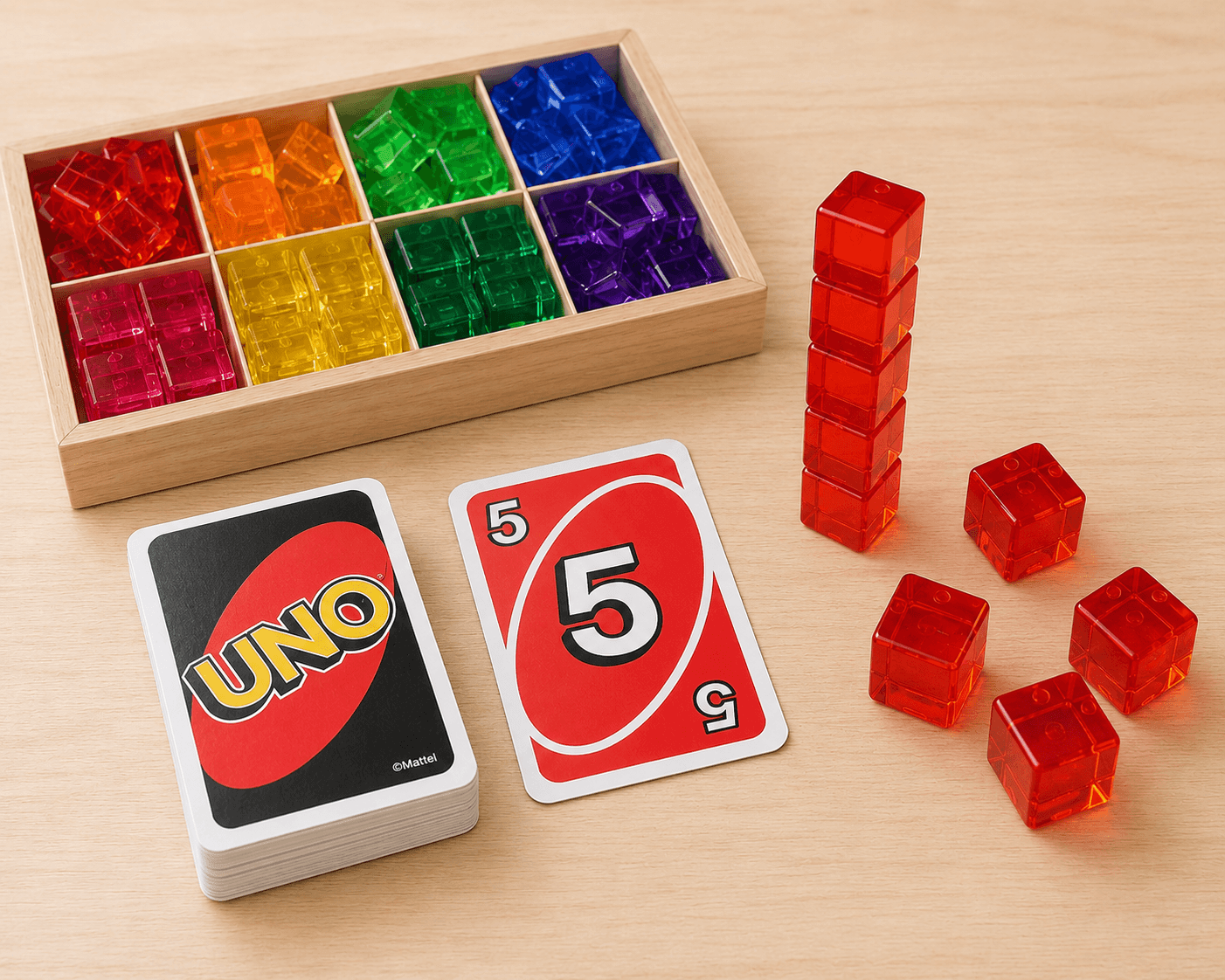
Loose parts (gems, shapes, tiles)
-
Stacking toys
-
Imaginative building pieces
These toys don’t expire after one developmental phase—they simply evolve. Wooden and acrylic building sets, likeour Montessori-inspired Millie Blocks or Noa Blocks, are especially versatile, offering children endless opportunities to build, create, and explore.
Open-Ended Toys for Different Ages
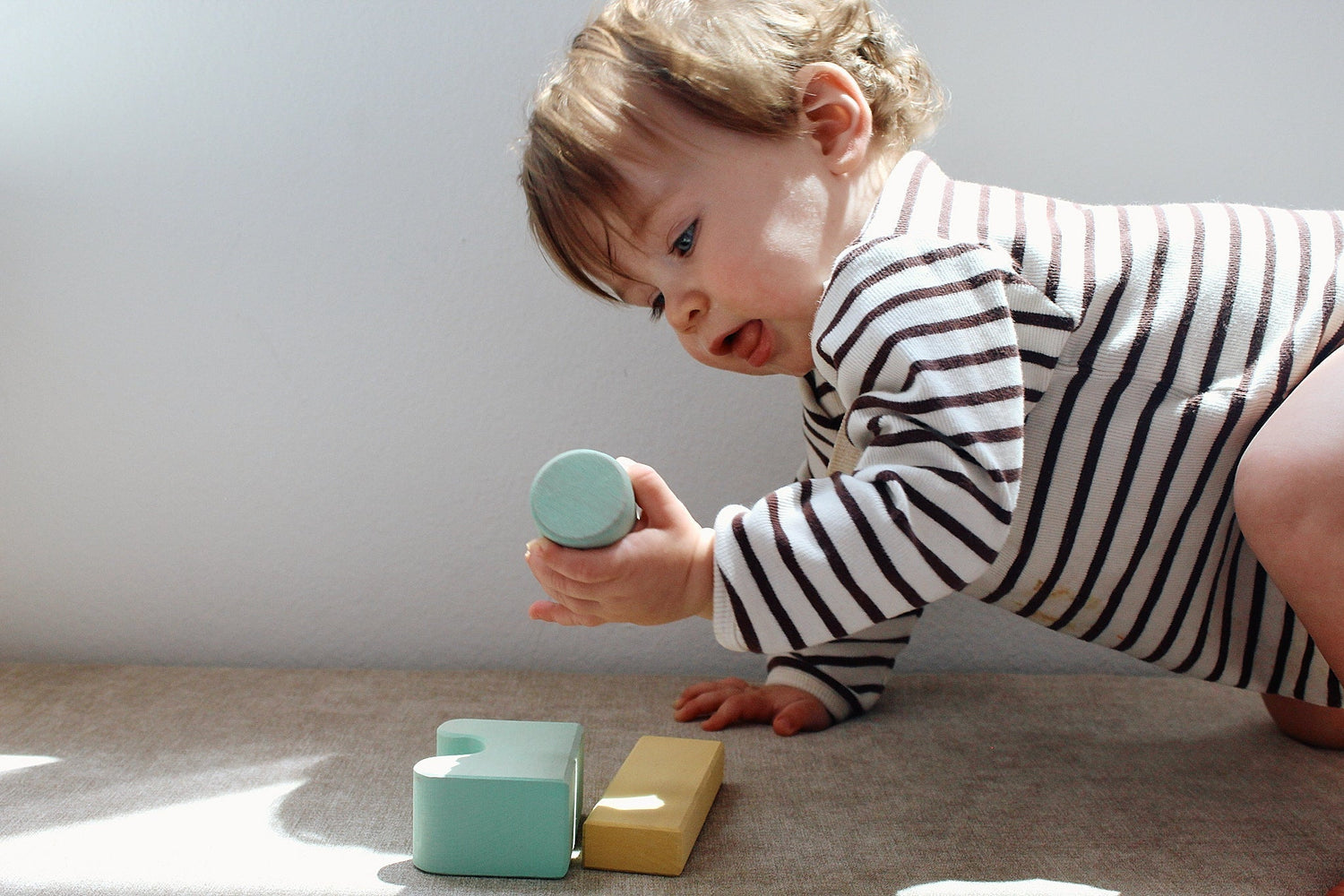
Babies (6–12 months)
-
Grasping, stacking, knocking down
-
Exploring texture, weight, and light
Toddlers (1–3 years)
-
Building towers
-
Sorting and matching
-
Early pretend play
Preschoolers (3–5+ years)
-
Complex structures
-
Storytelling and role play
-
Collaborative building
The same set of blocks can serve your child for years—not weeks. Large building pieces, such as our Winnie Blocks, are ideal for little hands—helping toddlers develop coordination, confidence, and independence through play.
Why Families Choose Open-Ended Toys for Their Homes
Parents today are increasingly choosing toys that:
-
Encourage deeper play
-
Reduce clutter and overwhelm
-
Support long-term learning
-
Look beautiful in the home
Open-ended toys are often made with high-quality, durable materials and a timeless aesthetic—designed to be both functional and thoughtfully made.
Thoughtfully Designed Open-Ended Toys
At Maison Rue Kid, our toys are created with intention:
-
Open-ended by design
-
Montessori-inspired in function
-
Made to last across ages
-
Beautiful enough to live in your home—not hide in a bin
Our building sets and loose parts encourage children to explore freely, imagine boldly, and play deeply—without limits.
Frequently Asked Questions About Open-Ended Toys
Are open-ended toys worth the investment?
Yes. Because they grow with your child, open-ended toys often replace the need for multiple age-specific toys over time.
Do open-ended toys help with independent play?
Absolutely. Because there’s no fixed outcome, children stay engaged longer and learn to initiate play on their own.
Are open-ended toys better than electronic toys?
Open-ended toys encourage active thinking and creativity, while many electronic toys focus on passive interaction.
What is the best open-ended toy to start with?
Building blocks are often the most versatile starting point—they support learning from babyhood through early childhood and beyond.
Final Thoughts
Open-ended toys aren’t about doing more—they’re about doing less, better.
By offering children simple, high-quality materials and the freedom to explore, we give them the space to imagine, build, problem-solve, and grow.
And that kind of play never goes out of style.
Related Guides for Parents
• Benefits of Open-Ended Play For Child Development
• Open-Ended Toys by Age
• Best Open-Ended Toys for Toddlers
• How Open-Ended Toys Support STEM Learning
• Building Early Literacy Through Play
• How Open-Ended Play Builds Early Math Skills
• Why Pretend Play Is Important
• The Benefits of Small World Play





1 comment
A highly informative and insightful article with practical ideas that make learning and everyday activities more engaging for children. I especially appreciate the emphasis on combining creativity, play, and learning to help children develop essential skills in an enjoyable and meaningful way. Thank you for sharing such valuable and practical insights. For more helpful ideas and resources for children, you can also explore “Sakuya.in”