
Introduction
If play feels chaotic, overstimulating, or short-lived, the issue often isn’t the child—it’s the play environment.
Children don’t need more toys.
They need a space that invites them to use the ones they already have.
A thoughtfully designed play environment can transform how your child engages, focuses, and creates—without you needing to constantly step in.
Why Environment Matters More Than Toys
Children thrive in environments that are:
- Calm
- Organized
- Accessible
- Predictable
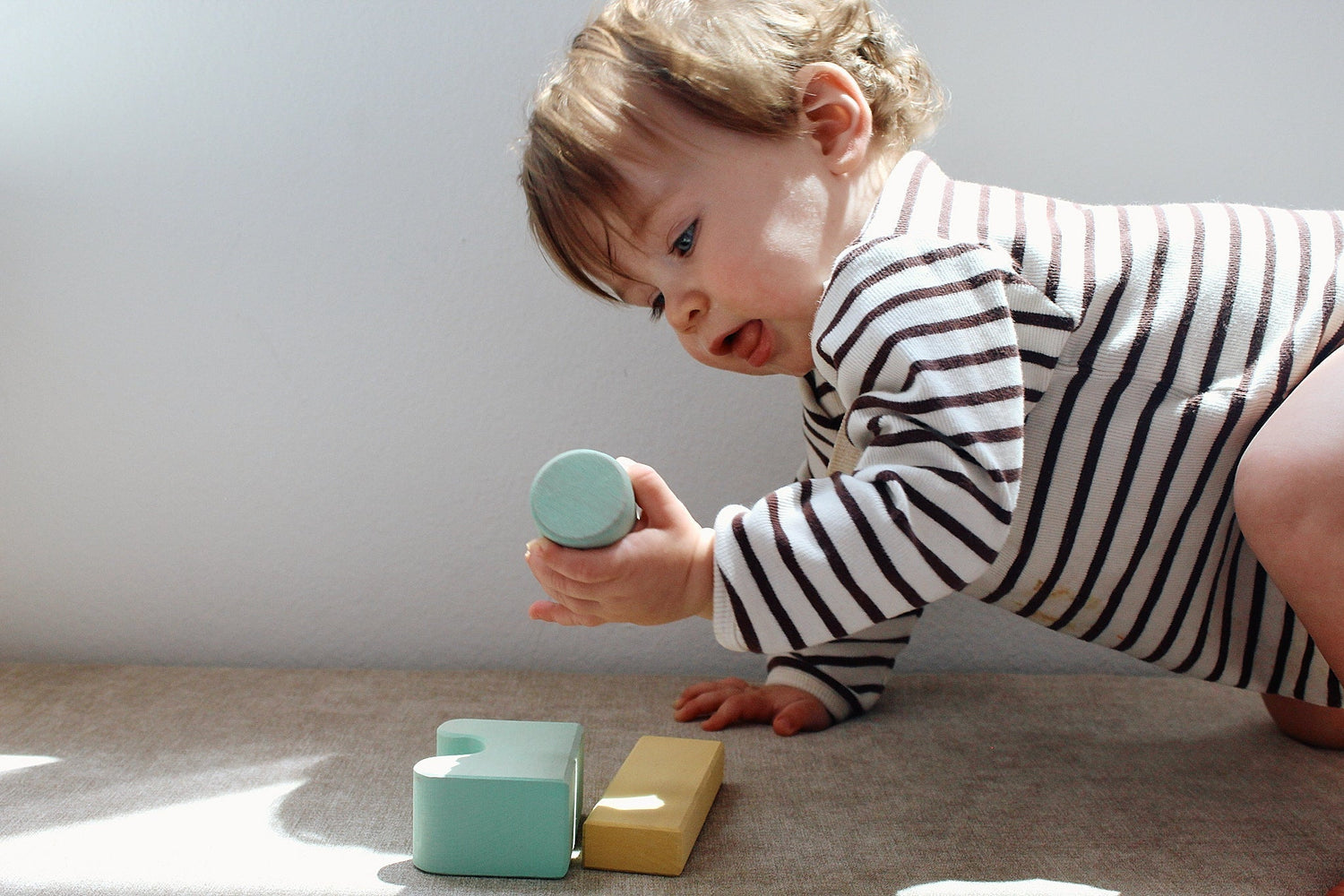
When everything is visible and within reach, children are more likely to initiate play independently and stay engaged longer.
Step 1: Reduce What’s Out
Start here—always.
Instead of displaying everything, choose a small selection of toys and rotate the rest. If you're new to this concept we wrote about toy rotation here.
Focus on:
- 6–10 items total
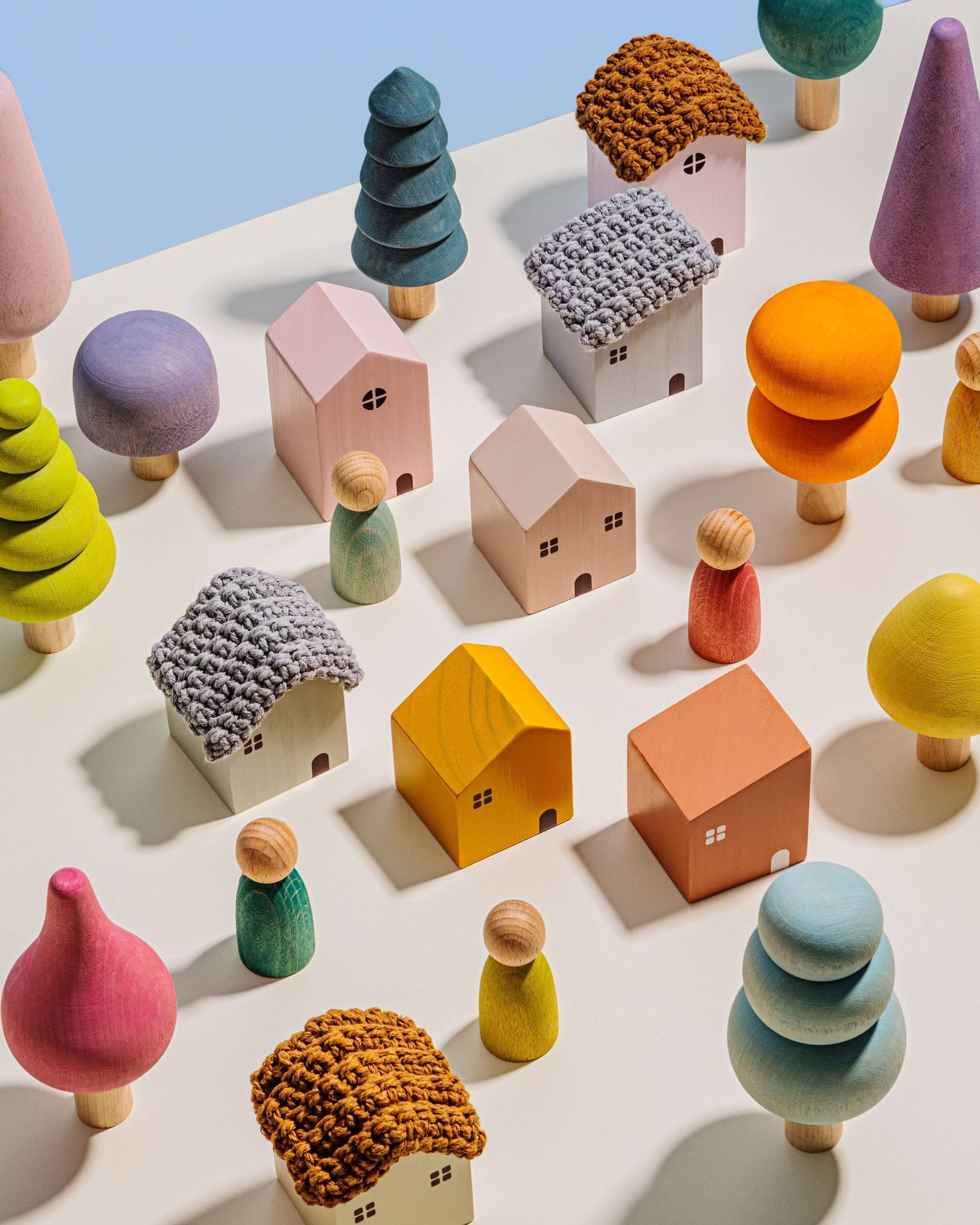
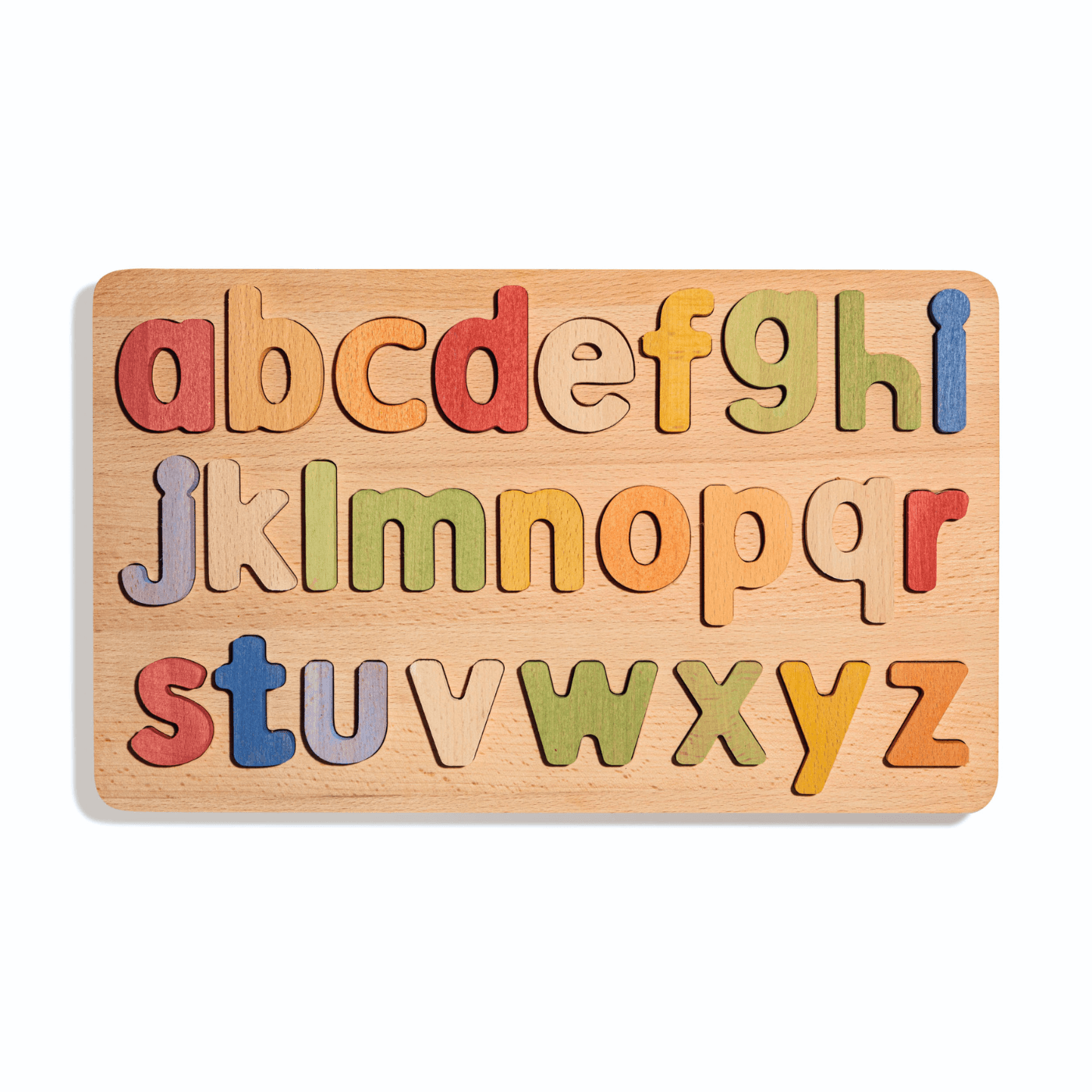
- A mix of building, creative, and imaginative materials
- Open-ended pieces that can be used in multiple ways
Fewer choices lead to deeper, more focused play. Discover our range of open-ended toys here.
Step 2: Create Clear Zones
Even in small spaces, simple zones help guide play naturally.
Think in categories:
- Building
- Creative
- Imaginative
You don’t need labels or perfection—just visual clarity.
Step 3: Make Everything Accessible
If a child can’t reach it, they won’t use it.
Use:
- Low shelves
- Open baskets
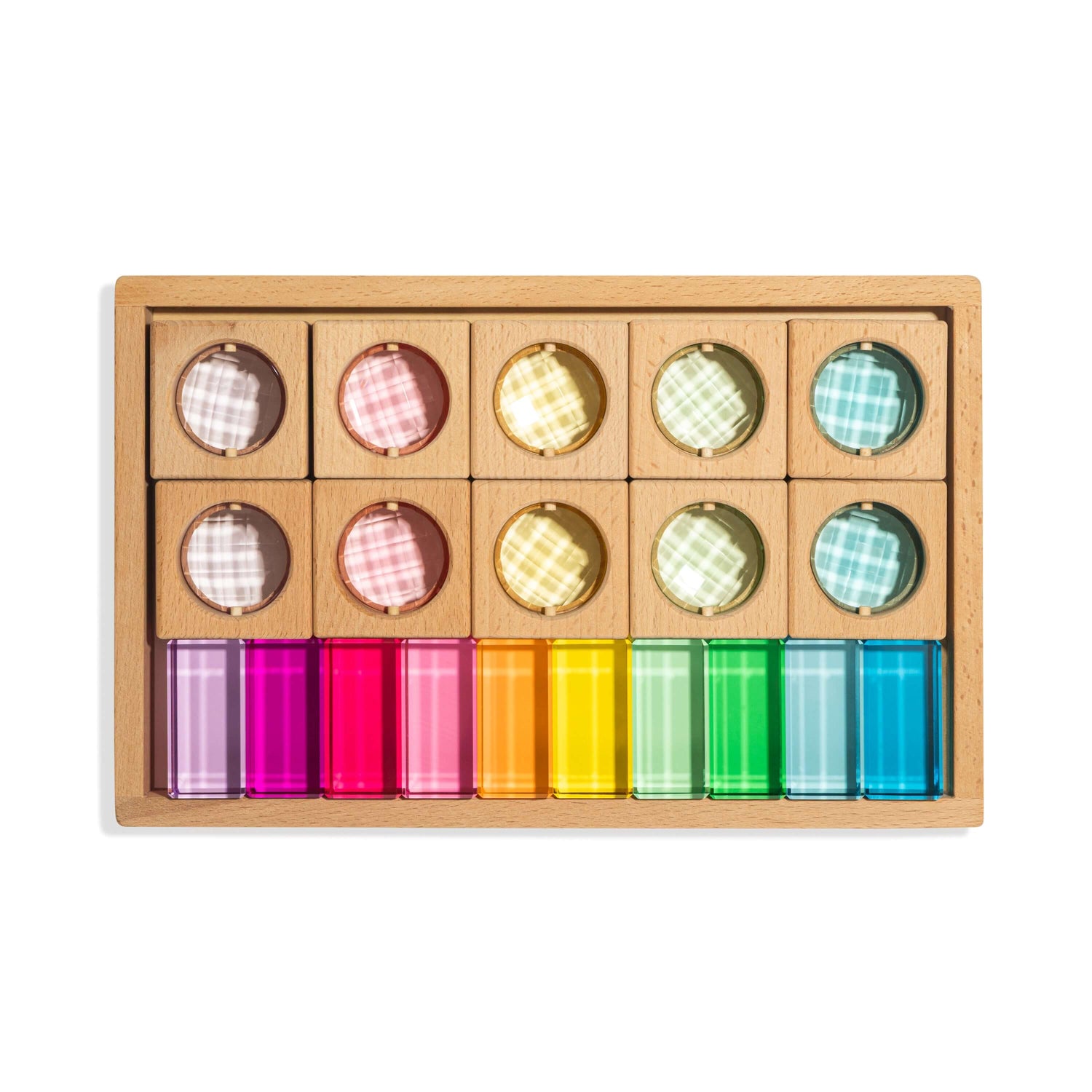
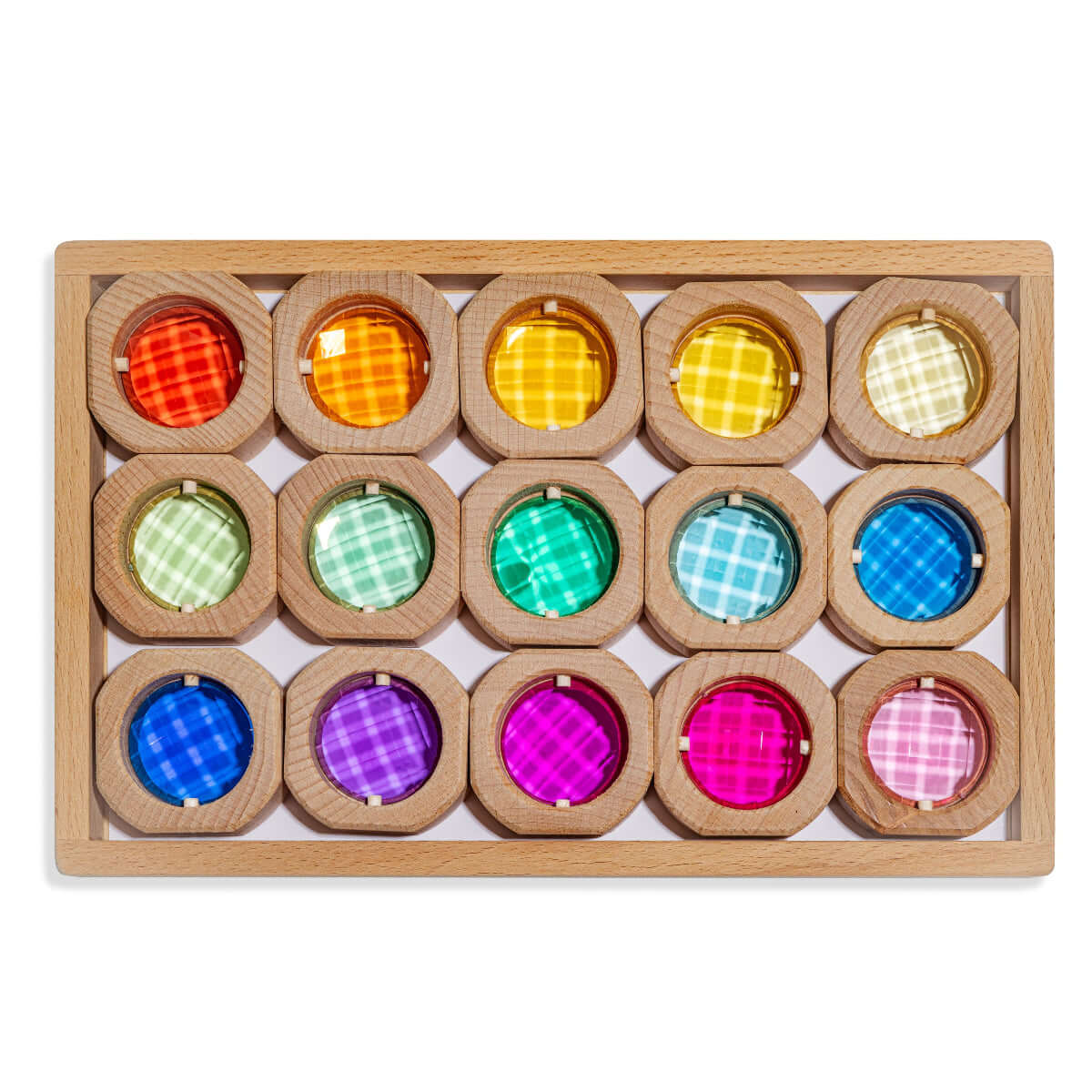
- Trays to contain play
Step 4: Leave Room for “In Progress” Play
Not everything needs to be cleaned up immediately.
Ongoing builds encourage deeper thinking and longer engagement.
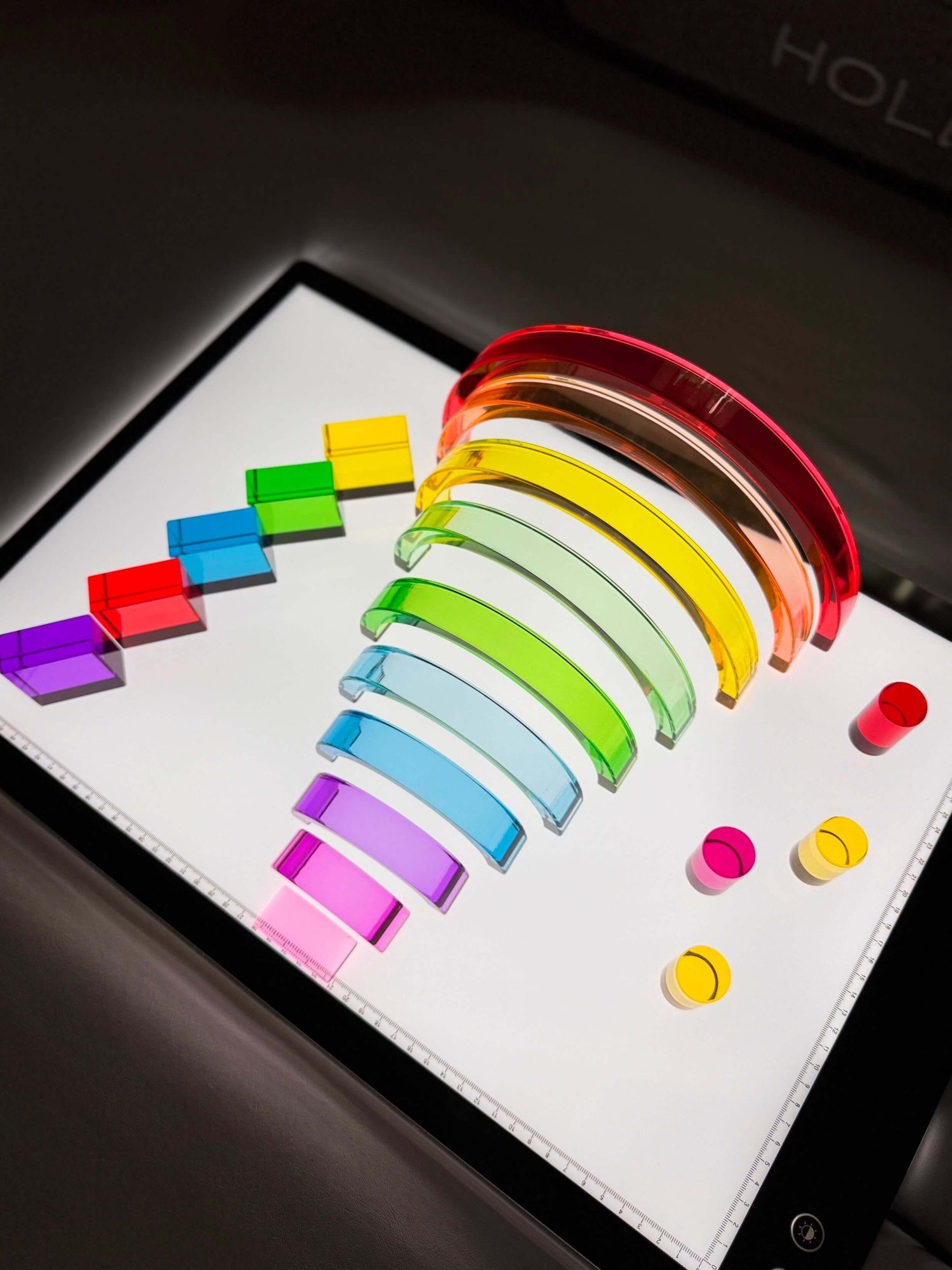
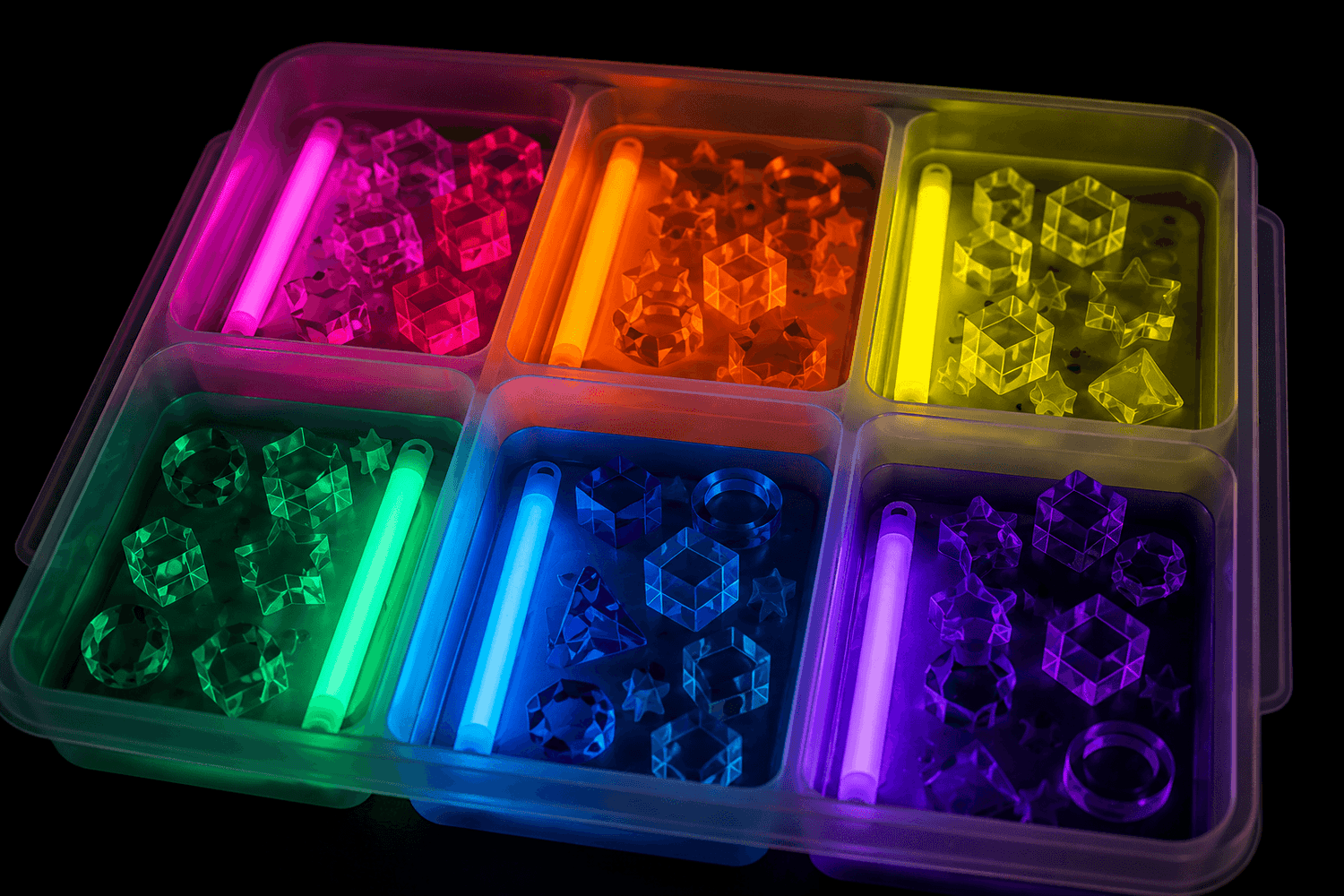
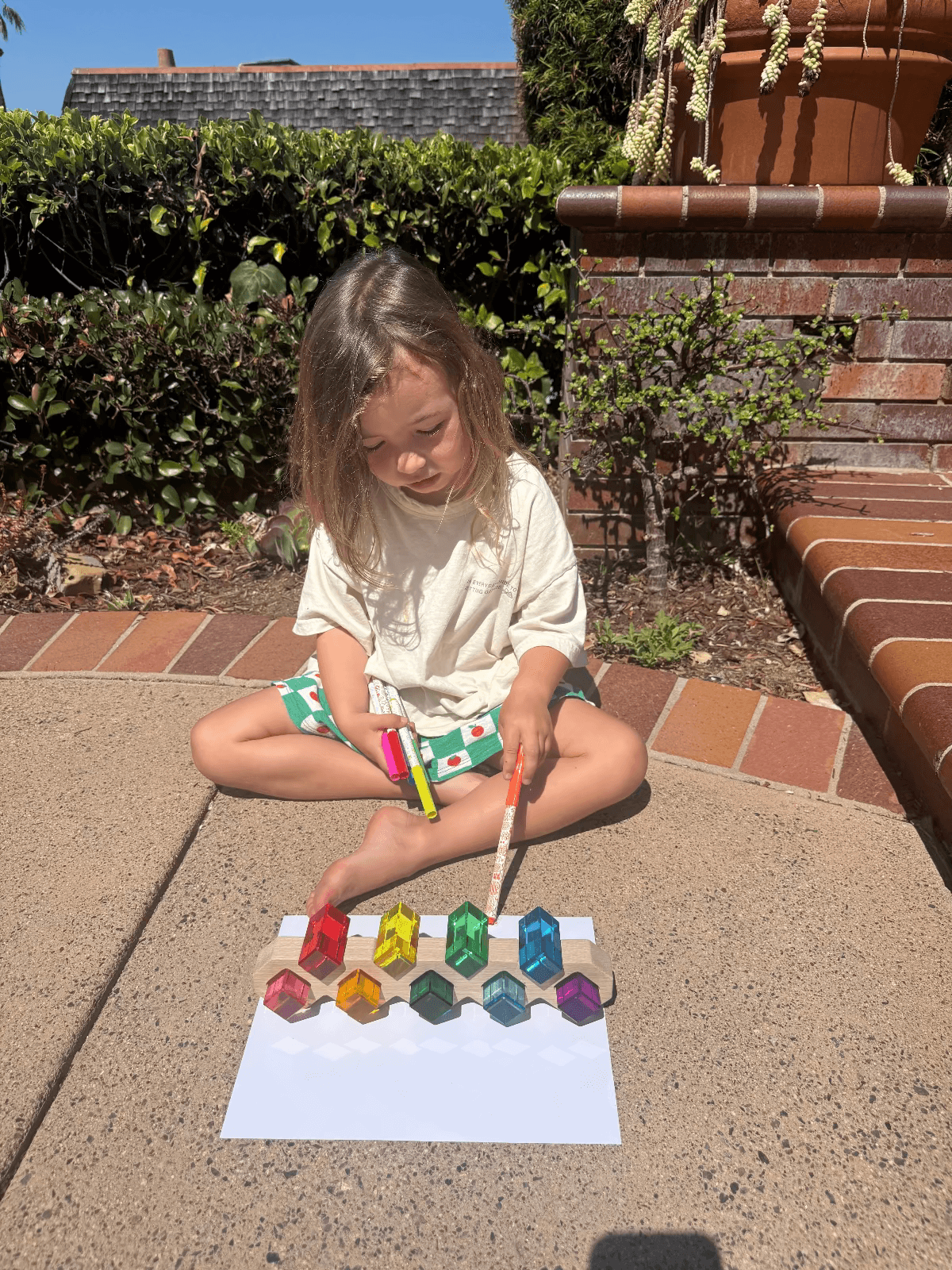
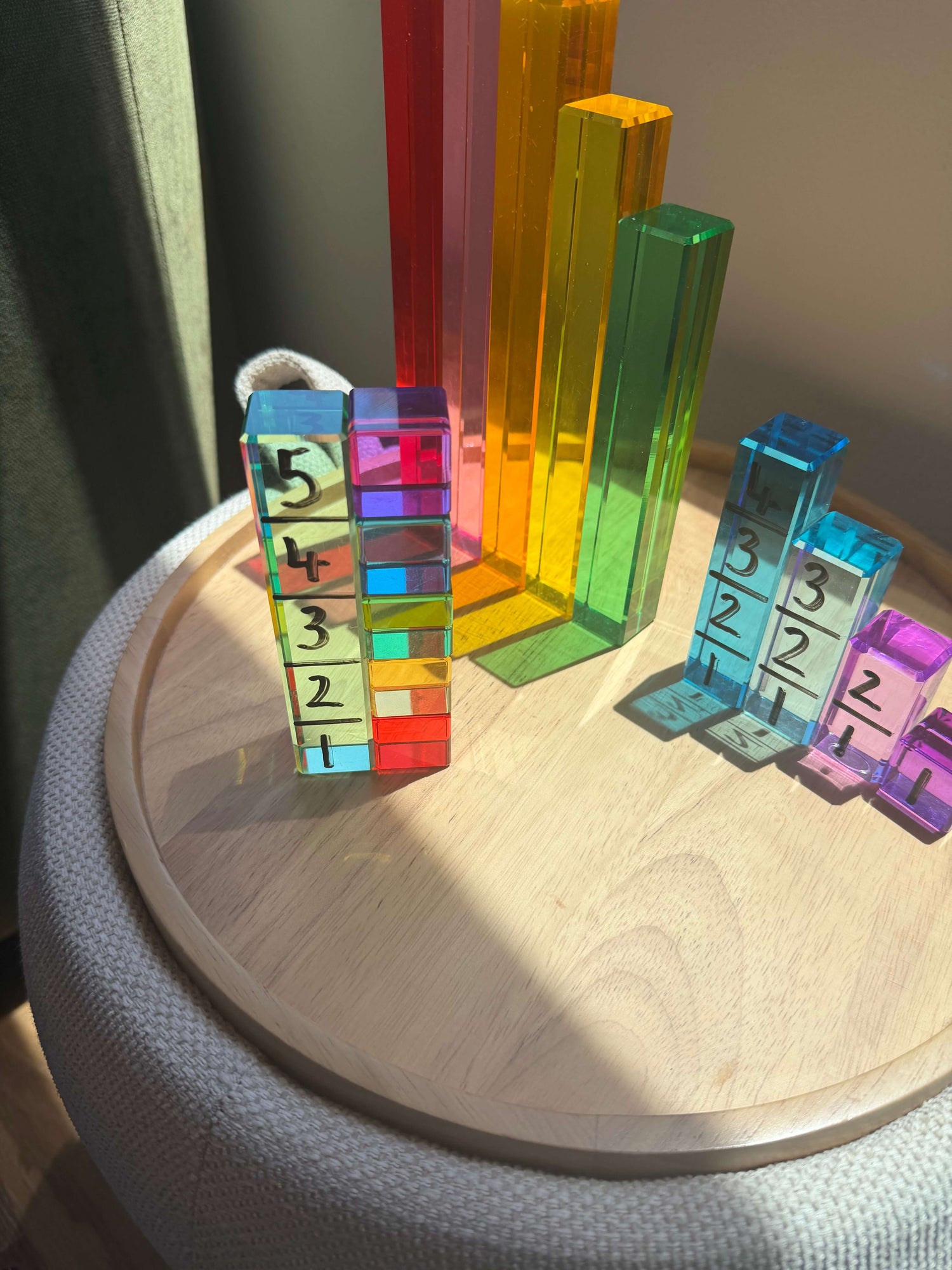
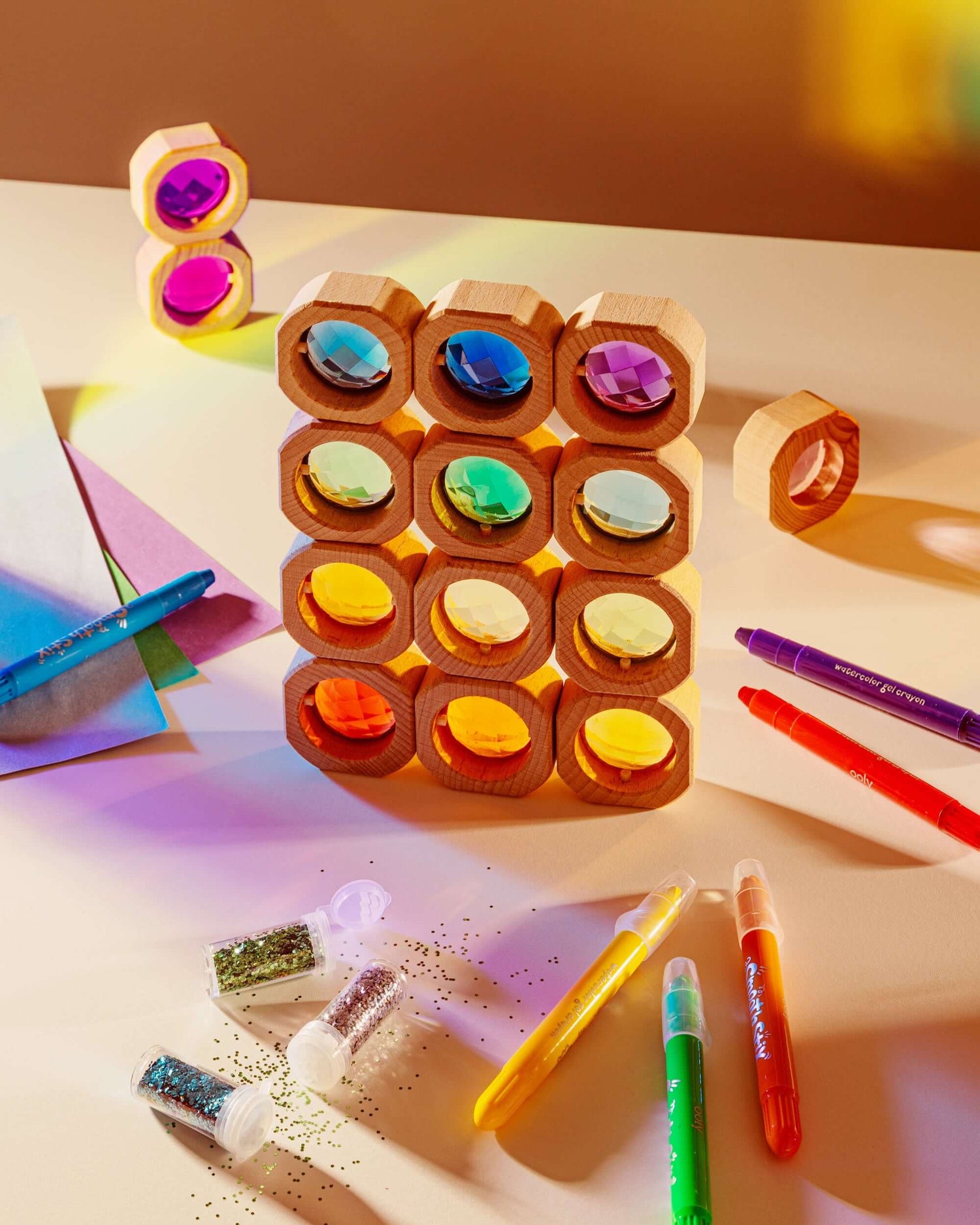
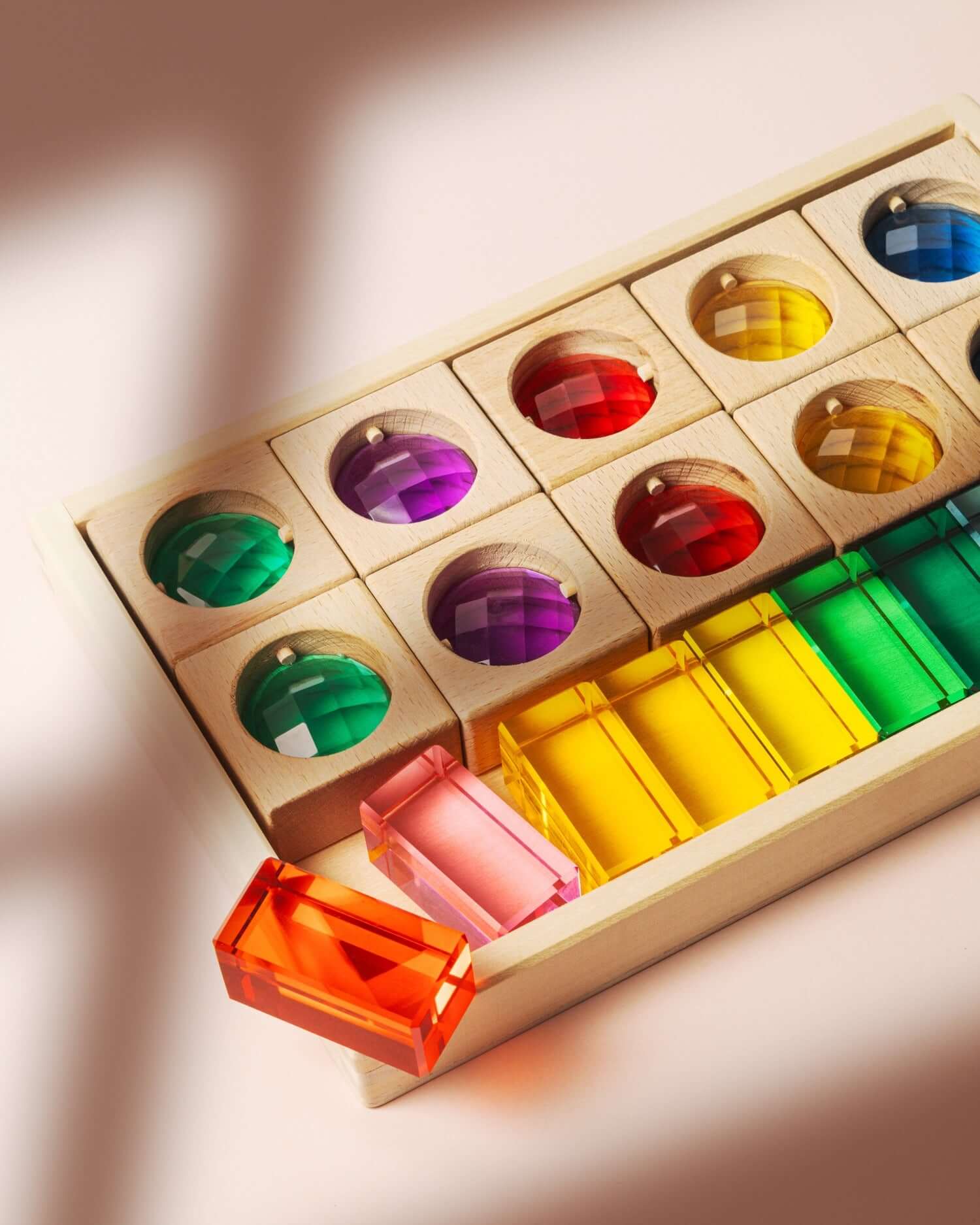
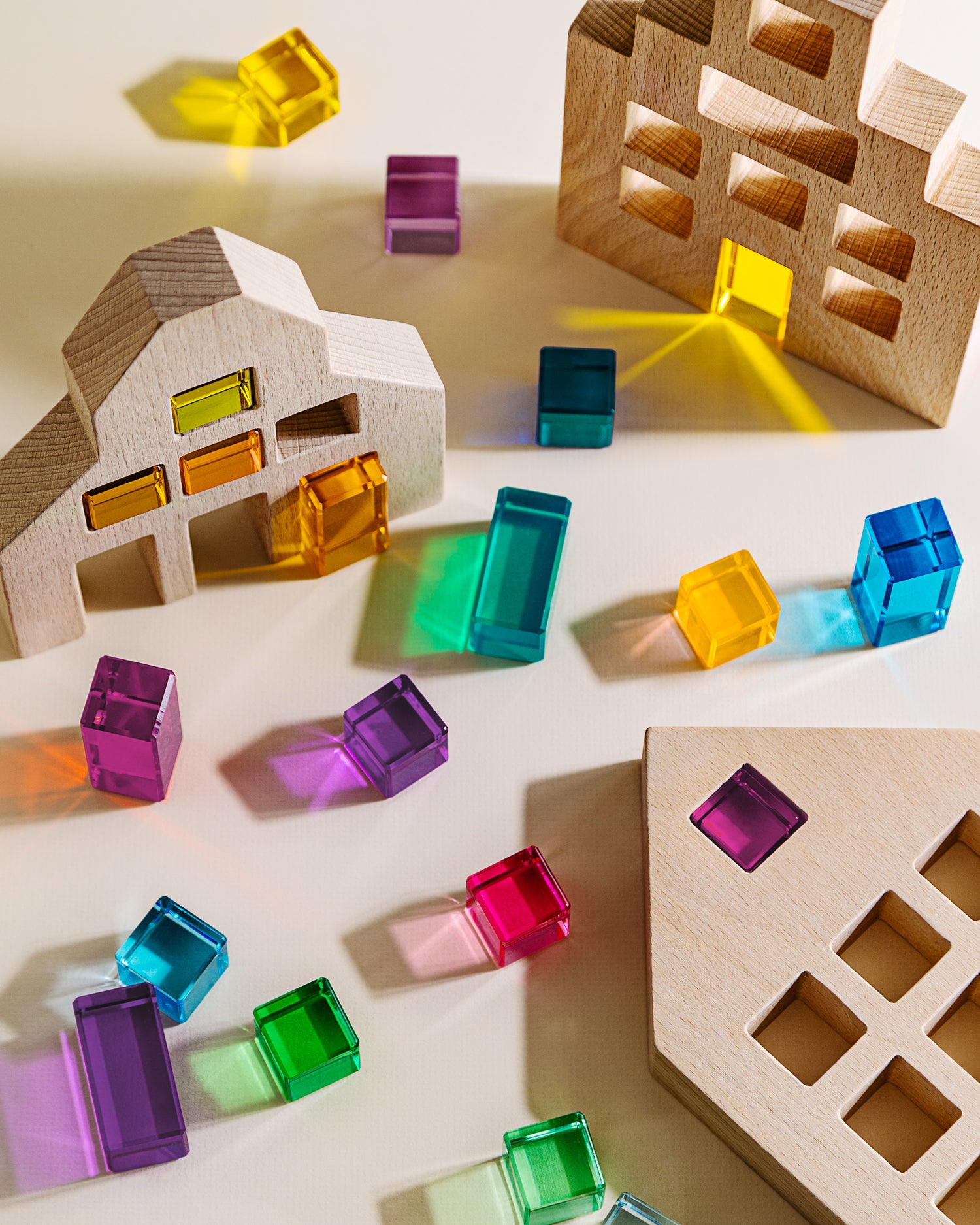
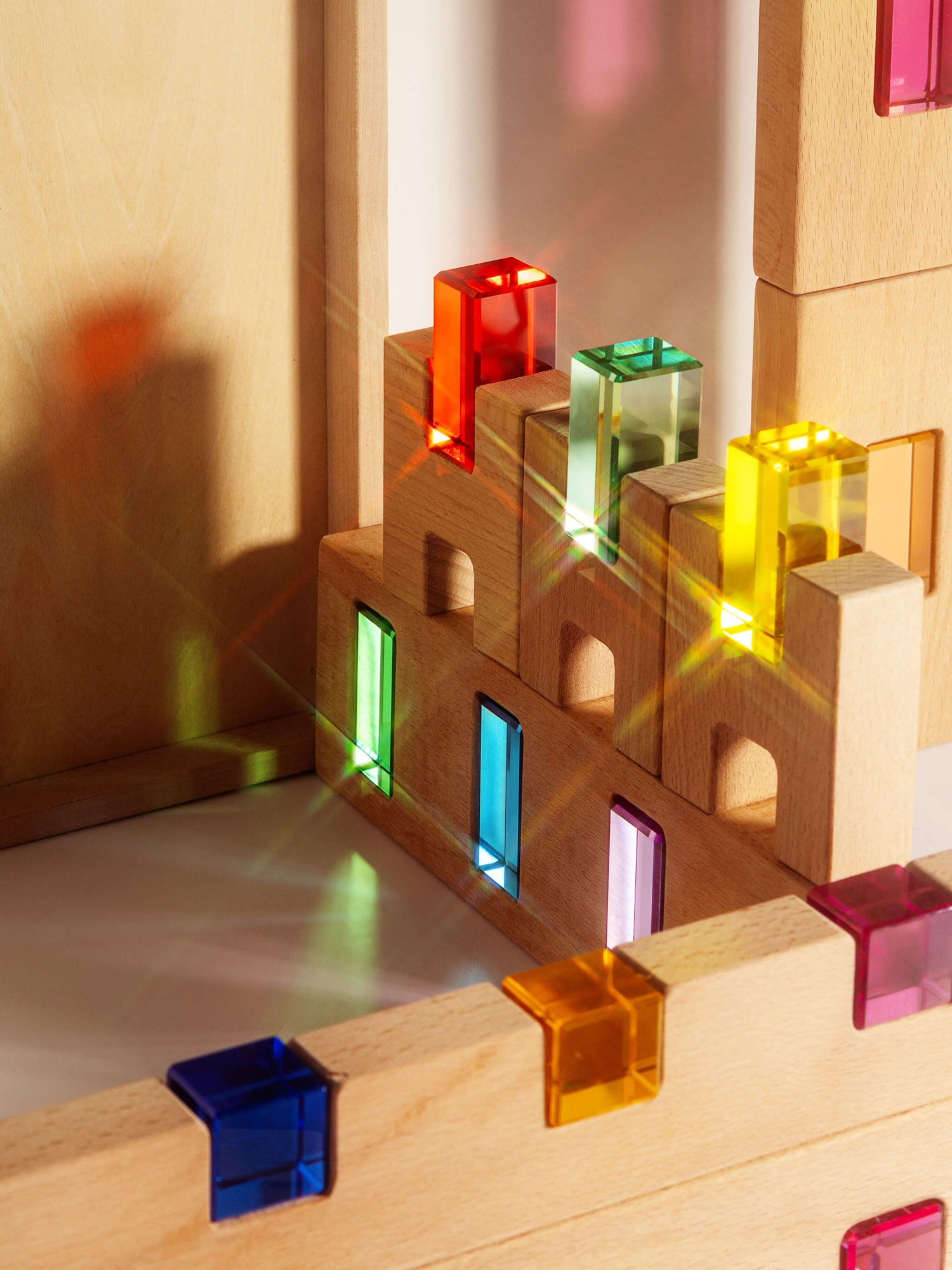
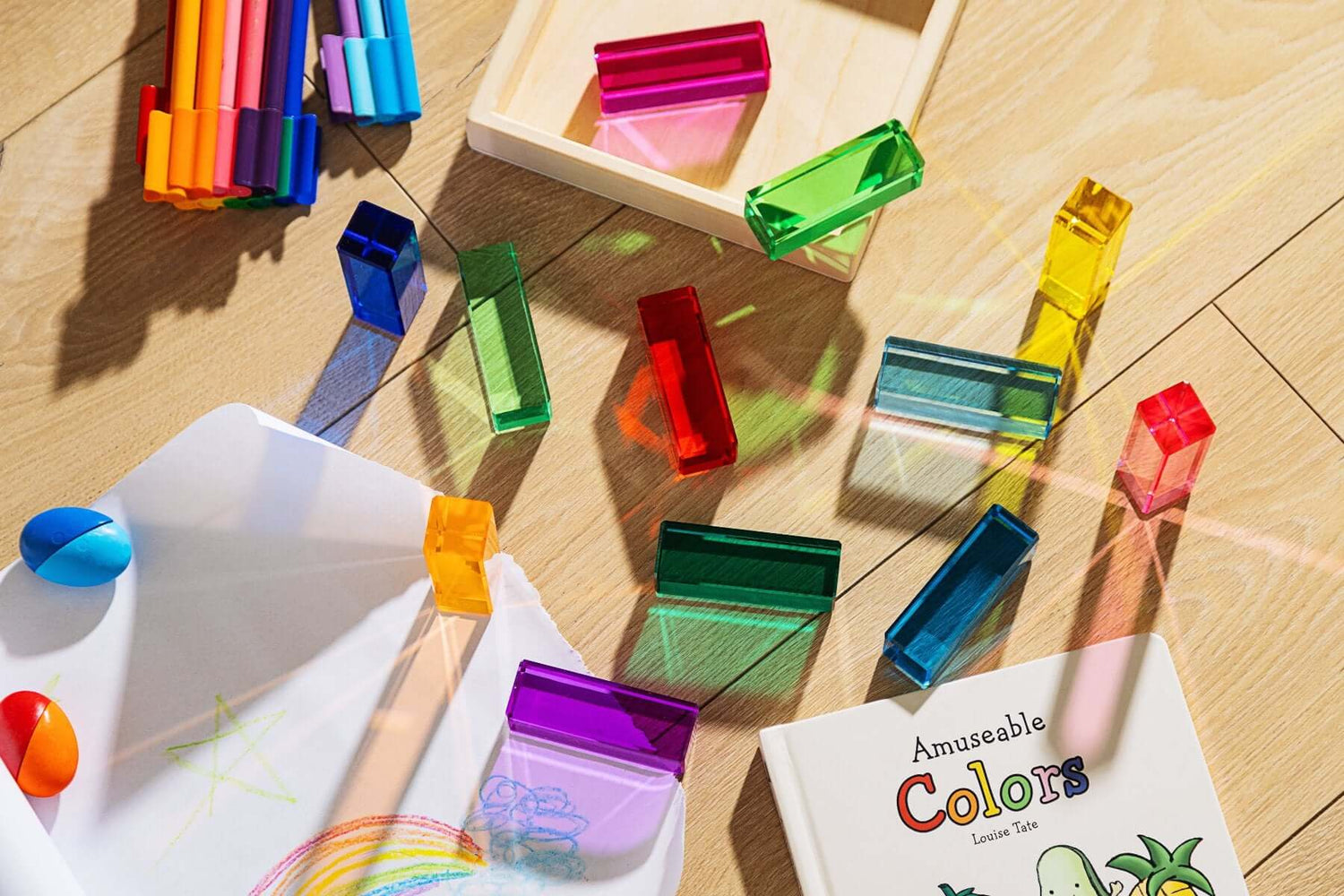
Step 5: Add Light, Texture, and Beauty
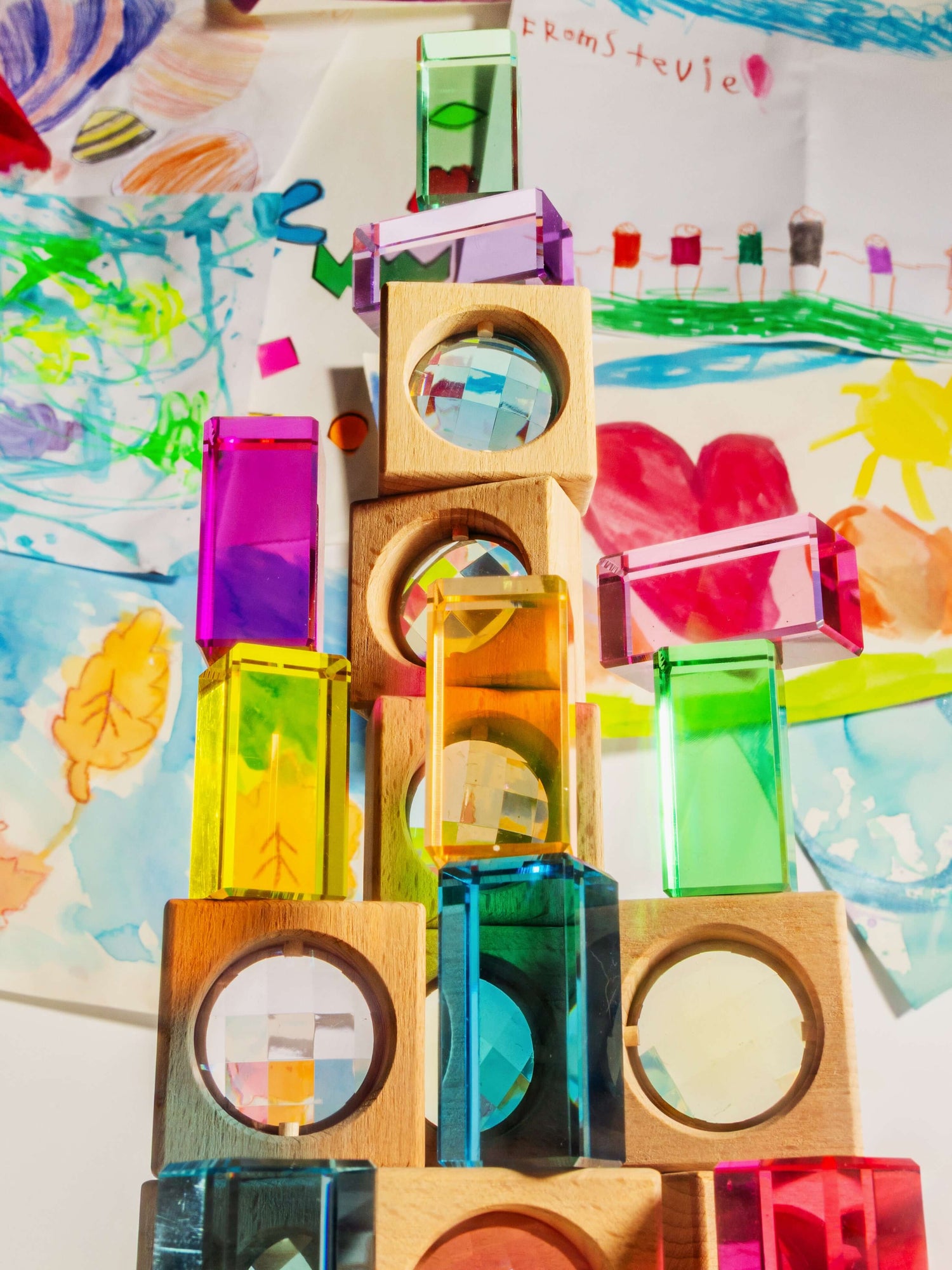
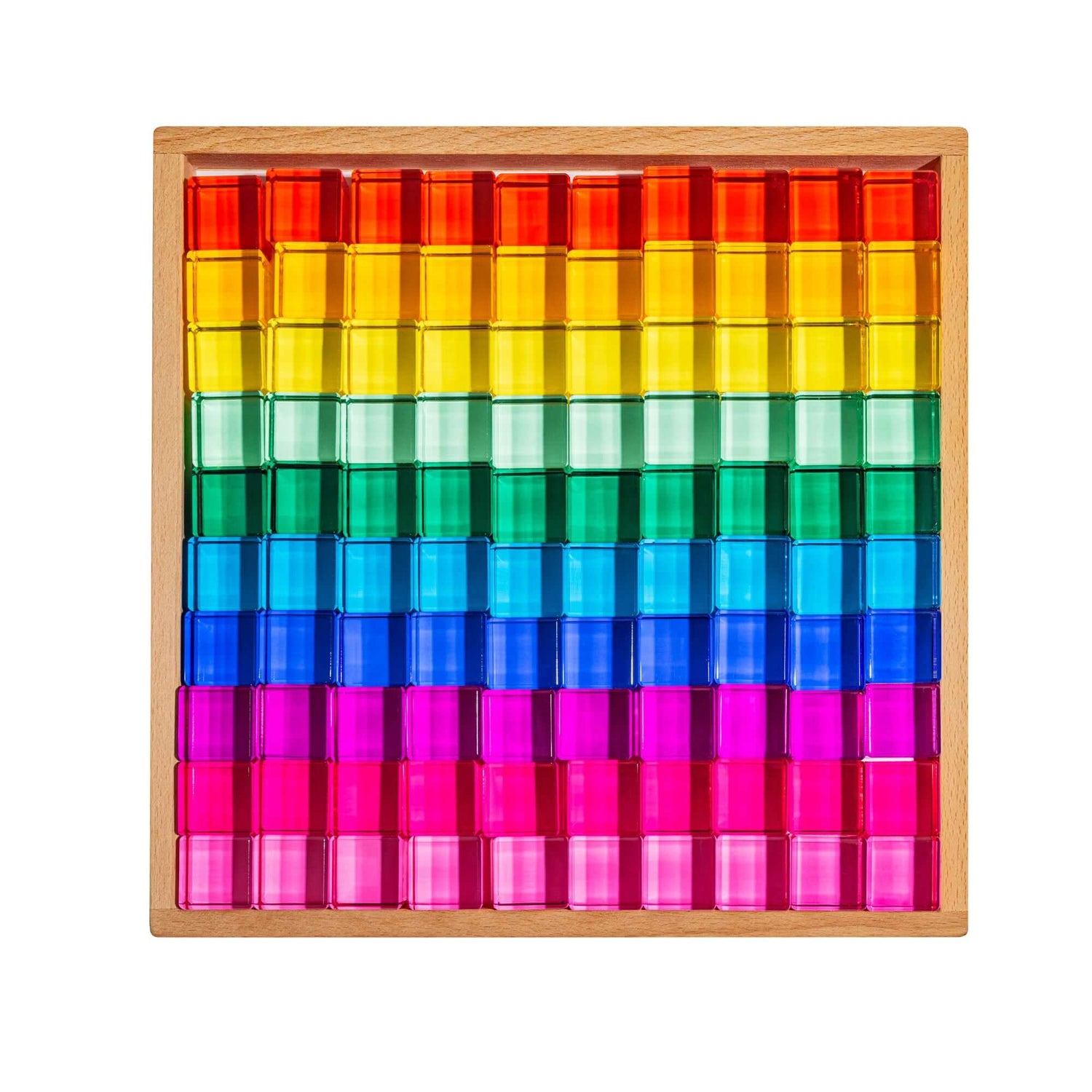
A calm, visually intentional space invites longer, more meaningful play.
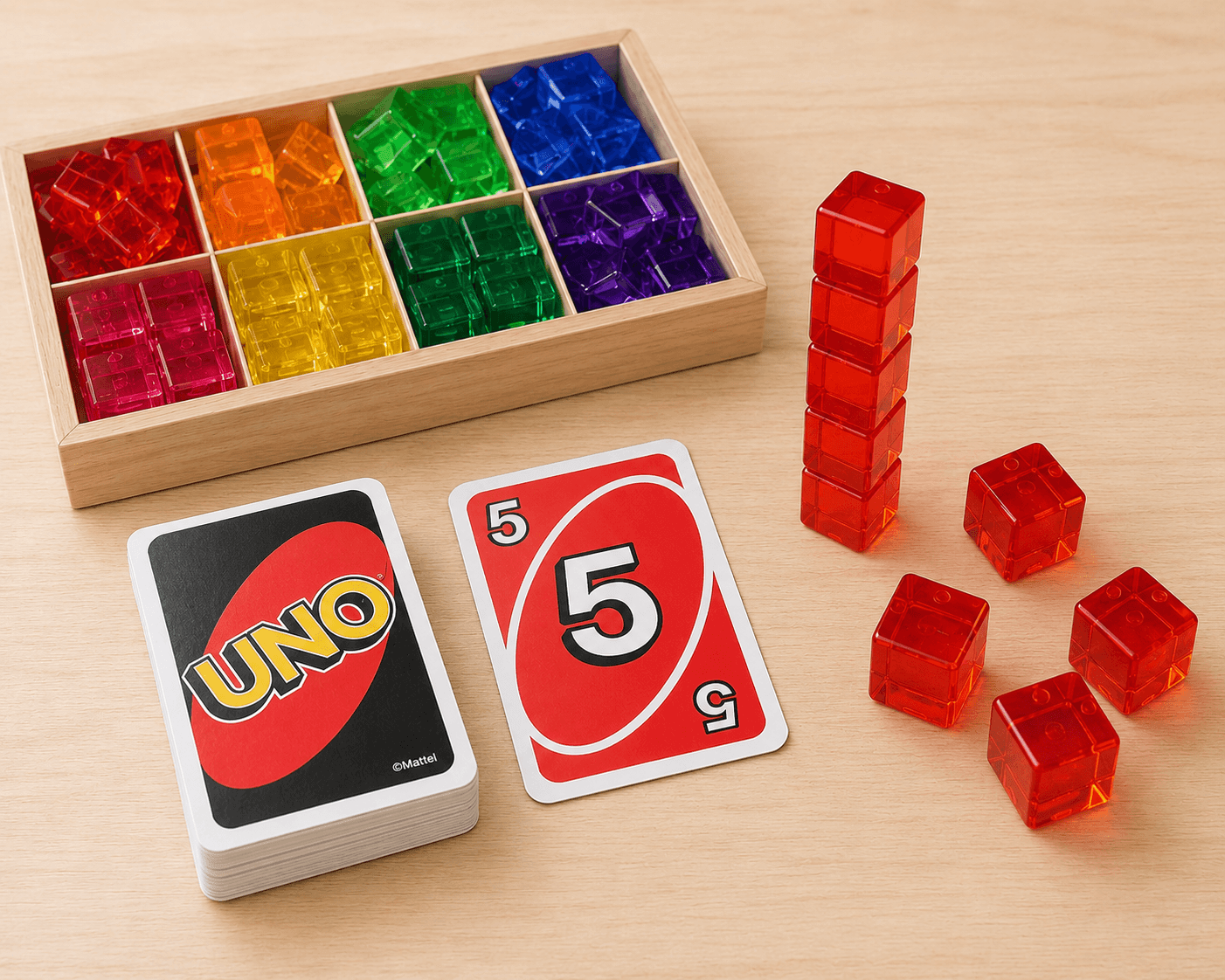
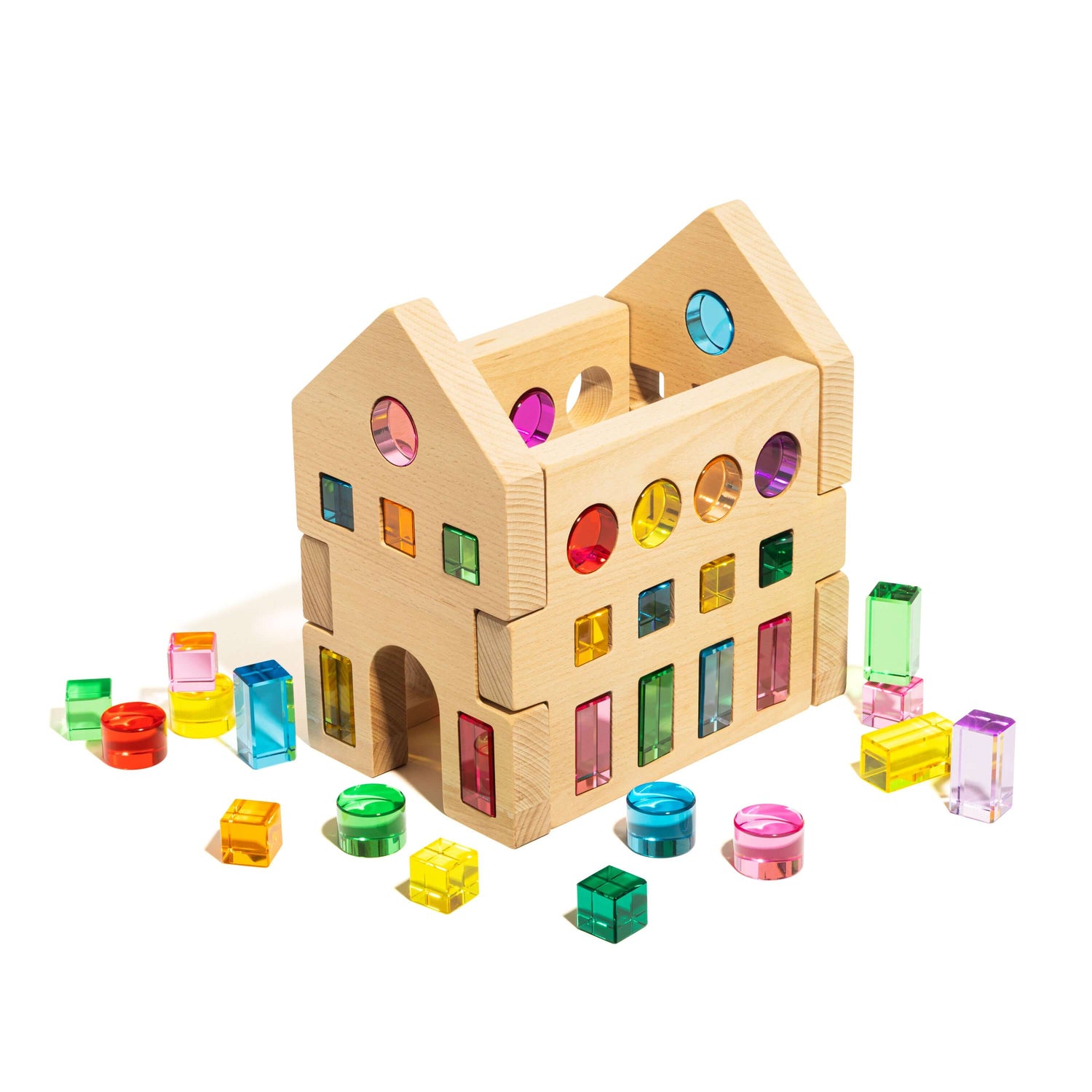
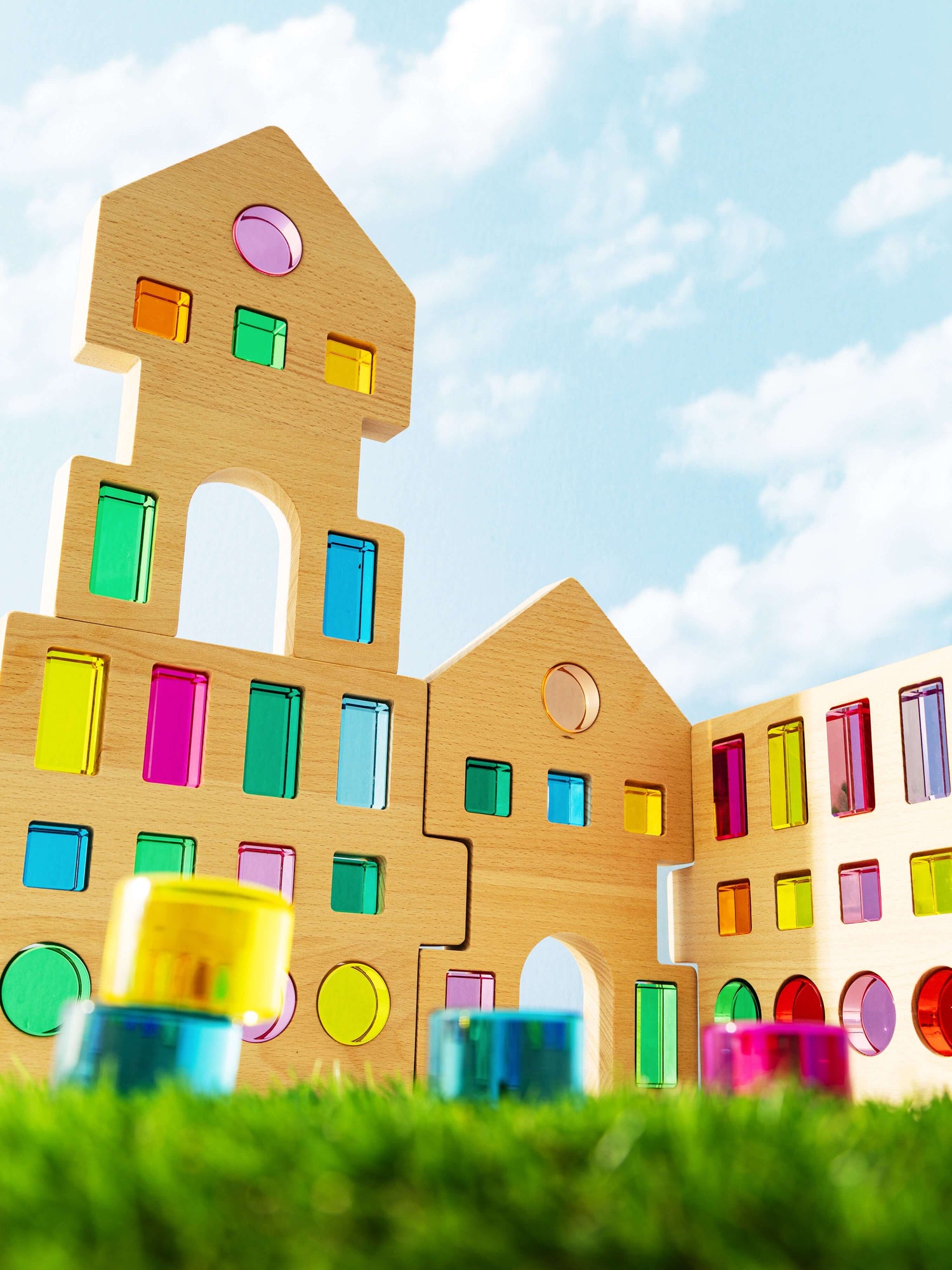
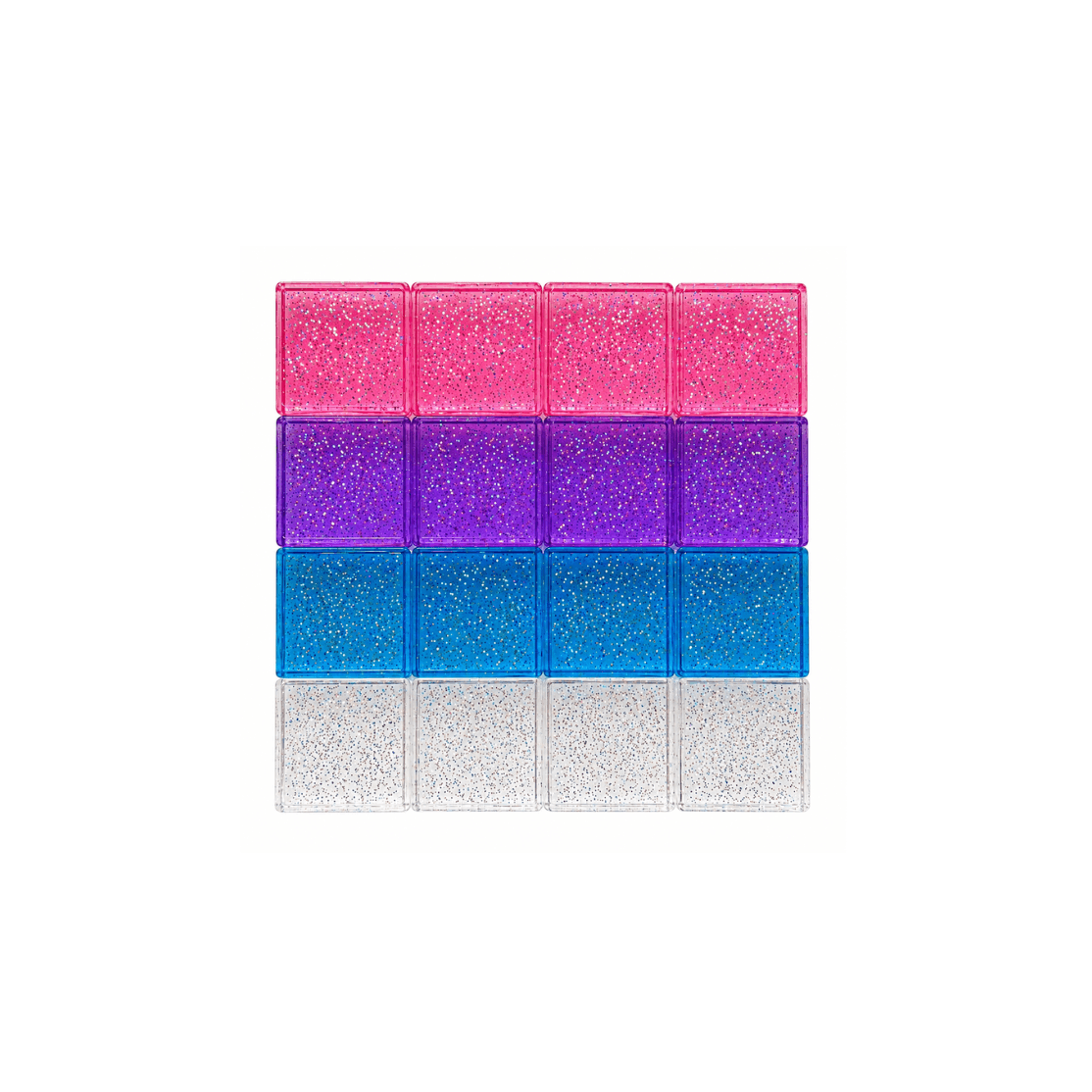
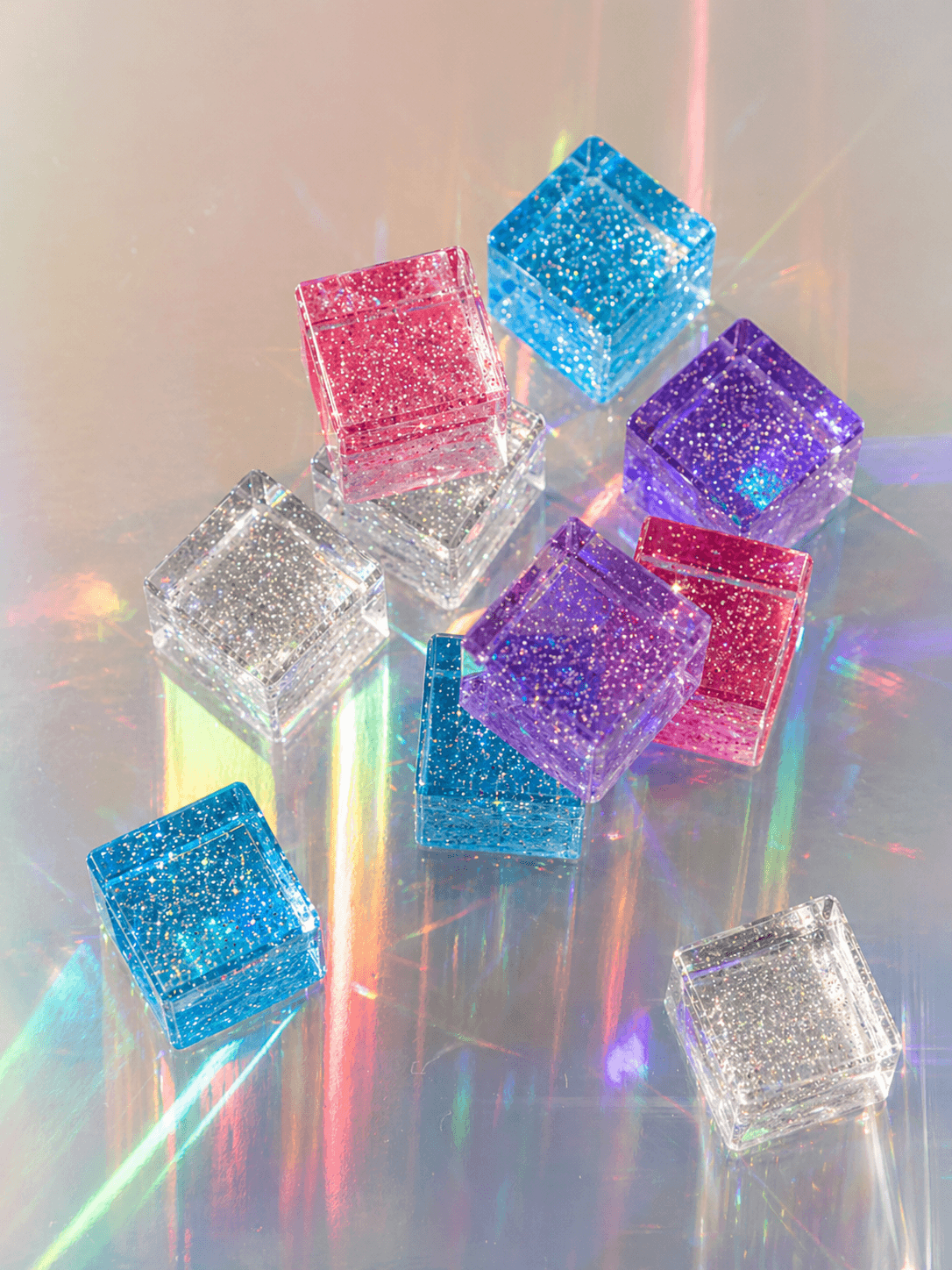
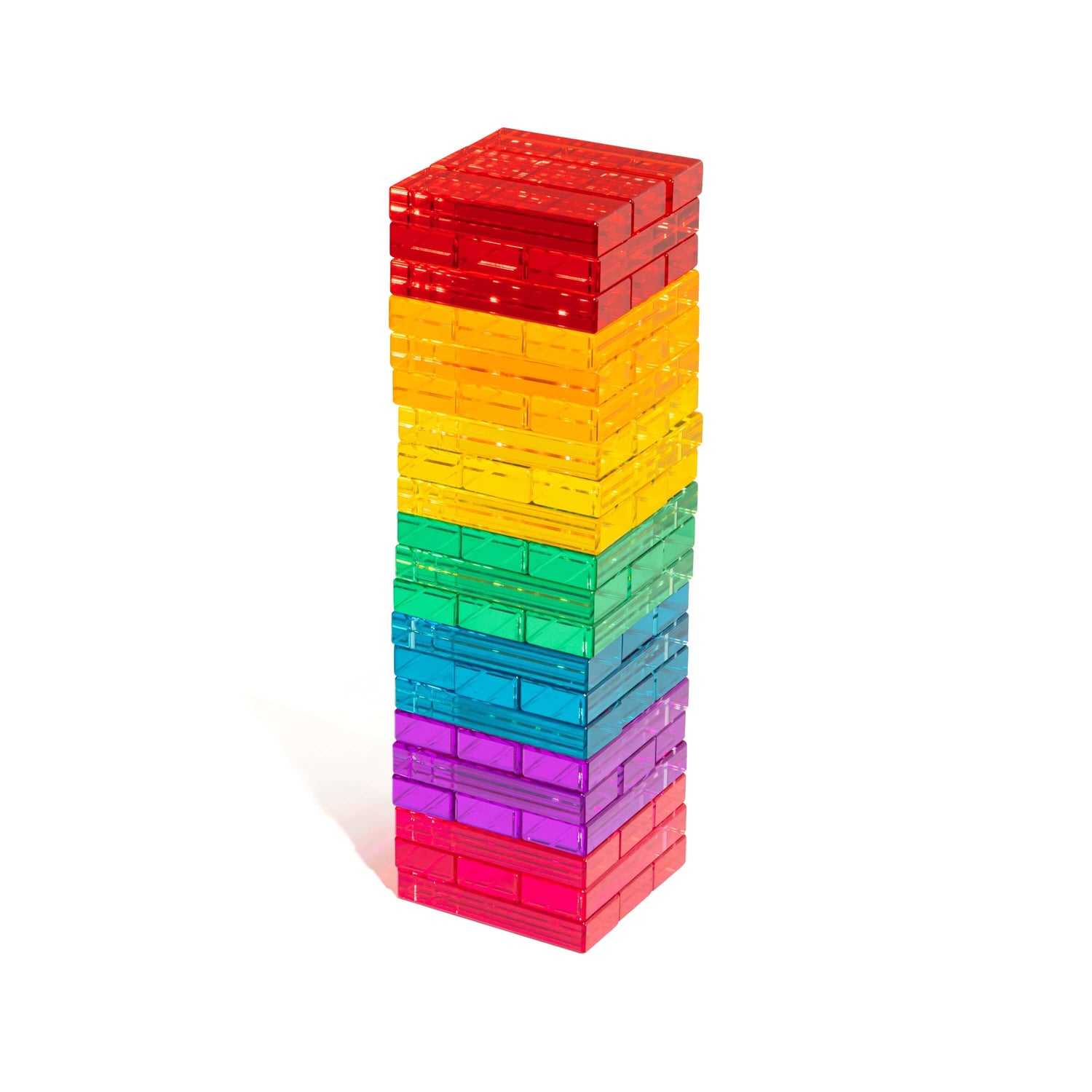
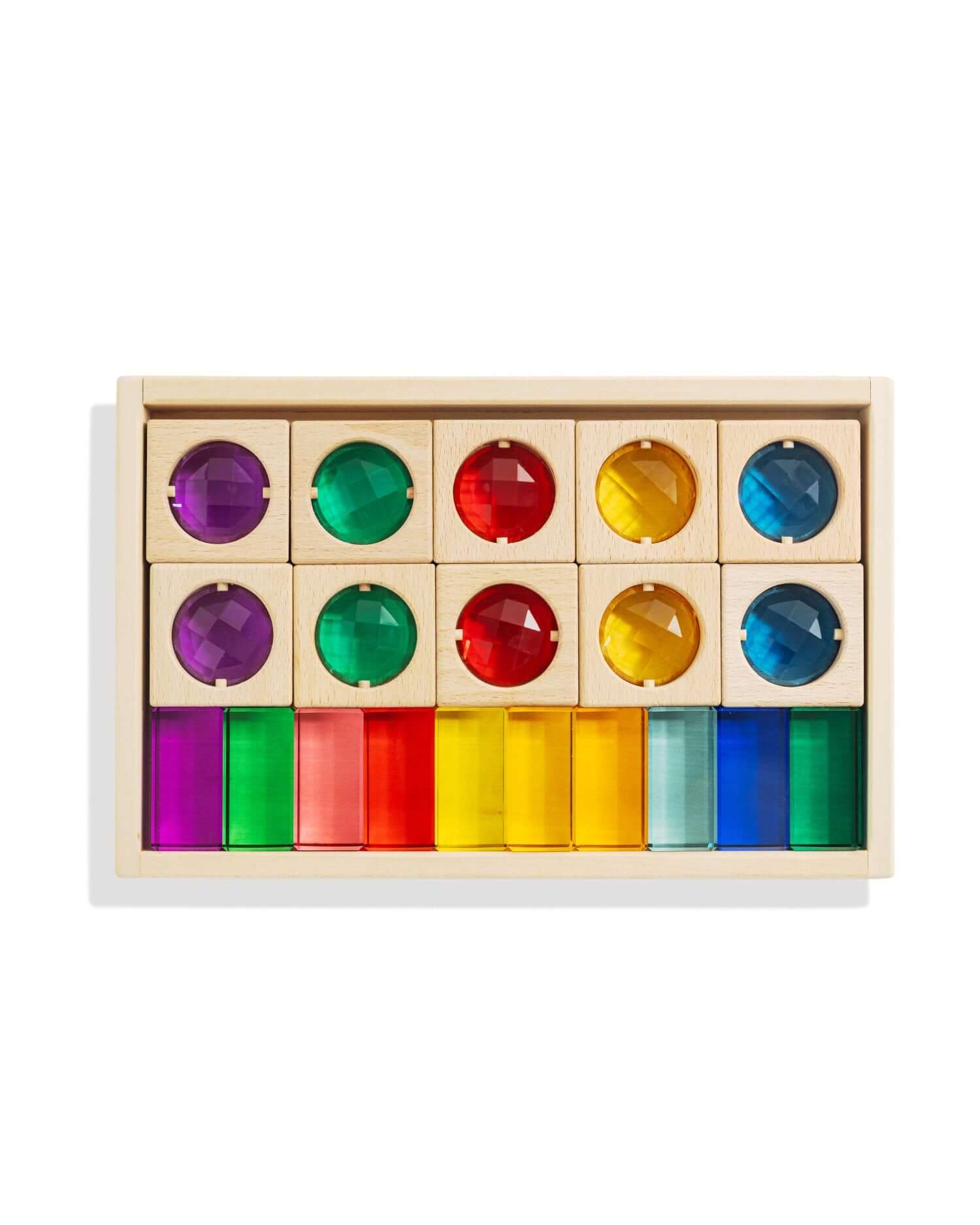
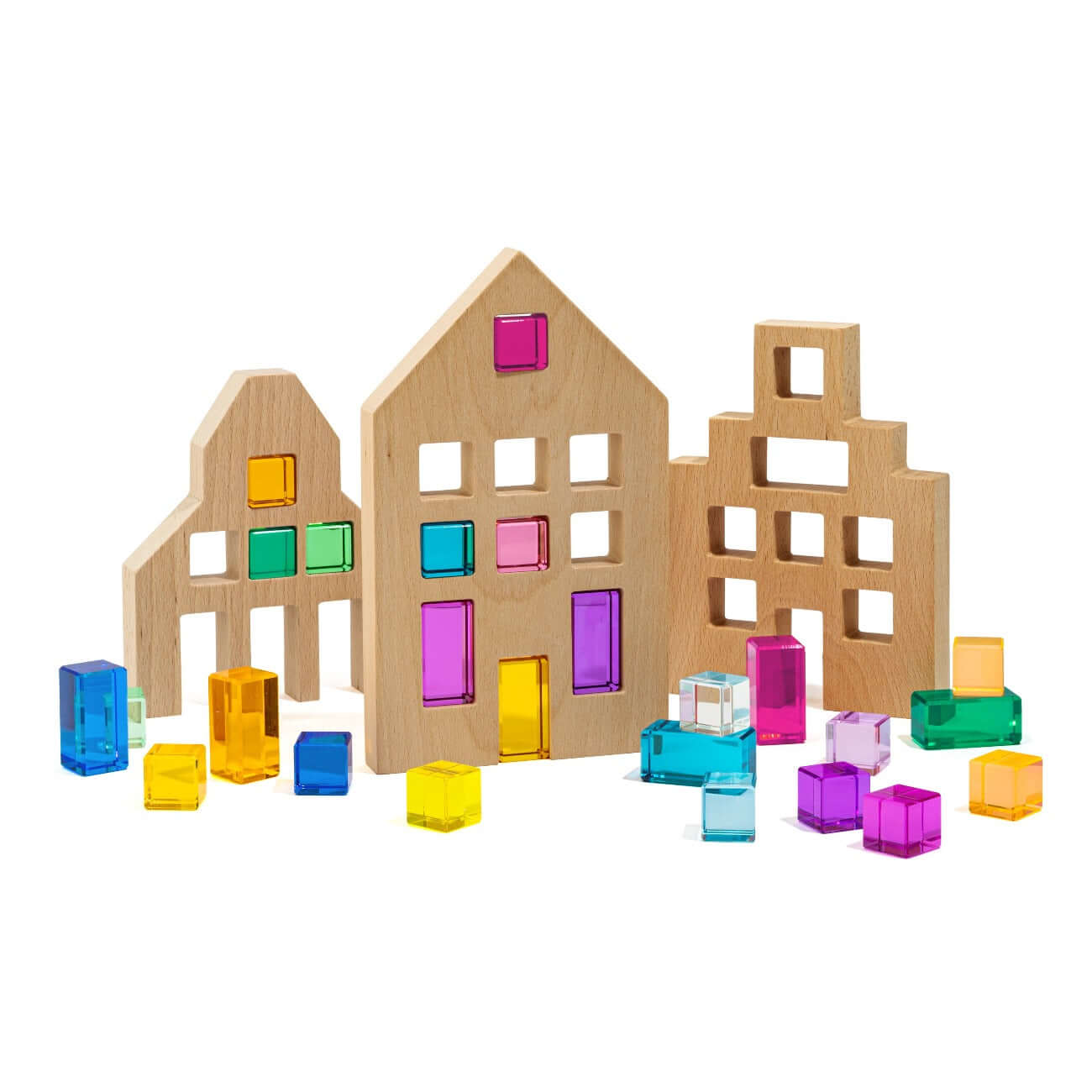
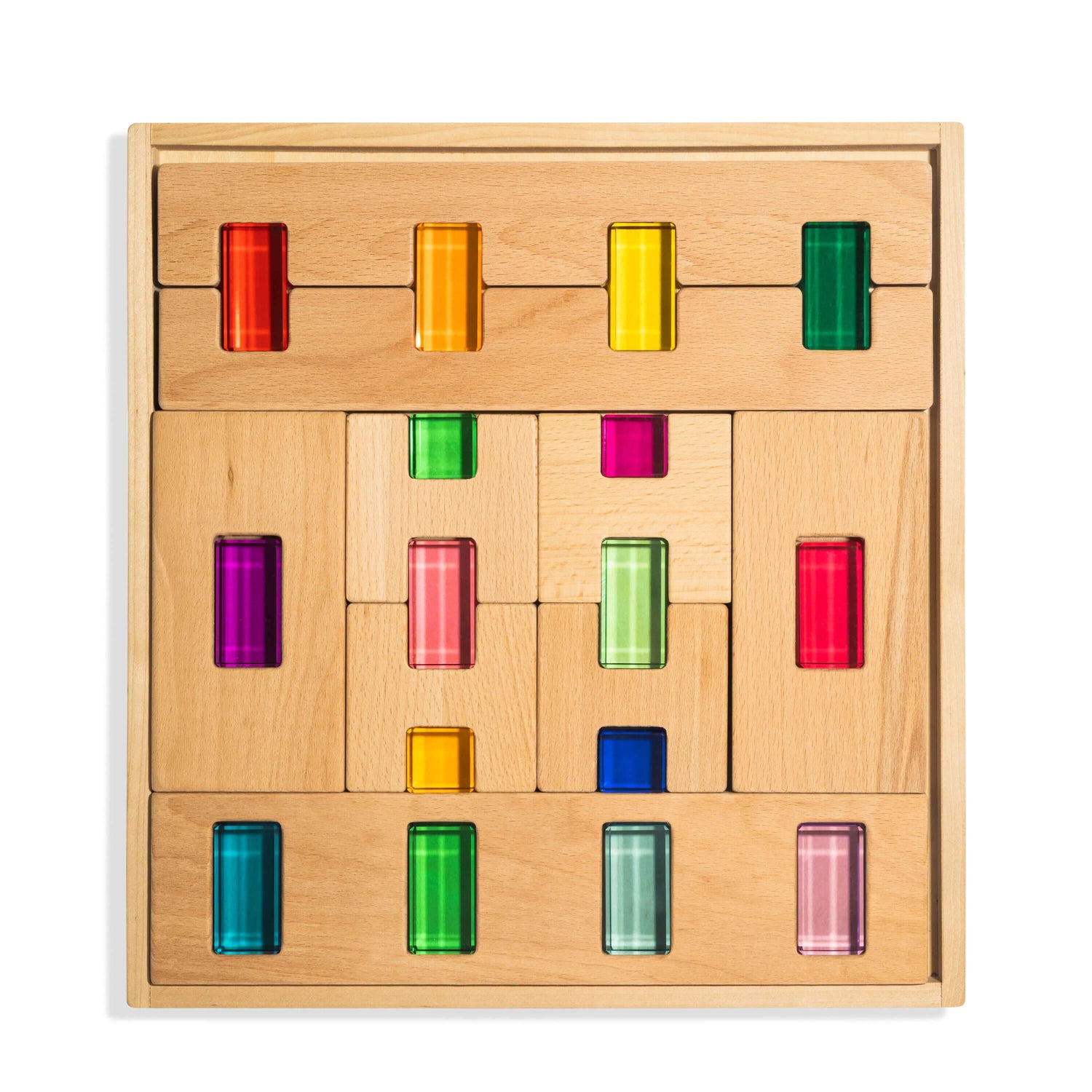
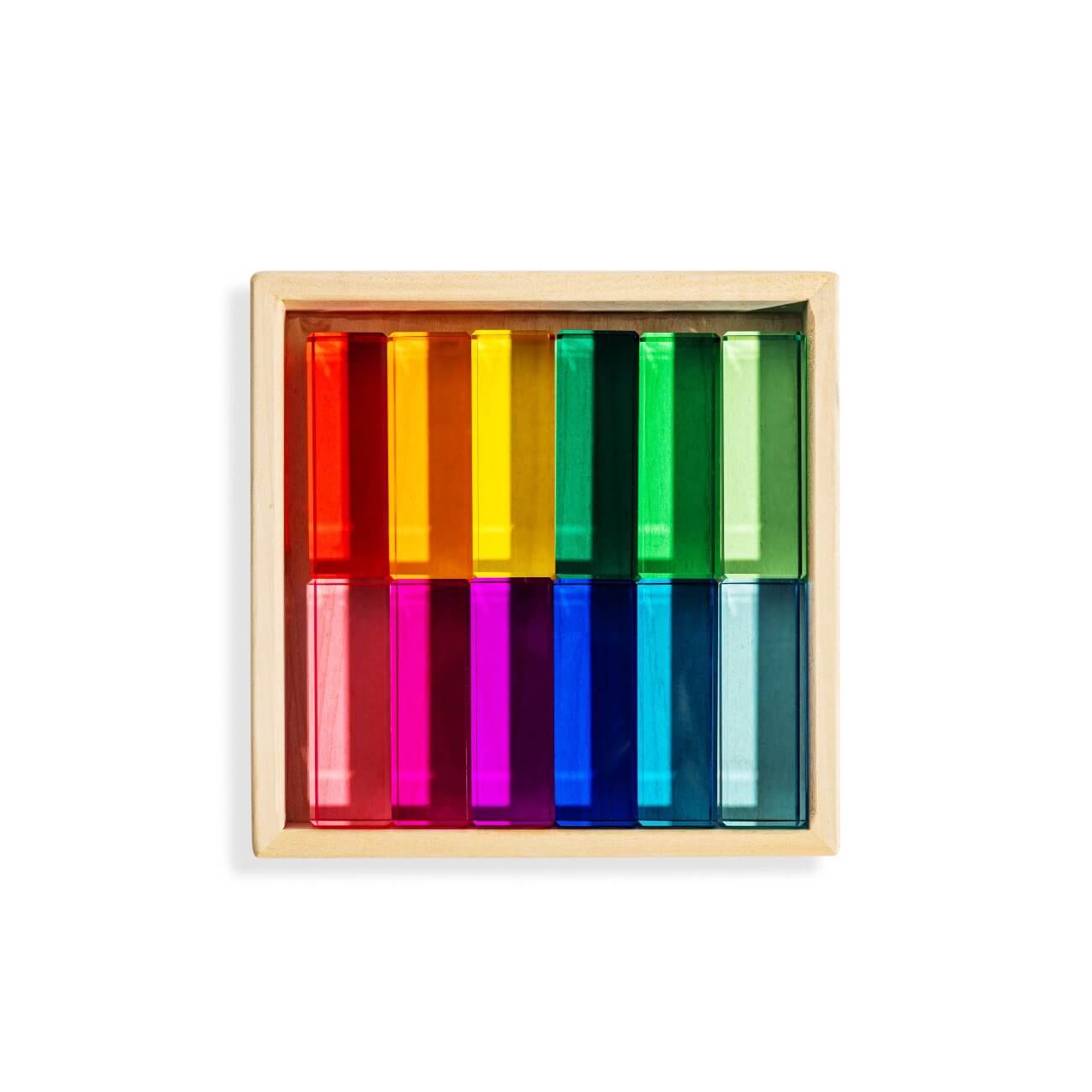
Our Acrylic block range is a great place to start for engaging play pieces.
Final Thoughts
A well-designed play environment quietly supports independence, creativity, and focus—without needing more toys.



0 comments