
Introduction
If your child moves quickly from toy to toy, it’s not a lack of focus—it’s often the type of toy.
Many toys are designed for quick entertainment.
Open-ended toys are designed for depth.
If you are new to the world of open-ended play, we suggest reading more about the benefits of open-ended play here.
The Difference Between Entertainment and Engagement
Toys that light up or “perform”:
- Capture attention quickly
- Lose it just as fast
Open-ended toys require children to think, create, and problem-solve—leading to longer engagement.
Discover our range of open-ended toys.
Why Open-Ended Play Builds Focus
When there’s no set outcome, children must decide:
- What to build
- How to balance
- What to try next
This strengthens:
- Attention span
- Problem-solving
- Persistence
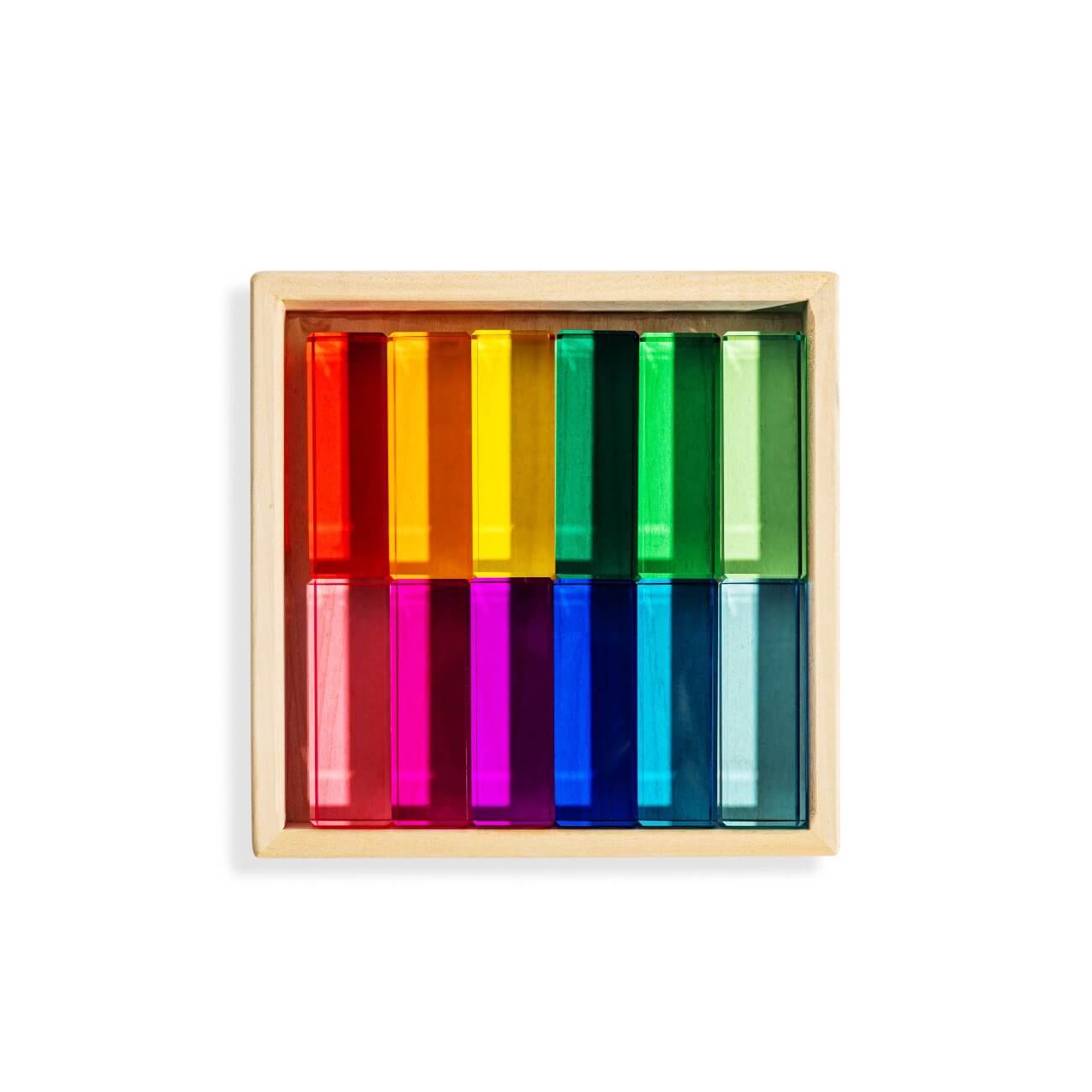
One Toy, Endless Possibilities
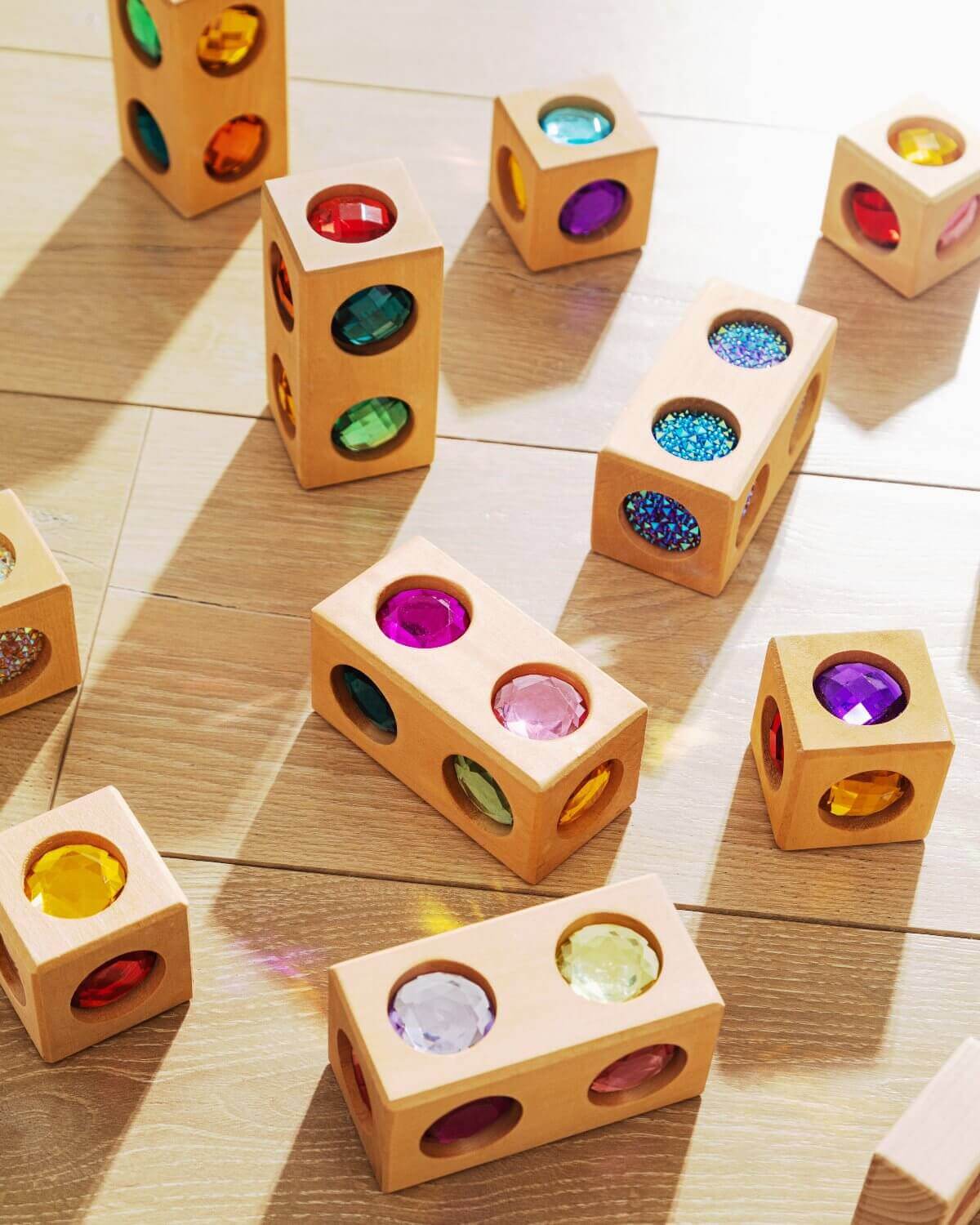
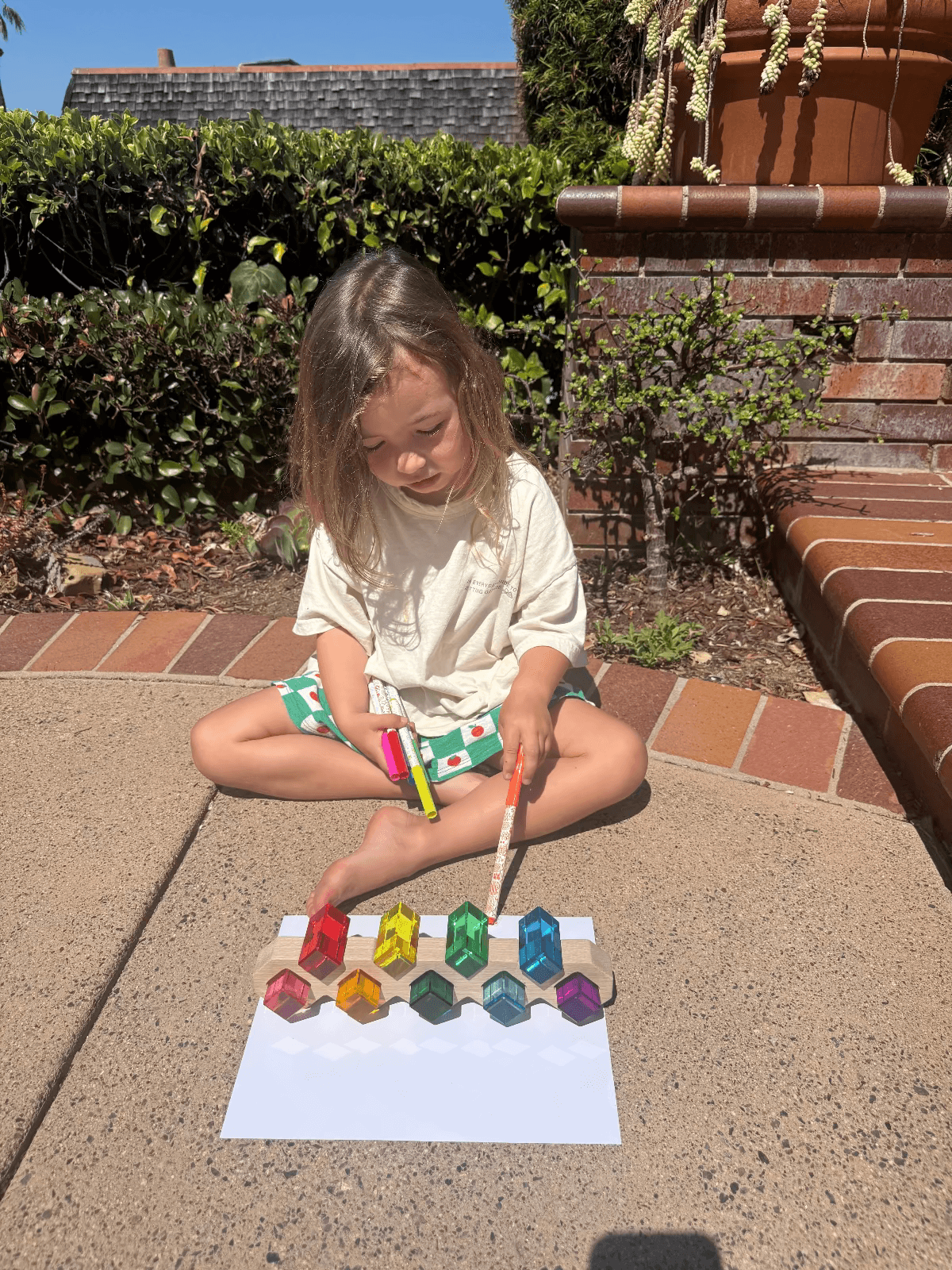
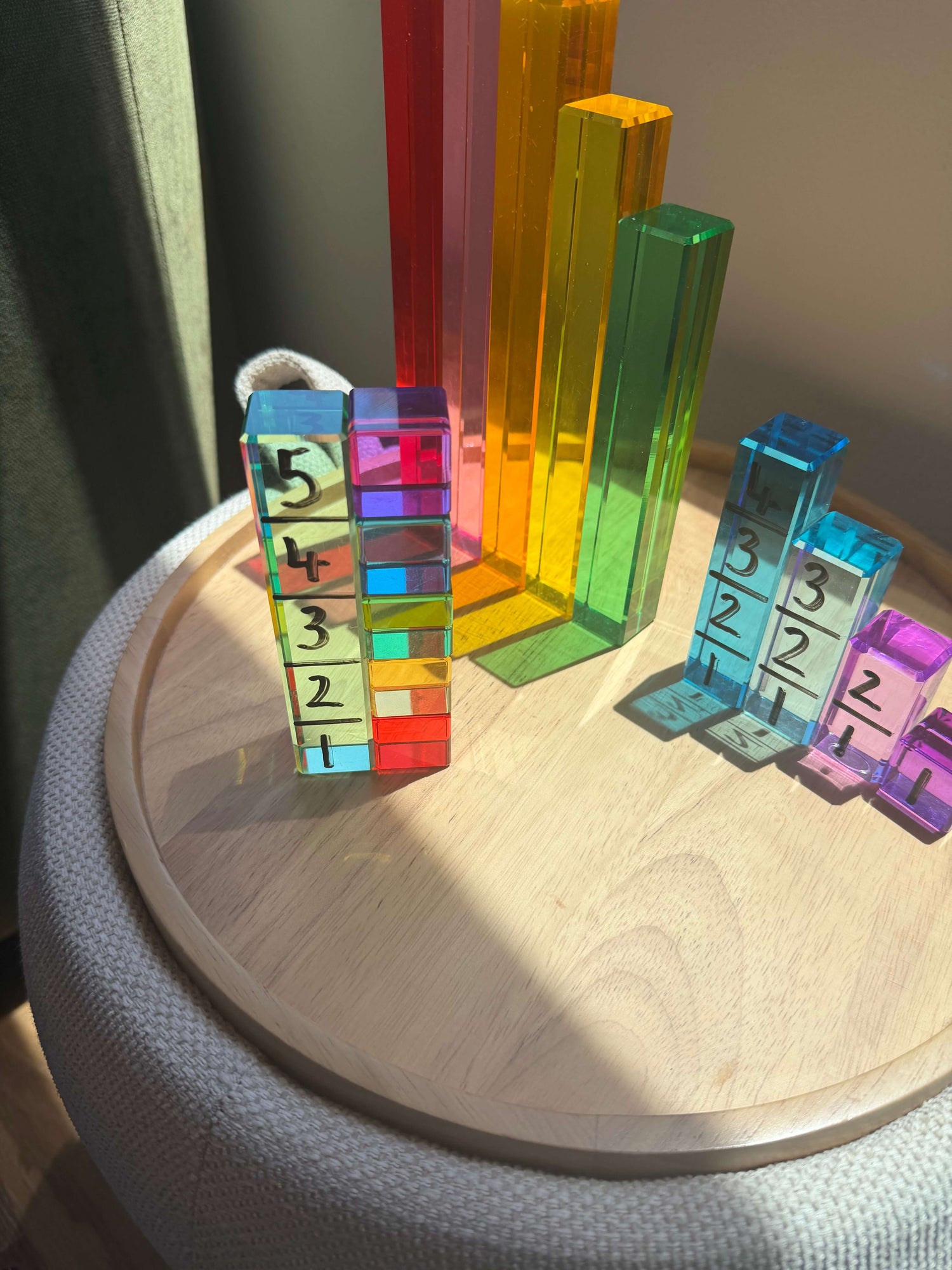
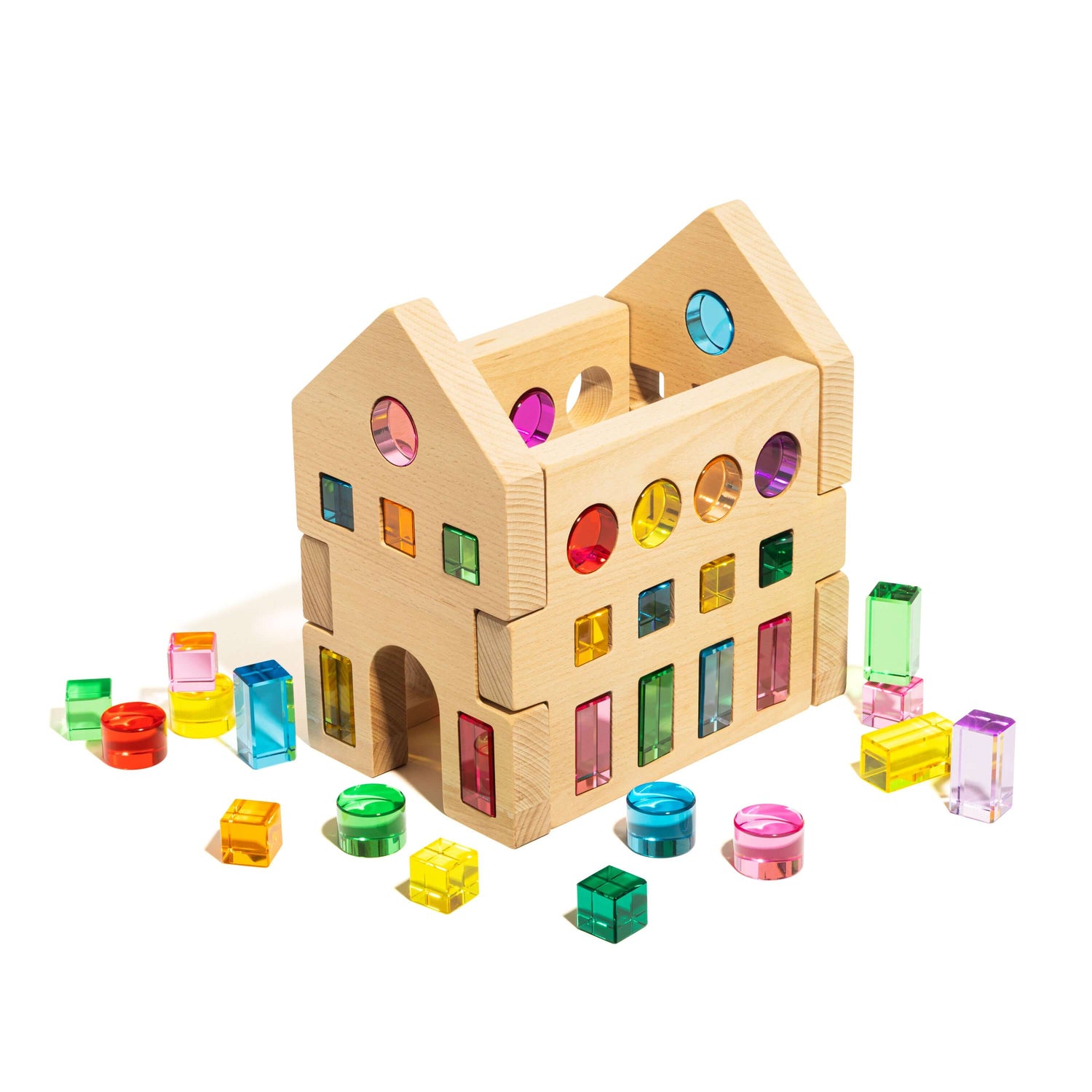
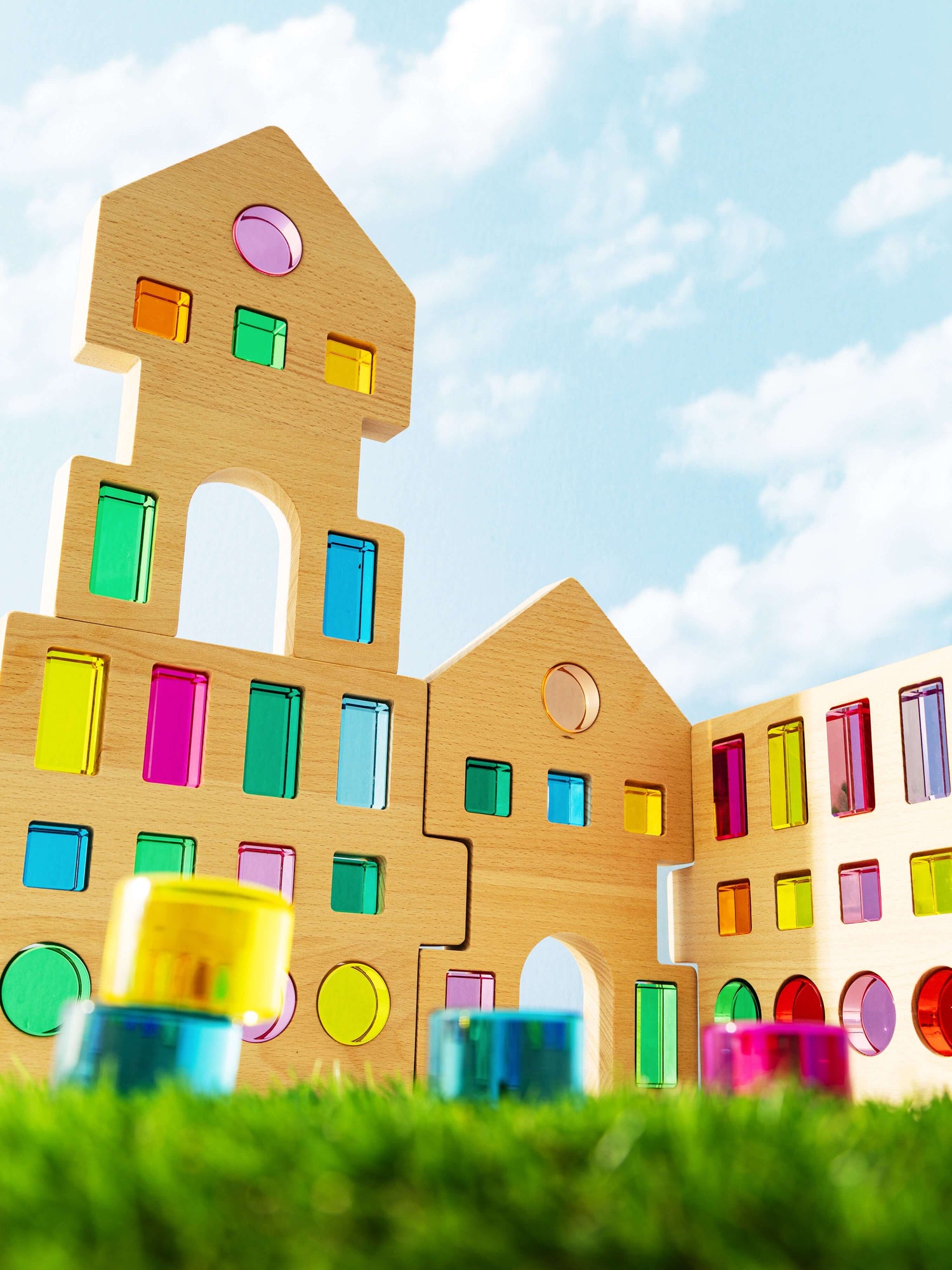
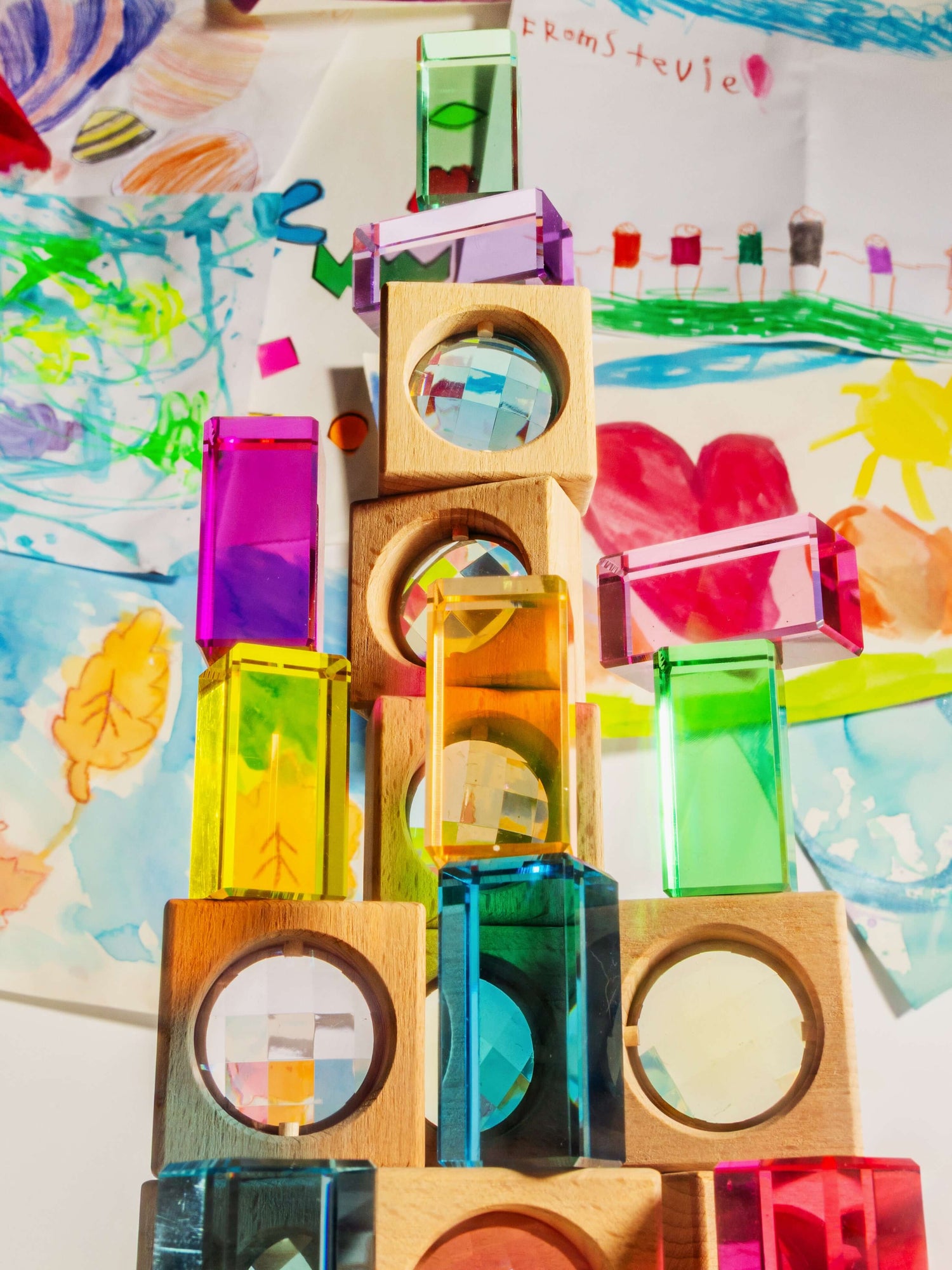
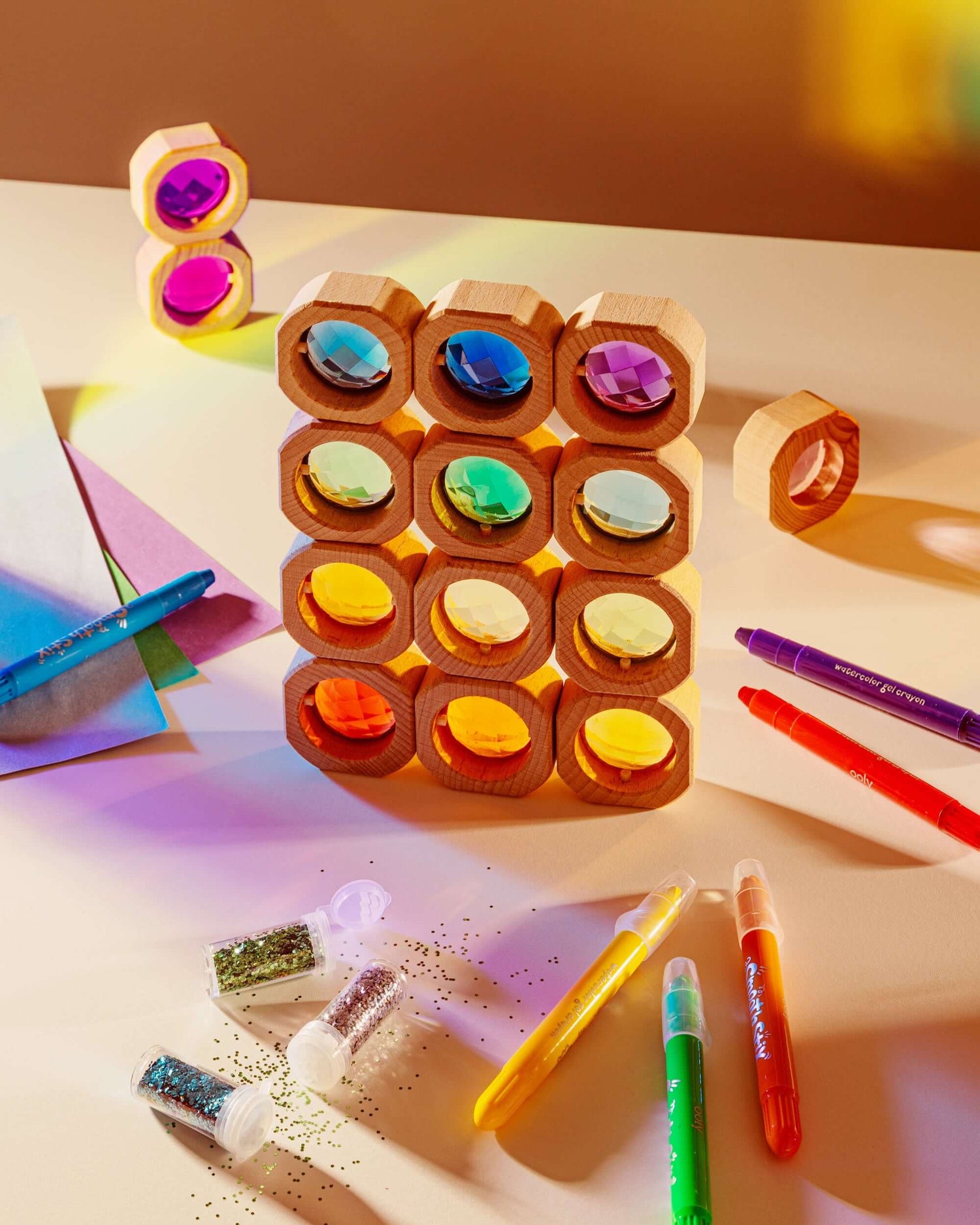
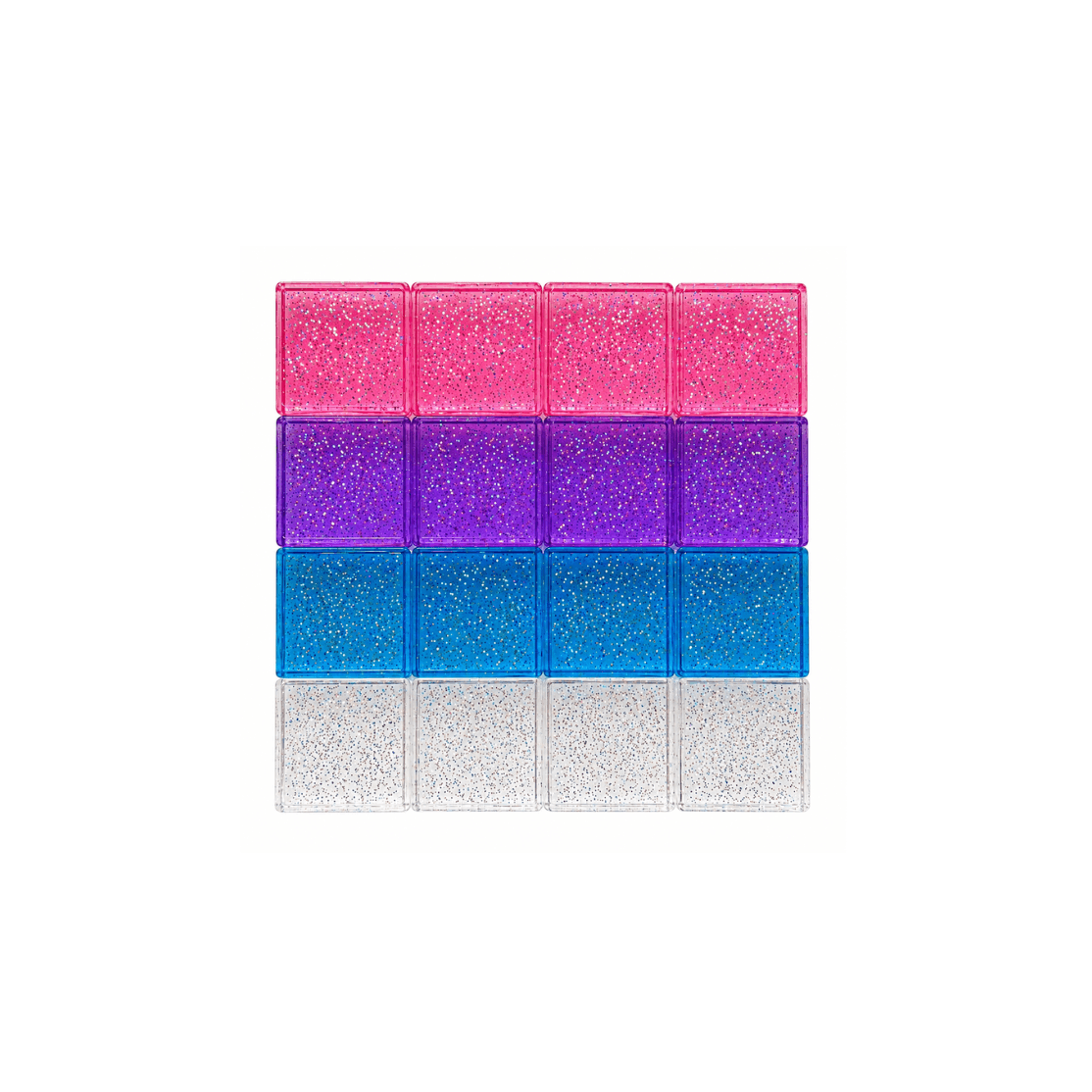
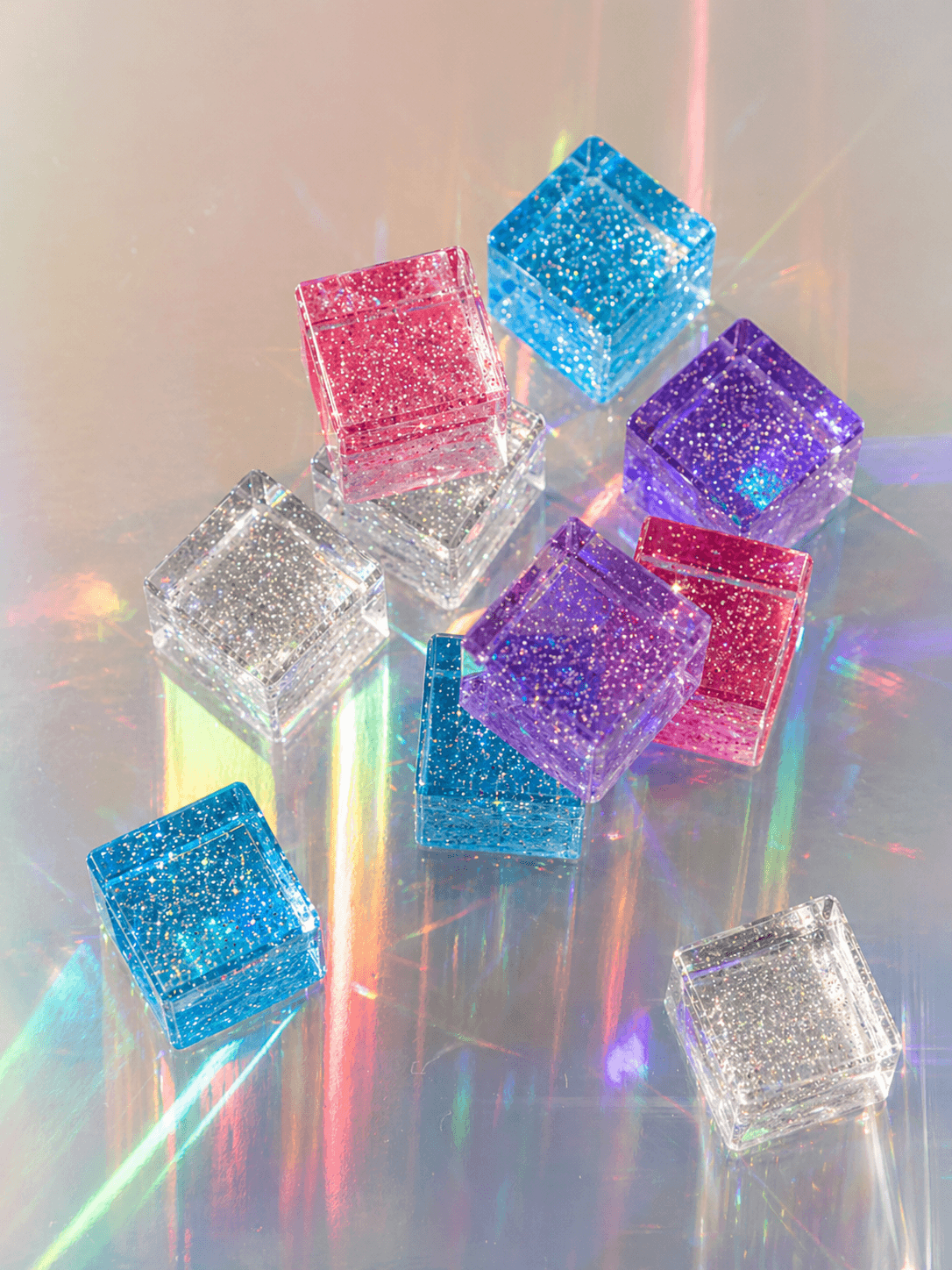
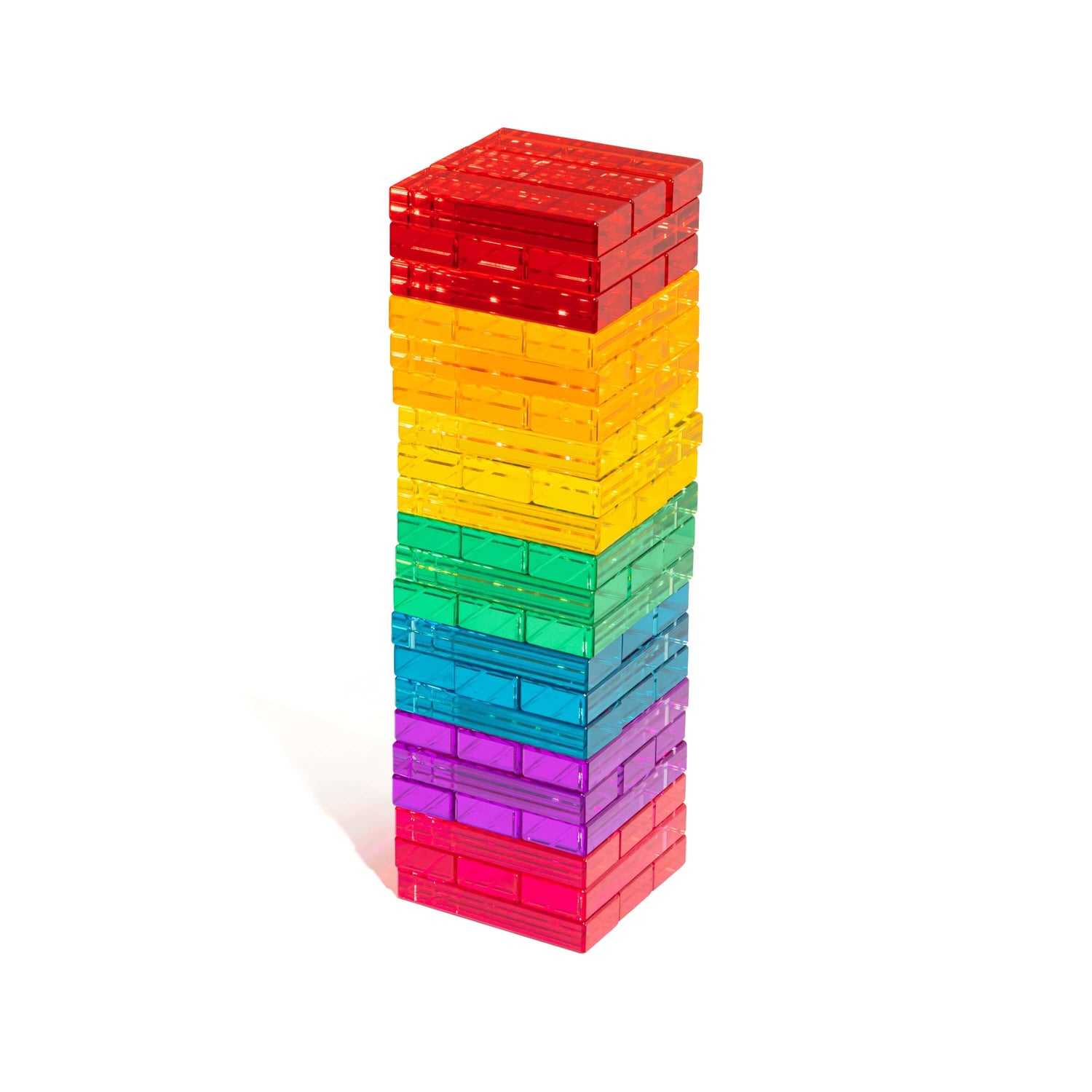
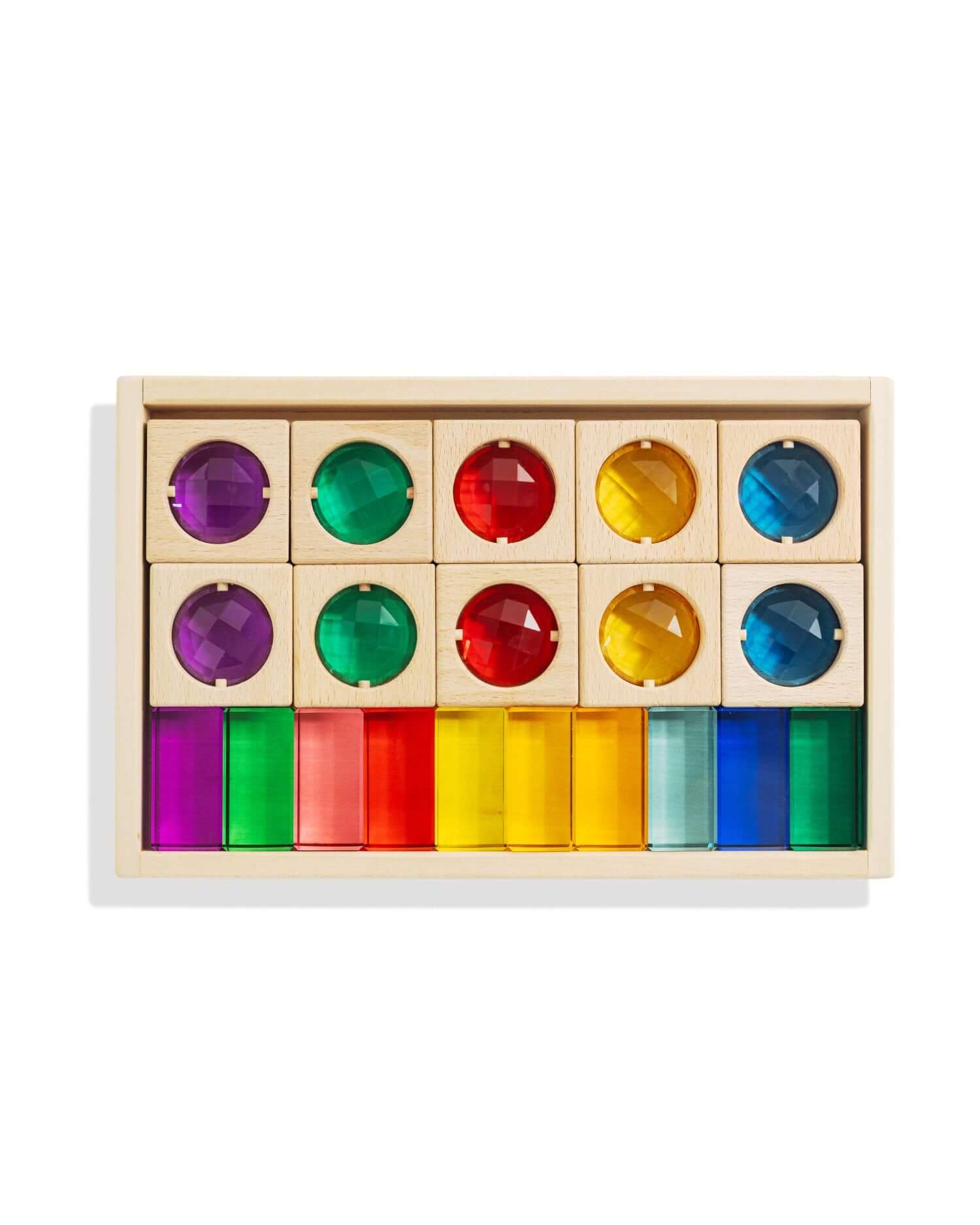
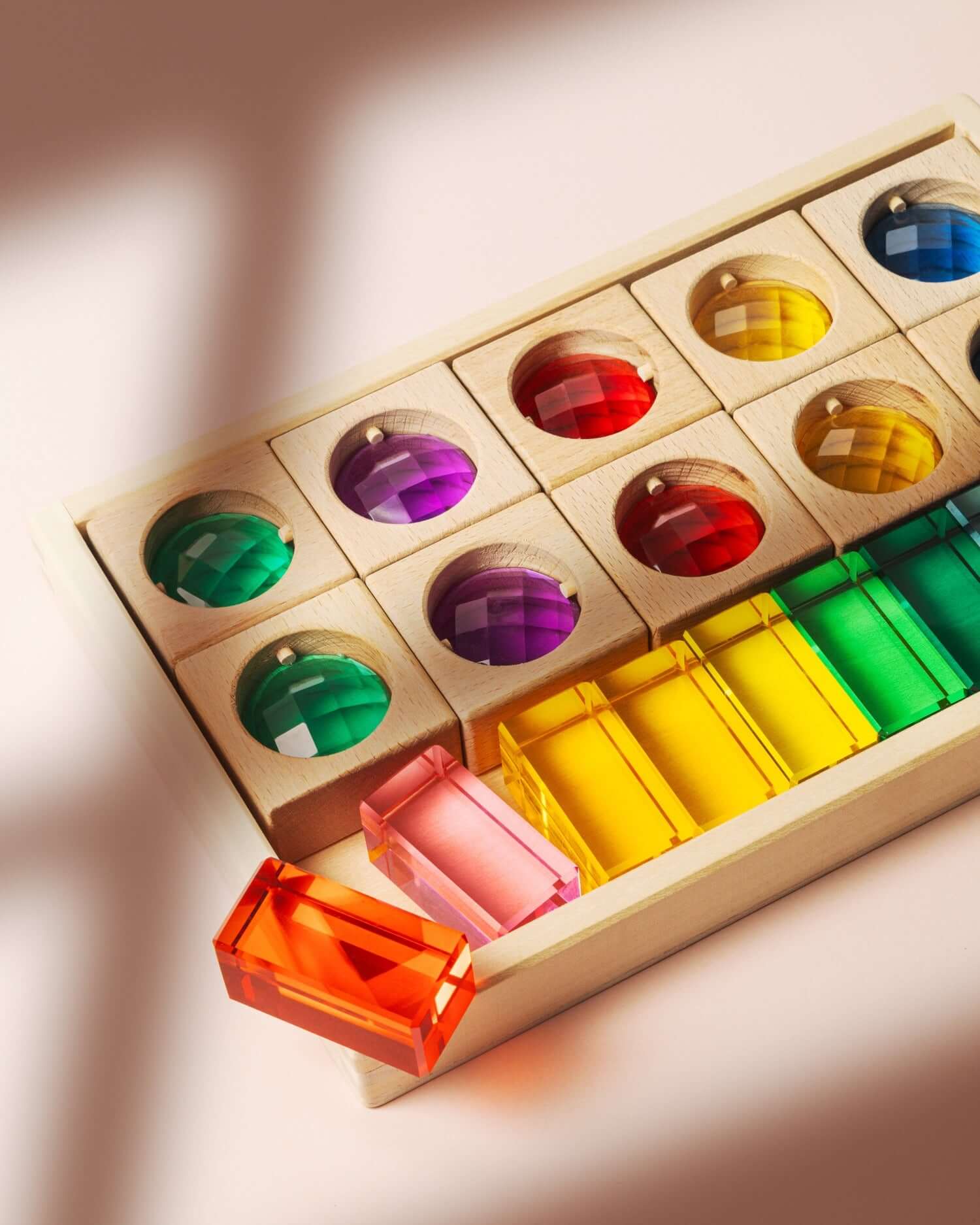
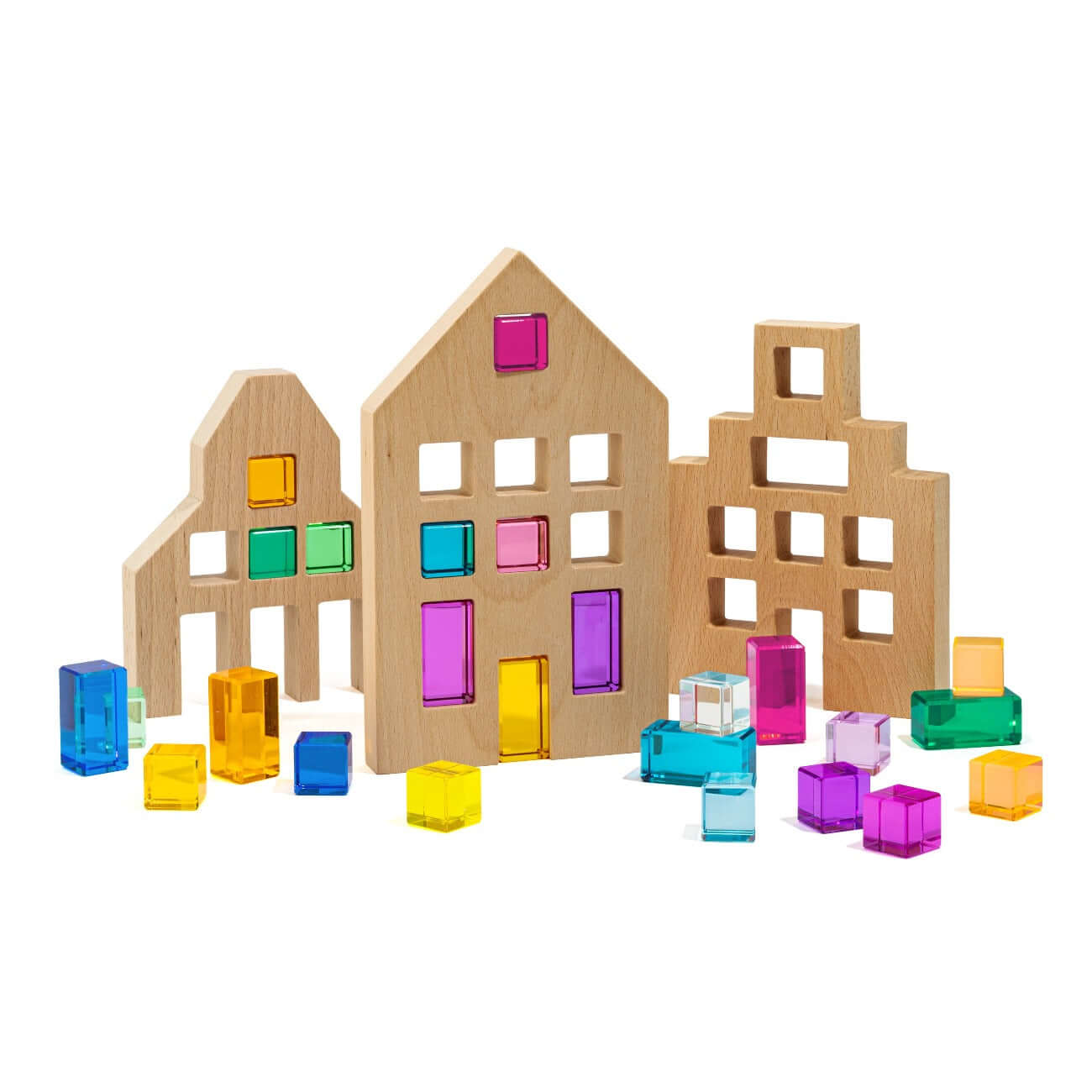
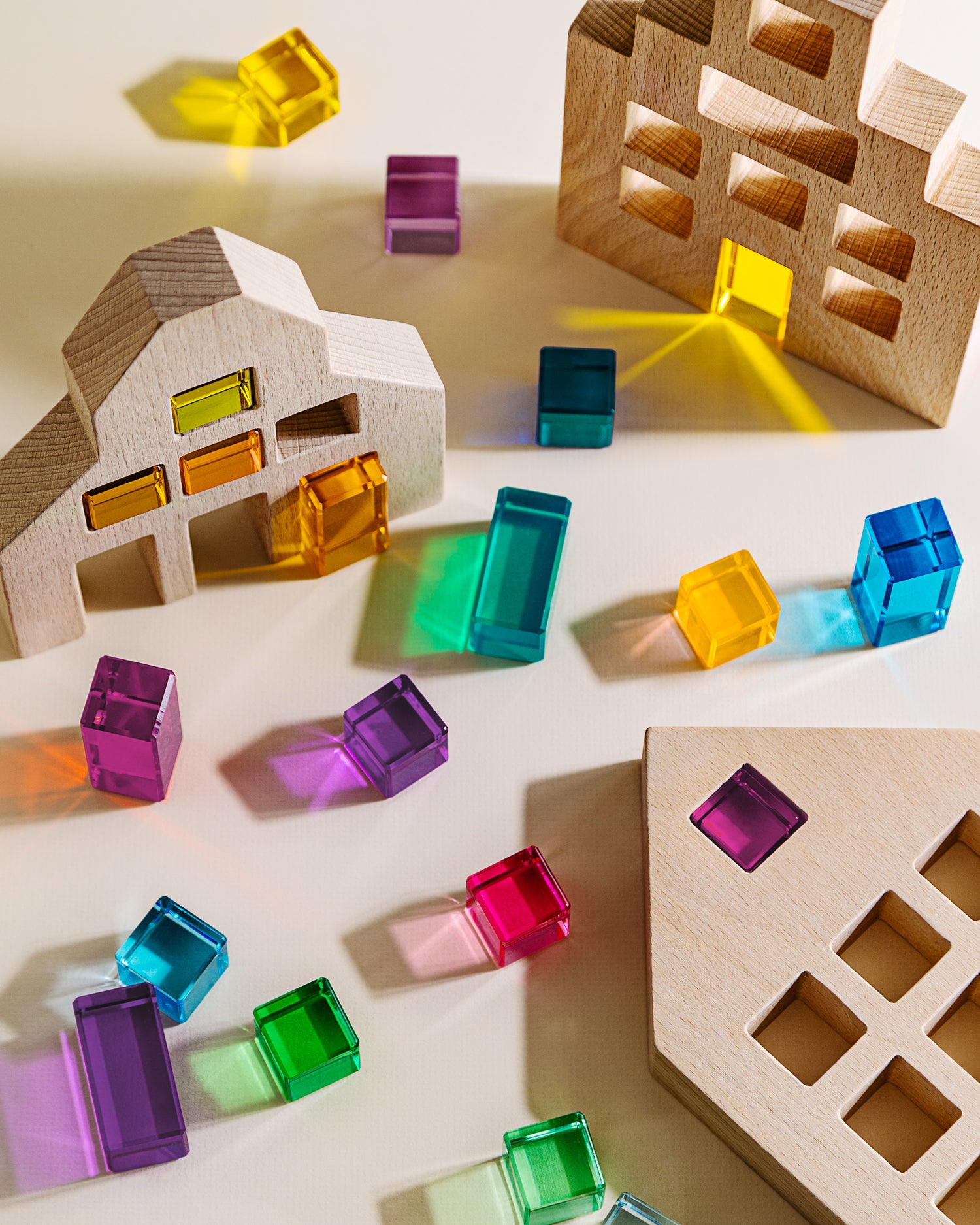
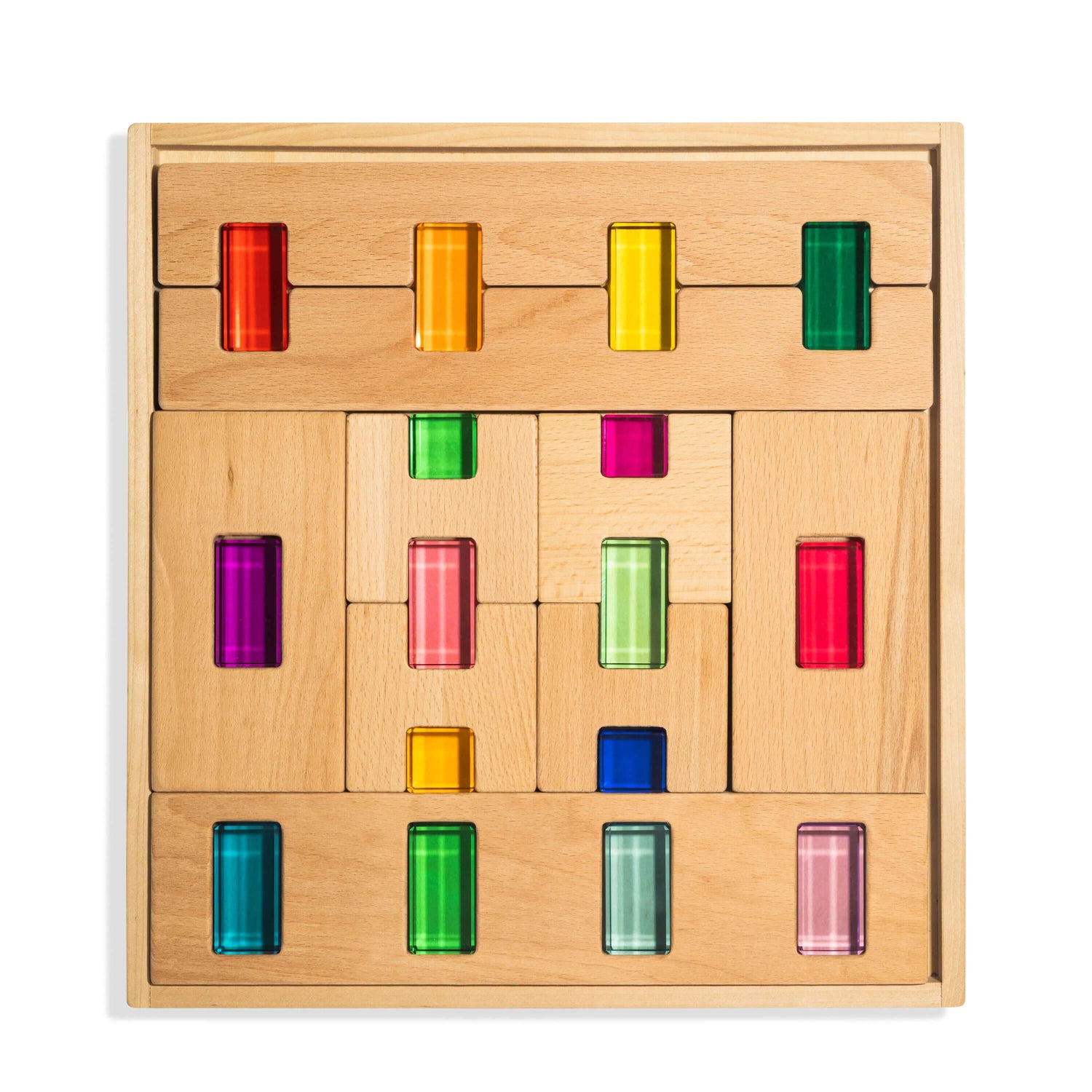
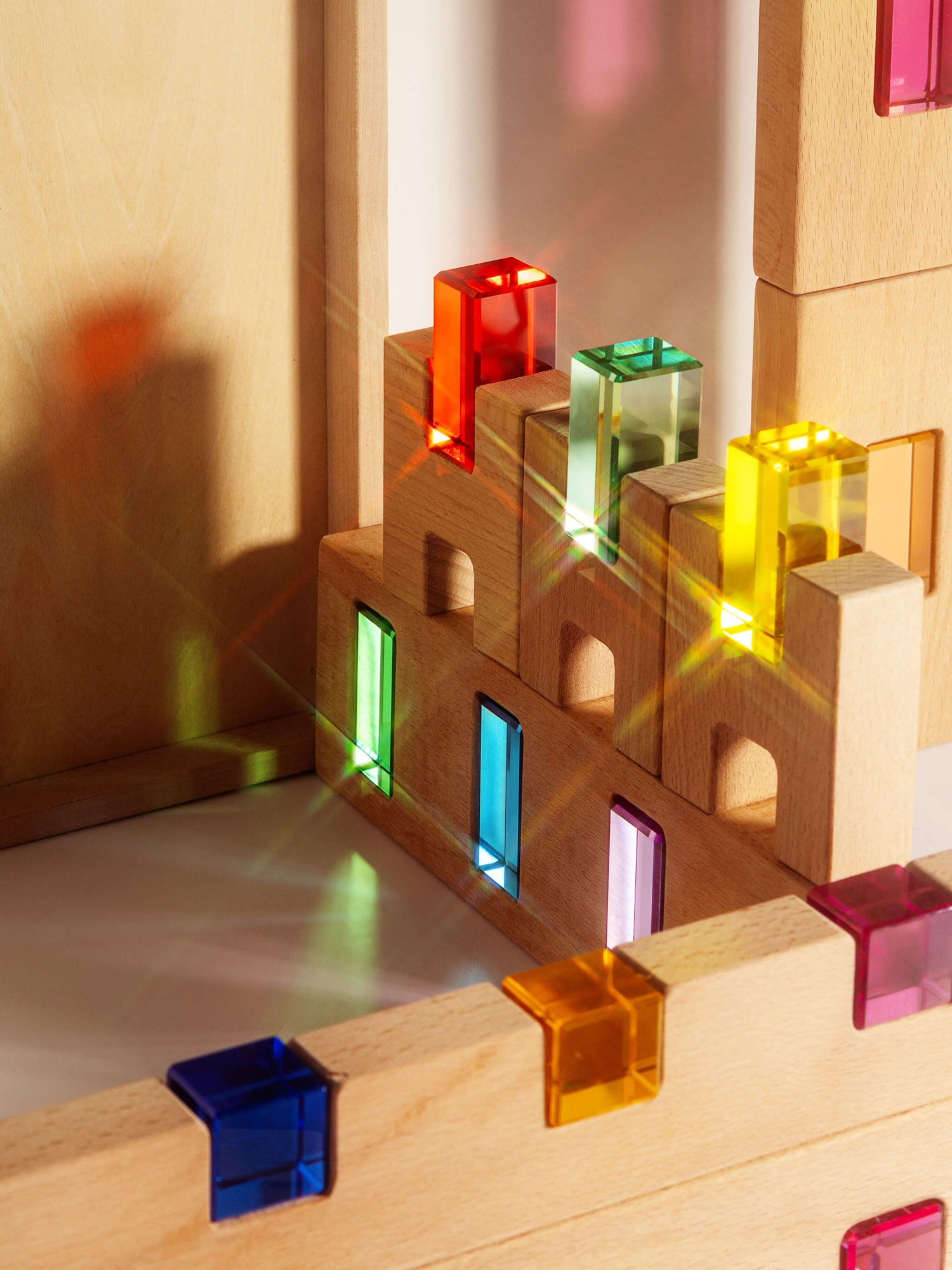
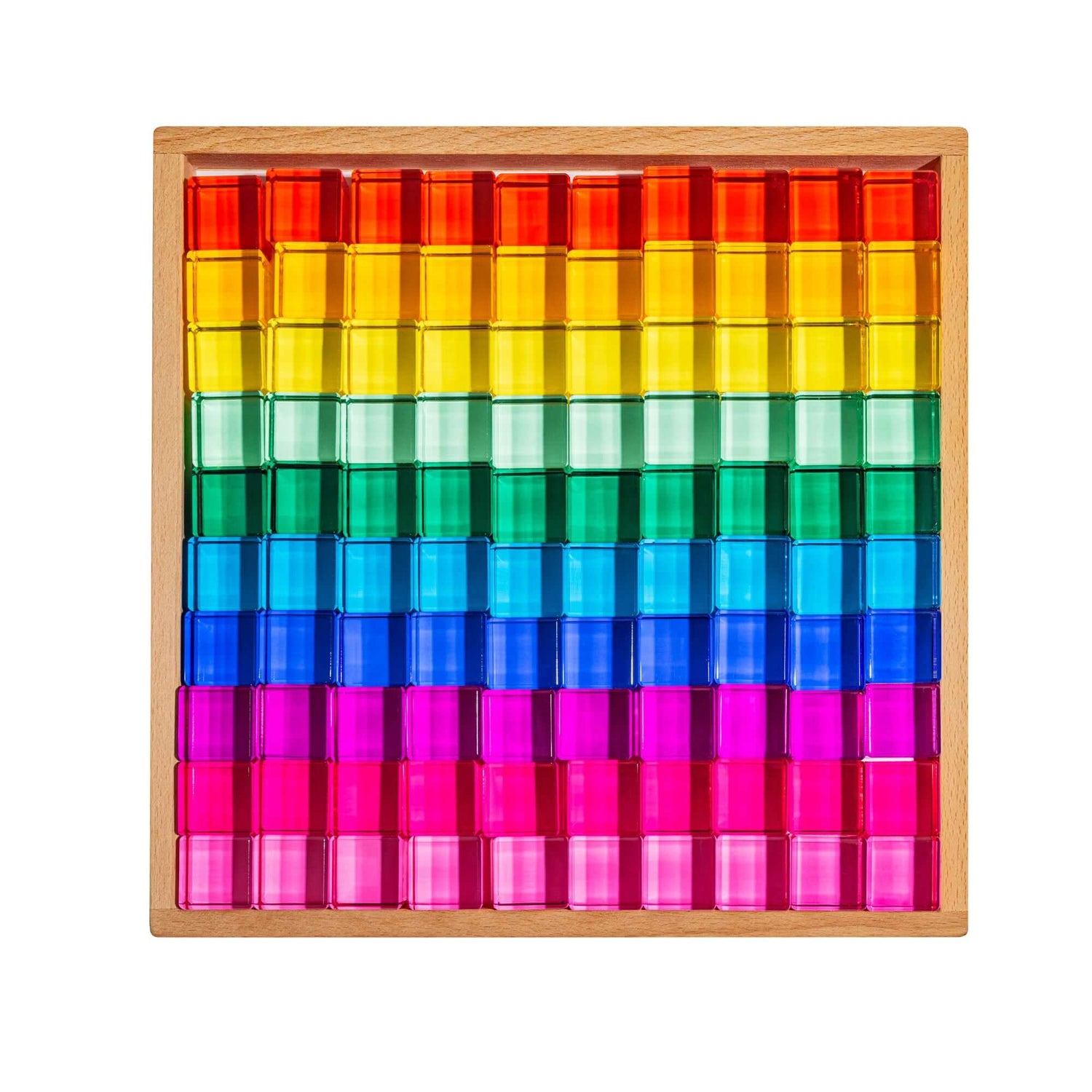
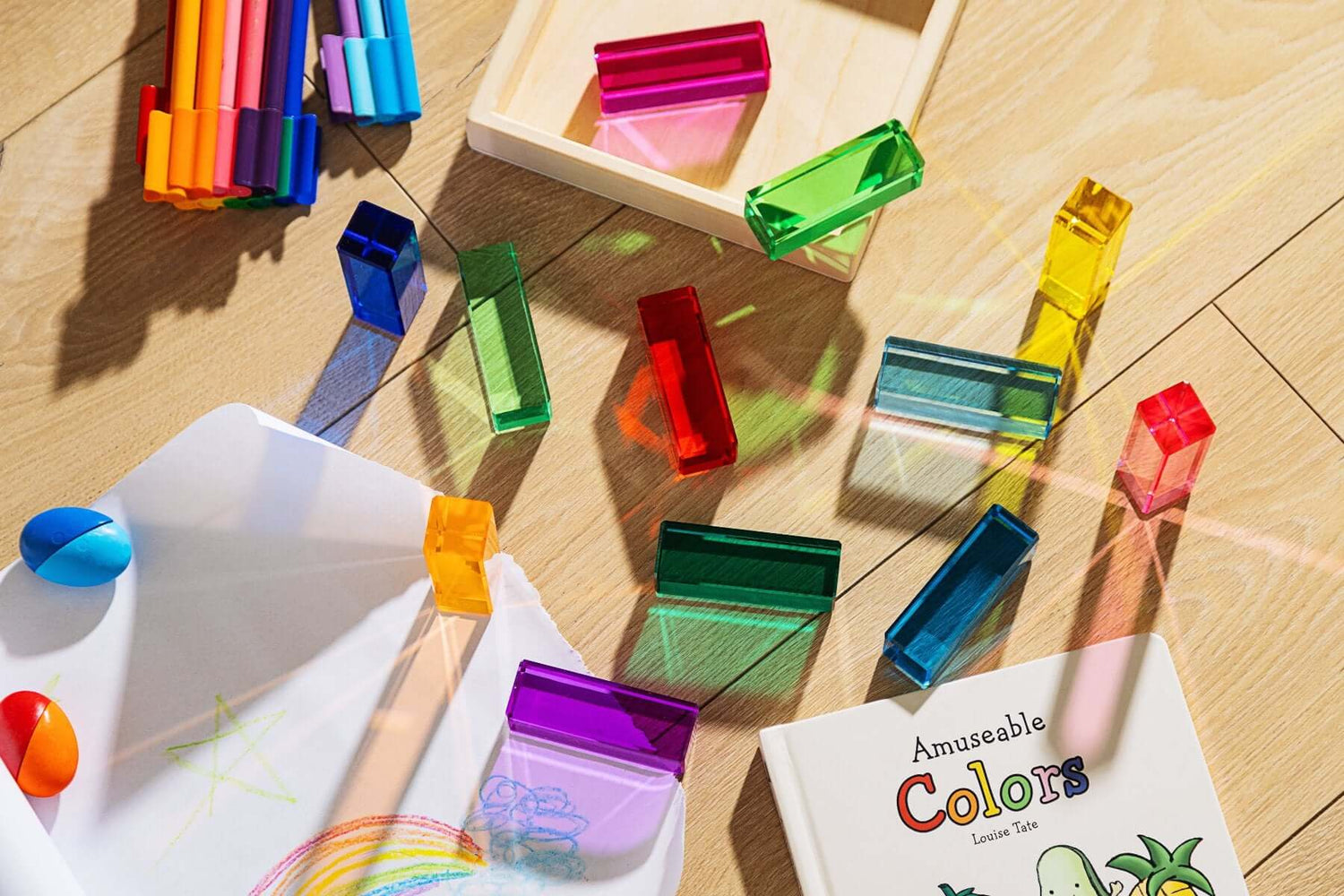
A single set of blocks can become something new every time.
Because there’s no “right way,” children return to play again and again.
Why Fewer Toys Often Work Better
Too many toys can:
- Overwhelm
- Shorten attention span
- Limit creativity
A smaller selection encourages deeper play.
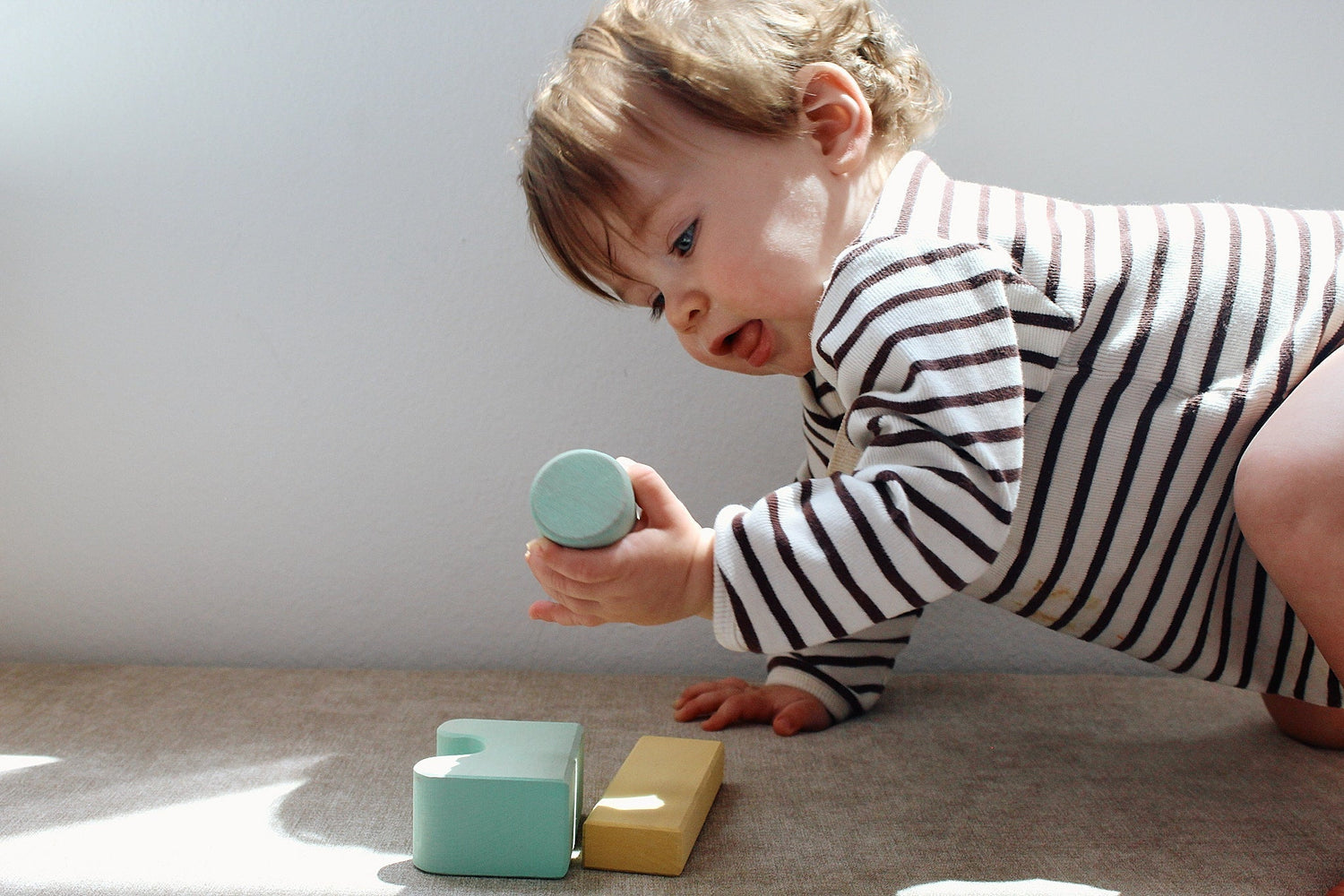
What This Looks Like in Real Life
Instead of quick play cycles, you’ll see:
- Longer builds
- Rebuilding and adapting
- Storytelling layered into play
Final Thoughts
Focus isn’t taught directly—it’s supported through the right materials.
Open-ended toys create the conditions for children to stay, explore, and engage.



0 comments