
Your Building Blocks Have Been Doing Math This Whole Time
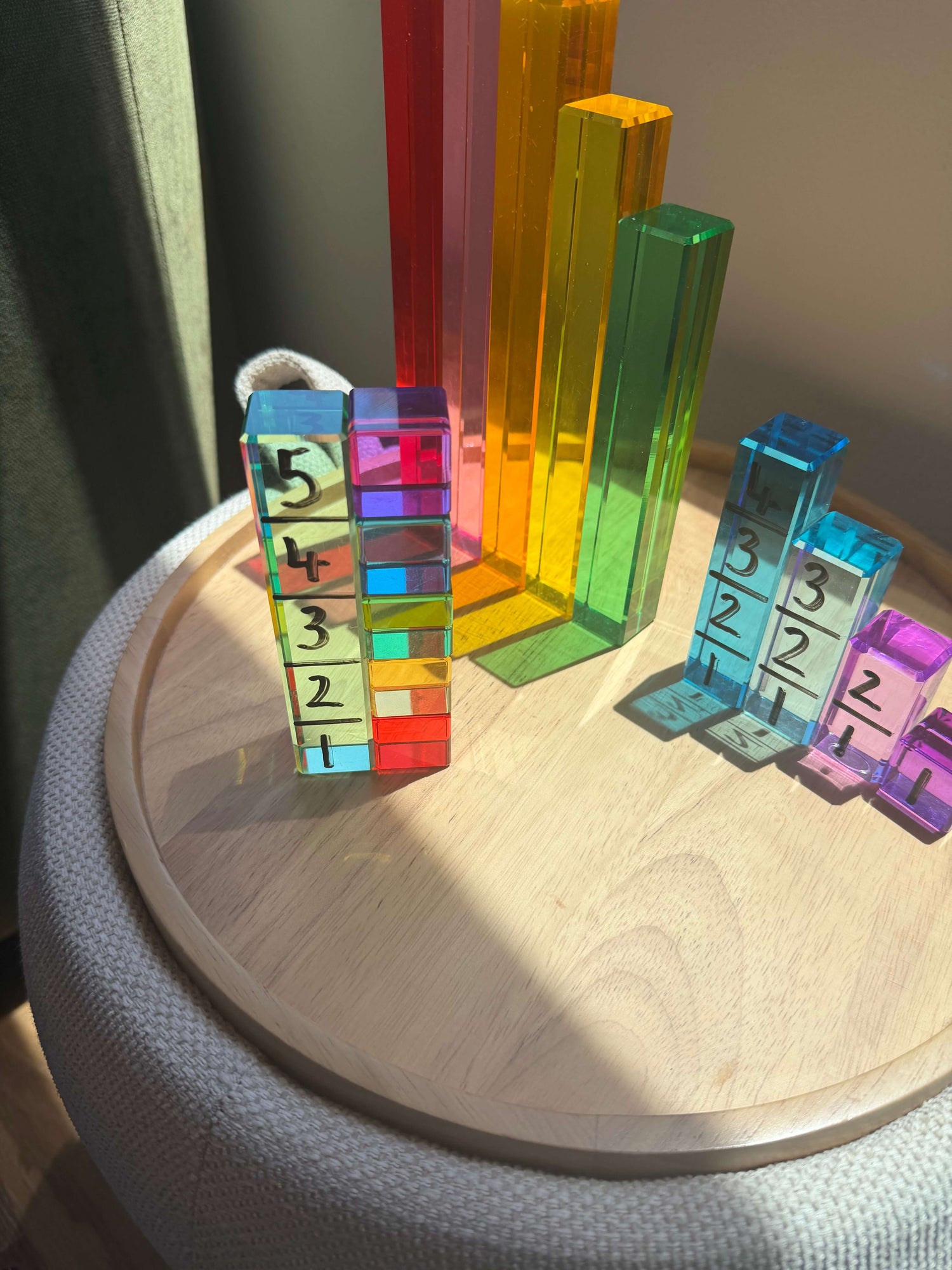
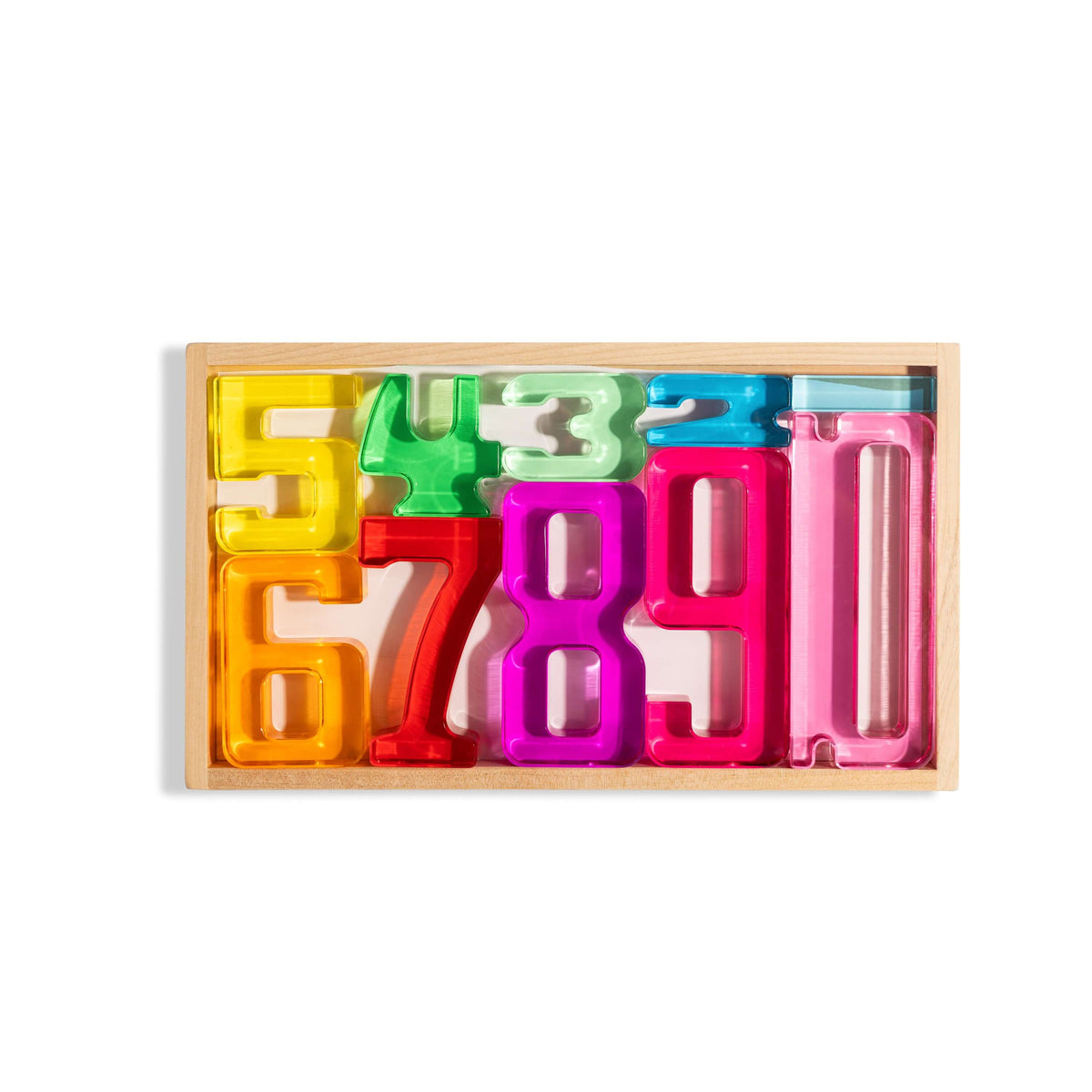
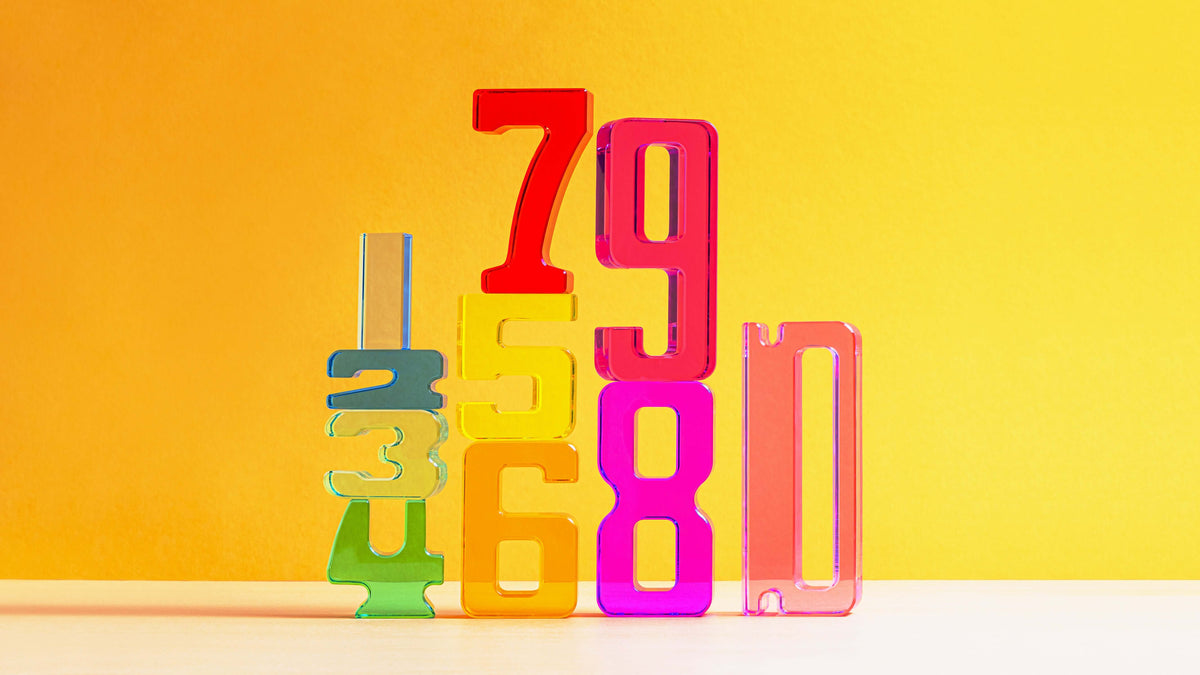
Here's something you might not have noticed: your Millie Blocks aren't just beautiful to look at. Each one is exactly 1 inch taller than the last, creating a built-in 1-to-10-inch counting system your child can see, stack, compare, and measure.
This mathematical alignment wasn't incidental. It was intentional. As an early childhood educator, I designed Millie Blocks to mirror how children actually learn number concepts: through touch, comparison, and physical experience. Not flashcards. Not screens.
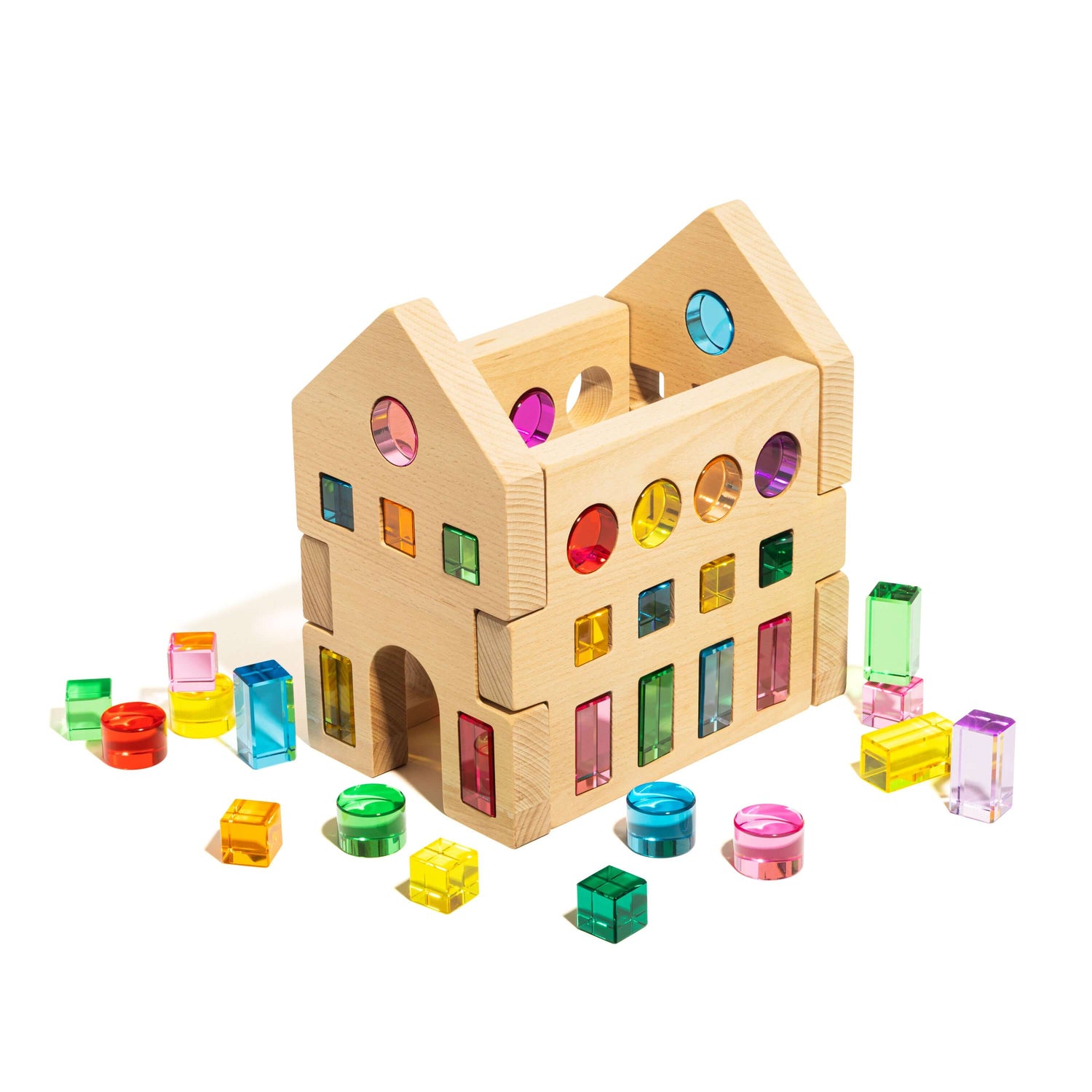
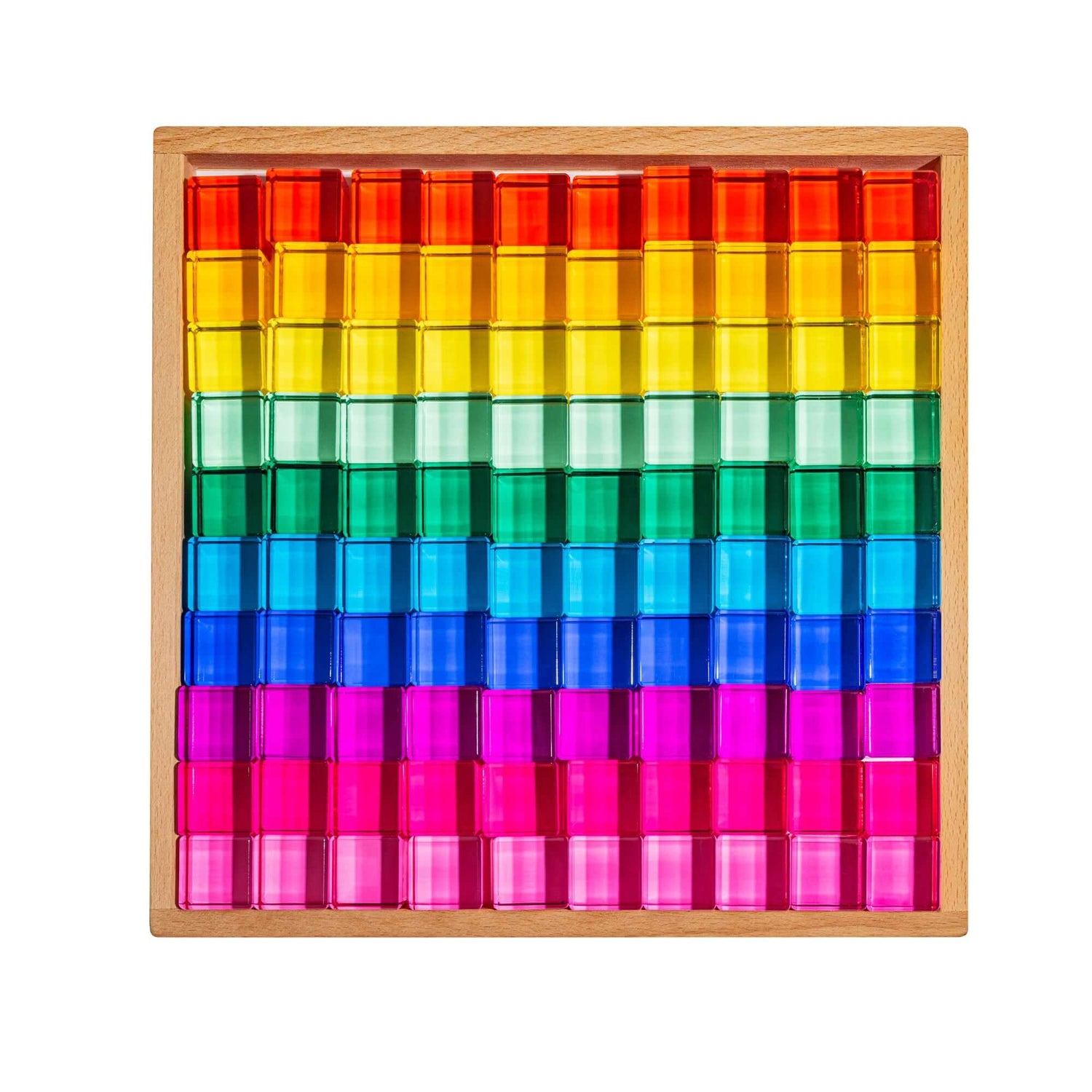
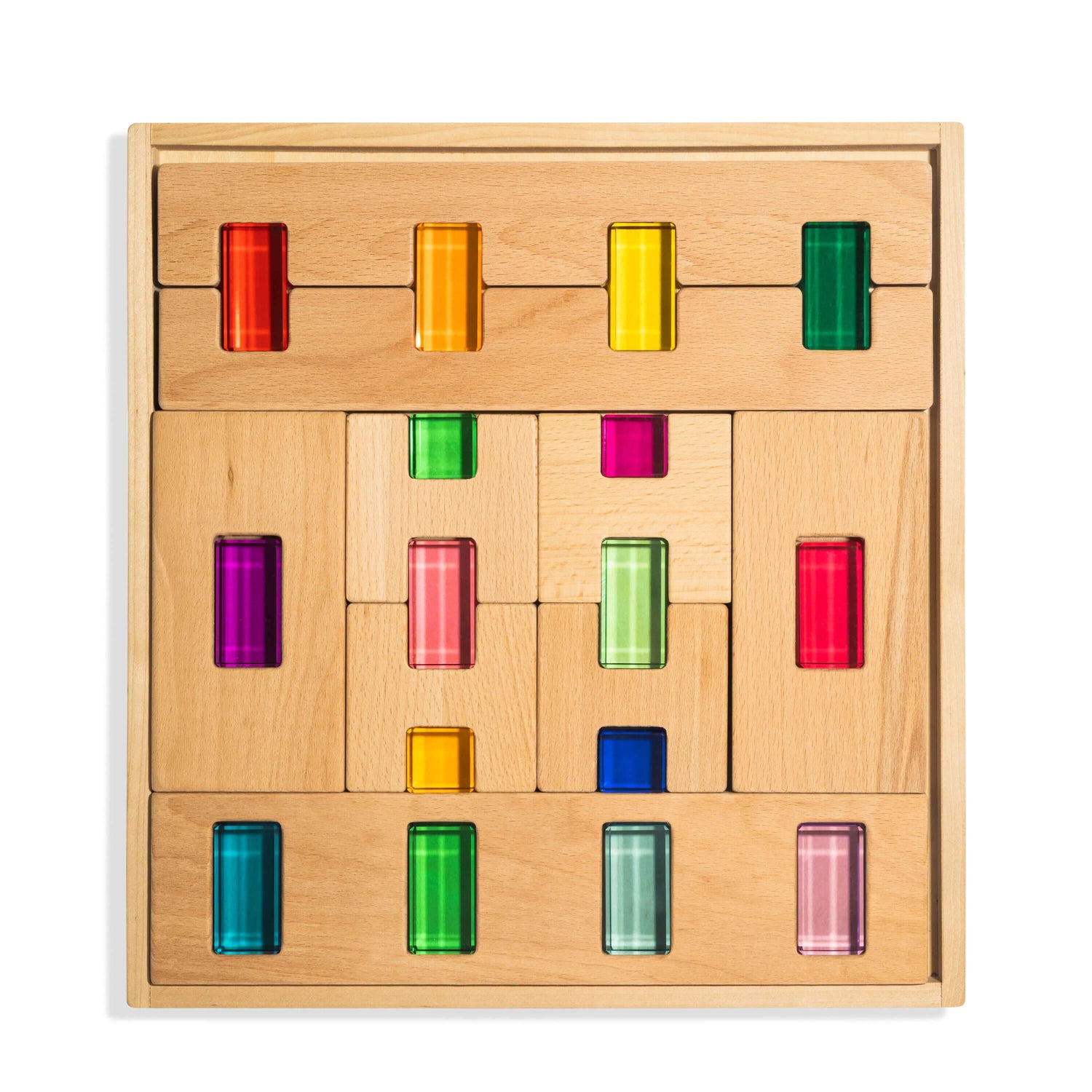
The two tools at the heart of this activity are simple: Millie Blocks (graduated unit blocks, 1 to 10 inches) and Ines Cubes (individual 1-inch unit cubes). Together, they unlock counting, sequencing, measurement, and early addition in one beautiful, hands-on math invitation for toddlers and preschoolers. And yes, they look just as good on your shelf as they do spread across the floor.
Why Proportional Blocks Are a 100-Year-Old Math Secret
Unit blocks have been a foundational math tool in preschool classrooms for over a century. They're recognized for building measurement skills, counting ability, comparison, and spatial reasoning.
If you've explored Montessori materials, you may recognize the logic. Montessori Number Rods are a set of ten wooden rods varying in length from 10 cm to 100 cm, each growing by exactly 10 cm. Every segment represents one unit, giving children a way to physically feel the difference between quantities. Millie Blocks follow the same proportional logic, with each block increasing by exactly 1 inch.
Maria Montessori herself believed that "what the hand does, the mind remembers." Physical manipulation is how young children internalize math, not just observe it.
Millie Blocks bring the same mathematical function into a beautiful, home-friendly format, designed with this exact pedagogical logic not as a school supply, but as a home tool that works the same way. All made from non-toxic materials tested to CPSIA and CPC standards (lead, heavy metals, phthalates), so you can feel confident about every block your child puts in their hands.
The Activity Setup: Millie Blocks + Ines Cubes as Unit Block Tools
The core concept is beautifully simple: pair Millie Blocks with Ines Cubes to create a concrete unit-matching system your child can explore independently.
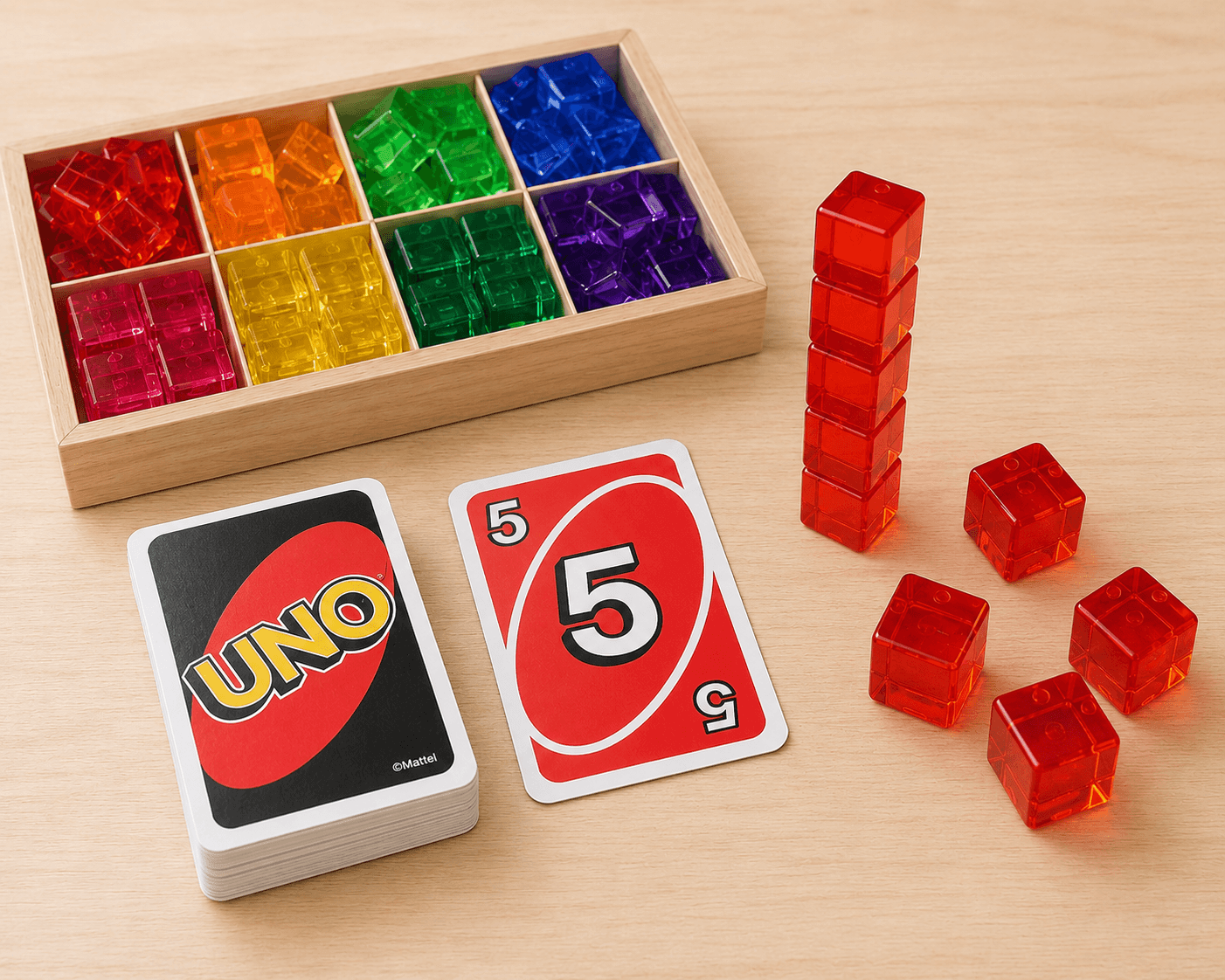
The fundamental relationship is this: 1 Ines Cube = 1 inch. So 5 Ines Cubes stacked together match the exact height of the 5-inch Millie Block. Four cubes match the 4-inch block. And so on, all the way up to 10. It's a tactile, self-checking relationship that makes abstract numbers feel real.
Step-by-Step Setup
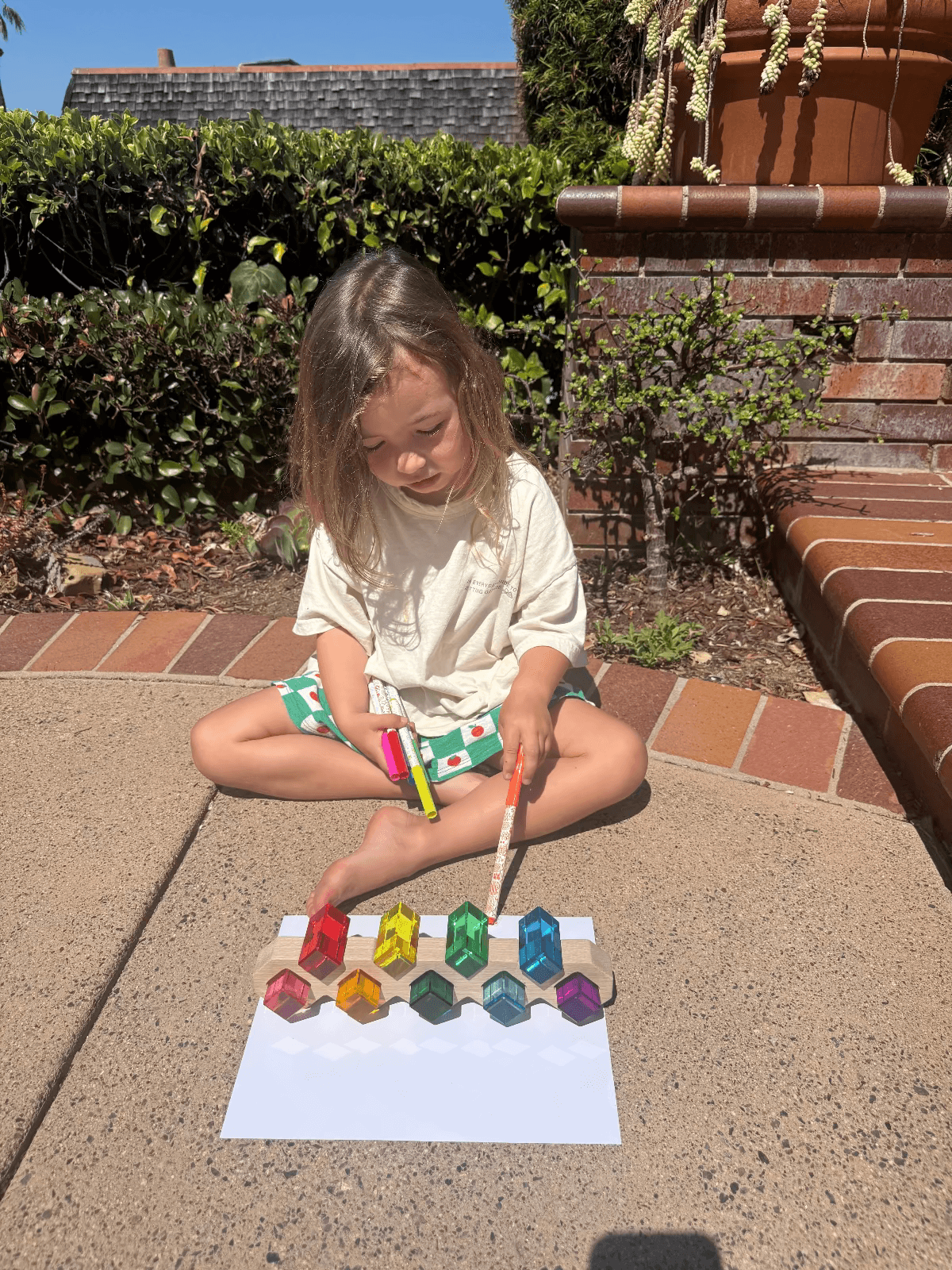
- Lay out your Millie Blocks in sequence from 1 to 10. A low tray, shelf, or the floor all work perfectly.
- Place Ines Cubes nearby in a small bowl or tray.
- Invite your child to pick a block. Count out the matching number of Ines Cubes together. Stack them beside the Millie Block and compare heights.
- You can use a whiteboard marker to write the numbers and add fractions to each different sized Millie blocks.
No adult correction needed. This is a key Montessori principle: self-correcting materials allow children to identify and fix their own errors, building confidence and independent thinking.
The specific math concepts this single activity unlocks are remarkable: one-to-one correspondence, counting, sequencing, measurement comparison, and early addition and subtraction.
A Simple Extension
Once your child is comfortable matching cubes to blocks, try this: "Can you find two blocks that add up to the same height as the 7-inch block?" This introduces addition through physical comparison rather than symbols. Your child gets to experiment, stack, and discover that the 3-inch block plus the 4-inch block equal the height of the 7-inch block. That's concrete math manipulatives at work.
This activity suits toddlers just beginning to explore counting (around ages 2 to 3) all the way through preschoolers and kindergarten working on addition concepts (ages 4 to 5+). No prep is required beyond having both sets available. This is a low-effort, high-value independent play invitation.
What Your Child Is Actually Learning (The Research Behind the Play)
If you're the kind of parent who wants to understand the "why" behind the play (and if you're reading this, you probably are), the research on early numeracy is striking.
A landmark study from the University of California, Irvine, following over 35,000 preschoolers, found that children who entered kindergarten with solid number sense were twice as likely to perform well in high school, across all subjects. Not just math. All subjects.
A 2024 study of 501 students confirmed that early numeracy in first grade accounted for 29% of the variance in fourth-grade math achievement, making it the single strongest academic predictor.
What about the spatial element of block play? A 2025 study by Bower et al. (published in Developmental Psychology) found that concrete spatial play with 3-year-olds predicted both spatial and math learning outcomes.
This all follows what developmental psychologist Jerome Bruner called the enactive, iconic, symbolic progression. Children must first act on physical objects (enactive) before they can picture them mentally (iconic) and eventually use symbols like numerals (symbolic). The Millie and Ines activity follows this exact sequence, building the foundation that worksheets and equations will eventually sit on.
Play, Display, and Come Back Tomorrow
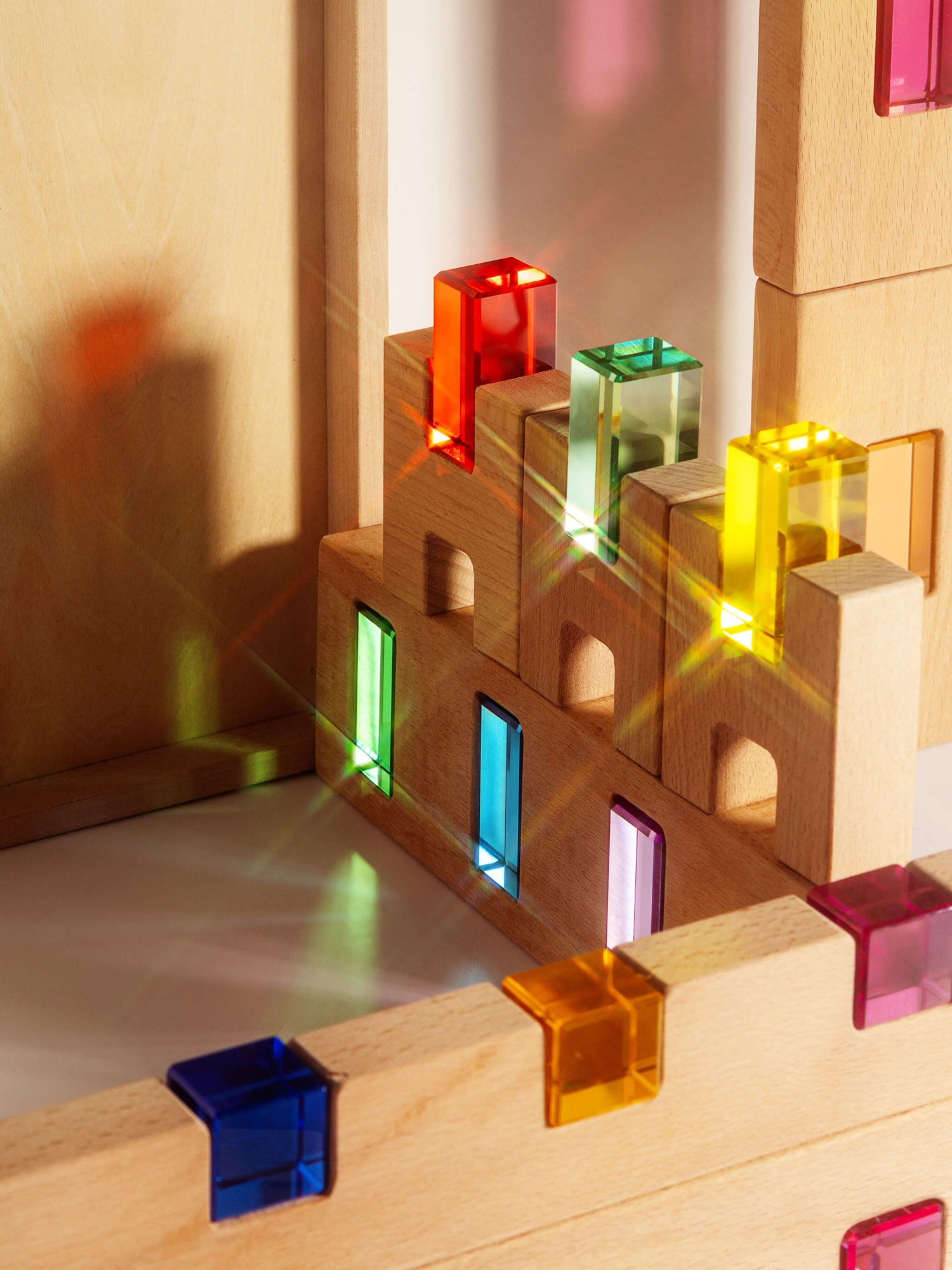
One of the things I hear most from our community is how much they love that Millie Blocks and Ines Cubes are designed to be left out. Their lovely aesthetic means they look intentional on a shelf, windowsill, or play tray, not like clutter.
This matters developmentally, too. Visible, accessible materials invite children to return to them independently. It's a core principle of both Montessori environments and toy rotation: when a child can see and reach their materials, they're more likely to engage in self-directed learning without waiting for an adult to set things up.
Parents in 2026 are increasingly seeking toys that blend seamlessly with modern home decor while serving a real developmental purpose. Millie and Ines sit at exactly this intersection: functional learning tools that double as beautiful design objects. It's why they've been featured in publications like Vogue, Babylist, and Milk Magazine.
Looking for more activity ideas like this one? Our free Activity Library includes guided activities for parents using open-ended toys at home. It's one of the many ways we try to support your family beyond the product itself.
We'd love to see your setup in action. Tag us and share how your little one explores this activity. There's nothing better than seeing real families bring these ideas to life. ✨





0 comments