


Parents Guide to Play | Play & Parenting Journal
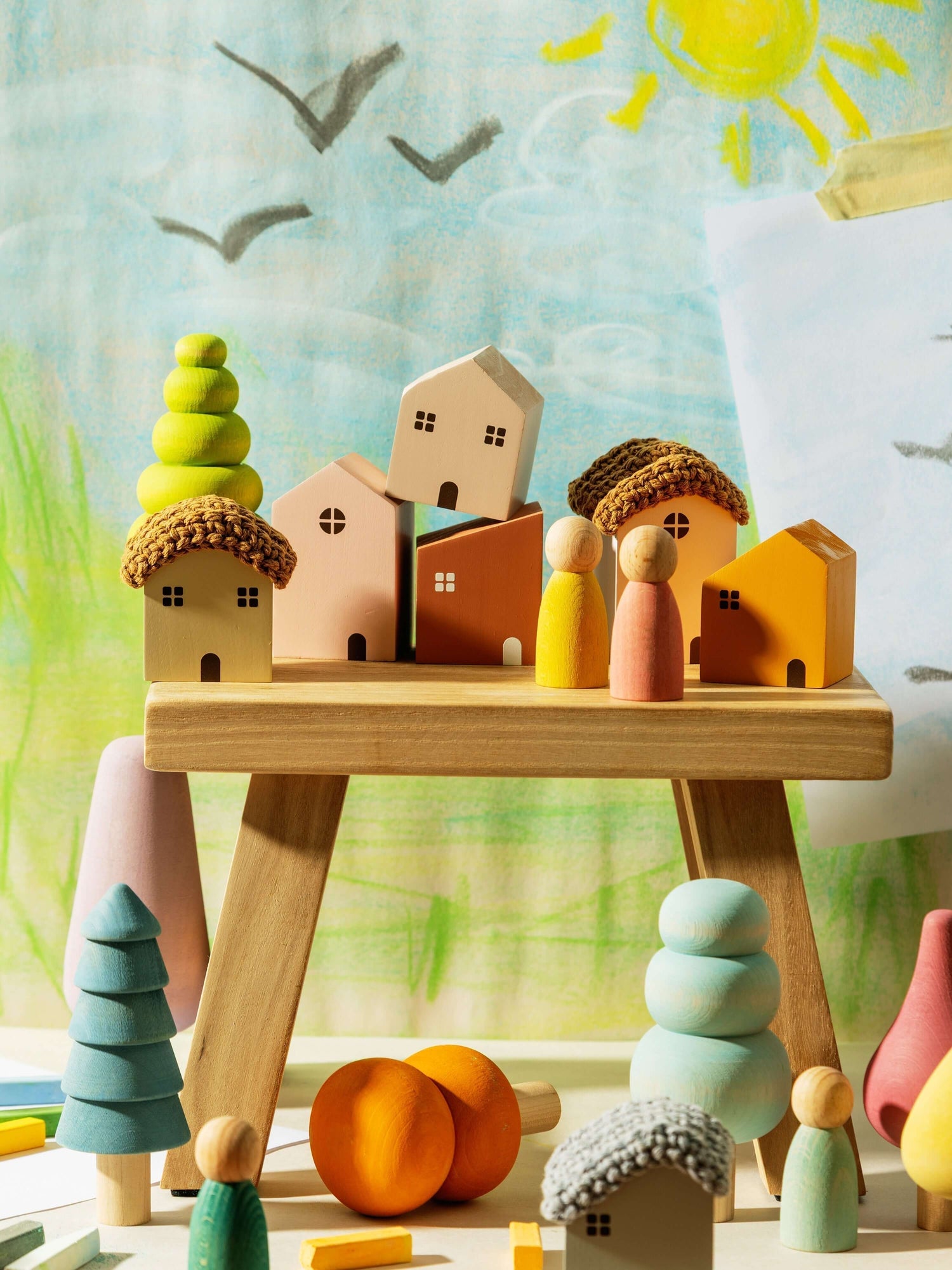
Montessori Toy Labels: Hype vs. the Real Thing
Can you trust Montessori toy labels? This blog dissects the hype around Montessori toys, highlighting the unregulated use of the term and the importance of genuine materials that support child-led exploration. Discover a framework to differentiate truly Montessori-aligned toys from mere marketing.
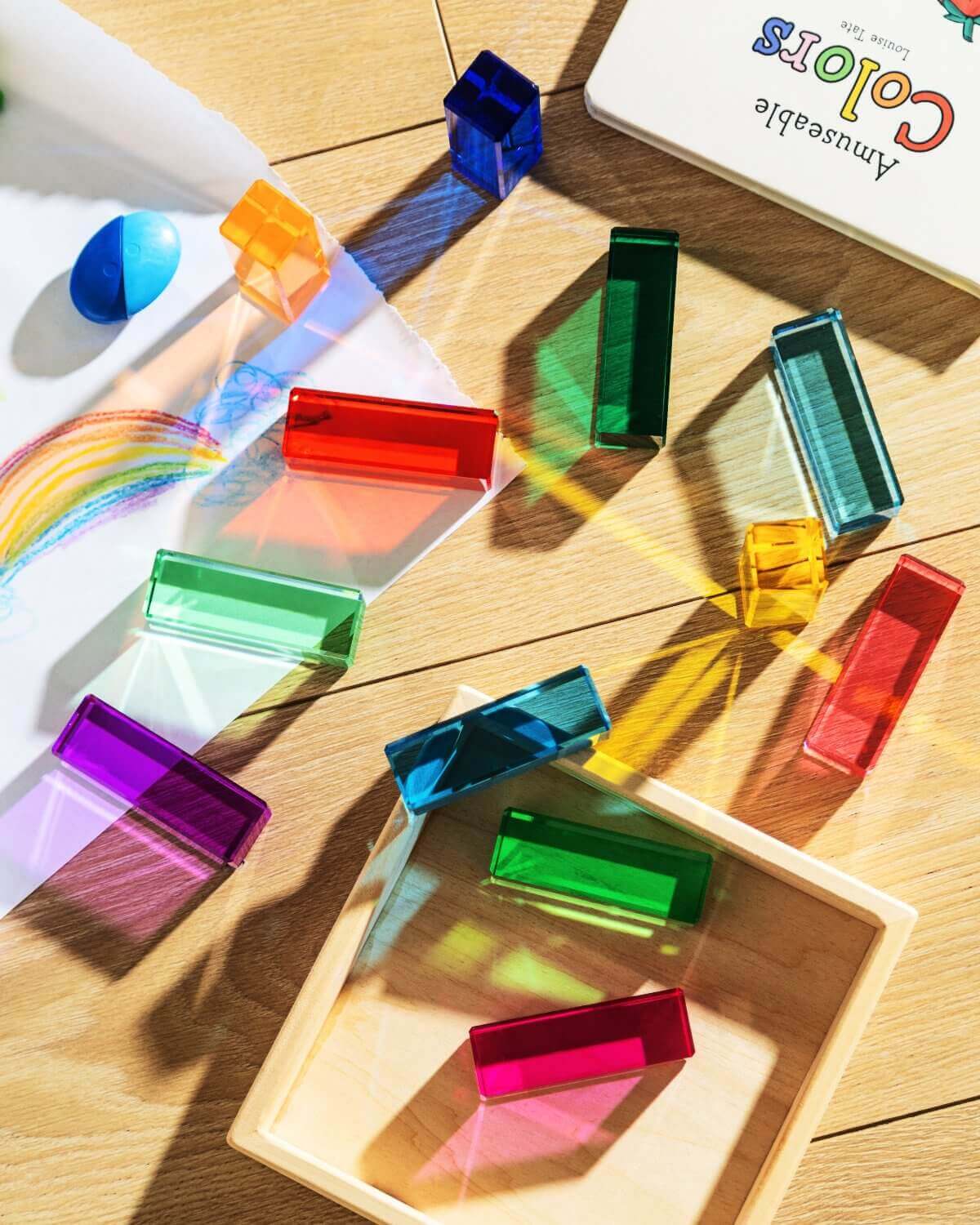
Independent Play - How to Encourage It Naturally
Independent play doesn’t happen overnight. Learn simple, natural ways to encourage your child to play on their own while building confidence, creativity, and focus.
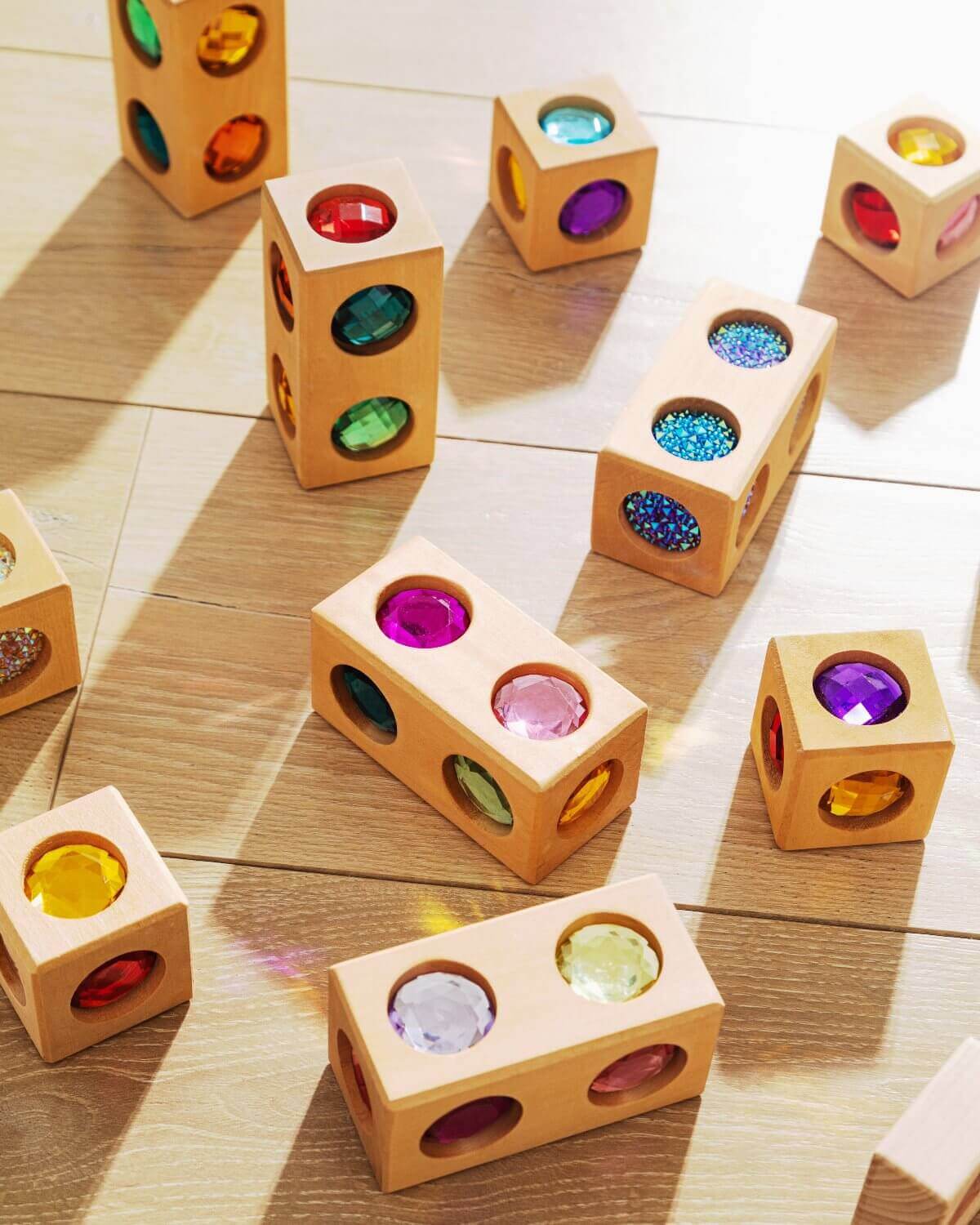
Why Open-Ended Toys Help Kids Play Longer
Learn how open-ended toys naturally encourage longer, deeper, more focused play. Discover the benefits.
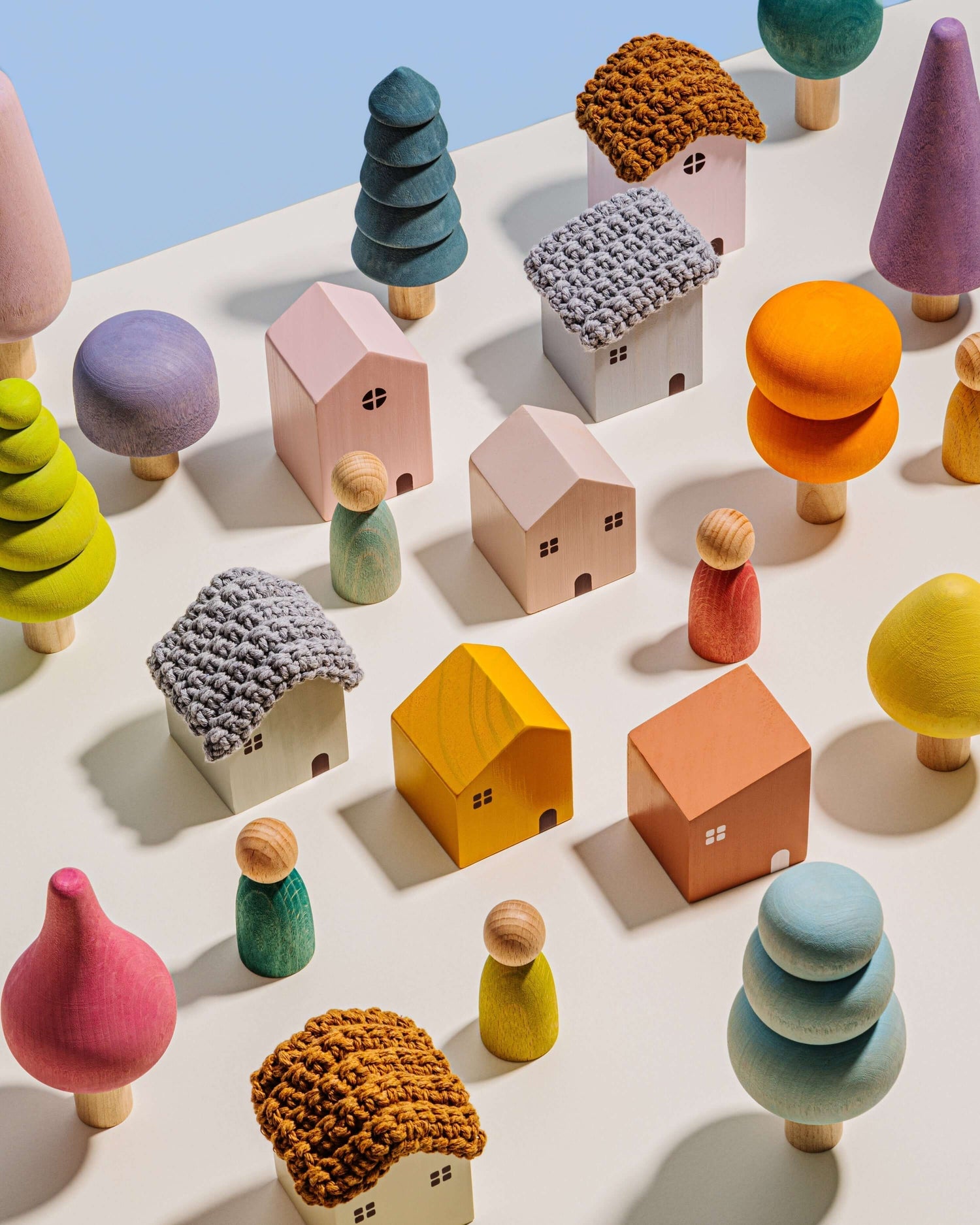
The Play Environment Reset: How to Set Up Your Home for Better Play
A simple reset to your child’s play space can completely change the play environment. Learn how to create a calm, intentional environment that encourages longer, more focused, independent play.
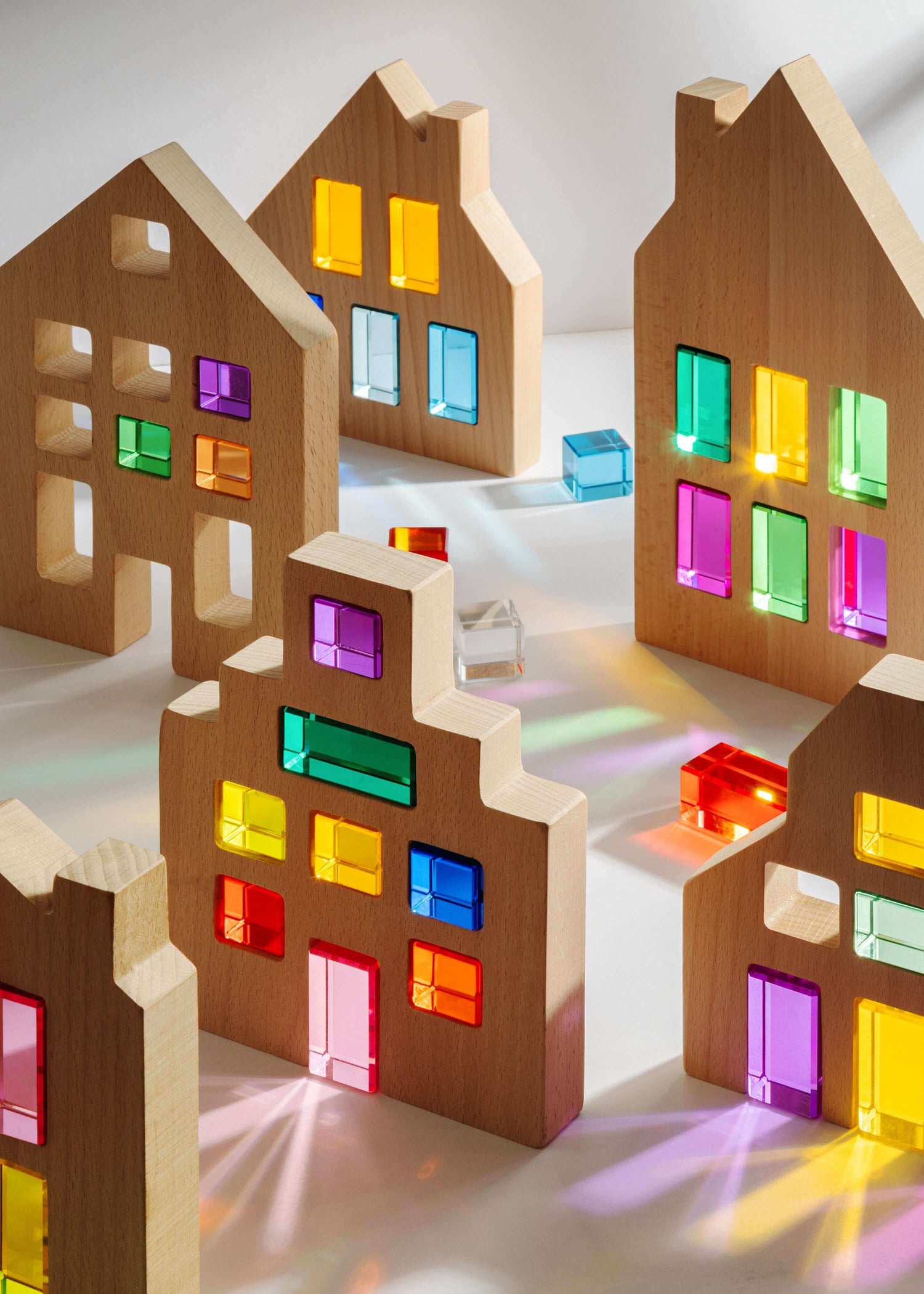
Montessori Toys for Toddlers: What Actually Matters (And What Doesn’t)
Choosing Montessori toys for toddlers doesn’t have to be overwhelming. Here’s what actually matters—and what you can ignore.
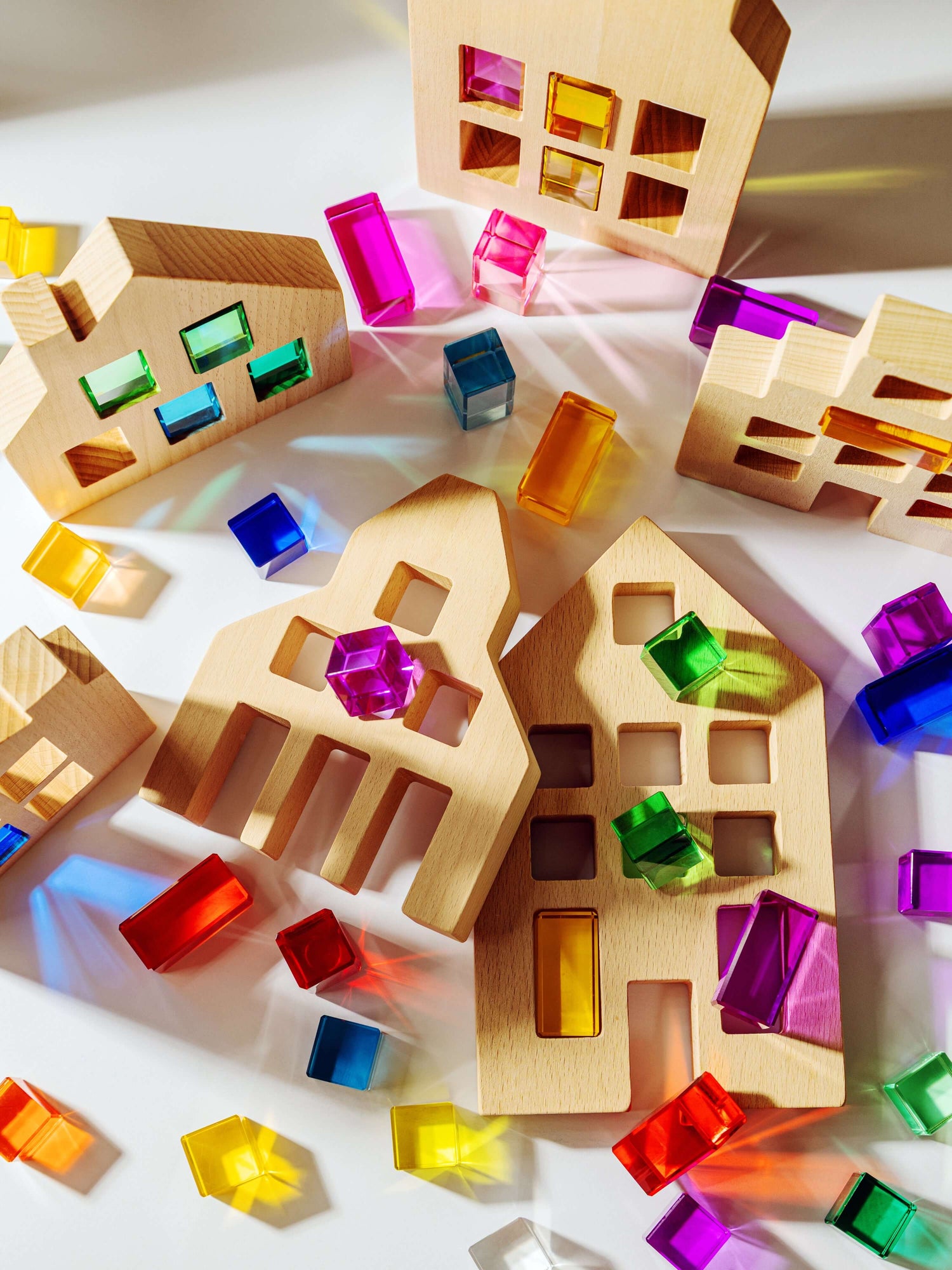
Open-Ended Play Activities for Kids
Open-ended play activities encourage creativity, problem-solving, and learning through exploration. Discover simple activity ideas that inspire imaginative play for kids.
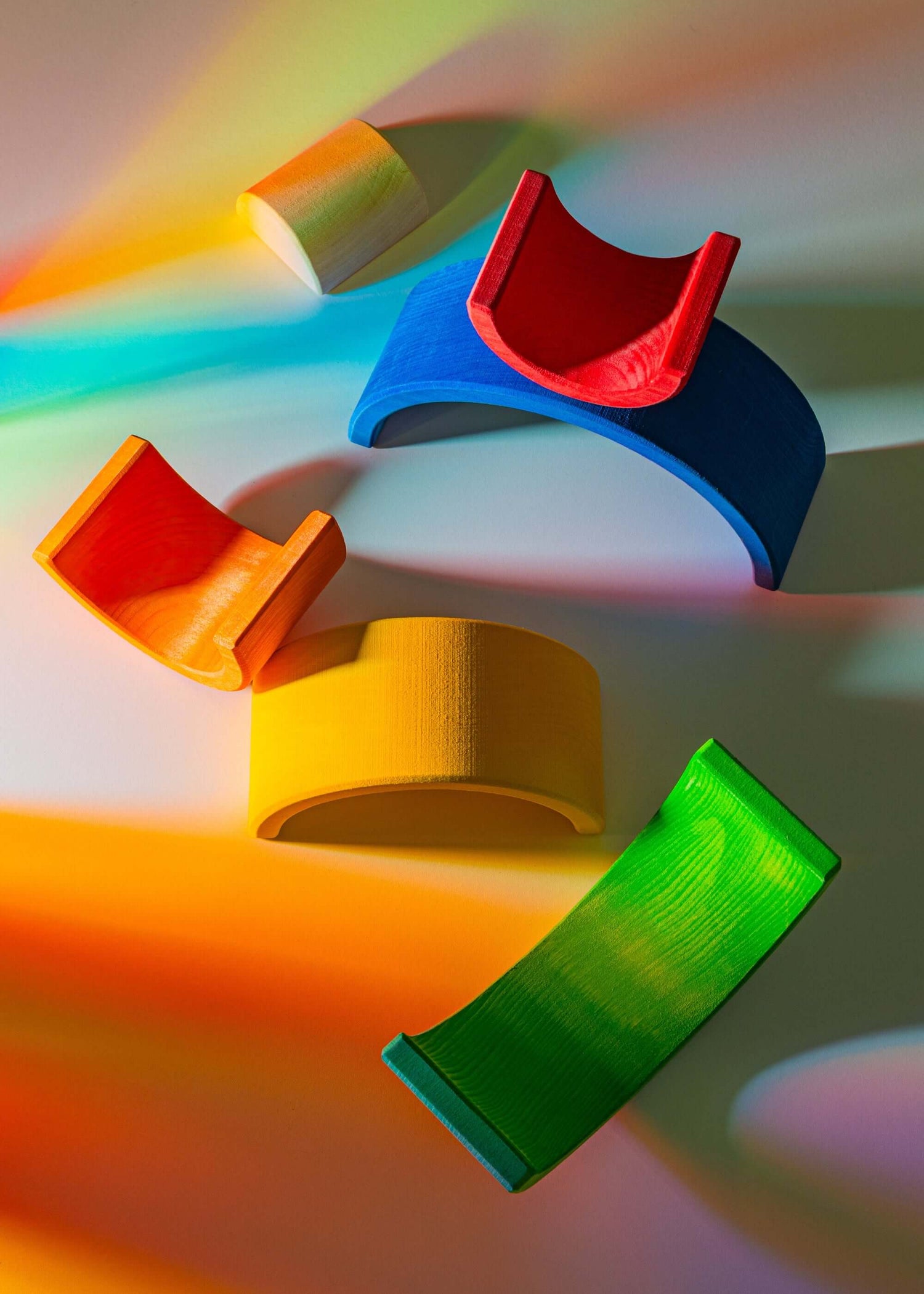
Toy Rotation: Why It Helps Children Play Better
Toy rotation helps children focus longer and play more creatively by limiting toy clutter and encouraging deeper exploration.

Sensory Play: Why Children Need Hands-On Experiences to Learn
Sensory play helps children learn through hands-on exploration, curiosity, and discovery. In this guide, we explore why sensory play is essential for development and how simple activities can support learning through play.
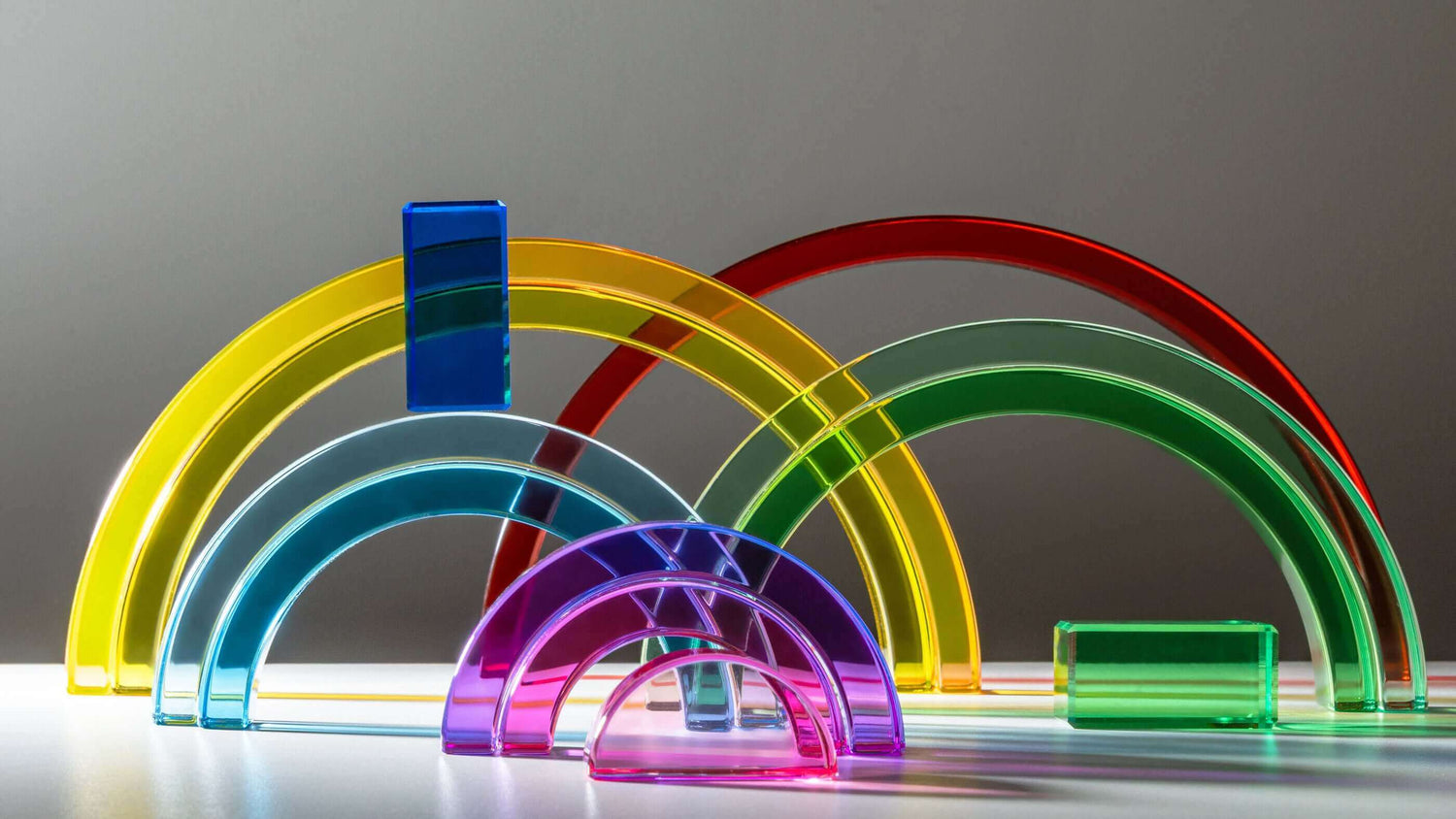
Why Pretend Play Is One of the Most Important Parts of Childhood
Pretend play allows children to explore imagination, build social skills, and practice storytelling. Discover why pretend play is one of the most important parts of healthy childhood development.
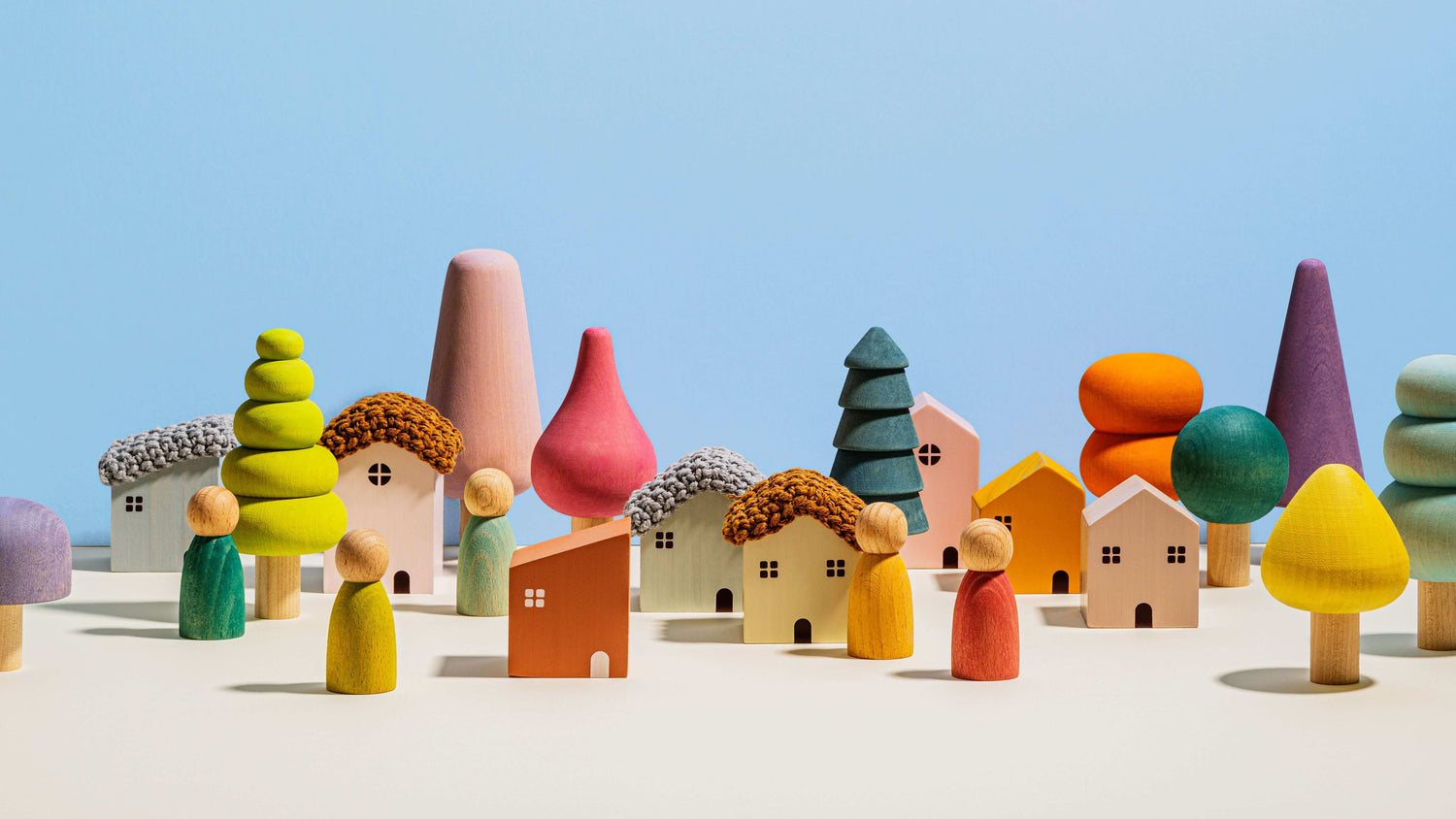
Open-Ended Toys by Age: A Guide From Babyhood to Early Childhood
Choosing open-ended toys by age can help support creativity, independence, and development. This simple guide explains how open-ended toys grow with children from infancy through early childhood.

Montessori-Inspired Toys: What Parents Should Actually Look For
Montessori-inspired toys focus on simplicity, independence, and hands-on learning. Learn what truly matters—and how open-ended toys align naturally.
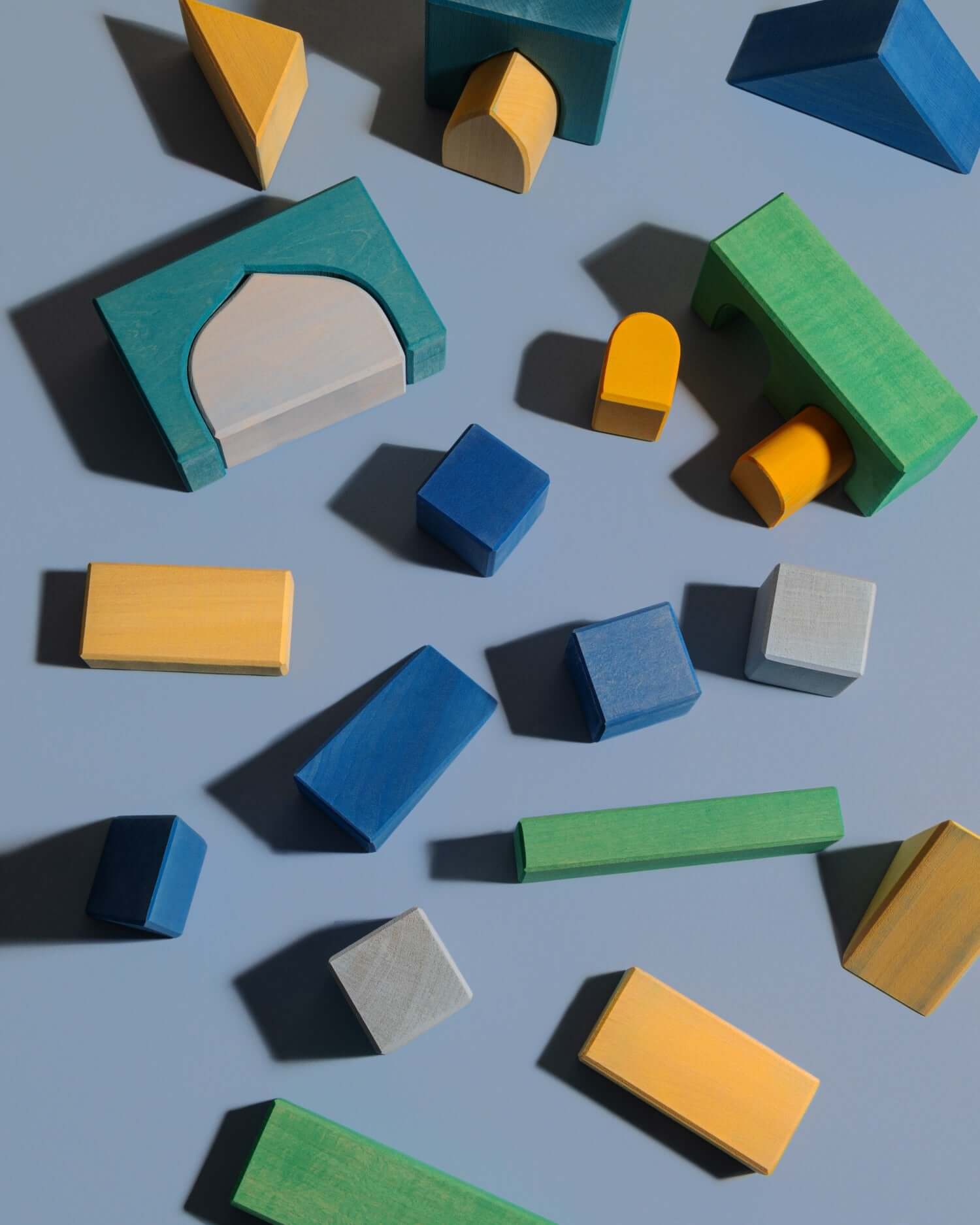
Why Fewer Toys Create Deeper Play
Research shows that fewer toys create deeper play, stronger focus, and greater creativity. Discover why a simpler play environment can support richer learning and imagination.