

Montessori-inspired toys have become increasingly popular among parents who want toys that support independence, creativity, and meaningful learning. But with so many products labeled “Montessori,” it can be difficult to understand what truly aligns with the philosophy and what is simply marketing.
The Montessori approach to learning focuses on hands-on exploration, independence, and allowing children to learn through movement and discovery. Montessori-aligned toys are designed to support these ideas by encouraging children to interact with materials directly rather than passively watching a toy perform for them.
Understanding what makes a toy truly Montessori-inspired can help parents choose materials that encourage curiosity, concentration, and deeper play experiences.“Montessori-inspired” has become one of the most commonly used—and misunderstood—phrases in children’s toys.
Here’s what parents should actually look for when choosing Montessori-inspired toys.
What Montessori-Inspired Really Means
Montessori-inspired toys are rooted in principles developed by Dr. Maria Montessori, focusing on how children naturally learn.
At their core, these toys support:
Independence
Hands-on exploration
Concentration
Self-directed learning
Rather than entertaining children, Montessori-inspired toys invite children to actively engage and discover.
What Montessori-Inspired Does Not Mean
A toy doesn’t need to be:
Strictly educational
Overly complex
Expensive
Used in only one “correct” way
True Montessori-inspired play values freedom within limits—giving children autonomy while offering thoughtfully designed materials.
Simplicity Is Key
Montessori-inspired toys are intentionally simple.
They often:
Use natural or thoughtfully chosen materials
Avoid flashing lights or loud sounds
Focus on one core concept at a time
This simplicity allows children to concentrate deeply and explore without distraction.
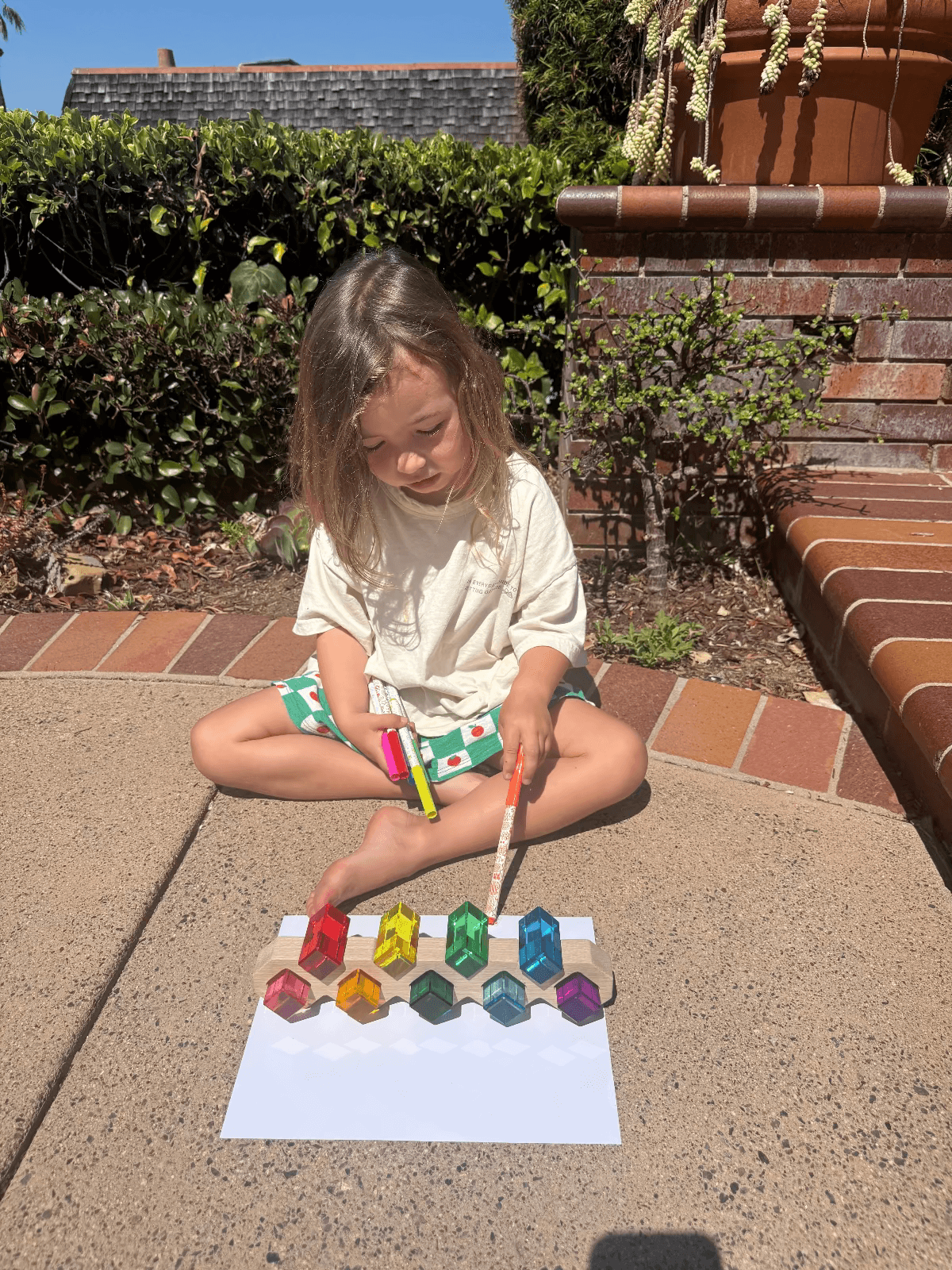
Hands-On, Child-Led Play
Children learn best by doing.
Montessori-inspired toys encourage:
Touch
Movement
Trial and error
Problem-solving
- Hands-on learning
Rather than being told how to play, children are free to experiment and repeat activities until mastery is achieved.
Why Open-Ended Toys Align Naturally With Montessori Principles
Open-ended toys and Montessori-inspired play go hand in hand.
Because open-ended toys:
Have no fixed outcome
Adapt to a child’s developmental stage
Encourage creativity and independence
They allow children to explore concepts like balance, symmetry, cause and effect, and spatial reasoning organically. Because they have no fixed outcome, open-ended toys support self-directed learning—one of the core ideas behind what open-ended toys are and why they matter.
Applying Montessori Principles at Home (Without Pressure)
You don’t need a perfectly curated shelf or formal materials to support Montessori-inspired play.
Simple steps include:
Offering a small selection of toys
Choosing quality over quantity
Allowing uninterrupted playtime
Letting your child lead
A calm environment and thoughtful materials go a long way. Many parents begin with simple building sets, which we explore further in our guide to the best open-ended toys for toddlers.
Choosing Montessori-Inspired Toys That Last
The most meaningful Montessori-inspired toys are those that grow with your child.
Look for toys that:
Support multiple ages
Encourage imagination
Don’t rely on instructions or screens
Feel timeless rather than trendy
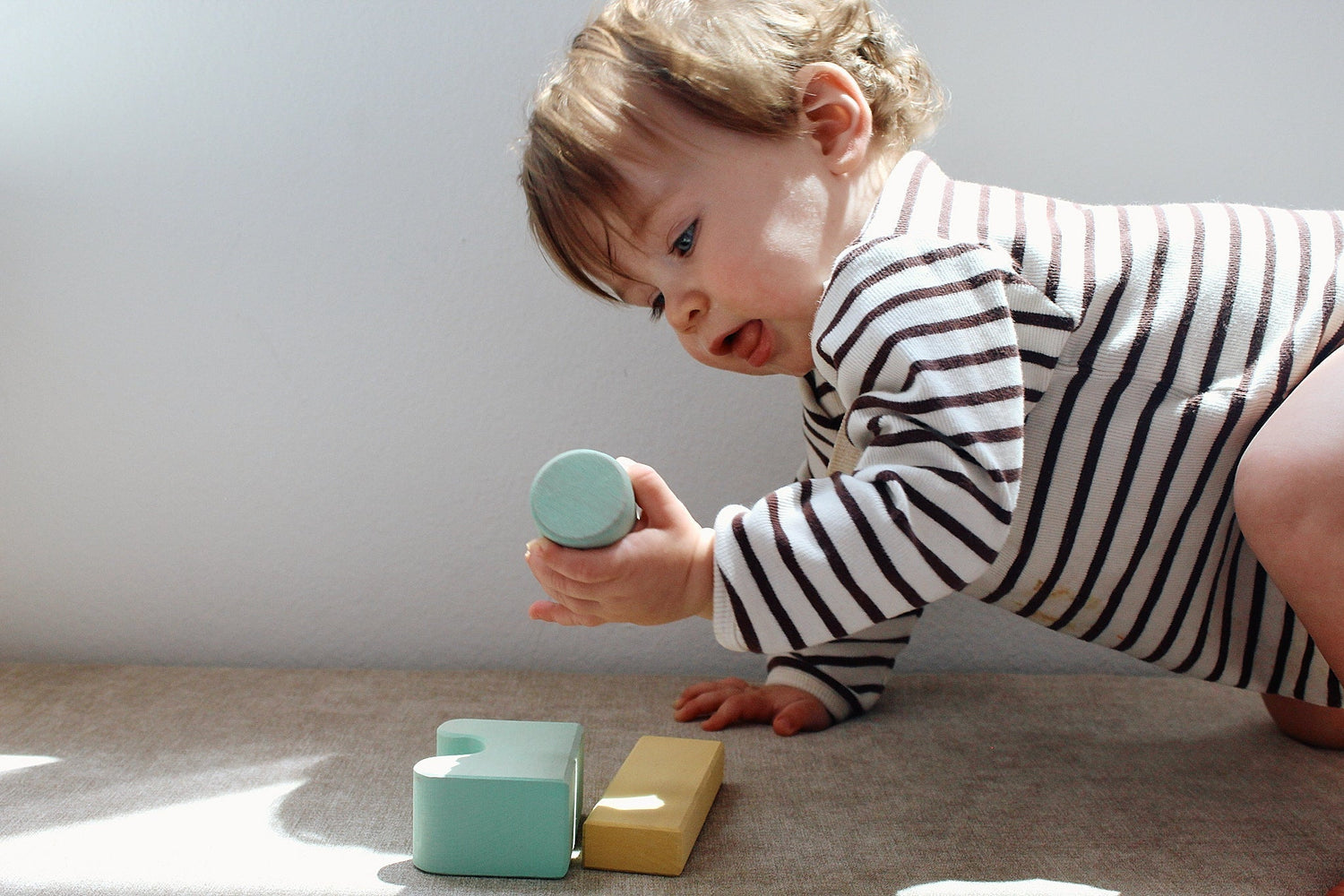
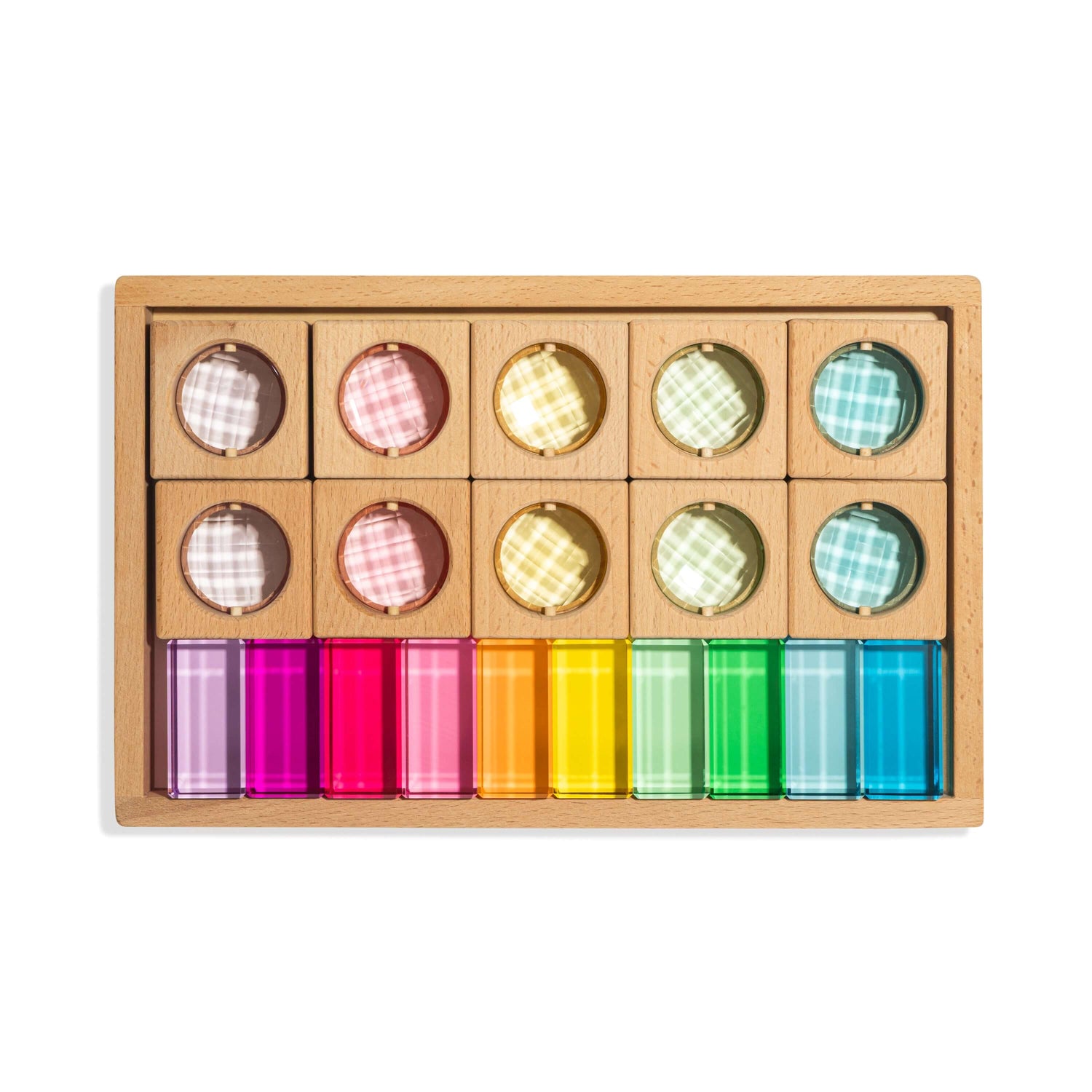
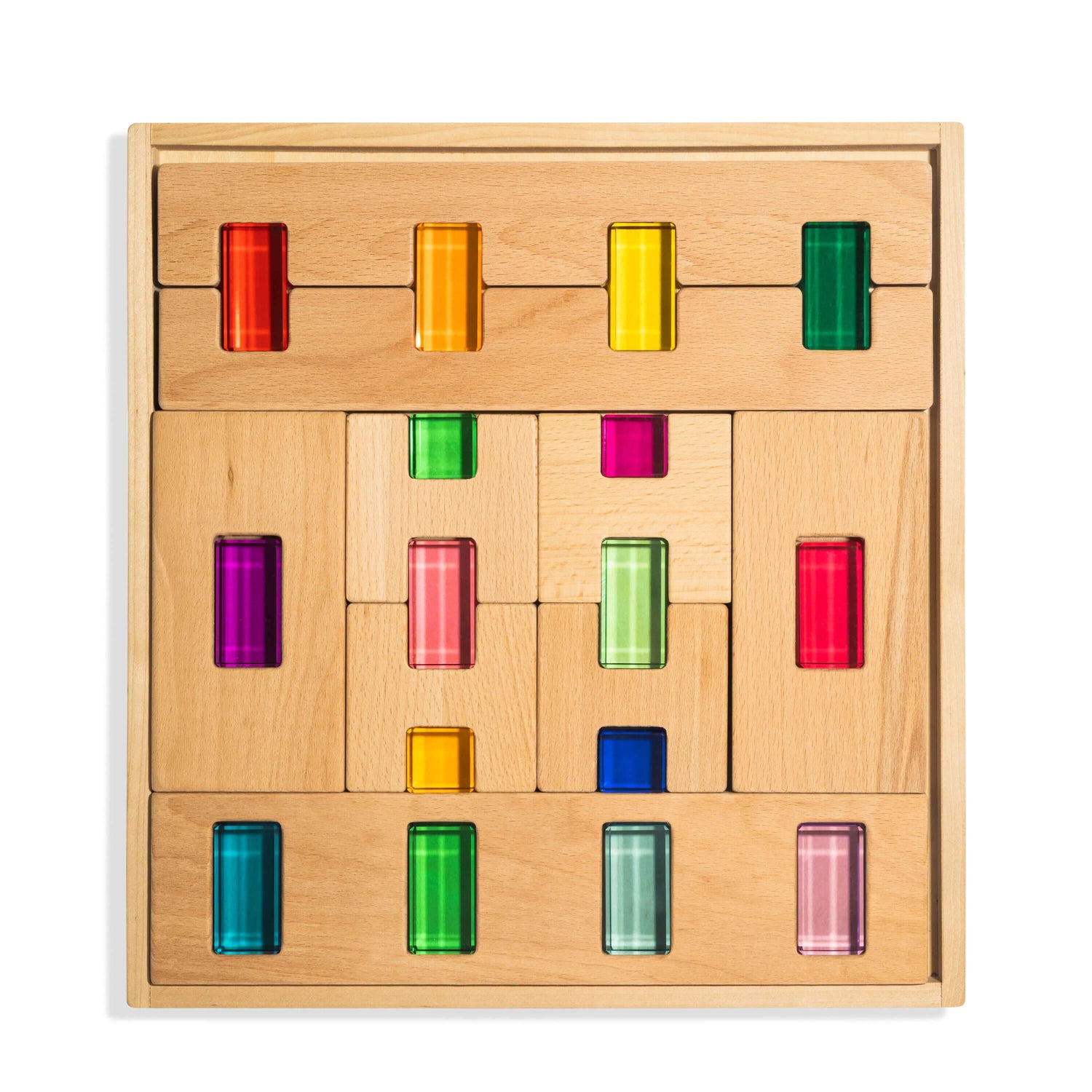
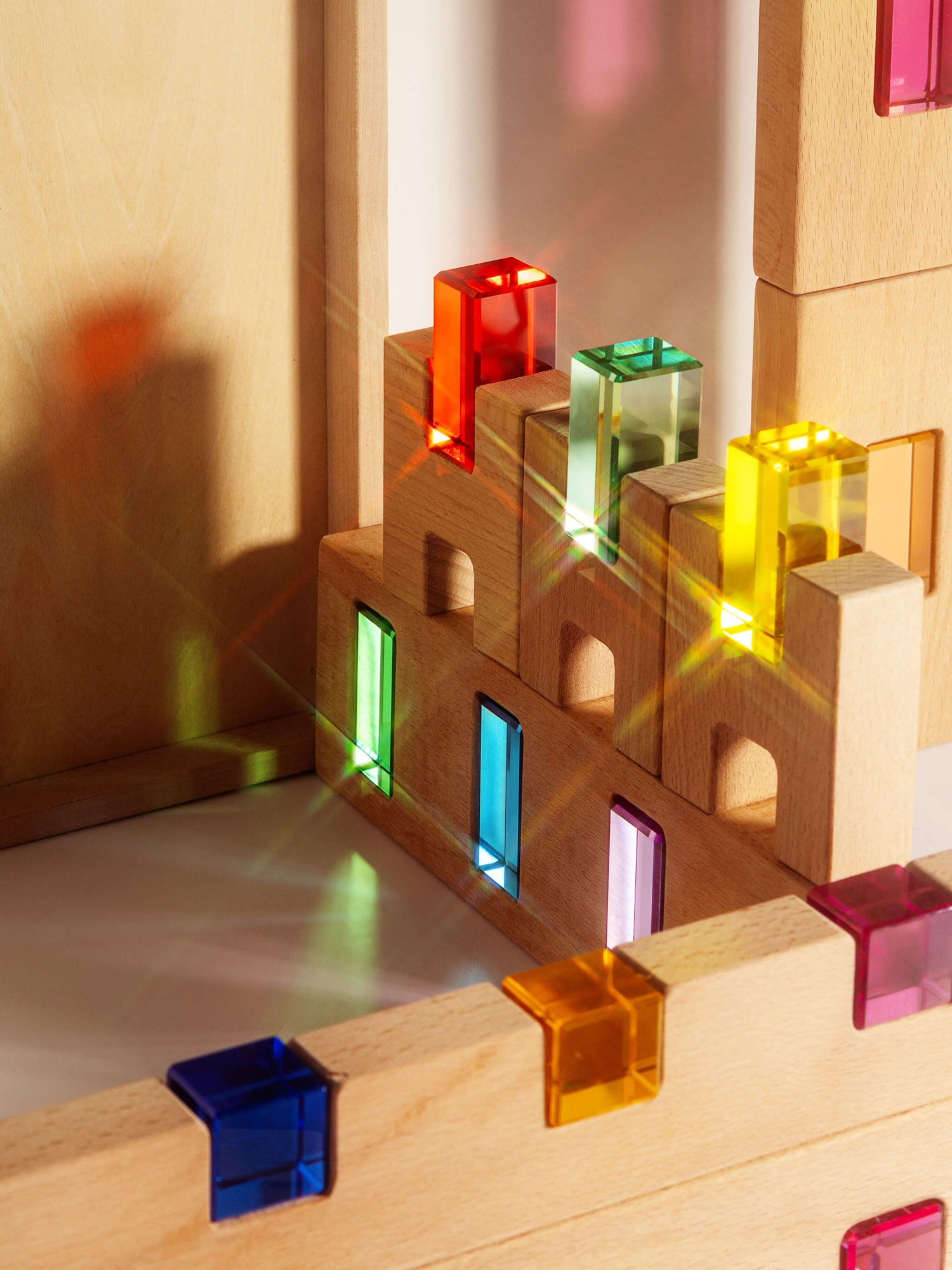
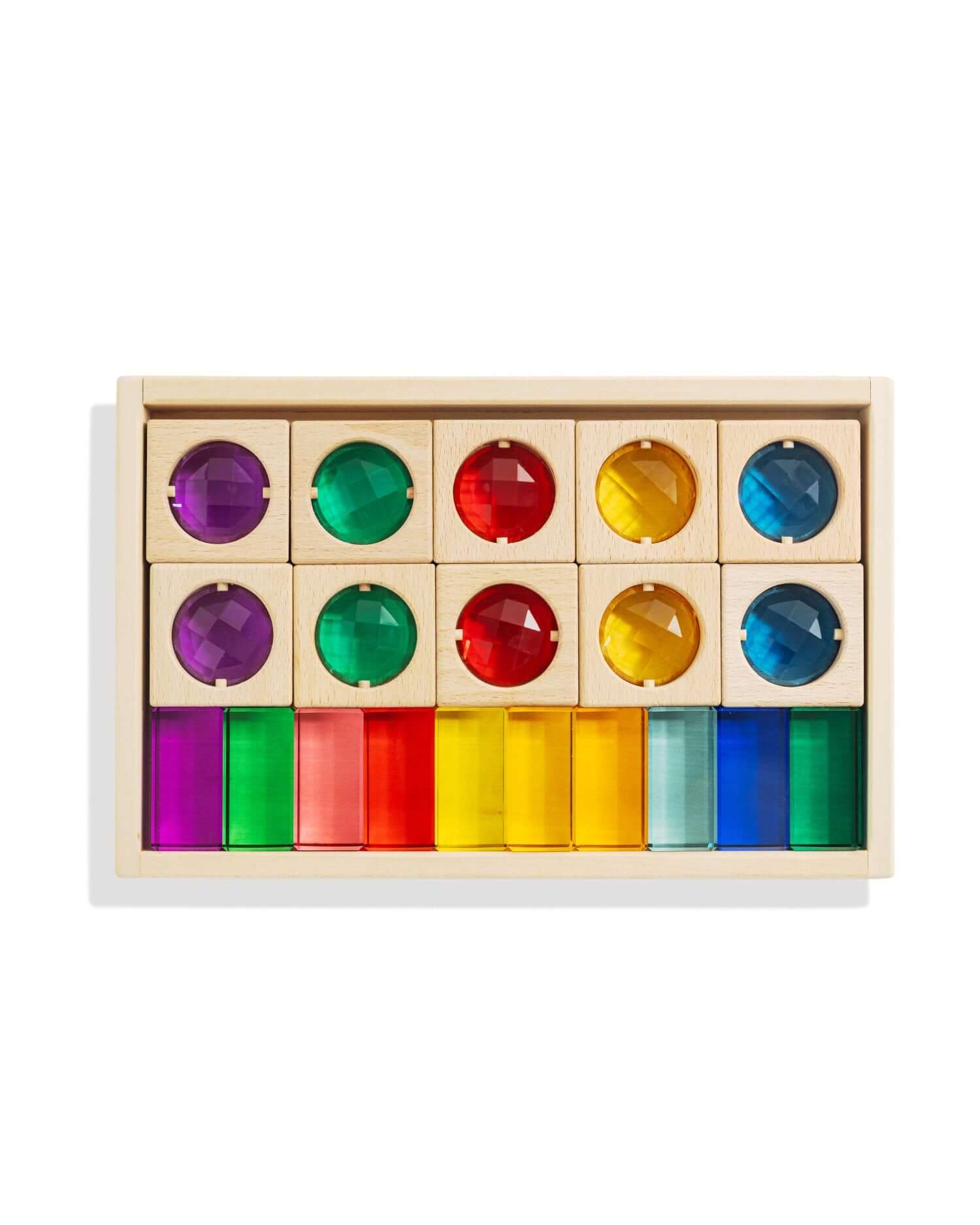
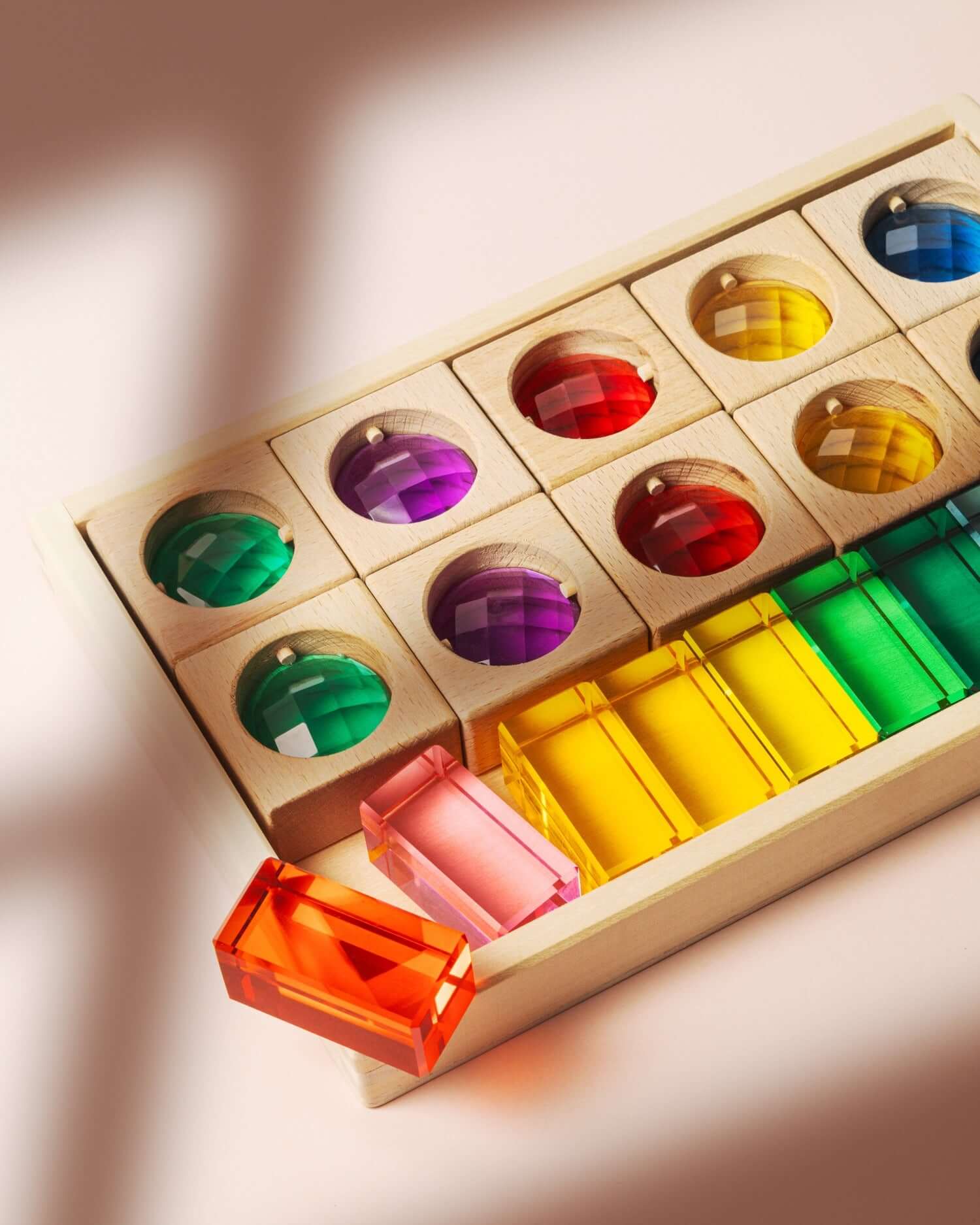
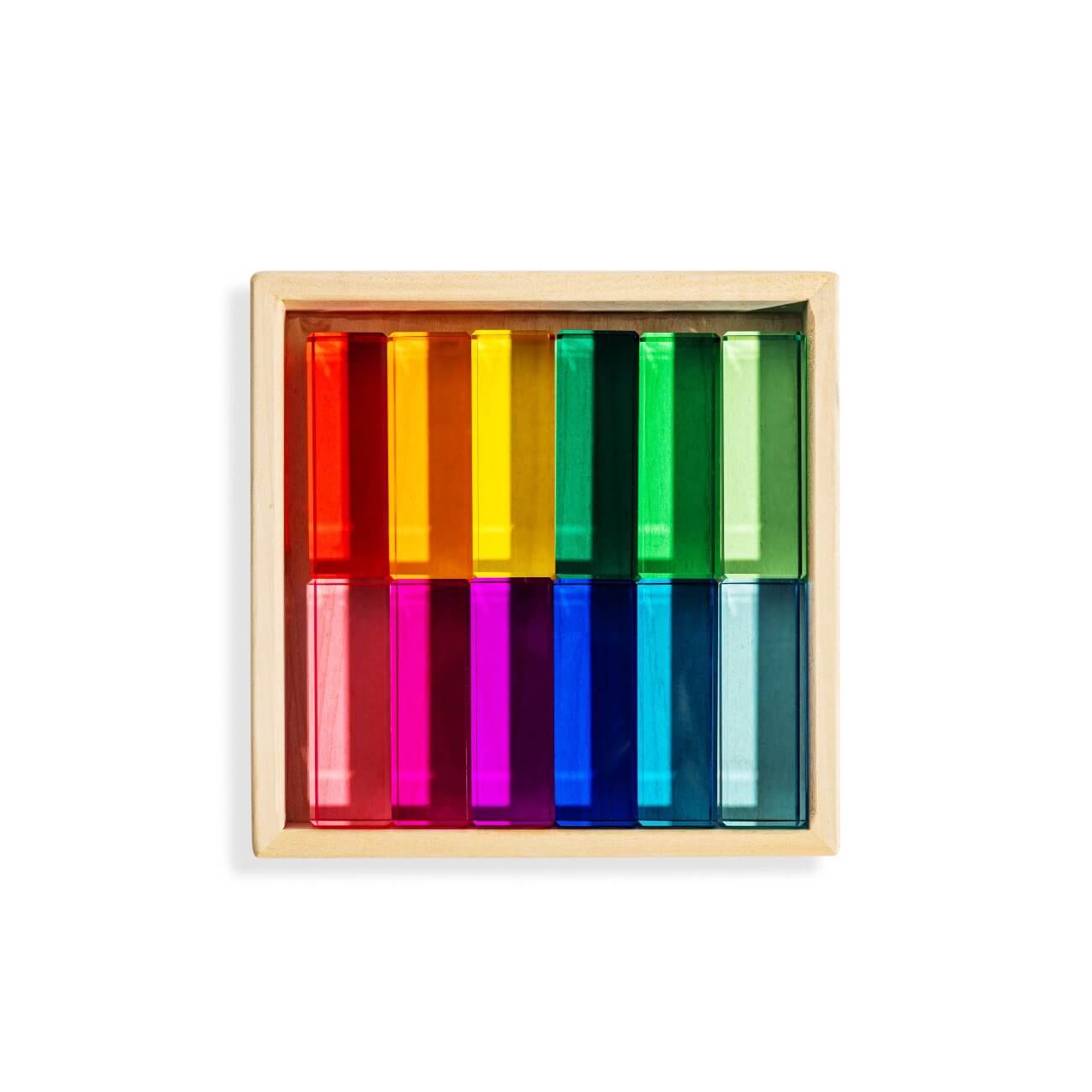
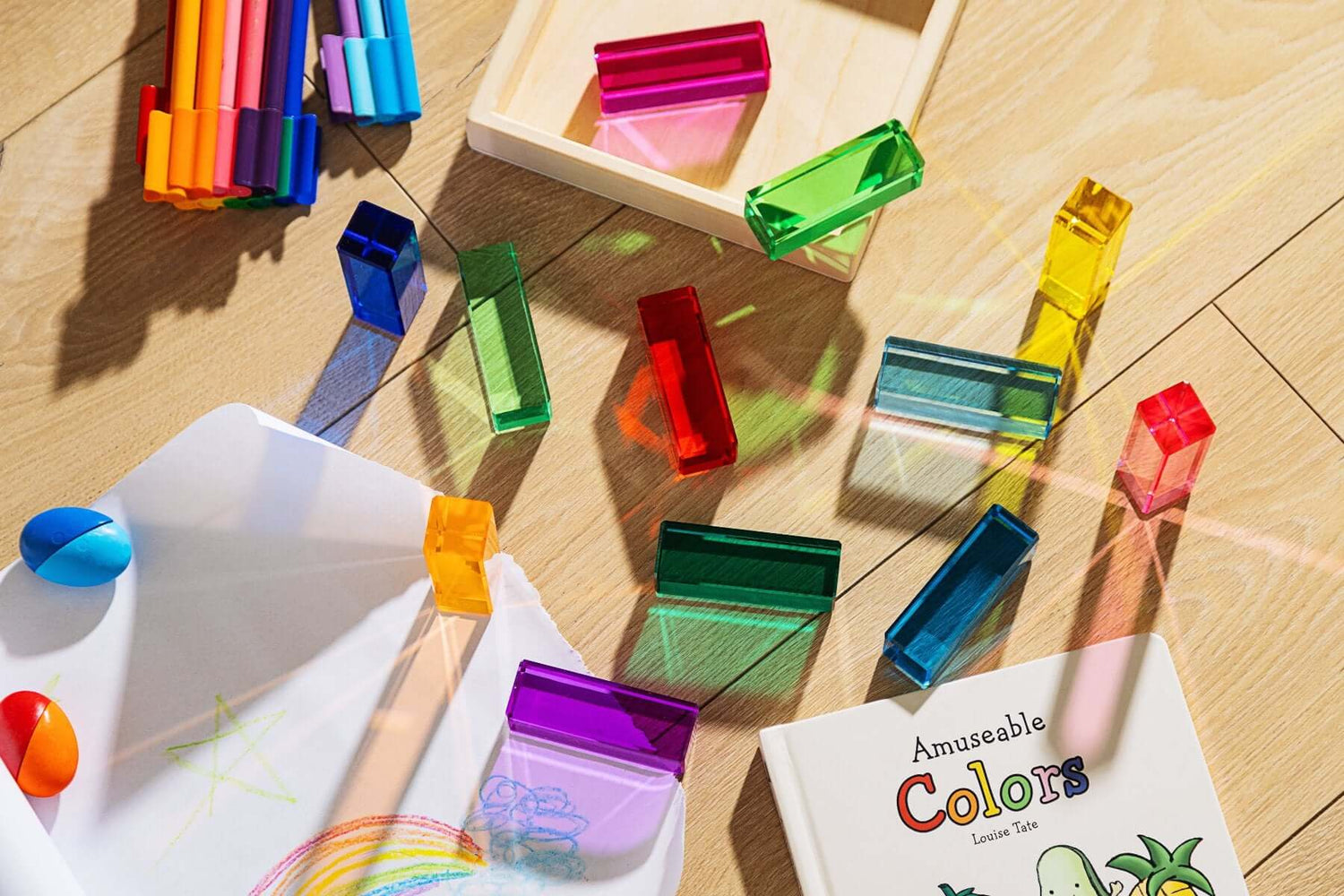
These are the toys children return to again and again. Large, easy-to-manipulate pieces like our Winnie Blocks encourage independence while supporting coordination and confidence.
Thoughtfully Designed Play
At Maison Rue Kid, our toys are inspired by Montessori principles while remaining flexible, open-ended, and beautiful.
Each piece is designed to:
Support independent play
Encourage creativity and confidence
Adapt as children grow
Integrate seamlessly into your home
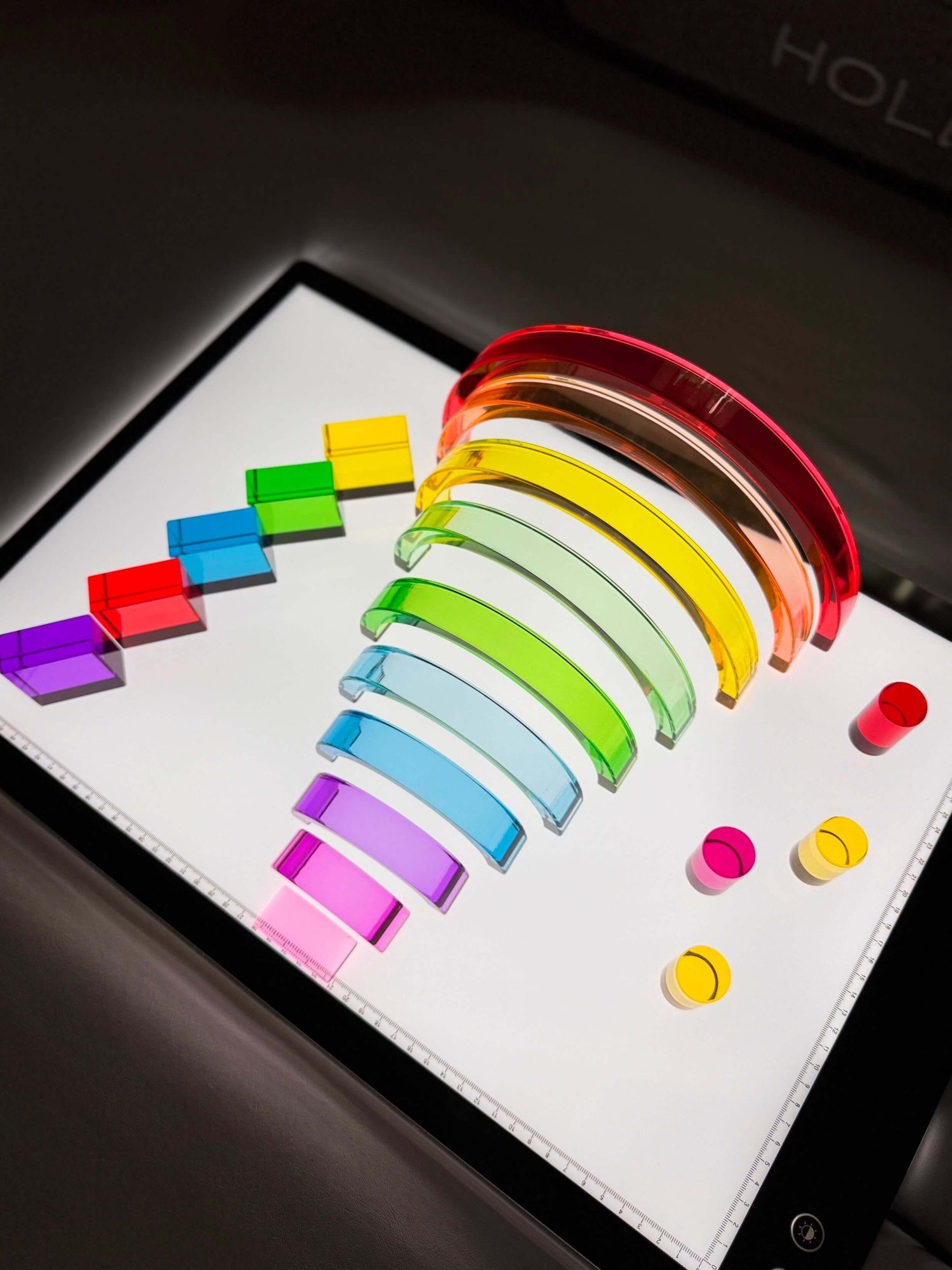
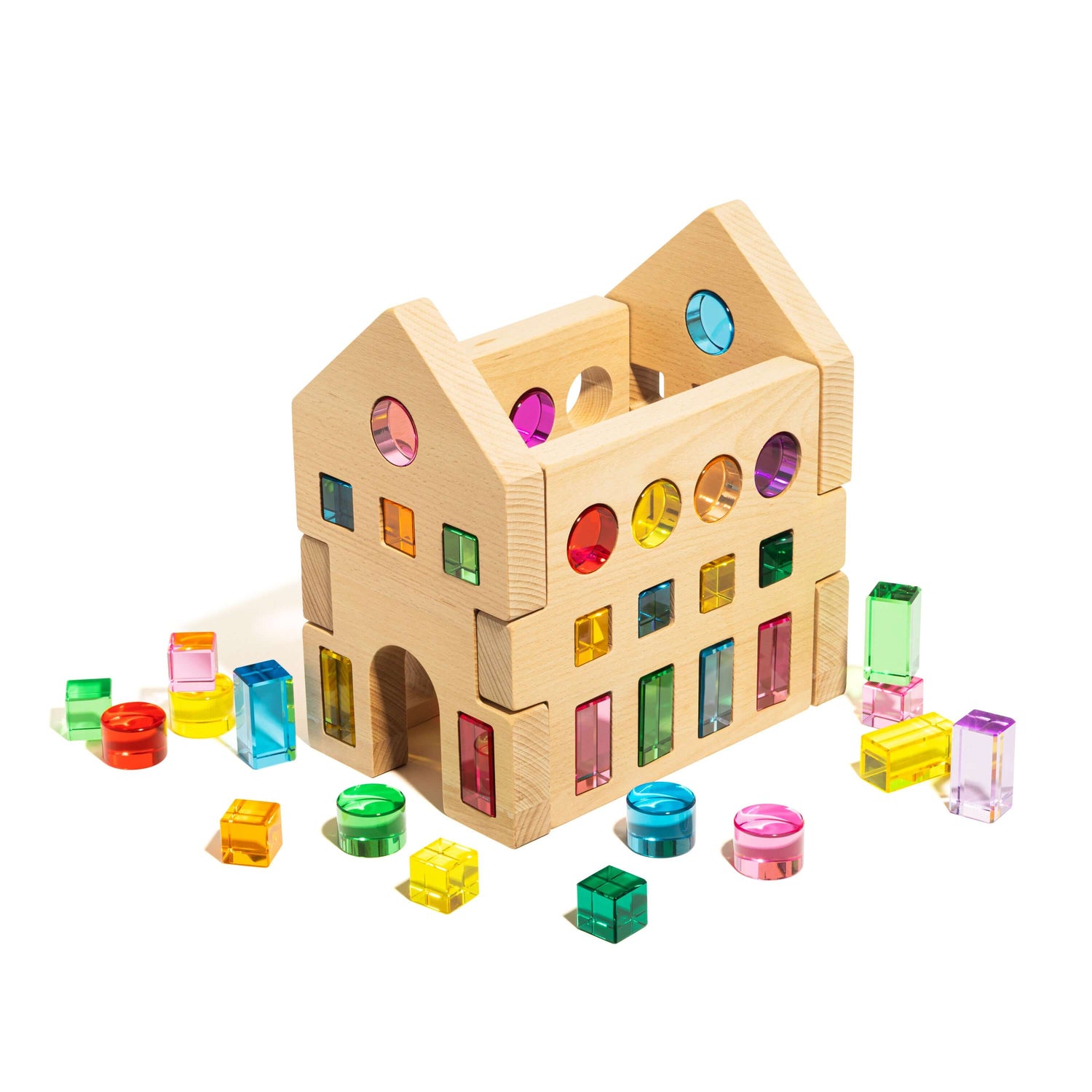
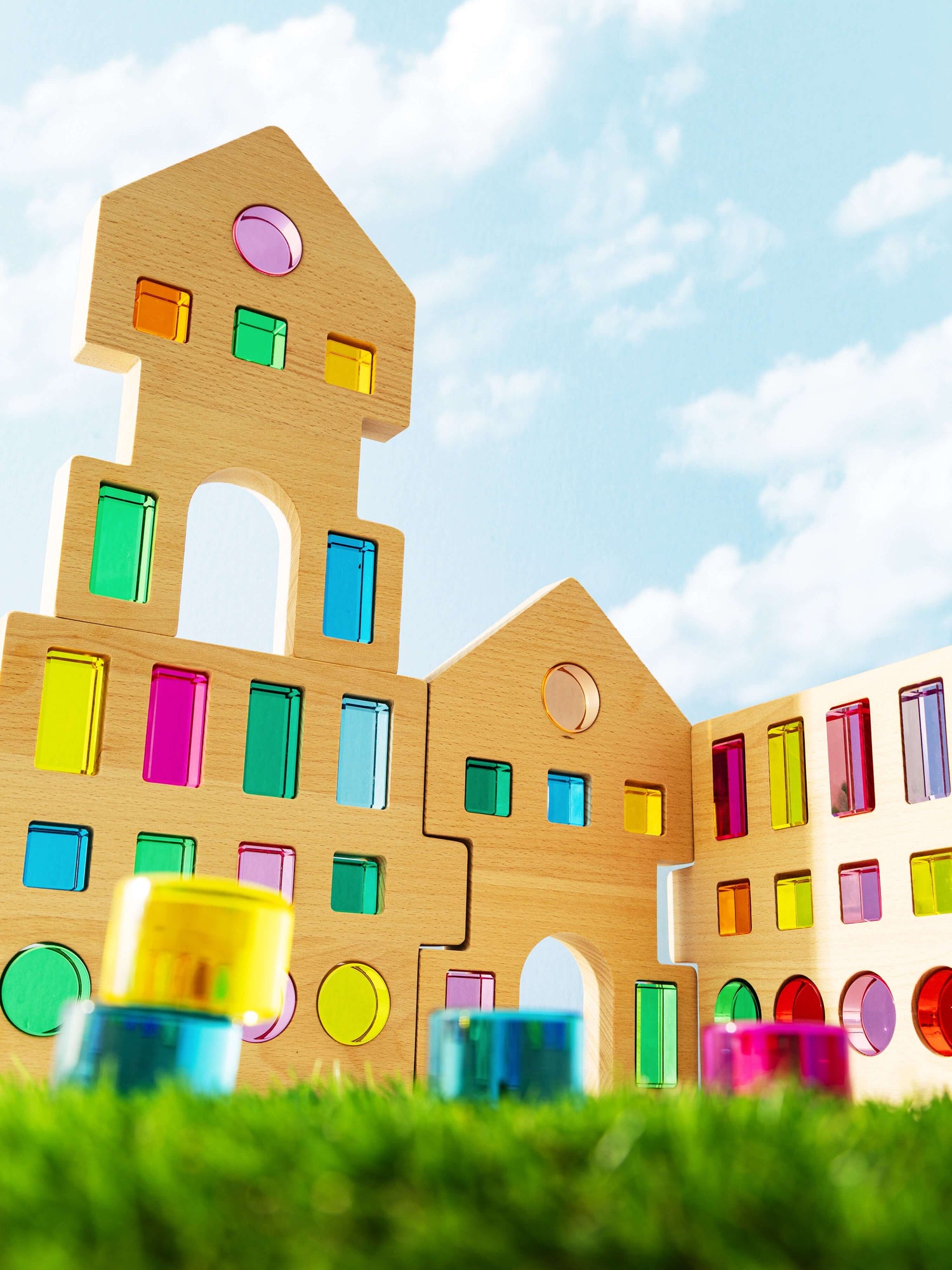
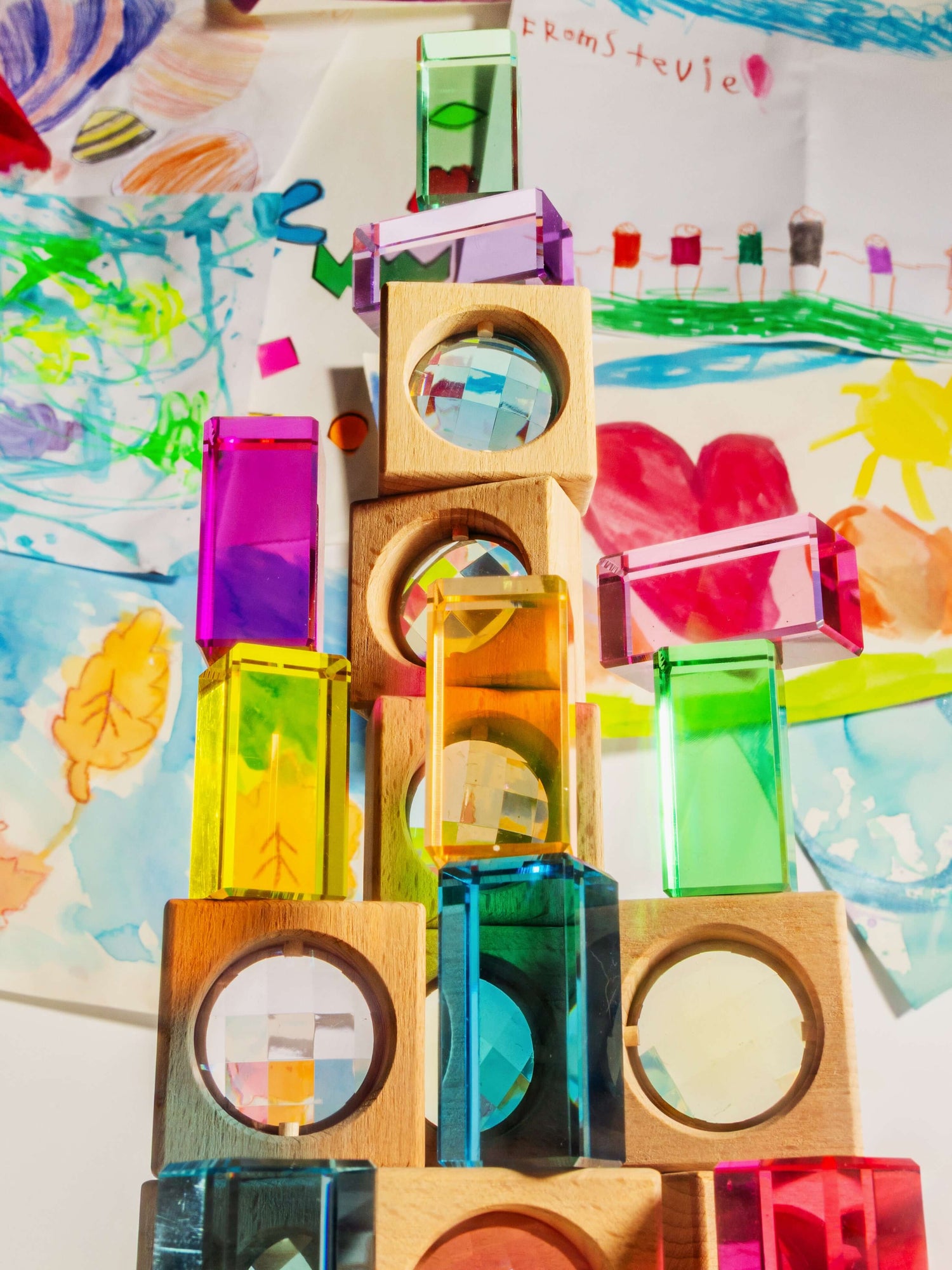
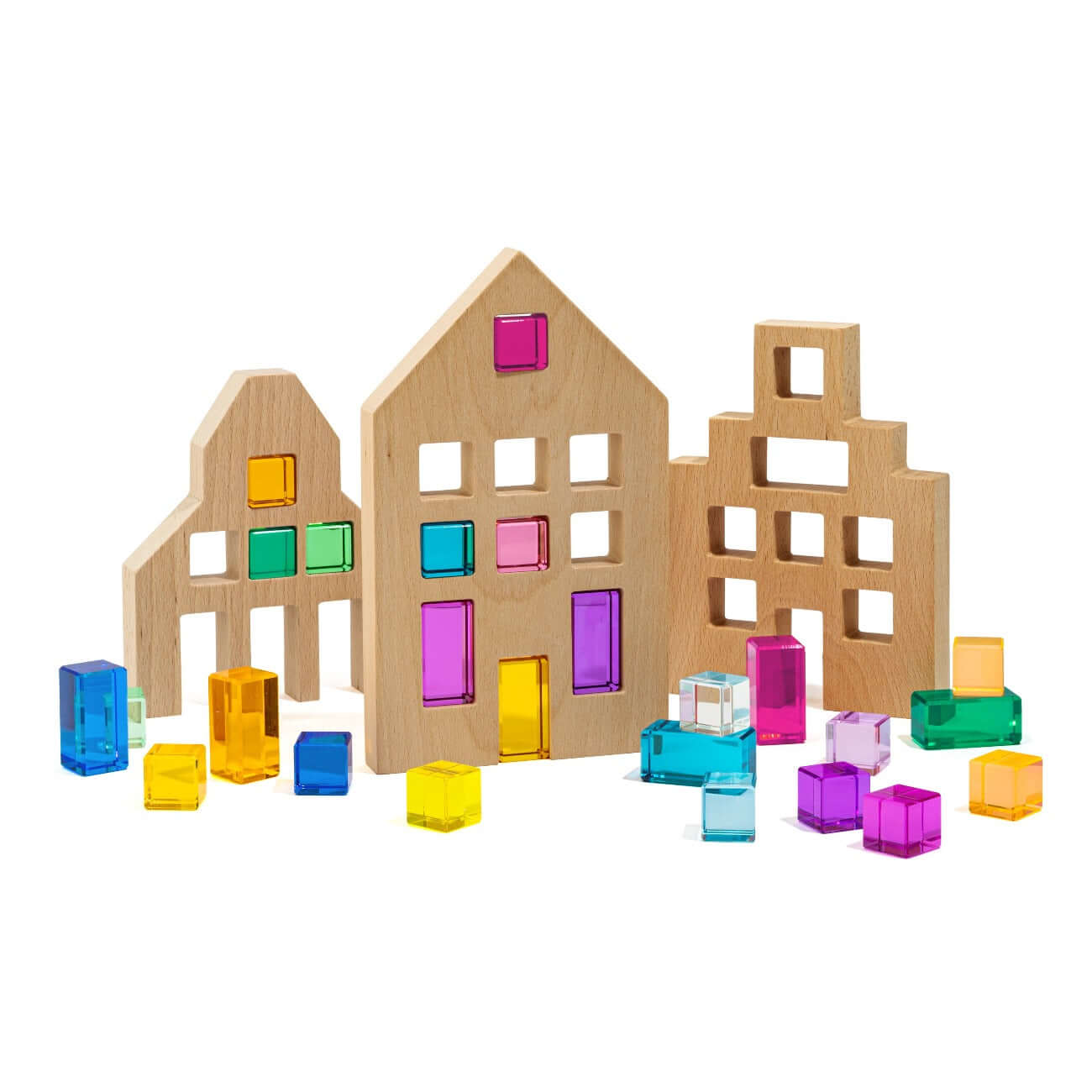
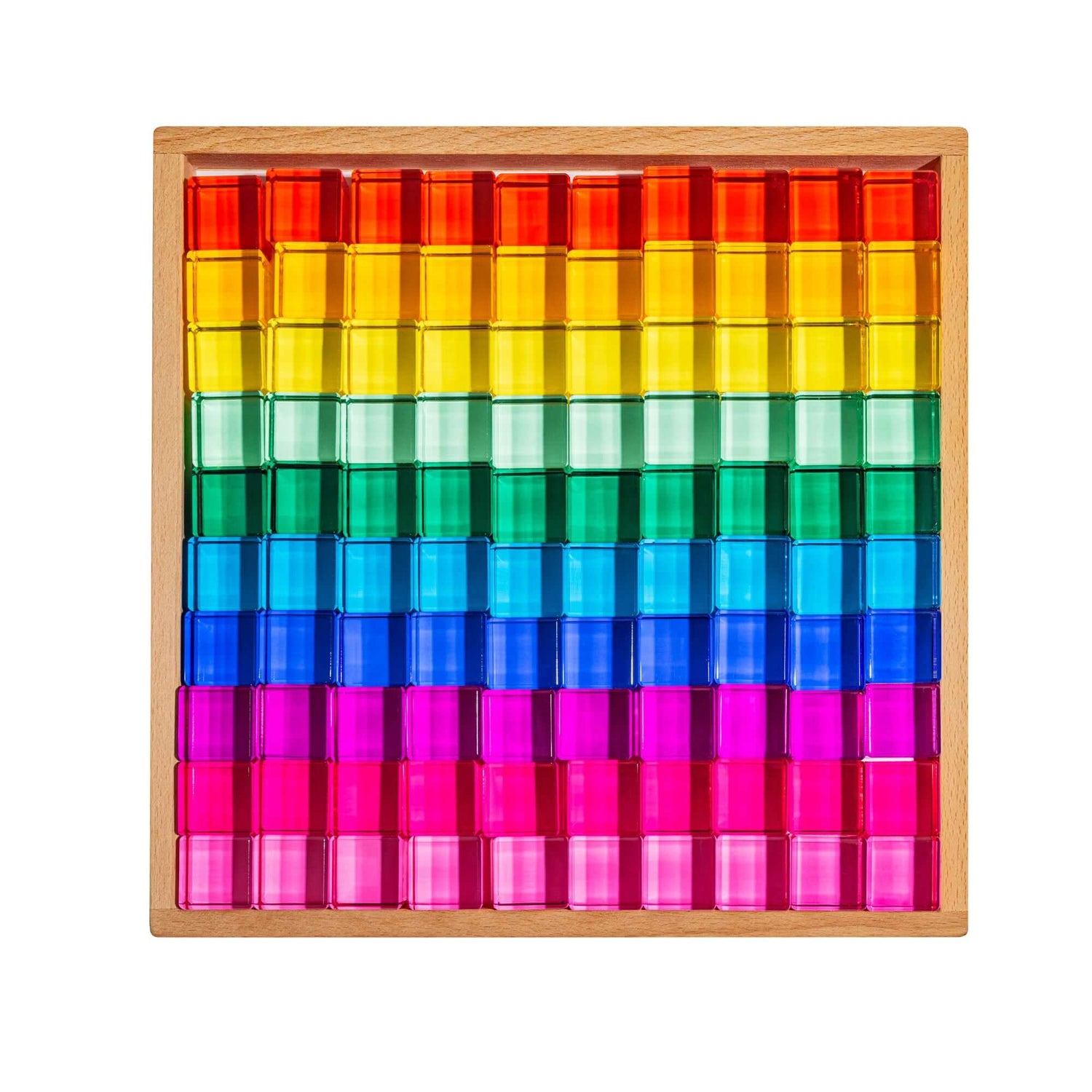
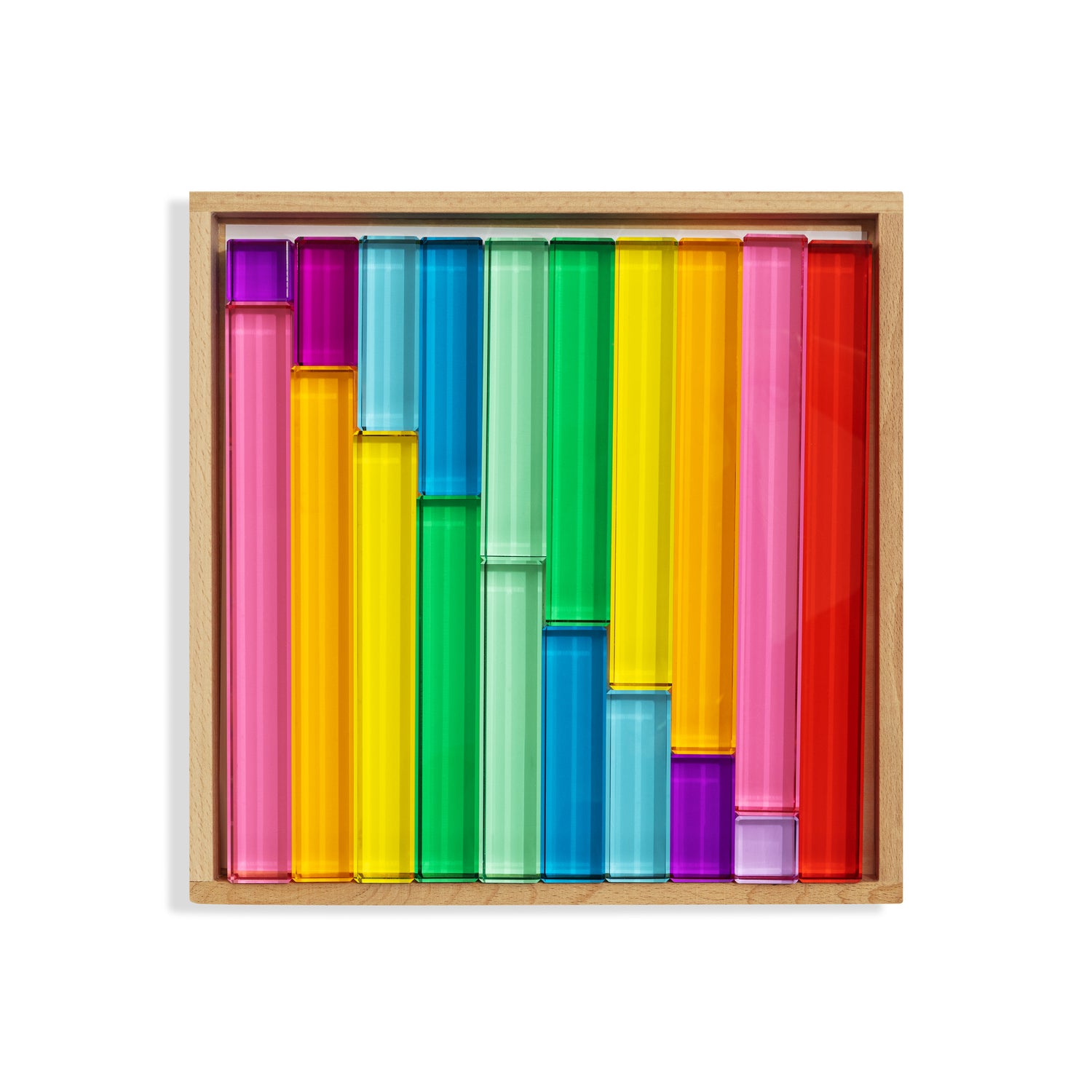
Because learning happens best when children feel free to explore. Open-ended building sets such as our Millie Blocks allow children to explore balance, structure, and creativity without instructions.
Frequently Asked Questions
Are Montessori-inspired toys only for toddlers?
No. Montessori-inspired toys can support children from babyhood through early childhood and beyond.
Do Montessori toys have to be wooden?
Not necessarily. What matters most is simplicity, quality, and how the toy supports hands-on exploration.
Can open-ended toys be Montessori-inspired?
Yes. Open-ended toys naturally align with Montessori principles because they encourage independence and creativity.
Final Thoughts
Montessori-inspired toys aren’t about doing things perfectly—they’re about trusting children to lead their own learning.
With simple, open-ended materials and space to explore, children develop confidence, focus, and a lifelong love of learning.




0 comments