


Parents Guide to Play | Play & Parenting Journal

How Open-Ended Toys Support STEM Learning Through Play
STEM learning through play begins when children build, experiment, and explore the world around them. Discover how open-ended toys naturally support early science, engineering, and math skills.
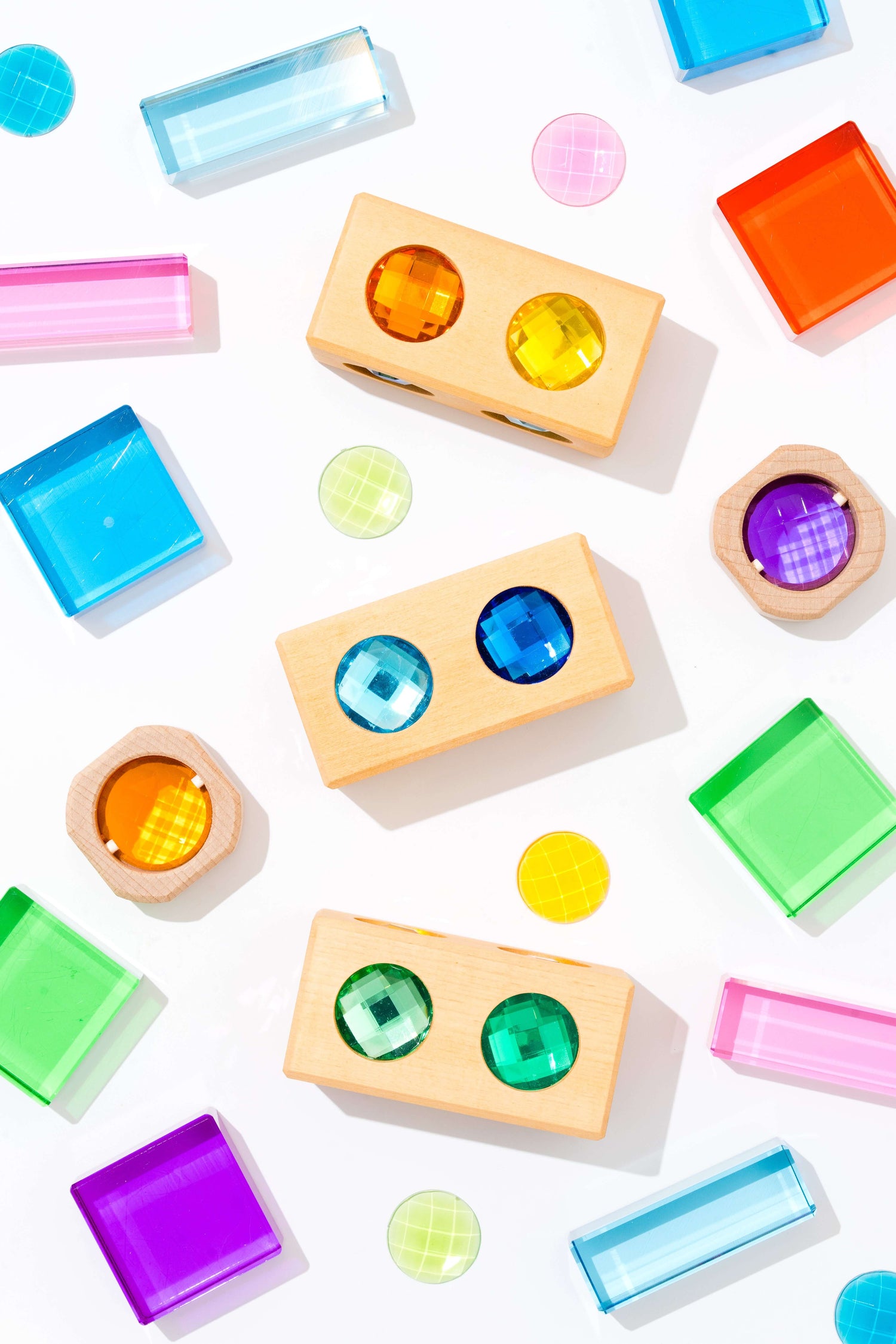
Benefits of Open-Ended Play for Child Development
In this guide, we explore the benefits of open-ended play and how these experiences support creativity, confidence, and early learning in children. Open-ended play allows children to explore creativity, problem-solving, and independent thinking through simple toys and imaginative play.

Creating a Screen-Free Rhythm at Home (Without Power Struggles)
Create a calm, screen-free parenting rhythm at home by building predictable routines and encouraging meaningful open-ended play.
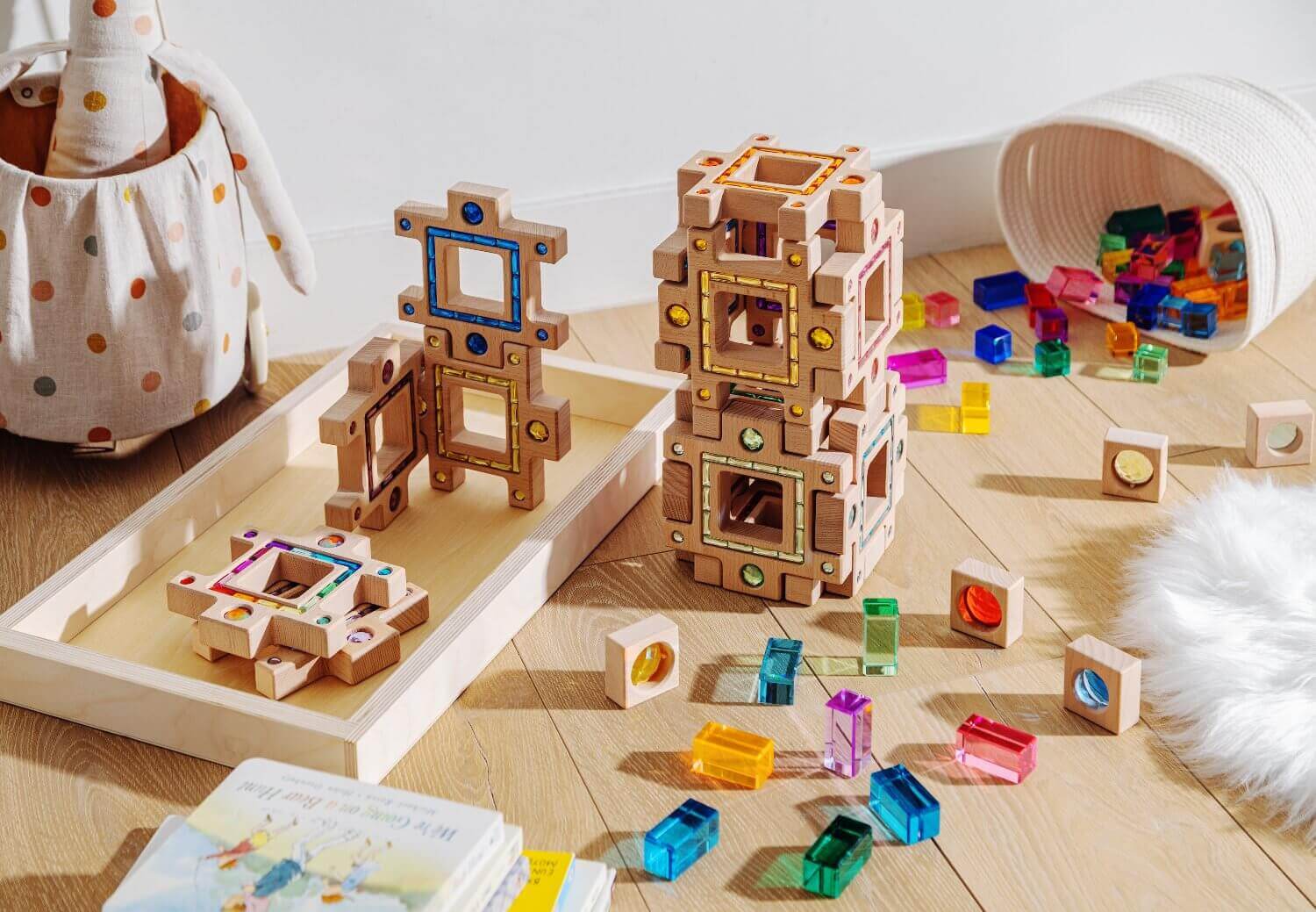
Why Boredom Is Good for Children (And What to Do Instead of Fixing It)
Boredom is good for kids and isn’t something to fix — it’s the starting point for creativity, independence, and meaningful open-ended play.
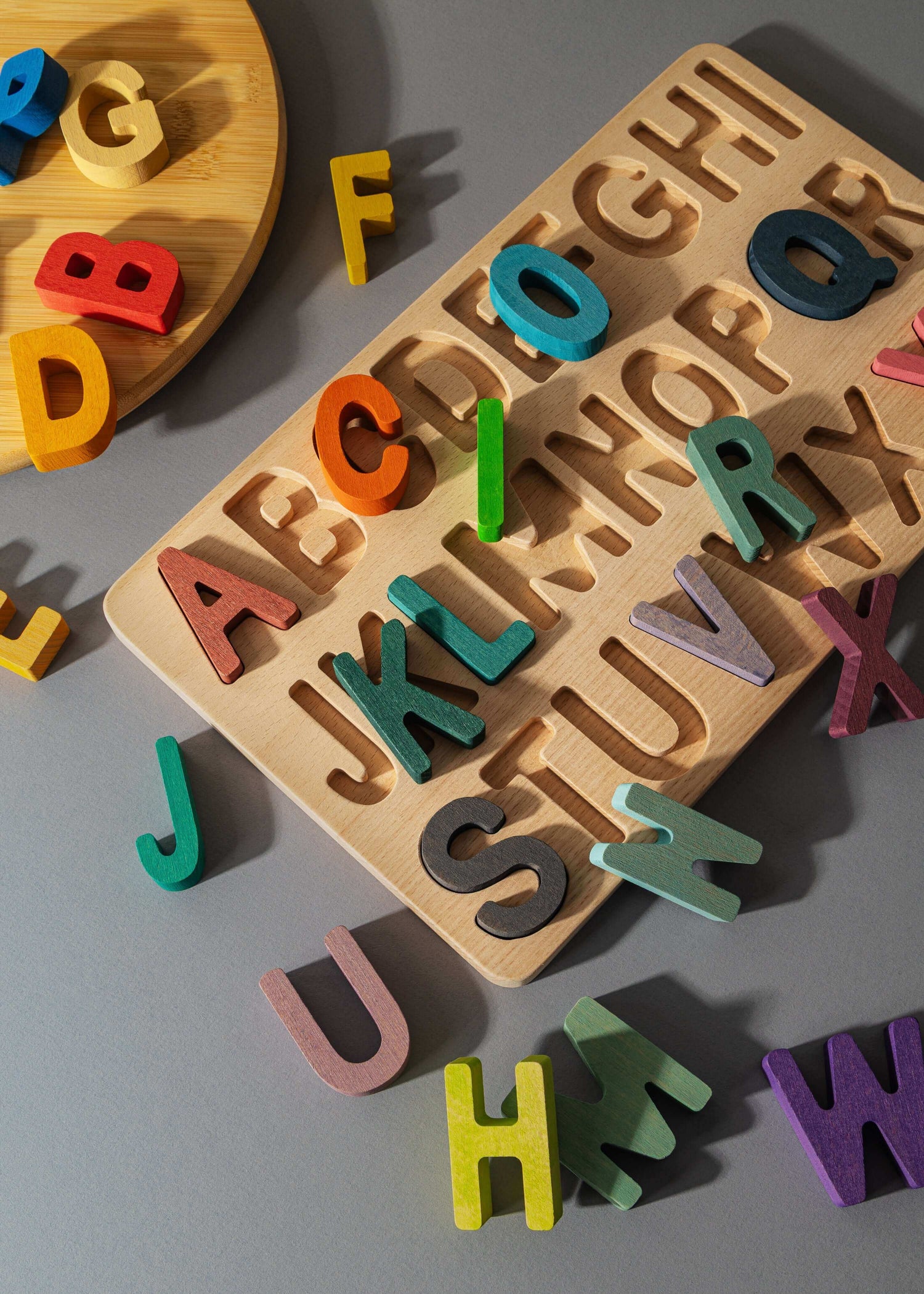
Early Literacy Through Play: How Language & Phonics Grow Naturally
Early literacy through play helps children build language, storytelling, and communication skills long before they begin reading. Discover how everyday play experiences support early literacy development.

How Open-Ended Play Builds Early Math Skills Through Play
Early math skills through play develop naturally when children build, sort, compare, and experiment with everyday materials. Discover how open-ended play supports early mathematical thinking.
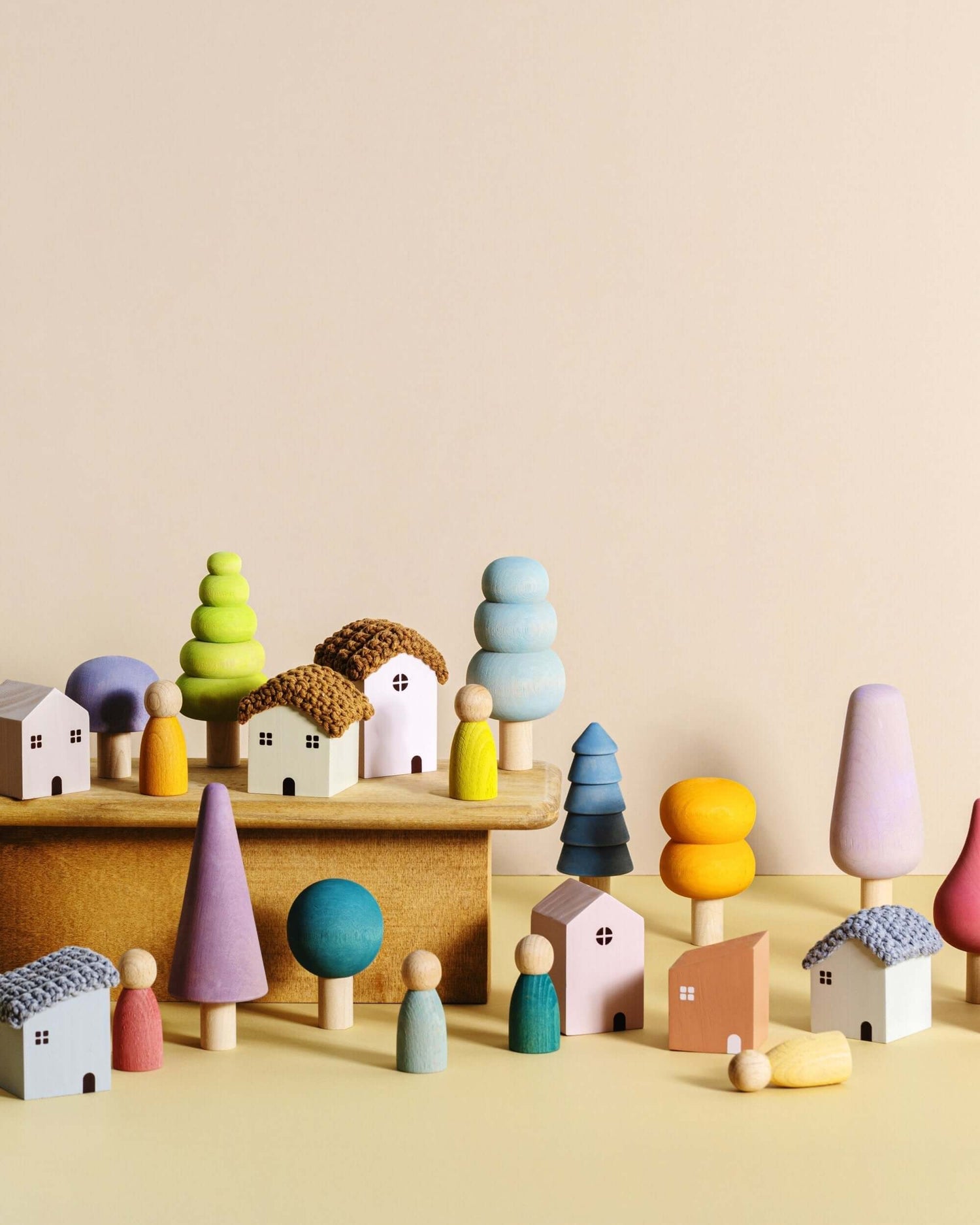
The Benefits of Small World Play: Why Imaginative Play Matters
Small world play allows children to create miniature worlds that inspire storytelling, creativity, and social learning. Discover how this form of imaginative play supports child development.

Sensory Play: Why Children Need Hands-On Experiences to Learn
Sensory play helps children learn through hands-on exploration, curiosity, and discovery. In this guide, we explore why sensory play is essential for development and how simple activities can support learning through play.

Why Pretend Play Is One of the Most Important Parts of Childhood
Pretend play allows children to explore imagination, build social skills, and practice storytelling. Discover why pretend play is one of the most important parts of healthy childhood development.
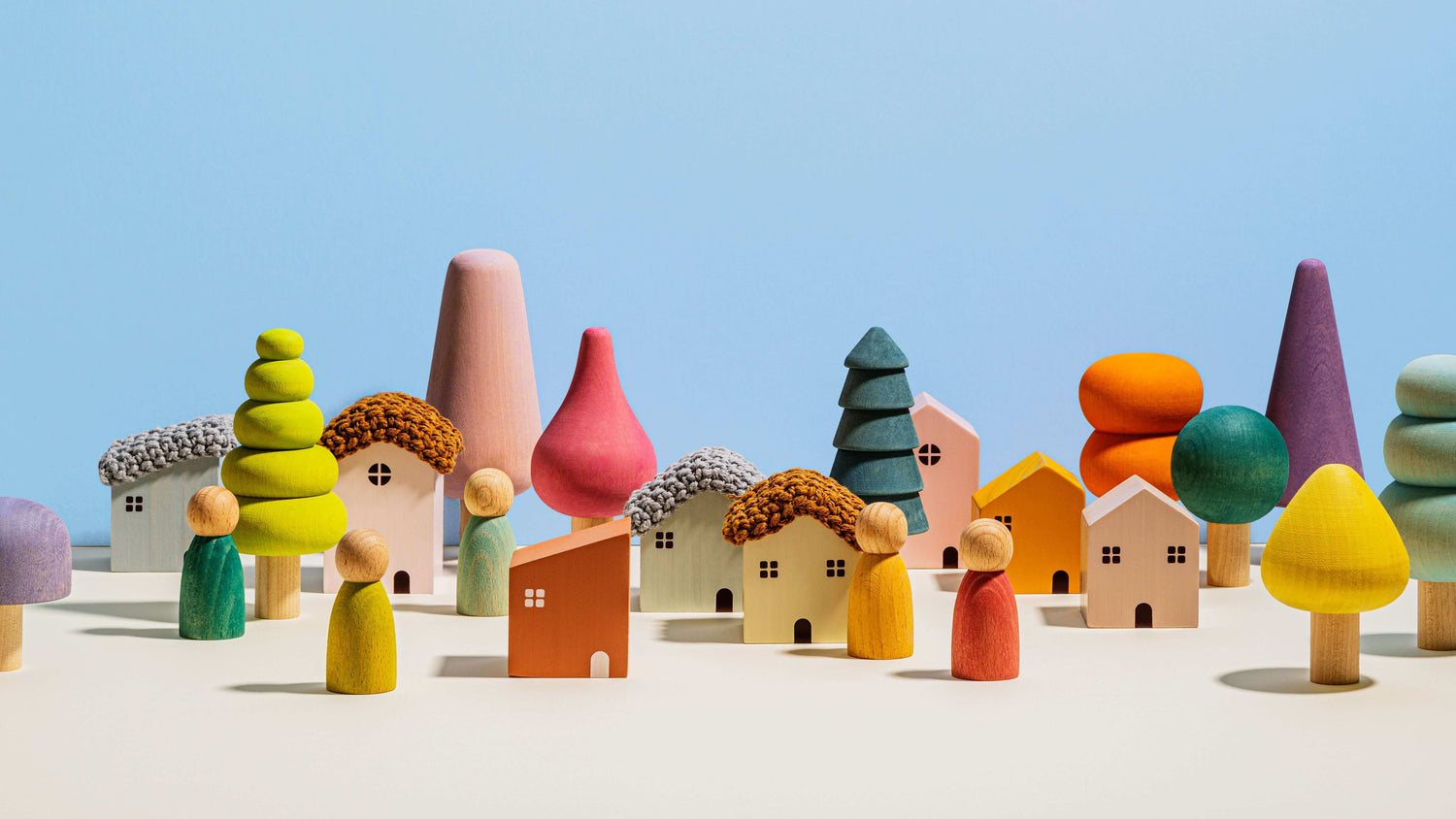
Open-Ended Toys by Age: A Guide From Babyhood to Early Childhood
Choosing open-ended toys by age can help support creativity, independence, and development. This simple guide explains how open-ended toys grow with children from infancy through early childhood.

Montessori-Inspired Toys: What Parents Should Actually Look For
Montessori-inspired toys focus on simplicity, independence, and hands-on learning. Learn what truly matters—and how open-ended toys align naturally.
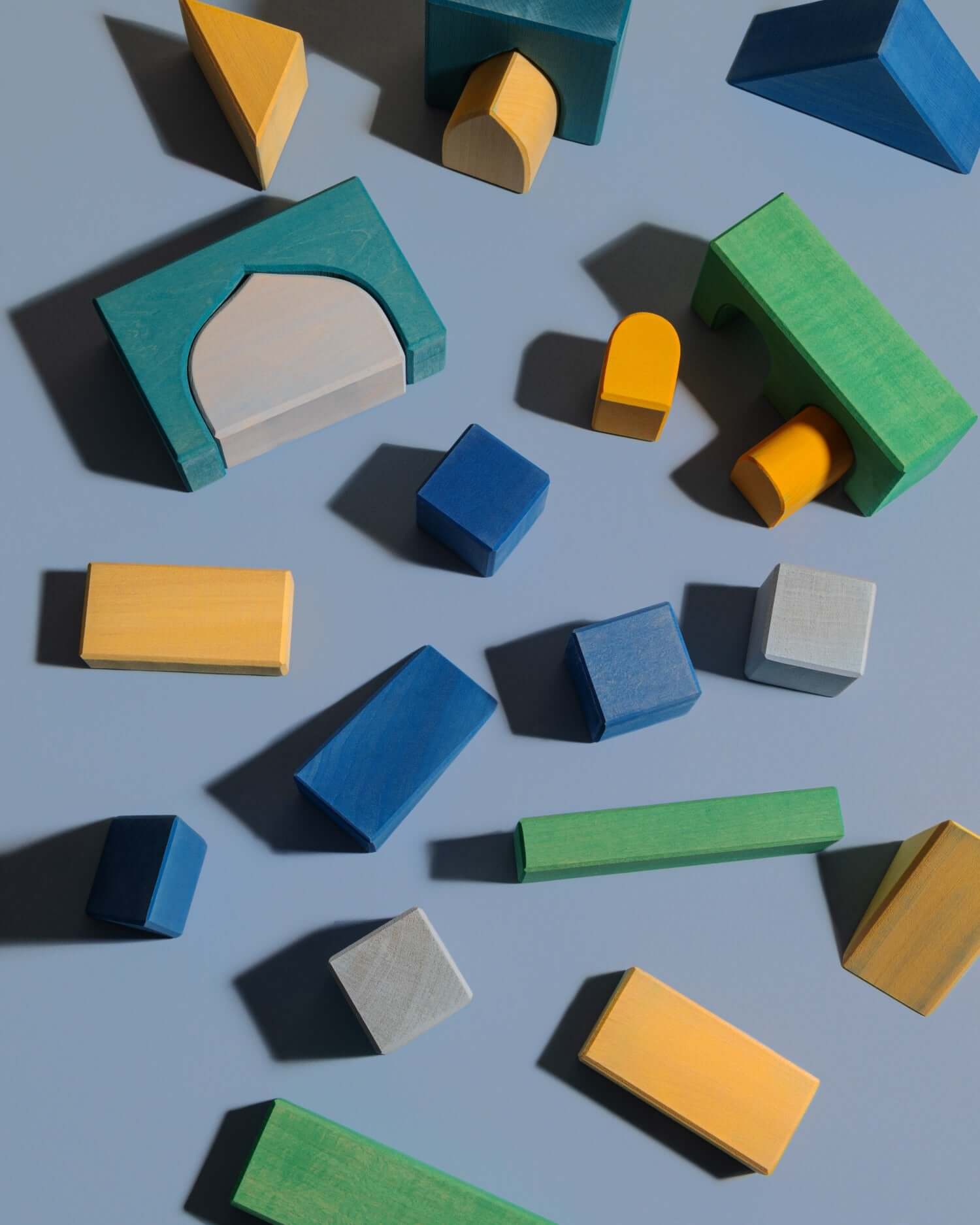
Why Fewer Toys Create Deeper Play
Research shows that fewer toys create deeper play, stronger focus, and greater creativity. Discover why a simpler play environment can support richer learning and imagination.