

Why Pretend Play Is One of the Most Important Parts of Childhood Development
Pretend play is one of the most powerful ways children explore their imagination and make sense of the world around them. When children pretend to cook in a play kitchen, run a pretend shop, or build an imaginary city, they are doing much more than simply entertaining themselves—they are practicing important developmental skills.
Research shows that pretend play supports creativity, emotional understanding, language development, and social interaction. Through imaginative play, children experiment with roles, express emotions, and learn how to cooperate with others while developing cognitive flexibility and problem-solving skills.
These playful experiences allow children to explore ideas and practice real-world situations in a safe and creative way.
What Is Pretend Play?
Pretend play happens when a child uses imagination to represent something that is not literally present.
Examples include:
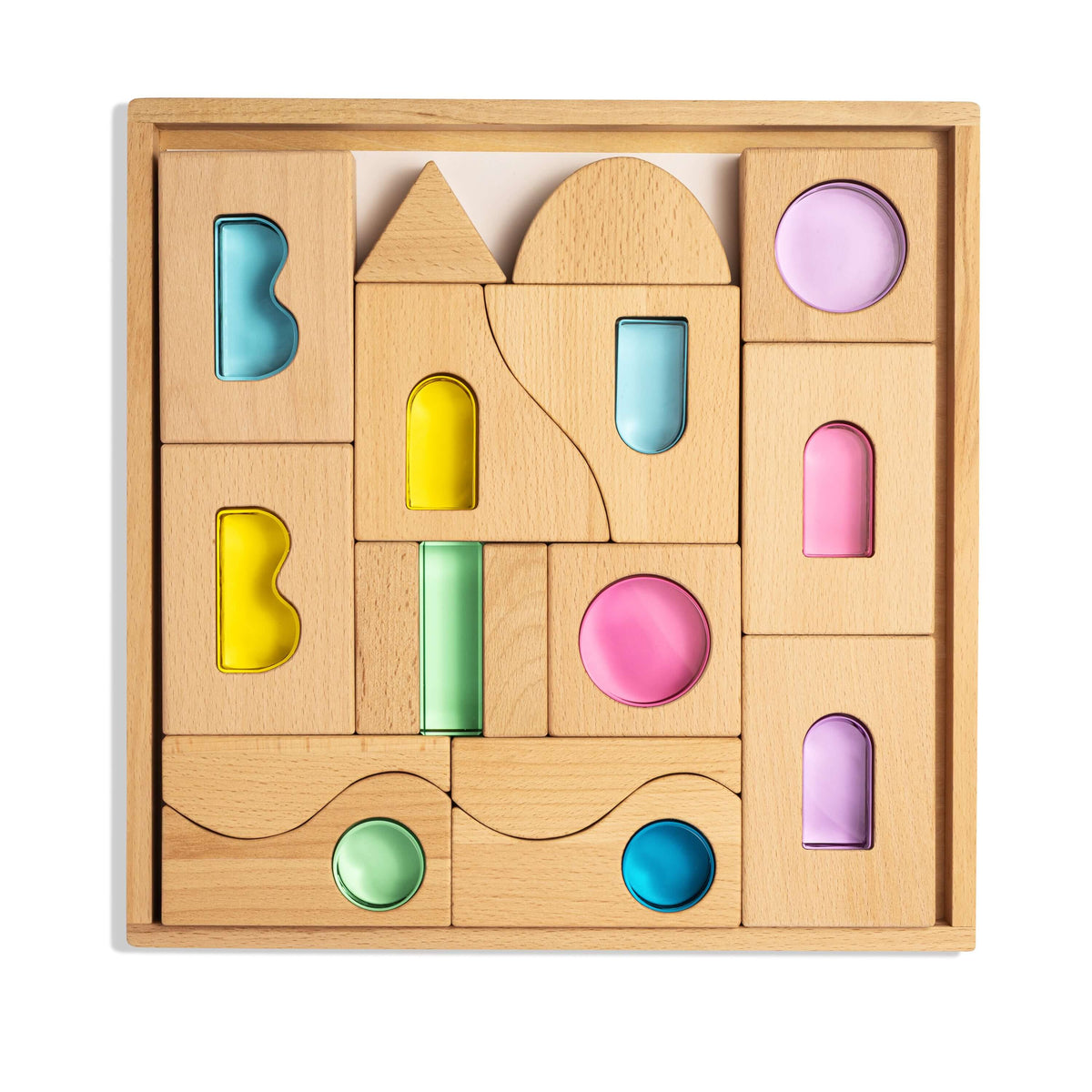
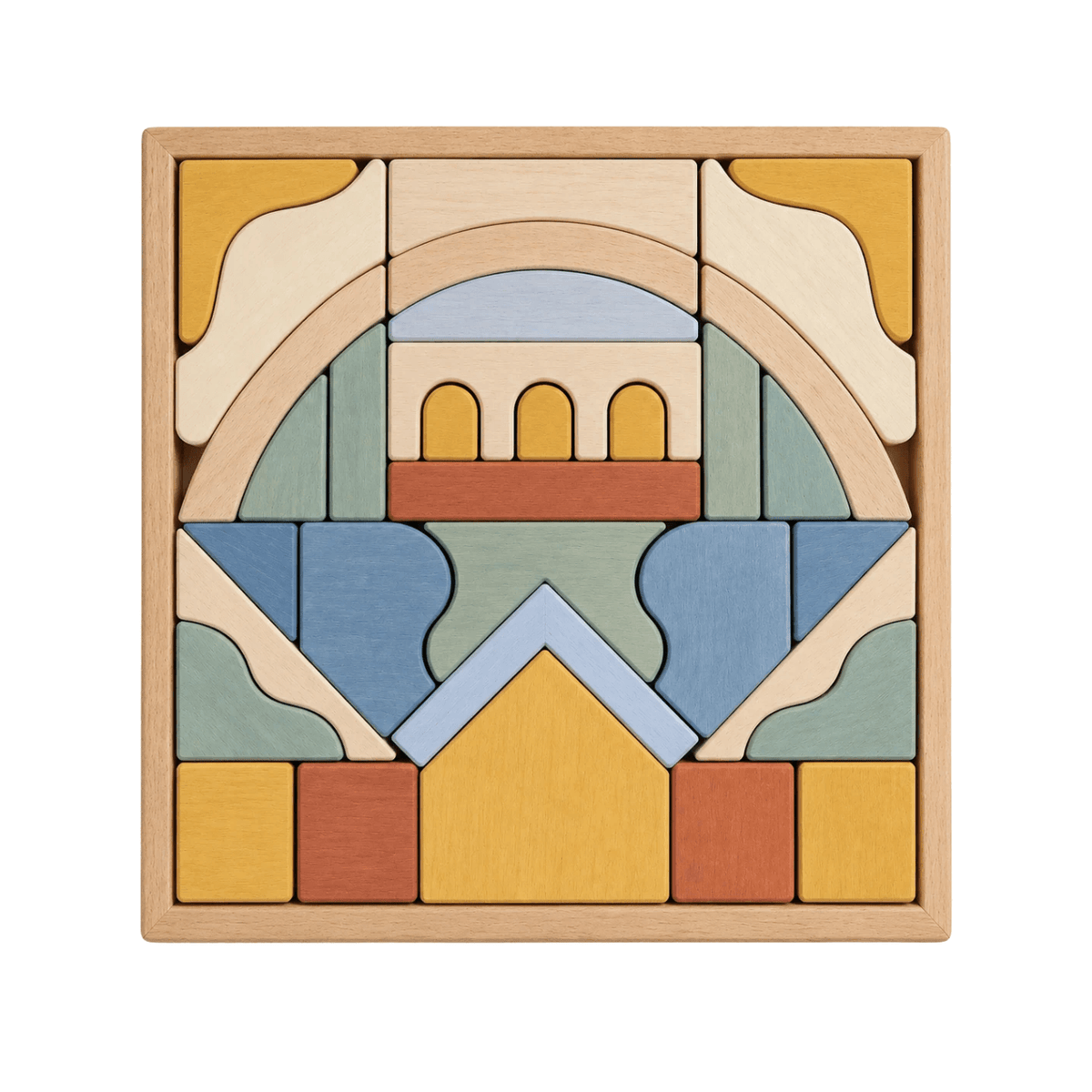
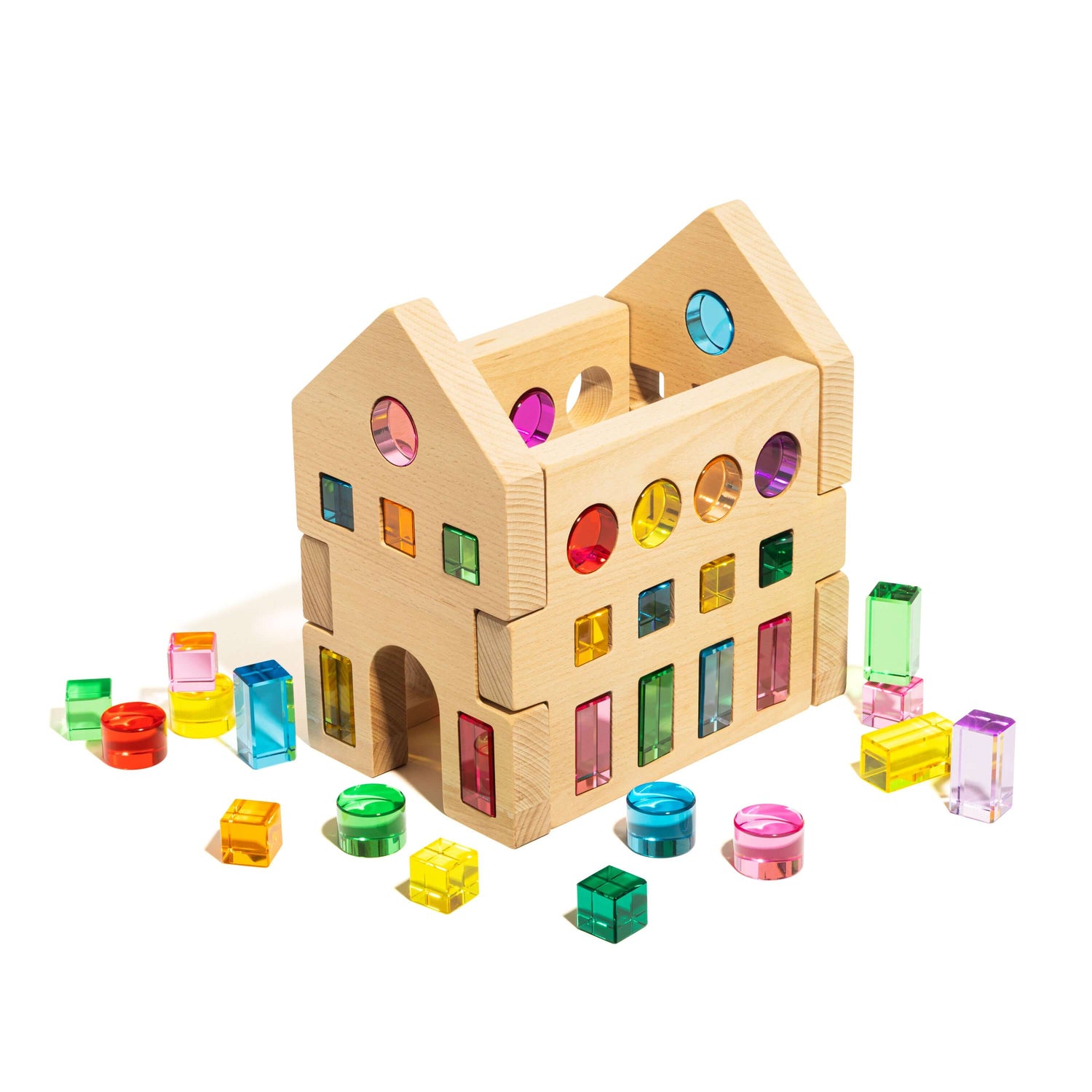
a block becoming a house
a figure becoming a parent or teacher
a toy animal becoming part of a story
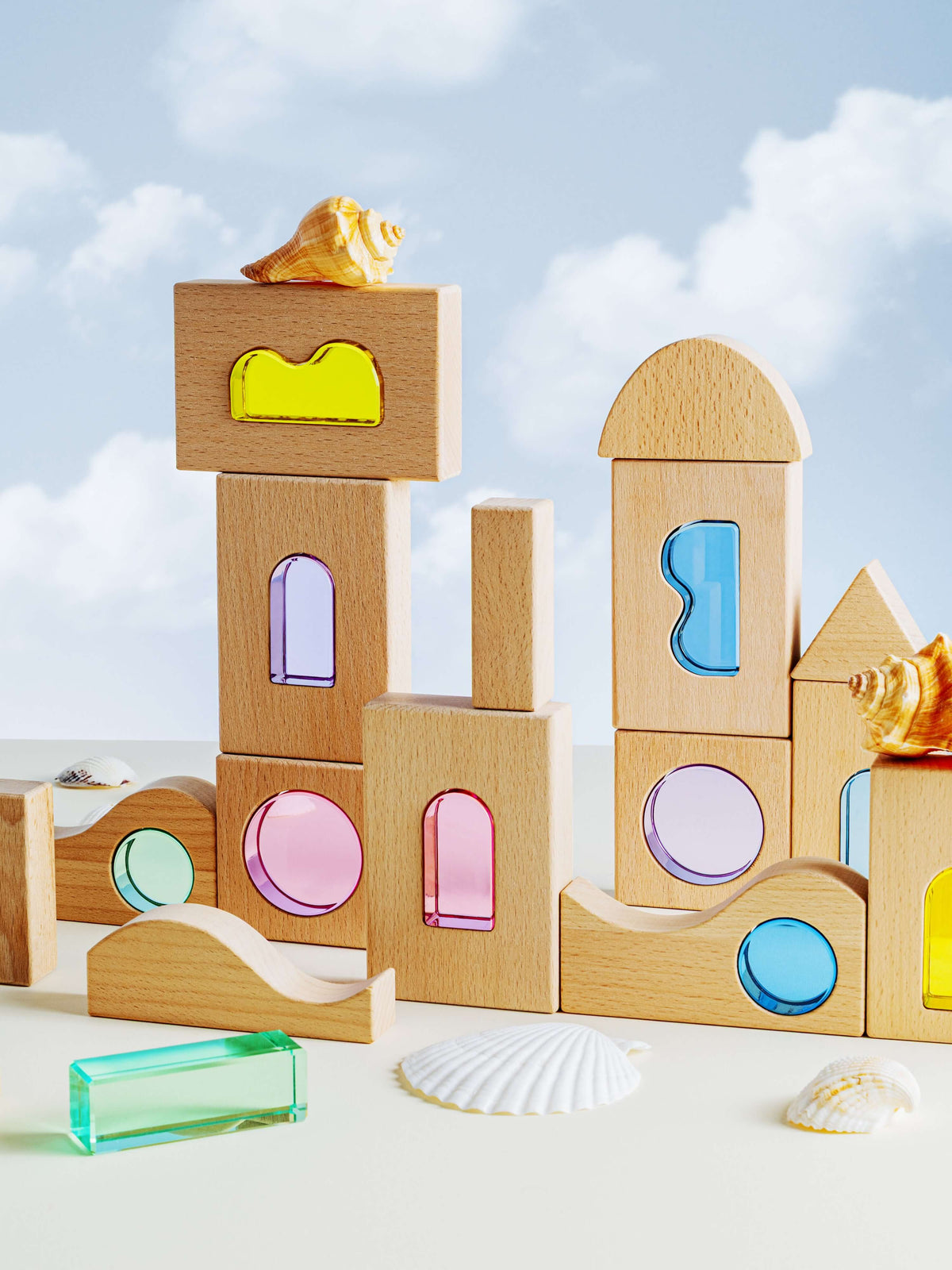
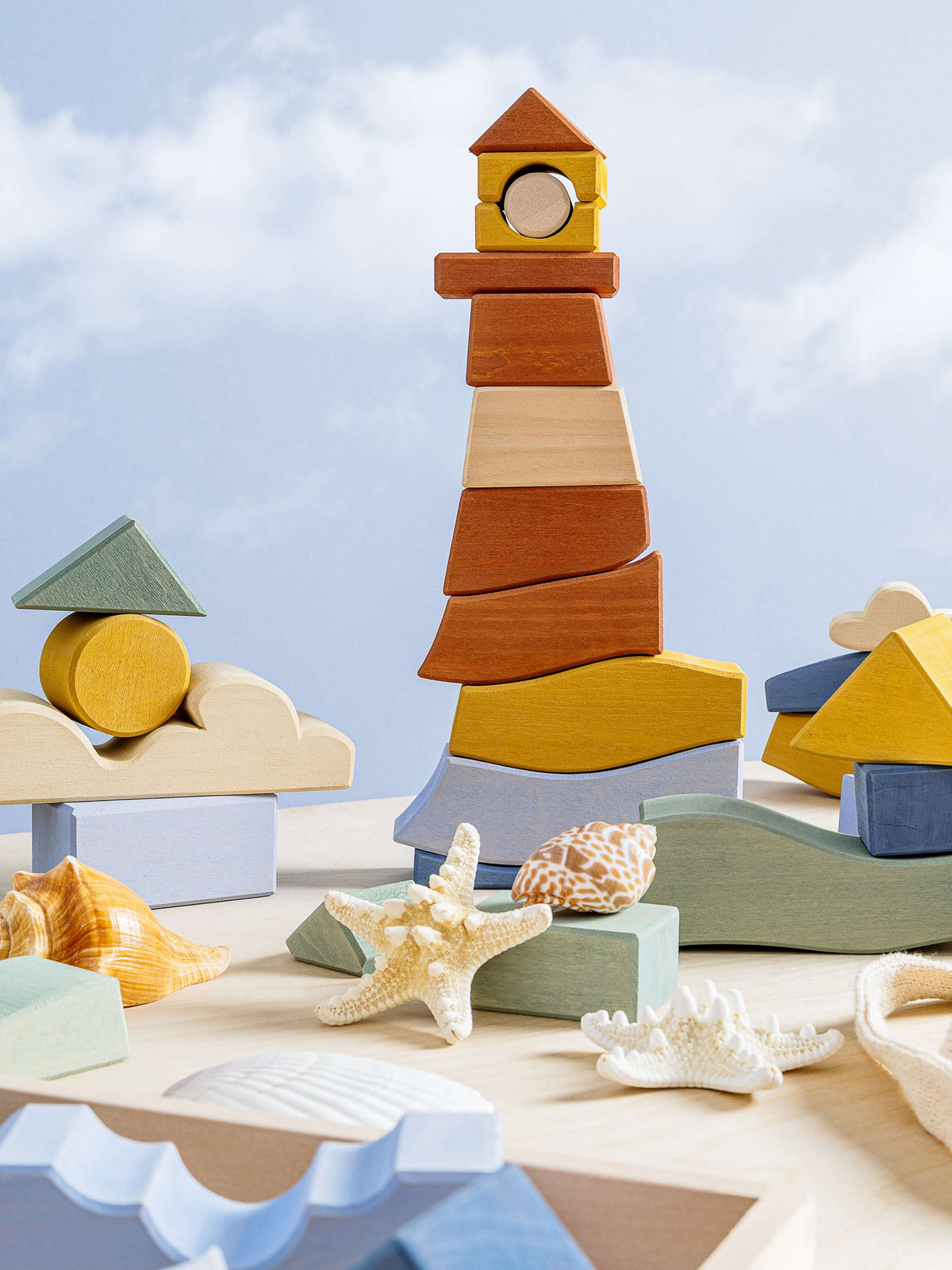
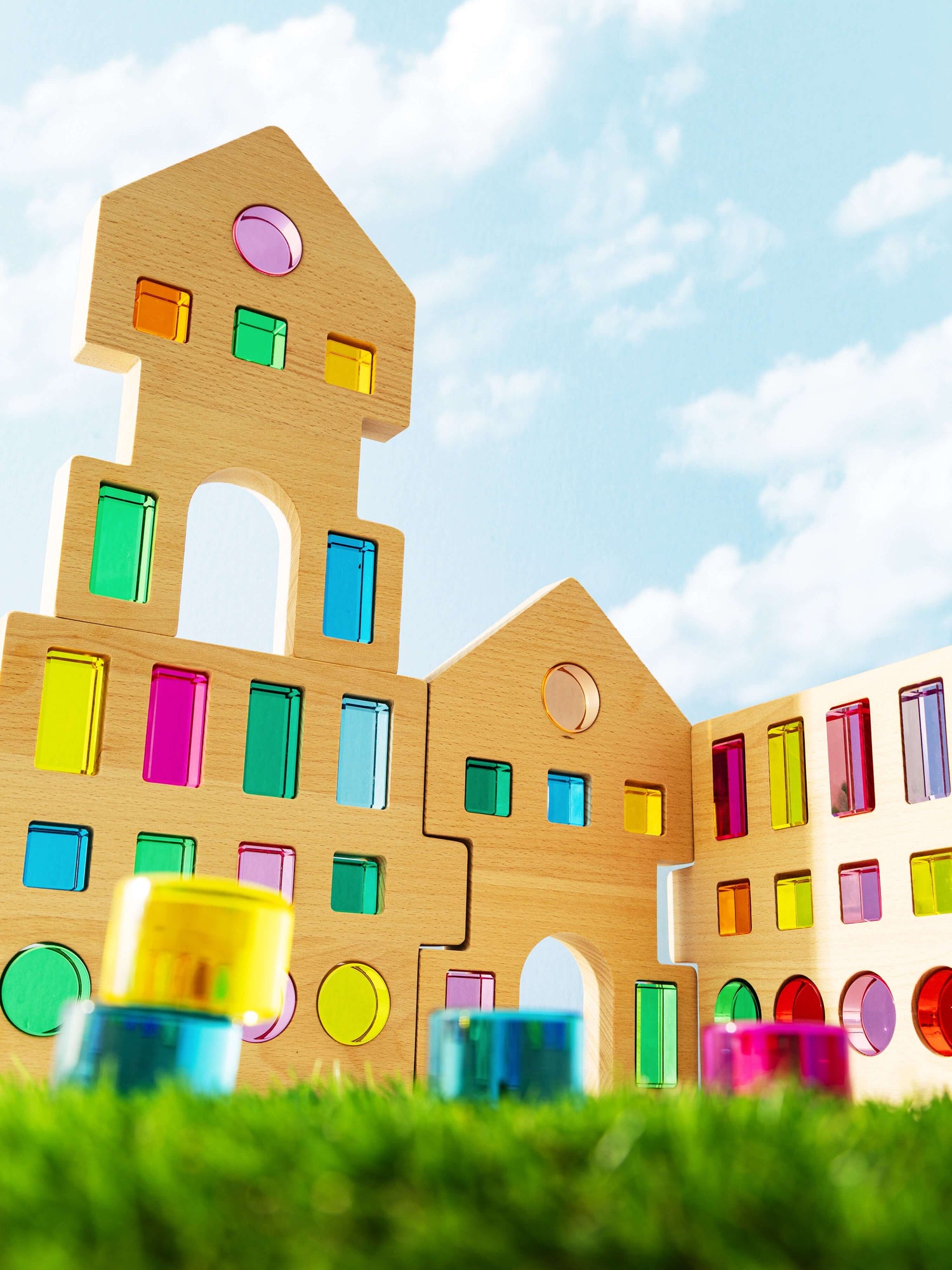
a stack of objects becoming a city
This is sometimes called symbolic play, and it usually begins around 18–24 months and expands rapidly through the preschool years. As children grow, their pretend play becomes more complex and their interests change, which is why choosing toys by age can help parents offer the right level of challenge and independence.
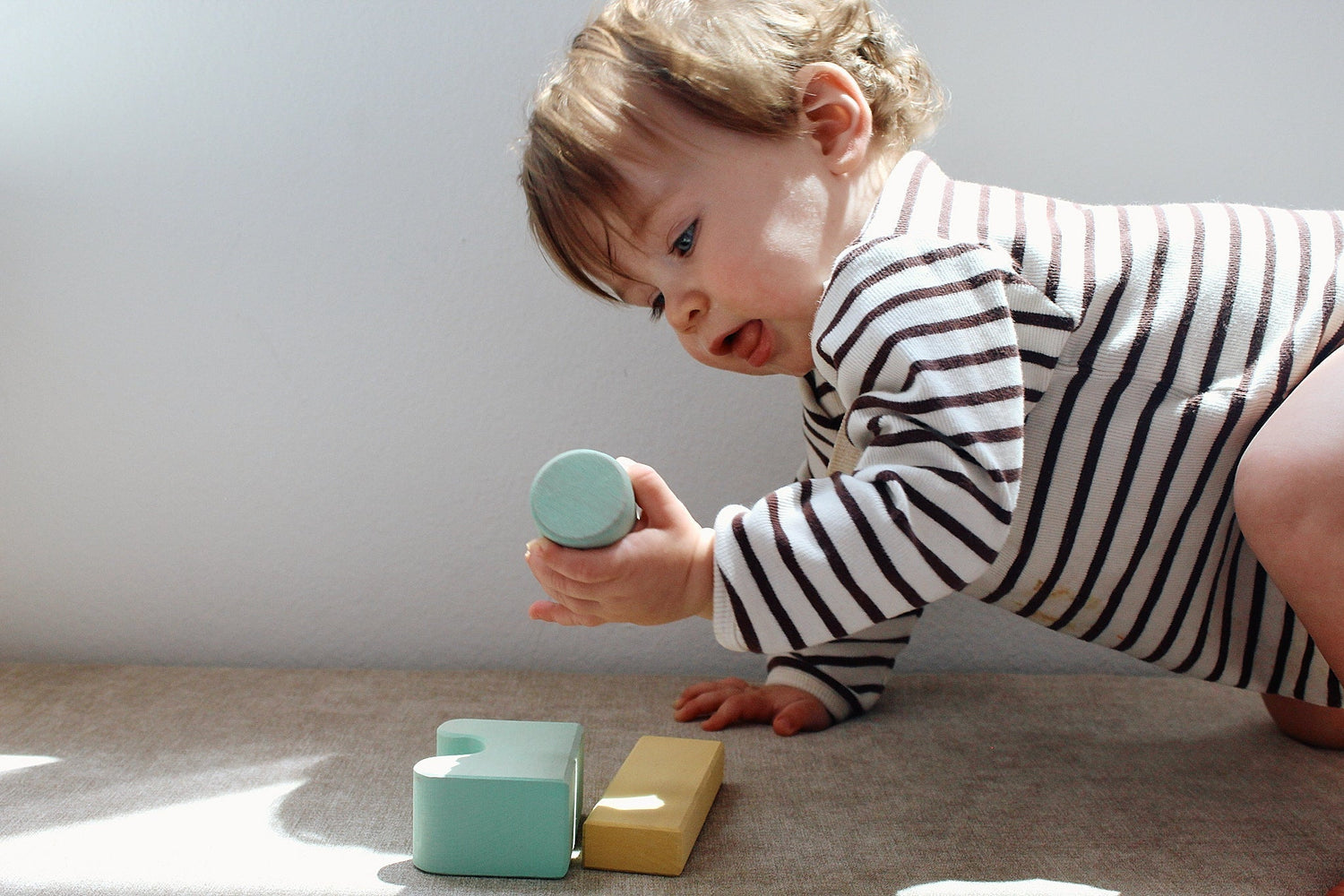
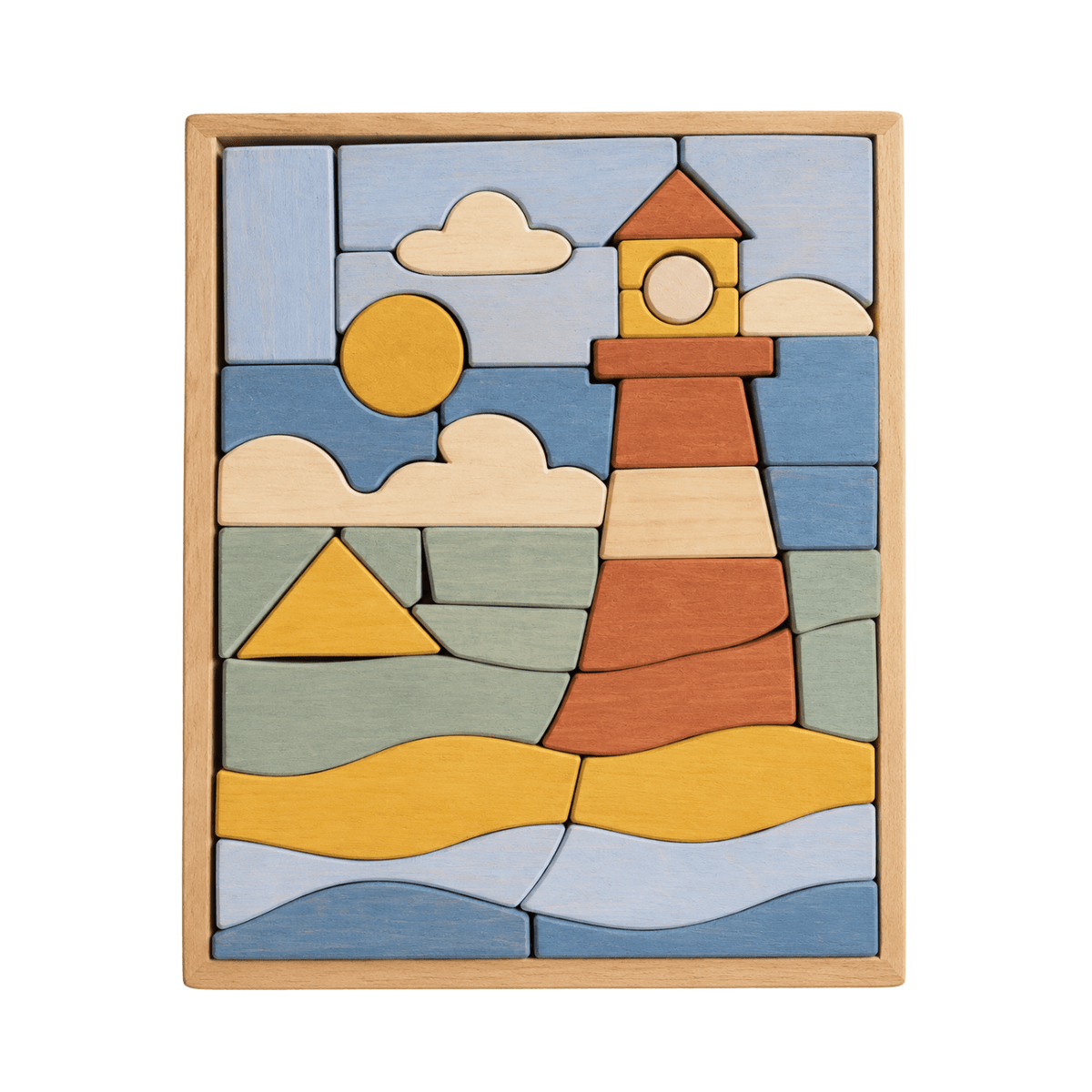
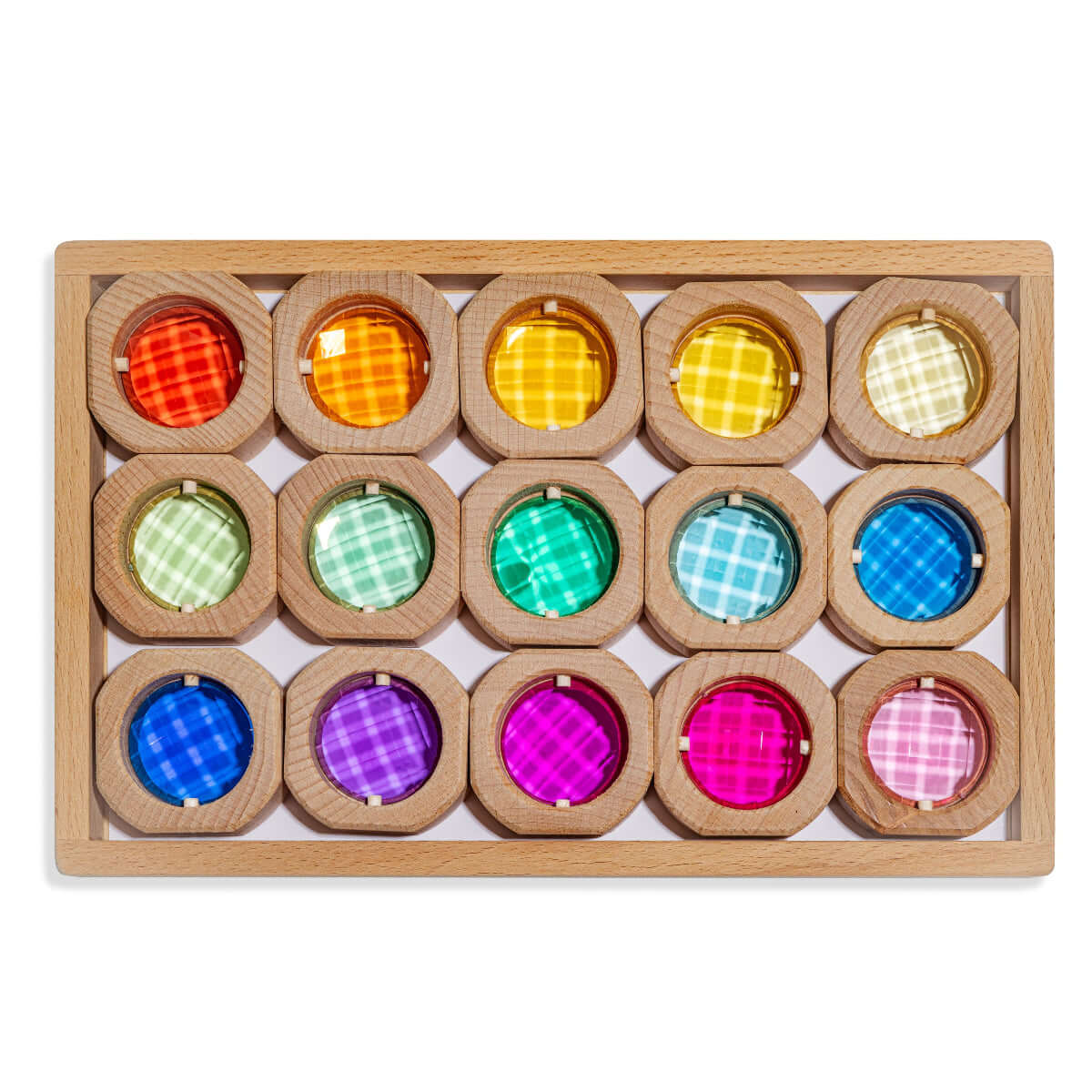
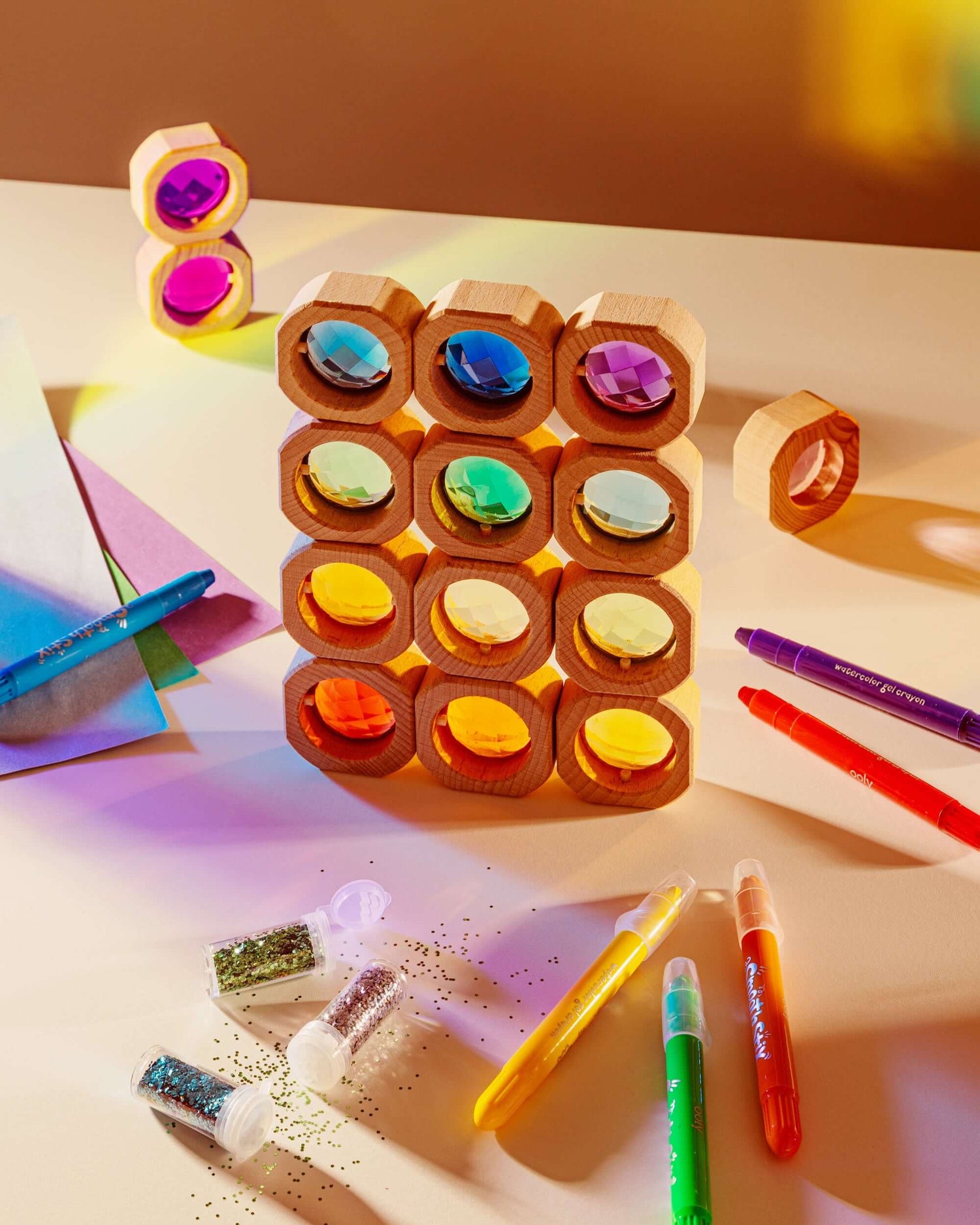
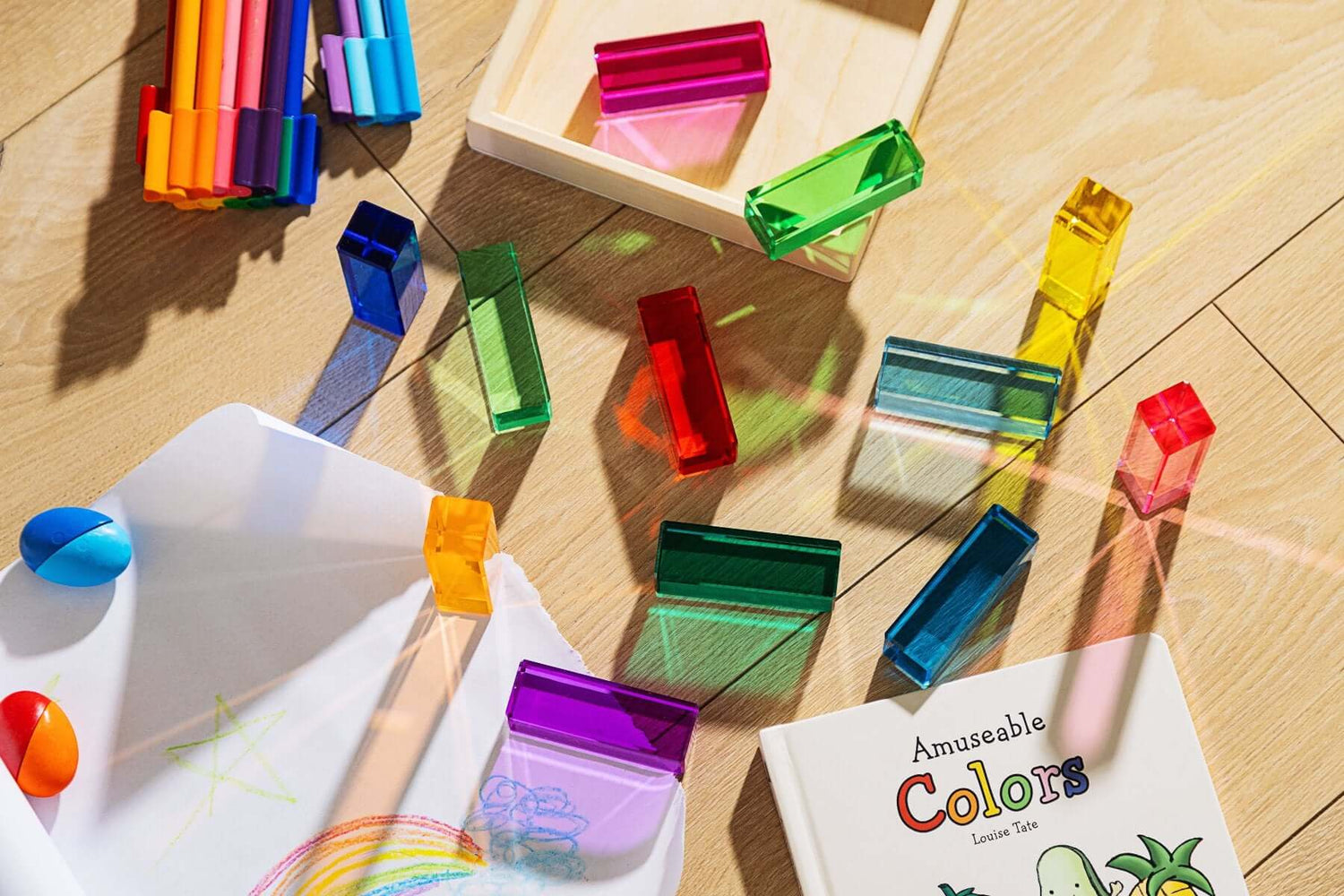
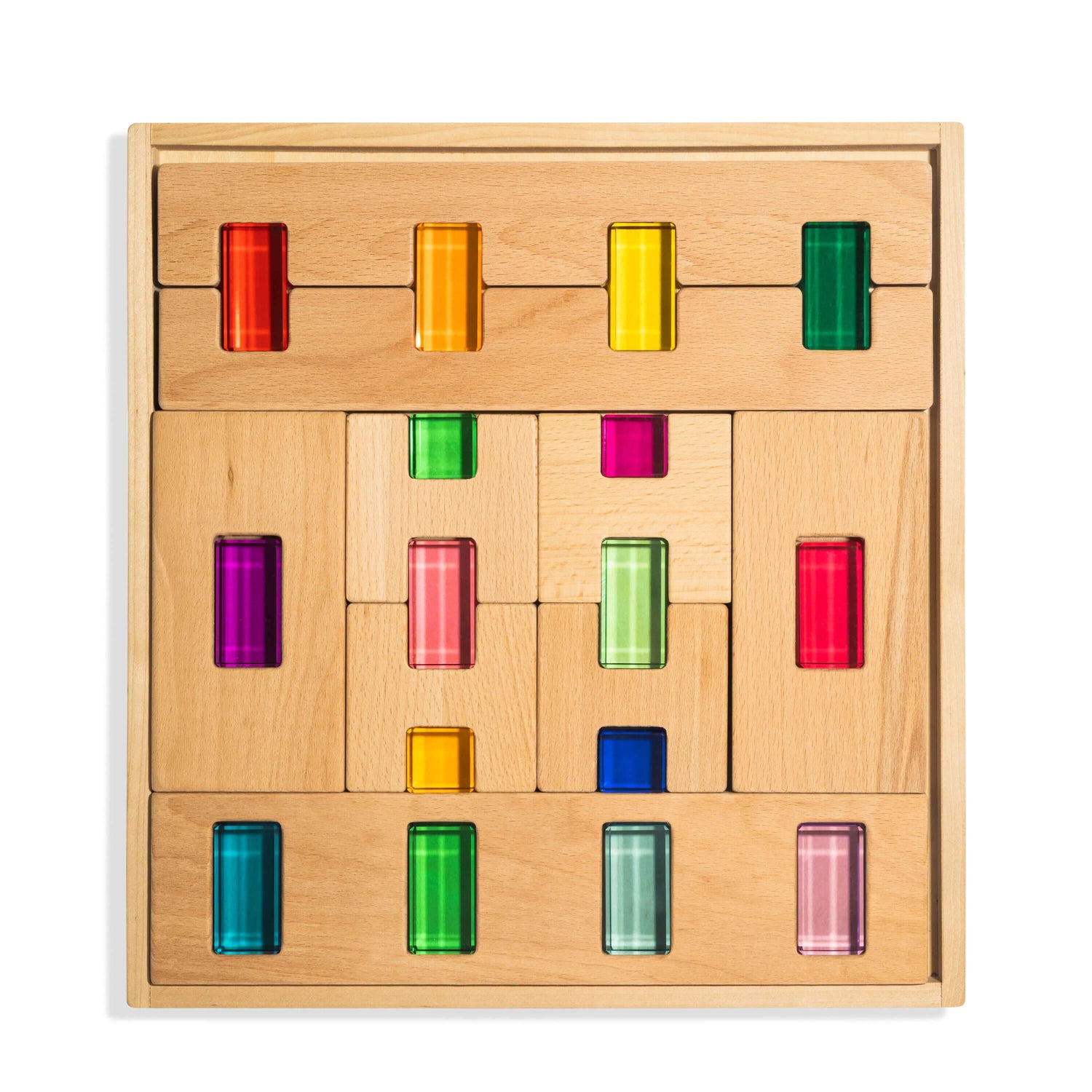
Unlike toys that tell children what to do, open-ended toys allow children to decide what the toy becomes.
How Pretend Play Supports Brain Development
During pretend play, children are practicing multiple developmental skills at the same time.
Language Development
Children narrate stories, create dialogue, and describe situations.
They practice vocabulary naturally because they need words to express ideas.
Social and Emotional Skills
When children role-play:
they practice empathy
they understand other perspectives
they process real experiences safely
For example, a child pretending to be a doctor is learning how to manage feelings about visiting the doctor in real life.
Problem Solving
Imaginative play constantly introduces challenges:
Where will the animals sleep?
What happens if the bridge breaks?
How do the characters travel?
Children learn to create solutions independently — which strengthens executive functioning skills.
Why Open-Ended Toys Encourage More Imagination
Toys with a fixed purpose limit imagination.
If a toy only does one thing, a child becomes the observer instead of the creator.
Open-ended toys do the opposite. They become:
buildings
roads
characters
furniture
landscapes
- small world play
Because the toy doesn’t provide the story, the child must.
How to Support Pretend Play at Home
You don’t need a playroom full of toys.
Children actually play more creatively with fewer, simpler materials.
Helpful strategies:
leave builds out overnight
avoid interrupting ongoing stories
rotate toys occasionally
provide neutral materials rather than character-based toys
Simple environments allow children to return to ideas and expand them over time. Many families notice children play longer and more creatively when they have less visual distraction — a concept we explain in more detail in fewer toys create deeper play.
The Long-Term Benefits
Research in early childhood education consistently connects imaginative play with:
improved communication skills
emotional regulation
creativity
independent thinking
confidence
Children who engage deeply in pretend play are practicing life skills, not just entertainment.
Play is how young children rehearse being human.
Conclusion
Pretend play may look ordinary, but it is one of the most meaningful forms of development in early childhood. When children are allowed to imagine freely, they are building language, emotional understanding, and problem-solving abilities all at once.
The goal of toys is not to perform for children — it is to give children something to create with.












1 commentaire
In this blog, your explanation of why pretend play is crucial for childhood development is insightful, engaging, and well-supported a wonderful read for parents and educators valuing growth through imagination and play!