

How Open-Ended Toys Support STEM Learning
STEM learning through play begins long before children encounter science or math lessons in school. When children build towers, experiment with balance, sort objects, or explore light and color, they are already developing the foundations of science, technology, engineering, and mathematics.
Open-ended toys are particularly powerful tools for STEM learning because they allow children to experiment freely without instructions or predetermined outcomes. Instead of following steps, children test ideas, observe results, and adjust their approach—much like scientists and engineers do.
Research shows that play-based exploration helps children develop problem-solving skills, spatial reasoning, and critical thinking. These early experiences lay the foundation for later STEM learning by encouraging curiosity and experimentation. If you’re new to the concept of open-ended play, you can read our complete guide to what open-ended toys are and why they matter for child development.
What Is STEM Learning?
STEM stands for science, technology, engineering, and mathematics. In early childhood, STEM learning focuses less on formal instruction and more on exploration, curiosity, and problem-solving.
Young children naturally explore STEM concepts during play by:
-
building and constructing
-
experimenting with balance and gravity
-
sorting and counting objects
-
observing patterns and cause-and-effect relationships
Through these experiences, children begin to understand how the world works.
Building and Engineering Through Play
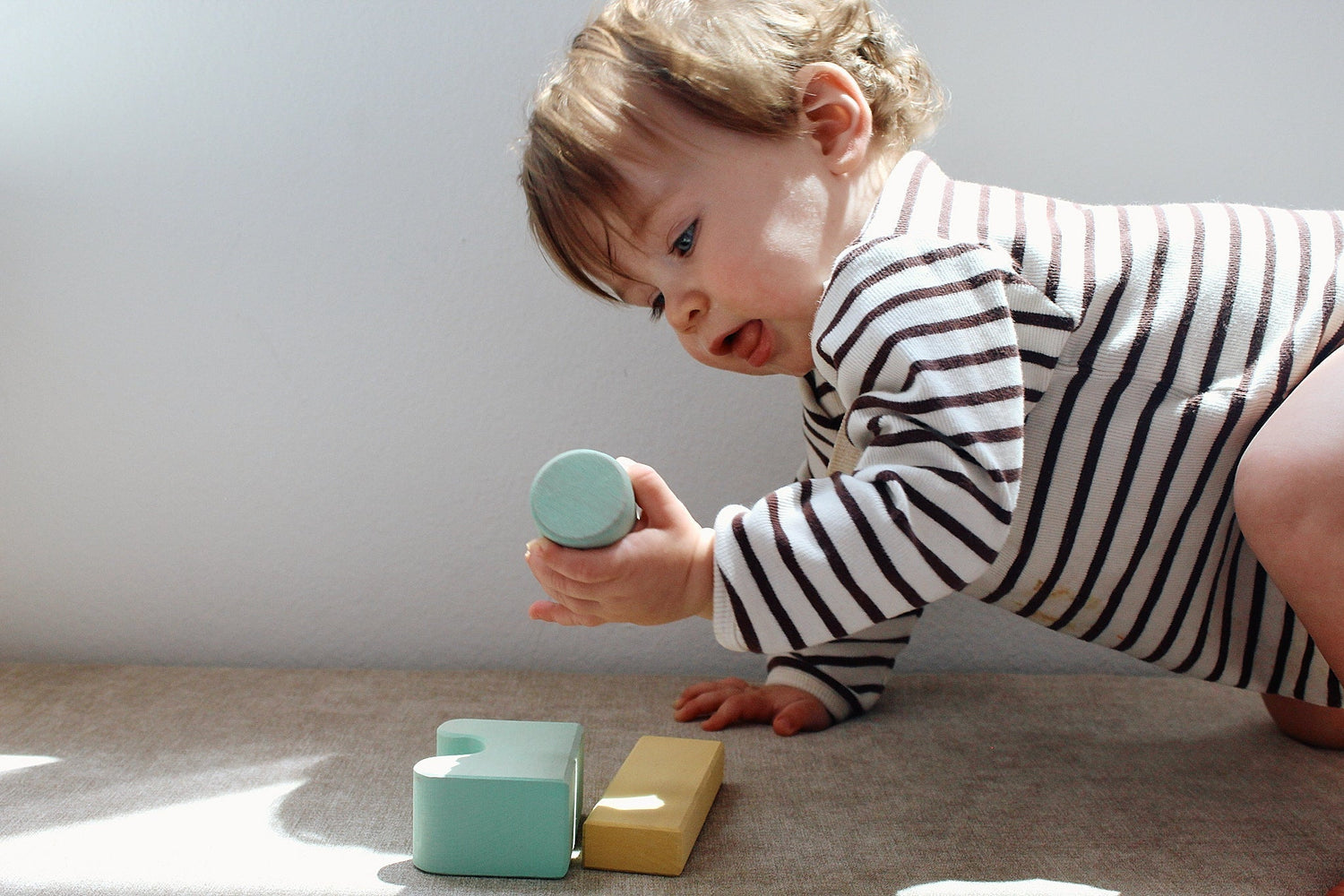
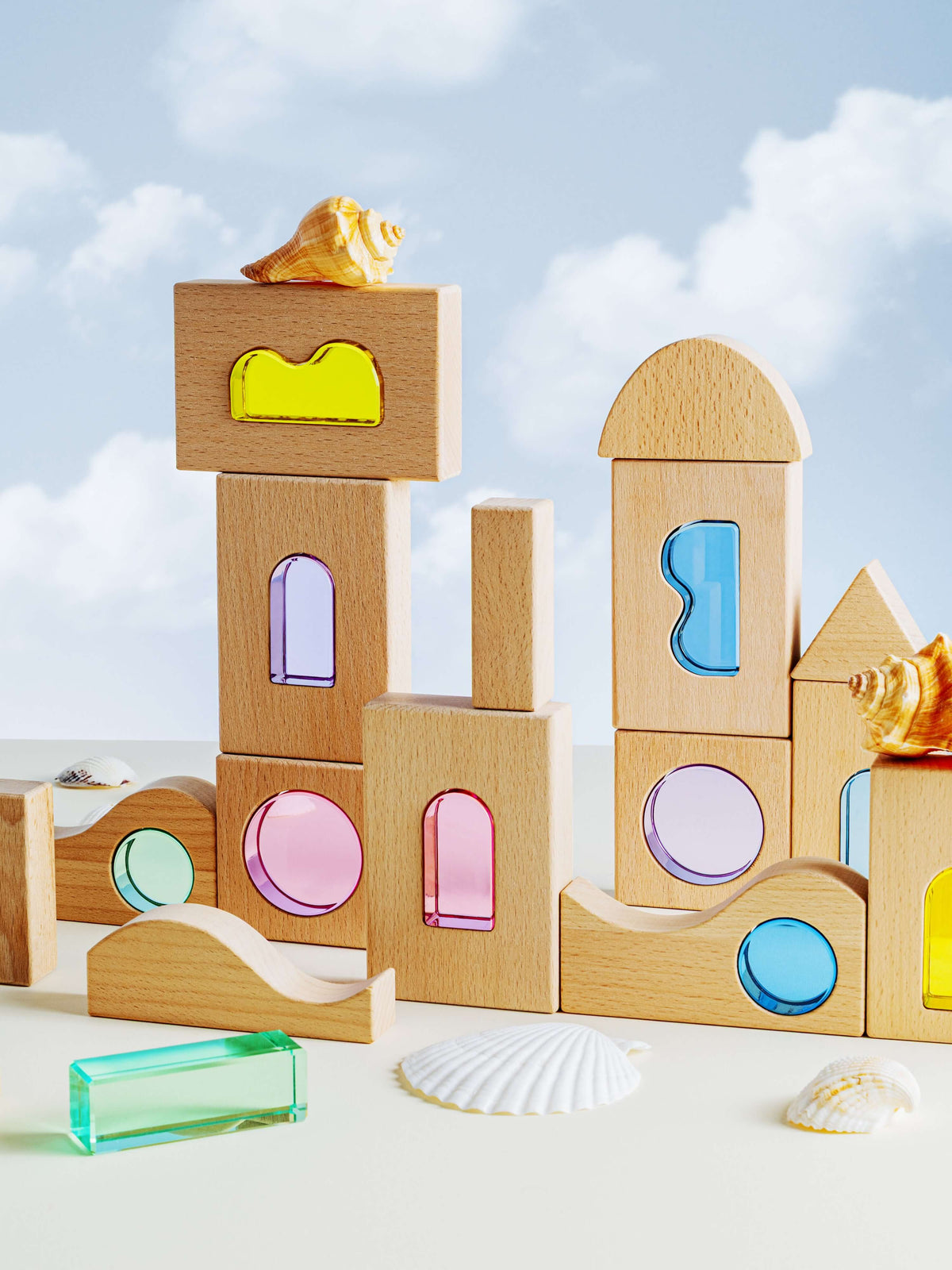
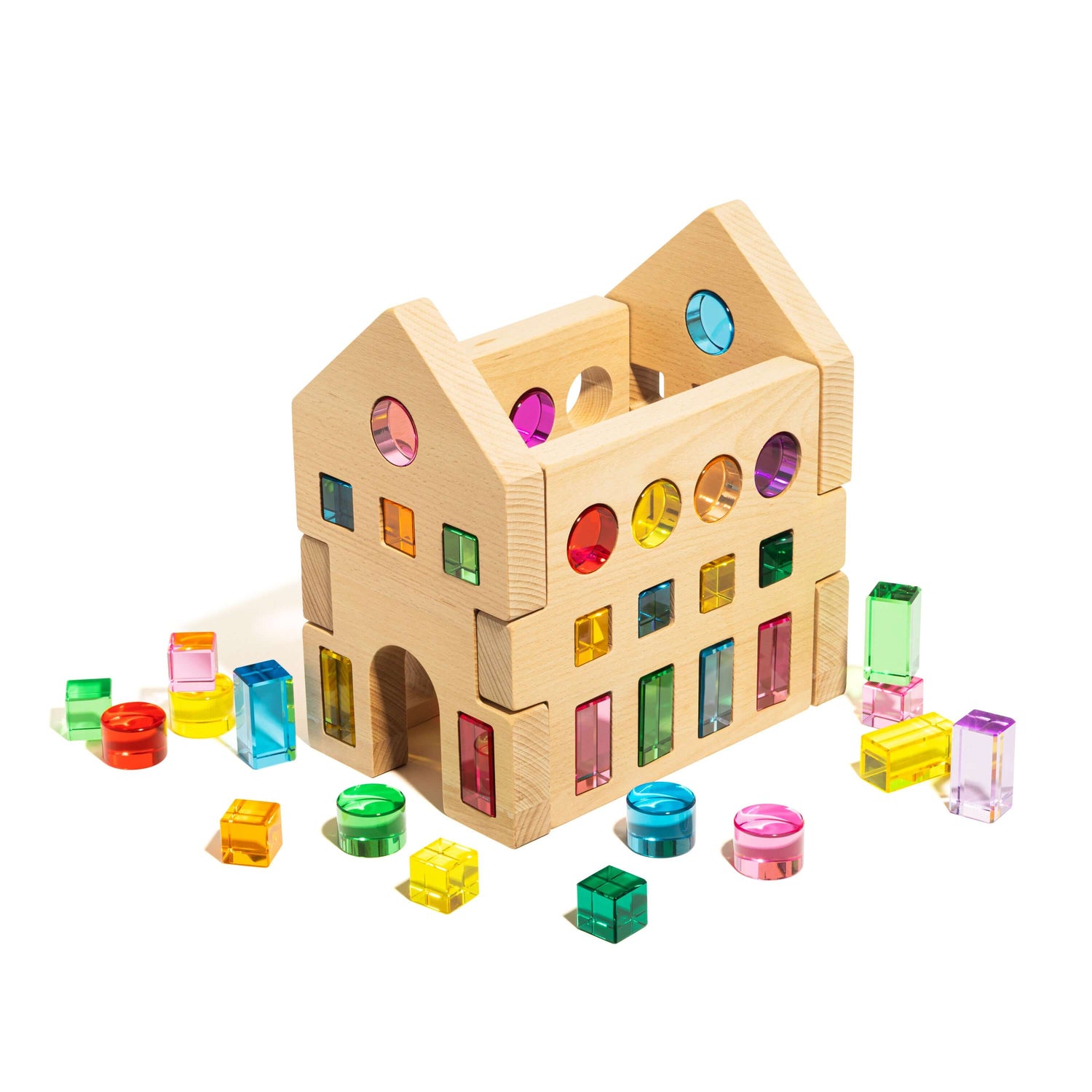
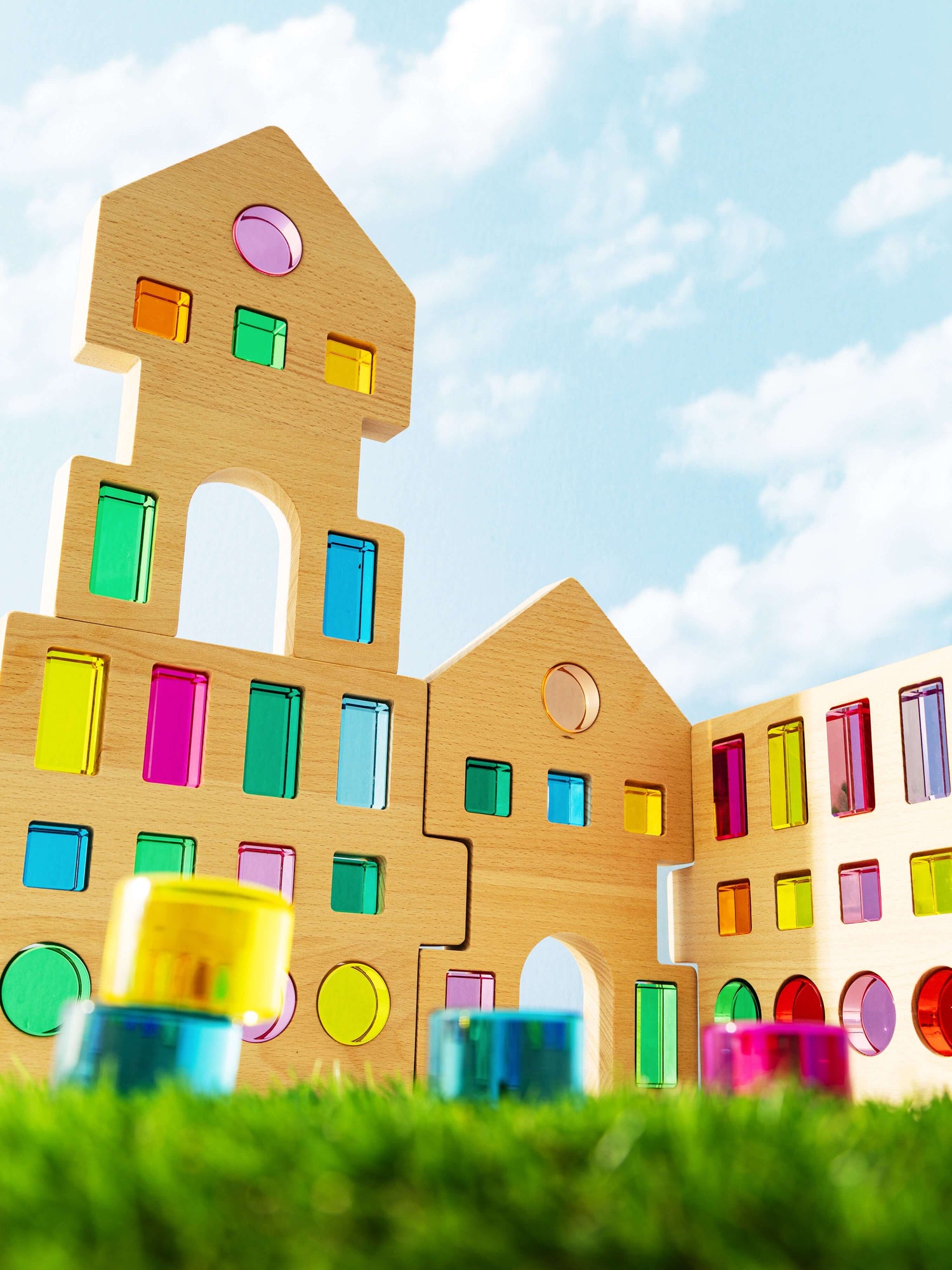
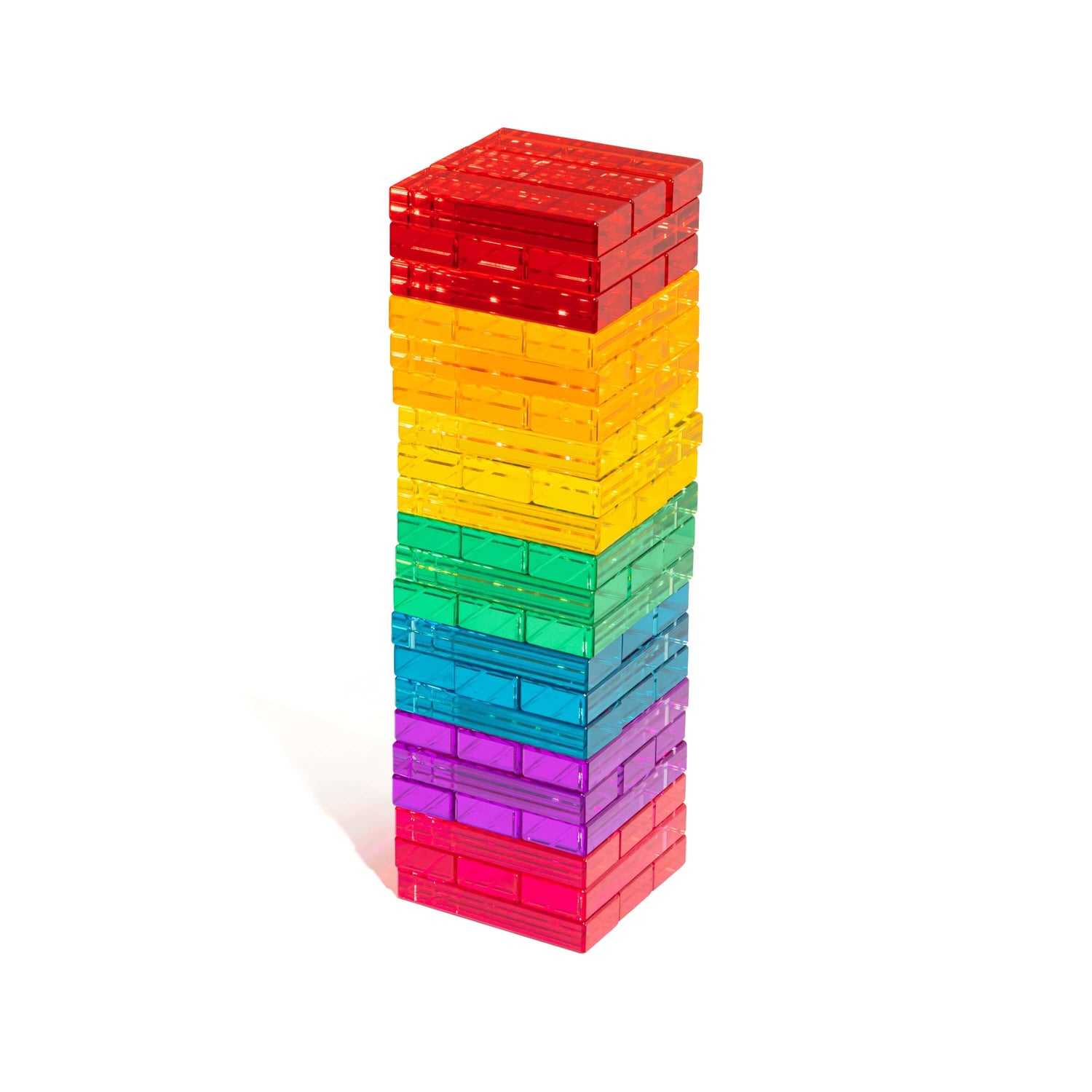
Construction play is one of the most powerful ways children explore engineering concepts. When children build with blocks or stacking toys, they experiment with balance, structure, and stability.
For example, children might:
-
test how high a tower can go before it falls
-
discover which shapes make stronger structures
-
experiment with bridges, arches, and buildings
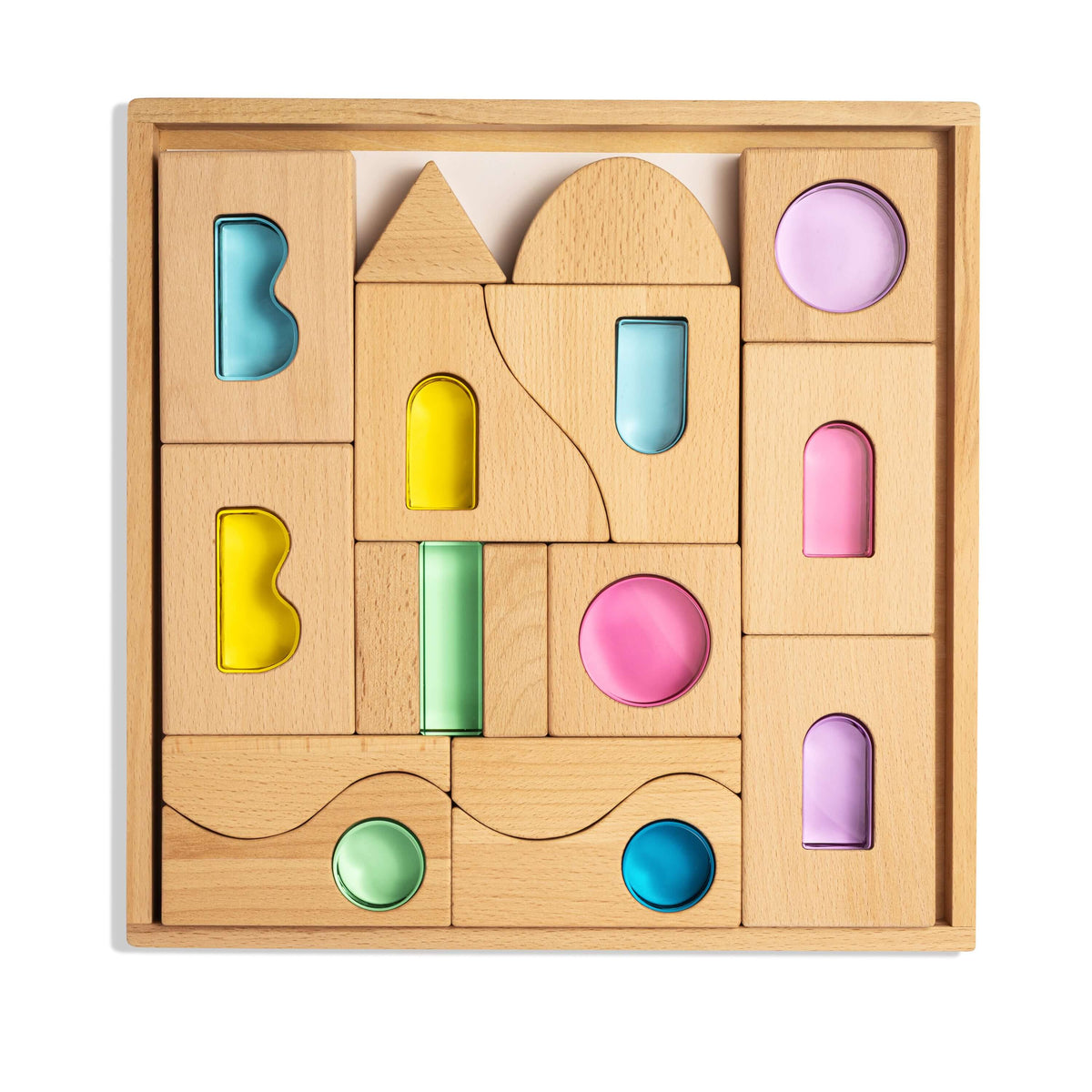
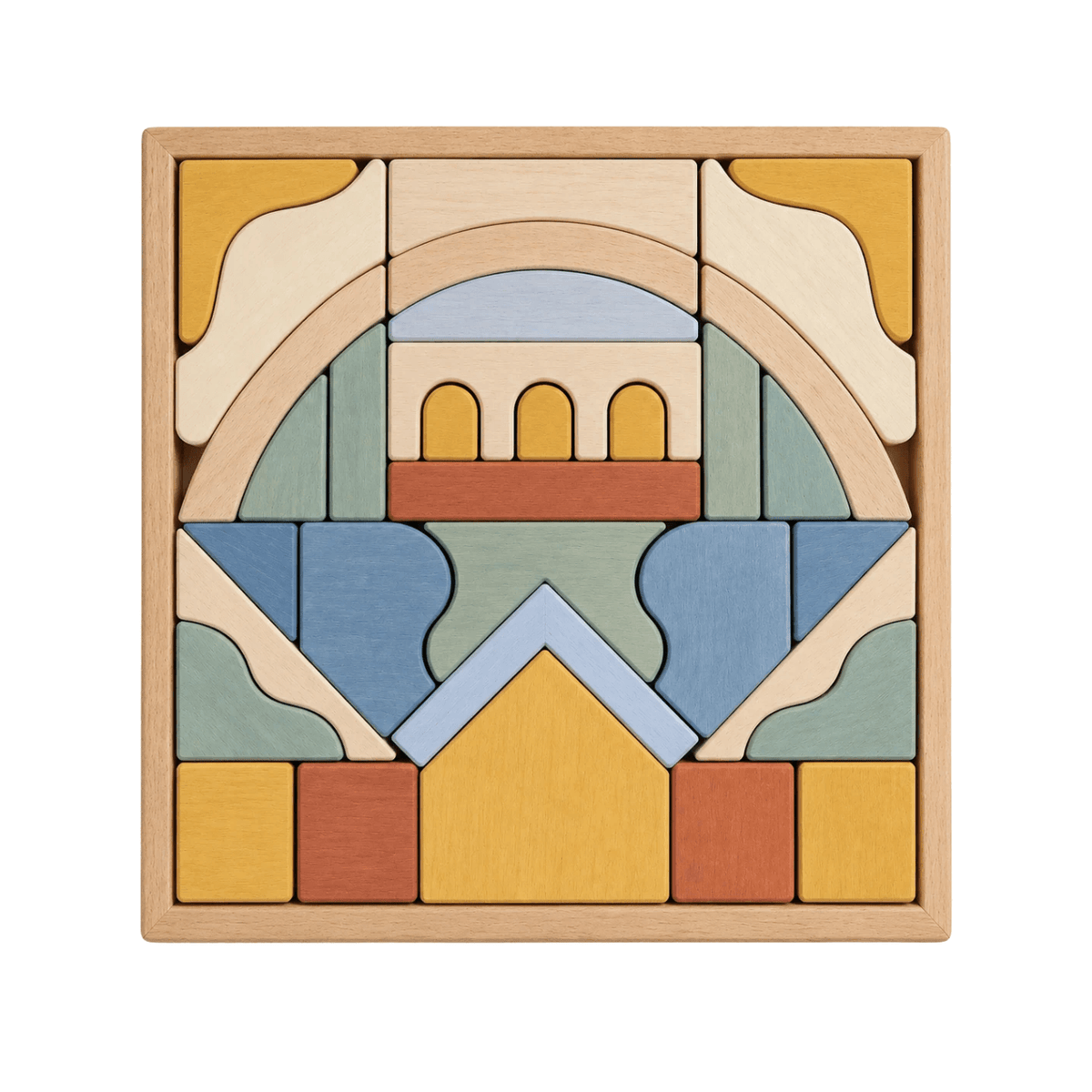
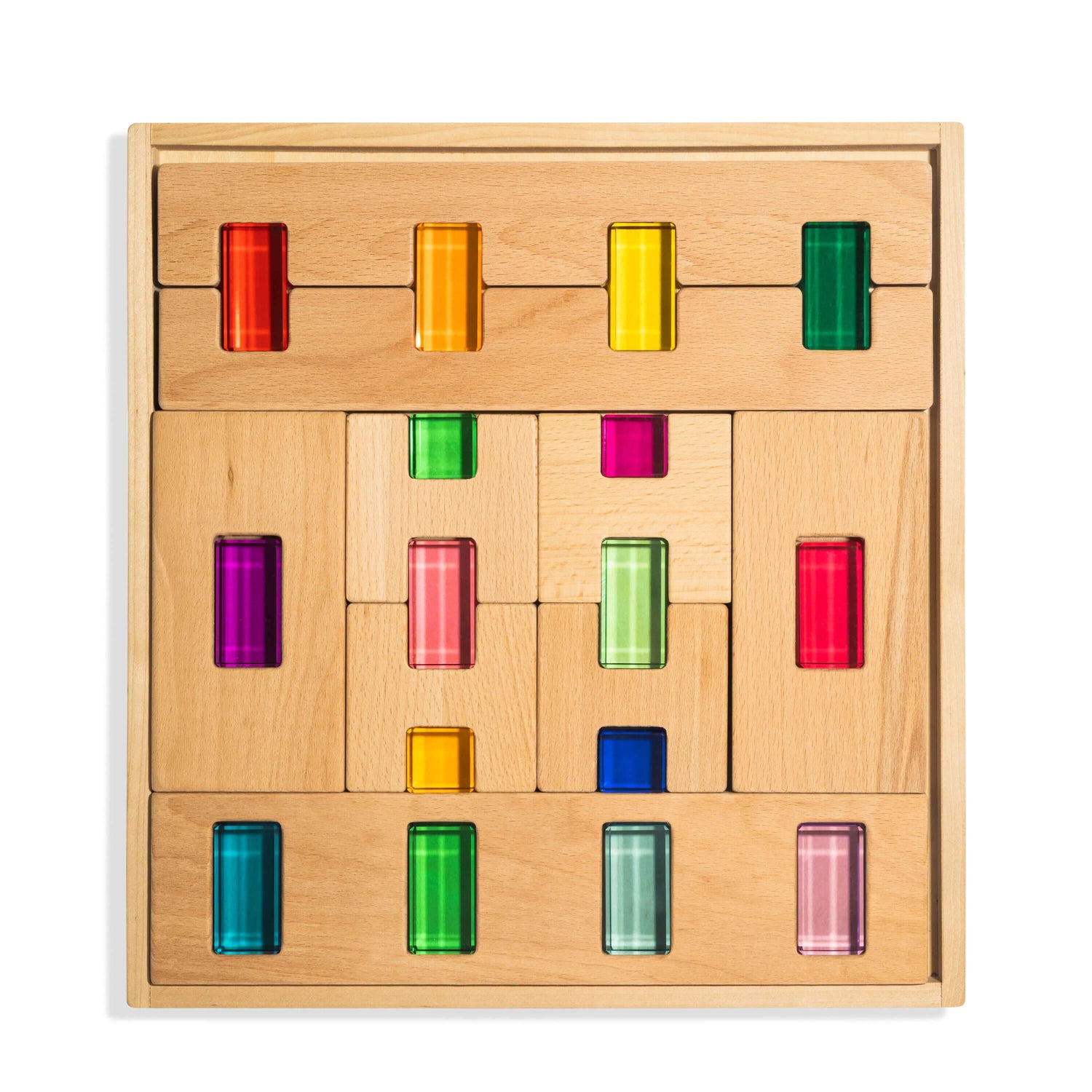
Studies show that block play supports spatial reasoning, which is closely connected to later success in mathematics and engineering. You can browse our wide-selection of open-ended wooden and acrylic building blocks.
Exploring Science Through Experimentation
Science begins with curiosity. When children experiment with materials during play, they naturally begin asking questions and testing ideas.
For example:
-
What happens if I stack these blocks higher?
-
Why did my tower fall down?
-
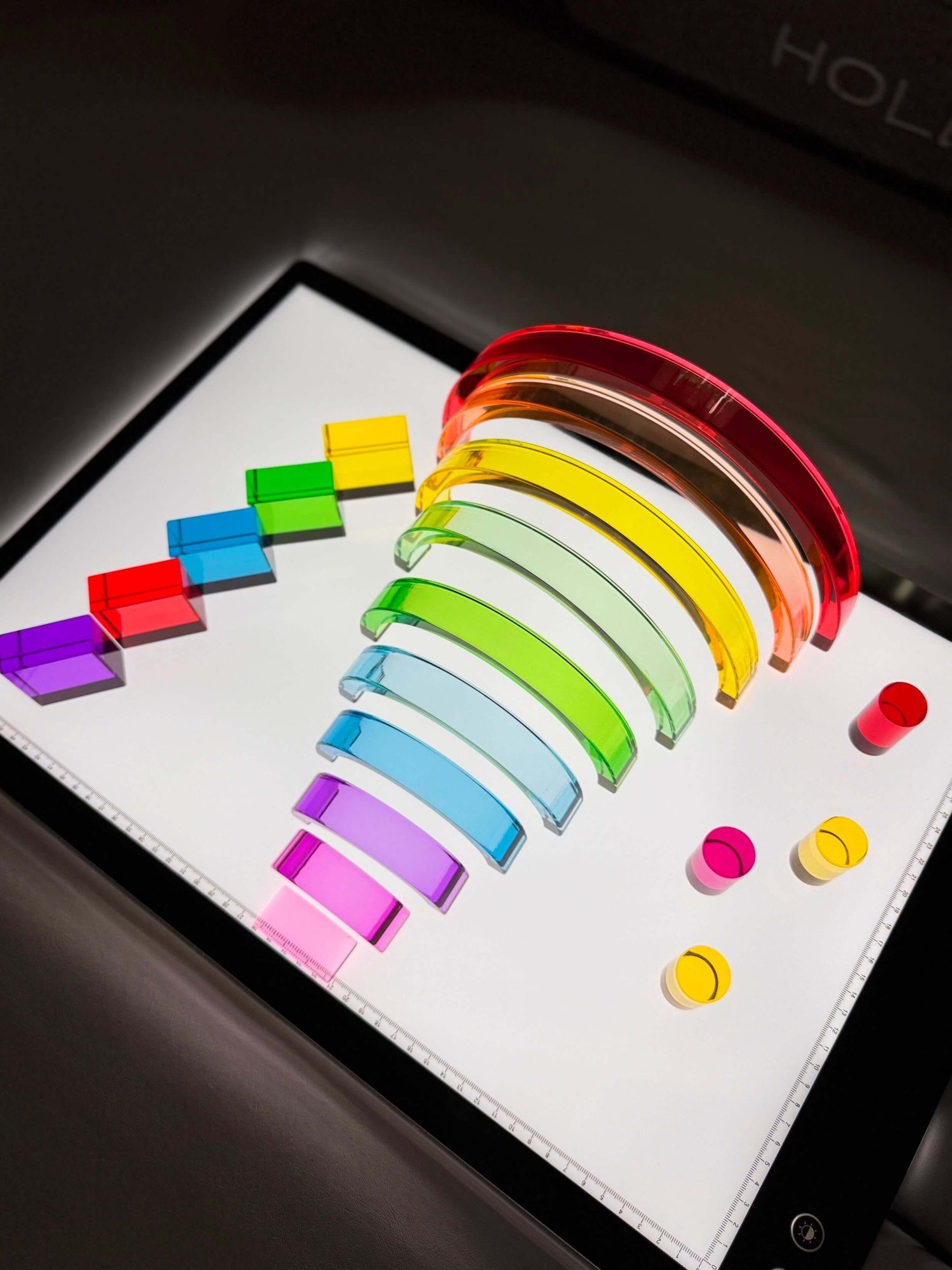
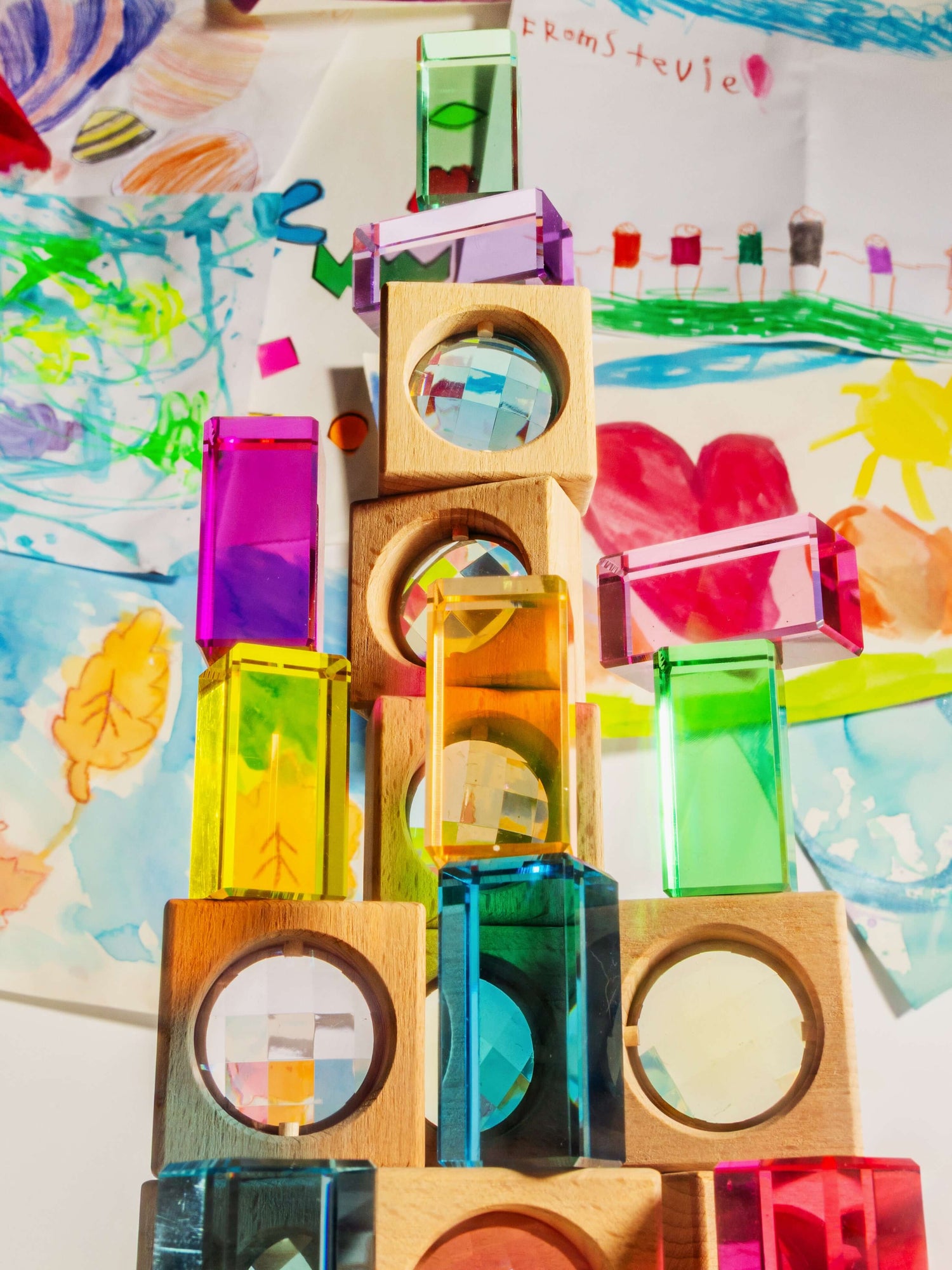
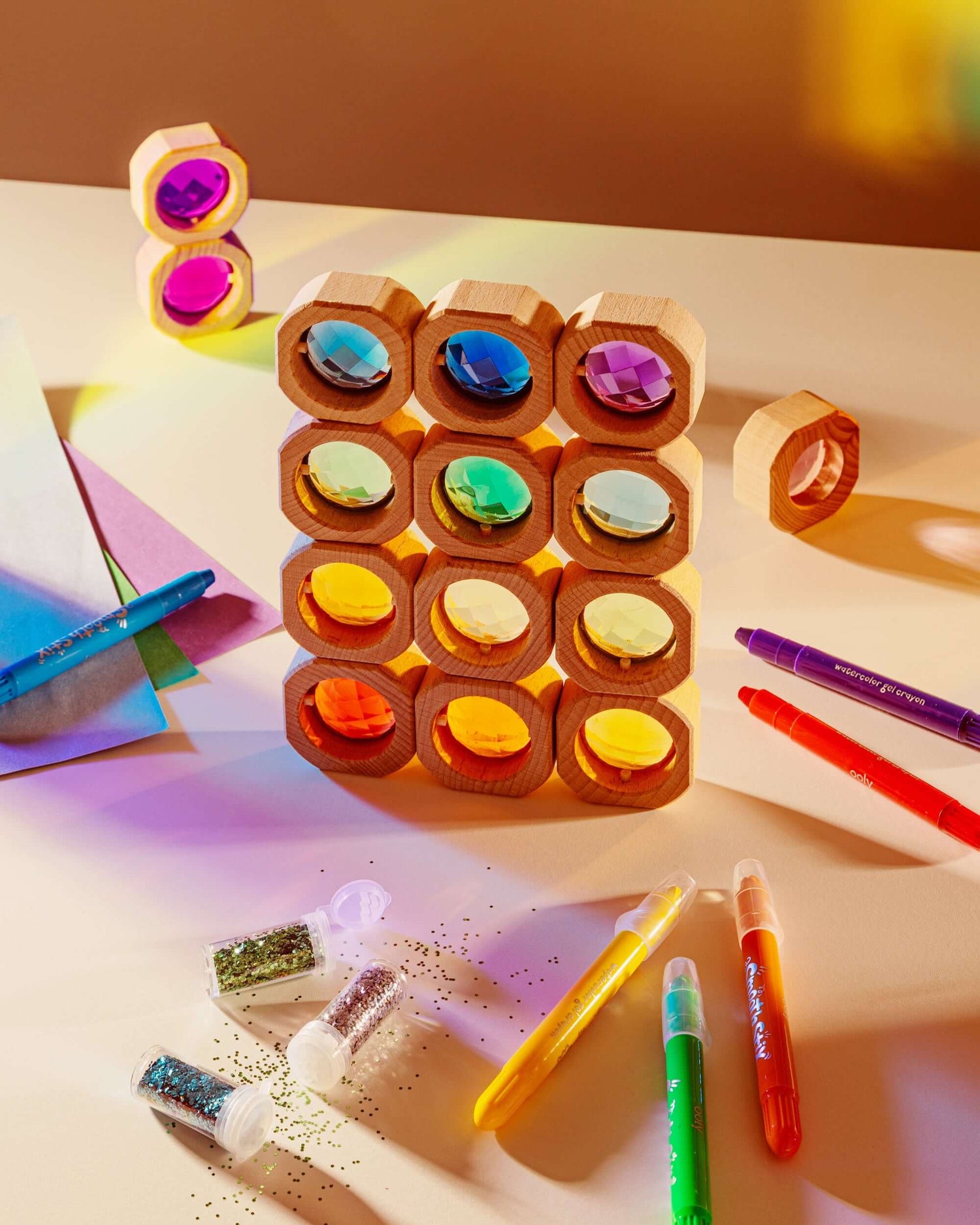
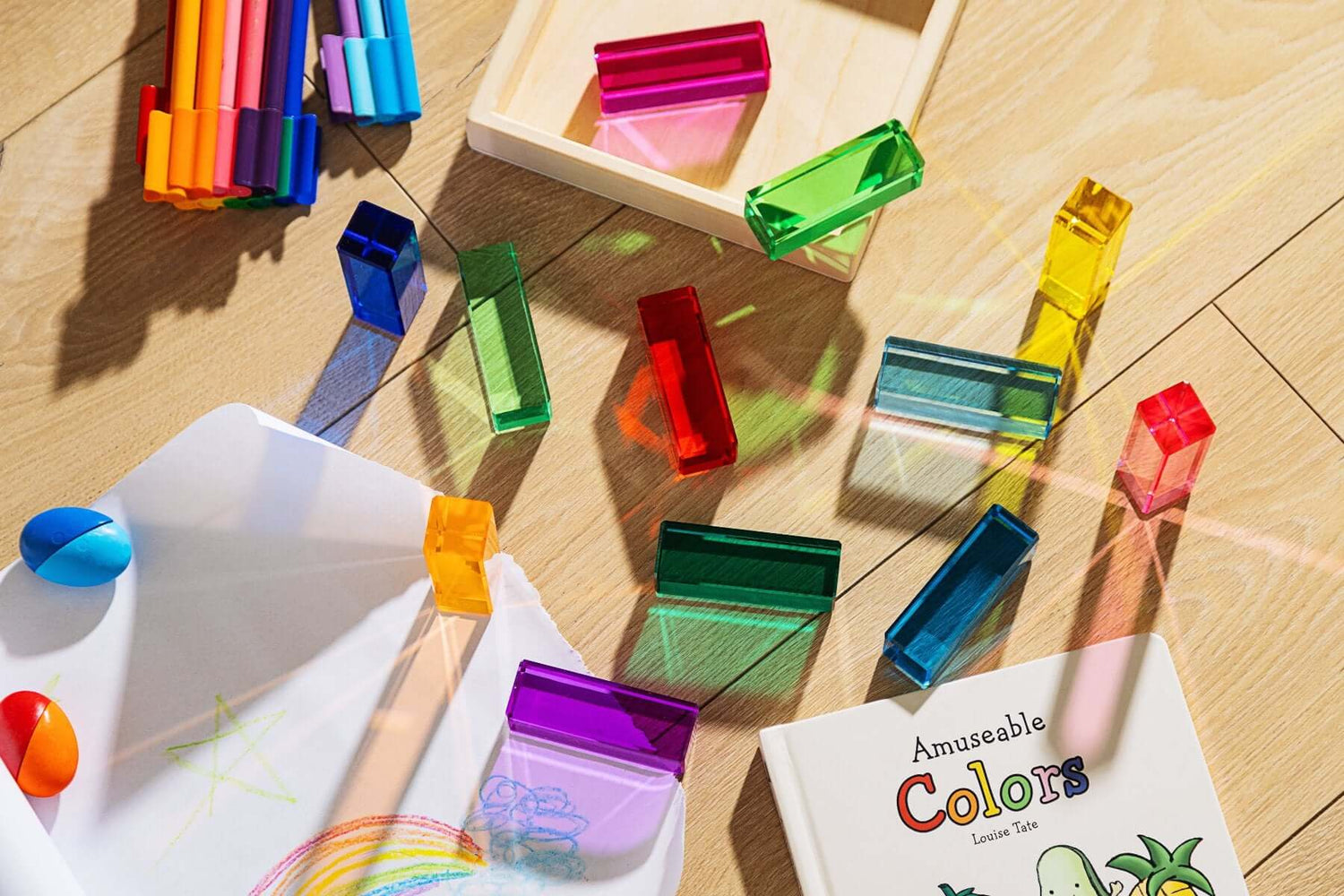
What happens when light shines through this object?
These small experiments help children understand cause and effect while developing observation skills.
Math Concepts Hidden in Play
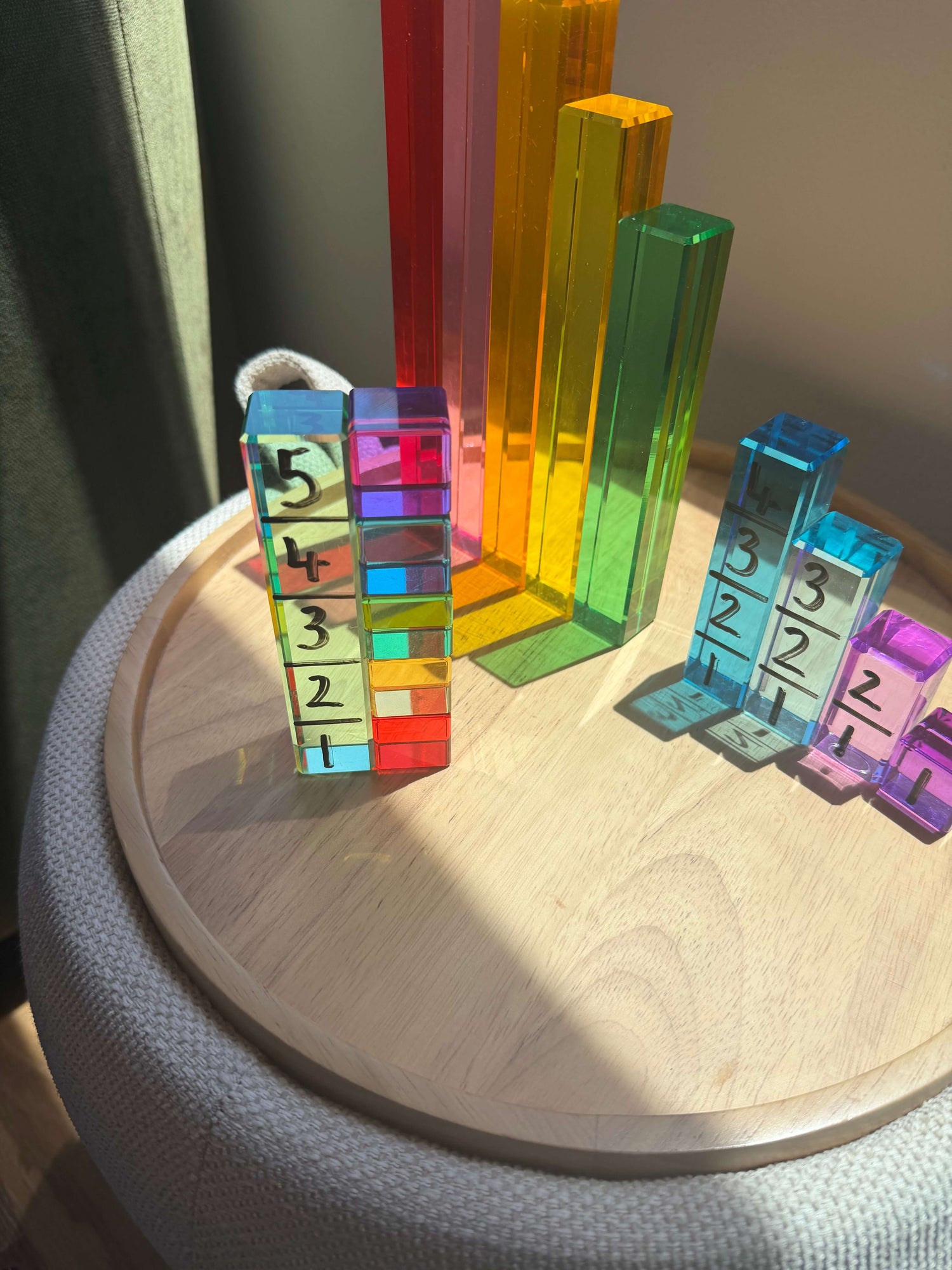
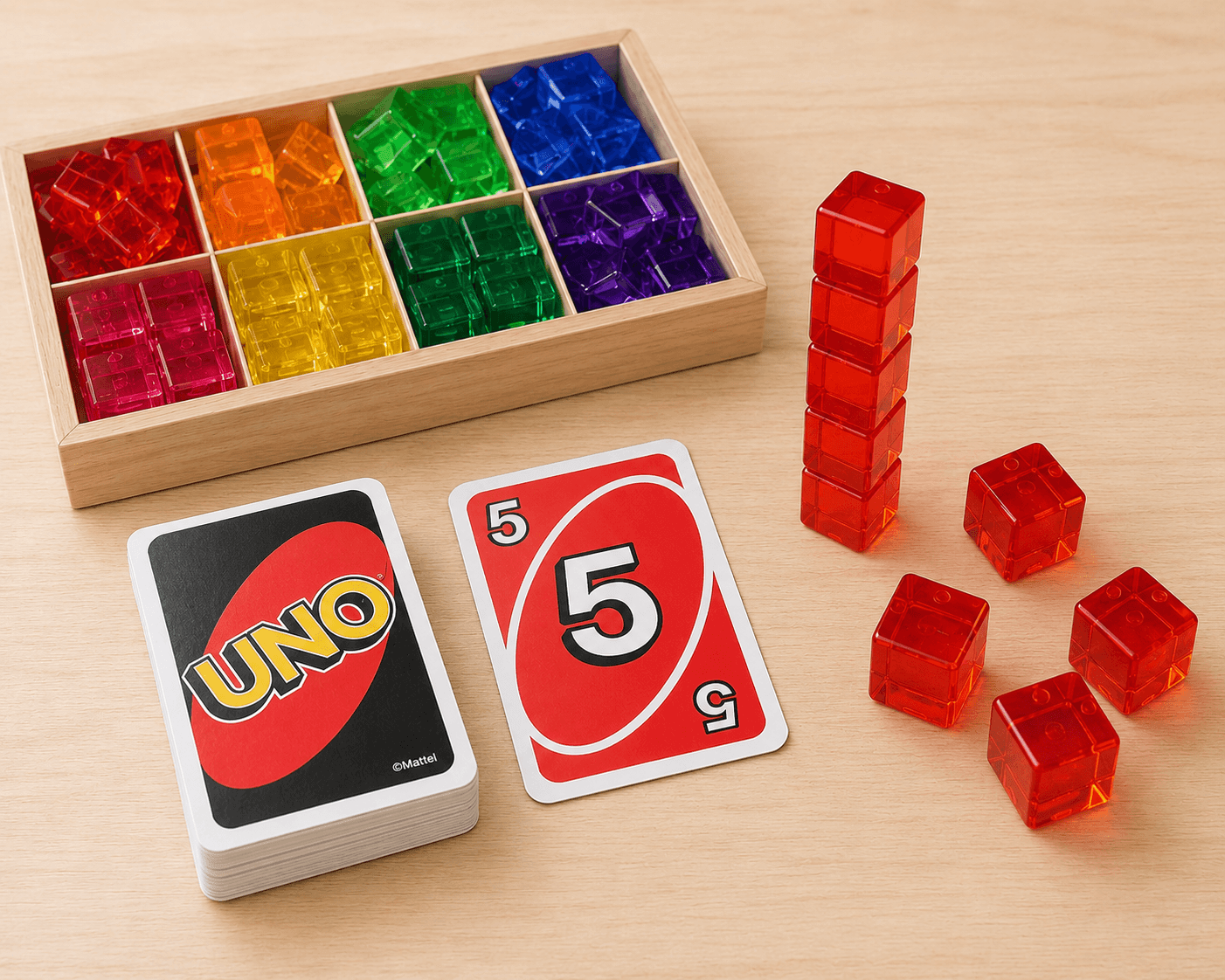
Many forms of open-ended play naturally introduce early math concepts.
Children explore ideas such as:
-
counting objects
-
comparing sizes
-
recognizing patterns
-
understanding shapes and spatial relationships
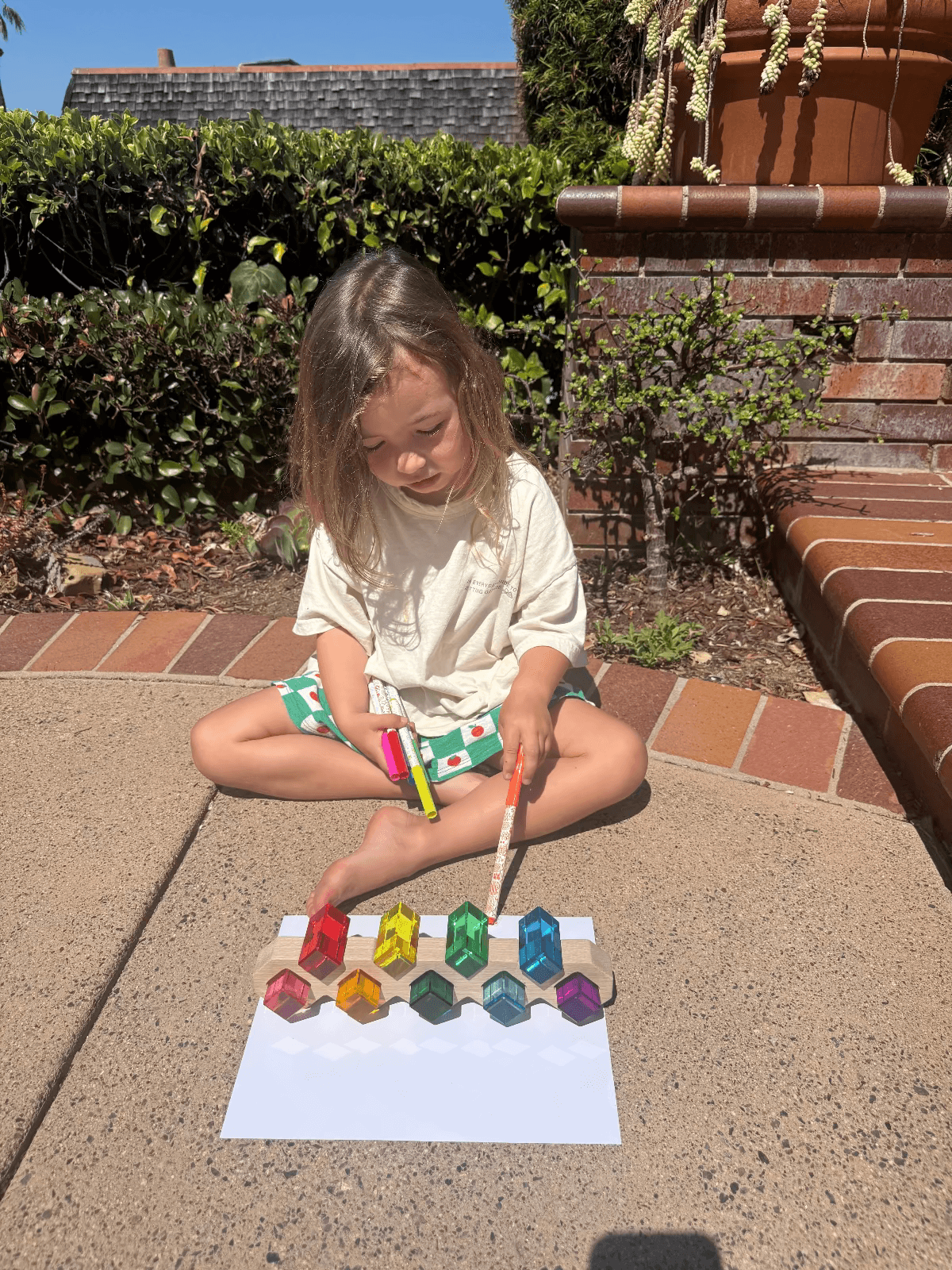
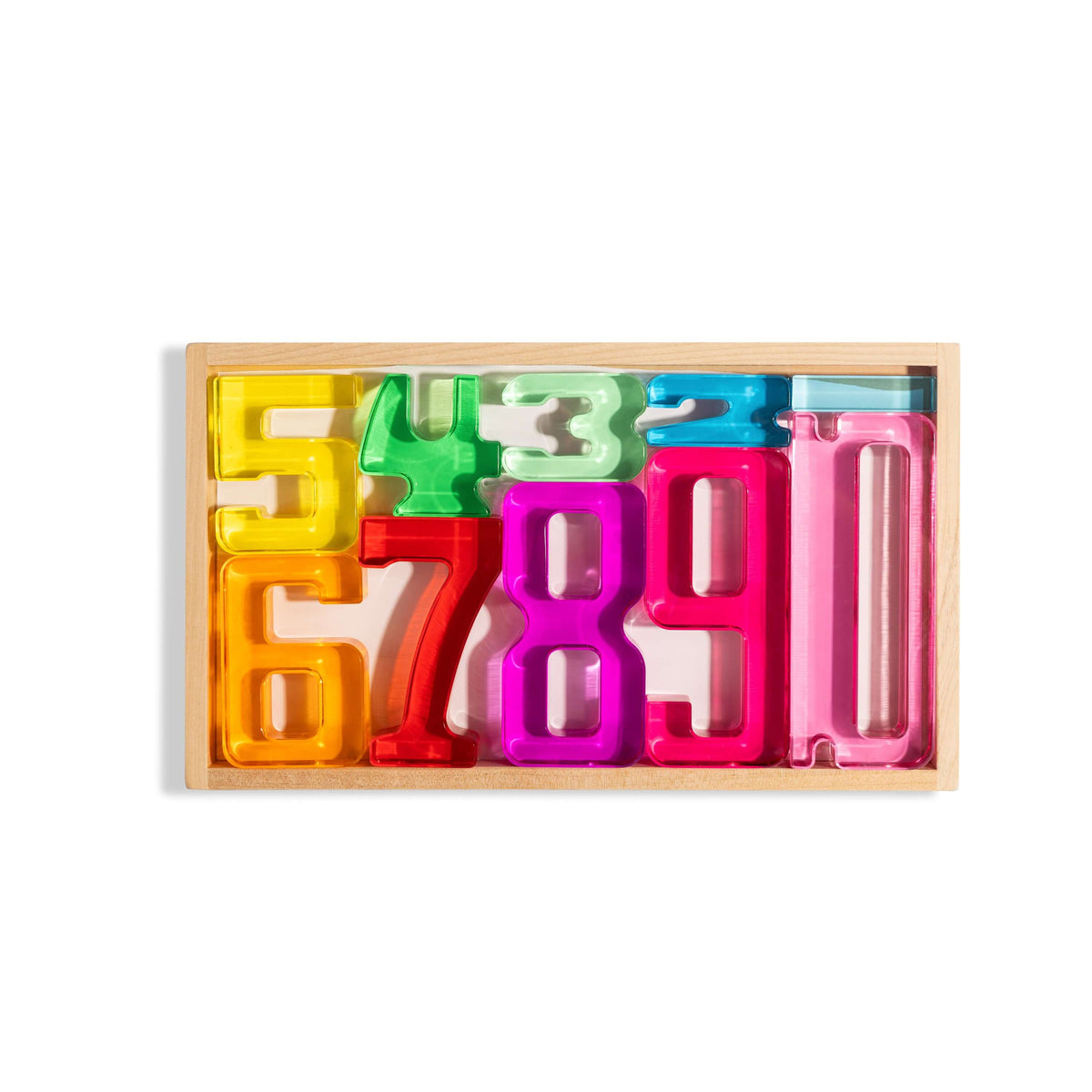
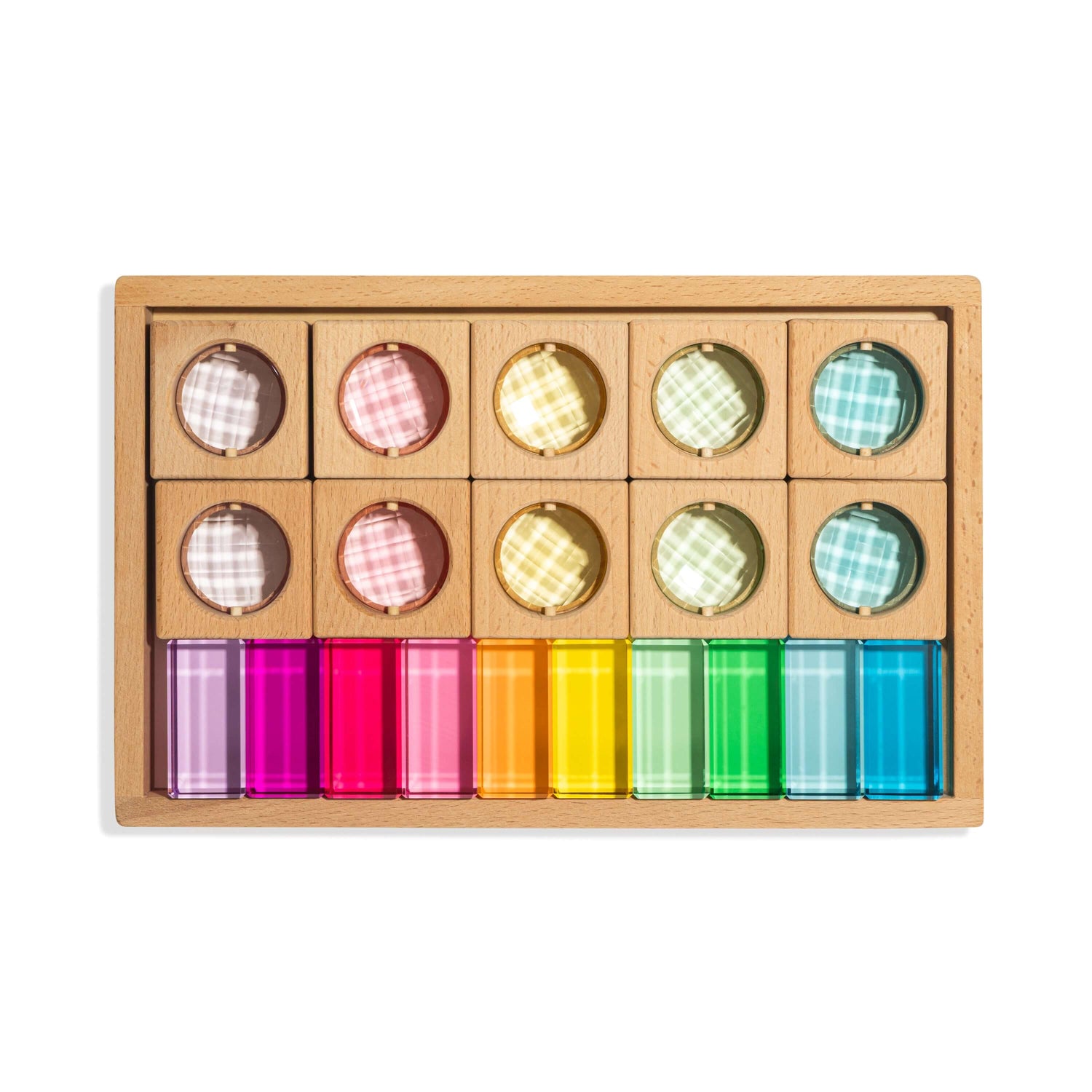
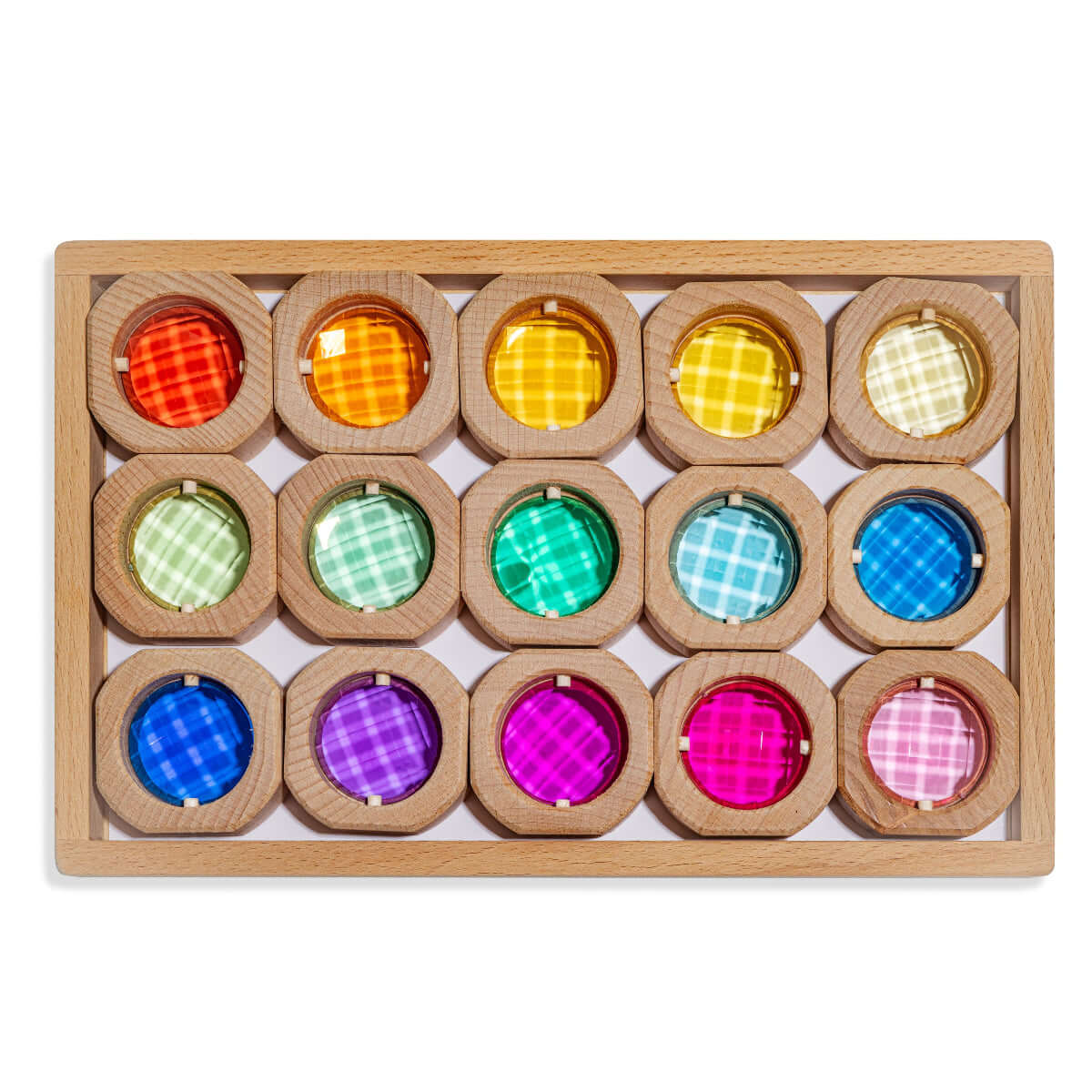
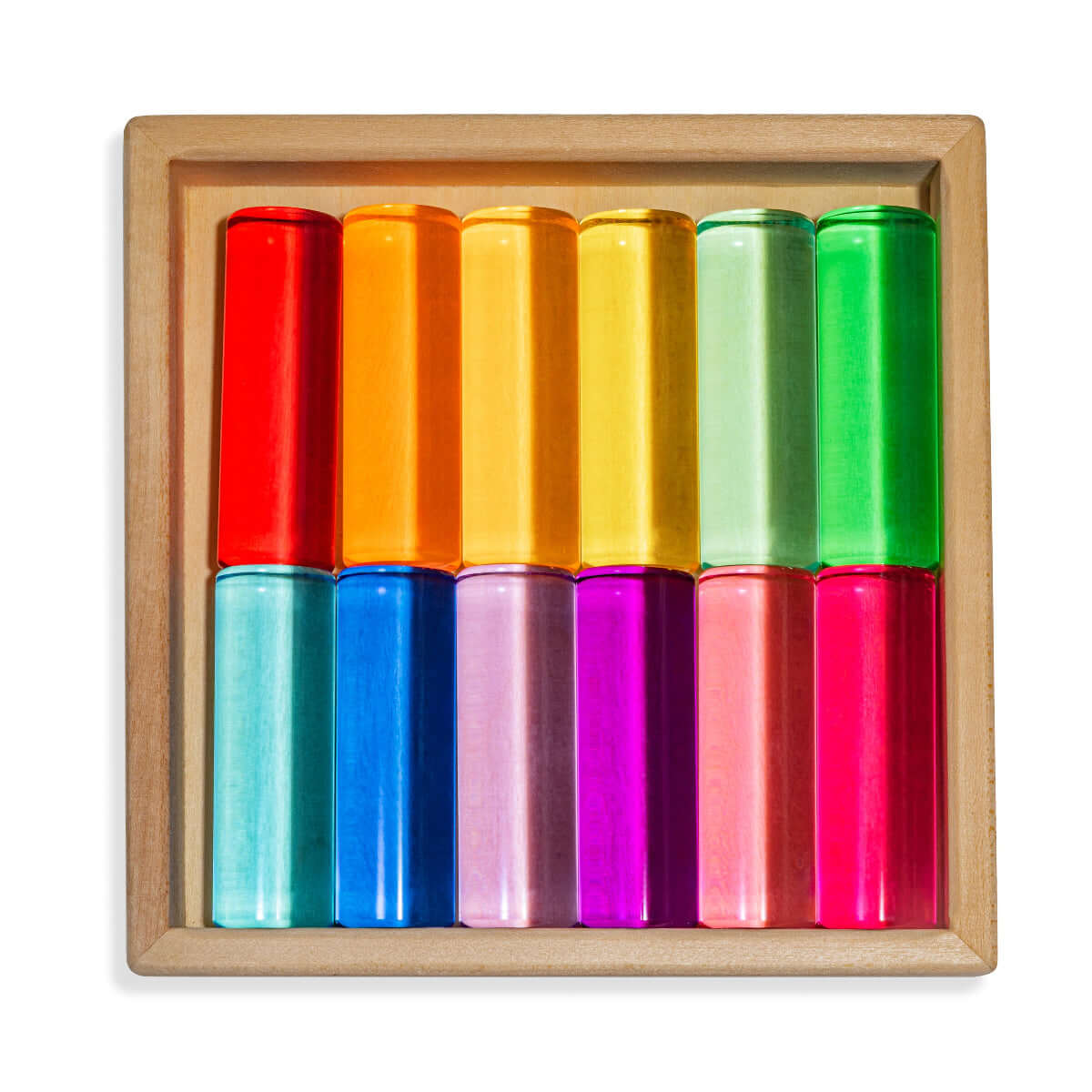
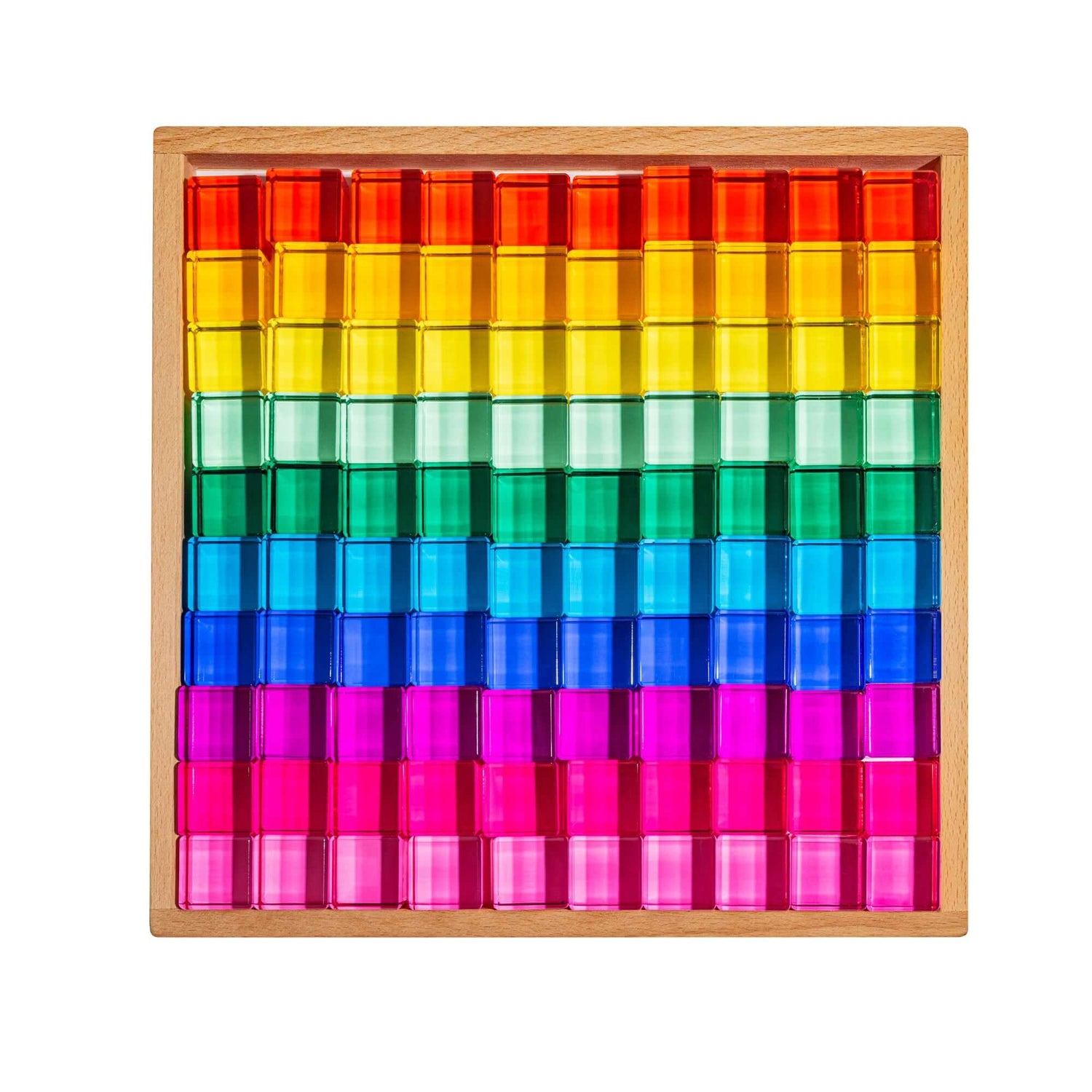
Sorting colorful objects, stacking blocks, and building structures all help children develop mathematical thinking in playful ways. Some of our favorite open-ended acrylic sets that encourage early math learning include the Winnie Blocks and the Ines Blocks.
Technology and Problem-Solving
In early childhood, technology is not limited to computers. Instead, it refers to tools and systems children use to solve problems.
During open-ended play, children learn to use materials creatively to achieve a goal. A child building a bridge for toy cars or designing a small city with blocks is experimenting with simple engineering solutions.
These experiences strengthen problem-solving abilities and flexible thinking.
Why Open-Ended Toys Are Ideal for STEM Learning
Open-ended toys encourage exploration because there is no single way to play with them.
Unlike toys that provide specific instructions or outcomes, open-ended materials allow children to:
-
experiment freely
-
test ideas
-
observe results
-
invent new solutions
This type of exploration mirrors the scientific process and helps children develop critical thinking skills.
Simple Toys That Encourage STEM Thinking
Many everyday toys can support STEM learning through play.
Examples include:
-
building blocks
-
stacking toys
-
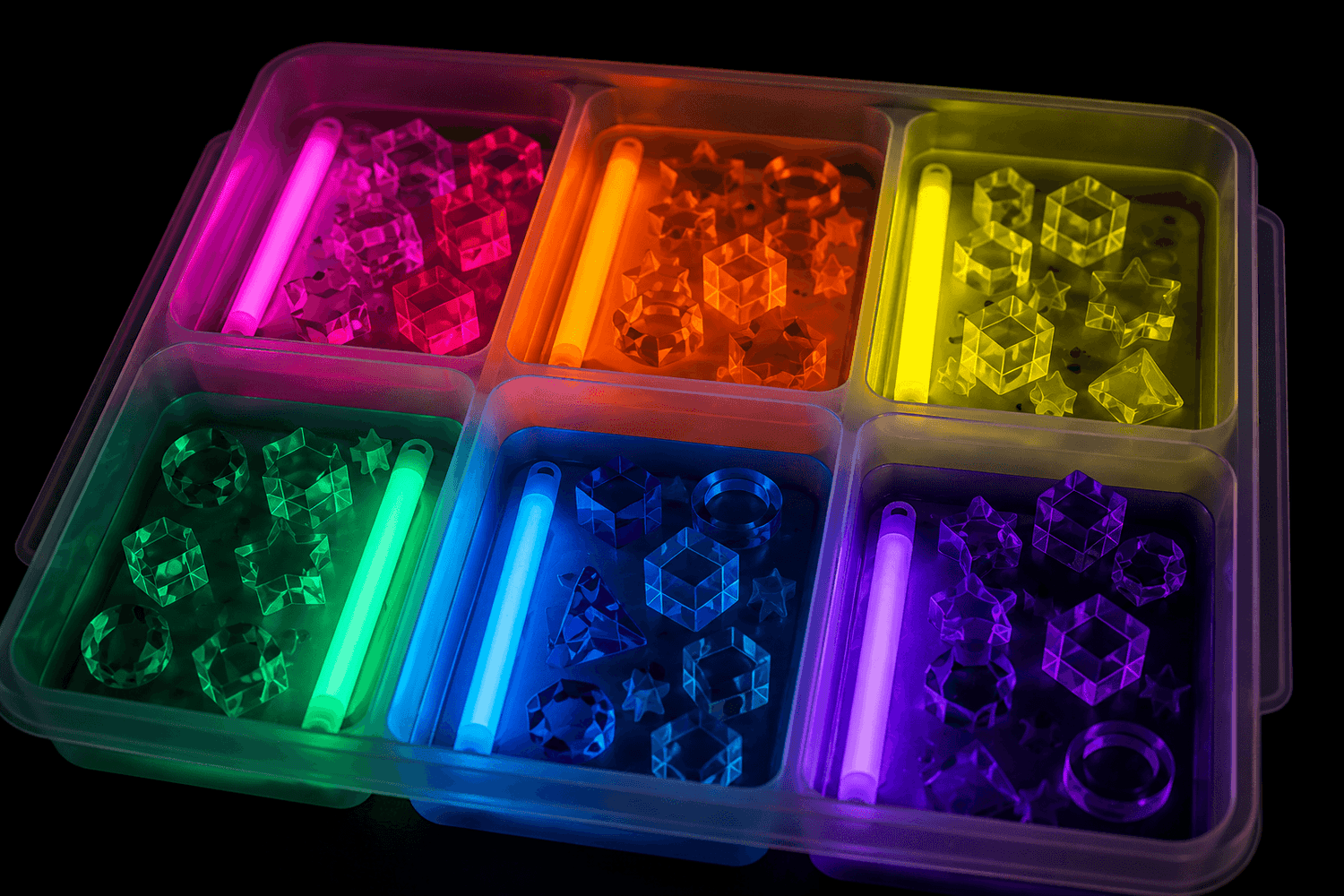
loose parts such as our enchanted gems or stones
-
puzzles and shape sorters
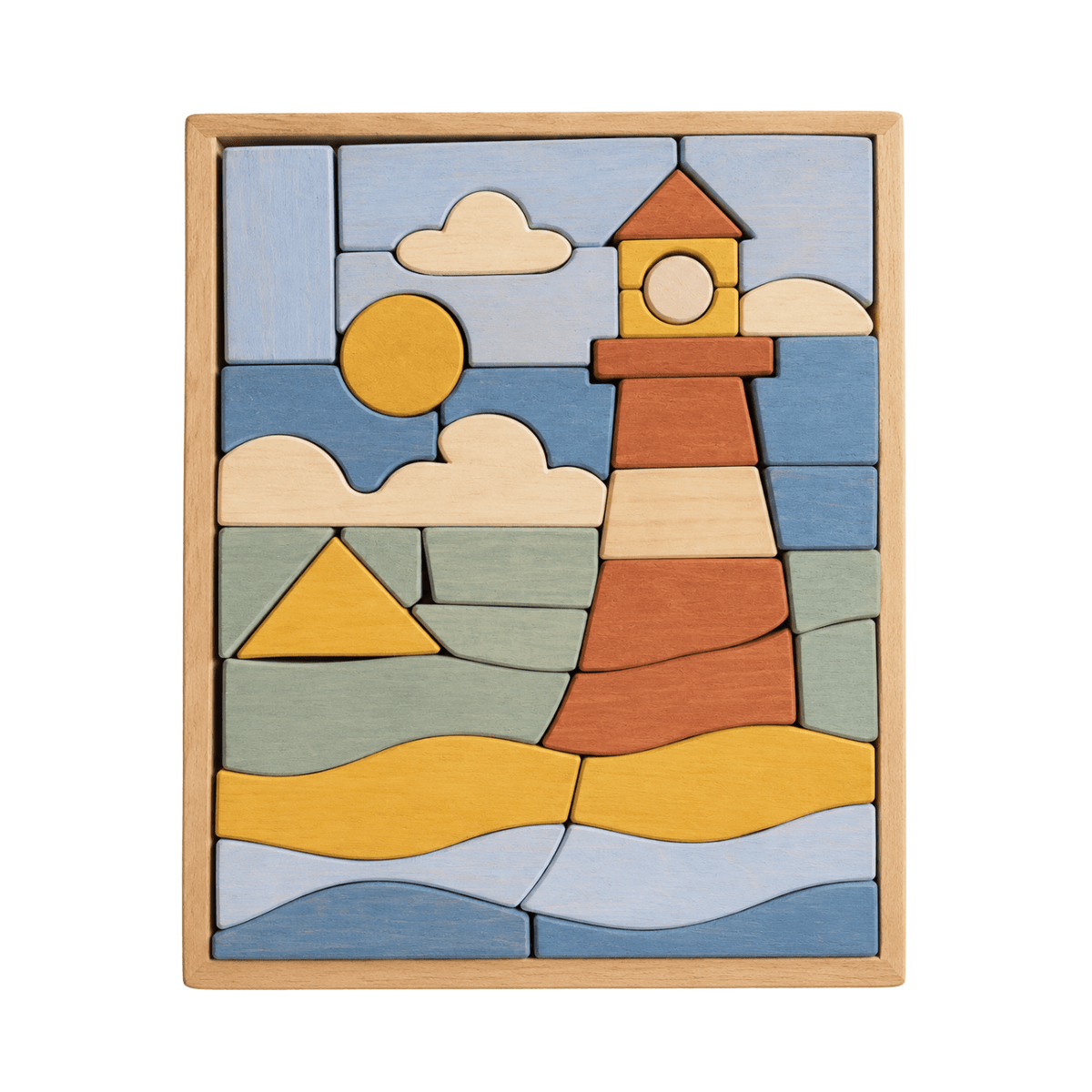
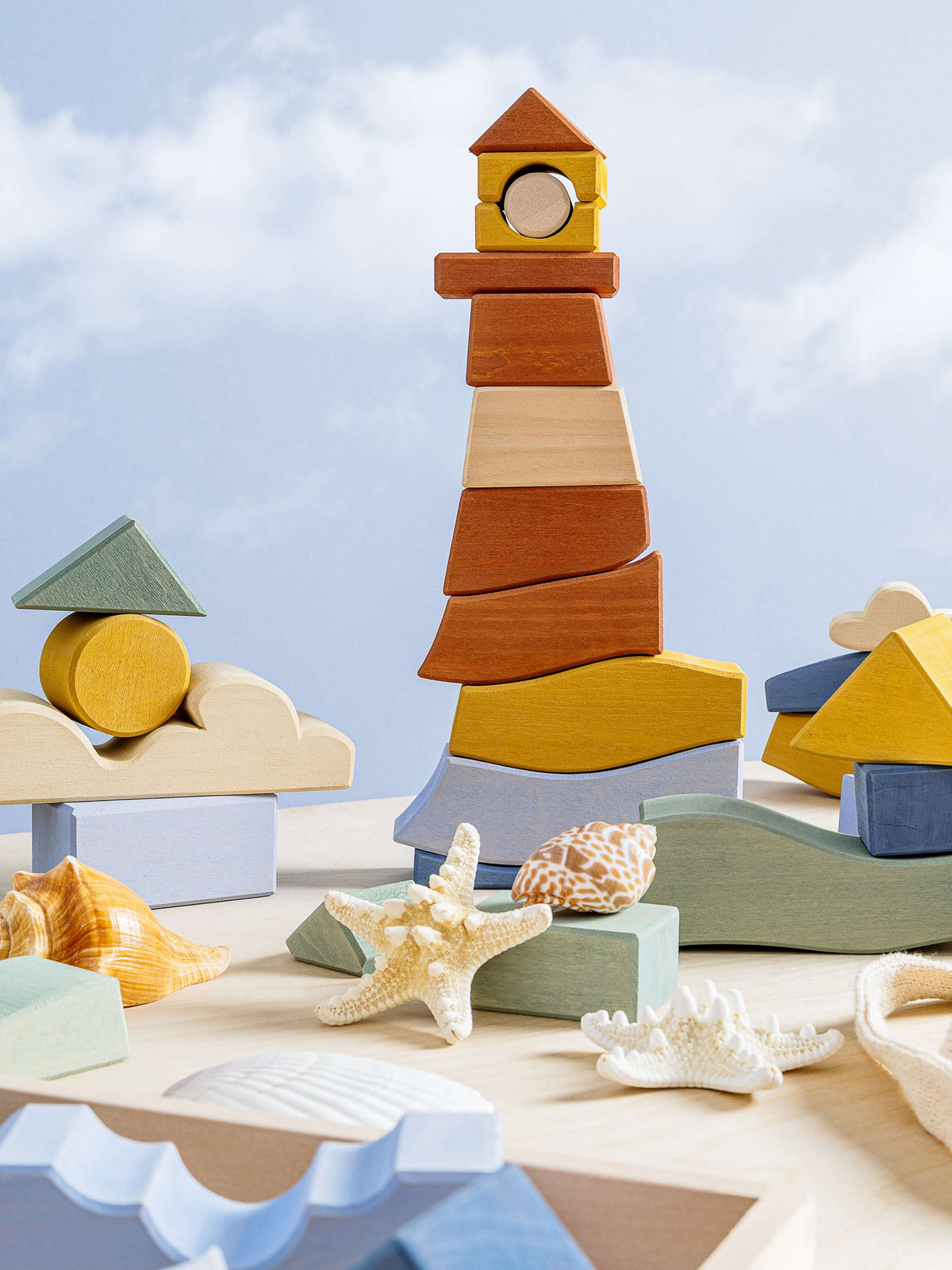
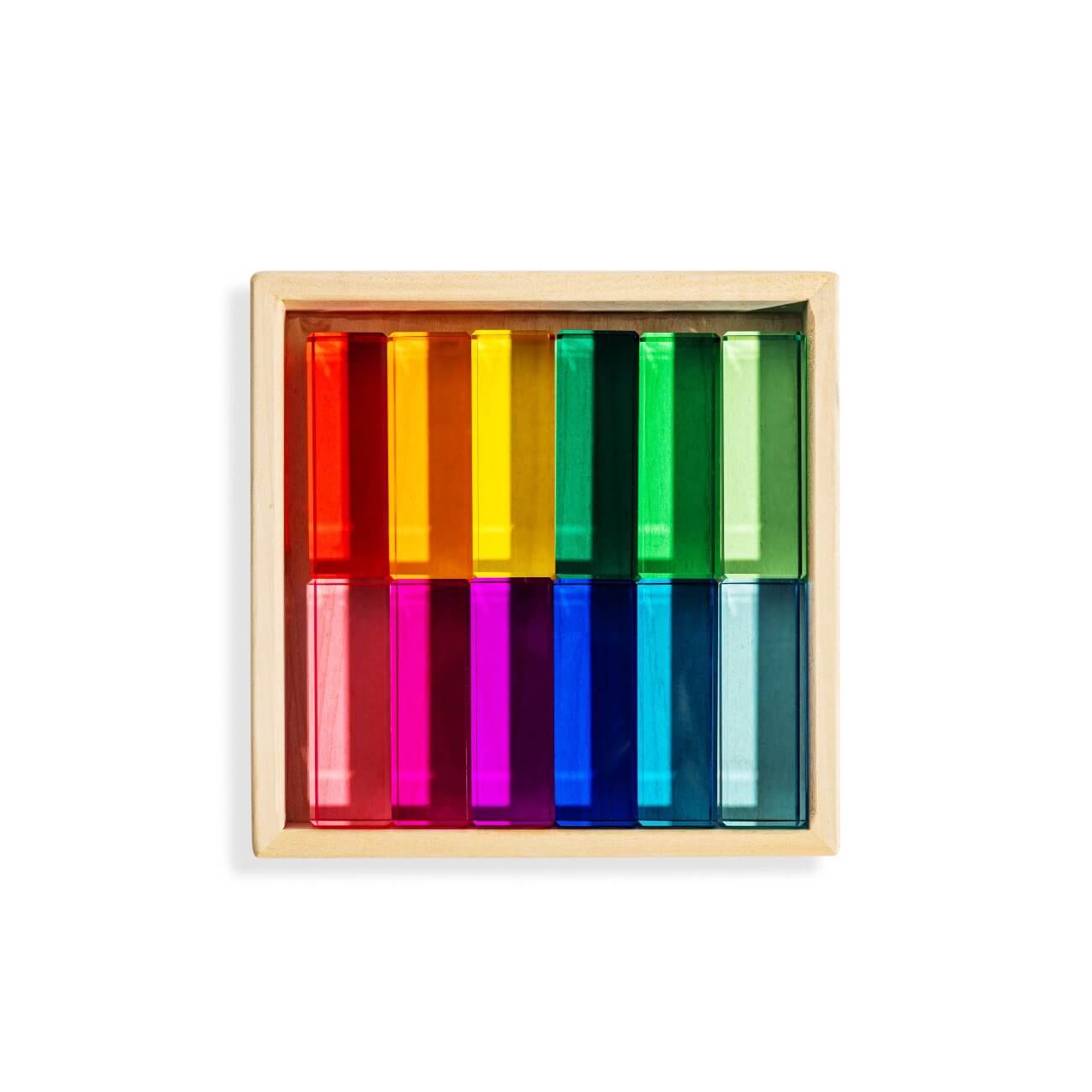
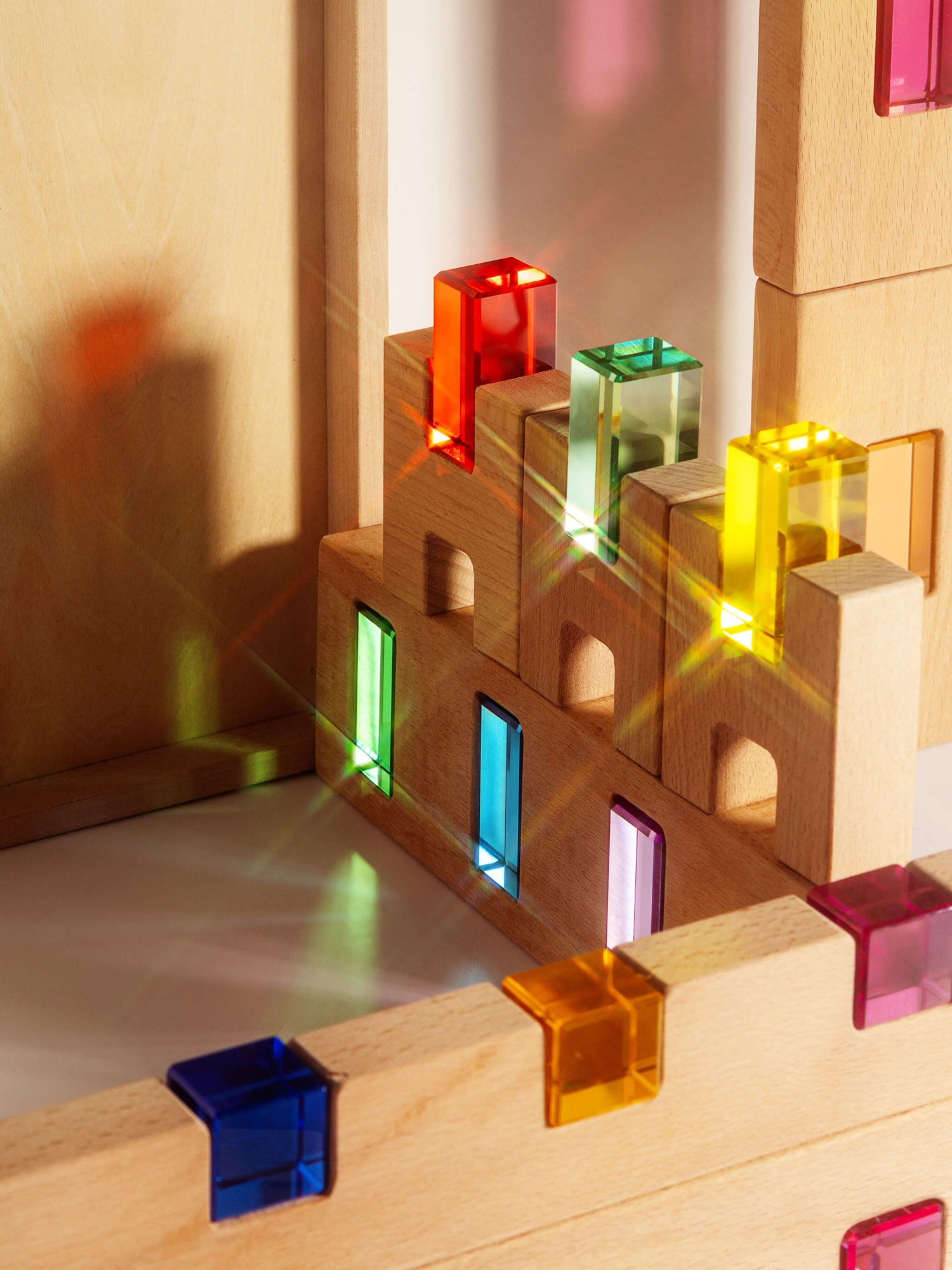
These materials allow children to explore engineering, mathematics, and scientific ideas naturally through play. Building toys like translucent blocks and stacking sets allow children to experiment with engineering concepts during play.
Curiosity Is the Beginning of STEM Learning
STEM learning begins with curiosity. When children have the freedom to build, experiment, and explore materials, they begin asking questions about how things work.
Open-ended play encourages children to become thinkers, builders, and problem-solvers. Through playful experimentation, children develop the curiosity and confidence that support lifelong learning.







0 commentaire