
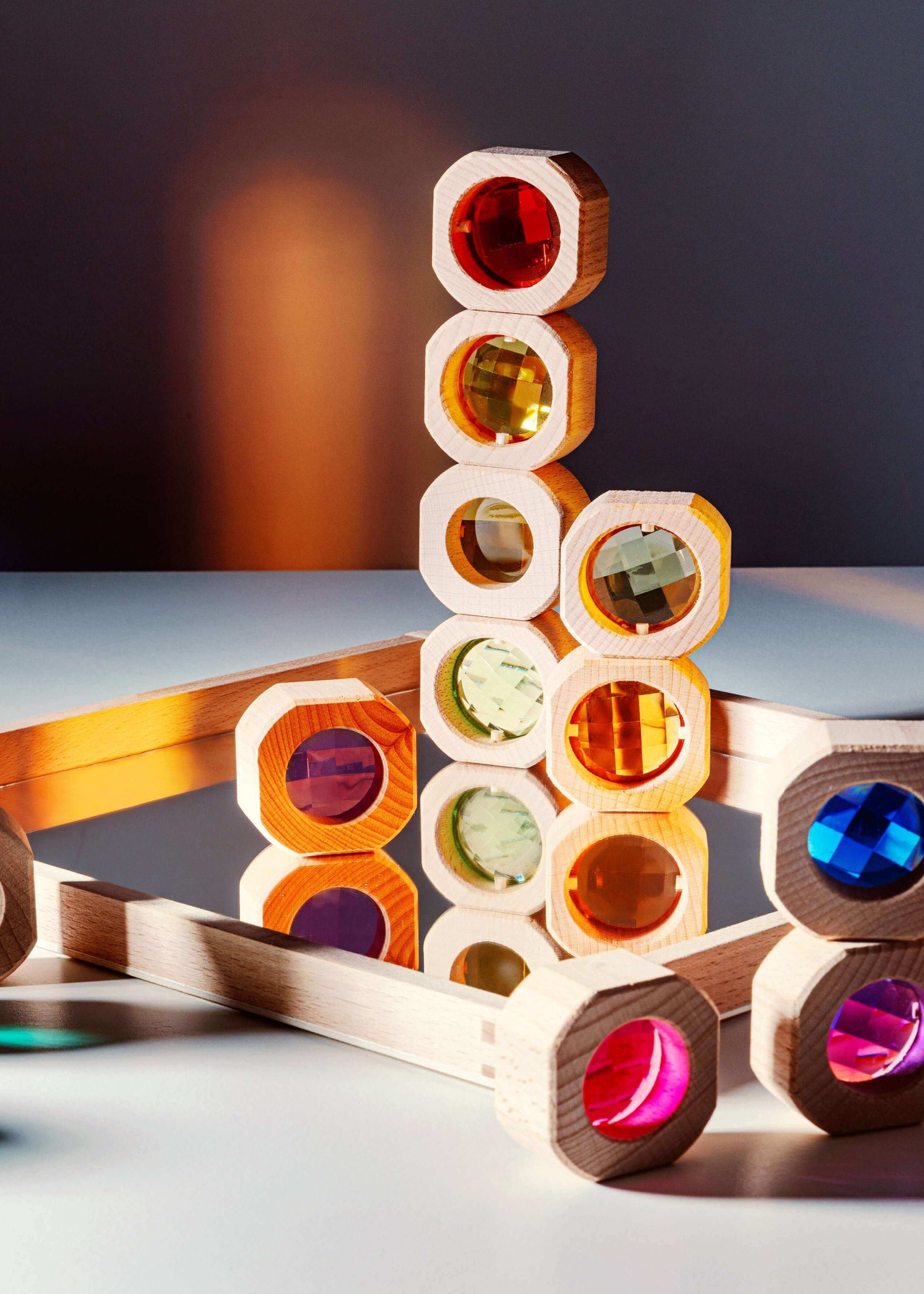
Independent play for toddlers can feel impossible some days—especially when you’re being summoned every 30 seconds.
But independent play isn’t something children are born doing. It’s something they learn.
Why Independent Play Matters
When children play on their own, they learn to:
-
Focus for longer periods
-
Solve problems without help
-
Build confidence in their ideas
Independent play is also closely tied to self-regulation and emotional development—skills that carry into school and beyond.
Start Small (Very Small)
If your child isn’t used to playing independently, don’t aim for 30 minutes right away.
Start with:
-
5–10 minutes
-
A simple setup
-
No pressure
Then gradually increase.
(Yes, this is your permission to sit down with coffee while “supervising.”)
Create a Play Environment That Works
Children are far more likely to play independently when:
-
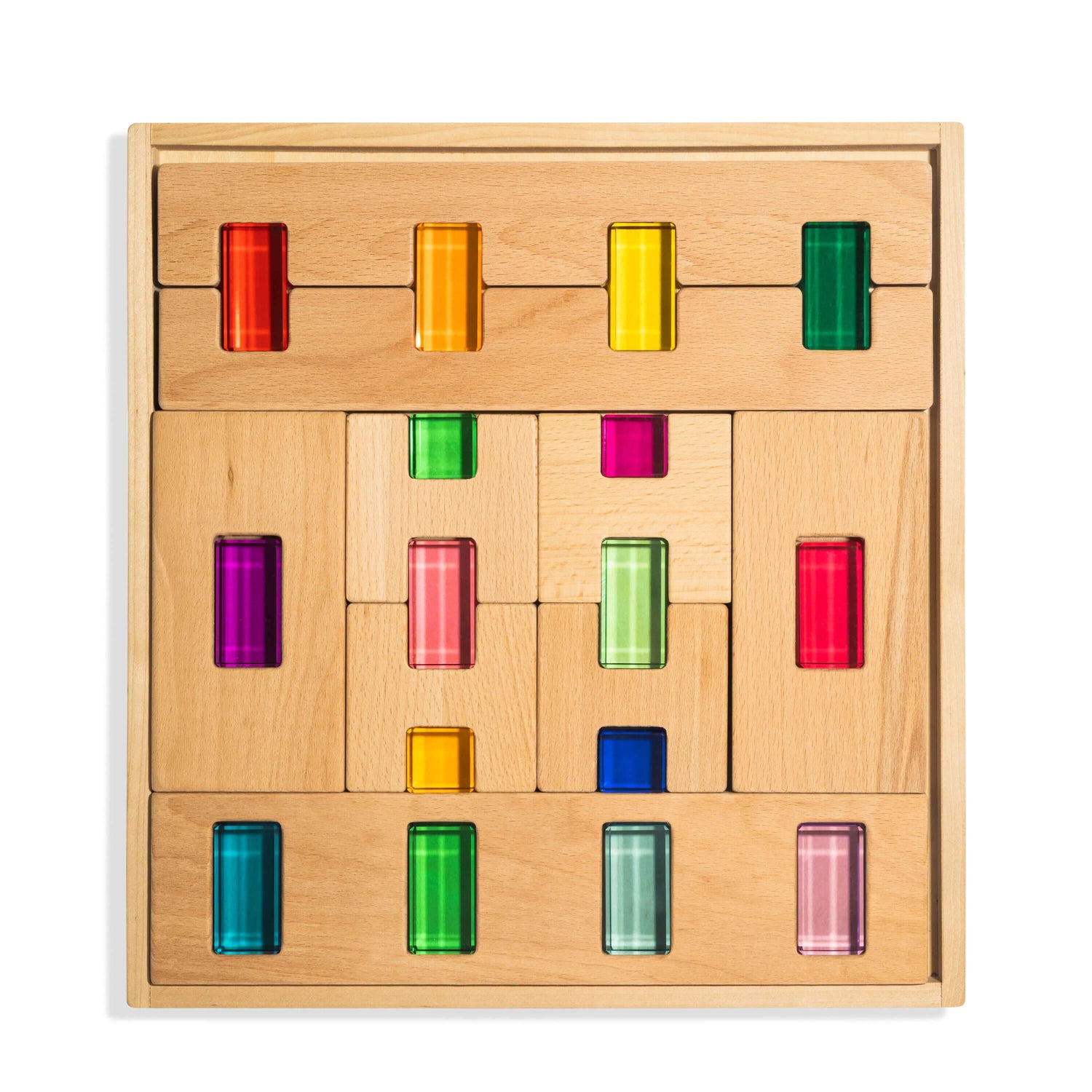
Toys are visible and accessible
-
Options are limited (not overwhelming)
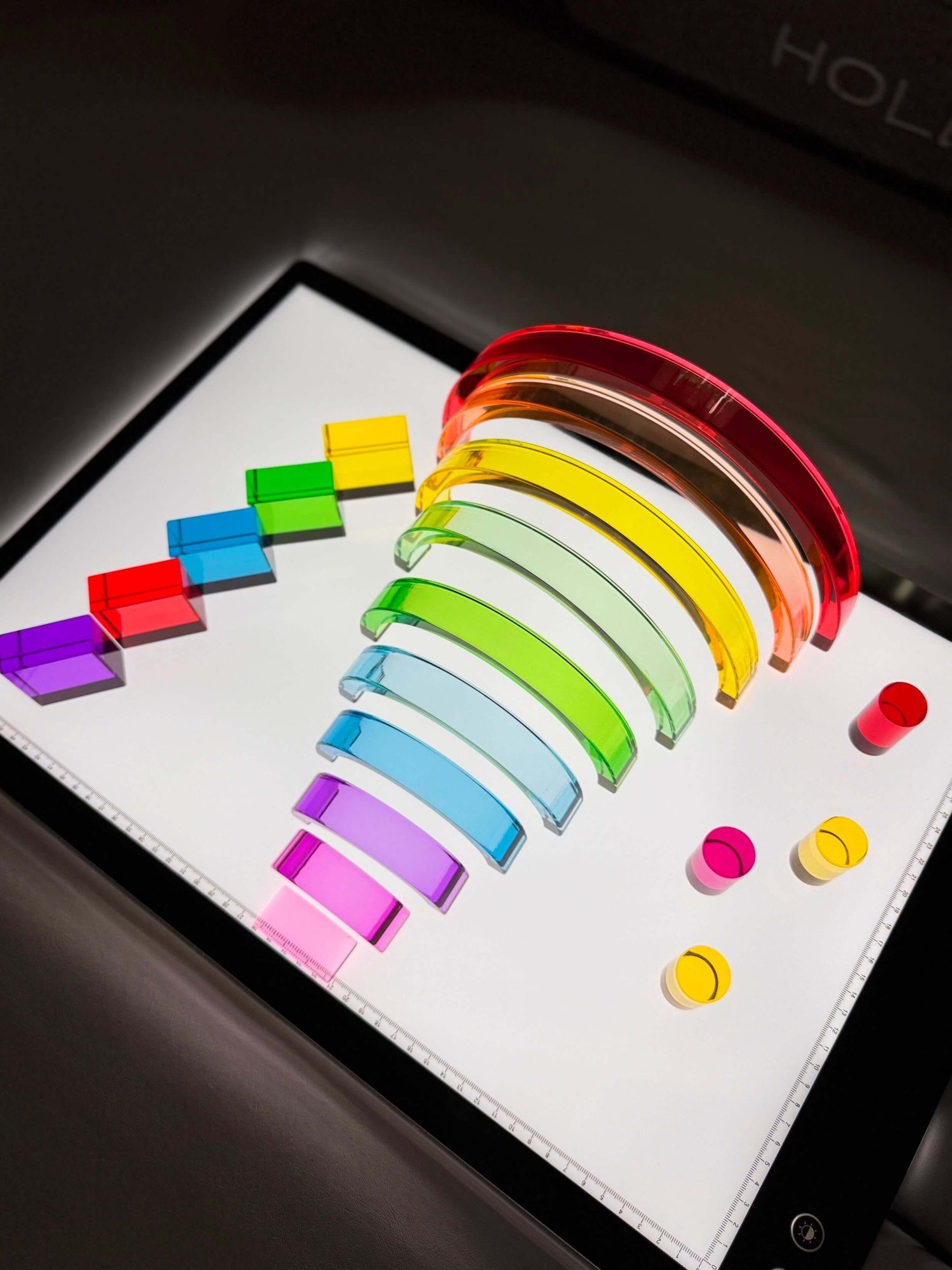
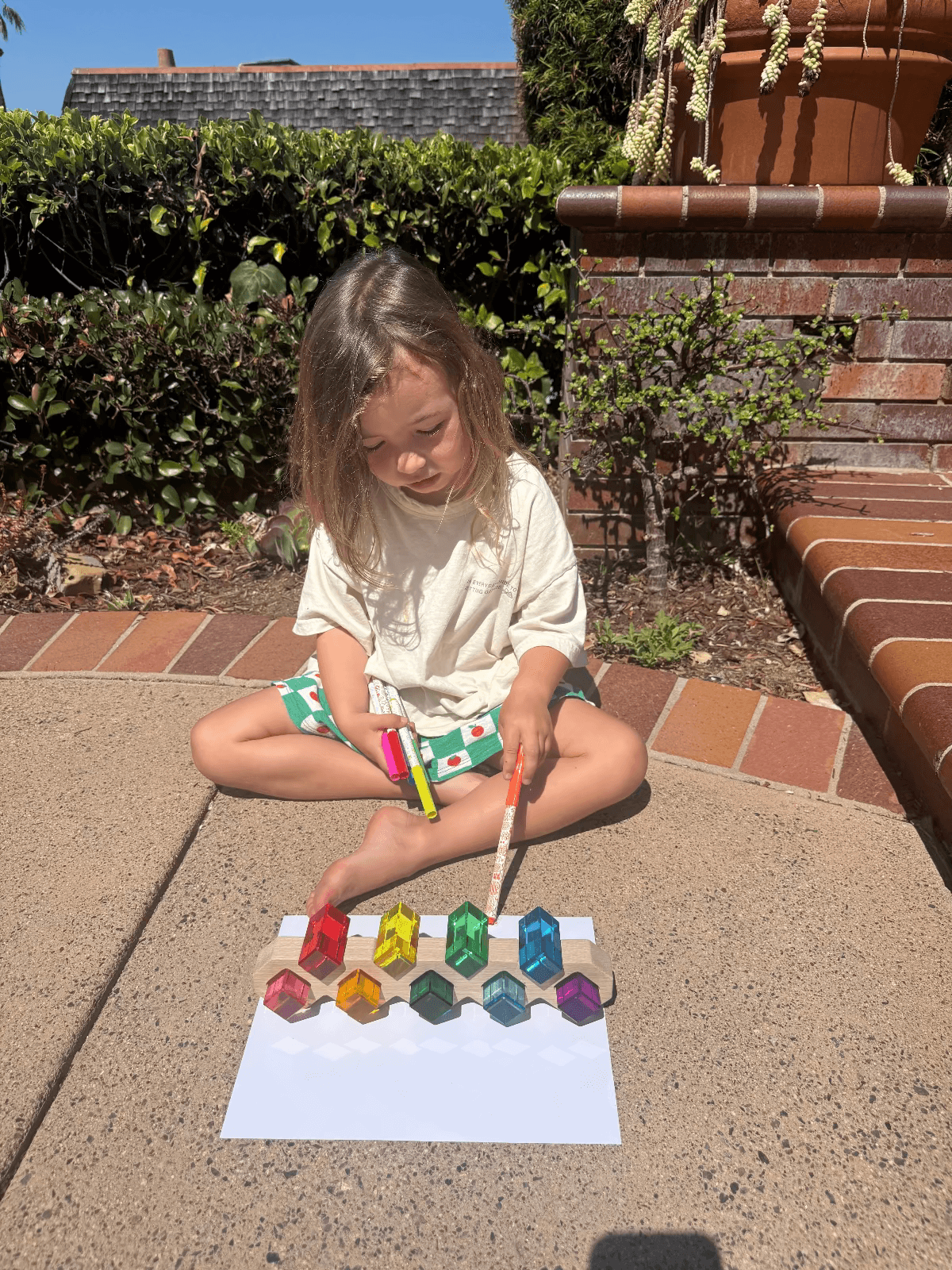
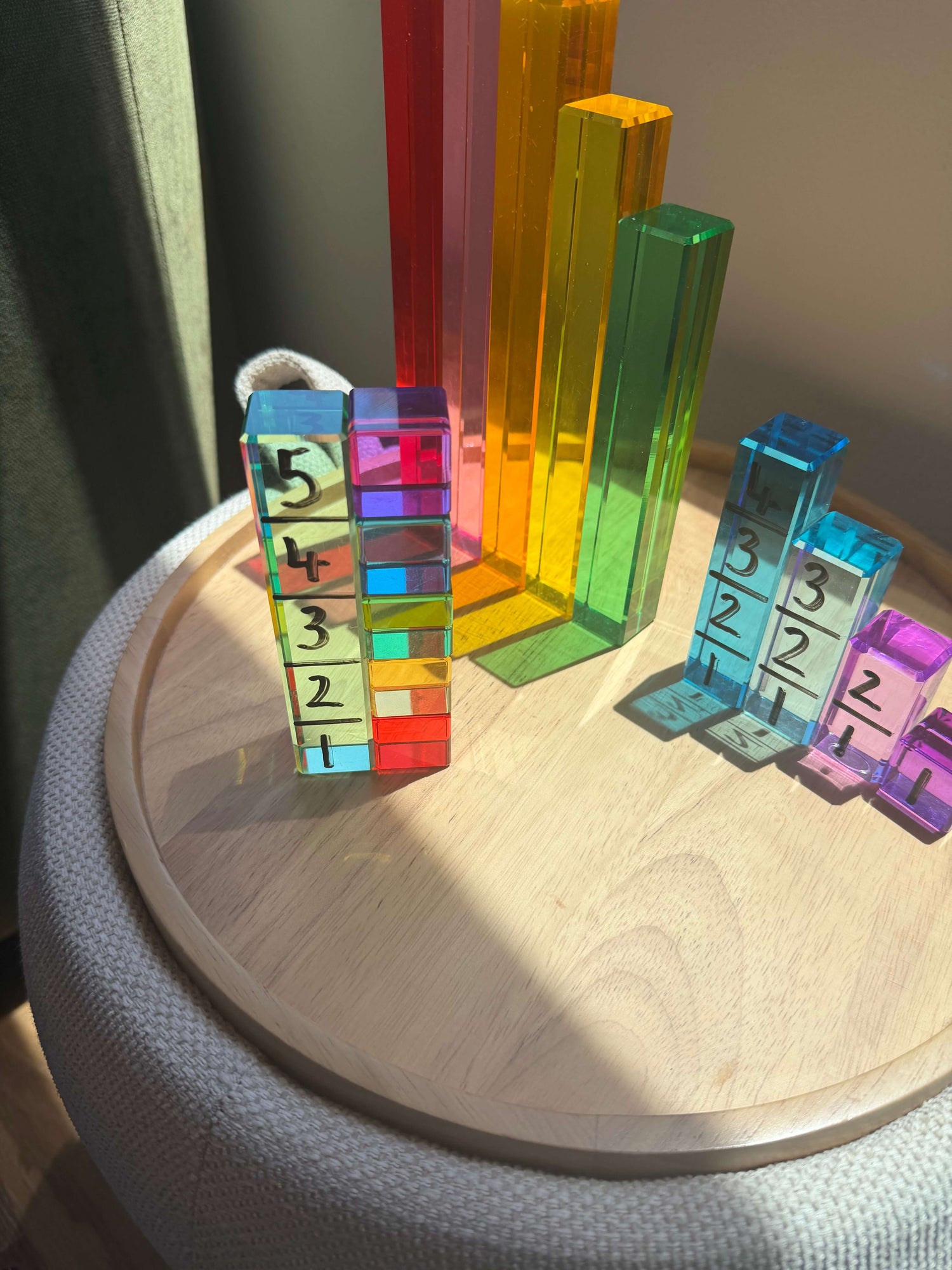
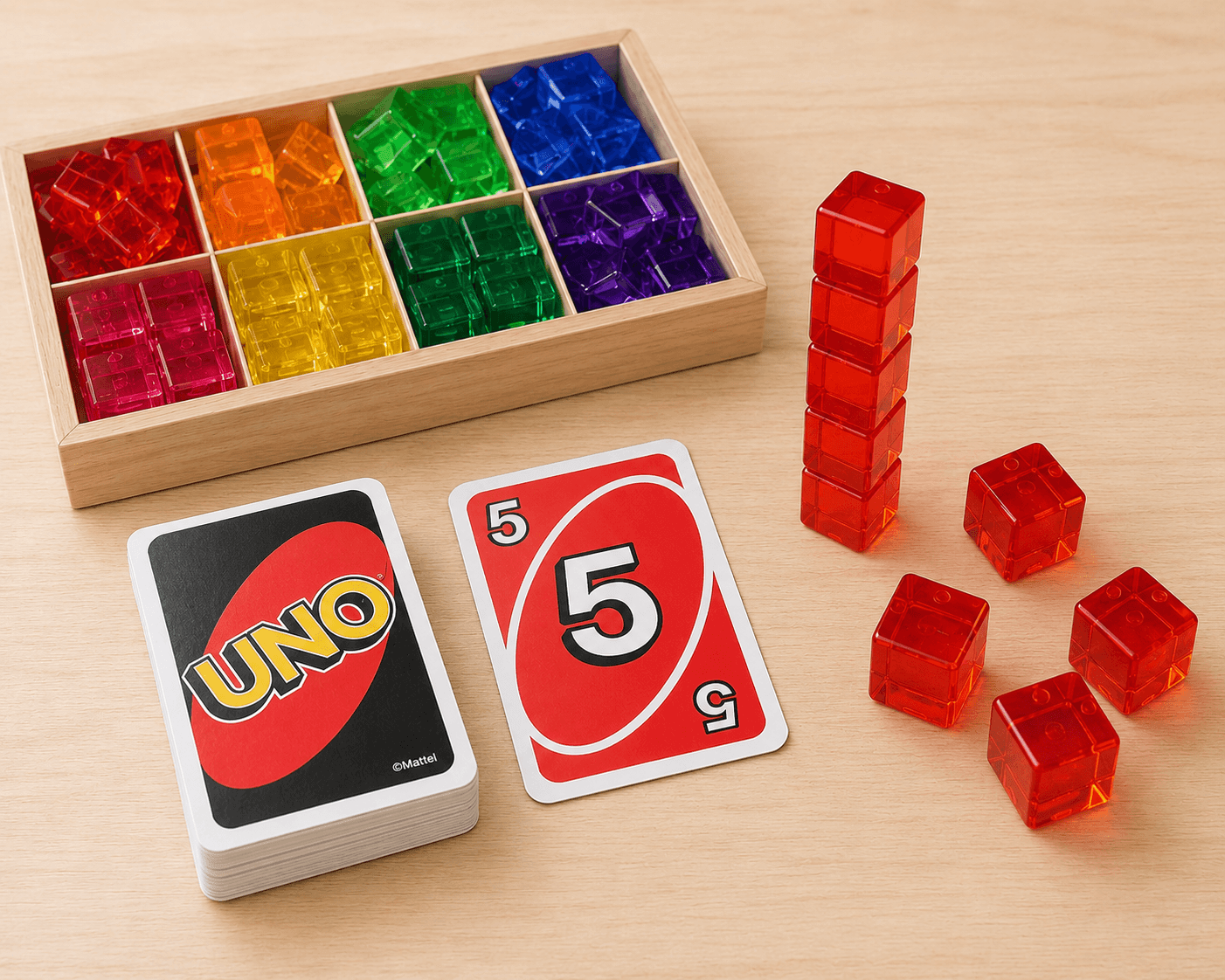
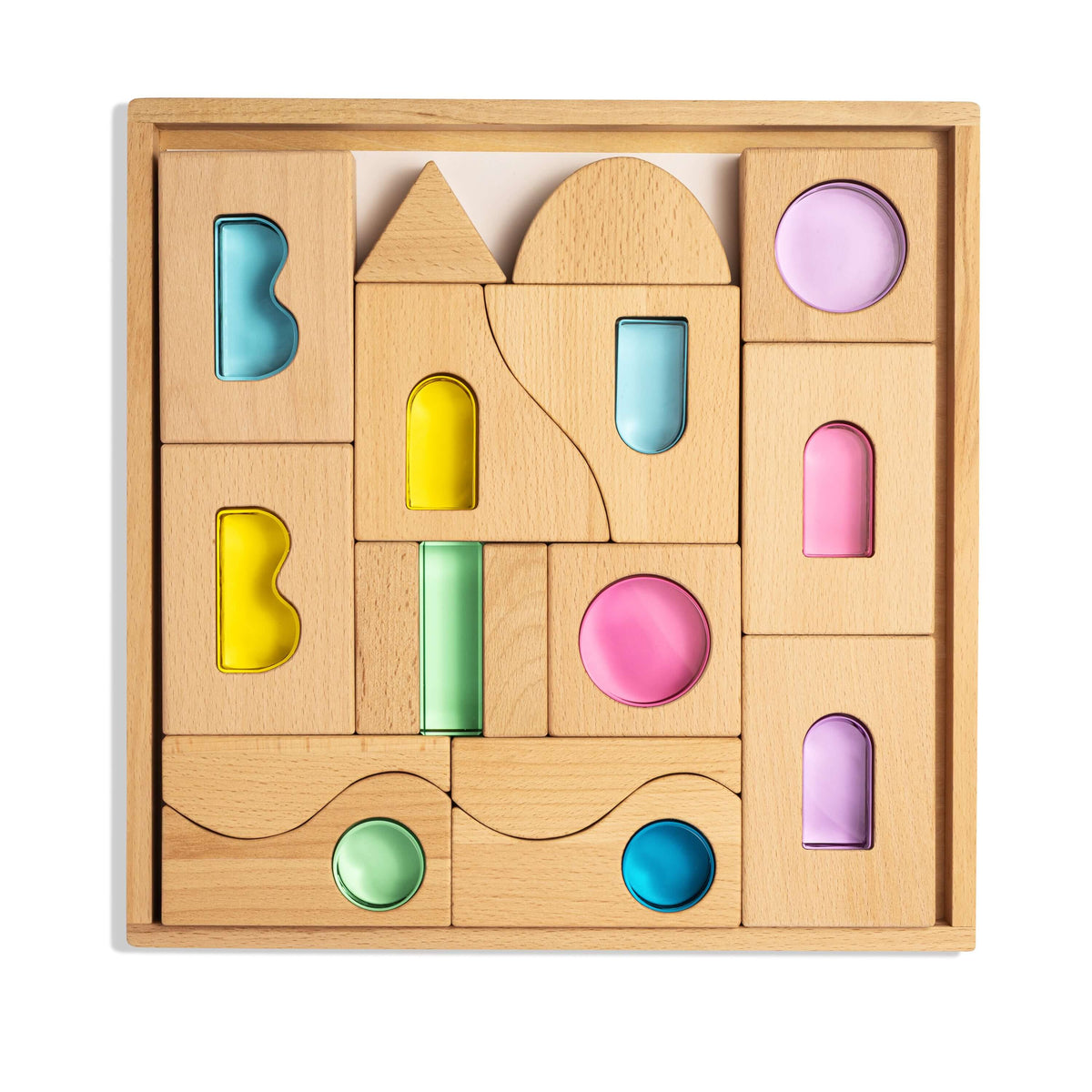
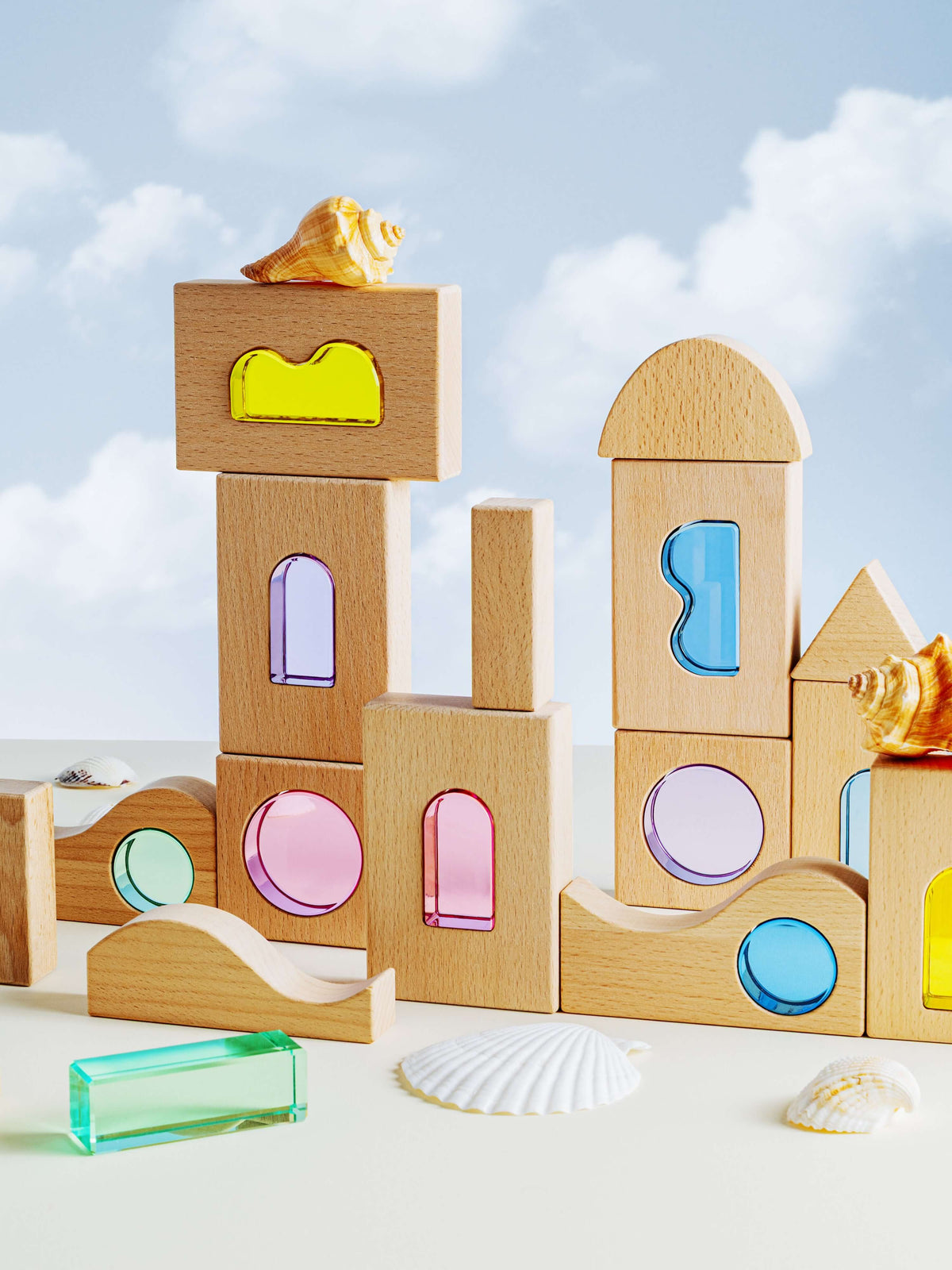
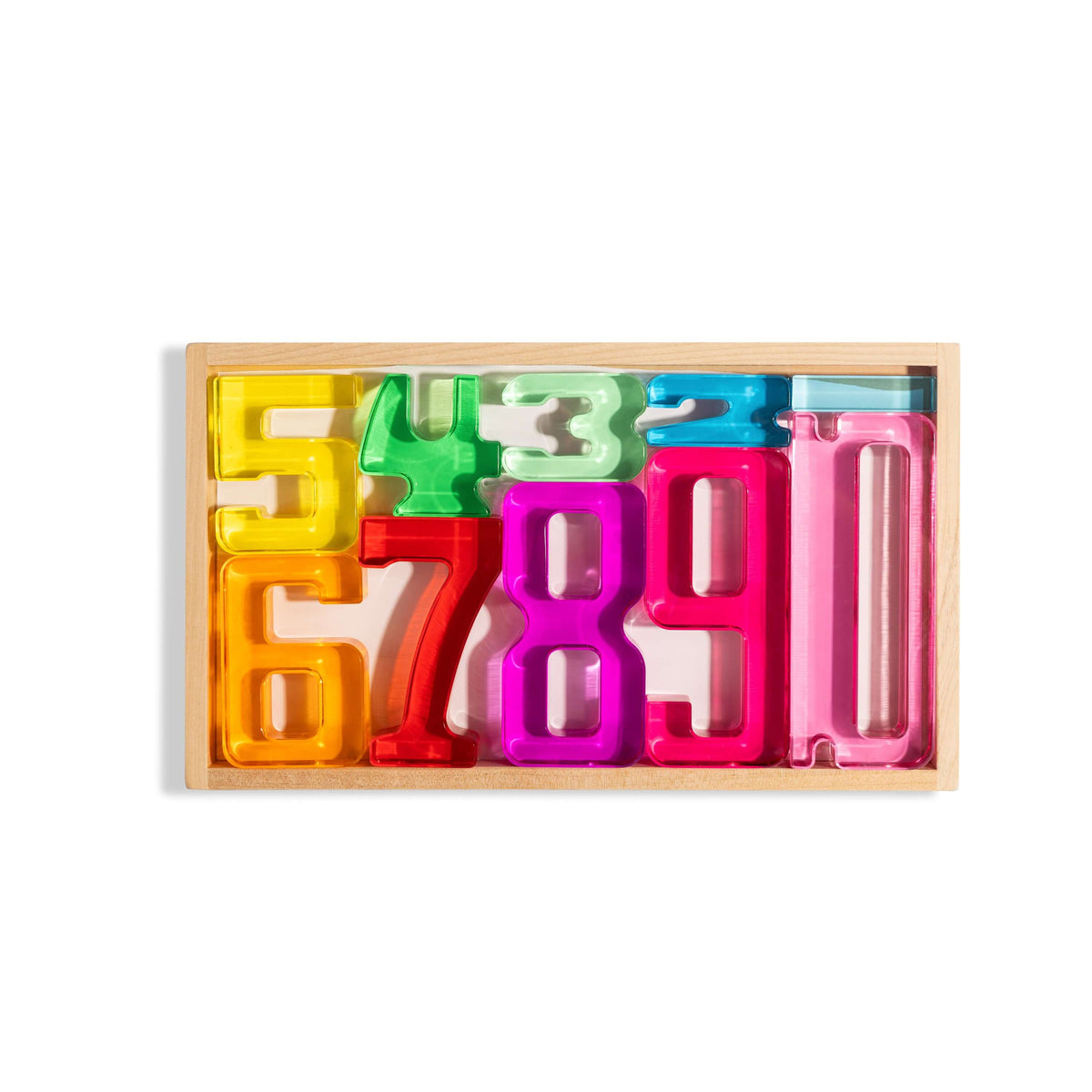
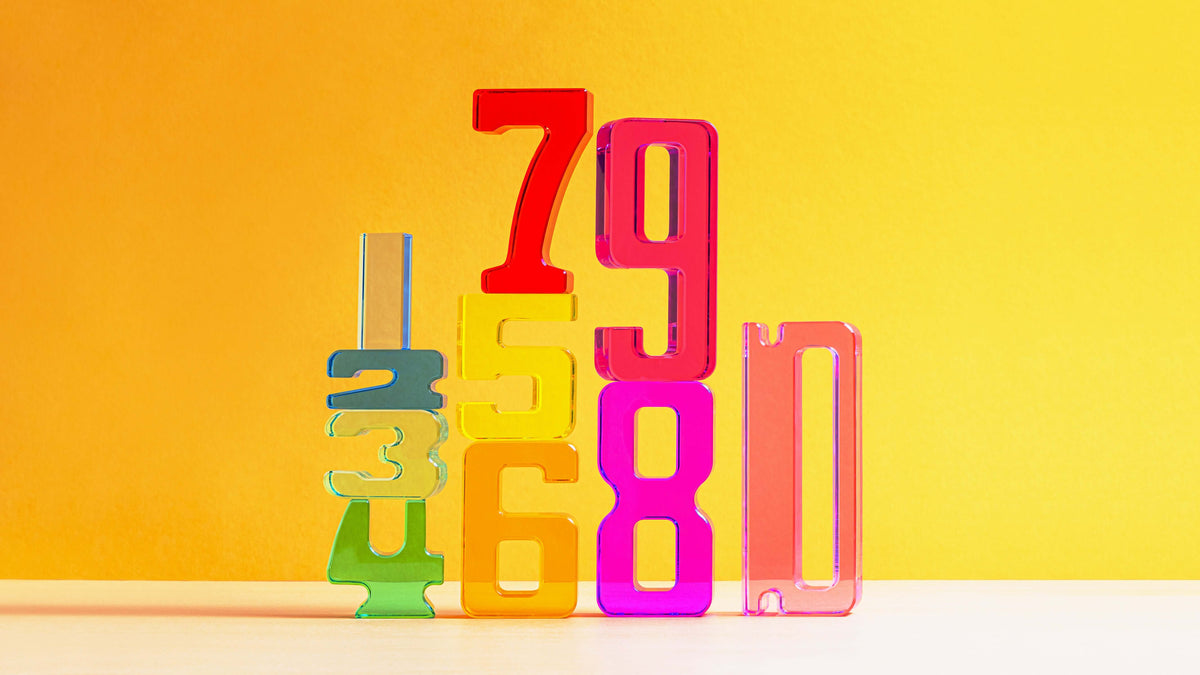
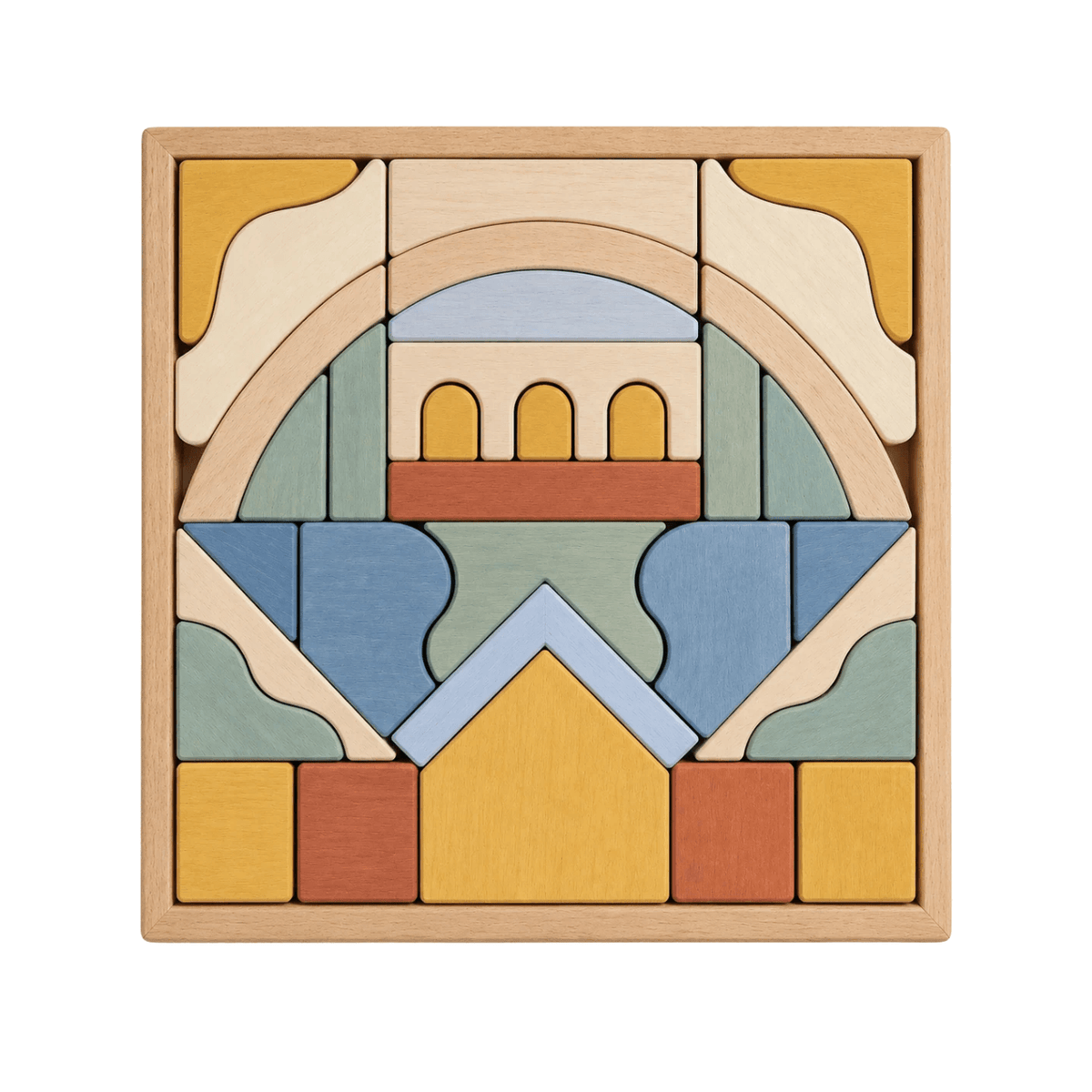
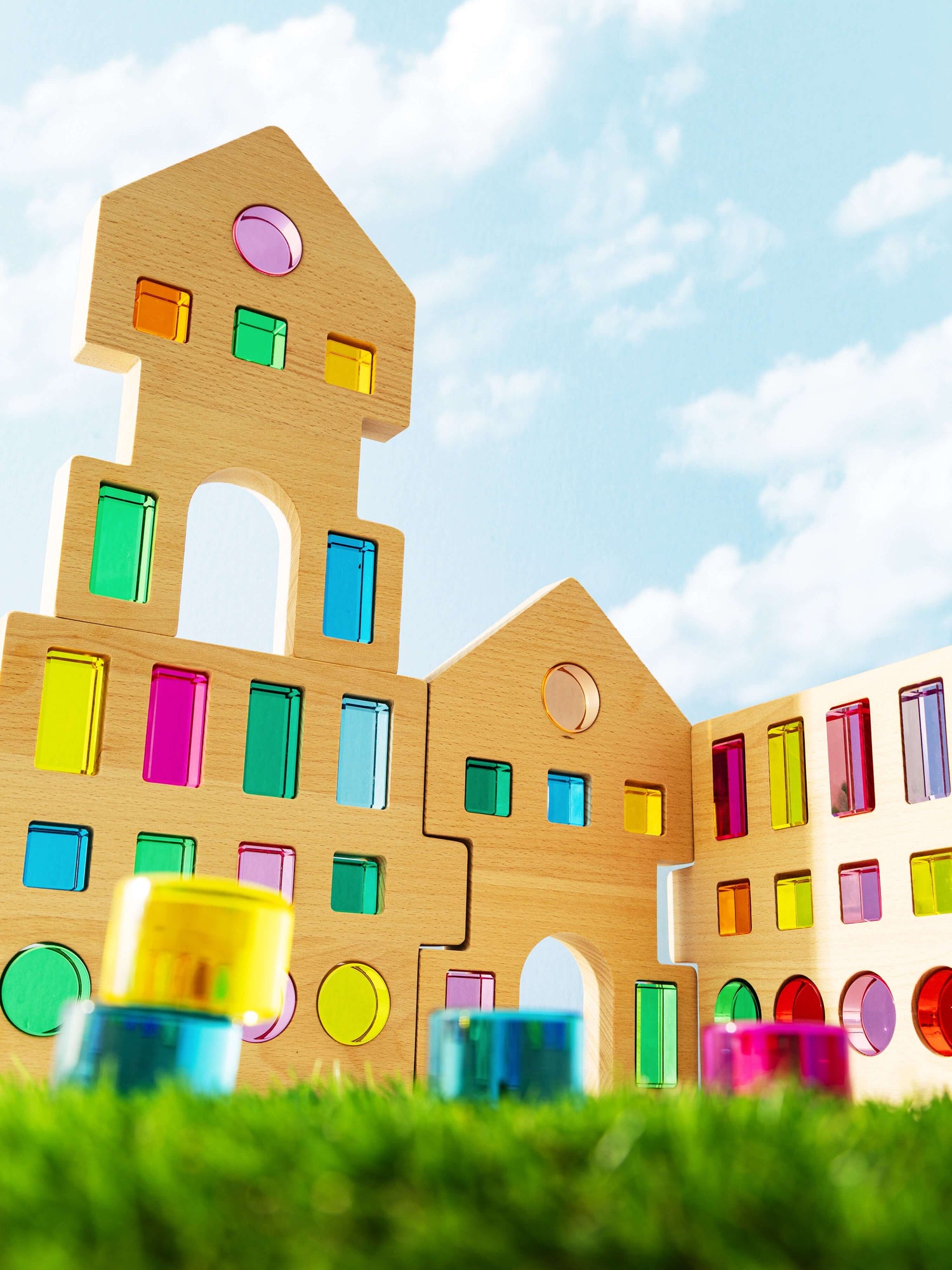
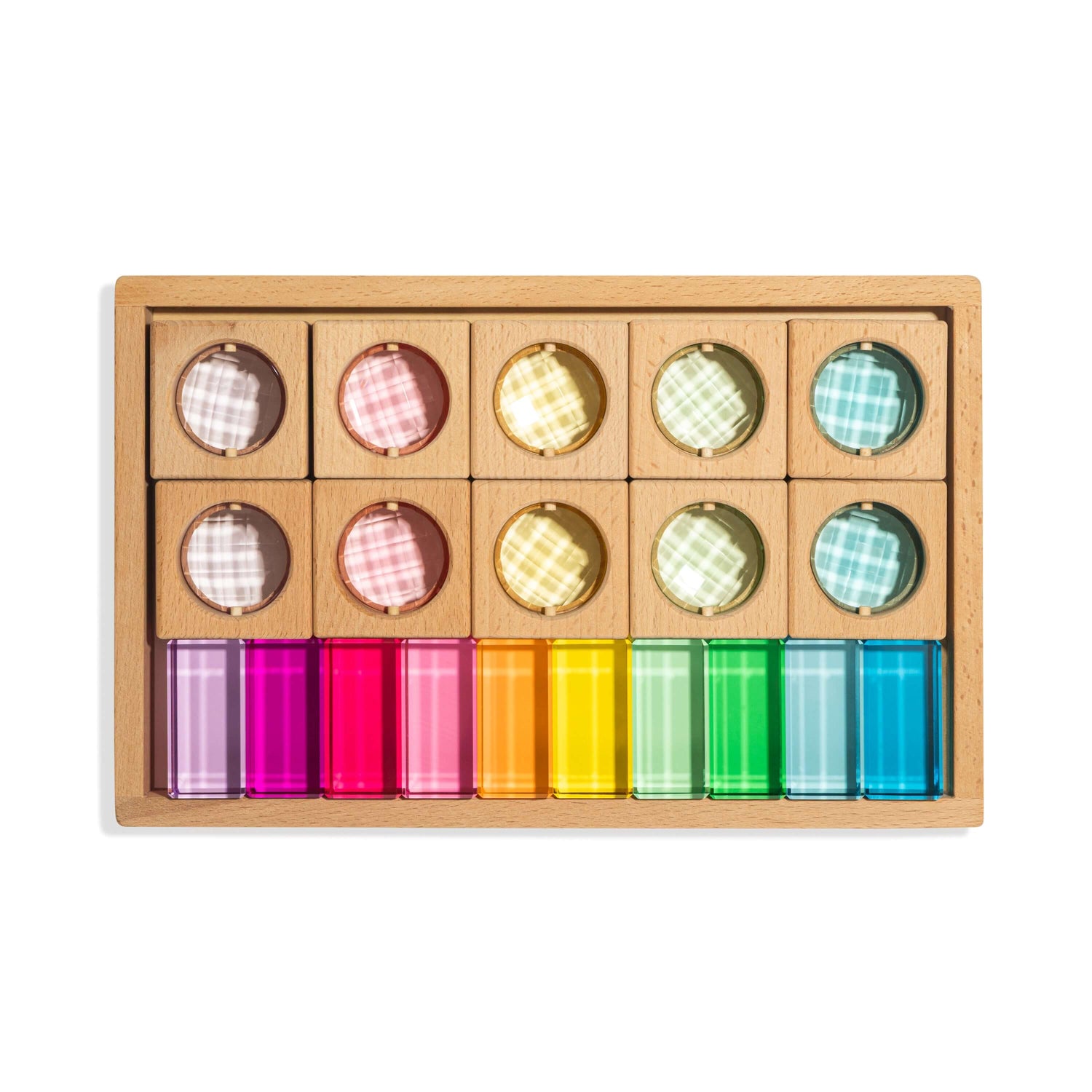
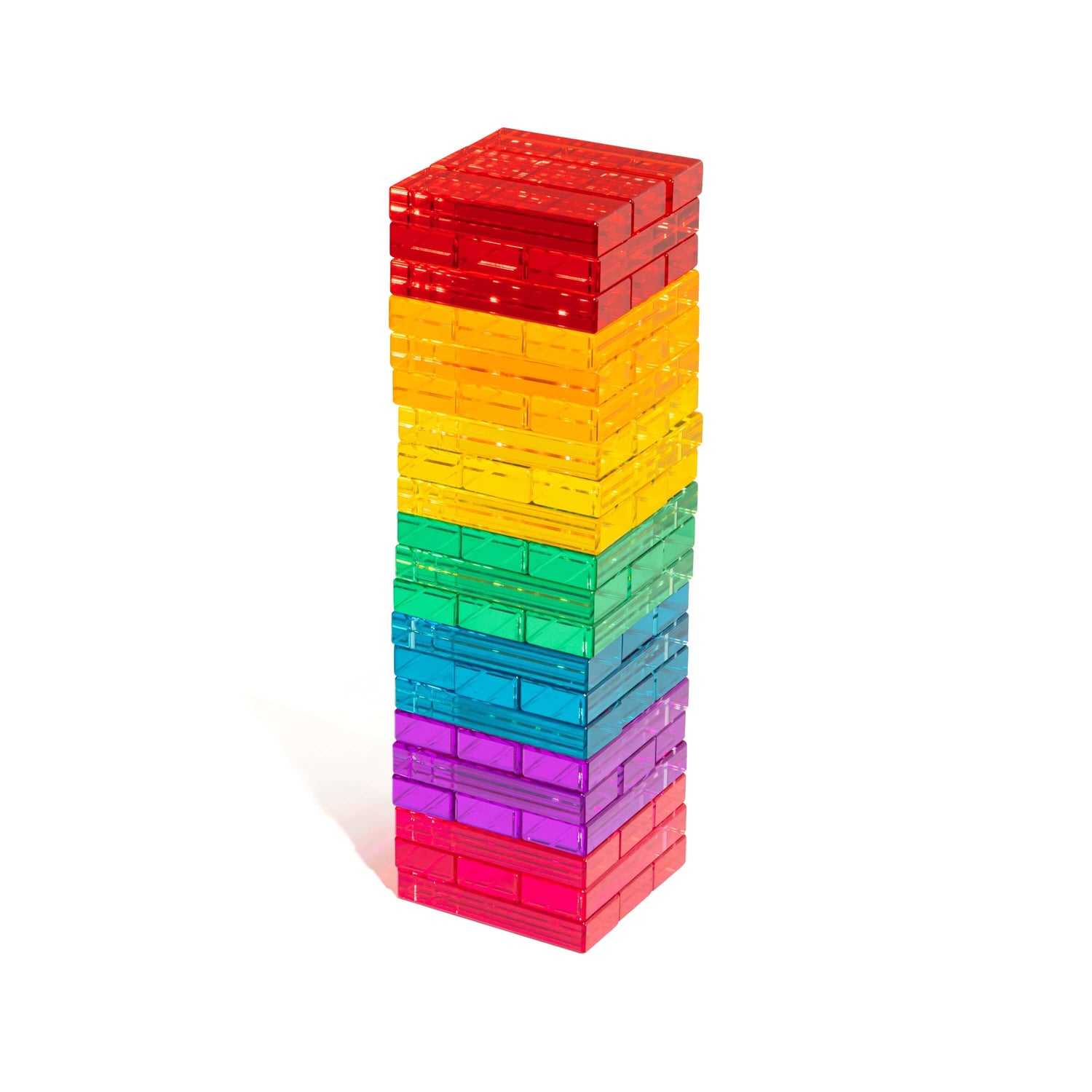
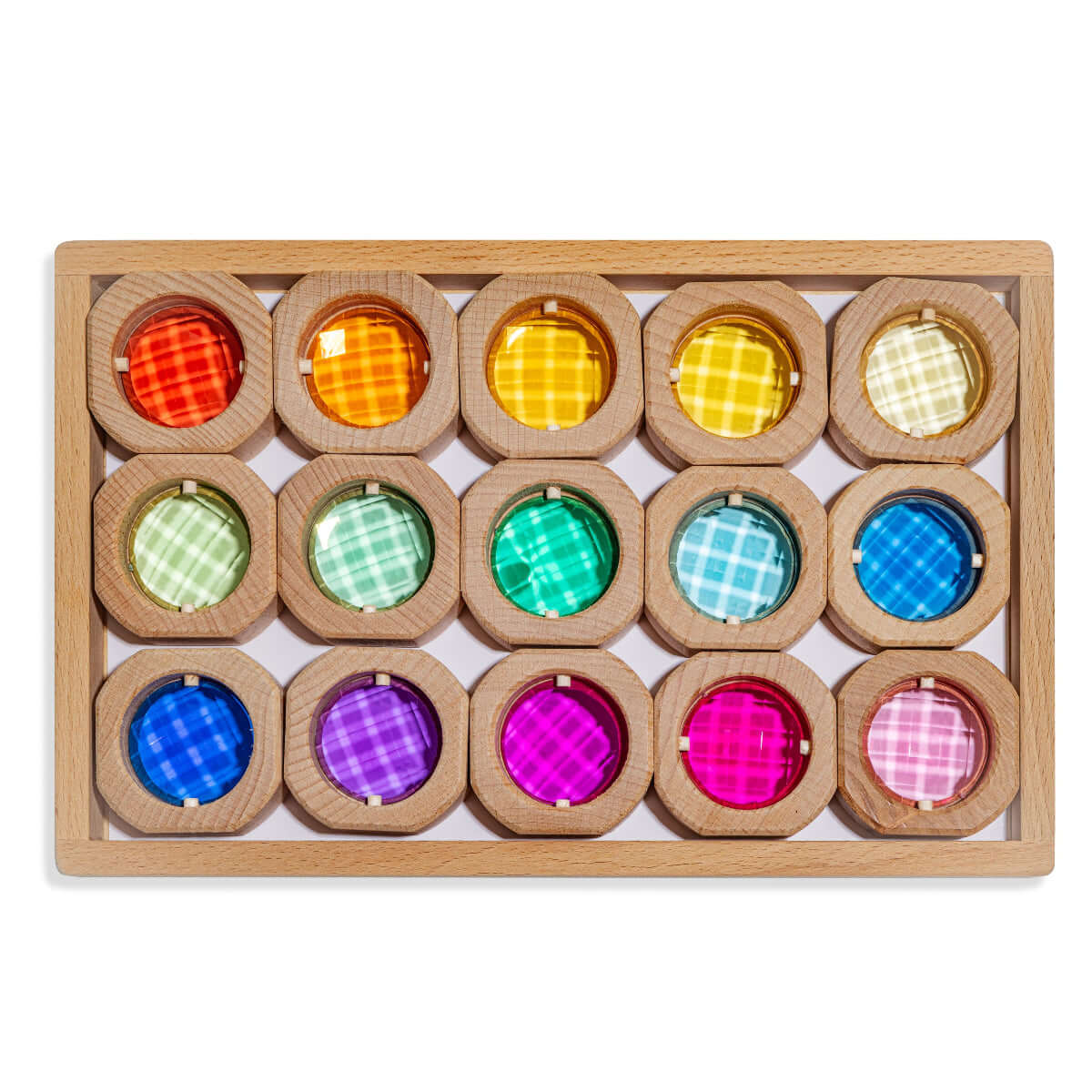
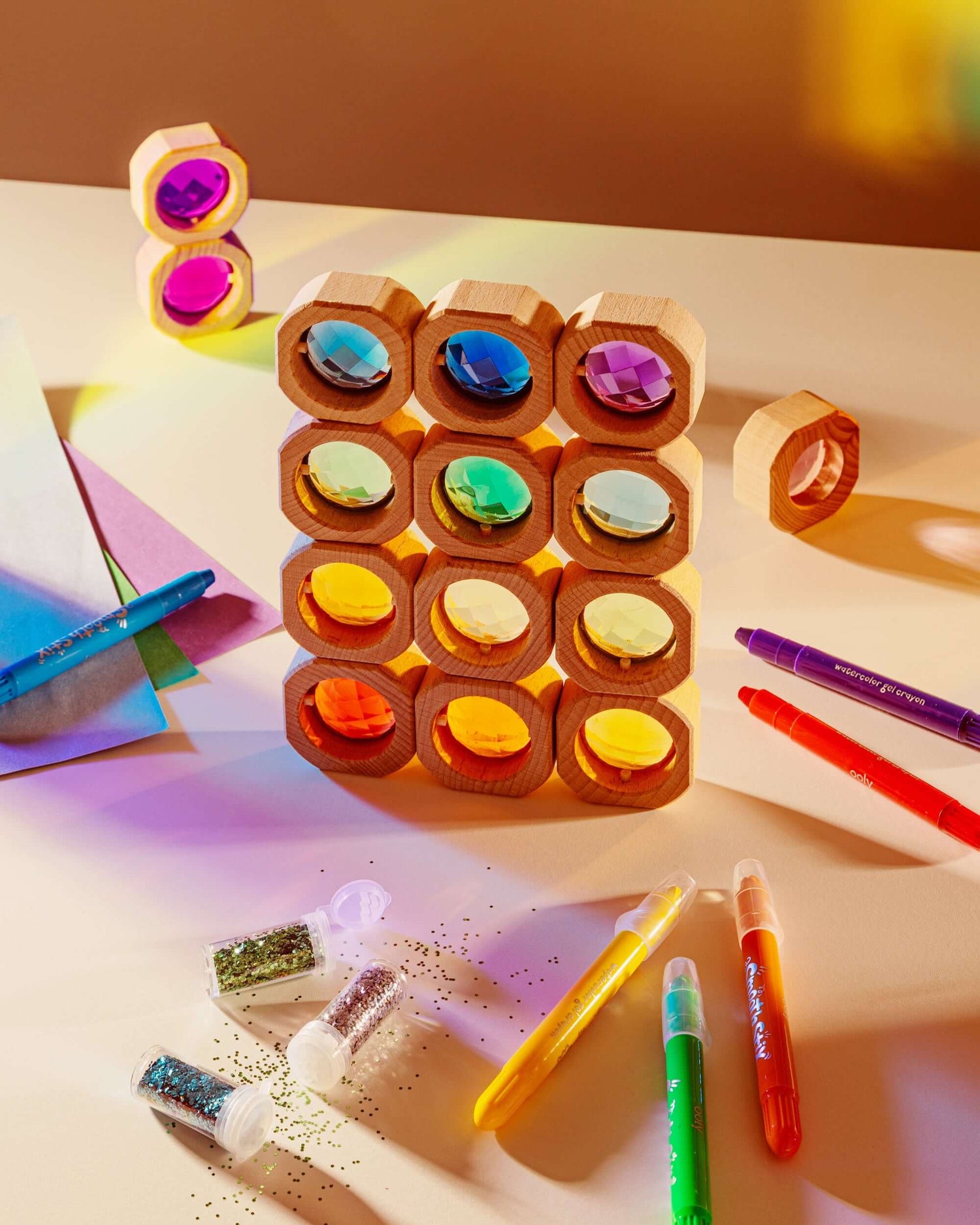
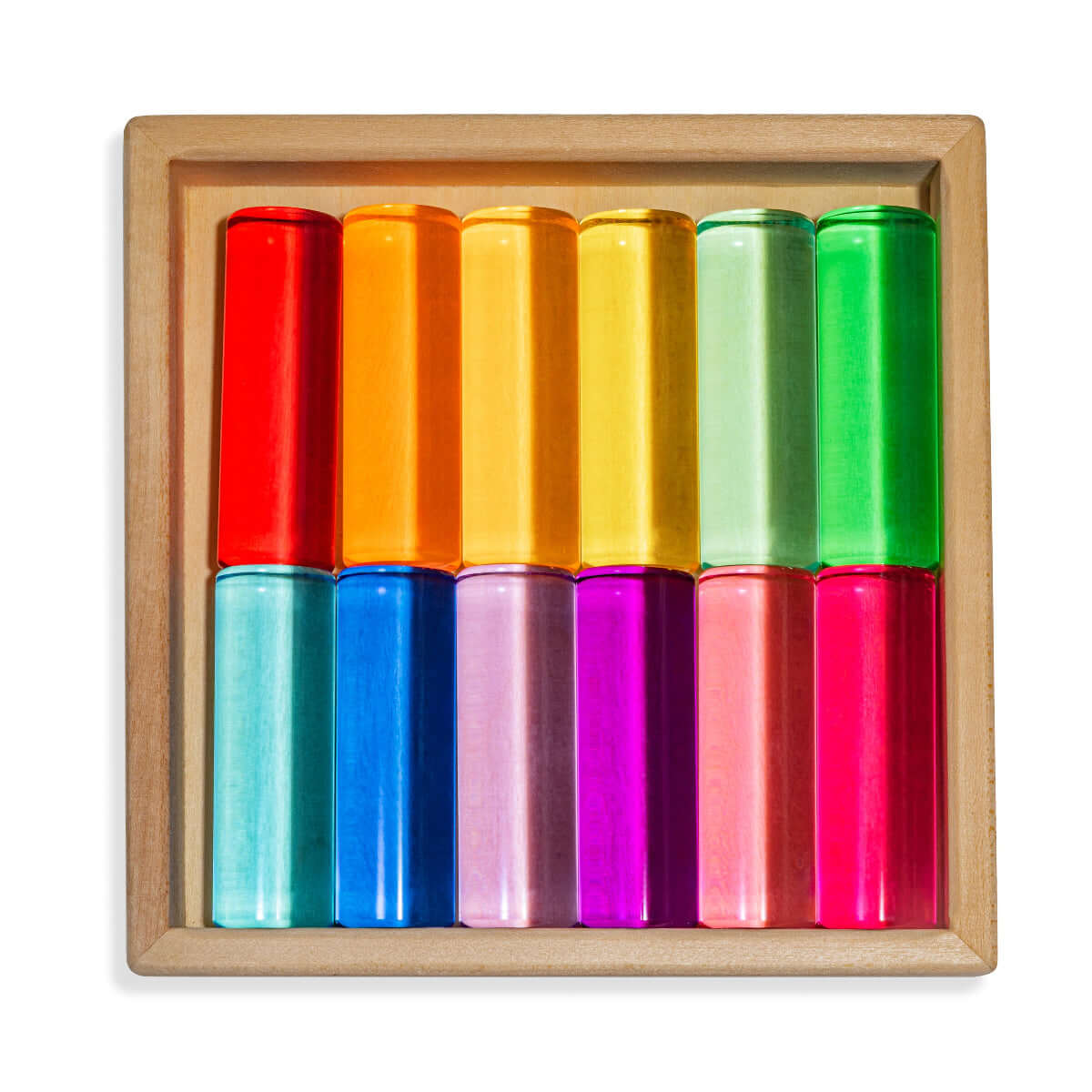
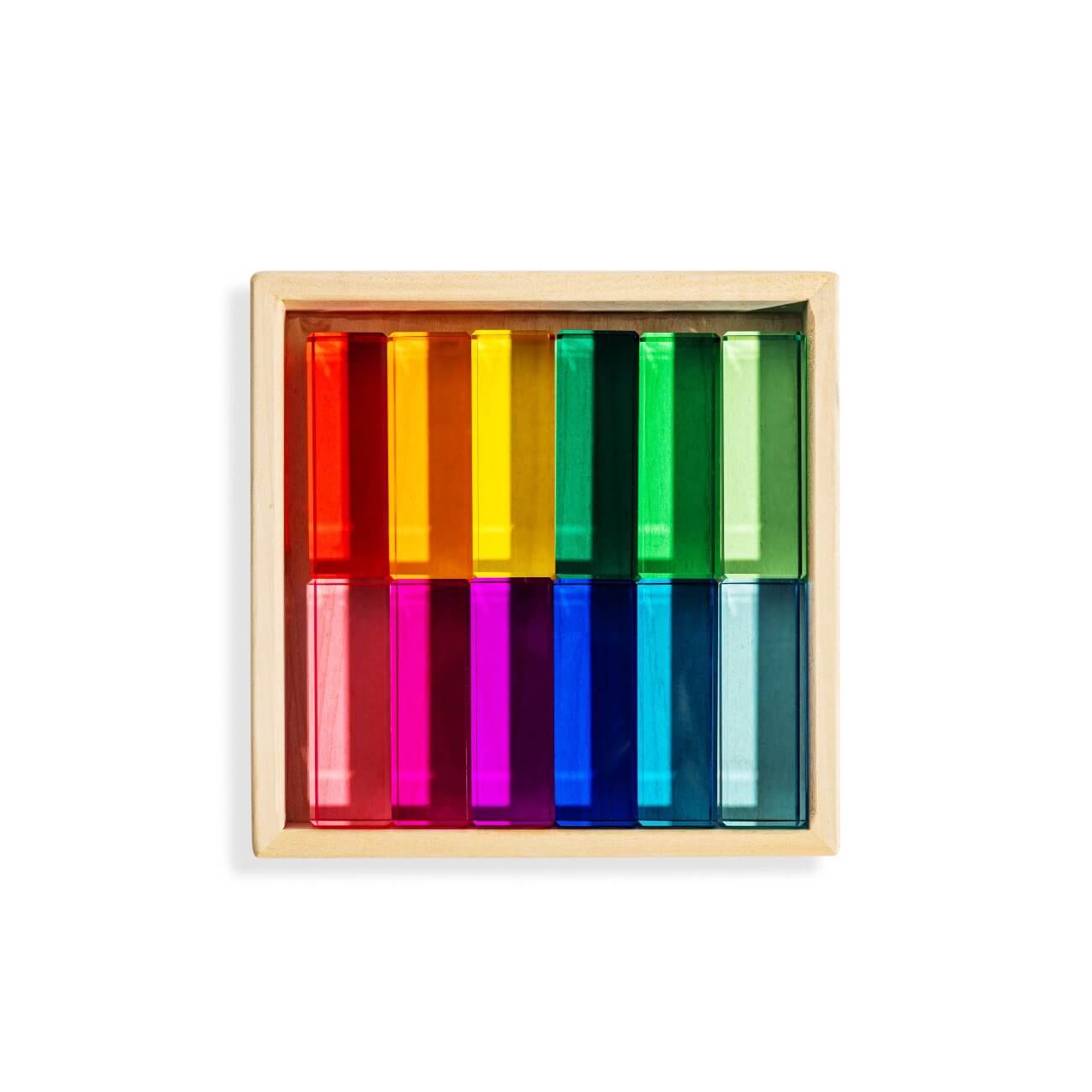
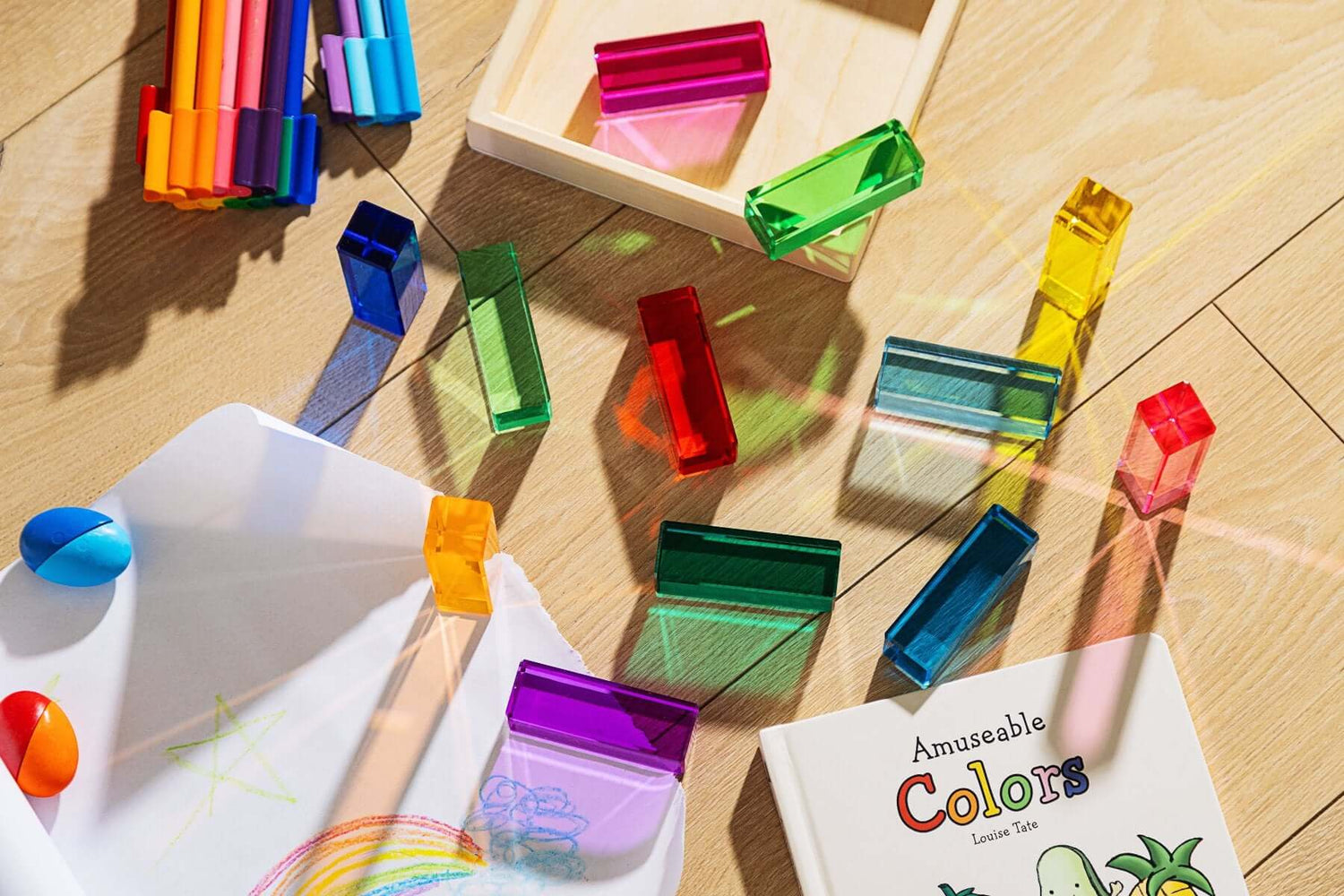
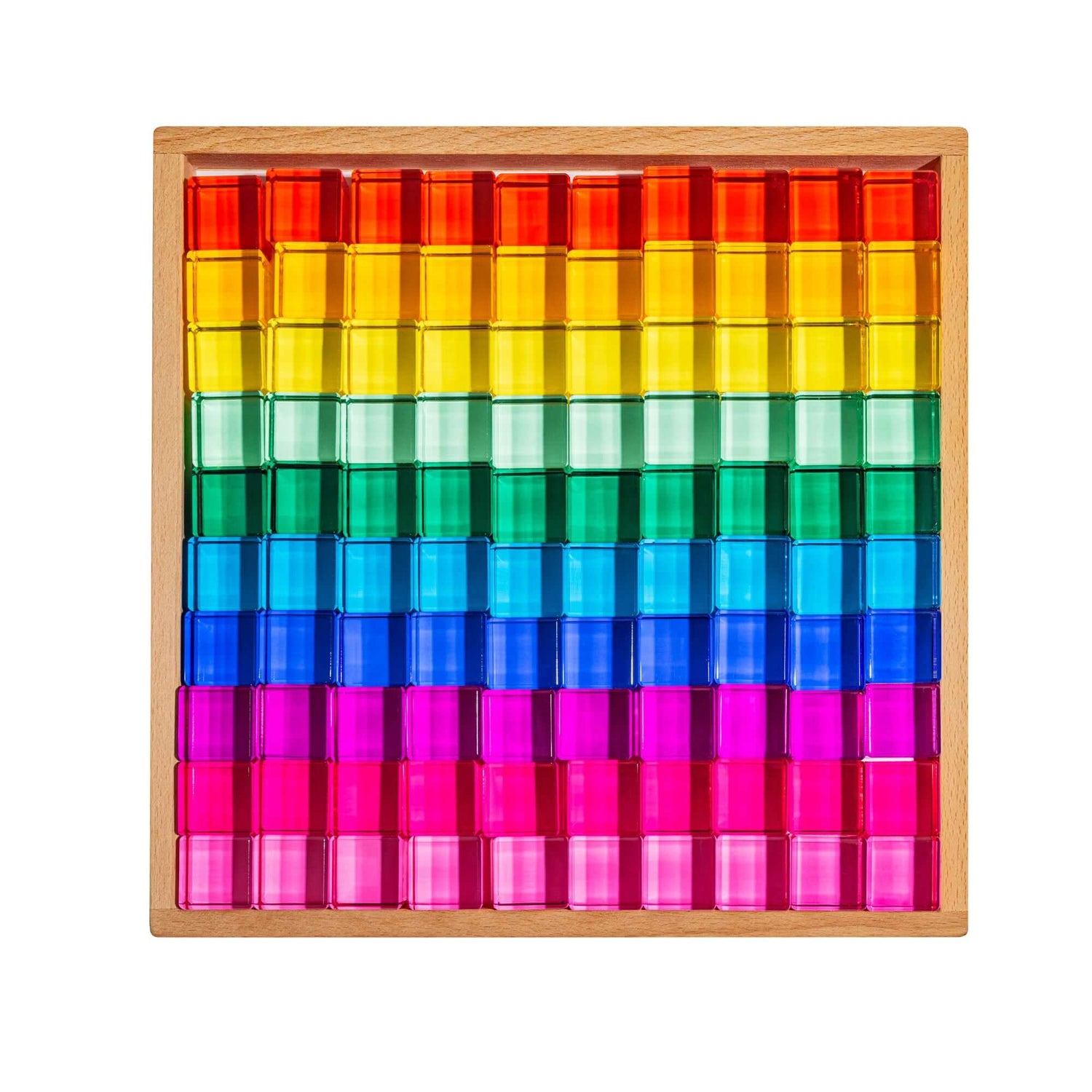
Open-ended materials naturally invite longer, more focused play because children must create the experience themselves. If you are new to the world of open-ended toys you can read more about the benefits of them here.
Rotate, Don’t Add
Instead of constantly introducing new toys:
-
Rotate what’s already there
-
Reintroduce materials in new ways
A “new” setup can spark hours of engagement without buying anything new.
Your Role (Hint: It’s Not Entertainer)
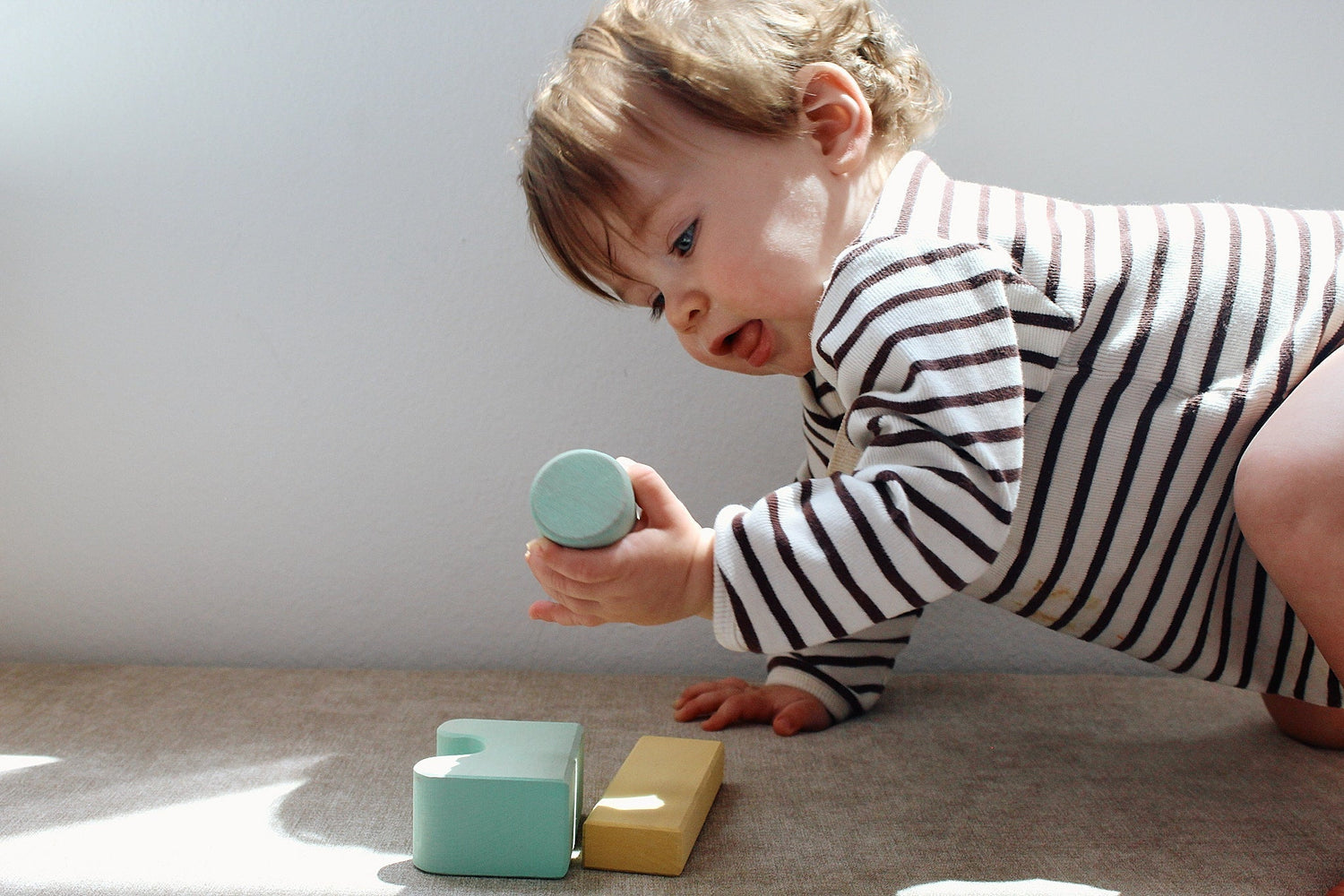
Independent play doesn’t mean disappearing—it means stepping back.
Try:
-
Sitting nearby but not directing
-
Observing instead of correcting
-
Letting boredom happen (it’s where creativity begins)
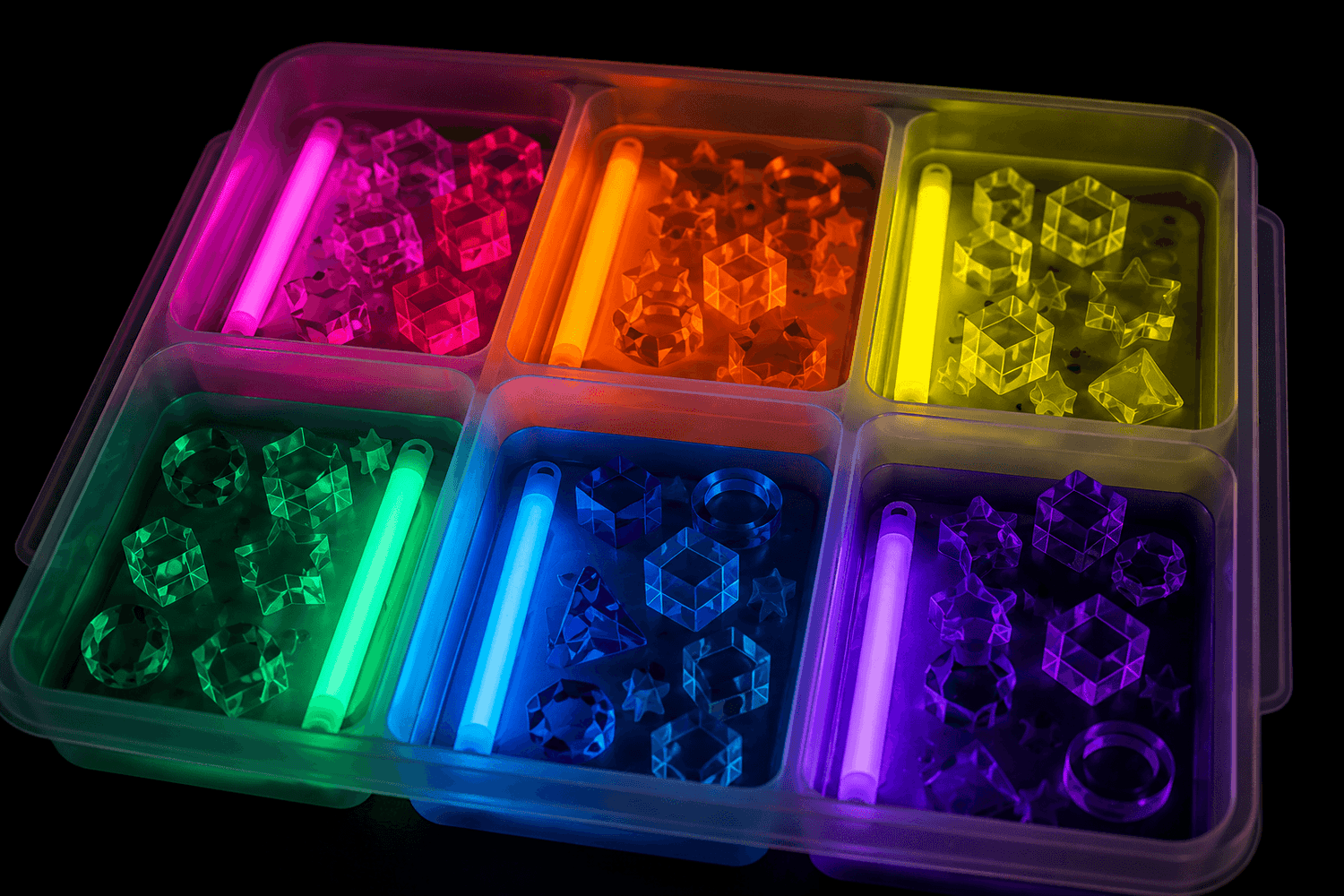
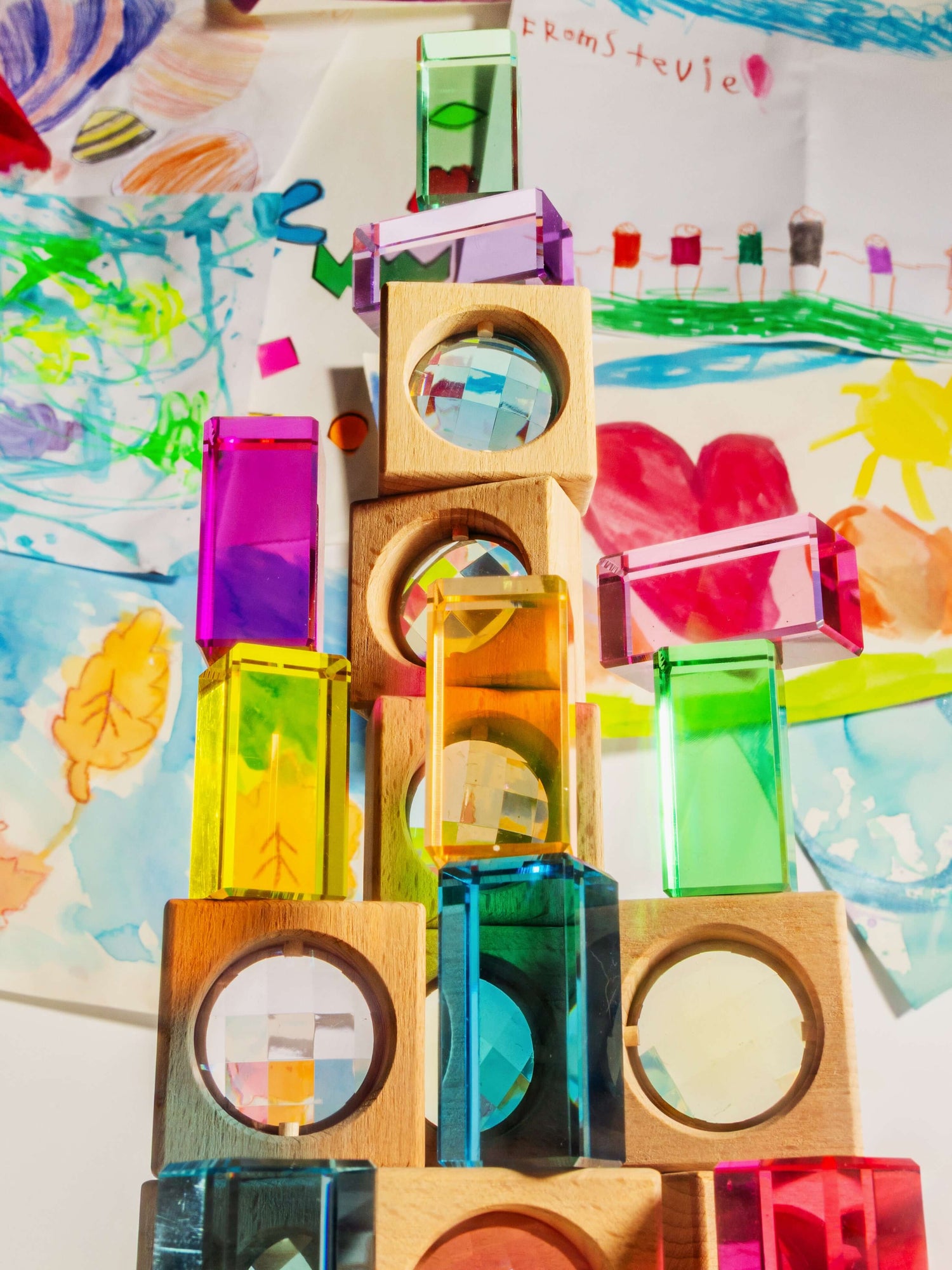
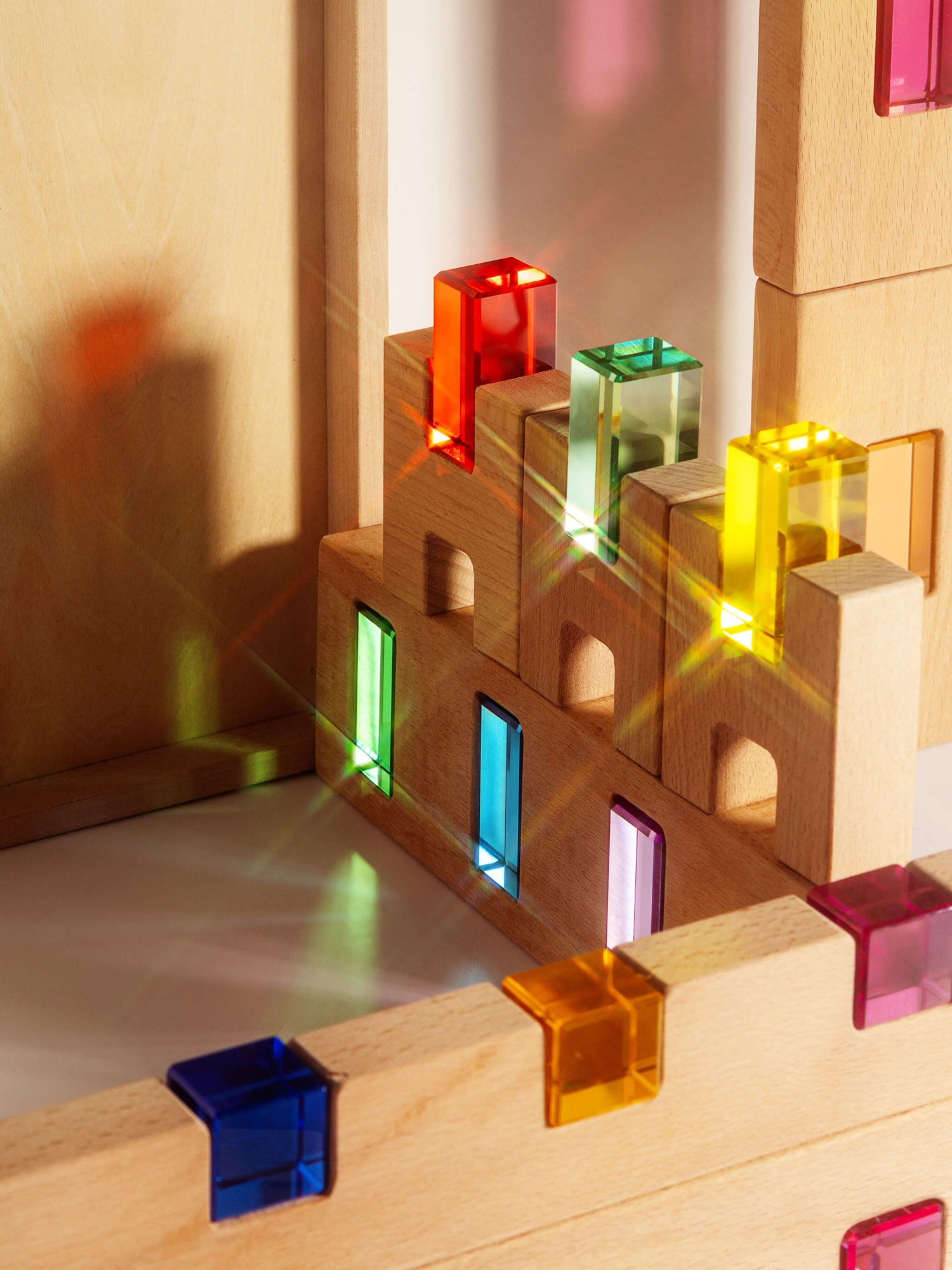
Open-ended play environments help children make decisions, build independence, and explore ideas freely. If you are stuck on ideas check out our activity guides for ways to set up your environment for success.





0 commentaire