
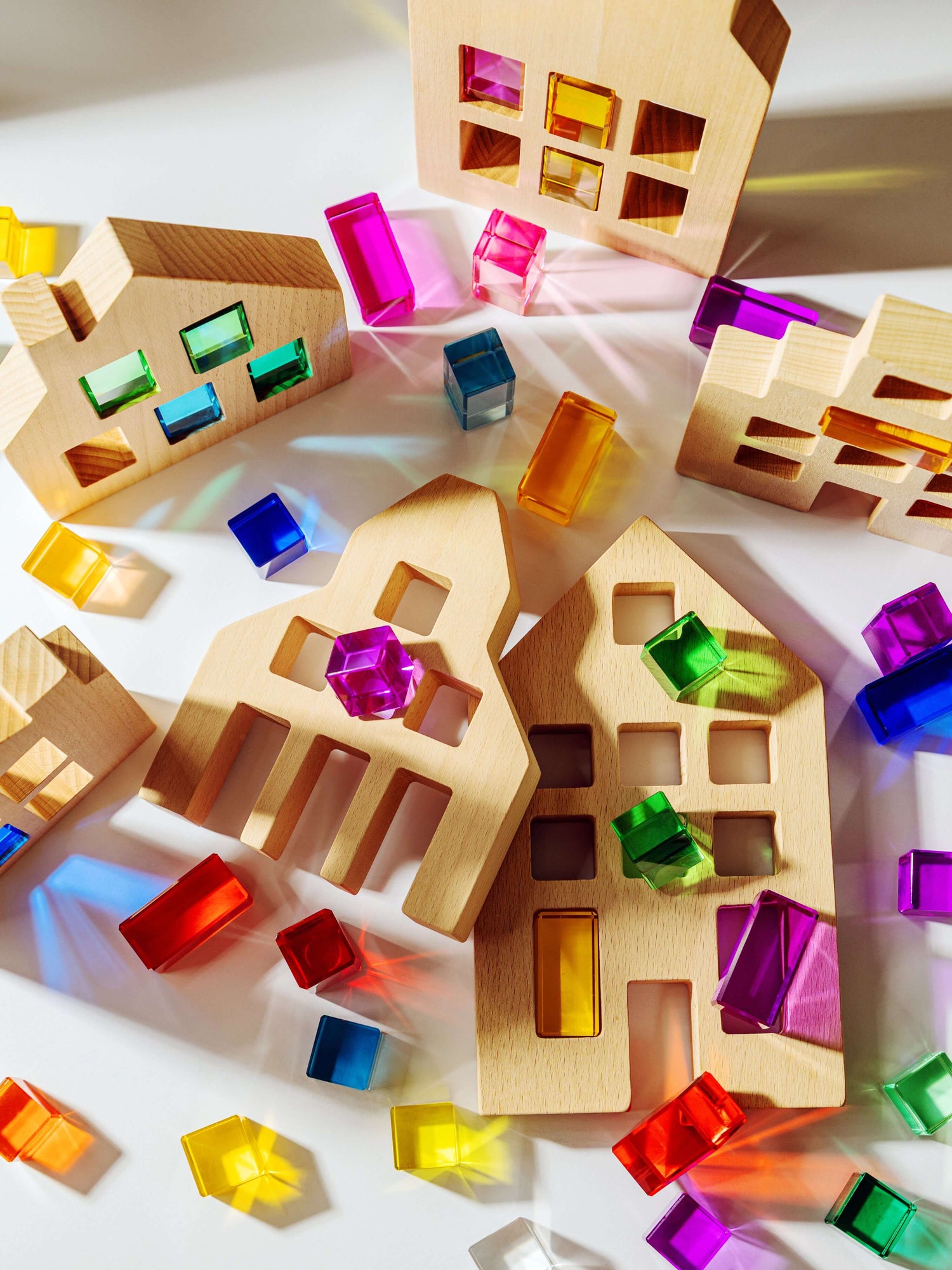
Open-Ended Play Activities for Kids
Open ended play activities give children the freedom to explore ideas, experiment with materials, and invent their own ways to play. Unlike structured games with fixed rules or outcomes, open-ended activities allow children to use their imagination and creativity to guide the experience.
This type of play encourages curiosity and problem-solving while helping children develop confidence in their ideas. When children are given simple materials and time to explore them freely, play often becomes more imaginative, focused, and meaningful.
Research in early childhood development shows that open-ended play supports creativity, cognitive development, and flexible thinking because children must decide how to use materials rather than follow instructions. You can read more about the benefits of open-ended toys here.
Why Open-Ended Activities Are Important
Open-ended play activities encourage children to experiment and explore. Instead of focusing on completing a specific task, children learn by testing ideas and observing the results.
These activities support important developmental skills such as:
• creativity and imagination
• problem-solving
• language development
• early math and science concepts
• social and emotional learning
Because there is no single correct outcome, children are free to explore ideas in ways that feel natural and enjoyable.
Building Activities
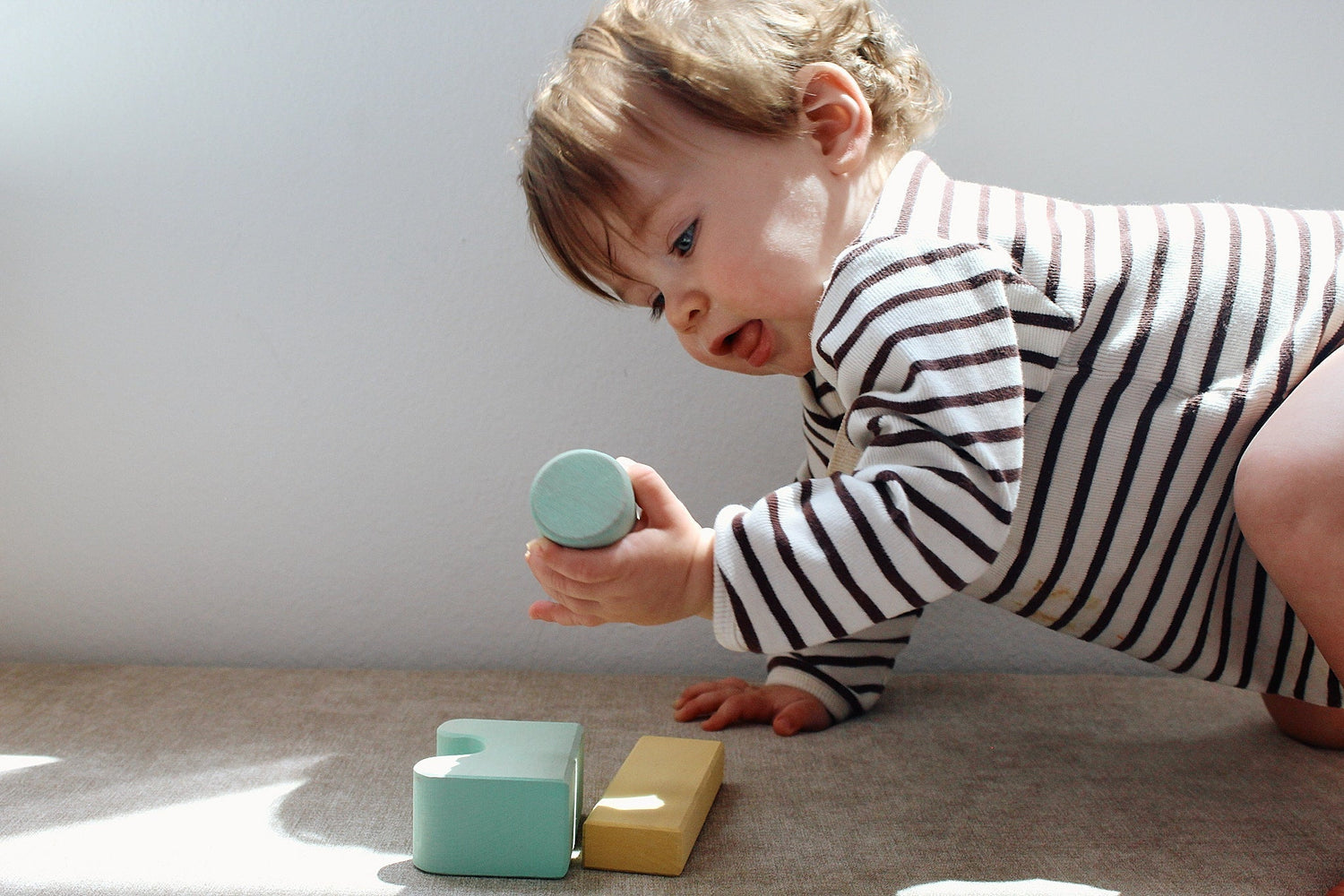
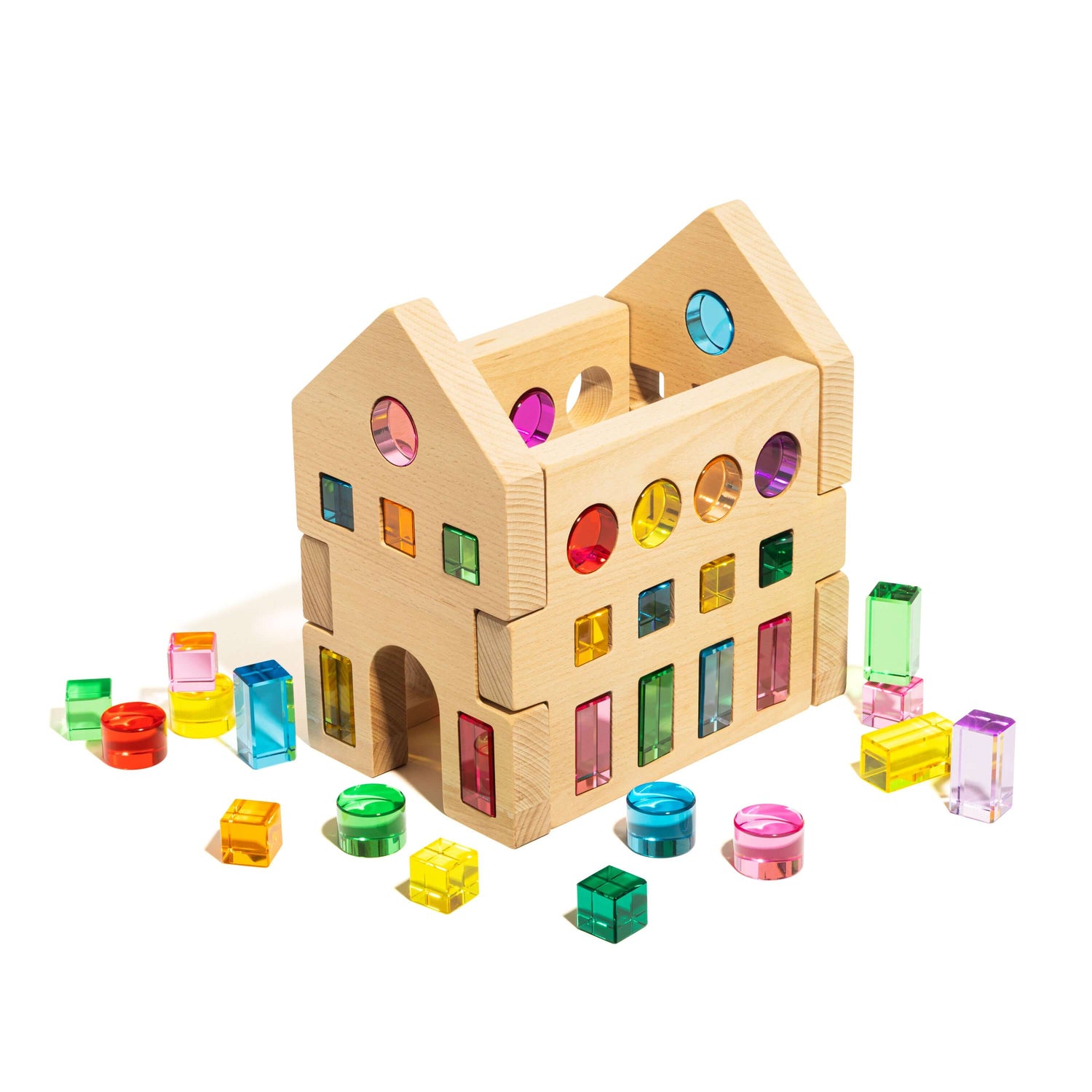
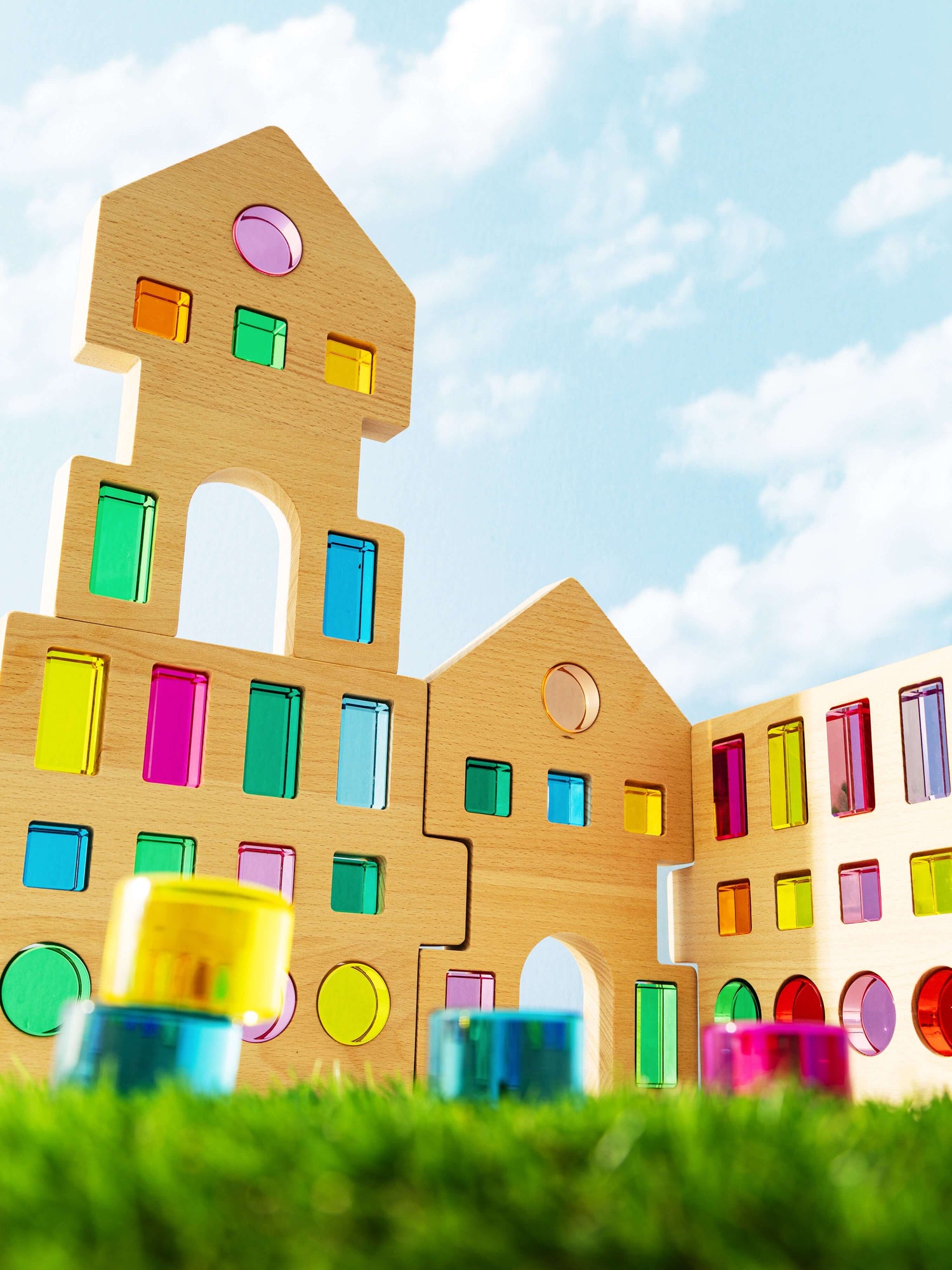
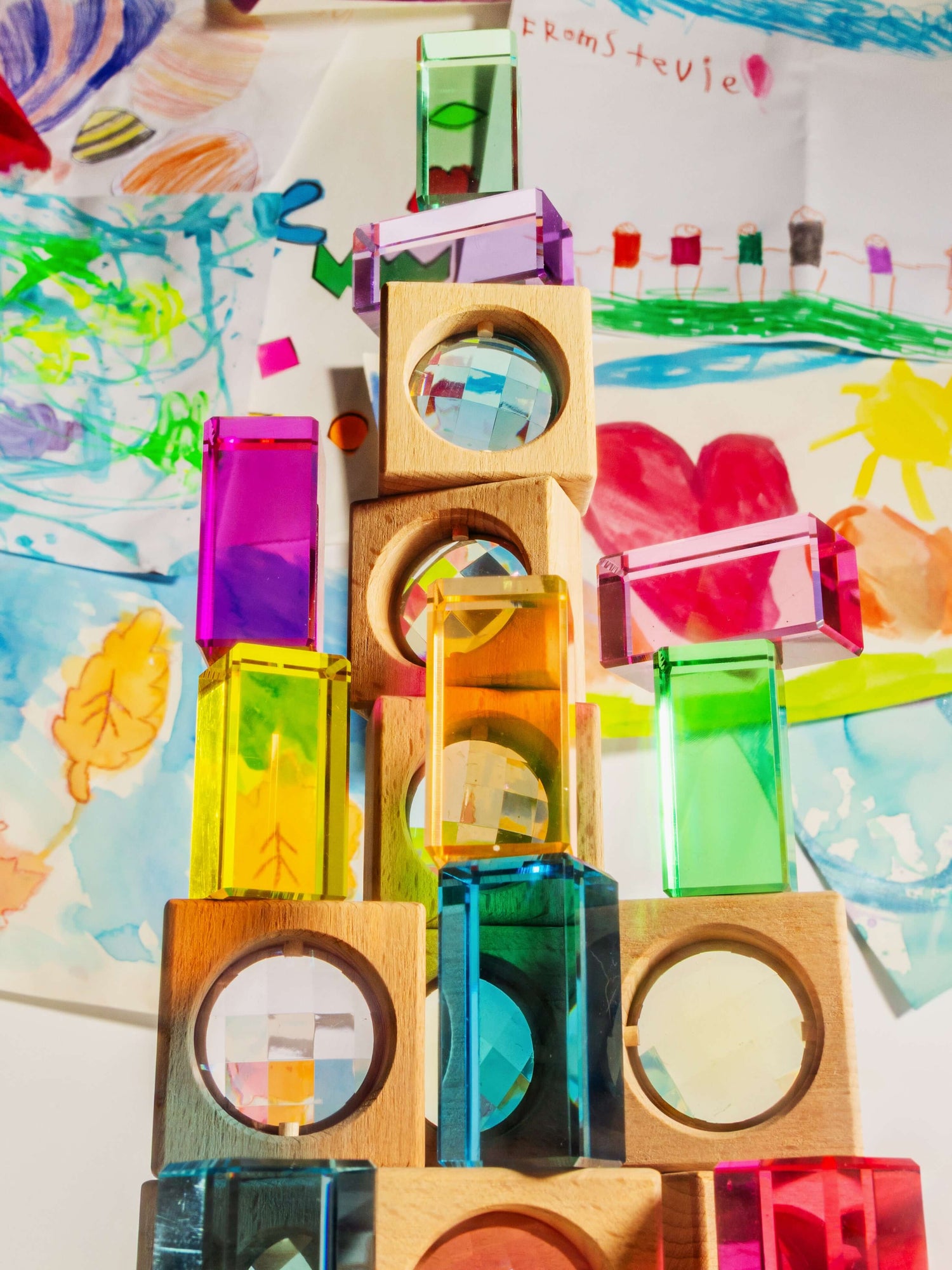
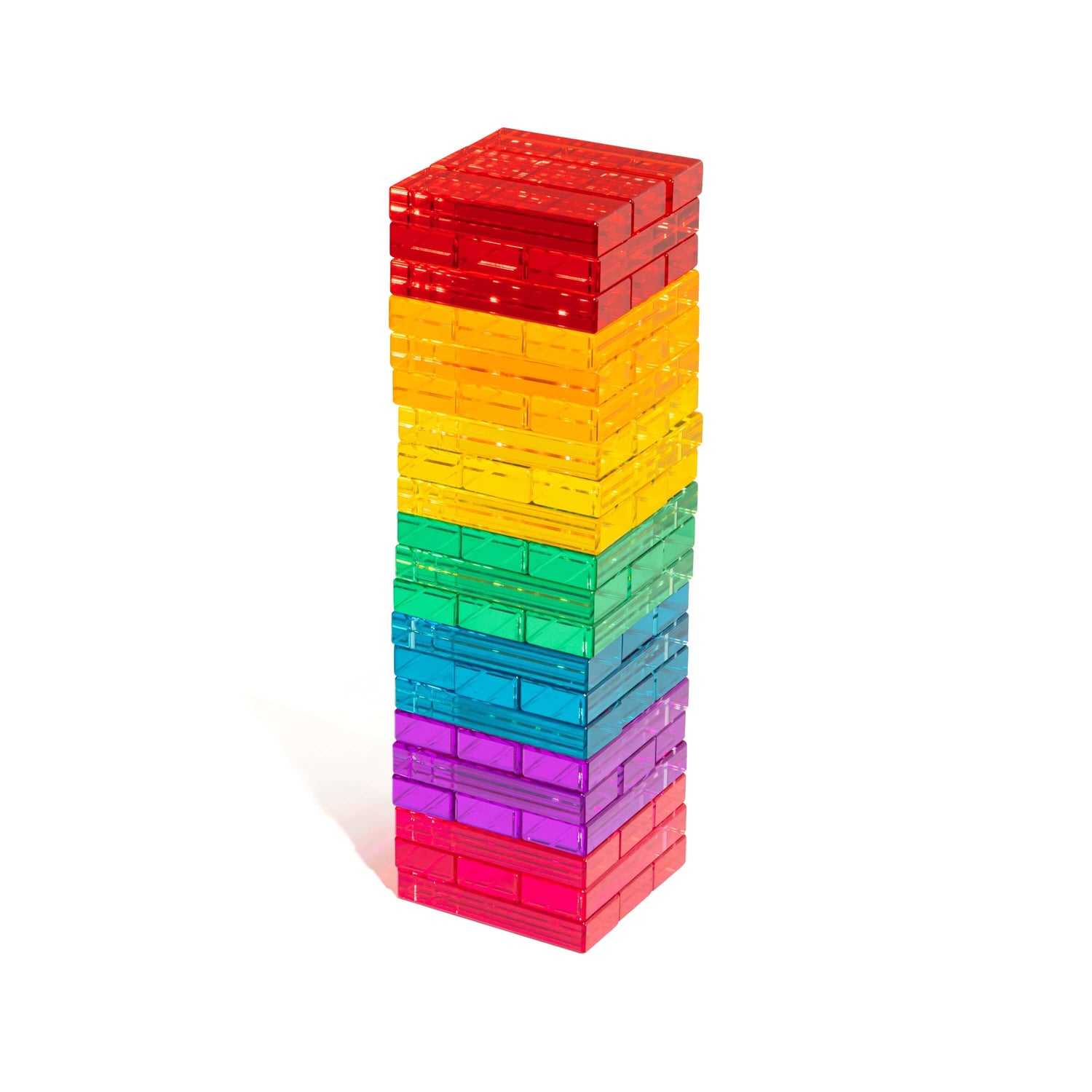
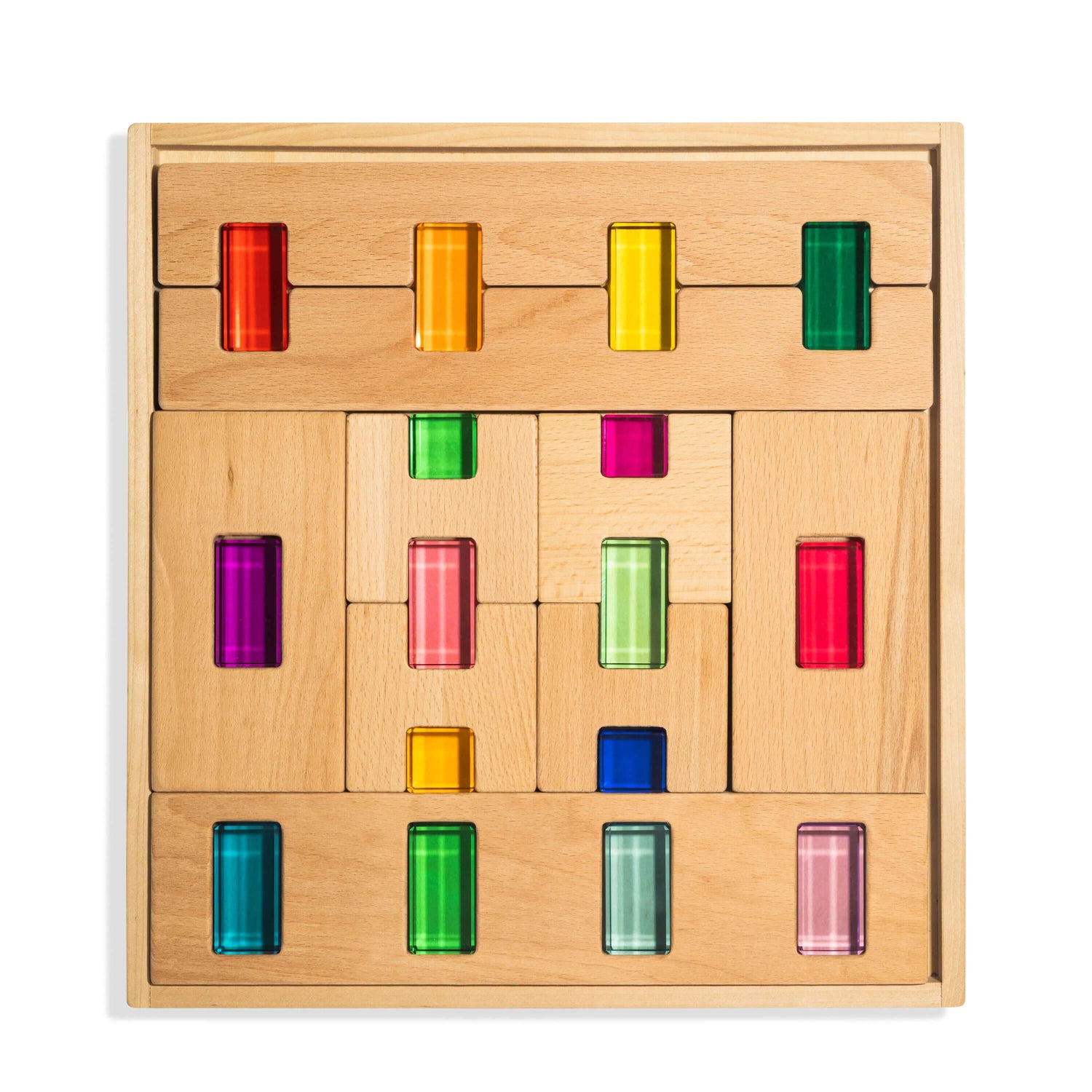
Construction play is one of the most powerful forms of open-ended play. Building materials allow children to experiment with balance, structure, and design while exploring engineering concepts.
Simple building activities might include:
-
creating bridges for toy vehicles
Children often revisit building activities again and again, discovering new ideas each time.
Sorting and Pattern Play
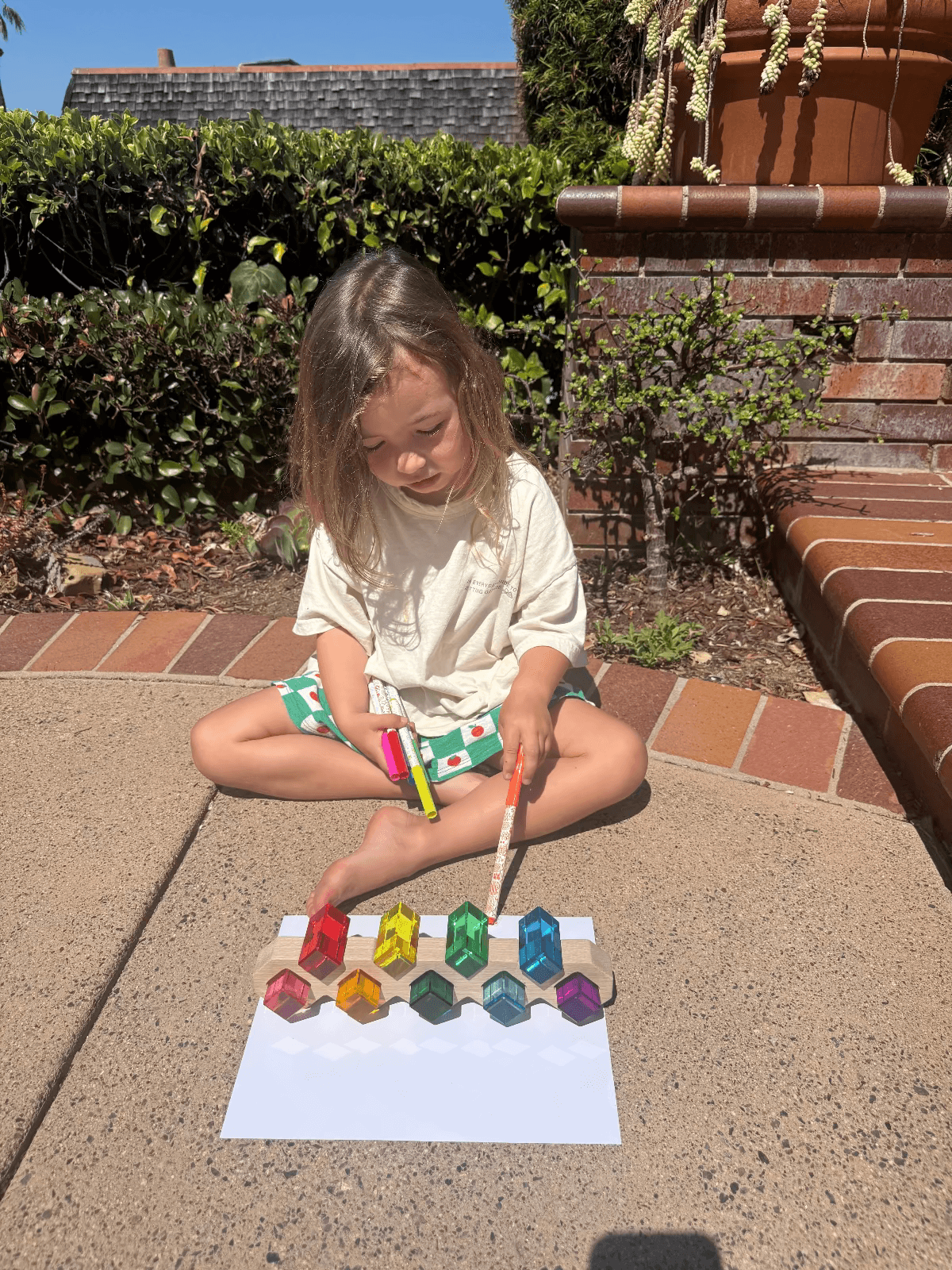
Sorting activities introduce early math skills while still feeling playful and creative.
Children might:
-
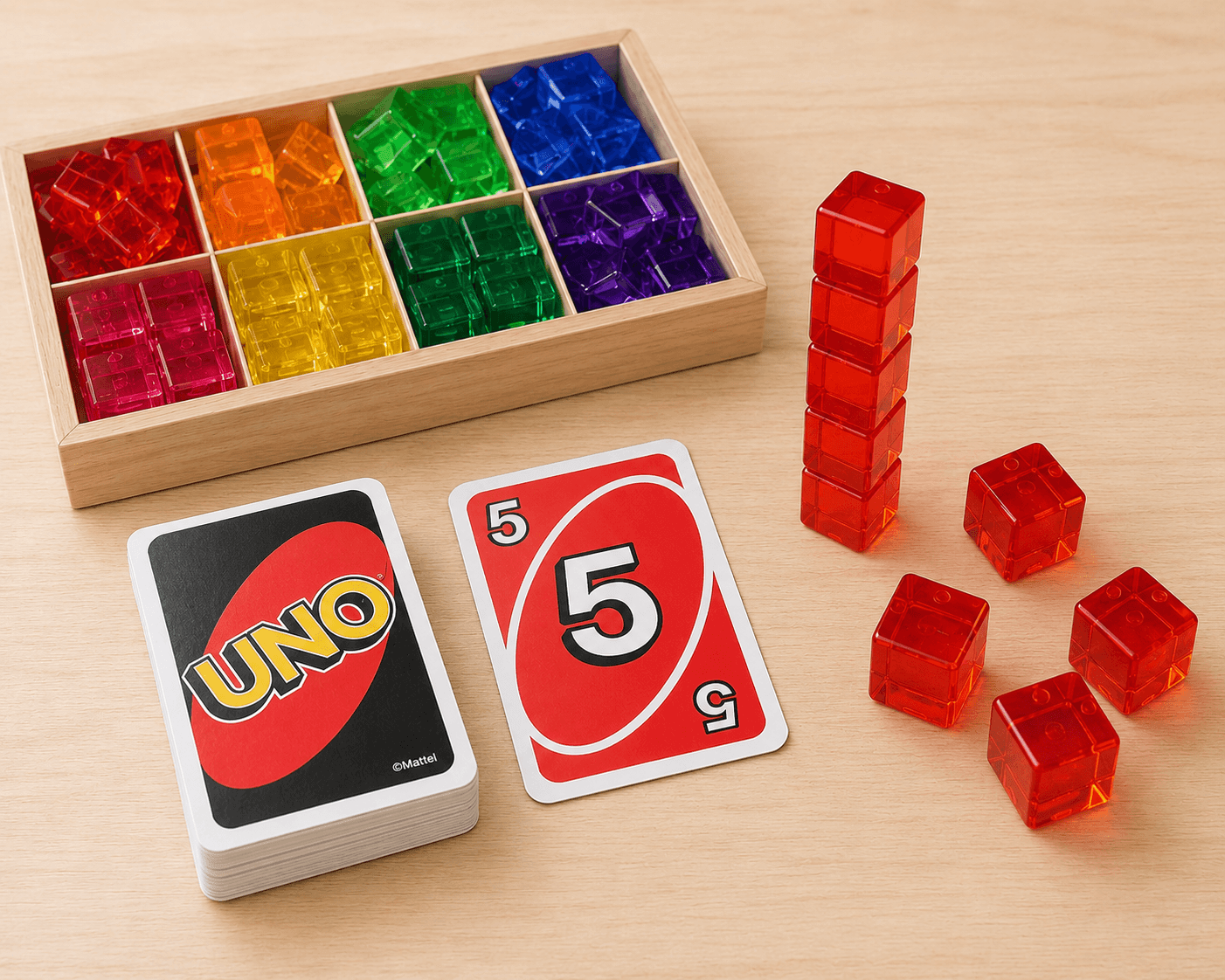
group objects by color or shape
-
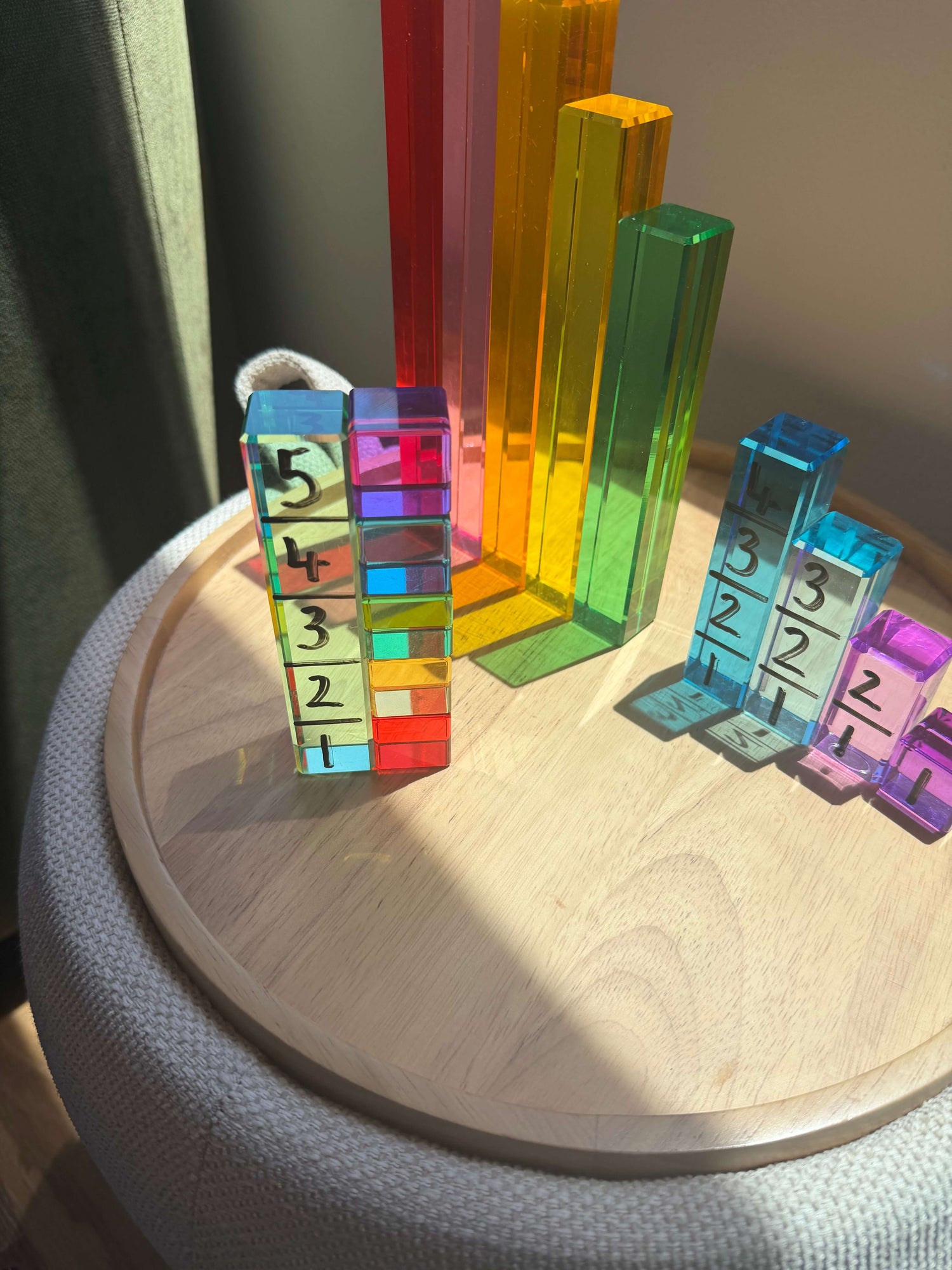
create patterns using small objects
-
count and organize materials
These simple activities help children explore pattern recognition and early mathematical thinking.
Light and Color Exploration
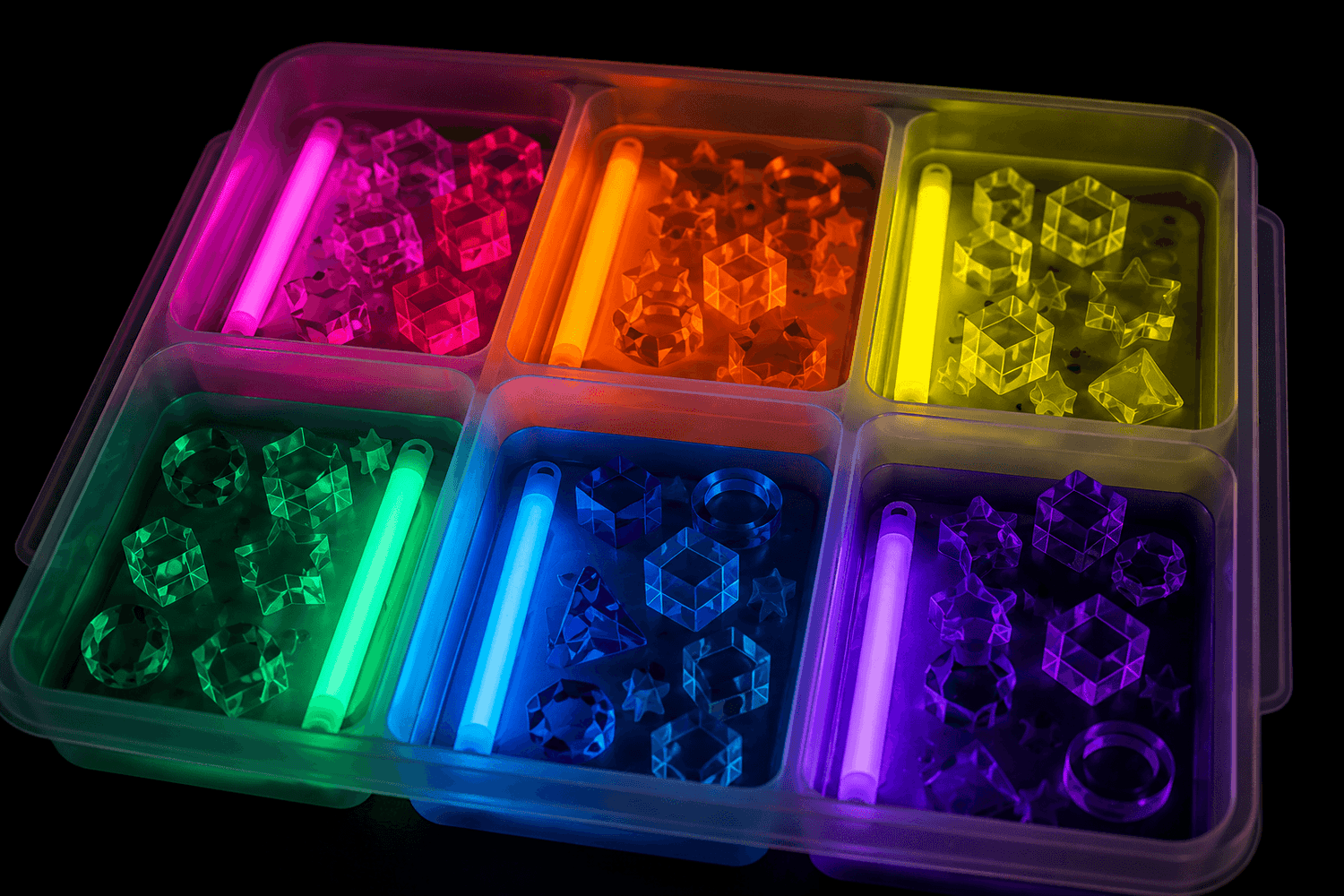
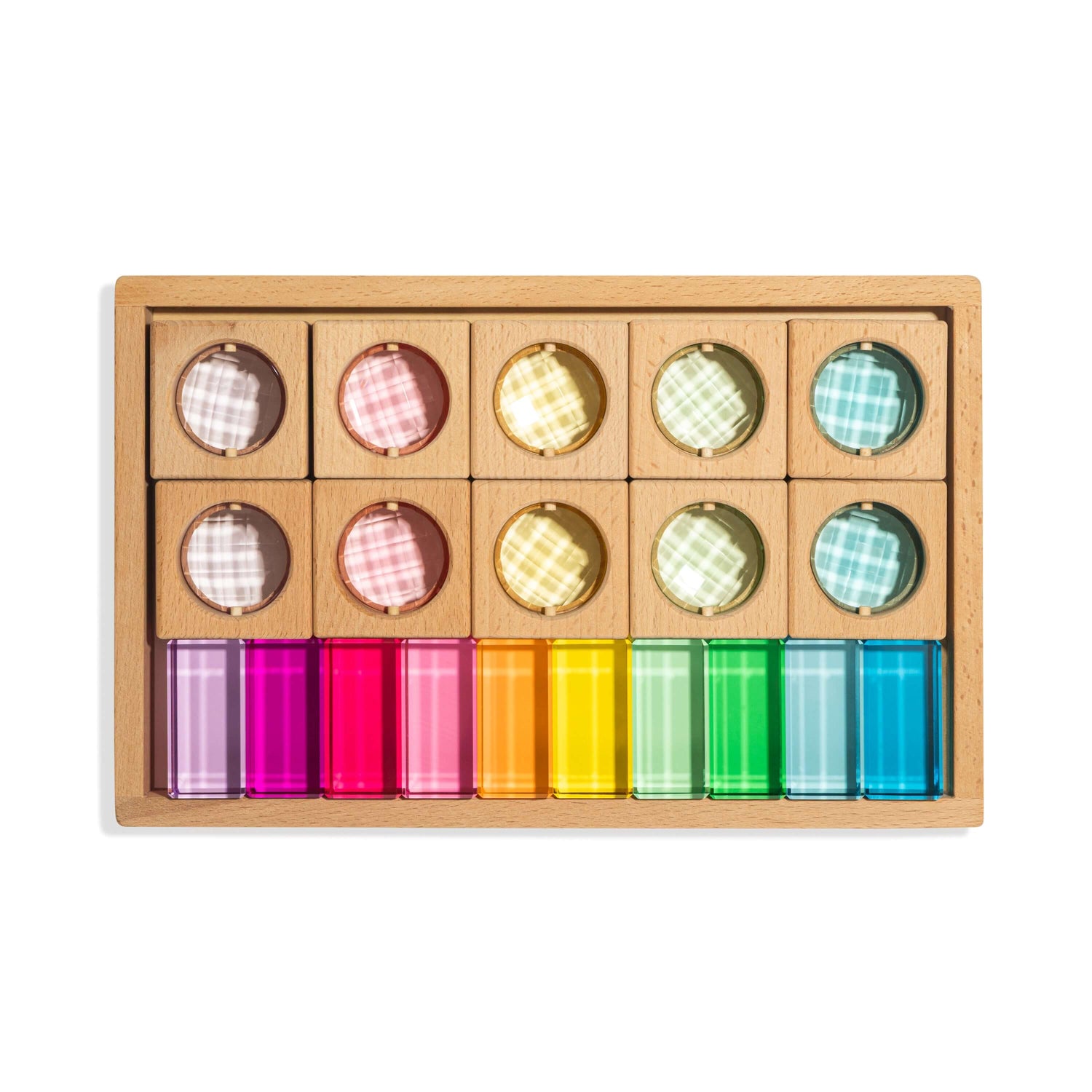
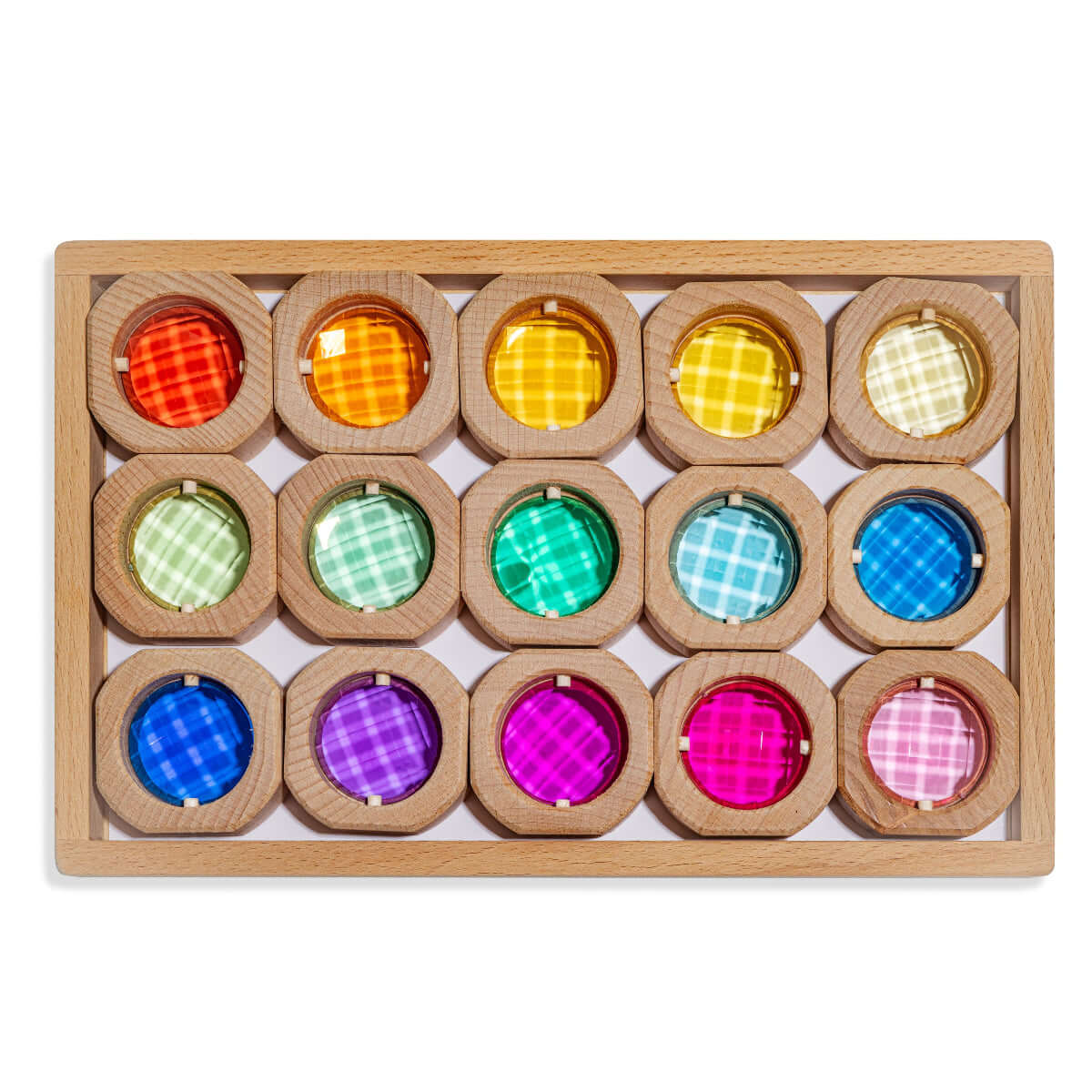
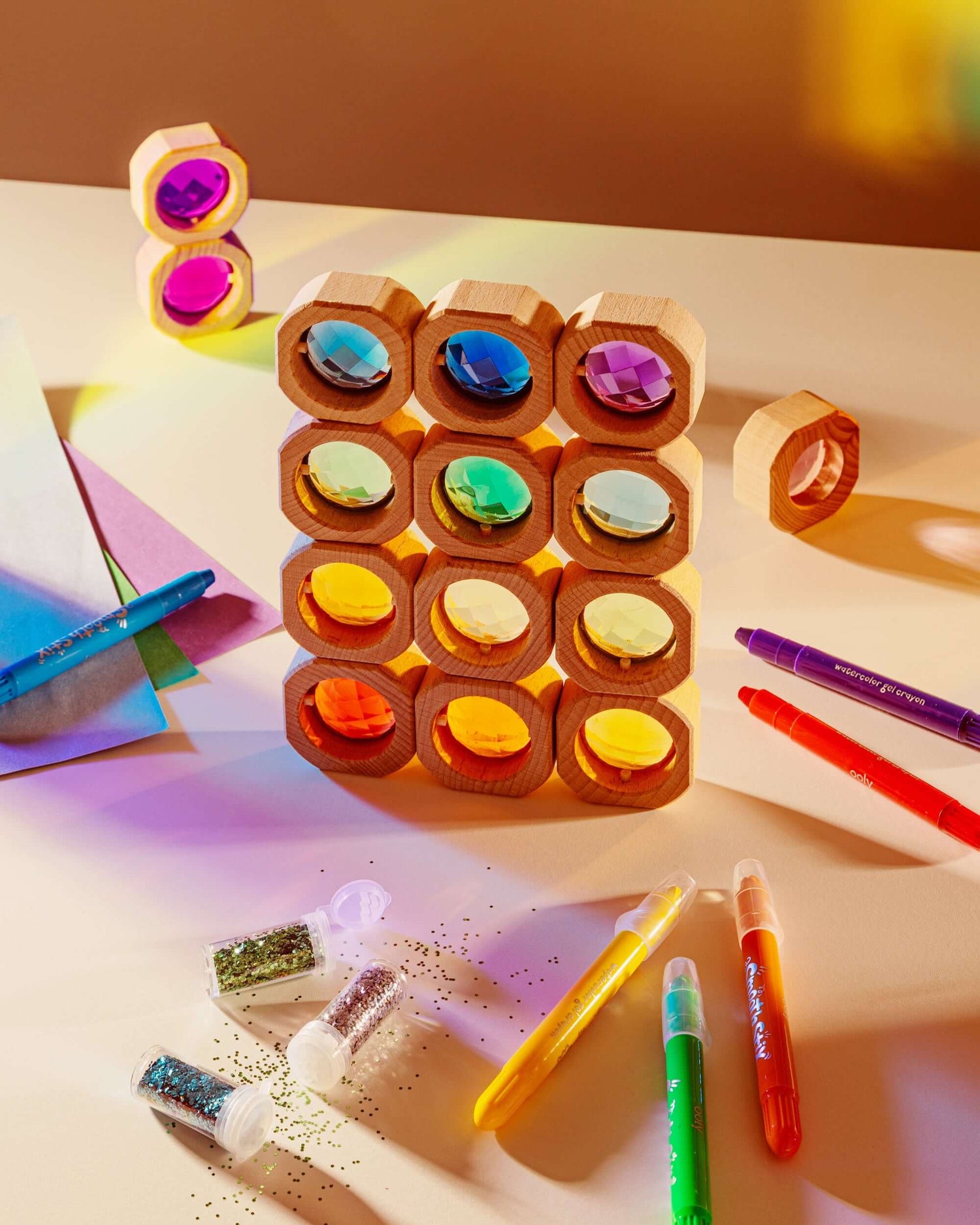
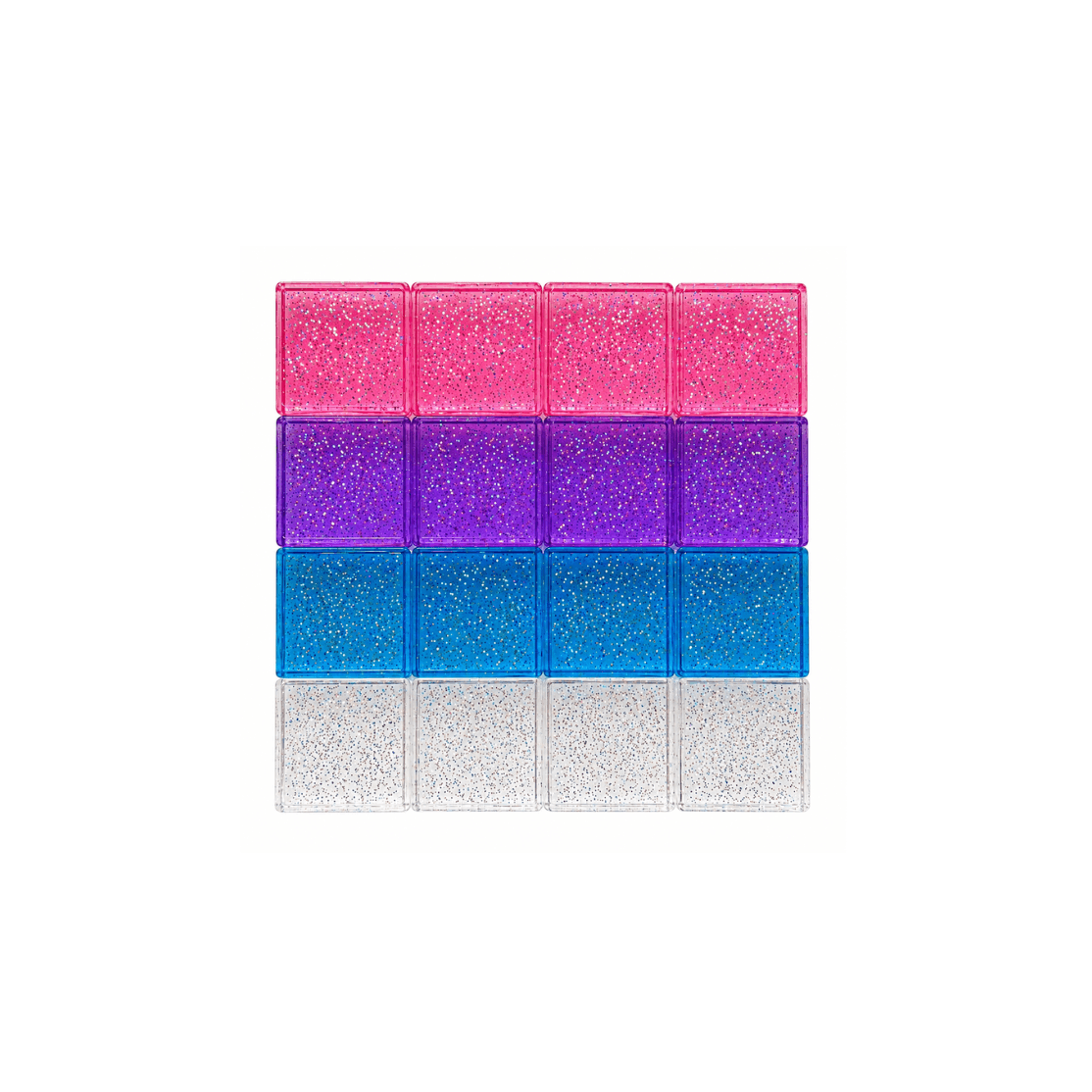
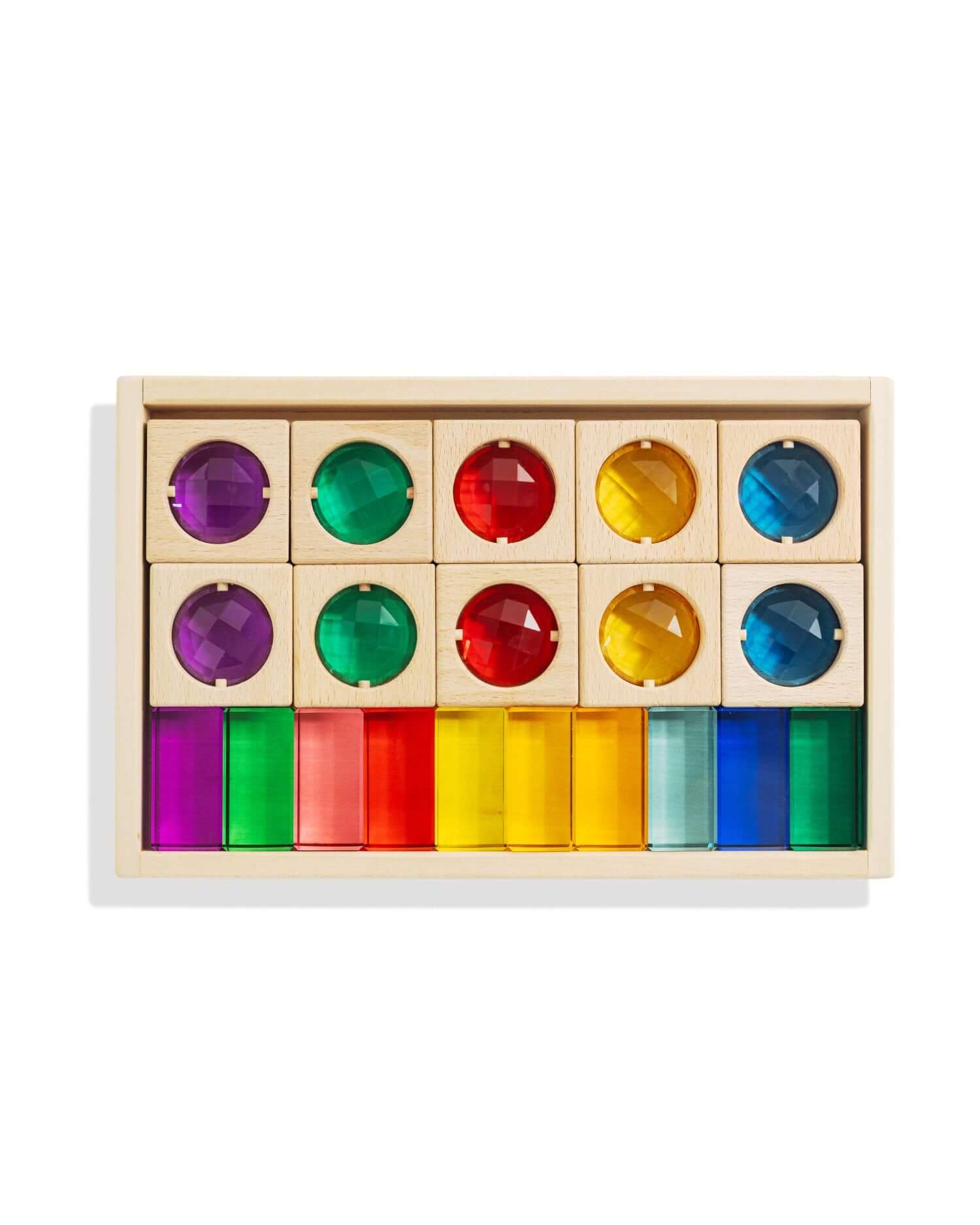
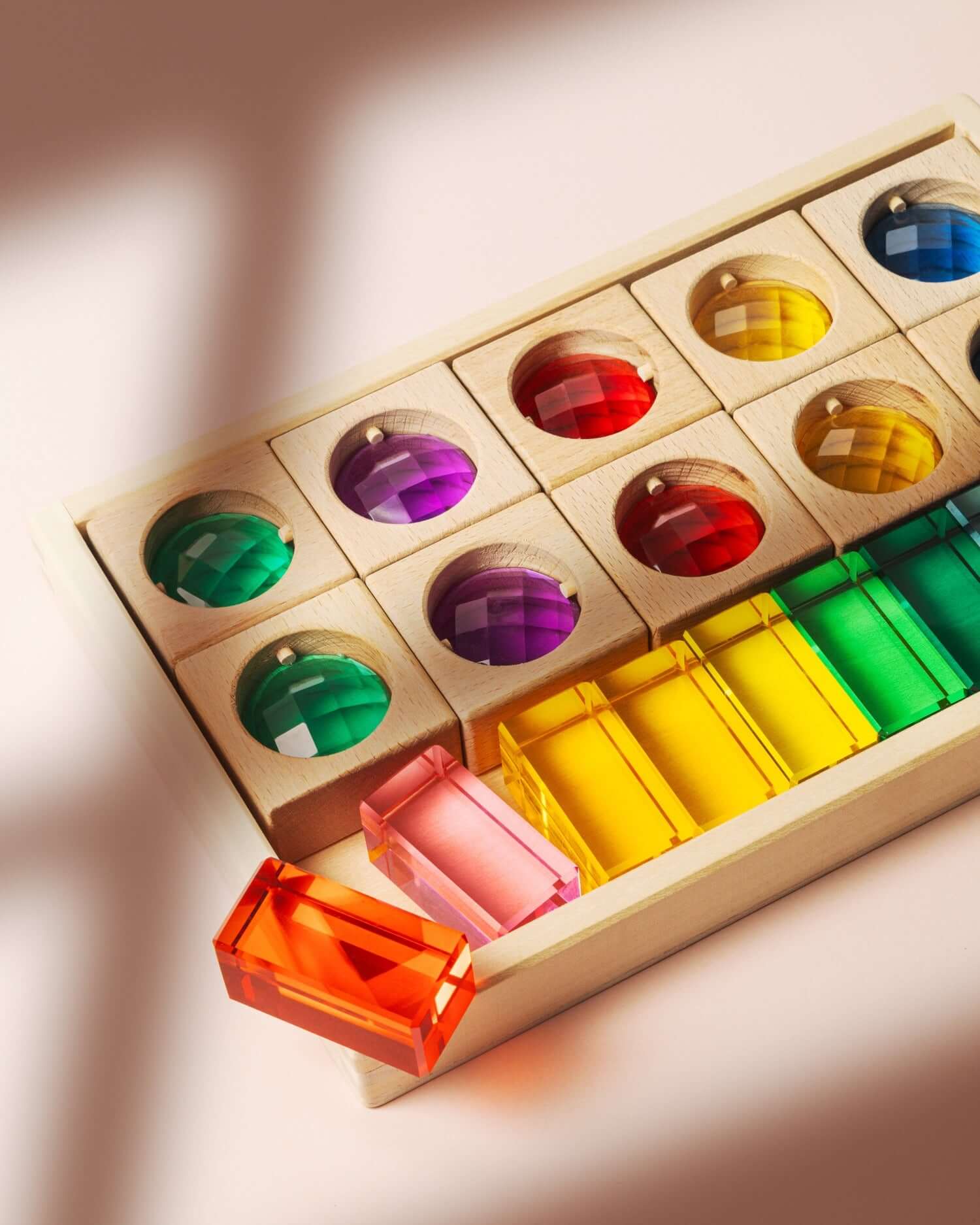
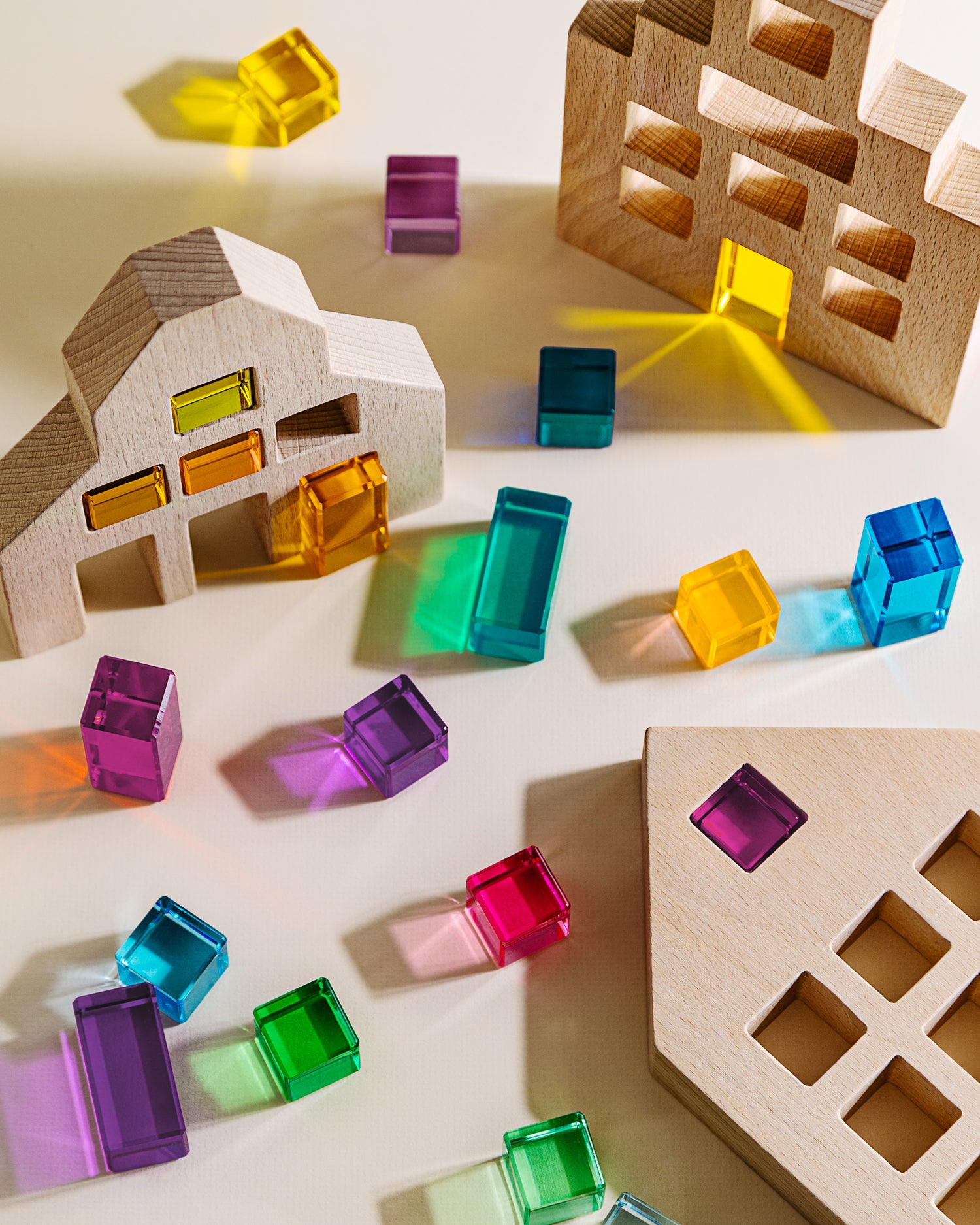
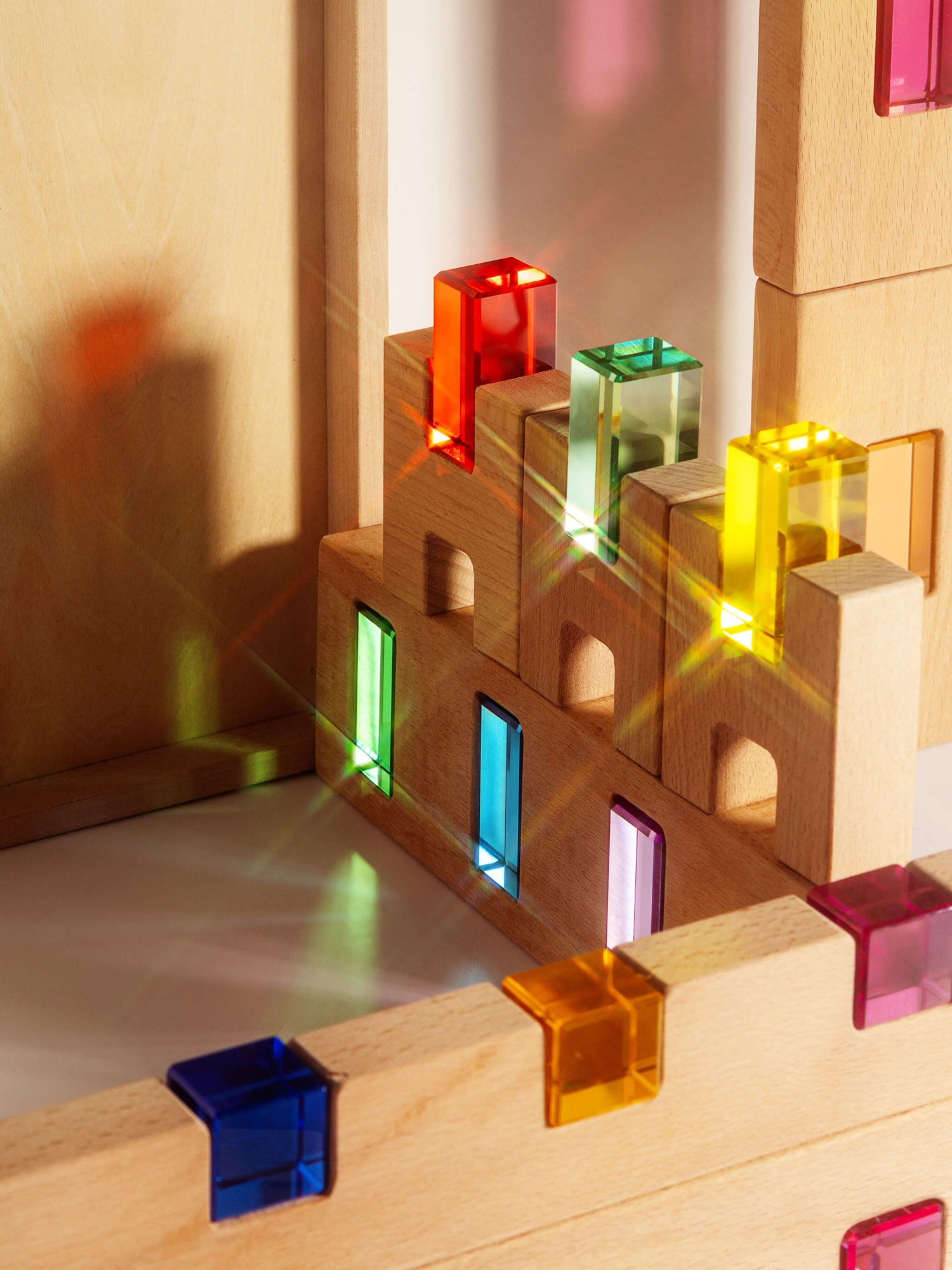
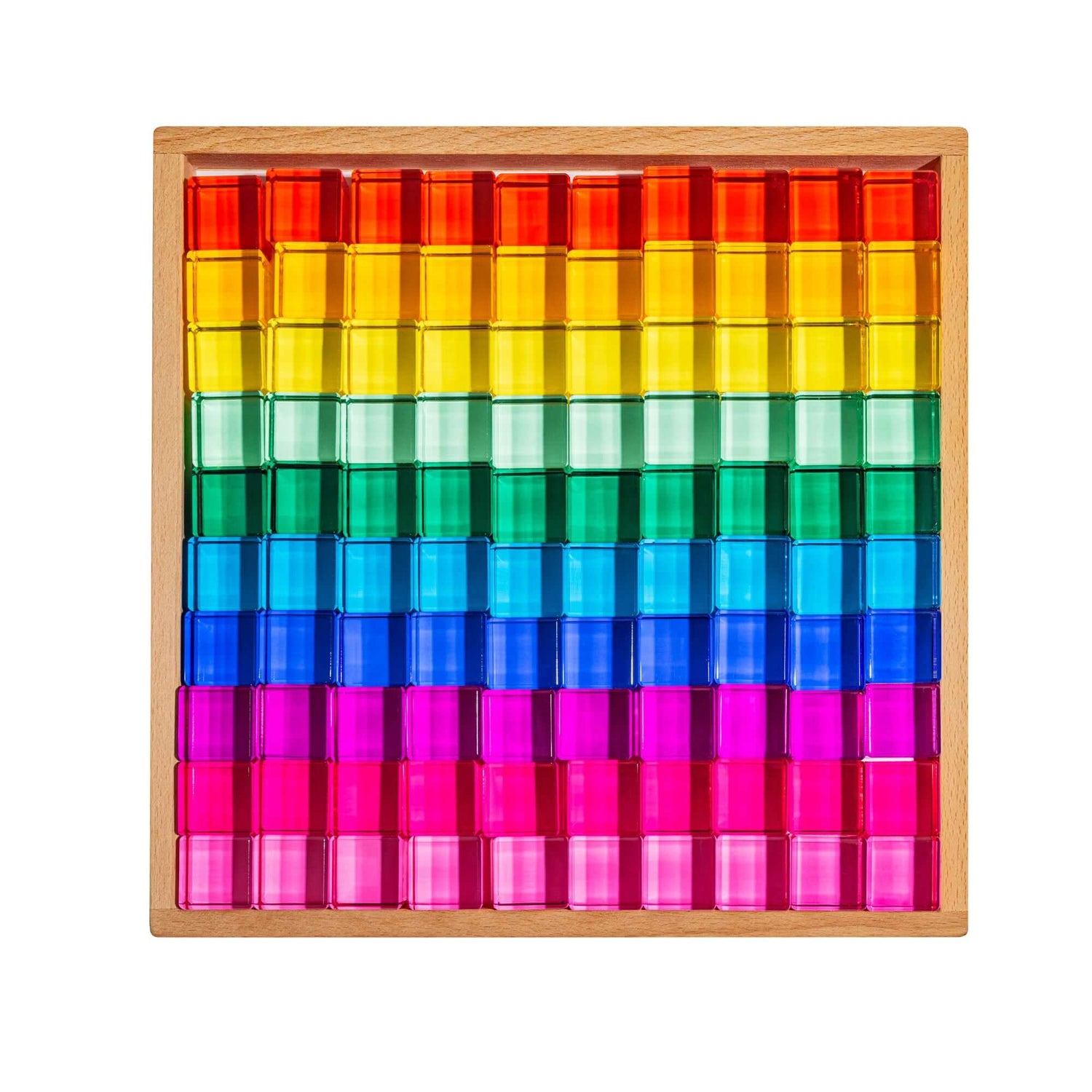
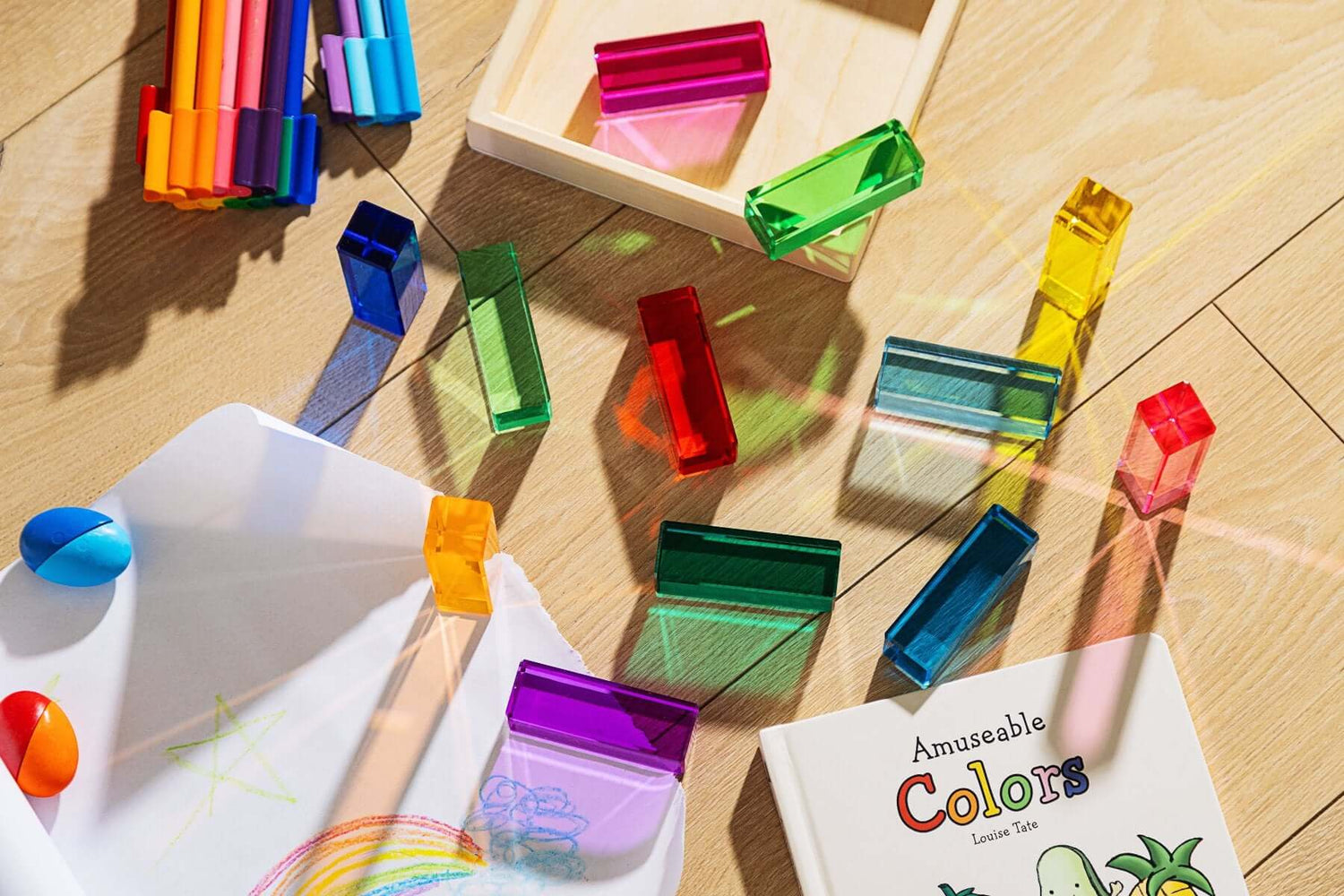
Children are naturally fascinated by light and color. Translucent materials, windows, or sunlight can create engaging opportunities for sensory exploration.
Activities might include:
-
shining light through colorful objects
-
exploring reflections and shadows
-
mixing colors with translucent materials
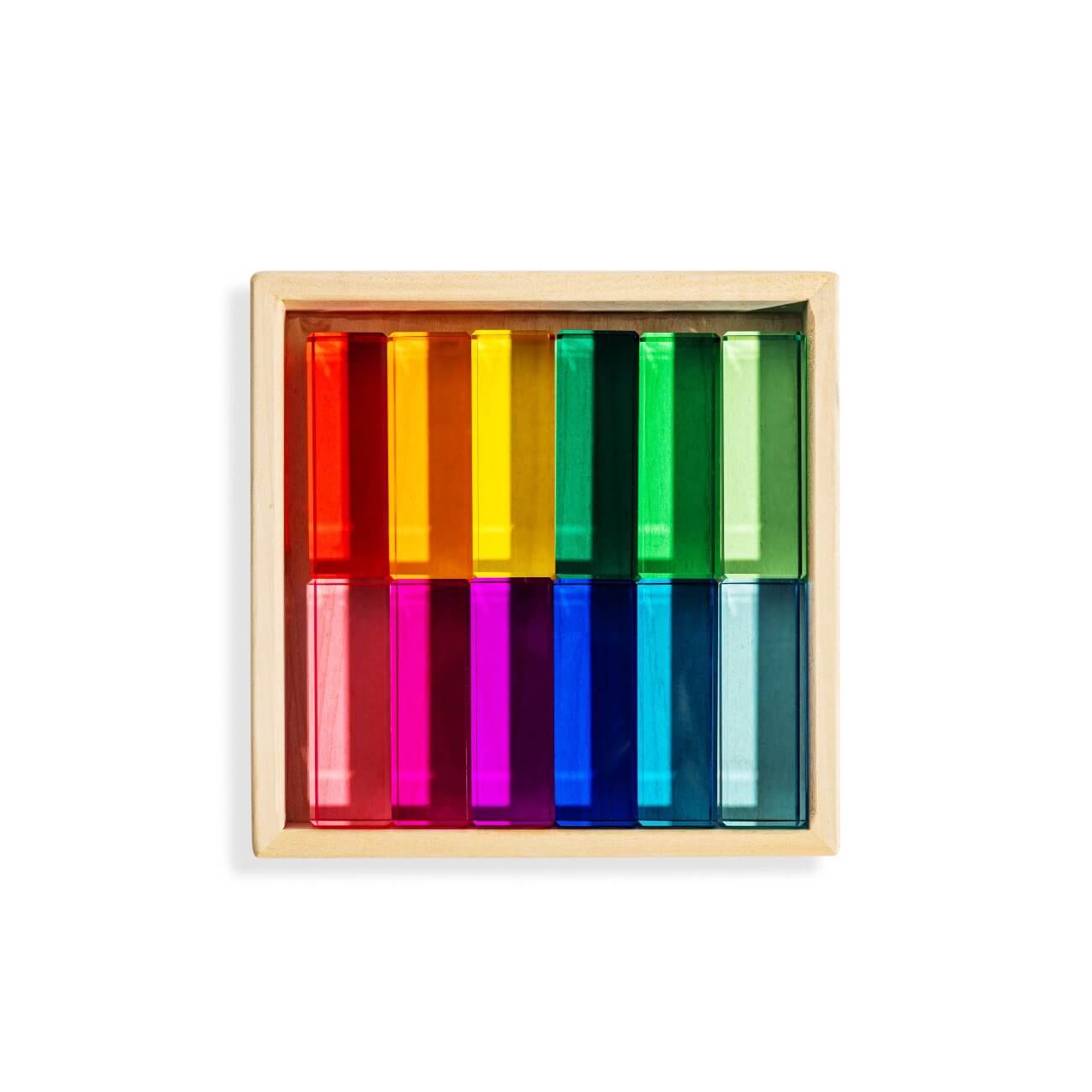
These experiments encourage curiosity and observation. Our acrylic toys collection is a great place to start for those looking for translucent open-ended materials.
Small World Play
Small world play allows children to build miniature environments using figures, animals, vehicles, and natural materials.
Examples include:
-
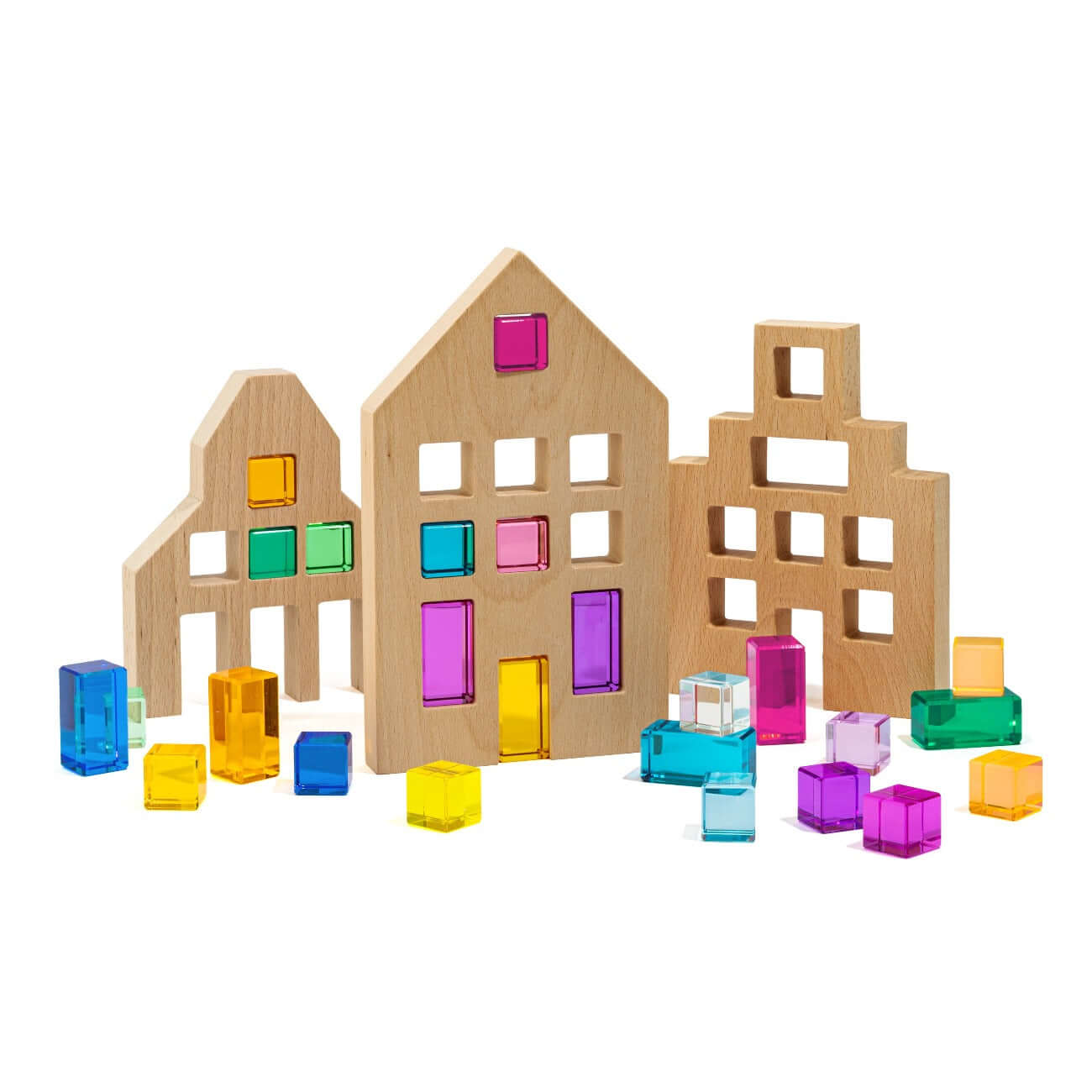
building a small city
-
creating animal habitats
-
designing fairy or nature scenes
These activities encourage storytelling and imaginative thinking.
Creative Art Activities
Art materials are also powerful open-ended play tools. Instead of focusing on creating a specific final product, children can experiment with colors, shapes, and textures.
Activities might include:
-
drawing or painting
-
creating collages
-
building sculptures from everyday objects
Art encourages children to express ideas and emotions through creativity.
Everyday Objects Can Become Play Materials
Many open-ended play activities use materials that families already have at home.
For example:
-
cardboard boxes
-
wooden spoons
-
stones or shells
-
fabric pieces
These simple objects can become tools for imaginative exploration and storytelling.
Encouraging Open-Ended Play at Home
Parents can support open-ended play by creating an environment that invites exploration. Offering fewer toys, providing simple materials, and allowing children time to play independently can encourage deeper engagement.
When children are free to invent their own ideas, play becomes a powerful opportunity for learning and creativity. Discover our activity and lesson plans guide for a wide-range of open-ended play activities you can do at home with kids.






0 commentaire