
Introduction
A color mixing activity is a simple and engaging way for children to explore science, creativity, and visual discovery through play. By combining colorful liquids and translucent materials, children can observe how colors blend, change, and interact with light.
Color exploration activities help children understand the relationship between primary and secondary colors, while also encouraging curiosity and experimentation.
Hands-on color mixing experiments also support fine motor development when children use tools such as droppers or pipettes to transfer liquids and create new color combinations.
When children see colors change in real time, the experience often feels almost magical—encouraging them to ask questions and experiment with new ideas.
Age Range
3–7 years (with supervision when using dyes)
Skills Developed
Understanding primary and secondary colors
Scientific observation
Prediction and hypothesis building
Sensory exploration
Early STEM thinking
Materials Needed
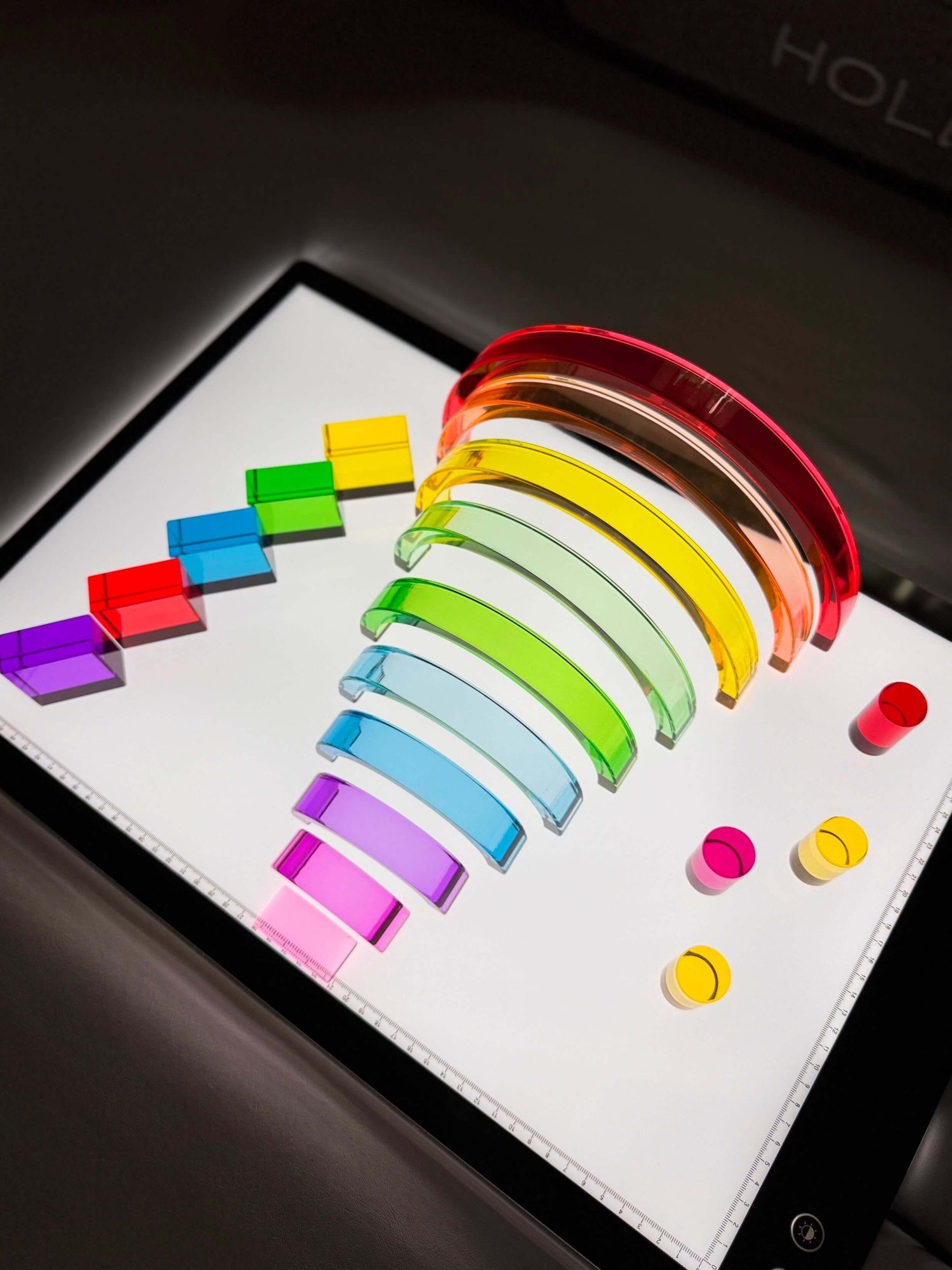
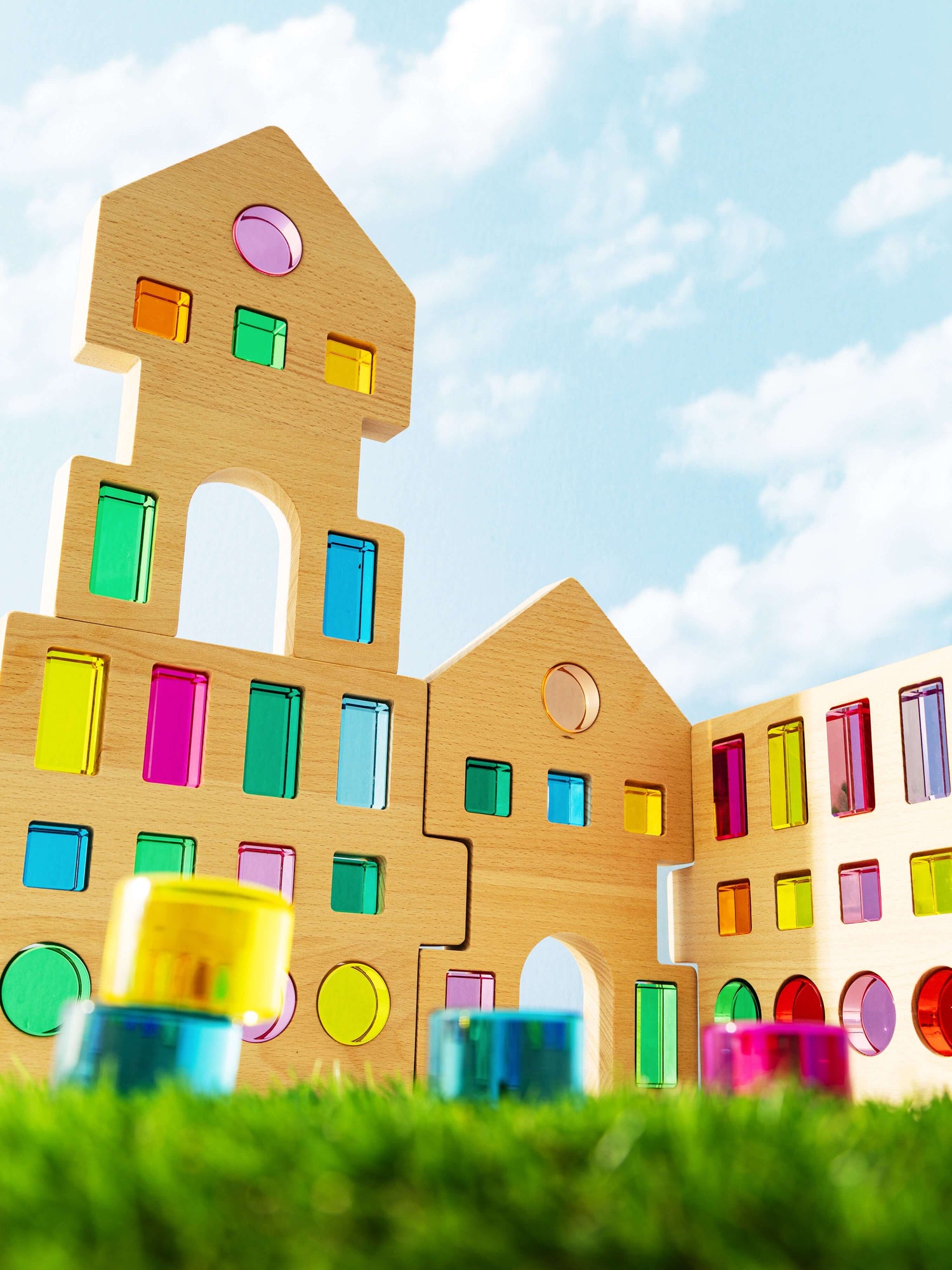
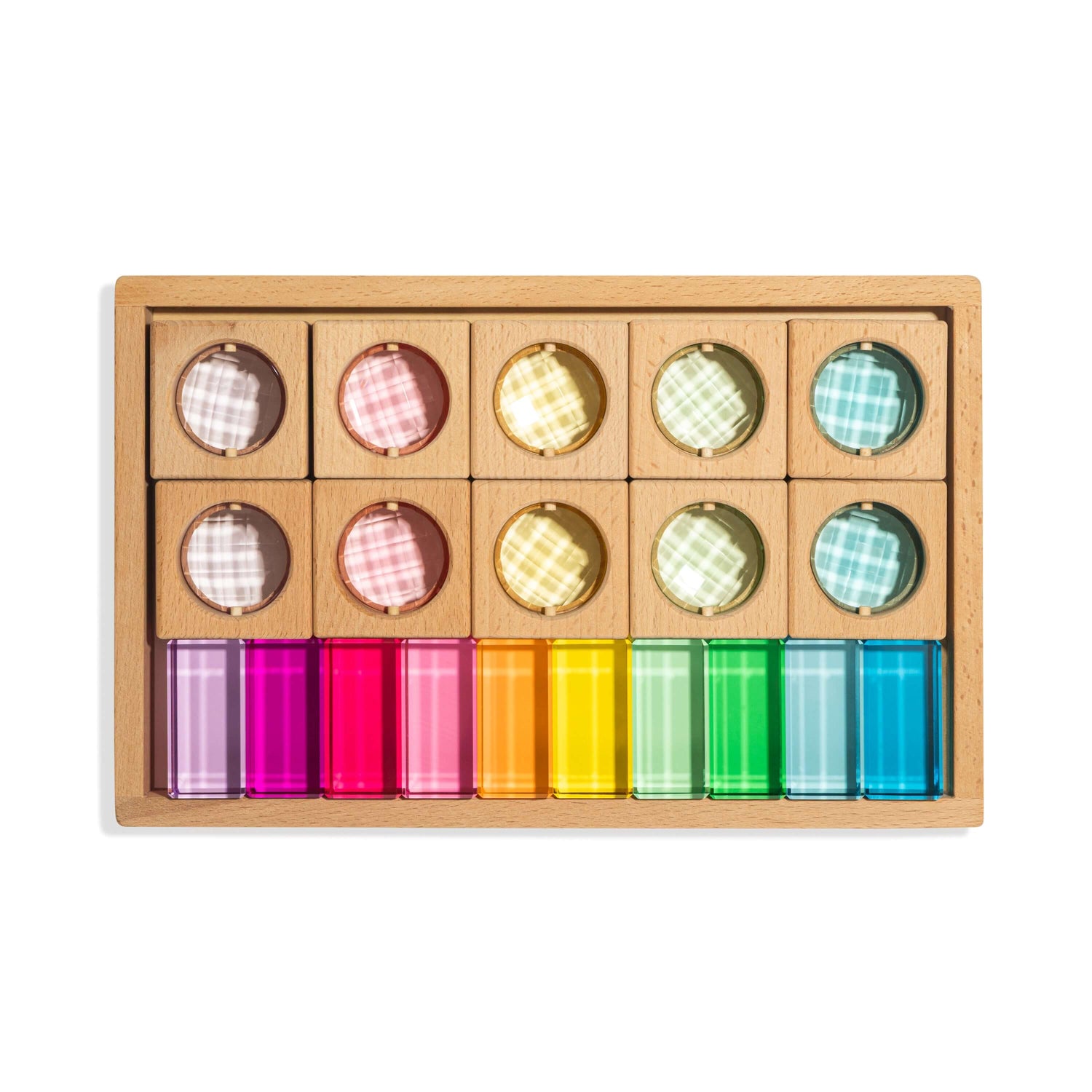
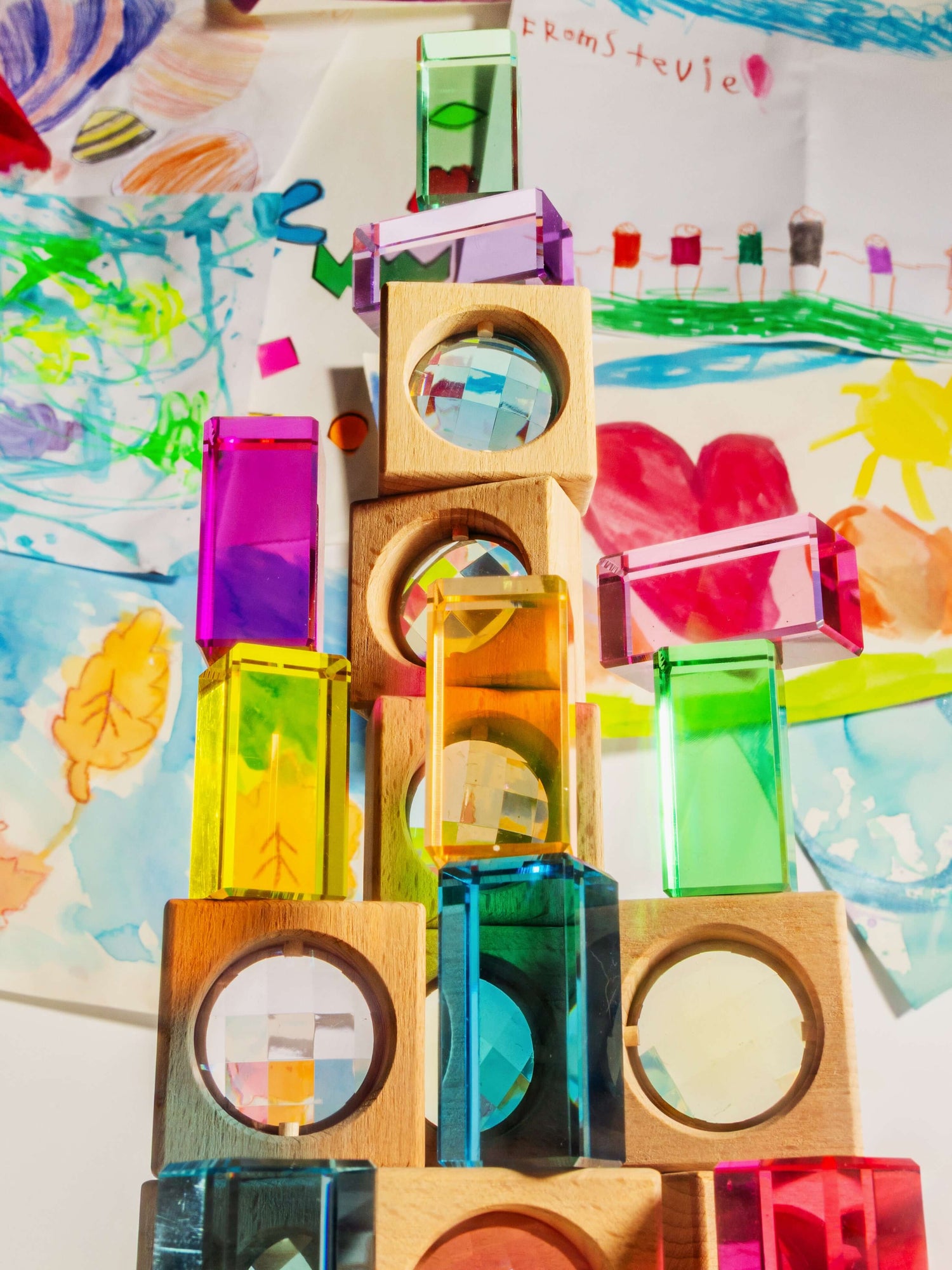
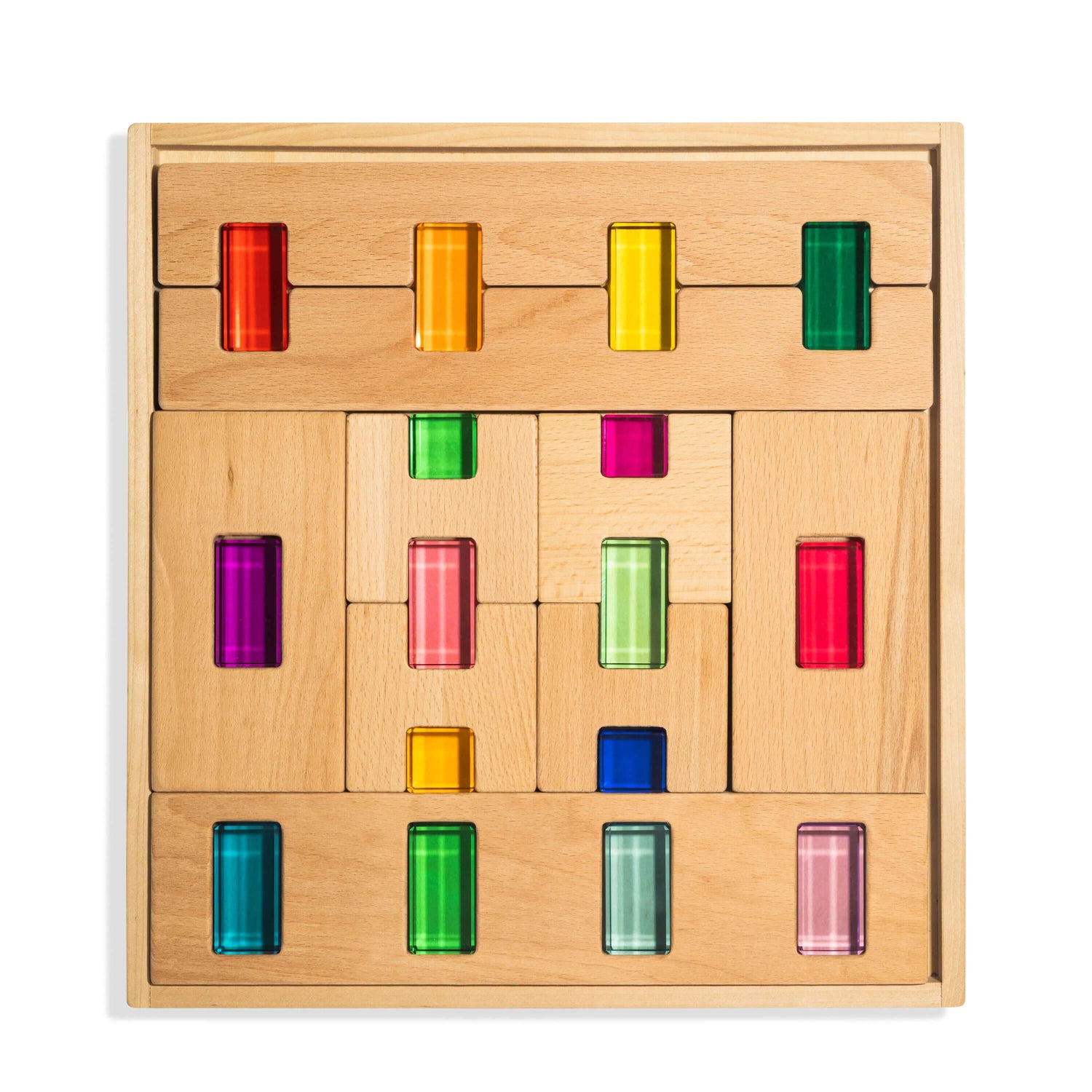
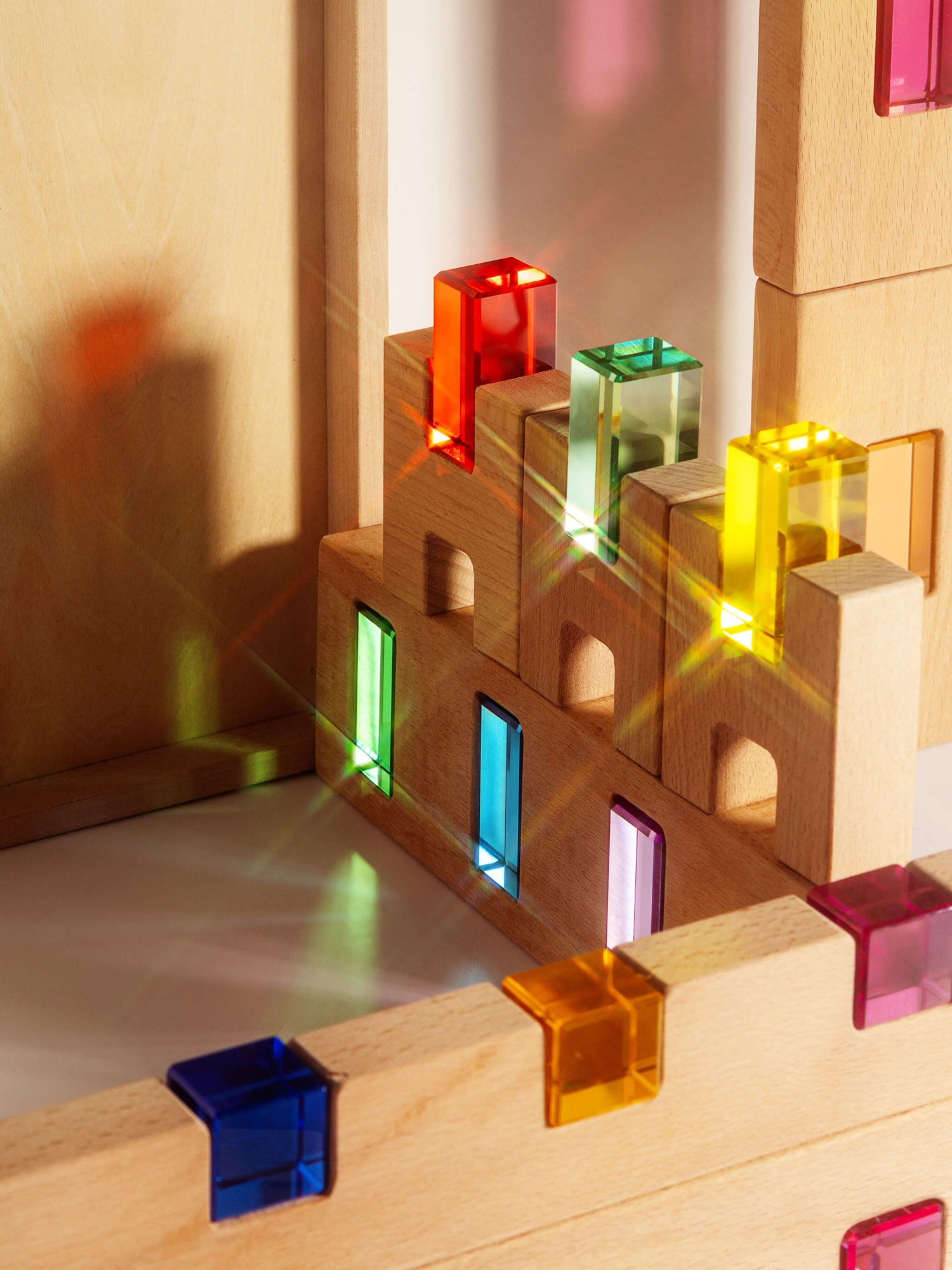
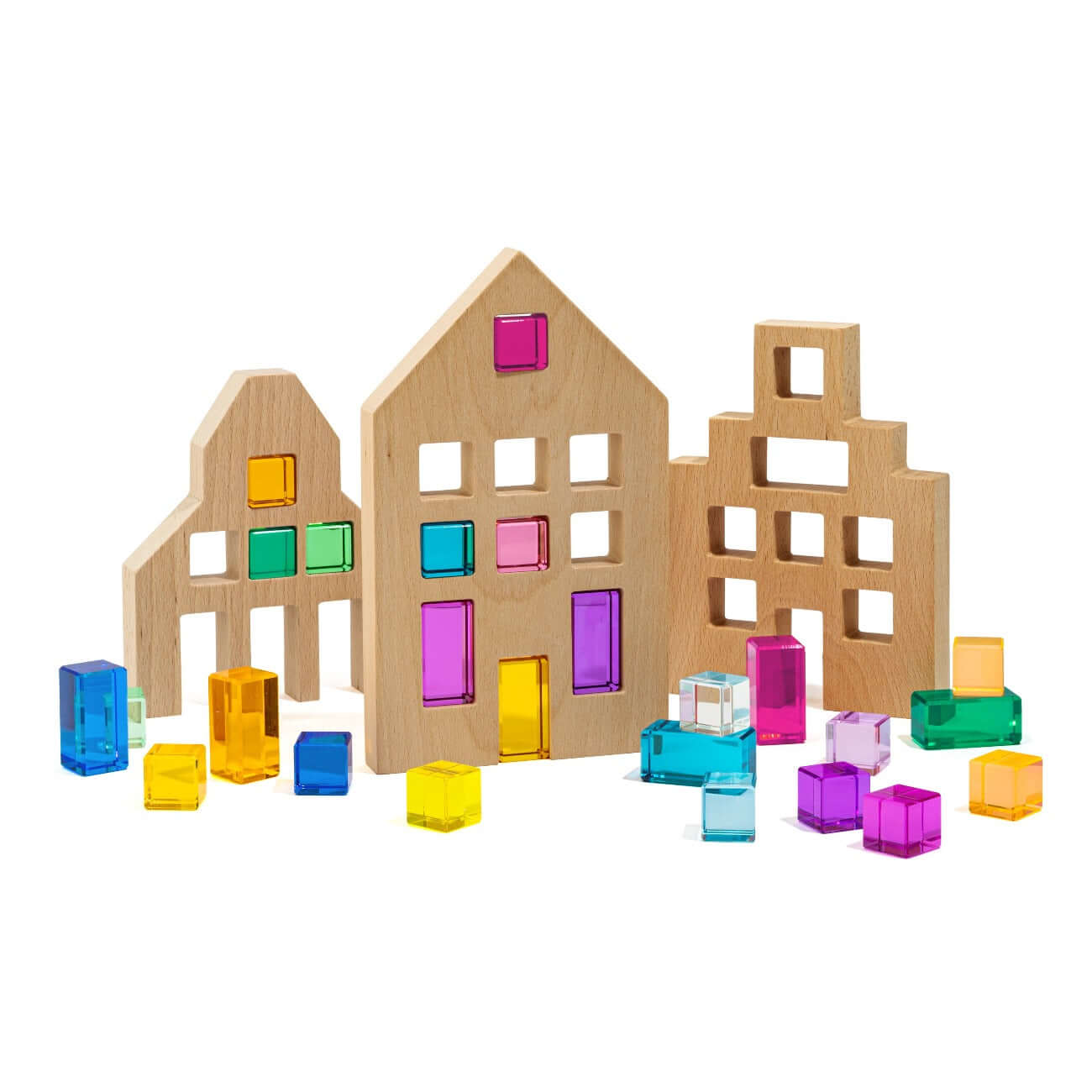
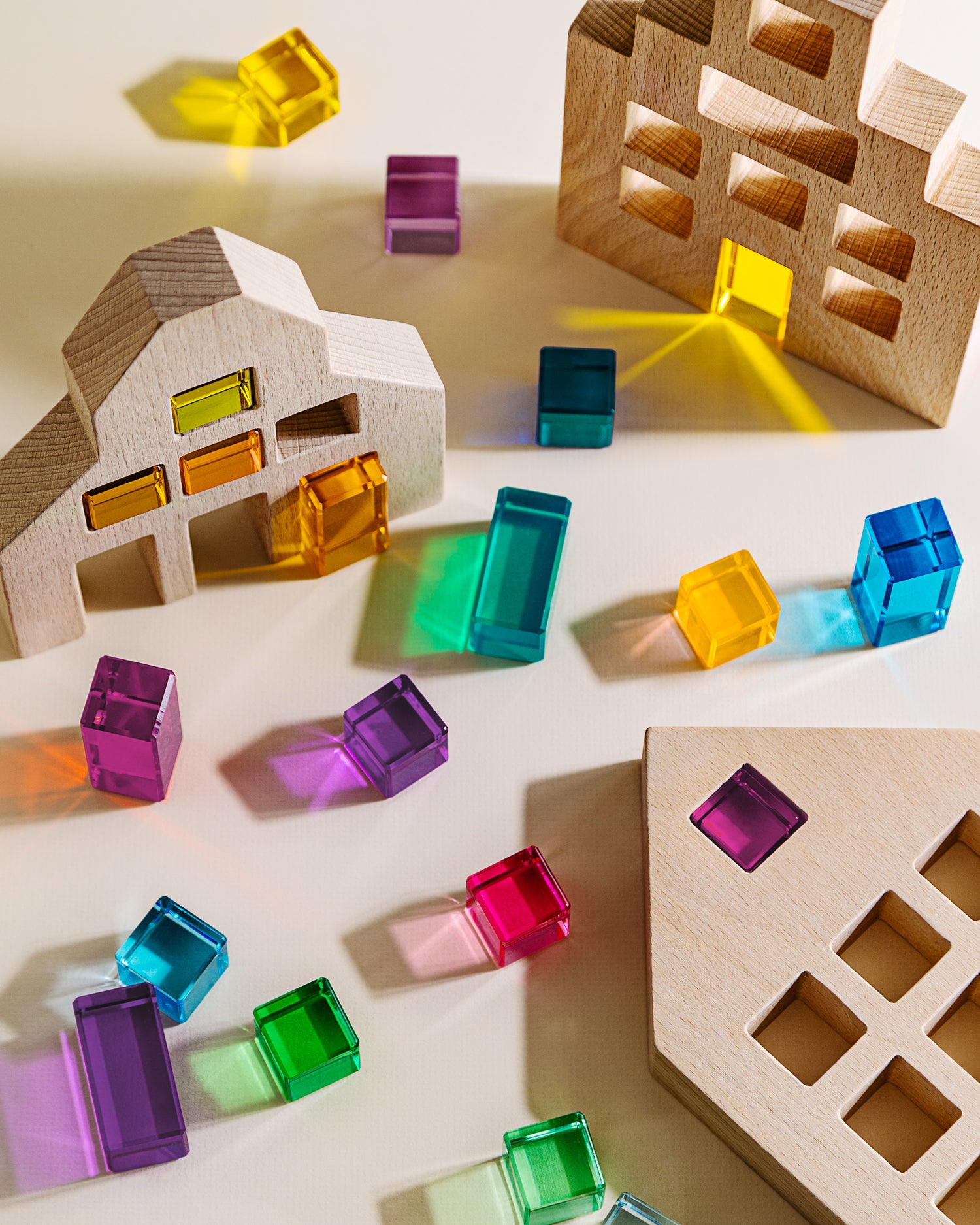
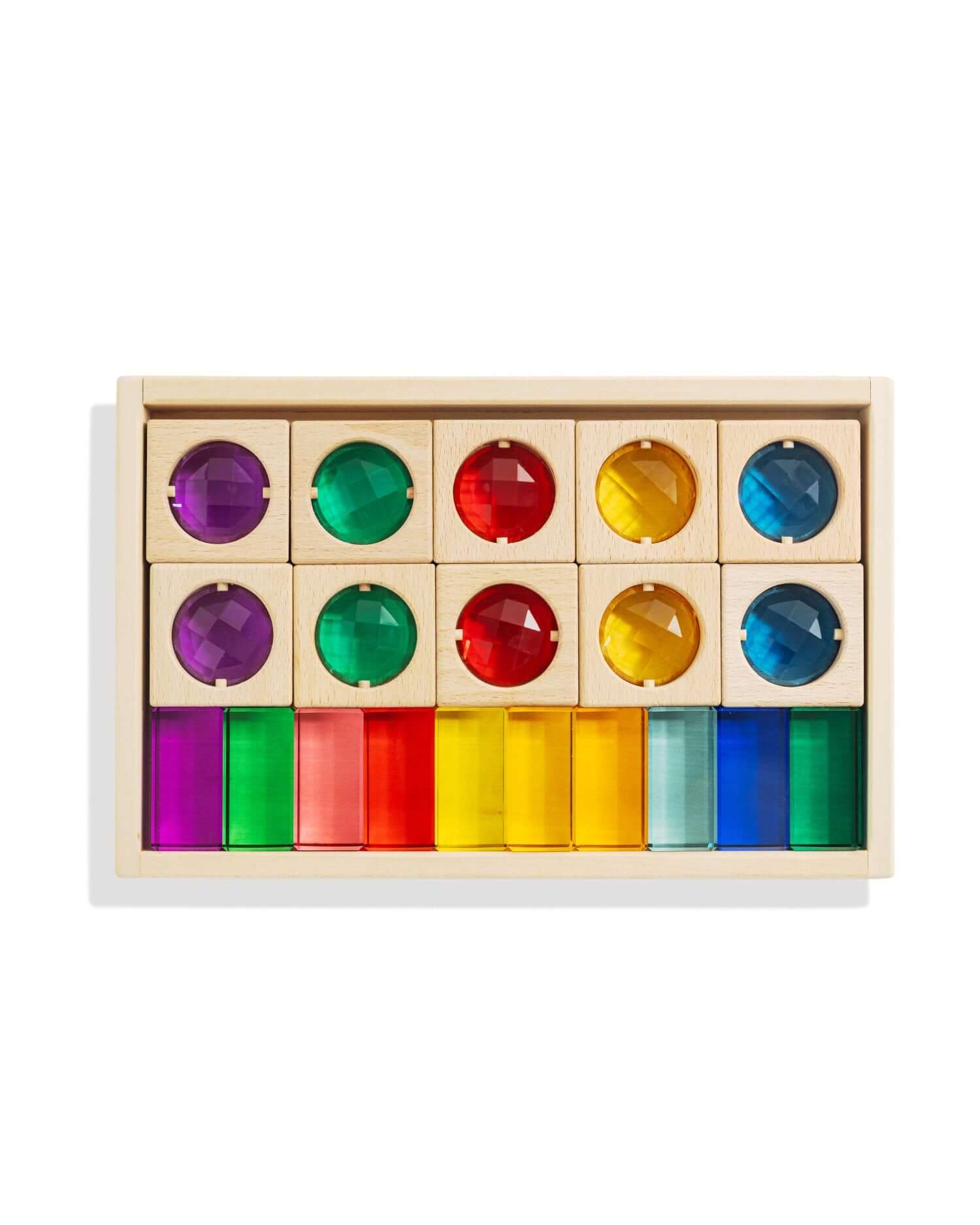
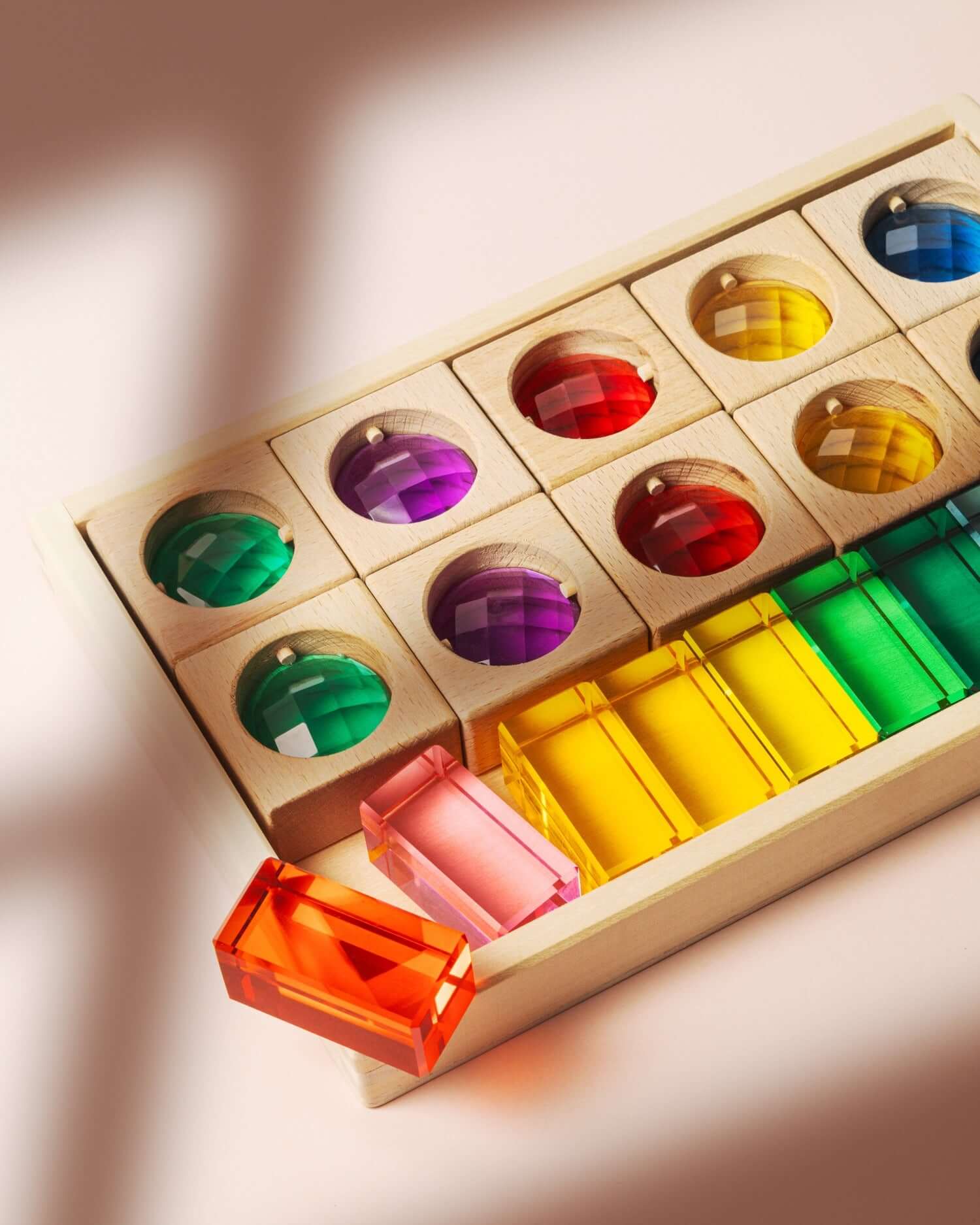
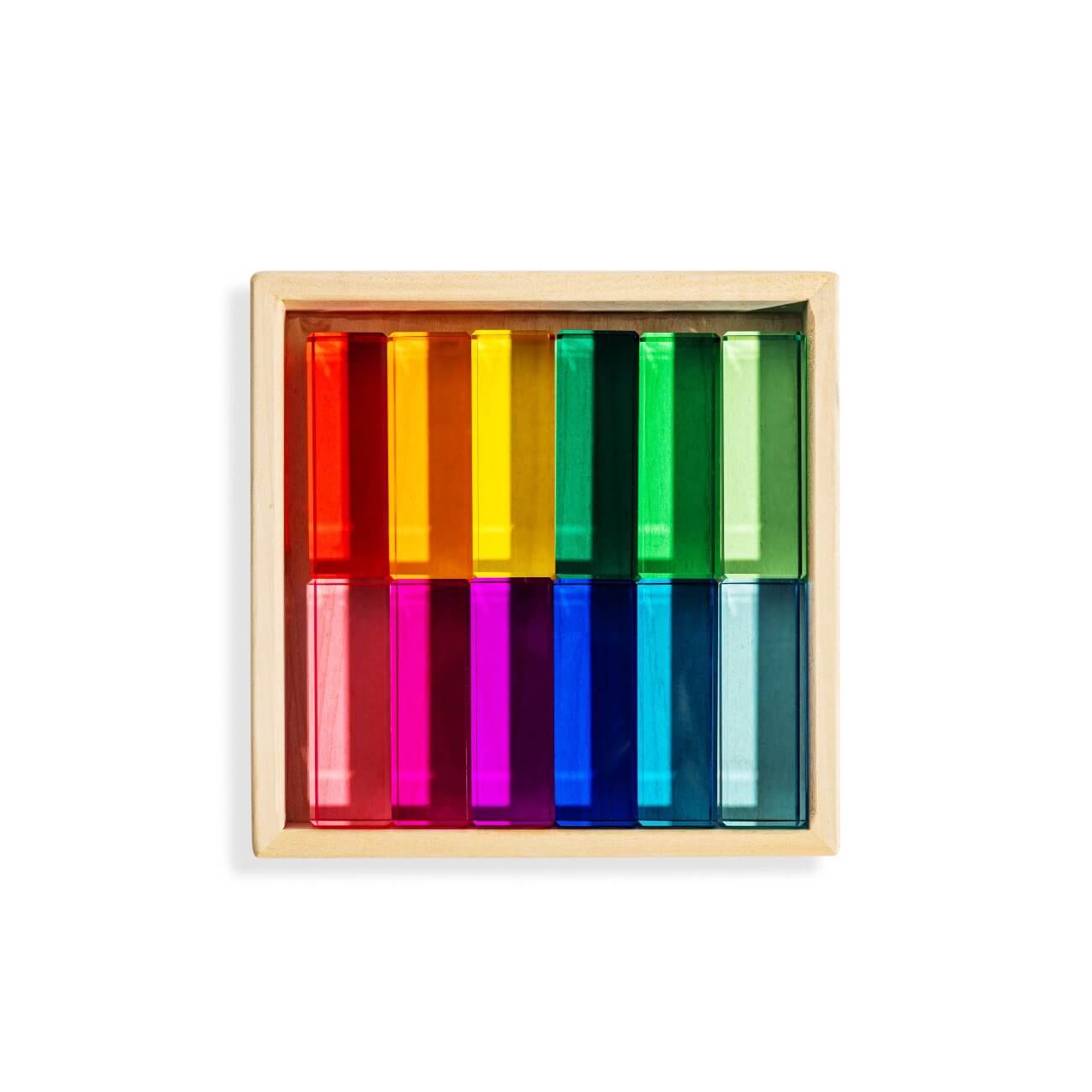
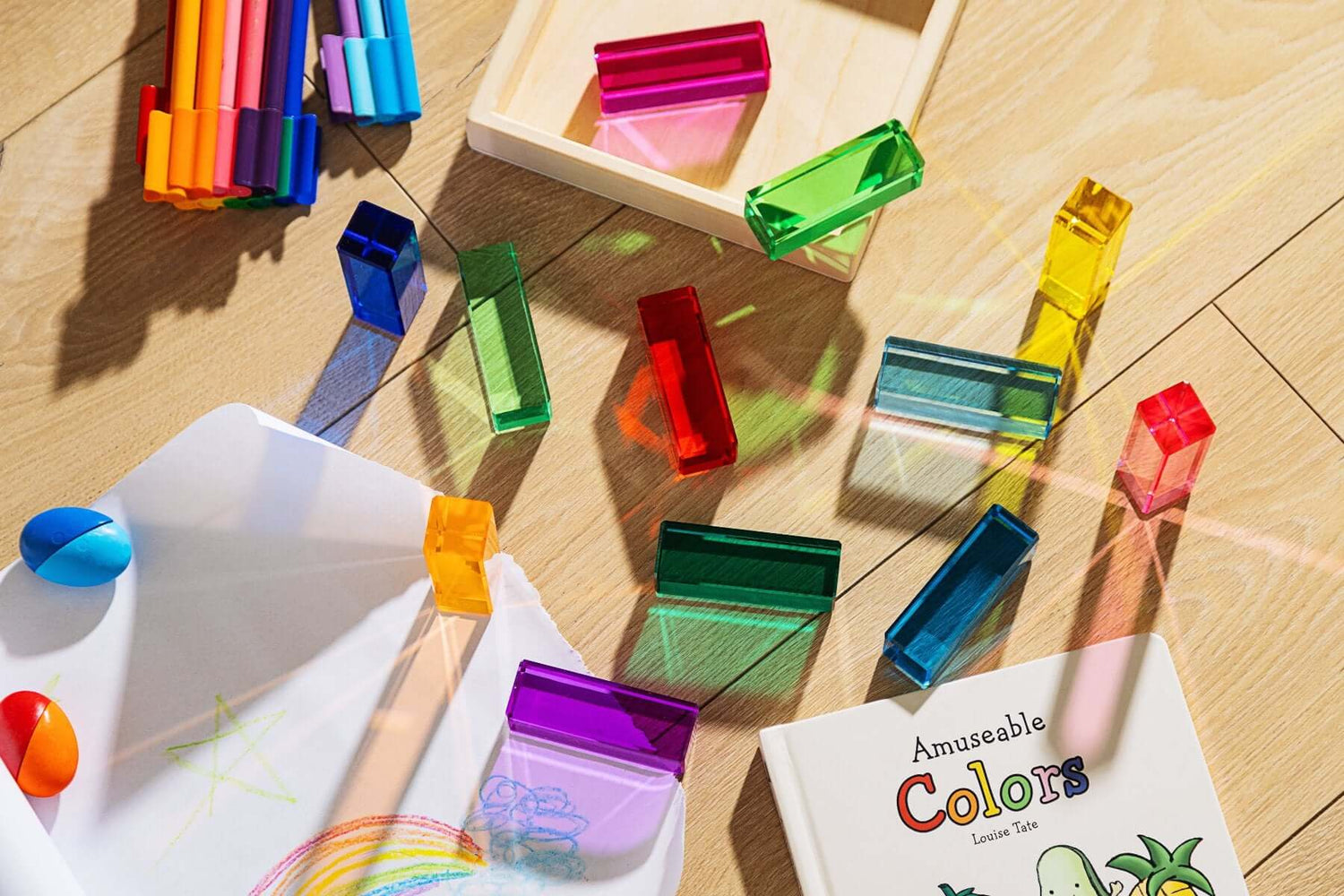
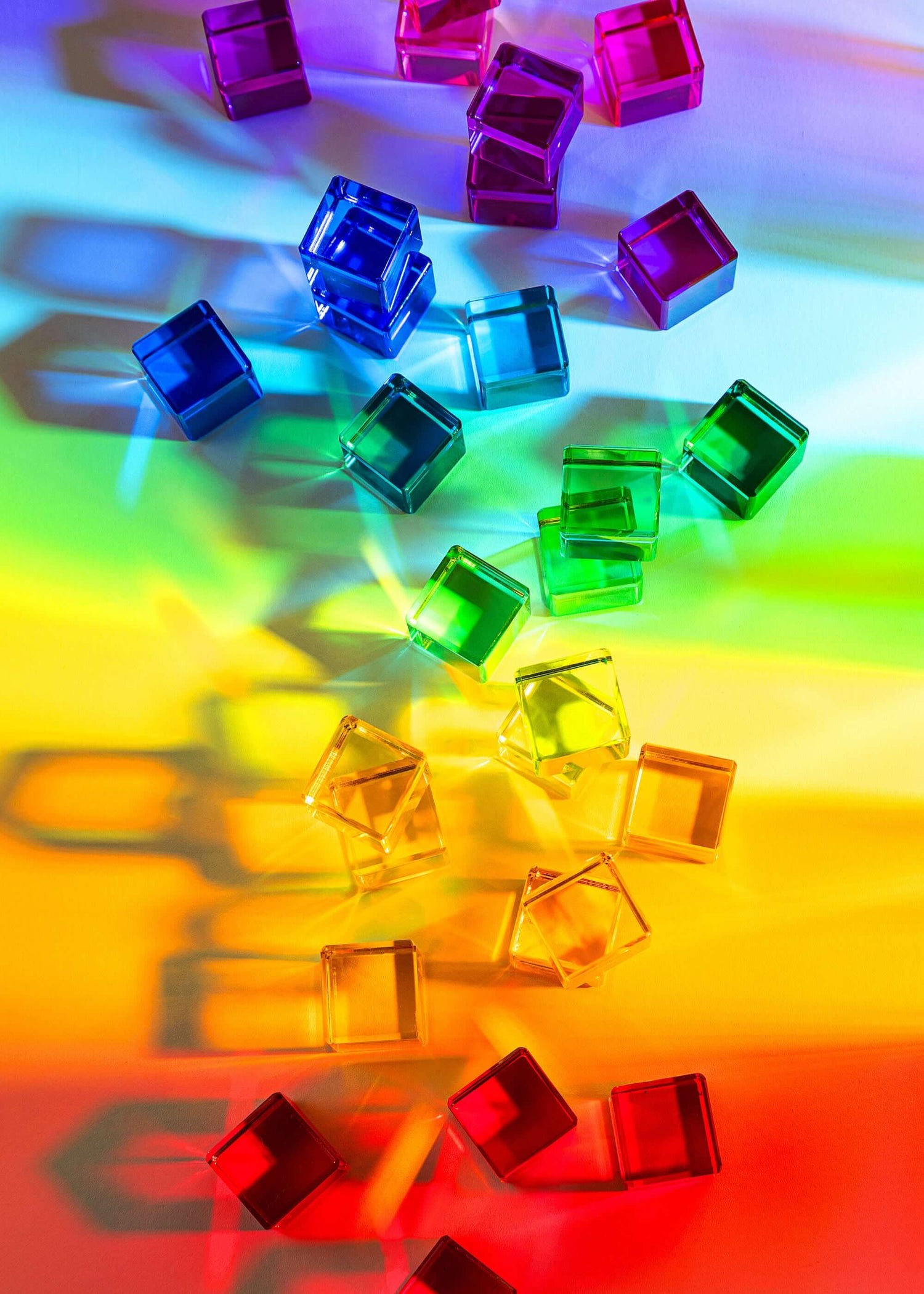
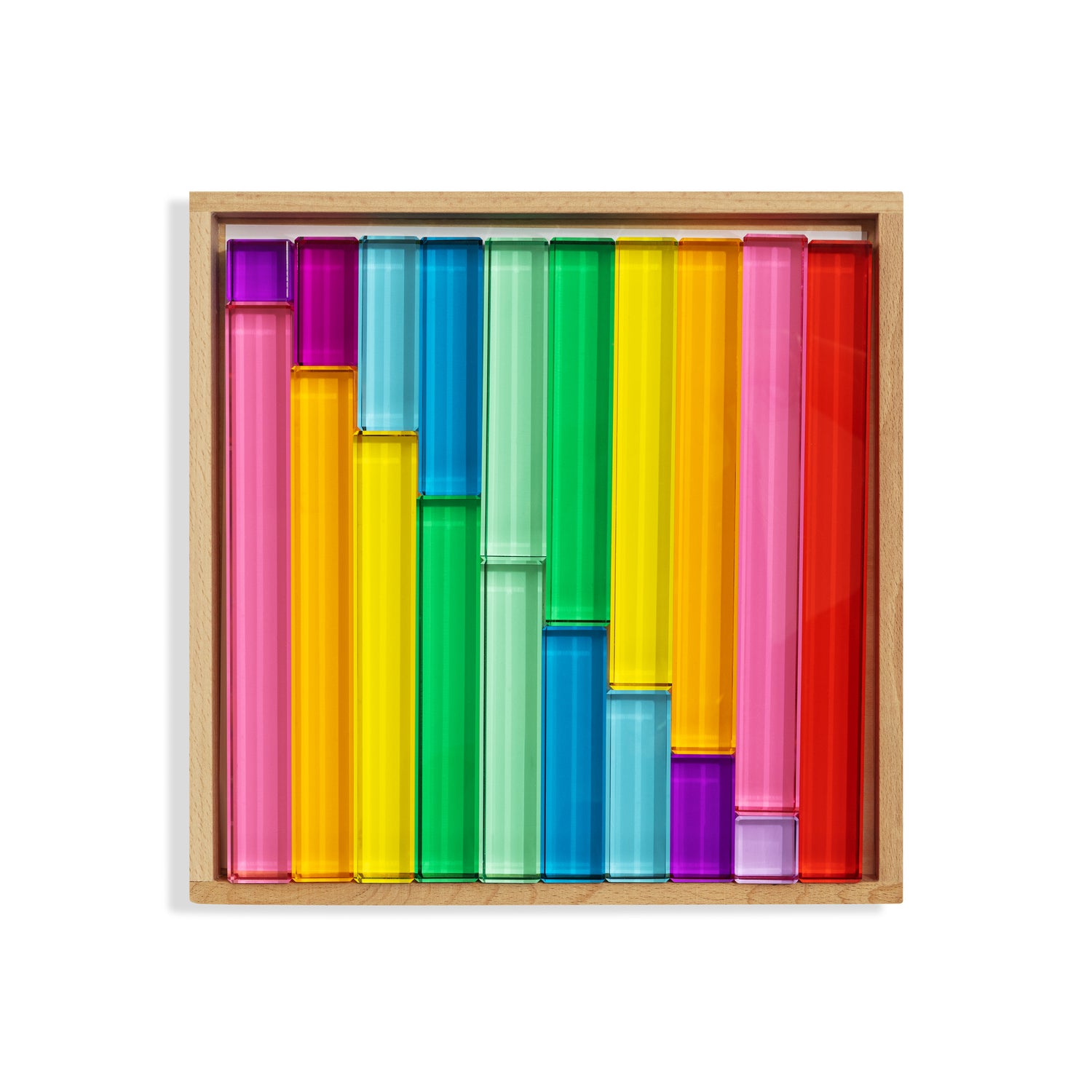
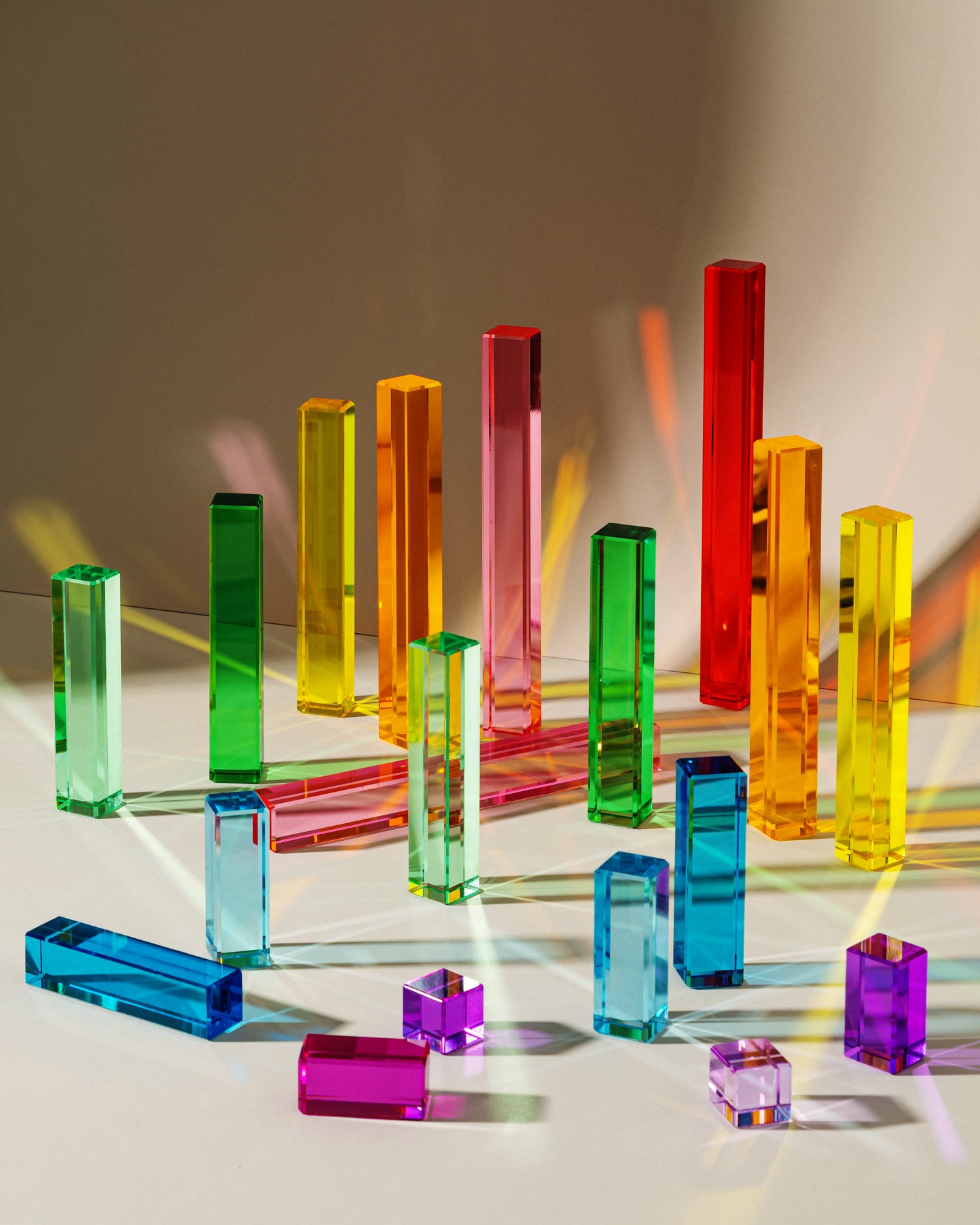
James or Noa Blocks (Or any colored Lucite blocks)
Clear cups or bowls filled with water
Washable food coloring (red, blue, yellow)
White paper for comparison (optional)
Step-by-Step Instructions
Step 1: Set Up the Experiment
Fill clear cups or bowls with water. Add a few drops of a primary color dye (start with red, blue, or yellow).
Ask:
“What do you think will happen when we mix colors?”
Step 2: Observe Color Changes in Water
Watch the dye swirl and blend.
Encourage your child to describe:
The shade
The movement
The intensity of the color
This strengthens descriptive language and observation skills.
Step 3: Add a Lucite Block
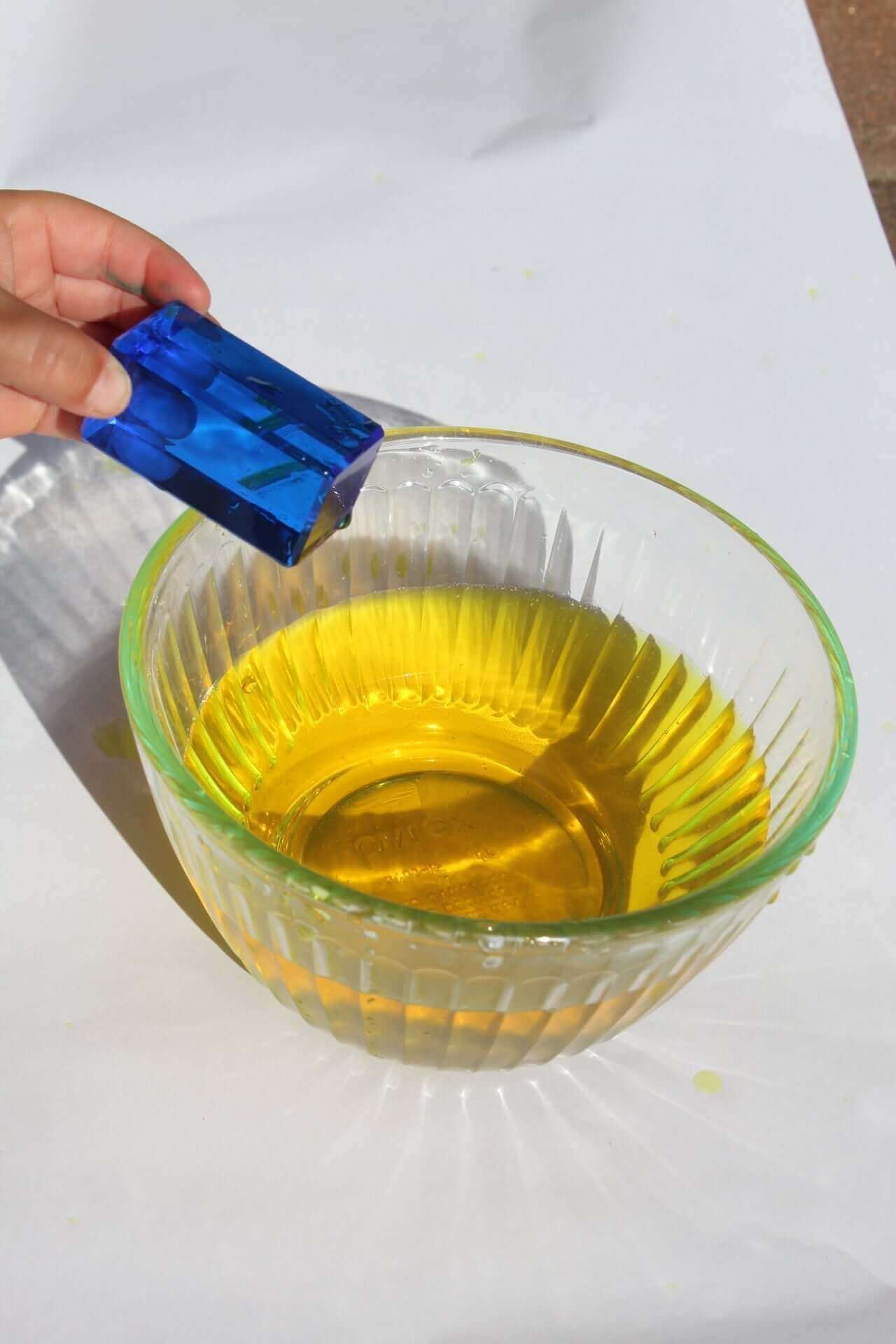
Place a colored James or Noa Block into the dyed water.
Ask:
“Does the block look the same color in the water?”
“What happens when light shines through it?”
Discuss how water and light change how we see color.


Step 4: Mix Primary Colors
Combine two colored waters:
Red + Blue
Blue + Yellow
Red + Yellow
Predict the result before mixing.
Observe how secondary colors form.
Step 5: Explore Light Interaction
Hold the Lucite block above or in front of the colored water near a light source.
Notice how light changes the appearance of the block and the water.
STEM Learning Concepts
Primary & Secondary Colors
Children learn that red, blue, and yellow combine to form new colors.
Light & Perception
Translucent materials change how light passes through them, altering how colors appear.
Scientific Inquiry
Making predictions and observing outcomes builds foundational scientific thinking.
Extend the Activity
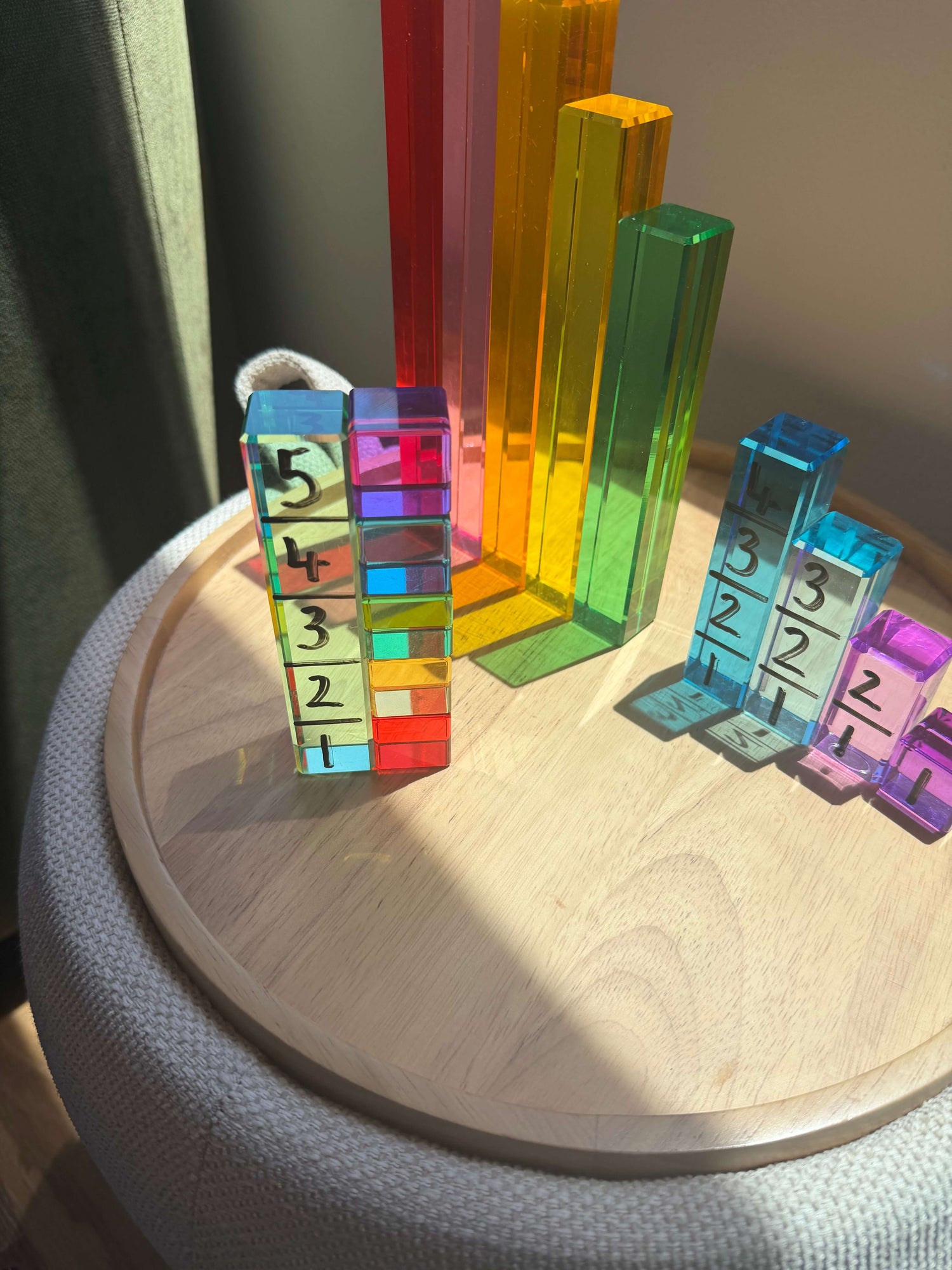
Layer two blocks together to compare color blending
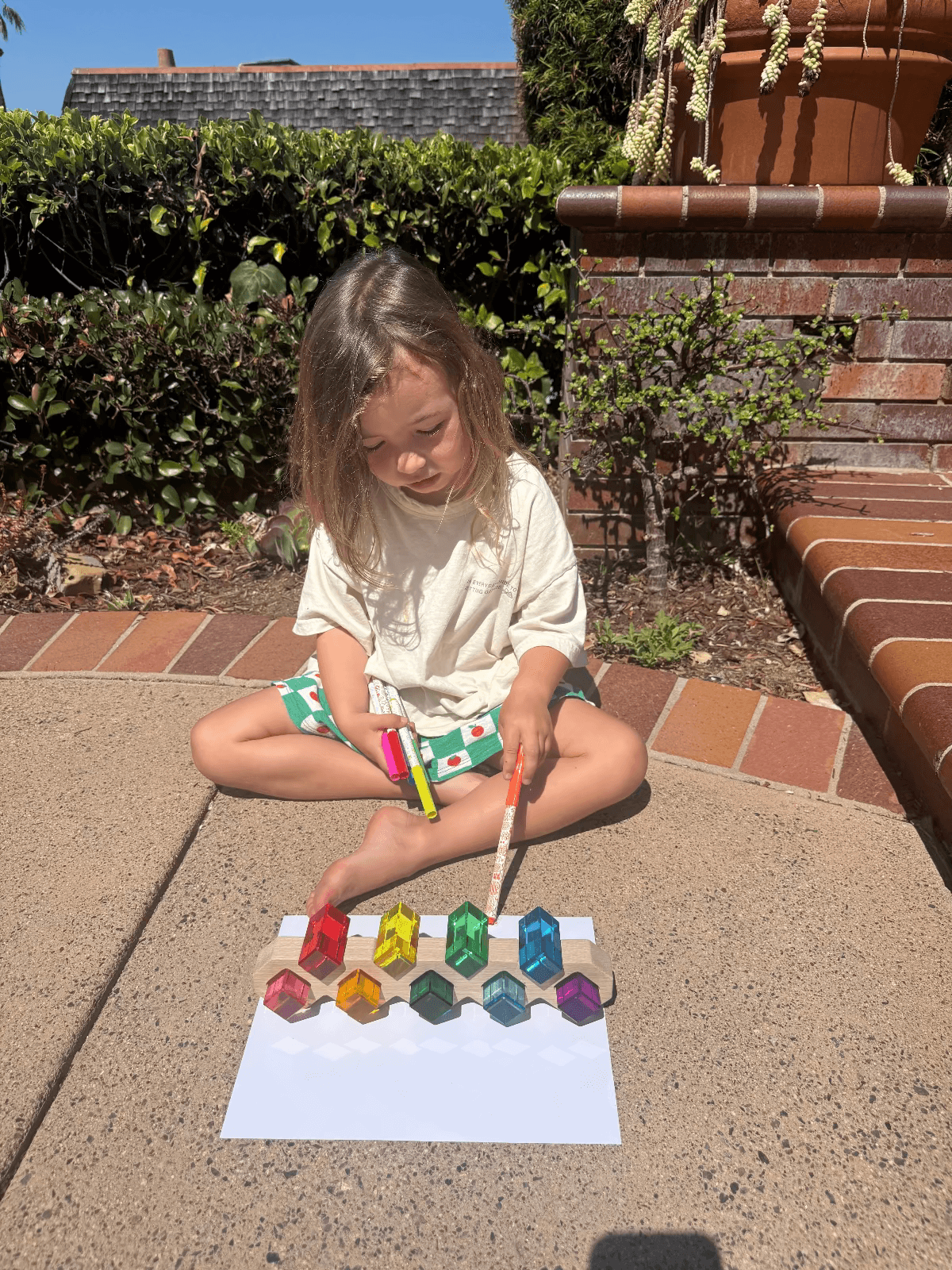
Use white paper to reflect light underneath
Try the experiment outdoors in natural sunlight
Create a “color recipe” chart

Why Color Exploration Matters
Color mixing activities build early science understanding while strengthening observation and reasoning skills.
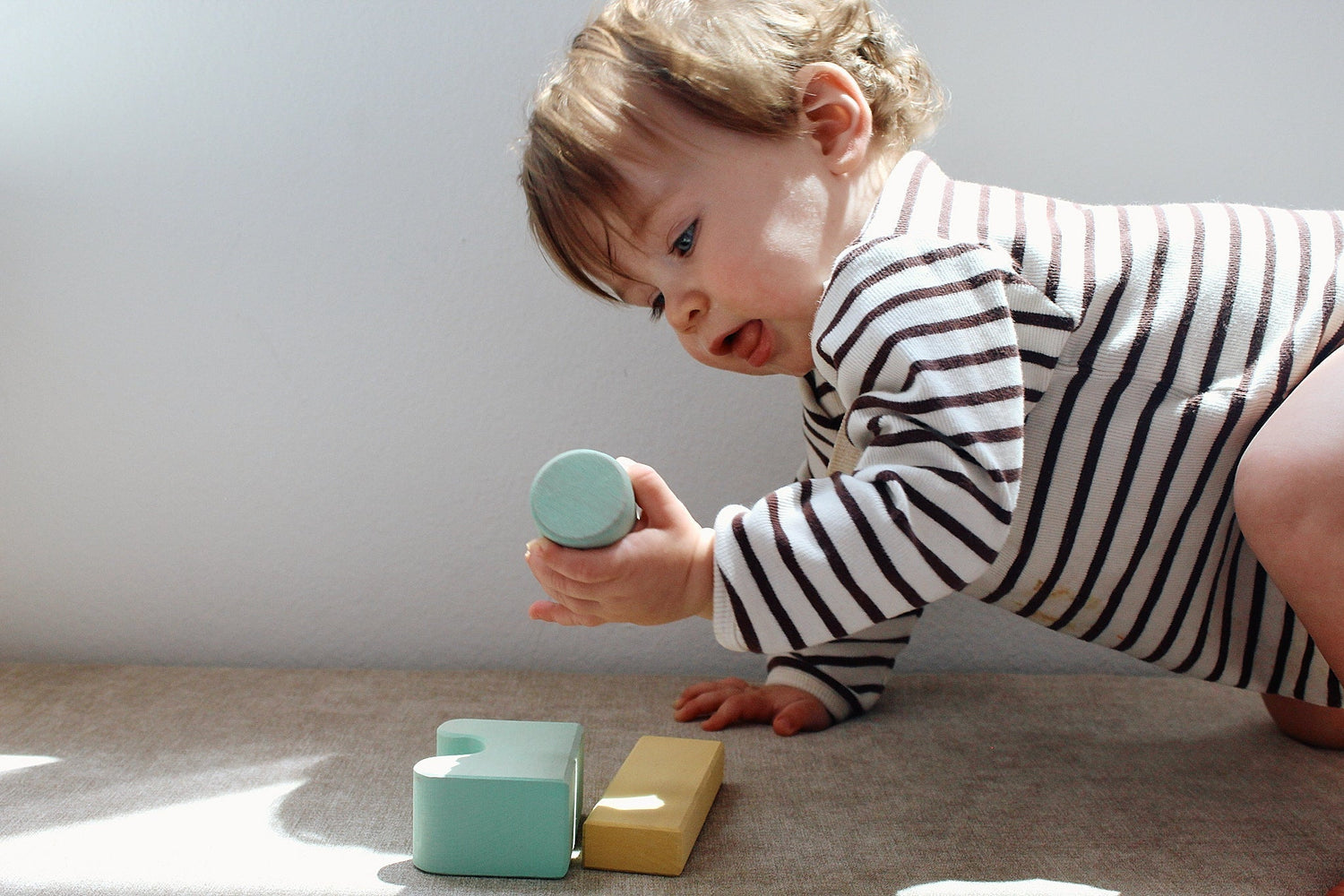
Open-ended materials like James and Noa Blocks allow children to explore abstract concepts like color theory in a concrete, visual way.
Shop the Lucite Collection
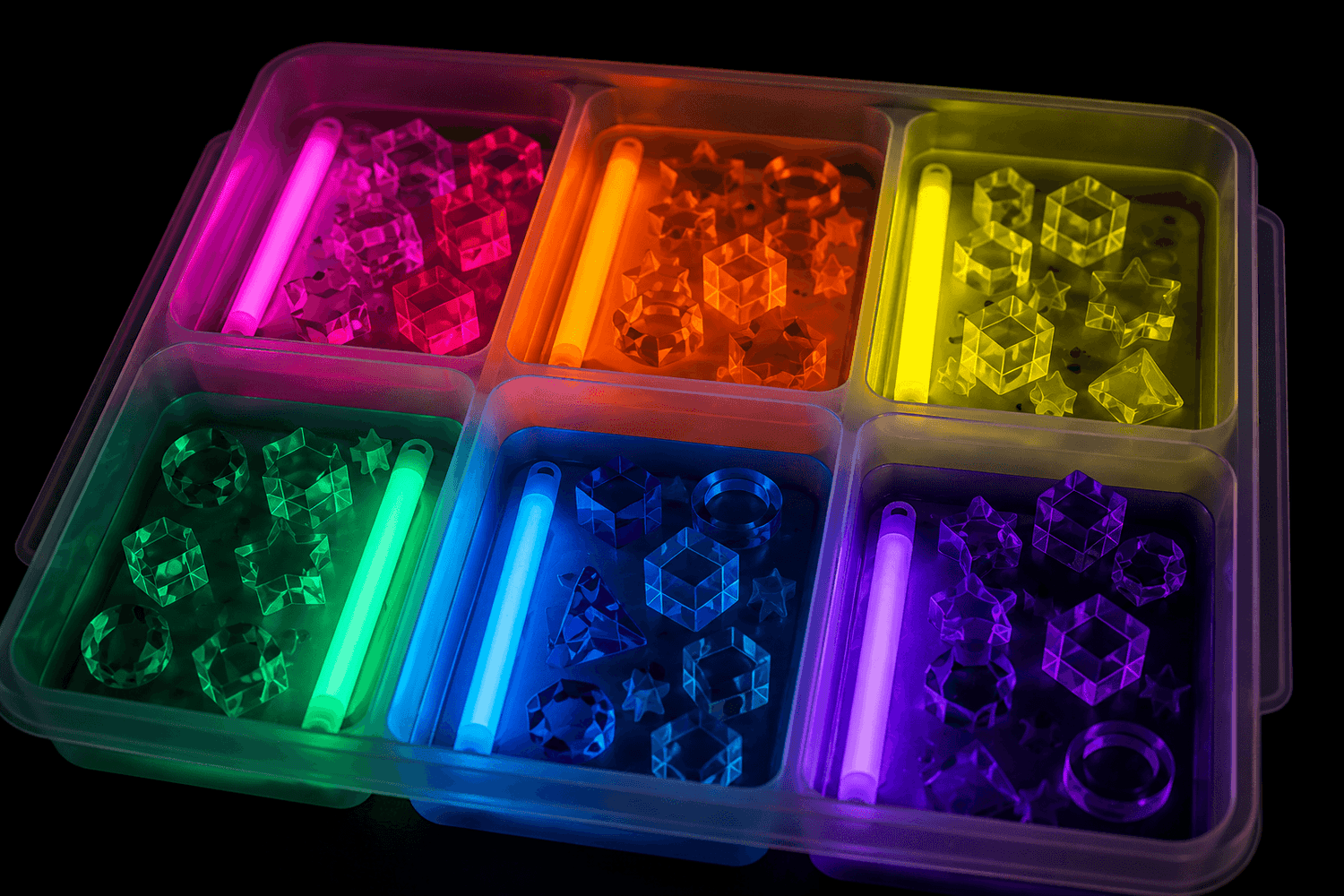
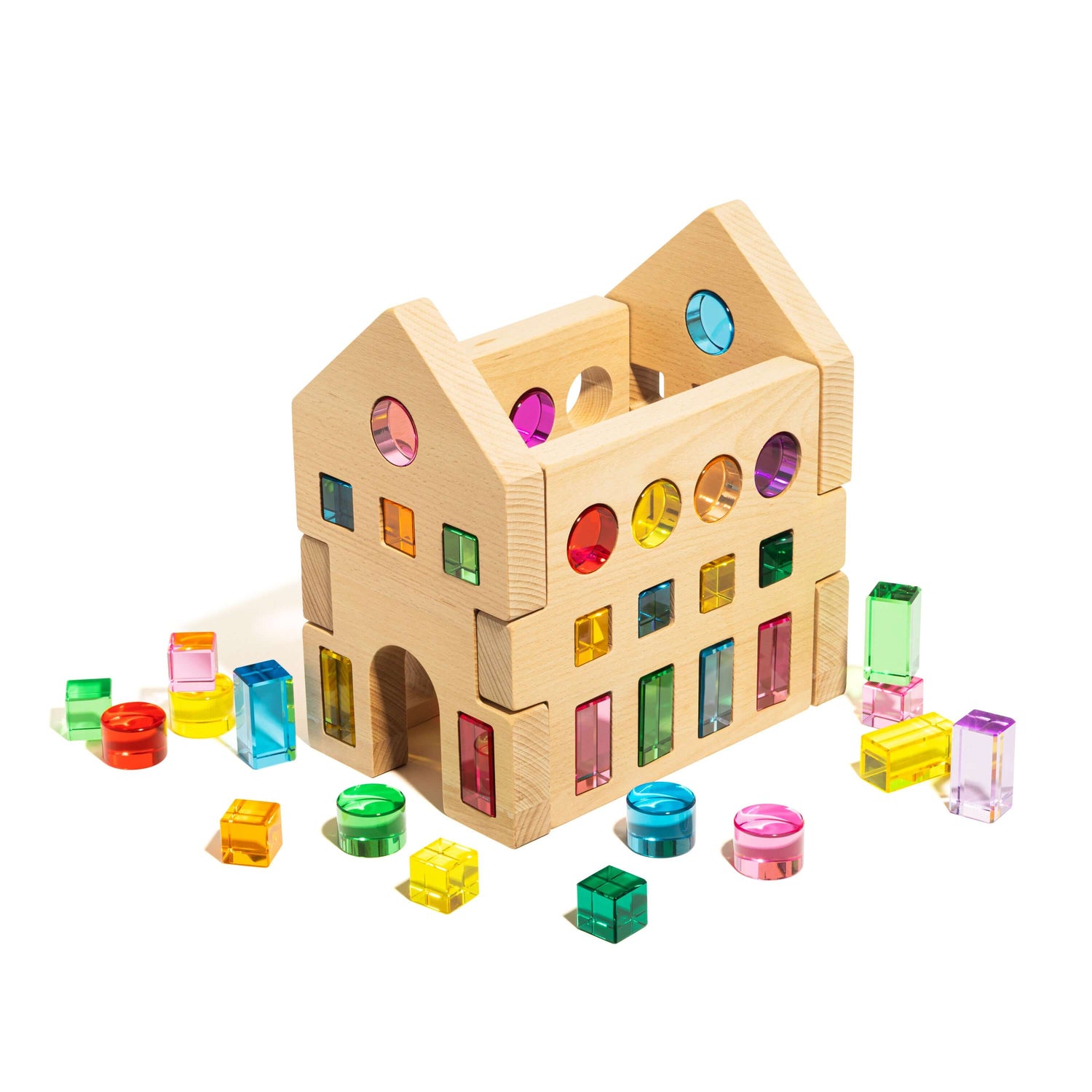
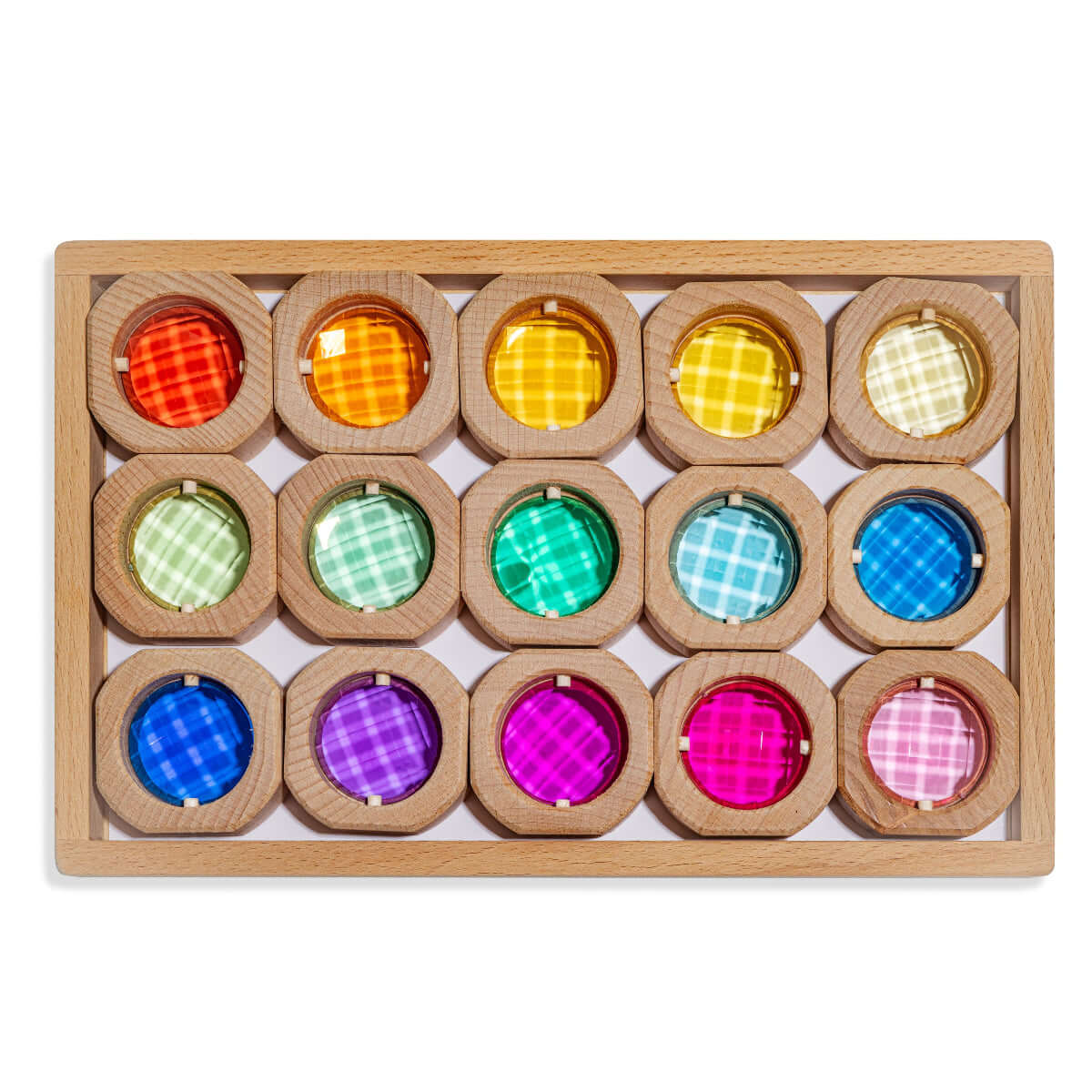
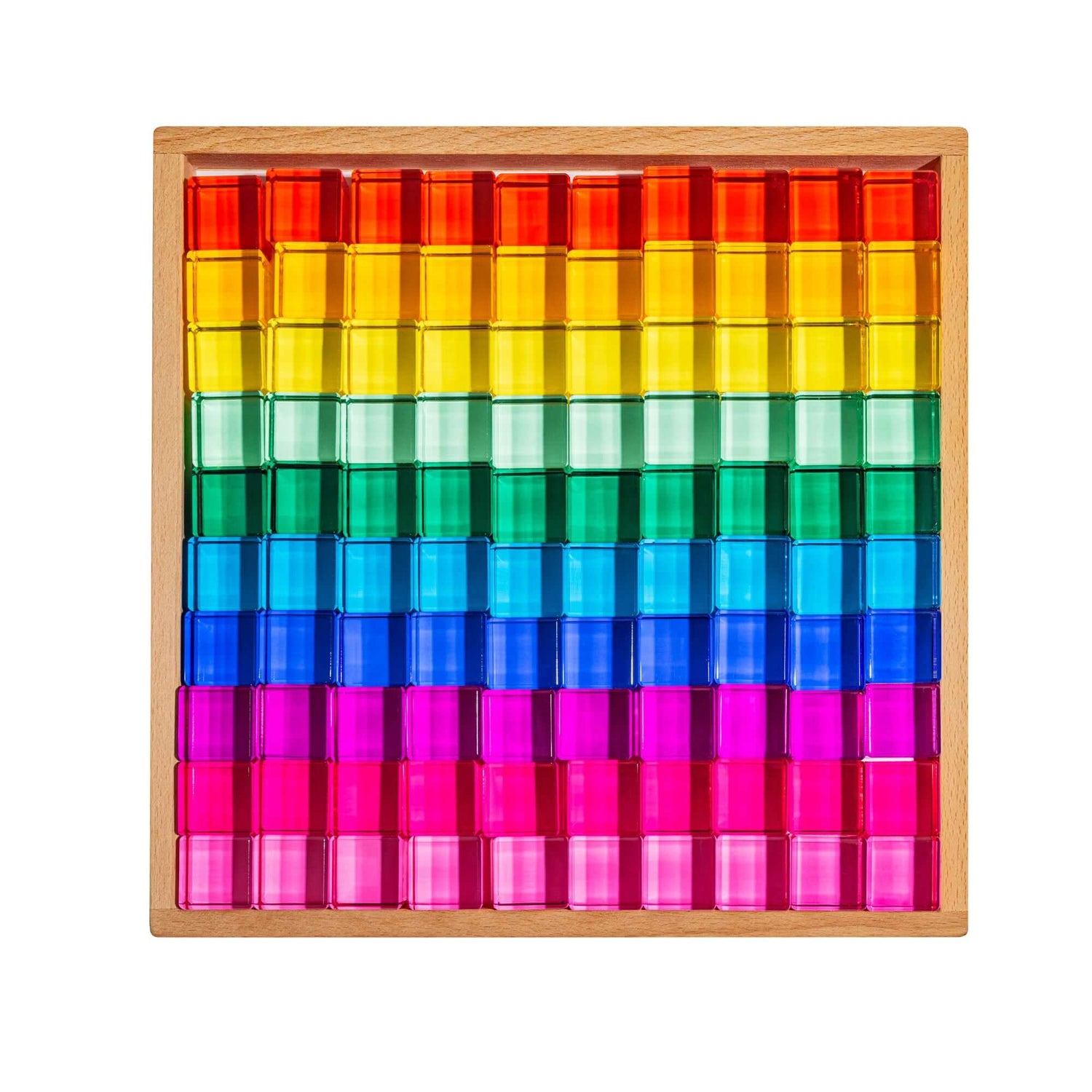
James and Noa Blocks are designed for open-ended building and sensory STEM exploration, making them ideal for light and color experiments.


0 commentaire