
What Is Sensory Play?
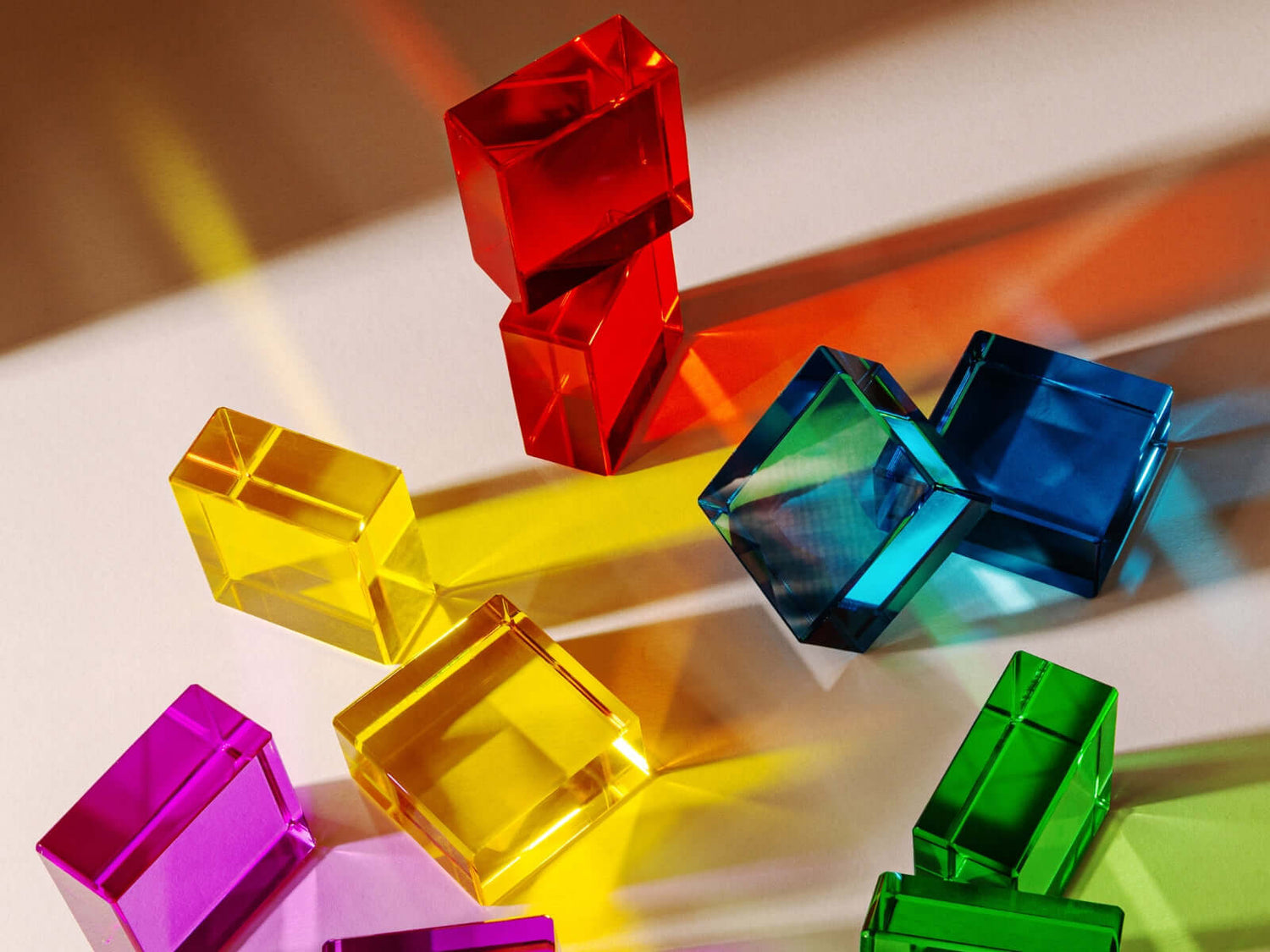
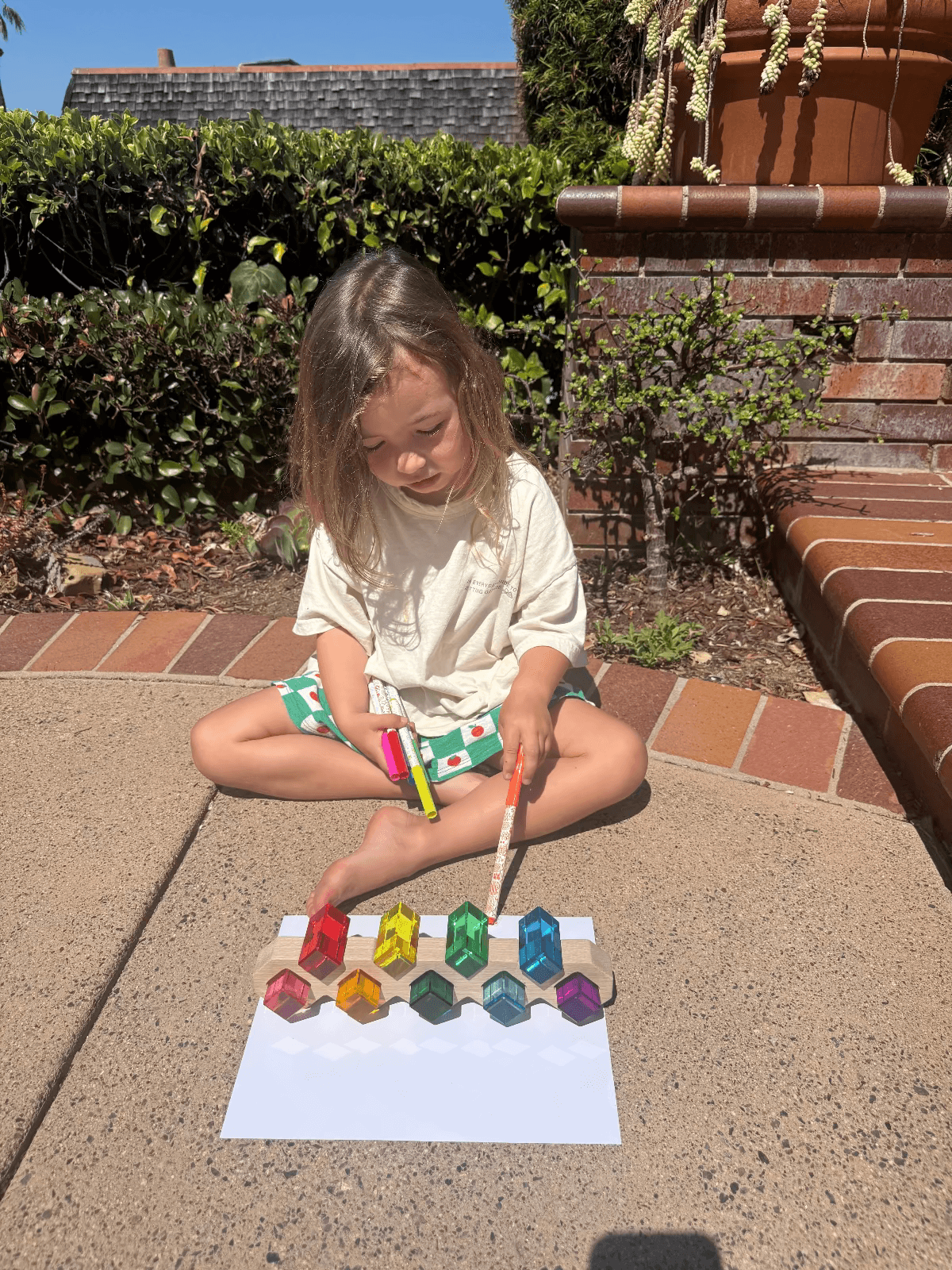
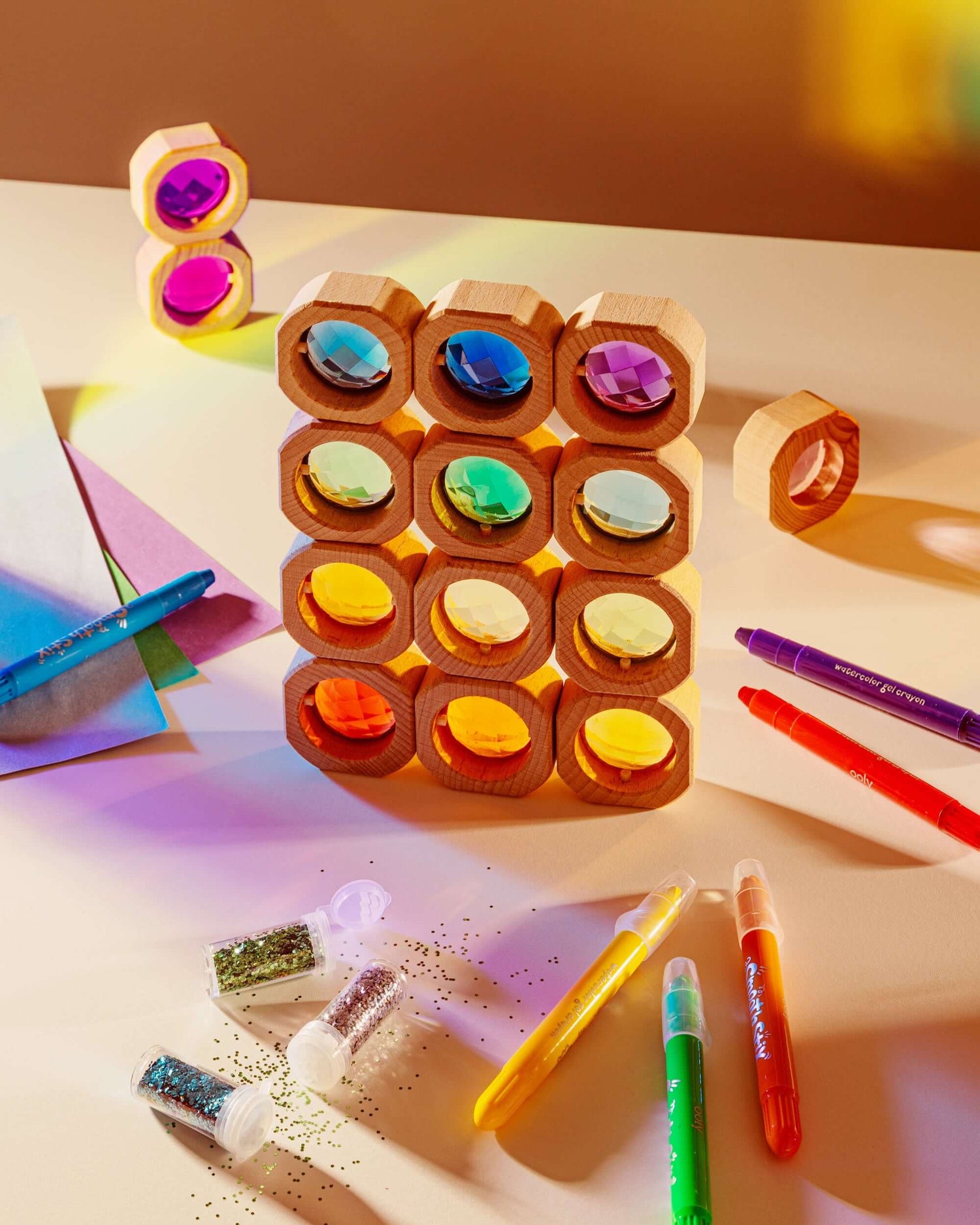
Sensory play refers to activities that engage a child’s senses—touch, sight, hearing, smell, taste, movement, and balance. Through sensory experiences, children explore textures, colors, sounds, and materials while learning how their actions influence what happens around them.
Common examples of sensory play include:
- playing with sand or water
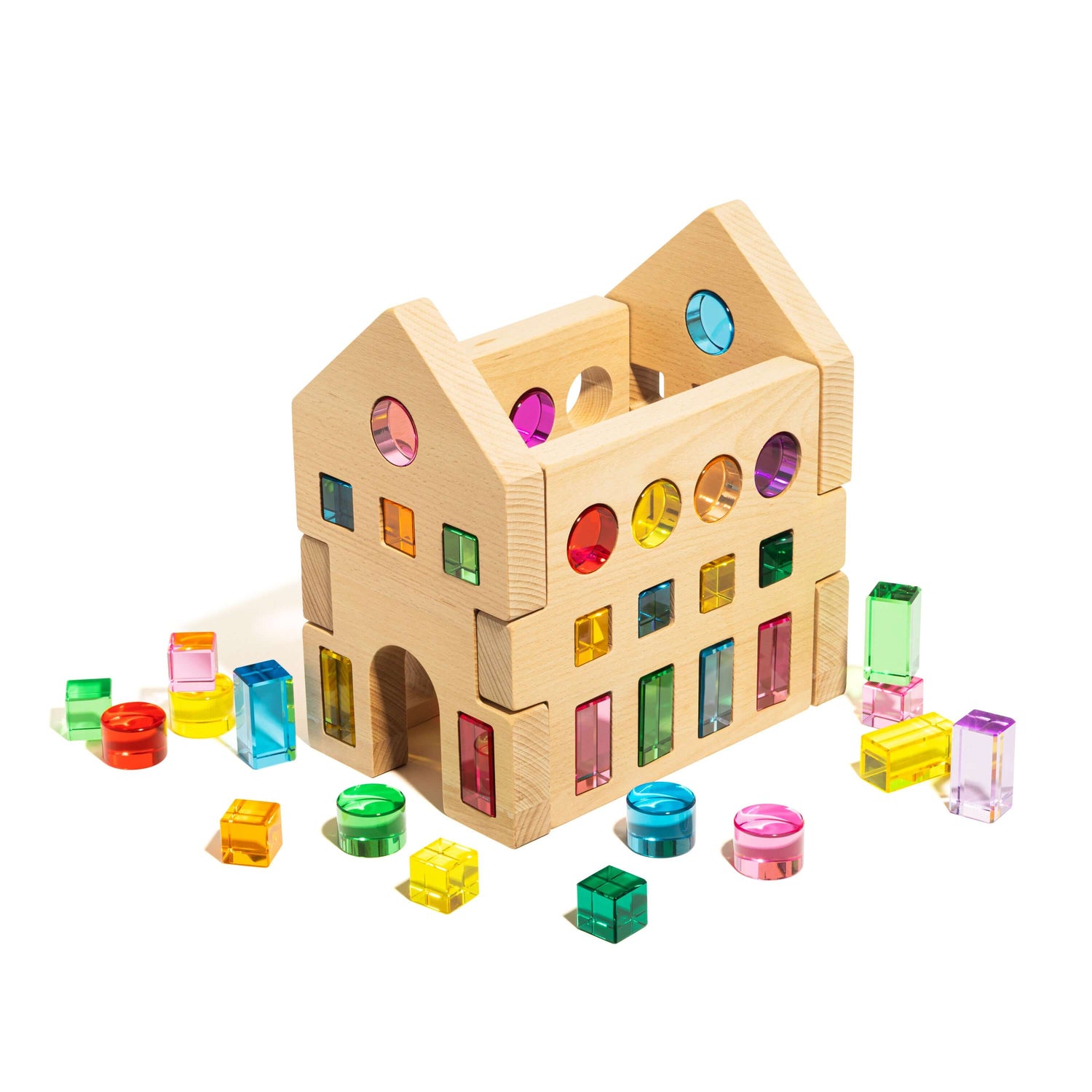
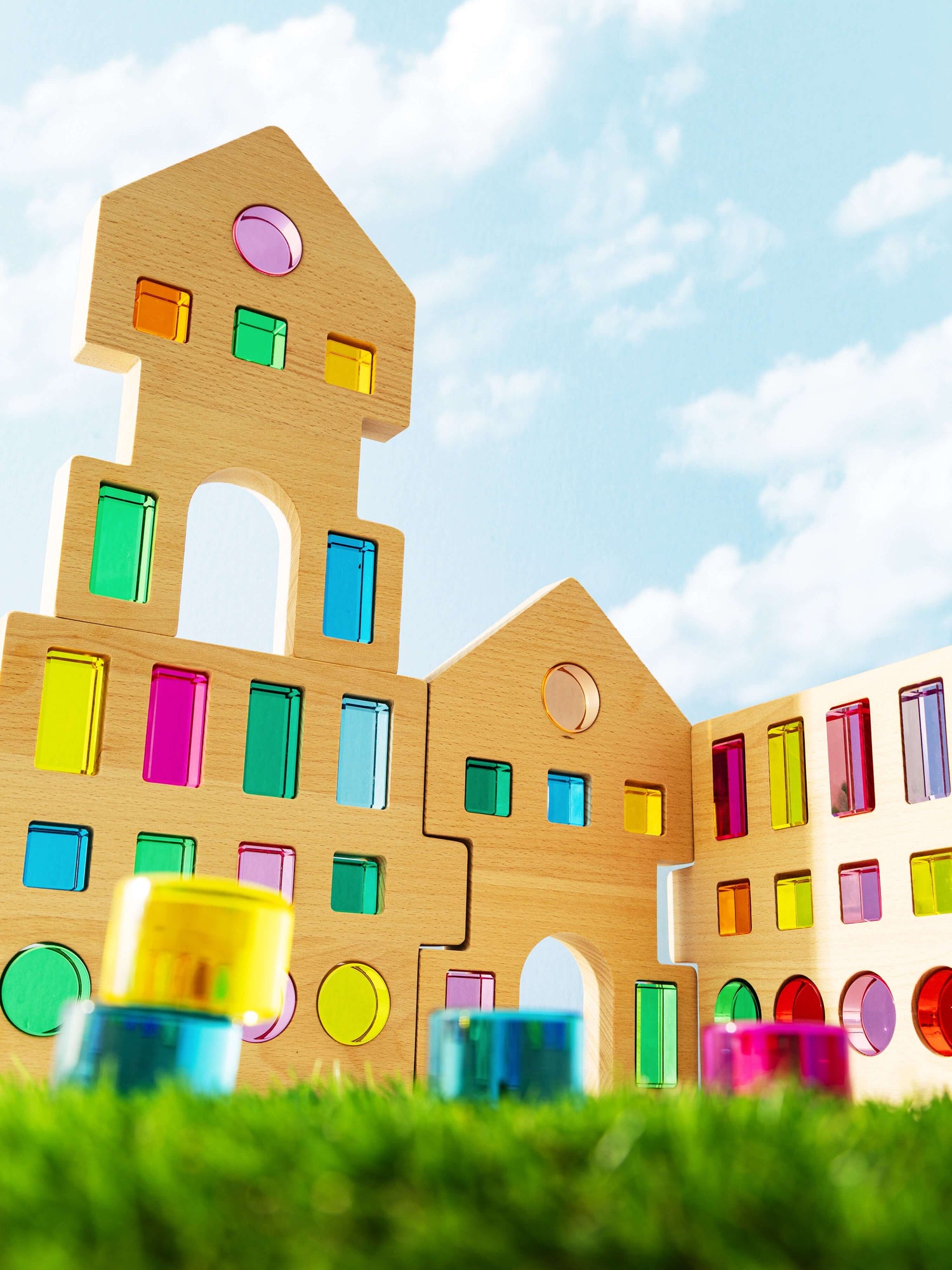
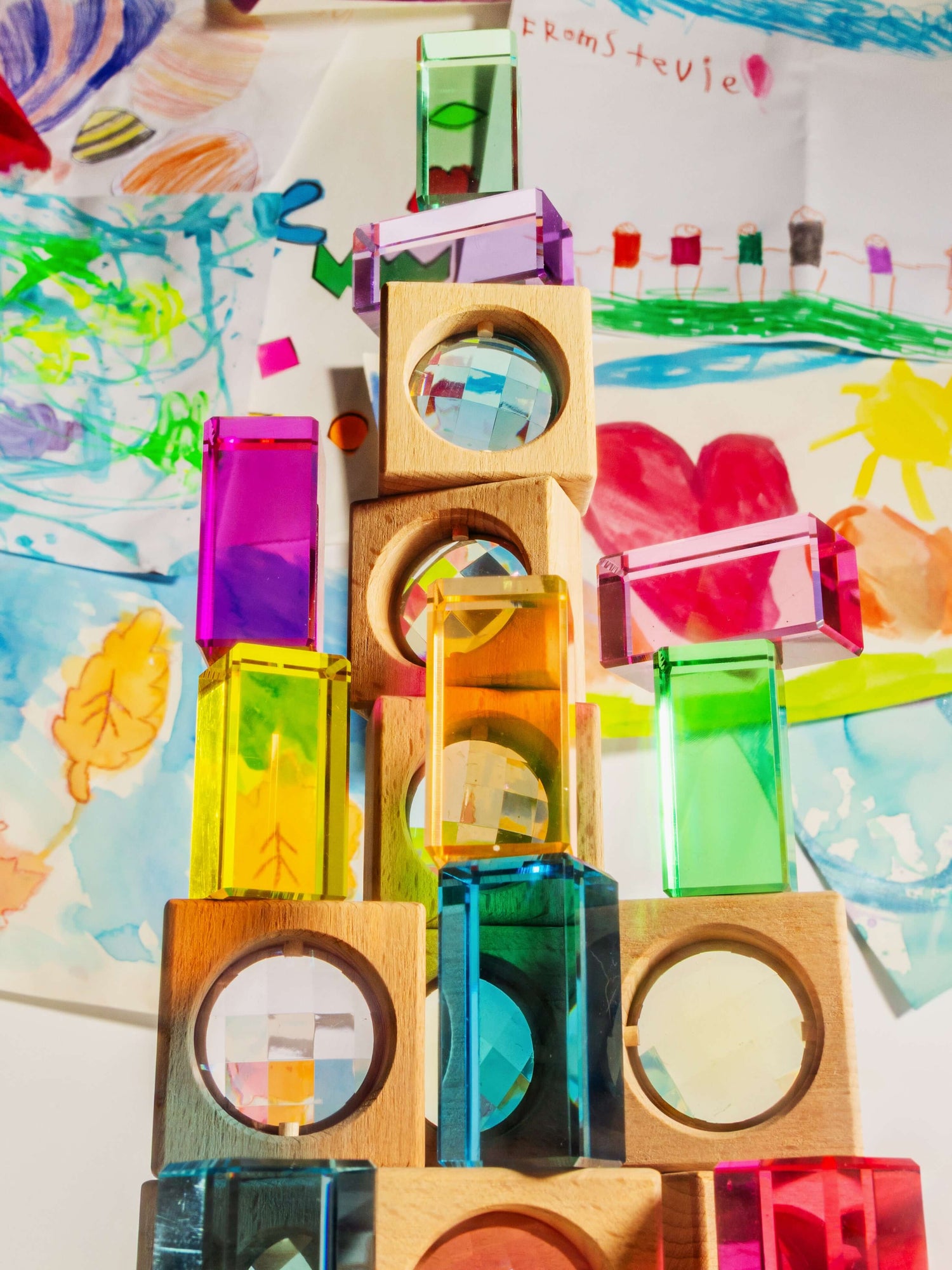
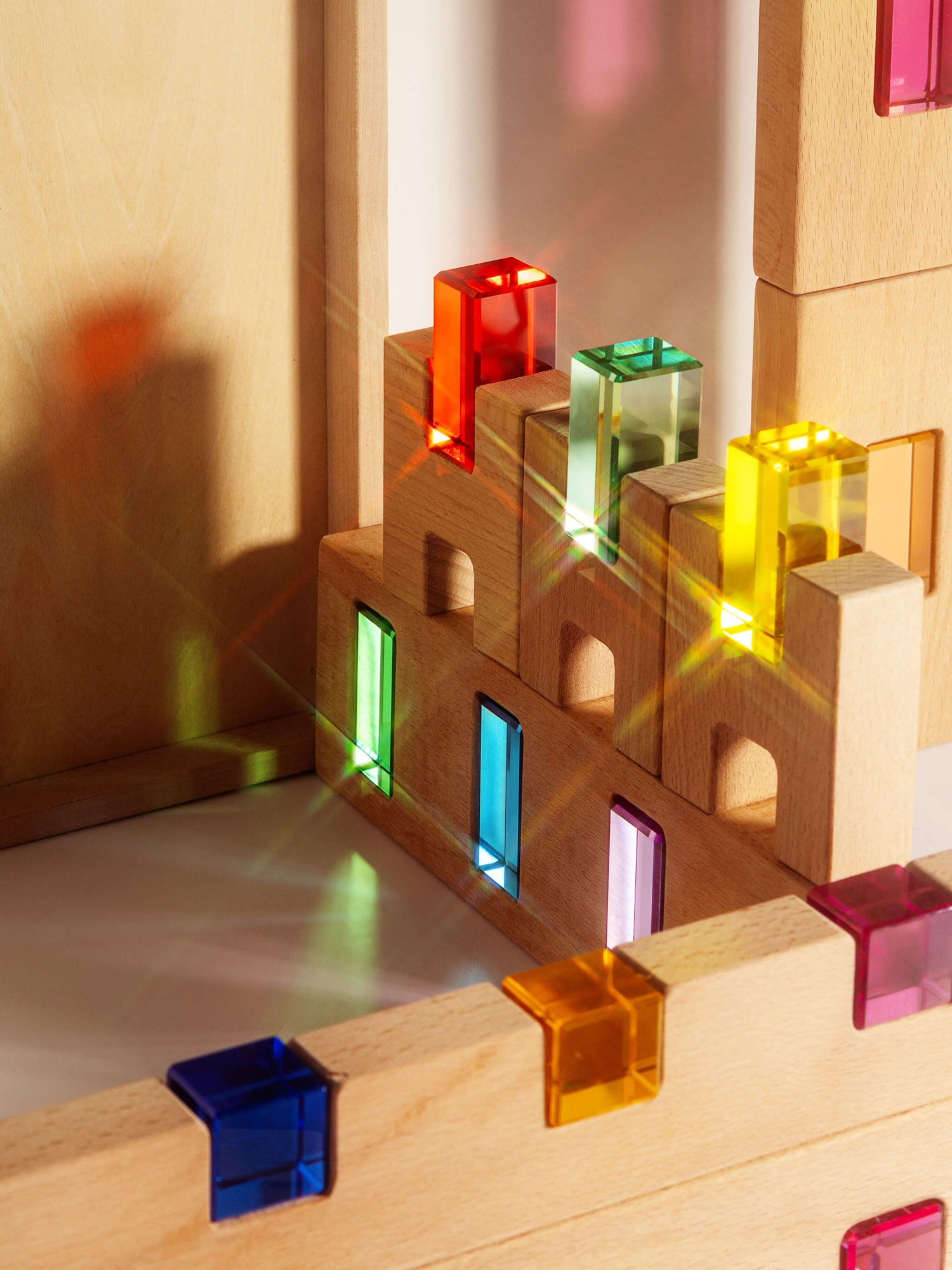
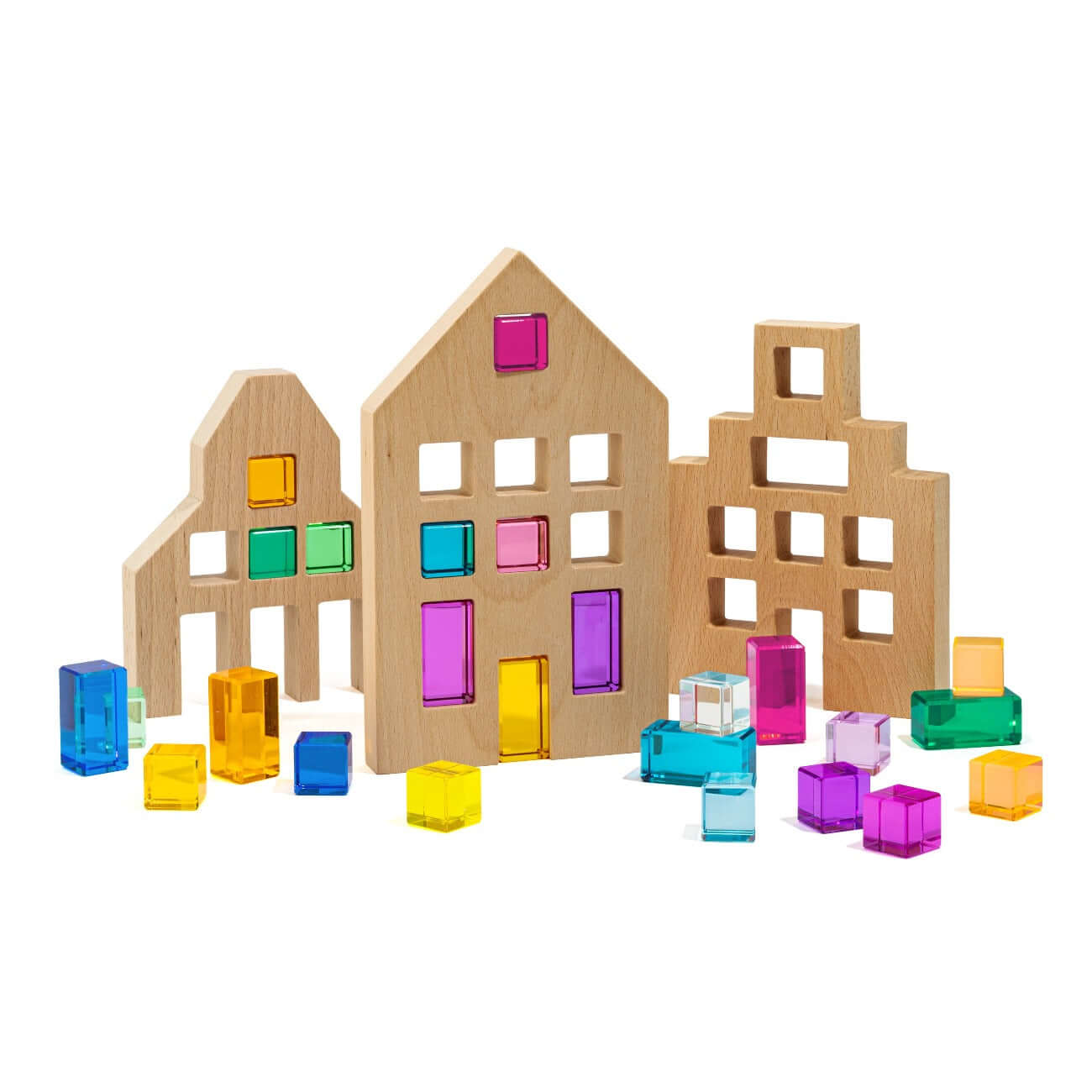
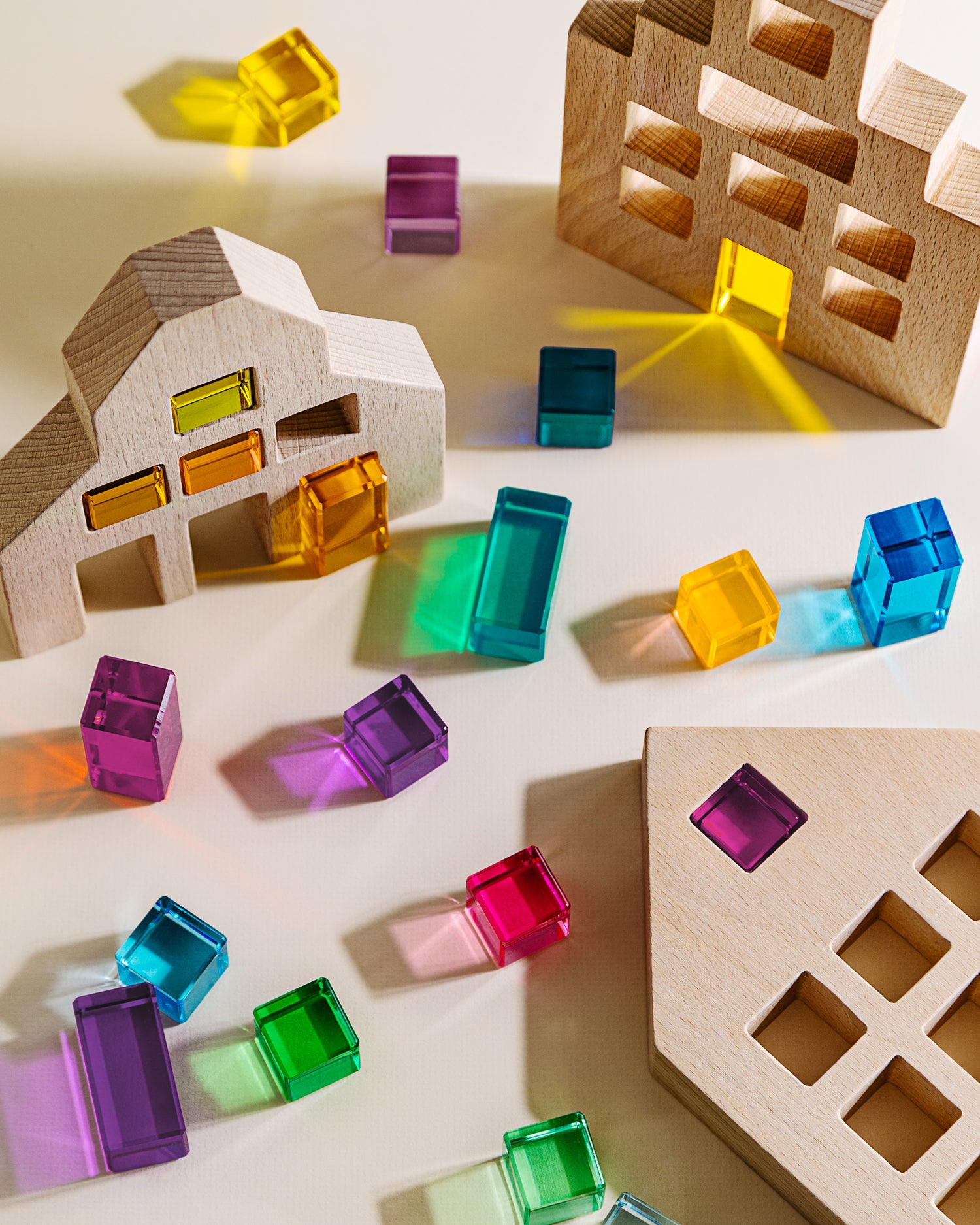
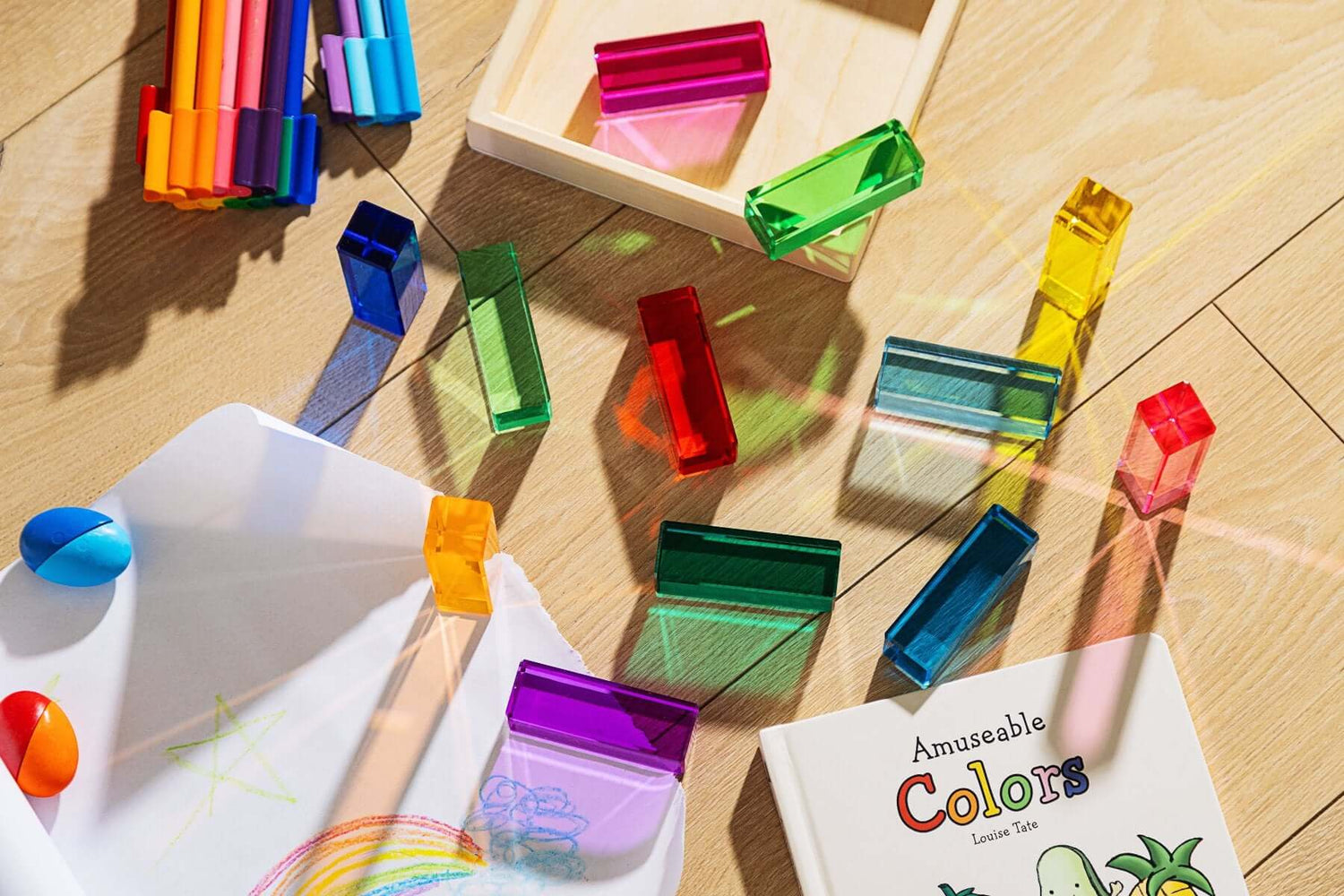
- building with blocks
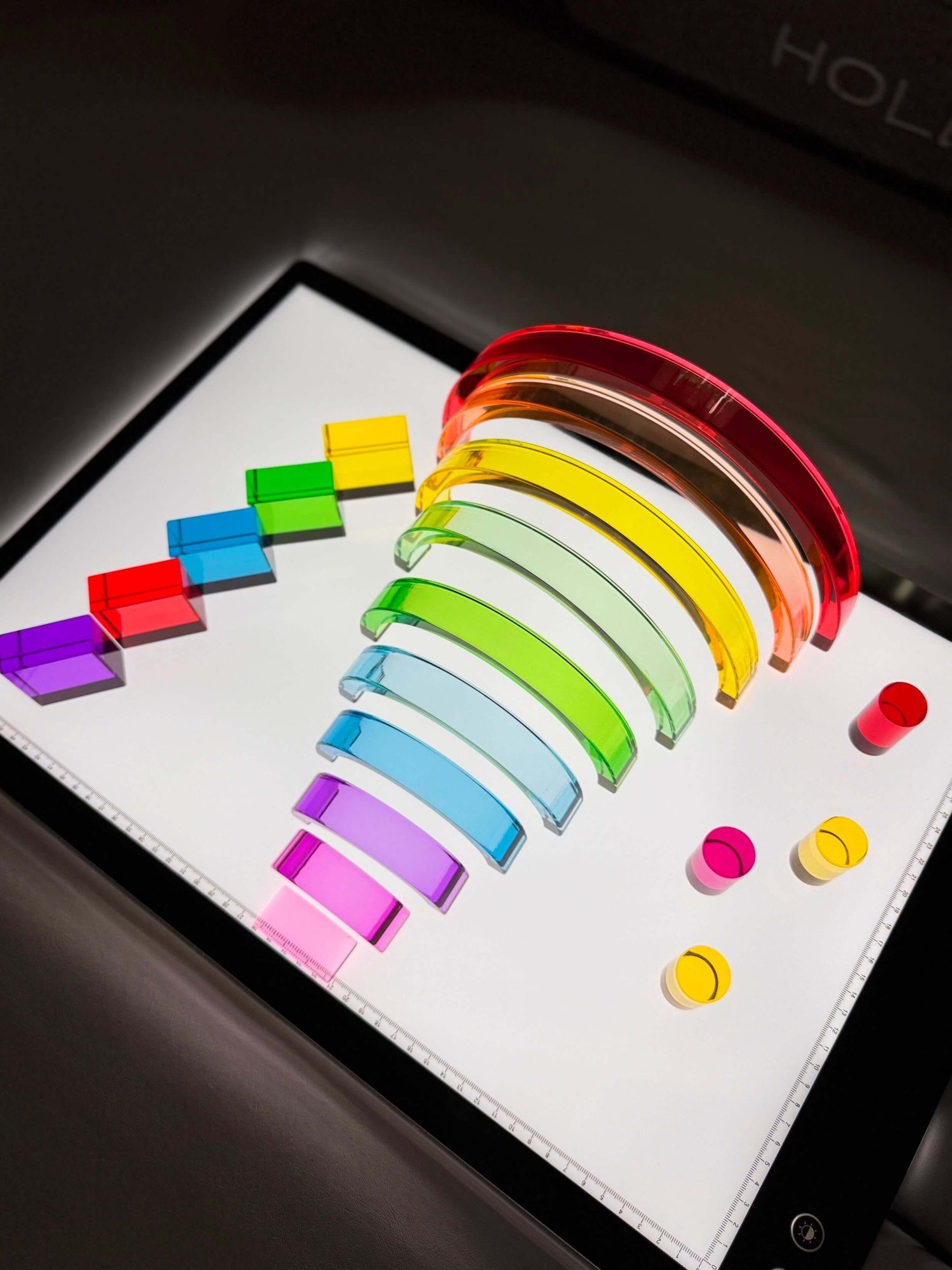
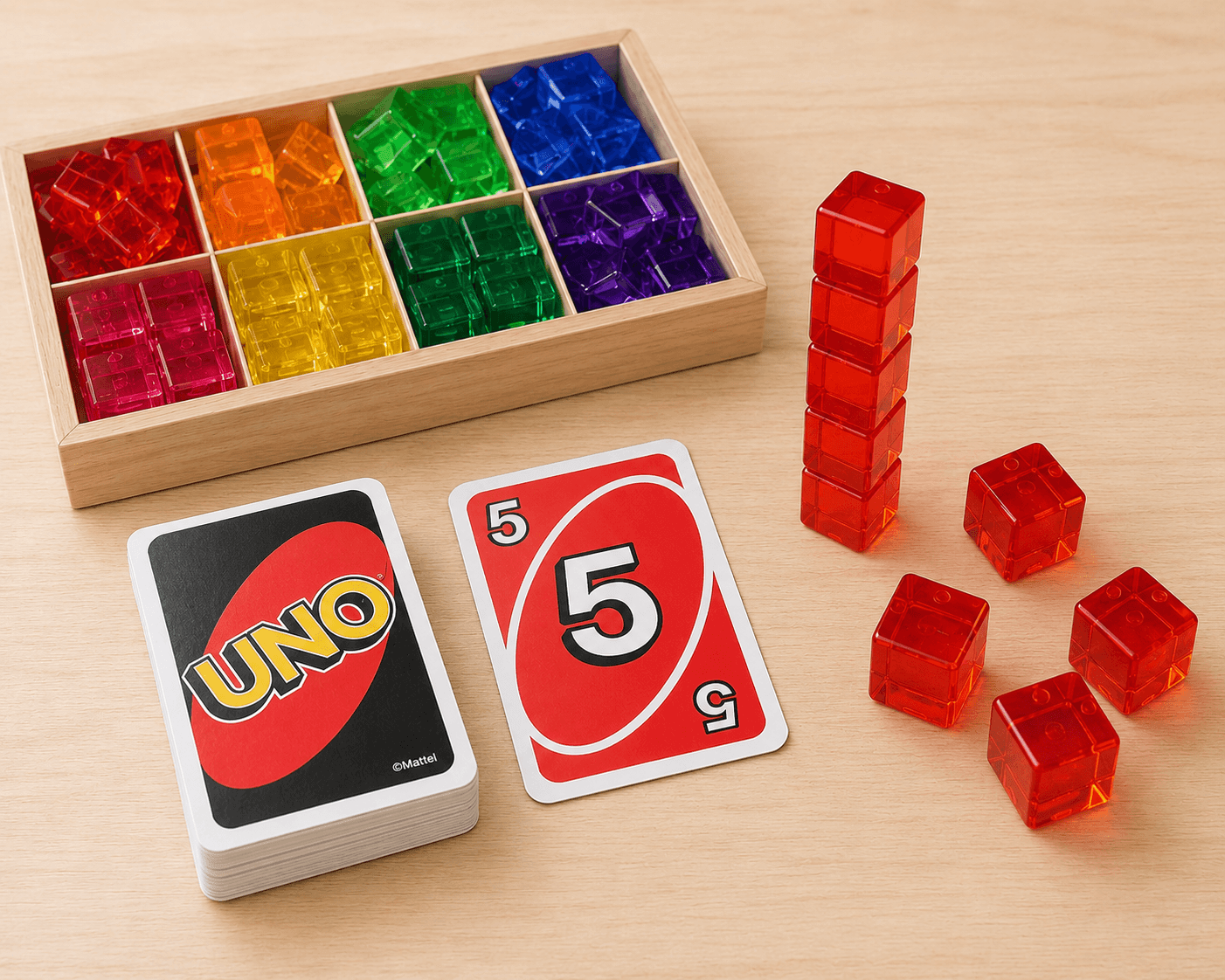
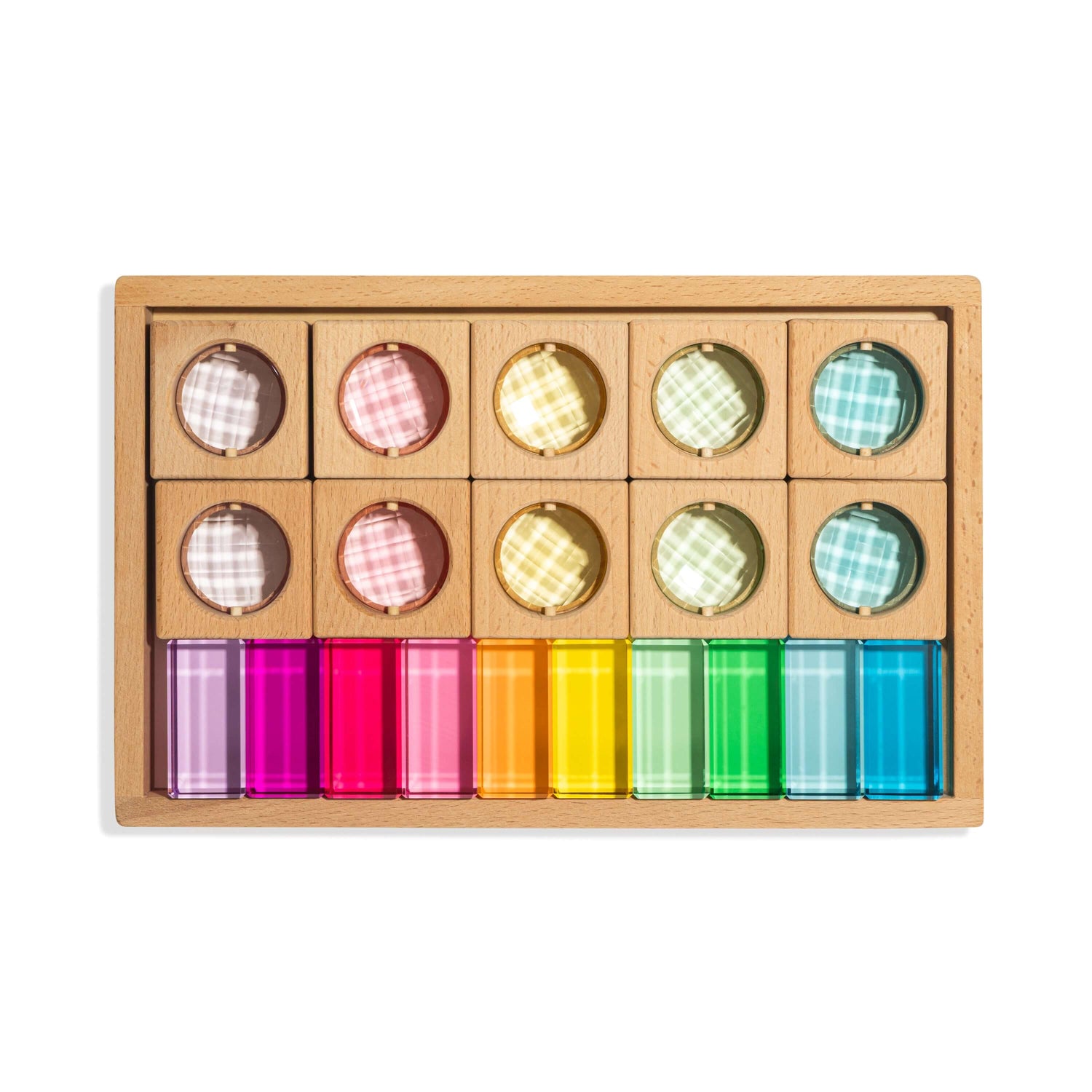
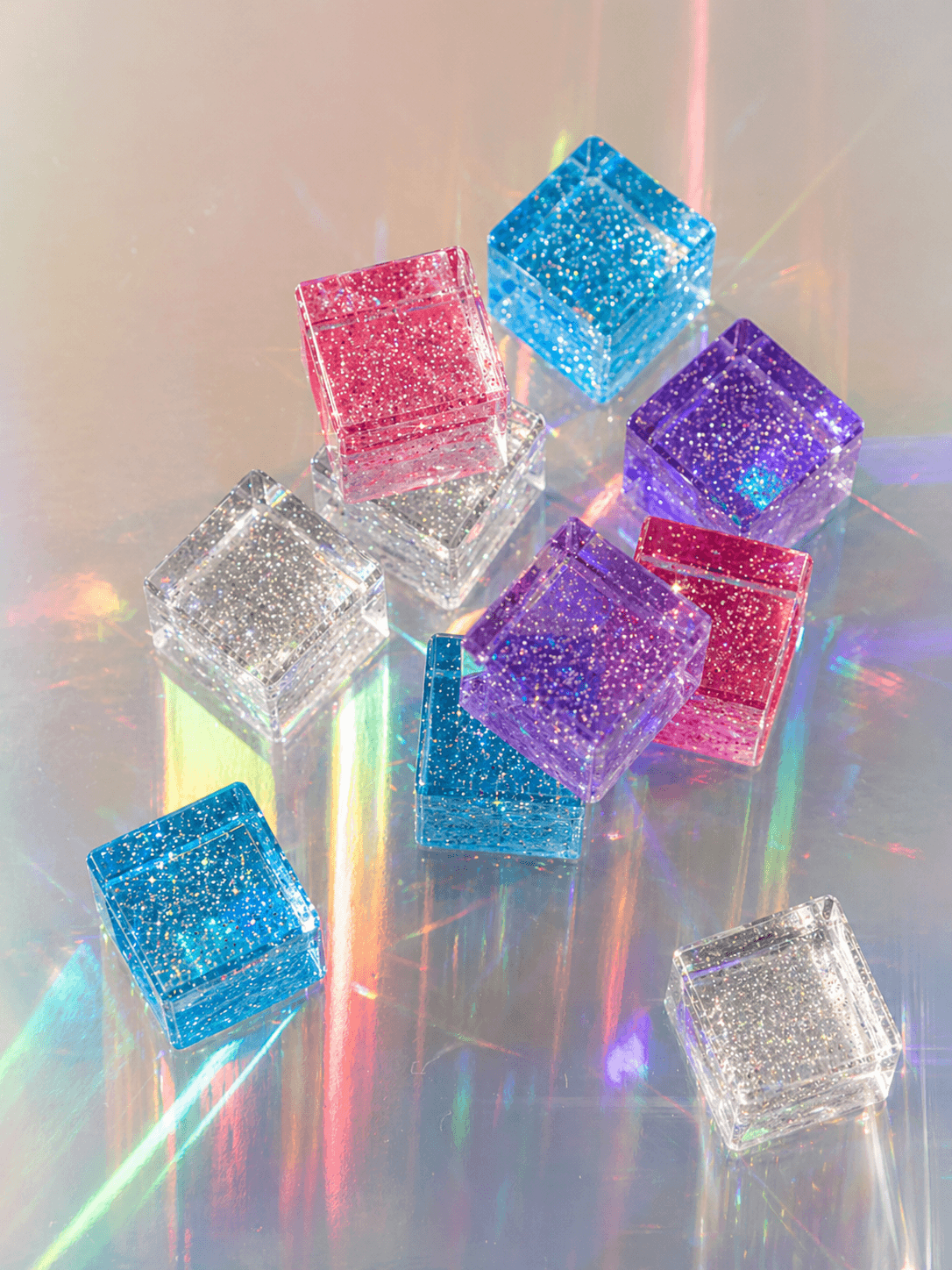
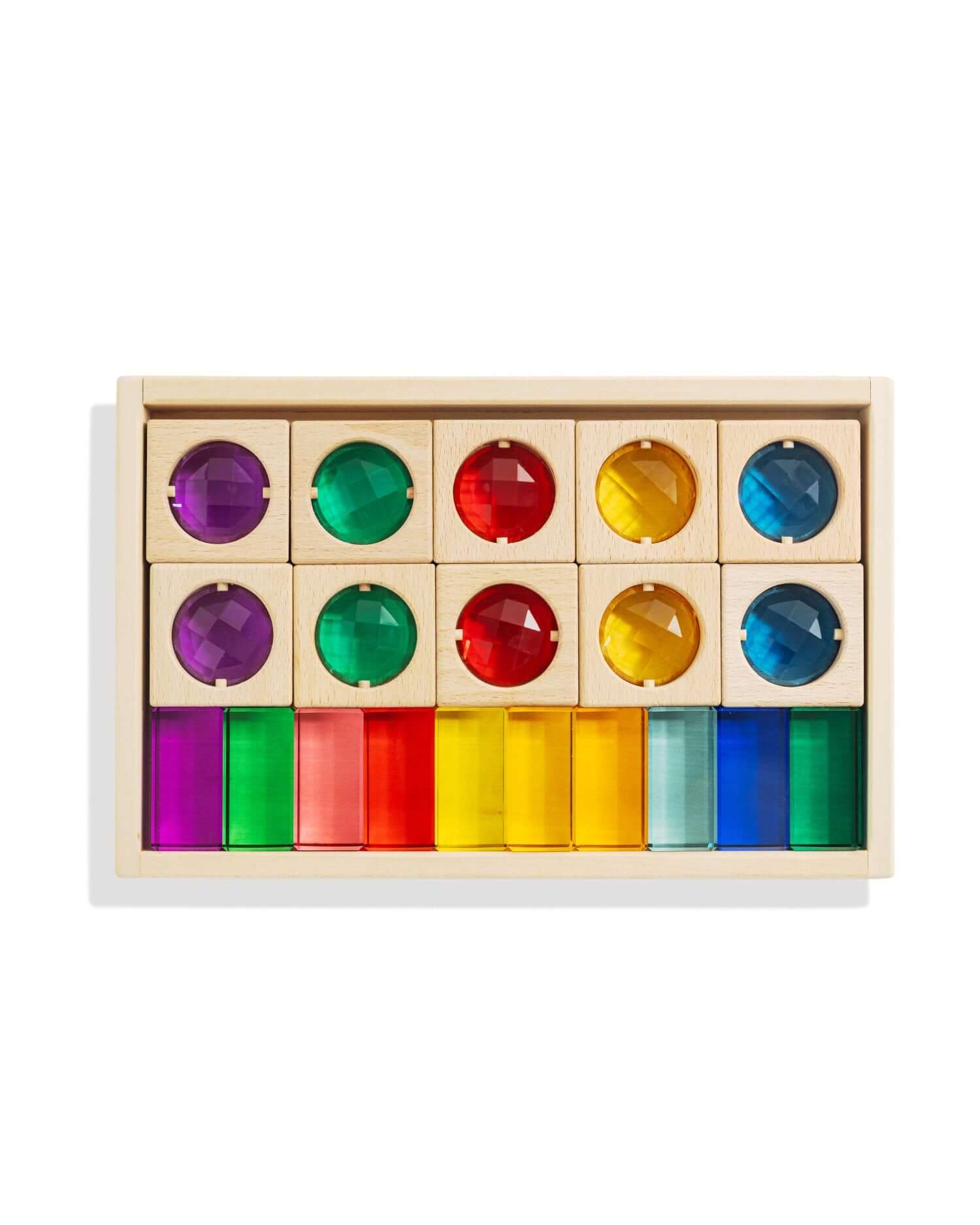
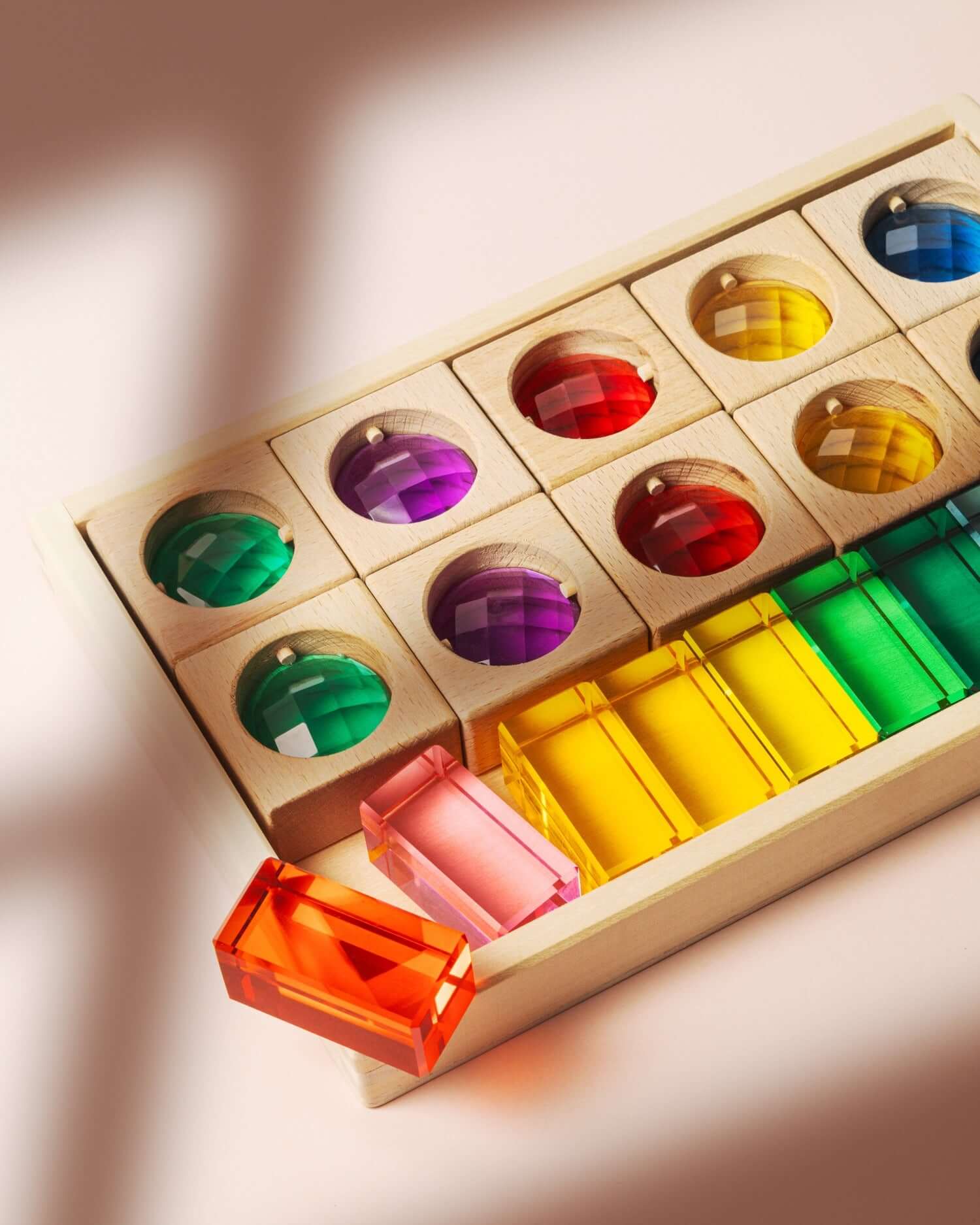
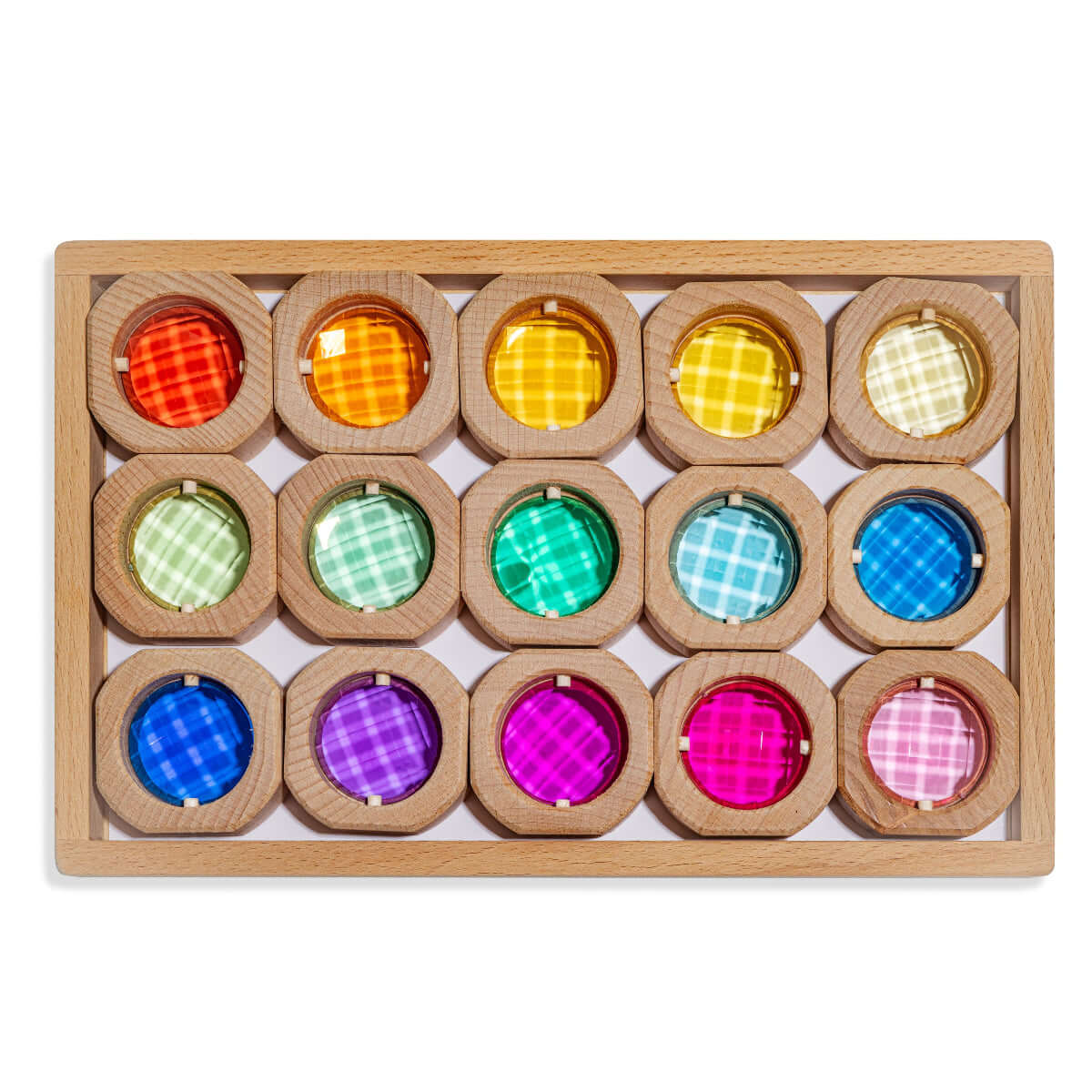
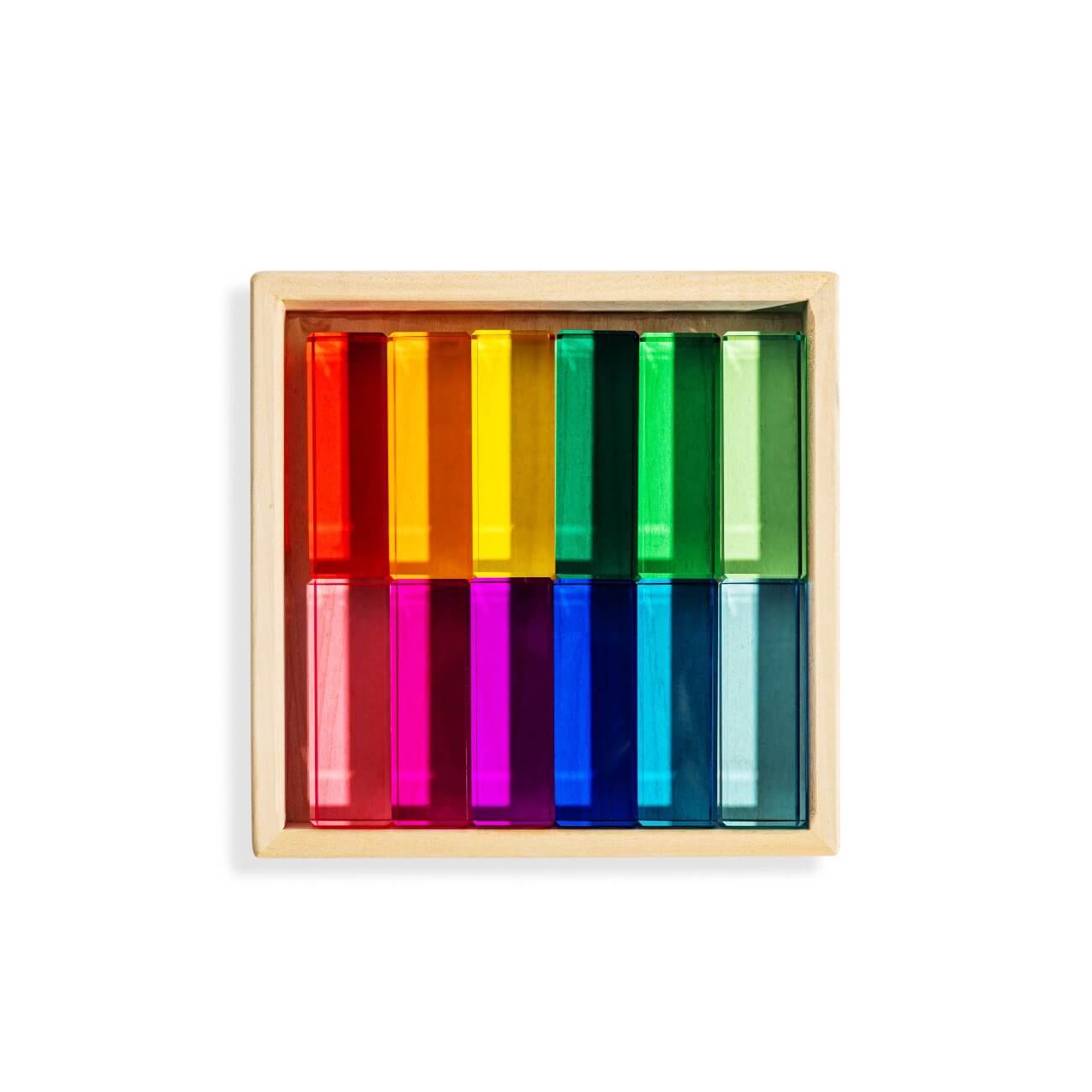
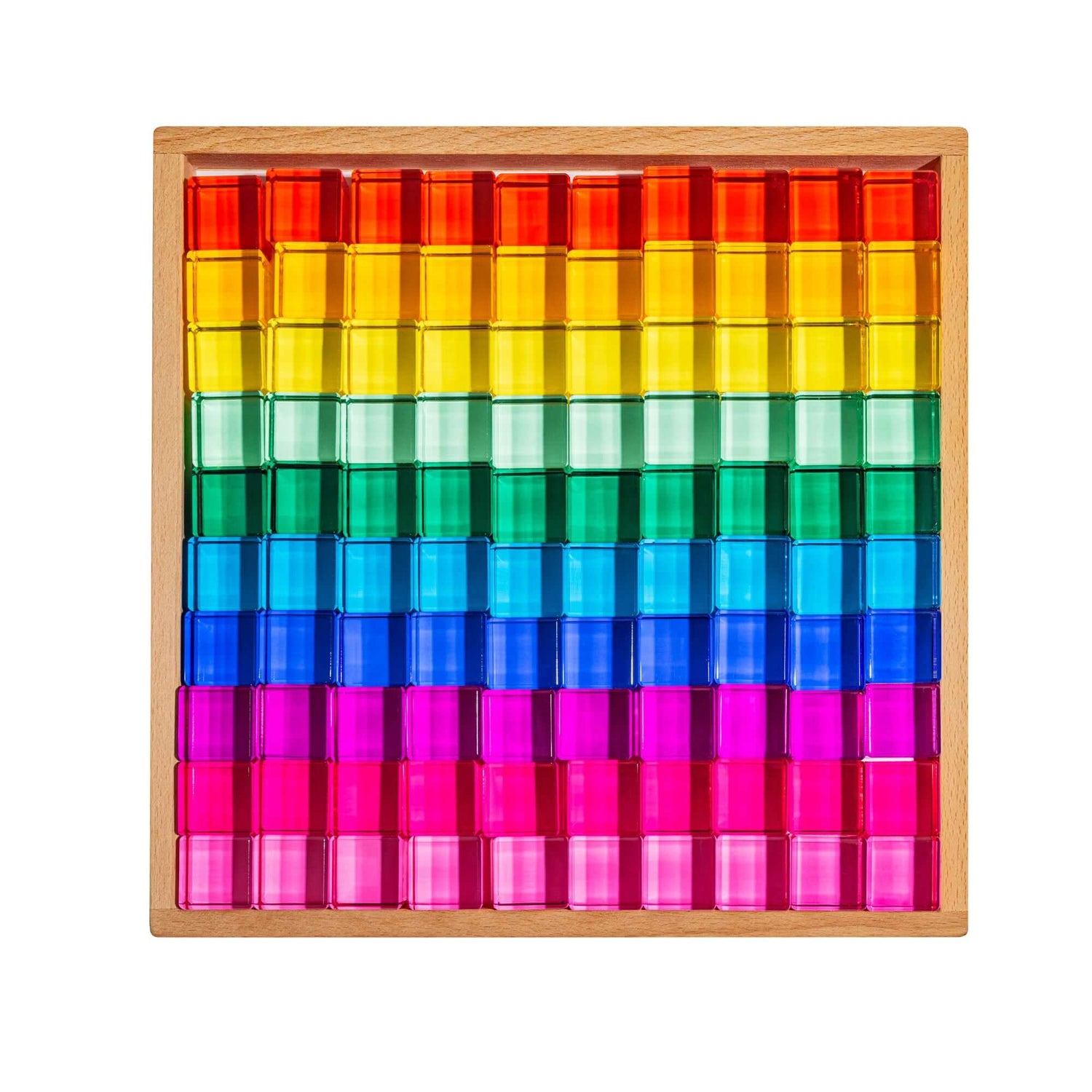
- sorting colorful objects
- finger painting
- exploring natural materials outdoors
These experiences help children explore the properties of materials and understand cause and effect.
Why Sensory Experiences Build Intelligence
Children’s brains develop through physical interaction with the environment.
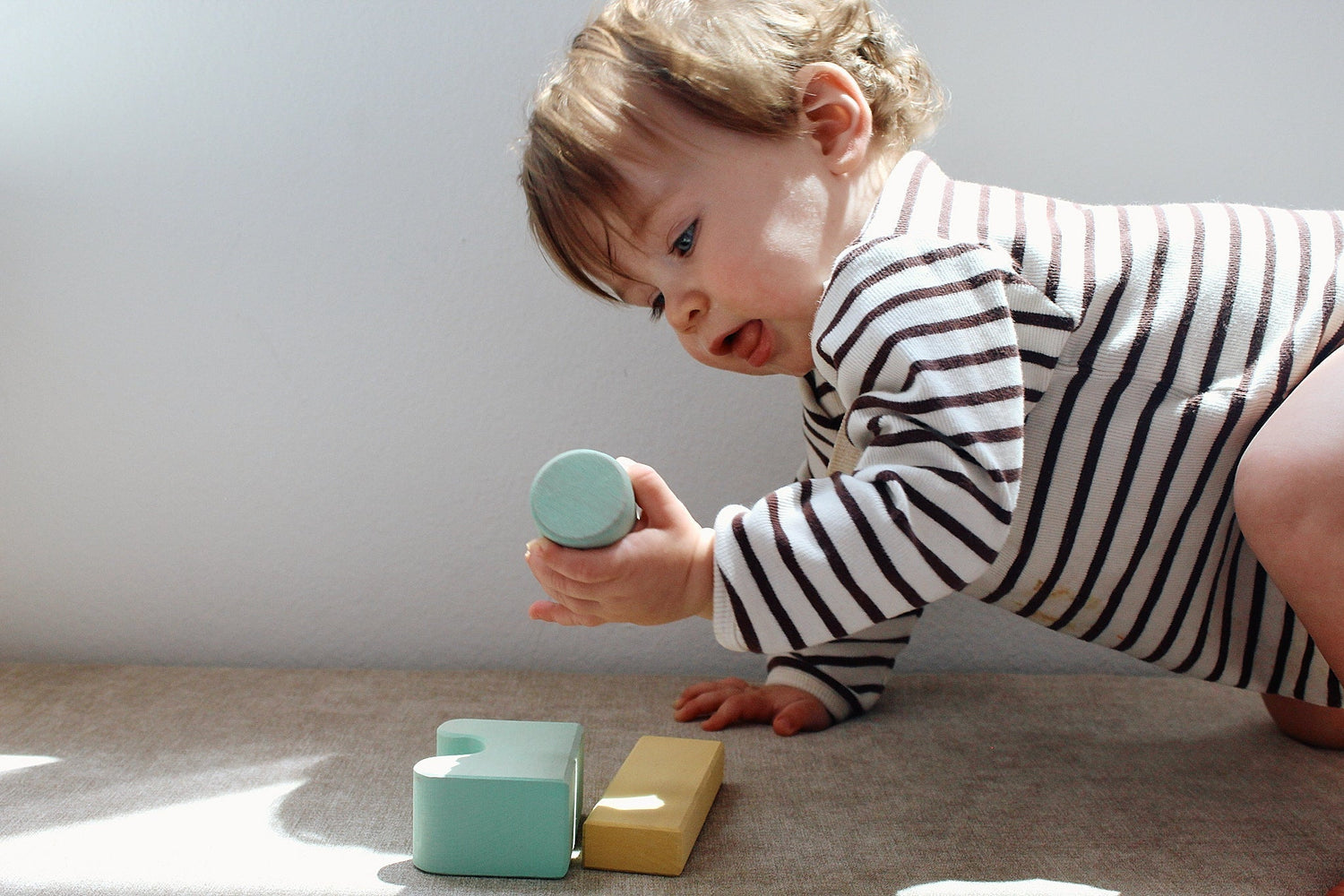
When a child manipulates objects, they are learning:
cause and effect
weight and gravity
patterns
spatial relationships
fine motor control
These are the foundations of math, writing, and concentration later in school.
Fine Motor Development
Fine motor skills begin long before writing.
Activities like:
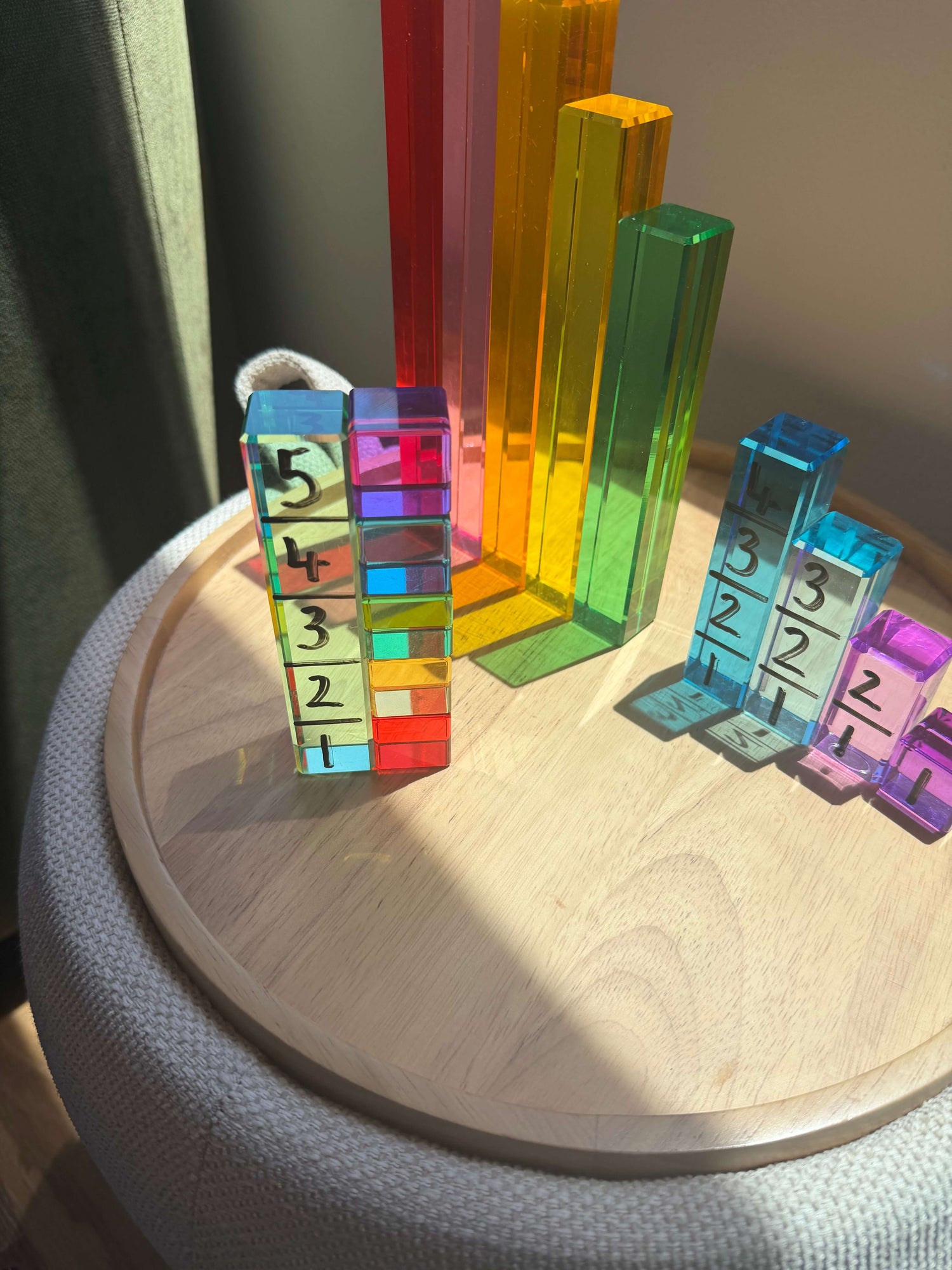
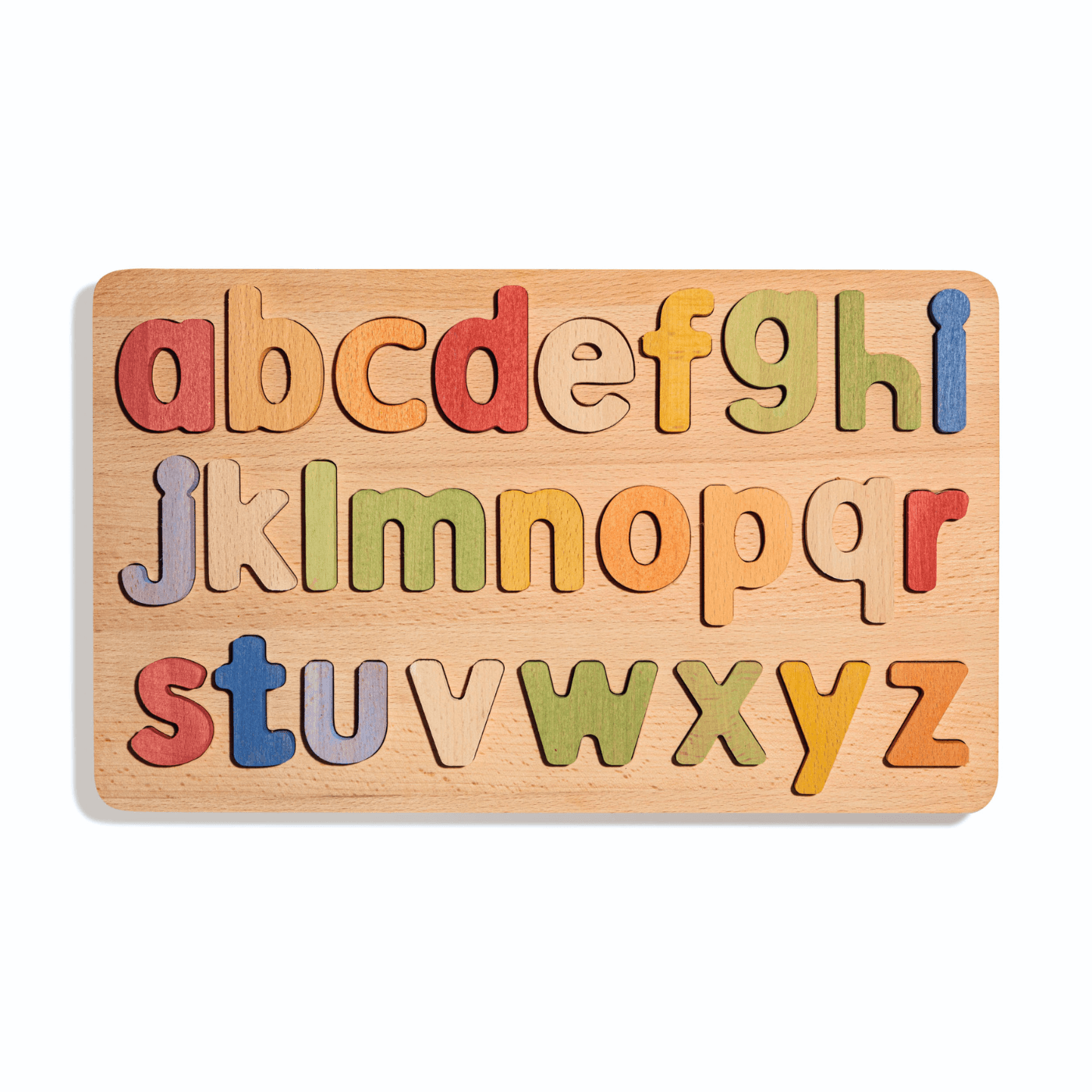
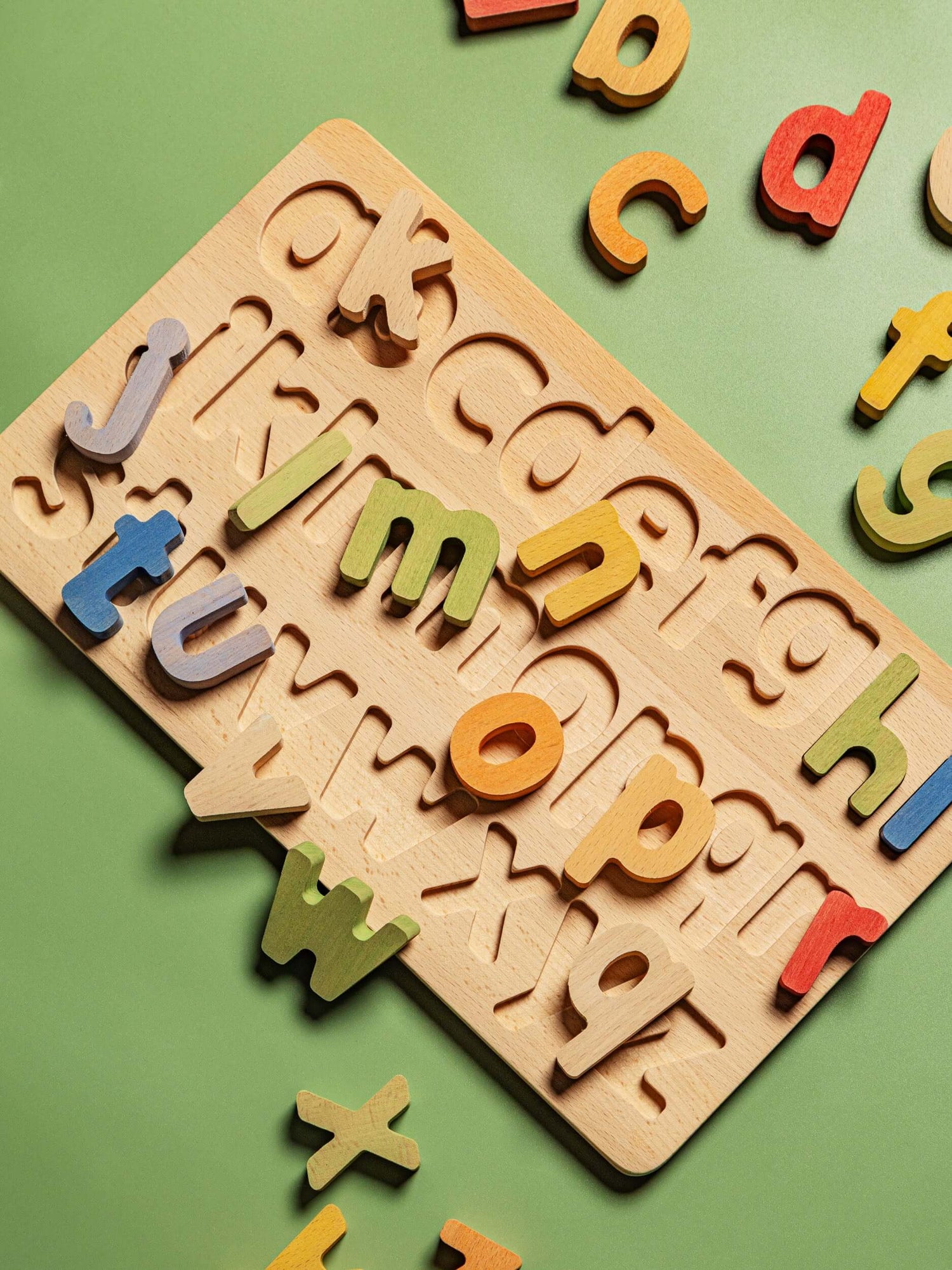
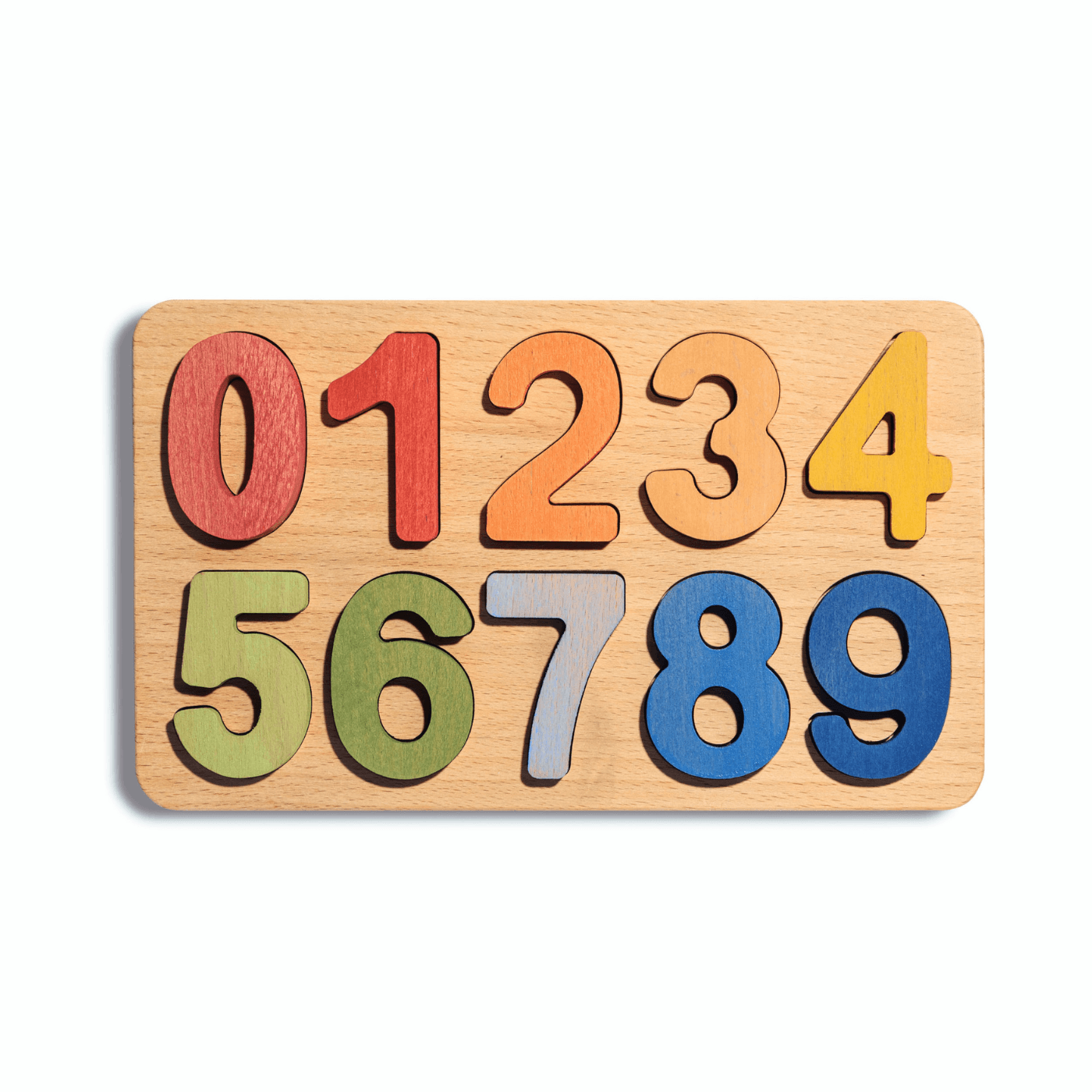
stacking
sorting
grasping
rotating objects
help strengthen hand muscles and coordination. These directly support future abilities such as holding a pencil, cutting with scissors, and tying shoes.
Focus and Regulation
Hands-on play also helps children regulate emotions.
Repetitive actions like:
arranging objects
transferring pieces
Have a calming neurological effect. Many parents notice children naturally return to these activities after overstimulation.
Sensory play helps children organize their thoughts and bodies.
Why Simple Materials Work Best
Highly stimulating toys often entertain but do not engage deeply.
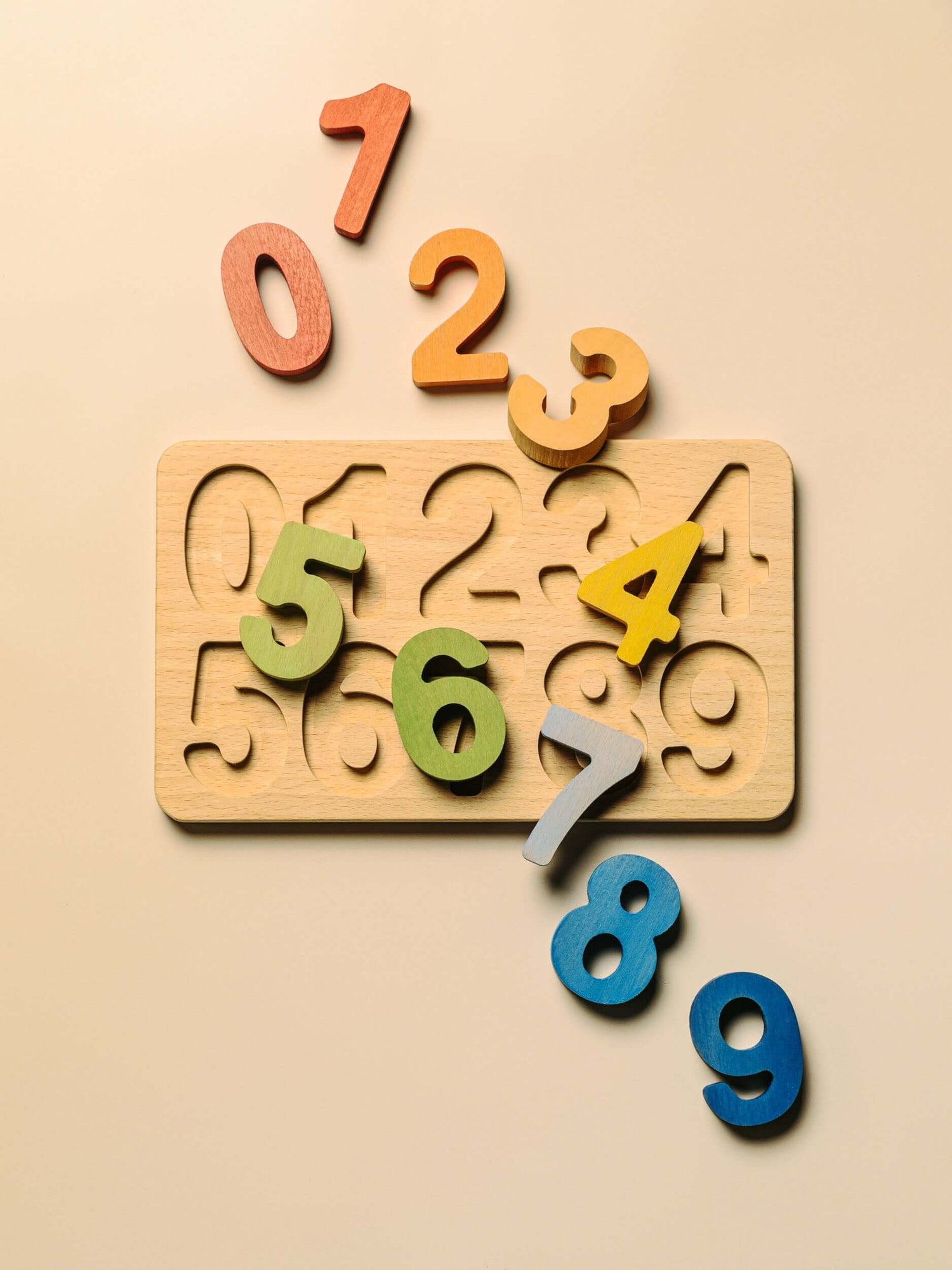
Simple materials and Montessori-inspired toys work better because:
they require active participation
they adapt to different ages
they allow repetition
Children repeat actions because repetition is how mastery forms.
Creating a Sensory-Friendly Play Space
You do not need complicated setups.
Instead:
offer a small number of open-ended play materials
use open shelves
allow independent access
avoid overwhelming choices
Children concentrate best when the environment is calm and predictable.
Conclusion
Sensory play is not messy play for the sake of activity — it is the foundation of learning. When children manipulate real objects, they build motor control, concentration, and understanding of the physical world.
The simplest materials often provide the richest learning. Learn more about open-ended toys here.


0 commentaire