
Introduction
Early literacy begins long before children learn to read or write. In fact, the foundation for language and literacy development starts during everyday play experiences. Through conversation, storytelling, pretend play, and exploring books, children begin to build the skills that will later support reading and writing.
Research shows that play provides a powerful context for developing early literacy because children are actively communicating, imagining stories, and experimenting with language. Activities such as pretend play, storytelling, and role-playing allow children to practice symbolic thinking and language in meaningful ways.
Rather than separating learning and play, early childhood experts increasingly recognize that playful experiences help children develop vocabulary, communication skills, and confidence with language. If you’re new to the concept of open-ended play and the benefits you can learn about open-ended toys and why they matter for child development.
What Is Early Literacy?
Early literacy refers to the skills children develop before they begin formal reading and writing. These include recognizing sounds in language, understanding that symbols represent meaning, learning new vocabulary, and developing the ability to tell stories.
These foundational abilities grow naturally through conversation, reading together, and playful exploration of language.
Language Development Through Conversation
Play creates natural opportunities for conversation.
When children build with blocks or create small world scenes, they often:
-
Narrate what is happening
-
Assign dialogue to characters
-
Describe actions and settings
These conversations strengthen:
-
Sentence structure
-
Expressive language
-
Listening skills
-
Social communication
Asking open-ended questions like:
-
“What happens next?”
-
“Who lives in this house?”
-
“Why did that fall?”
Encourages deeper language use.
Vocabulary Growth Through Play
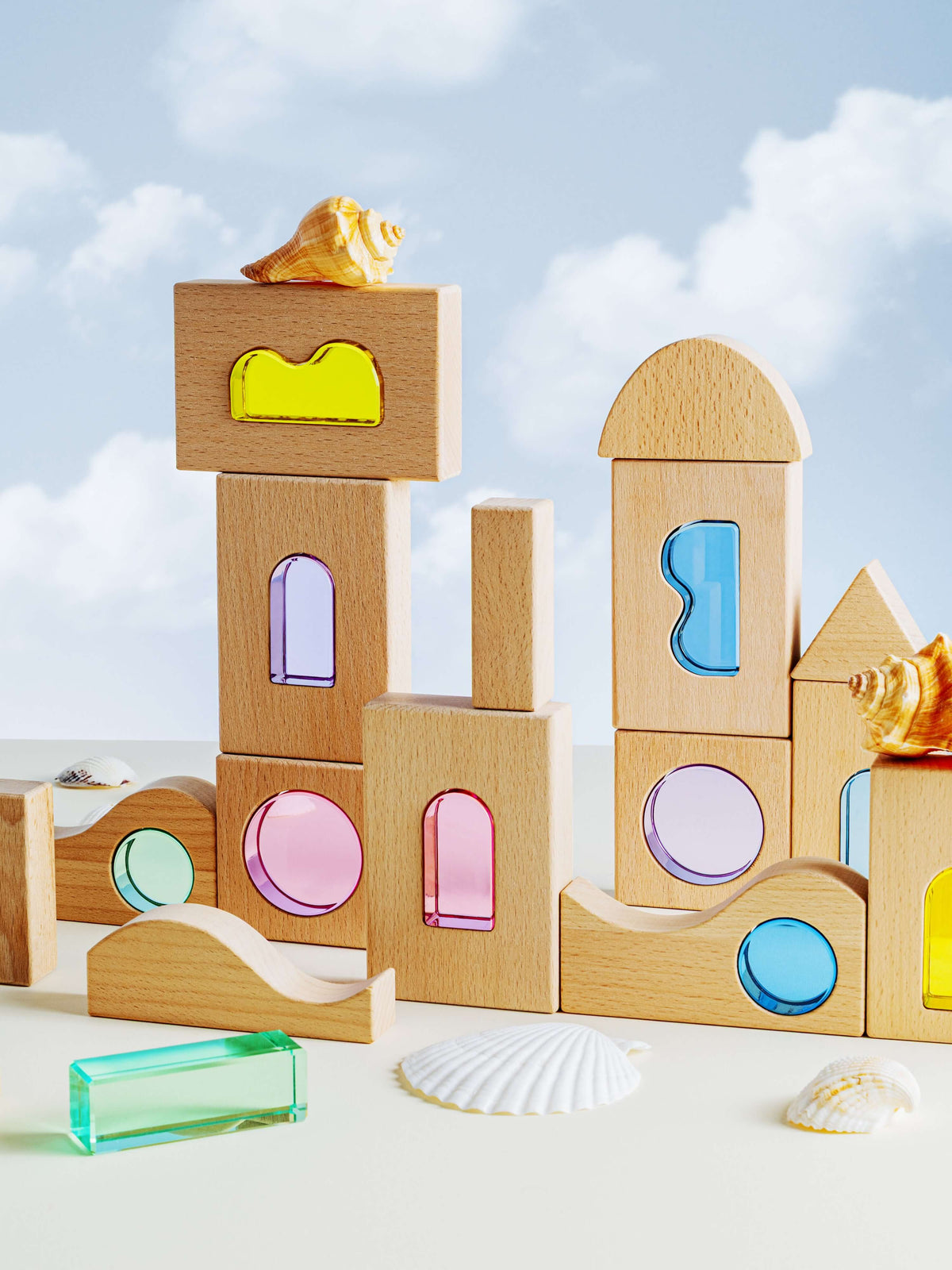
Block play introduces rich descriptive language naturally.
Children learn words like:
-
Tall / short
-
Wide / narrow
-
Under / over
-
Near / far
-
Square / rectangle
This type of spatial and descriptive vocabulary strengthens comprehension and later reading skills.
The more children hear and use varied words, the stronger their language foundation becomes.
Phonemic Awareness Through Sound Play
Phonemic awareness — the ability to hear and manipulate sounds in words — is one of the strongest predictors of reading success.
Playful ways to support it include:
-
Saying letter sounds instead of letter names
-
Identifying beginning sounds (“B is for block”)
-
Rhyming games
-
Sound blending (“c-a-t” becomes “cat”)
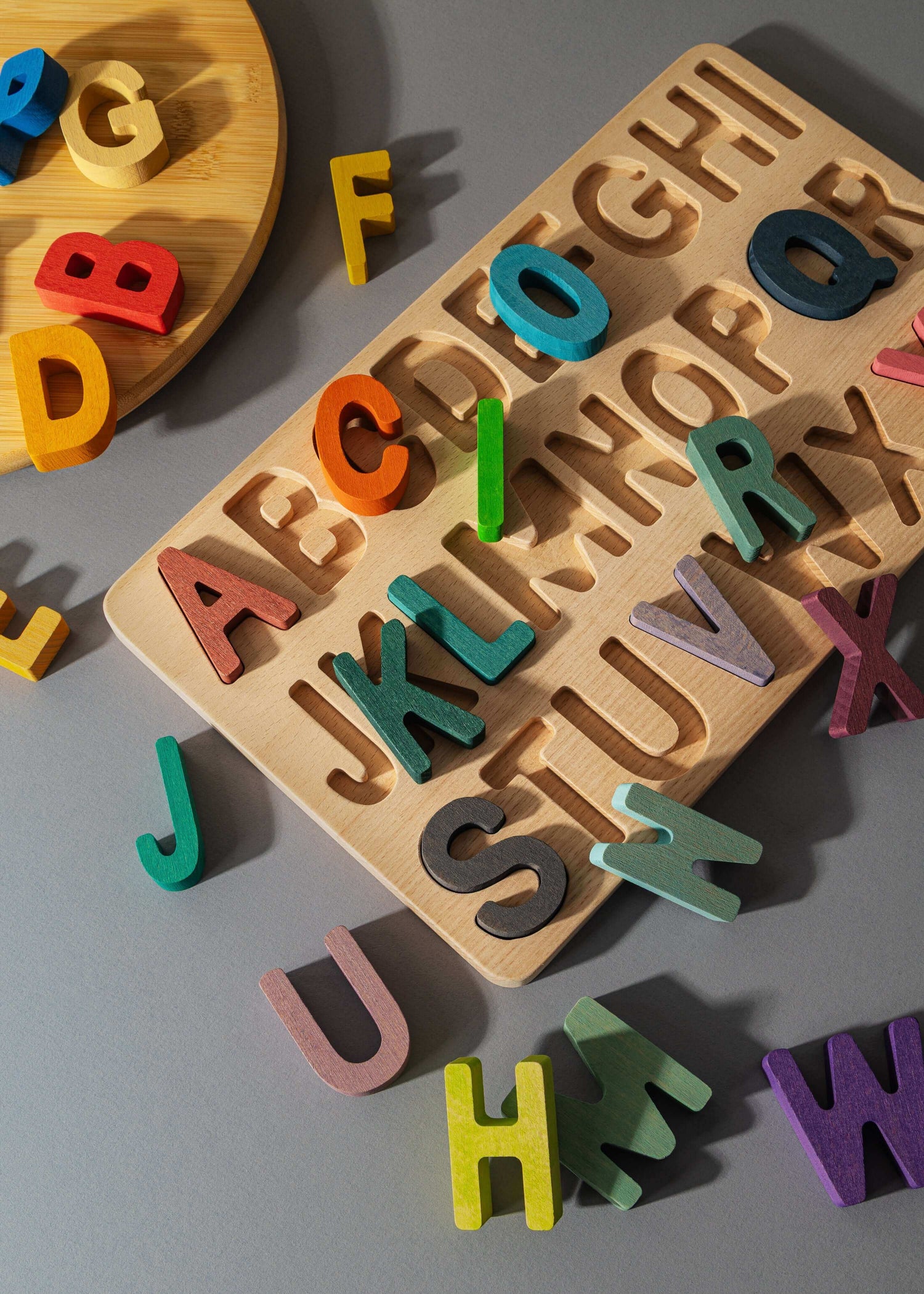
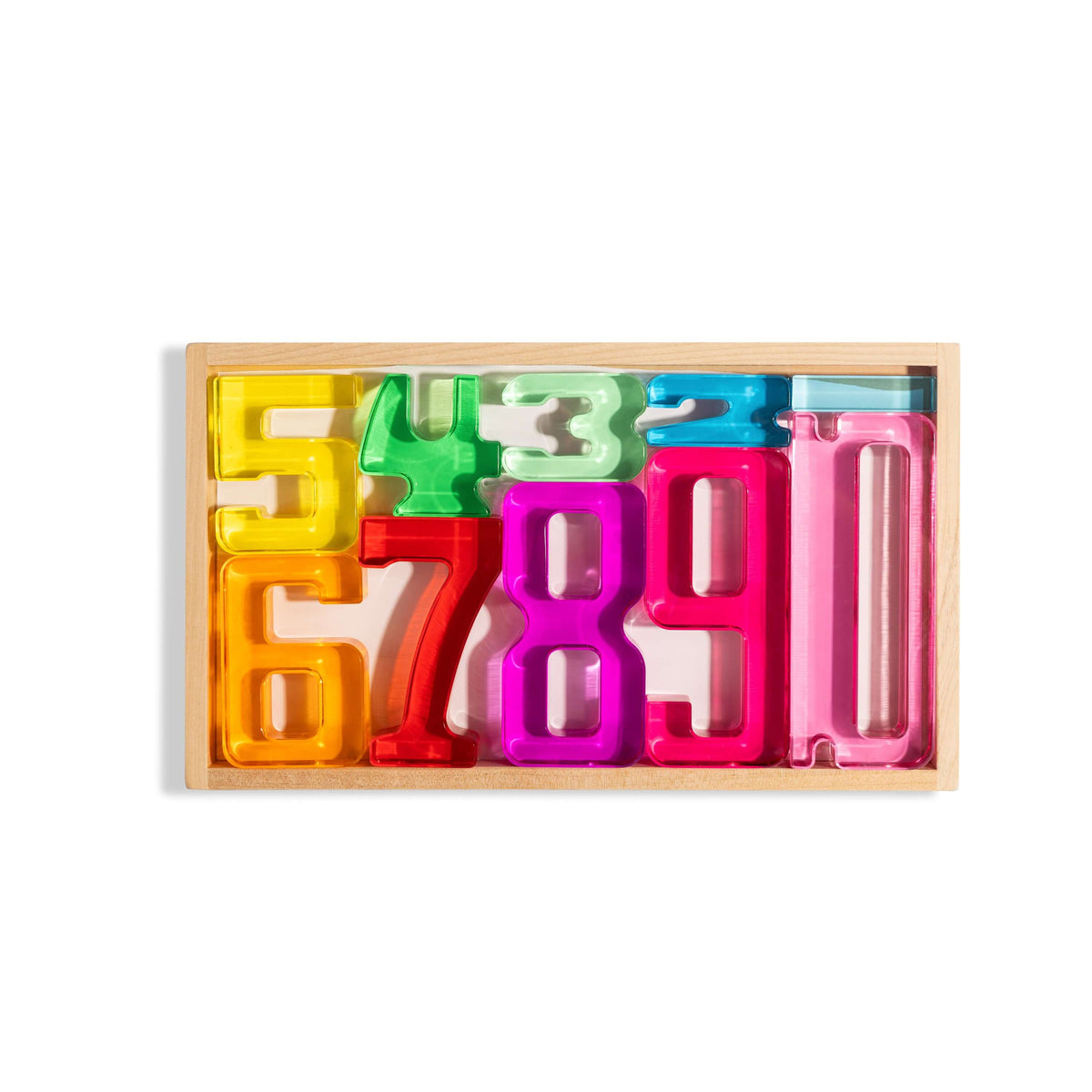
Hands-on alphabet puzzles allow children to connect visual letters with spoken sounds in a tactile way. Follow this simple at-home activity using our Alphabet Puzzle to extend letter recognition.
Letter Recognition Through Exploration
When children manipulate wooden letters, match shapes, or trace outlines, they build:
-
Visual memory of letter forms
-
Fine motor coordination
-
Letter-sound associations
Tactile experiences help children internalize letters more effectively than passive memorization.
Storytelling & Narrative Skills
Small world play is especially powerful for literacy development.
When children build miniature scenes, they:
-
Create characters
-
Develop plot sequences
-
Explore problem and resolution
-
Practice dialogue
Storytelling strengthens:
-
Sequencing
-
Cause-and-effect understanding
-
Emotional expression
-
Creative thinking
Narrative skills are directly connected to reading comprehension later in school. Here is a simple way to use small-world play at home to encourage language skills.
The Role of Fine Motor Skills in Literacy
Early writing requires strong fine motor control.
Activities like:
-
Placing puzzle letters
-
Using tongs
-
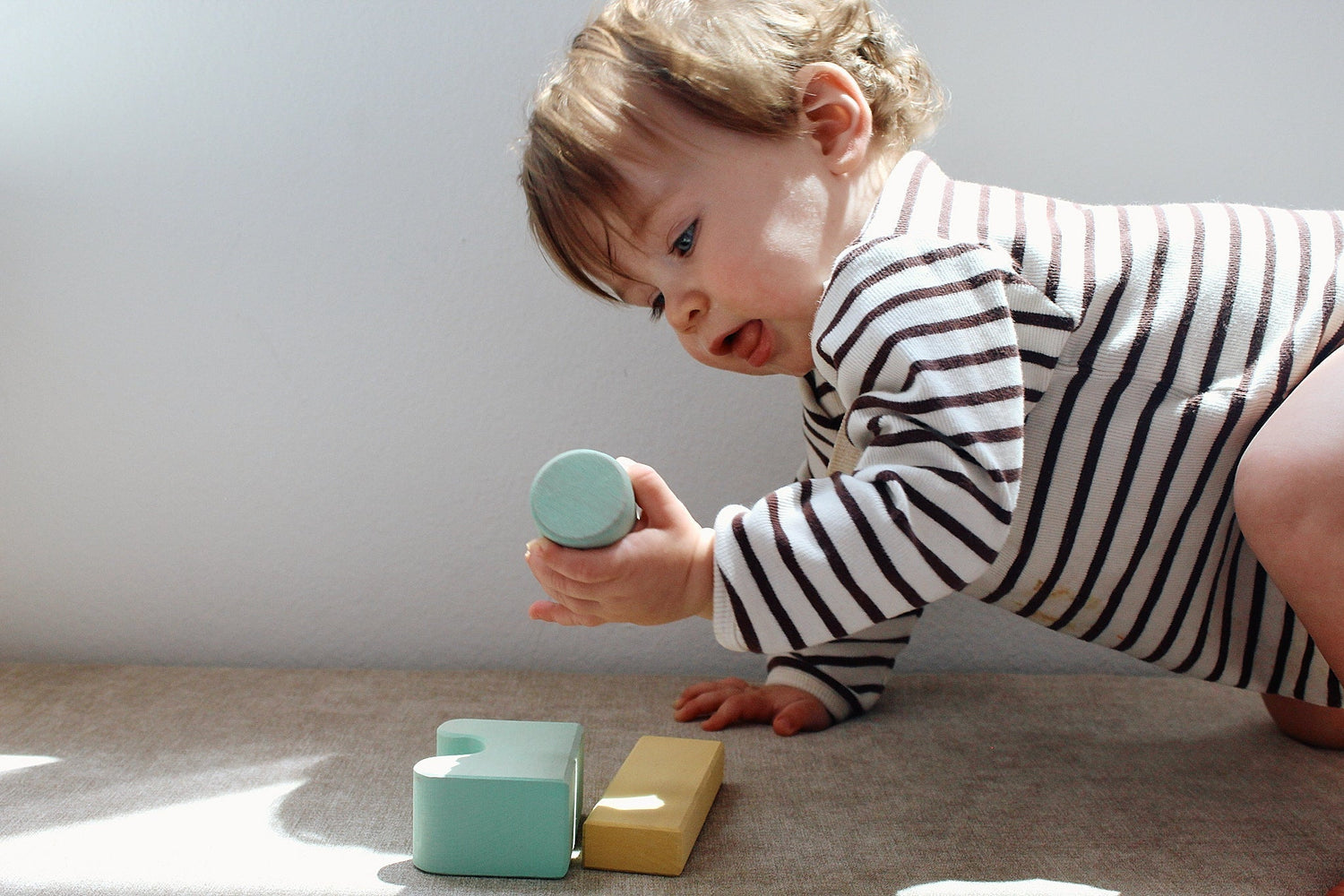
Stacking small blocks
-
Tracing shapes
Strengthen the muscles needed for writing and pencil control.
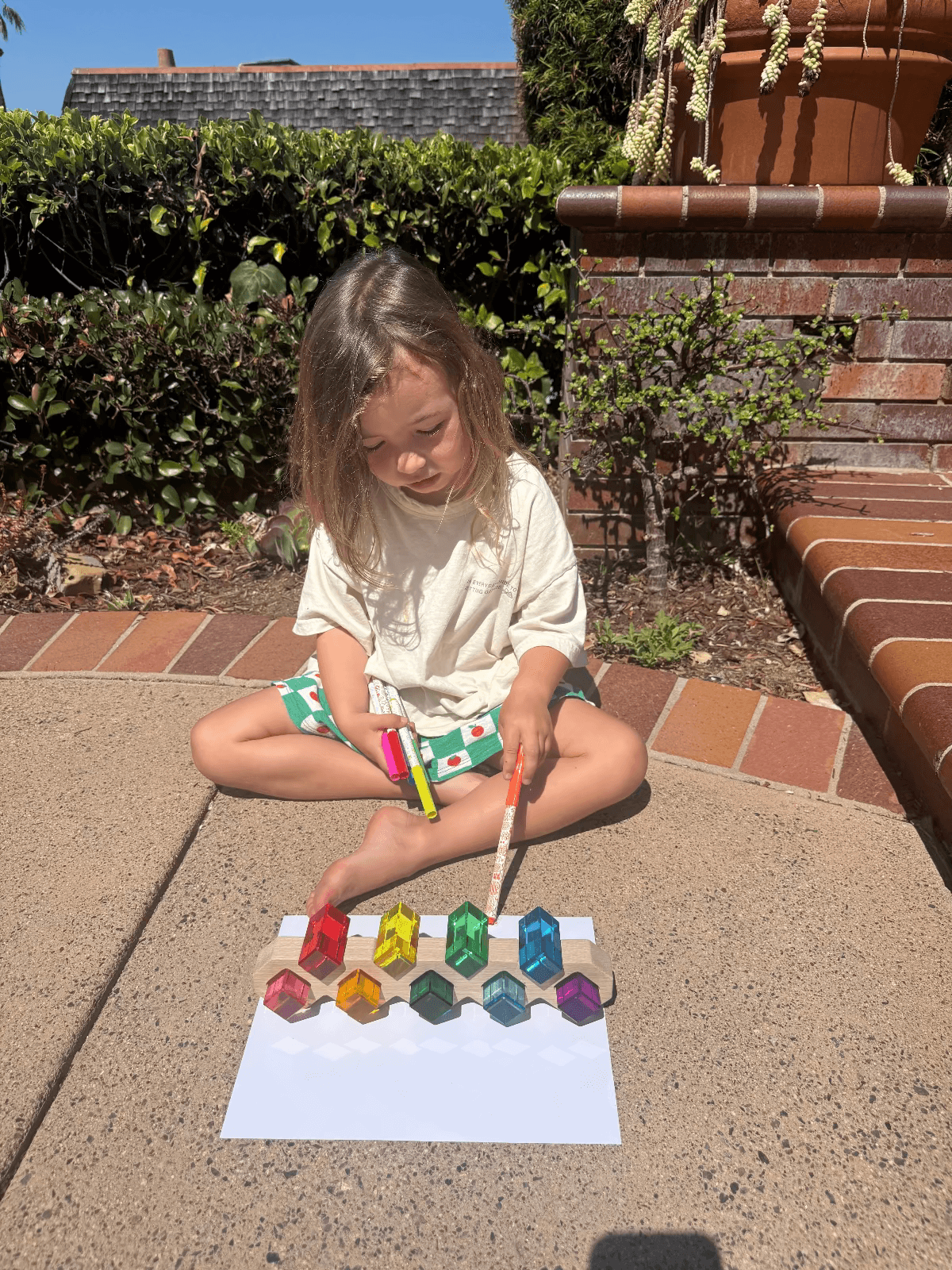
Motor development and literacy development are closely connected. Check out this toddler activity that helps to develop fine-motor skills at home.
Why Play-Based Literacy Is More Effective
Young children learn best when language is meaningful and interactive.
Through play, literacy becomes:
-
Engaging
-
Contextual
-
Social
-
Connected to real experiences
Instead of memorizing isolated letters, children experience language as part of storytelling, building, and conversation.
This creates deeper understanding and confidence.
How to Support Early Literacy at Home
You don’t need structured lessons.
Instead:
-
Talk about what your child is building
-
Label shapes and positions
-
Encourage storytelling
-
Explore letter sounds playfully
-
Follow your child’s interests
If your child builds Antarctica, read books about polar animals.
If they create a city, explore community helper stories.
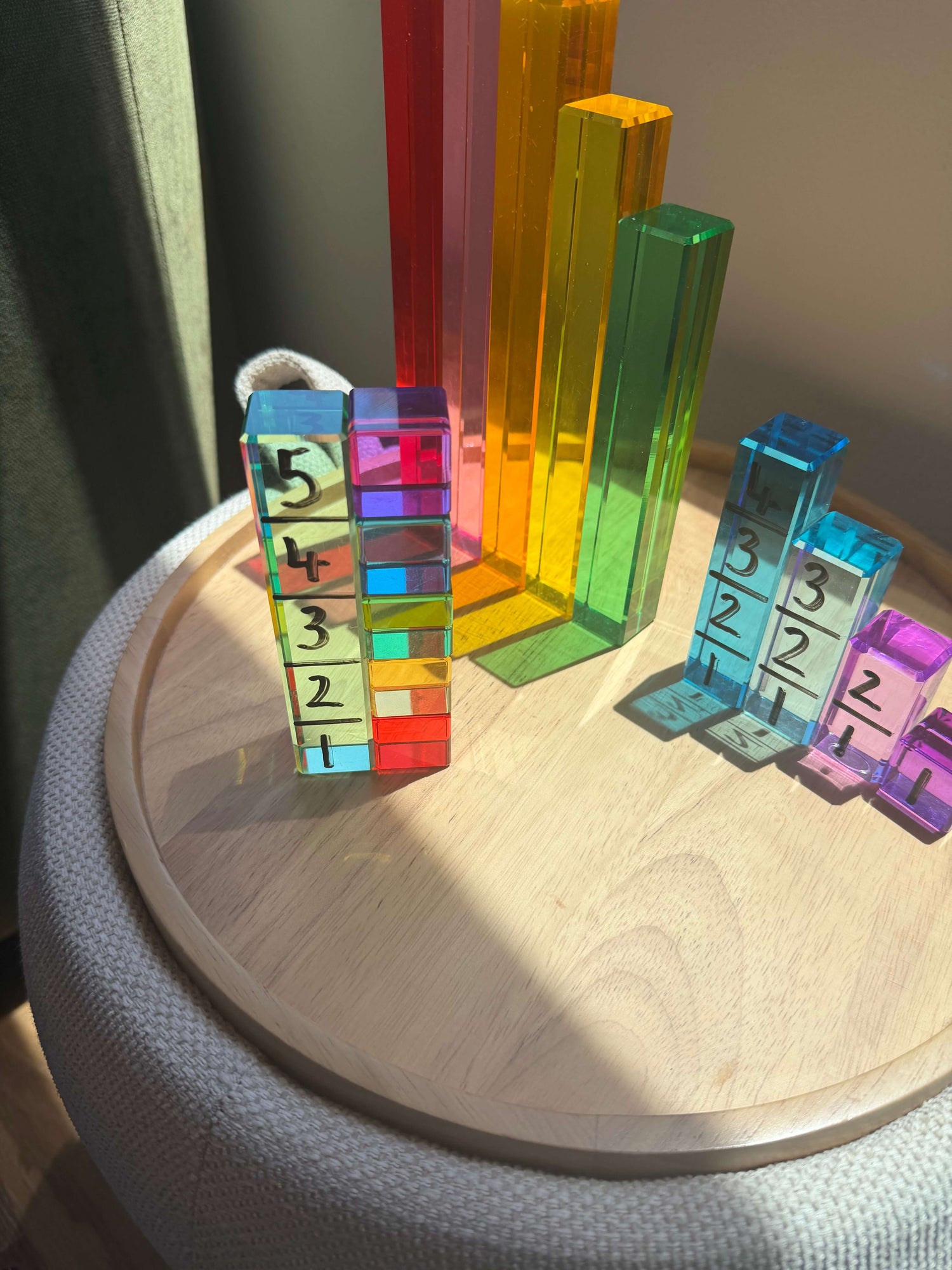
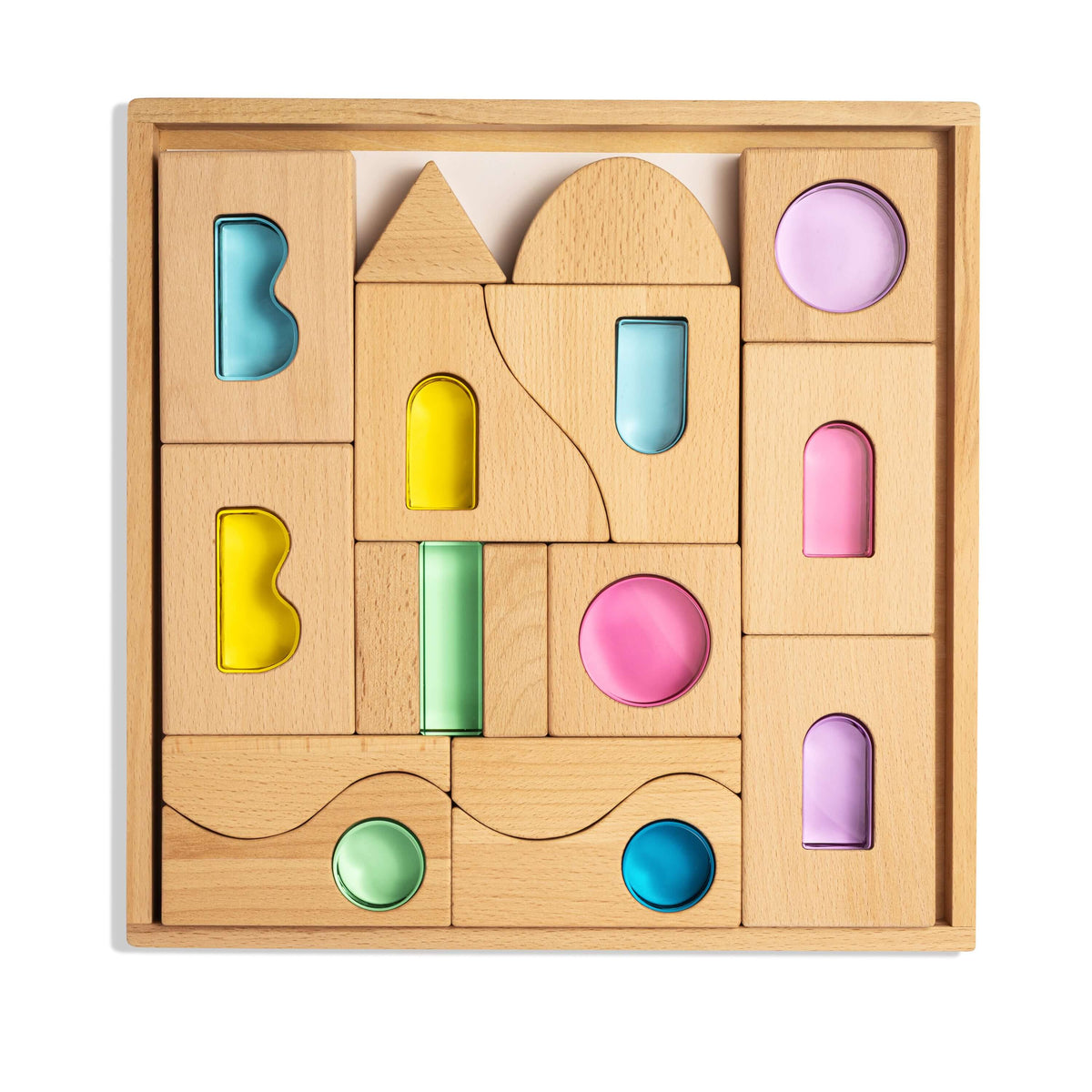
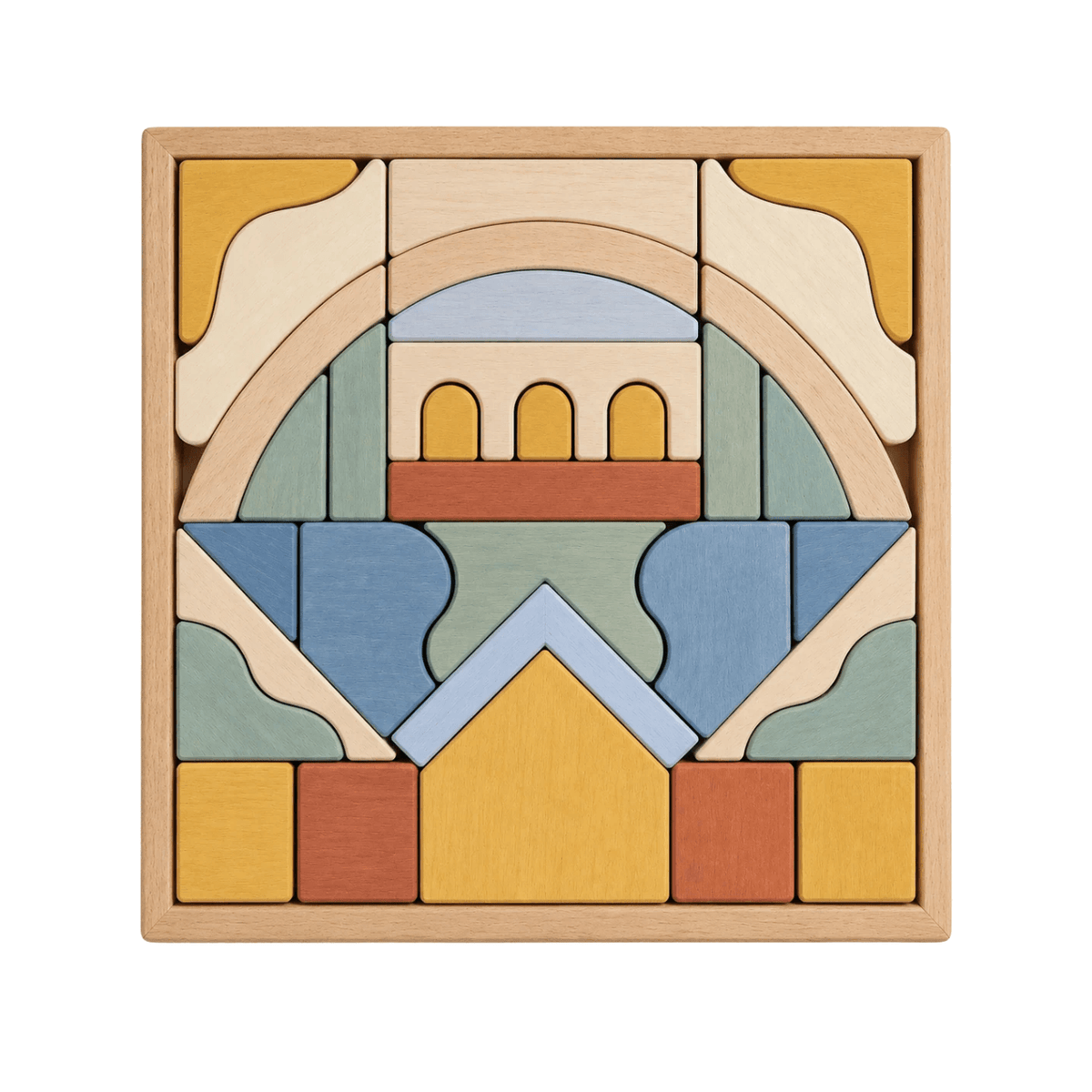
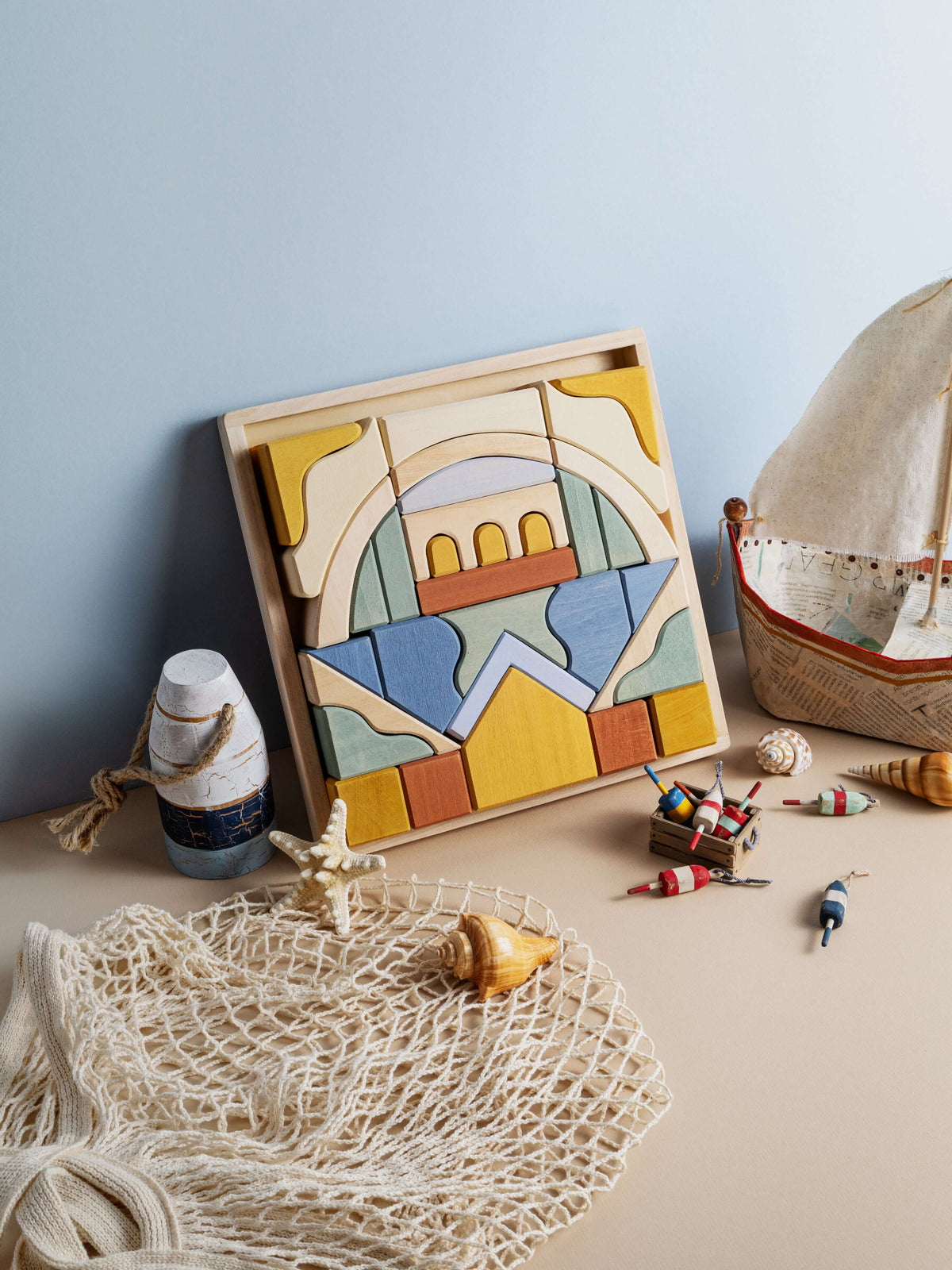
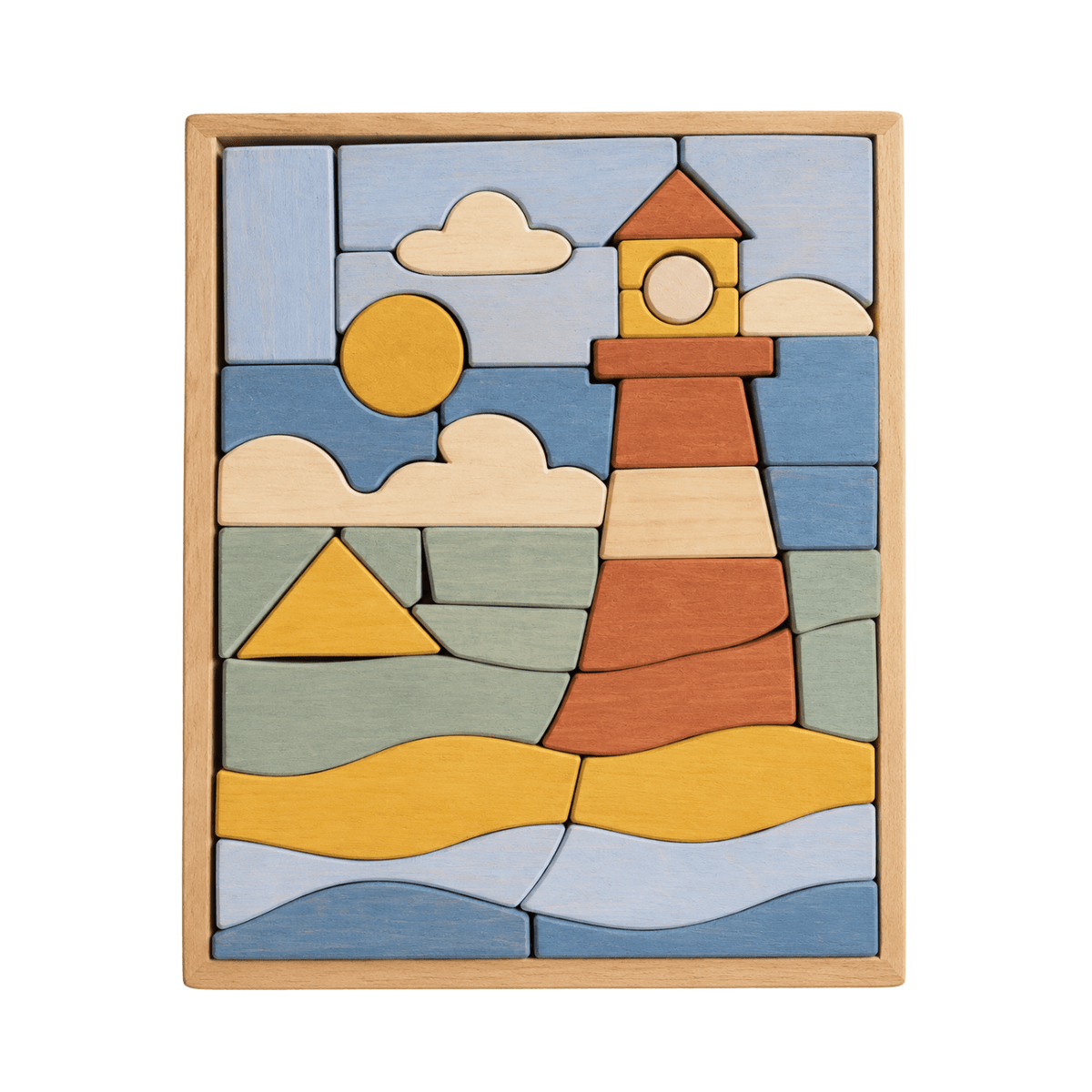
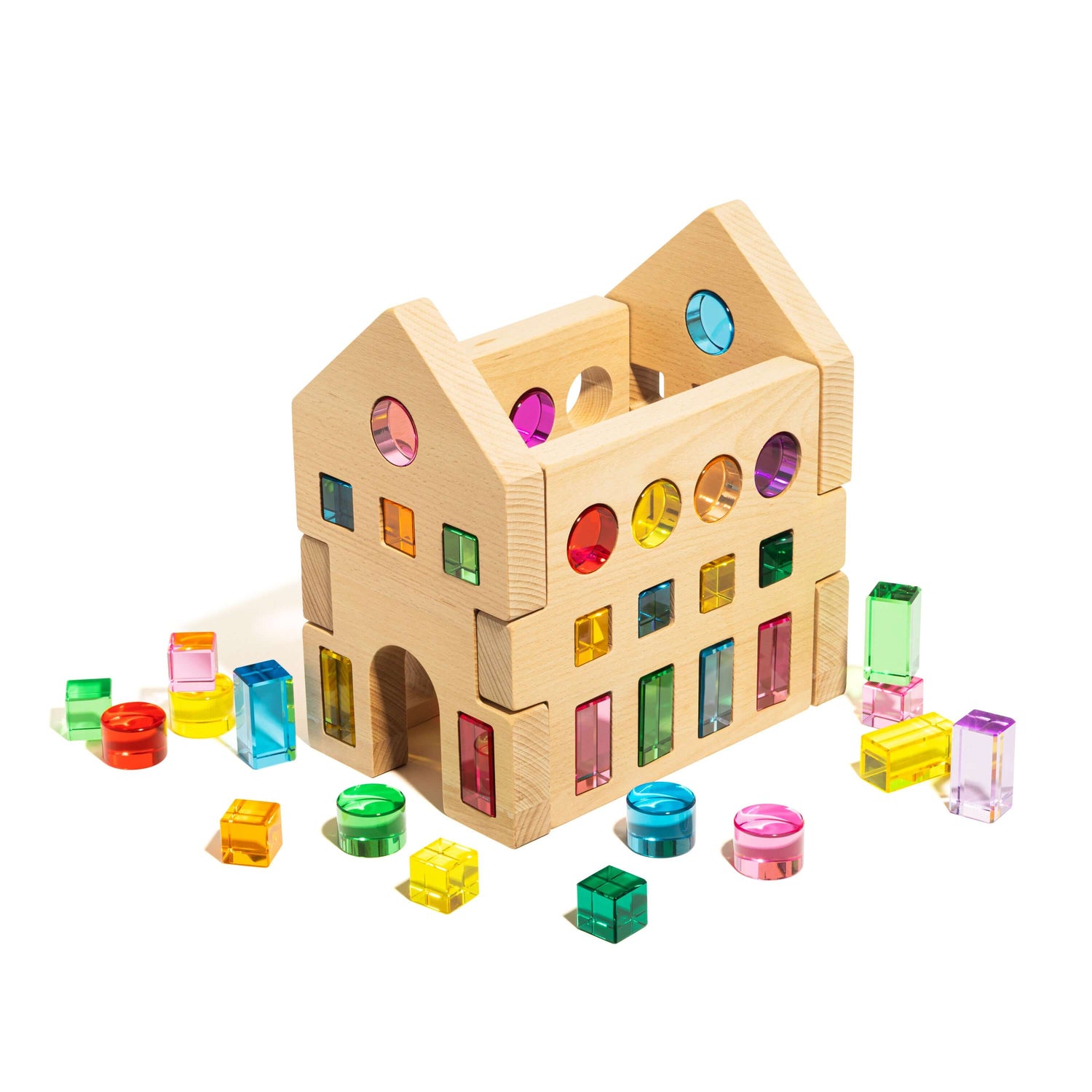
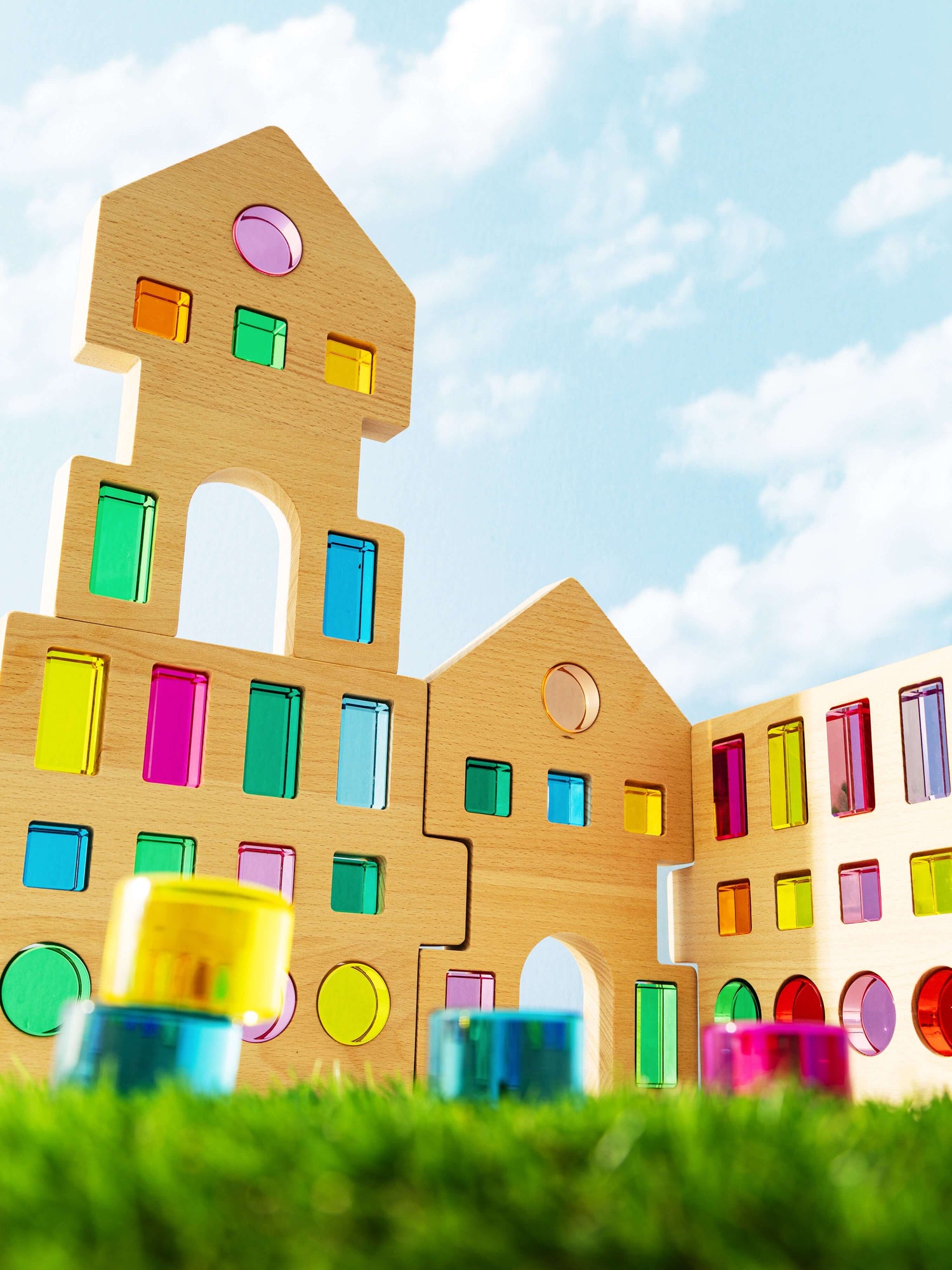
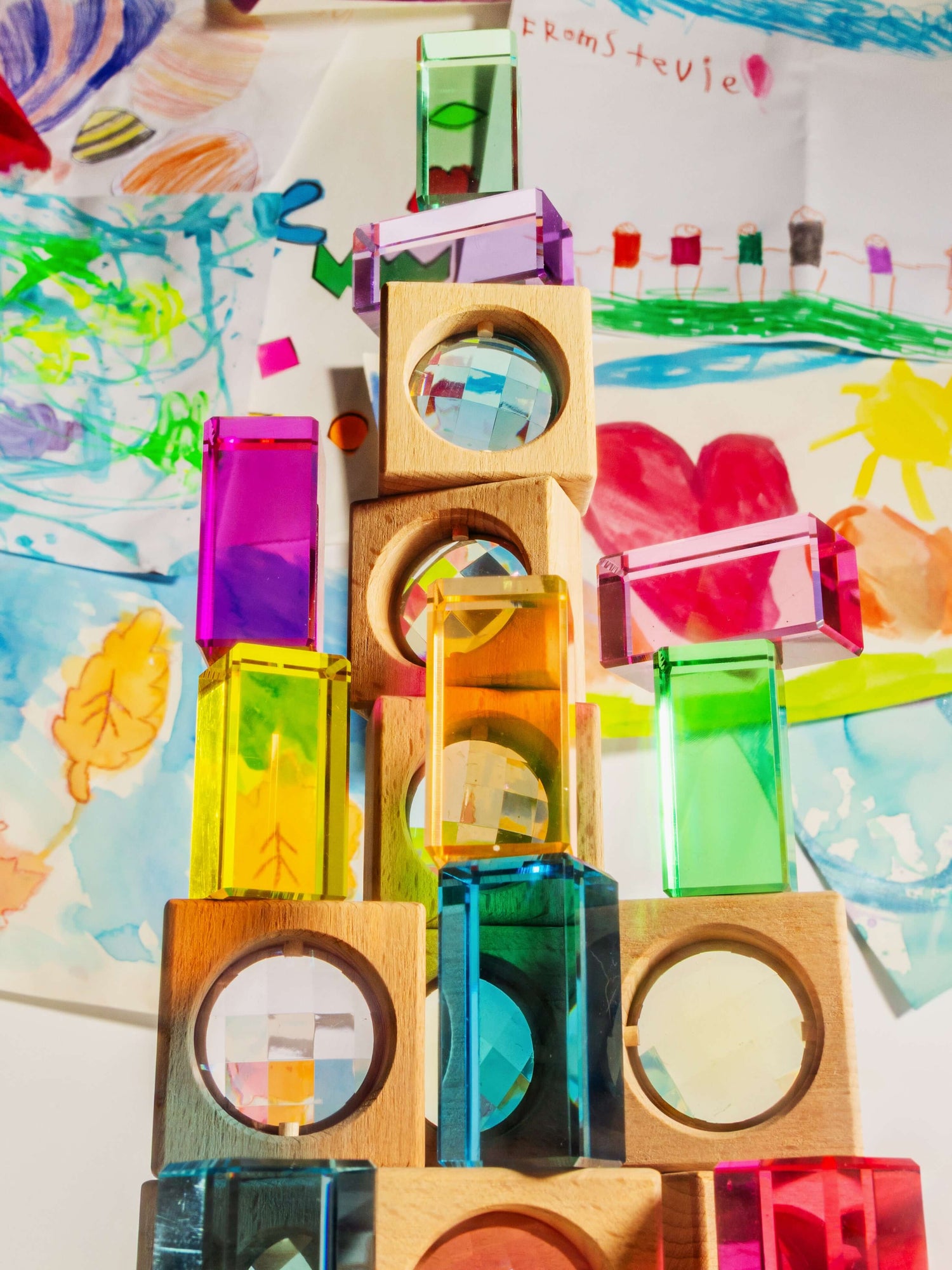
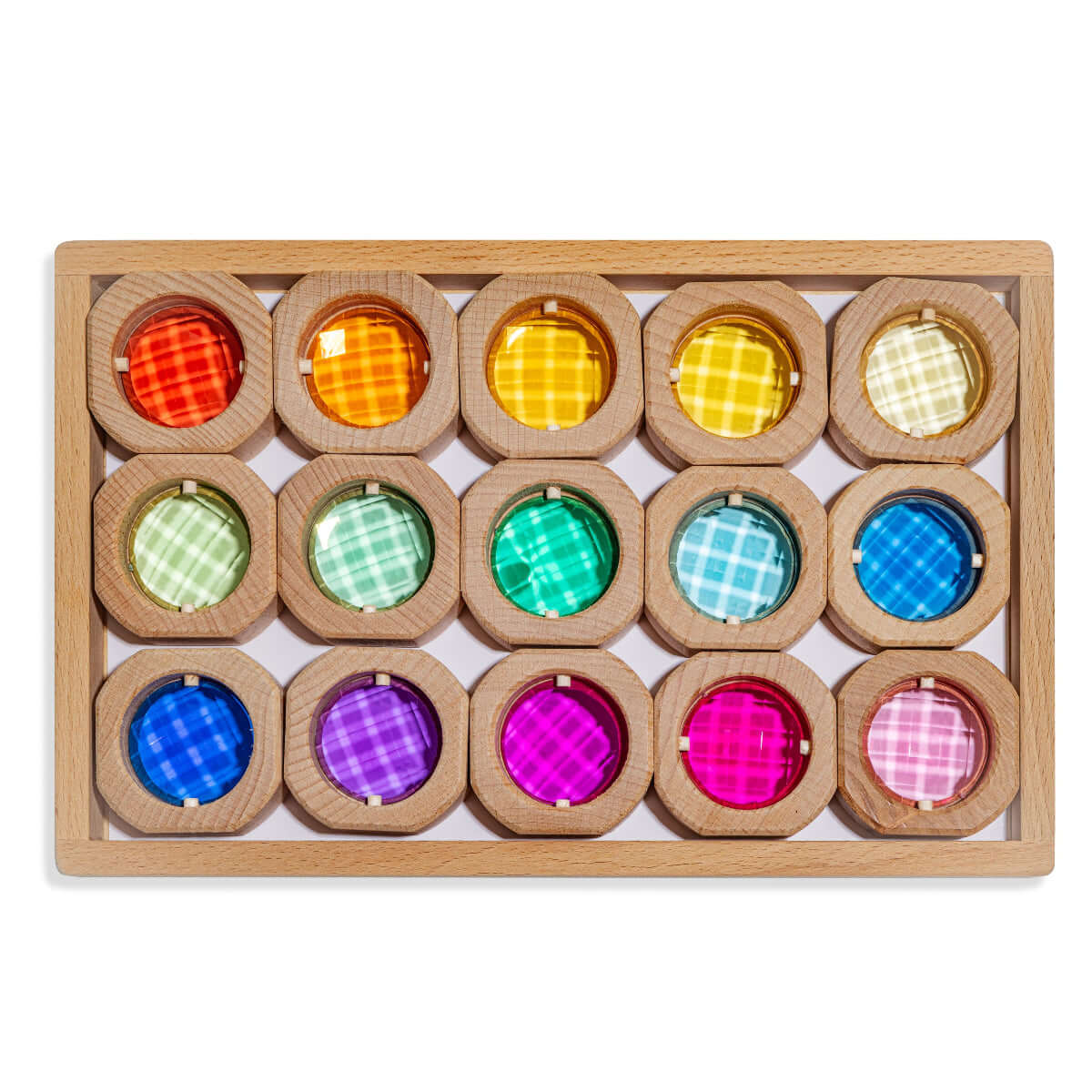
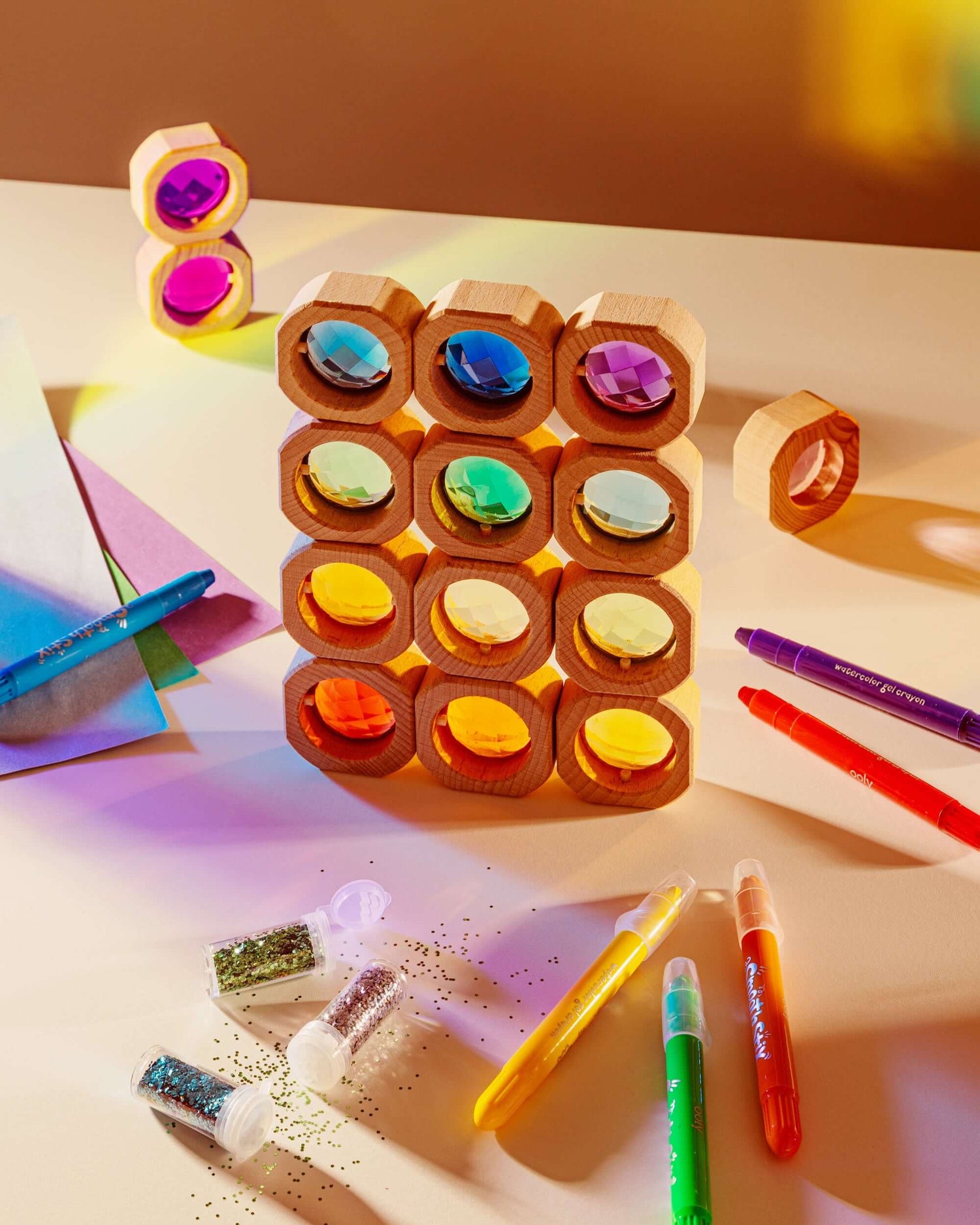
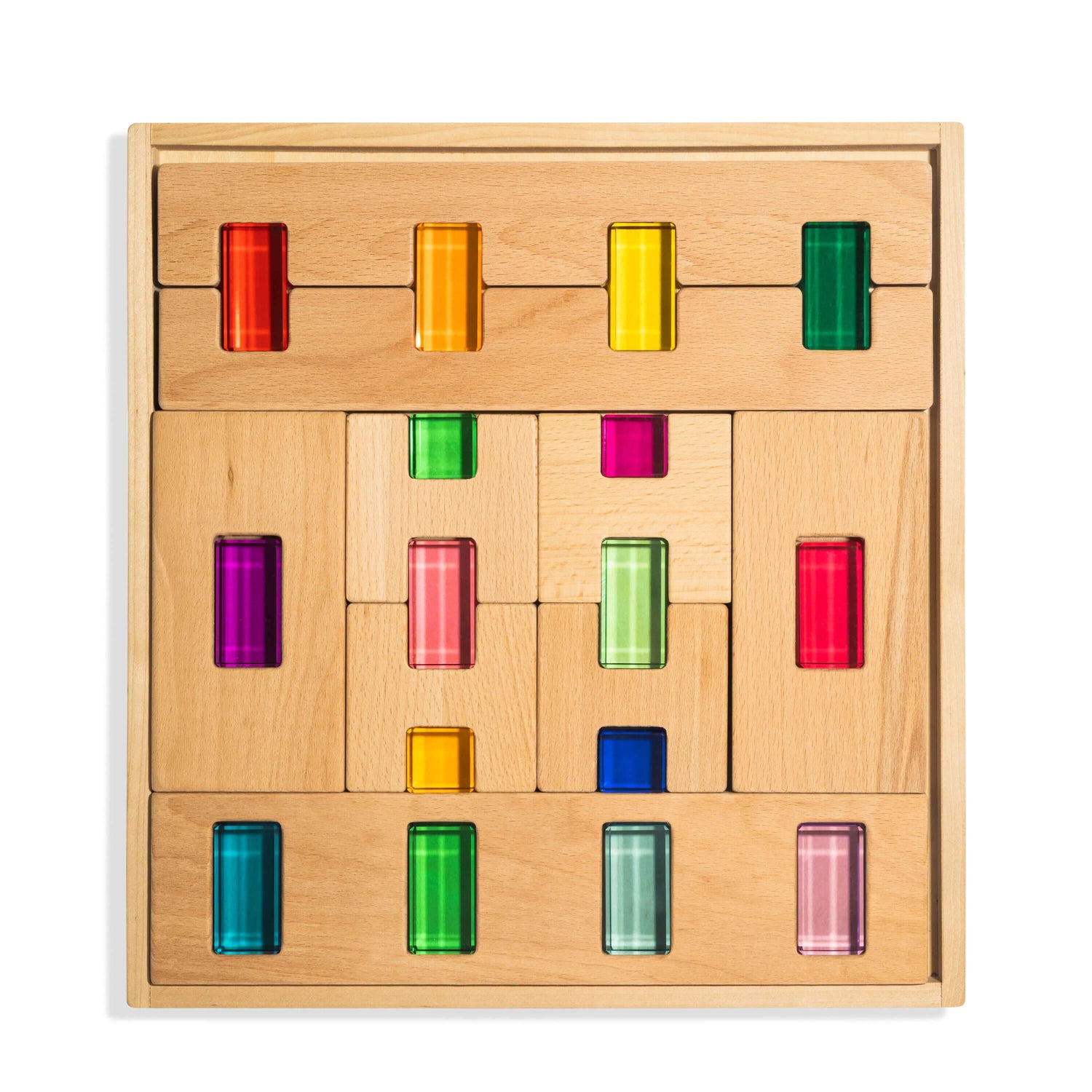
Books, conversation, and play together create powerful literacy experiences. Some of our favorite styles that support early literacy at home include the Alphabet puzzle, Bergen Blocks, Riley Blocks and Enchanted Gems.
The Long-Term Impact of Literacy Through Play
Children who build strong early literacy foundations through play often:
-
Show greater reading readiness
-
Develop richer vocabulary
-
Feel more confident expressing ideas
-
Enjoy storytelling and books
Play doesn’t replace literacy instruction — it prepares children for it.
Bringing Language Into Everyday Play
Open-ended materials invite conversation, storytelling, and exploration. If you aren't sure where to start, you can follow this guide on the best open-ended toys by age.
By simply engaging with your child during play — asking questions, labeling ideas, and encouraging imagination — you are building the foundation for reading and writing success.
Literacy begins in play.














0 comentarios