
Introduction
Open-ended toys by age can look different as children grow and their skills develop. While open-ended toys are designed to be used in many different ways, the types of materials children are drawn to often change as they move through different developmental stages.
Younger children may begin by exploring toys through simple actions like stacking, sorting, and carrying objects. As they grow, these same toys often become tools for storytelling, construction, and imaginative play.
Research shows that open-ended materials support creativity, problem-solving, and flexible thinking because they allow children to experiment freely and explore ideas without a fixed outcome.
Understanding how open-ended toys support different stages of development can help parents choose materials that grow with their children and encourage deeper play over time.
What Makes a Toy Truly Open-Ended?
Open-ended toys don’t have a single purpose, script, or outcome. Instead, they invite children to explore, experiment, and create freely.
The same toy might be:
A sensory object for a baby
A stacking challenge for a toddler
A storytelling tool for a preschooler
Rather than being outgrown, open-ended toys simply change roles as your child develops. If you’re new to this style of play, our guide on what open-ended toys are and why they matter explains the core principles behind these versatile toys.
Open-Ended Toys for Babies (6–12 Months)
At this stage, babies are learning through their senses and movements.
Open-ended toys support babies by encouraging:
Grasping and releasing
Visual tracking
Cause and effect
Early motor development
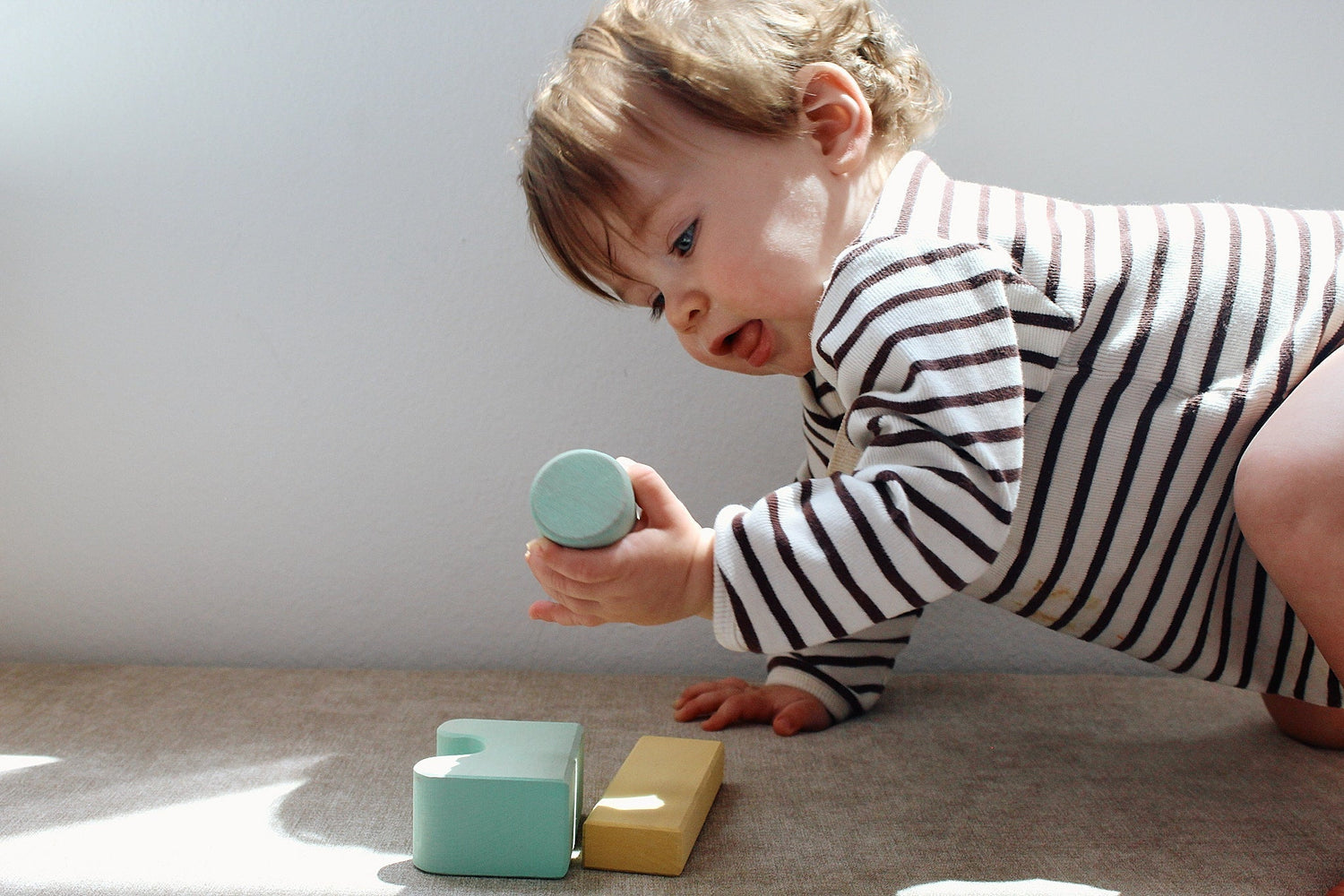
Simple shapes, blocks, and stacking pieces allow babies to explore weight, texture, and balance—often by knocking things down just as enthusiastically as building them.
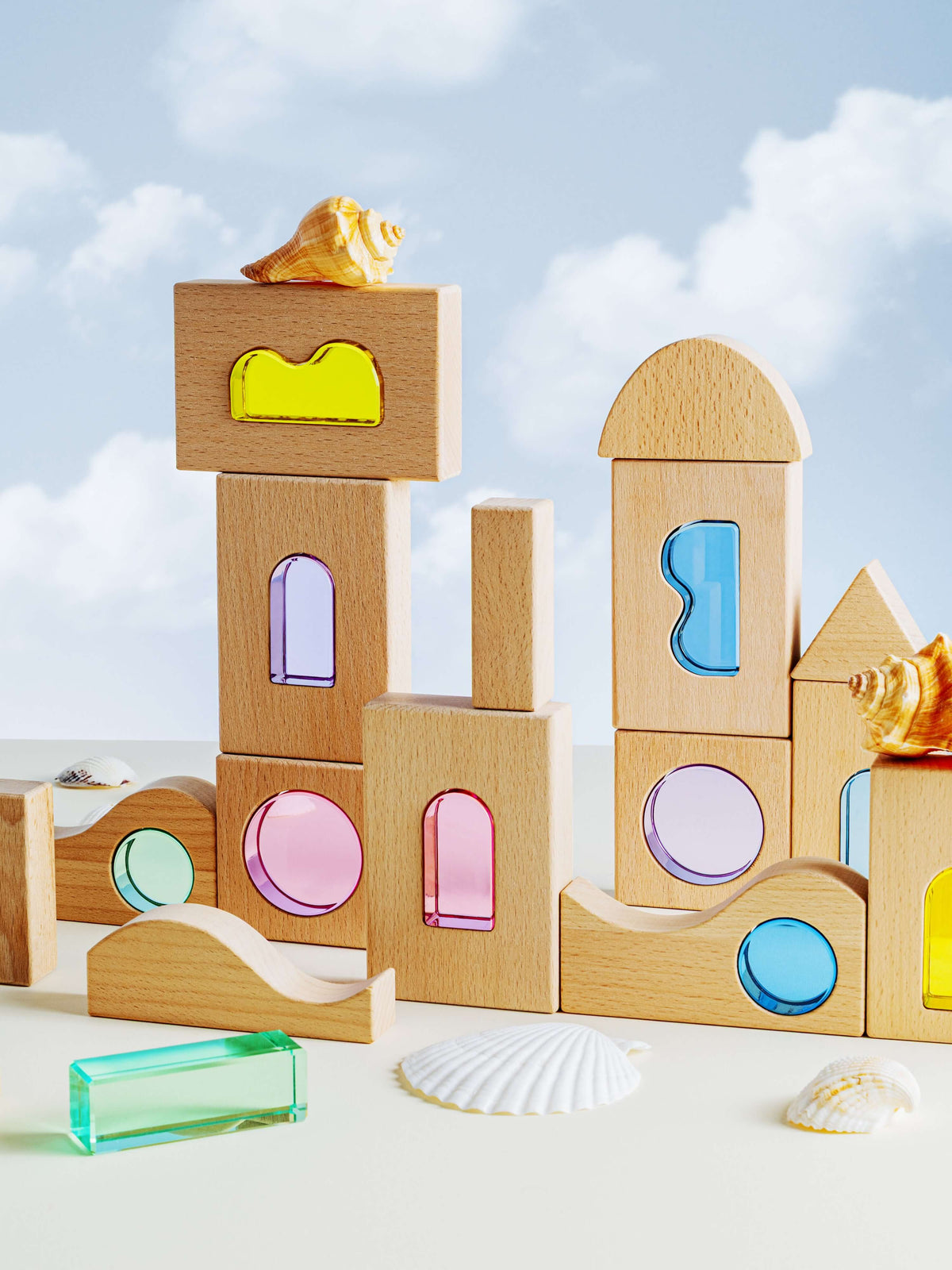
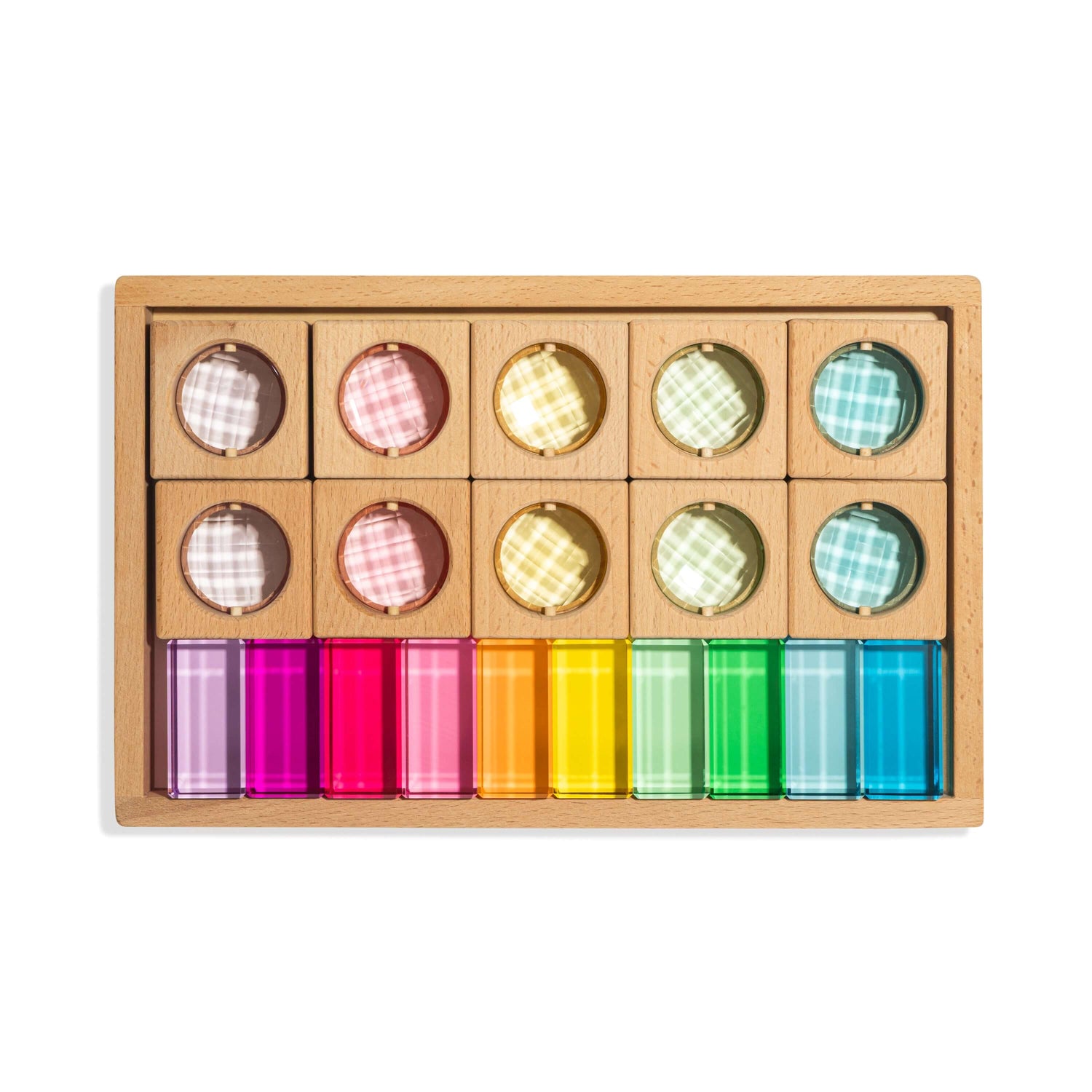
There’s no expectation of “using” the toy correctly—exploration is the play. Simple building pieces, such as our Winnie Blocks, allow babies to explore movement, balance, and cause and effect through hands-on play.
Open-Ended Toys for Young Toddlers (1–2 Years)
As toddlers gain confidence and coordination, open-ended play becomes more intentional.
At this age, children often enjoy:
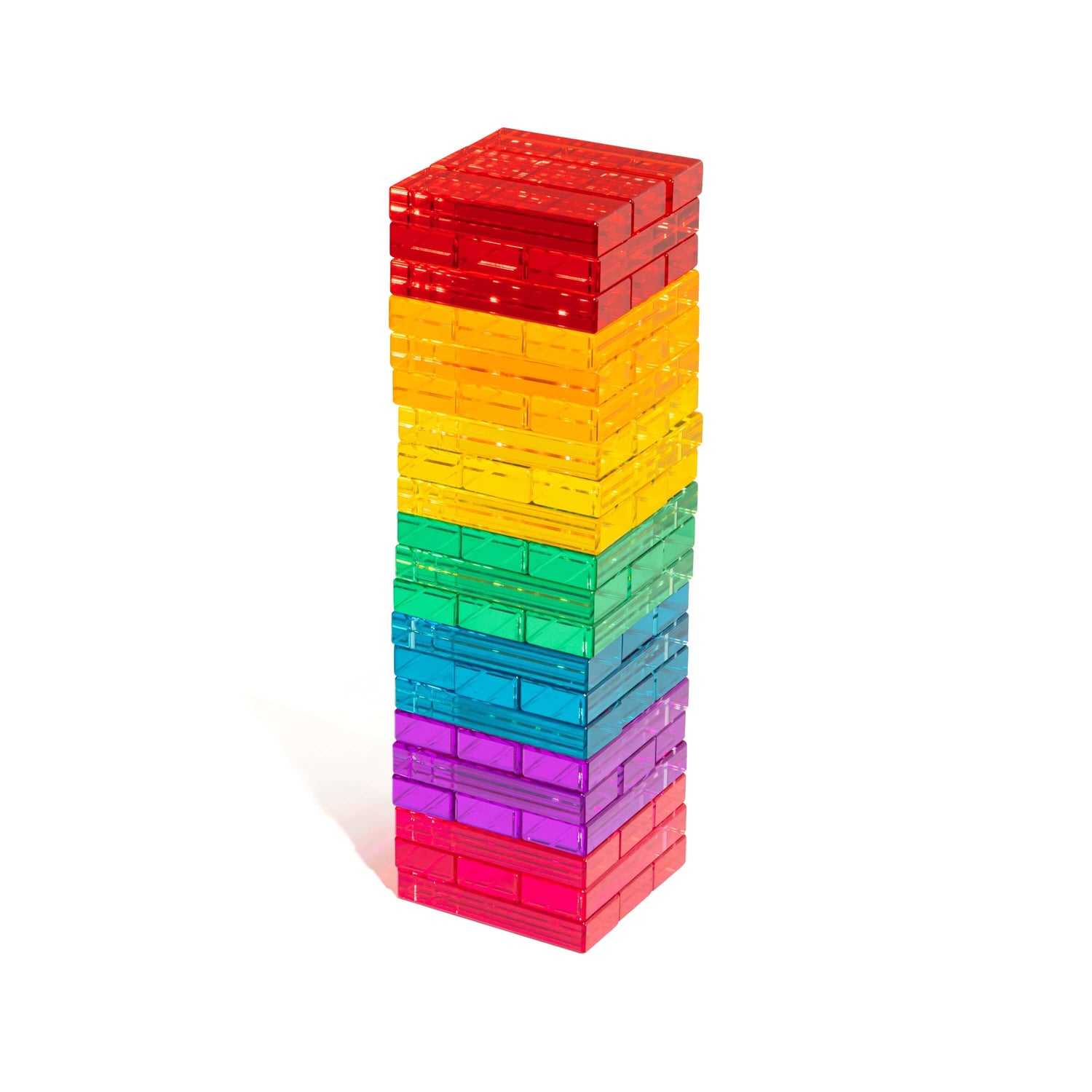
Stacking and toppling
Carrying and arranging objects
Sorting by size or color
Repeating the same action again and again
Open-ended toys give toddlers the freedom to practice these skills without frustration or overstimulation. The absence of rules helps build confidence and independence. This stage is when many families begin investing in versatile toys, which we explore further in our guide to the best open-ended toys for toddlers.
Open-Ended Toys for Toddlers (2–3 Years)
During this stage, imagination begins to emerge more clearly.
Children may start to:
Build simple structures
Combine toys in new ways
Engage in early pretend play
Experiment with balance and symmetry
Open-ended toys naturally support these shifts, allowing children to move seamlessly from physical exploration into imaginative play—often within the same play session.
Open-Ended Toys for Preschoolers (3–5+ Years)
As children grow, their play becomes more complex and narrative-driven.
Open-ended toys are often used for:
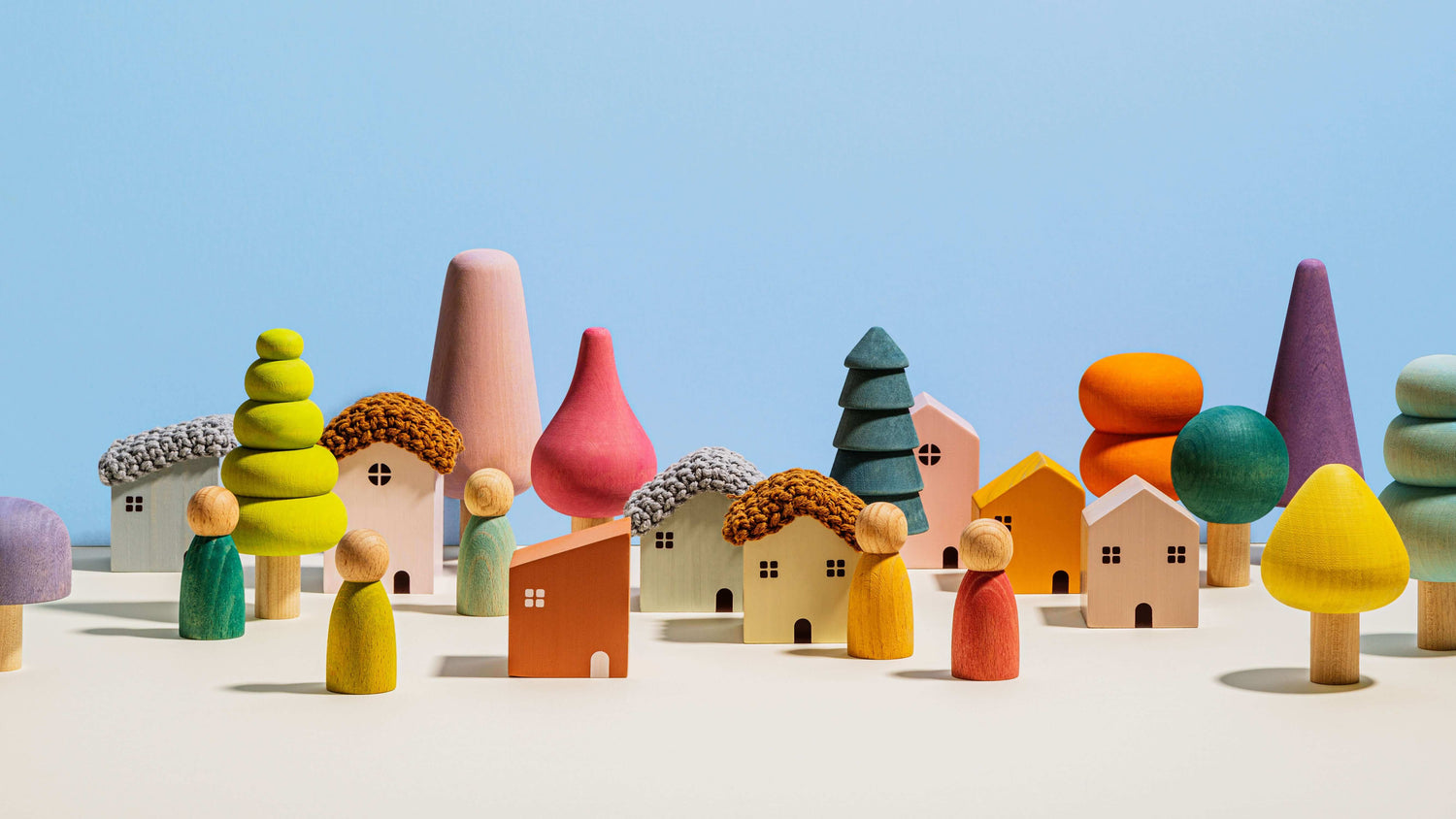
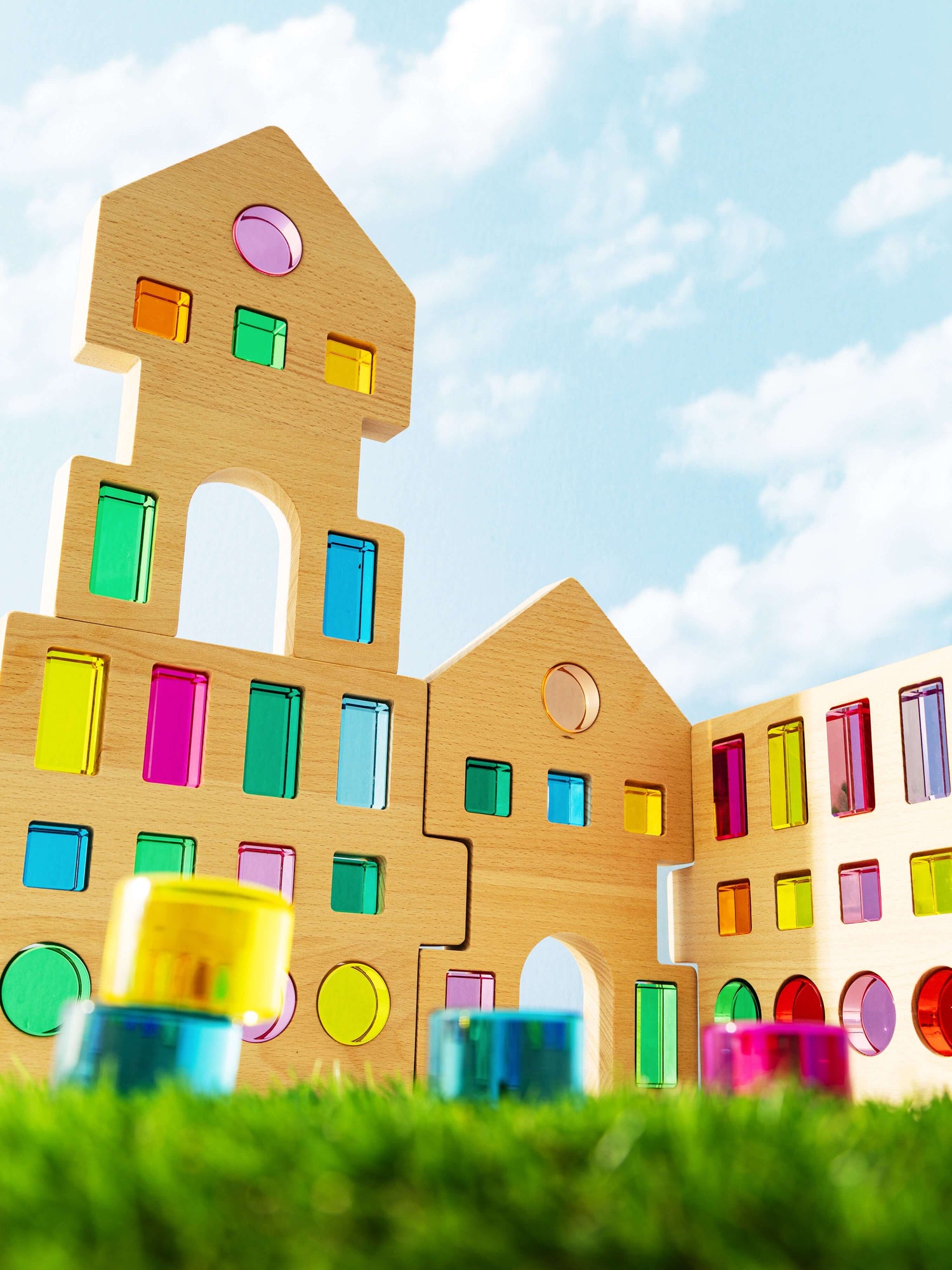
Creating houses, roads, and cities
Storytelling and role play
Collaborative play with siblings or friends
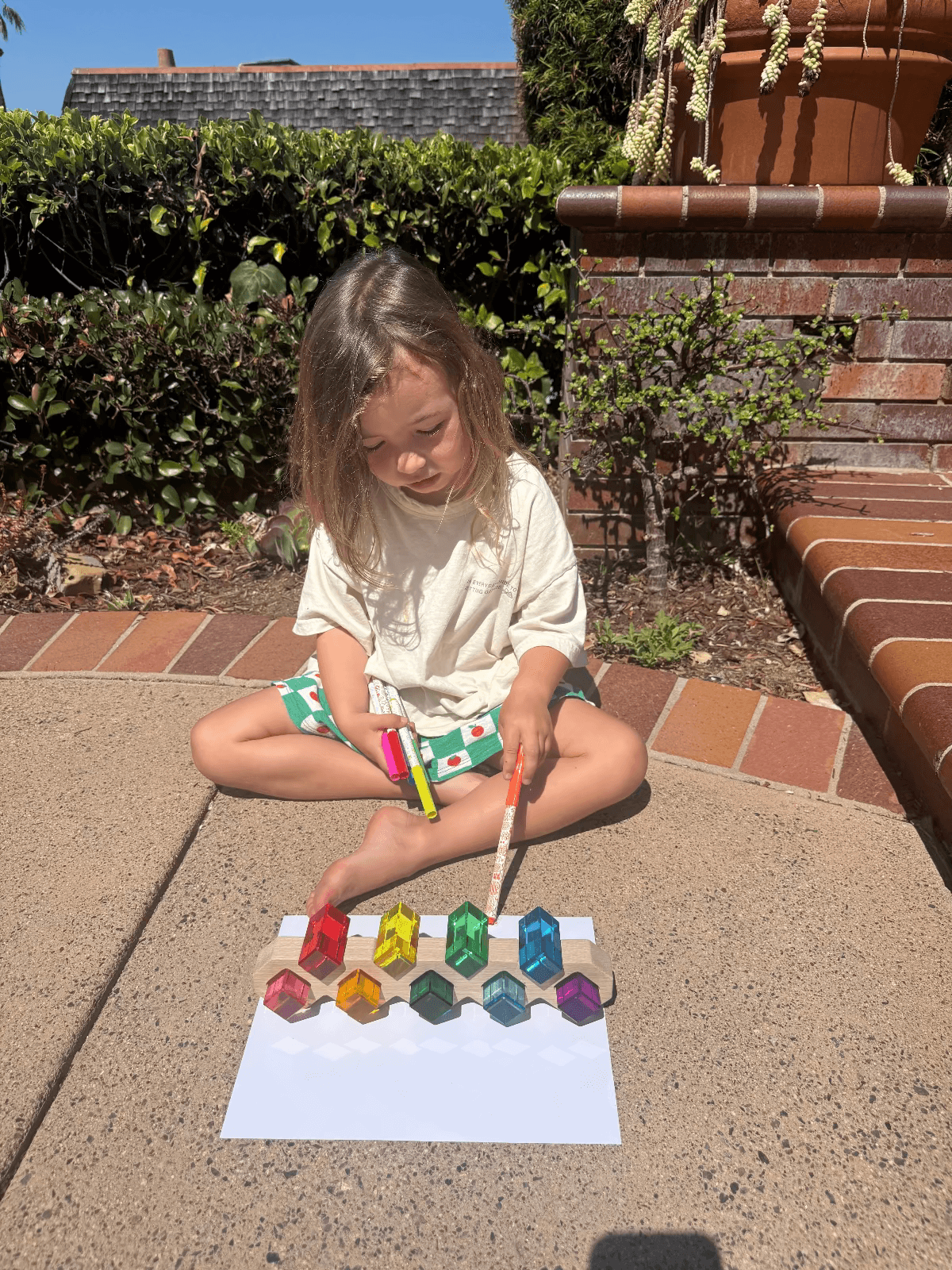
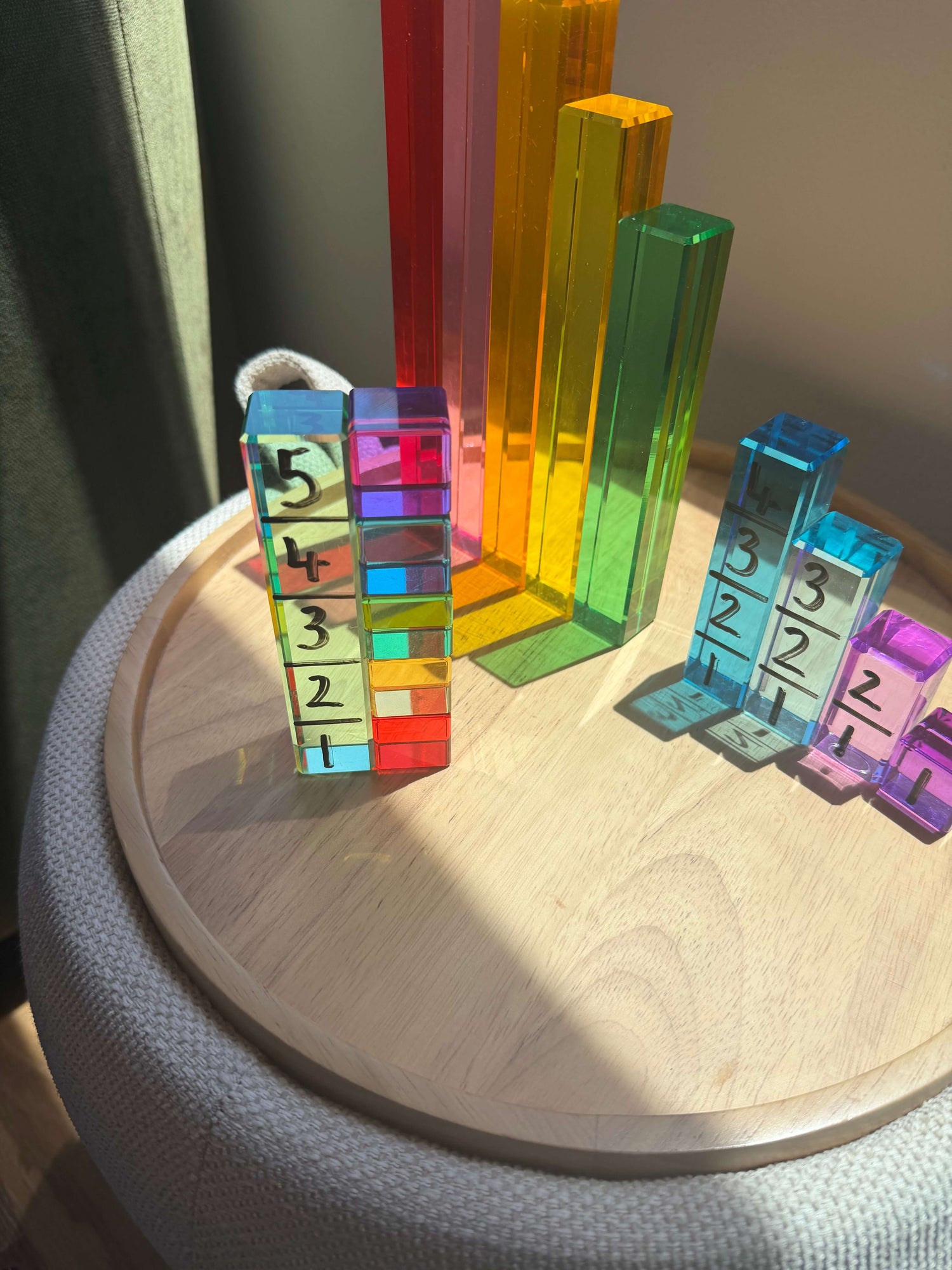
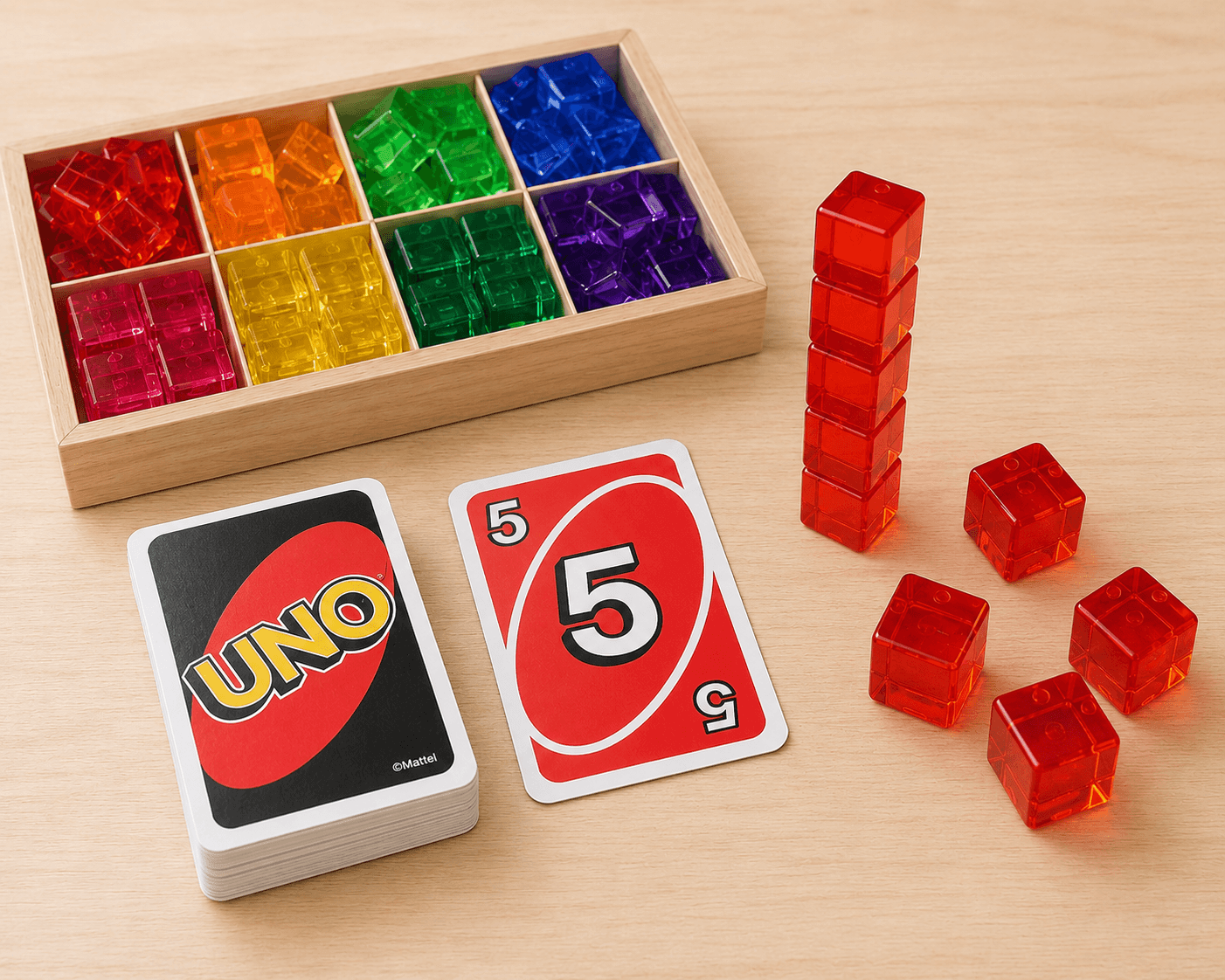
Exploring early math and spatial reasoning
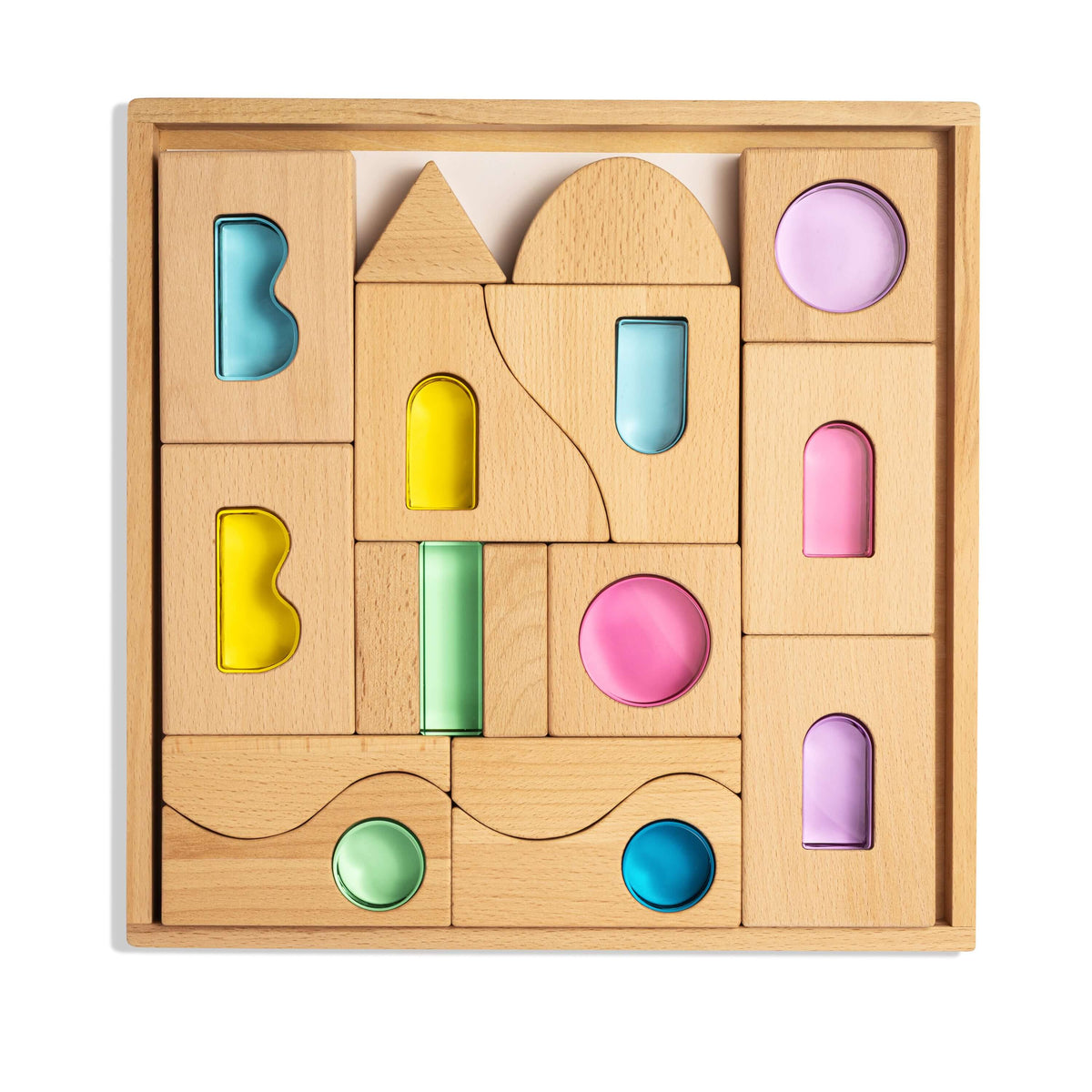
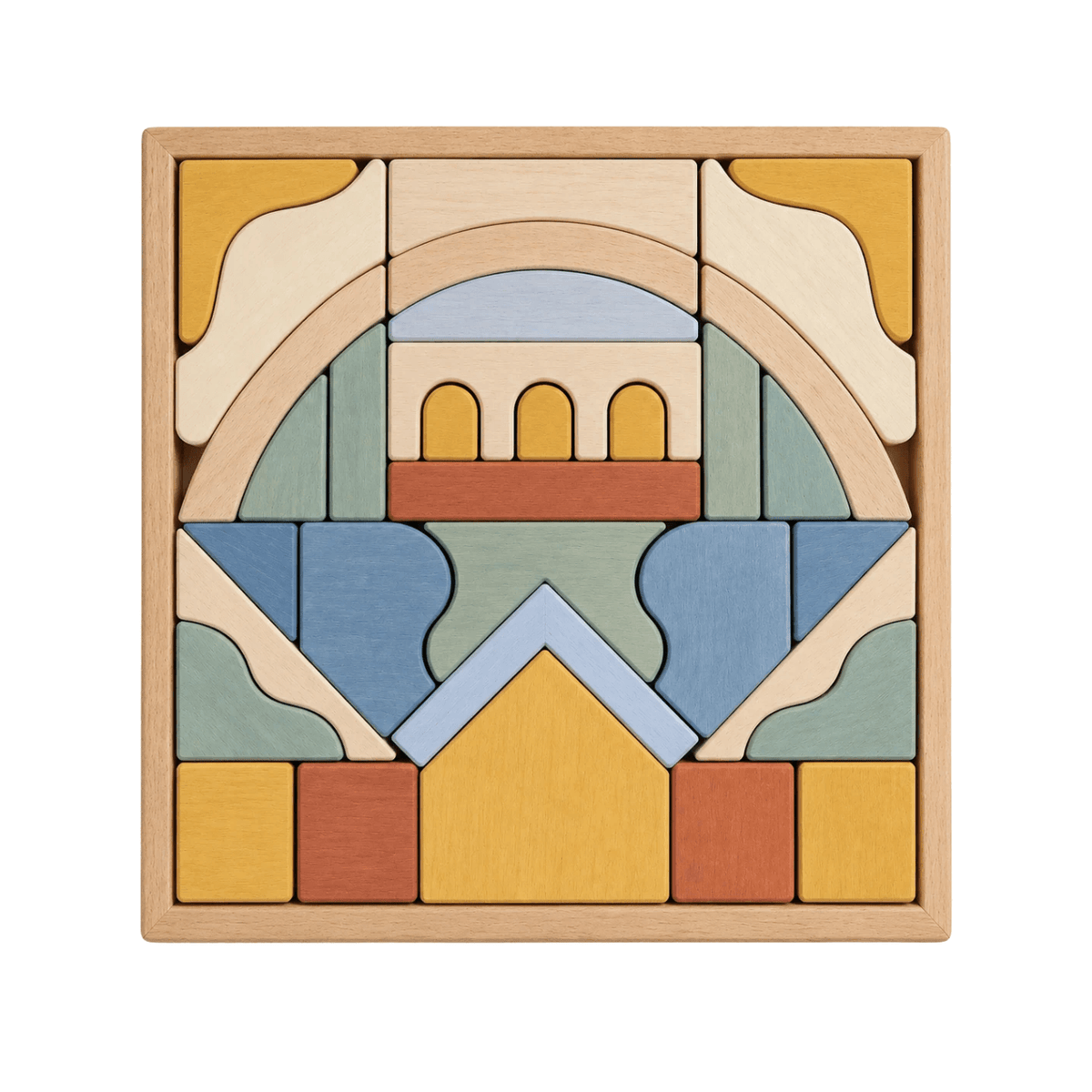
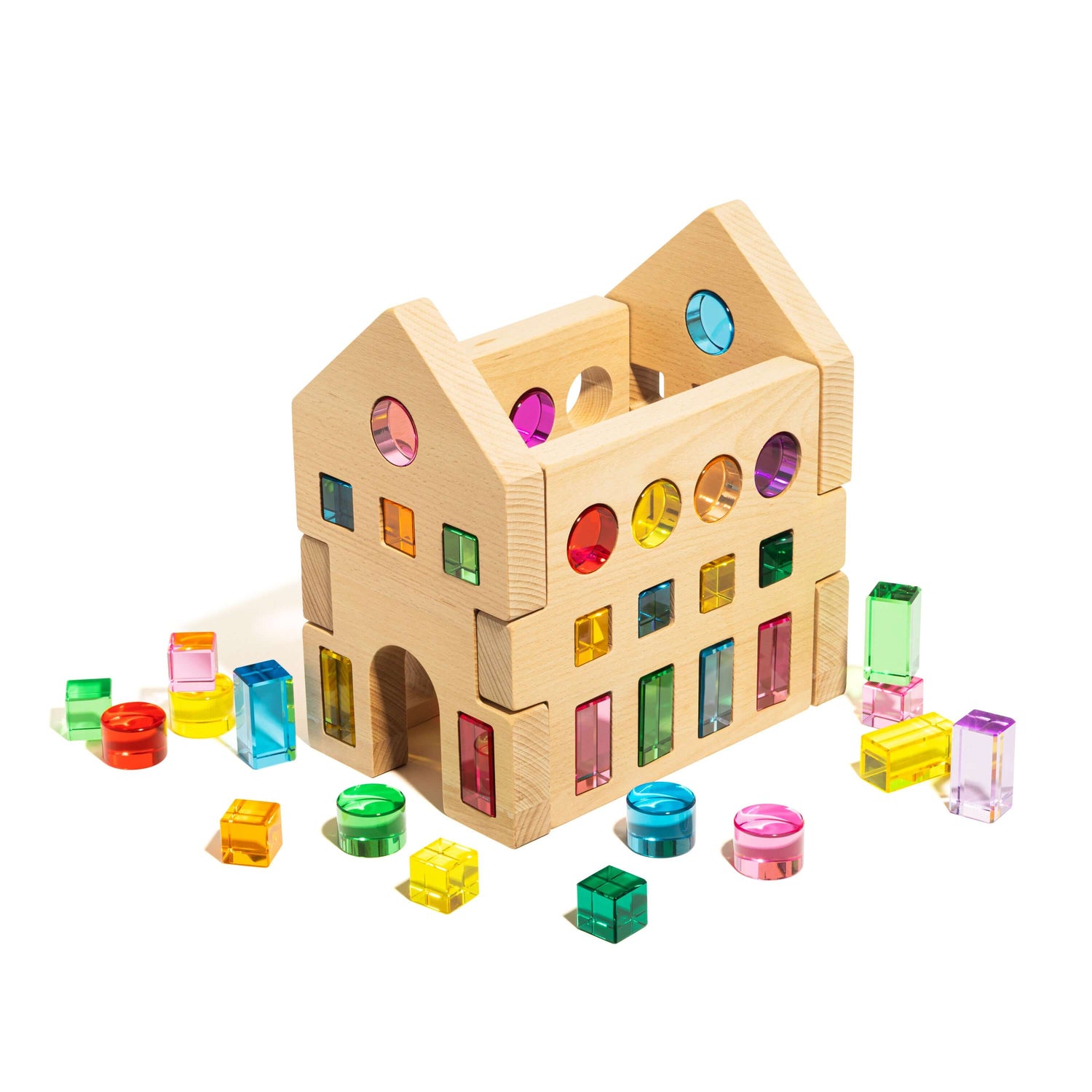
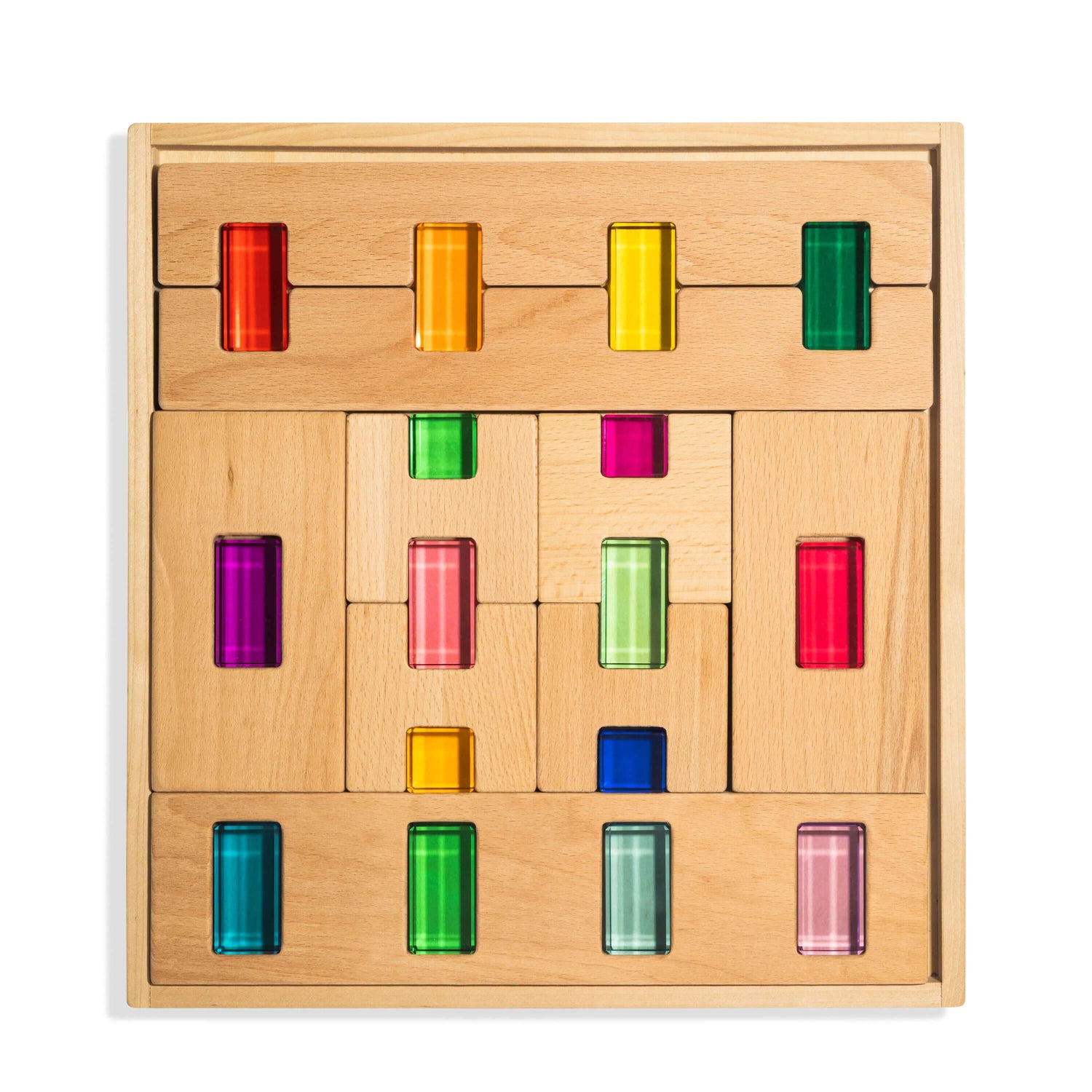
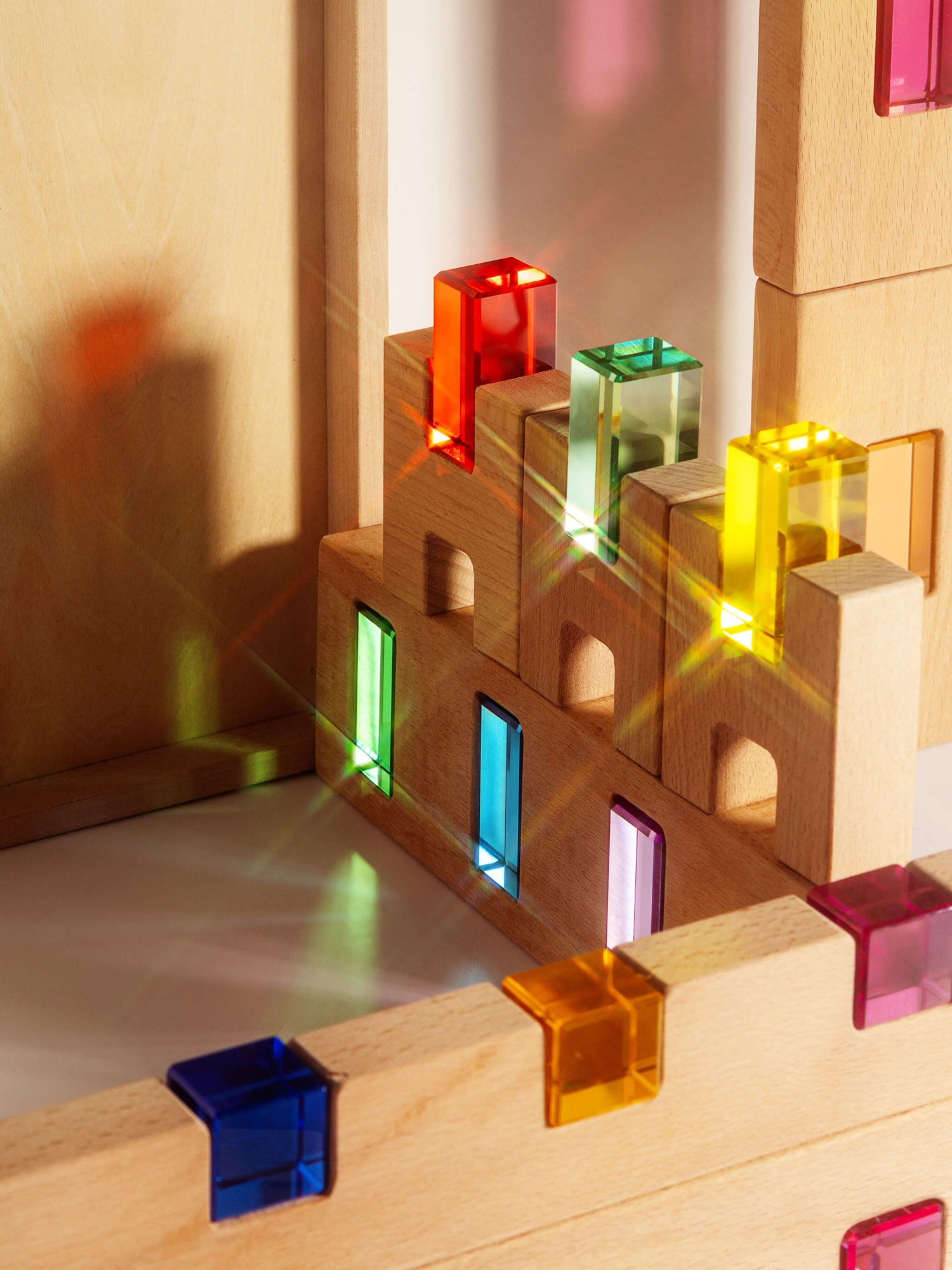
Because the toys don’t dictate outcomes, children can return to them again and again—each time discovering something new. As play becomes more complex, building sets like our Riley Blocks support imaginative construction, storytelling, and collaborative play.
Why Open-Ended Toys Grow With Your Child
Unlike single-purpose toys that are quickly outgrown, open-ended toys adapt naturally to a child’s developmental stage.
A set of blocks might be:
Explored sensorially as a baby
Stacked and sorted as a toddler
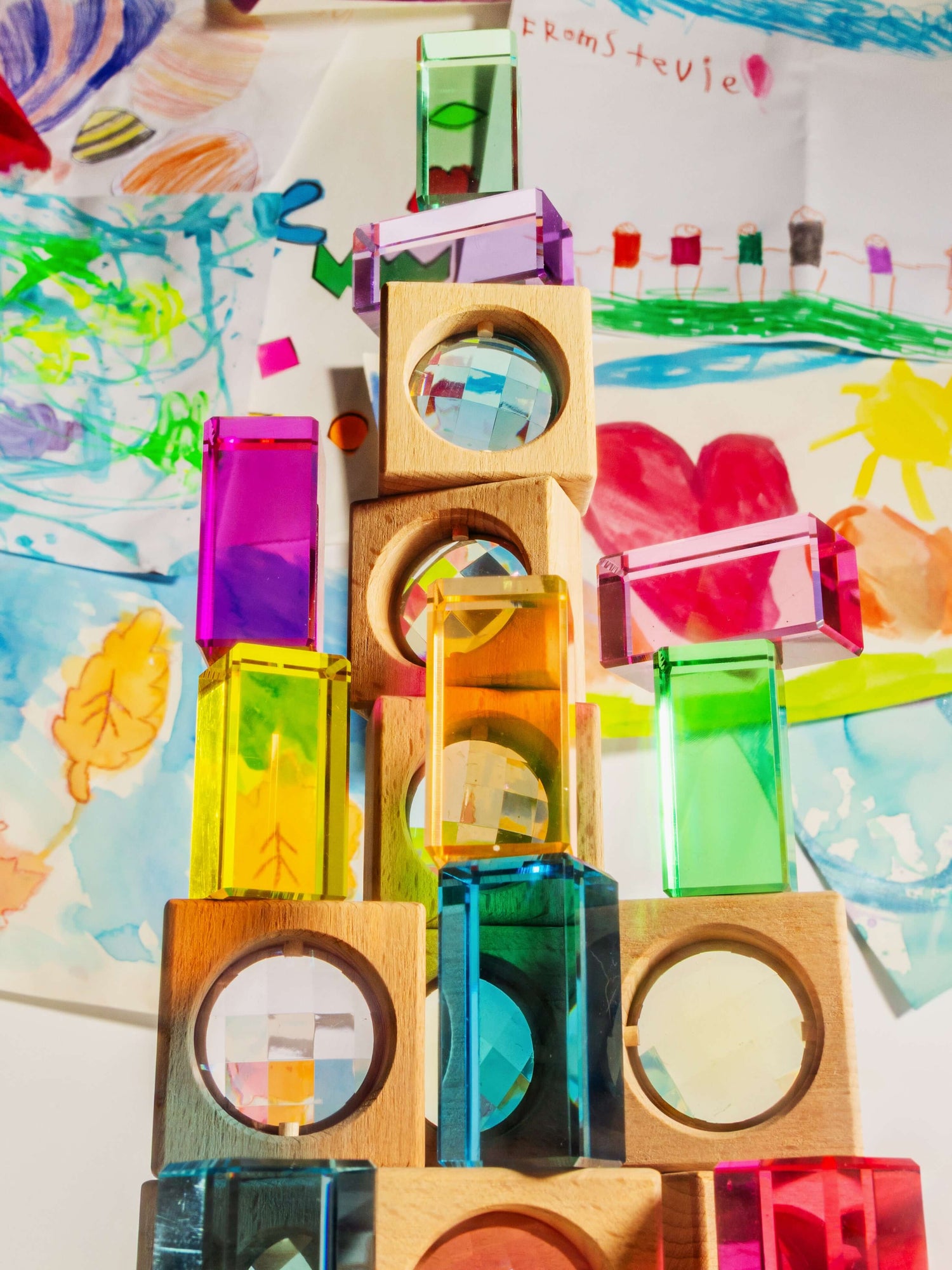
Used to build imaginative worlds as a preschooler
This longevity makes open-ended toys a thoughtful investment—supporting learning across many years, not just one phase. Open-ended toys also align closely with Montessori principles, which we explain in Montessori-inspired toys: what parents should actually look for.
Fewer Toys, More Possibilities
When children have access to a smaller number of versatile toys, play often becomes deeper and more focused.
Open-ended toys encourage:
Longer attention spans
More creative problem-solving
Independent play
Less overwhelm and clutter
Instead of constantly rotating toys out, families can allow play to evolve naturally over time. Many parents find that simplifying their toy collection leads to deeper engagement, a concept we explore in why fewer, better toys create deeper play.
Choosing Open-Ended Toys That Last
When selecting open-ended toys, look for:
Simple, flexible designs
High-quality, durable materials
Toys that can be used in many ways
Pieces that feel timeless rather than trendy
These are the toys children return to year after year.
Thoughtfully Designed Open-Ended Play
At Maison Rue Kid, our toys are designed to support open-ended play across ages—starting in babyhood and growing alongside your child.
Each piece is created to:
Encourage creativity and independence
Support multiple developmental stages
Replace many single-use toys
Fit beautifully into your home
Because the best toys aren’t tied to an age—they’re tied to imagination. Our collection of open-ended building toysis designed to support creativity across ages while fitting beautifully into modern homes.
Frequently Asked Questions
What age are open-ended toys best for?
Open-ended toys can be introduced in babyhood and continue to support play through early childhood and beyond.
Do open-ended toys replace age-specific toys?
Often, yes. Because they adapt to different stages, open-ended toys can replace many single-purpose toys over time.
How many open-ended toys does a child need?
A small, thoughtfully chosen collection is usually enough to support years of meaningful play.
Final Thoughts
Children don’t need new toys at every stage—they need toys that grow with them.
Open-ended toys meet children exactly where they are, then continue to support creativity, learning, and imagination as they grow.
That’s what makes them timeless.





0 comments