

Introduction
Creating a screen-free parenting at home can feel challenging in a world where devices are everywhere. Many parents want to reduce screen time without constant arguments or power struggles, but aren’t sure where to begin. The good news is that building a gentle rhythm around play, connection, and daily routines can make screen-free parenting feel natural instead of restrictive.
Children thrive when their days include opportunities for independent play, creativity, movement, and connection with family. Research shows that when screens are removed from the background, children often play longer and with greater focus, and parent-child interactions improve as well.
Instead of focusing only on limiting screens, families can shift toward creating a predictable daily flow that naturally encourages play, curiosity, and exploration.
Why Rhythm Matters More Than Rules
Instead of focusing on strict limits, consider predictable patterns.
Children feel secure when they know:
When screens are available
When they are not
What alternatives exist
Consistency reduces negotiation.
Building a Screen-Free Routine
Here are simple anchors:
Morning: Independent Play First
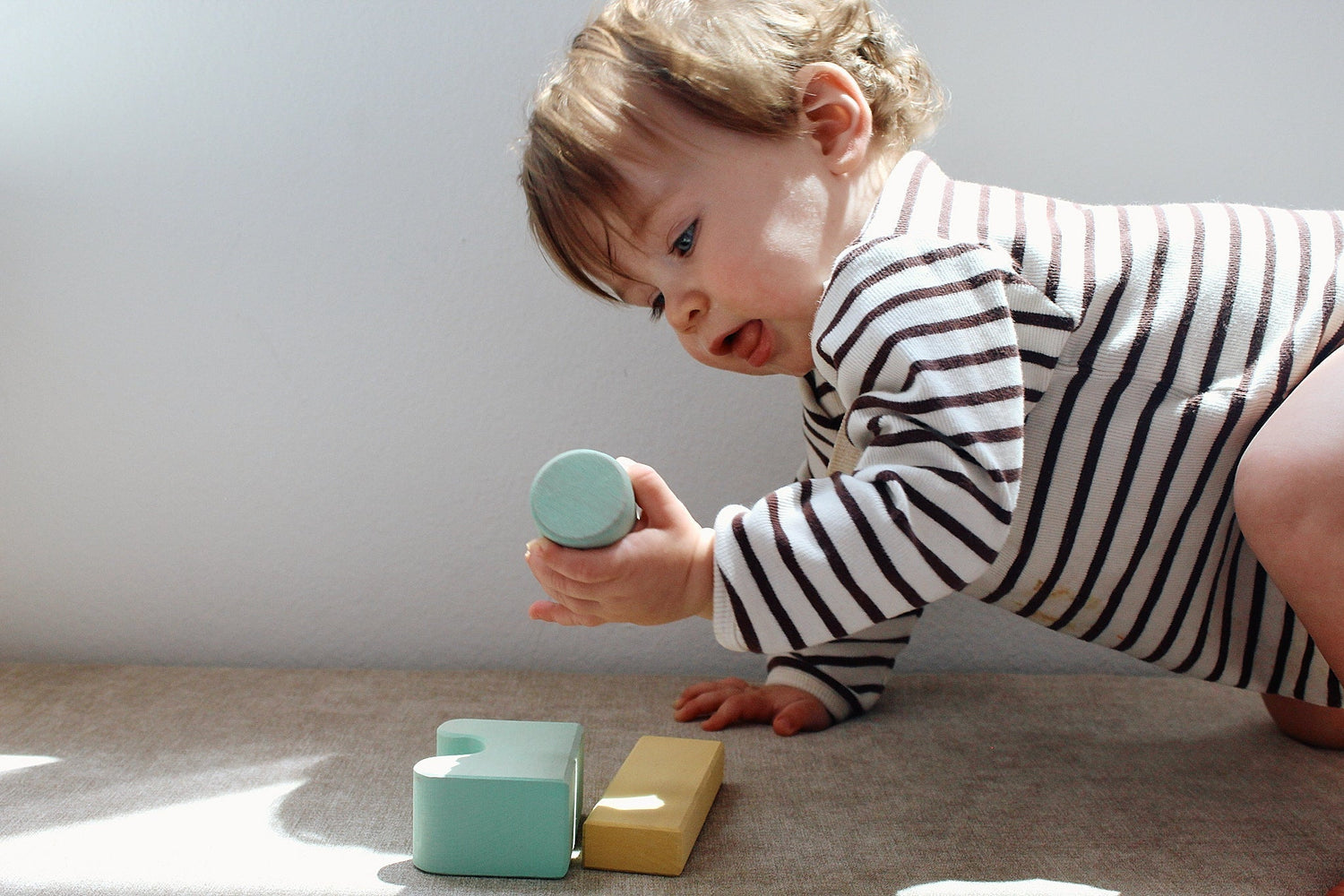
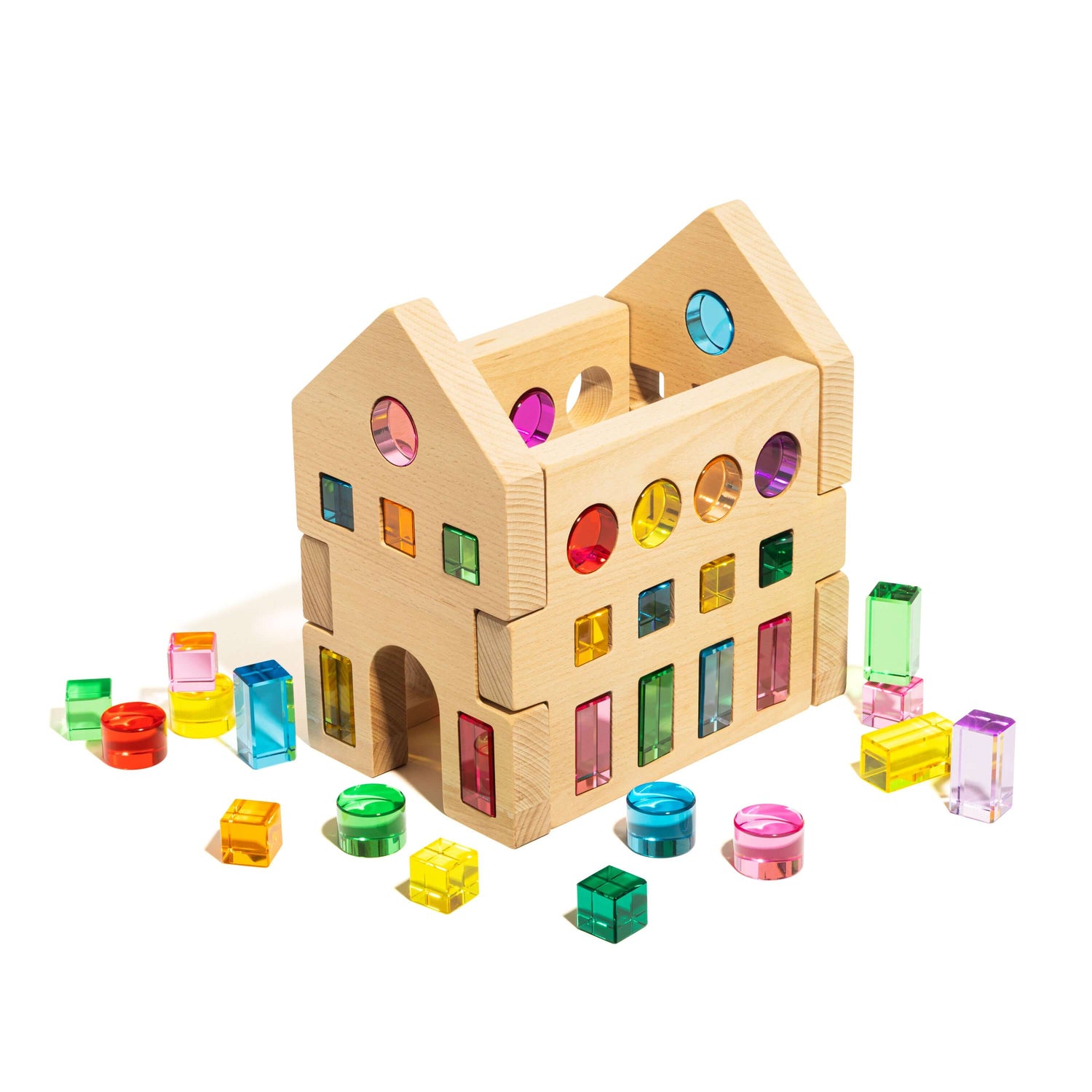
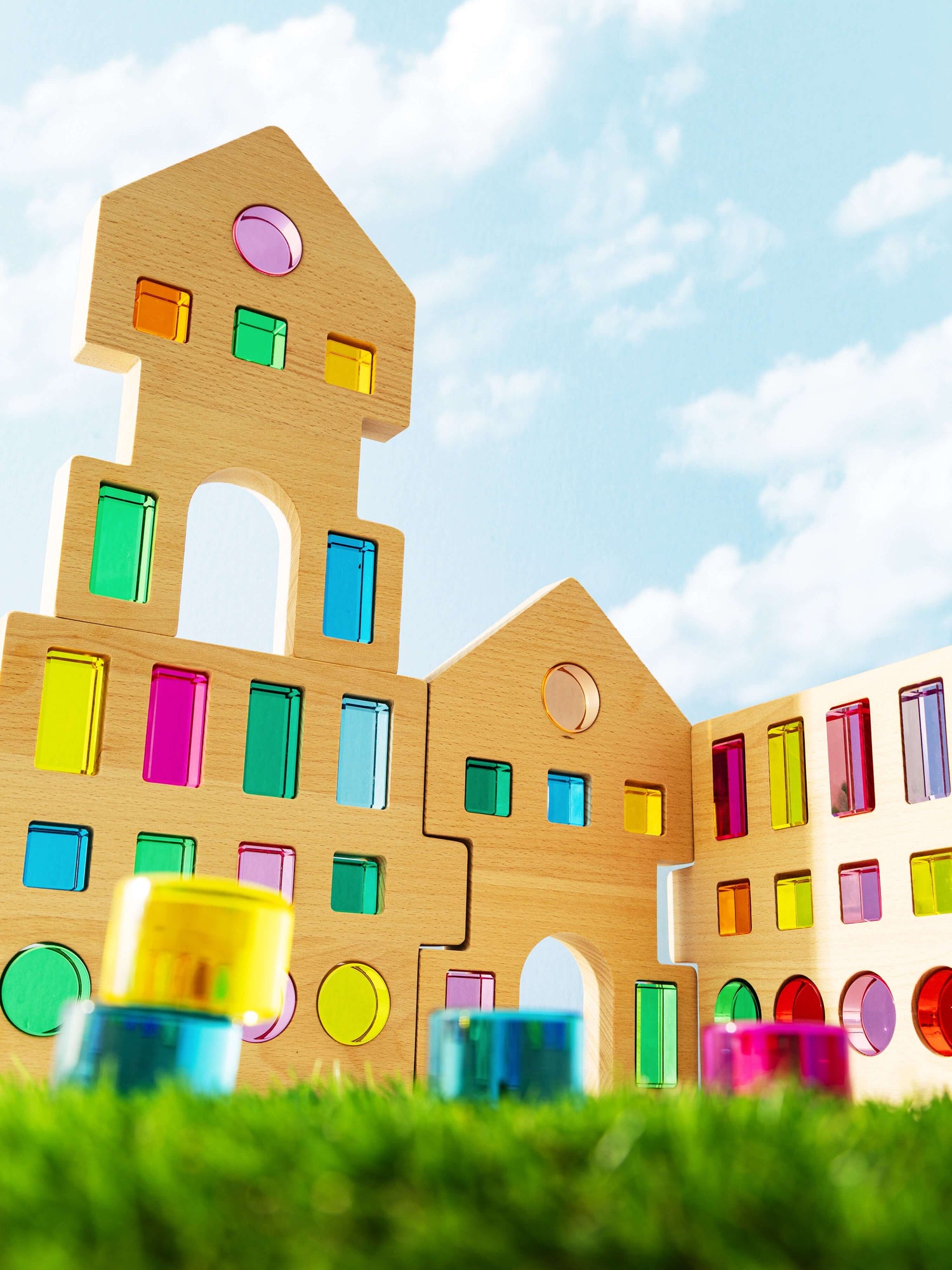
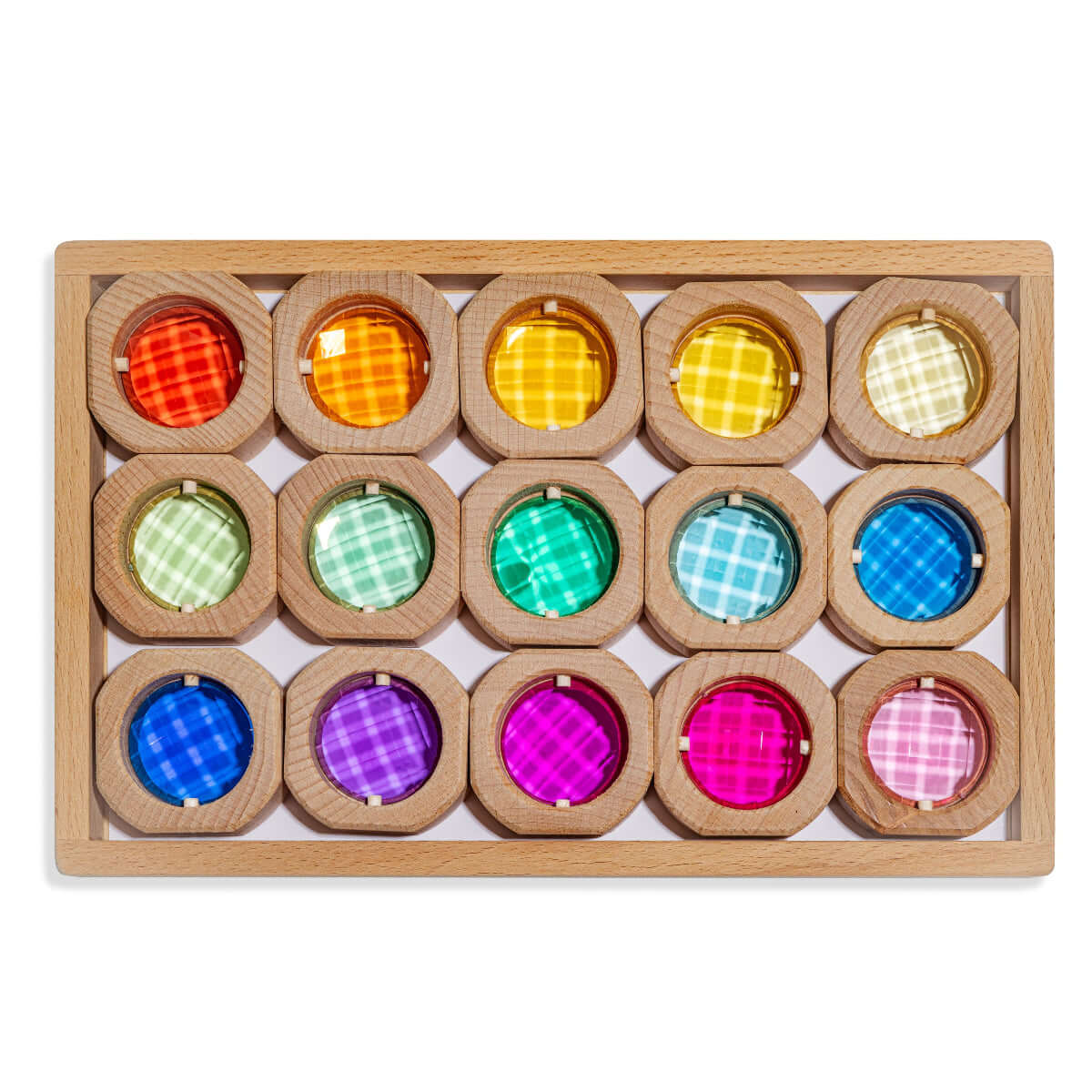
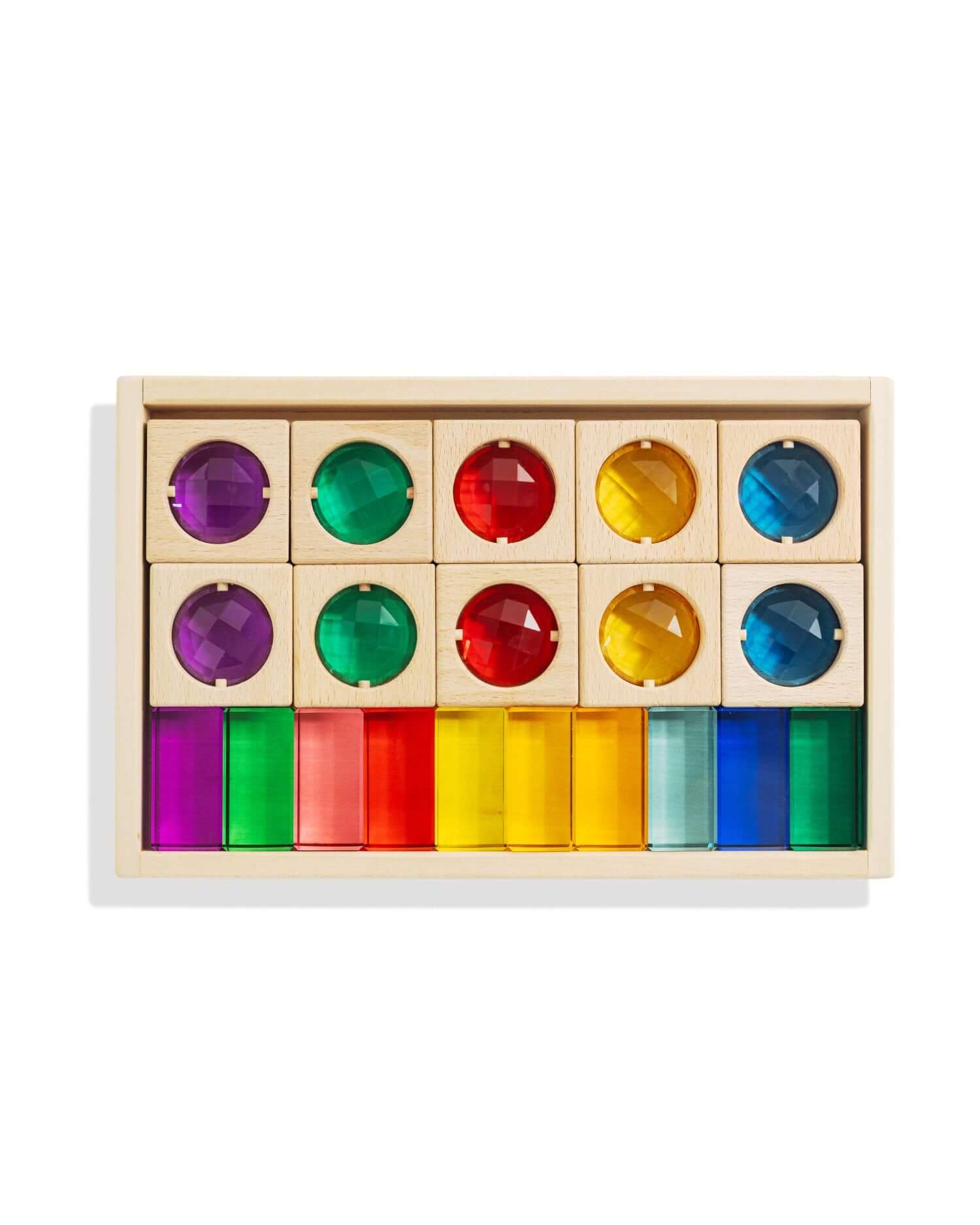
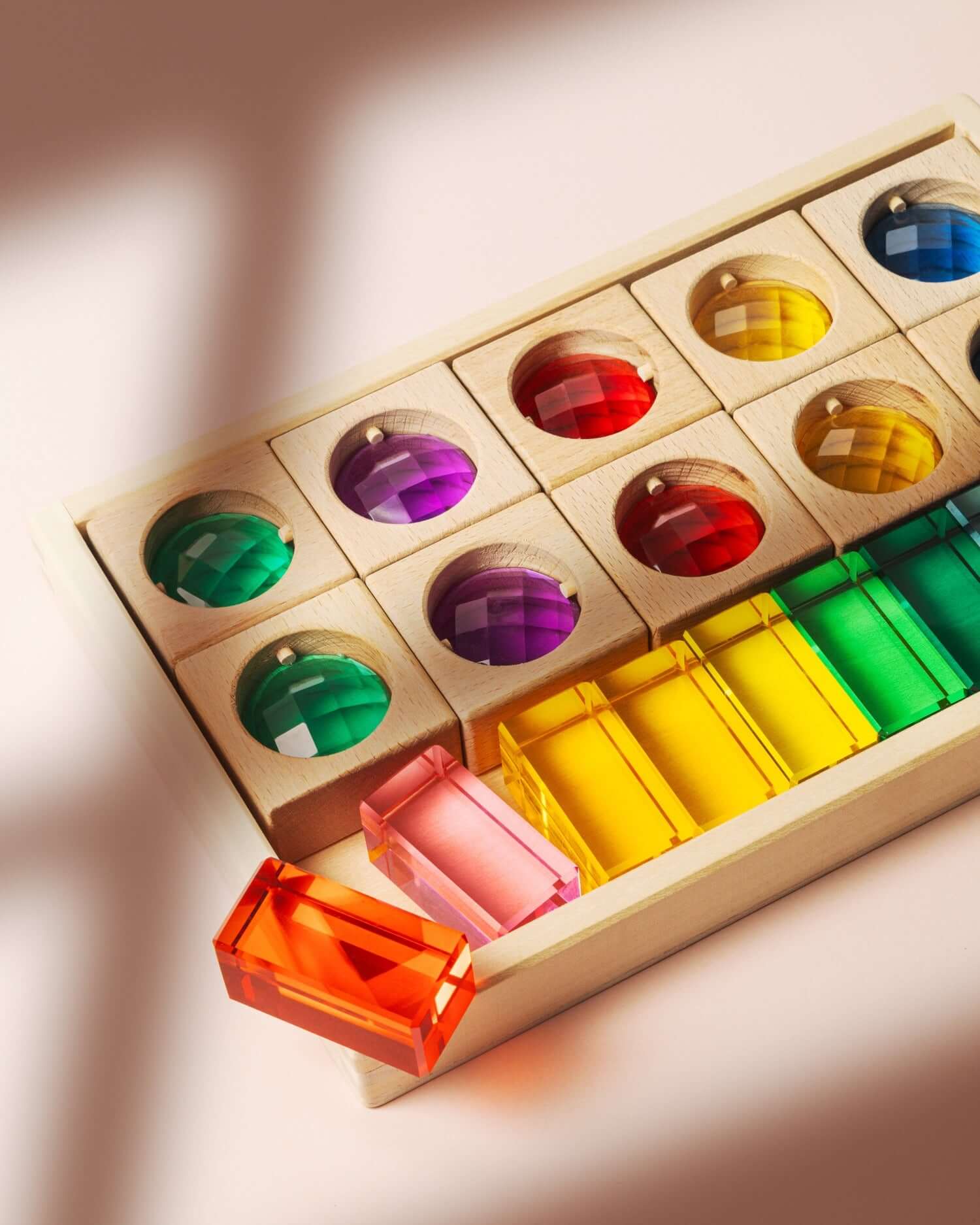
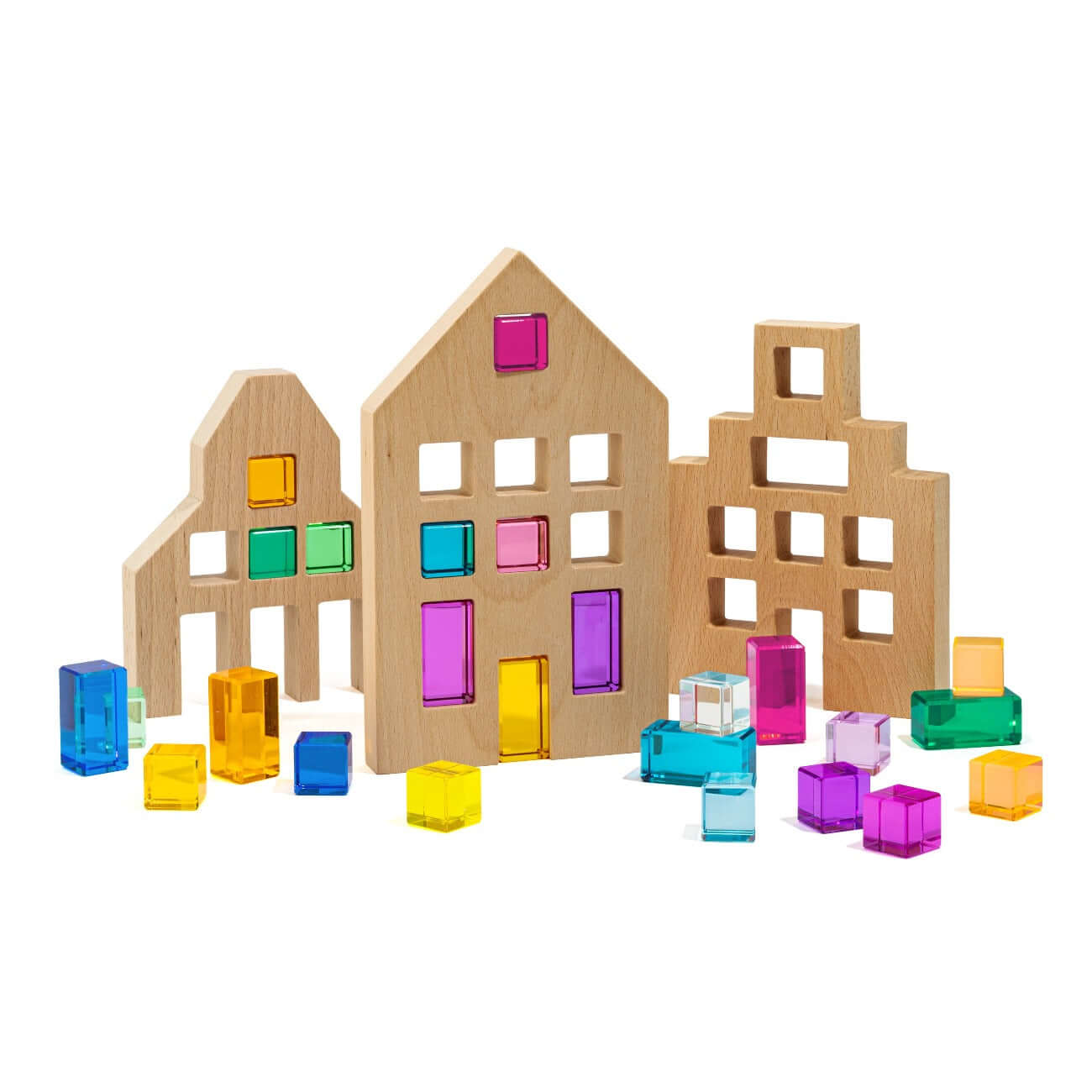
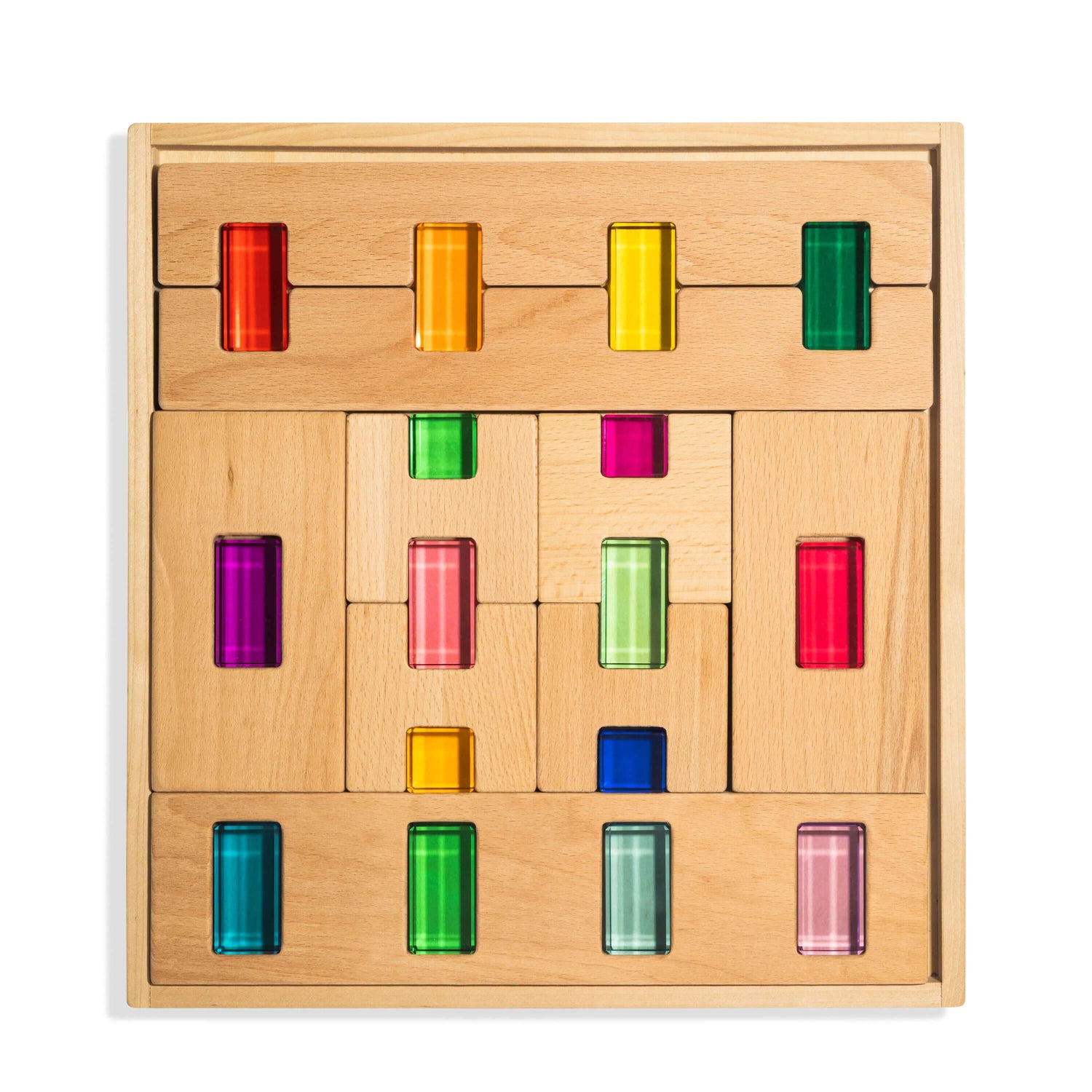
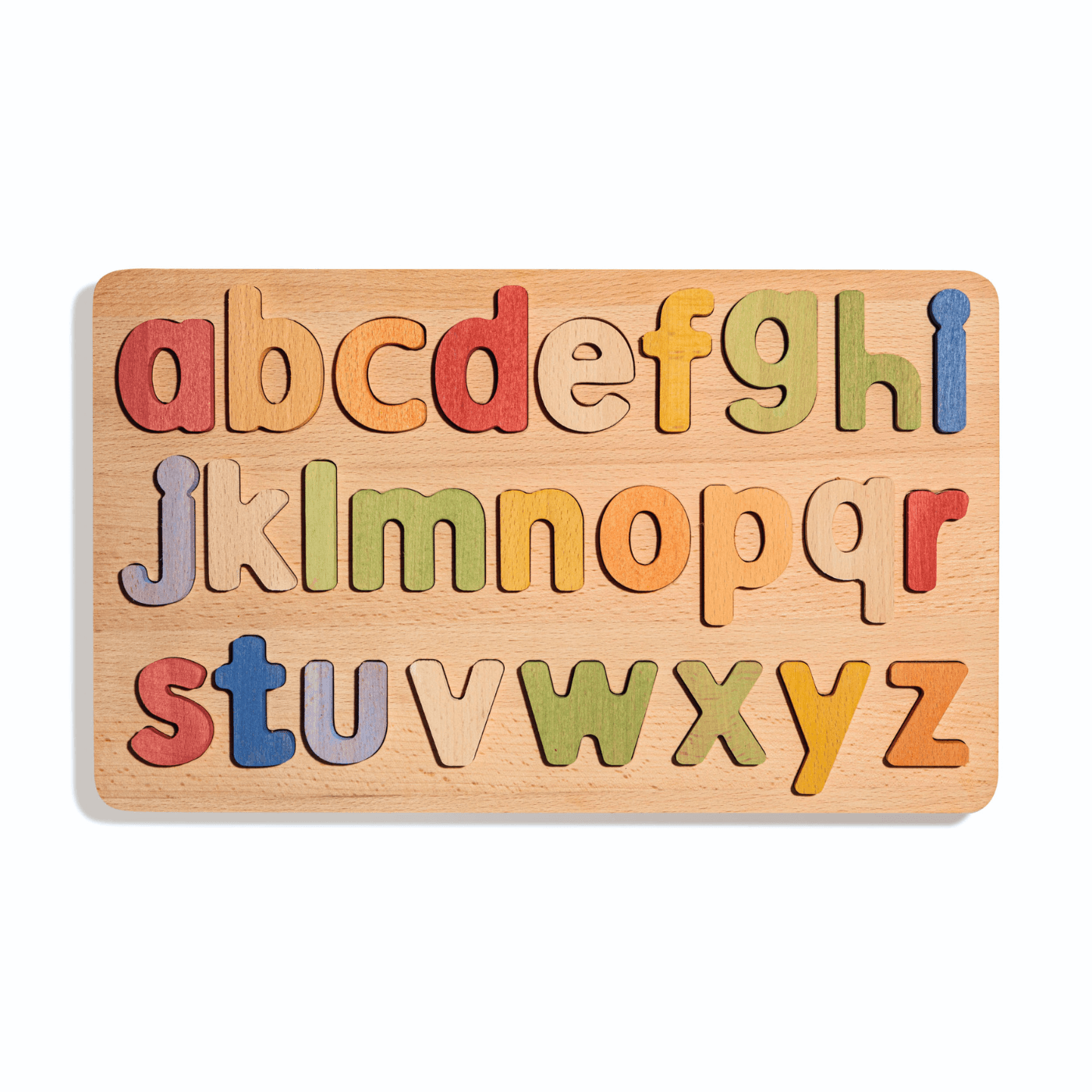
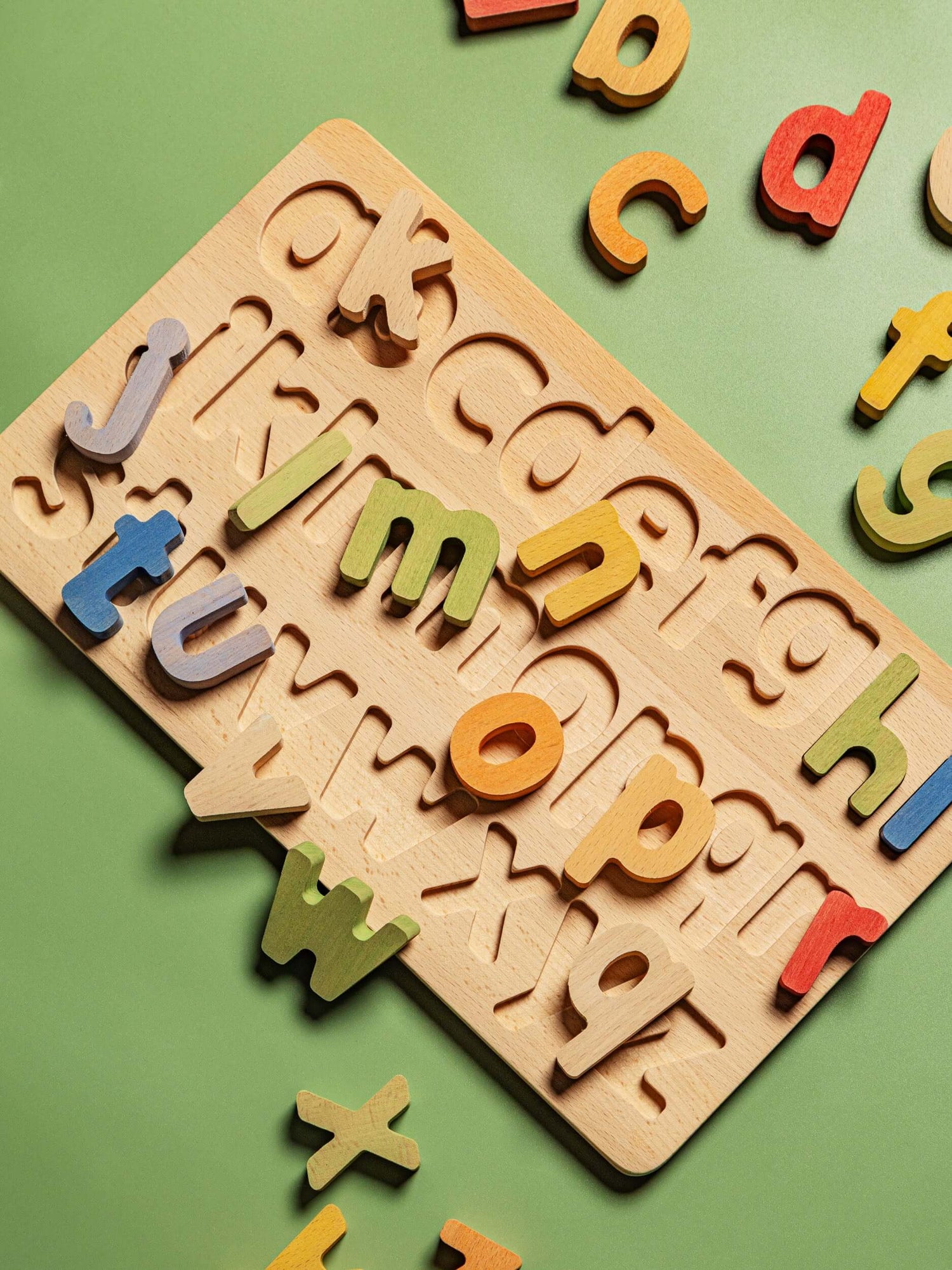
Open-ended building, drawing, small world play. When children are given space to create, like in Small World Play, they invent storylines and learn independence.
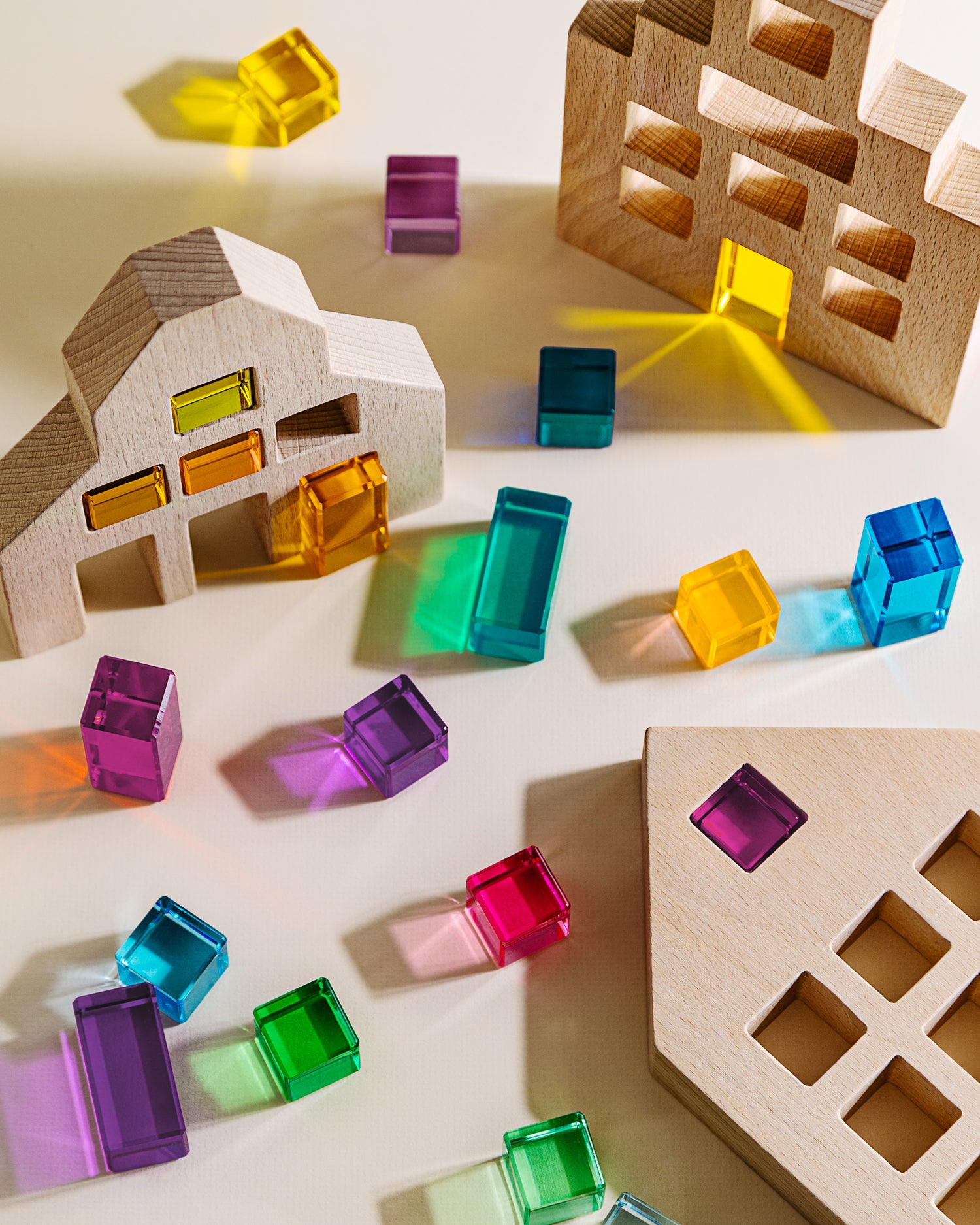
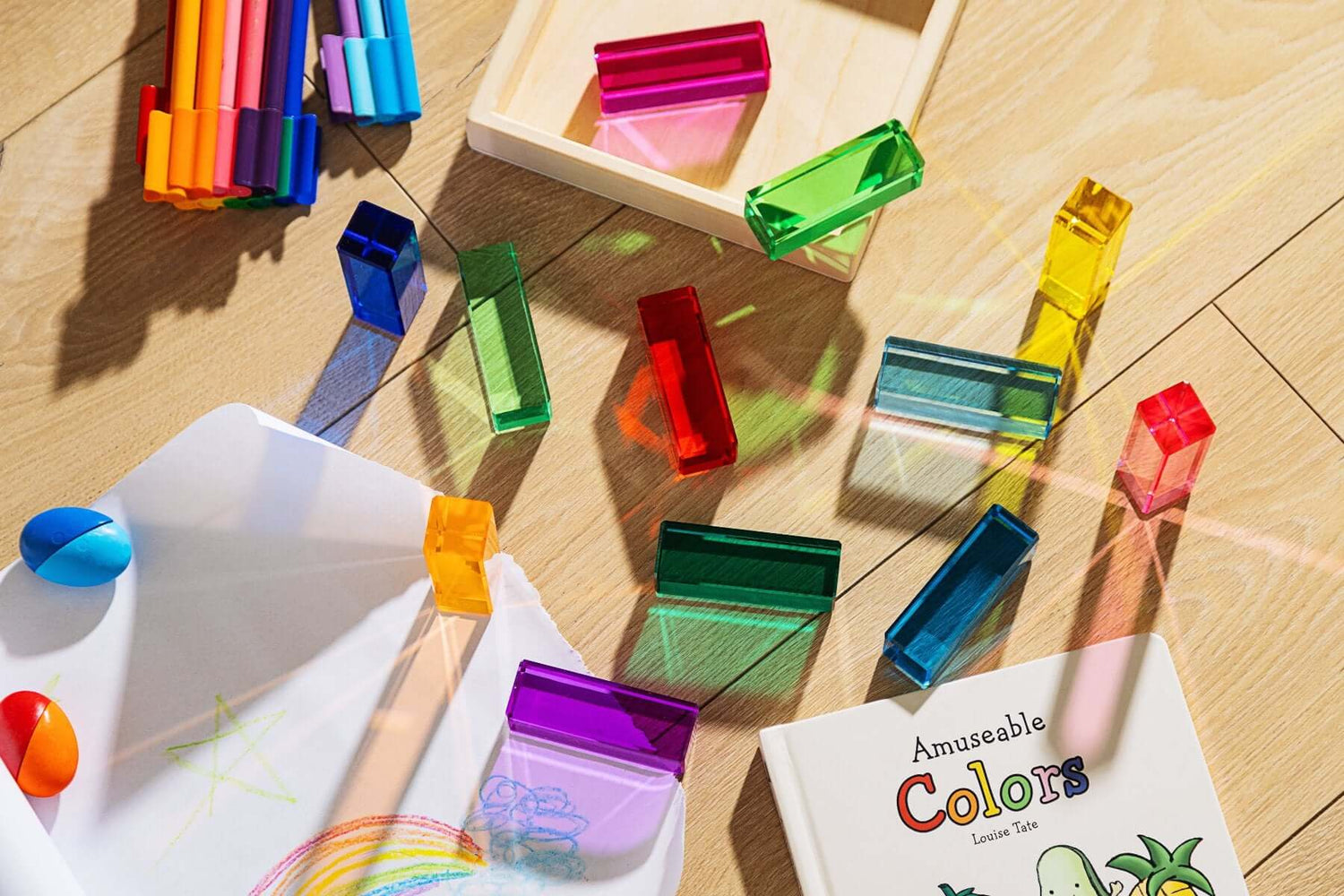
Afternoon: Outdoor or Light-Based Exploration
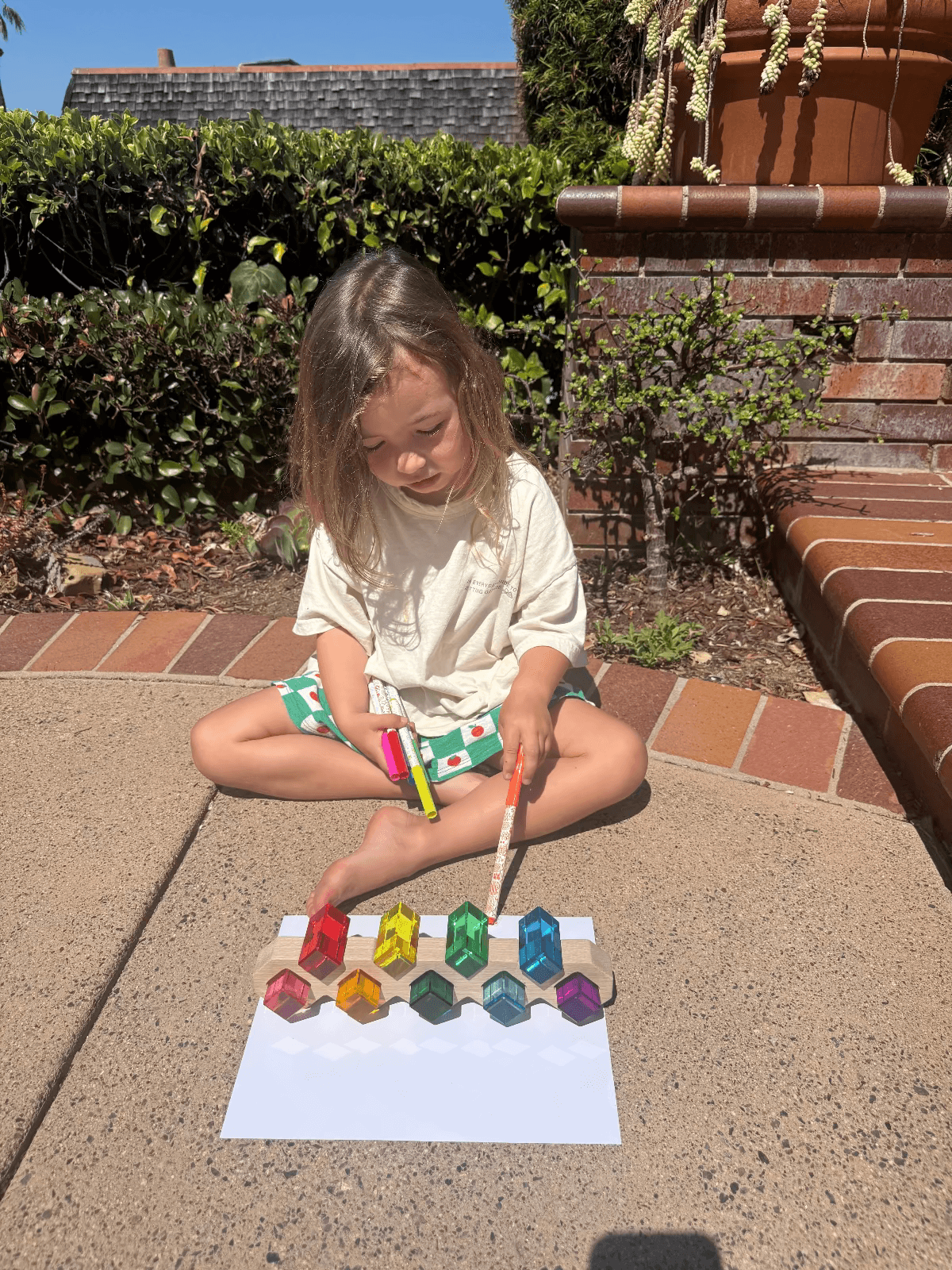
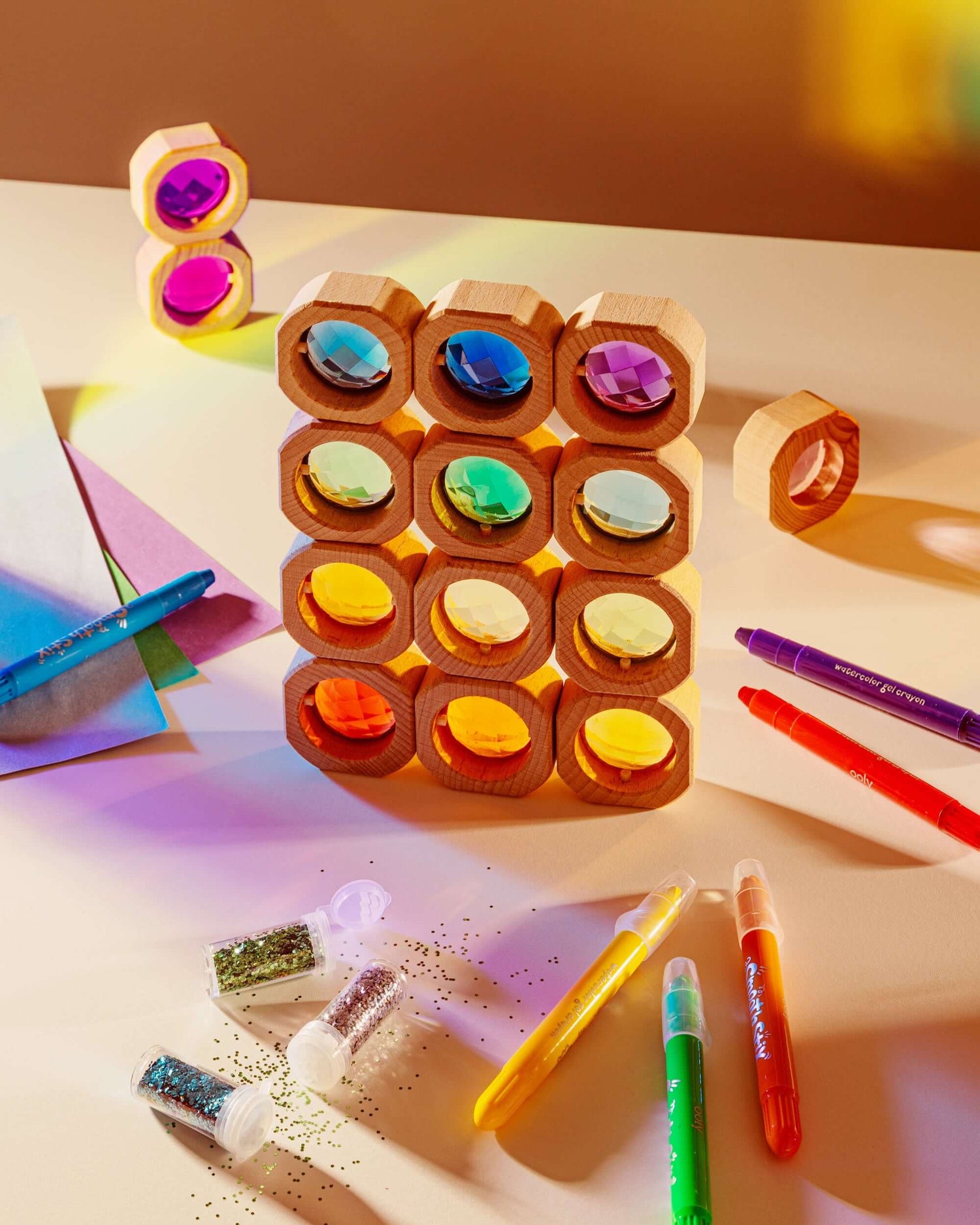
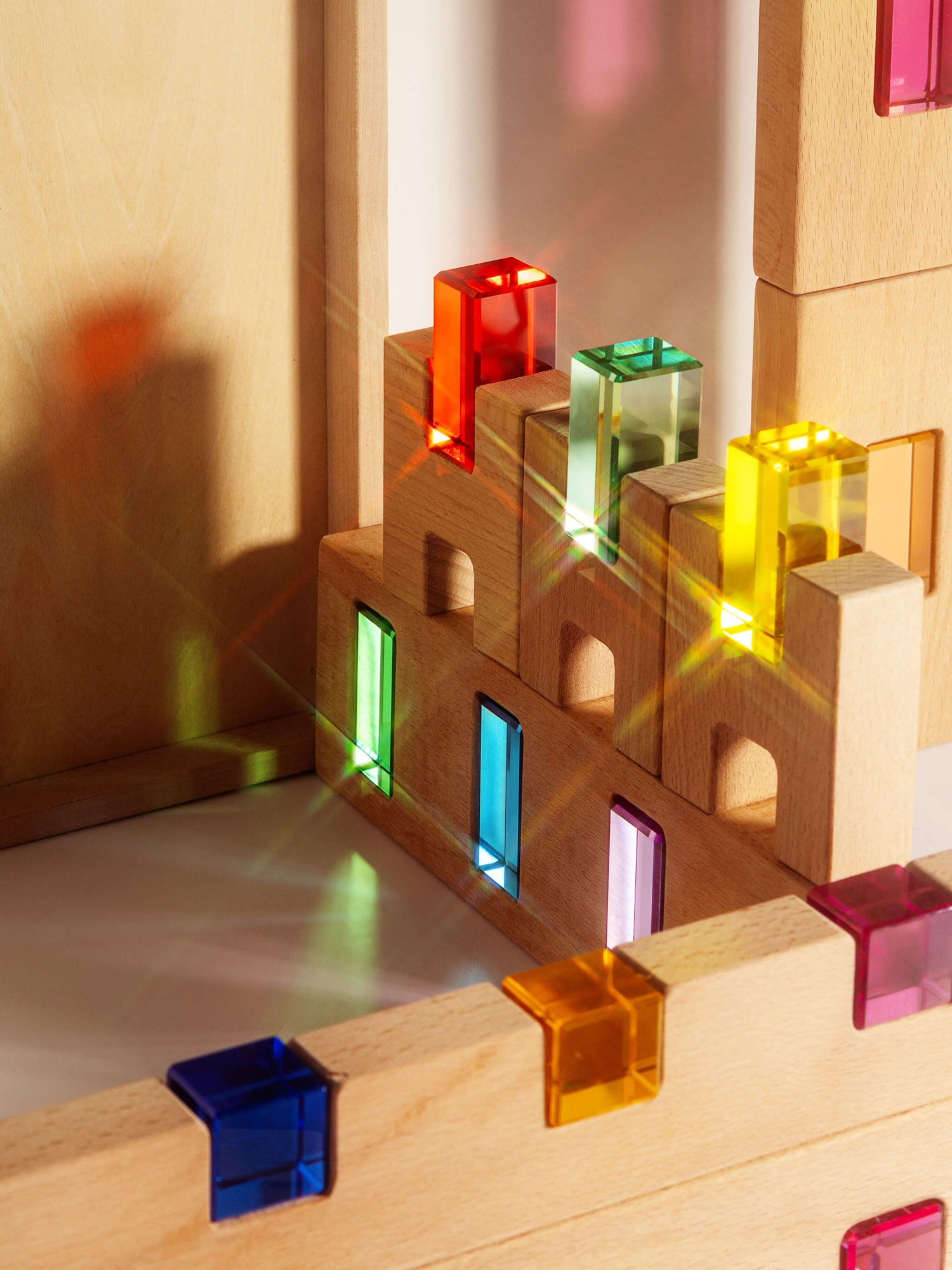
Shadow play, sensory activities, movement.
Evening: Calm Creative Play
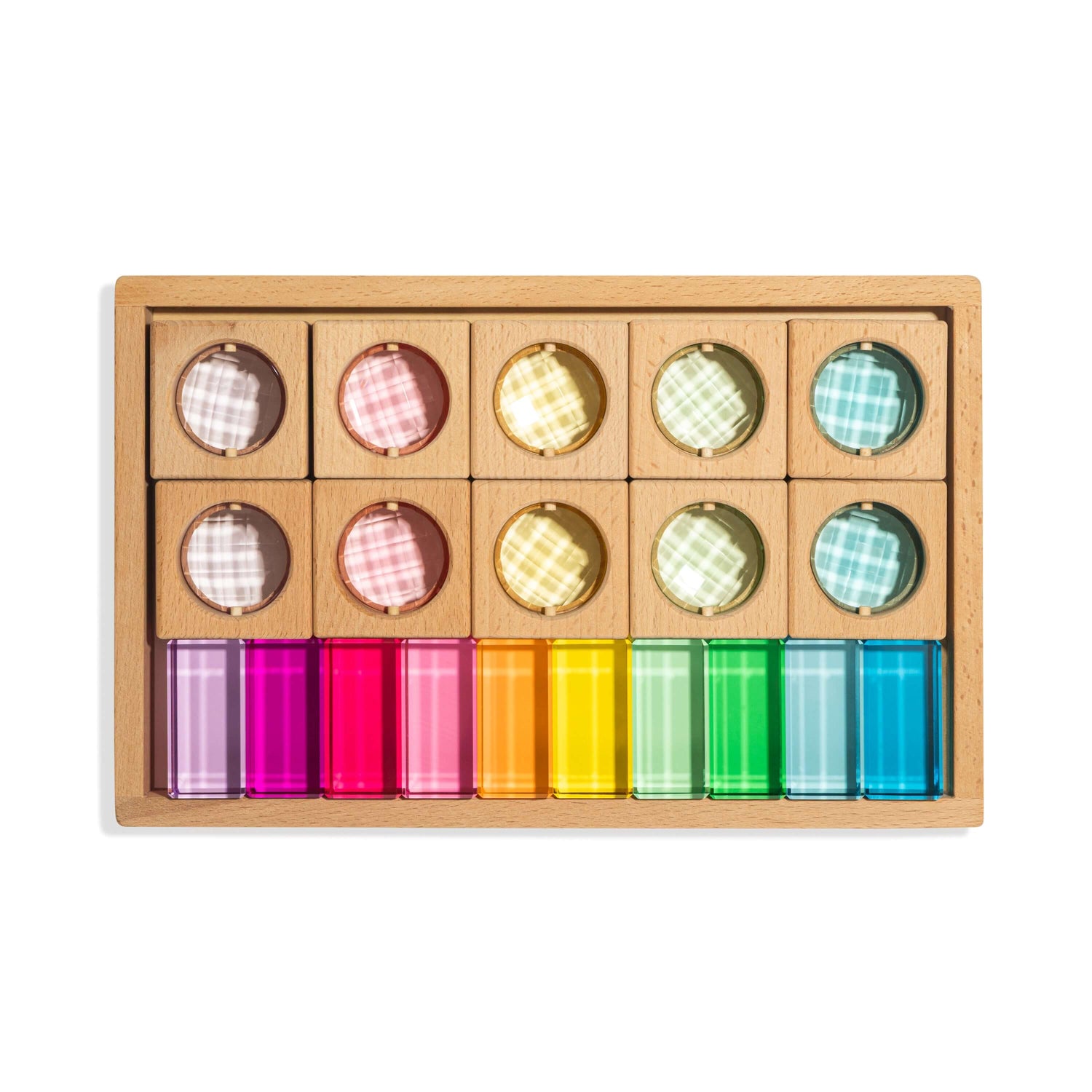
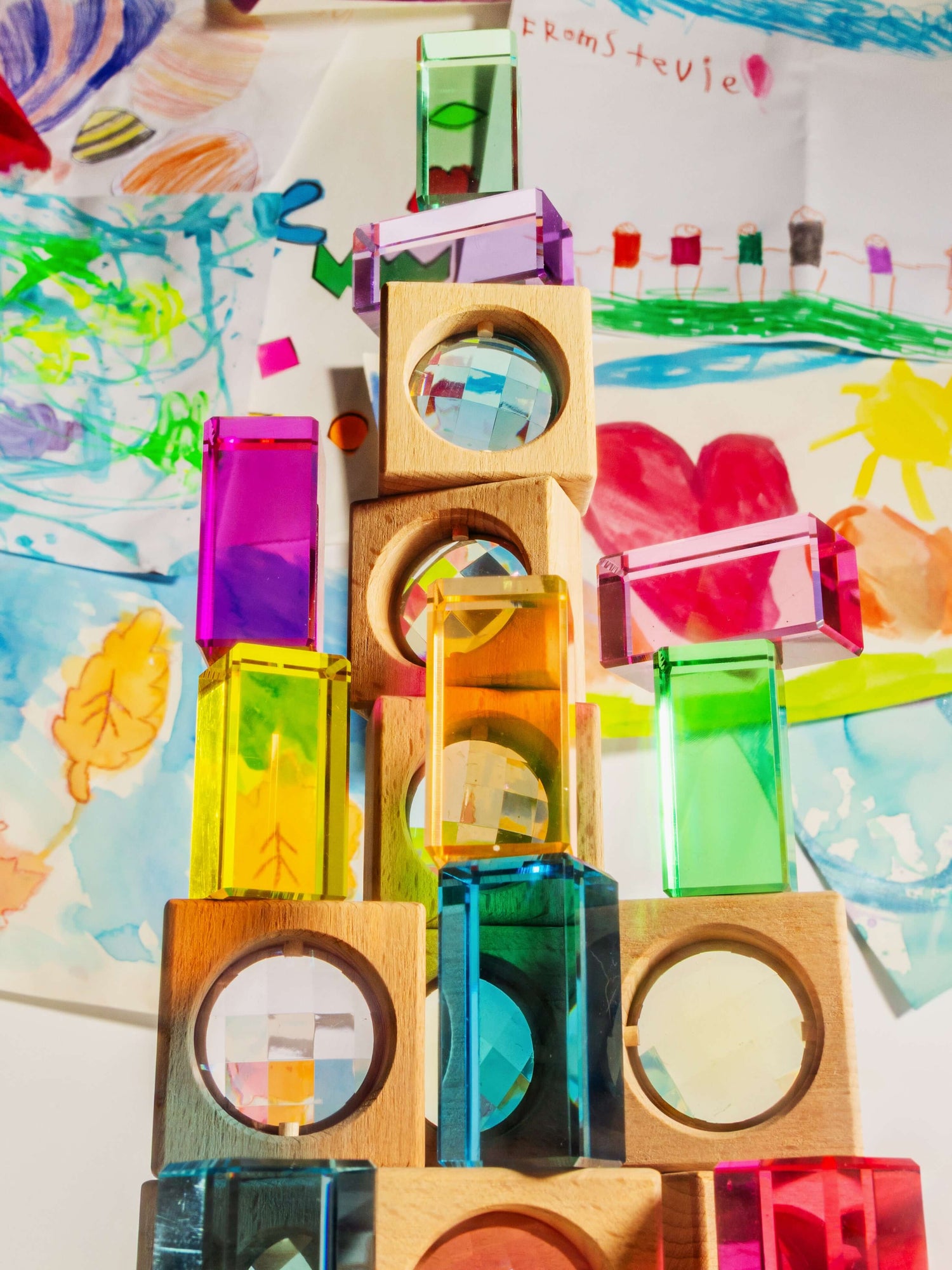
Reading, storytelling, gentle light exploration.
Screens become intentional — not default.
Why Open-Ended Materials Help
When toys do only one thing, children tire quickly.
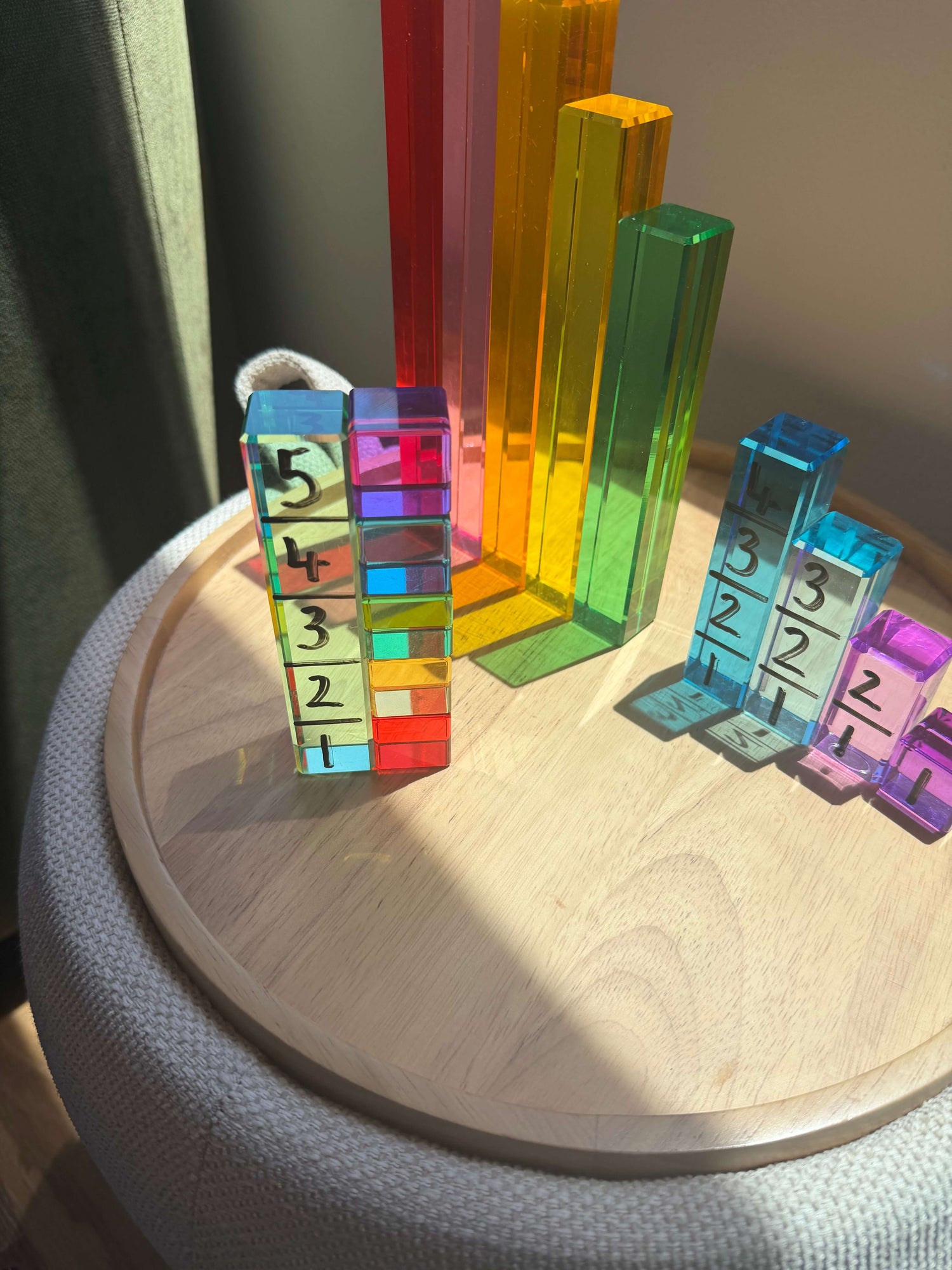
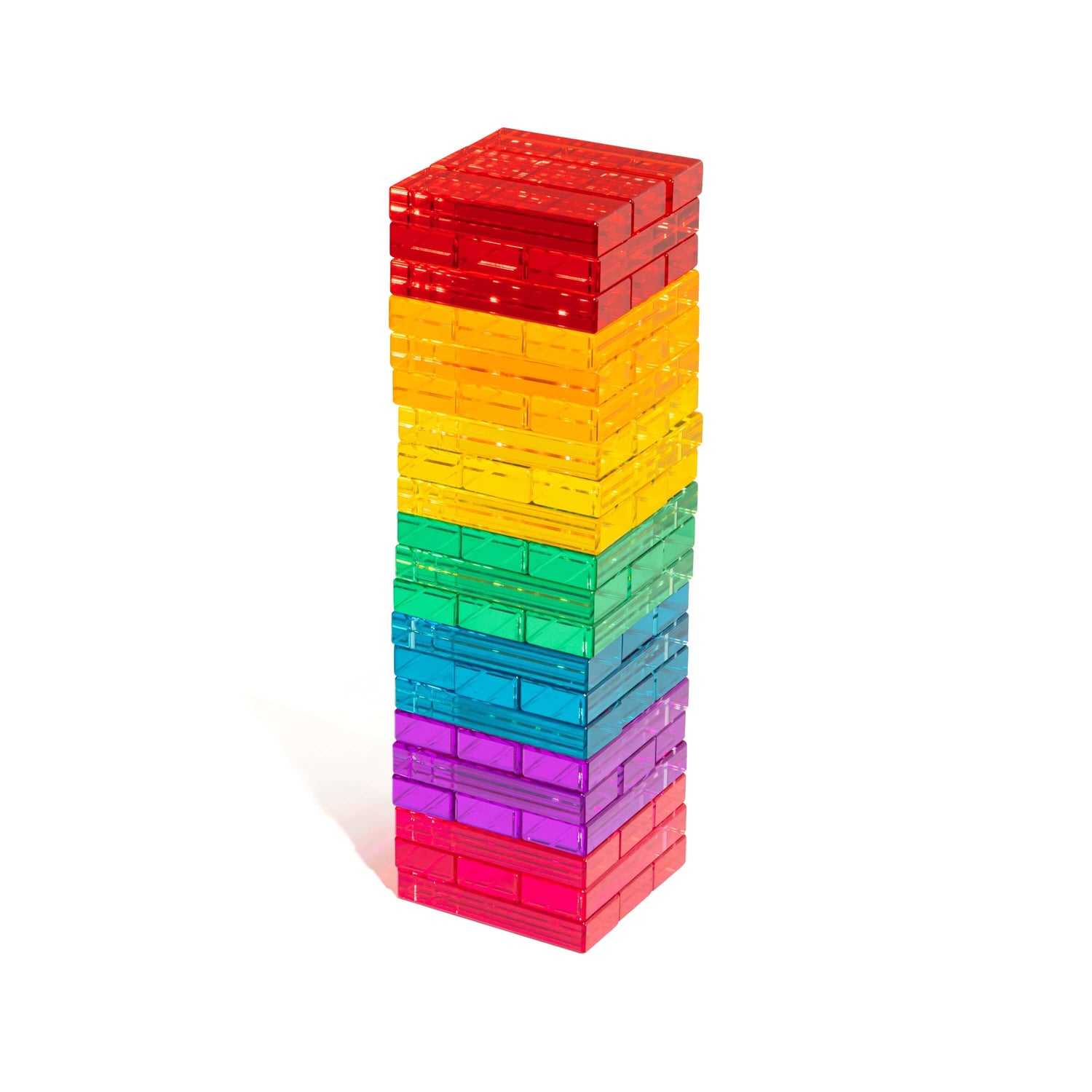
When materials can become many things, engagement deepens.
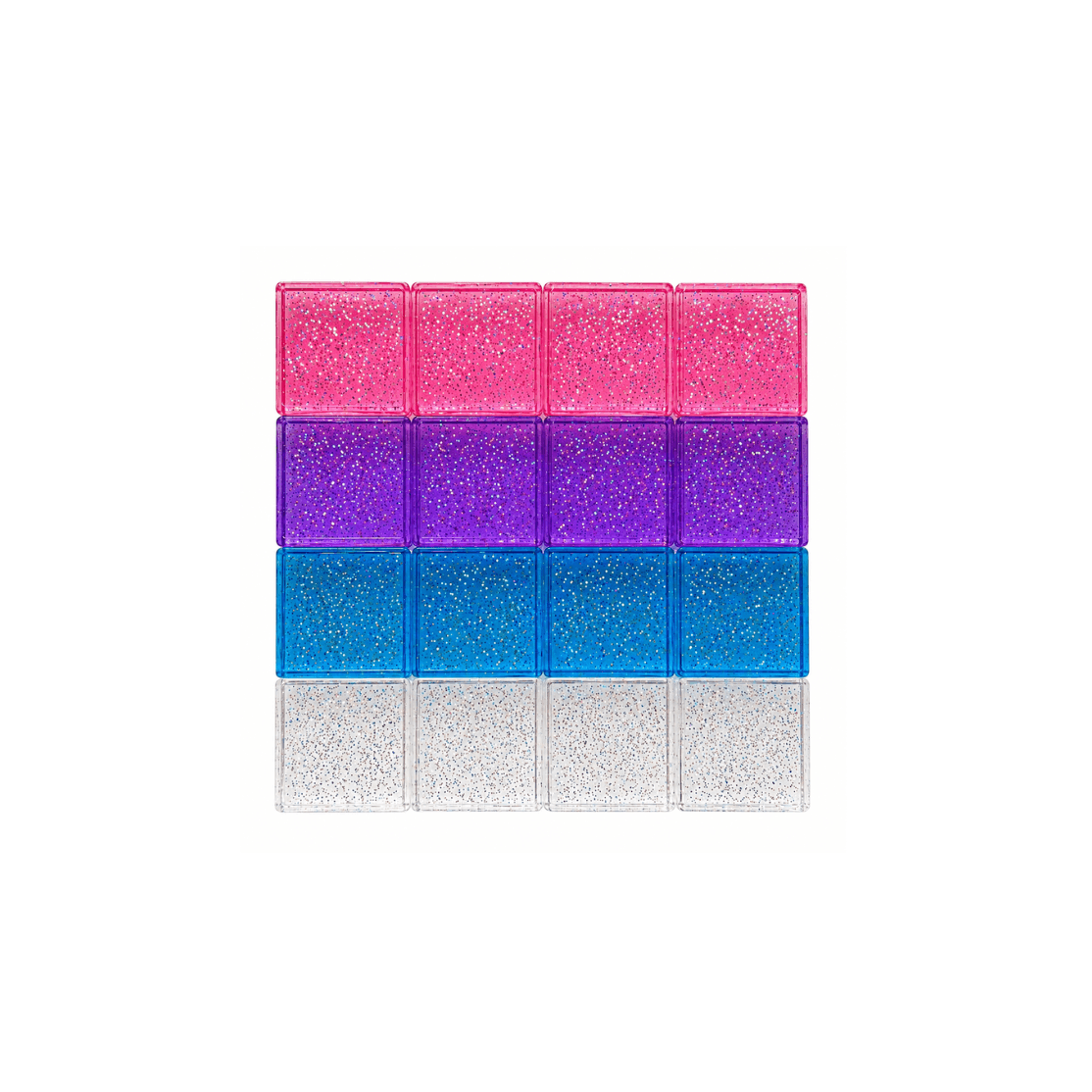
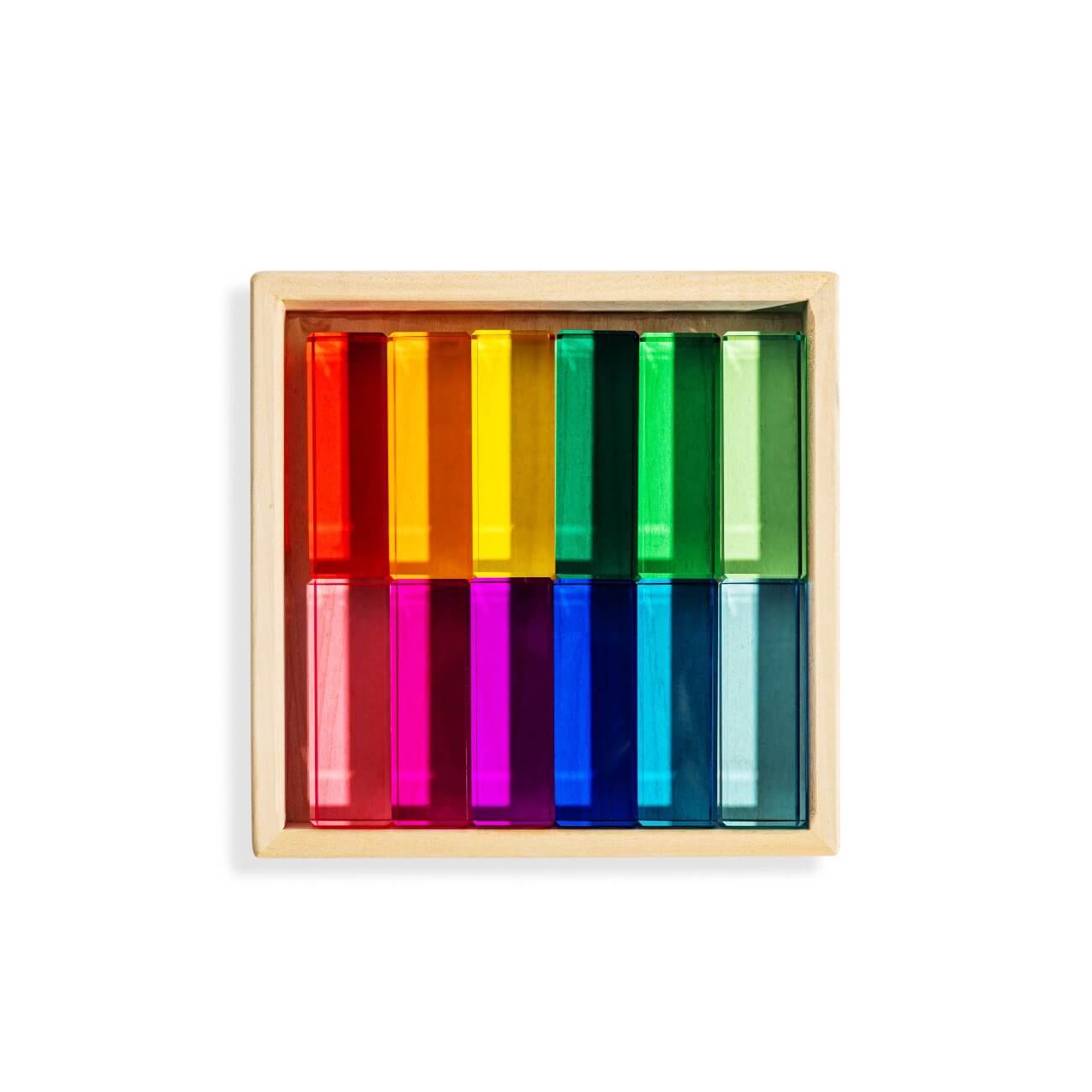
Blocks become:
Cities
Food
Characters
Story prompts
This flexibility sustains longer play sessions.
Transitioning Away from Screens
When reducing screen time:
• Replace — don’t just remove
• Sit nearby at first
• Model engagement
• Expect adjustment time
The goal is not elimination.
It’s balance.
The Bigger Picture
Screen-free time supports:
Attention span
Emotional regulation
Creativity
Problem-solving
The more children practice directing their own play, the less they rely on external stimulation. You can read more about how fewer toys can intentionally create deeper play here.








0 comments