
Introduction
Why boredom is good for kids might seem like a surprising idea in a world where parents often feel pressure to keep children constantly entertained. Yet moments of boredom can actually play an important role in childhood development. When children are given time without structured entertainment, their minds begin searching for new ideas, games, and ways to explore the world around them.
Research shows that boredom can encourage creativity, problem-solving, and independent thinking. When children must invent their own activities, they often begin building, imagining stories, drawing, or exploring their surroundings in new ways. In this way, boredom becomes the starting point for deeper play and learning.
Instead of immediately solving boredom for children, parents can learn to view it as a signal that creativity is about to begin.
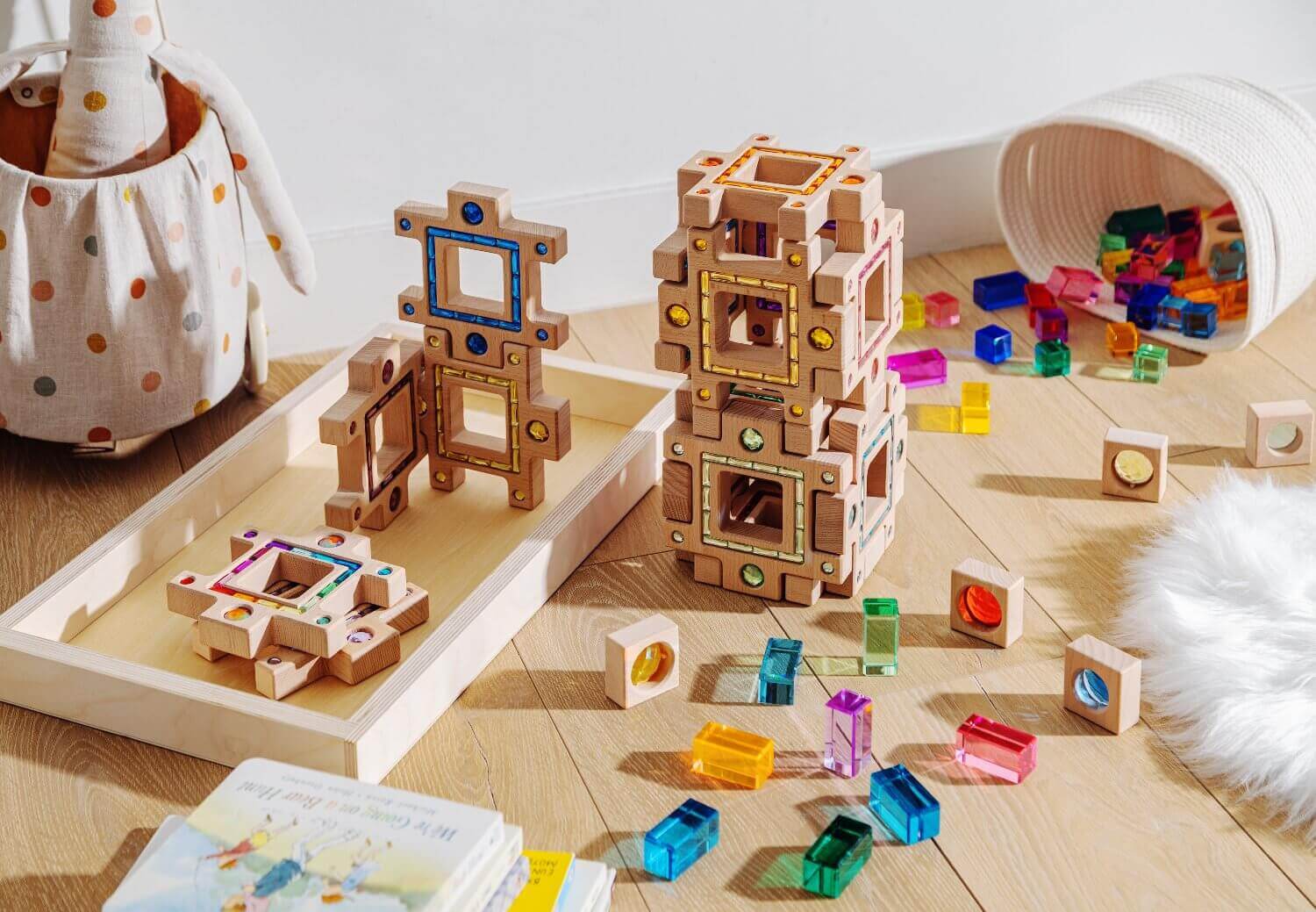
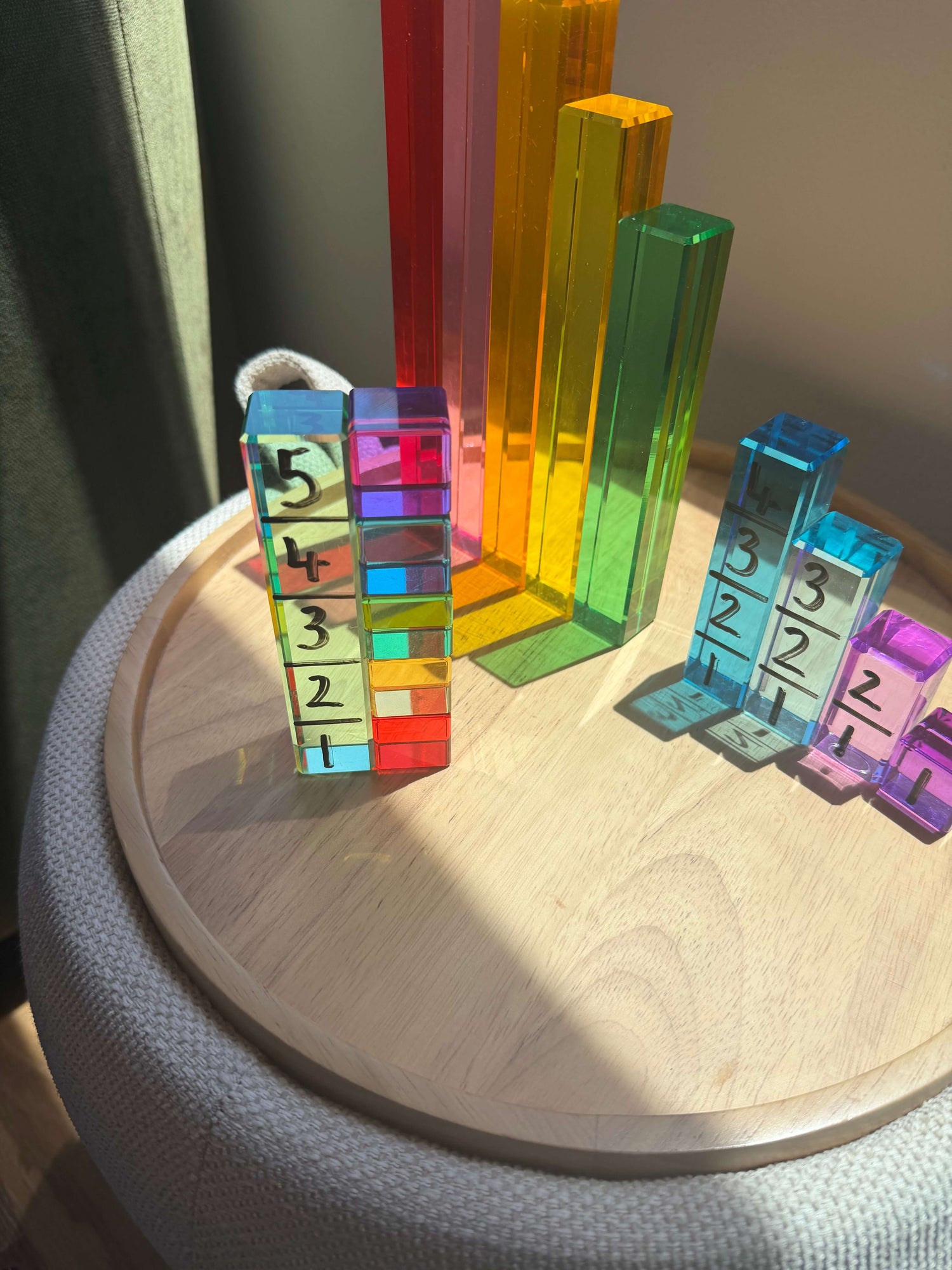
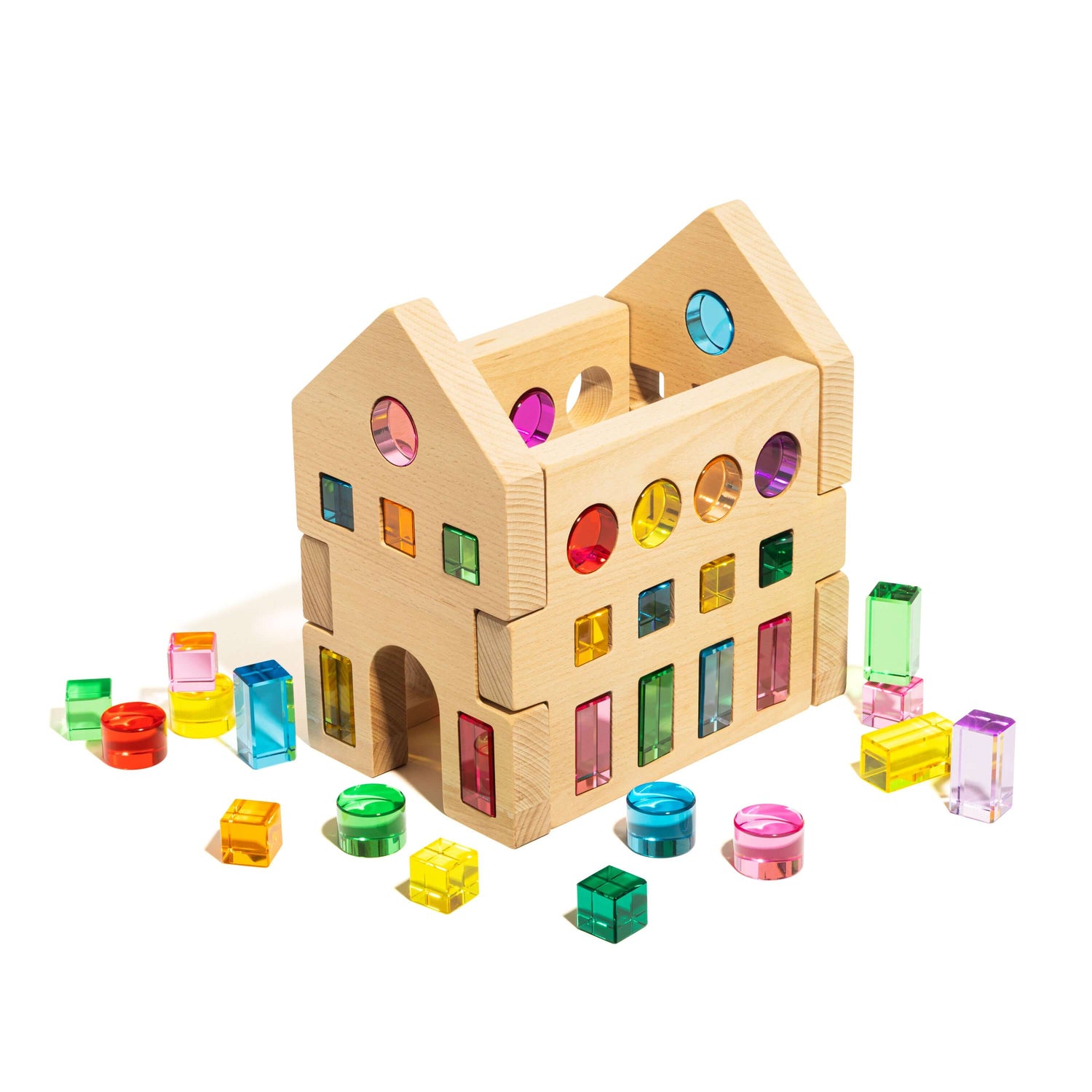
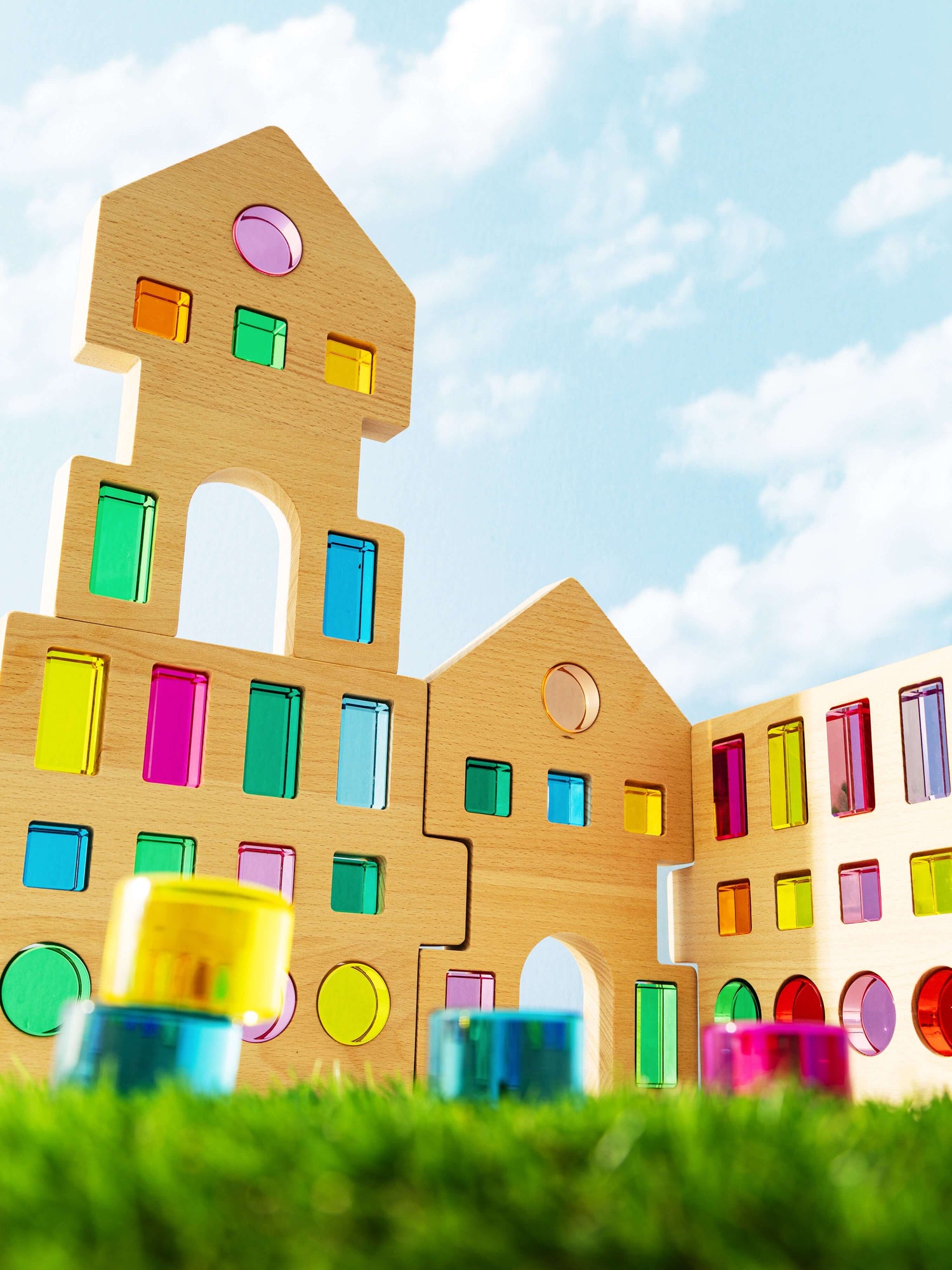
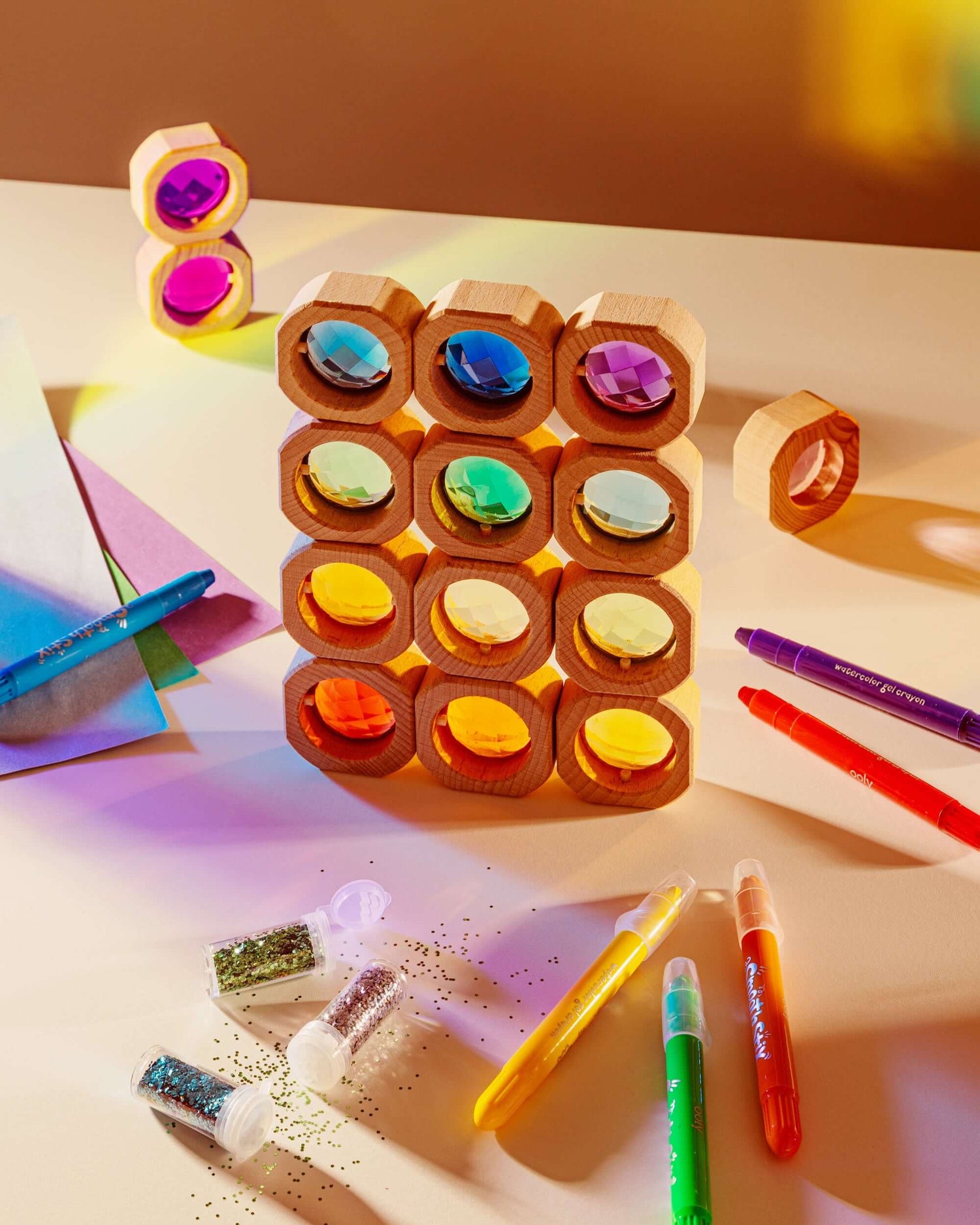
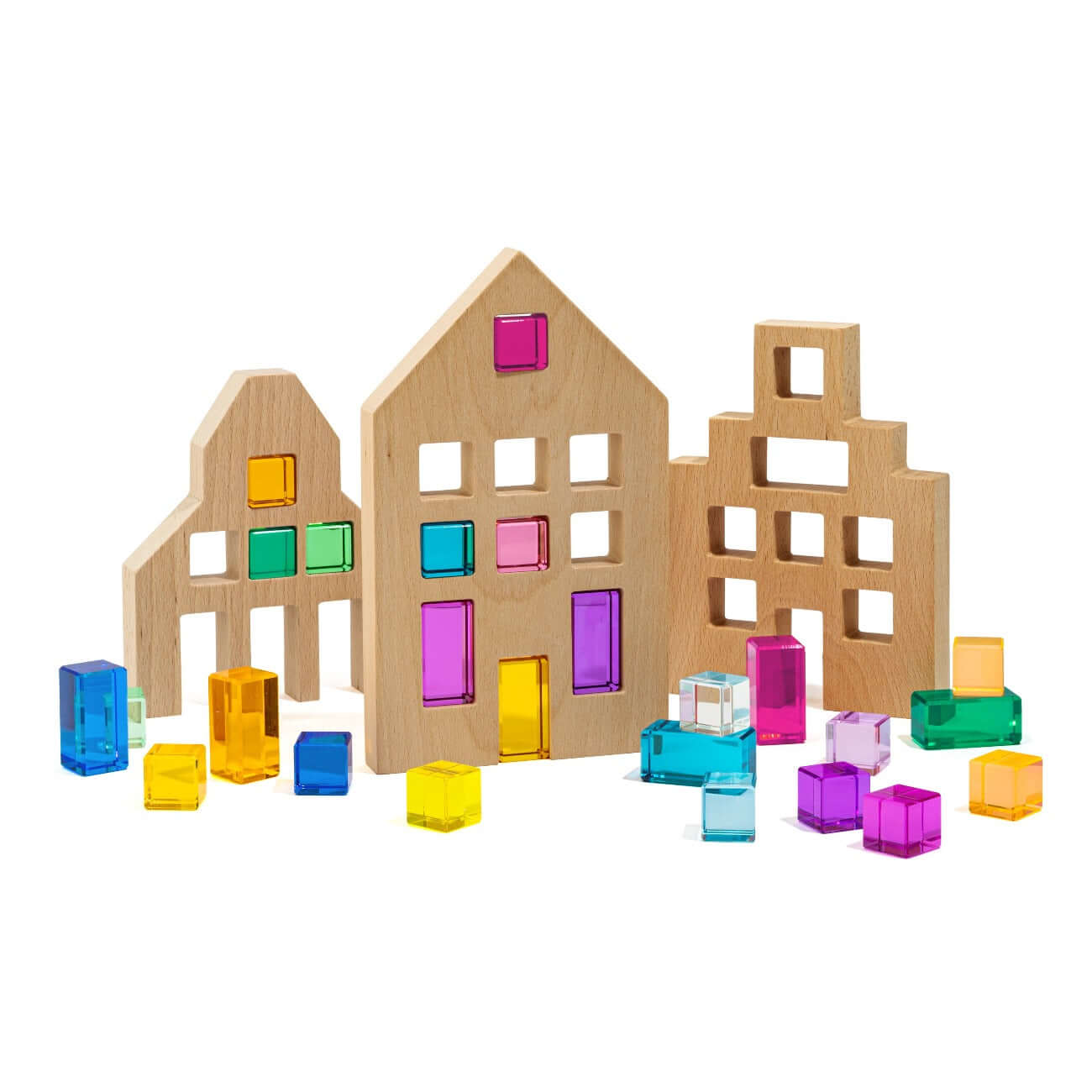
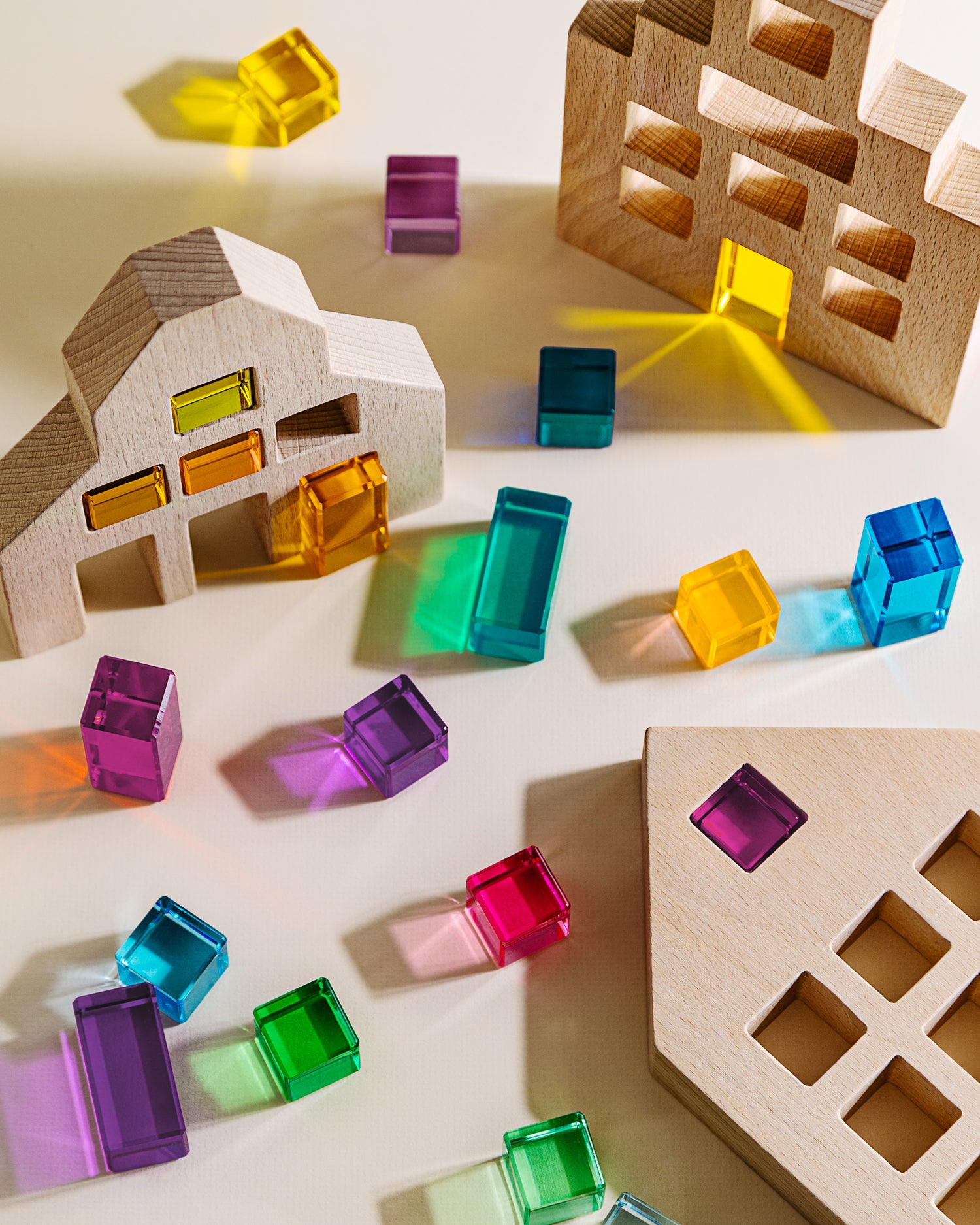
When children are not constantly entertained, something powerful happens: they begin to generate ideas of their own. When children are given space to create, like in Small World Play, they invent storylines and learn independence.
What Boredom Really Is
Boredom isn’t a lack of activity.
It’s a pause between stimulation and creativity.
When children say they’re bored, they’re often experiencing:
A desire for autonomy
A transition moment
An opportunity to create
If we immediately fill that space, we interrupt the creative process.
Why Boredom Supports Development
Creativity
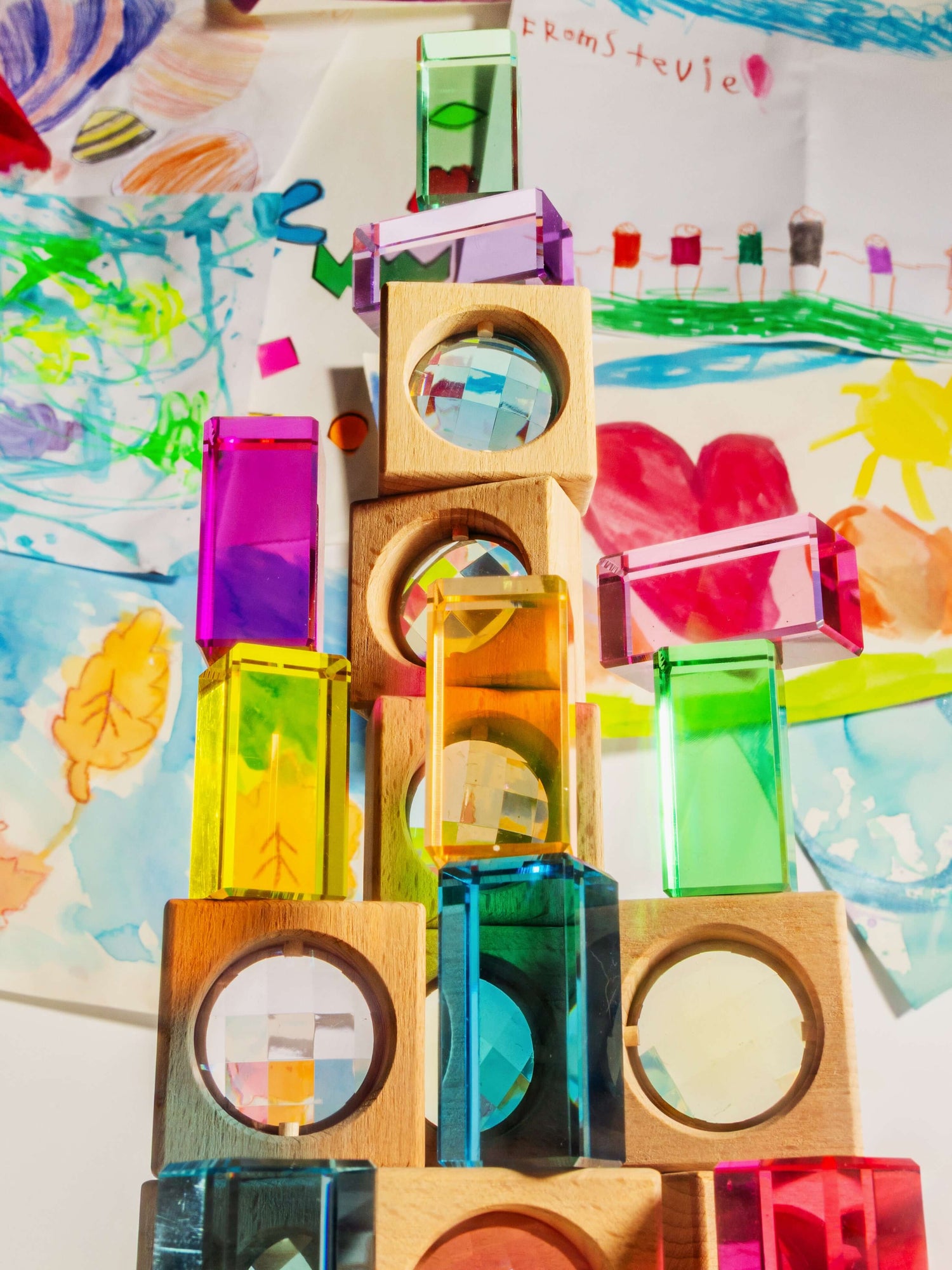
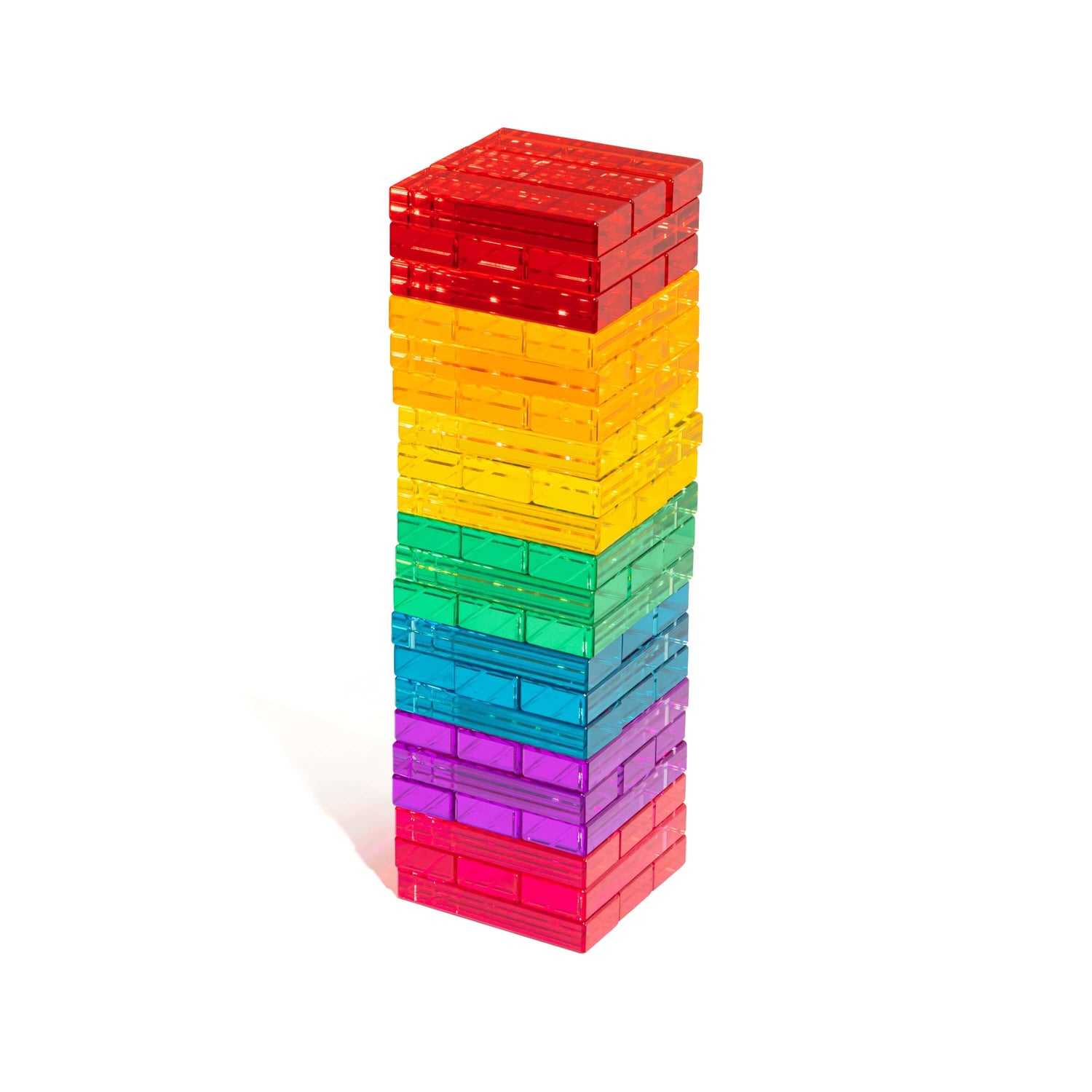
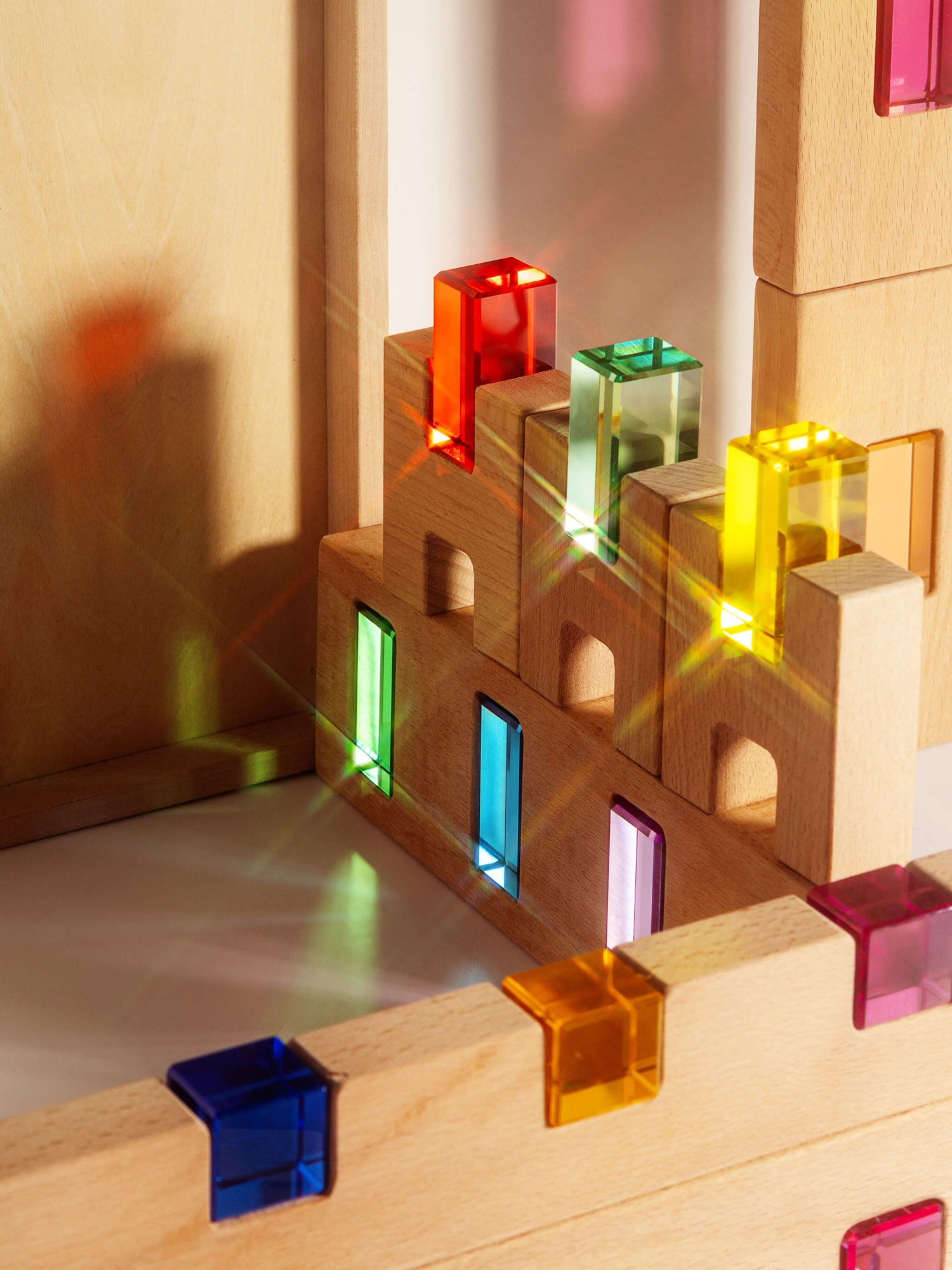
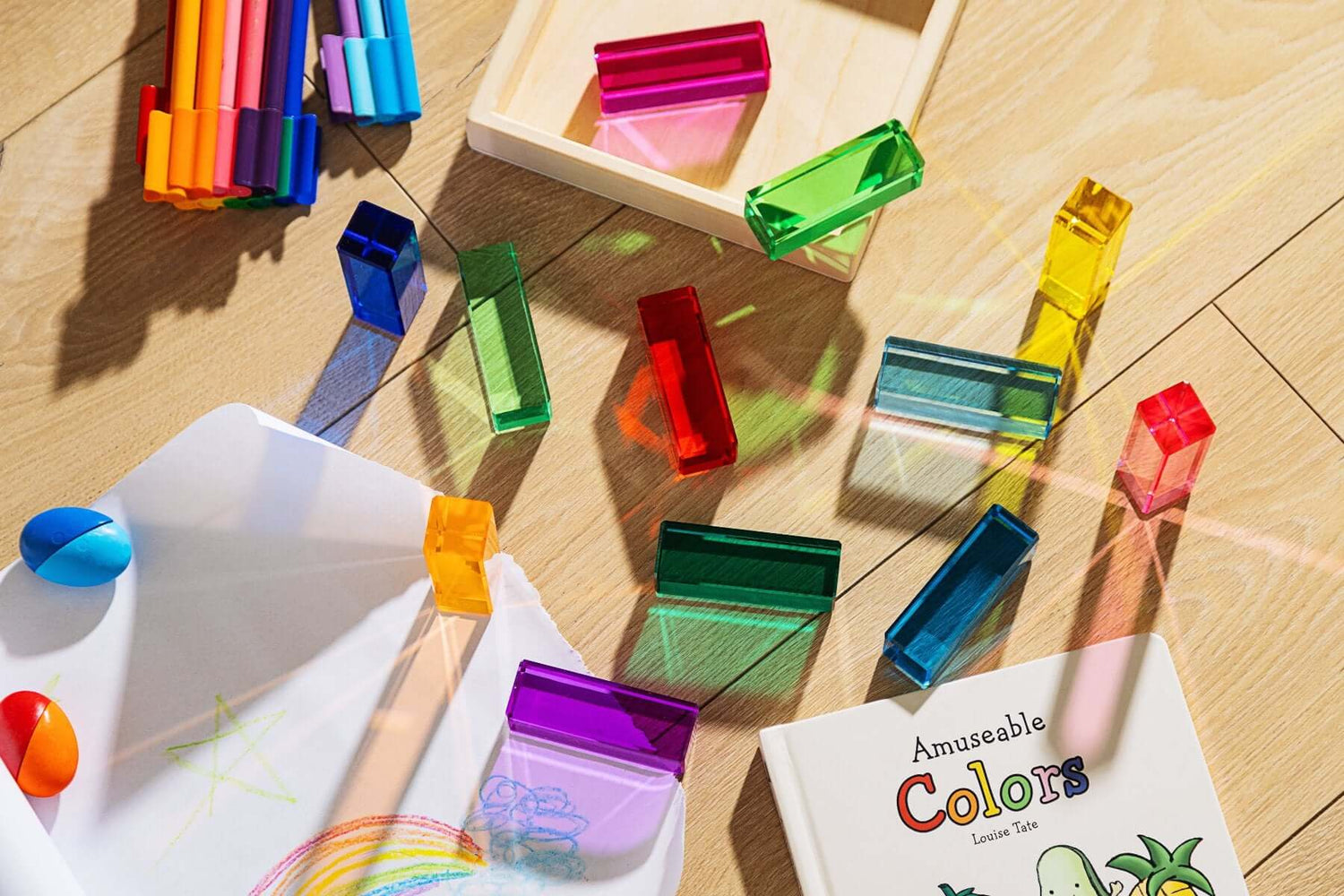
Without instructions or structure, children invent games, build worlds, and assign new meaning to objects.
A block becomes a castle.
Then a road.
Then a treasure chest.
Imagination thrives in empty space.
Problem-Solving
When children must decide what to do next, they practice:
Decision making
Planning
Self-direction
These are executive function skills that support long-term learning.
Emotional Regulation
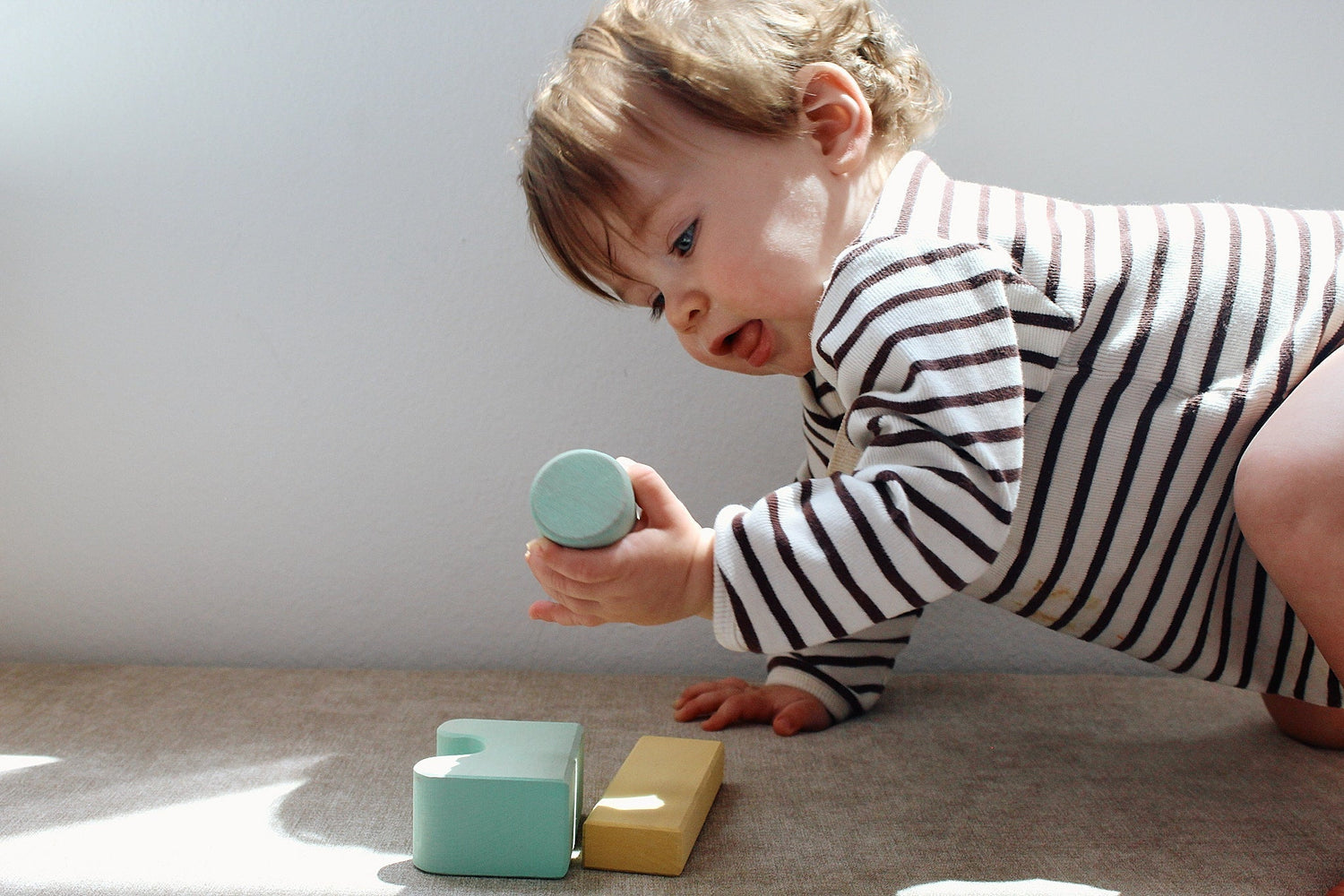
Moments of boredom can initially bring discomfort.
Working through that discomfort builds patience and resilience.
Children learn that not every moment needs to be filled.
What to Do When Your Child Says “I’m Bored”
Instead of solving it, try responding with:
“I wonder what you’ll think of.”
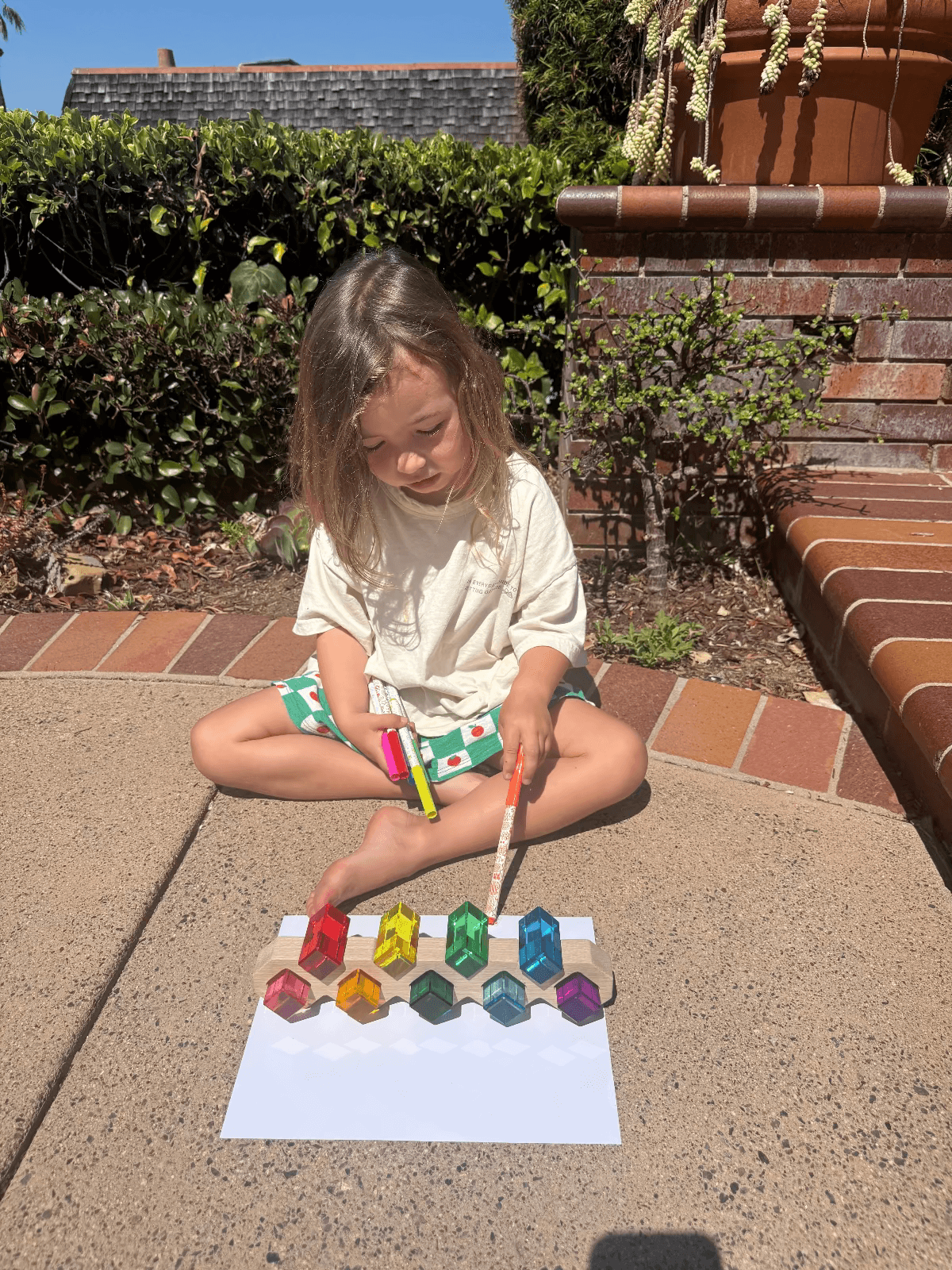
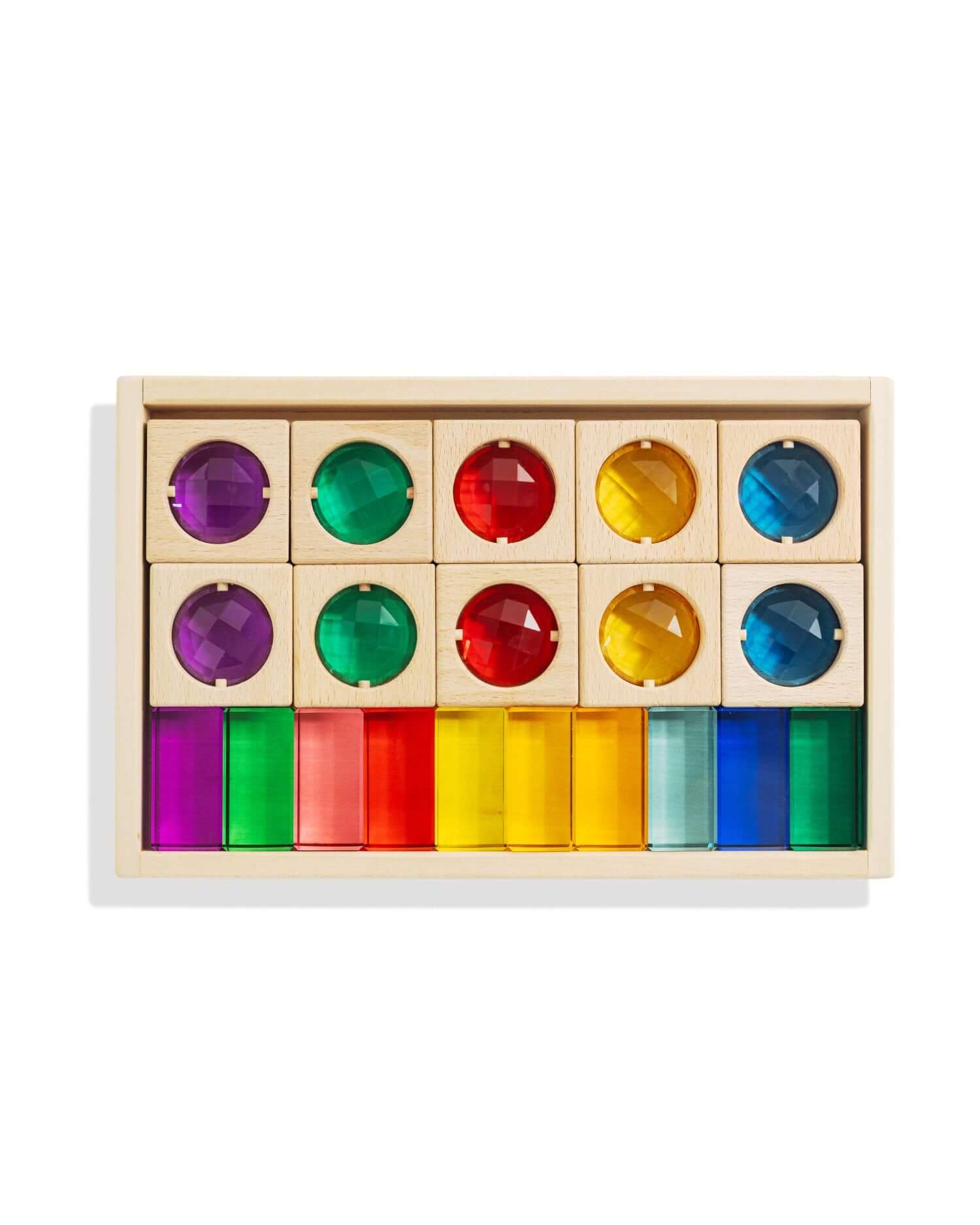
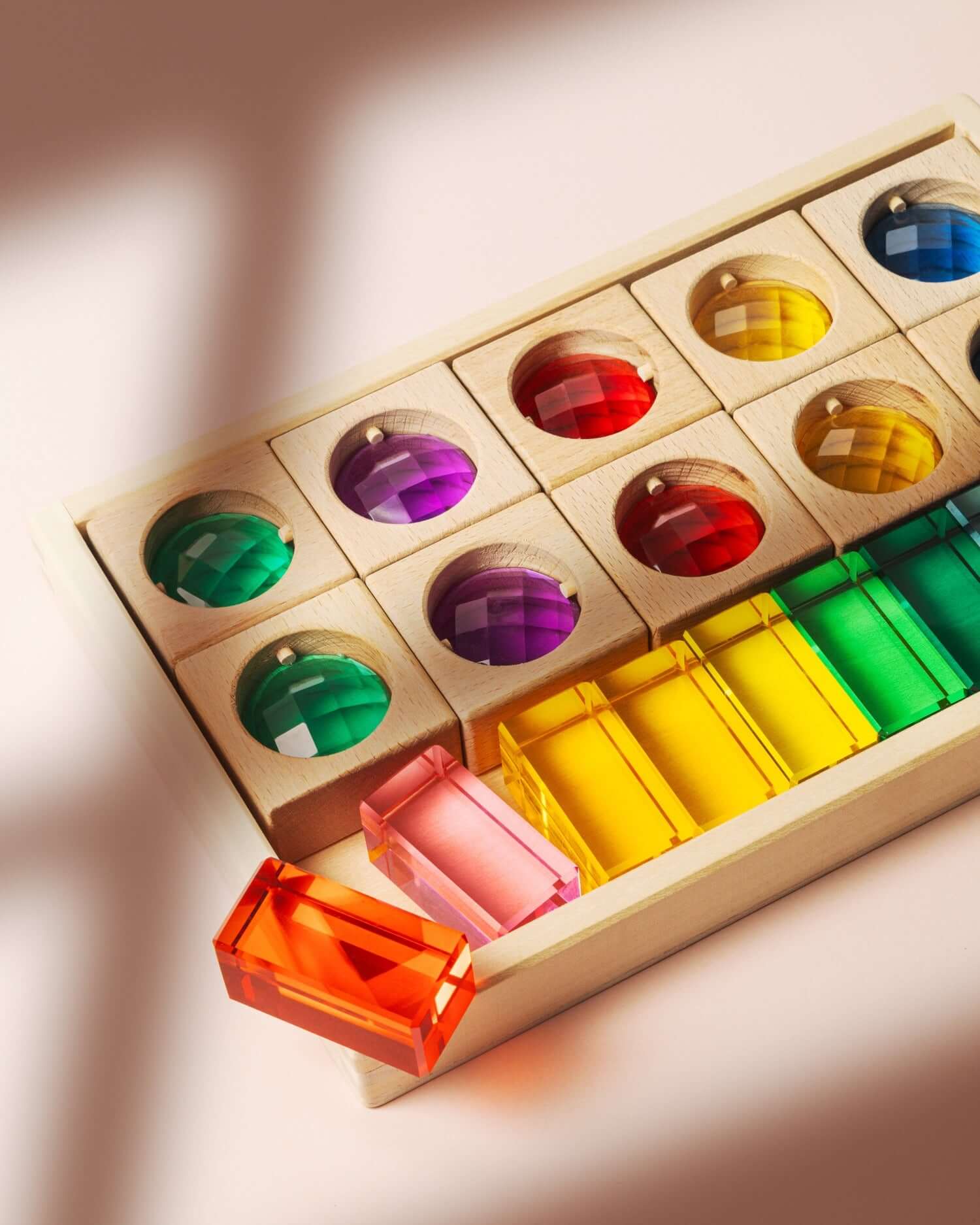
“You have so many materials to explore.”
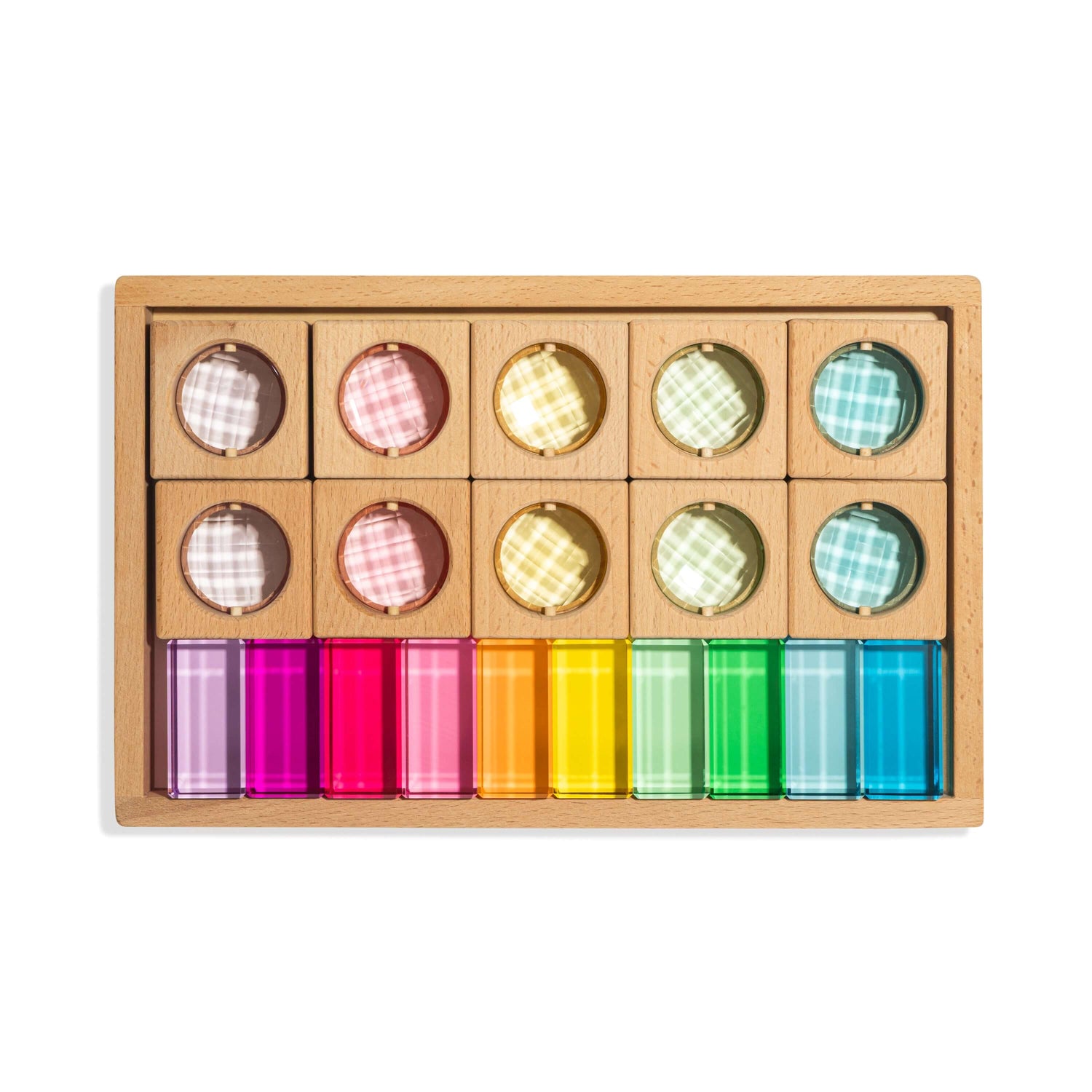
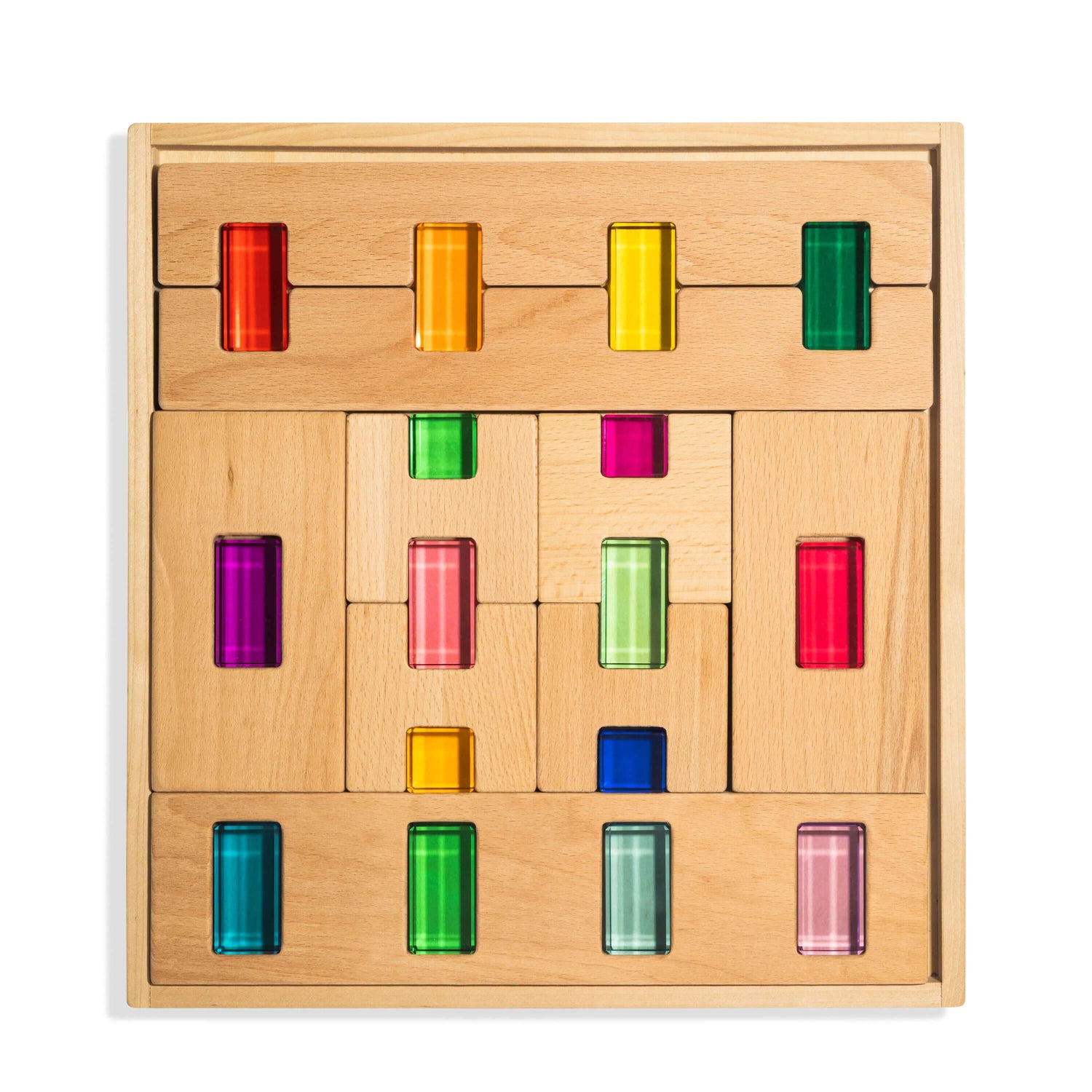
“What could these blocks become today?”
Offer presence, not solutions.
Creating an Environment That Supports Independent Play
Children need:
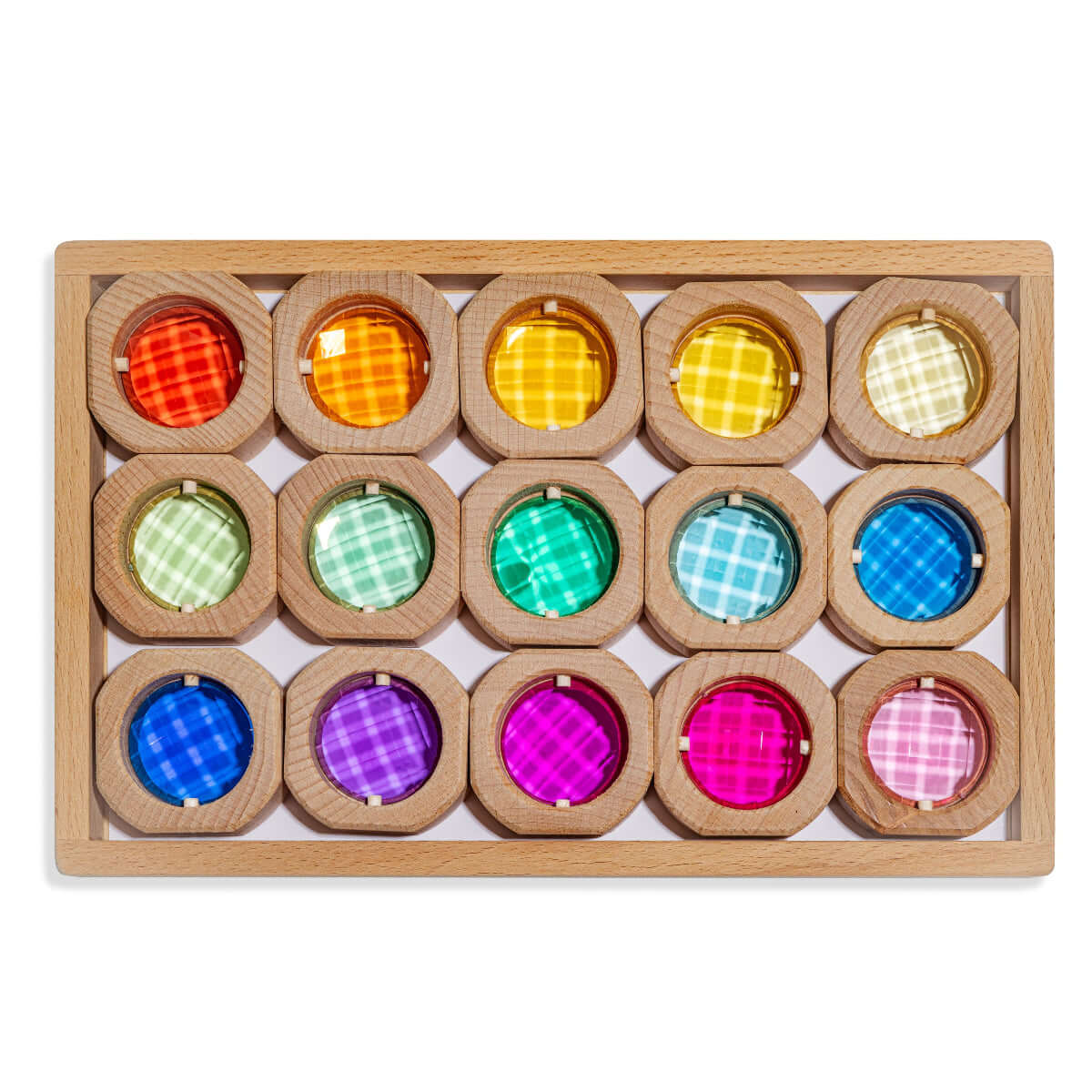
• Open-ended materials
• Accessible play spaces
• Time without interruptions
• Fewer structured activities
When materials don’t dictate one outcome, children take the lead. This is one of the many benefits we cover in our journal on Open-ended toys.
The Long-Term Impact
Children who experience unstructured play:
Develop stronger creativity
Show more independence
Engage more deeply in learning
Boredom is not a problem.
It is a beginning.








0 comments