


Parents Guide to Play | Play & Parenting Journal

Stacking Towers vs. Rainbow Stackers: Which Is Right for Your Child's Age?
Stacking towers and rainbow stackers build different skills at different ages. This age-by-age guide helps parents choose the right toy for their child's developmental stage, grounded in early childhood education expertise and current research.

How Sensory Gems Support Early Development
Unlock the secrets of how sensory gems support early development in toddlers! Through playful sorting and stacking, your child engages multiple senses, accelerating math and language skills. Dive into research-backed insights and practical caregiver prompts to enhance your child's learning today!

Best Toys for 3 Year Olds That Encourage Creativity & Independent Play
The best toys for 3 year olds don’t need to be loud or complicated—just thoughtfully designed to grow with your child.
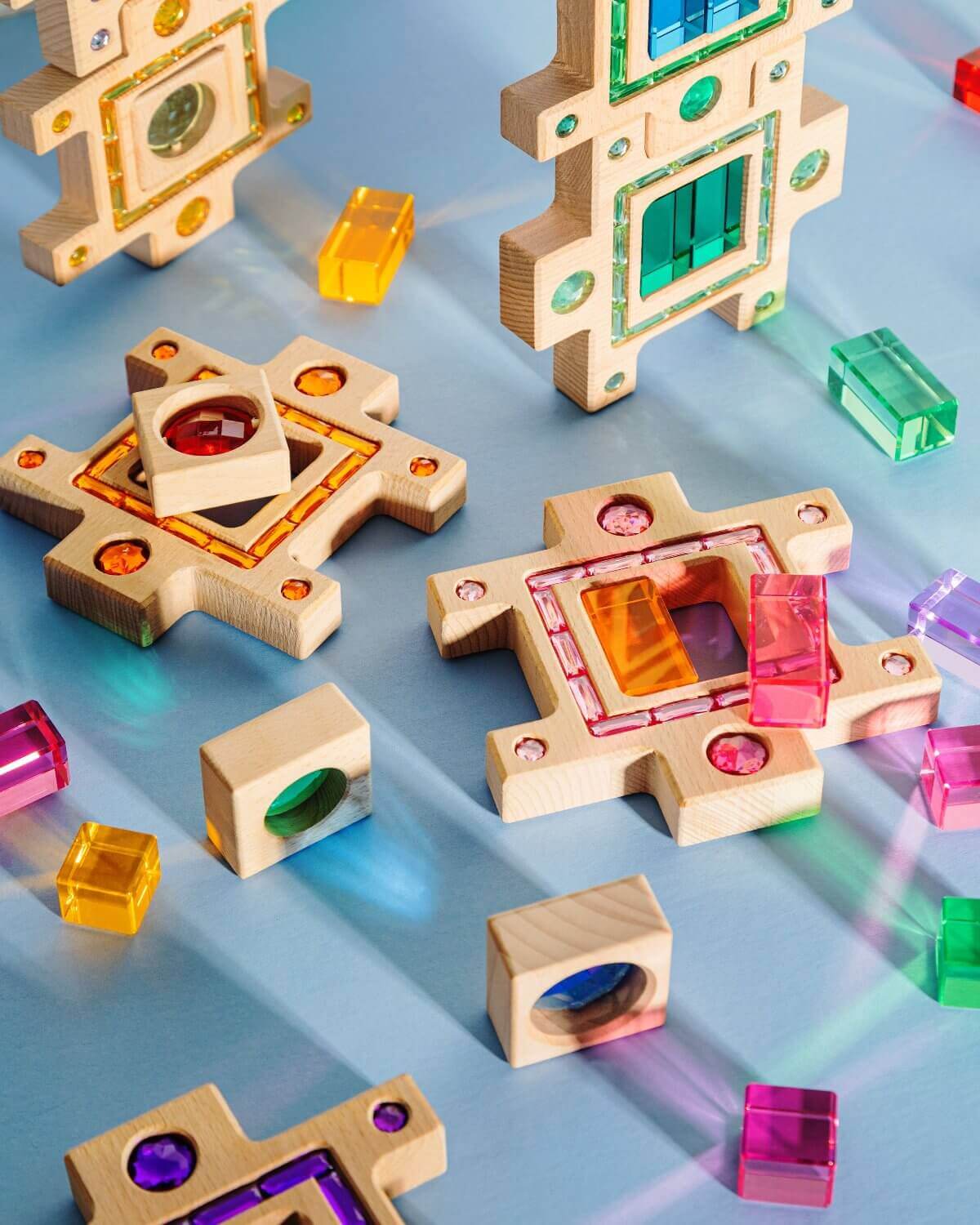
Open-Ended Play Benefits: Why Fewer Toys Lead to Better Learning
Discover the true open-ended play benefits and why simplifying your child’s toys can lead to deeper, more meaningful learning.

Open-Ended Play Activities for Kids
Open-ended play activities encourage creativity, problem-solving, and learning through exploration. Discover simple activity ideas that inspire imaginative play for kids.
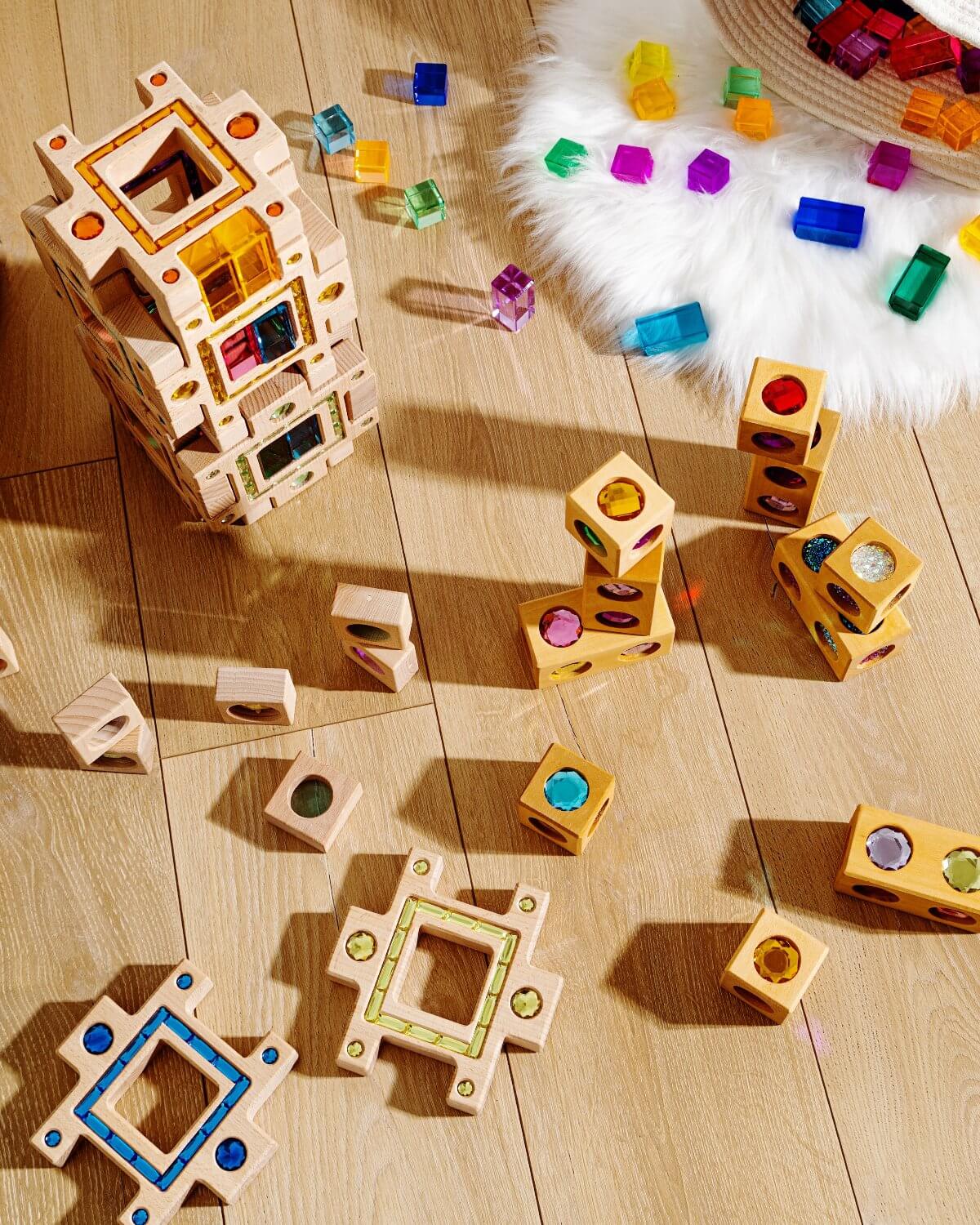
What Is Play-Based Learning? A Parent’s Guide
Play-based learning allows children to explore ideas, build skills, and discover the world through play. Learn why play is one of the most powerful ways children learn.

How Open-Ended Toys Support STEM Learning Through Play
STEM learning through play begins when children build, experiment, and explore the world around them. Discover how open-ended toys naturally support early science, engineering, and math skills.
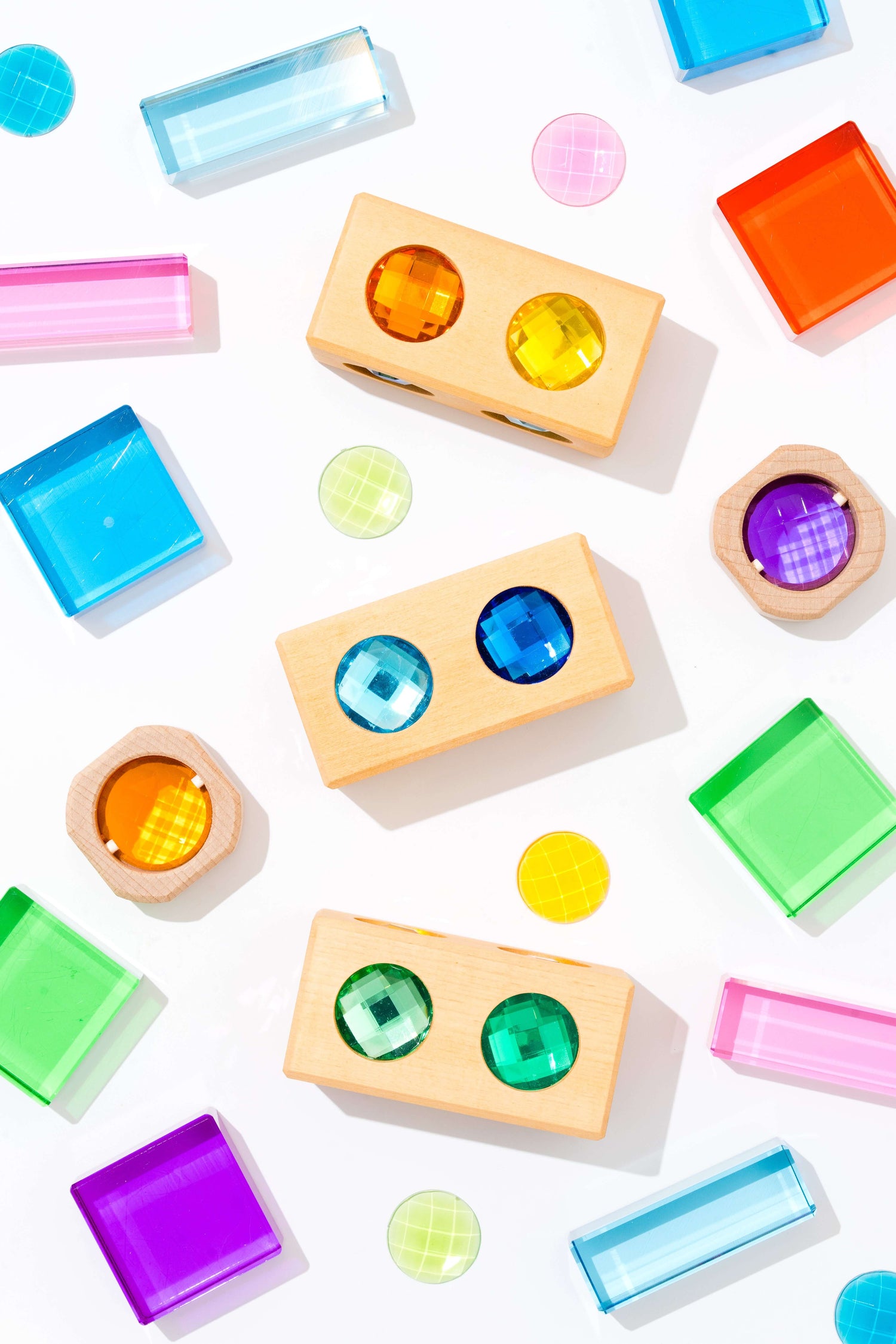
Benefits of Open-Ended Play for Child Development
In this guide, we explore the benefits of open-ended play and how these experiences support creativity, confidence, and early learning in children. Open-ended play allows children to explore creativity, problem-solving, and independent thinking through simple toys and imaginative play.

How Open-Ended Play Builds Early Math Skills Through Play
Early math skills through play develop naturally when children build, sort, compare, and experiment with everyday materials. Discover how open-ended play supports early mathematical thinking.

The Benefits of Small World Play: Why Imaginative Play Matters
Small world play allows children to create miniature worlds that inspire storytelling, creativity, and social learning. Discover how this form of imaginative play supports child development.

Sensory Play: Why Children Need Hands-On Experiences to Learn
Sensory play helps children learn through hands-on exploration, curiosity, and discovery. In this guide, we explore why sensory play is essential for development and how simple activities can support learning through play.

Open-Ended Toys by Age: A Guide From Babyhood to Early Childhood
Choosing open-ended toys by age can help support creativity, independence, and development. This simple guide explains how open-ended toys grow with children from infancy through early childhood.